

Do you ever find yourself struggling to get your Ethernet cable neatly connected without unsightly wires running across the room? Imagine having a seamless setup where your devices are all effortlessly linked without the clutter. In this article, you’ll discover a simple solution that can transform your space and make your connectivity experience a breeze.
Picture this: you’re setting up your home office or entertainment center, and you need a clean and efficient way to run your Ethernet cable through the walls. You want a professional-looking finish without the hassle. That’s where drilling a hole for your Ethernet cable comes in. By following a few easy steps, you can achieve a sleek and organized setup that not only looks great but also improves your network performance.
By learning how to drill a hole for your Ethernet cable, you’ll unlock a world of possibilities for enhancing your connectivity setup. Say goodbye to tangled cords and hello to a streamlined, professional look that elevates your space. Let’s dive in and simplify the process together.
Key Takeaways
- Proper tools and equipment such as a power drill, suitable drill bits, and safety gear are essential for drilling a hole for an Ethernet cable.
- Careful planning of entry and exit points, checking for obstacles, and accurate measurements are crucial before drilling to ensure a safe and efficient setup.
- Preparing adequately with organized tools, planning the location carefully, and taking accurate measurements can streamline the drilling process.
- Executing the drilling process safely, selecting the right drill bit, and feeding and securing the Ethernet cable properly are vital steps for a successful installation.
- Guiding the cable through the hole carefully, securing it in place, maintaining proper bend radius, and testing the connection ensure a reliable network setup.
- Testing connection stability, properly securing the cable, conducting reliability tests, and verifying signal strength post-installation are key for a stable and efficient network setup.
Understanding the Requirements for Drilling
To drill a hole successfully for your Ethernet cable, let’s go over the essential requirements you’ll need to ensure a professional and clean installation.
Proper Tools and Equipment
- Drill Machine: A power drill is indispensable for creating a hole efficiently. Ensure it’s charged and ready for operation.
- Drill Bits: Invest in the appropriate drill bits suitable for drilling through the surface where you intend to run the cable. For Ethernet cables, a wood or masonry drill bit of the correct size is crucial for a clean and precise hole.
- Safety Gear: Prioritize safety by wearing protective gear such as goggles to shield your eyes from debris, and gloves to protect your hands while operating the drill.
Location Planning
- Selecting the Entry and Exit Points: Identify the areas where you want the cable to enter and exit. Choose positions that offer the shortest and most direct route to minimize the length of exposed cable.
- Checking for Obstacles: Before drilling, assess the wall or surface to ensure there are no obstacles like electrical wires or pipes that may be hidden beneath. This step prevents accidental damage and ensures a safe drilling environment.
Measure Twice, Drill Once
- Accurate Measurements: Use a tape measure to determine the precise locations for drilling. Double-check your measurements to avoid errors that could lead to unnecessary extra holes or an inaccurate cable path.
- Marking the Drill Points: Mark the entry and exit points clearly on the wall or surface using a pencil. This step helps guide your drilling process, ensuring the hole placement is accurate.
- Proximity to Power Outlets: If drilling near electrical outlets, exercise caution and consider the proximity to power sources to prevent any electrical hazards.
- Turn Off Power: For added safety, it’s advisable to turn off the power to the area where you’ll be drilling to avoid any accidental contact with live electrical wiring.
By understanding and adhering to these requirements, you can proceed with confidence to drill a hole for your Ethernet cable efficiently and safely.
Preparing for Drilling
To ensure a successful drilling process for your Ethernet cable, it’s crucial to adequately prepare before starting. By following these steps, you can set yourself up for a smooth and efficient experience.
Organize Your Tools and Equipment
Gather the essential tools and equipment you’ll need for drilling the hole. Here’s a checklist to help you prepare:
- Drill Machine: Ensure you have a suitable drill machine for the specific surface you’ll be drilling into.
- Drill Bits: Select the correct drill bits based on the material of the surface (e.g., wood, drywall, concrete).
- Measuring Tape: Use a measuring tape to accurately measure the distance for the hole placement.
- Safety Gear: Wear appropriate safety gear such as goggles to protect your eyes and gloves for hand safety.
- Marking Pencil: Use a marking pencil to mark the precise drilling location.
- Cable Fish Tape: Prepare a cable fish tape to assist in pulling the Ethernet cable through the drilled hole.
Plan Your Location Carefully
Choosing the right location for drilling the hole is essential for a clean and efficient setup. Consider the following when selecting the drilling spot:
- Accessibility: Ensure the chosen location provides easy access for drilling and cable installation.
- Avoidance of Hazards: Check for any potential hazards behind the drilling surface, such as electrical lines or plumbing.
- Interior Design: Plan the hole location to align with your interior design and minimize visible cables.
- Distance Consideration: Determine the optimal distance from the router or switch for efficient cable connection.
Take Accurate Measurements
Before drilling, measure and mark the exact placement of the hole. Precision is key to achieving a professional finish. Follow these measurement steps:
- Measure the distance from the starting point to where the hole needs to be drilled.
- Use a marking pencil to mark the spot accurately.
- Double-check the measurements to ensure they are correct before drilling.
- Protective Gear: Wear safety goggles and gloves to safeguard yourself during drilling.
- Power Precautions: Ensure the drill is unplugged when not in use and handle it with care.
- Stable Surface: Work on a stable surface to maintain control over the drilling process.
- Cable Awareness: Be mindful of
Executing the Drilling Process
Now it’s time to drill the hole for your Ethernet cable. By following the steps below, you’ll ensure a professional finish and optimal network performance.
Ensuring Safe Drilling
Start by putting on your safety goggles and work gloves. It’s crucial to prioritize safety when drilling to avoid accidents. Remember to check for any electrical wires or pipes behind the wall using a stud finder before drilling.
Selecting the Right Drill Bit
Choose a drill bit suitable for drilling through the surface you’ll be working on. For most interior walls, a standard twist bit is sufficient. Ensure the bit diameter matches the size of the Ethernet cable you’ll be running through the hole.
Marking the Drilling Spot
Use a pencil to mark the precise location where you’ll drill the hole. Double-check your measurements to ensure accuracy. For example, you might mark the spot near the baseboard if you plan to run the cable along the floor.
Drilling the Hole
Position the drill perpendicular to the wall at the marked spot. Start drilling at a slow speed to create a pilot hole. Once the hole is started, increase the speed and apply consistent pressure to drill through the wall. Avoid using excessive force to prevent damage.
Feeding the Ethernet Cable
After drilling the hole, gently feed the Ethernet cable through it. Be cautious to avoid bending or damaging the cable during this process. You can use a cable fish tape or guide rod to help navigate the cable through walls if needed.
Securing the Cable
Once the Ethernet cable is through the hole, secure it in place using cable clips or staples. Ensure the cable is taut but not overly stretched to prevent strain on the connectors. Leave some slack at both ends for flexibility when connecting to devices.
Testing the Connection
After securing the cable, conduct a test to ensure the Ethernet connection is established correctly. Connect the cable to your network devices and check for a stable network connection. If everything is working as intended, you’ve successfully drilled and installed your Ethernet cable.
Guiding the Cable Through the Hole
Now that you’ve successfully drilled a hole for your Ethernet cable, it’s time to guide the cable through the opening. Follow these simple steps to ensure a smooth and efficient process.
- Feed the Cable Carefully:
Feed the Ethernet cable gently through the hole you’ve drilled. Avoid forcing it or causing any twists or bends that could affect the cable’s performance. - Avoid Sharp Edges:
Be cautious of any sharp edges around the drilled hole that could damage the cable insulation. Smooth out any rough edges or use protective grommets to prevent abrasion. - Secure the Cable:
Once the cable is through the hole, secure it in place using cable clips or ties. This helps keep the cable neatly organized and prevents it from getting tangled or caught on objects. - Maintain Proper Bend Radius:
Ensure that the Ethernet cable maintains a proper bend radius to avoid signal distortion. Do not excessively bend the cable beyond its recommended specifications. - Test the Connection:
After guiding the cable through the hole and securing it, test the connection to ensure a stable and reliable network. Check for proper connectivity and make any adjustments if needed.
By following these steps to guide the Ethernet cable through the drilled hole, you’ll successfully complete the installation process with a professional finish and a reliable network connection.
Recommended Products

【Package Content】6 cable grommets per pack. Lightweight and compact for easy carrying. Ideal for Starlink dishy, ethernet cables, and outdoor wiring.
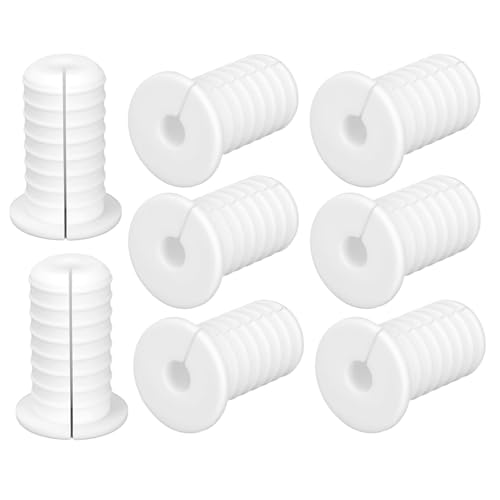
Versatile Cable Protection: Includes 4 pieces of white 3/4-inch cable grommets, which can reduce tripping hazards, prevent wall damage, and keep wires neatly routed.

【High Compatibility】Starlink cable grommet is compatible with starlink cables and all cables with a maximum diameter of 7mm(0.27inch). The wall perforation diameter is 19mm(0.74inch), and the compact design allows starlink cables to pass through walls perfectly, making it a good assistant for eliminating wiring clutter and keeping space clean.
Testing and Finalizing the Installation
Now that you’ve successfully drilled a hole for your Ethernet cable and ensured a tidy and efficient setup, the next crucial step is testing and finalizing the installation to guarantee a stable network connection throughout your space. Proper testing and securing measures will help you avoid potential issues and enjoy seamless connectivity. Here’s what you need to know:
Checking Connection Stability
After securing the Ethernet cable in place and ensuring it runs smoothly through the drilled hole, it’s essential to test the connection to verify its stability. You can do this by connecting your device to the network through the newly installed Ethernet cable. Test the connection by transferring data, streaming content, or conducting a speed test to ensure that the network performance meets your expectations.
Securing the Cable Properly
To prevent any unwanted movement or damage, it’s crucial to secure the Ethernet cable along its path from the drilling point to the endpoint device. Use cable clips, cable ties, or cable management tools to keep the cable neatly in place and avoid tangling or tripping hazards. Securing the cable also helps maintain a clean and organized look for your setup.
Conducting Reliability Tests
In addition to testing the initial connection stability, it’s advisable to conduct reliability tests over time to ensure consistent network performance. Monitor the connection for any intermittent issues, data loss, or speed fluctuations that may require adjustments or further troubleshooting. Regularly checking the reliability of your Ethernet connection can help you identify and resolve potential issues promptly.
Verifying Signal Strength
While testing the connection, pay attention to the signal strength to confirm that the Ethernet cable provides a reliable and robust connection. Weak signals or signal interference can impact network performance and lead to connectivity issues. Consider using network testing tools or software to assess the signal strength and identify any areas that may require signal boosters or signal repeaters for optimal performance.
By following these testing and finalization steps after drilling a hole for your Ethernet cable, you can ensure a secure, stable, and efficient network setup in your space. Regular monitoring and maintenance will help you address any potential issues promptly and enjoy uninterrupted connectivity for your devices.
Conclusion
You’ve now learned the essential steps to drill a hole for an Ethernet cable successfully. By following the detailed guidance on preparation, execution, and finalization, you can achieve a professional finish and improved network performance in your space. Remember to prioritize safety, accuracy, and proper technique throughout the process. With the cable securely in place and the connection tested for reliability, you can enjoy a stable and efficient network setup. Regular monitoring and maintenance will help you address any issues promptly and ensure uninterrupted connectivity for all your devices. Happy drilling!
Frequently Asked Questions
What are the initial challenges related to connecting Ethernet cables neatly?
Routing Ethernet cables neatly can be challenging due to visible wires, potential tripping hazards, and limited aesthetic appeal.
How does drilling a hole help in achieving a professional finish for Ethernet cable connections?
Drilling a hole allows for a clean and professional-looking installation, reduces cable clutter, and improves network performance by ensuring proper cable management.
What are the key considerations for preparing to drill a hole for Ethernet cable installation?
Organize tools, plan location carefully, take accurate measurements, wear safety gear, consider accessibility and hazards, assess interior design, and determine the distance from the router.
What safety measures should be taken during the drilling process?
Wear goggles and gloves, check for obstacles behind the wall, select the right drill bit, mark the drilling spot accurately, and drill using proper technique to avoid injuries.
How should the Ethernet cable be fed through the drilled hole?
Feed the cable carefully, avoid sharp edges, secure the cable properly to maintain a bend radius, and test the connection for stability.
What steps are involved in testing and finalizing the Ethernet cable installation?
Check connection stability, conduct reliability tests, verify signal strength, and ensure proper cable securing to establish a secure, stable, and efficient network setup.
