

Do you ever find yourself wanting to repurpose an old burn barrel but unsure how to drill the necessary holes for ventilation? Picture this: you’ve got a sturdy barrel that could serve as a planter or a compost bin, but you’re hesitant to start drilling without the right guidance. In this article, you’ll discover a simple and effective method for drilling holes in a burn barrel that’ll have you upcycling with confidence in no time.
By learning the proper techniques for drilling holes in a burn barrel, you’ll unlock a world of possibilities for transforming these containers into useful and eco-friendly items for your home or garden. Whether you’re a seasoned DIY enthusiast or just starting to explore the world of repurposing, mastering this skill will empower you to tackle new projects with ease. Let’s dive in and explore the step-by-step process of drilling holes in a burn barrel like a pro.
Key Takeaways
- Proper ventilation in a burn barrel is essential for safe and efficient burning by allowing oxygen to enter and reducing smoke buildup.
- Drilling ventilation holes helps in ensuring complete combustion, preventing smoke accumulation, maintaining a consistent temperature, and promoting efficient burning.
- Tools required for drilling holes in a burn barrel include a suitable power drill, metal drill bits, measuring tape, marker, safety gear, and finishing materials like Rust-Oleum.
- Steps for drilling ventilation holes involve gathering tools, marking hole placements, wearing safety gear, drilling holes, sanding edges, cleaning, and applying finishing for protection.
- Best practices include choosing the right hole size, ensuring an adequate number of holes, strategic hole placement for even heat distribution, regular inspection, additional safety measures, and monitoring the burning process for efficiency.
Understanding the Importance of Ventilation in a Burn Barrel
Proper ventilation in your burn barrel is crucial for safe and efficient burning. Adequate airflow allows oxygen to enter the barrel, facilitating combustion and reducing the risk of smoke buildup. Let’s delve into why ventilation matters when repurposing your old burn barrel.
Ensuring Complete Combustion
Incomplete combustion occurs when there isn’t enough oxygen reaching the fire. This can result in the production of harmful gases like carbon monoxide. By drilling ventilation holes in your burn barrel, you’re helping the fire burn more efficiently, minimizing the release of these dangerous gases.
Preventing Smoke Accumulation
Insufficient ventilation leads to the buildup of smoke inside the barrel. This not only hinders the burning process but also poses health risks due to the inhalation of smoke particles. Properly placed holes in the barrel allow the smoke to escape, creating a safer environment for burning.
Maintaining a Consistent Temperature
Ventilation plays a key role in regulating the temperature inside the burn barrel. Without adequate airflow, the fire may smolder or go out altogether. By ensuring proper ventilation, you can maintain a steady flame, enhancing the burning process and achieving your desired results.
Promoting Efficient Burning
Optimal airflow promotes efficient burning of materials inside the barrel. Whether you’re incinerating yard waste or using the barrel for outdoor heating, well-placed ventilation holes help create a continuous flow of fresh air, supporting sustained combustion.
Enhancing Safety Measures
Good ventilation not only benefits the burning process but also enhances safety. Reduced smoke buildup and consistent combustion lessen the risk of accidental fires or flare-ups. By understanding the importance of ventilation, you can create a controlled burning environment.
Remember, when drilling ventilation holes in your burn barrel, consider the size, number, and placement of the holes to optimize airflow and ensure a safe and effective burning experience.
Tools and Materials Needed for Drilling Holes in a Burn Barrel
To drill holes in a burn barrel effectively, you’ll need the right tools and materials. Here’s what you’ll require to get started:
Recommended Products

Includes 10 Step Sizes: 1/4", 3/8", 1/2", 5/8", 3/4", 7/8", 1", 1-1/8", 1-1/4", 1-3/8"

Package Details: This set contains 8 titanium-coated high-speed steel metal drill bits, covering the most commonly used sizes: 3mm, 4mm, 5mm, 6mm, 6.5mm, 7mm, 8mm and 10mm. These hexagonal shank drill bits are designed to fit most electric drills on the market, ensuring you have the right size for every task

HSS Titanium Coating: The step drill has excellent sharpness and durability due to its high speed steel material and titanium coating
Tools:
- Drill: Grab a power drill suitable for metal drilling. A cordless drill with variable speeds is ideal for this task.
- Drill Bits: Invest in quality metal drill bits, specifically designed for drilling through steel.
- Measuring Tape: Ensure precise hole placement by measuring and marking locations accurately.
- Marker: Use a permanent marker to mark the spots where you want to drill the holes.
- Safety Gear: Prioritize safety with protective gear like gloves and safety glasses to prevent injuries.
- Burn Barrel: Have your burn barrel ready and ensure it’s clean and free from any obstructions.
- Rust-Oleum or Paint: To prevent rust build-up, have Rust-Oleum or paint on hand to seal the drilled holes.
- Sanding Paper: Smooth any rough edges around the holes after drilling for safety and aesthetics.
- Damp Cloth: Clean the barrel after drilling to remove any metal shavings for a tidy finish.
With these tools and materials, you’re all set to drill ventilation holes in your burn barrel efficiently. Stay safe and enjoy repurposing your barrel for an eco-friendly burning experience.
Step-by-Step Guide to Drilling Holes in a Burn Barrel
To effectively repurpose your old burn barrel for better ventilation and combustion, follow these simple steps:
Recommended Products

8 Most Common Size - 3mm, 4mm, 5mm, 6mm, 6.5mm, 7mm, 8mm, 10mm to satisfy all your needs. This drill bits set fits the majority of power drill currently on the market.
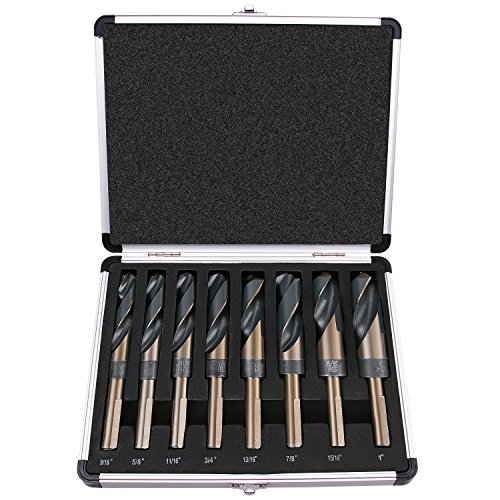
▲ PREMIUM QUALITY - Industrial grade M2 cobalt high speed steel construction for proven capability and durability to drill holes in wood, plastic, aluminum, copper, cast iron, mild steel, stainless steel, sheet metal and more

Premium Ceramic Material - Made of superior ceramic material, these nail art tools are hard-wearing, sharp, and durable and also crafted with delicate. With an excellent heat dissipation, the bits won't be burning hot during long-time use like metal ones.
Gather Your Tools and Materials
First, ensure you have the necessary items for this task. You’ll need a drill, appropriate drill bits for metal, a measuring tape, a marker, safety gear like goggles and gloves, Rust-Oleum or paint for finishing, sanding paper for smooth edges, and a damp cloth for cleaning.
Mark Hole Placements
Decide on the number and size of holes based on your burn barrel’s size and ventilation needs. Use the measuring tape and marker to mark precise locations for drilling. Ensure the markings are evenly spaced for optimal airflow.
Wear Safety Gear
Before starting, put on your safety goggles and gloves to protect yourself from metal shards and debris while drilling. Safety should always come first in any DIY project.
Drill Ventilation Holes
With the appropriate drill bit inserted, start drilling at the marked spots. Apply gentle pressure and let the drill do the work. Ensure a steady hand to create neat, clean holes without damaging the barrel’s structure.
Sand Edges and Clean
After drilling all the holes, use sanding paper to smooth out any rough edges around the holes. This step is crucial to prevent injuries and maintain the barrel’s aesthetics. Once done, wipe the barrel with a damp cloth to remove any debris.
Finish for Protection
To prevent rust and give your burn barrel a polished look, consider applying Rust-Oleum or paint to the drilled holes and surrounding areas. This additional step not only adds a protective layer but also enhances the overall appearance.
Ready to Use
Congratulations! You have successfully drilled ventilation holes in your burn barrel, improving its airflow and combustion capabilities. Your repurposed barrel is now ready for eco-friendly burning while ensuring safe and efficient usage.
Best Practices for Maintaining a Ventilated Burn Barrel
Creating ventilation holes in your burn barrel is vital for optimal performance and eco-friendly burning. Follow these best practices to ensure you maintain a well-ventilated burn barrel:
Recommended Products

3/4" X 6" TRI FLUTE DRILL BIT SPEEDBOR MAX
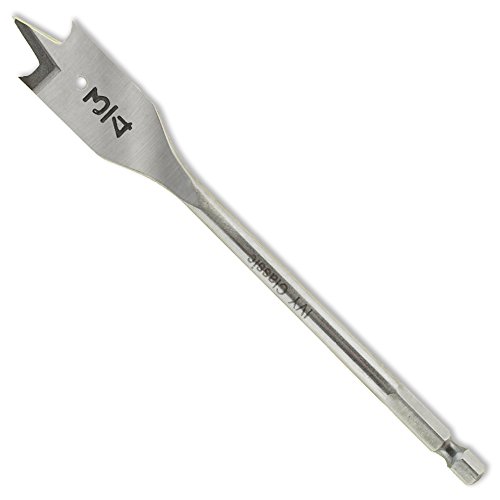
Drop-forged high-carbon steel for fast, smooth cutting of plywood, hard wood and soft wood, Swift Bore (Registered Trademark)

Efficient Wire Pulling: This flexible drill bit features a fish eye hole near the tip, with a 3/4-inch head diameter and a 54-inch overall length, allowing easy wire insertion through walls and cavities without causing extra damage.
Proper Hole Sizing for Optimal Airflow
When drilling ventilation holes, consider the size carefully. Small holes can restrict airflow, leading to inefficient burning, while large holes may cause excessive heat loss. Opt for ¾-inch to 1-inch holes spread evenly for balanced ventilation.
Adequate Number of Holes for Efficient Combustion
Ensure you have enough ventilation holes to facilitate proper combustion. Depending on the barrel’s size, 6 to 8 holes can provide adequate airflow for efficient burning without letting too much heat escape.
Strategic Placement of Holes for Even Heat Distribution
Place the ventilation holes strategically around the barrel to ensure even heat distribution. Distribute holes uniformly around the sides and bottom to promote consistent burning and prevent hot spots.
Regular Inspection and Maintenance for Safety
Inspect your burn barrel periodically to check for any blockages in the ventilation holes. Clean the holes if needed to maintain optimal airflow and prevent smoke build-up. A clean and well-maintained burn barrel is essential for safe and effective burning.
Consider Additional Safety Measures
In addition to proper ventilation, consider other safety measures when using a burn barrel. Keep the barrel in an open, well-ventilated area away from flammable materials. Always have a fire extinguisher or water source nearby for emergencies.
Monitor Burning Process for Efficiency
While using the burn barrel, monitor the burning process to ensure it’s efficient and smoke-free. Adjust the airflow by opening or closing the ventilation holes as needed to maintain the desired burning temperature and smoke levels.
By following these best practices for maintaining a ventilated burn barrel, you can ensure a safe, efficient, and eco-friendly burning experience. Proper ventilation not only enhances the barrel’s performance but also contributes to a cleaner and more controlled burning process.
Conclusion
You’ve now learned the essential steps for drilling ventilation holes in a burn barrel to repurpose it for eco-friendly burning. By understanding the significance of proper ventilation, you can ensure safe and efficient combustion, prevent smoke accumulation, and maintain optimal burning temperatures. Remember to consider factors like hole size, number, and placement to achieve the best airflow. Equipped with the right tools and following the step-by-step guide provided, you can successfully create a well-ventilated burn barrel for a cleaner burning experience. By implementing best practices for maintaining your burn barrel, you can enjoy a safe and efficient burning process while contributing to a more eco-friendly environment.
Frequently Asked Questions
What is the significance of ventilation in a burn barrel?
Ventilation in a burn barrel is crucial as it facilitates combustion, prevents smoke accumulation, maintains temperature, promotes efficient burning, and enhances safety measures.
What tools and materials are needed for drilling holes in a burn barrel?
Tools needed include a drill, drill bits, measuring tape, marker, safety gear, sanding paper, and a damp cloth. Materials like Rust-Oleum or paint are essential for finishing.
What are the steps for drilling ventilation holes in a burn barrel?
Steps involve gathering tools, marking hole placements, wearing safety gear, drilling holes, sanding edges, cleaning, applying finish, and preparing for eco-friendly burning.
How should a ventilated burn barrel be maintained for optimal performance?
Maintain a burn barrel by ensuring proper hole sizing, an adequate number of holes, strategic placement for even heat distribution, regular inspection, additional safety measures, and monitoring the burning process.
