

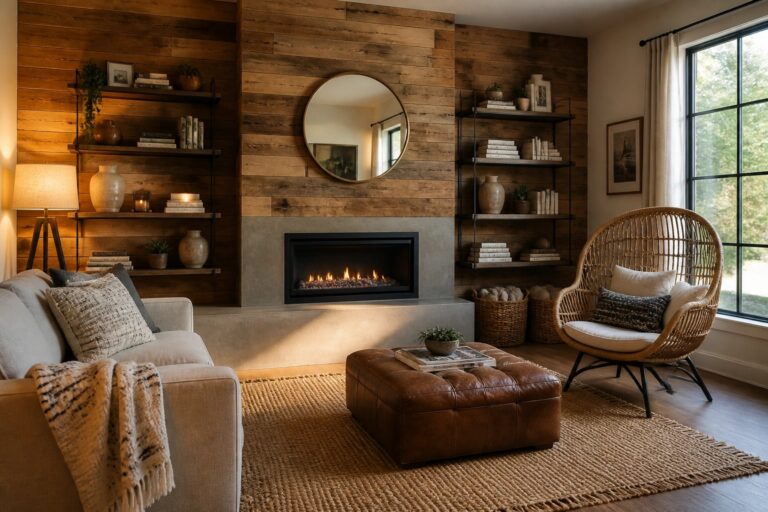
I have found that the best accent walls are the ones that add depth without fighting the furniture and light already in the room.
In my own home I learned this the hard way after trying a bold wood feature that ended up making the space feel smaller until I kept the rest of the colors quiet.
Pallet wood brings a natural warmth that works especially well in spaces where you spend a lot of time relaxing.
The trick seems to be keeping the rest of the room light so the texture becomes a quiet detail rather than the main event.
Balance matters most.
Wood Planks Around the Fireplace
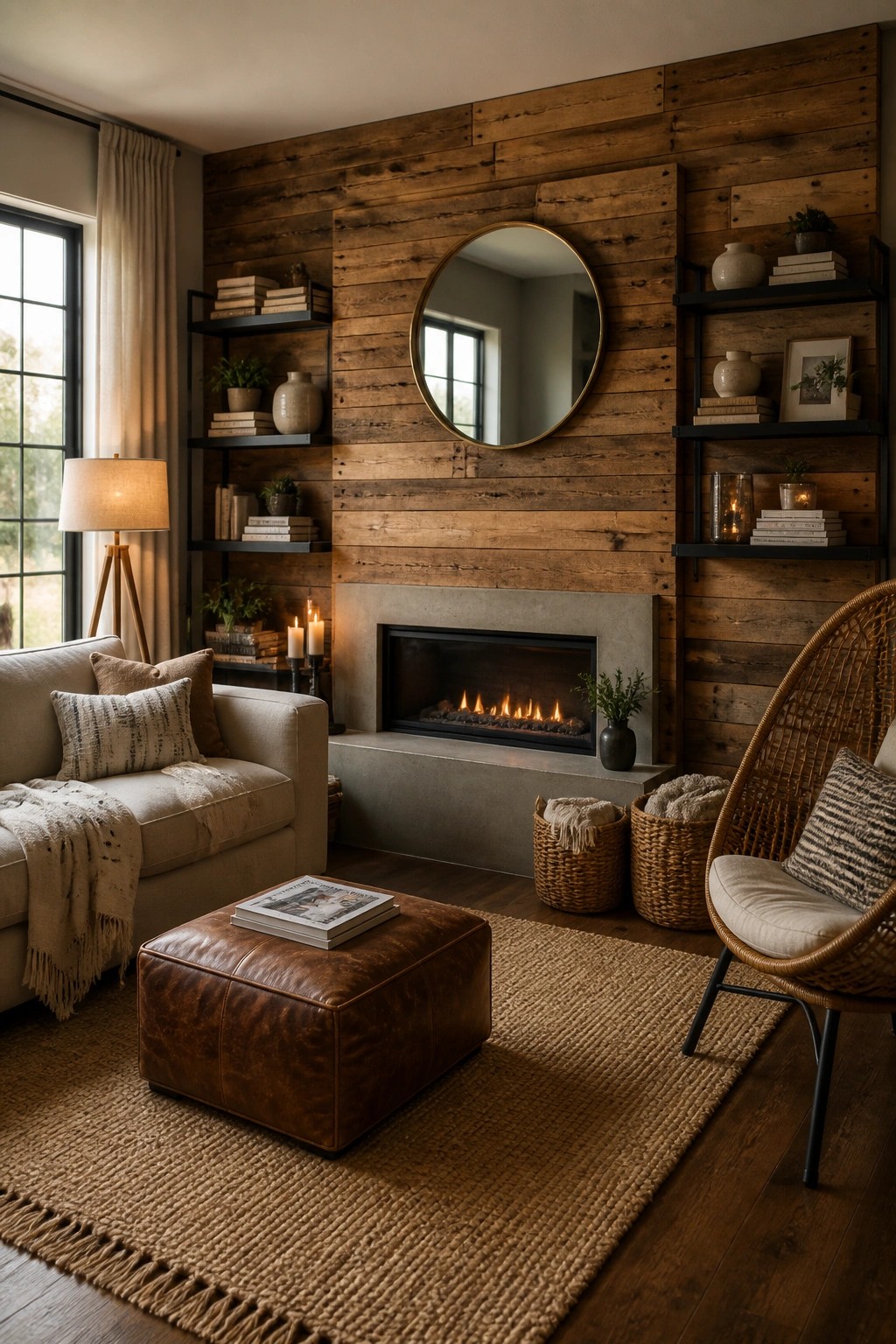
A wood accent wall can bring real texture into a room without taking over. In this setup the horizontal planks sit behind the fireplace and give the space that warm, grounded feel while the rest of the room stays light and simple.
This works best in living rooms where you already have a strong focal point like a fireplace. Keep the wood to one wall, choose a medium tone rather than anything too dark, and let the rest of the furnishings stay neutral so the texture reads as quiet rather than busy.
Rustic Wood Accent Walls in the Bedroom
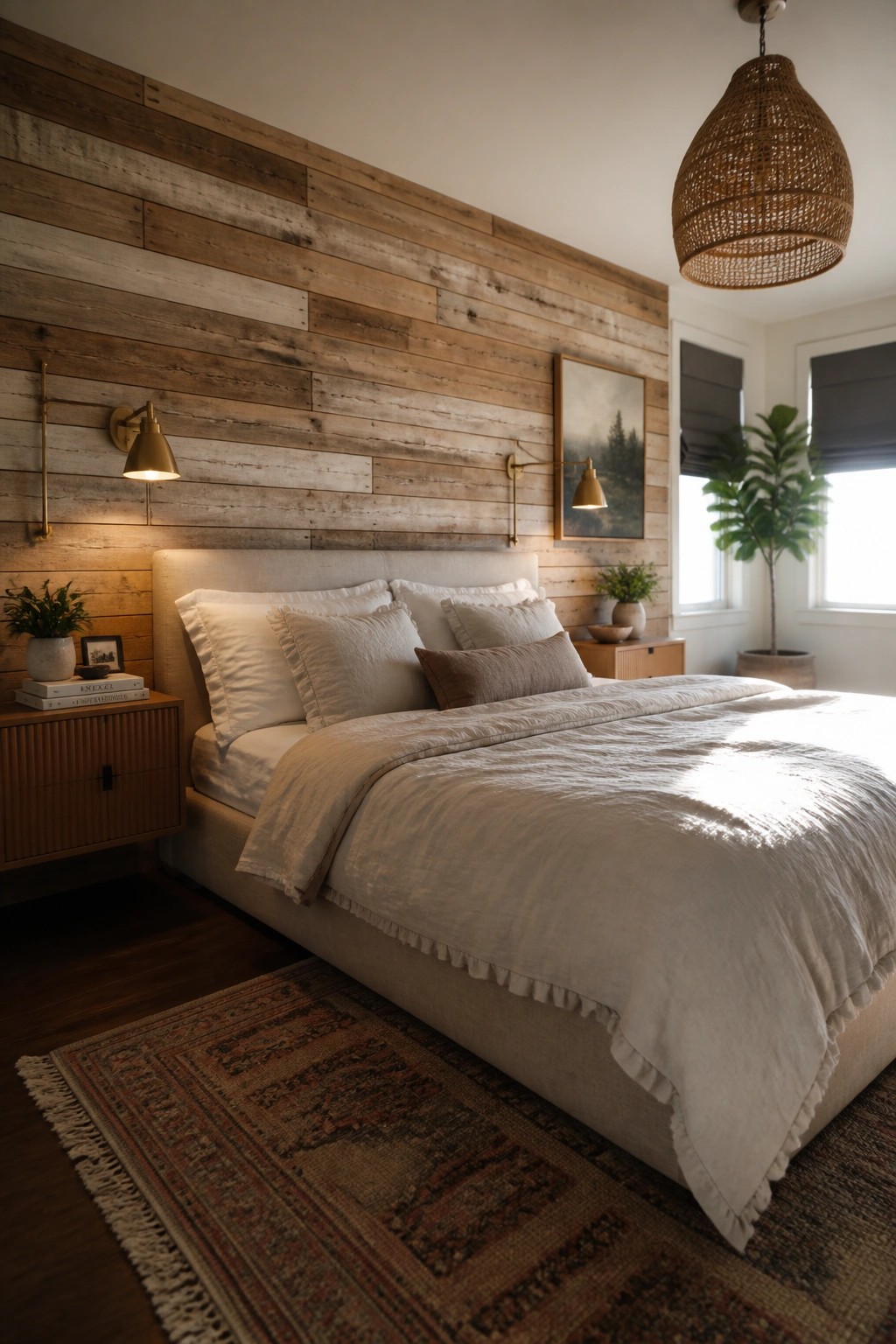
A wood accent wall behind the bed gives a room texture and warmth while keeping everything else simple. The horizontal planks add a natural layer that feels grounded without crowding the space or competing with other details.
This works best in bedrooms with mostly neutral colors and minimal patterns. Keep the bedding and furniture light so the wood stays as the main focal point rather than the whole room feeling heavy.
Wood Accent Walls In A Nursery
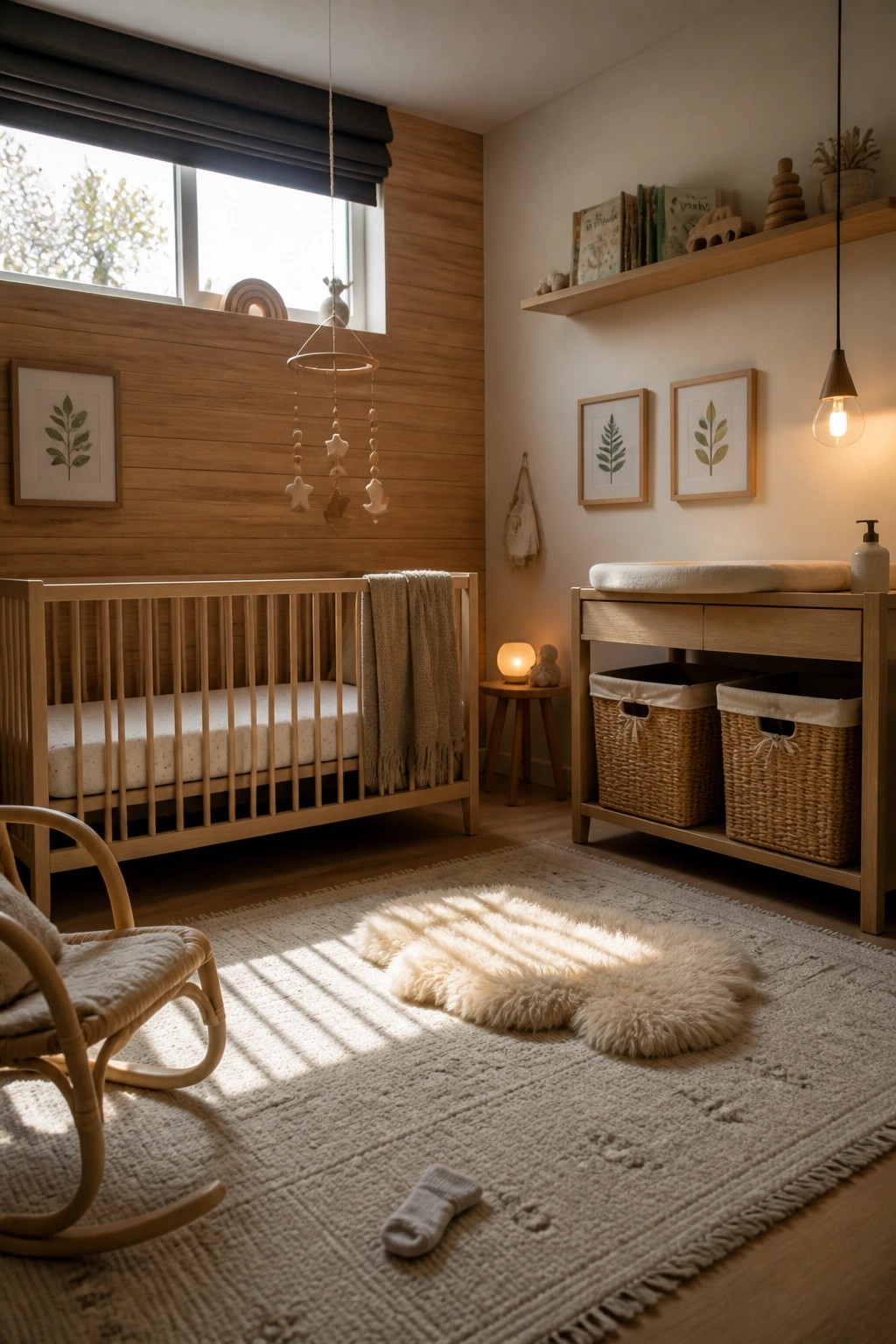
A wood accent wall works well in a nursery because it brings natural texture and warmth without making the room feel heavy. The light tone of the wood keeps things soft while the grain adds just enough interest to hold the space together. Many people like this approach when they want a bit of rustic character but still need the room to feel calm and simple for a baby.
This idea suits smaller rooms or spaces where you want one strong material choice rather than lots of patterns. Keep the other walls light, use simple furniture, and let the wood do the main work. It also helps if the wood is finished in a matte tone so it does not reflect too much light or feel too polished.
Wood Plank Accent Walls In Workspaces
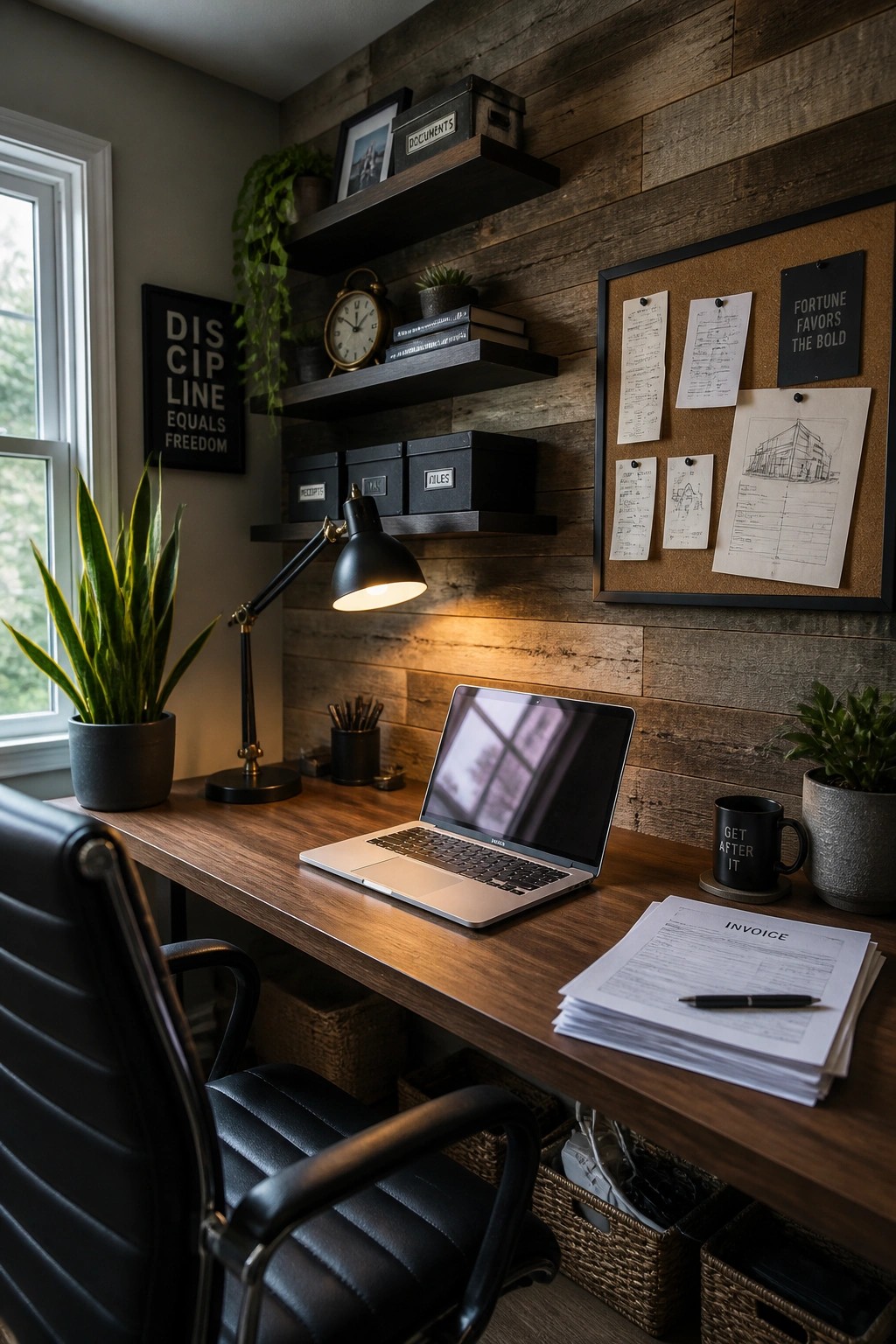
A wood plank accent wall gives a home office some natural texture and warmth without making the room feel heavy. The vertical boards add character to one surface while the rest of the space stays simple and functional.
This works best in smaller rooms where you want a bit of rustic feel but still need the area to stay practical for daily work. Paint the other walls a light neutral and keep furniture low so the wood stays as a quiet background rather than the main focus.
Horizontal Wood Plank Accent Walls
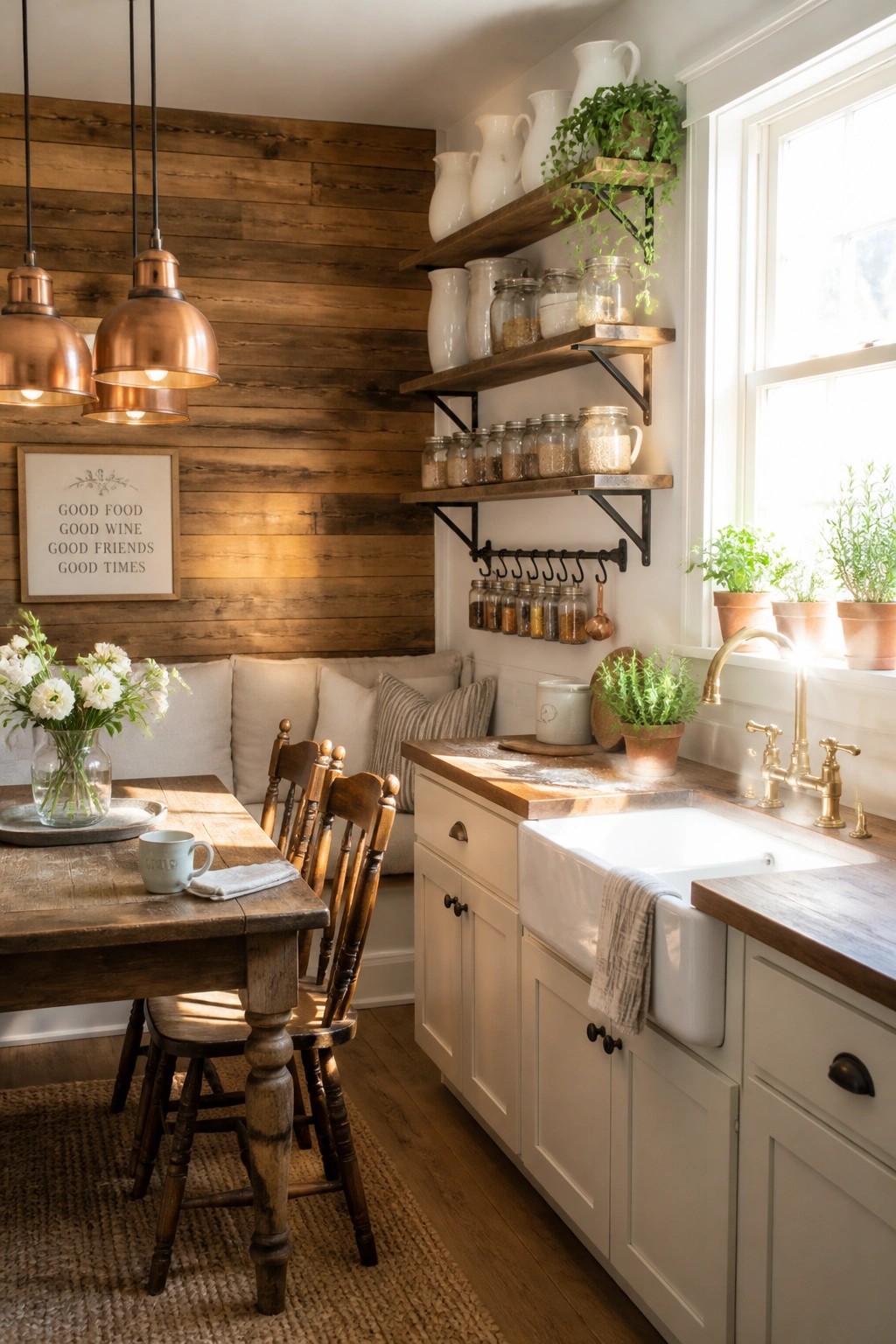
One wall finished in horizontal wood planks brings a steady layer of rustic texture into a kitchen or dining area. The planks add warmth and character while the rest of the room stays light and open.
This approach works well in spaces that already have white cabinetry or pale walls. Keep the wood tone consistent and limit other heavy textures so the wall adds interest without crowding the room.
Wood Plank Walls In Entry Spaces
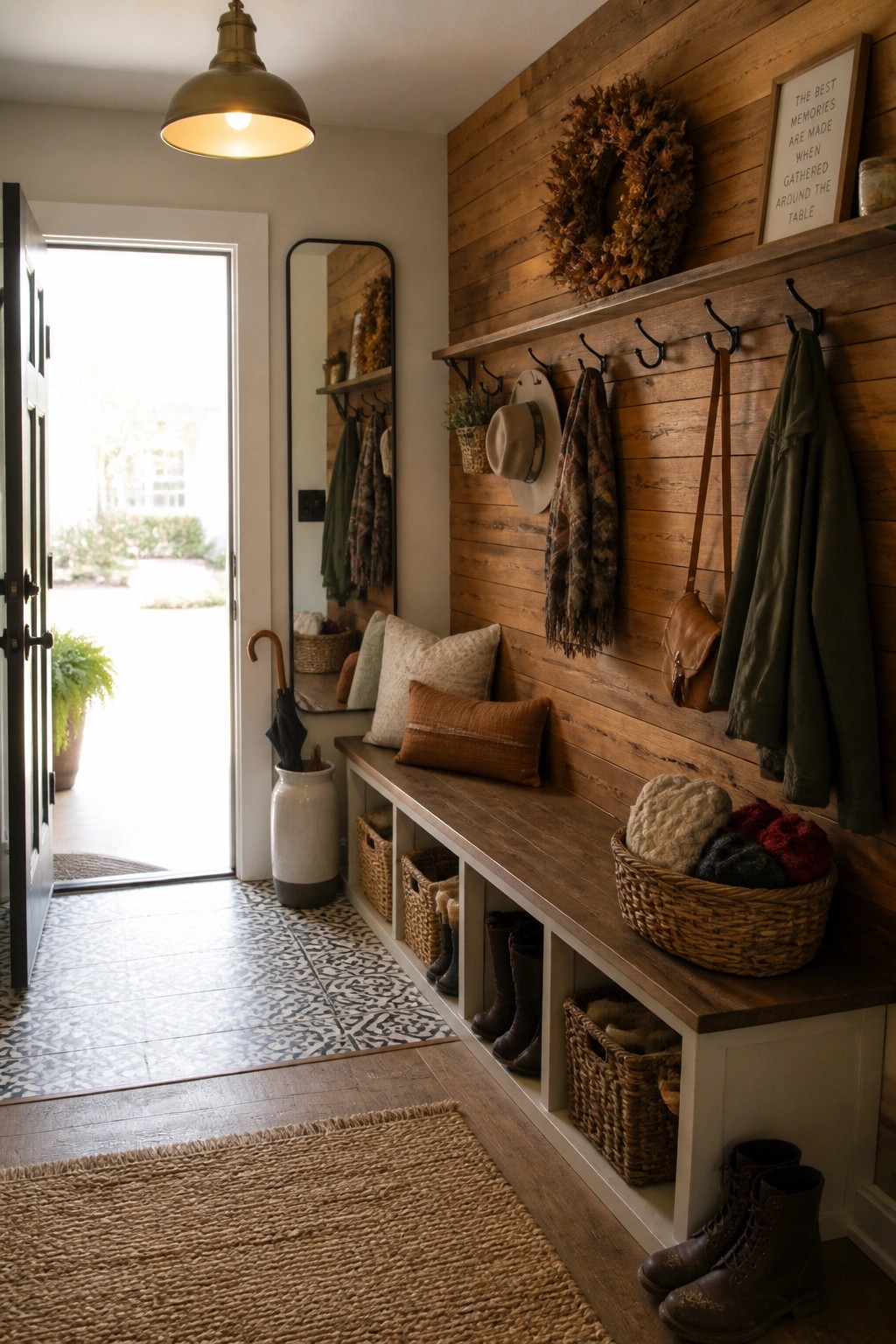
A wood accent wall gives an entry a bit of rustic texture while also serving as a practical spot for coats and bags. Horizontal planks keep the look simple and grounded, so the wall adds warmth without making the space feel heavy or closed in.
This approach works best in smaller homes or homes that already have light walls elsewhere. Use hooks and a low bench to make the wall useful, and leave the rest of the room fairly plain so the wood stays as one clear accent.
Vertical Wood Planks For A Rustic Accent Wall
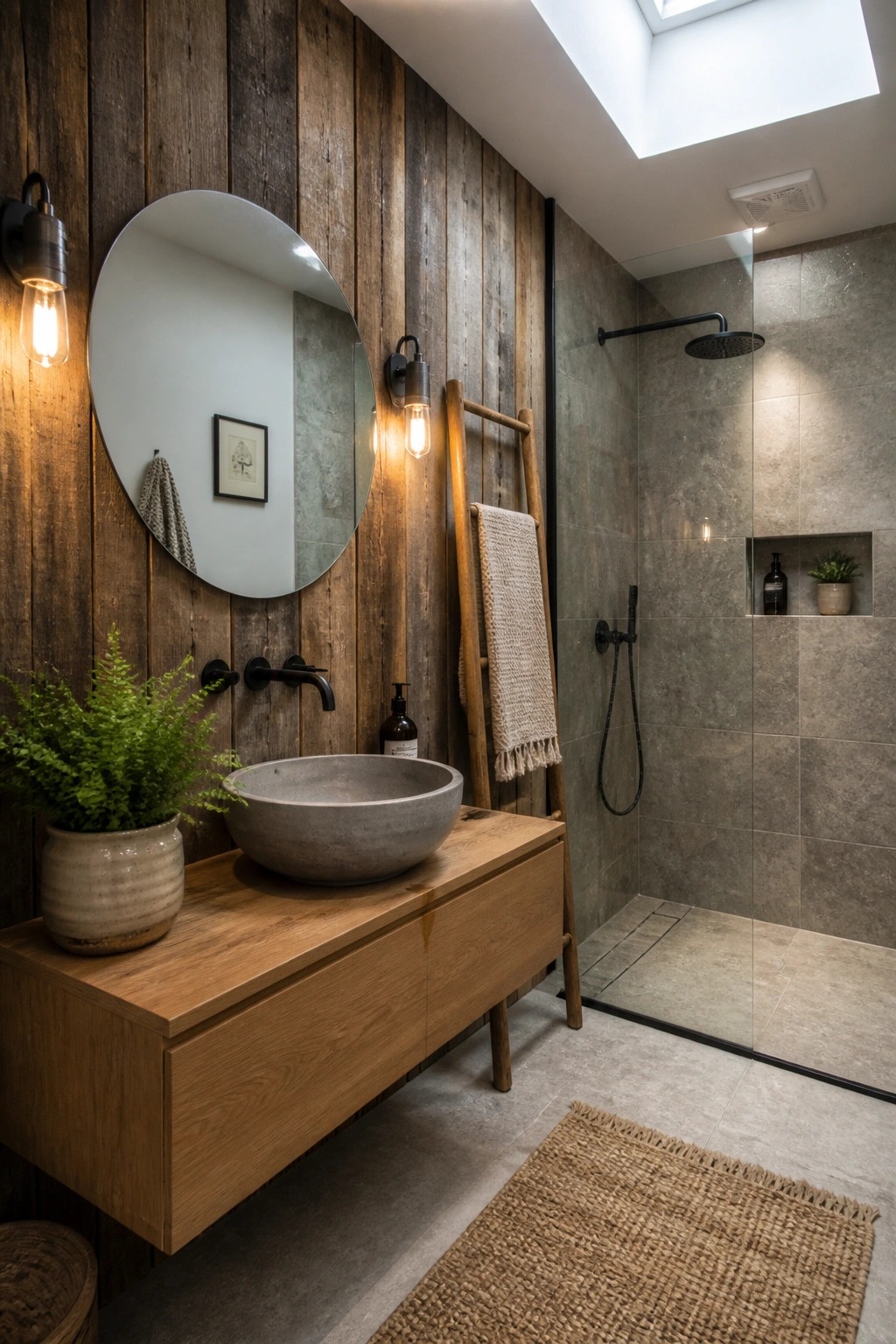
A single wall of vertical wood planks can add real texture and warmth to a bathroom while keeping the rest of the space simple. The wood brings a natural feel that softens harder surfaces without making the room feel busy or closed in.
This works best in smaller bathrooms where you want some character but still need the space to feel open. Keep the other walls plain and let the wood do the work. It pairs well with concrete, tile, or painted surfaces so the look stays balanced rather than heavy.
Wood Plank Walls In Utility Spaces
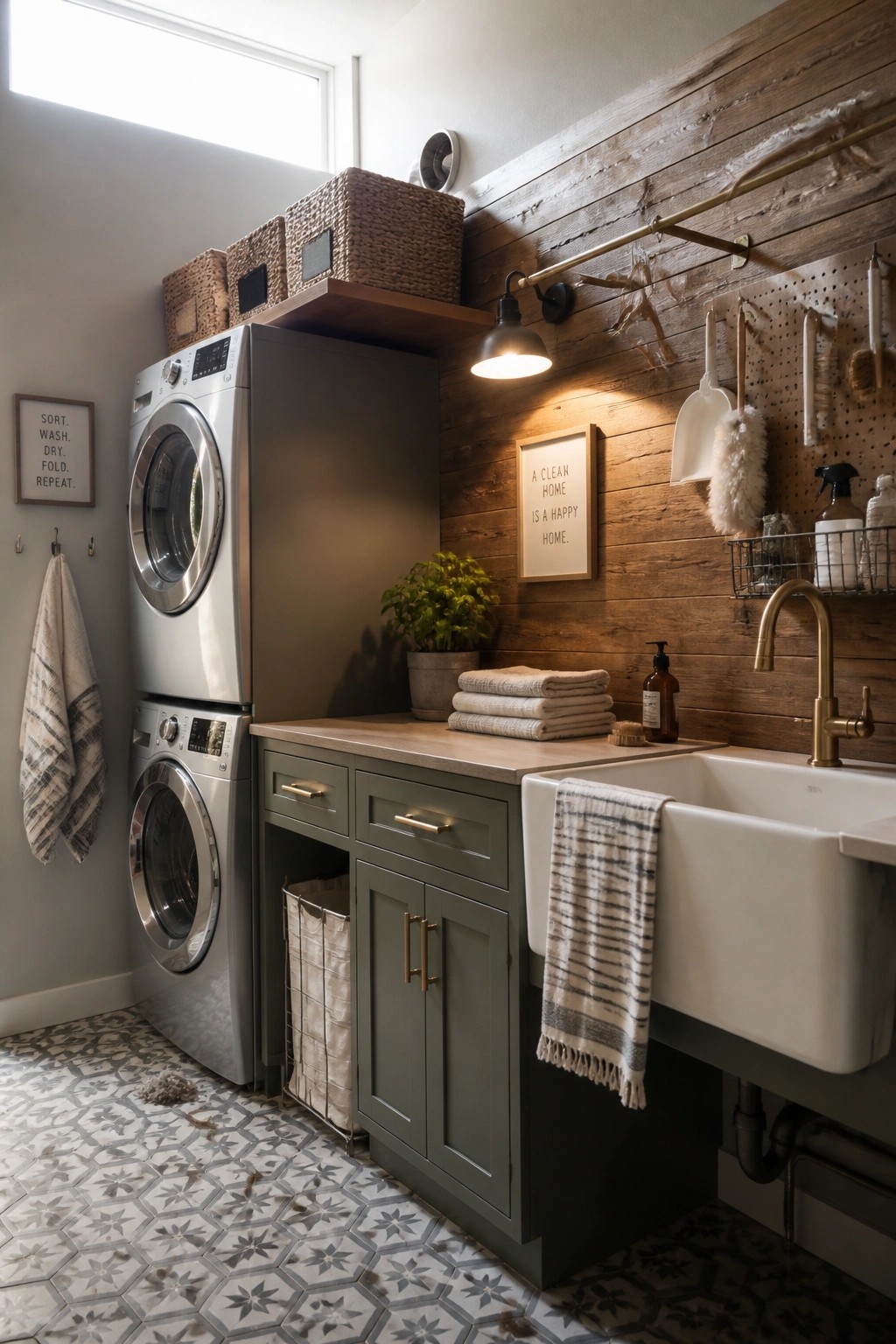
A wood plank accent wall gives a laundry room some warmth and texture while still feeling practical. The planks add character behind the sink without crowding the rest of the room, and the simple painted cabinetry keeps everything balanced.
This approach works best in smaller or hard-working rooms where you want one area to stand out. Use a lighter or mid-tone wood so it does not dominate, and keep surrounding surfaces calm so the wall reads as a quiet detail rather than the main event.
Horizontal Wood Planks Behind the Bed
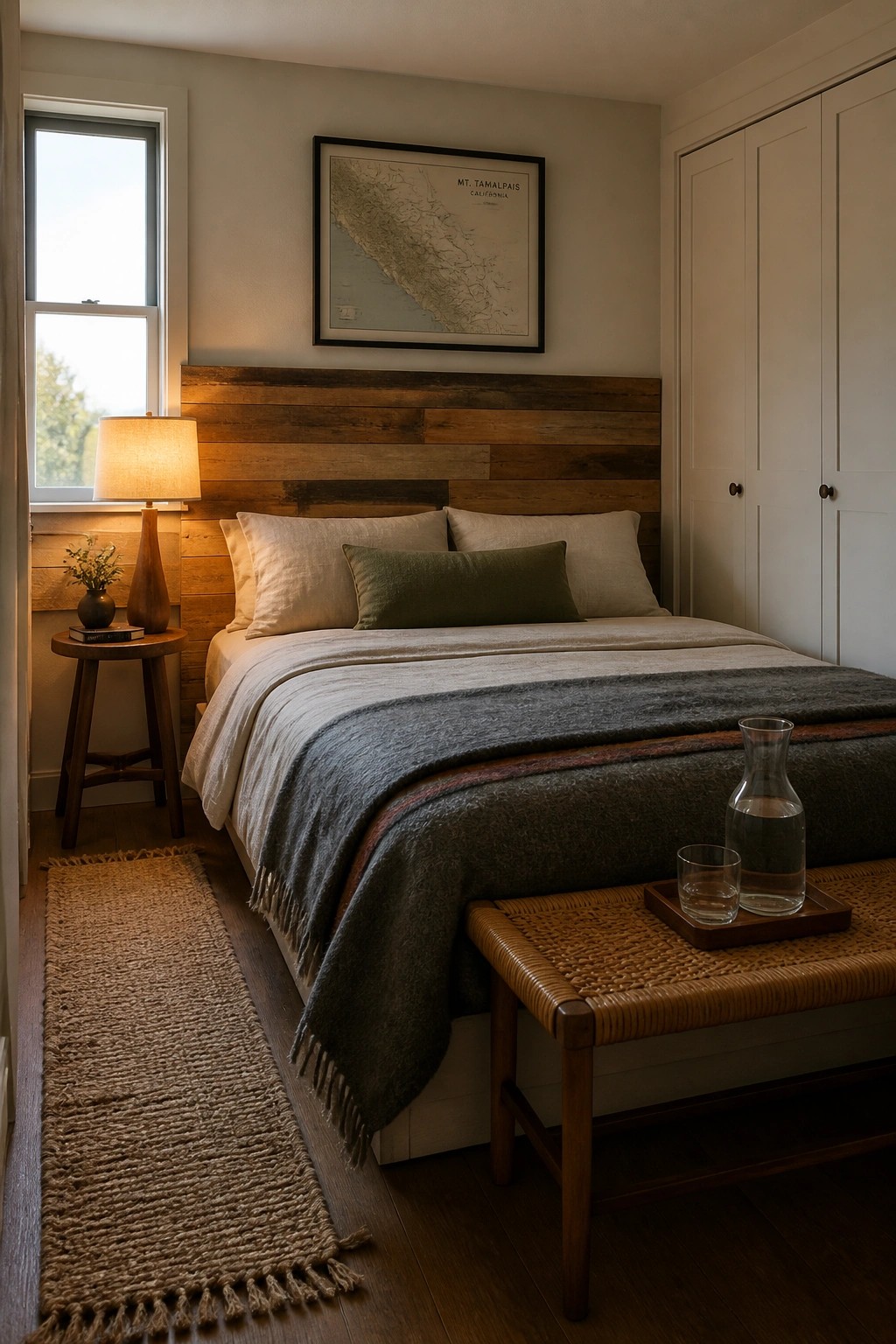
A horizontal wood plank accent wall adds rustic texture in a quiet way. The planks bring warmth and depth to the space while the rest of the room stays light and simple.
This approach works best in bedrooms where you want some character without a lot of pattern or color. Keep the other walls neutral and use plain bedding so the wood can do the work without feeling heavy.
Striped Accent Walls For Quiet Corners
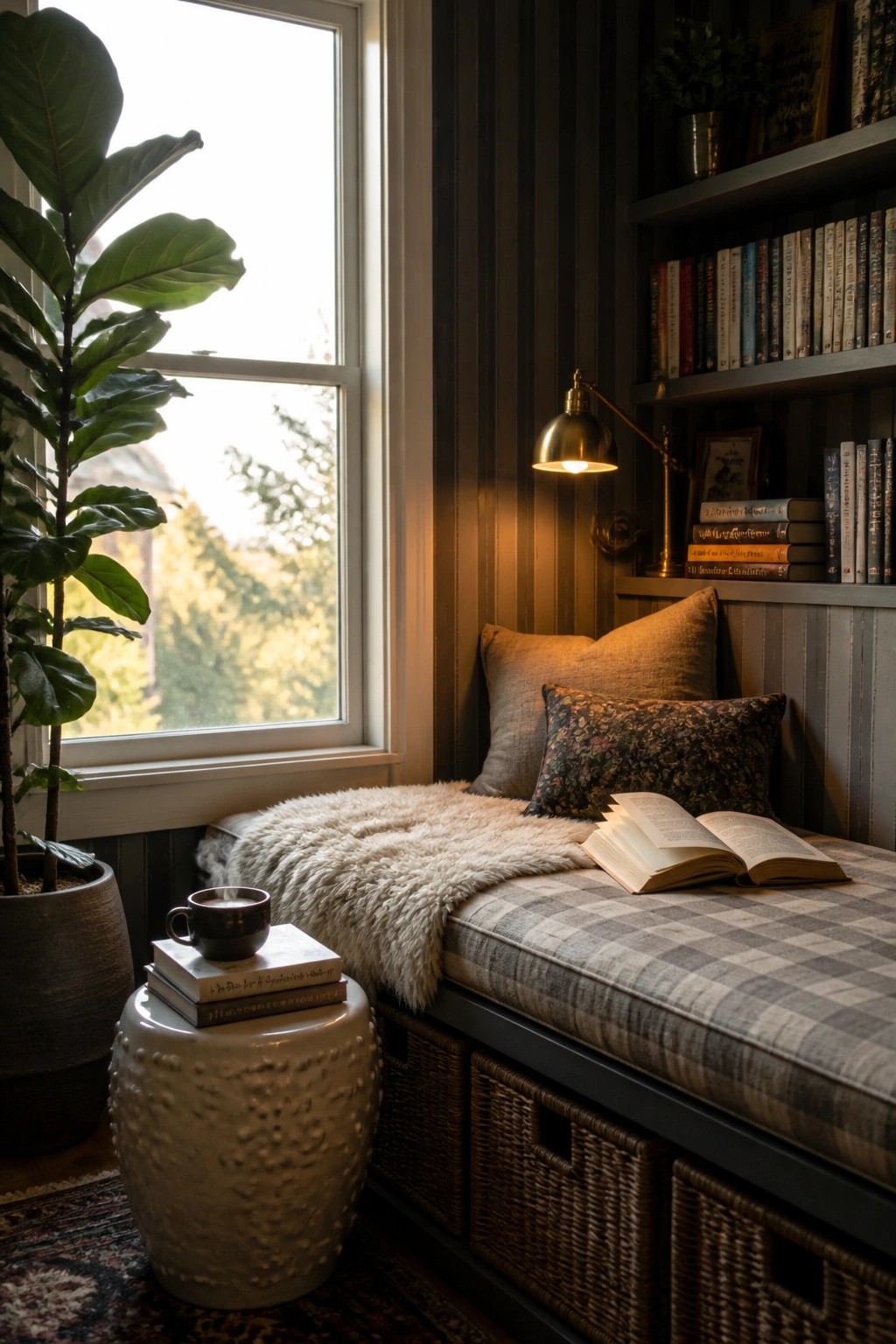
A vertically striped wall gives a small seating area just enough texture to feel intentional. The dark warm tone keeps the space from looking flat while the lines add quiet rhythm that does not compete with the rest of the room.
This works best behind a built-in bench or window seat where you already spend time reading or resting. Pair the stripes with simple neutral cushions and wood tones so the wall stays in the background rather than becoming the main focus.
Reclaimed Wood Walls In Living Rooms
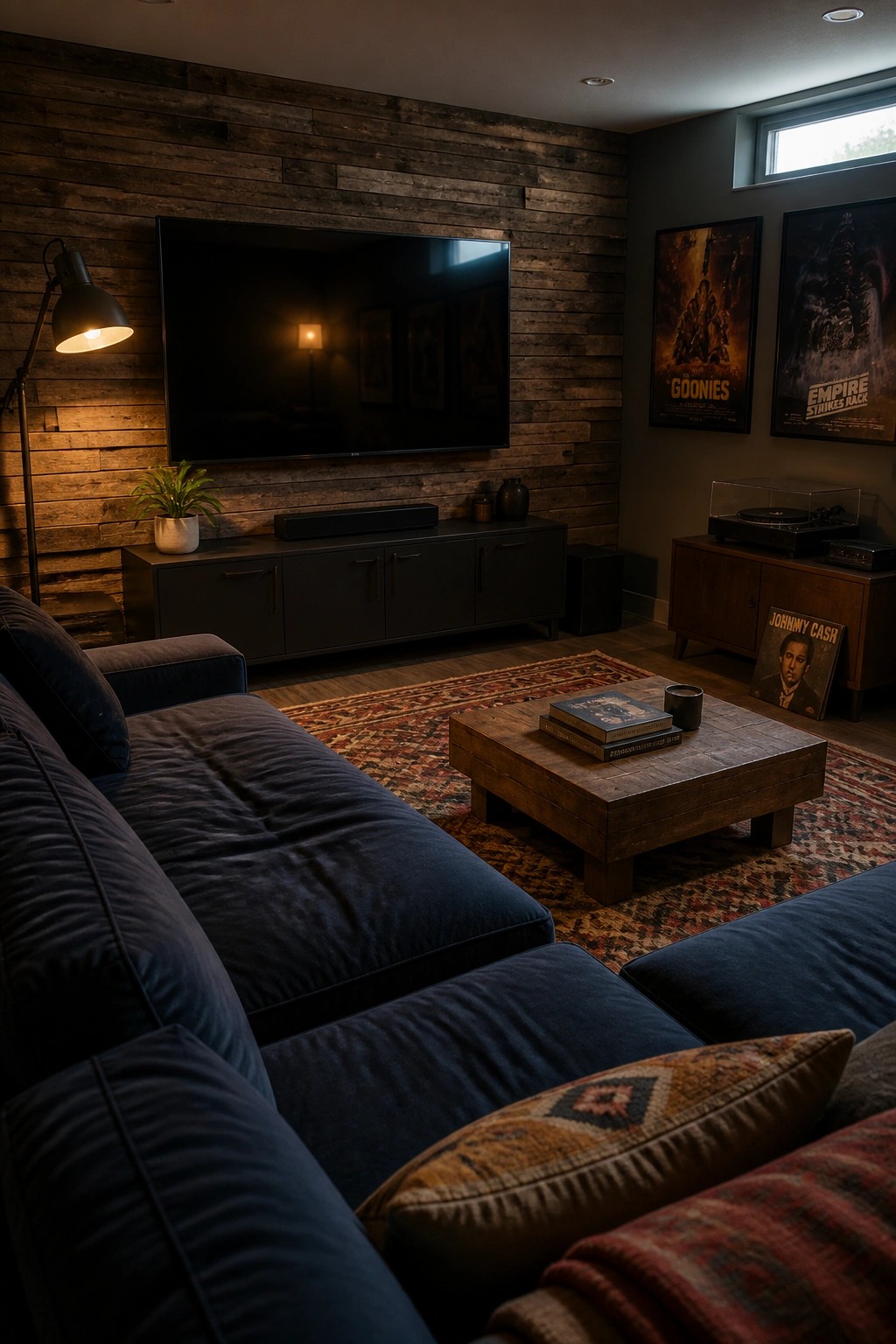
A reclaimed wood accent wall gives a room that rustic texture people often want without taking over the whole space. It works especially well behind a TV because the screen itself breaks up the pattern and keeps the look balanced.
This approach suits living rooms with darker furniture and layered textiles. It helps the room feel warmer and more grounded while still leaving room for other elements like rugs or plants to stand out.
Reclaimed Wood Walls In The Kitchen
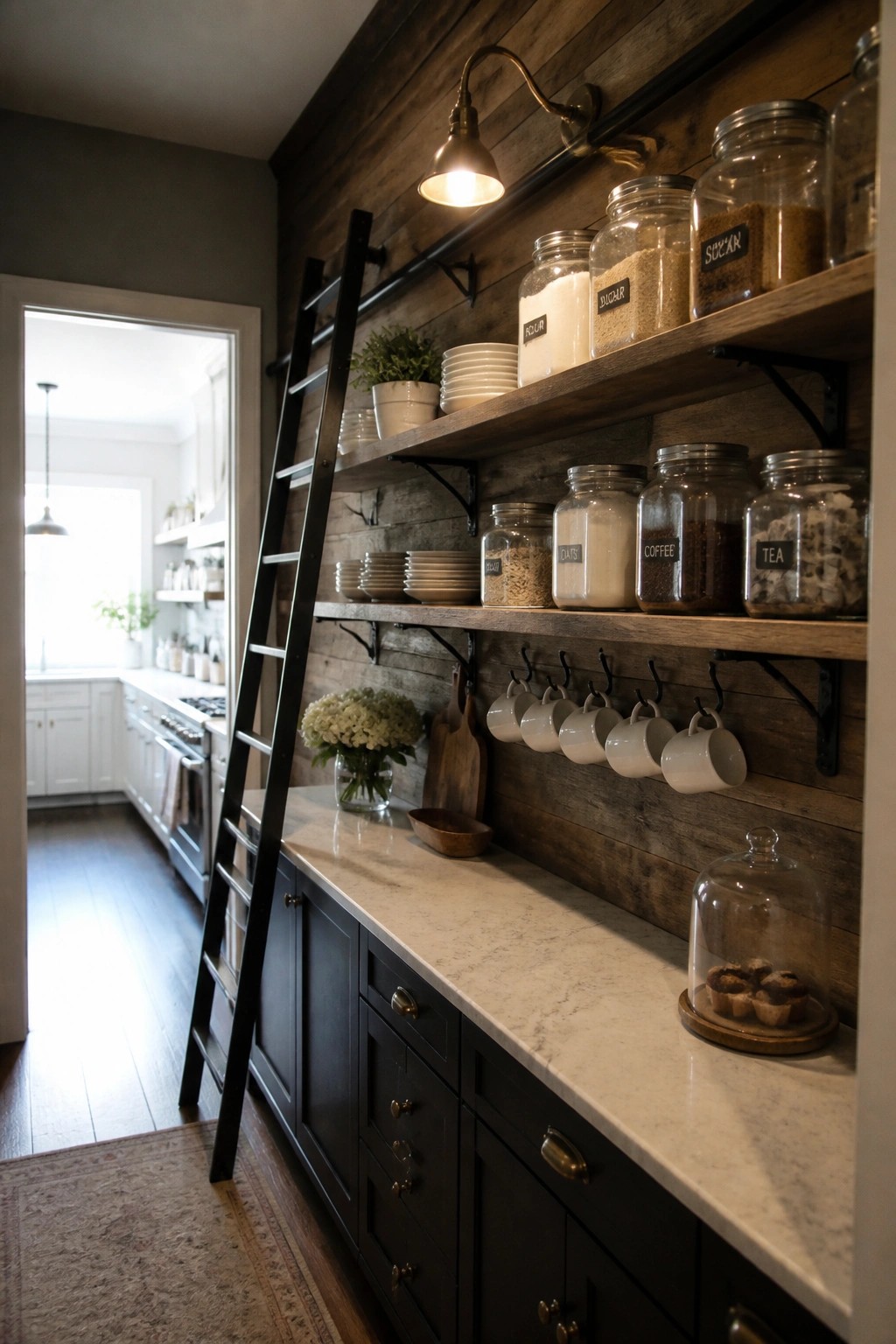
A reclaimed wood accent wall adds texture and warmth to a kitchen without making the space feel busy. It works because the wood brings natural variation while the rest of the room stays simple and functional.
This approach suits homes that need extra storage. Mount open shelves and hooks directly on the wood so everyday items stay visible but organized. Keep the surrounding cabinets and counters light to avoid crowding the look.
Horizontal Wood Planks For A Warm Accent Wall
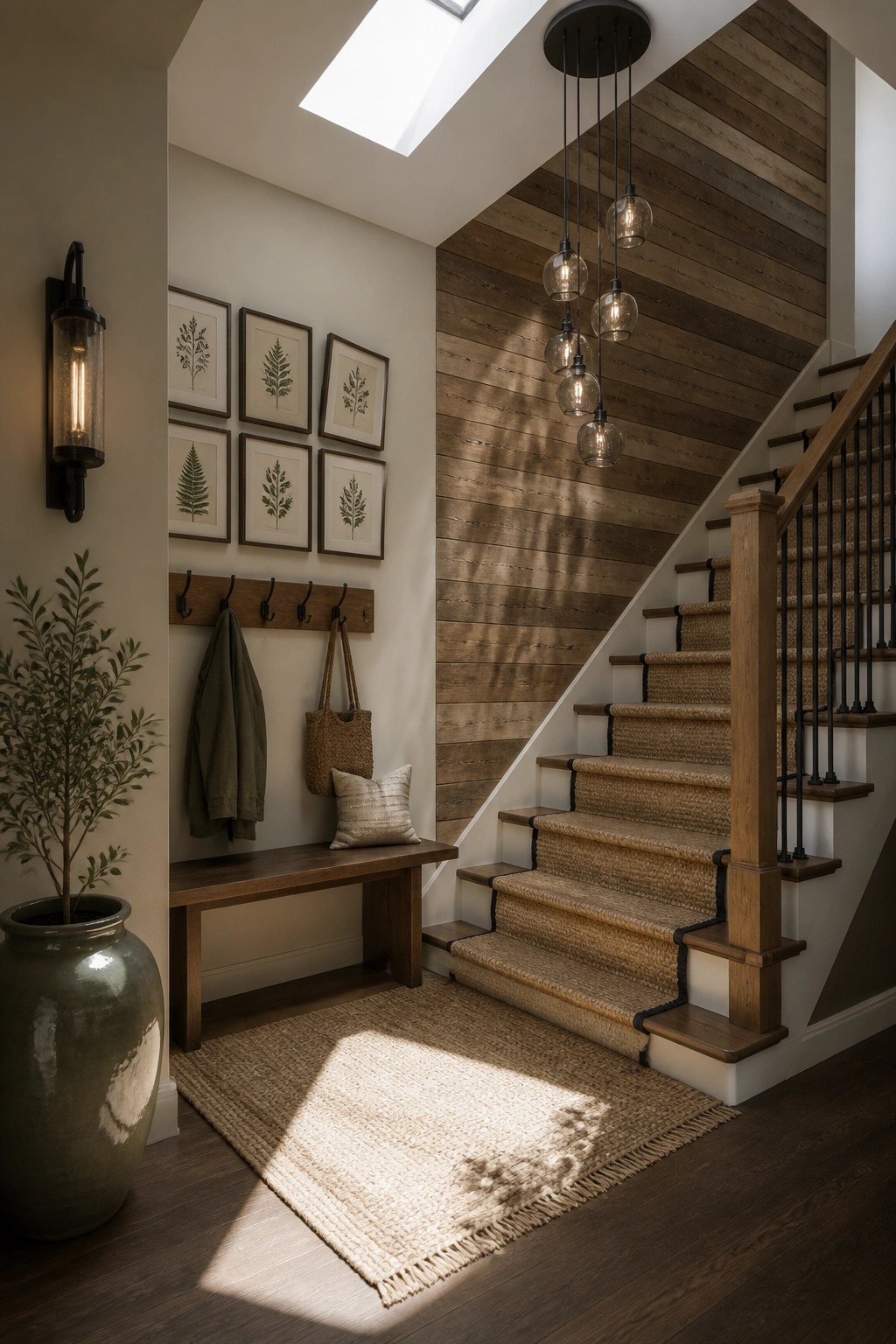
Horizontal wood planks work well when you want texture on one wall without making the whole room feel busy. They bring a quiet rustic quality that pairs easily with lighter walls and simple furnishings.
This approach suits stairwells and entry areas especially, where the wall can run vertically without overwhelming the space. Keep other surfaces plain and let the wood grain stand out on its own.
Warm Wood Walls In Playrooms
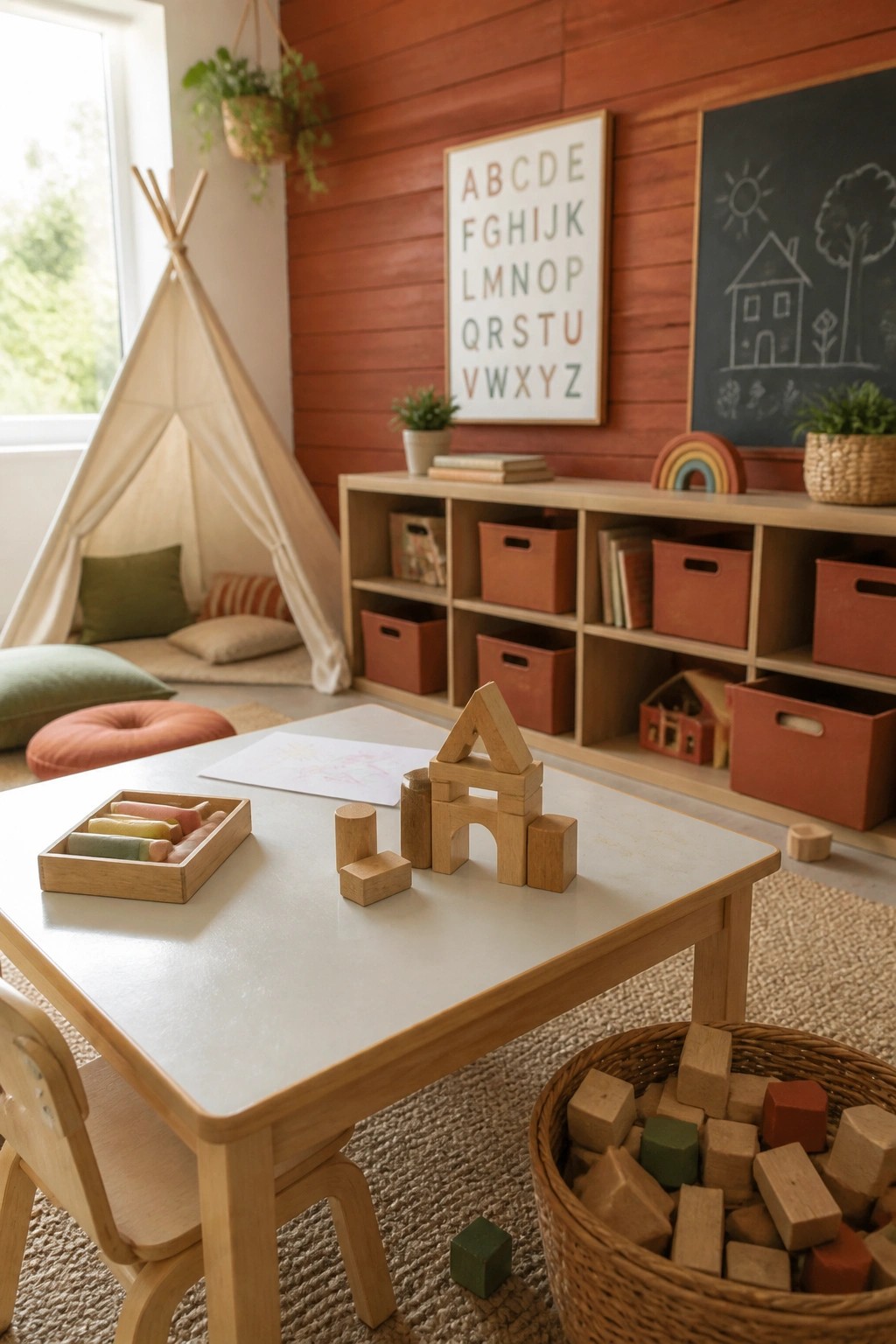
A wood accent wall brings just enough rustic texture into a playroom without making the space feel closed in. The warm red tone here keeps the room feeling bright while giving it a grounded look that works with simple toys and open storage.
This approach suits family homes where one wall can take some wear and still look good over time. Keep the other walls light and limit the wood to a single surface so the room stays easy to play in and clean up.
Wood Planks For A Simple Accent Wall
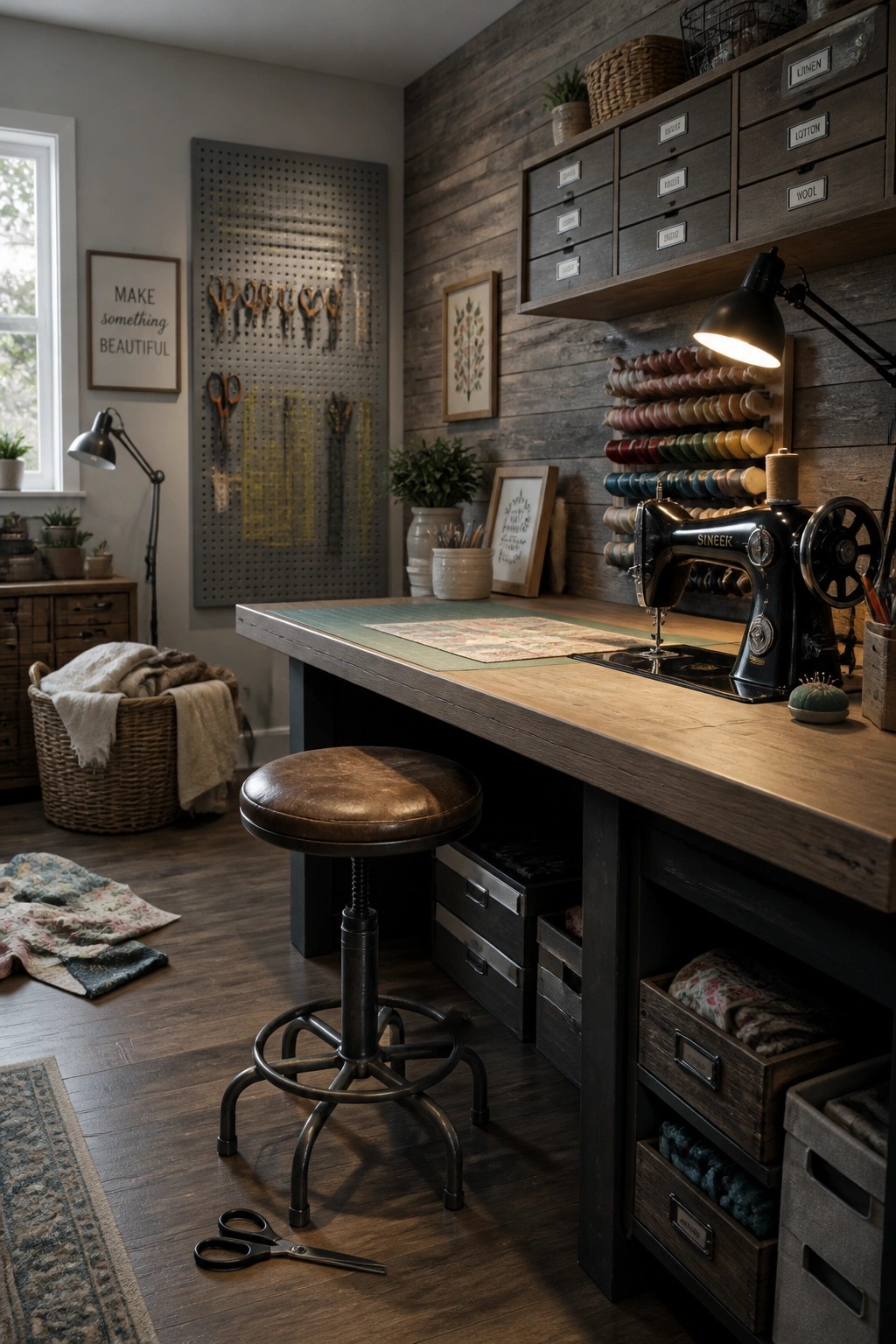
A row of horizontal wood planks on one wall gives a craft room just enough texture and warmth. It works because the planks stay in one area and let the rest of the space feel open and light.
This look fits best in a small workroom or hobby space where you already have older tools and furniture. Keep the other walls plain and avoid adding too many extra wood pieces so the wall does not take over the room.
Wood Plank Walls In Smaller Rooms
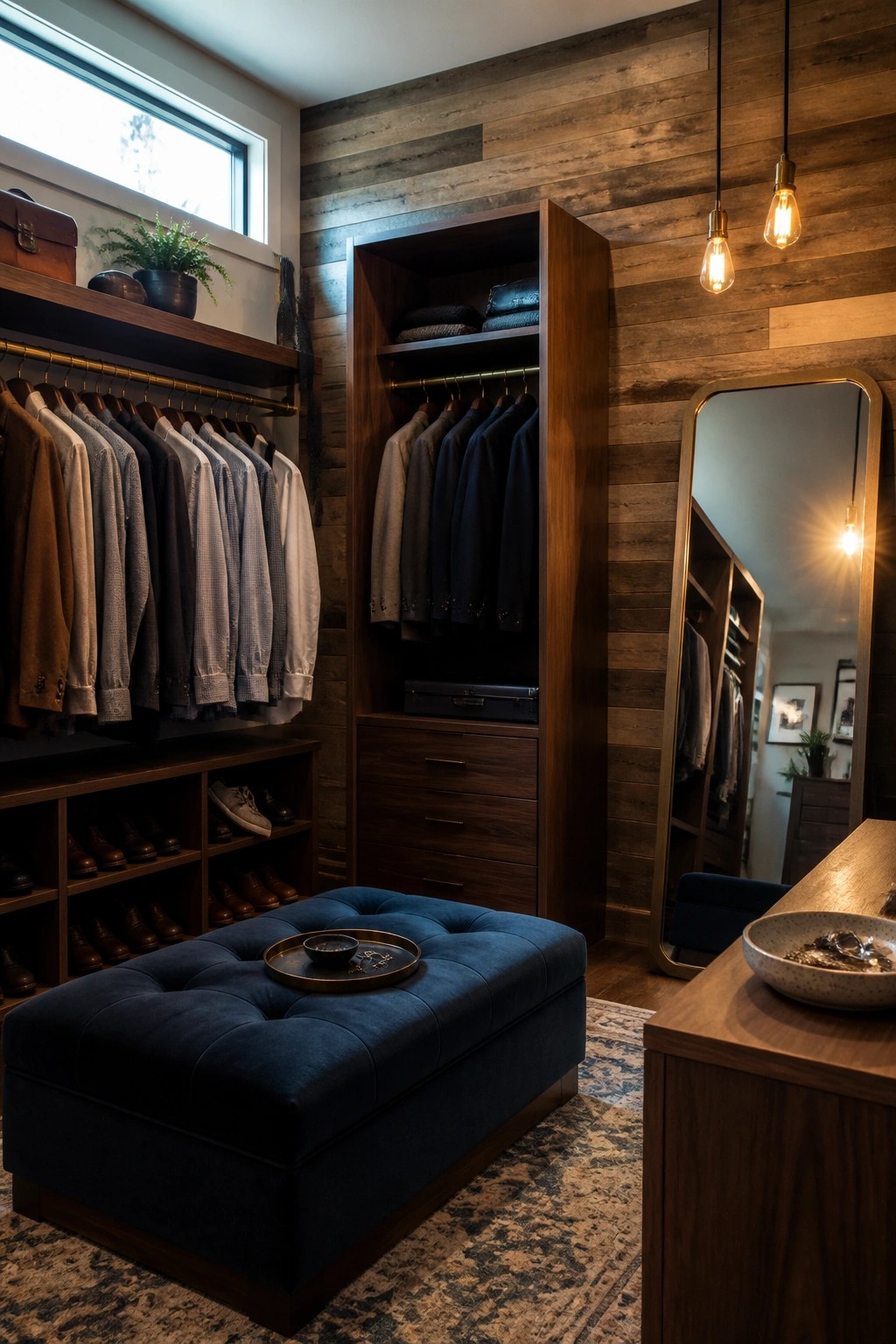
A wall of horizontal wood planks can bring warmth and texture into a space without taking over. In rooms like closets or dressing areas, the natural grain and varied tones add interest while the rest of the surfaces stay simple and calm. It works especially well when the planks are kept in a mid-tone range rather than anything too dark or too pale.
This approach suits homes that already have some wood elsewhere, since it ties things together without adding another color. Keep the scale modest and let the planks run in one direction so the eye moves easily across the wall. Avoid filling every inch with shelves or hooks, since the point is to let the wood itself do the work.
Pallet Wood Behind The Bed
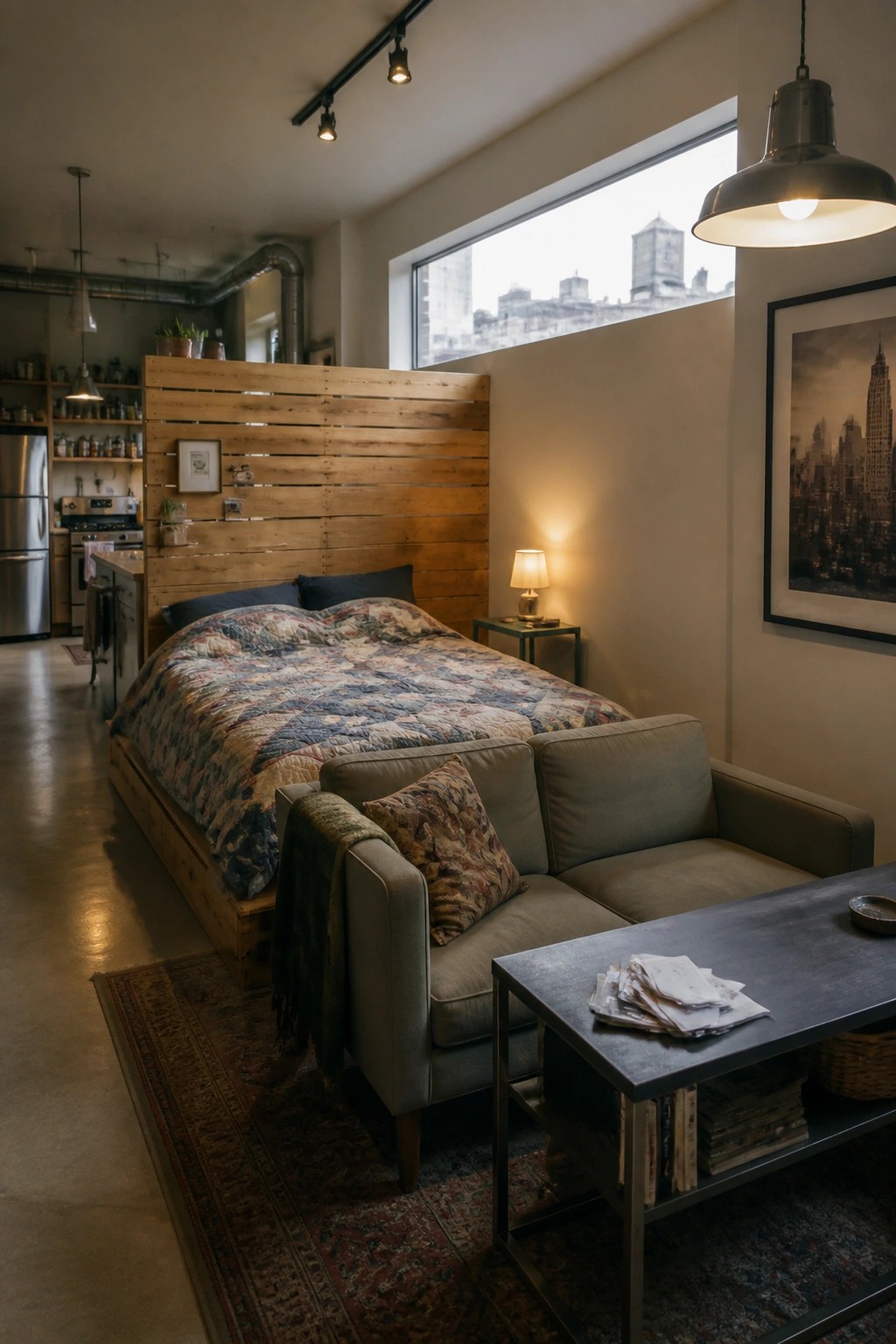
A horizontal wood accent wall works well when you want some texture without turning the whole room rustic. It gives the bed a clear anchor point and adds warmth through the natural grain and slight color variation in the boards.
This approach fits best in smaller bedrooms or open loft spaces where you need one strong material moment rather than multiple layers. Keep the rest of the room simple with neutral bedding and minimal furniture so the wood stays as a quiet backdrop instead of competing for attention.
Horizontal Wood Planks On An Accent Wall
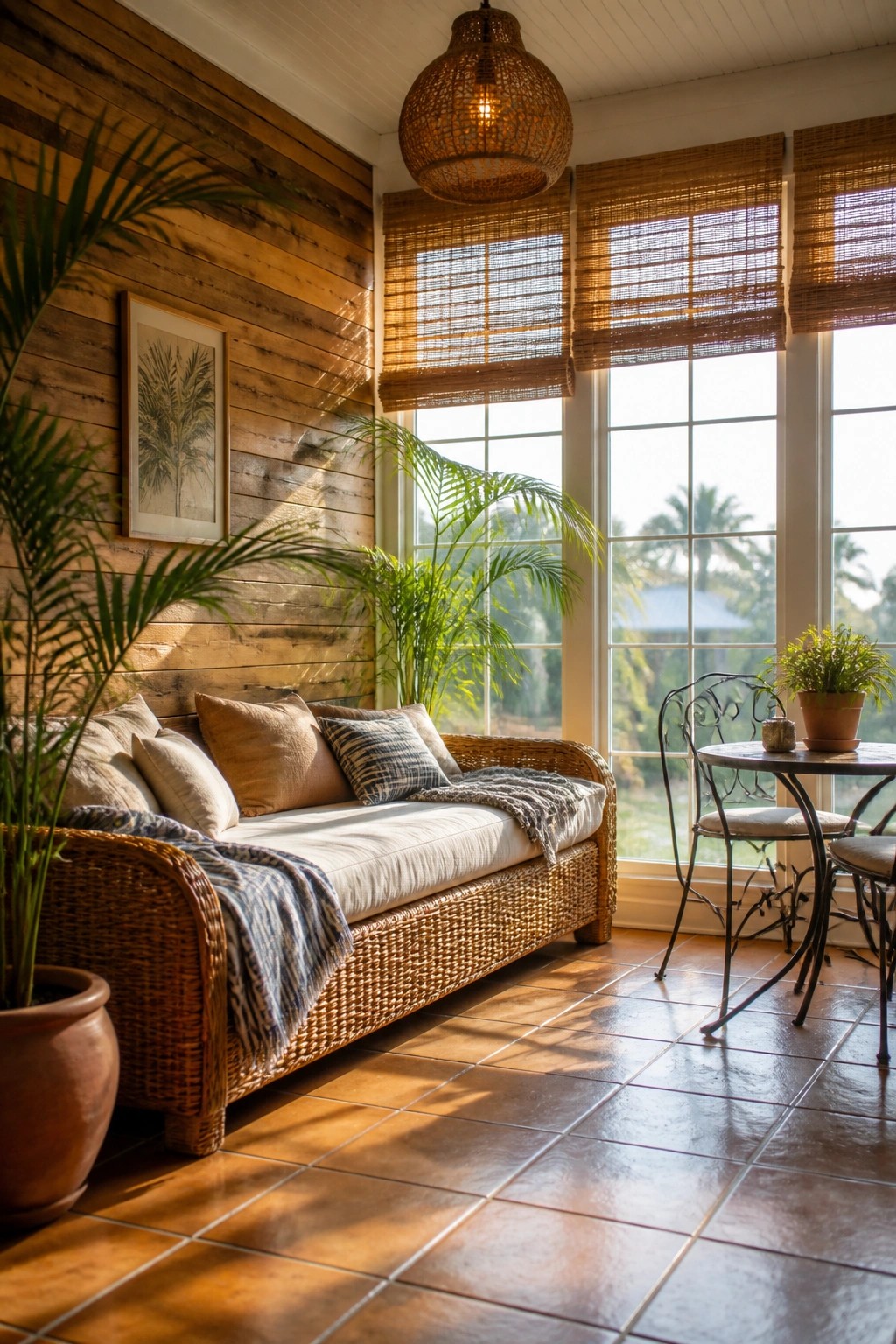
Horizontal wood planks give an accent wall just enough texture to feel rustic while still keeping the room light and open. The natural grain and warm tones work well in spaces that already get plenty of sunlight, so the wall adds interest without making things feel heavy or closed in.
This approach suits living rooms or sunrooms where you want a bit of country character but still need the space to feel relaxed. Keep the rest of the room simple with lighter fabrics and minimal furniture so the wall stays as a quiet background rather than the main focus.
Frequently Asked Questions
Q: How do I pick pallets that add texture but stay light enough for a small room? A: Go for pallets made from pine or similar soft woods that have aged to a pale tone. Sand them lightly to smooth rough spots and bring out the grain without darkening everything. This keeps the rustic feel while letting light bounce around the space.
Q: What’s a simple way to hang the pallets so they sit flat against the wall? A: Cut them into panels first and screw them to horizontal furring strips attached to the studs. Check the level as you go and leave a tiny gap between boards for airflow. That prevents warping later on.
Q: Should I add any finish after the wall is up? A: Wipe on a clear matte sealant in two thin coats to lock in the wood and cut down on dust. Skip anything shiny since it fights the warm rustic look you’re after. One coat often does the job if the wood already feels dry to the touch.
