

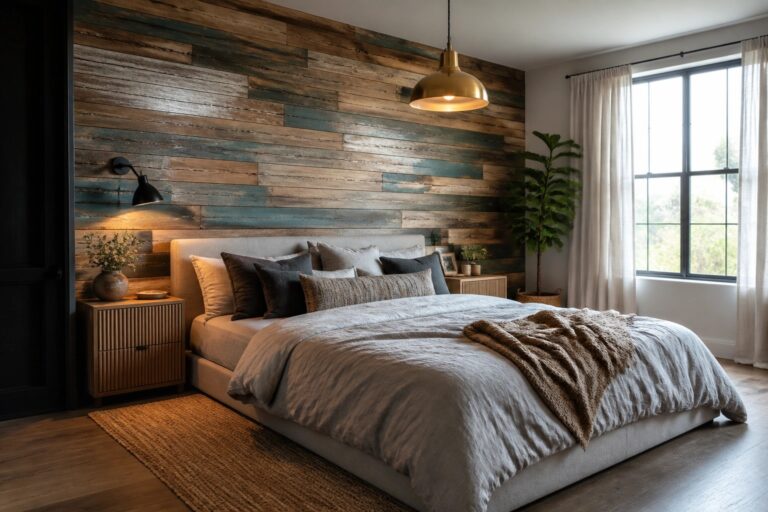
I have noticed that the main wall in a living room or bedroom often decides whether the whole space feels settled or still unfinished.
When I consider using mixed boards and reclaimed pieces the first thing that comes to mind is how the texture will sit with everyday furniture and lighting rather than how it looks on its own.
Some patterns hold up better once the room is actually lived in.
I usually test a small section first so I can see how the different wood tones and gaps affect the way the space feels at different times of day.
That step has saved me from choices that look interesting in theory but end up making the room feel busier than intended.
Mixing Reclaimed Boards For An Accent Wall
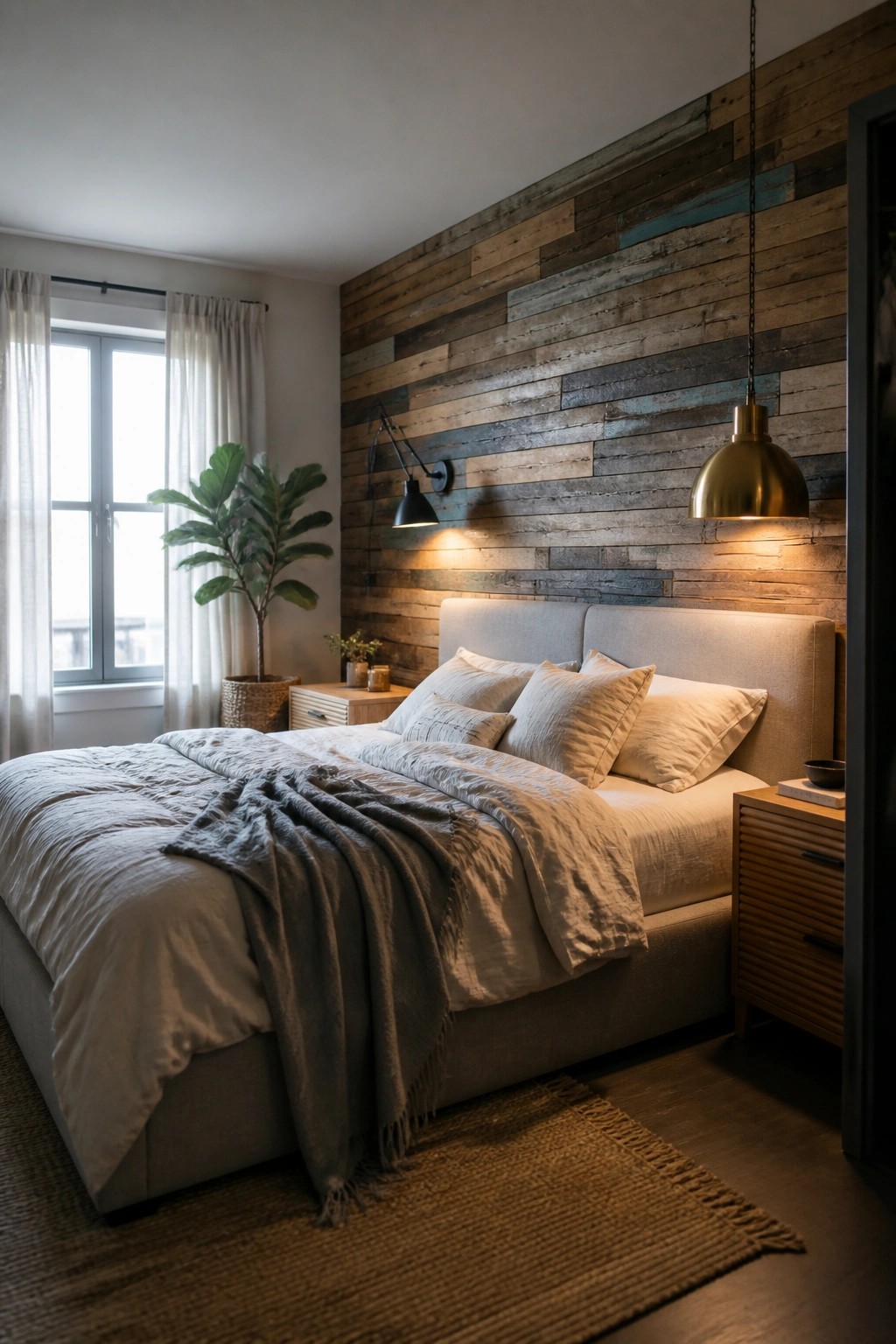
A wall made from different reclaimed boards can give a bedroom real character. The mix of tones and widths keeps the surface interesting while the overall effect stays calm and grounded. It works especially well behind a bed because the headboard area gets the focus without needing extra decoration.
This approach suits rooms that already have simple furnishings and soft colors. Keep the rest of the space light so the wood does not feel heavy. Salvaged boards from different sources usually give the best mix of colors and textures.
Herringbone Reclaimed Wood For Feature Walls
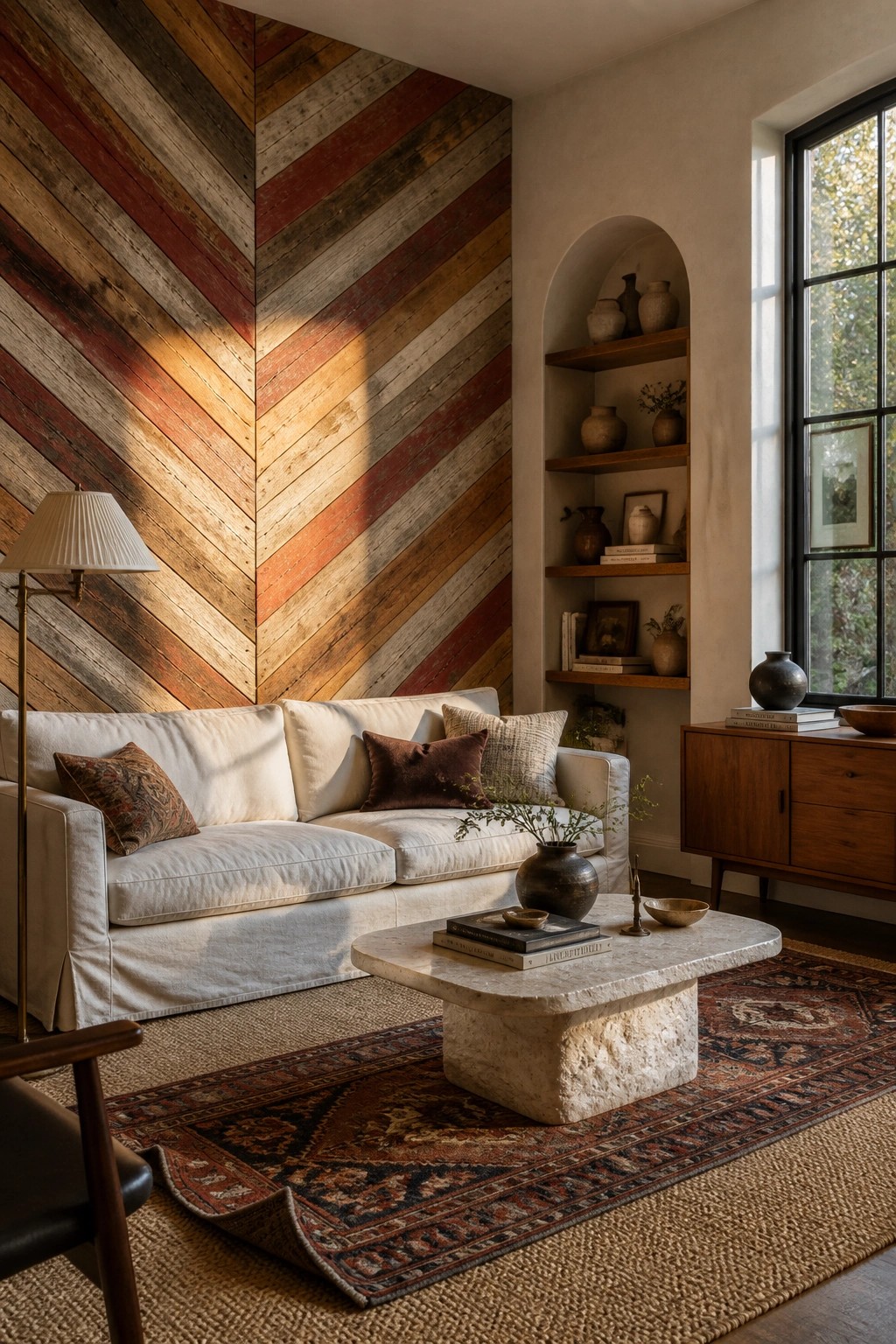
A herringbone layout made from mixed reclaimed boards gives a wall real presence without needing much else around it. The varied tones and angles keep it interesting even when the rest of the room stays simple.
This works best in living rooms or family spaces where you want warmth and texture on one main wall. Keep other surfaces light and let the wood do the work, but watch the scale so the pattern does not feel too busy in a small room.
Mixing Reclaimed Boards for a Pallet Wall
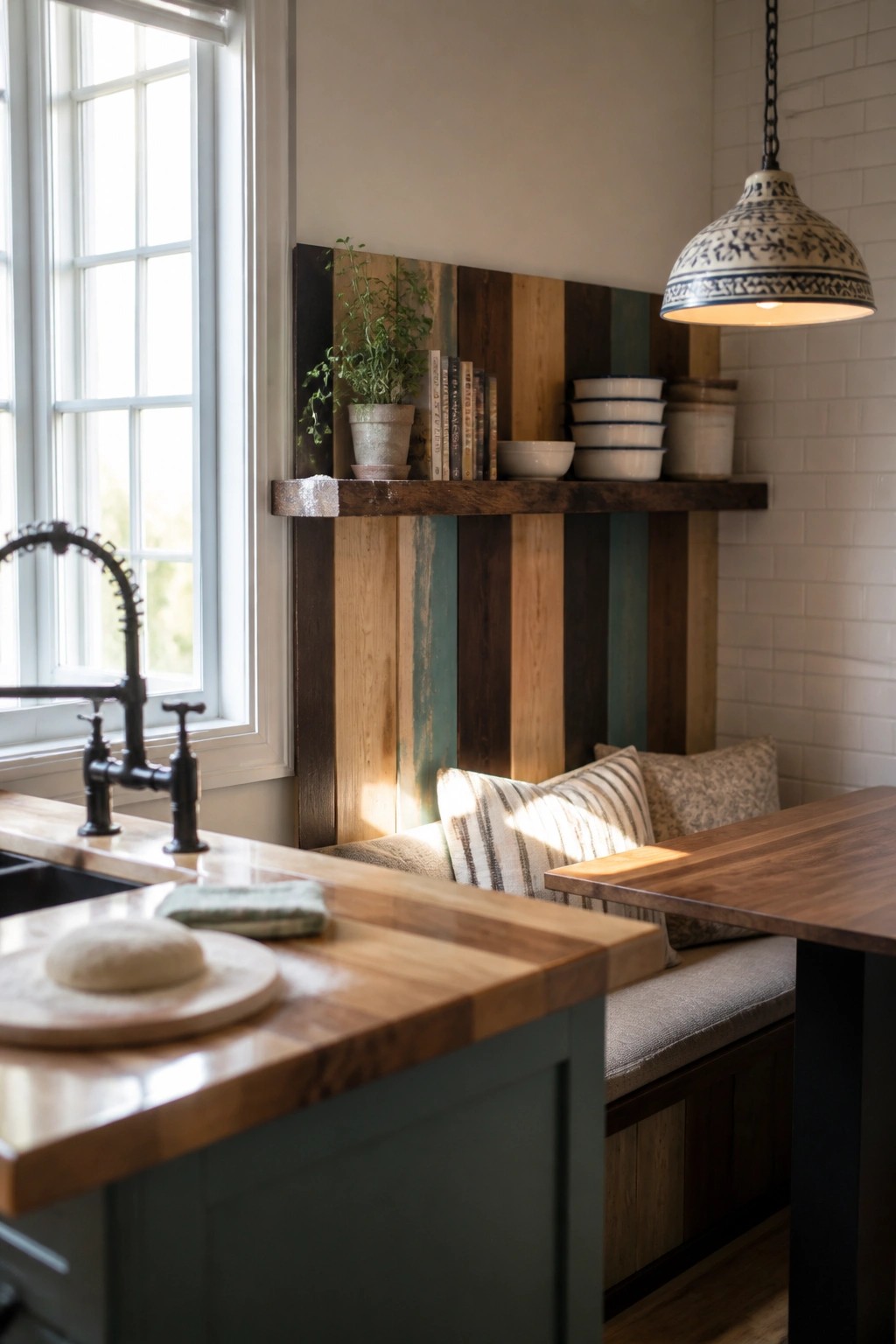
Using boards in different tones and widths keeps a pallet wall from looking too uniform. The mix of light oak, dark walnut, and faded blue tones adds texture that works especially well in a kitchen or casual dining spot where the wall sits behind seating.
This style suits homes that already lean a little rustic or collected. Keep the rest of the space simple so the wood does the talking, and add just one narrow shelf if you need a place for everyday items.
Mixing Reclaimed Boards For A Bathroom Accent Wall
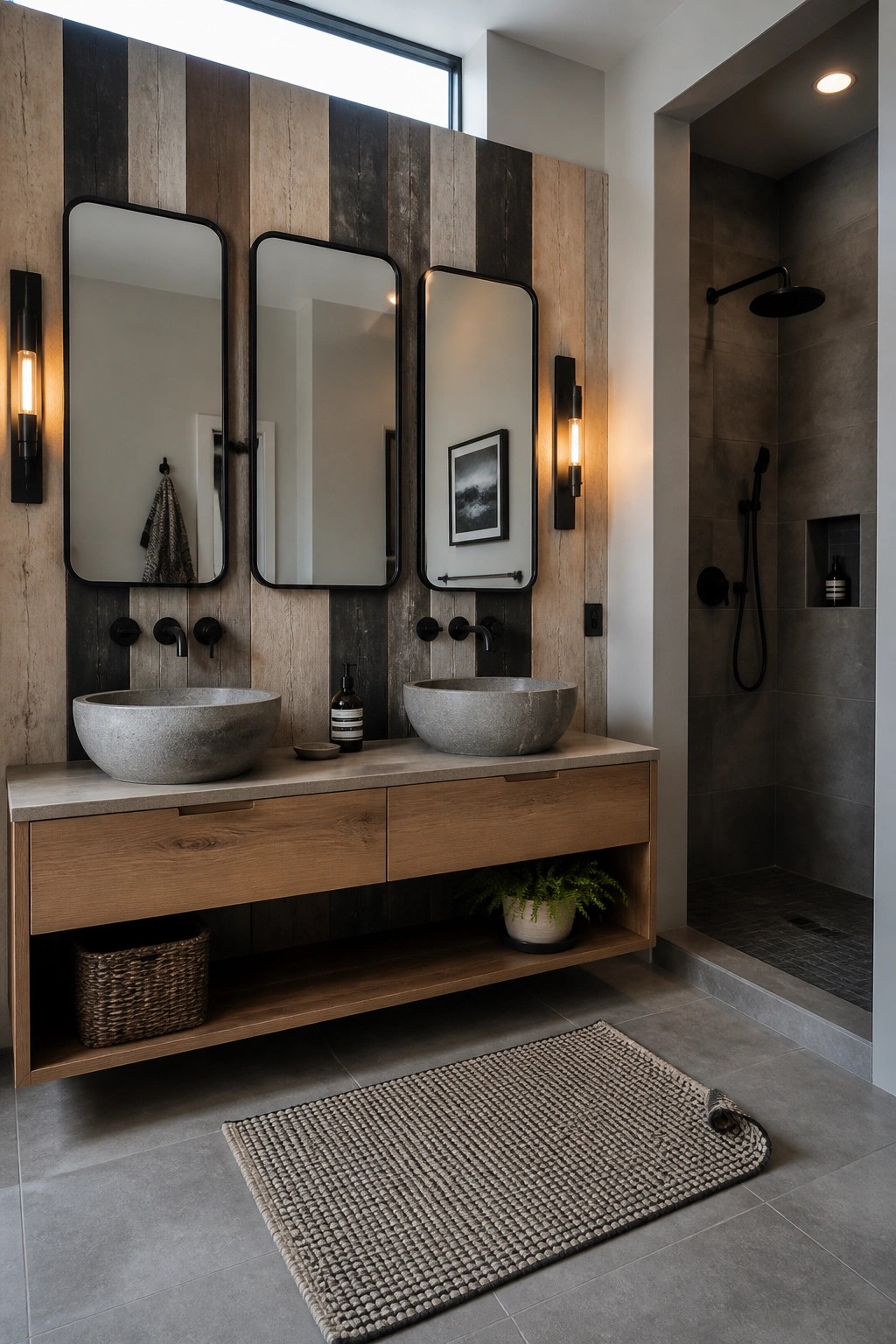
Reclaimed wood in mixed widths and tones makes a strong accent wall in a bathroom. The varied grains and colors add texture that feels natural next to stone sinks and simple metal fixtures.
This works best in rooms where the rest of the surfaces stay fairly plain. Seal the boards well if they sit near water, and let the wood run from floor to ceiling so the pattern reads as one solid feature.
Mixing Board Patterns On Reclaimed Wood Walls
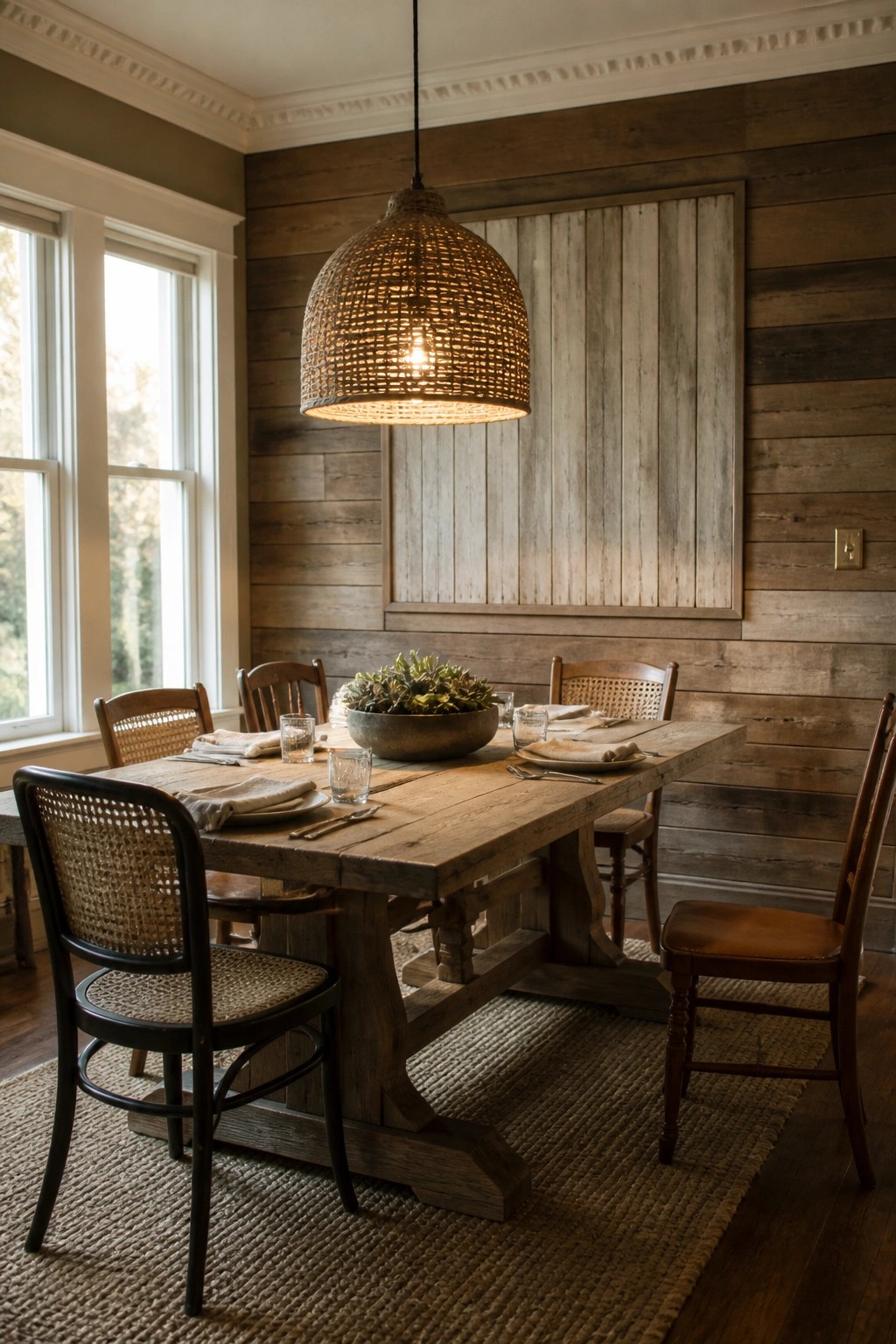
Mixing different plank widths and directions on a reclaimed wood wall keeps the surface from feeling flat or repetitive. The varied tones and orientations add subtle movement that works especially well behind a dining table where people spend time looking at it.
This approach suits older homes or any space that already leans rustic. Keep the rest of the room simple so the wall stays the main feature, and test a few board layouts on the floor first before nailing anything up.
Mixing Reclaimed Boards For A Pallet Wall
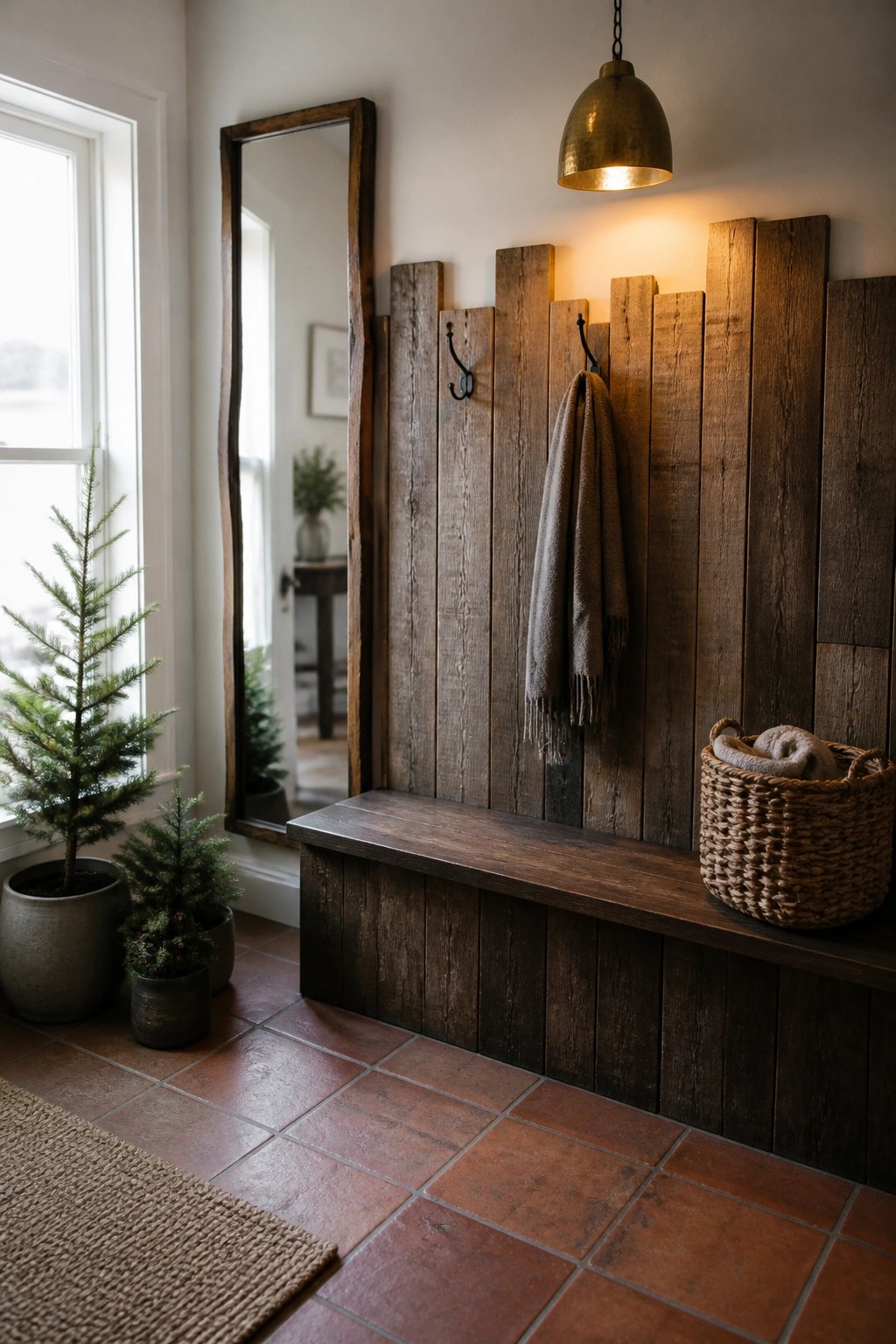
Many people turn to mixed reclaimed boards when they want a wall that feels useful instead of just decorative. The uneven tones and rough edges give the surface plenty of character while the boards themselves stay sturdy enough to hold hooks and support a bench underneath.
This kind of wall works best in entry areas or mudrooms where everyday items need a place to land. Keep the rest of the room simple so the wood stays the focus, and make sure the boards are sealed if the space sees wet coats or muddy boots.
Mixing Soft Colored Reclaimed Boards On An Accent Wall
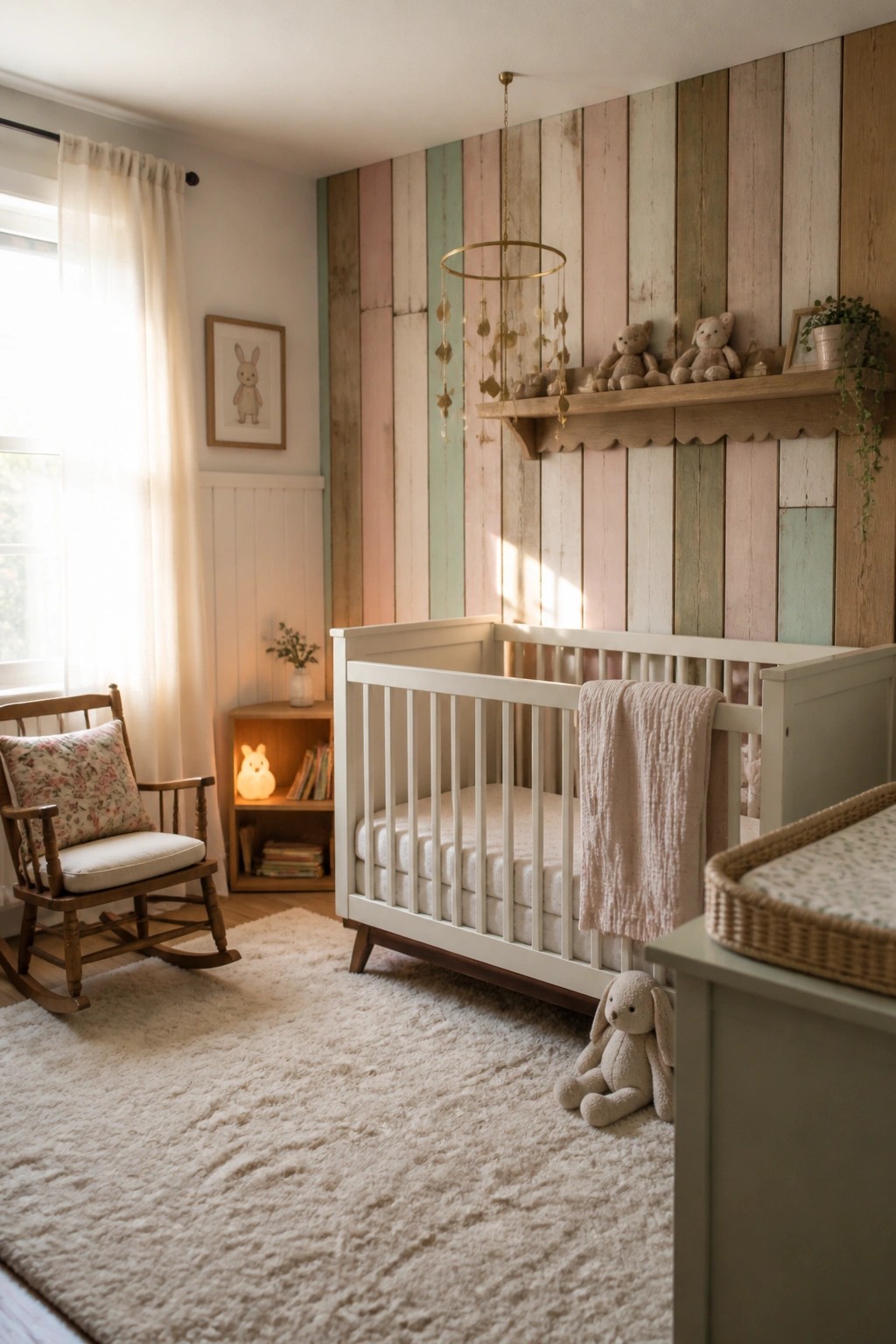
Reclaimed boards painted in gentle pastels can turn a plain wall into something warm and personal without feeling busy. The mix of colors and slight variations in the wood grain give the surface texture while keeping the overall look calm enough for a quiet room.
This approach works especially well in smaller spaces like nurseries or bedrooms where you want some character on the wall but still need the room to feel restful. Try keeping the rest of the finishes light so the boards stay the main focus, and seal them well if the area gets touched often.
Reclaimed Wood Walls In Laundry Rooms
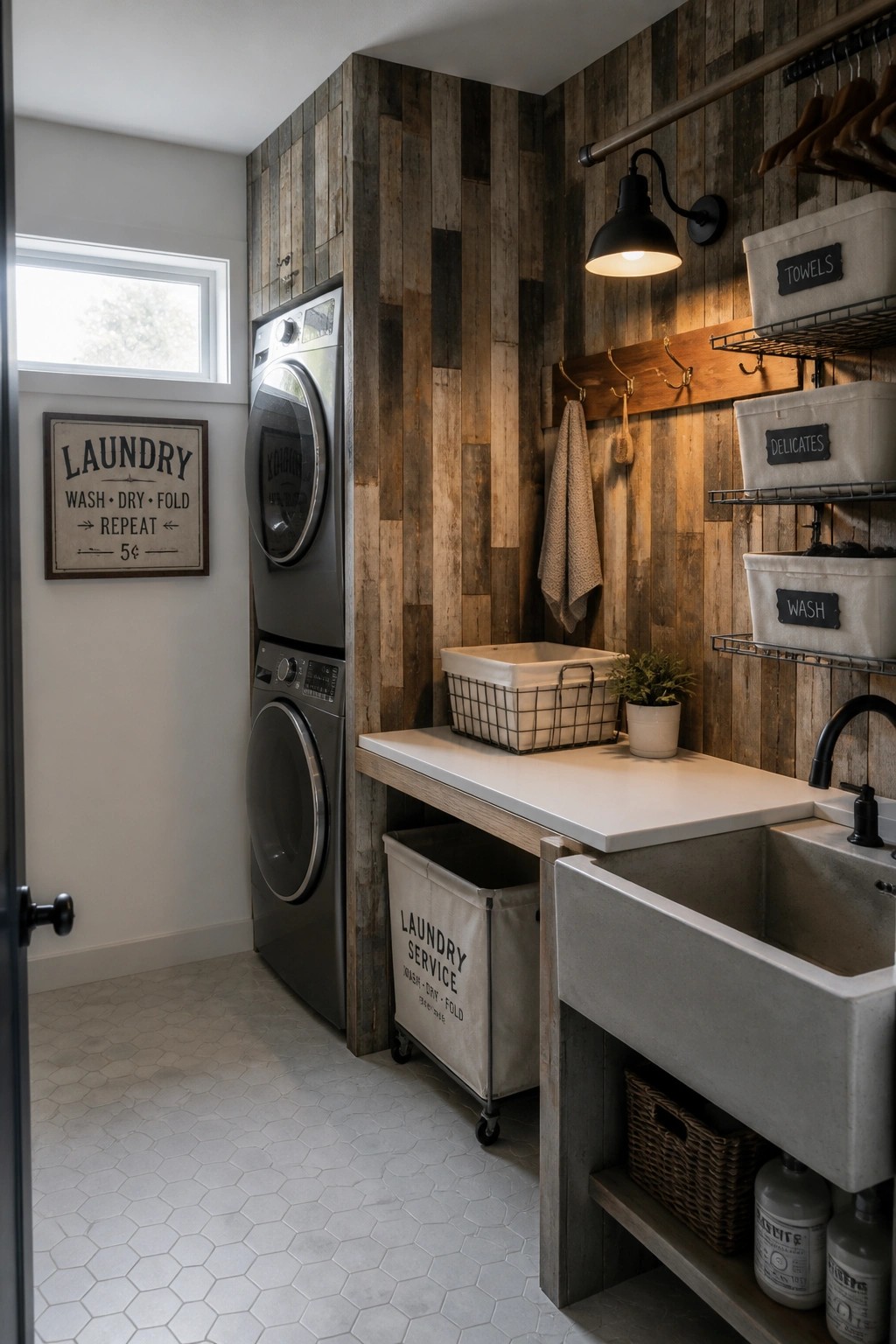
Many people like using mixed reclaimed boards on laundry room walls because it adds texture and warmth to a space that often feels plain and functional. The varied tones and rough edges keep things interesting without needing a lot of extra decoration.
This works best in smaller utility rooms where you want some character but still need durability. Seal the wood well if your laundry area gets humid, and keep the rest of the finishes simple so the wall stays the main feature.
Reclaimed Wood Walls In Home Offices
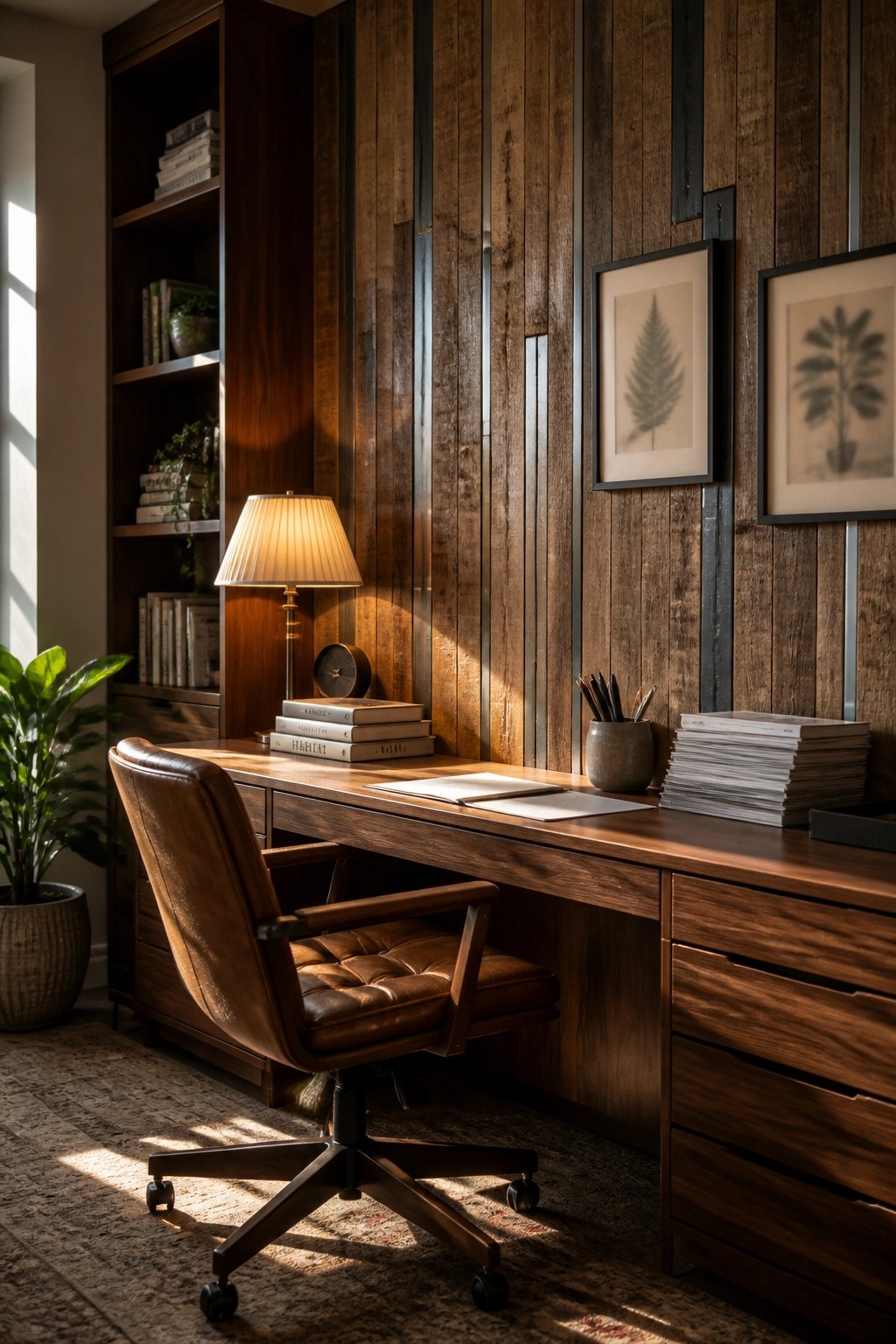
A wall made from mixed reclaimed boards brings texture and warmth to a workspace without needing much else. The vertical layout keeps the room feeling taller and gives the wood a clean, organized look even when the boards vary in tone and width. It works especially well behind a desk where you want something interesting to look at during long hours.
This approach suits smaller offices or any room that already has wood furniture. Keep the rest of the space simple so the wall stays the main feature. Avoid overcrowding the surface with too many shelves or frames or the pattern can start to feel busy.
Mixing Reclaimed Boards For A Hallway Wall
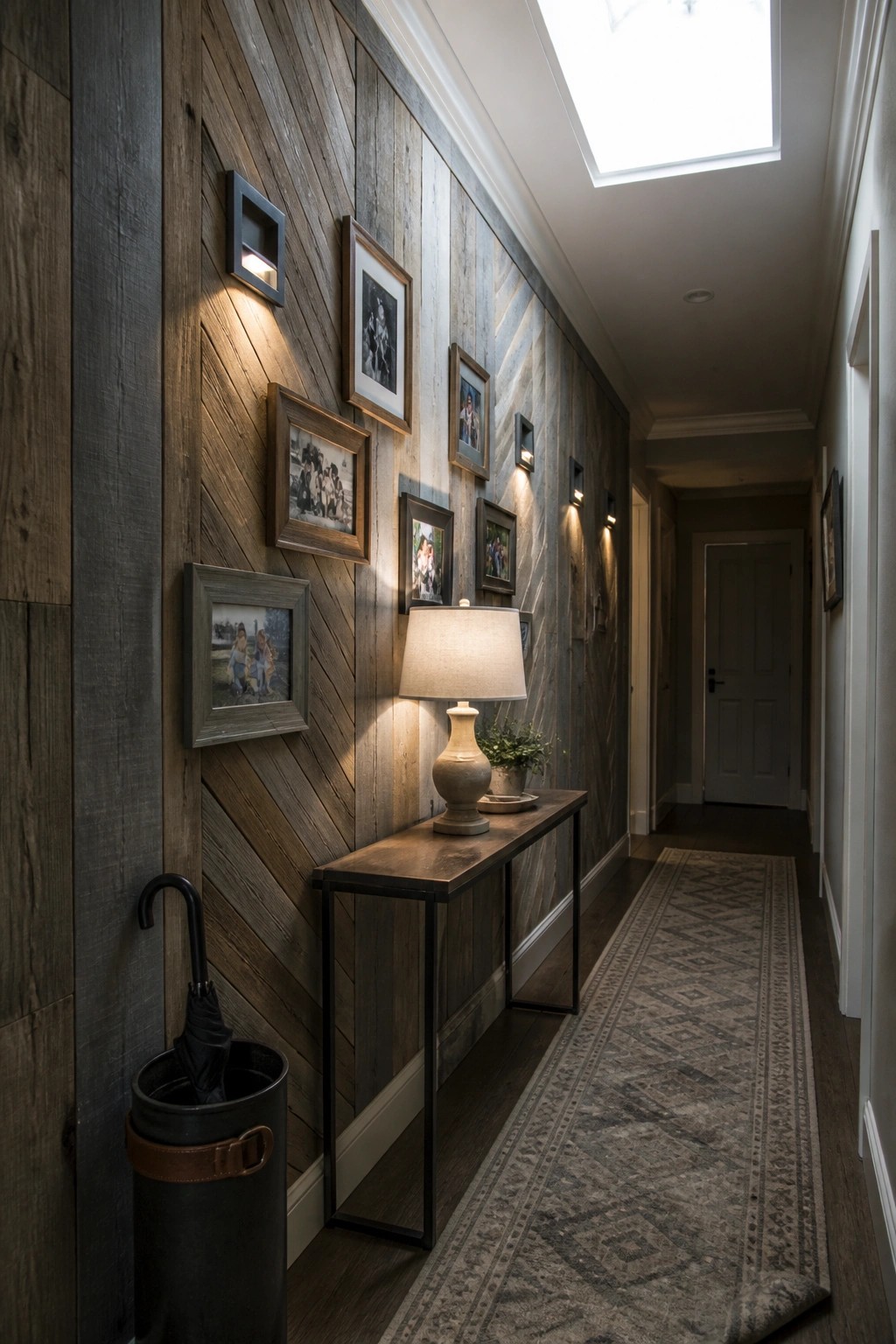
Reclaimed wood walls work especially well in hallways because the narrow space gives the pattern room to show without taking over the whole house. Mixing board widths and tones keeps the look casual and avoids the flat feel that comes from using all one type of wood.
This idea suits older homes or any place that already has some wood trim. Start with boards from different sources and lay out a small section first so the colors and grain directions feel balanced before covering the full wall.
Mixing Reclaimed Boards On An Accent Wall
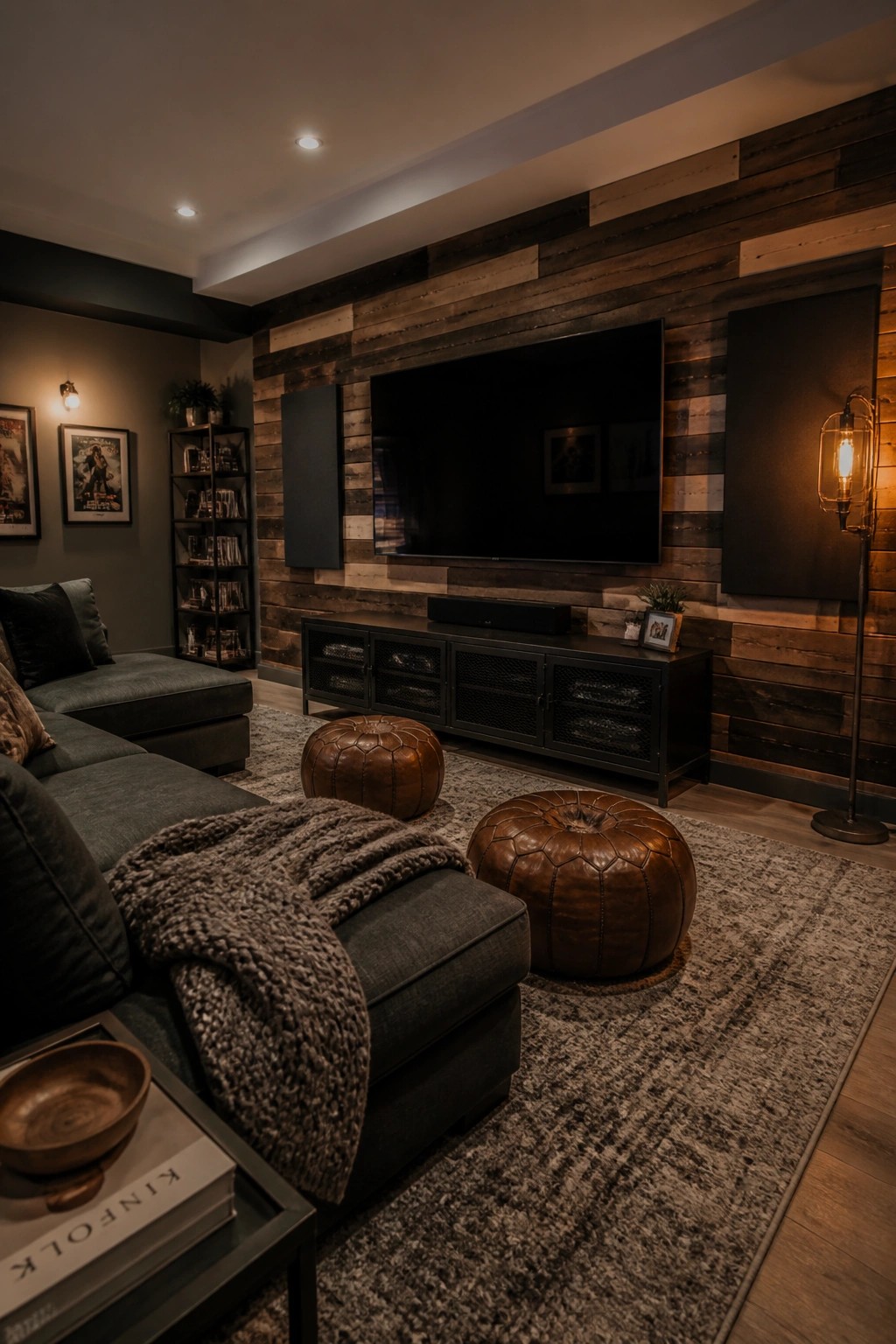
A wall built from mixed reclaimed boards adds texture that feels natural rather than planned. The different widths and tones keep the surface interesting even when the rest of the room stays simple and dark.
This works best in rooms that already have heavier furniture or a large screen to anchor the wall. Keep the arrangement loose so the boards do not line up too evenly, and seal the wood well if the space gets regular use.
Layering Mixed Reclaimed Boards Into A Framed Wall
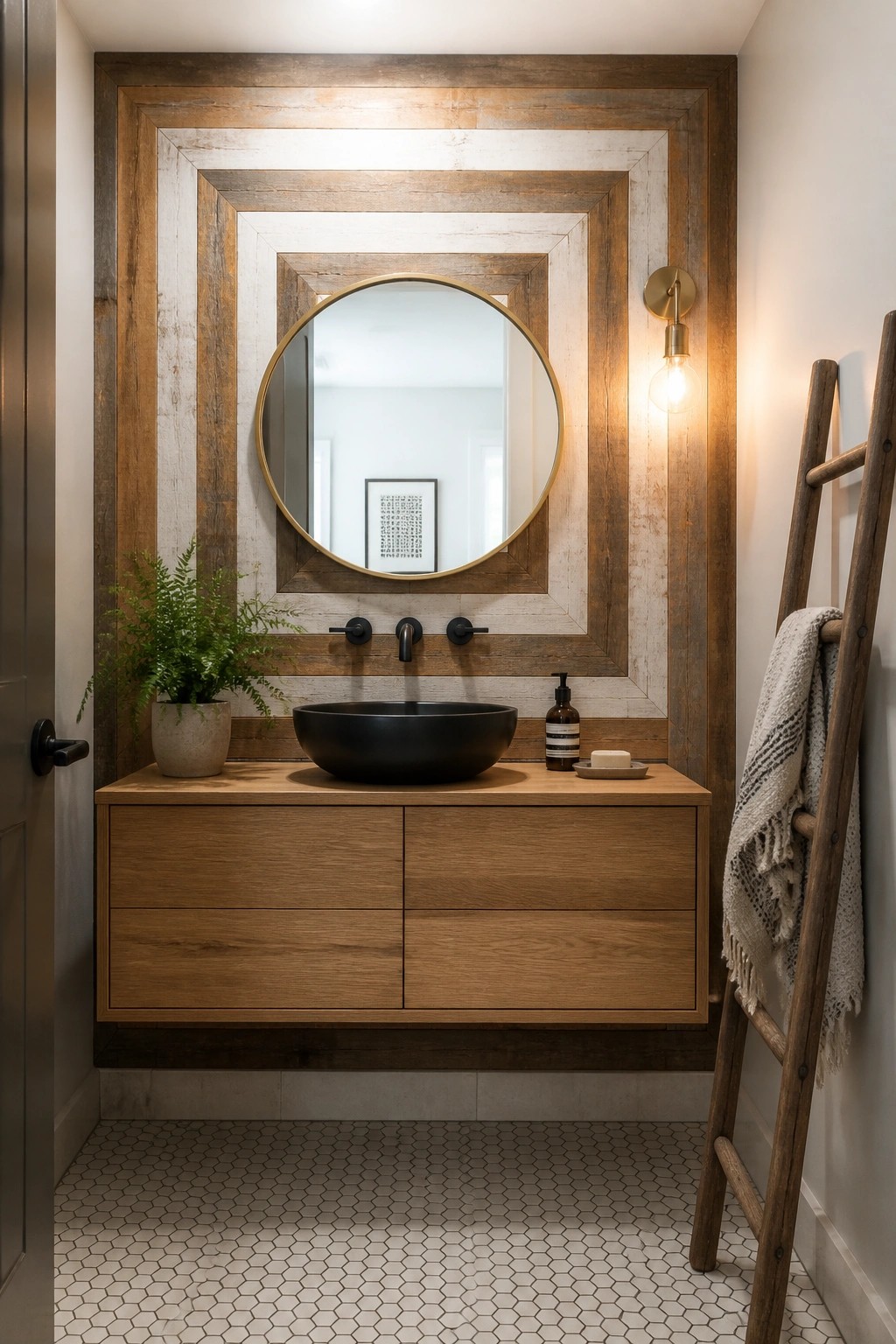
One way to get more character from reclaimed wood is to build up layers of boards into a large framed section rather than covering the whole wall. The mix of widths and tones keeps the surface interesting while the frame shape gives it some order.
This works best in smaller rooms where you want texture without overwhelming the space. Keep the rest of the walls plain so the wood section stands out on its own.
Mixed Reclaimed Boards on a Bar Front
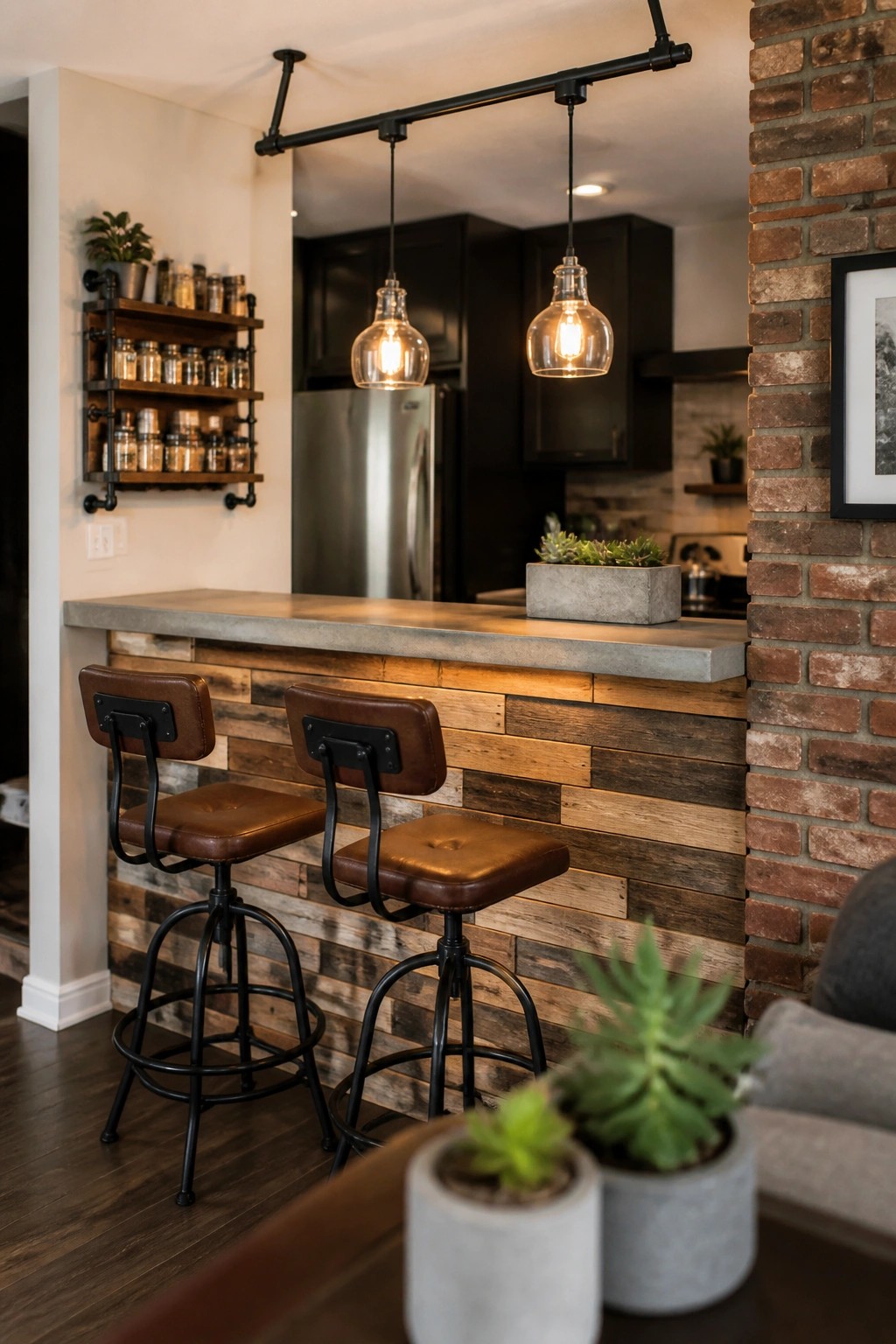
Reclaimed wood works especially well when it covers the front of a bar or island instead of just a wall. The mix of board widths and tones gives the surface some movement without needing extra trim or hardware. It turns a plain counter base into something that feels built up over time.
This approach fits homes that already lean rustic or industrial. Keep the boards in the same color family so the pattern stays calm, and make sure the top edge lines up cleanly with the countertop. It also helps to seal the wood well since the area sees plenty of use.
Chevron Patterns Made From Mixed Reclaimed Boards
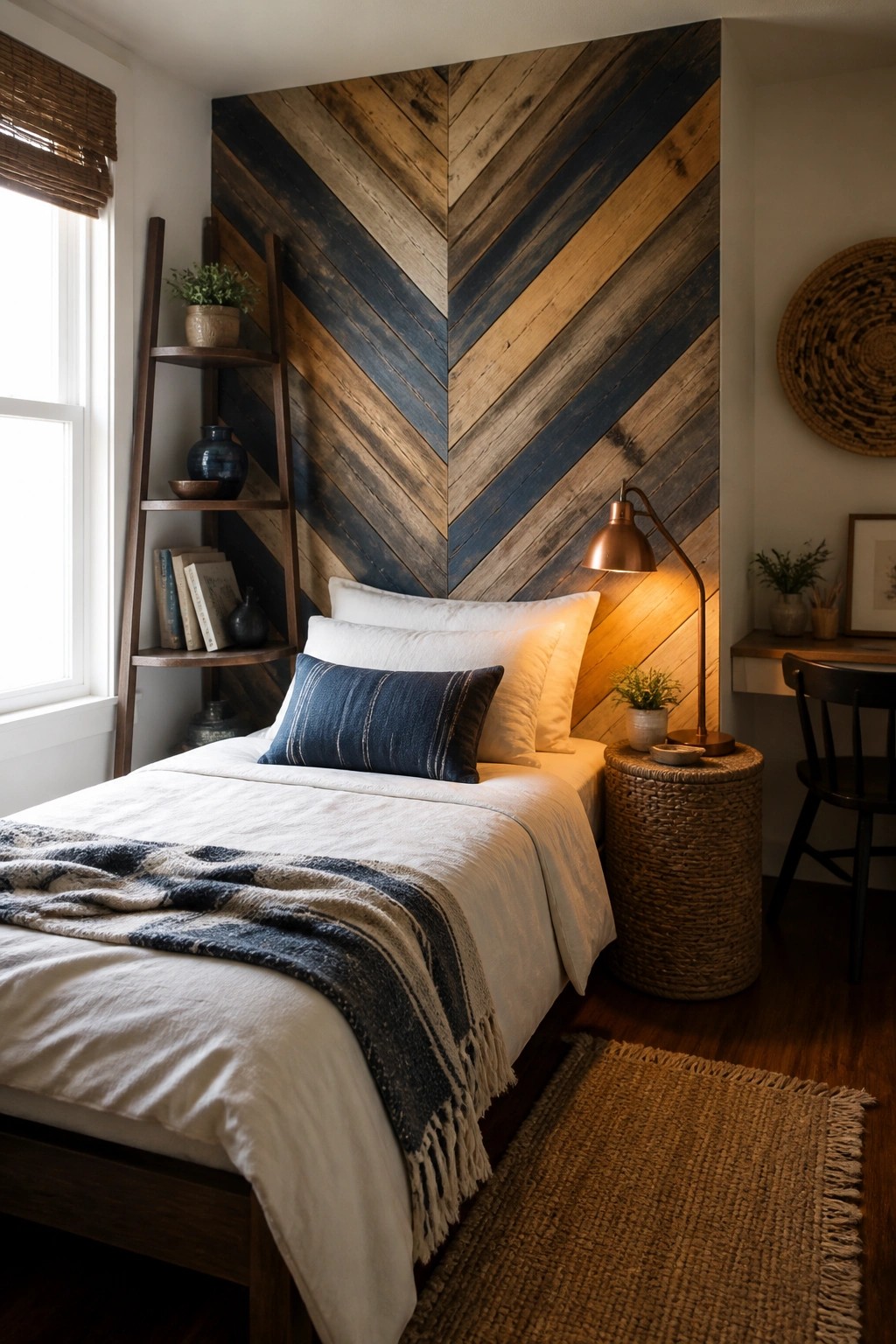
A chevron layout made from mixed reclaimed boards creates a strong focal point that still feels relaxed. The varying widths and tones keep the pattern from looking too perfect, which helps it blend into a regular bedroom instead of standing out like a feature wall.
This works best behind a bed where the lines can run full height without competing with other furniture. Keep the rest of the room simple so the wood does the main job, and make sure the boards are sealed well if the room gets any moisture.
Reclaimed Wood Walls In Closets
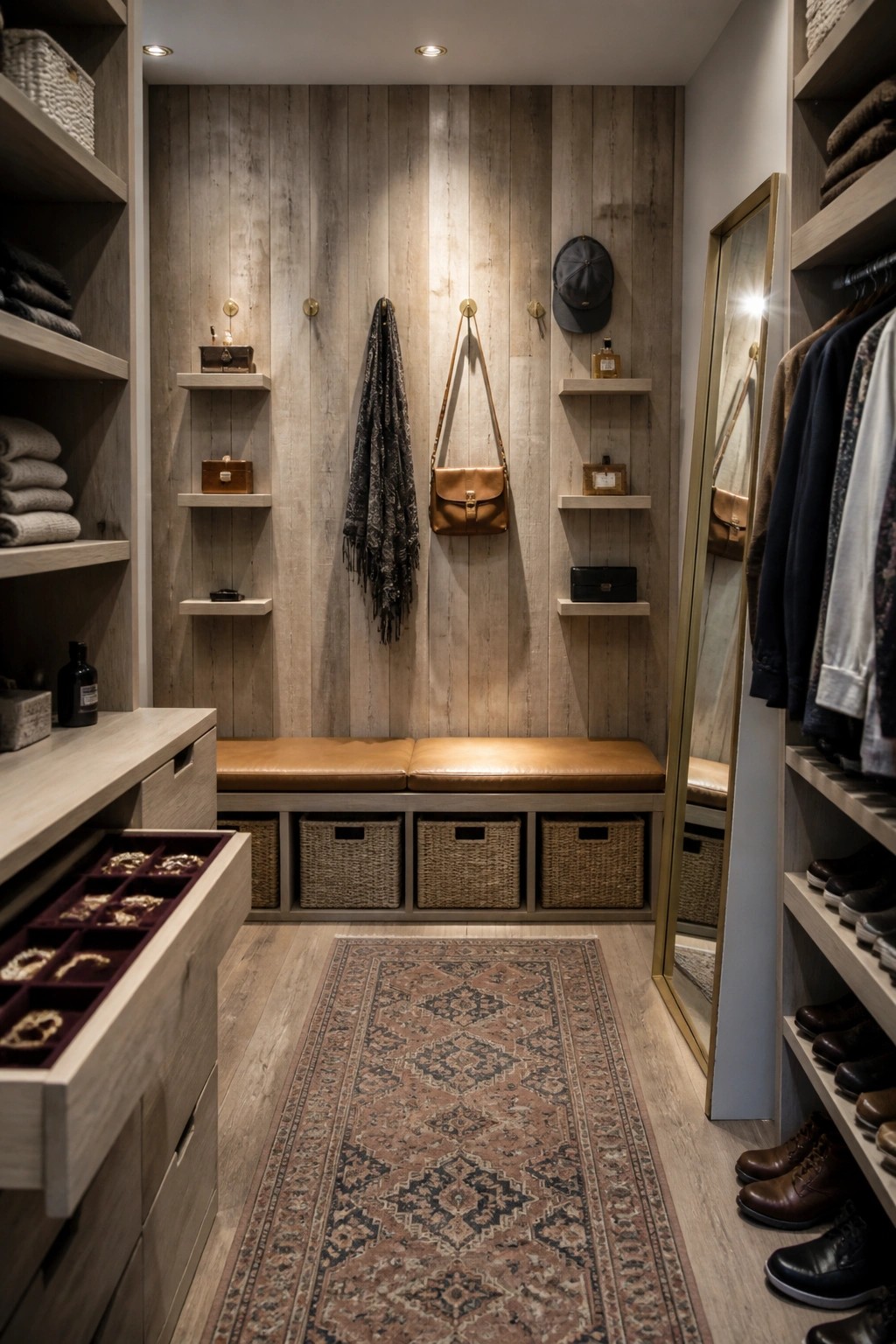
Reclaimed wood works well on closet walls because it adds texture in a space that often feels plain. The mixed boards bring depth and a bit of character without needing much else to dress them up.
This approach suits smaller walk-in closets or dressing areas where you want storage that still feels warm. Keep the rest of the room simple so the wood stays the main feature, and make sure the planks are sealed if the closet gets regular use.
Mixing Reclaimed Boards For Added Wall Interest
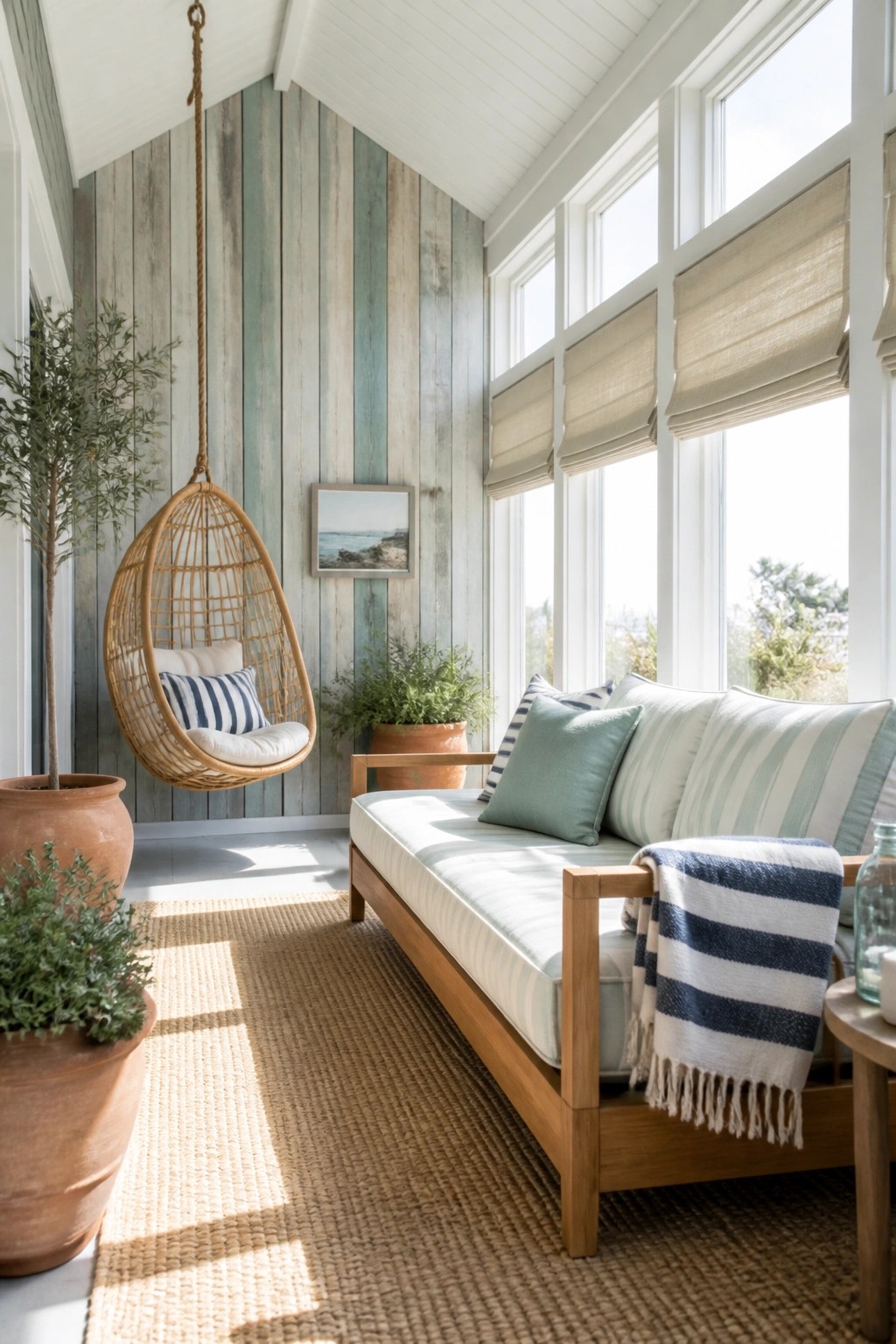
Reclaimed wood walls often look best when the boards are not all the same. Mixing different widths, colors, and finishes creates a relaxed, layered effect that feels more natural than a uniform pattern.
This works especially well in rooms with plenty of light, where the variations can show up clearly. It suits casual spaces like sunrooms or family rooms and pairs easily with simple furniture and soft textiles.
Mixing Reclaimed Boards In The Kitchen
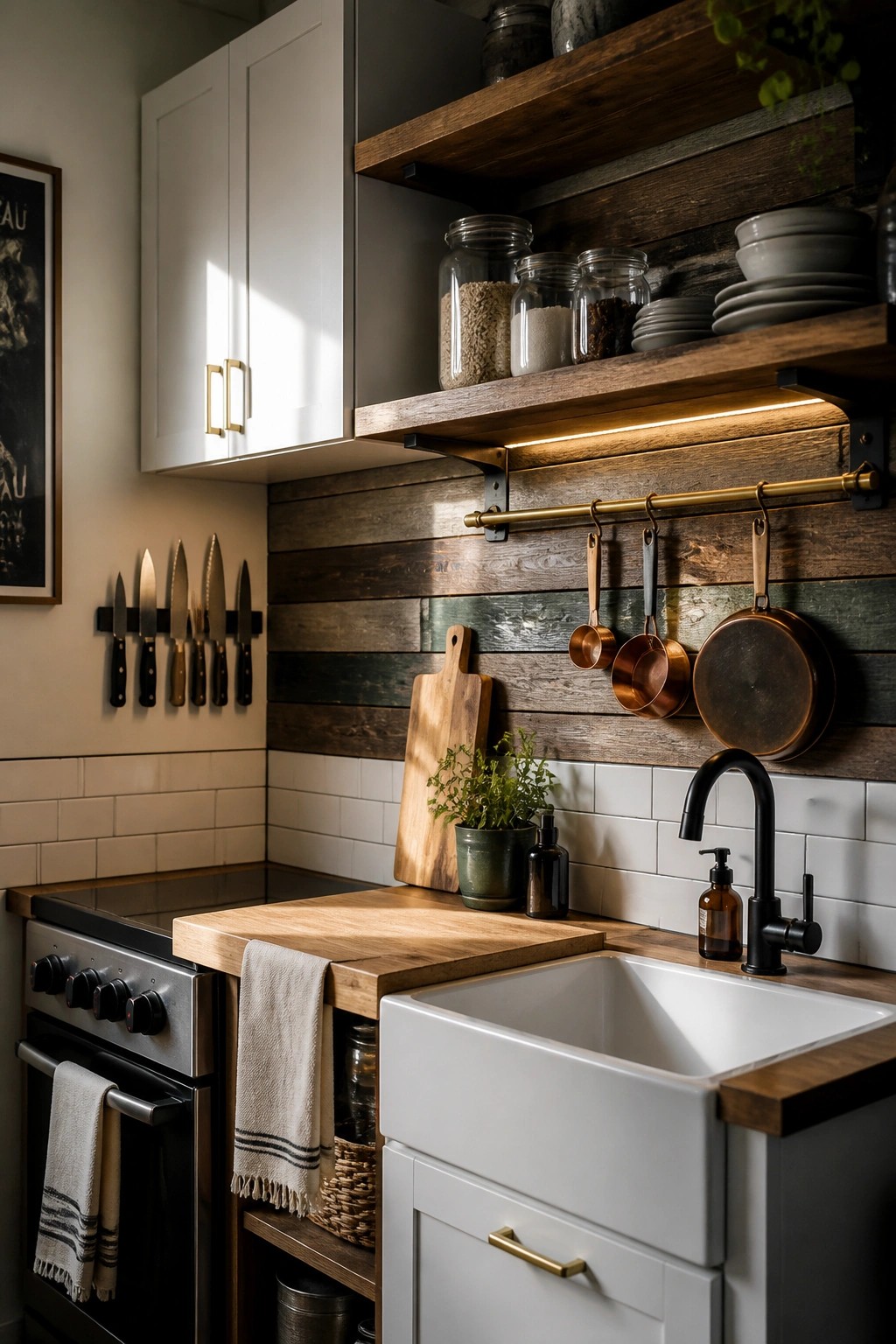
A reclaimed wood wall made from mixed pallet boards adds texture to a kitchen without needing a lot of extra color or pattern. The different tones and slight gaps between the planks give the surface depth while still keeping the room feeling open and simple.
This approach works best in homes that already use some wood elsewhere, like open shelving or butcher block counters. It suits smaller kitchens especially well because the natural variation keeps the wall from feeling flat or too heavy behind a sink or stove area.
Mixing Reclaimed Boards on Stair Walls
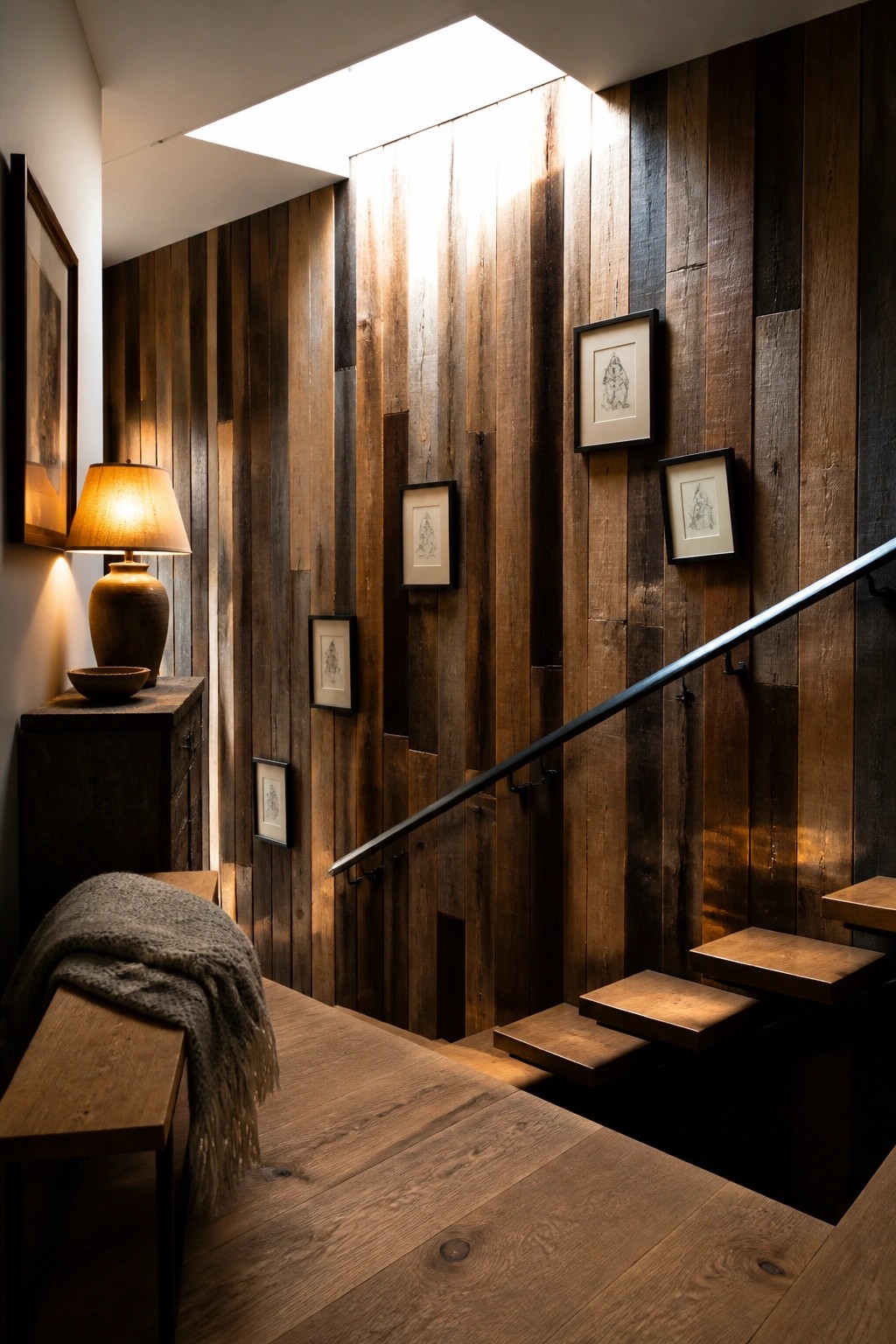
Many people turn to mixed reclaimed boards for stair walls because the look adds texture in a space that often stays plain. The boards run vertically in different widths and tones, which helps the area feel warmer and less like a simple passageway.
This works best in homes where the stairs sit against a long wall and you want something low cost but still interesting. Source boards from pallets or old fencing, sort them by color first, and keep the arrangement random rather than too planned. It suits older homes or any interior that already leans toward natural materials.
Herringbone Reclaimed Wood In Utility Rooms
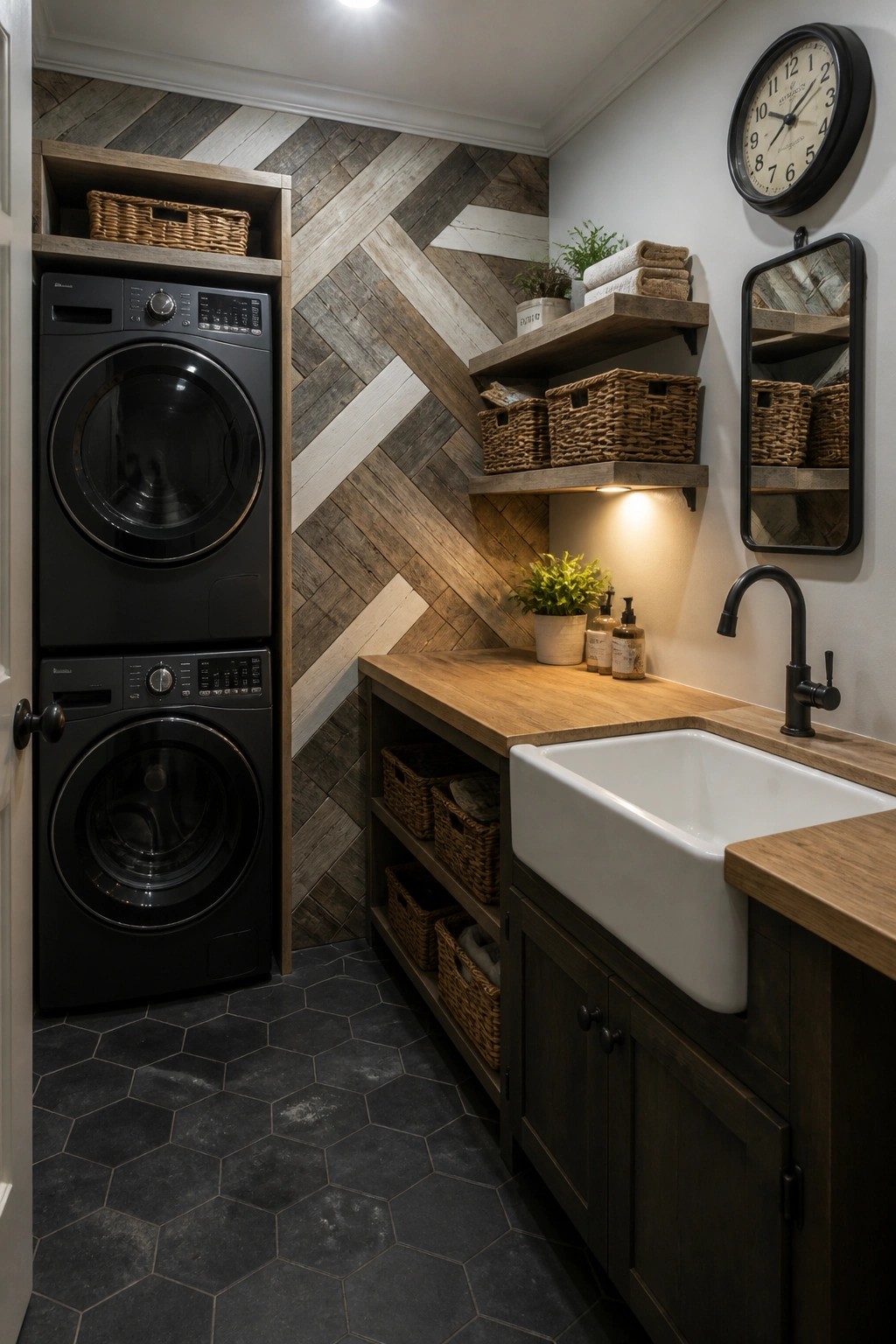
A herringbone pattern made from mixed reclaimed boards brings texture to a laundry room without needing much else. The different wood tones and angles keep the wall from feeling flat while the rest of the space stays simple and functional.
This approach works best in smaller utility rooms where you want one strong surface but still need room for storage and daily use. Stick with basic cabinetry and dark flooring so the wood pattern stays the main point of interest.
Mixing Reclaimed Boards On Vertical Walls
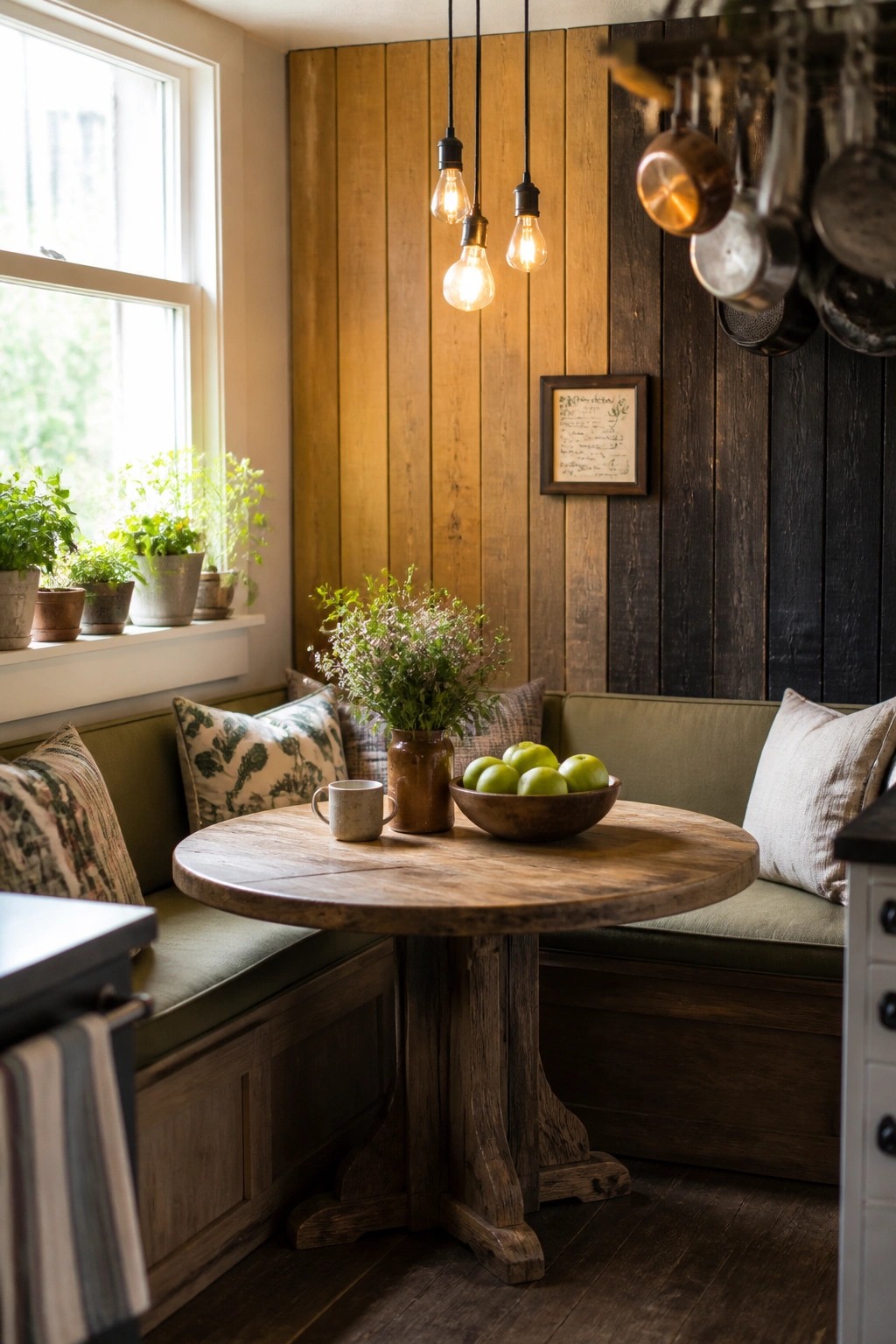
Reclaimed wood walls made from boards of different widths and tones add real character to a room. The mix of light and dark planks keeps the surface interesting without needing extra decoration or patterns.
This style works especially well in smaller areas like a breakfast nook or corner seating spot. It suits homes that already use wood tones elsewhere and can be built affordably with pallet boards or salvaged lumber.
Mixing Reclaimed Boards On A Kitchen Wall
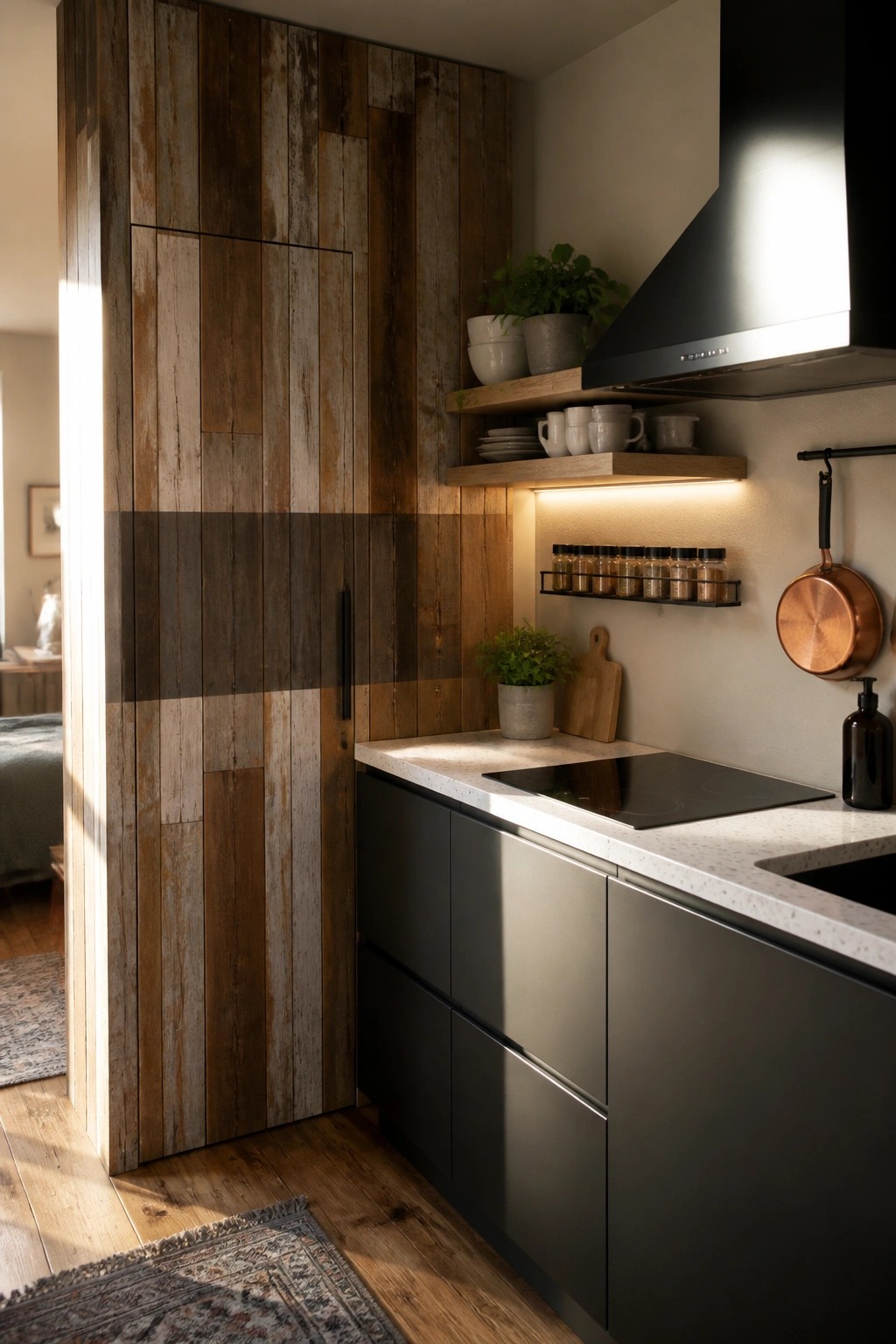
Reclaimed wood walls work well in kitchens because they add texture and warmth without needing a lot of extra decoration. The mix of board widths and tones keeps the surface interesting while still feeling simple and natural next to darker cabinets.
This approach suits homes that already have clean lines or modern finishes, since the wood softens the look without overpowering it. It tends to work best on one main wall rather than all around the room, and it helps if the wood has some variation in color so the pattern does not feel too uniform.
Mixing Reclaimed Boards For Texture
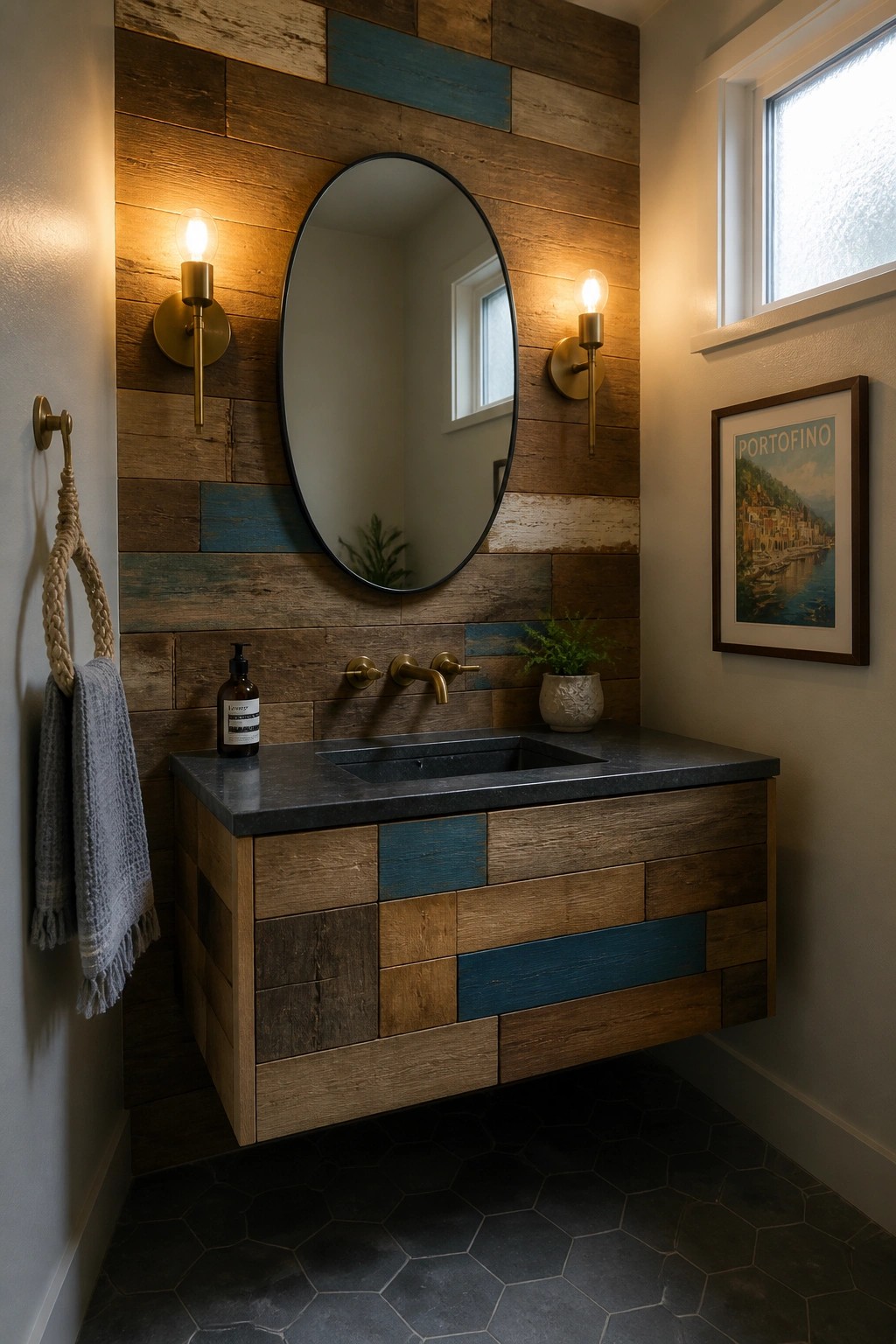
A mixed reclaimed wood wall works well when you want texture without making a room feel busy. The boards bring in different tones and grain patterns that add depth while still looking relaxed and natural.
This approach suits bathrooms or small spaces where you need something warm on the walls. Keep the rest of the finishes simple so the wood stays the main focus, and seal it well if moisture is a concern.
Mixing Reclaimed Boards For An Accent Wall
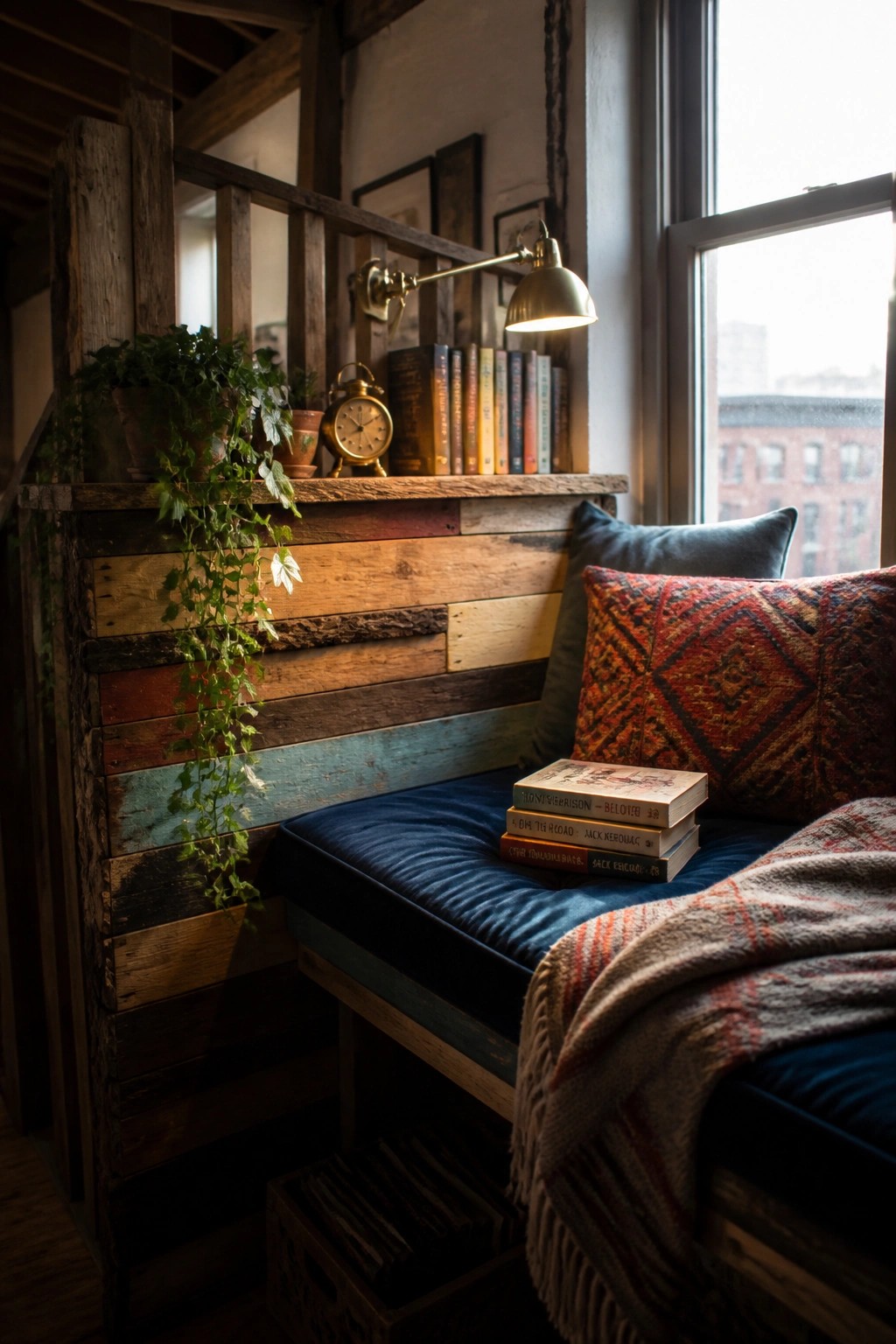
Mixing boards from different sources gives a pallet wall more character than a single tone ever could. The color shifts and grain changes catch the light in a way that feels natural and lived in, which is why this style works so well in smaller spaces that need a focal point.
It suits homes that already have wood floors or simple furniture, since the wall itself carries the interest. Keep the rest of the room fairly calm so the mix of tones stays the main feature instead of competing with too many other textures.
Frequently Asked Questions
Q: How do I find pallets that match the mixed board styles in those designs? A: Check local construction sites or farm supply spots for free discards. Look for ones with varied widths already so you can skip extra cutting. Clean them off and sort by color before you start building your pattern.
Q: Should I treat the reclaimed wood before hanging it up? A: Yes, run a coat of sealant over each board to block moisture. This keeps the patterns from shifting as the wood dries out more. Focus on the backs too if your wall gets any humidity.
Q: What holds the mixed patterns in place without them shifting later? A: Screw the boards straight into wall studs at a few points each. Start from the bottom row and work up so the weight stays even. One tight fit at the corners usually locks the whole layout.
Q: How do I fix gaps that show up between the different board sizes? A: Fill small spaces with thin wood shims cut from scraps. Sand them flush after they dry so the surface stays flat.
