

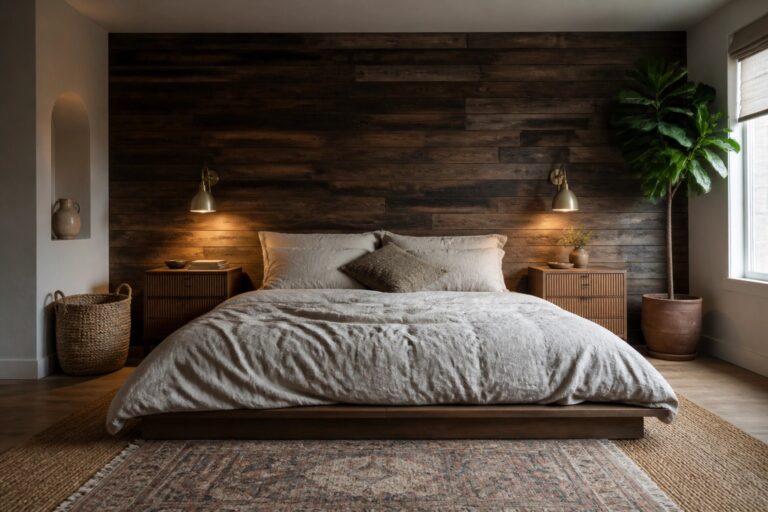
Pallet wood can shift how a room feels by adding texture that softens the lines of plain walls in bedrooms and living spaces.
I have found that the grain and slight gaps in the boards often catch light in ways that make a reading corner feel more settled without adding much furniture.
Some setups work because they let the wood blend with existing colors rather than compete with them.
It pays to try one small section first.
Over time the material seems to settle into the room in a way that feels lived in instead of added on.
Dark Wood Plank Walls in Bedrooms
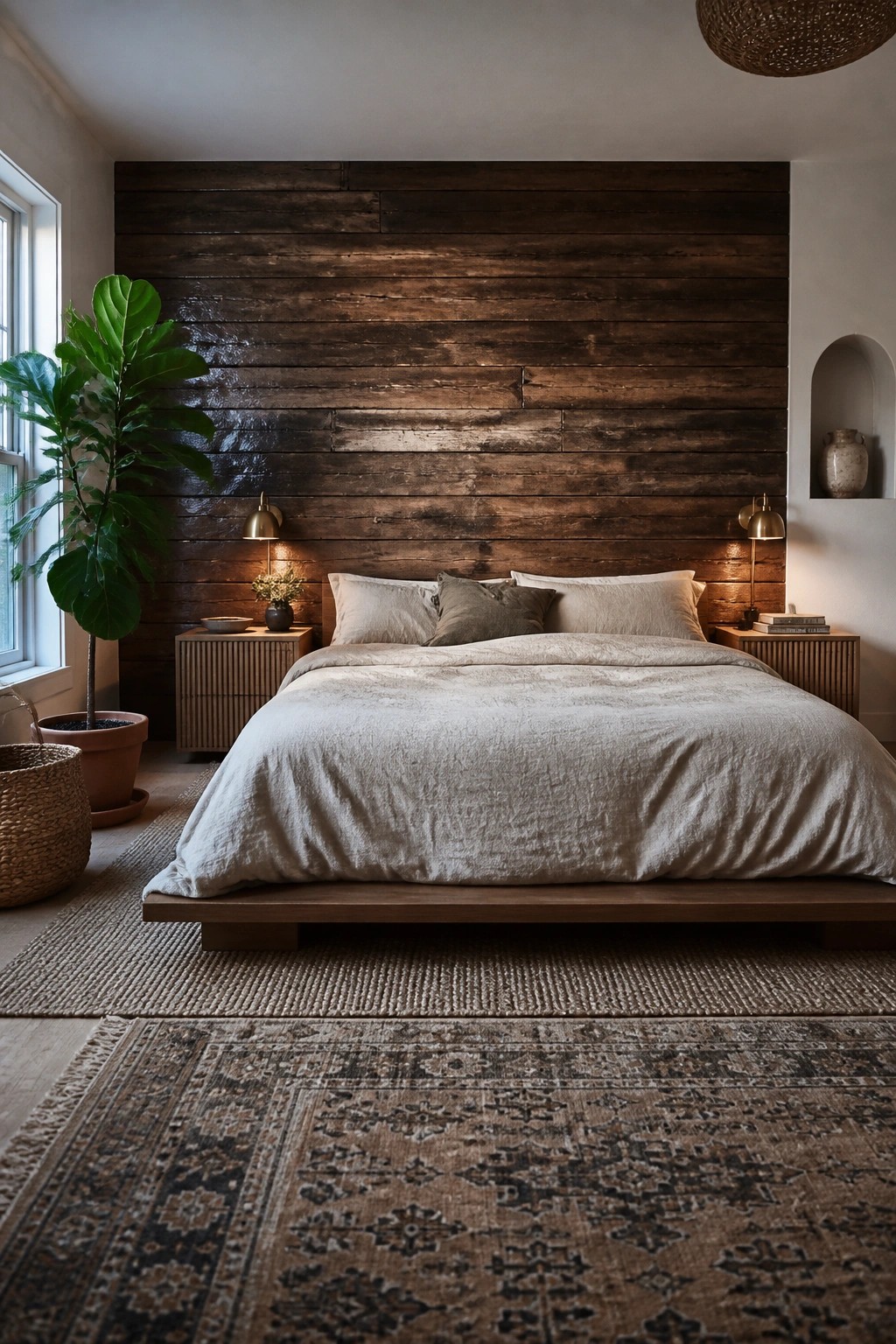
A dark wood plank wall behind the bed adds warmth without much effort. The horizontal boards create a simple backdrop that makes the room feel more settled and less stark.
This idea works best in spaces with light bedding and minimal furniture so the wood stays the main feature. It suits smaller bedrooms especially well since the darker tone can make the walls feel closer without closing the room in.
Pallet Wood Walls In Living Rooms
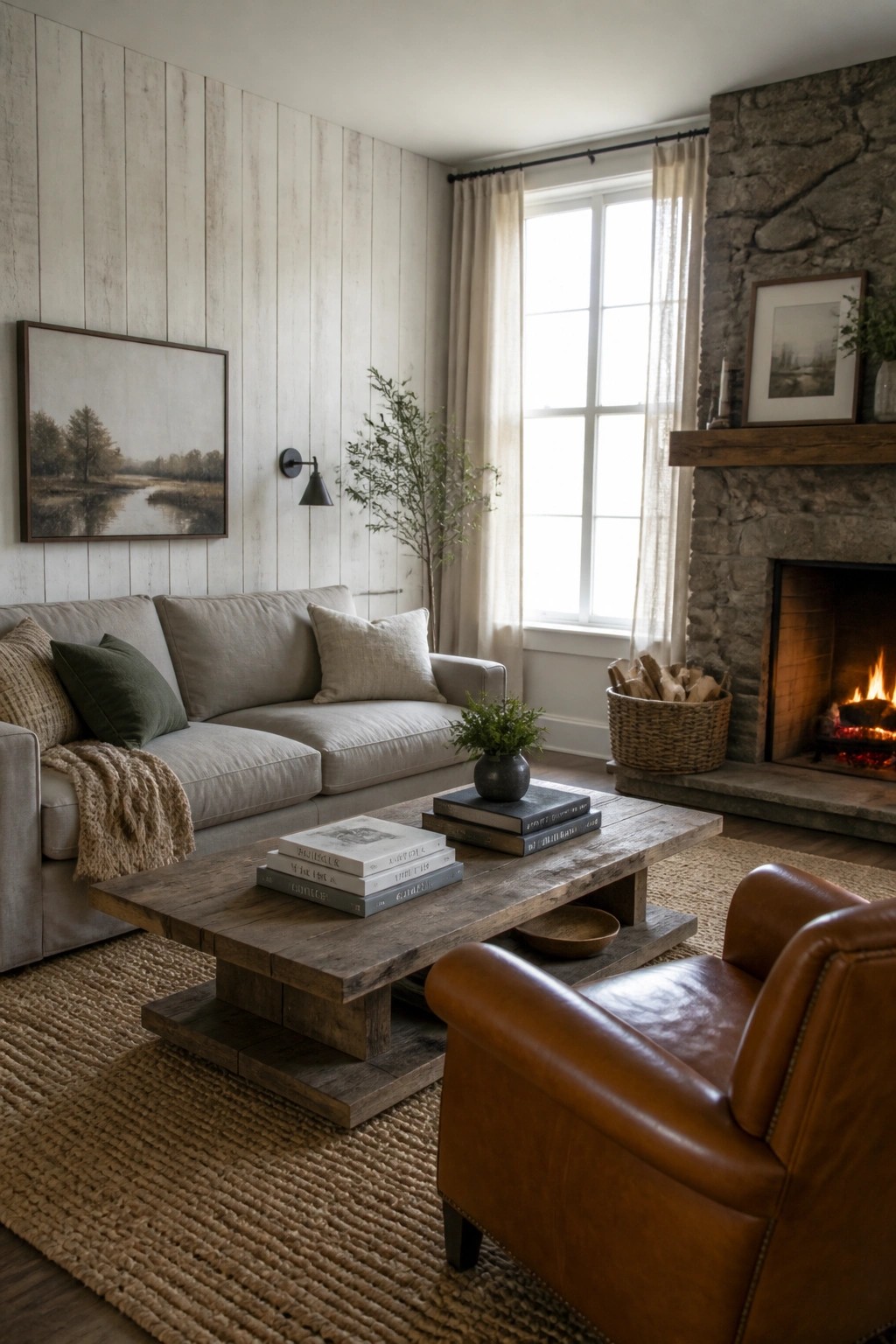
Pallet wood works well as an accent wall because it adds texture and a bit of warmth without needing a lot of extra pieces. The vertical planks give the room a simple structure that feels grounded while still letting the rest of the furniture stay relaxed and neutral.
This approach suits living rooms that already have wood tones or natural materials nearby. Keep other walls light and avoid crowding the space with too many patterns so the wood can do its job without competing.
Pallet Wood Walls for Reading Corners
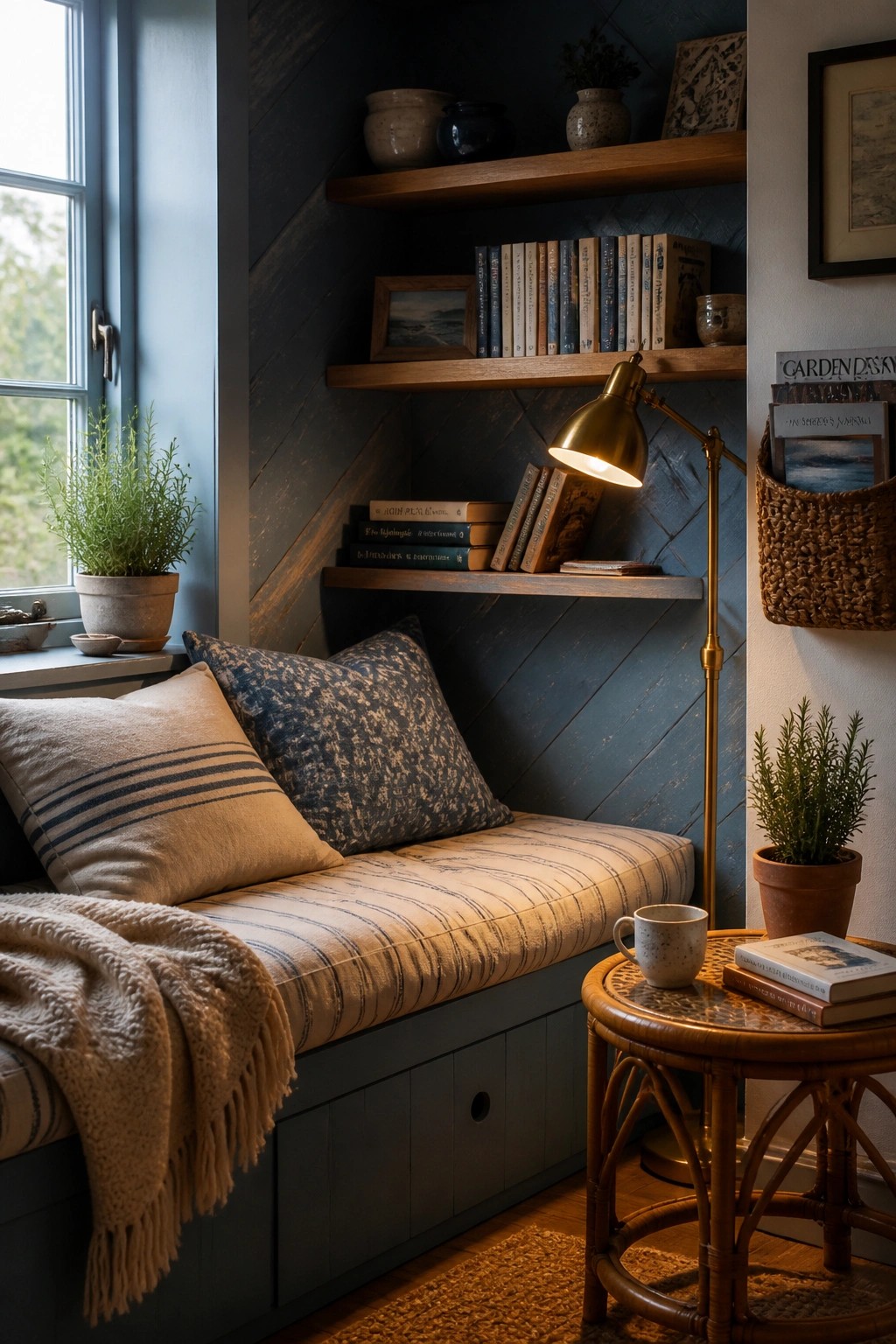
Pallet wood on the walls gives a reading corner that enclosed, settled feeling without much effort. The angled planks add texture that makes the space feel warmer, especially when paired with a simple built-in bench and a few shelves overhead.
This works best in smaller rooms or any spot where you want one area to feel distinct. Use darker tones if the corner gets decent light, and keep extra furniture to a minimum so the wood itself does most of the work.
Dark Wood Paneling Behind the Bed
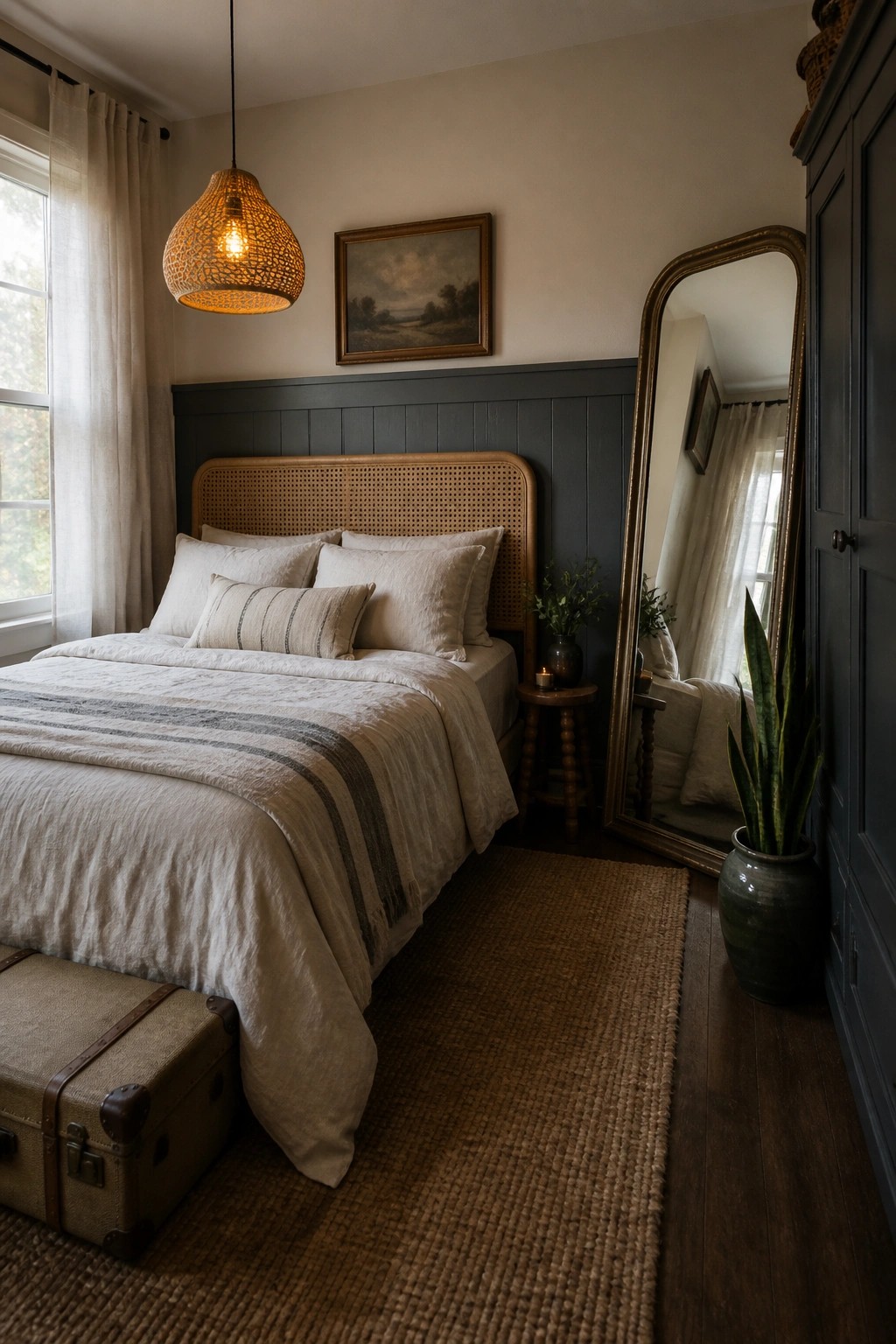
A dark wood accent wall can make a bedroom feel more settled and warm. The vertical panels add texture and depth without taking over the whole room, which is why this approach works so well when you want the bed to feel like the main focus.
It suits smaller rooms or spaces that need a bit more weight on one wall. Keep the rest of the finishes light and simple so the paneling grounds the space rather than closing it in.
Horizontal Wood Planks For Living Room Walls
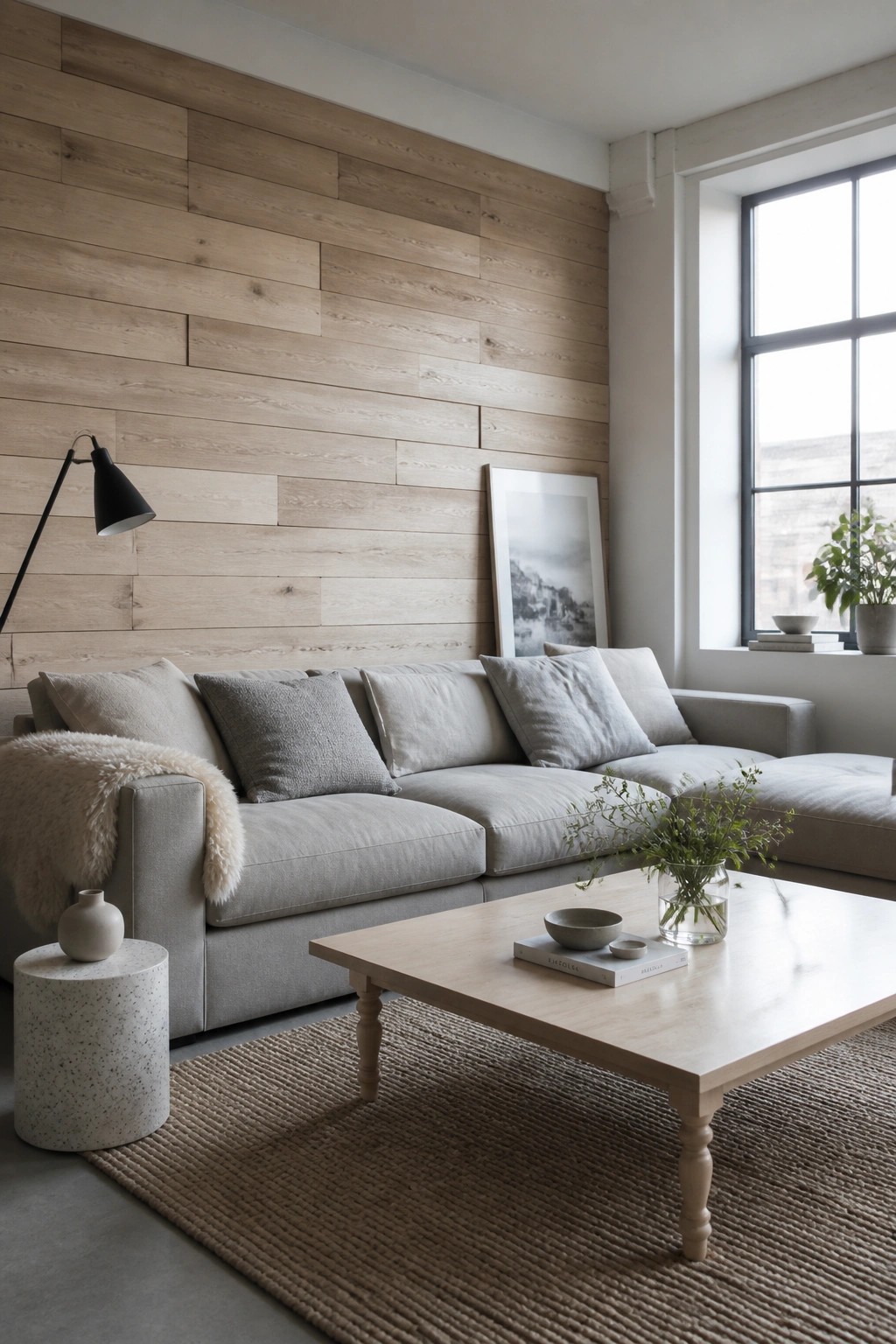
A wall of light horizontal wood planks brings a simple kind of warmth to a living room without making the space feel heavy. It works especially well when the rest of the room stays quiet in tone, so the wood grain becomes the main source of texture and comfort.
This approach suits homes that already lean toward neutral colors and natural materials. Keep the planks in a pale finish if the room gets good daylight, and pair them with soft seating so the wall does not compete with the furniture.
Reclaimed Wood Walls For Reading Corners
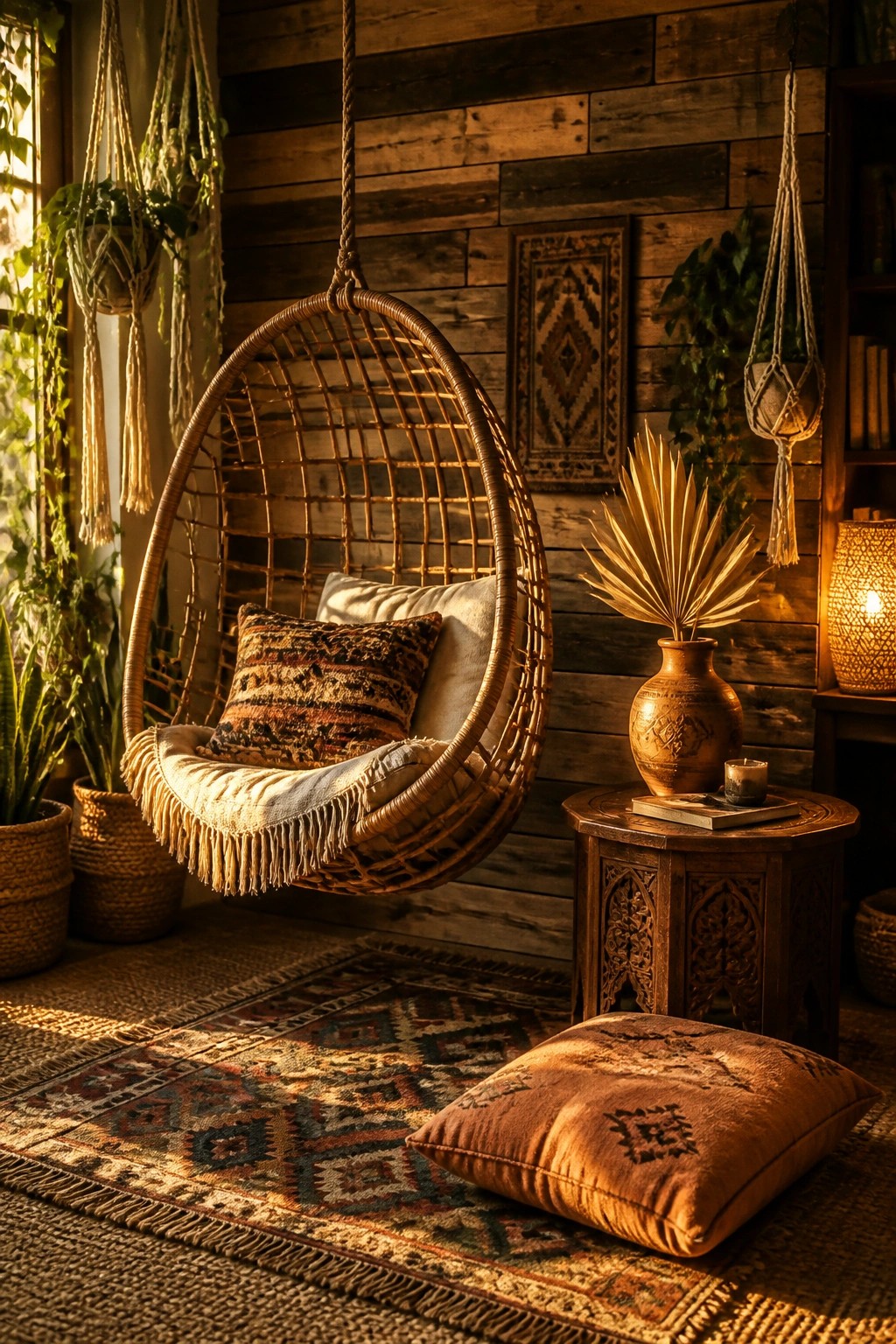
A reclaimed wood wall gives a reading corner that settled, lived-in feel without much effort. The horizontal planks add warmth and texture that makes the space feel separate from the rest of the room.
This works especially well in smaller homes or apartments where you want a defined spot to read. Keep the rest of the corner simple with one comfortable seat and a few plants so the wood stays the main feature.
Vertical Wood Paneling Behind The Bed
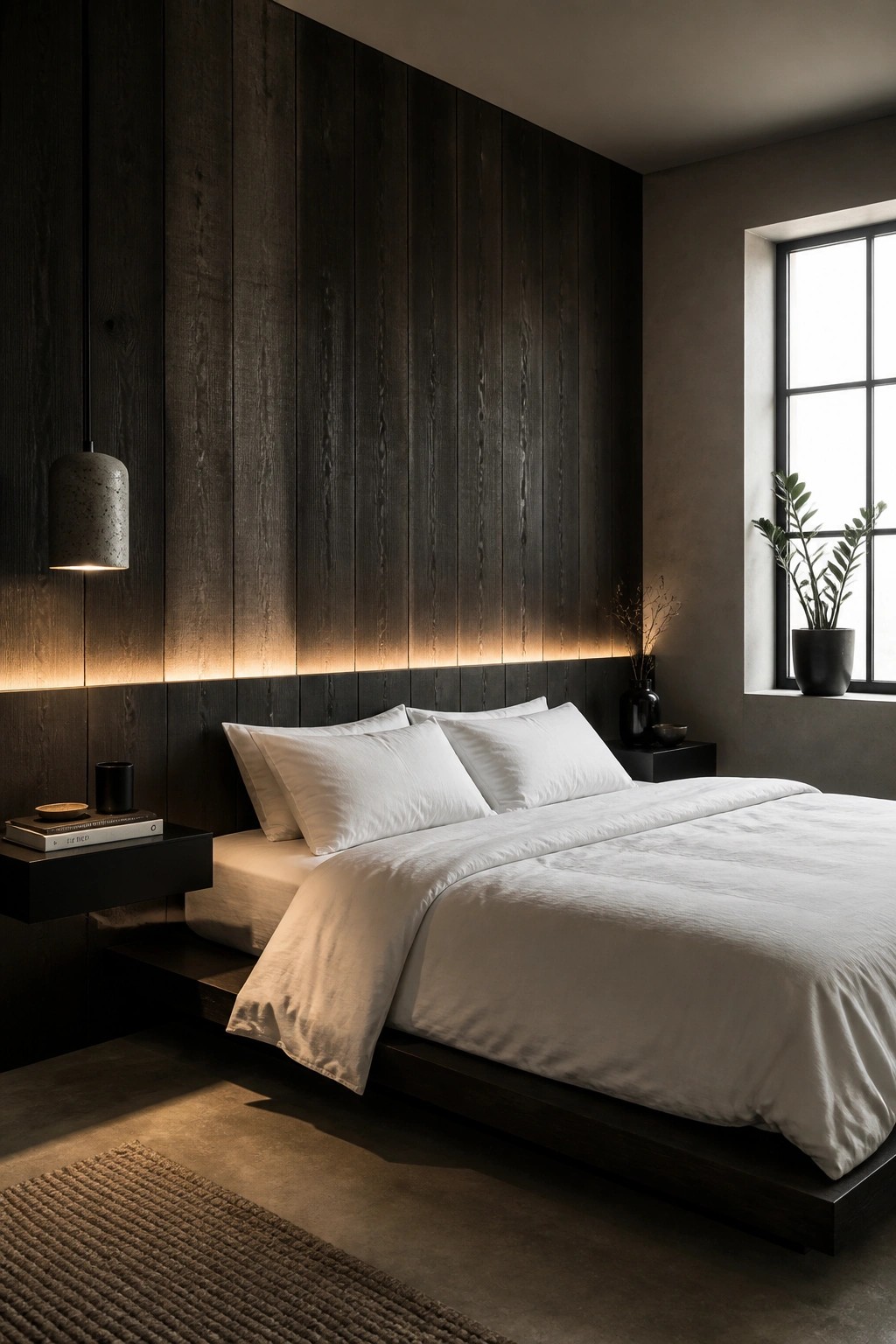
Vertical wood planks on the wall behind the bed give a bedroom a simple, grounded feel. The dark tone and linear pattern create a quiet backdrop that works especially well with light bedding and minimal furniture.
This idea suits smaller or medium bedrooms where you want some warmth without adding clutter. Keep the rest of the room simple so the wood does the main work, and add a low light source along the base if you want extra softness at night.
Whitewashed Wood Walls For Light Texture
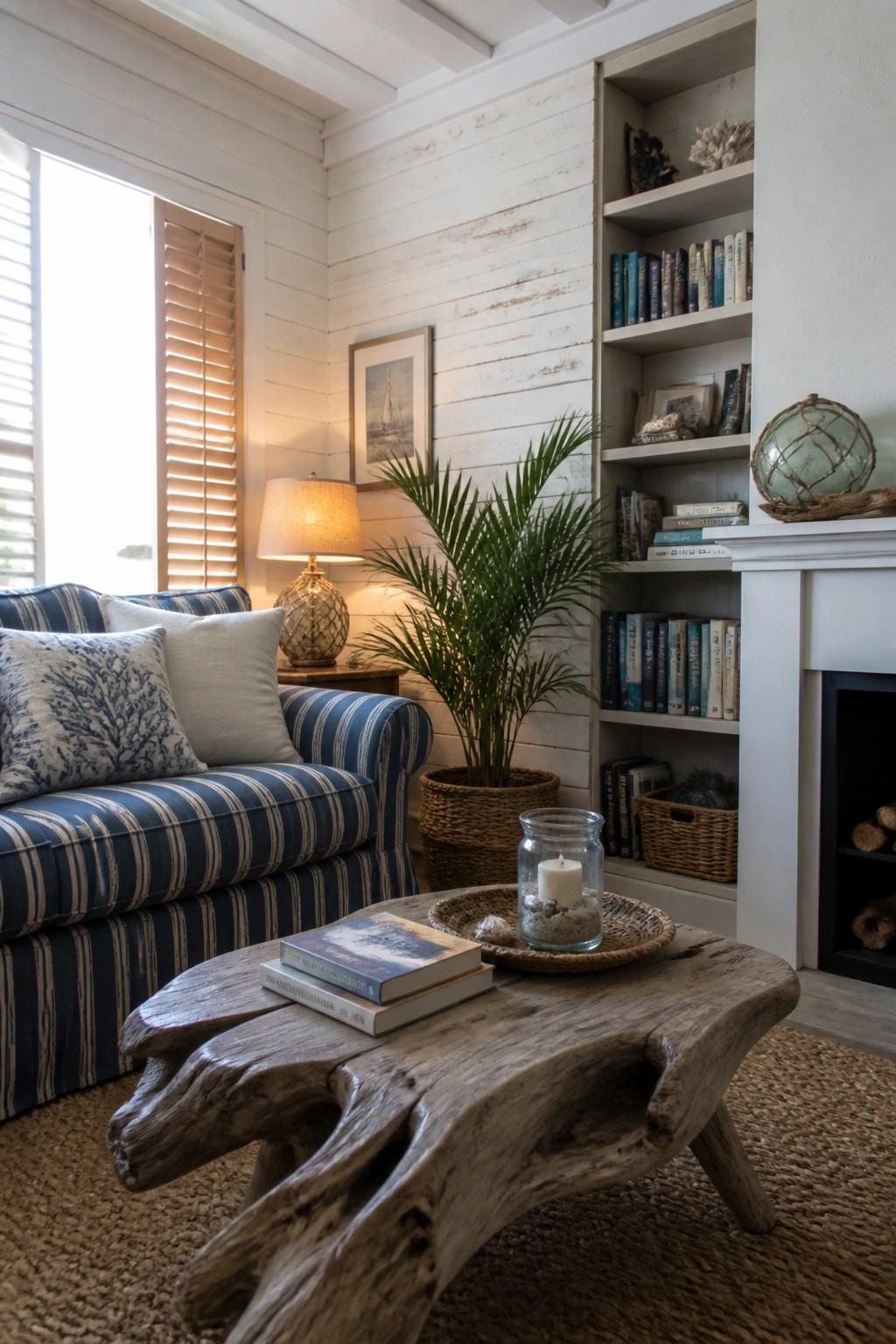
Whitewashed wood walls give a room that reclaimed look without making it feel dark or heavy. The paint softens the grain and lets light bounce around, which works especially well in living rooms or reading corners that already have plenty of natural light.
This treatment suits homes that want a bit of rustic character but still need the space to feel open. Use it on an accent wall behind a sofa or built-in shelves, and keep the rest of the finishes simple so the texture stays the focus.
Herringbone Pallet Wood For Reading Nook Walls
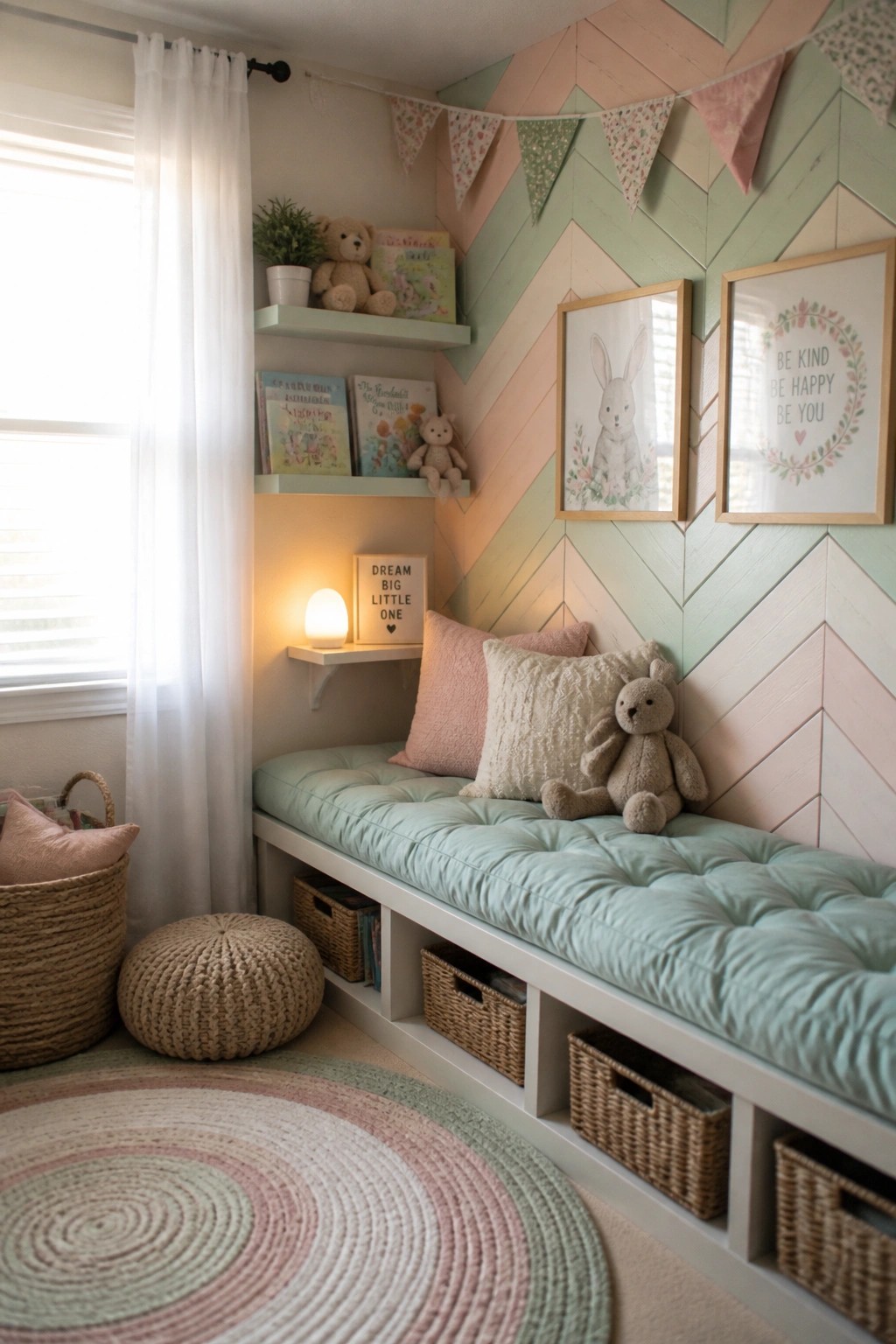
Many people turn to pallet wood when they want an accent wall that feels textured but still soft. The herringbone layout gives the surface some movement, and painting it in gentle pastels keeps the corner calm instead of busy.
This approach works well in small bedrooms or quiet corners where you want to mark off a reading spot without building anything large. It pairs easily with a low bench or floating shelves and suits homes that already lean toward simple, collected looks.
Pallet Wood Walls In Home Offices
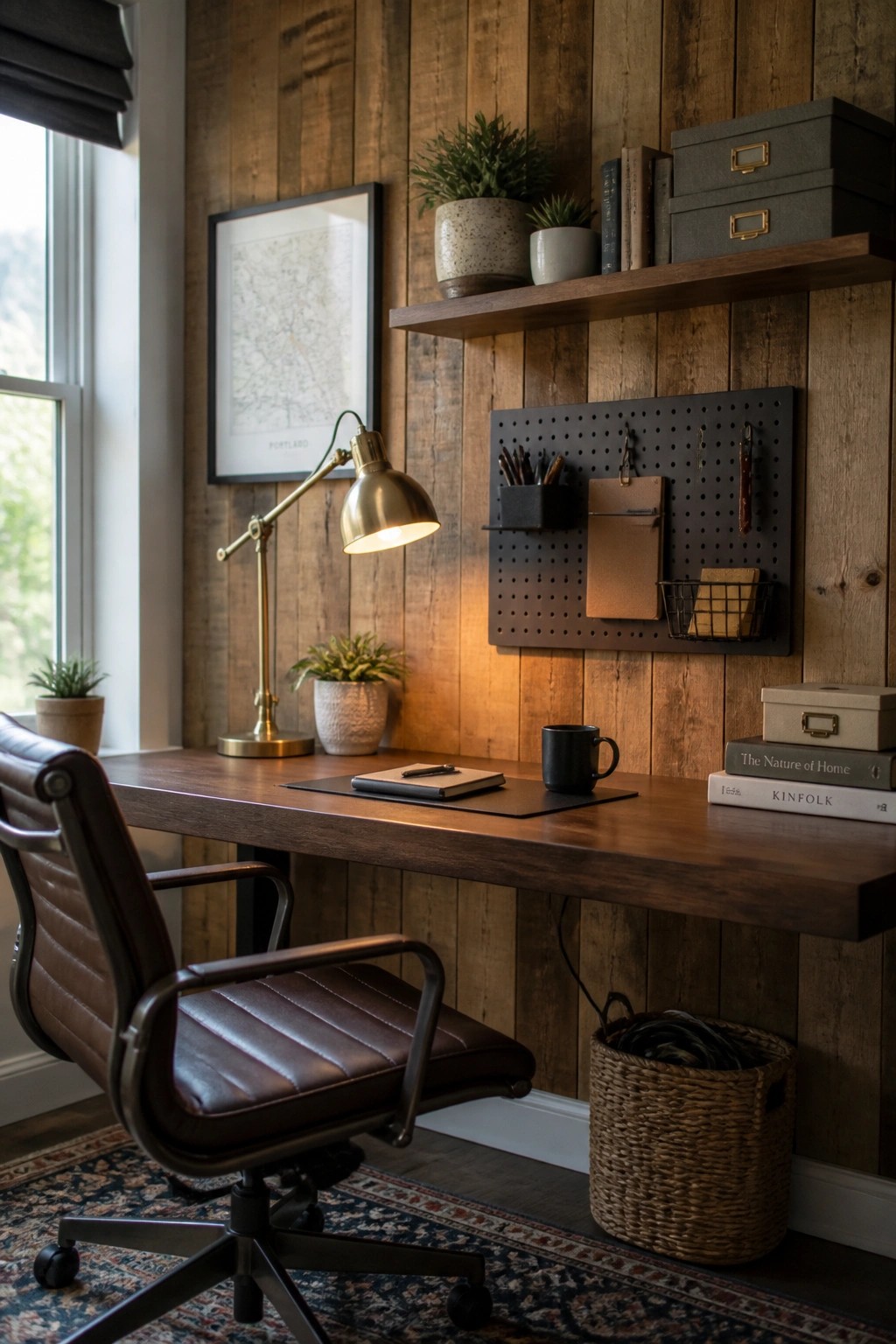
Reclaimed wood walls work especially well behind a desk because they add texture and warmth without making the space feel closed in. The vertical planks help the room feel more grounded while still keeping it practical for daily work.
This idea suits smaller offices or reading corners in homes that already lean a bit rustic. Keep the rest of the furnishings simple so the wood stays the main feature, and seal the boards well if the wall sits near a window.
Pallet Wood Walls Behind Small Desks
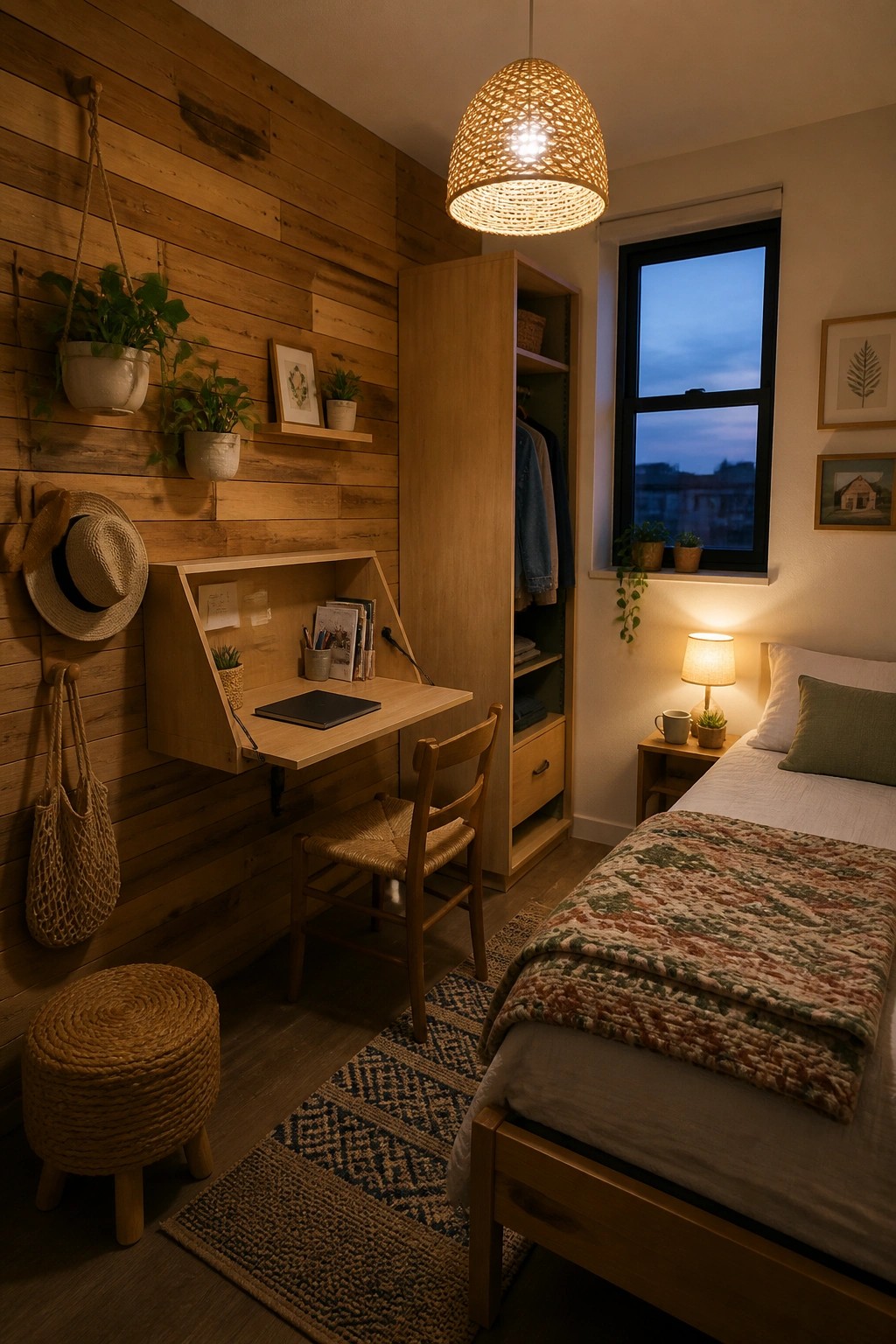
Reclaimed wood walls work well when you want a bedroom to feel warmer without adding much furniture. The vertical planks create a simple backdrop that makes a compact workspace feel more intentional and less like an afterthought.
This approach suits smaller rooms where a full desk would take up too much floor space. Mount a fold-down desk directly on the wood and keep other surfaces light so the wall remains the main feature.
Sliding Barn Doors as Bedroom Headboards
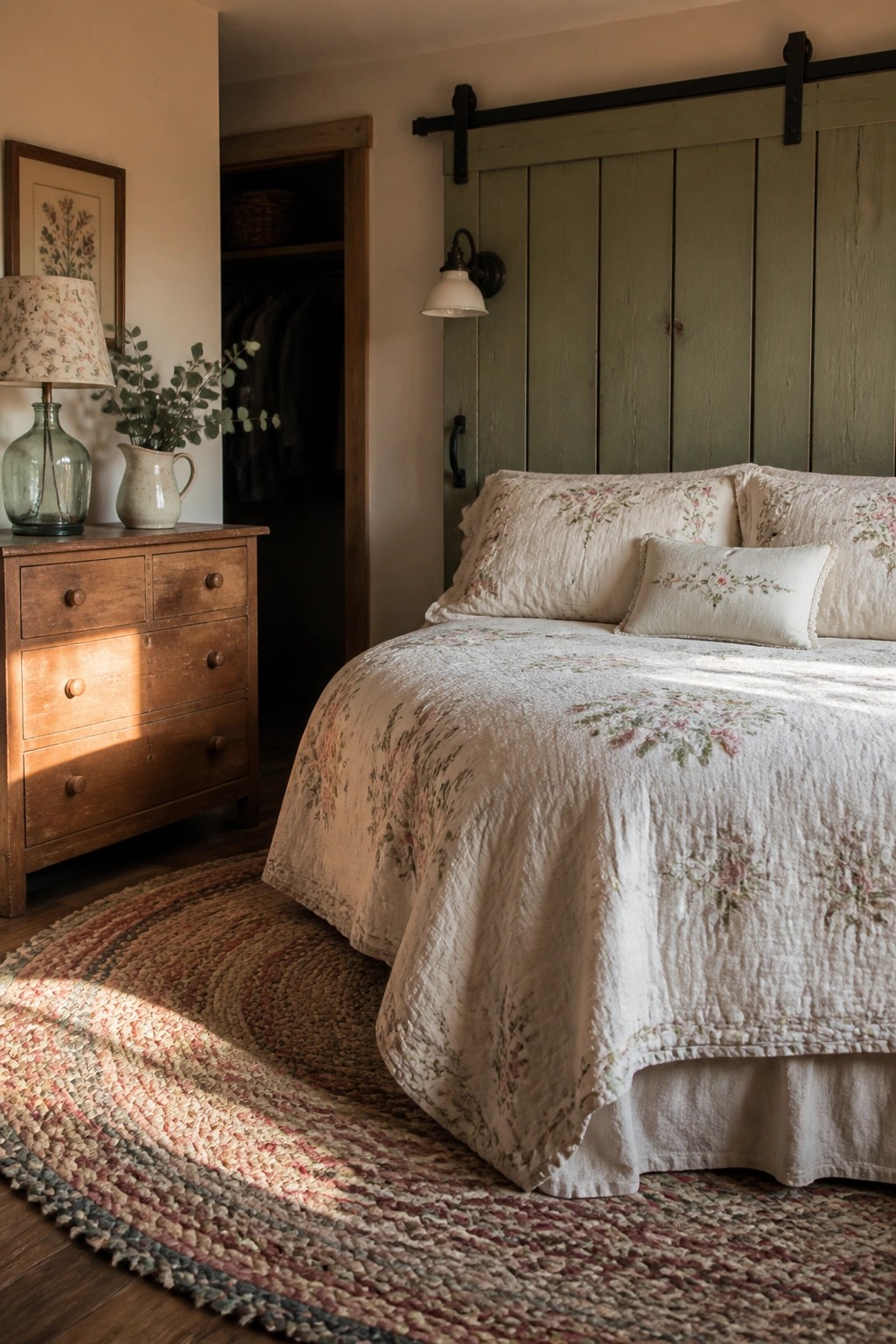
A sliding barn door made from vertical wood planks can work well as the wall behind a bed. It gives the room a simple focal point and adds texture without needing extra furniture or heavy decor. Many people like this because it feels practical and still looks warm.
This approach suits smaller bedrooms or spaces that need a bit more character. Mount the door on a sturdy track so it stays secure, and keep the surrounding walls light to avoid making the room feel too closed in.
Pallet Wood Ledges For Book Storage
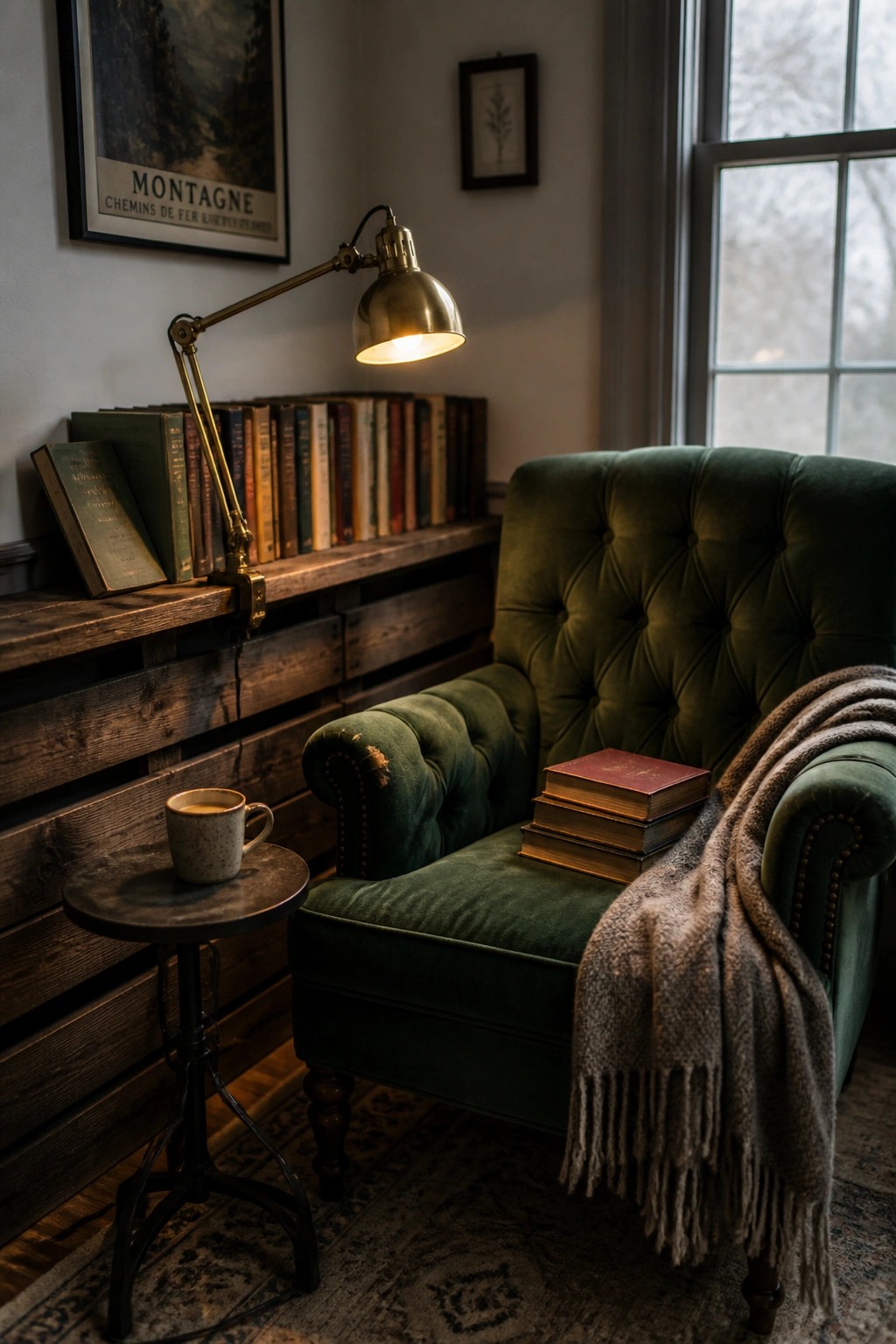
A pallet wood ledge gives you an easy way to add storage without building full shelves. It works well in a reading corner because it keeps books close at hand and adds some texture to the wall at the same time.
This setup suits smaller spaces or rooms where you want a bit of warmth without a heavy bookcase. Mount the ledge at a comfortable height, add a clip-on light if needed, and keep the stack of books fairly low so the ledge does not feel crowded.
Pallet Wood Walls with Mixed Colors
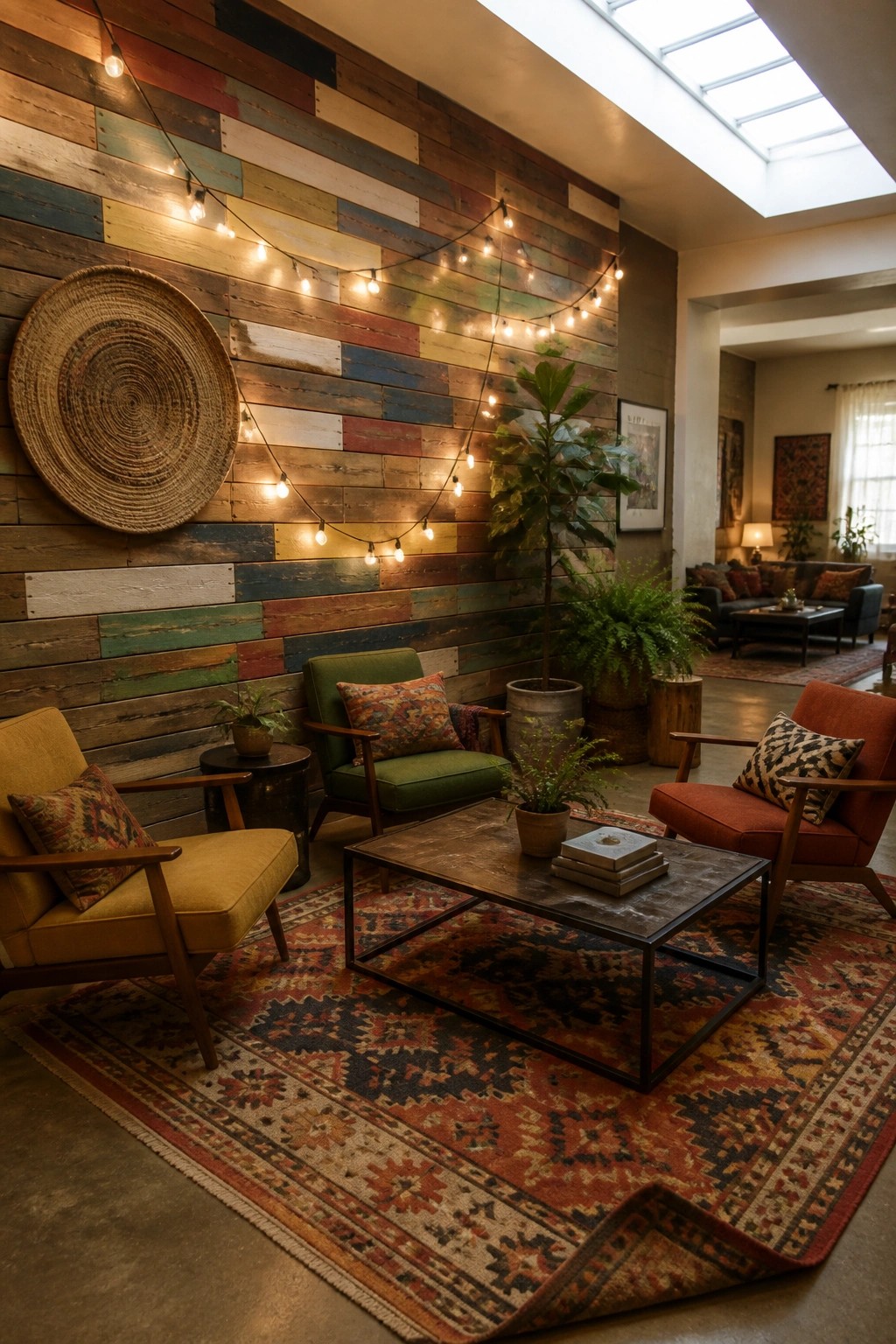
A wall made from reclaimed pallet boards in different tones brings a relaxed, collected look to a living room. The wood adds texture and a bit of color without needing much else on the surface, and it works especially well behind seating areas where people spend time.
This approach suits homes that already lean a little rustic or eclectic. Keep the rest of the furnishings simple so the wall stays the main point, and add soft lighting if the room feels too dark once the boards are up.
Pallet Wood Walls Behind The Bed
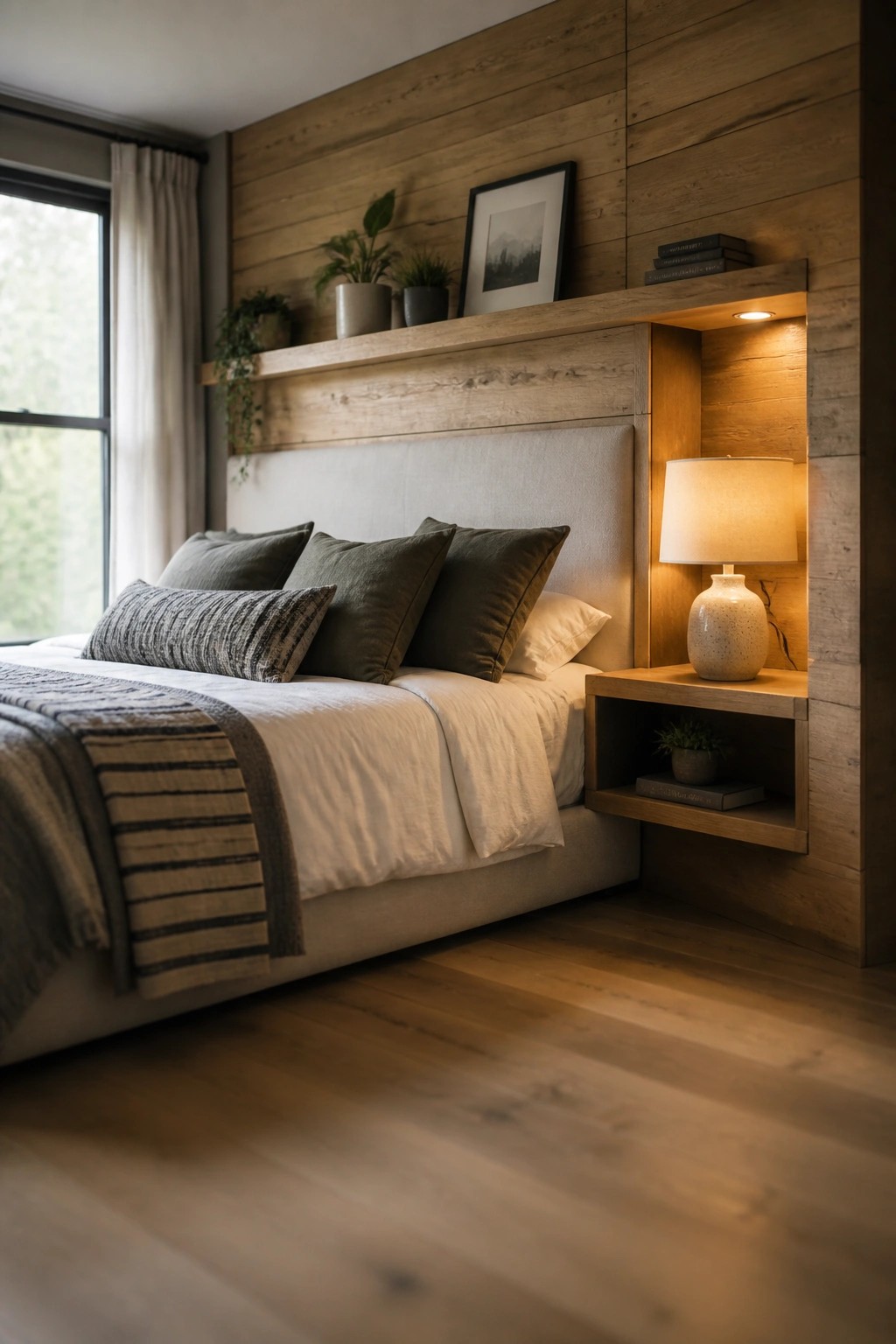
Pallet wood works well as a full wall treatment behind the bed because it adds texture and warmth without needing a lot of extra pieces. The horizontal boards create a simple backdrop that feels grounded and helps the bedding stand out.
This approach suits smaller bedrooms where you want one strong material instead of multiple layers of decor. You can add a narrow shelf or a small lit niche for books and a lamp, which keeps the surface useful while keeping the overall look calm.
Pallet Wood Walls In Reading Corners
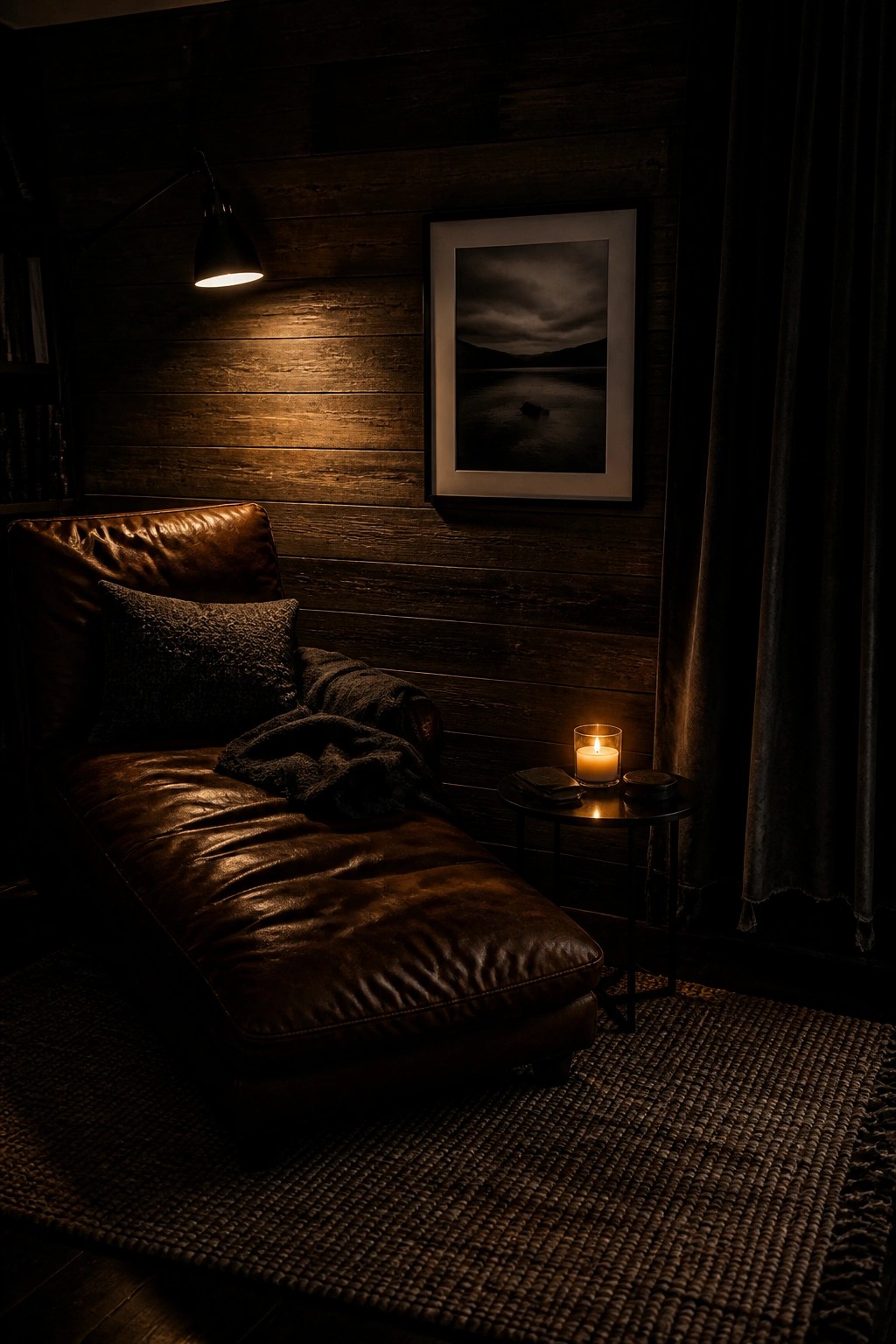
Dark wood planks work especially well in small reading spots because they add texture and a sense of enclosure without taking up floor space. The horizontal layout keeps the wall from feeling too heavy while still making the corner feel separate from the rest of the room.
This approach suits bedrooms or living areas where you want a quiet place to sit without building anything new. Keep the rest of the furnishings low and simple so the wood remains the main feature.
Painted Pallet Wood for Kids Reading Nooks
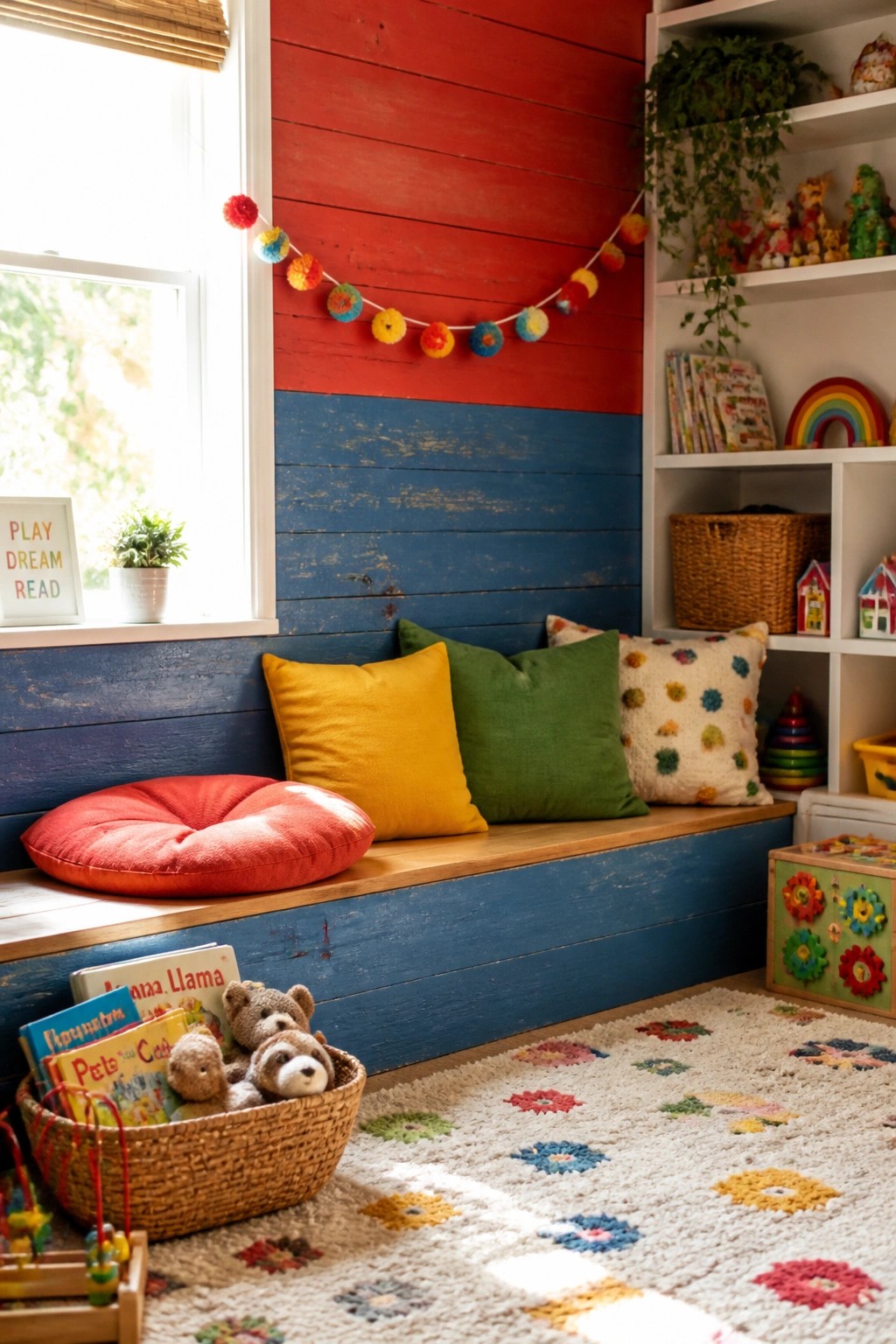
Pallet wood works well when you paint it in big blocks of color instead of leaving it natural. The two tone look keeps the wall from feeling too plain while still showing off the wood grain and texture underneath. It also makes a small corner feel more finished without needing a lot of extra trim or molding.
This approach fits best in playrooms or reading corners where you want something cheerful but still simple to build. You can add a bench right at the base of the wall so the seating becomes part of the same structure. Just make sure the wood is clean and dry before you paint or the colors will not hold up well over time.
Horizontal Wood Planks For Living Room Walls
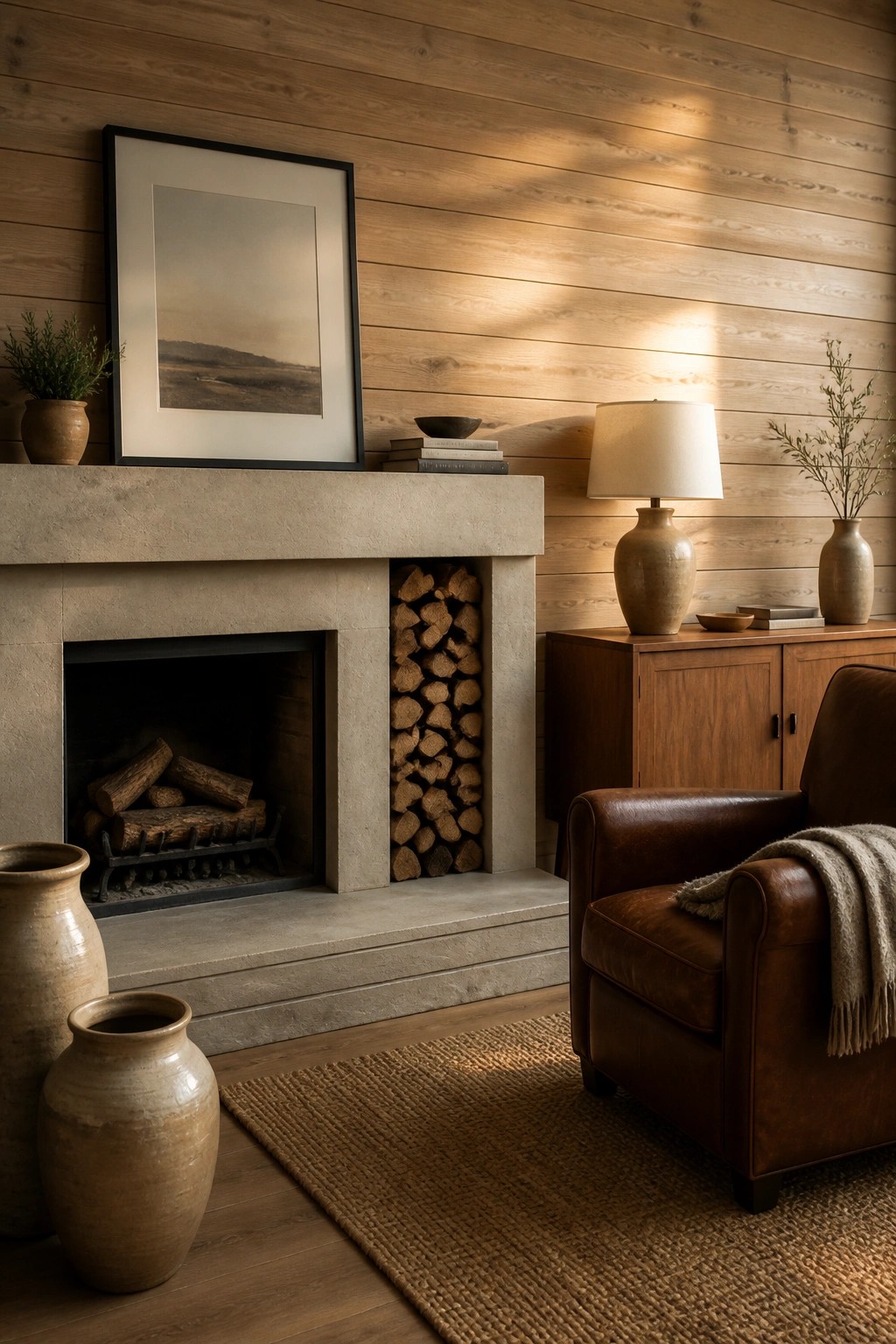
Horizontal wood planks give a room an easy, grounded feel without much effort. They work especially well behind a fireplace or seating area where you want a bit of warmth and texture that still feels simple. Many people like this look because it adds character while keeping the space from feeling too plain or bare.
This approach suits living rooms and reading corners in homes that already have some natural materials. Keep the planks in a light to mid tone so the room stays bright, and pair them with a few larger pieces of furniture rather than lots of small decor. Avoid using them on every wall if the room is small, since that can make the space feel closed in.
Reclaimed Wood Walls Behind Window Benches
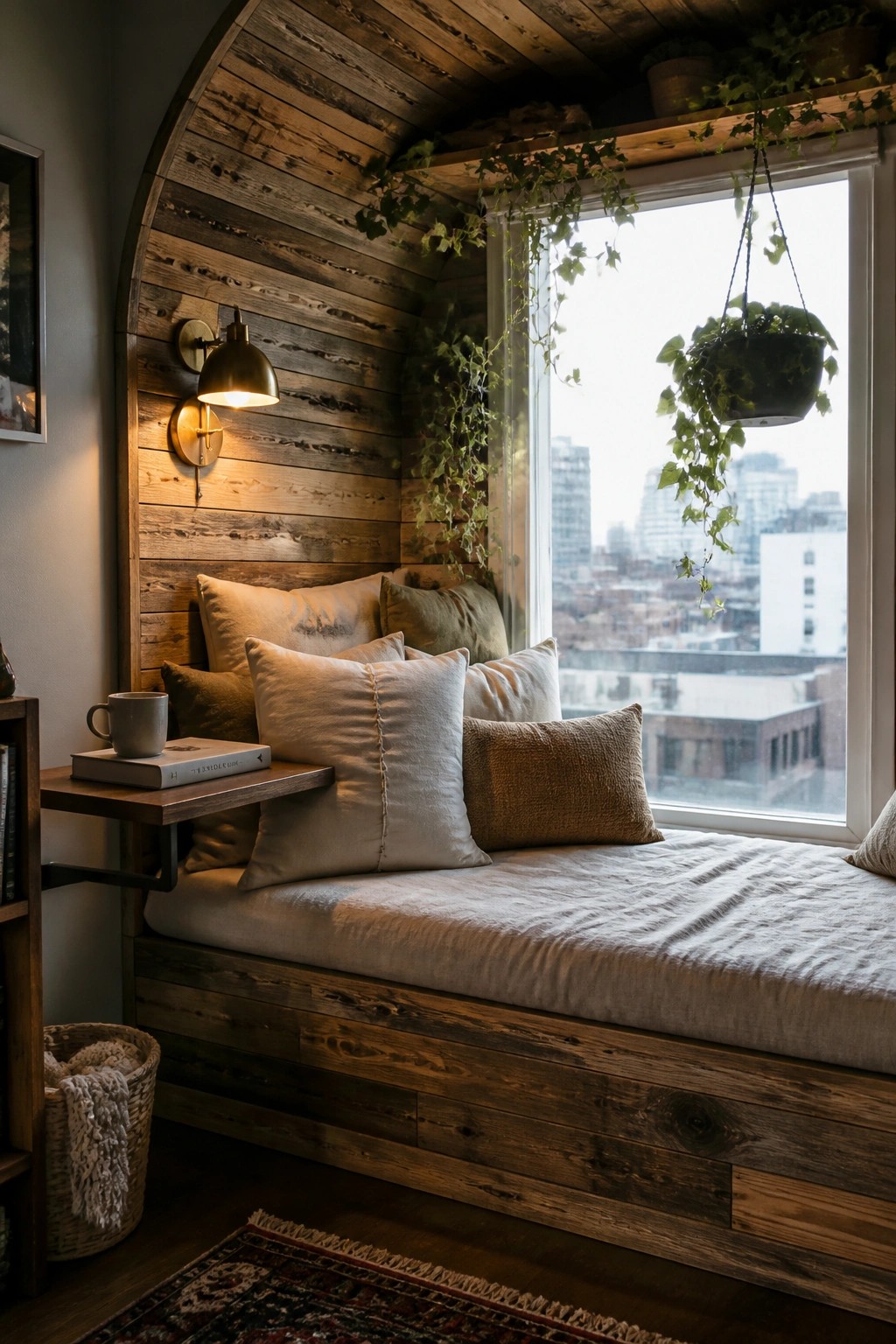
Reclaimed wood works well on the wall behind a window bench because it adds texture and warmth in one step. The planks create a simple backdrop that makes the seating area feel more tucked in and finished.
This approach suits bedrooms or smaller reading corners where you already have a window and want to add a built-in seat. Use the wood only on the main wall so the rest of the room does not feel too heavy, and keep the bench depth comfortable for actual use.
Frequently Asked Questions
Q: Will the pallet wood make my room smell weird? A: Wash the pallets with soapy water and let them dry completely in the sun. Then apply a coat of sealant to lock in any remaining odors. This keeps the space fresh without much extra work.
Q: How can I make sure bugs stay out of the wood? A: Check each pallet for signs of insects before you bring it home. Spray everything with a wood-safe bug treatment once it’s clean. Most people find this step stops any problems before they start.
Q: What’s the best way to hang the wood without wrecking my walls? A: Start by screwing furring strips into the studs for a solid base. Then nail your pallet pieces to those strips. The whole setup comes down easy later if you change your mind.
Q: Do I have to paint the wood or can I leave it natural? A: Leave it natural if you like the rustic look. Just seal it to protect against dust and moisture. A quick clear coat makes a big difference in how long it lasts.
