

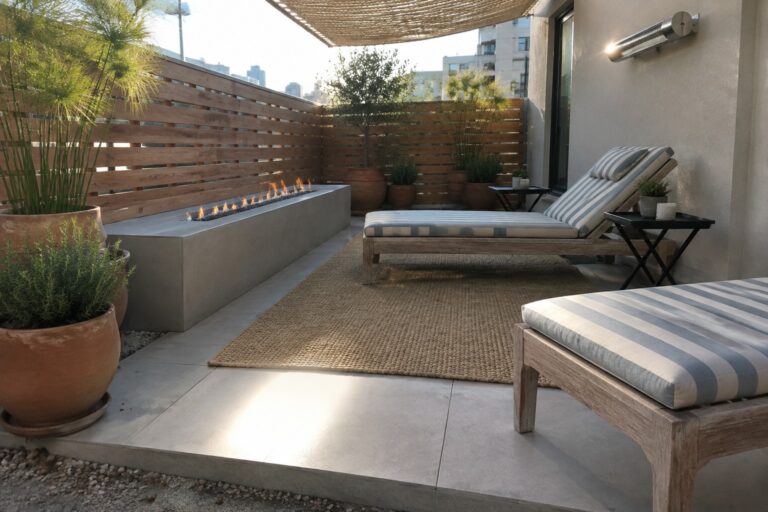
Keeping the same patio footprint means the real work happens in how the surface, seating, and flow come together to support daily use instead of just looking updated.
I have stepped onto patios that had fresh pavers yet still sat empty because the chairs never lined up with the way people actually cross the yard.
What people tend to notice first is whether they can reach a spot to sit without dodging edges or tripping over uneven transitions.
Small swaps often fix that.
A couple of the layout ideas here strike me as worth testing first to see if they make the space feel more natural before any money goes into materials.
Define the Seating Area With an Outdoor Rug

A large outdoor rug is one of the easiest ways to make an existing patio feel more finished without moving any walls or pouring new concrete. It creates a clear zone for lounging, helps furniture stay in place, and adds a softer surface underfoot that makes the space more comfortable for sitting or stretching out.
This works especially well on concrete or paver patios where the footprint is already set. Look for a durable woven style that can handle sun and rain, and size it so the main seating pieces sit fully on the rug rather than half on and half off.
Add a Vertical Garden Wall
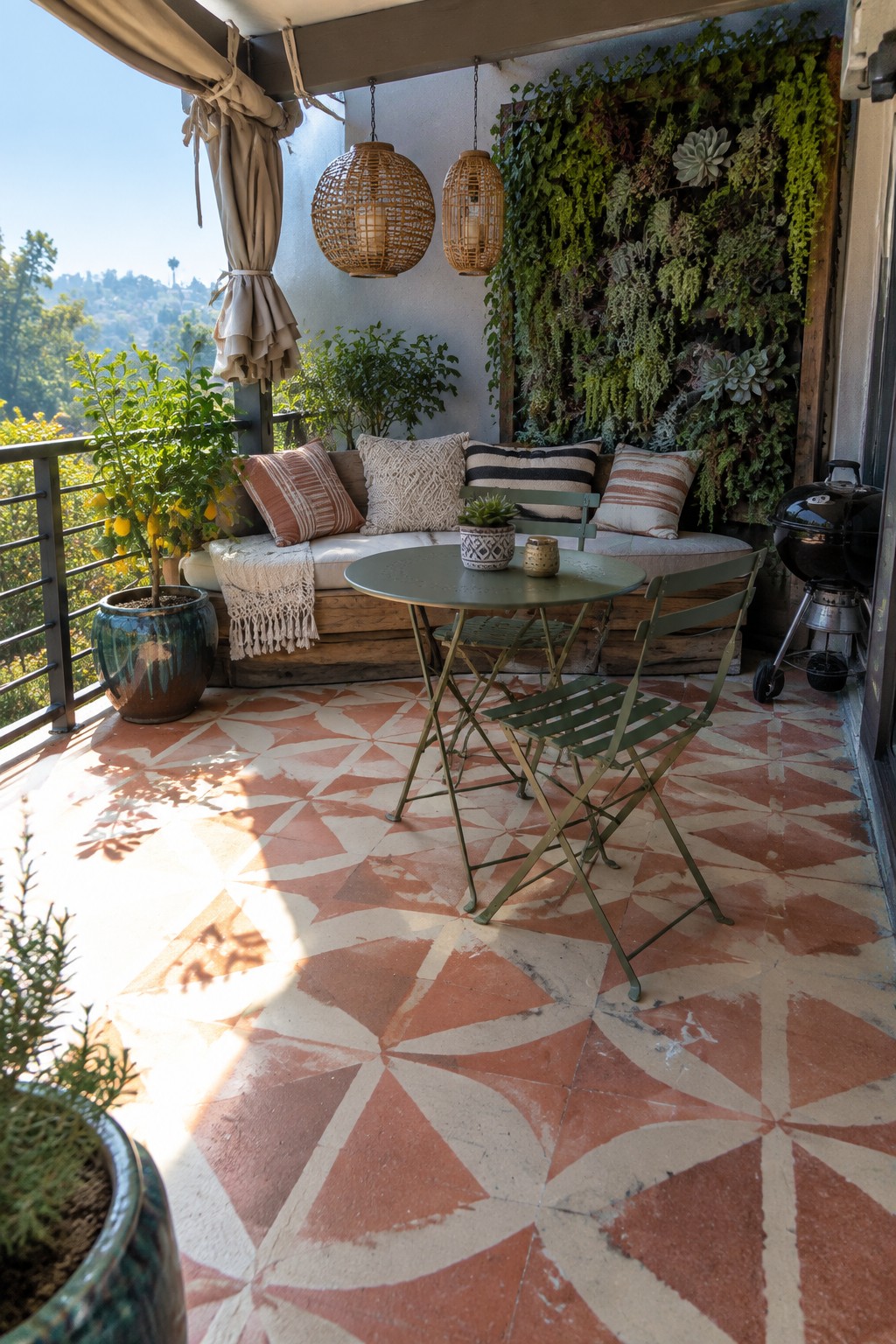
One simple way to refresh a patio without changing its size is to add a vertical garden wall. It brings in plenty of plants and soft texture while leaving the floor completely open for seating and movement.
This works especially well on small balconies or tight outdoor spots where you want more greenery but cannot add big pots or new beds. Mount a frame or pocket system on an existing wall, choose low-maintenance succulents or ferns, and keep the rest of the space clear for a table and chairs.
Built-In Benches Add Seating Without Crowding The Floor
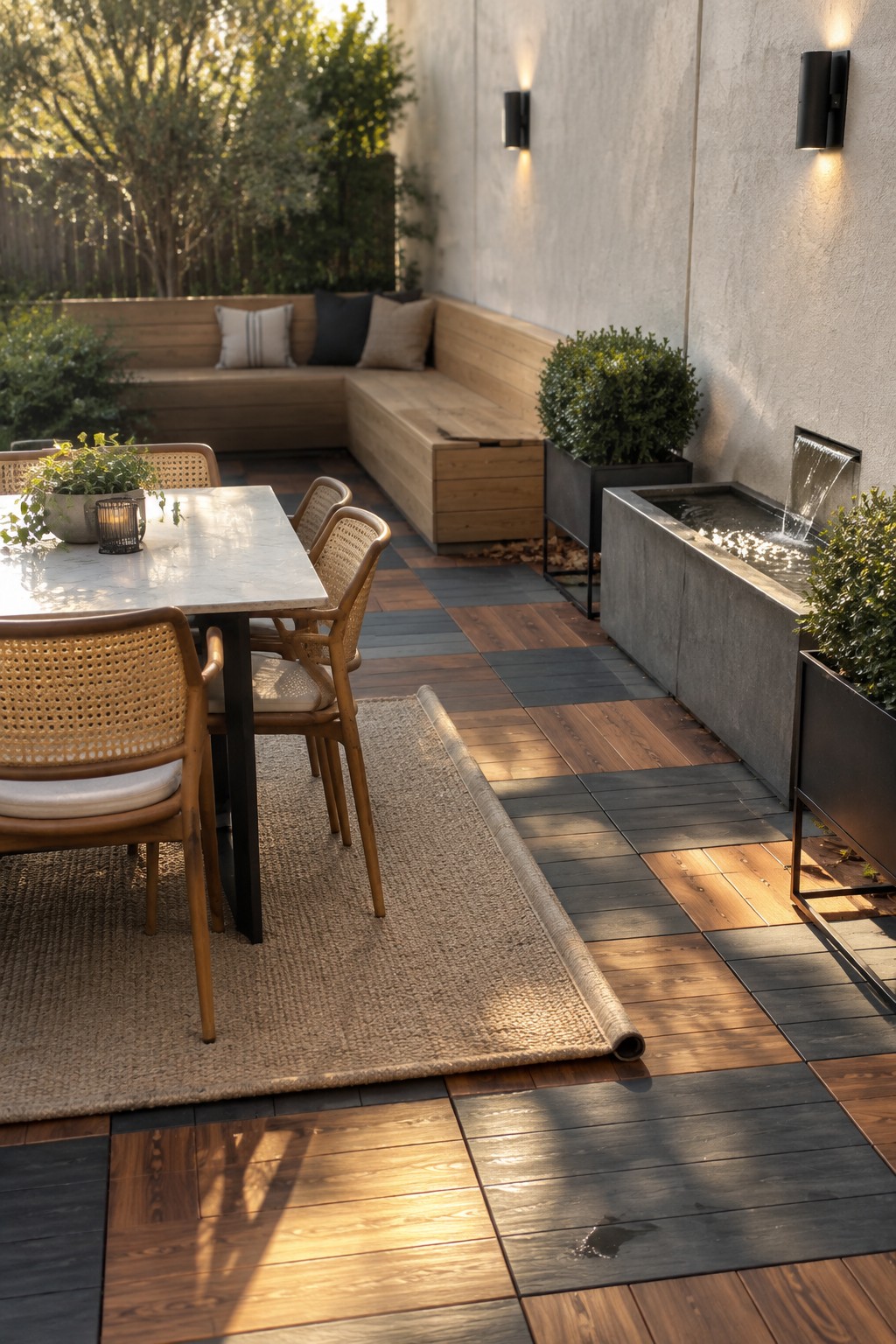
Running a simple bench along the edge of the patio gives you more places to sit while leaving the main area open. It works especially well on smaller footprints because the seating takes up almost no extra room and keeps the space feeling less cluttered than a bunch of loose chairs would.
This setup fits patios that already have a solid perimeter, like a deck or paved area against a wall. Keep the bench low and use wood that matches any existing decking so it reads as part of the original structure. Just check the depth so people can actually sit comfortably for more than a few minutes.
Built-In Bench Seating With A Drop-Down Table

A built-in bench along one wall paired with a simple drop-down wooden table keeps the middle of the patio open and easy to walk through. This setup works especially well when the existing footprint is small or narrow and you want to add seating without bringing in bulky furniture that eats up floor space.
It suits older homes or townhouses where the patio already has defined edges and you prefer to work with what is there. Anchor the bench to the house wall for stability and use a strong bracket under the table so it stays level when meals are set out.
Mix Mismatched Chairs For A Casual Patio Update
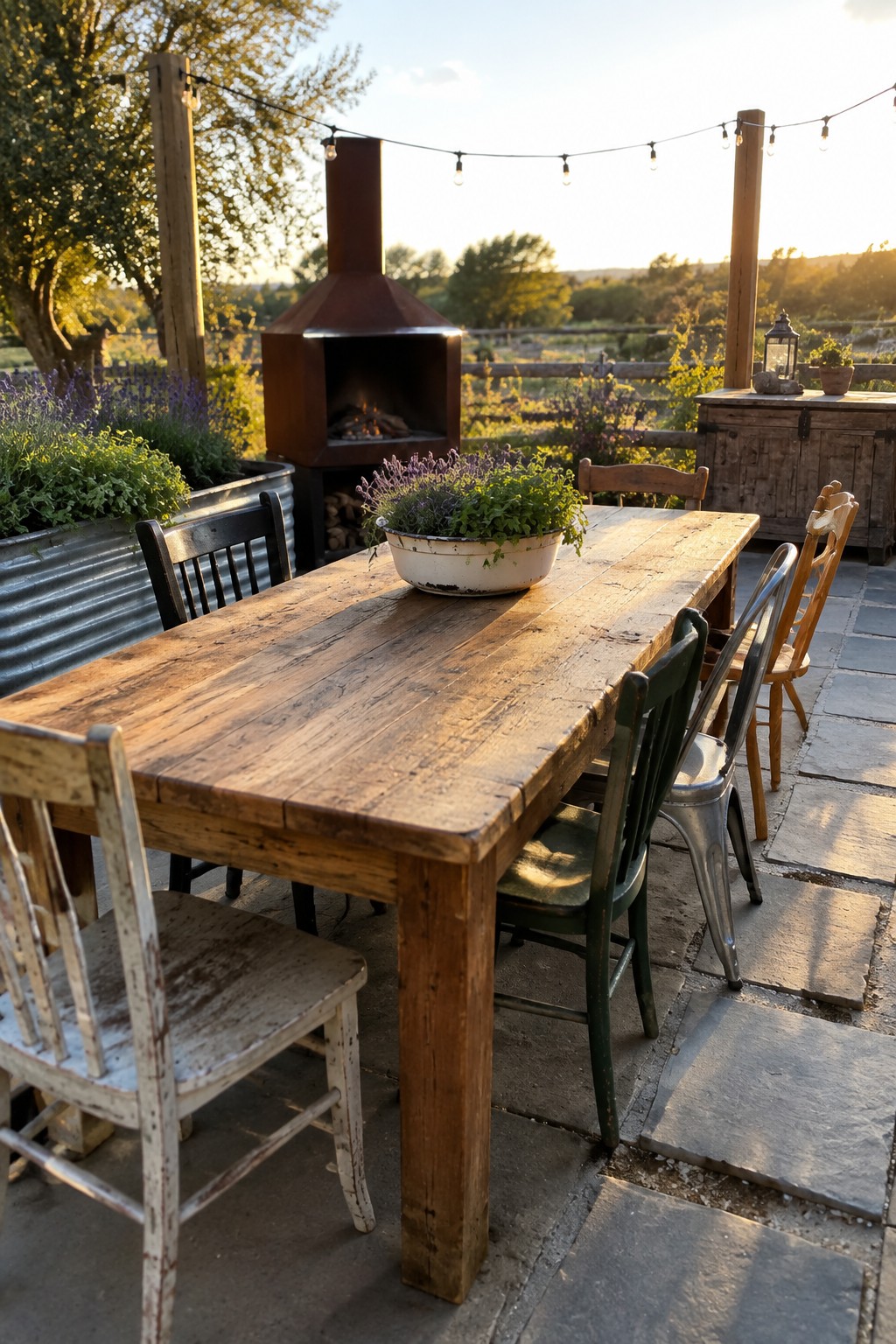
Gathering chairs from different places keeps a patio feeling relaxed and lived in. A sturdy wooden table gives the group something solid to gather around, while the mix of styles adds character without any big construction.
This works best on a patio that already has a good footprint and just needs better seating. Look for solid secondhand chairs that can handle weather, and check that the heights line up well enough for easy conversation.
Add Perimeter Lighting to Define the Space
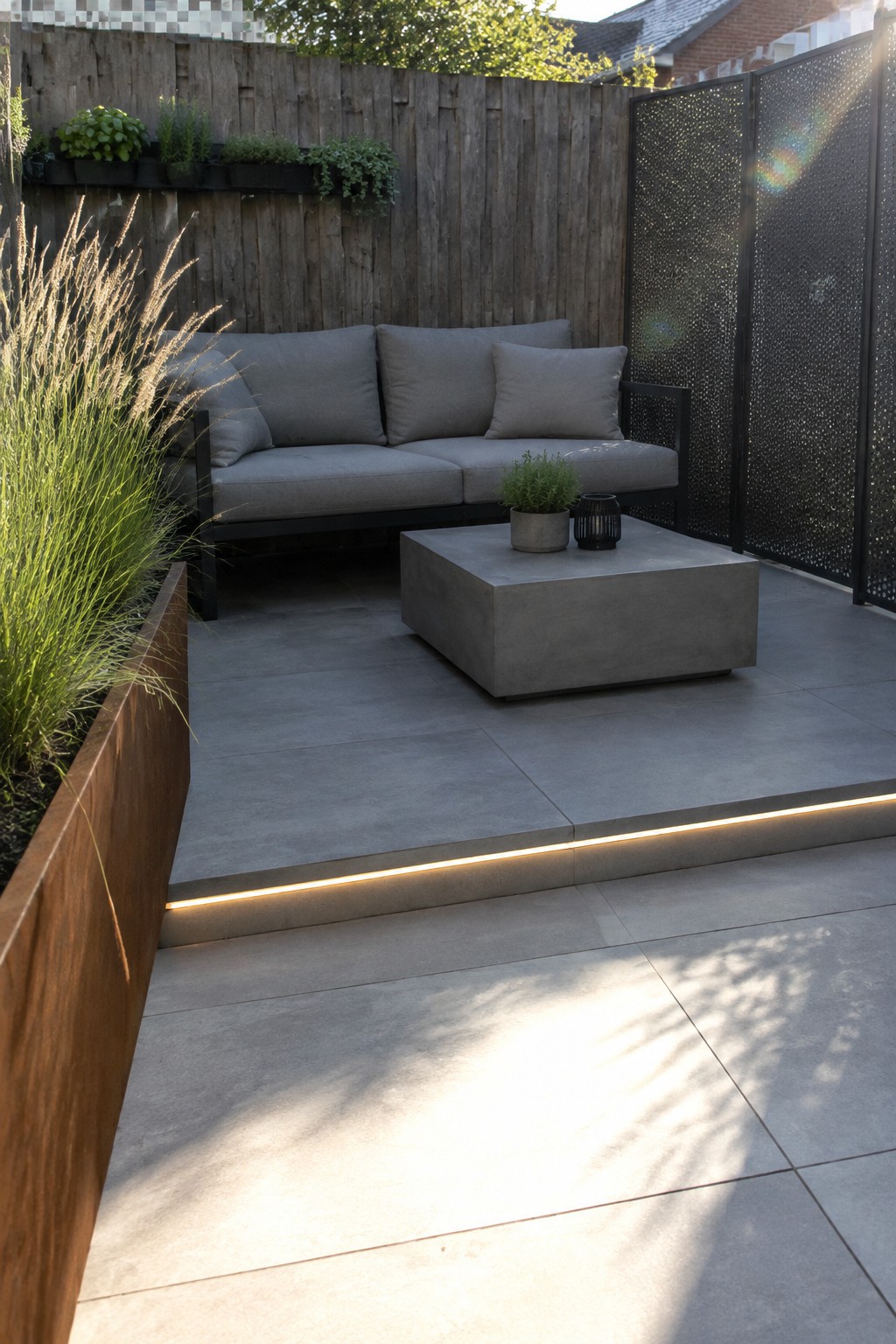
Running a simple line of LED strip lights along the edge of an existing patio gives the whole area a clearer shape once evening comes. The light sits low and follows the outline of the concrete, so the space feels intentional without any new construction or extra furniture.
This approach suits flat concrete patios that already sit a step above the surrounding ground. It works on most budgets because the lights are easy to hide under a lip or in a shallow channel, and they can run on a basic timer so nothing needs daily attention.
Add A Curved Bench Along The Wall
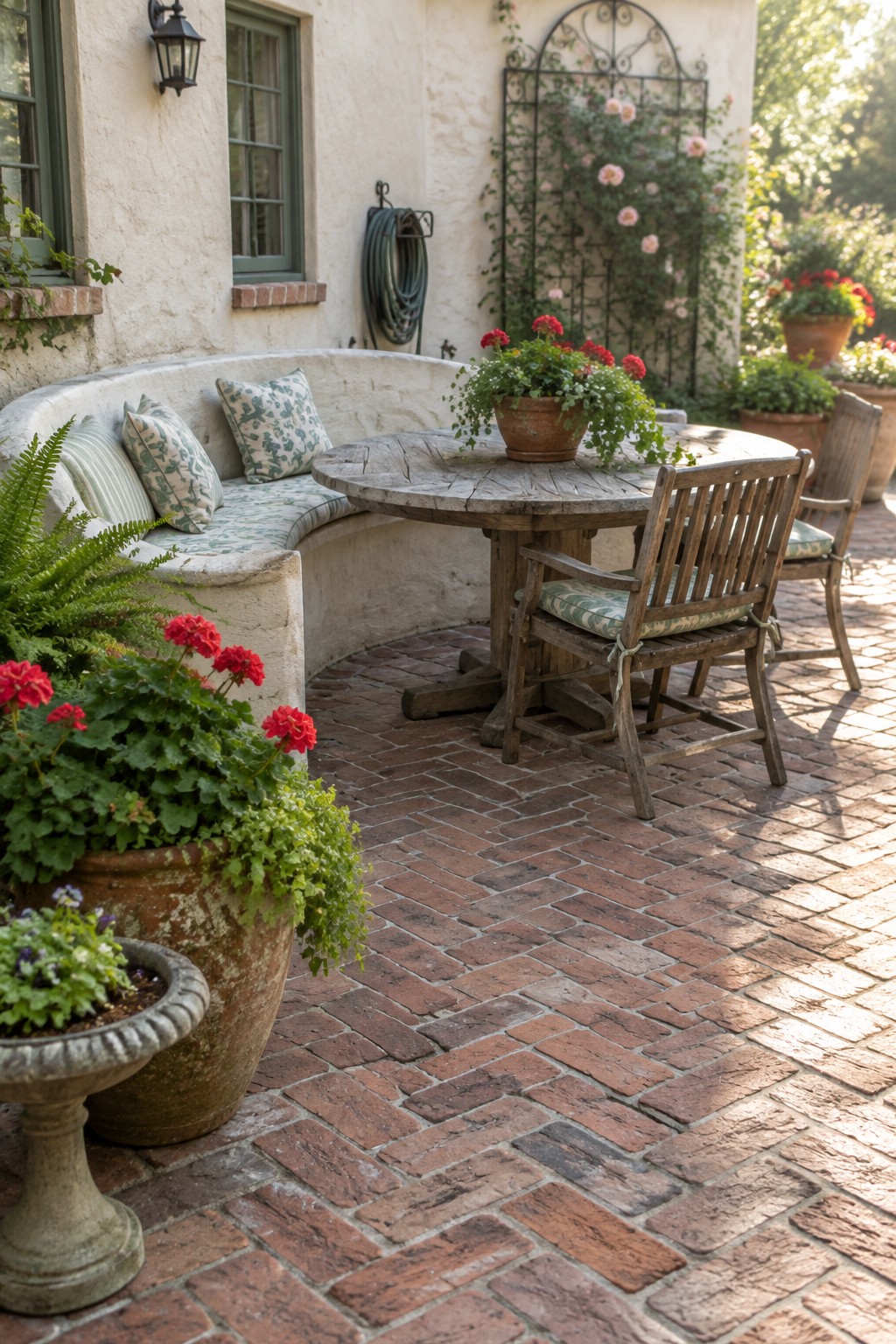
A curved bench built right against the house wall gives you solid seating without eating into the rest of the patio. It uses the existing edge of the space so you do not have to pour new concrete or move pavers around.
This works best on small or mid-size patios where every foot counts. Keep the bench low and simple, add a few cushions, and center a table in front of it. The rest of the area stays open for chairs or pots as needed.
Add An Outdoor Kitchen Along One Wall
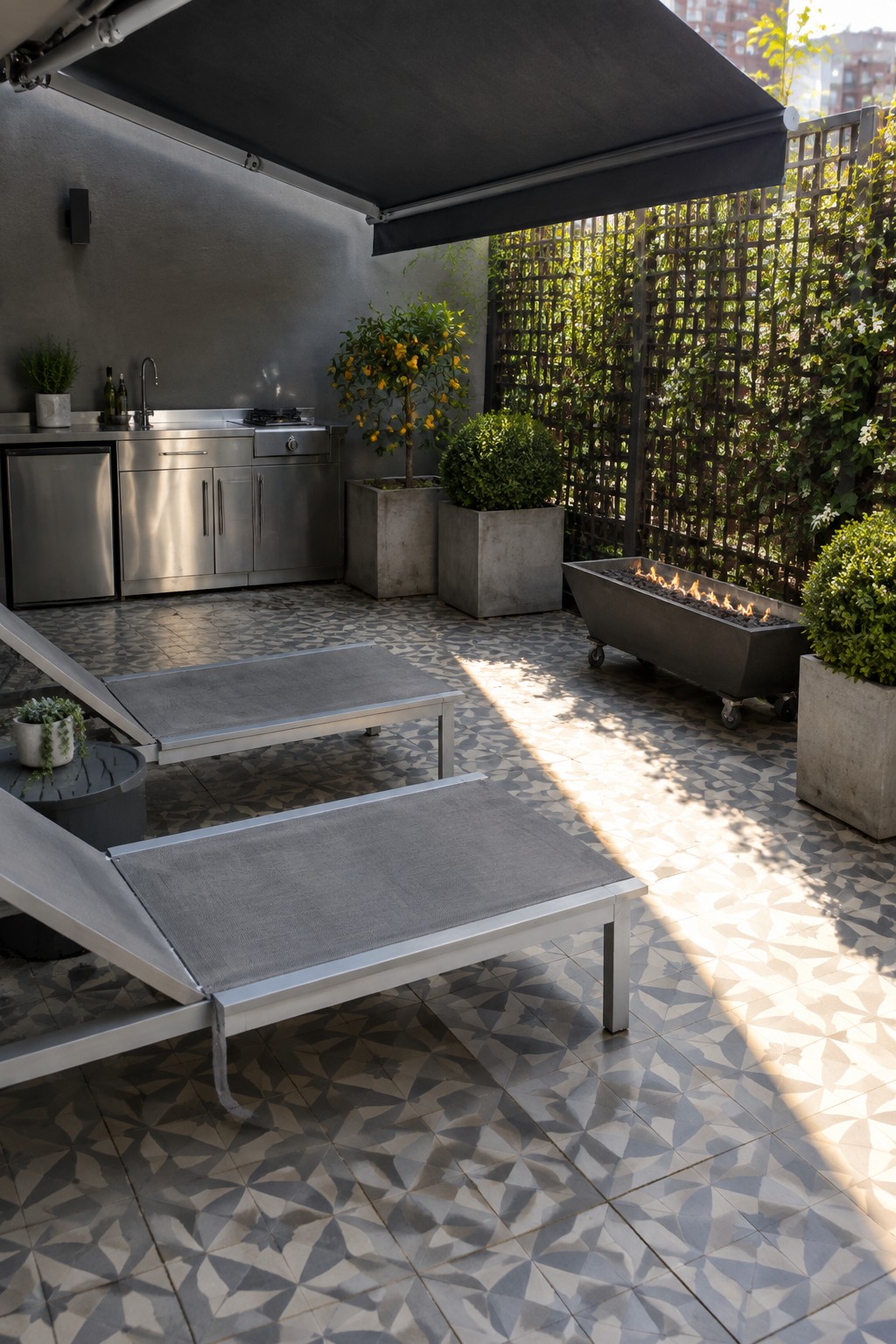
Many patios already have a solid wall or fence line that gets little use. Placing a compact kitchen setup against it turns that blank space into a working area without pushing the edges of the patio outward. Stainless steel cabinets and a sink fit neatly in a straight line, leaving the rest of the floor open for chairs or a table.
This works best on smaller or mid-size patios where every foot matters. Keep the units low and choose pieces on legs or casters so you can adjust them later if needed. The rest of the space stays free for seating or a fire feature, and nothing has to be torn up or rebuilt.
Use Modular Deck Tiles Over Gravel
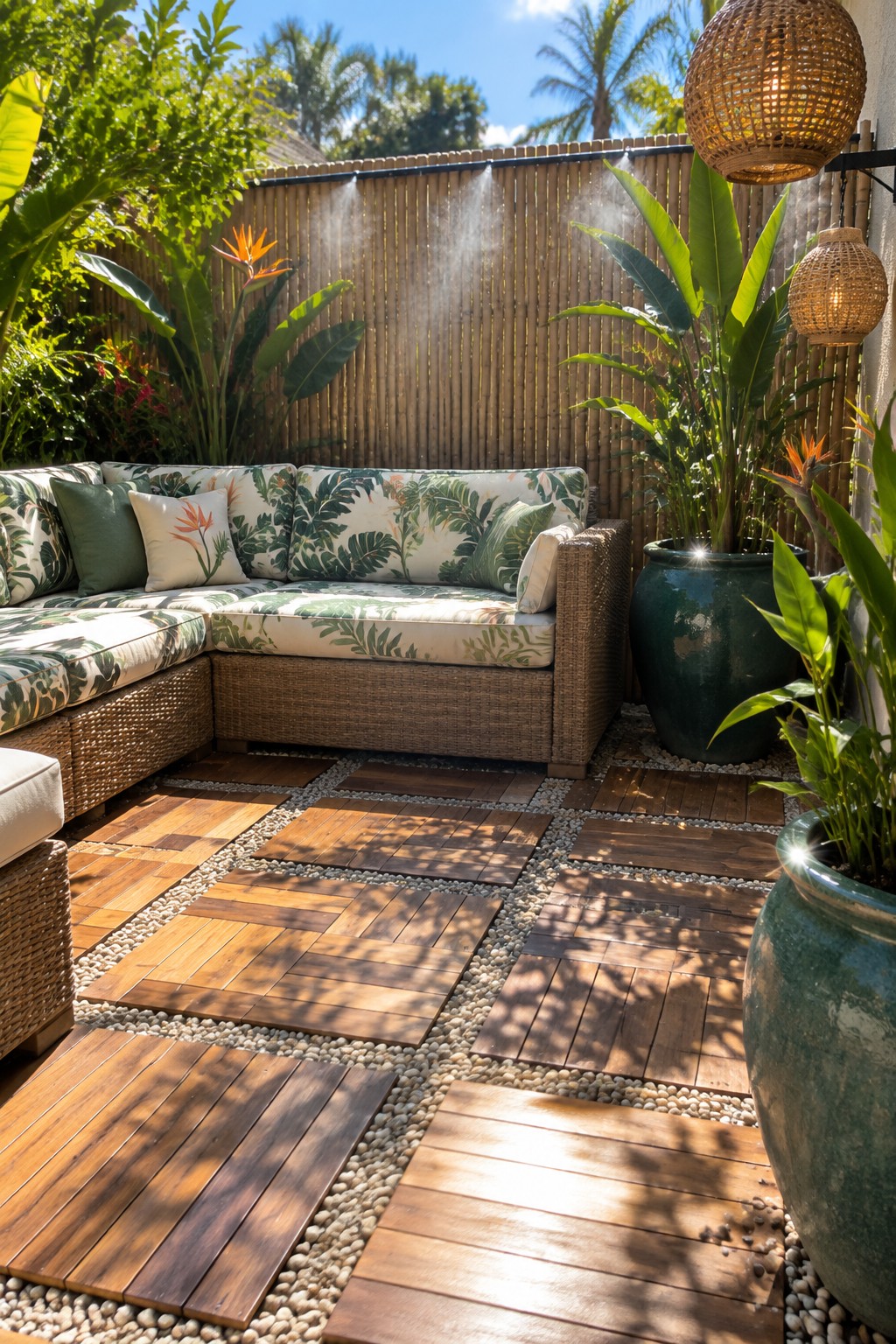
Many people want a fresh patio surface without ripping out what is already there. Modular deck tiles solve that by sitting right on top of gravel or an existing base. The squares lock together in a simple grid and give you a clean wood look that feels finished but stays easy to remove later.
This works best on small or medium patios where the original footprint needs to stay the same. It suits homes that want a quick update without new concrete or heavy construction. Keep the gravel layer even so the tiles stay flat, and add a few large pots to soften the edges if the space feels bare.
Built-In Bench Seating Fits More People on the Same Patio

A built-in bench is one of the easiest ways to add real seating to a patio without pushing the edges out. It turns the perimeter into usable space, so you get an L-shaped or U-shaped spot for guests while the actual floor area stays exactly the same. The wood tone also blends with the surrounding planters and decking, which keeps the whole area feeling calm instead of crowded.
This works best on patios that already have a solid back wall or raised edge you can build against. Keep the bench depth around 16 to 18 inches so it stays comfortable, and add a few loose cushions rather than built-in ones so you can swap them out when the weather changes. Just watch the height so it lines up with your existing chairs and table.
Built-In Seating Around The Fire Pit
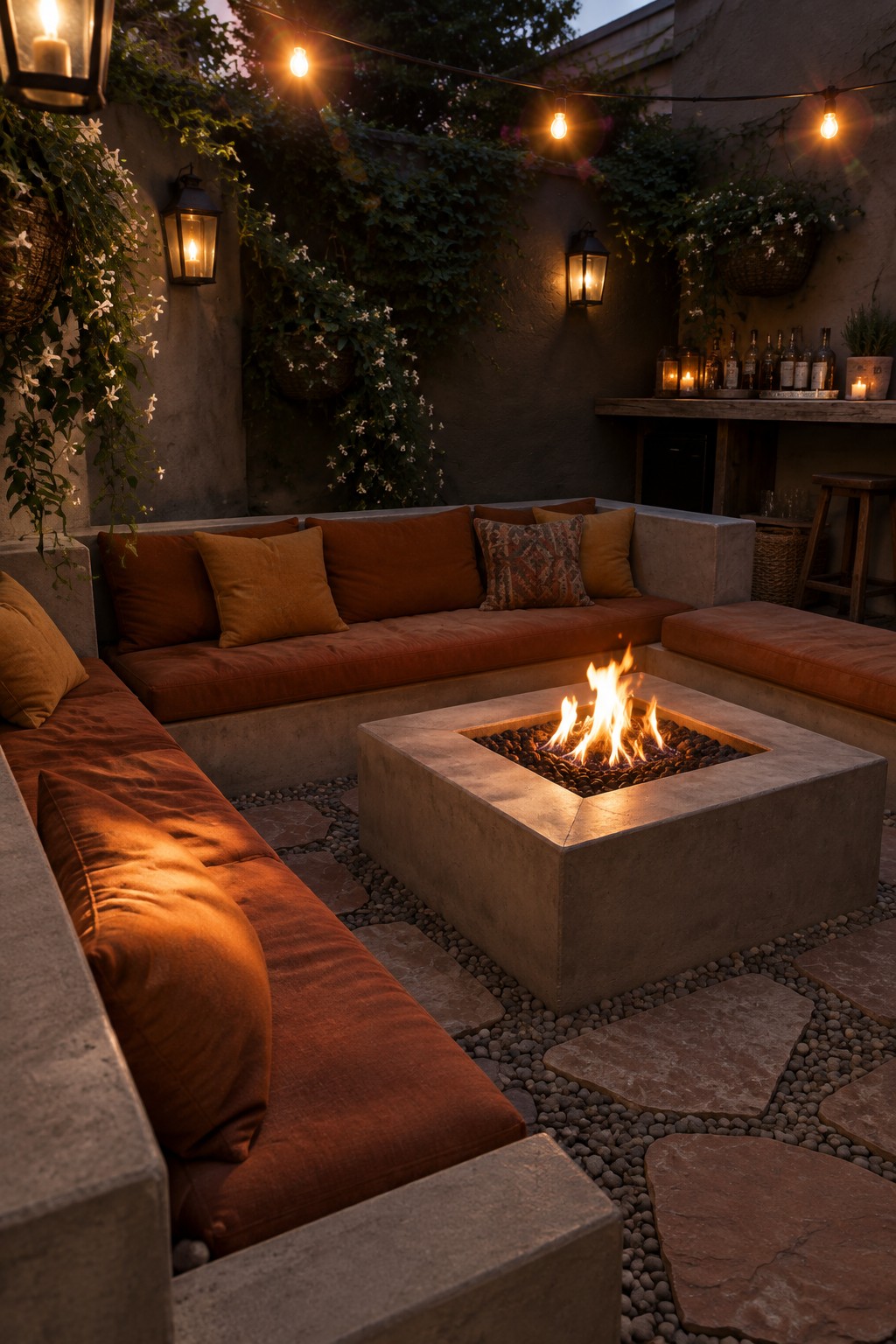
One simple way to improve an existing patio is to add built-in seating that wraps around a fire pit. The concrete benches stay inside the original footprint and turn the space into a place where people actually want to gather.
This works well on smaller or mid-size patios because the seating becomes part of the structure instead of taking up extra room. You can add cushions for comfort and keep the ground cover simple with gravel or pavers.
Add A Gravel Border Around The Patio
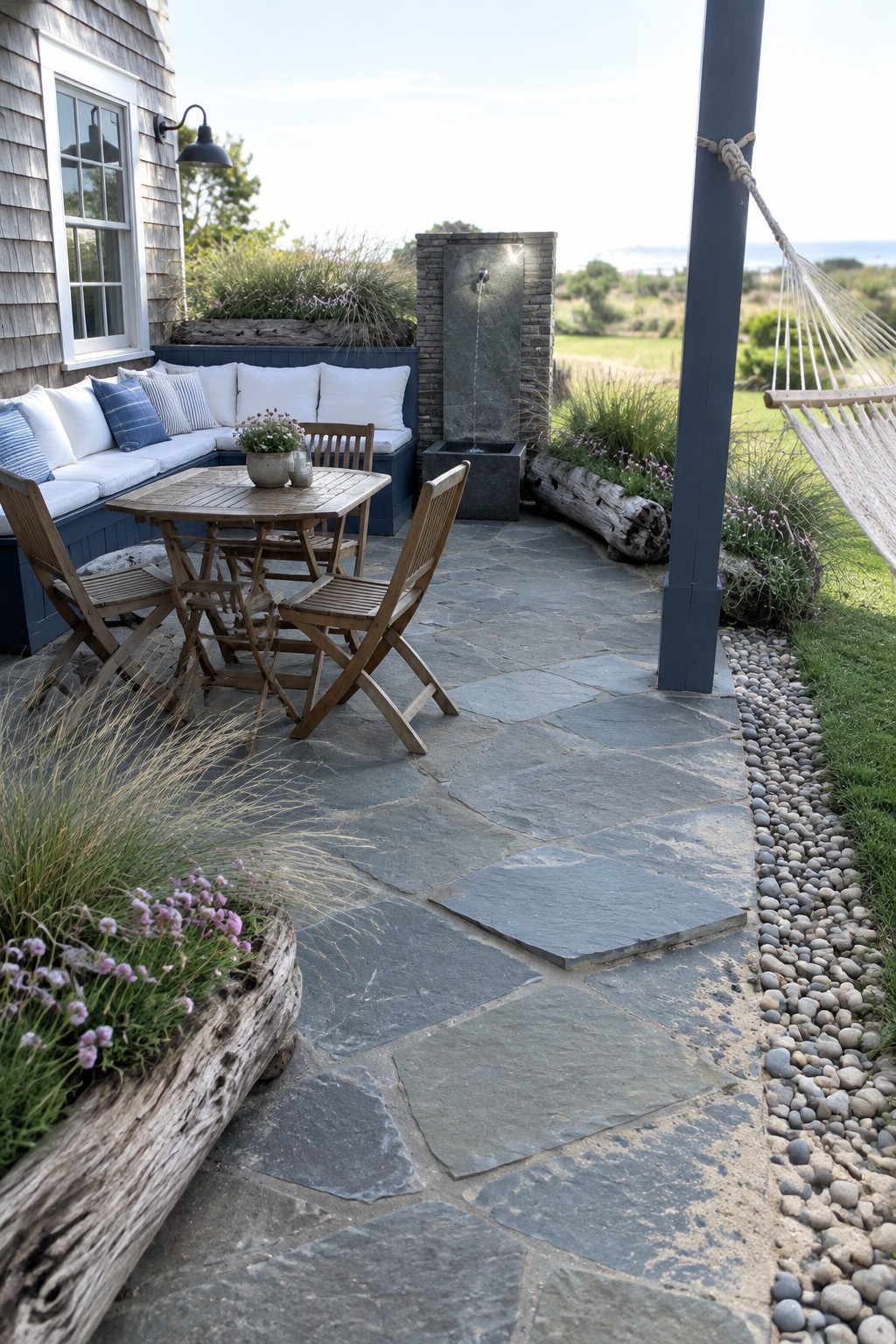
One simple way to refresh a patio without changing its size is to add a gravel or pebble border along the edges. It gives the space a cleaner finish, improves drainage, and creates room for a few plants without any new construction or extra paving.
This works especially well on older patios that already have solid stone or concrete underfoot. Keep the main walking area as is, then lay landscape fabric and a strip of pebbles where the patio meets the grass or garden beds. A few taller grasses or low flowers soften the line and make the whole area feel more settled.
Add a Compact Outdoor Kitchen to Your Patio
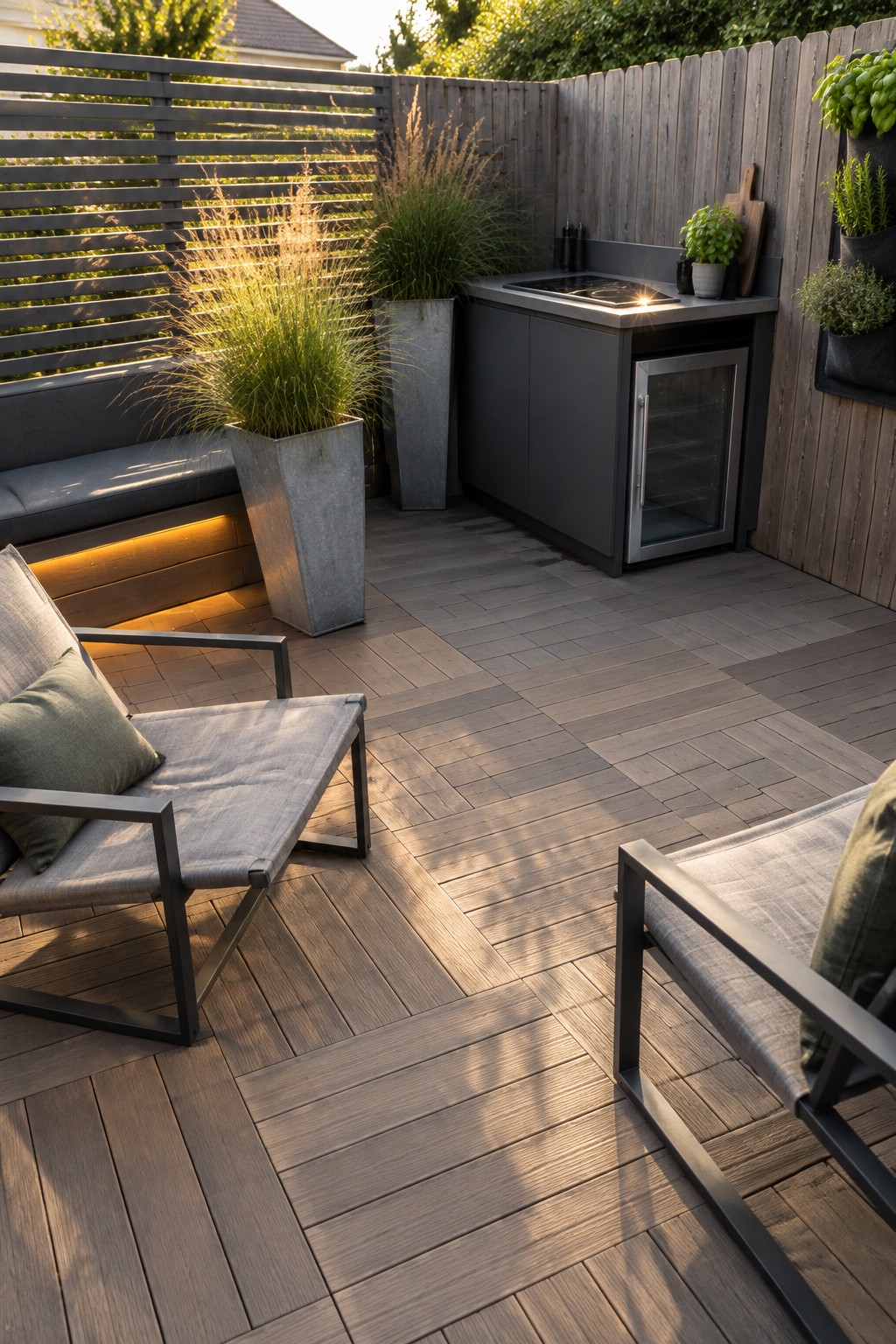
Many people want more function from their patio without tearing anything out or making the space bigger. A narrow kitchen unit tucked along one edge gives you a place to cook and store drinks while the rest of the patio stays open for seating.
This works best on patios that already have a solid back wall or fence. Keep the cabinet run short, choose weatherproof materials, and limit the appliances to a small fridge and a basic cooktop so the project stays within a modest budget.
Center a Fire Pit on the Existing Deck
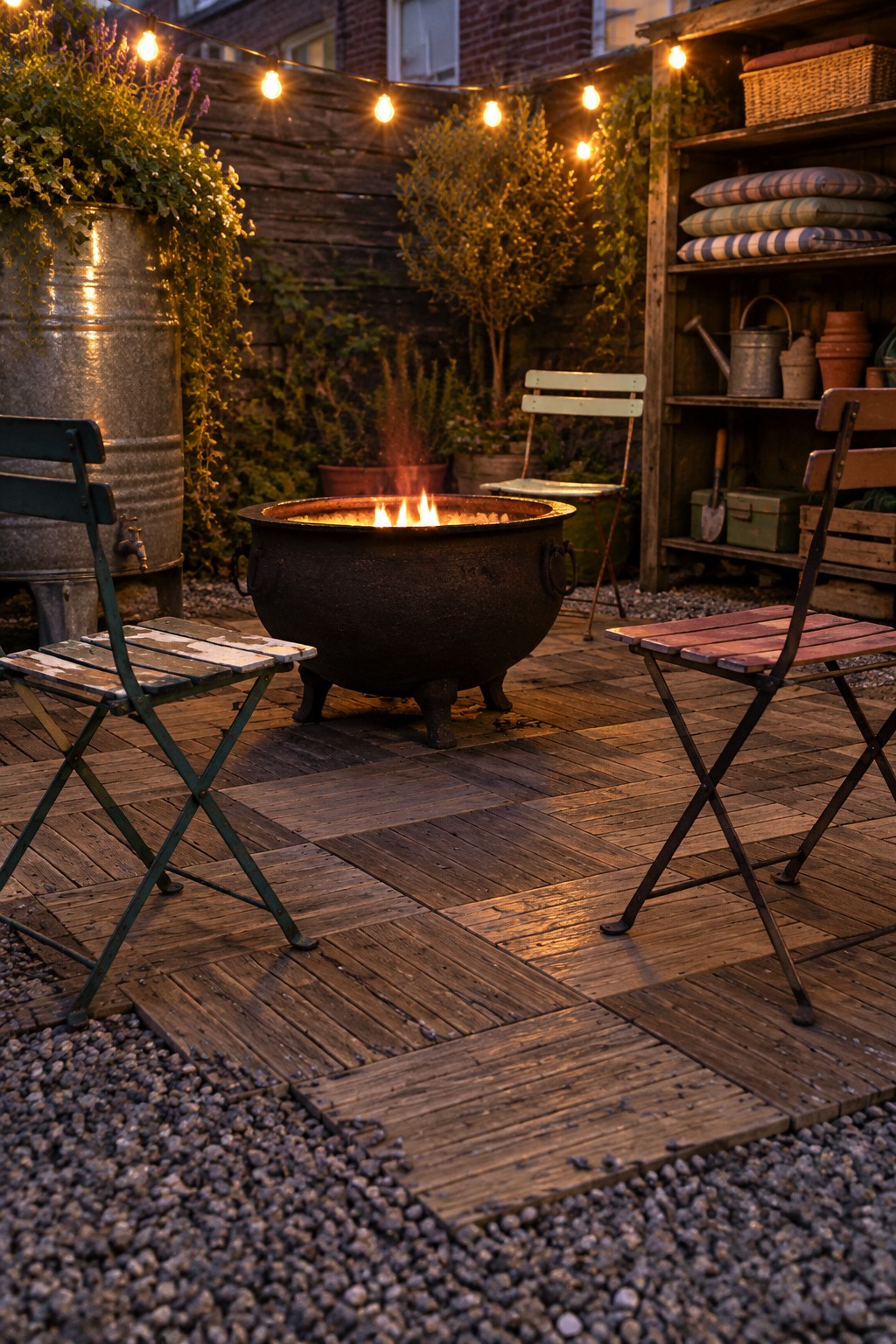
One easy way to update a patio without changing its size is to set a fire pit right in the center. It turns the space into a place people actually want to gather after dark, and it works on most existing surfaces like wood decking or pavers.
Place a couple of folding chairs around the pit and add simple string lights overhead if you want more light without new wiring. This setup suits small urban yards or older homes where the footprint is already fixed, and it stays budget friendly since you are not pouring new concrete or extending the borders.
Add a Perforated Metal Screen for Privacy
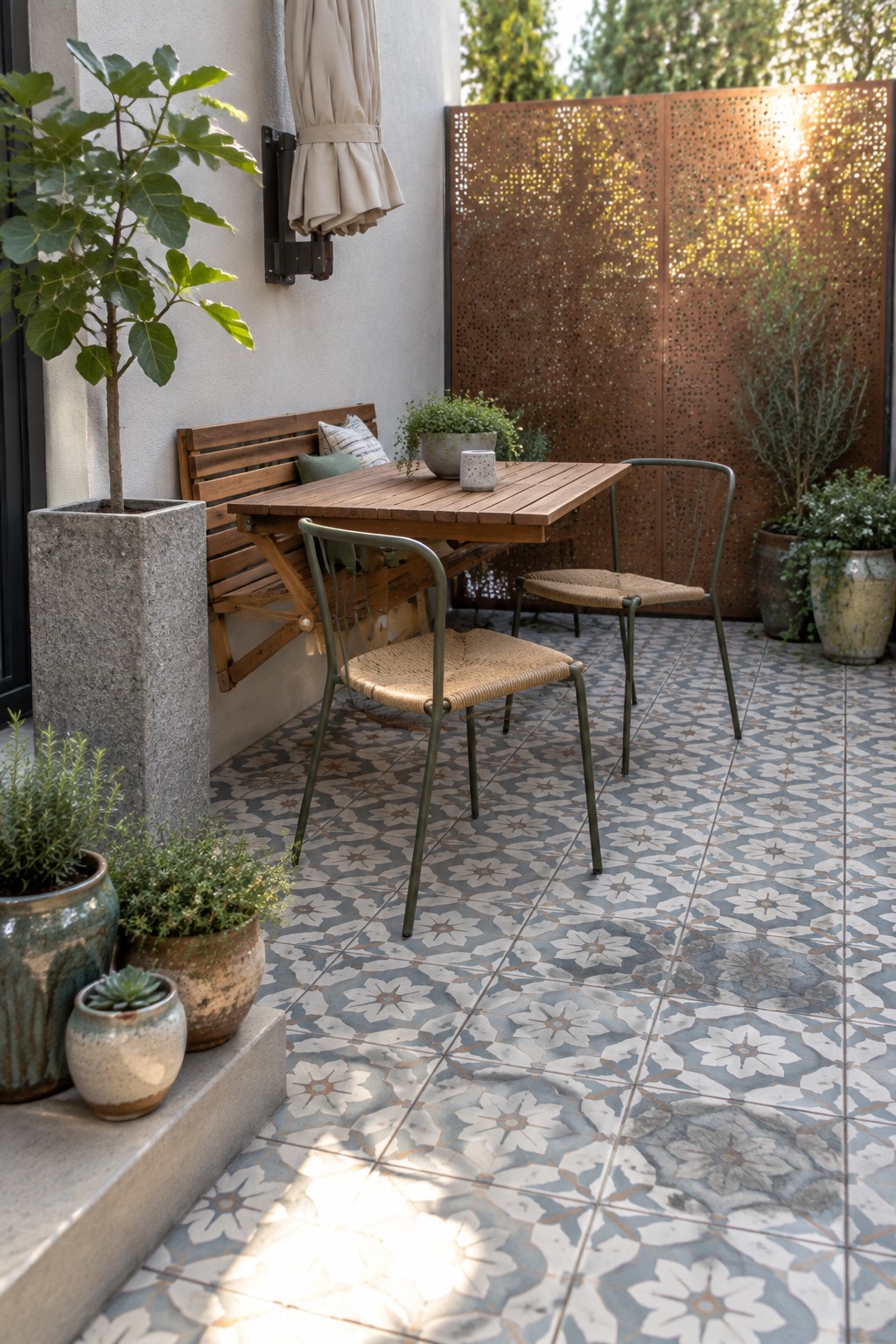
A perforated metal screen gives a patio more privacy without moving any walls or changing the footprint. It blocks the view from neighbors or the street while still letting light and air through, and the pattern adds interest to what might otherwise be a blank wall.
These screens come in different sizes and finishes, so they work on small urban patios or larger outdoor spaces that need a quick visual boundary. Mount them to an existing fence or wall and keep the rest of the layout the same.
Use Floor Cushions For Flexible Seating
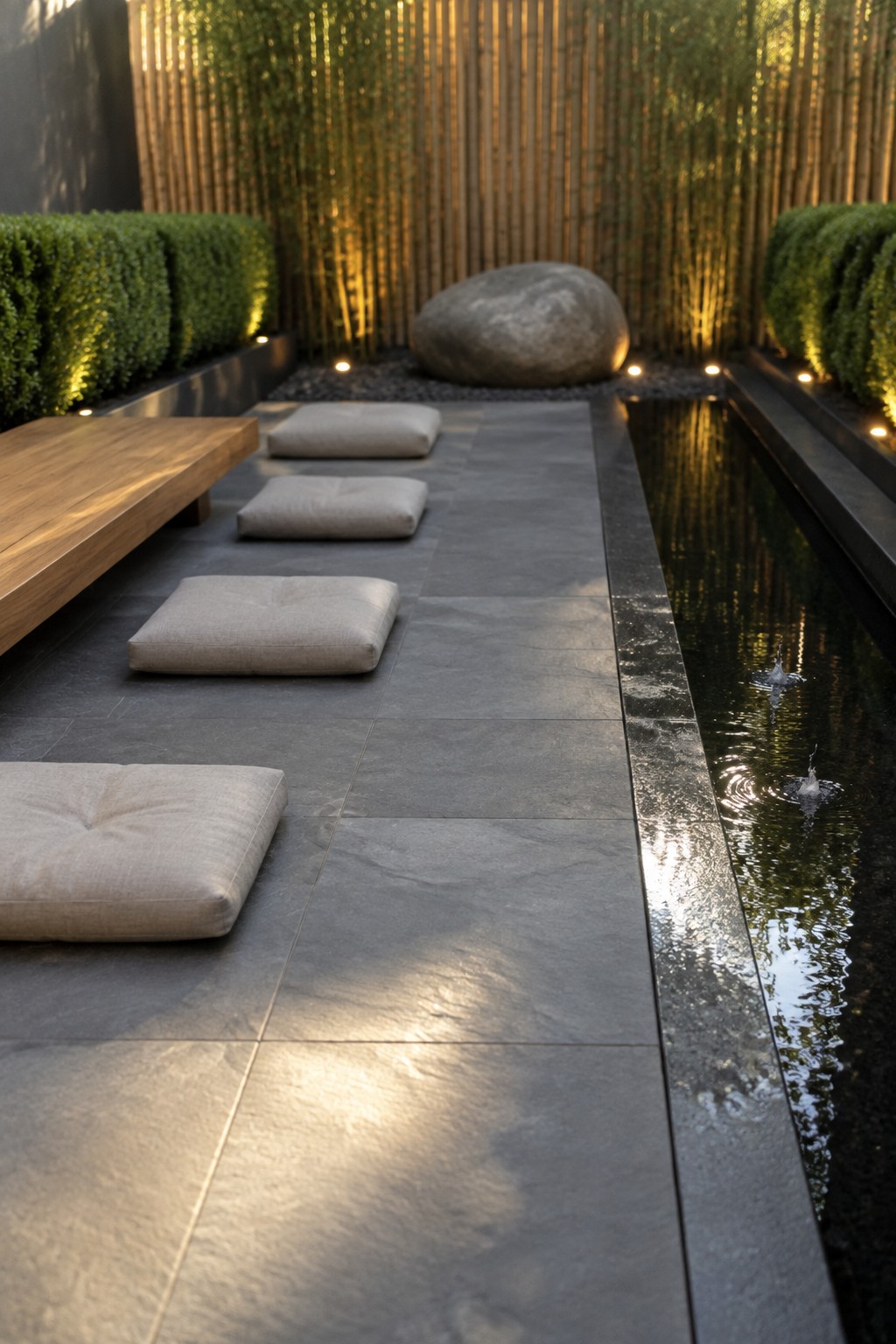
One simple way to update a patio without expanding or rebuilding anything is to skip heavy chairs and use floor cushions instead. They rest directly on the existing hard surface and let you create different seating spots whenever you want.
This approach works best on paved patios that already have a solid base. The cushions are easy to move, stack, or store, which keeps the space open on days when you do not need extra seats. Just make sure the fabric holds up outdoors and that you have a dry place to keep them during bad weather.
Add a Curved Bench to Make the Most of Your Space
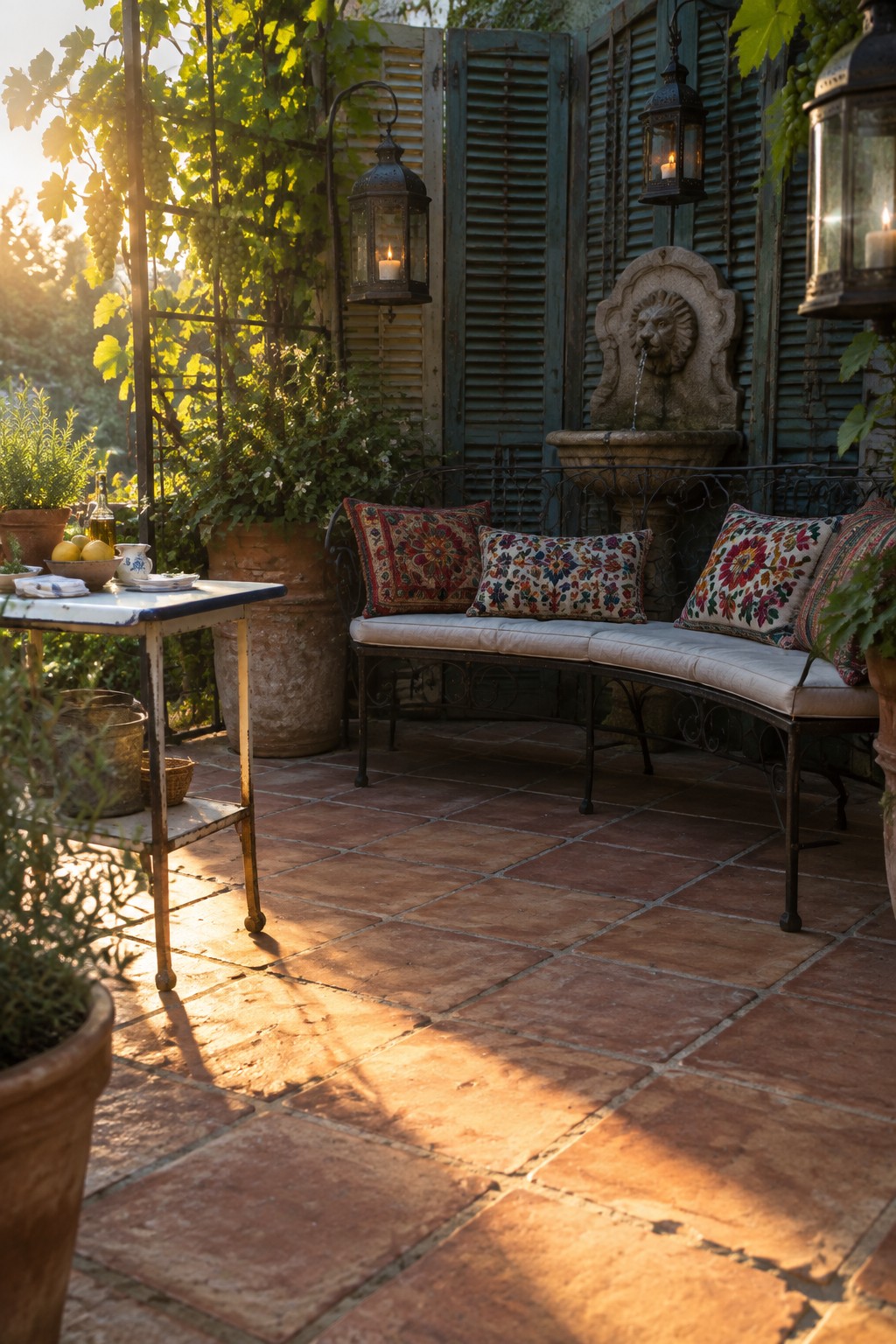
A curved bench works well when you want more seating but do not want to change the size of the patio. It follows the line of the wall, gives you room for several people, and leaves the rest of the floor open for a small table or pots. The bench in the photo shows how simple metal framing and a light cushion can turn an empty edge into a place people actually sit.
This idea suits older patios that already have good tile or concrete. You can find a used bench or have one made to fit your wall, then add pillows for color. Just measure first so the curve stays clear of doors and walking paths.
Define the Space with a Large Outdoor Rug
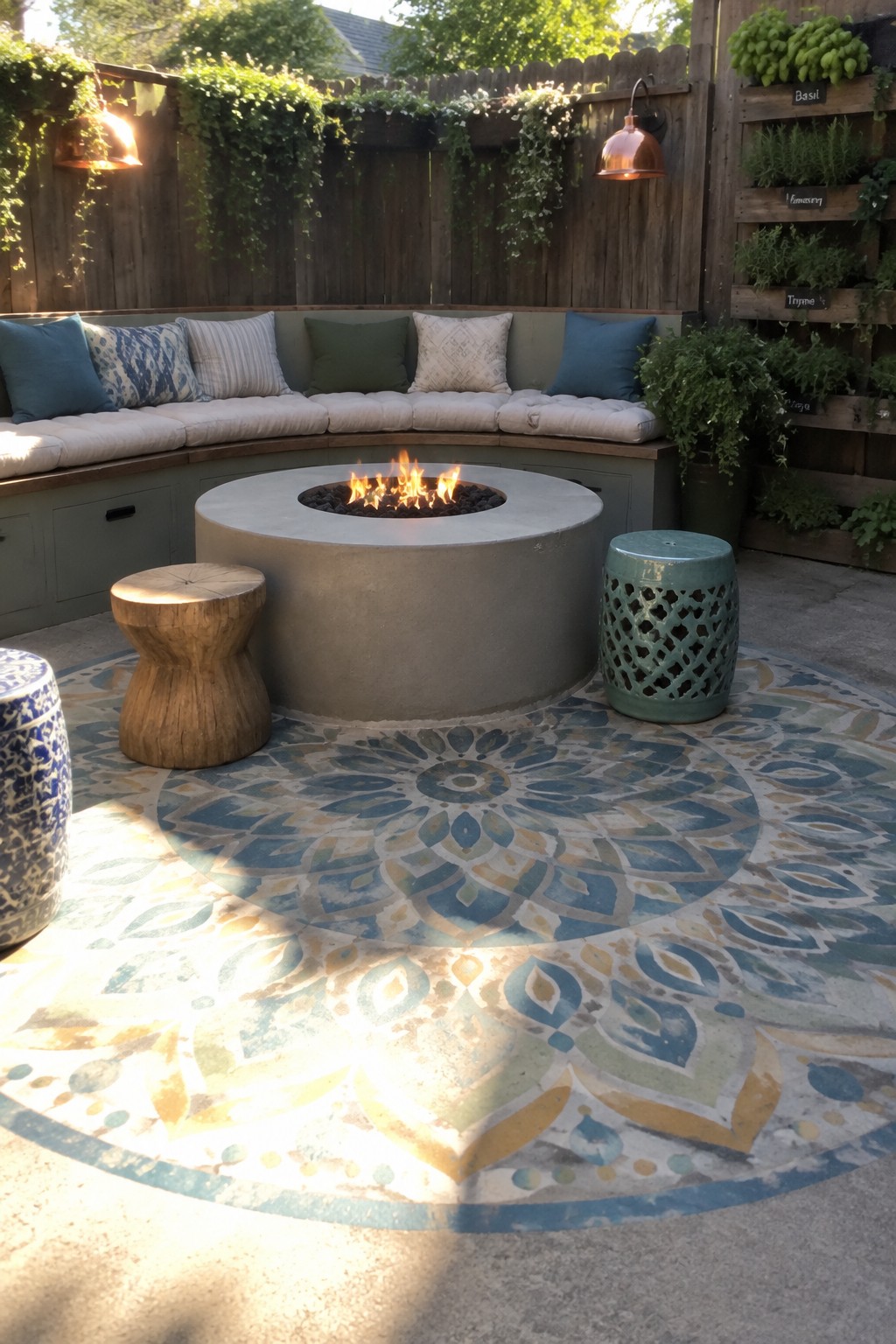
A big outdoor rug can turn an open patio into a clear living area without touching the existing concrete or changing the footprint. It gives the fire pit a center point and makes the surrounding seats feel like they belong together instead of floating on the hard surface.
This works best on patios that already have a decent shape and size. Pick a rug that is large enough to sit under the fire pit and reach the edge of the seating so the whole zone reads as one spot. It adds color and pattern you can swap out later if you want a change, and it stays easy on the budget since nothing gets rebuilt.
Add a Linear Fire Pit to Your Patio
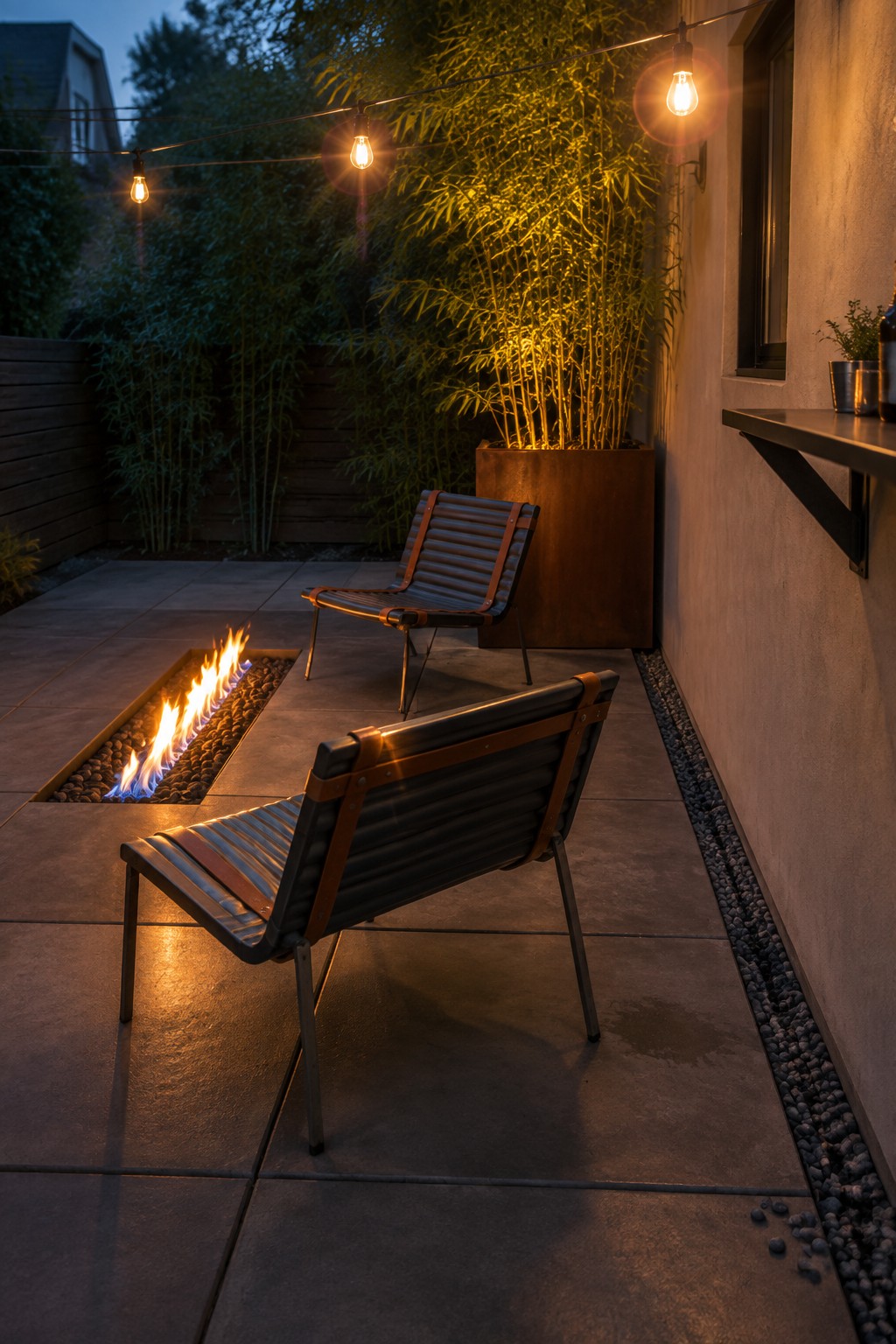
A long narrow fire pit set right into the existing patio surface gives you a focal point and warmth without eating into the footprint. It turns the open area into a natural gathering spot and works especially well when you already like the current layout and just want to make it more usable at night.
This approach suits concrete or paver patios on smaller lots or in townhomes where you cannot expand outward. Keep the surrounding seating low and simple so the fire remains the main feature, and run the pit parallel to the house or along a walkway edge so it does not break up the flow of the space.
Zone Your Patio With A Dedicated Fire Pit Spot
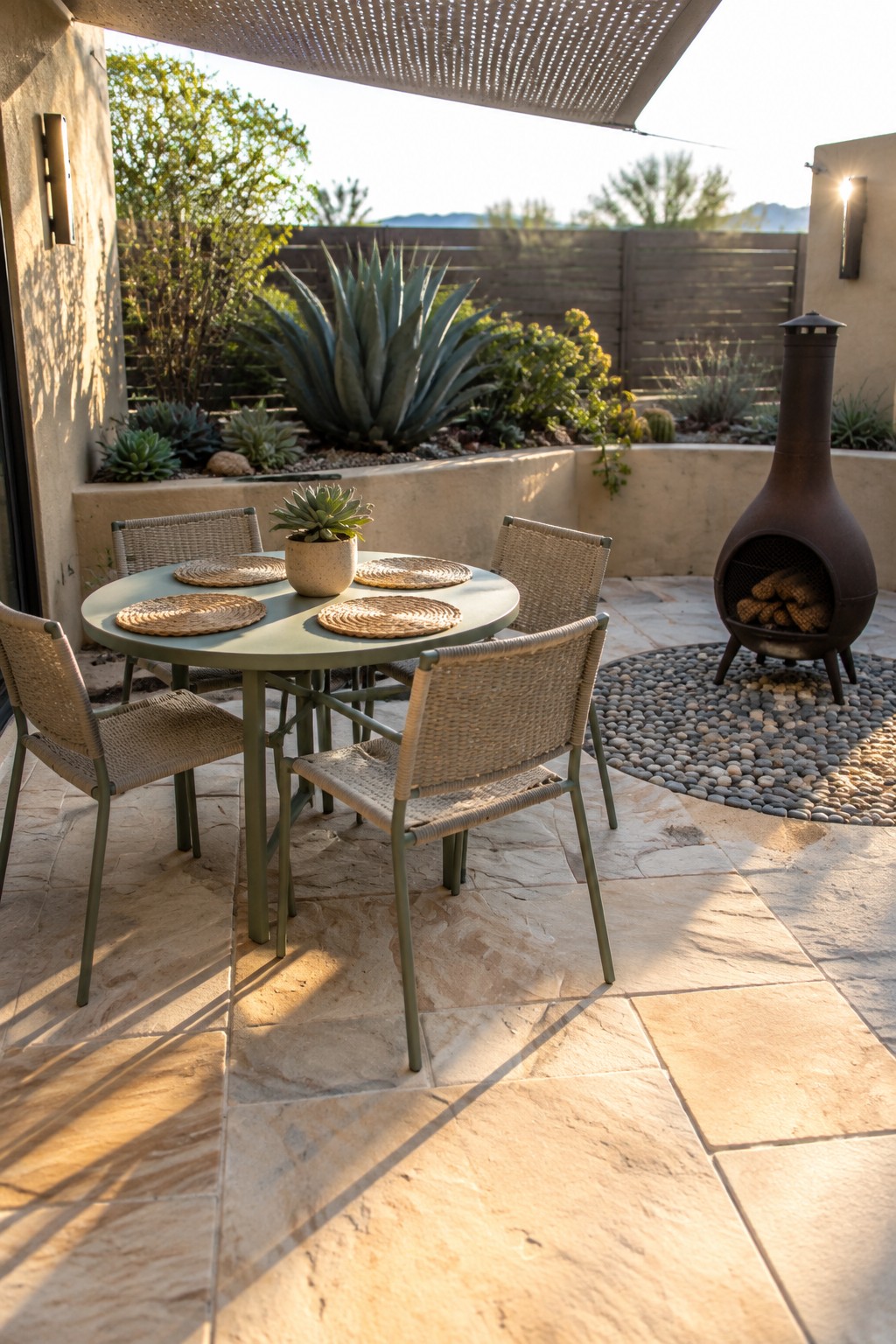
One simple way to refresh an existing patio is to place a fire pit on its own small circle of pebbles. This keeps the main paved area open for a dining table and chairs while giving you a second defined spot for cooler evenings.
It suits homes that want to stay within the current footprint and budget. Just make sure the fire pit has enough clearance from the seating and that the pebble base stays contained so the rest of the patio remains easy to use.
Frequently Asked Questions
Q: Can I refresh the look without replacing the floor? A: Paint the existing surface with concrete stain for a quick change. Choose a light color to brighten the whole area right away.
Q: How do I fit more seating in the old layout? A: Use benches along the edges instead of bulky chairs. They take less room and still give everyone a spot.
Q: What about keeping water from pooling after rain? A: Add a slight slope with new pavers on top if needed. Or just sweep the area clear more often to avoid buildup.
