

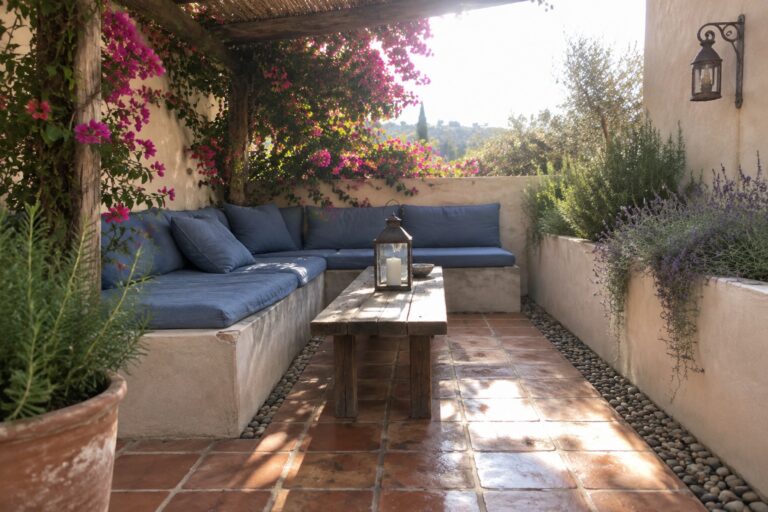
When I started thinking about seating for my patio, the main issue was finding something that would actually hold up to rain and regular use instead of looking good only for a weekend.
Concrete blocks seemed like a practical starting point because they stay put without much fuss and leave room to add cushions or side tables later.
I kept noticing that many outdoor setups look balanced on paper but end up awkward once people try to sit and relax for an evening.
Usability comes first.
A couple of the builds I looked at made me want to test adding a simple wood top to the blocks so the surface feels warmer and more comfortable in real weather.
Concrete Bench Seating Under A Pergola
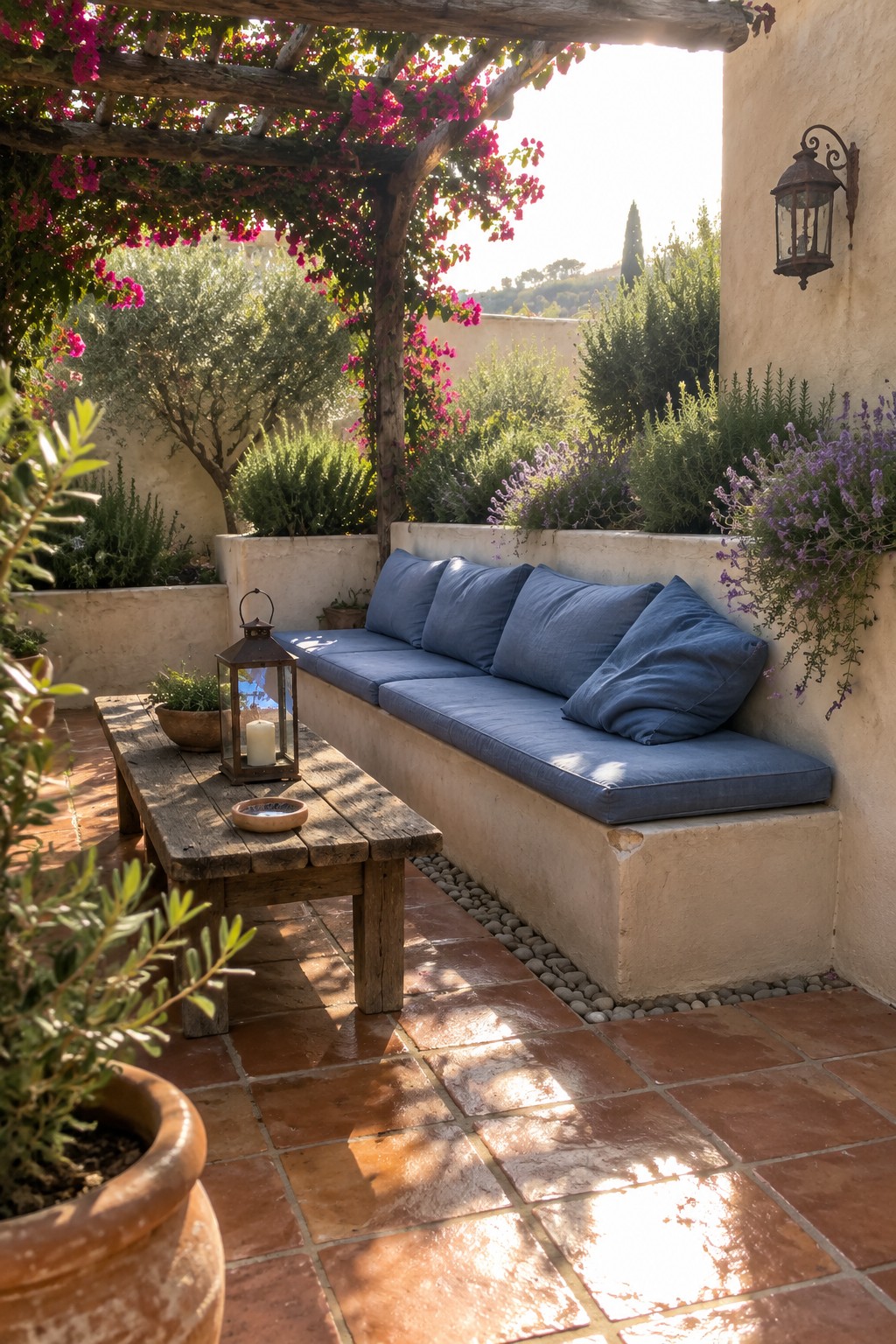
A concrete bench gives you solid, long-lasting seating without much cost or upkeep. Here the bench runs along the wall and gets dressed up with thick cushions that make it comfortable for sitting through the afternoon.
This setup works best on smaller patios or along a side wall where you want to keep the floor clear. Add a simple pergola overhead if you need shade, and keep the cushions in a neutral color so they hold up through the seasons.
Concrete Block Benches For Simple Patio Seating
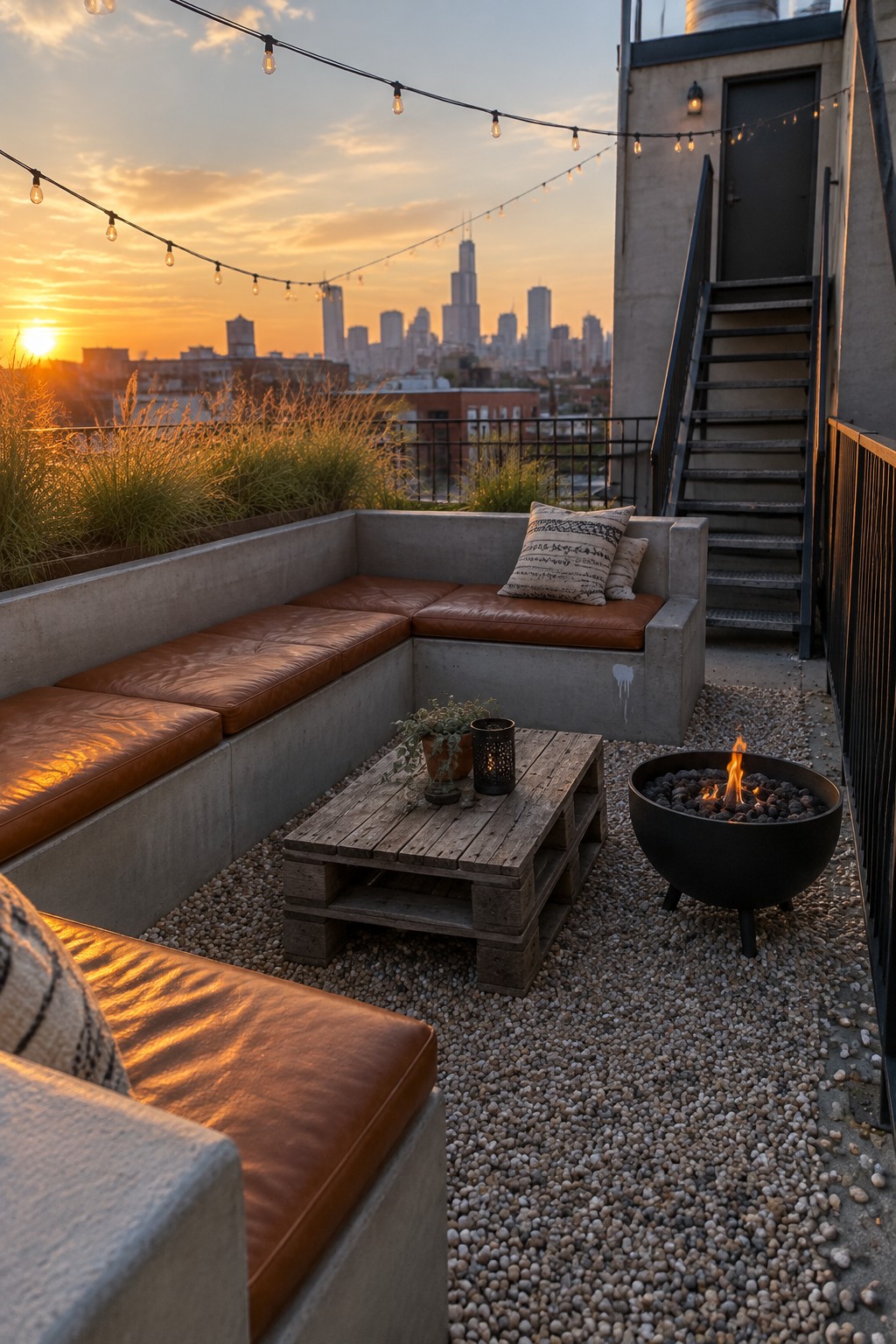
Concrete block benches give you a sturdy base for outdoor seating that costs less than buying separate furniture. They stand up to weather and let you shape the layout around whatever space you have, whether that is a rooftop or a small backyard.
This approach works best when you keep the rest of the area simple. Add cushions for comfort and set a fire pit close by so the space stays usable after the sun goes down. Just make sure the bench height feels right before you finish the build.
Concrete Blocks Make Reliable Patio Benches
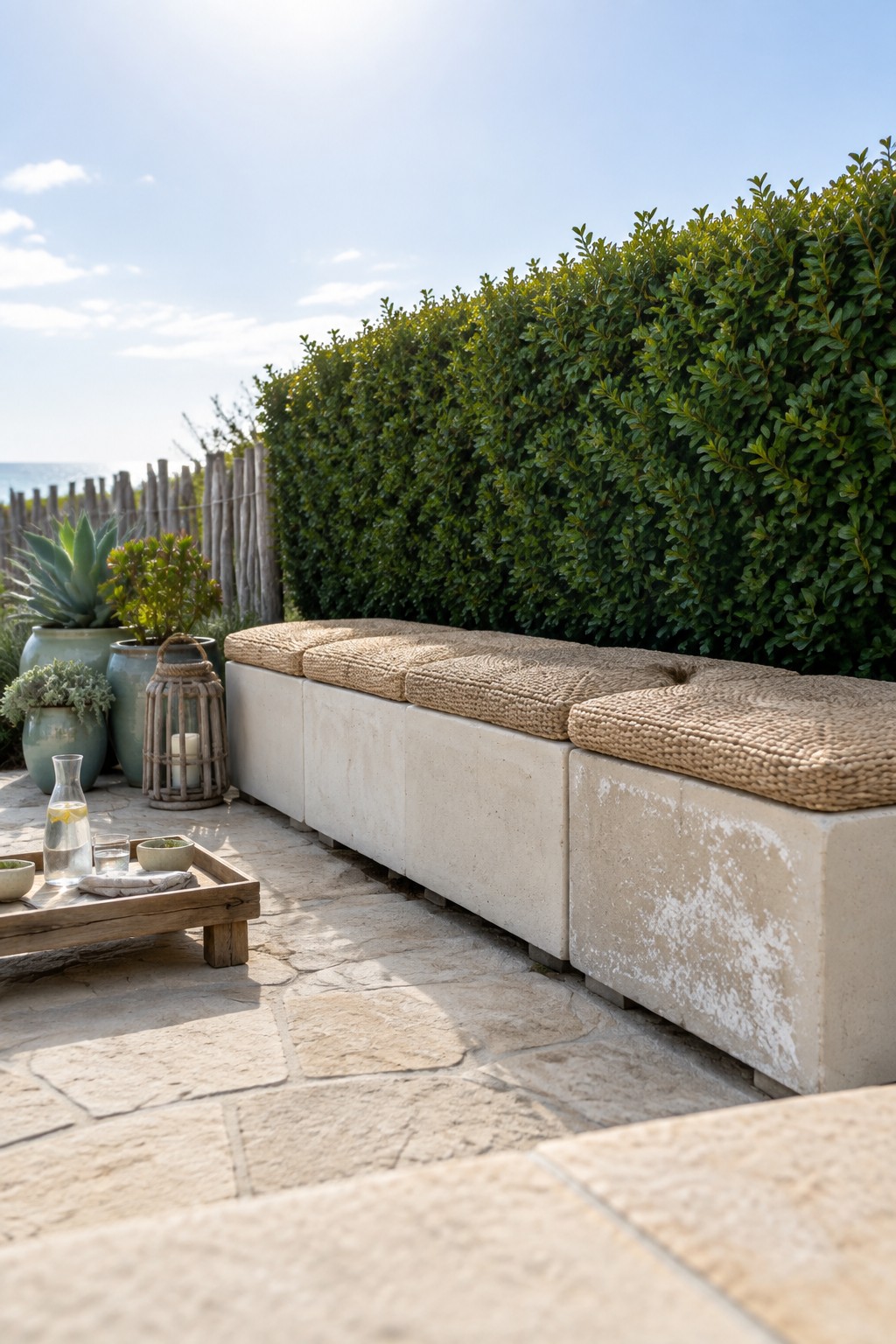
Concrete blocks give you a solid, low-cost base for patio seating that holds up year after year. They stay put in wind and weather, and you can stack them to whatever height fits the space without spending much.
Place them along the edge of a patio or terrace and add cushions on top for comfort. This works well in sunny spots where you want simple seating that can stay outside full time, especially if you have a hedge or fence nearby for a bit of privacy.
Concrete Block Benches for Fire Pit Seating
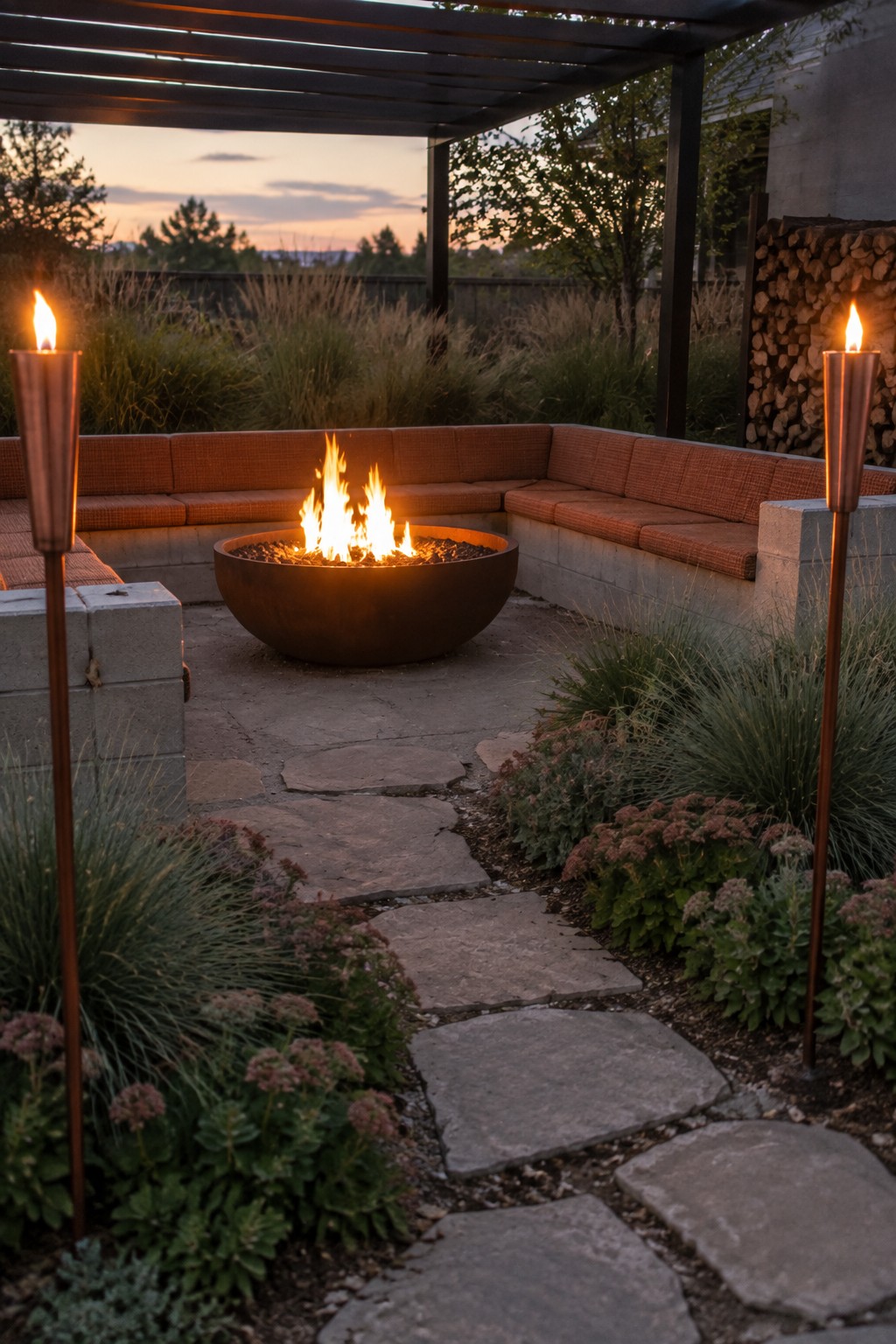
Concrete blocks give you a cheap and sturdy way to build seating that stays put around a fire pit. They stack easily, need no special skills, and create a solid frame you can top with cushions whenever you want to use the space.
This setup works best in smaller backyards or side yards where you want something permanent but still simple to change later. Keep the blocks low enough for comfortable seating and choose cushions you can bring inside during bad weather.
Concrete Block Benches Offer Simple Patio Seating

These benches stand out because they are built right into the patio and do not move or wear out quickly. They give a solid base for cushions and keep the seating area feeling grounded without extra furniture to buy or store.
They work best on flat outdoor spaces like pool decks or backyard patios where you want seating that stays put year after year. Add striped cushions for comfort and a simple rug in front to mark the spot without adding much cost.
Concrete Block Benches
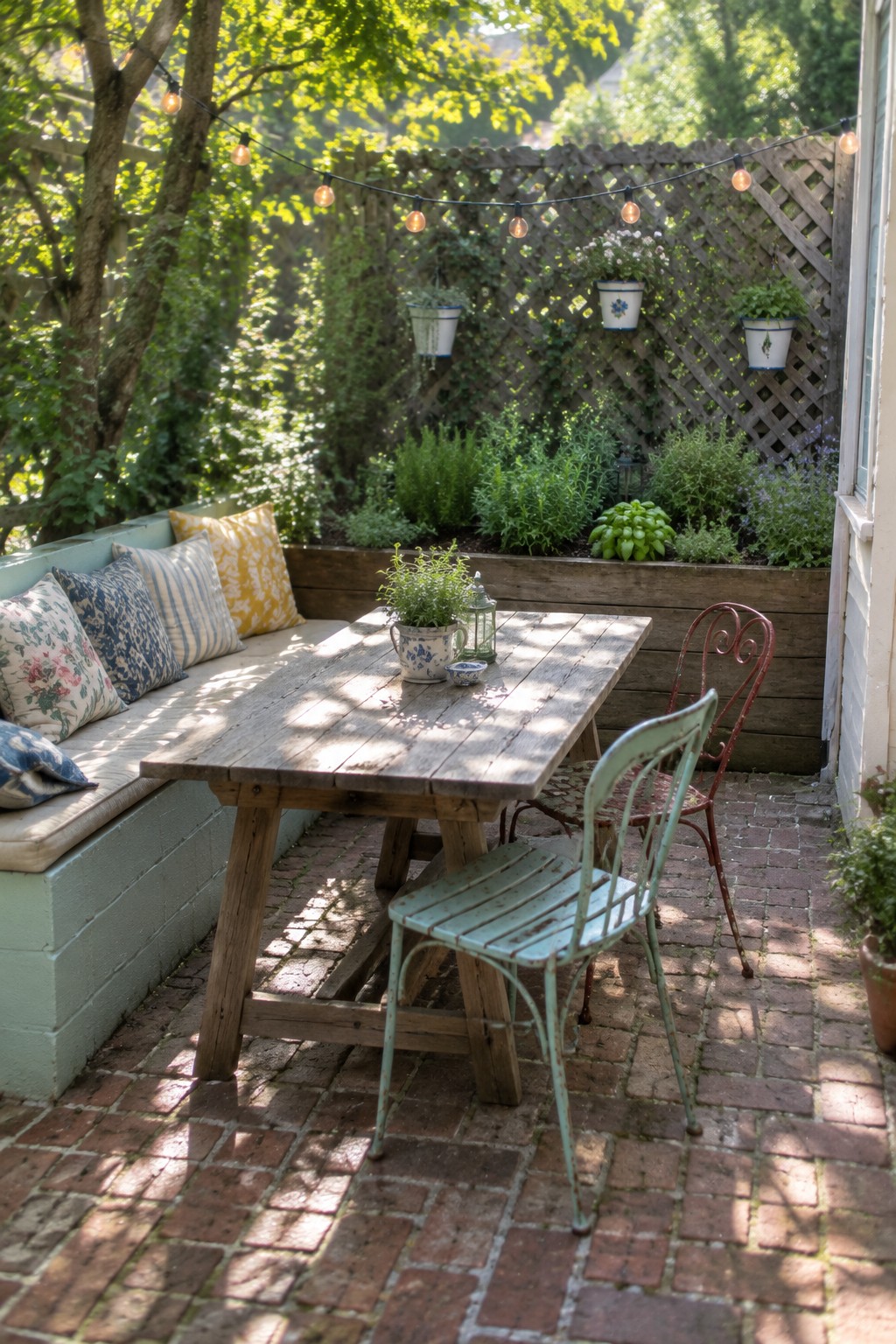
One easy way to get solid seating on a patio is to build a bench from concrete blocks. The blocks stay put, cost little, and give you a base that lasts through all kinds of weather. Top them with a simple cushion and you have a place to sit without buying new furniture.
This works well along the edge of a small yard or against a fence where you want something permanent. Keep the cushions loose so you can store them when it rains, and pair the bench with a basic table for meals or coffee. It suits homes that need low-cost seating that still feels put together.
Concrete Blocks Make A Solid Base For Patio Seating
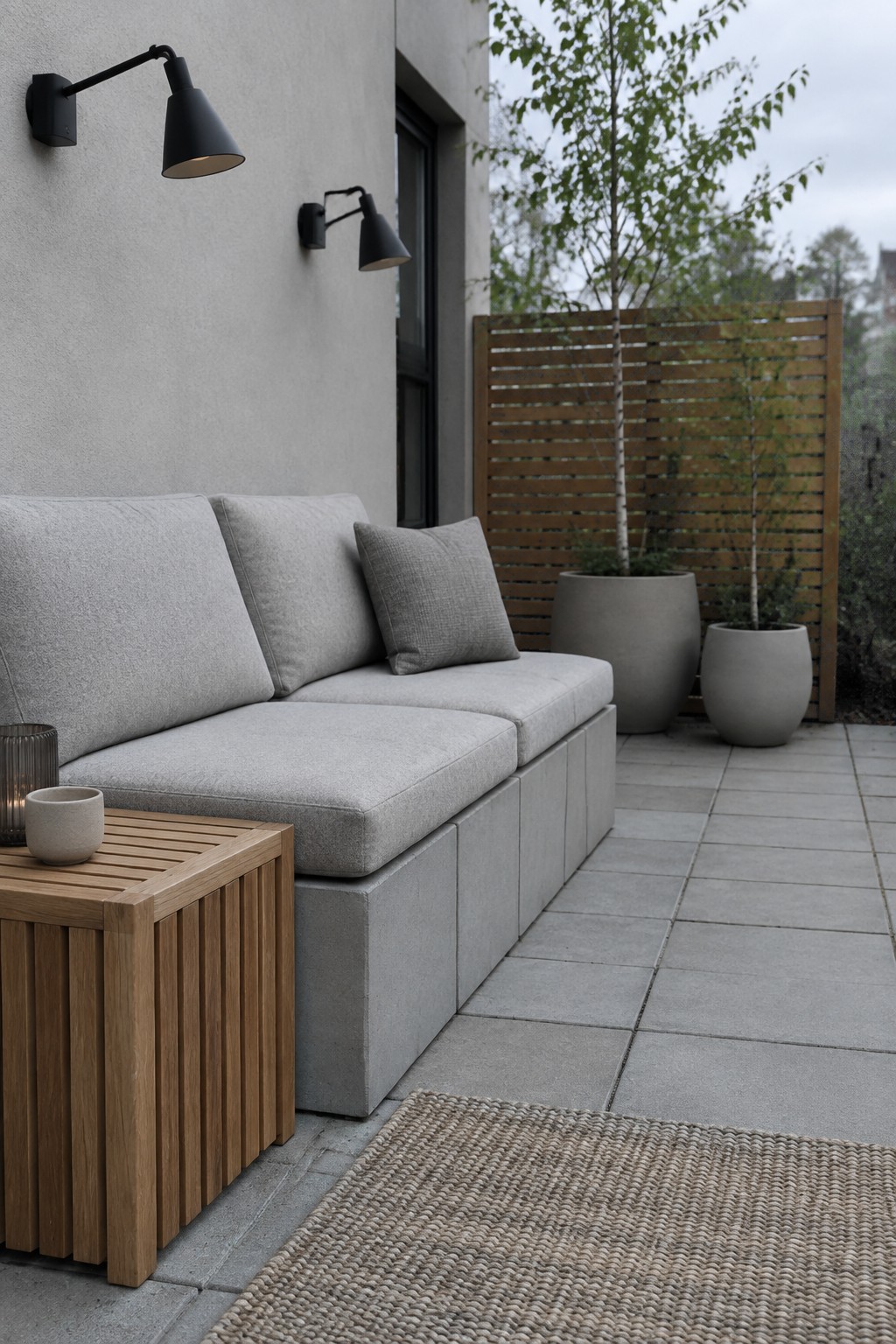
Concrete blocks give you a low-cost way to build seating that actually lasts outside. They stack straight, need almost no maintenance, and create a clean platform that holds cushions without sagging or shifting over time.
This setup works well on any paved patio where you want something more permanent than loose chairs but do not want to spend on custom furniture. Keep the blocks in a simple straight run or add a corner turn, then layer on weatherproof cushions and a wooden side table for contrast and a spot to set drinks.
Painted Concrete Blocks Make Simple Colorful Benches
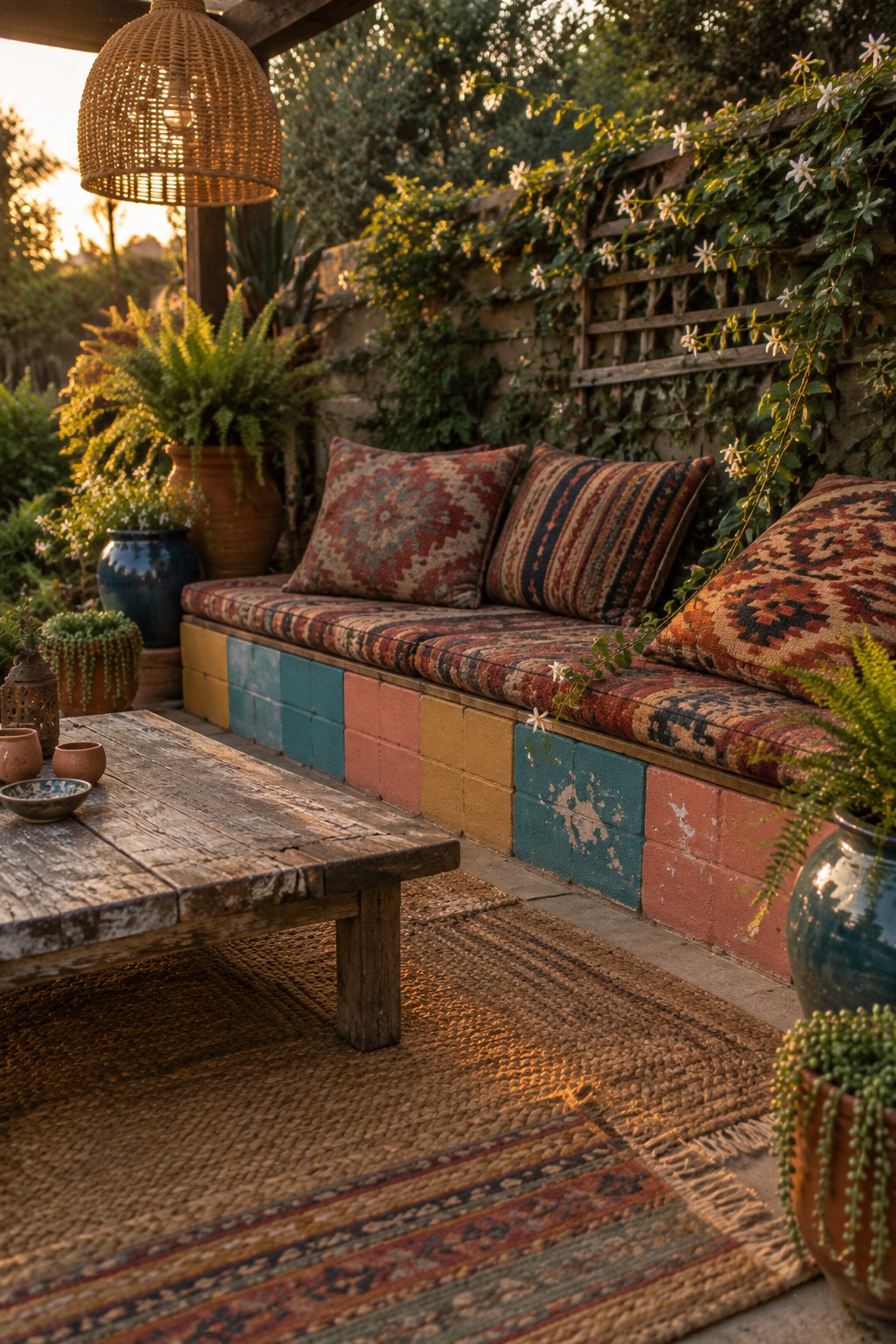
One easy way to get solid patio seating without spending much is to build the base with concrete blocks. Paint them in a few bright colors, stack them to the height you need, and top the whole thing with a wood plank. The result feels more like built-in furniture than a row of separate seats, and the color makes it stand out without extra decoration.
This approach works best along a fence or wall where you already have some shade and plants. The blocks are inexpensive and easy to move if you want to change the layout later. Just keep the surface flat and use outdoor cushions that can handle a little weather.
Concrete Block Benches For Simple Outdoor Seating
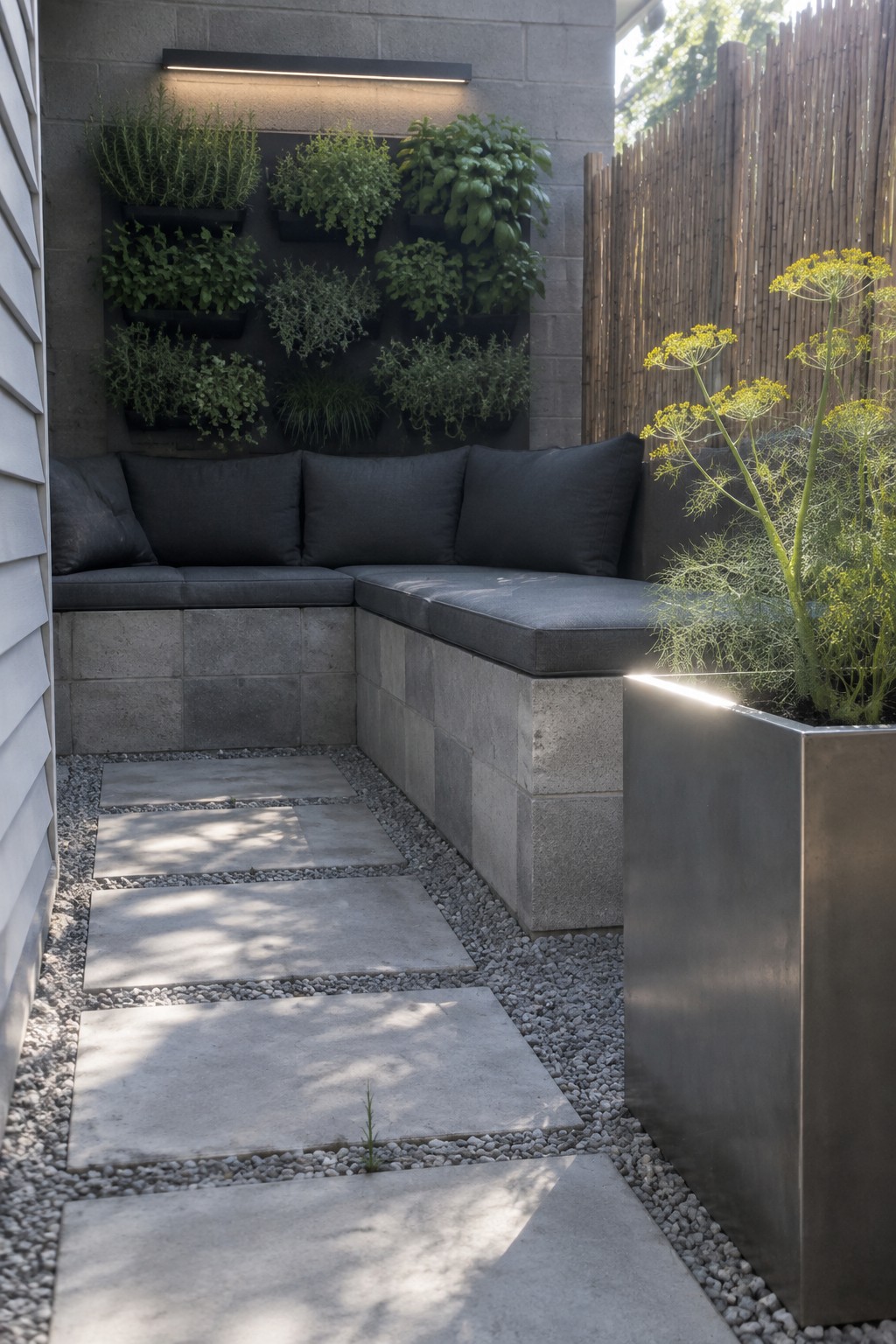
Concrete blocks give you a cheap and sturdy way to build patio seating that actually lasts. They stack easily into an L shape or any layout you need, and they hold up fine outside without much fuss. People like this setup because it feels permanent but costs far less than buying pre-made benches.
Place the blocks where you want the seating, top them with outdoor cushions, and keep the rest of the space open with gravel or pavers underfoot. This works best in smaller yards or narrow side areas where you need seating that does not take up much room or blow away. Just make sure the ground is fairly level before you start stacking.
Build Seating With Concrete Blocks
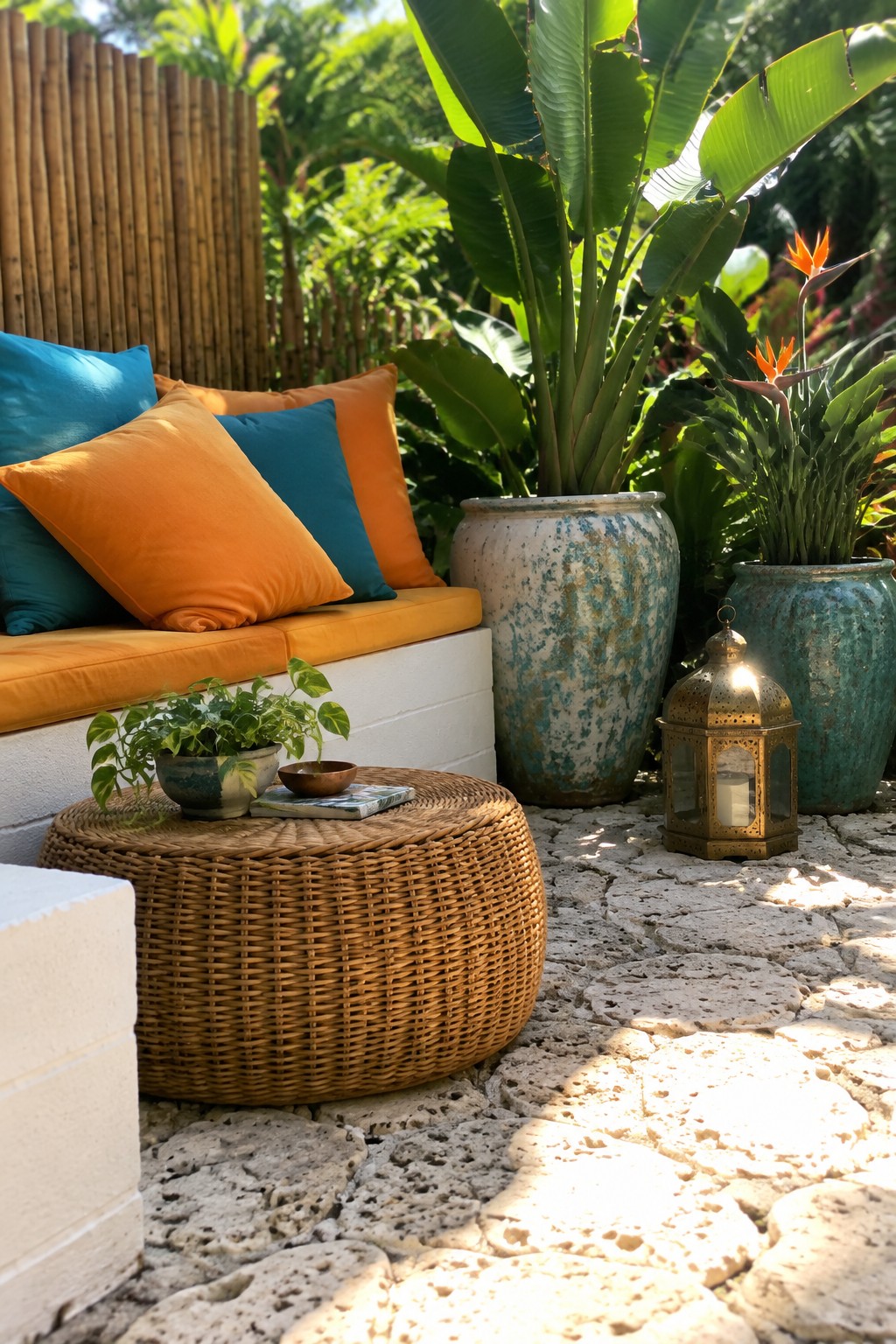
Concrete blocks give you a cheap and sturdy base for a patio bench that holds up outdoors. Stack them to the height you need, top them with cushions, and you have seating that stays put without much work.
This setup works best in small yards or on paved areas where you want something solid but do not want to buy new furniture. Keep the blocks simple and add plants around the edges so the whole spot feels more relaxed.
Concrete Blocks Create Simple Patio Benches
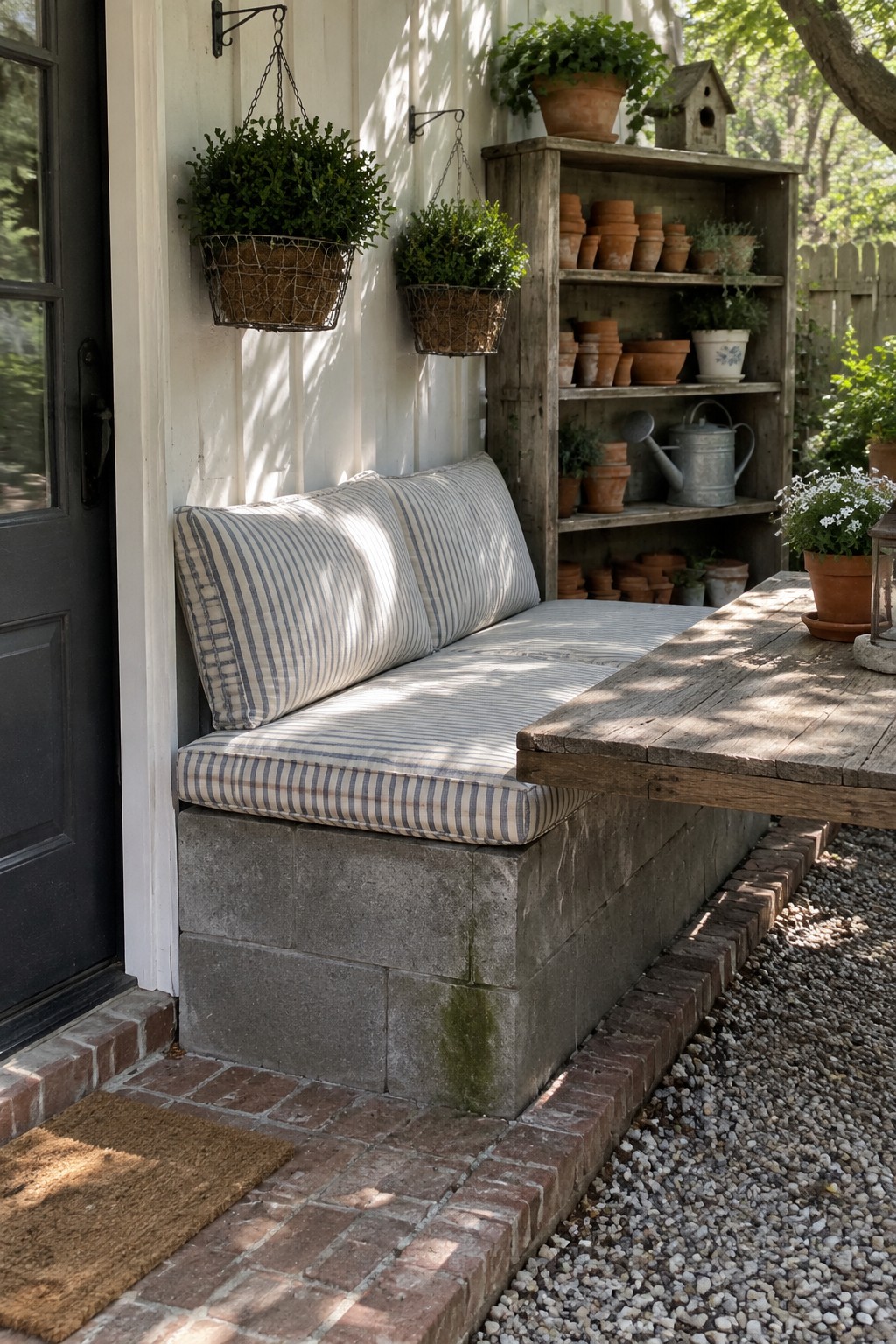
Concrete blocks give you a low-cost way to build seating that stays solid outdoors. They stack fast, need no special tools, and hold up through weather that would wear down wood or cheap metal frames.
This approach works well on small patios or along house walls where you want fixed seating without spending much. Add a couple of thick cushions and the bench becomes comfortable right away, while the blocks stay hidden enough to keep the look clean.
Concrete Benches Around A Fire Pit
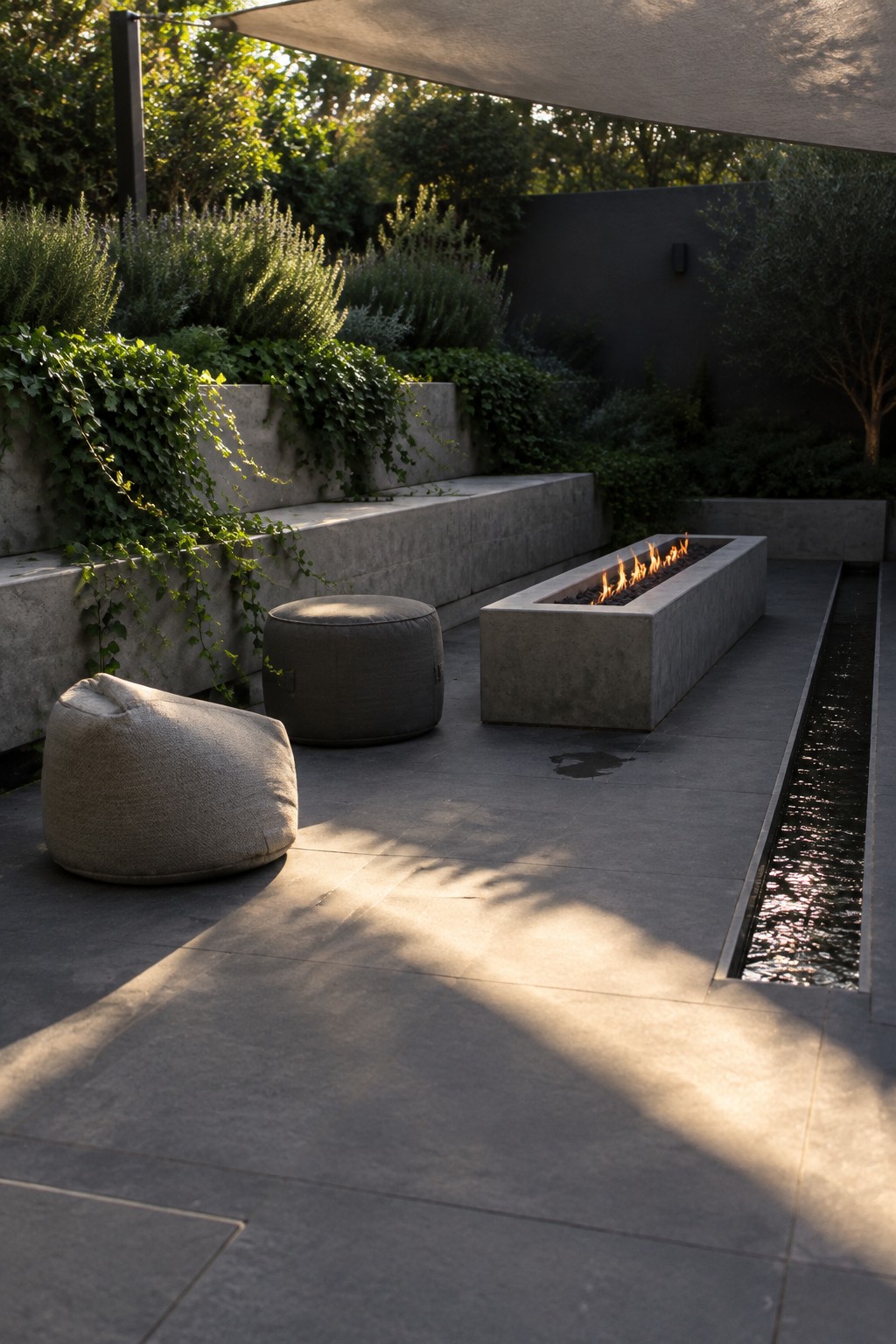
Concrete benches give you a solid base for outdoor seating that stays simple and holds up over time. They work especially well when you place them around a long fire pit, since the material matches and keeps the whole area looking pulled together without extra cost.
Add a couple of soft poufs or bean bags for comfort when people gather. This approach suits smaller patios or modern backyards where you want something durable that does not need much upkeep.
Built-In Concrete Benches For Simple Seating
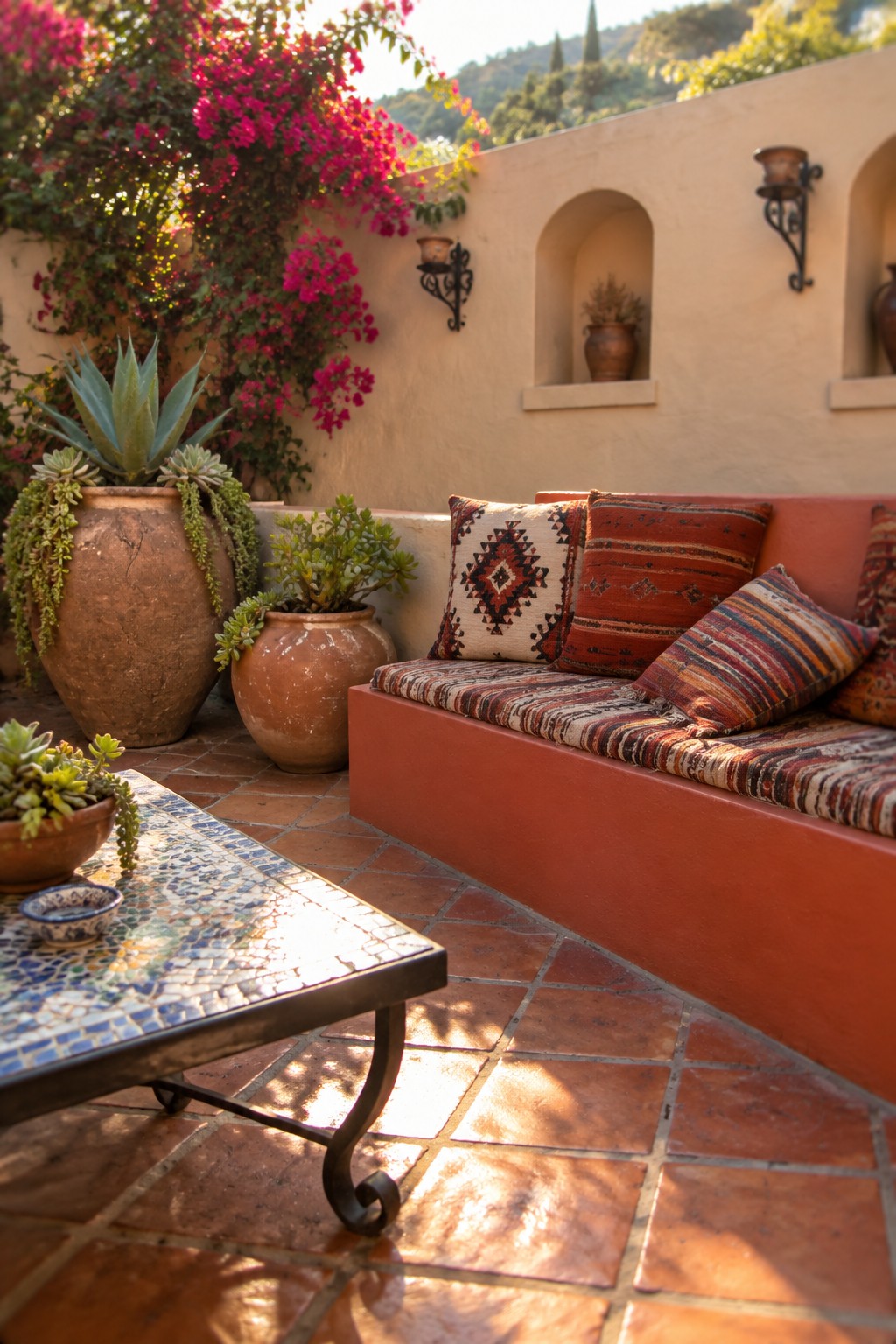
A bench built from concrete blocks gives you a solid base that stays put and costs less than buying separate furniture. Once the blocks are stacked and finished smooth, a coat of paint pulls it into the rest of the patio so it feels like part of the space instead of an afterthought. The low profile also leaves room for plenty of cushions without crowding the area.
This setup works best on a small patio or along a back wall where you want seating that does not need to be moved. Add a few layers of weatherproof cushions in different patterns to make it comfortable, and keep the rest of the space light with potted plants. Just make sure the blocks sit on a level surface and get sealed so moisture does not cause problems over time.
Concrete Blocks As A Bench Base
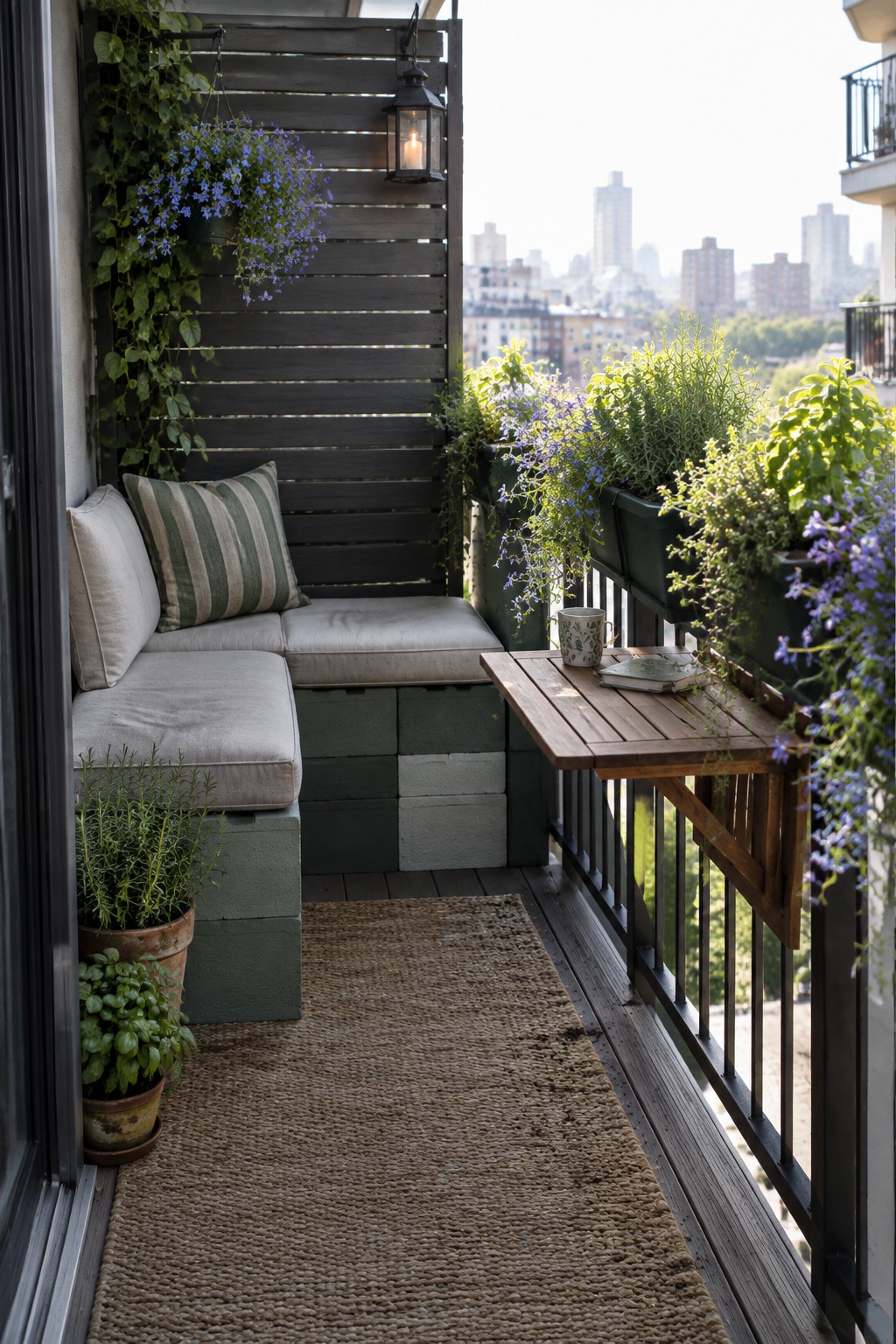
Concrete blocks stacked into a bench give you a solid, low-cost frame that holds up outdoors without much fuss. They work especially well when you need seating that fits a narrow balcony or patio exactly, and the open grid lets you tuck in storage or just keep the build simple.
Paint the blocks to match your railing or leave them plain, then top them with cushions for comfort. This setup suits apartments or small yards where you want something permanent but easy to change later. Just check that the surface underneath stays level so the cushions stay put.
Concrete Block Benches With Cushions
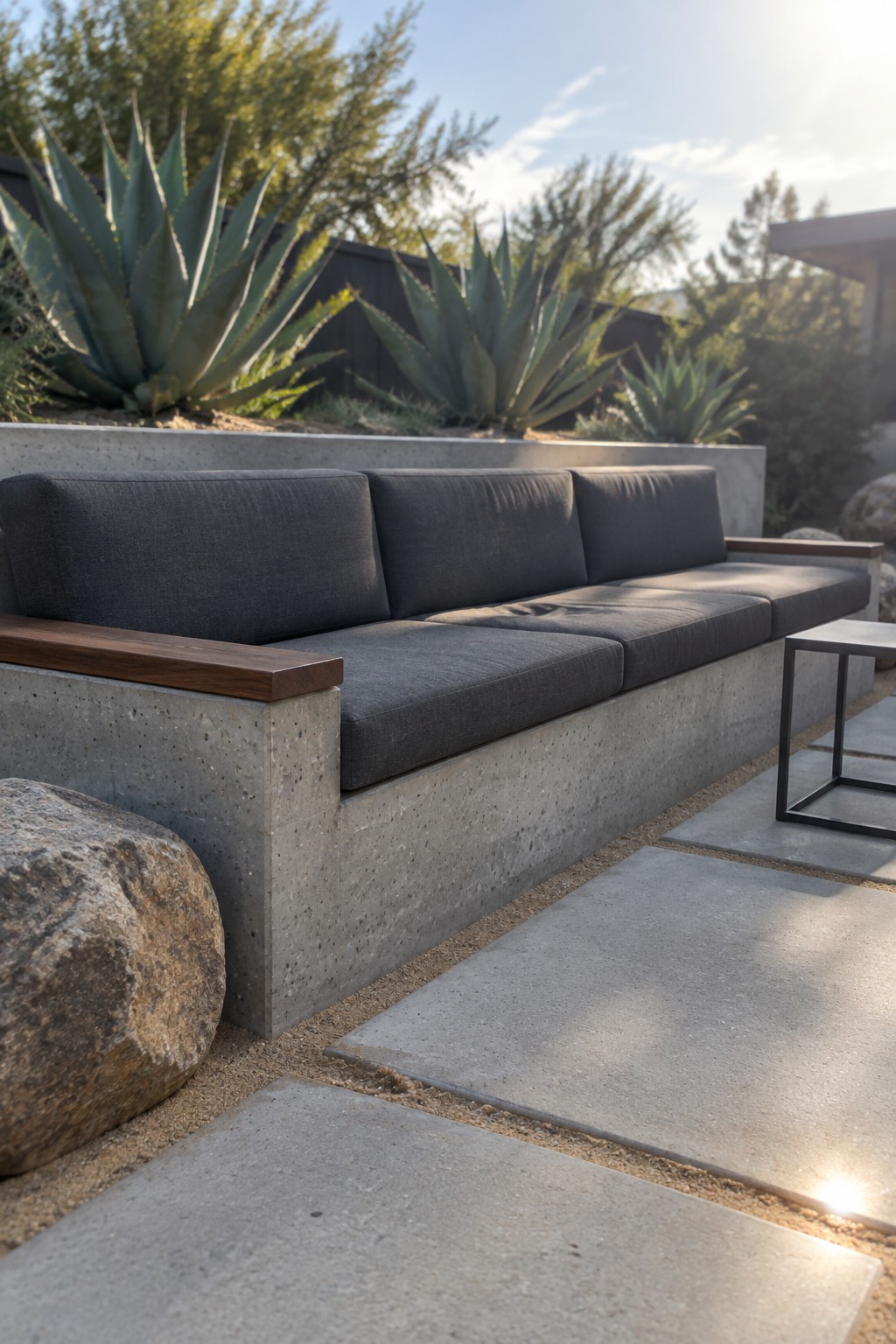
Concrete block benches give you a sturdy base that holds up outside without constant repairs. They cost less than buying new furniture and can be sized to fit the exact spot you need on a patio or side yard.
Add a few thick cushions on top and you have seating that feels finished. This works best in sunny or dry climates where the concrete can stay exposed, and it pairs well with simple wood details if you want a bit more warmth.
Concrete Block Benches Give You A Sturdy Base
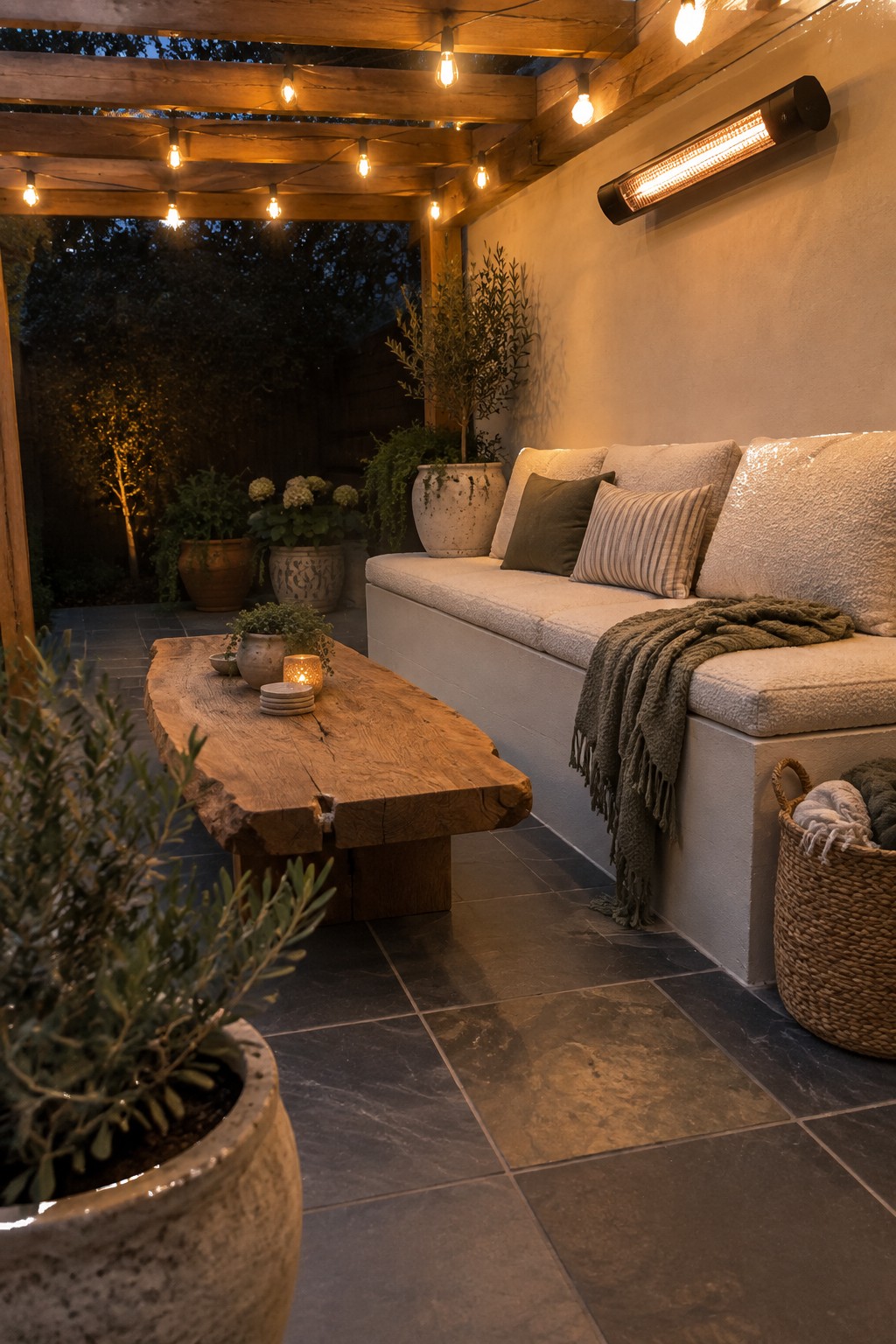
Building the main seat from concrete blocks keeps the whole setup simple and low cost. The material holds up outside without much work, and it gives you a flat, solid surface to layer on top of right away.
Once the bench is in place, add thick cushions, a few pillows, and a blanket so it feels comfortable for sitting. This approach works best on smaller patios or along a back wall where you want seating that stays put and does not crowd the space.
Concrete Block Benches For Budget Patio Seating
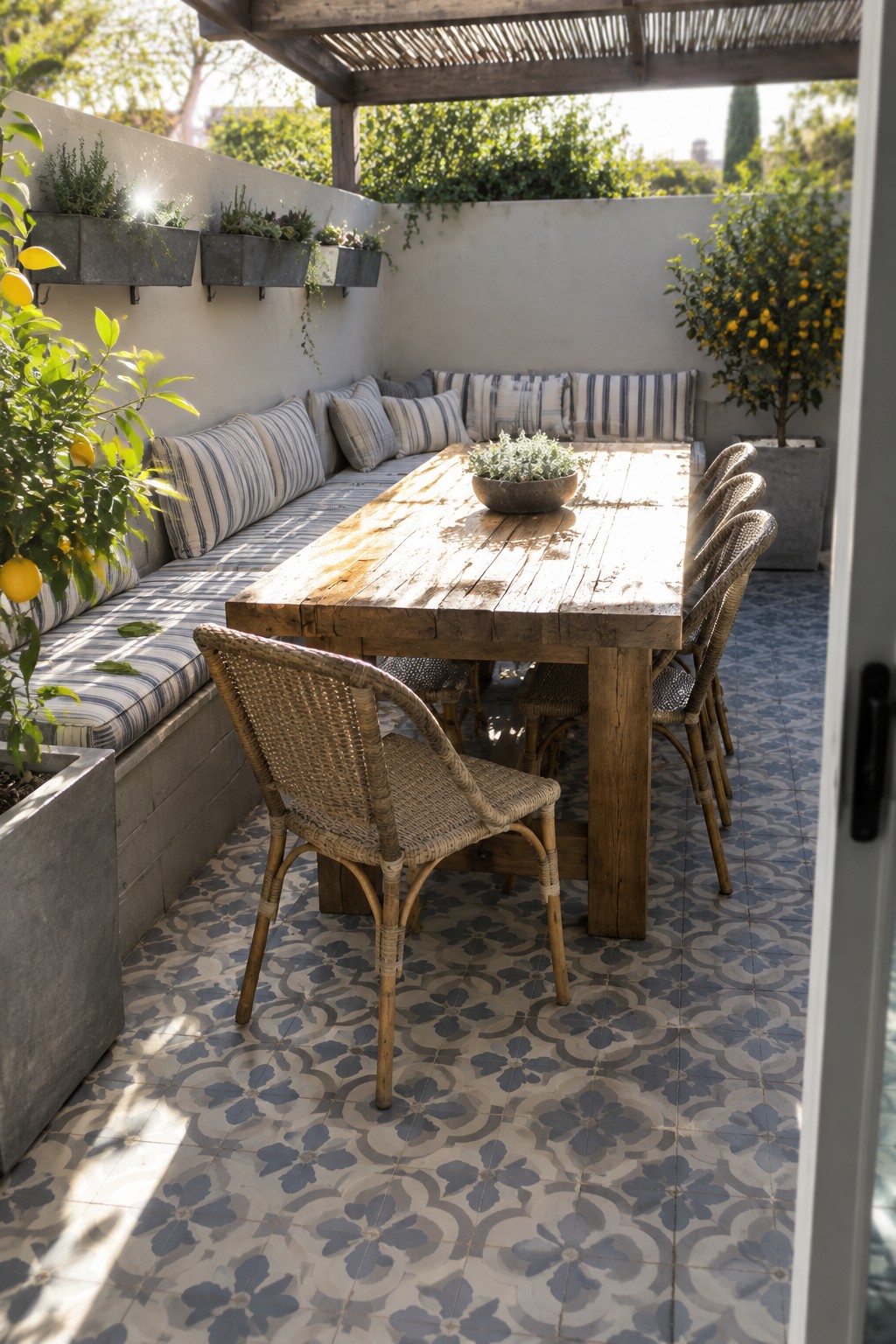
Concrete blocks give you a cheap and solid way to build seating that stays put on a patio. They create a clean edge along a wall or corner, and once you add cushions they feel like regular bench seating without the high cost of custom furniture.
This approach works best in smaller outdoor spaces where you want seating that doubles as a boundary. Stack the blocks, top them with a simple board if you like, and use thick cushions that can handle sun and rain. Keep the cushions in a neutral stripe or solid so the whole thing stays easy to update later.
Concrete Block Benches Work Well in Gravel Gardens
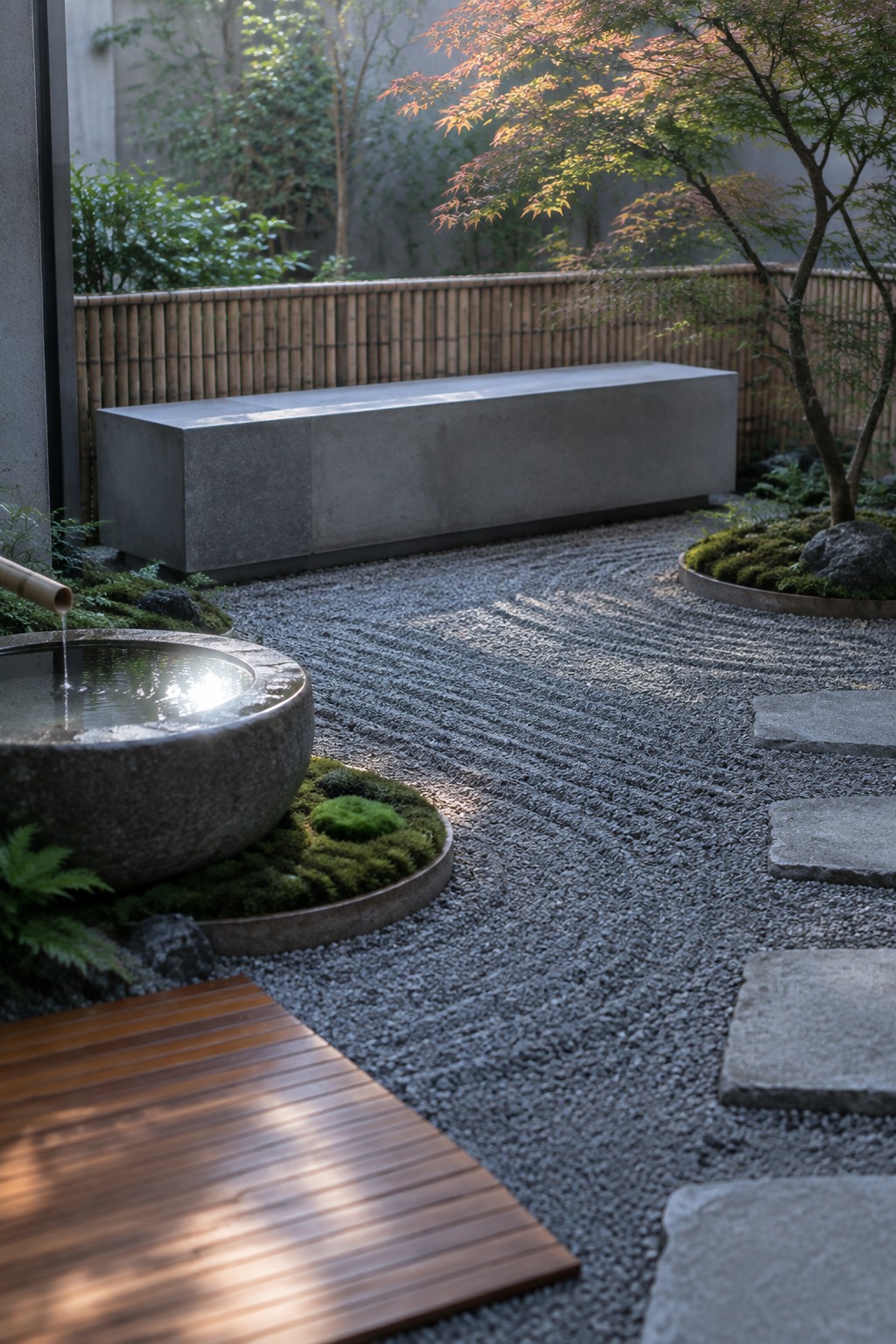
A long concrete bench gives you solid seating without much fuss. It holds up in any weather and blends into simple garden setups where you want the focus on the plants and paths rather than fancy furniture. Many people like how it stays cool and low to the ground, which keeps the space feeling open.
Place one along a gravel area or next to stepping stones if your patio runs into a garden. It suits small yards or side yards best, especially when you keep the rest of the materials plain like wood and stone. Just make sure the bench sits on a level base so it does not shift over time.
Concrete Blocks Make Simple And Sturdy Patio Benches
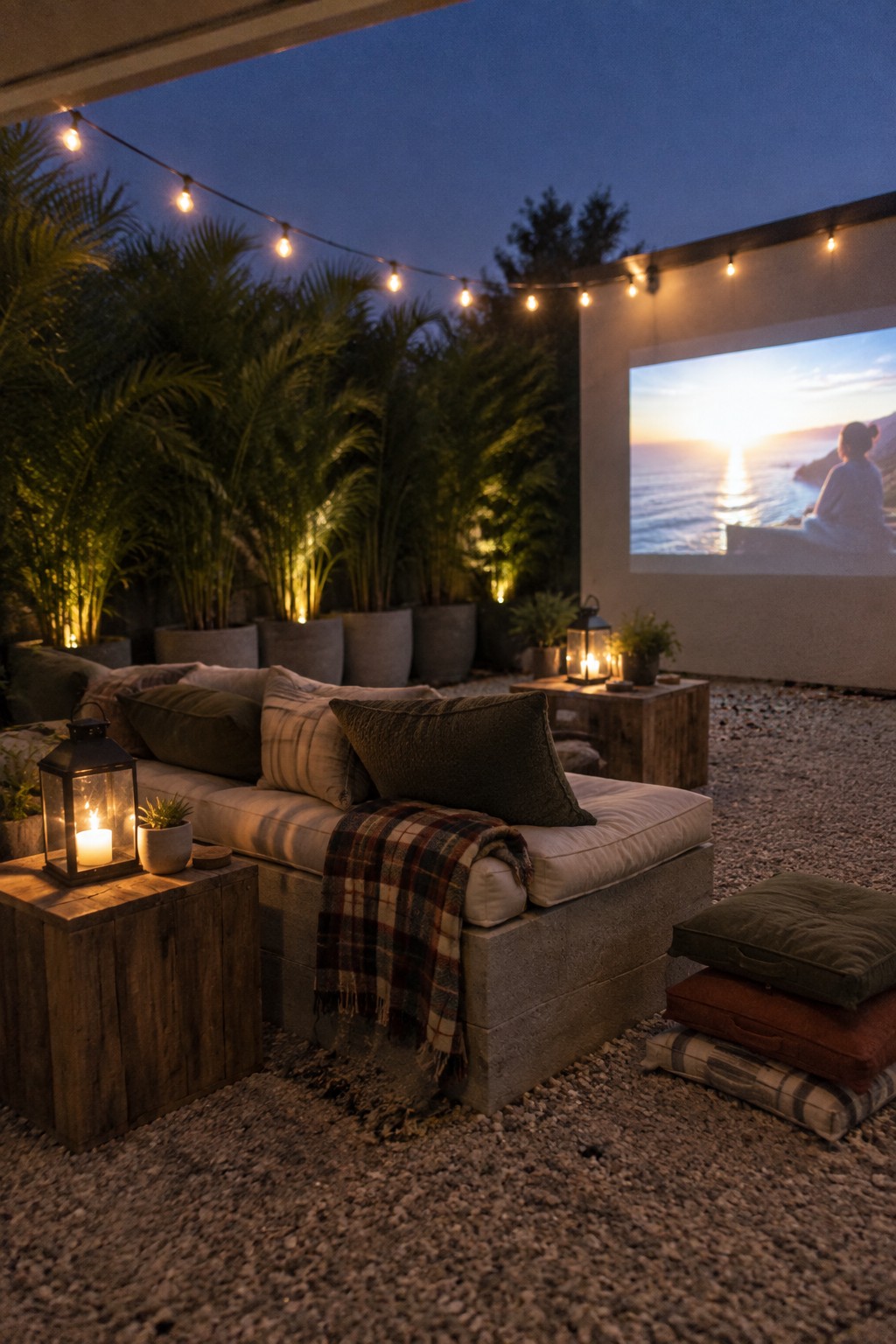
Concrete blocks give you a low-cost way to build solid outdoor seating that holds up in any weather. Stack them into a bench shape, add a few thick cushions on top, and the whole thing feels finished without much extra work.
This approach works best on patios or gravel areas where you want flexible seating you can rearrange later. Keep the blocks on a level base and use outdoor fabric covers so the cushions stay in good shape through sun and rain.
Concrete Block Benches For Patio Seating
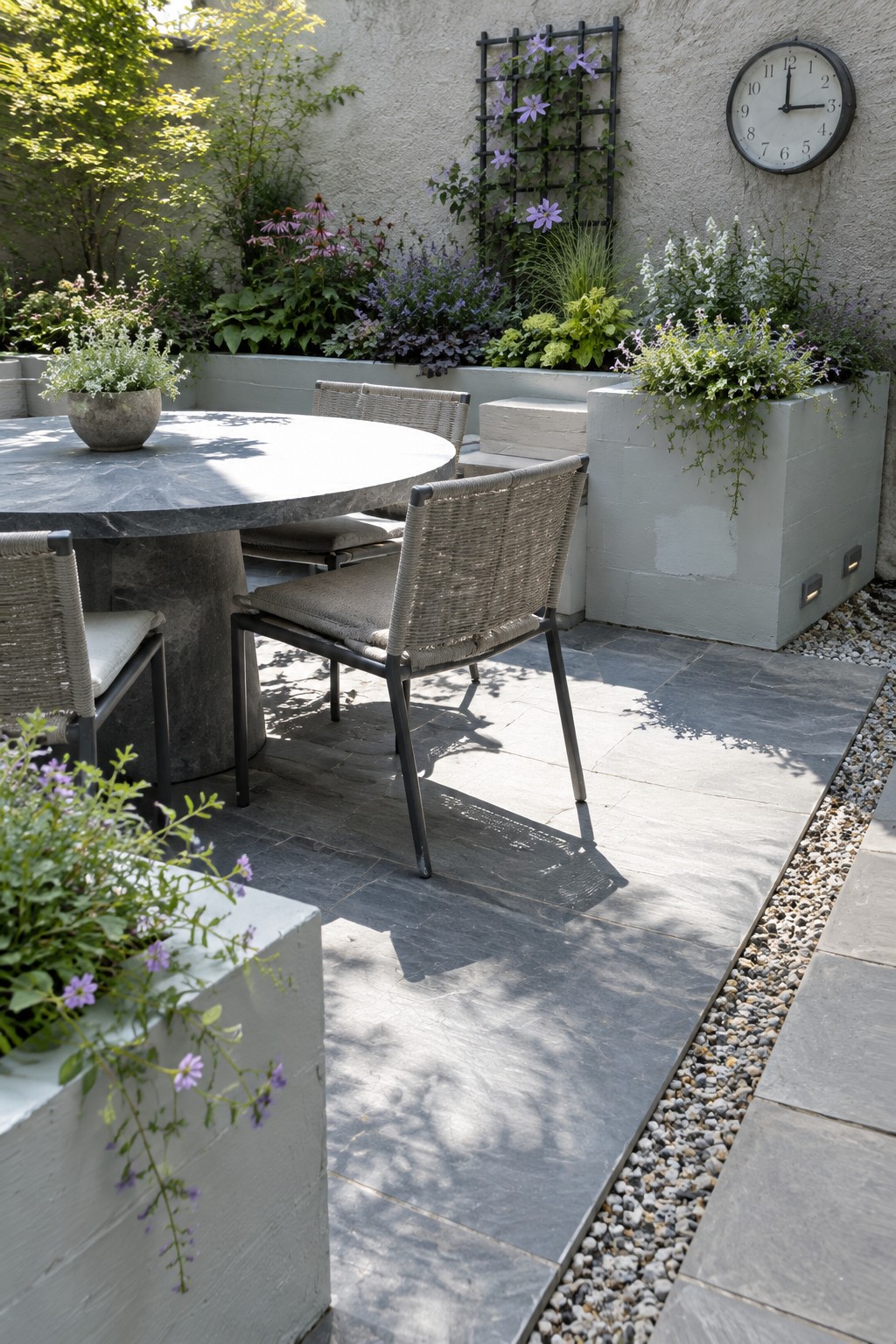
Concrete blocks give you a cheap way to add seating without buying a full set of outdoor furniture. They stack easily, hold up well outside, and can be arranged to fit the shape of your space. Many people use them to edge a patio or create low benches right where people gather.
Place the blocks along the sides of a dining table or in a corner to give extra spots to sit. Top them with simple cushions for comfort and leave a few open for plants if you want. This setup works best in small yards or on a tight budget where you need seating that stays put.
Concrete Block Benches For Simple Outdoor Seating
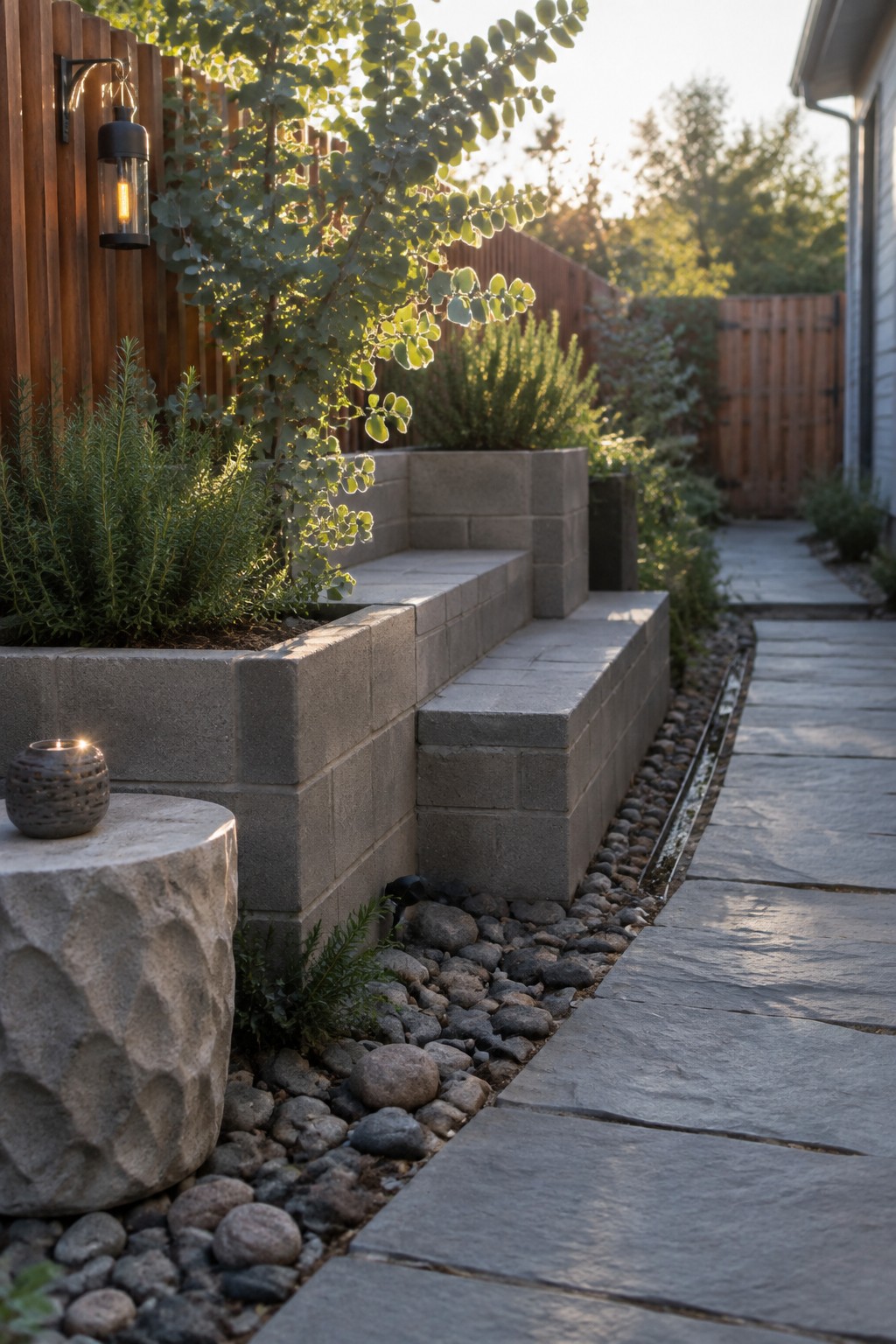
Concrete blocks stack easily into solid benches that cost very little and last for years outside. They work well along a garden edge or path because they double as both seating and a low retaining wall without needing extra framing or fancy materials.
You can build them to match the length you need and leave the blocks plain or cap them with wood for a smoother seat. This approach suits smaller yards or side yards where you want functional seating that blends into the landscape rather than standing out as separate furniture.
Concrete Block Benches Along Pool Walls
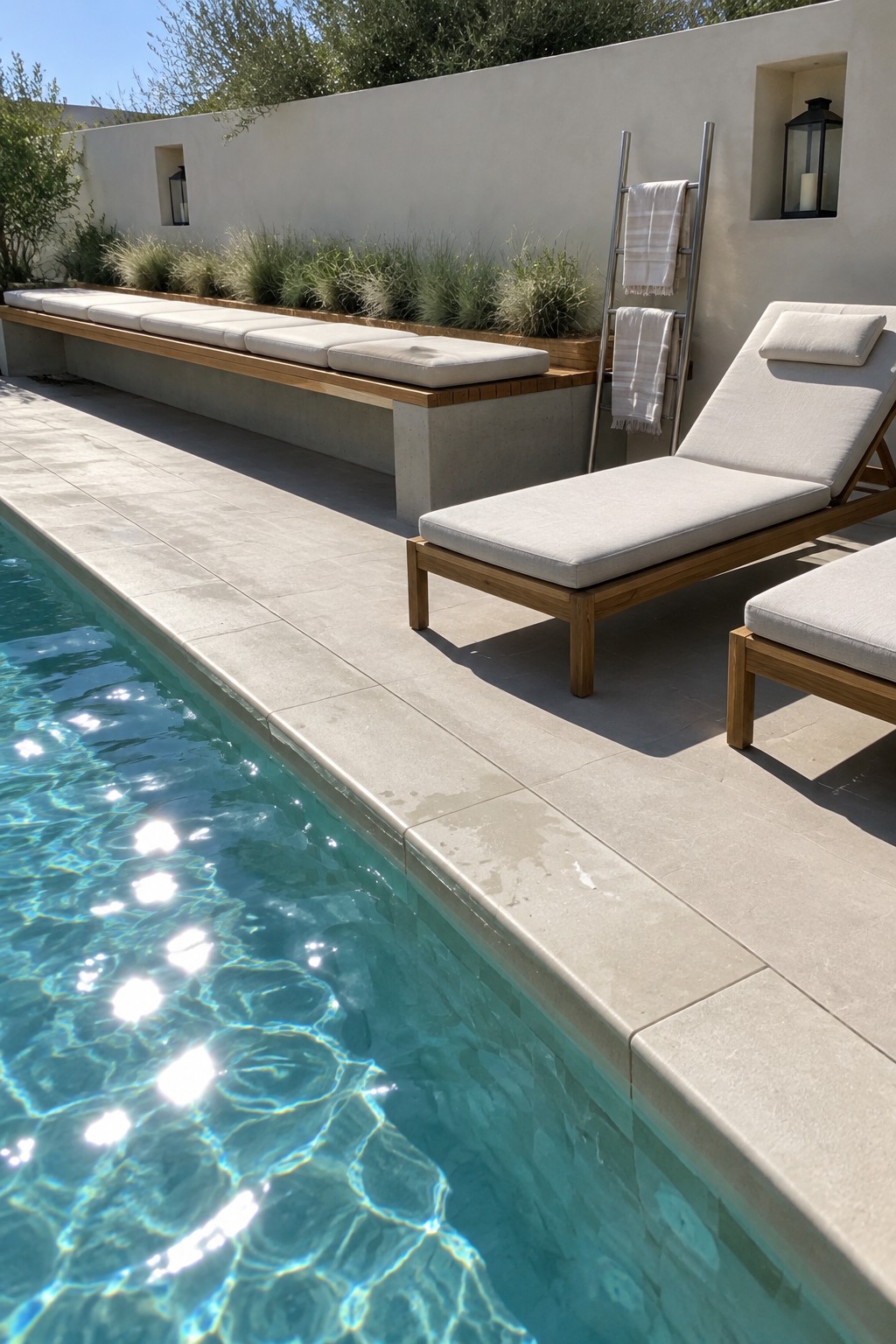
Concrete block benches work well for pool areas because they stay put and handle water and sun without much trouble. You get a long run of seating that lines up neatly with the edge of the deck, and the material blends into the hardscape instead of standing out as extra furniture.
Build them low enough to sit on comfortably, then add a wood cap or a row of cushions on top. This approach fits homes with straight walls or raised planters where you want seating that doubles as a boundary without crowding the space.
Painted Concrete Block Benches
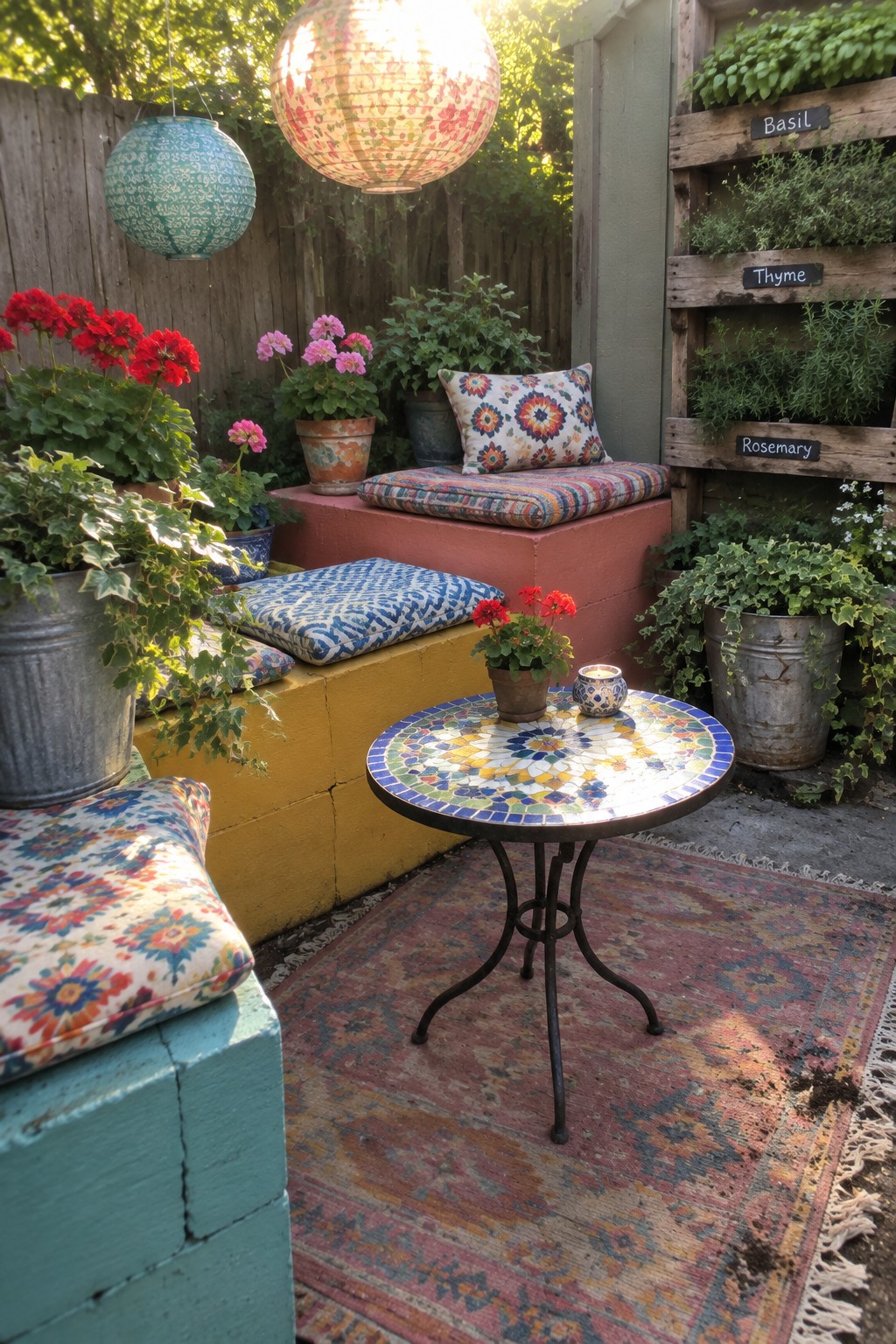
Concrete blocks work well for patio seating because they are cheap, solid, and easy to customize. A few coats of bright exterior paint turn them into benches that stand out without much effort, and adding cushions makes them comfortable enough for everyday use.
This approach suits small yards or tight corners where you need seating but want to keep costs low. Stack the blocks to the height that fits your space, and repaint them when you want a change.
Concrete Block Benches For Simple Patio Seating

Concrete blocks stacked into a low bench shape give you solid seating without a big budget. The material holds up to weather, needs little maintenance, and creates a clear edge that keeps the seating area defined.
Place the blocks along the perimeter of a patio or rooftop and top them with cushions for comfort. This setup works best in smaller outdoor spaces where you want fixed seating that does not take up extra room or cost much to build.
Frequently Asked Questions
Q: How do I keep these concrete benches from feeling too hard after a while? A: Lay down a couple layers of outdoor foam and cover them with waterproof fabric you can find at any fabric store. Secure the covers with ties or clips so wind does not blow them off. People end up staying longer once the seat gives a little.
Q: Do the blocks need anything special to stay put on a windy patio? A: Set the bottom row in a shallow bed of gravel or sand so the weight settles in. You can also run a bead of construction adhesive between layers when you stack them. That stops the whole bench from shifting when someone sits down hard.
Q: What is the easiest way to change the look without rebuilding everything? A: Brush on a coat of exterior concrete paint in a color that matches your other outdoor pieces. Add a few cheap potted plants along the back edge to break up the straight lines. The benches stay functional while the space feels less bare.
Q: How often do these need any kind of upkeep? A: Give them a quick rinse with a hose a few times a year to wash off dirt and pollen. Check the sealant every other spring and reapply if water starts soaking in instead of beading up. That is really all it takes to keep them solid.
