

Ever wondered if a hammer drill is the same as a drill driver? Picture this: you’re in the middle of a DIY project, trying to decide which tool to use for the job. The distinction between a hammer drill and a drill driver can be a game-changer in how efficiently you tackle your tasks.
In this article, you’ll uncover the key differences between these two tools and understand when to use each one. By the end, you’ll feel confident in selecting the right tool for your next project. Let’s dive in and demystify the world of power tools together.
Key Takeaways
- A hammer drill is designed for hard materials like concrete, while a drill driver is suitable for wood, metal, or plastic.
- A hammer drill features a hammering action for tough surfaces, whereas a drill driver lacks this capability.
- Hammer drills excel in heavy-duty projects, while drill drivers are versatile for everyday tasks.
- Use a hammer drill for concrete, stone, or brick, and opt for a drill driver for wood, metal, or plastic surfaces.
- Understanding the functionality and strengths of each tool helps in selecting the right one for specific project needs.
- Consider torque control, speed control, chuck size, and drilling action differences when choosing between a hammer drill and a drill driver for DIY projects.
Exploring the Differences Between a Hammer Drill and a Drill Driver
Understanding the distinctions between a hammer drill and a drill driver is crucial for your DIY projects. Here’s a breakdown to help you differentiate between these two tools:
Functionality
- Hammer Drill: A hammer drill, also known as a rotary hammer, is designed for drilling into hard materials like concrete, brick, or stone. It delivers a pulsating action, making it easier to drill through tough surfaces effectively.
- Drill Driver: On the other hand, a drill driver is primarily used for drilling holes in wood, metal, or plastic. It provides a smooth rotary action suitable for general-purpose drilling tasks.
Impact Mechanism
- Hammer Drill: The key feature of a hammer drill is its hammering or pounding action that helps to break through hard materials. This mechanism is essential for tasks that require drilling into masonry or concrete.
- Drill Driver: In contrast, a drill driver lacks the hammering capability and functions solely by rotating the drill bit to create holes in various materials.
Versatility
- Hammer Drill: While versatile, hammer drills are best suited for heavy-duty projects involving hard surfaces. They excel in tasks that demand drilling into concrete walls or floors, providing the required power and impact.
- Drill Driver: Drill drivers are versatile tools suitable for a wide range of drilling needs in softer materials. They are ideal for everyday projects around the house or workshop.
- Hammer Drill: Use a hammer drill when working on projects that involve concrete, stone, or brick surfaces. Examples include installing shelves on concrete walls or drilling anchor holes in masonry.
- Drill Driver: Opt for a drill driver when drilling into wood, metal, or plastic surfaces. It’s perfect for tasks like assembling furniture, hanging pictures, or working on light renovations.
By understanding these fundamental variances between a hammer drill and a drill driver, you can confidently choose the right tool for your specific project needs. Each tool serves a distinct purpose, enabling you to tackle your DIY tasks efficiently and effectively.
Understanding the Functionality of a Hammer Drill
When it comes to the functionality of a hammer drill, it’s essential to grasp its unique features compared to a regular drill driver. Here’s a breakdown of how a hammer drill operates and when it shines in your DIY projects:
Hammering Action:
A hammer drill, as the name suggests, employs a hammering action in addition to rotating like a standard drill driver. The hammering mechanism creates rapid, short hammer thrusts to help bore through tough materials, such as concrete, brick, or stone. This feature sets the hammer drill apart from its counterparts by providing the extra power needed for challenging surfaces.
Versatility in Materials:
Due to its hammering capability, a hammer drill is the go-to tool for tasks involving hard surfaces. Whether you’re installing a concrete wall anchor, setting up a stone walkway, or drilling into masonry, the hammer drill’s impact function makes these jobs more manageable. It’s well-suited for heavy-duty projects that demand effective penetration into solid materials.
When to Choose a Hammer Drill:
If your project involves concrete, stone, or brick, opting for a hammer drill is a smart choice. The hammering action ensures efficient drilling in these tough materials, saving you time and effort. For instance, when mounting shelves on a concrete wall or creating holes for anchors in stone, a hammer drill will be your best companion due to its ability to power through with ease.
Usage Tip:
When using a hammer drill, make sure to select the appropriate masonry drill bit for the material you’re working on. The right bit combined with the hammer drill’s hammering action will deliver precise and clean holes, enhancing the overall quality of your project.
By understanding the functionality of a hammer drill and its specific strengths, you can confidently tackle projects that involve hard surfaces with ease and precision. It’s a powerful tool that can make a significant difference in the outcome of your DIY endeavors.
Recommended Products
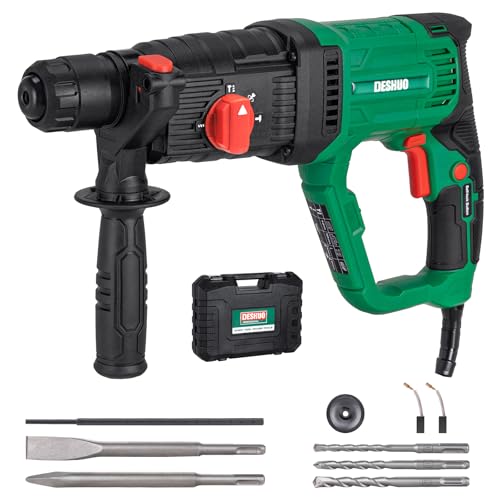
ATTENTION: This rotary hammer can only be used with SDS Plus (SDS +) bits--NOT with regular drills, SDS Max, or other types of bits(PLEASE CHECK BEFORE ORDERING)
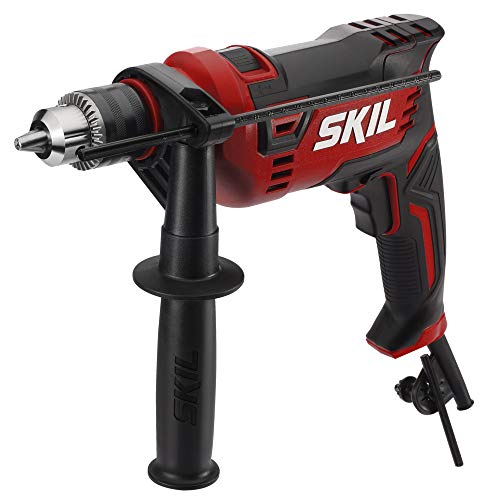
High Torque 7. 5 Amp Motor – Ideal for demanding projects
Getting to Know the Drill Driver
When it comes to drilling tasks, understanding the functionality of a drill driver is essential for efficient and precise work. The drill driver is a versatile tool that combines drilling and screwdriving capabilities in one compact design. It’s a go-to tool for a wide range of DIY projects, making it a must-have in your toolkit.
The drill driver operates by rotating the drill bit or screwdriver bit to create holes in various materials like wood, plastic, and metal. Its adjustable clutch settings allow you to control the torque applied, preventing overdriving screws or damaging materials. This feature is particularly useful when working with different screw sizes or delicate materials.
Key Features of a Drill Driver:
- Versatile Functionality: The drill driver can switch between drilling and driving functions with ease, offering convenience for both simple tasks and more complex projects.
- Variable Speed Control: Adjust the speed of the drill driver to suit the material you’re working with, ensuring precision and accuracy in your drilling and driving tasks.
- Chuck Size: Most drill drivers come with a keyless chuck that allows for quick and easy bit changes, saving you time during workflow.
- Compact Design: The compact size of drill drivers makes them portable and easy to maneuver in tight spaces, making them ideal for projects where precision is key.
- For general drilling and driving tasks in materials like wood, plastic, and metal.
- When you need a versatile tool that can handle a variety of DIY projects.
- Projects that require both drilling holes and driving screws efficiently.
By familiarizing yourself with the features and capabilities of a drill driver, you’re equipped to tackle a wide range of DIY tasks with ease. Whether you’re assembling furniture, hanging shelves, or working on home maintenance projects, the drill driver is a reliable companion for your project needs.
Recommended Products

Powerful 20 V Motor and 2 x 1.5 Ah Battery: Equipped with a robust 20 V motor and 2 Li-ion battery, this cordless drill delivers smooth power for various drilling and driving tasks;Its rechargeable battery ensures you're always ready for next project

【Power Drill Set】This power drill are perfect for DIY and home repairs

Optimal Performance: 20V MAX* lithium-ion battery always ready for your next project
Key Differences in Performance and Purpose
When choosing between a hammer drill and a drill driver for your DIY projects, it’s crucial to understand their key differences in performance and purpose. Here’s a breakdown to help you make the right decision:
Recommended Products

2 cutter carbide tip of masonry drill bit set maximizes carbide surface contact for longer bit life.
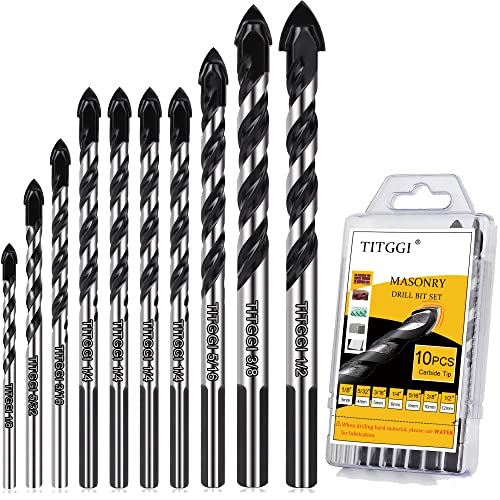
FOR HARD SURFACES: Wear-resistant tungsten carbide tip drills into brick, concrete, tile, glass, ceramic, travertine and hard plastic without slipping. Reinforced tip keeps its edge to deliver clean, steady holes for wall anchors, grab bars and shelves

Powerful 7. 5-Amp Motor – Corded hammer drill tackle the most demanding projects
1. Drilling Action
- A hammer drill delivers a rapid back-and-forth hammering motion while rotating, making it ideal for drilling into tough materials like concrete and masonry.
- In contrast, a drill driver provides a rotational drilling action, suitable for tasks in wood, plastic, and metal where impact force isn’t necessary.
2. Versatility
- While a hammer drill excels in heavy-duty applications requiring drilling into hard surfaces, its hammering function may not be needed for typical DIY projects.
- A drill driver offers versatility by combining drilling and screwdriving capabilities, making it a practical choice for a wide range of tasks in various materials.
3. Torque Control
- Drill drivers are equipped with adjustable clutch settings that allow you to control the torque output. This feature is crucial for preventing over-tightening of screws and avoiding damage to delicate materials.
4. Speed Control
- Both tools may feature variable speed control, but drill drivers often have a wider speed range, offering more flexibility for different tasks that require varying speeds.
5. Chuck Size
- The chuck size of a drill driver affects the range of drill bit sizes it can accommodate, allowing for quick and easy bit changes to match the requirements of your project.
- Drill drivers are typically designed to be compact and lightweight, enhancing maneuverability and reducing user fatigue during extended periods of use.
Understanding these performance and purpose-related differences between a hammer drill and a drill driver will empower you to select the right tool for your specific DIY needs. By considering the materials you’ll be working with and the tasks at hand, you can make informed decisions that lead to successful project outcomes.
Conclusion
You now have a clear understanding of the differences between a hammer drill and a drill driver. Remember, the key lies in selecting the right tool based on your project requirements. The drill driver’s versatility in combining drilling and screwdriving functions makes it a handy companion for tasks in various materials. Its adjustable clutch settings provide precise torque control, ensuring efficient and damage-free work. Features like variable speed control, chuck size for quick bit changes, and a compact design further enhance its usability. By grasping the distinctions in performance and purpose between hammer drills and drill drivers, you can confidently choose the ideal tool for your DIY projects. Happy drilling!
Frequently Asked Questions
What are the key differences between a hammer drill and a drill driver?
A hammer drill is designed for drilling into hard materials like concrete, while a drill driver is versatile for tasks in wood, plastic, and metal.
How does a drill driver differ from a hammer drill in terms of functionality?
A drill driver combines drilling and screwdriving capabilities, offering adjustable clutch settings for precise torque control.
What are the key features of a drill driver?
Key features include variable speed control, chuck size for quick bit changes, and a compact design for easy handling.
How can DIY enthusiasts choose between a hammer drill and a drill driver for their projects?
Consider factors such as drilling action, versatility, torque control, speed control, chuck size, and design to select the right tool for specific project needs.
