

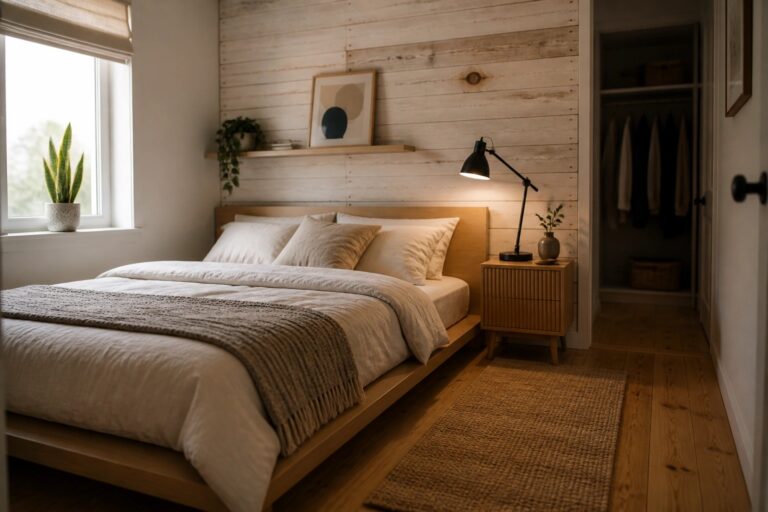
Small spaces often feel tighter when walls stay completely smooth and empty.
I learned this after trying to brighten a compact bedroom where nothing seemed to add depth without crowding the room.
Pallet walls can change that balance.
The ones that keep the boards spaced or lightly stained tend to sit better in real rooms than the solid stacked versions.
I would start by checking how the wood color matches the rest of the space before building anything permanent.
Horizontal Plank Walls For Quiet Texture
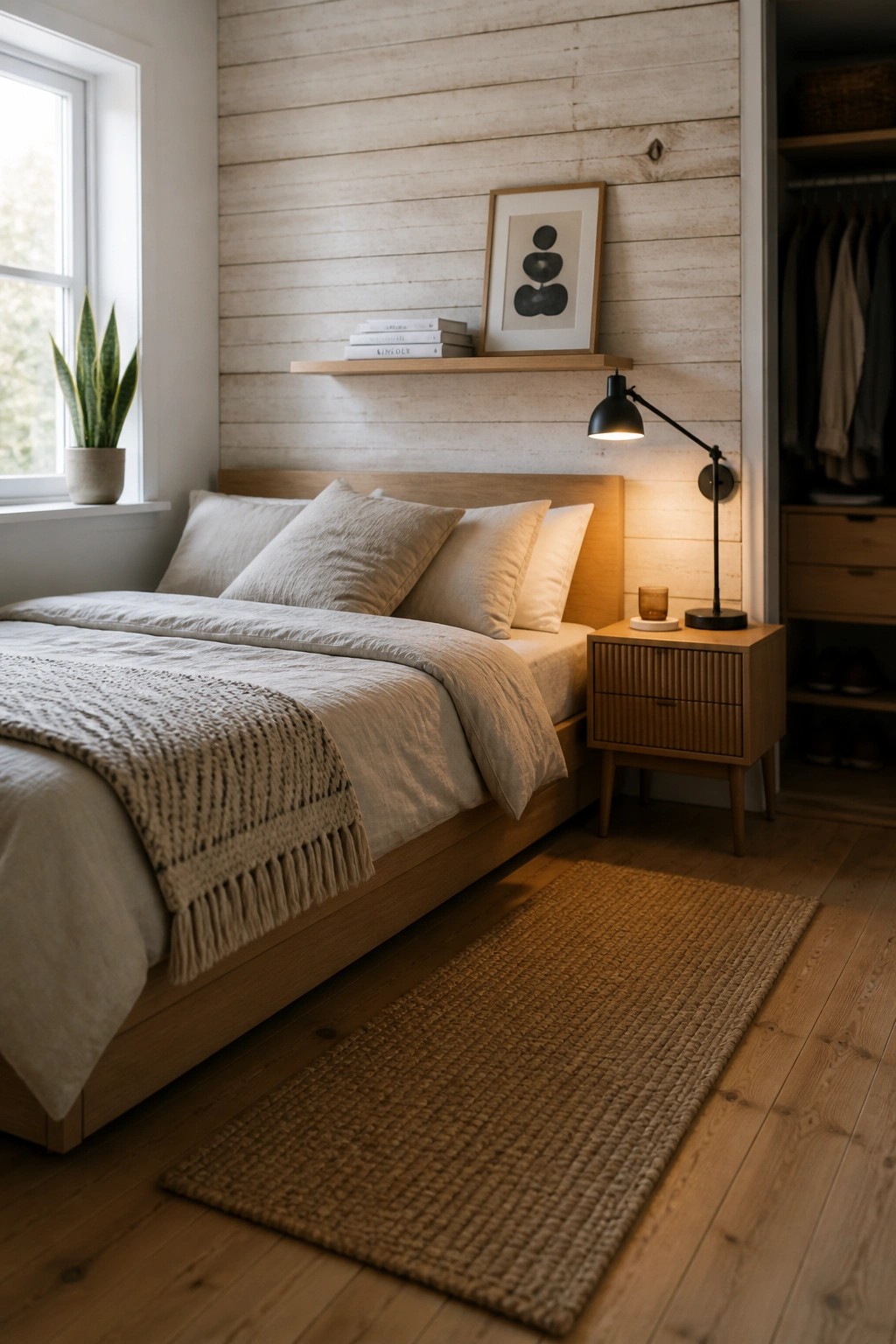
A wall of light horizontal planks gives a small bedroom some texture without making the space feel busy. The wood adds warmth and a bit of depth while the simple lines keep the look calm and open.
This works well in tight rooms because it stays quiet enough to let the furniture and bedding do the rest. Use it behind the bed in a bedroom or guest room where you want a soft background rather than something bold.
Reclaimed Wood Walls In Small Rooms
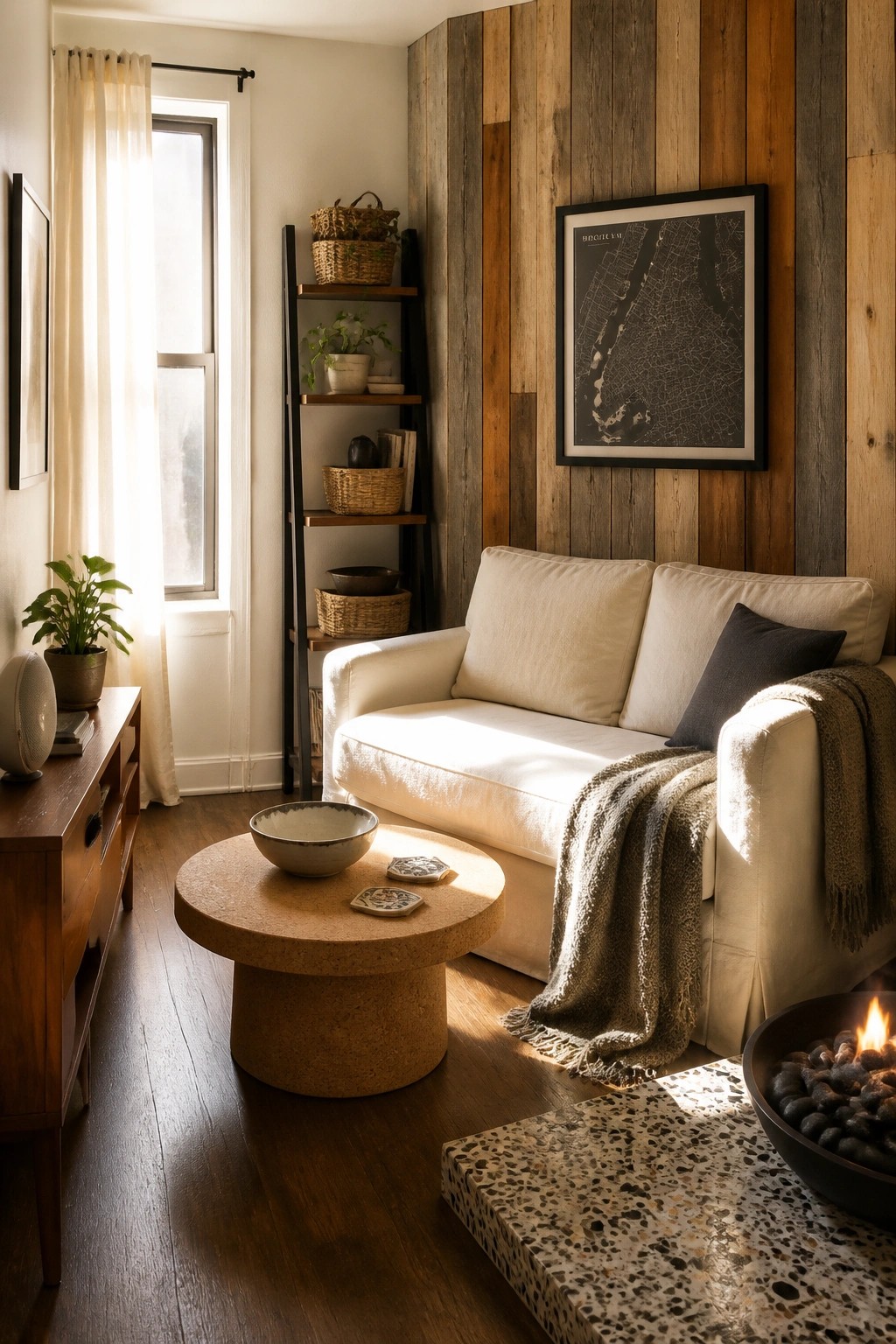
Reclaimed wood planks give a room texture without adding extra pieces or patterns. The vertical layout keeps the look calm and helps the wall feel like part of the room instead of a busy feature.
This works best in apartments or small homes where you want warmth but still need the space to feel open. Use it on just one wall and keep the rest of the room simple so the wood does the work without crowding the eye.
Vertical Wood Planking In Small Kitchens
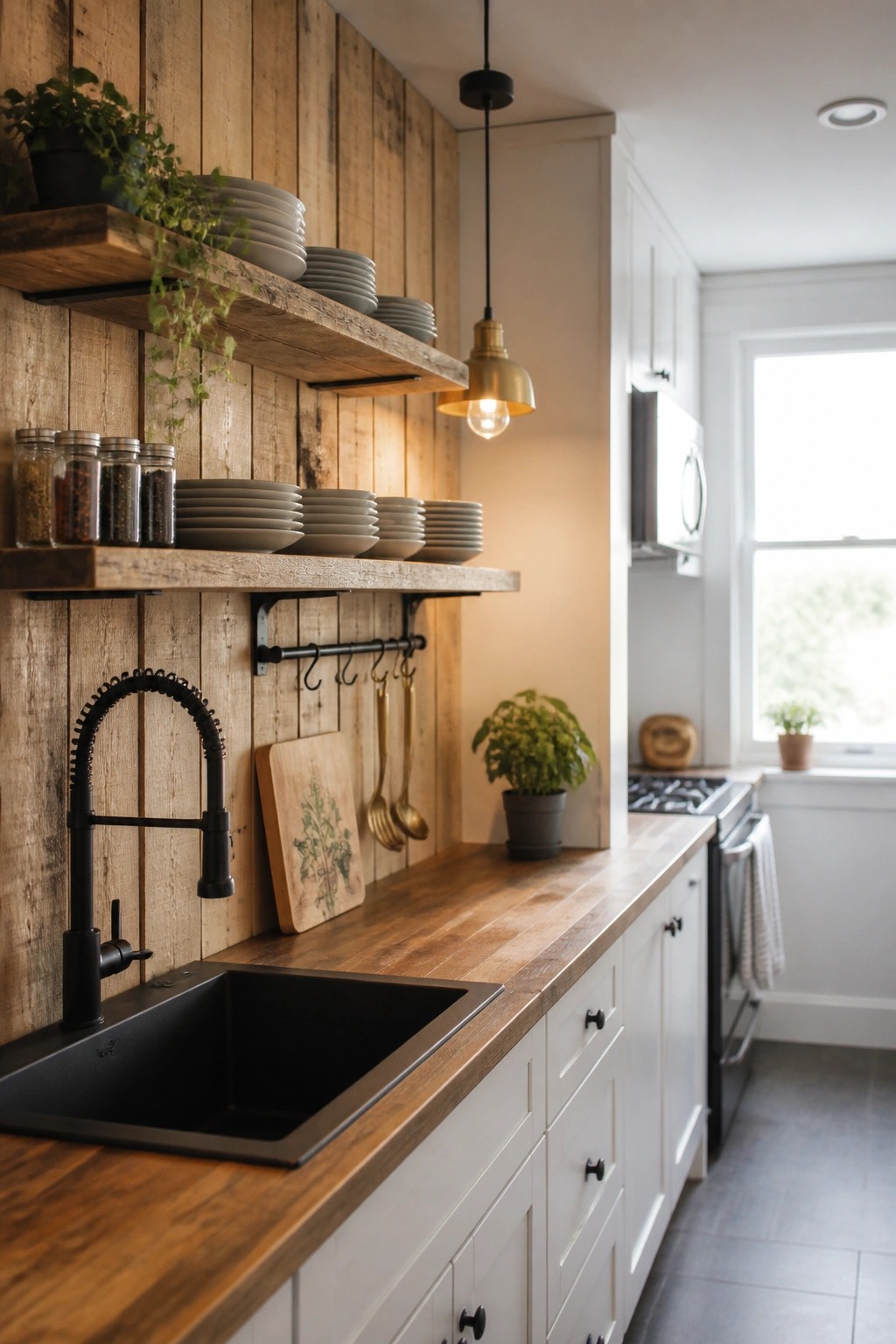
Vertical wood planks on a kitchen wall give just enough texture to make the space feel warmer without crowding it with extra pieces. The look works because the planks stay flat against the wall and let open shelves handle the storage instead of fighting for attention.
This approach suits compact kitchens where you want some natural material but still need the room to feel open. Keep the finish simple and the shelves light so the wall adds interest without turning the whole space heavy.
Reclaimed Pallet Walls For Small Entries
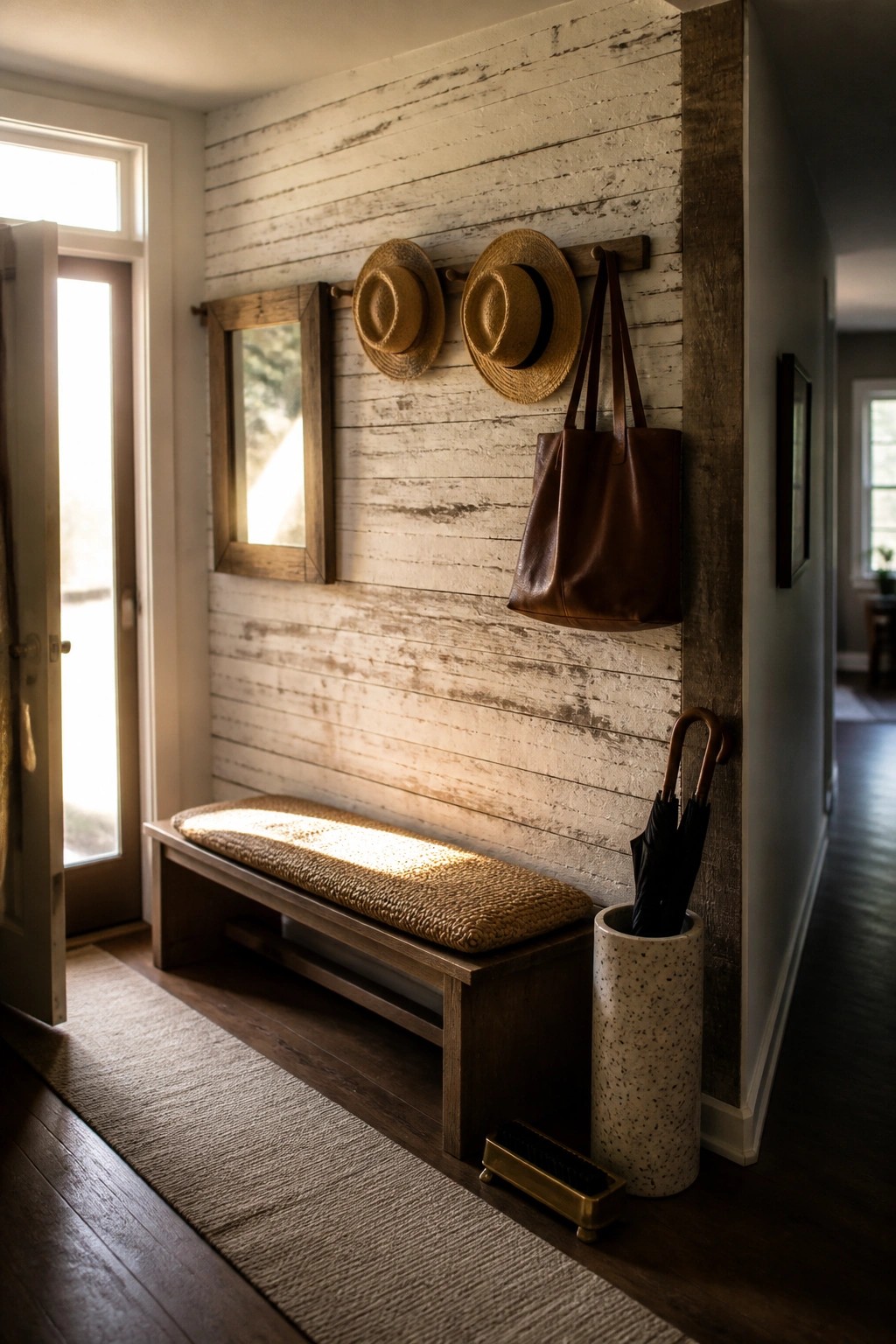
Reclaimed pallet wood works well on walls in tight entry spaces because it brings texture without crowding the eye. The boards keep a simple, natural look that pairs easily with hooks and a low bench so the area stays useful rather than busy.
This idea fits small homes or apartments where the entry has to handle coats, bags, and shoes without feeling cramped. Keep the rest of the wall clear, use a light finish on the wood, and limit hardware to just a few spots so the texture remains the main feature.
Mount A Desk To A Pallet Wall
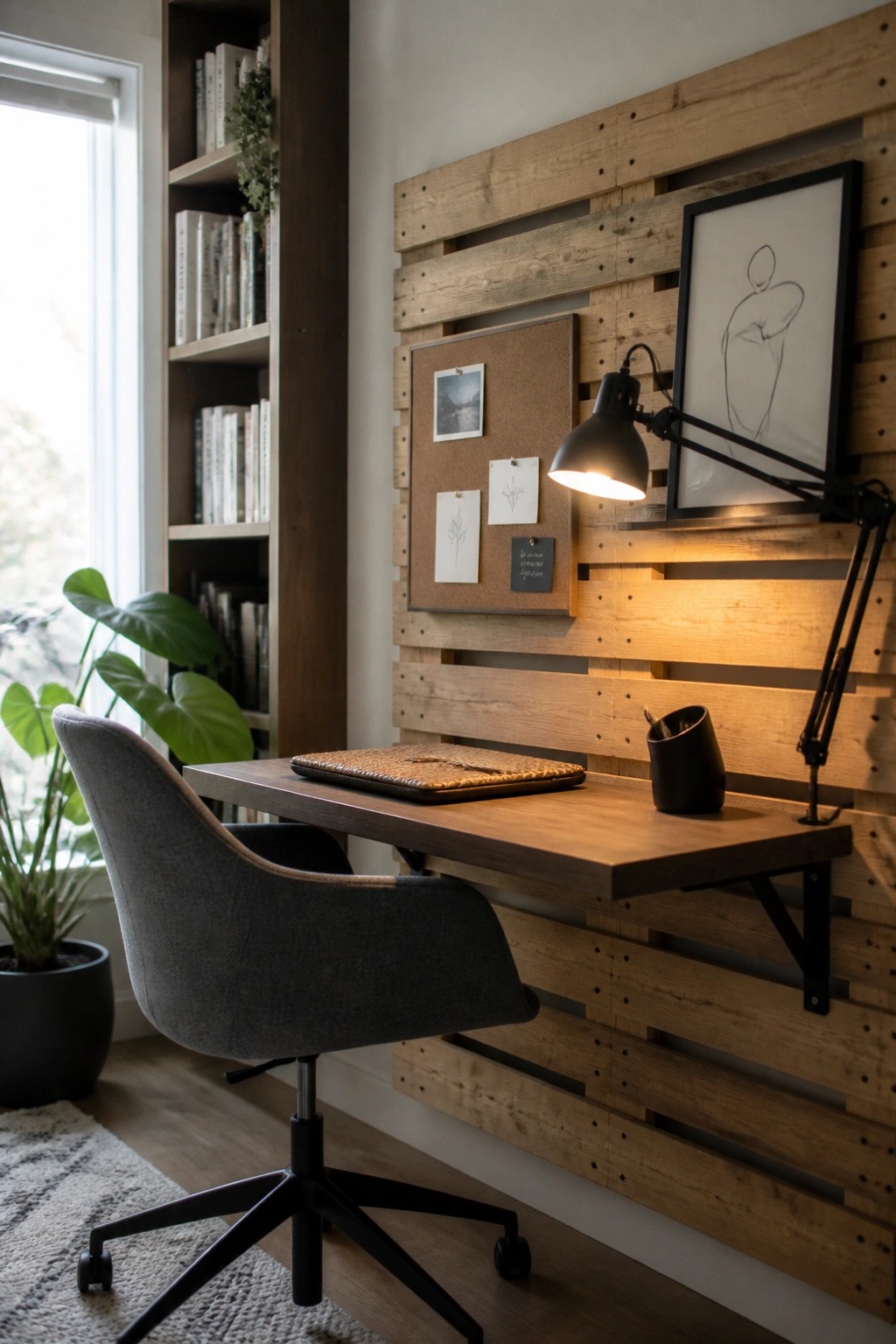
A pallet wall gives a workspace texture without crowding the room. The boards add warmth and depth while the desk stays off the floor, which helps small spaces feel more open and practical.
Mount the brackets straight into the pallet boards and keep the surface clear except for a lamp or small pinboard. This works best in apartments or narrow rooms where you need the wall to hold the workspace instead of adding more furniture.
Horizontal Planks Add Texture to Small Rooms
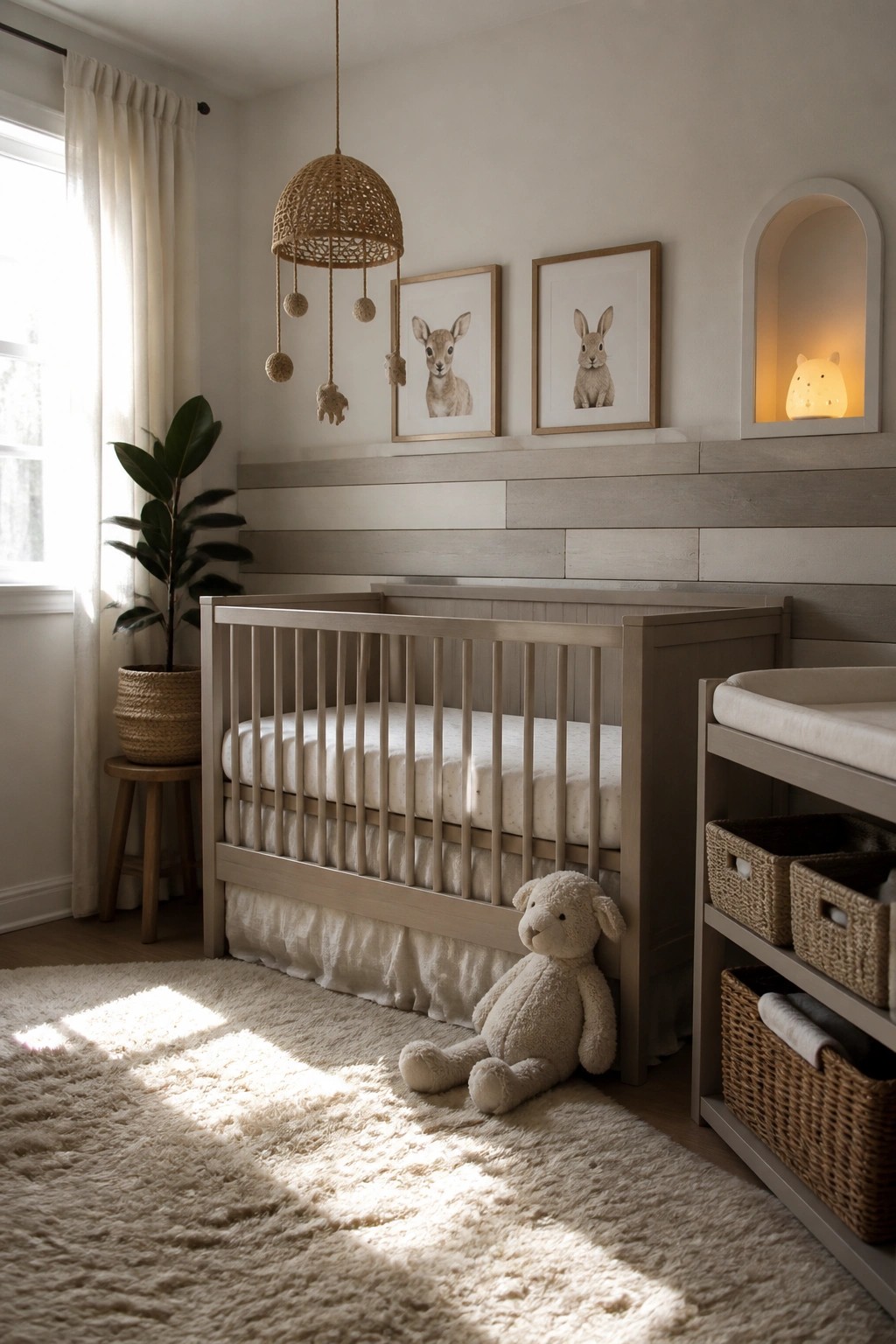
Many people turn to horizontal wood planks when they want texture in a small room without adding extra stuff on the walls. The boards create a quiet pattern that feels warm and simple, especially behind a crib or bed where the eye needs a calm spot to rest.
This approach works best in nurseries or compact bedrooms where you already have a few key pieces. Keep the wood light and the rest of the room fairly plain so the planks add interest without taking over.
Try Horizontal Wood Planks on One Wall
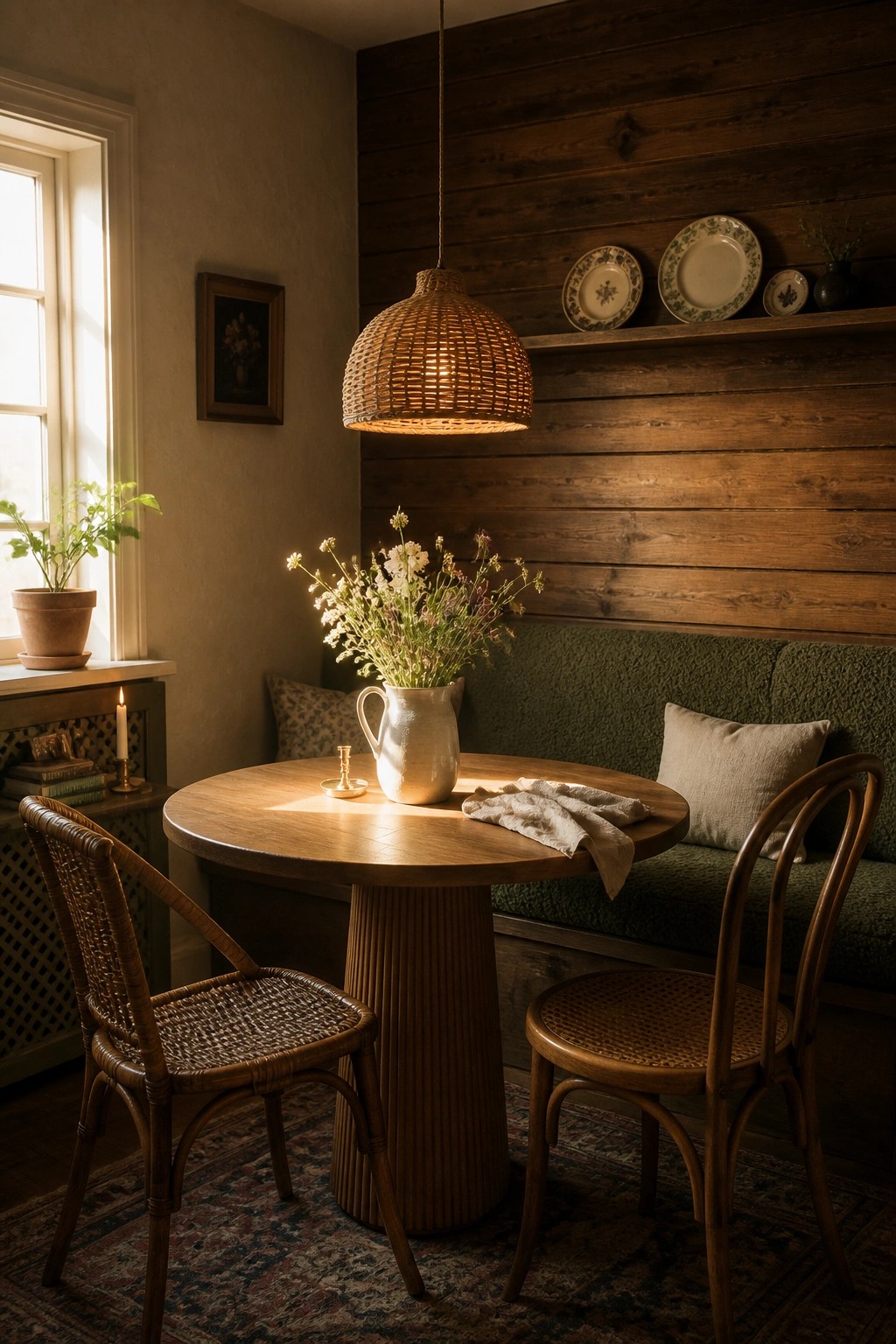
Horizontal wood planks bring texture to a small space without crowding it. The boards add quiet depth behind a table or bench, and the eye settles on the grain instead of jumping between many small items.
This works best in dining corners or breakfast nooks where you want warmth but still need the room to feel open. Keep other walls light and skip heavy artwork so the planks stay the main feature.
Reclaimed Wood Walls In Small Bathrooms
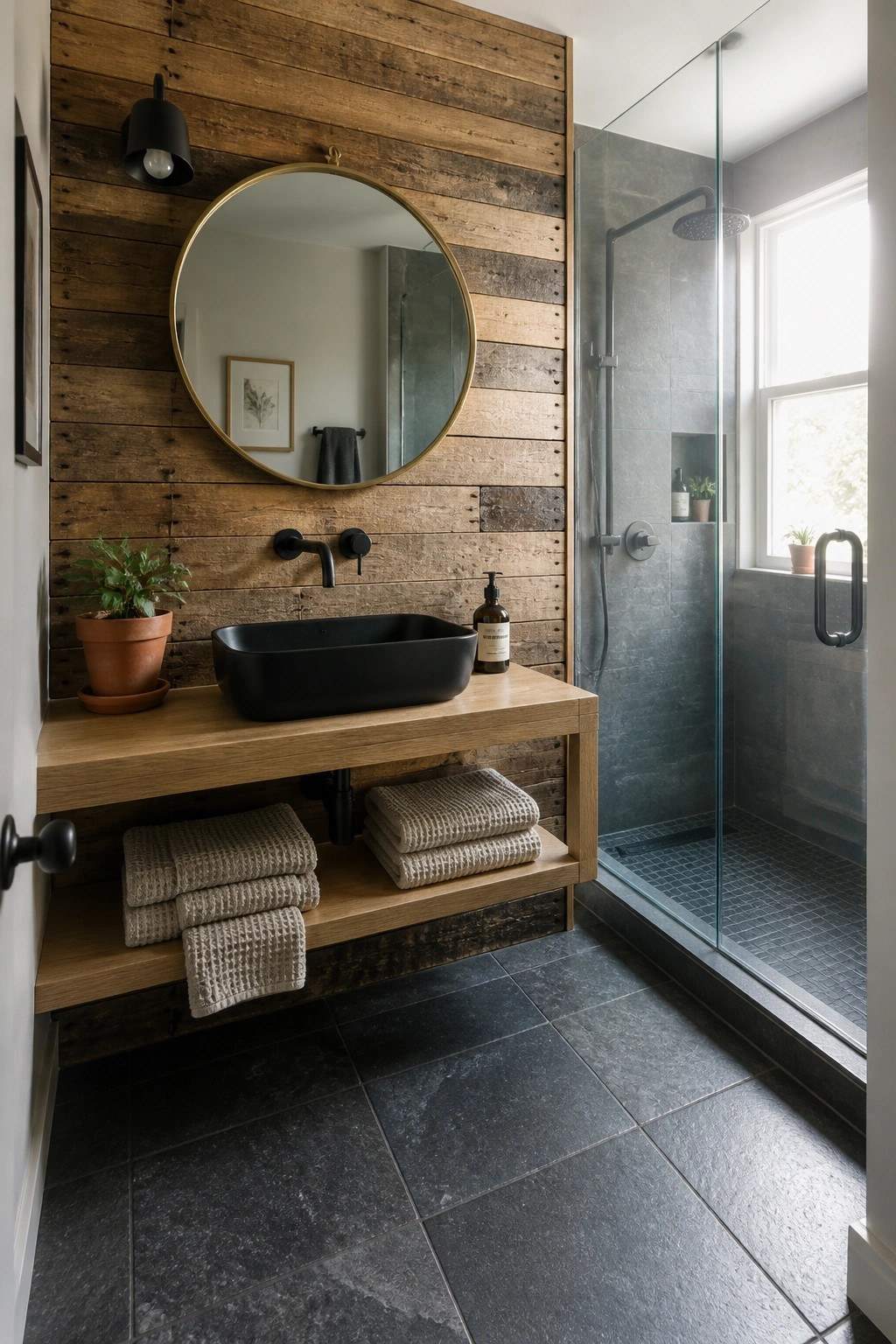
A reclaimed wood wall adds texture to a small bathroom without needing shelves, art, or extra layers. The natural grain and color shifts keep the surface interesting while the overall look stays simple and contained.
This approach works best when you cover just one wall and keep everything else plain. Pair it with a floating vanity and dark floor tiles so the wood reads as the main material instead of competing with other details.
Wood Plank Walls In Small Utility Rooms
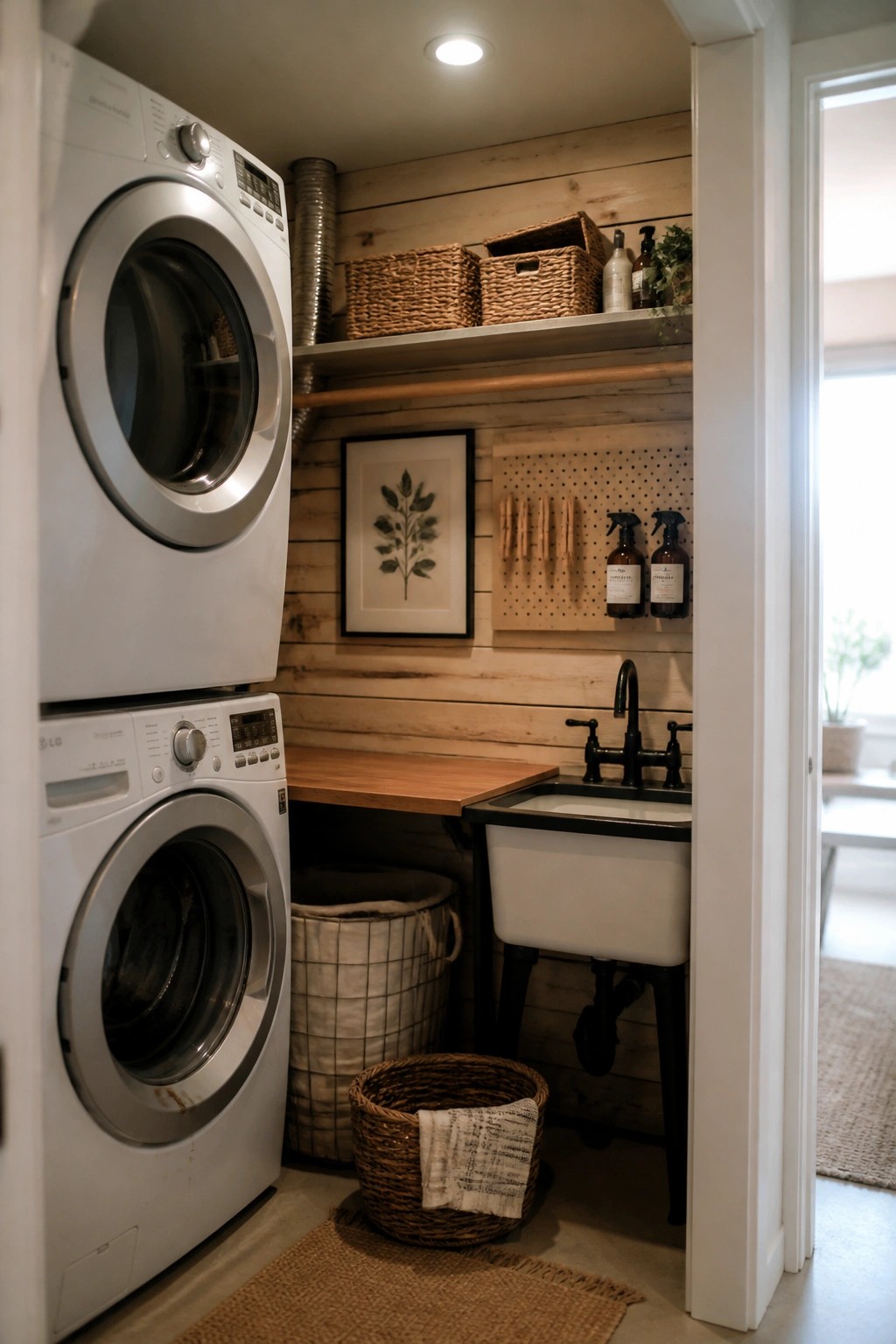
Wood planks on the walls give a small room some texture while keeping everything else simple. The boards add warmth and break up the plain surfaces without needing extra decor or busy patterns.
This works well in laundry rooms and other tight work spaces where you want the room to feel finished but not crowded. Keep the rest of the setup basic with open shelves or a pegboard so the wood stays the main feature.
Pallet Walls That Bring Texture To Small Rooms
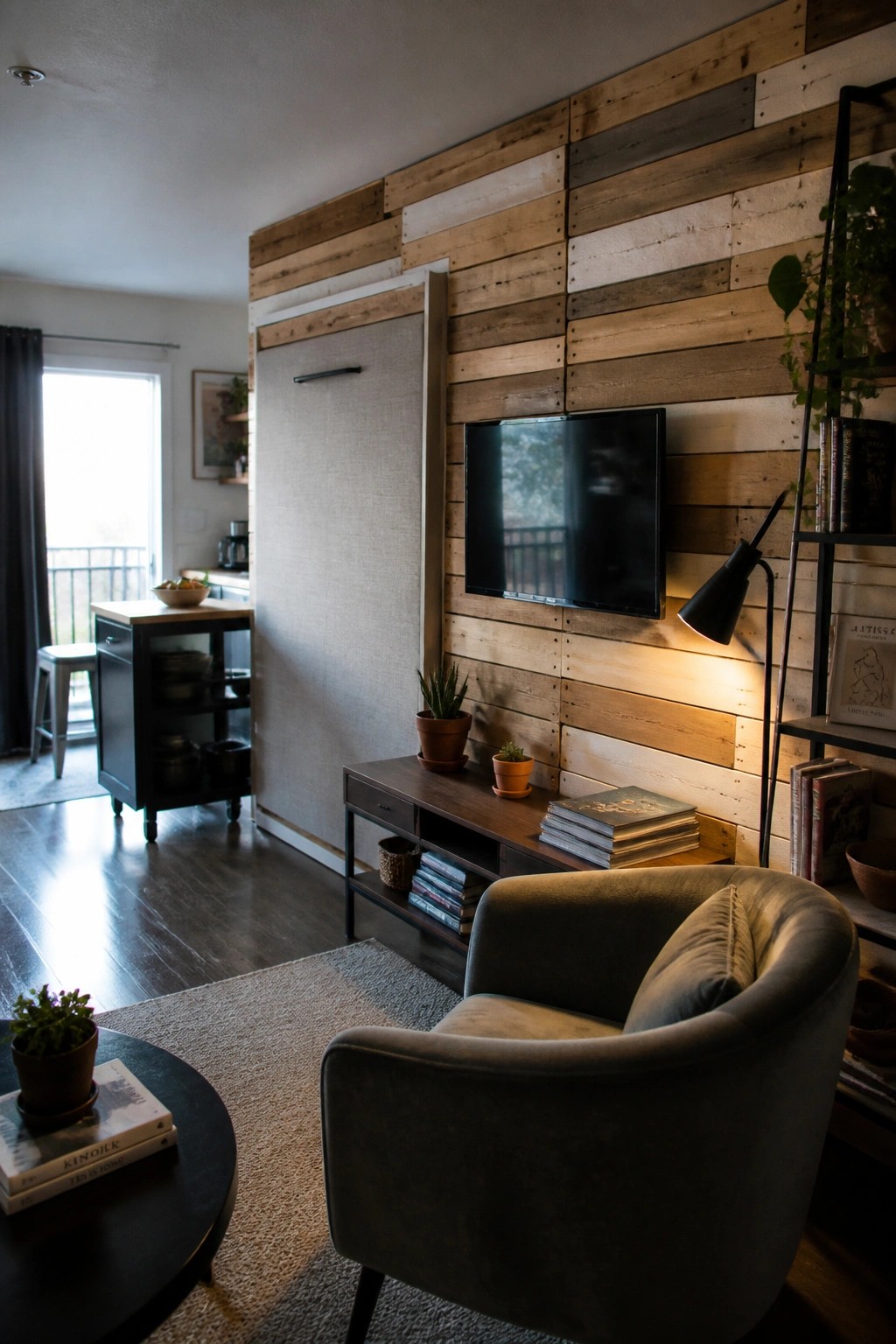
A pallet wood wall works well when you want some texture but still need the room to feel open and calm. The wood adds warmth and a bit of character without taking up floor space or requiring extra furniture. In smaller living areas it can act as a quiet focal point that keeps the rest of the room simple.
This approach suits apartments or compact homes where every surface counts. Mount the wood on the main wall, keep surrounding pieces low and plain, and let the texture do the work. Avoid filling the wall with too many shelves or decor, or the look can shift from calm to busy.
Reclaimed Wood Planks Add Quiet Texture In Small Rooms
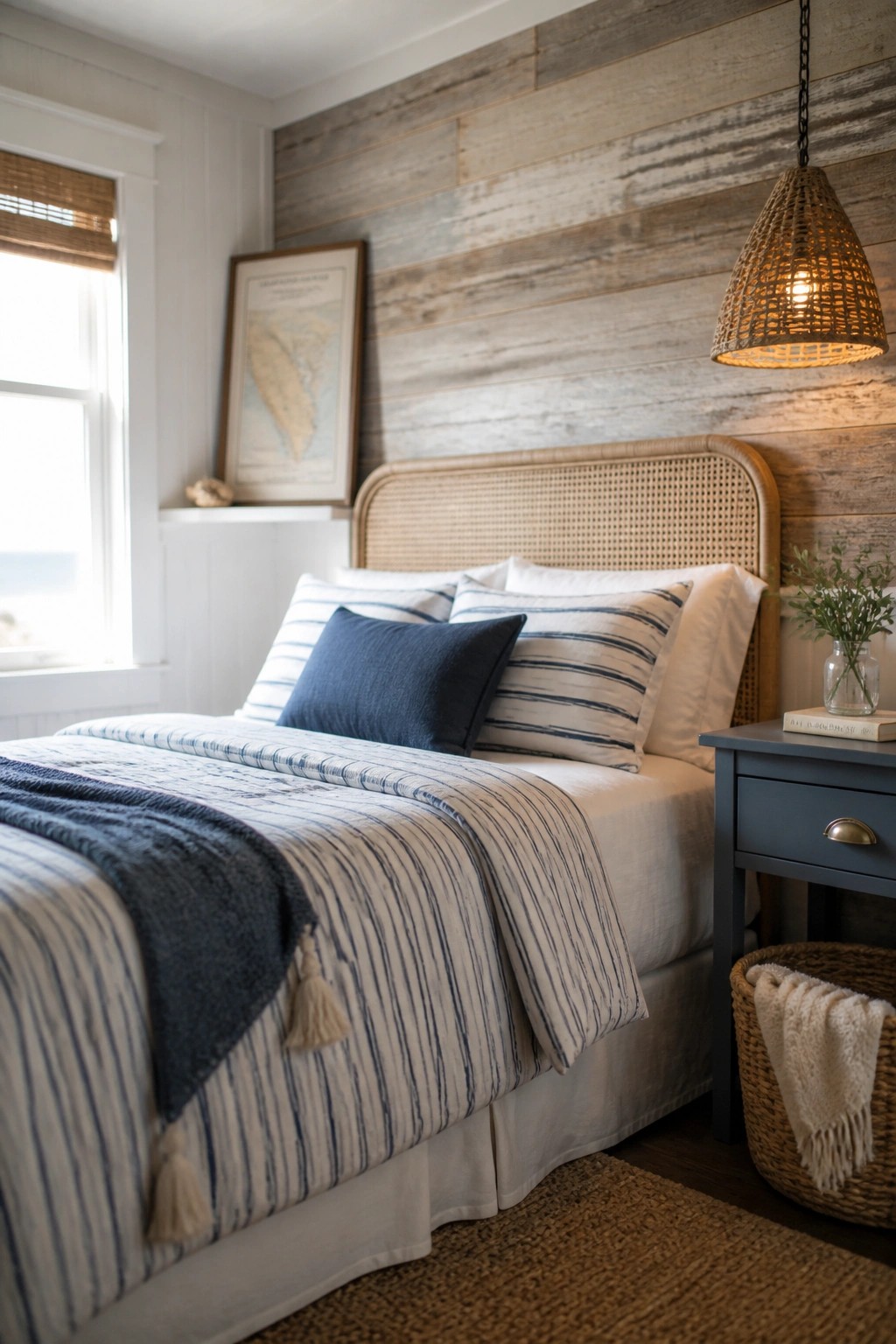
A wall of horizontal reclaimed wood planks gives a small bedroom some depth without needing extra layers or busy patterns. The wood grain and soft color shifts create interest while the overall look stays calm and simple.
This works best in compact spaces where you want warmth but still need the room to feel open. Keep the rest of the furnishings light and minimal so the wall stands out on its own without adding visual weight.
Reclaimed Wood Walls In Compact Kitchens
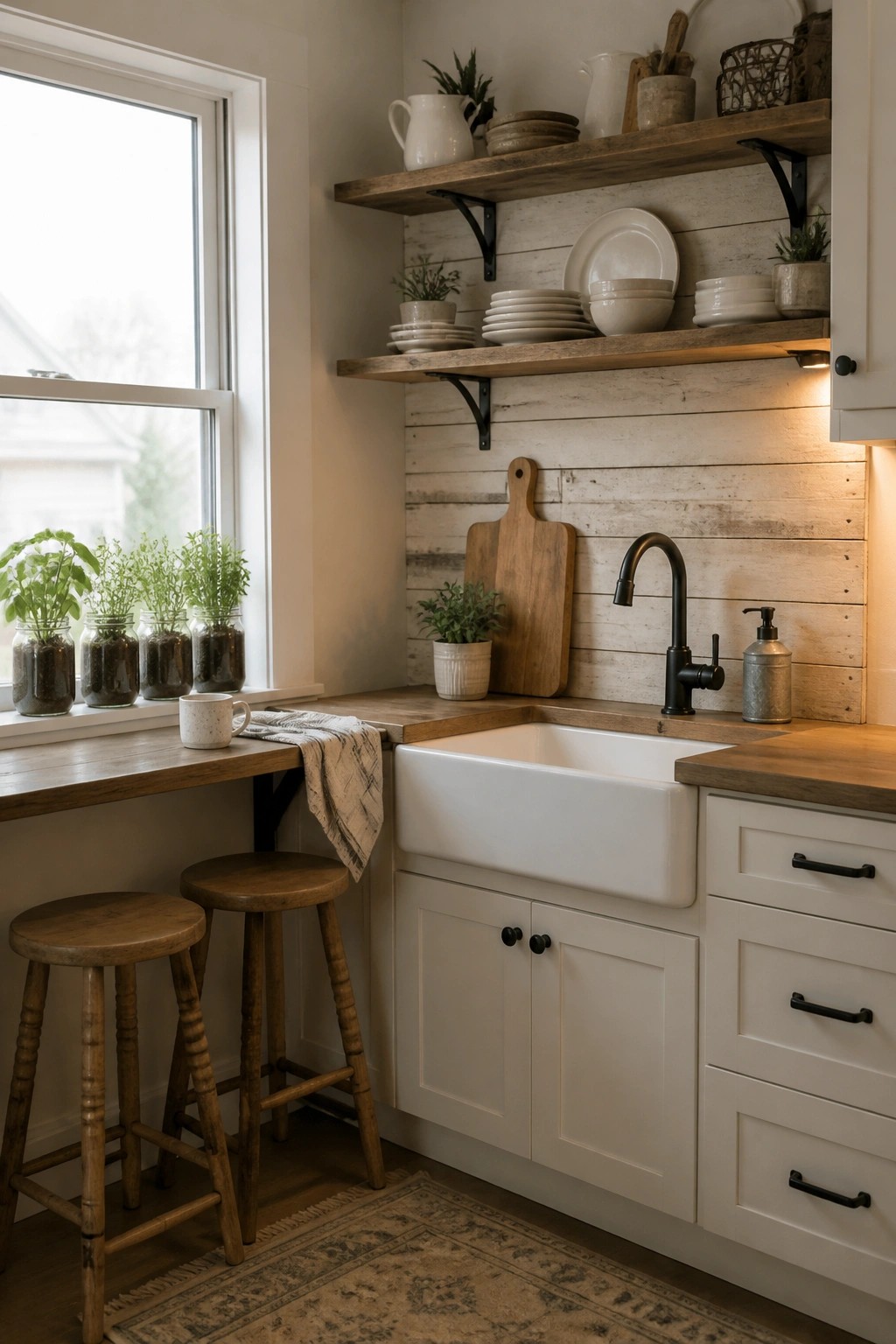
Reclaimed wood walls give a small kitchen some texture without making it feel busy. The light finish on the planks keeps the space bright while the natural grain adds interest behind the sink area.
This approach works especially well in kitchens with limited wall space. Keep the rest of the surfaces simple so the wood becomes the main focal point without adding extra layers.
Pallet Walls With Built-In Cubby Storage
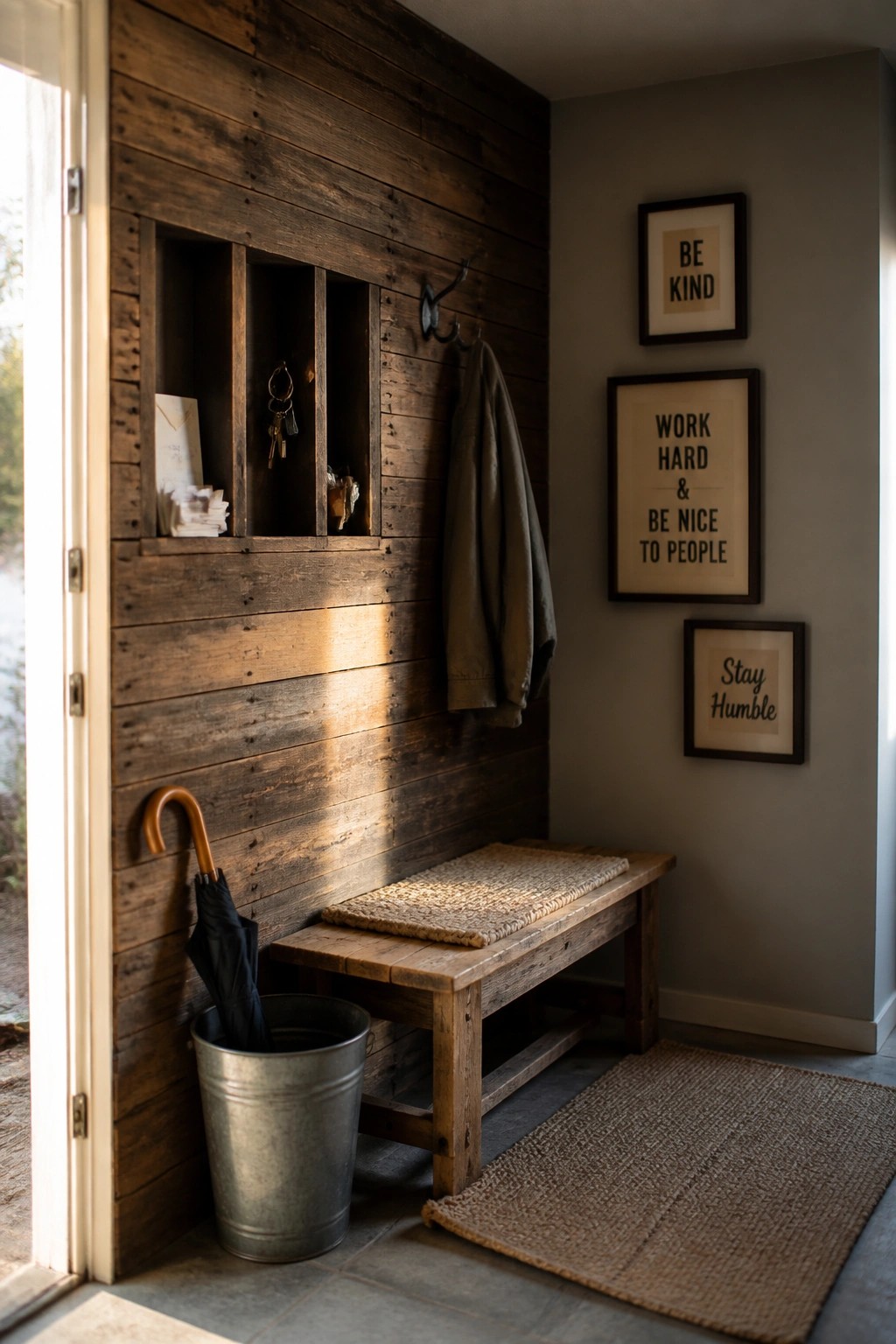
A pallet wall can add texture to a small entry without crowding the space. The wood brings in some warmth while the recessed cubbies keep keys, mail, and small items tucked away instead of scattered on a table.
This setup works best in narrow mudrooms or hallways where you already need hooks and a bench. Build the cubbies shallow so the wall stays flat and does not feel heavy.
Horizontal Plank Walls Add Texture In Small Bathrooms
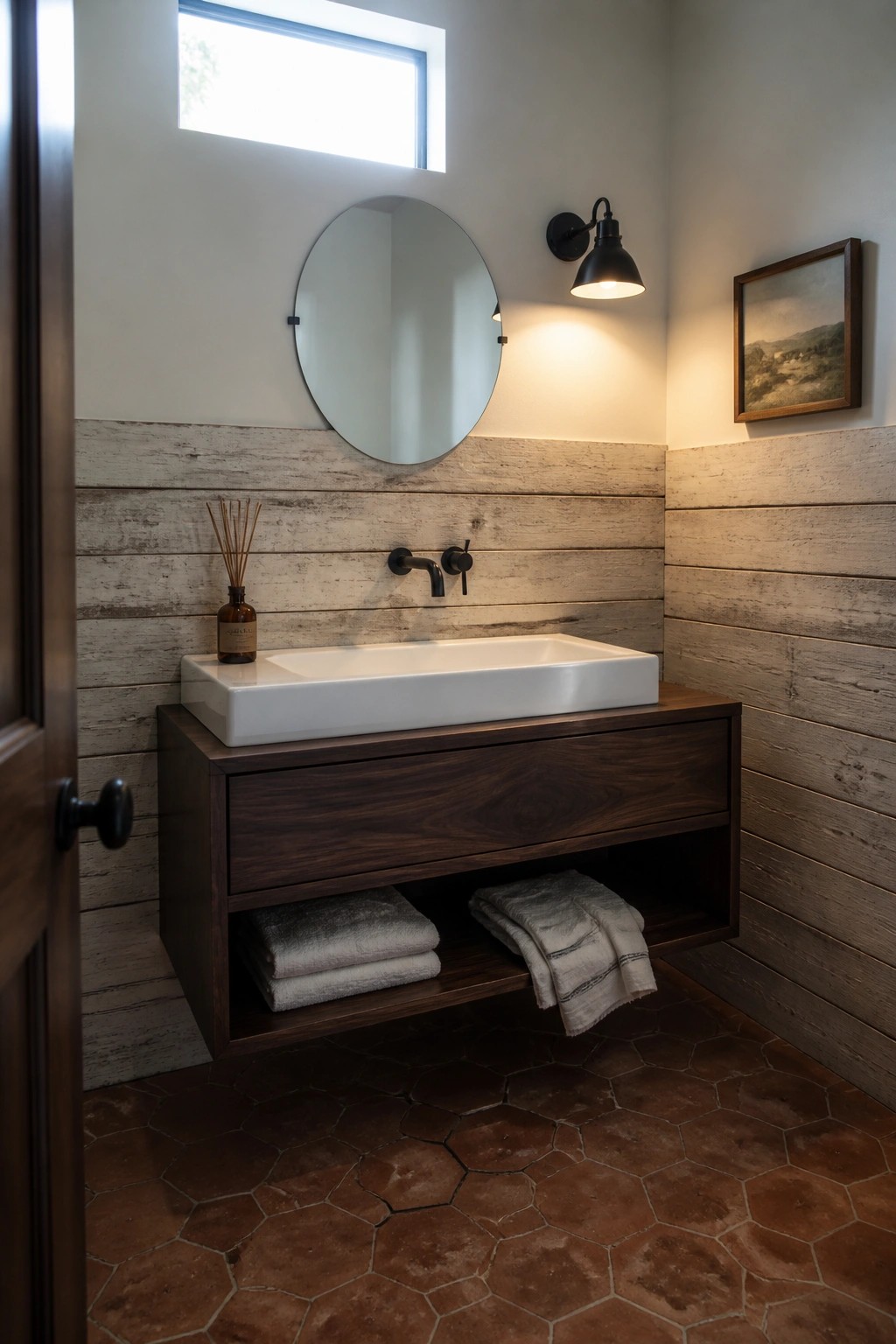
A row of horizontal wood planks on the lower half of the wall gives a small bathroom some depth without making the space feel busy. The wood brings in natural texture that works especially well in tight rooms where you want warmth but not a lot of extra pieces or patterns.
This approach suits bathrooms or powder rooms that already have simple fixtures. Keep the planks in a light or mid-tone finish and let them run across just one wall so the room still feels open. It pairs easily with a floating vanity and basic tile floors.
Reclaimed Wood Planks For Quiet Texture
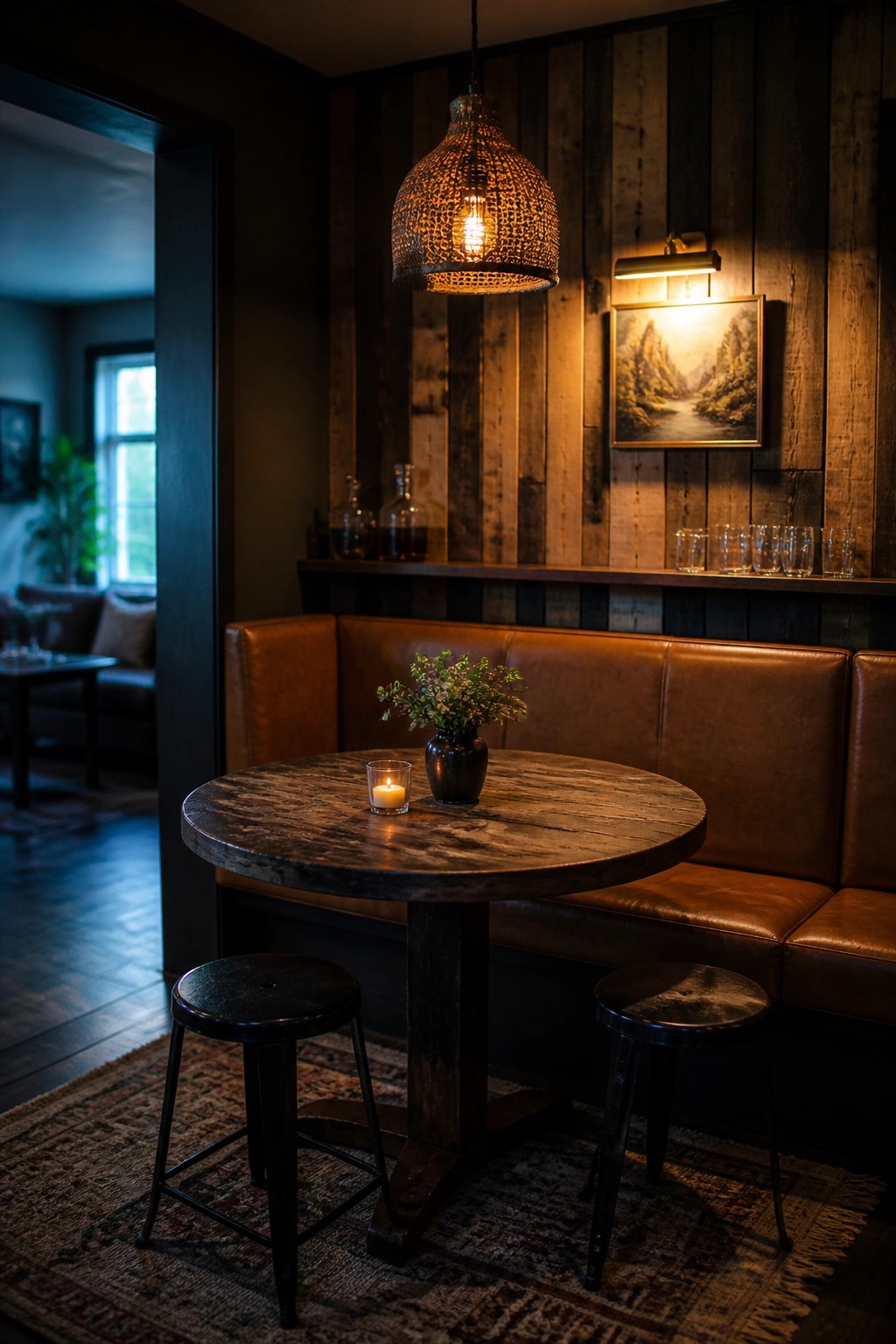
Reclaimed wood planks give a small room texture without adding much visual noise. The vertical layout and mix of tones create interest on the wall while keeping everything else simple and low.
This works best in spaces that already lean warm or rustic. Keep the rest of the room fairly plain so the wall stays the main feature instead of fighting with other patterns or colors.
Pallet Wood Shelves For Small Rooms
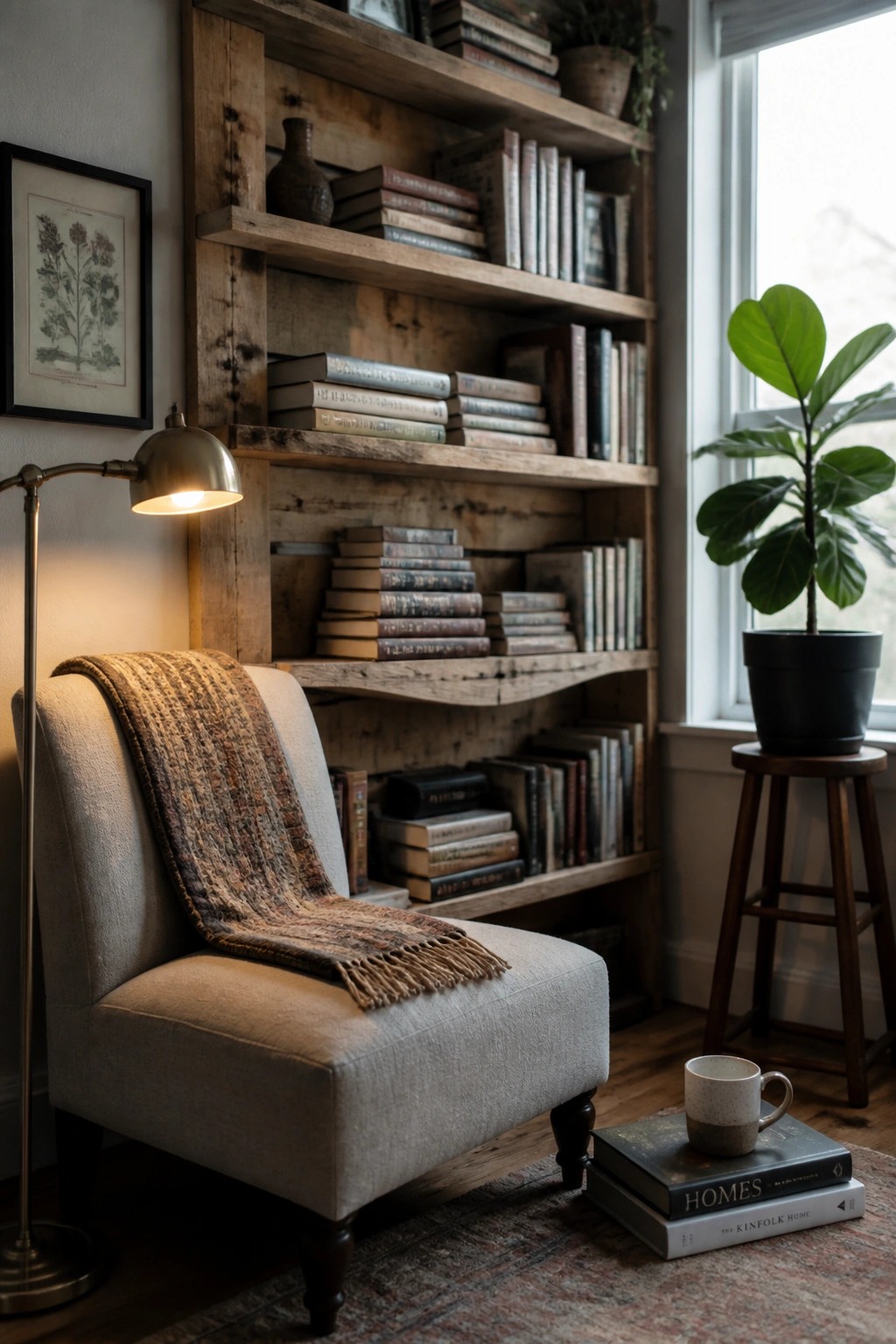
Pallet wood works well for built in shelves because it brings natural texture and depth without taking up much visual space. The rough grain and varied tones give the wall interest while the open shelves keep everything feeling light and organized. In smaller rooms this approach adds warmth without crowding the area or making it feel heavy.
It suits homes with limited wall space where you want storage and character at the same time. Keep the styling simple with books and a few small items so the wood itself stays the main feature. Avoid filling every shelf if you want the texture to read clearly instead of looking busy.
Mix Wood Tones on One Wall
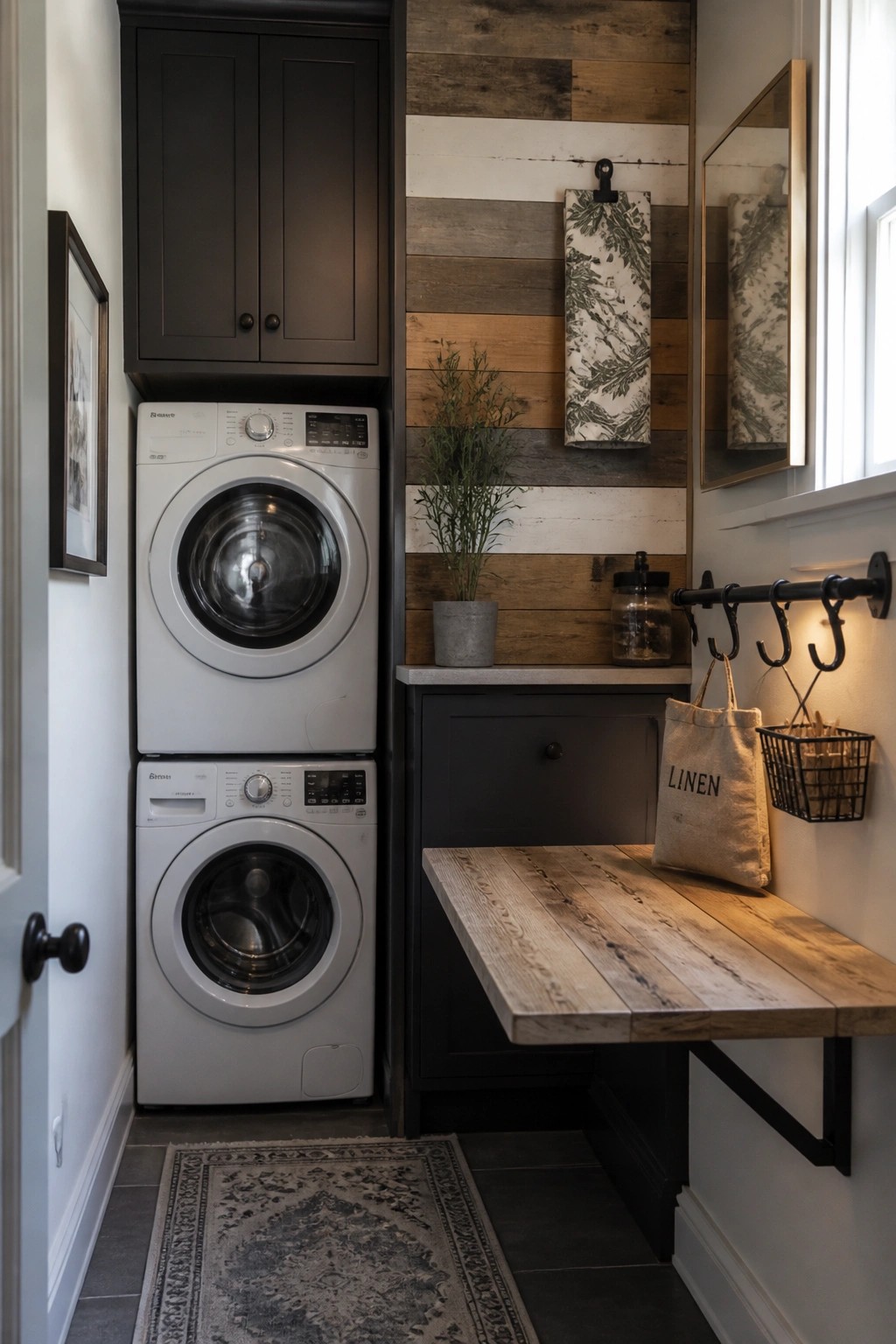
Covering a single wall with horizontal planks in different wood tones adds texture without making a small room feel busy. The natural variation in color and grain gives the surface interest on its own, so you can keep everything else fairly plain.
This approach suits narrow utility spaces like laundry rooms where storage and function come first. Stick to one wall only and let the rest of the surfaces stay light and simple.
Herringbone Wood Accent Walls
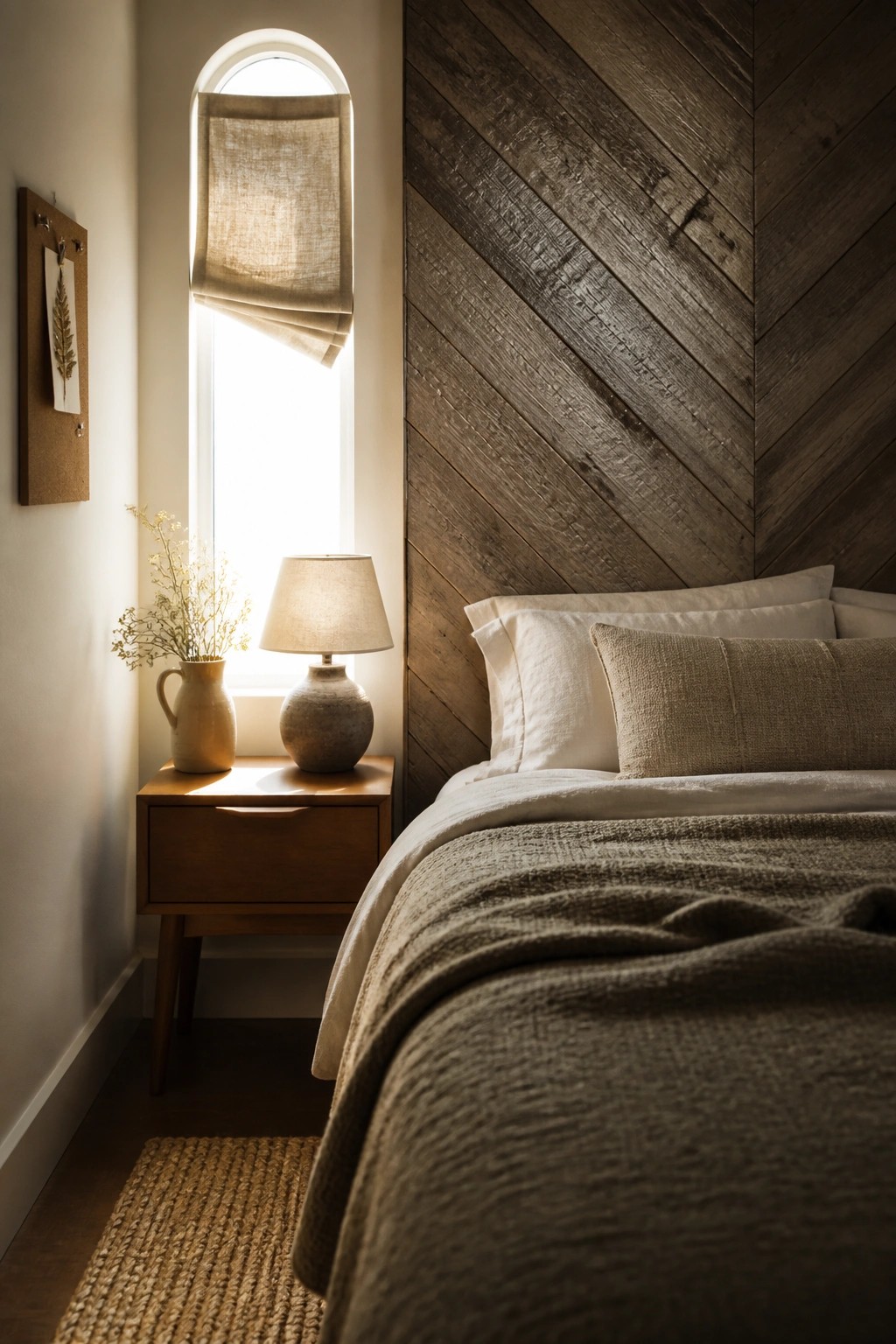
Herringbone wood walls give a small bedroom extra texture without adding much visual noise. The pattern feels structured but still natural, and the dark tone grounds the space while keeping the rest of the room light and simple. It works especially well behind a bed where you want some interest but do not want shelves or art competing for attention.
This approach suits compact rooms that already have neutral bedding and minimal furniture. Keep the rest of the walls plain, use a low nightstand, and let the wood carry the texture. Avoid overcrowding the wall with too many pillows or hanging pieces, or the pattern loses its calm effect.
Frequently Asked Questions
Q: How do I attach the pallets to the wall without damaging the drywall?
A: Screw them into studs where possible for a solid hold. Start with a level and mark your spots before drilling. This keeps everything straight and secure.
Q: Should I treat the wood before hanging it up?
A: Yes, seal the pallets with a clear coat to protect against moisture. Apply it in thin layers and let each one dry fully. Your wall will hold up better over time this way.
Q: What if the texture feels too busy in my tiny room?
A: Limit yourself to a single pallet accent. Leave plenty of wall space bare around it.
