

Have you ever found yourself standing in the tool aisle, staring at rows of drills, wondering which one is right for your project? Picture this: you’re about to tackle a DIY task, but you’re unsure whether to grab a hammer drill or a regular drill. The choice can make a significant difference in the outcome of your project.
Key Takeaways
- Purpose of Use: Hammer Drills: Designed for hard materials like concrete, brick, or stone. Regular Drills: Ideal for softer materials such as wood, plastic, or metal.
- Hammer Drills: Designed for hard materials like concrete, brick, or stone.
- Regular Drills: Ideal for softer materials such as wood, plastic, or metal.
- Chuck Type: Hammer Drills: Keyed or keyless chuck for secure bit retention. Regular Drills: Often feature keyless chucks for quick bit changes.
- Hammer Drills: Keyed or keyless chuck for secure bit retention.
- Regular Drills: Often feature keyless chucks for quick bit changes.
- Versatility: Hammer Drills: Suitable for masonry drilling and regular tasks. Regular Drills: More versatile for woodworking, metalworking, and repairs.
- Hammer Drills: Suitable for masonry drilling and regular tasks.
- Regular Drills: More versatile for woodworking, metalworking, and repairs.
- Impact Force: Hammer Drills: Deliver higher impact force for tough materials. Regular Drills: Better for softer surfaces due to lower impact force.
- Hammer Drills: Deliver higher impact force for tough materials.
- Regular Drills: Better for softer surfaces due to lower impact force.
- Speed and Power: Hammer Drills: More powerful with adjustable speed settings. Regular Drills: Offer variable speeds but may lack power of hammer drills.
- Hammer Drills: More powerful with adjustable speed settings.
- Regular Drills: Offer variable speeds but may lack power of hammer drills.
- Noise and Vibration: Hammer Drills: Produce more noise and vibration due to hammering action. Regular Drills: Generally quieter with less vibration during operation.
- Hammer Drills: Produce more noise and vibration due to hammering action.
- Regular Drills: Generally quieter with less vibration during operation.
Understanding Hammer Drills and Regular Drills
When it comes to selecting the right tool for your DIY project, understanding the differences between hammer drills and regular drills is essential. Here’s a breakdown to help you make an informed choice:
Purpose of Use:
- Hammer Drills: Designed for drilling into hard materials like concrete, brick, or stone.
- Regular Drills: Ideal for drilling into softer materials such as wood, plastic, or metal.
Mechanism:
- Hammer Drills: Utilize a hammering action in addition to the rotational drilling function.
- Regular Drills: Focus solely on rotational drilling without the hammering feature.
Chuck Type:
- Hammer Drills: Typically equipped with a keyed or keyless chuck for secure bit retention.
- Regular Drills: Often feature keyless chucks for quick and easy bit changes.
Versatility:
- Hammer Drills: Suited for tasks requiring masonry drilling and versatility for regular drilling tasks.
- Regular Drills: More versatile for a wide range of drilling applications in woodworking, metalworking, and general repairs.
Impact Force:
- Hammer Drills: Deliver higher impact force, making them suitable for tough materials.
- Regular Drills: Lack the impact force of hammer drills, making them better for softer surfaces.
Speed and Power:
- Hammer Drills: Tend to be more powerful and have adjustable speed settings for various tasks.
- Regular Drills: Offer variable speeds but may not match the power of hammer drills.
Noise and Vibration:
- Hammer Drills: Produce more noise and vibration due to the hammering action.
- Regular Drills: Generally quieter and have less vibration during operation.
- For Concrete and Masonry Projects: Opt for a hammer drill for efficient drilling.
- For General DIY Tasks: A regular drill may suffice for most wood, metal, or plastic drilling needs.
Understanding these distinctions can help you choose the right tool for your specific project requirements. Whether it’s drilling into concrete walls or assembling furniture, selecting the appropriate drill ensures smoother and more efficient completion of your DIY tasks.
Key Features of Hammer Drills
When comparing hammer drills to regular drills, understanding their key features is essential for selecting the right tool for your DIY projects. Here’s a breakdown of the distinguishing characteristics of hammer drills:
Recommended Products
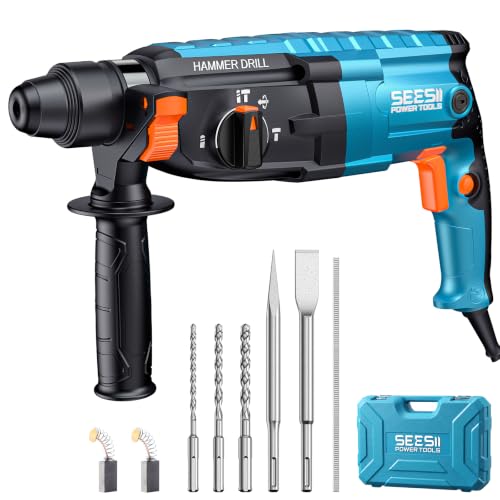
[Power Through Concrete With 3J Impact Energy]: Driven by an 850W motor with up to 3J impact energy, 1300 RPM and 5500 BPM, this Seesii corded rotary hammer drill for concrete delivers the power needed for concrete, brick and masonry drilling. Ideal for home remodeling, anchor installation, mounting projects and everyday DIY jobs.

2 cutter carbide tip of masonry drill bit set maximizes carbide surface contact for longer bit life.

5/8” x 6” x 8" SDS plus drill bit 2 pack set – Ideal for use with concrete screws
Mechanism
Hammer drills are equipped with a mechanism that allows them to generate a rapid back-and-forth hammering motion in addition to the rotational drilling motion. This feature enables them to drill into tough materials like concrete with ease.
Chuck Types
Most hammer drills come with a specialized chuck that accepts bits designed for hammer drilling. These bits typically have deep U-shaped grooves to handle the hammering action, unlike regular drill bits.
Versatility
While hammer drills excel at drilling into hard materials, they may not be as versatile as regular drills when it comes to handling softer materials like wood. Regular drills can accommodate a wider range of drilling tasks due to their simple drilling mechanism.
Impact Force
One of the standout features of a hammer drill is its high impact force generated by the hammering action. This force is crucial for driving the bit into hard surfaces effectively, making it the go-to tool for concrete and masonry projects.
Speed and Power
In terms of speed and power, hammer drills typically offer higher speeds and greater power output compared to regular drills. This extra power is necessary for penetrating tough surfaces without stalling.
Noise and Vibration
Due to their hammering mechanism, hammer drills are generally noisier and produce more vibration than regular drills. When working on projects that require prolonged drilling, consider using hearing protection and taking breaks to reduce the impact of noise and vibration.
By understanding these key features of hammer drills, you can make an informed decision on whether to choose a hammer drill for demanding tasks like concrete drilling or opt for a regular drill for more general DIY projects. Each tool has its unique advantages, so selecting the right one will ensure efficiency and precision in your drilling tasks.
Key Features of Regular Drills
Let’s delve into the key features that distinguish regular drills from other types of drills, providing you with a clear understanding of why and when you should opt for a regular drill over a specialized one.
- Chuck Type:
- Regular drills typically come with a standard keyless chuck, making it easy for you to change drill bits quickly and efficiently, ensuring smooth workflow without the need for extra tools.
- Versatility:
- Regular drills are versatile tools suitable for a wide range of materials like wood, plastic, and metal. They are ideal for everyday DIY tasks and general drilling needs around the house.
- Power:
- While regular drills may not deliver the same high torque power as specialized drills like impact drivers, they still provide adequate power for most drilling applications encountered during common household projects.
- Speed Control:
- Many regular drills offer adjustable speed settings, allowing you to customize the drilling speed according to the material being worked on, providing you with better control and precision.
- Noise and Vibration:
- Compared to hammer drills, regular drills produce less noise and vibration, making them more comfortable to use for extended periods without causing excessive strain.
By understanding these key features of regular drills, you can confidently choose the right tool for your specific DIY projects, ensuring efficiency, accuracy, and successful results.
Recommended Products

DRIVER TO DRILL: This unique converter will turn any 1/4” cordless power screwdriver into a drill or grinder for all your drill bits up to 3.8 mm (0.15 inches) in diameter. This tool gives you the freedom of one-handed drilling with both left- and right-hand rotation.

【20V MOTOR WITH 266 IN-LBS OF TORQUE】 This cordless drill delivers up to 266 in-lbs (30 Nm) for everyday drilling and driving—assembling furniture, hanging curtains, and drilling wood, drywall, plastic and light metal. Low speed (0-350 RPM) drives screws with control; high speed (0-1300 RPM) powers through holes. A home and DIY tool, it is not intended for concrete, masonry or heavy-duty industrial jobs

1.5-6mm Keyless Drill Chuck: This mini drill chuck adapter holds drill bits from 1.5mm to 6mm, making it suitable for small drilling tasks, detail work, craft projects, woodworking, and daily DIY repair
Comparing Performance
In the realm of performance, regular drills have distinct characteristics that set them apart from hammer drills. Understanding these differences is crucial for selecting the right tool for your drilling needs.
- Keyless Chuck: Regular drills typically come with a keyless chuck that allows for easy bit changes without the need for additional tools. With a simple twist, you can secure different drill bits in place securely.
- Versatility: Regular drills are versatile tools that can handle a wide range of materials, including wood, plastic, and metal. Whether you’re working on a woodworking project or installing shelves, a regular drill is a reliable companion.
- Adequate Power: For common household projects and light-duty tasks, a regular drill provides sufficient power to get the job done efficiently. From assembling furniture to hanging pictures, a regular drill offers the right balance of power and control.
- Adjustable Speed Settings: Many regular drills feature adjustable speed settings, allowing you to customize the drilling speed based on the material and the task at hand. This flexibility ensures precise drilling results and minimizes the risk of damaging materials.
- Lower Noise and Vibration Levels: Compared to hammer drills, regular drills produce lower levels of noise and vibration during operation. This makes them more comfortable to use for extended periods and reduces fatigue on your hands and arms.
By recognizing the performance advantages of regular drills, you can make informed decisions when selecting the appropriate tool for your DIY projects. Whether you’re a seasoned DIY enthusiast or a beginner tackling home improvements, the reliability and versatility of a regular drill make it a valuable addition to your toolbox.
Recommended Products

A great accessory for all your drilling tasks
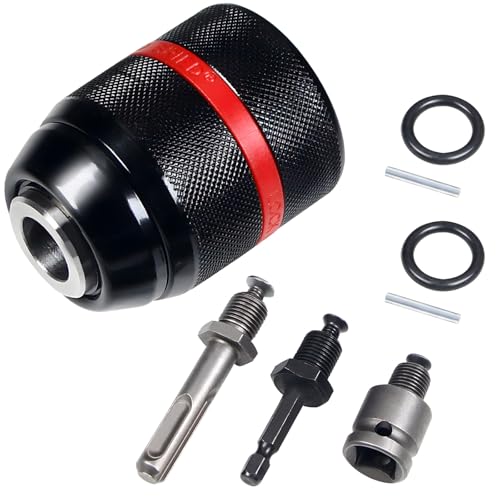
【Keyless Drill Chuck for Milwaukee】This 1/2-20UNF,1.5-13mm Self-tighten keyless drill chuck is a good replacement for milwaukee drill chuck, made of high-quality alloy steel, with excellent clamping ability and good wear resistance, can provide stable performance during use
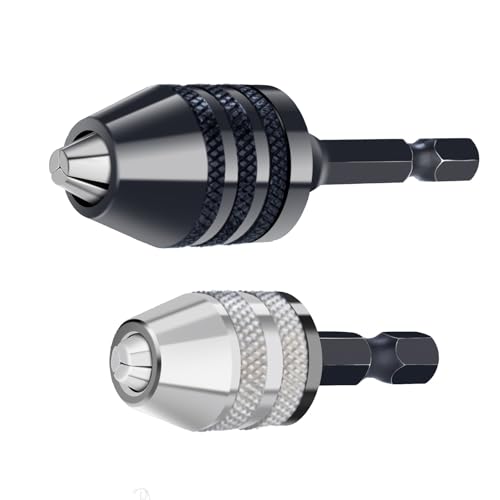
1. Unleash Pro-Grade Versatility!Transform your impact driver into a precision powerhouse with our 2-pack keyless drill chuck adapter 1/4 hex shank! This universal drill chuck seamlessly converts tools for multifunctional use. The silver small drill chuck (0.3-3.6mm) handles delicate tasks like electronics, while the robust black hammer drill chuck (0.3-6.5mm) tackles heavy materials. Ideal as a drill press chuck, impact wrench adapter for drill bits, or for Dremel drill chuck applications. No more swapping—pure efficiency in one compact set!
Factors to Consider When Choosing Between Hammer Drill and Regular Drill
Chuck Type:
Regular drills typically feature a standard keyless chuck, which allows for easy and quick bit changes. On the other hand, hammer drills often come with a special SDS chuck that is designed to withstand the impact force produced during drilling into tougher materials like concrete.
Material Versatility:
When selecting between a hammer drill and a regular drill, consider the range of materials you’ll be working on. Regular drills are suitable for a variety of materials such as wood, plastic, and metal, making them versatile for general DIY projects. In contrast, hammer drills are specifically geared towards tougher materials like concrete, brick, or masonry due to their hammering action.
Power Output:
Regular drills offer adequate power for common household tasks such as drilling holes in walls, assembling furniture, or working on woodworking projects. On the other hand, hammer drills provide higher power output with their dual functionality of drilling and hammering, making them more suitable for heavy-duty applications on hard surfaces.
Speed and Control:
Regular drills come with adjustable speed settings that allow you to control the drilling speed based on the material and task at hand. This flexibility makes them ideal for precision drilling. Hammer drills, although also offering variable speed, are better suited for tasks that require high-speed drilling in tough materials.
Noise and Vibration Levels:
Regular drills typically generate less noise and vibration compared to hammer drills, providing a quieter and smoother drilling experience. If you prioritize working with minimal disturbances and vibrations, a regular drill may be the more comfortable option for your projects.
By considering these factors such as chuck type, material versatility, power output, speed control, and noise levels, you can make an informed decision when choosing between a hammer drill and a regular drill for your DIY projects. Each tool has its strengths and is tailored to specific drilling requirements, so selecting the right one will enhance the efficiency and success of your drilling tasks.
Conclusion
You’ve now explored the distinct features of both hammer drills and regular drills, uncovering their unique strengths and applications. Understanding the differences in chuck types, impact force, power, and noise levels can guide you in selecting the ideal tool for your DIY projects. Regular drills offer versatility, adjustable speed settings, and lower noise and vibration levels, making them suitable for a range of materials and common household tasks. On the other hand, hammer drills excel in providing impact force for tougher surfaces like concrete. By weighing these factors against your specific drilling needs, you can make a well-informed decision that ensures efficiency and precision in your drilling endeavors. Choose wisely, and let your tool empower you to achieve successful results in your projects.
Frequently Asked Questions
What is the main difference between a hammer drill and a regular drill?
A hammer drill has a pulsating action that provides rapid concussive blows, making it suitable for drilling into hard materials like masonry or concrete. On the other hand, a regular drill does not have this hammering function and is more versatile for general drilling tasks in softer materials like wood or metal.
What chuck type does a regular drill typically have?
A regular drill usually features a standard keyless chuck, allowing for easy and quick bit changes without the need for additional tools like a chuck key.
How powerful are regular drills for household projects?
Regular drills offer adequate power for common household projects such as assembling furniture, drilling holes in walls for hanging frames, or DIY woodworking tasks.
What speed settings can be found in a regular drill?
Regular drills come with adjustable speed settings that allow users to control the drilling speed based on the material being worked on, providing versatility and precision.
Are regular drills quieter and produce less vibration compared to hammer drills?
Yes, regular drills generally operate at lower noise levels and produce less vibration than hammer drills, making them more comfortable to use for extended periods and suitable for indoor projects.
