

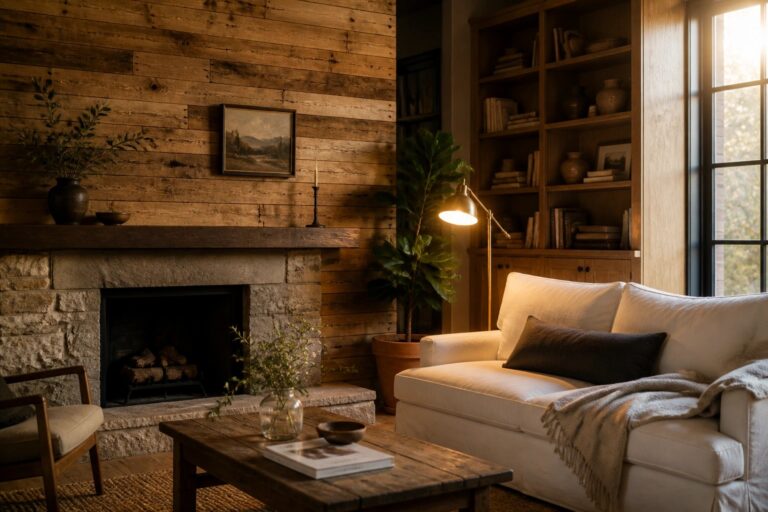
When you add a pallet wall to a living room the space often feels more grounded once the furniture settles around it.
I learned this after trying one that ended up fighting the light from the windows instead of working with it.
The real test comes when you actually use the room every day rather than just looking at it.
Not every rustic finish works in every layout.
Some of the simpler patterns seem easier to adapt without overpowering the rest of the room.
Reclaimed Wood Accent Walls
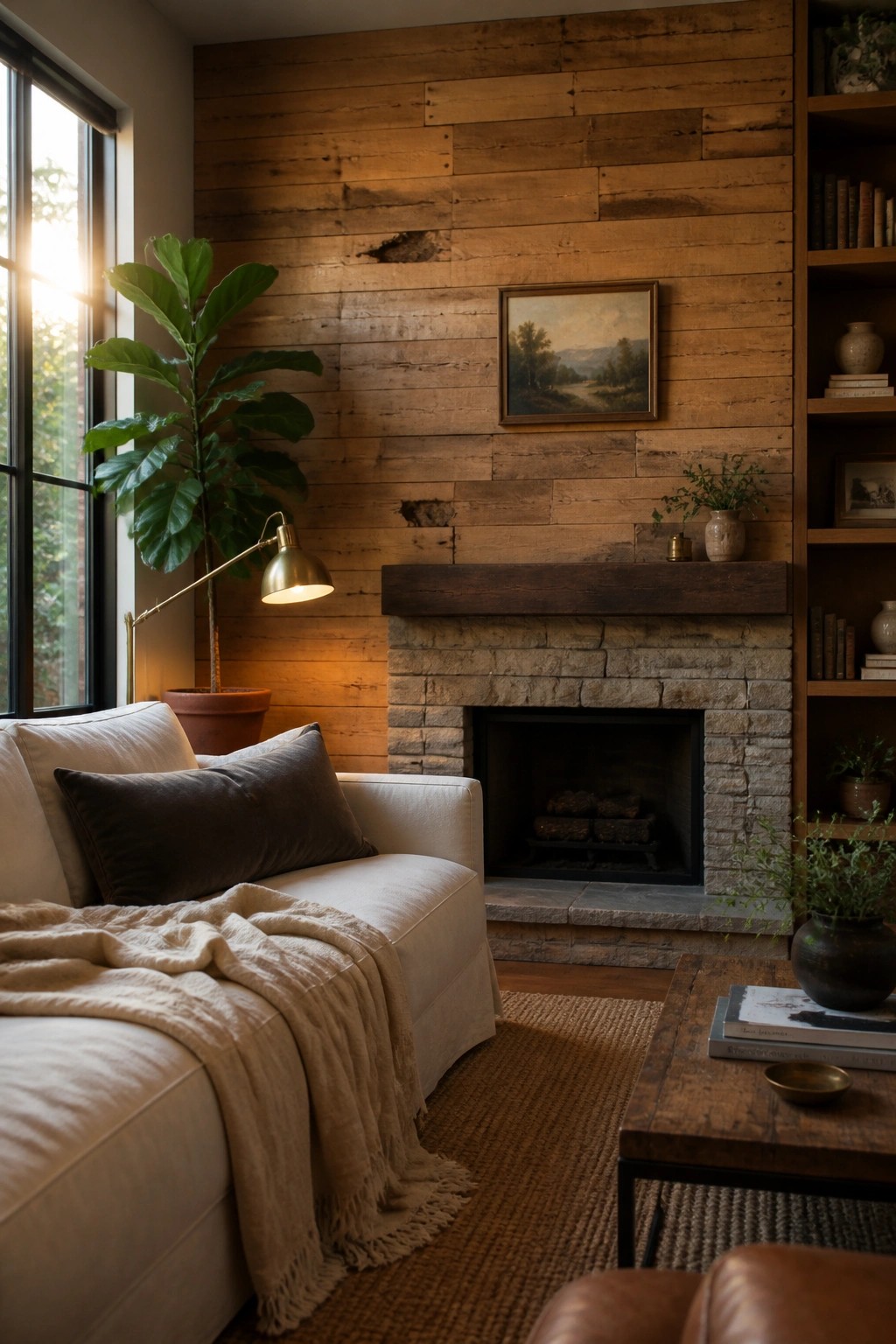
Reclaimed wood planks work well as an accent wall because they bring texture and warmth without needing much else in the room. The boards add character that feels natural rather than forced, especially when placed behind a fireplace where the eye already goes.
This approach suits older homes or any space aiming for a simple rustic look. Keep the rest of the room lighter so the wood does not feel heavy, and make sure the planks are sealed if the wall sits near heat.
Pale Wood Plank Walls For Quiet Texture
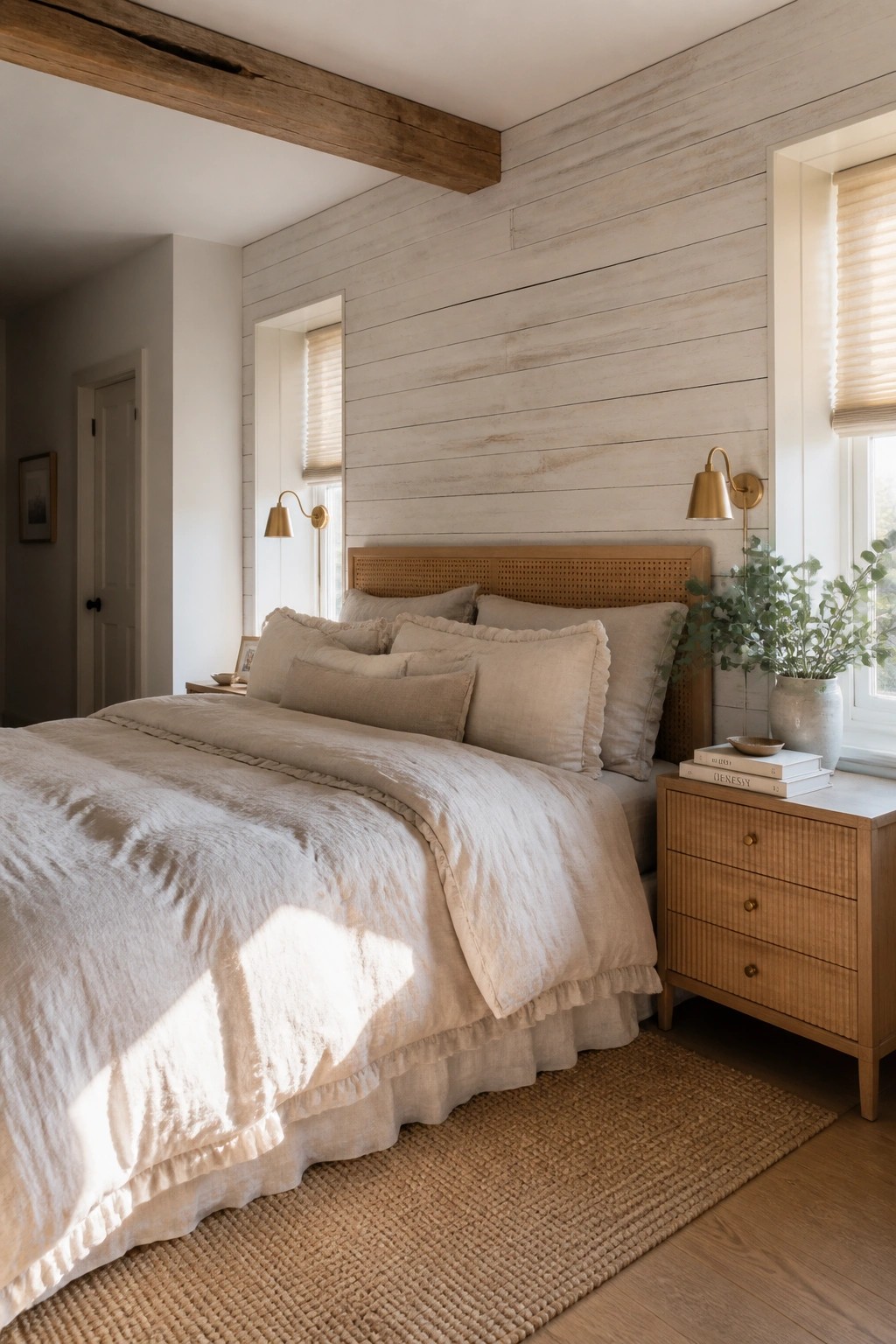
A pale wood plank wall adds a gentle rustic layer that feels lived in without taking over the room. The horizontal lines keep things simple while the light finish helps the space stay bright and calm.
This works best in bedrooms where you want some natural material but still prefer a soft overall feel. Pair it with plain bedding and minimal furniture so the wall can do its job without competing.
Dark Wood Plank Walls For Kitchen Warmth
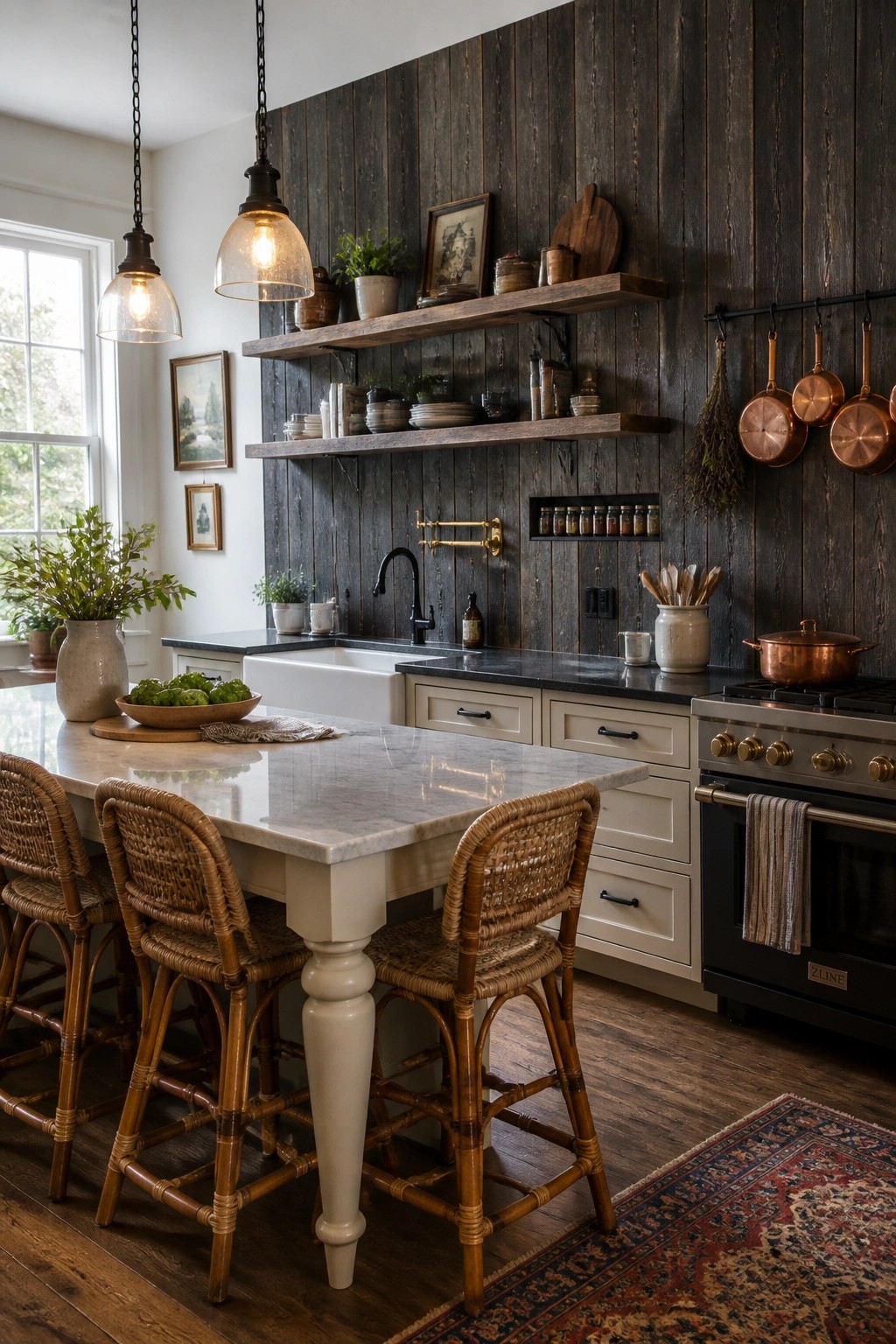
A dark wood accent wall can give a kitchen real character without making the space feel heavy. Vertical planks in a deep stain add texture and depth behind the counters, and they work especially well when the rest of the room stays lighter in tone.
This approach suits homes that already lean rustic or farmhouse but still want a polished look. Keep the wood tone consistent and limit open shelving so the wall stays the main feature rather than getting cluttered.
Herringbone Wood Walls Add Texture To Dining Spaces
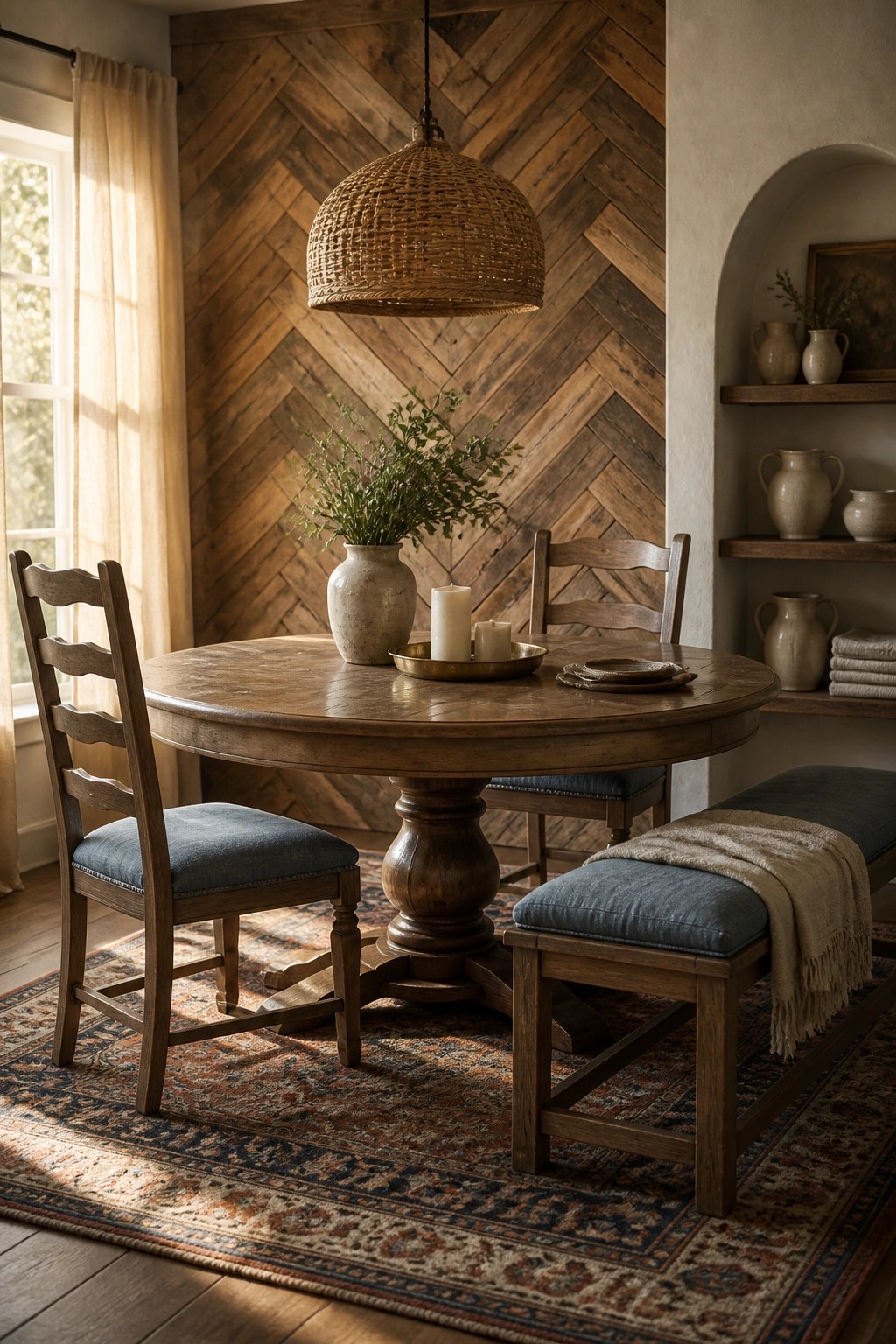
A herringbone wood wall brings natural grain and depth to a dining room without needing a lot of extra pieces. It works especially well when the rest of the room stays simple, letting the pattern on the wall stand out while the furniture stays quiet and functional.
This approach suits homes that already lean rustic but still want a bit of order in the look. Keep the wood tones close to your table and chairs so the wall feels like part of the room instead of a separate feature. Avoid filling the wall with too many shelves or art, since the pattern itself does most of the work.
Vertical Wood Paneling For Entry Storage
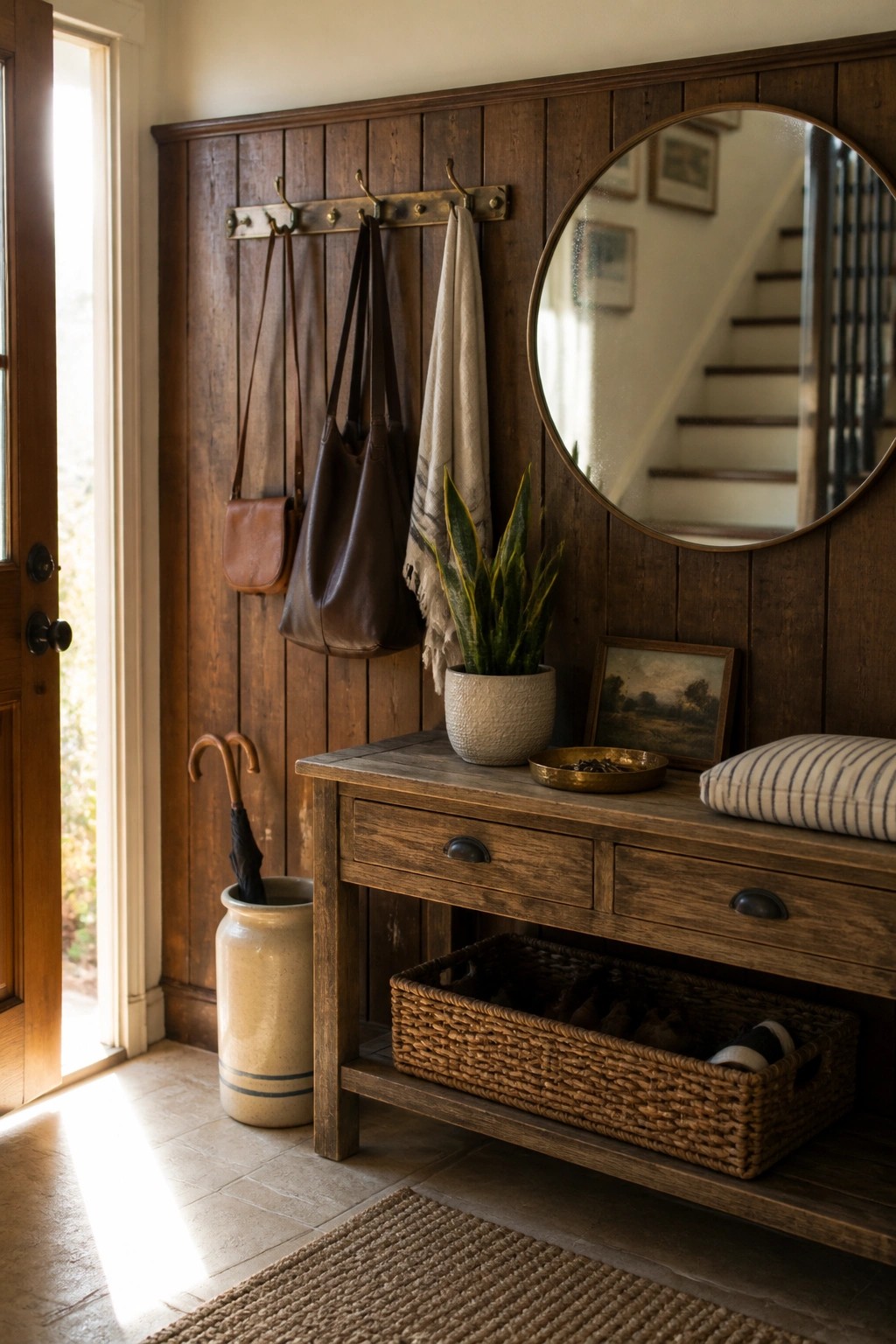
Vertical wood paneling gives an entryway a simple way to handle coats, bags, and daily clutter without adding bulky furniture. The planks create a sturdy surface for hooks while adding texture that fits right into a rustic home. Many people like how it keeps the space feeling open yet organized at the same time.
This approach works best in homes that already lean toward natural materials and darker wood tones. Keep the hooks at a practical height and leave enough wall space below for a bench or slim table so the area stays usable. Avoid overcrowding the hooks if you want the look to stay calm rather than busy.
Whitewashed Plank Walls For Calm Rooms
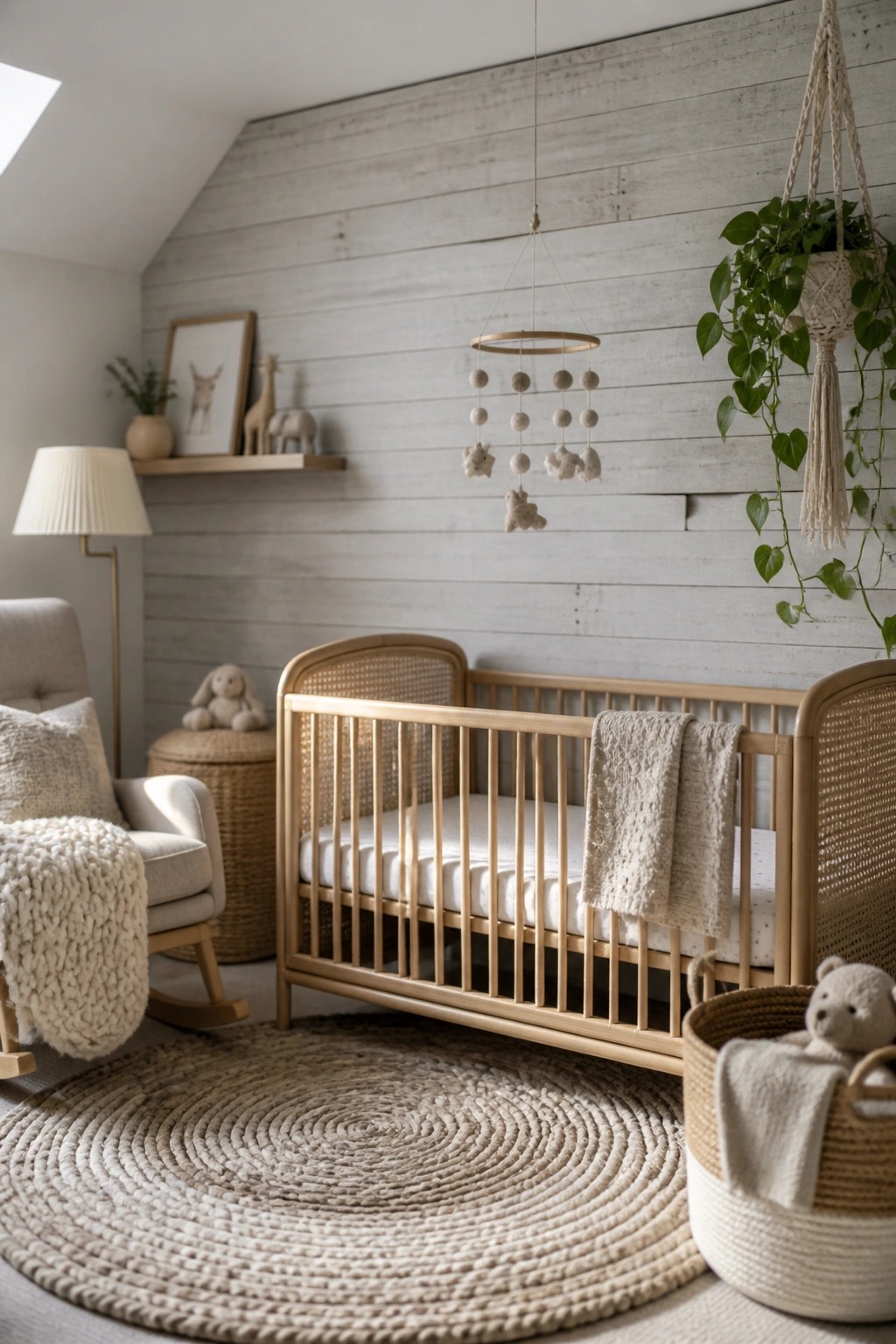
A whitewashed wood accent wall gives a room texture without making it feel dark or heavy. The light finish softens the rustic look and helps the space stay bright, which works well when you want a gentle focal point rather than a bold statement.
This idea suits smaller rooms or any space that needs a bit of warmth without extra clutter. Keep the rest of the finishes simple, and the planks will add just enough character on their own.
Reclaimed Wood Walls For Home Offices
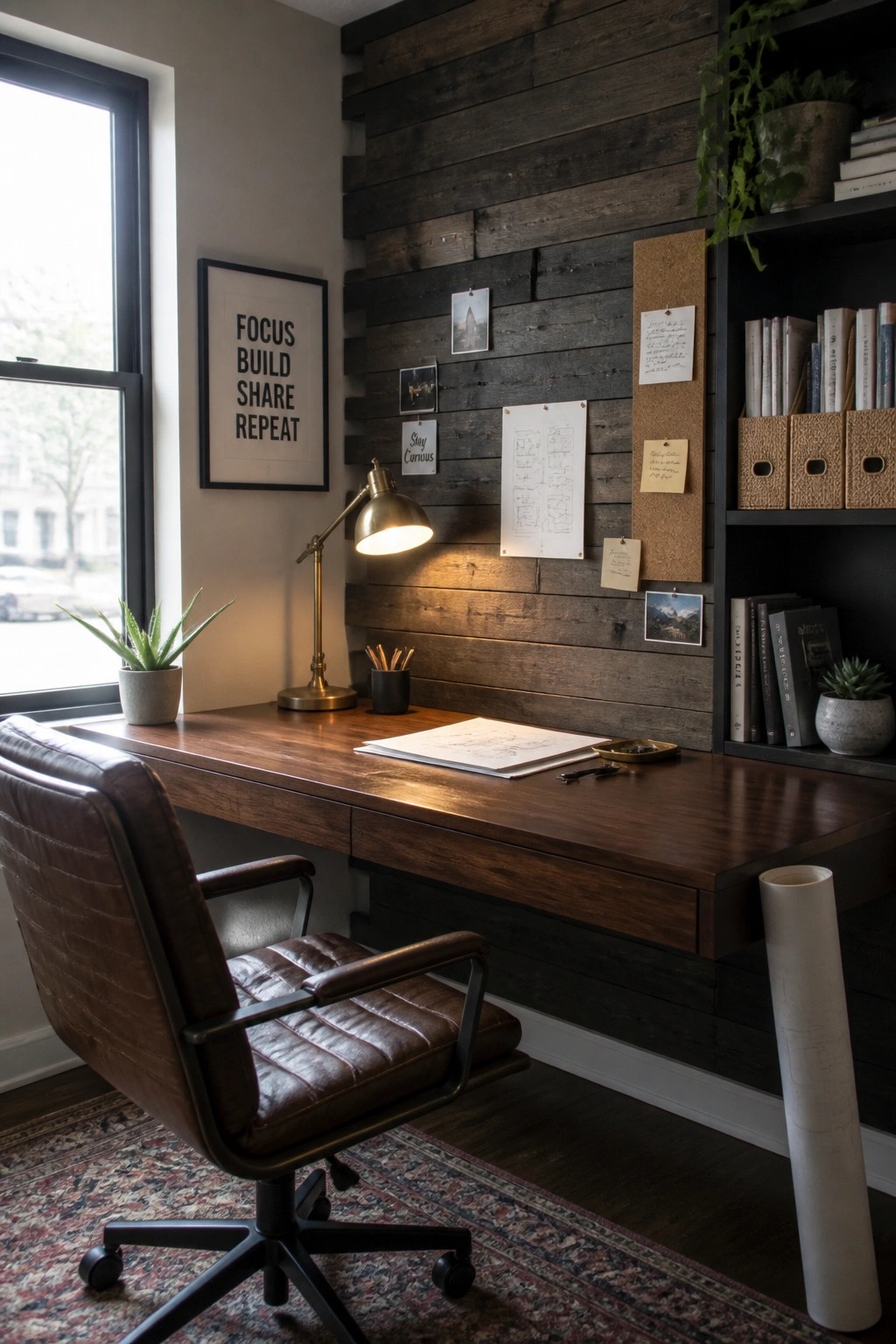
Reclaimed wood gives an office a grounded feel that plain drywall never quite matches. The horizontal planks add texture and a bit of age, which helps the space feel more personal even when the furniture stays simple.
This approach works best in rooms that already have some natural light. Keep other surfaces fairly light so the wood does not overpower the space, and limit the wall to one focal area rather than covering every side.
Horizontal Wood Planks For Bathroom Accent Walls
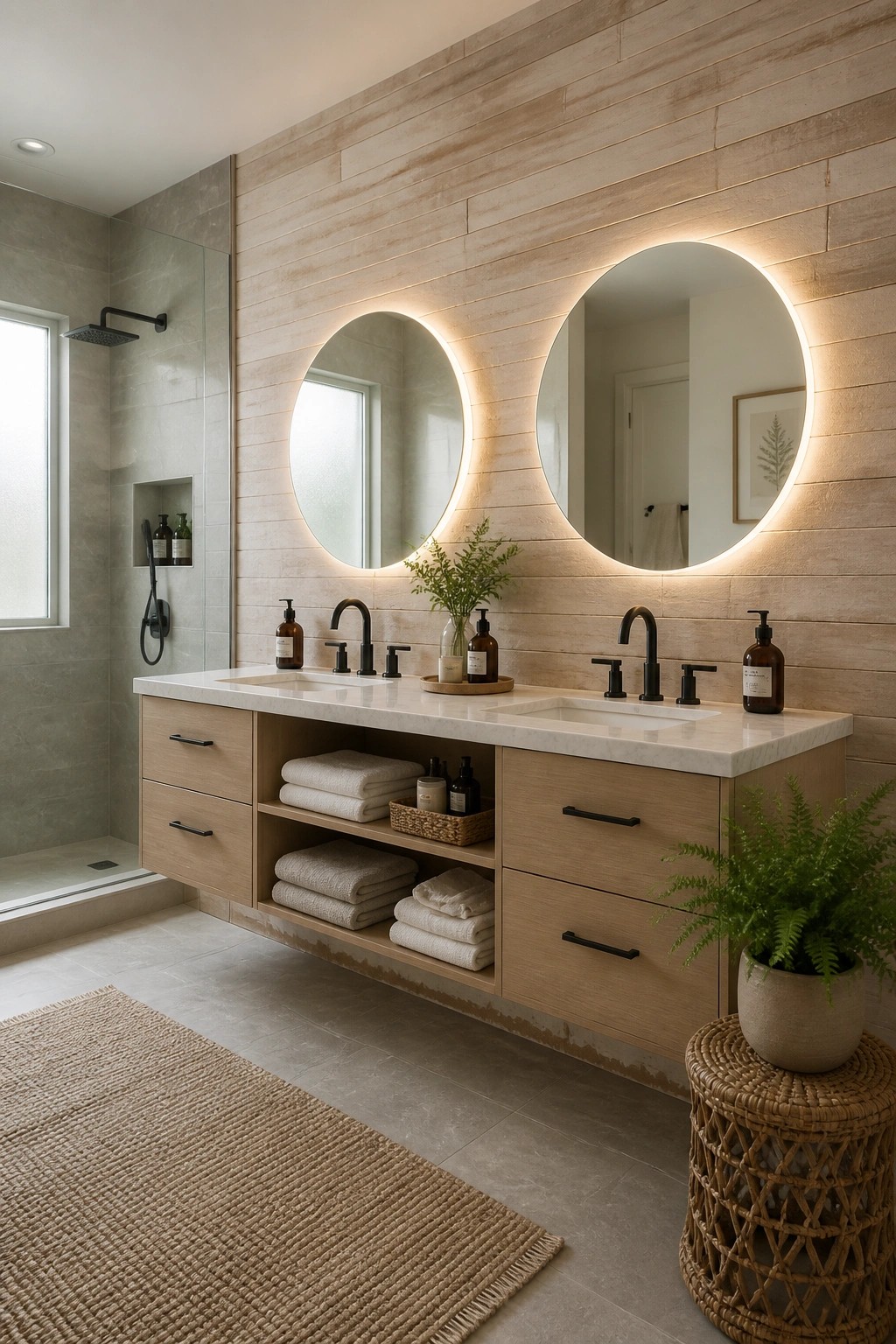
Light wood planks run horizontally across the wall behind a vanity and give the room a simple rustic feel without making it look heavy. The pale tone keeps everything bright while adding texture that painted walls just cannot match.
This approach works well in bathrooms with plenty of natural light and open storage below the counter. It suits homes that lean toward a clean, unfussy style and pairs easily with dark hardware or stone surfaces. Keep the rest of the room fairly simple so the wall stays the main feature.
Reclaimed Wood Walls In Laundry Rooms
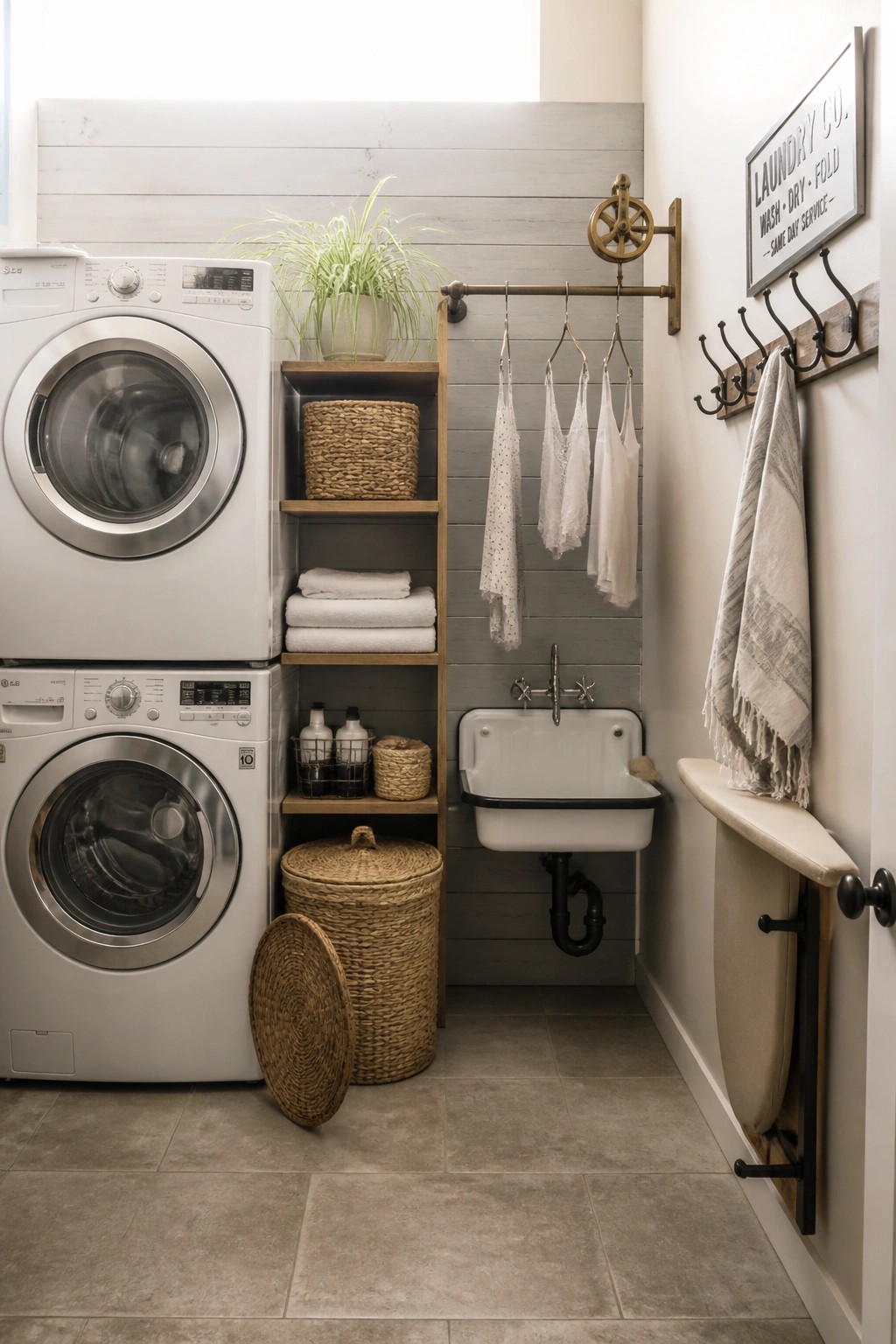
A wood plank accent wall can turn a plain laundry room into something warmer and more finished. The simple vertical boards add texture and a bit of character that plain drywall never quite manages, especially in a room filled with machines and hard surfaces.
This approach works best in smaller utility spaces where you want a touch of rustic style without adding clutter. Keep the wood tone light or grayed so it does not darken the room, and pair it with open shelving or basic hooks to keep everything practical.
Reclaimed Wood On Curved Walls
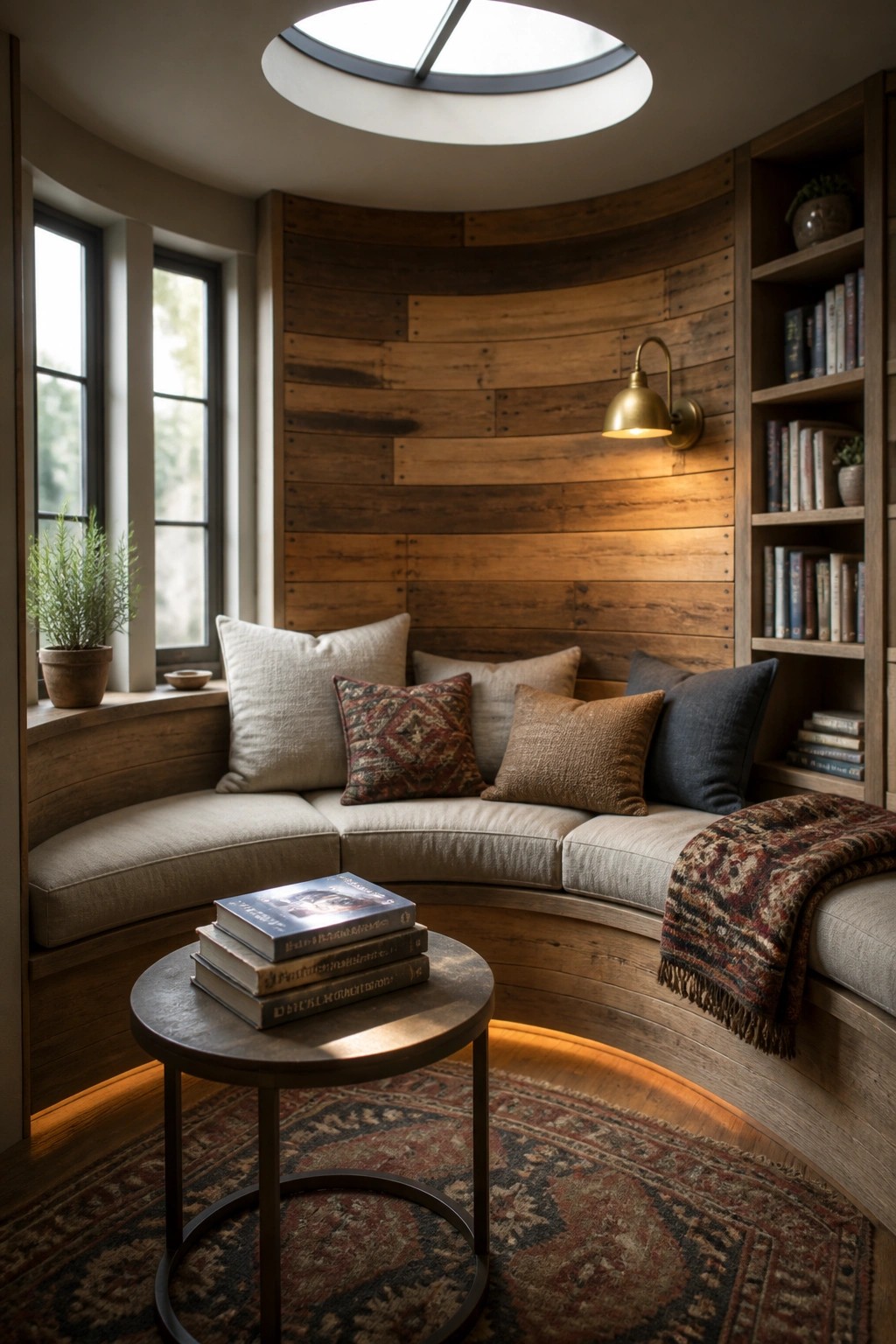
Reclaimed wood works especially well when it follows a curve instead of staying flat. The horizontal planks here wrap around the space and give the nook a built-in feel without needing extra trim or framing.
This approach suits small rooms or alcoves where you want texture but not a heavy look. Keep the finish simple and let the wood grain do the work. It pairs best with neutral seating and soft lighting so the wall stays the main feature.
Dark Wood Accent Walls For Bedrooms
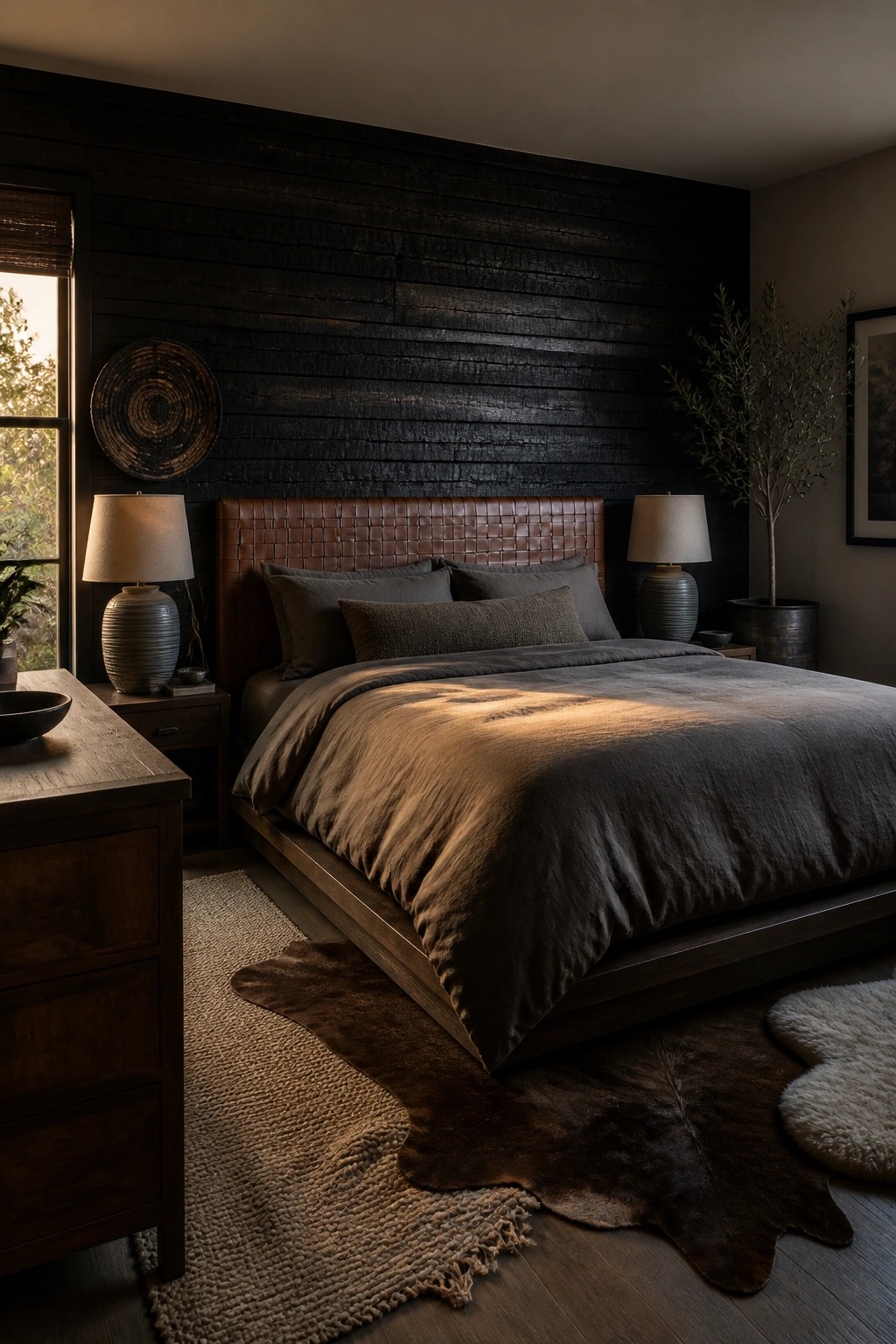
A dark wood accent wall brings a solid, grounded feel to a bedroom without much extra effort. The planks add texture and depth that lighter walls often lack, especially when the rest of the room stays quiet in tone and simple in shape.
This works well in homes that already lean rustic but need a bit more weight and contrast. Keep the bedding and furniture in similar dark or neutral shades so the wall becomes the main feature rather than competing with other elements.
Horizontal Wood Planks As An Accent Wall
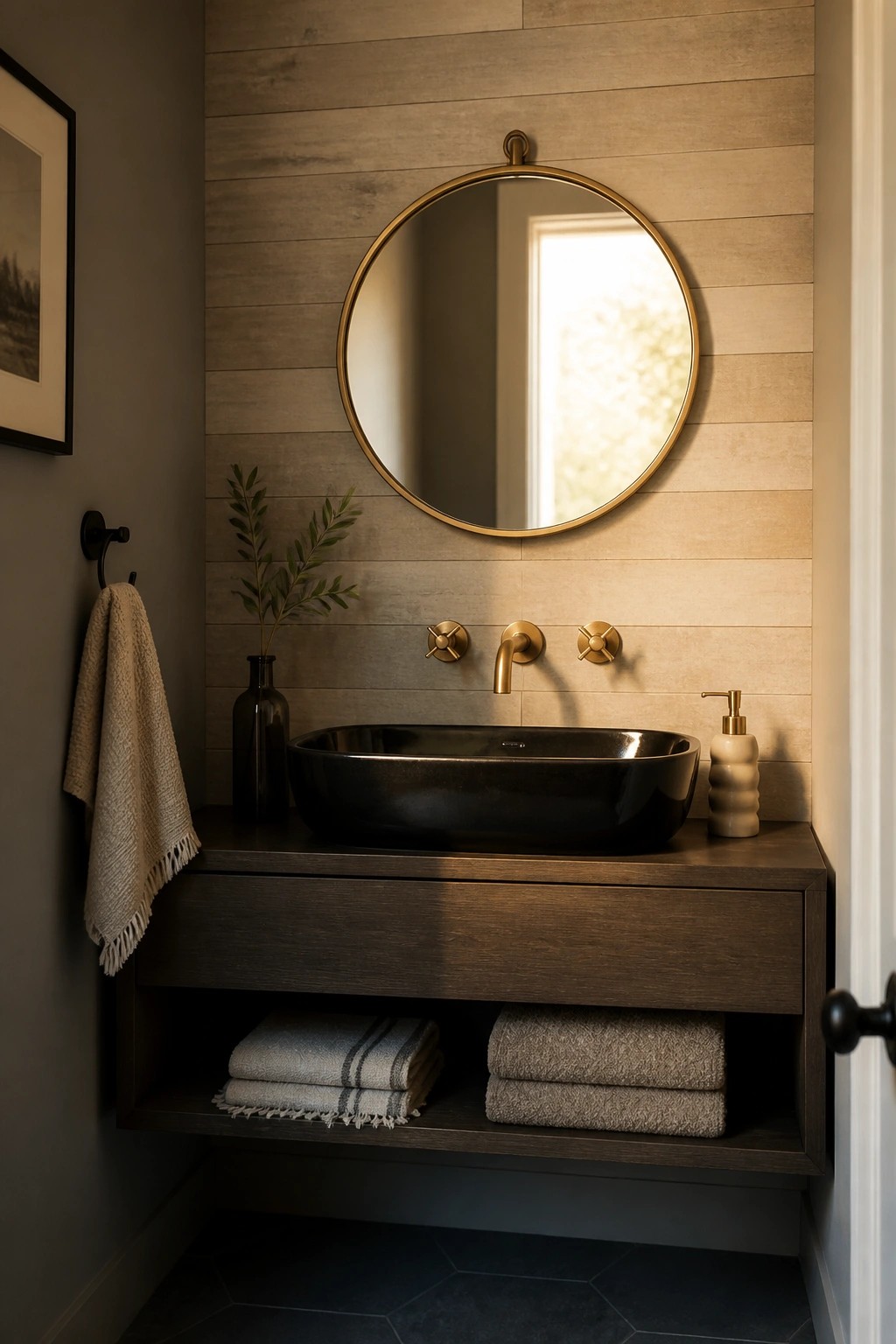
Horizontal wood planks give a bathroom wall quiet texture without much effort. The natural grain adds warmth that pairs well with darker vanities and simple fixtures, and it keeps the space from feeling too plain or cold.
This approach works best in smaller bathrooms where you want some character but still need the room to feel calm. Keep the rest of the finishes simple so the wood stays the main focus.
Reclaimed Wood Accent Walls For Dining Rooms
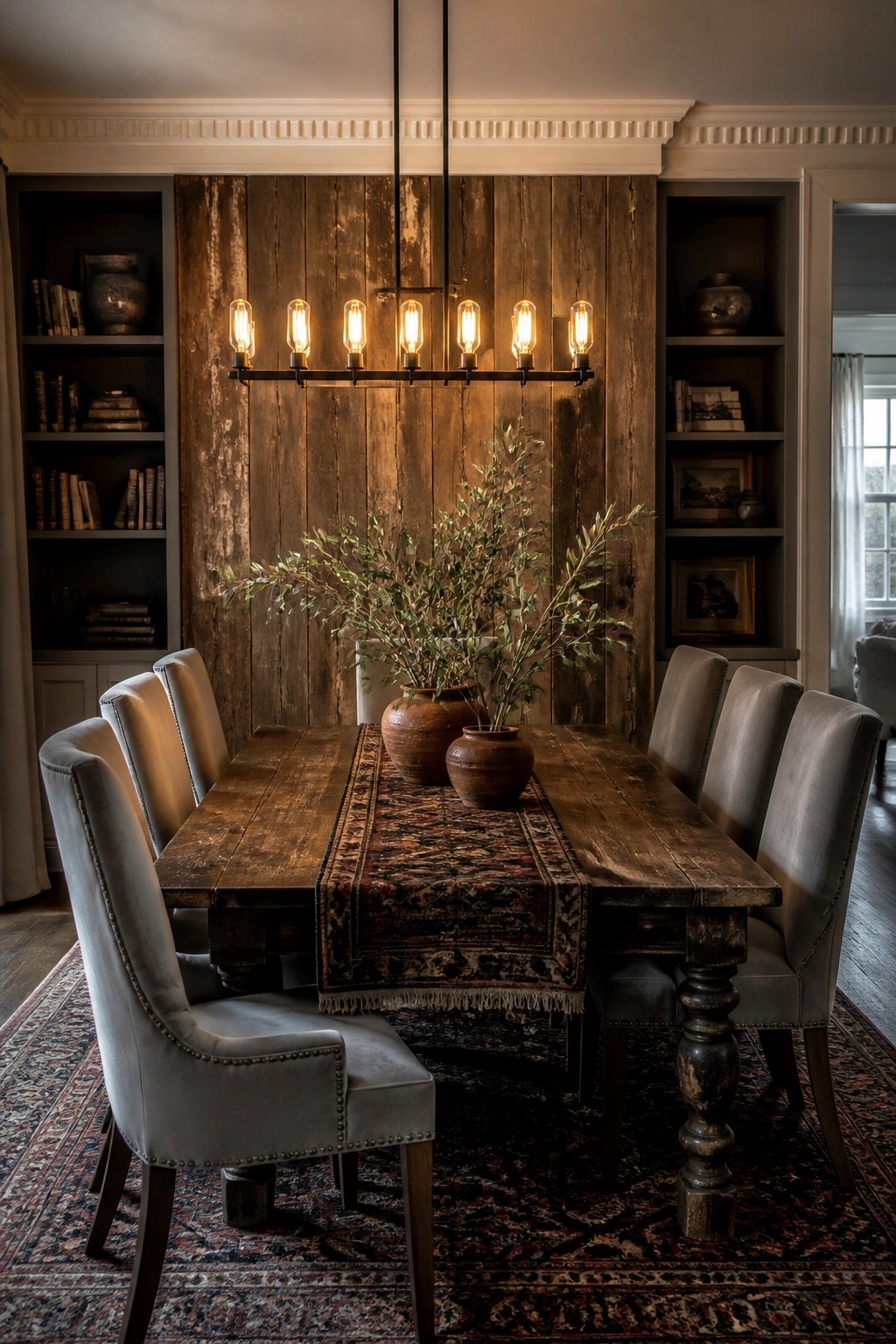
A wall of reclaimed planks behind the table gives the room a grounded feel without much extra effort. The wood adds texture that works with both older furniture and simpler pieces, and it keeps the space from feeling too plain.
This approach suits homes that already lean traditional or transitional. Use it on one wall only, and keep other surfaces lighter so the wood does not take over the whole room.
Pallet Wood As An Accent Wall
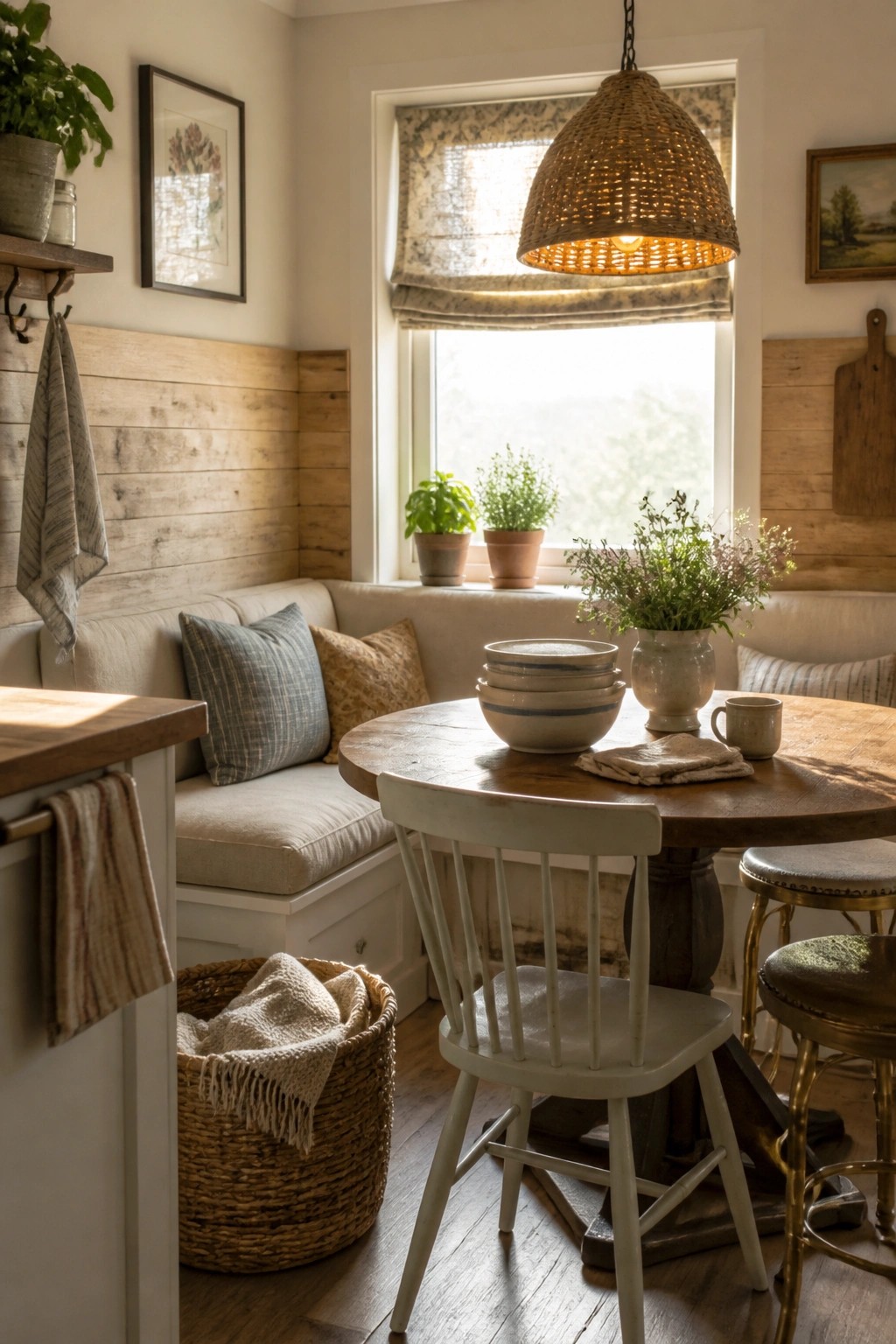
Pallet wood works well as an accent wall when you want texture without a heavy look. The horizontal planks add warmth and a bit of age to a space while keeping the rest of the room light and simple.
This approach suits kitchens or dining corners with built-in seating. Keep the wood natural or lightly sealed so it blends with neutral fabrics and painted trim. Avoid covering every wall or the effect can start to feel busy.
Horizontal Wood Planks For A Warm Bathroom Accent Wall
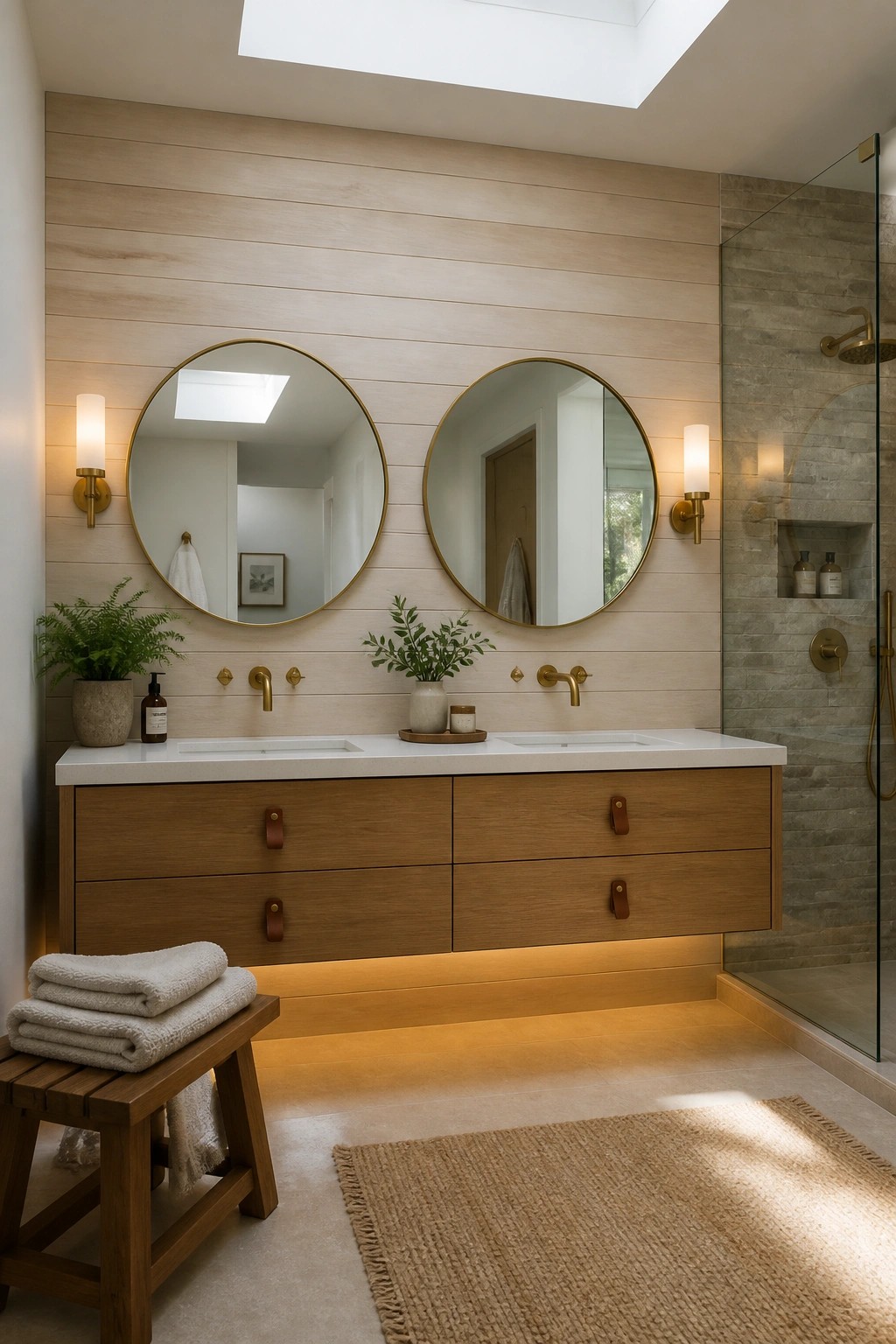
Many bathrooms feel cold when every surface is tile or paint. Horizontal wood planks change that by adding a layer of natural texture that still reads clean and simple.
This approach works best in spaces that already have some wood tones elsewhere, like cabinetry or flooring. Stick with a light finish and keep the rest of the room fairly neutral so the wall becomes the quiet focal point rather than a busy feature.
Pallet Walls With Built-In Corkboard Sections
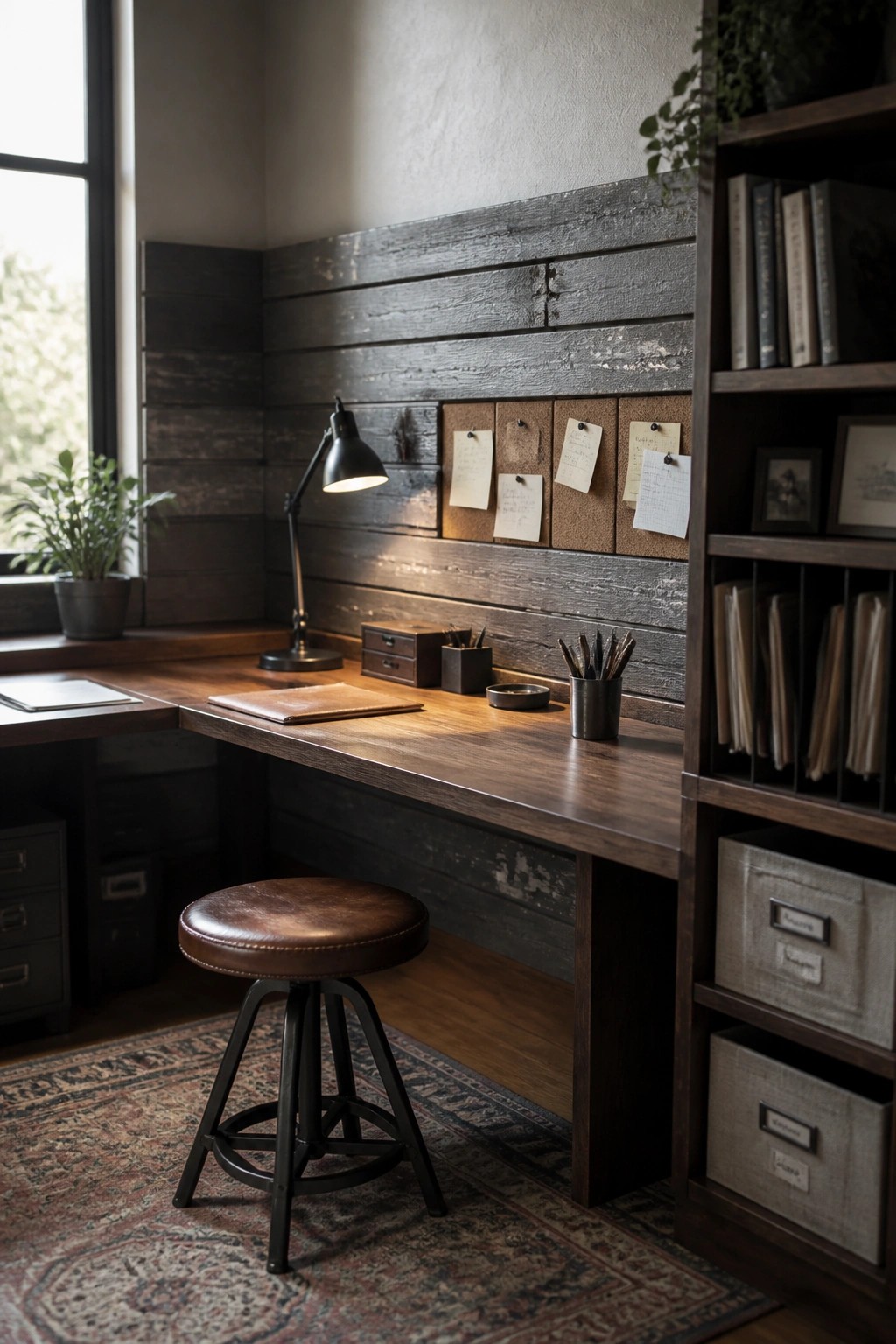
Many people turn a pallet accent wall into something more useful by setting corkboard panels right into the wood. The contrast between the dark planks and the pinned notes keeps the surface active without adding shelves or extra frames. It works especially well when the wall sits behind a desk, where notes and reminders are needed daily.
This idea fits best in a home office or study that already uses reclaimed wood elsewhere. Keep the cork sections level with the planks so the wall stays smooth, and limit the number of notes so the look does not turn messy.
Reclaimed Wood Plank Accent Walls
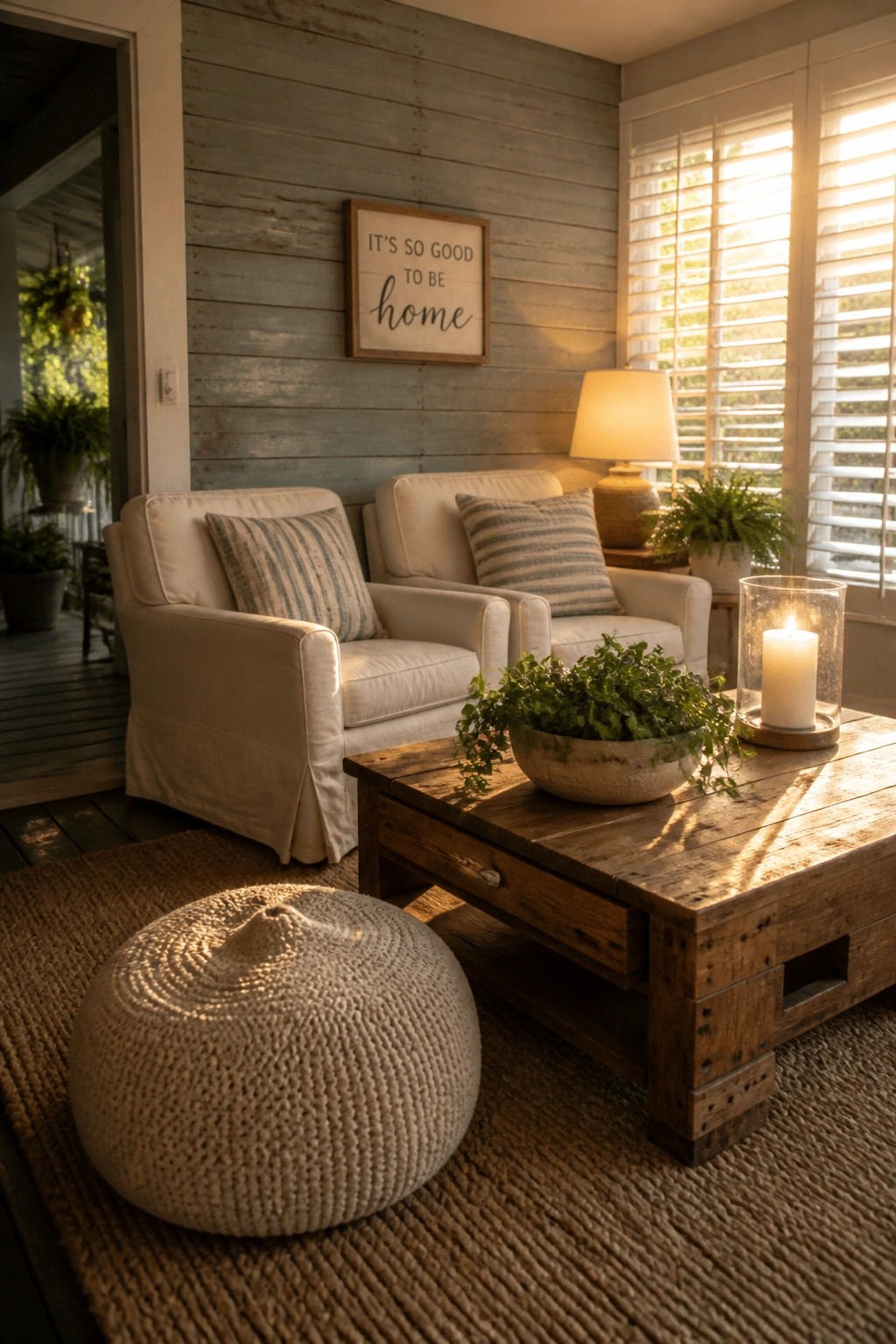
A wall covered in horizontal reclaimed planks brings texture and warmth to a room without needing much else. It pairs easily with simple furniture and soft fabrics, which is why the look feels balanced rather than busy.
This works well in living rooms that already lean neutral or rustic. Keep the rest of the space light so the wood does not overpower the room, and make sure the planks are sanded smooth if you want a cleaner finish.
Vertical Wood Planks On A Bathroom Accent Wall
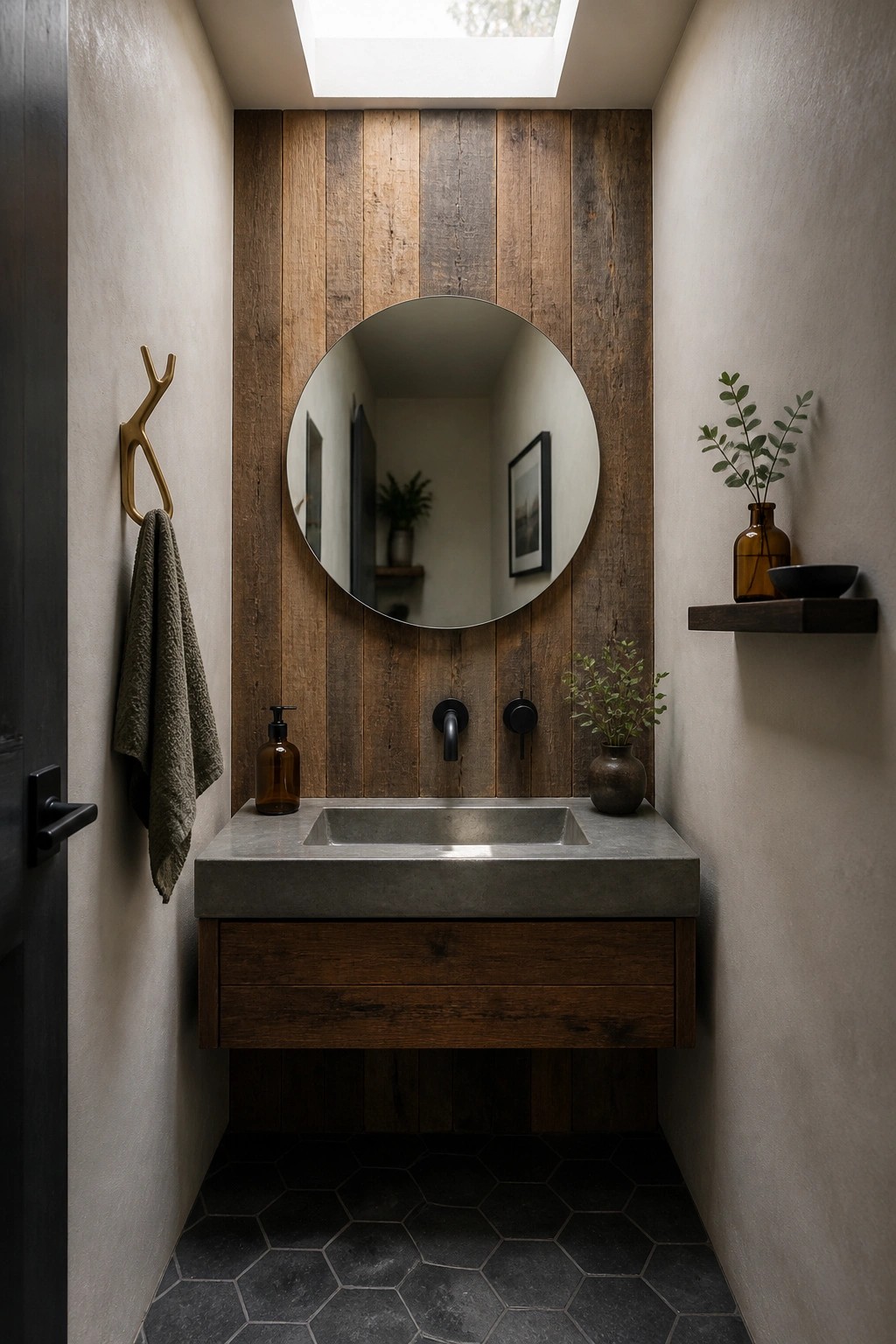
Vertical wood planks work well as an accent wall because they add texture and warmth while keeping the rest of the room simple. In a small bathroom this approach gives the space character without needing lots of extra decoration or bold color.
This idea suits homes that already lean toward natural materials. Keep the other surfaces light and let the wood do most of the work. Avoid overcrowding the wall with too many shelves or fixtures.
Horizontal Pallet Wood Accent Walls
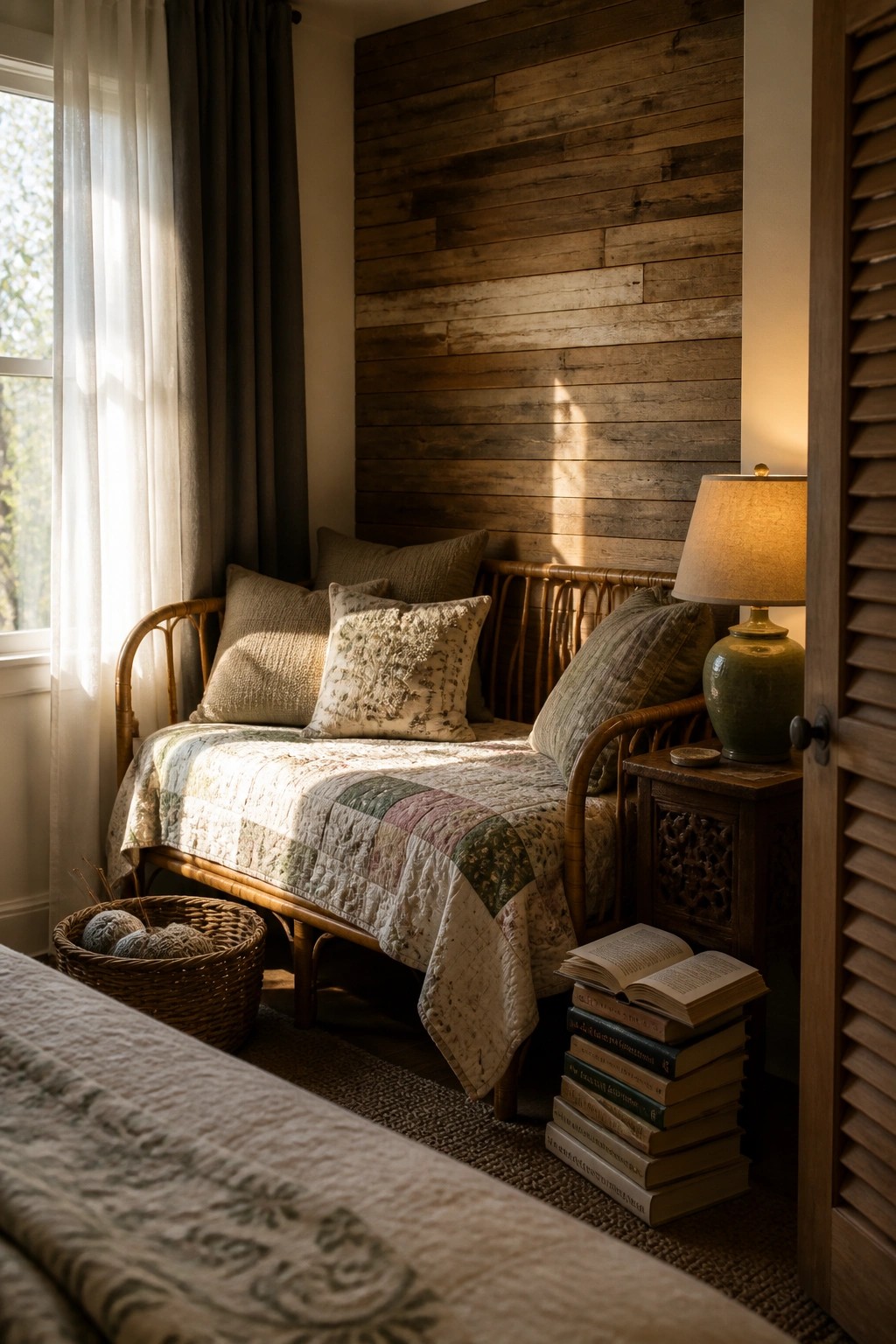
A horizontal pallet wood accent wall adds texture and warmth without much effort. It works well in smaller rooms where you want one surface to carry some visual weight while everything else stays calm and simple.
This treatment suits bedrooms or quiet corners best. Keep the surrounding pieces low and neutral so the wood grain can show through clearly, and avoid crowding the wall with too many hanging items.
Pallet Wood Accent Walls in the Kitchen
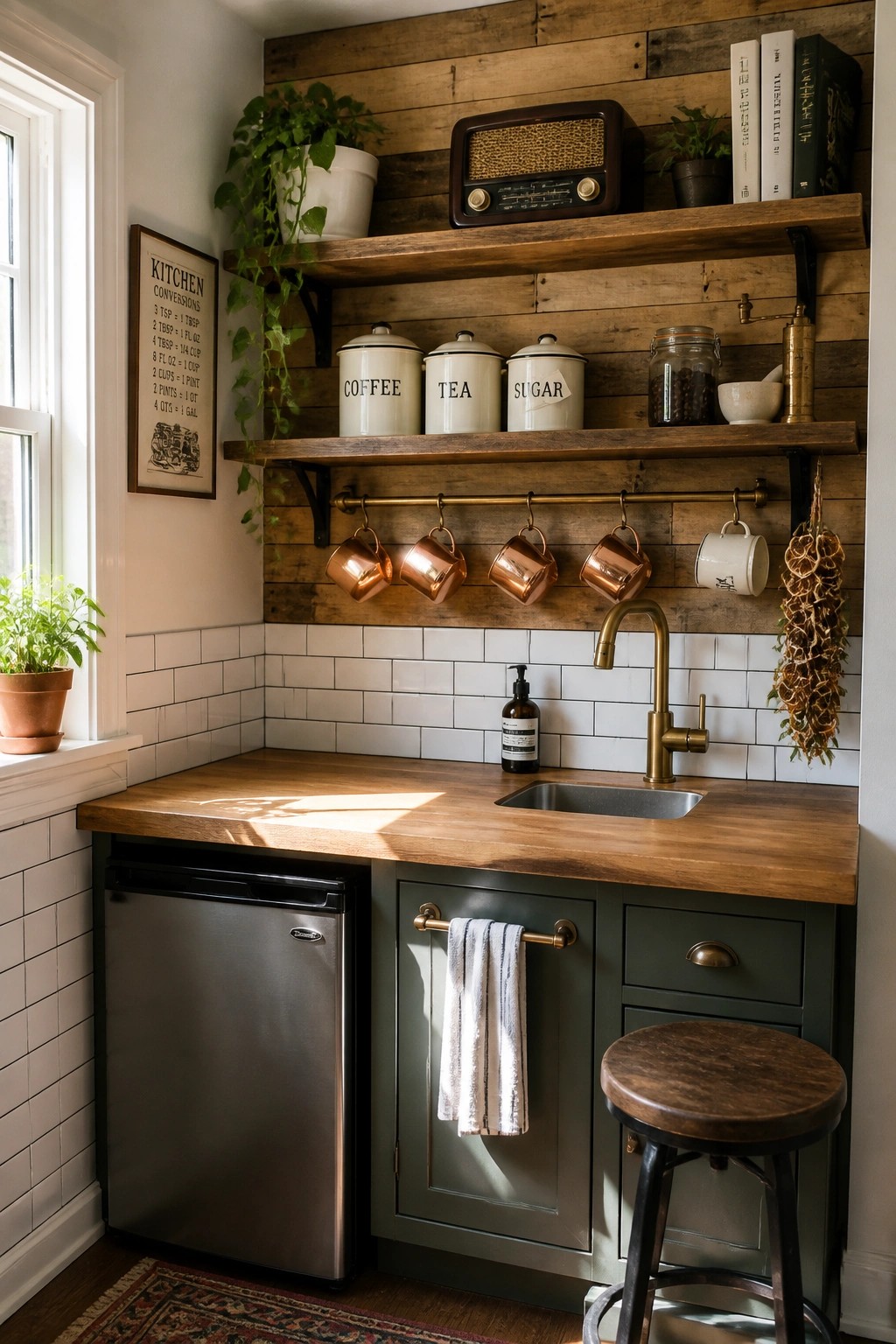
Pallet wood works well as an accent wall because it adds texture and a bit of warmth without taking over the whole room. Many kitchens already have flat surfaces, so the uneven boards give the space something to look at while still feeling practical.
This idea suits smaller kitchens or corner setups where open shelves sit above a counter or sink. Keep the wood sealed if it is near water, and balance it with painted cabinets or metal details so the rustic look stays clean rather than heavy.
Horizontal Planks For A Rustic Accent Wall
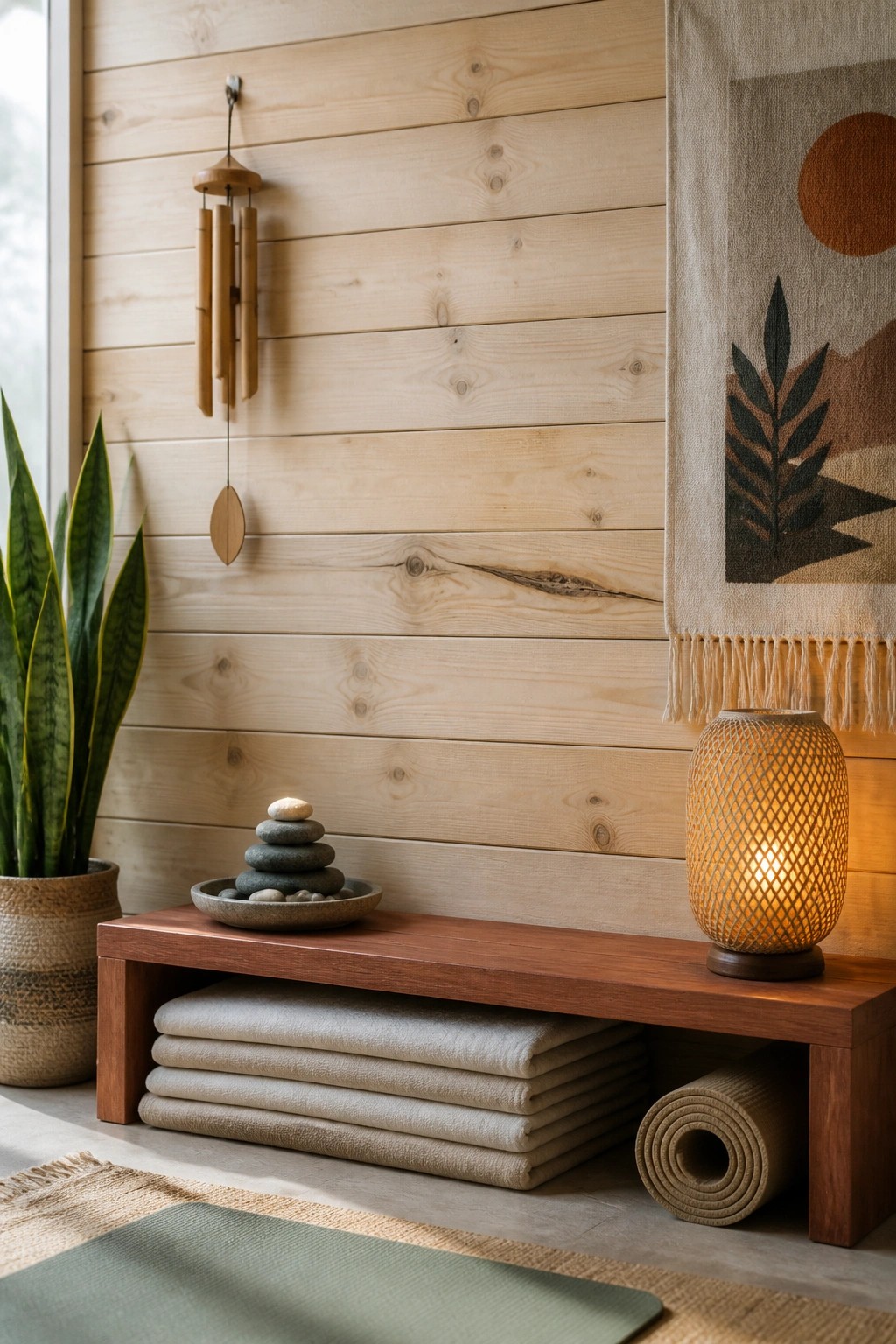
Horizontal wood planks give a room an easy, grounded feel that still reads as refined. The light tone keeps the space bright while the natural grain adds just enough texture to make the wall interesting without extra decoration.
This works best in smaller rooms or quiet corners where you want warmth but not darkness. Use the same wood tone on a bench or shelf so the wall feels like part of the room instead of a separate feature.
Pallet Wood Accent Walls In Living Rooms
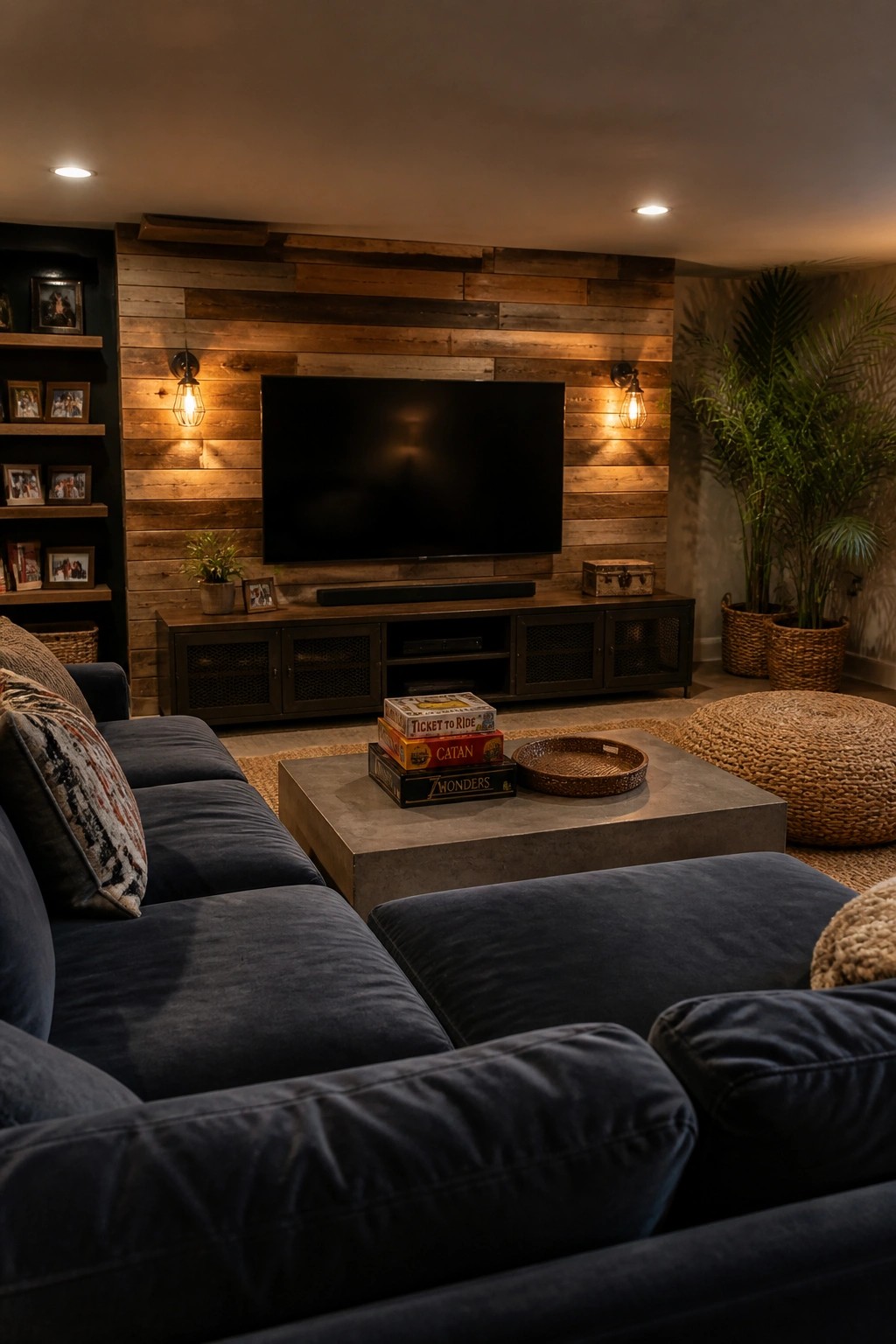
A pallet wood accent wall gives a living room that extra layer of texture without making the space feel busy. The horizontal boards create a warm backdrop that works especially well behind a television, where the eye already lands.
This approach fits best in rooms that already lean rustic or neutral, since the wood tones can carry the look. Keep the rest of the furniture simple so the wall stays the focus instead of competing with too many patterns or colors.
Frequently Asked Questions
Q: How do I find pallets that already look smooth enough for a living room? A: Walk through a few local warehouses or farm supply spots on a weekday morning. People there often set aside the cleaner ones once you ask. Skip anything stamped with odd markings and give each board a quick once over with medium sandpaper before you haul it home.
Q: What’s the simplest way to hang the pallets so they stay flat against the wall? A: Start by screwing a couple of horizontal strips of wood to your studs as a base. Then rest the pallet sections on those strips and drive screws through the back boards at a few key points. This setup keeps everything steady without a lot of extra hardware.
Q: Will the wood smell like a barn after I finish the wall? A: Give each pallet a light coat of clear matte sealer made for indoor use. Let it dry fully between coats and the odor fades within a day or two. Open a window while you work and the space feels fresh again quickly.
