

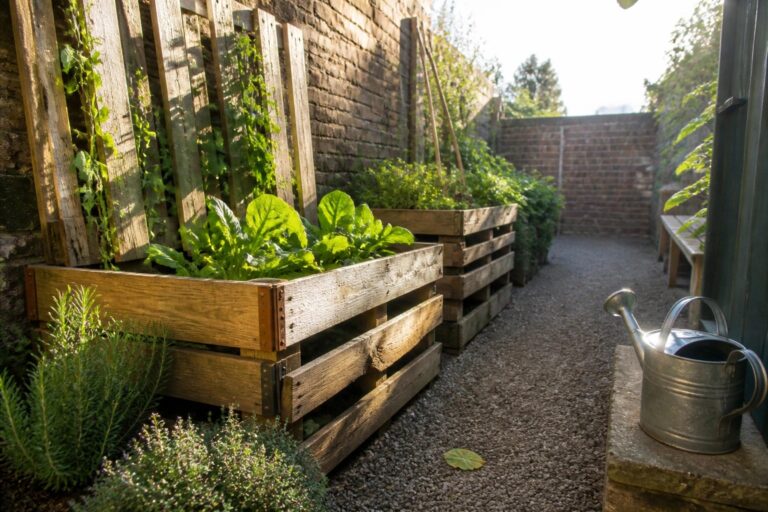
When my small garden started feeling overcrowded, I realized the beds themselves were taking over the usable space instead of working with it.
Building raised beds from pallets let me shape them to follow the edges and leave room for easy movement between rows.
The height and width need to match how I actually tend the plants each week.
I always check access first before adding another bed.
Some of these pallet designs have helped me keep the soil healthy while fitting more vegetables into the same area without extra work.
Pallet Raised Beds For Narrow Spaces
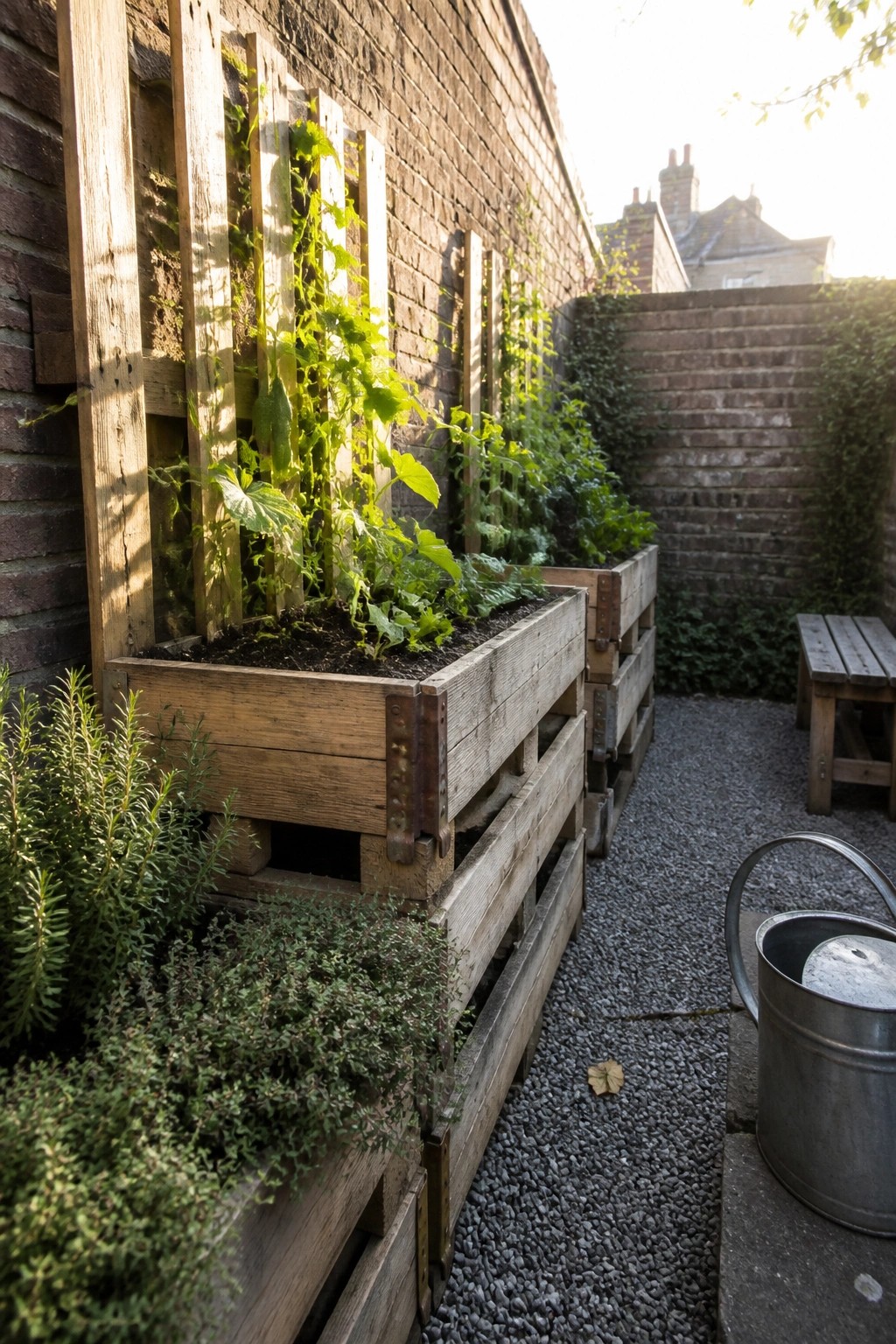
Pallet raised beds give you a quick way to grow vegetables when the garden is small or runs along a wall. The wood frames hold soil well and let you plant at a comfortable height without digging into the ground.
Place them in a line where the path stays open and the beds get decent sun. They suit side yards or tiny back gardens best, and you can add a simple trellis on the back if you want vines to climb.
Raised Beds Along The Balcony Railing
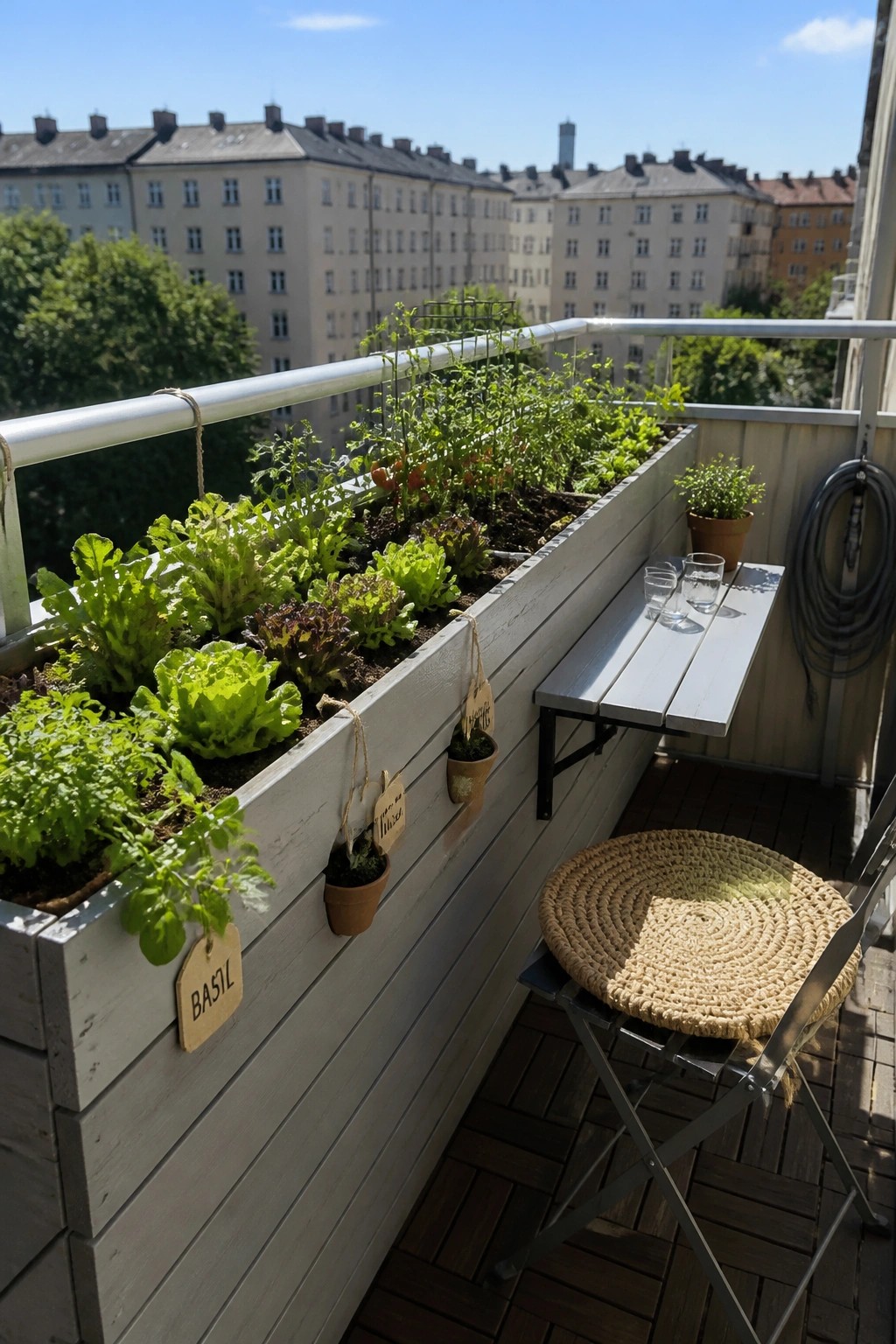
A long raised bed placed right along the railing turns the edge of a balcony into useful growing space. It keeps the main floor clear while still letting you grow a good mix of vegetables and herbs in one contained spot.
This setup works best on balconies that get steady sun and can handle the extra weight. Secure the box well, use a lighter soil mix, and check the railing strength before filling it.
Pallet Raised Beds For Small Gardens
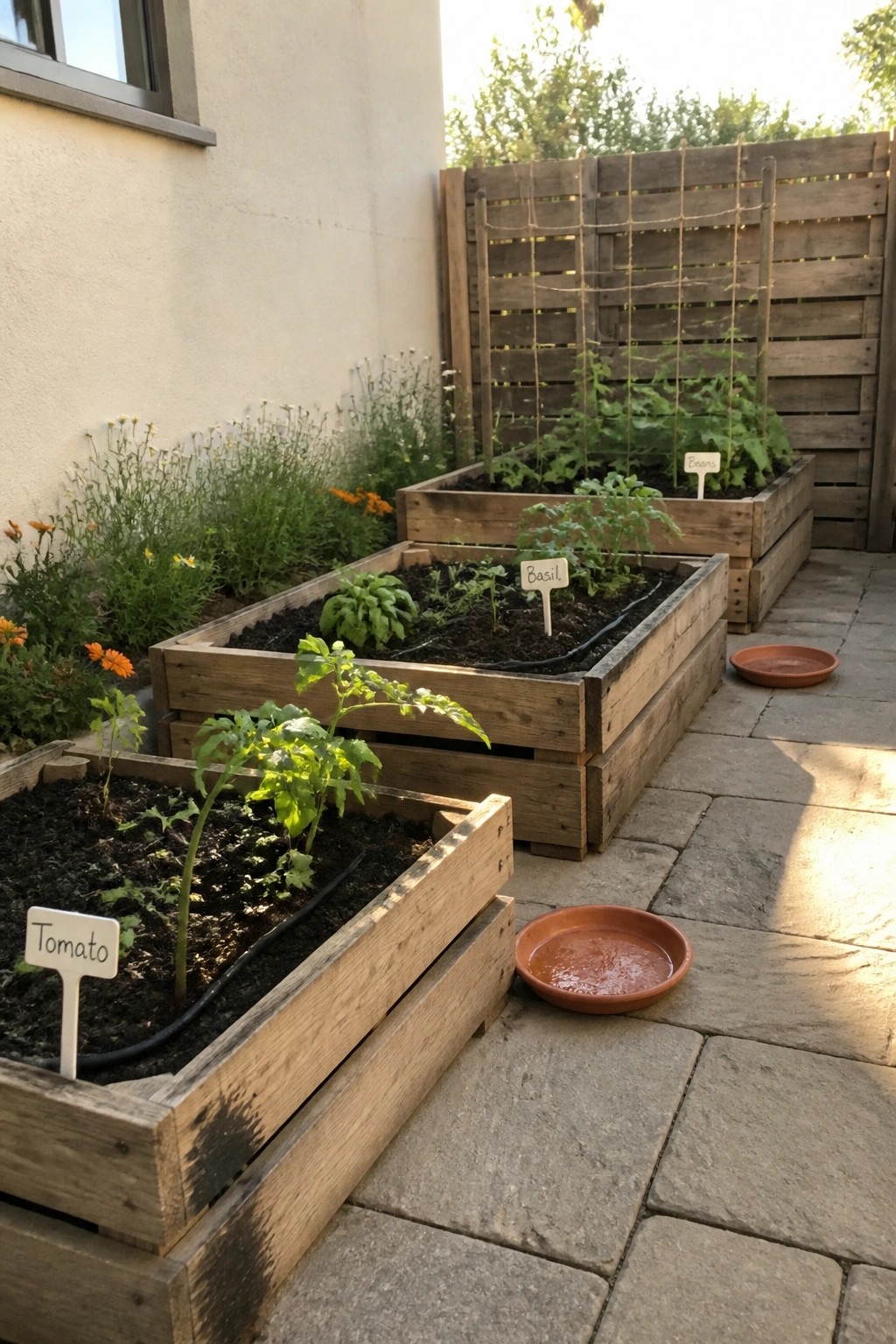
Raised beds built from pallets give you a straightforward way to grow vegetables in a limited area. They lift the soil off the ground, improve drainage, and let you arrange the beds to fit the space you have without much extra work.
This setup works best on patios or small yards where permanent beds would take up too much room. Use untreated wood and add a liner inside if you want to keep the soil from drying out too fast along the edges.
Vertical Pallet Beds For Compact Gardens
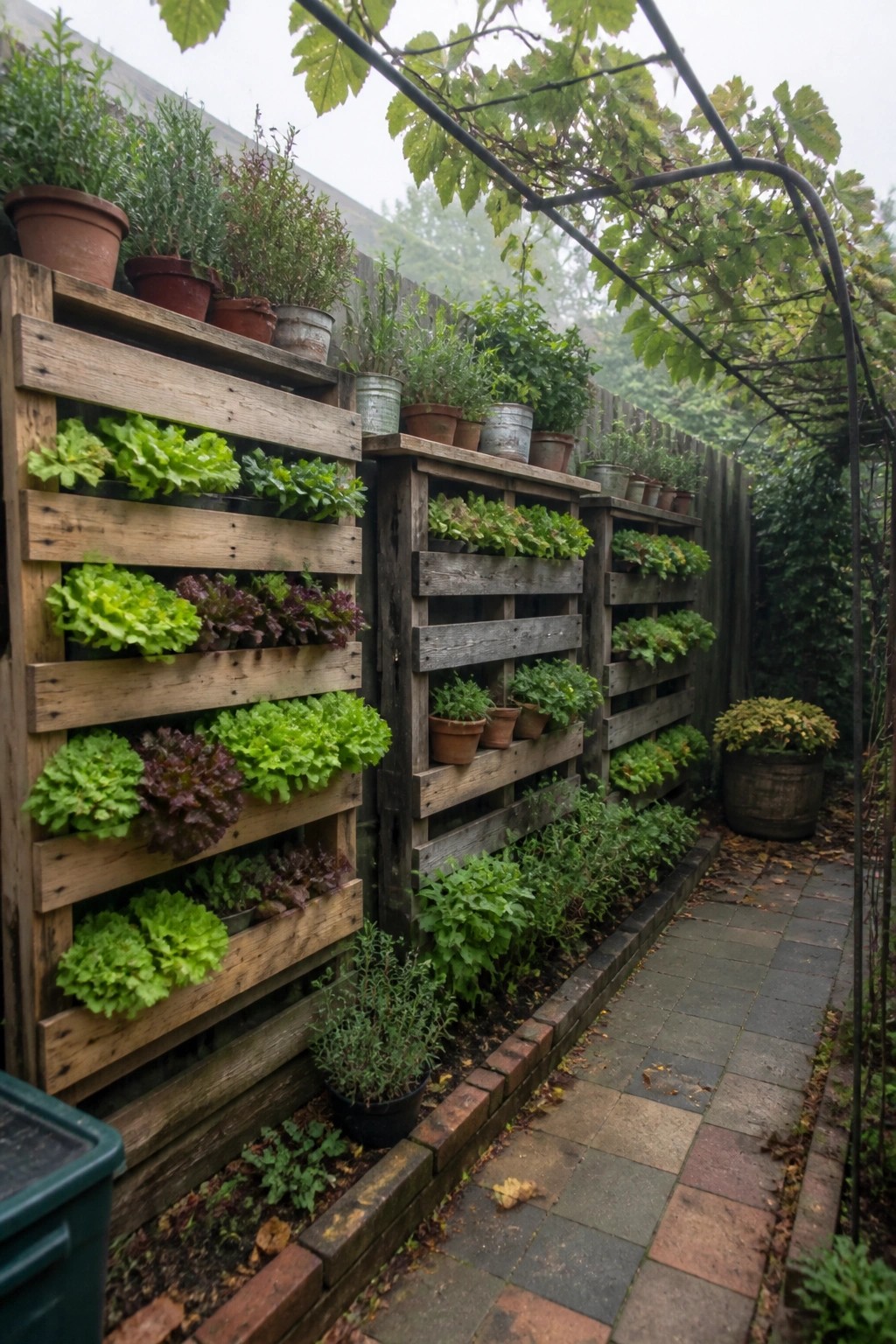
Many gardeners use old pallets to build tall growing walls when flat space is tight. The stacked wood creates multiple planting levels that hold soil and plants upright, so you can grow a lot of vegetables without spreading out across the ground.
This approach works best along fences or narrow side yards where a regular bed would feel too wide. Secure the pallets well and add a liner so the wood lasts and the soil stays contained.
Raised Beds From Pallets
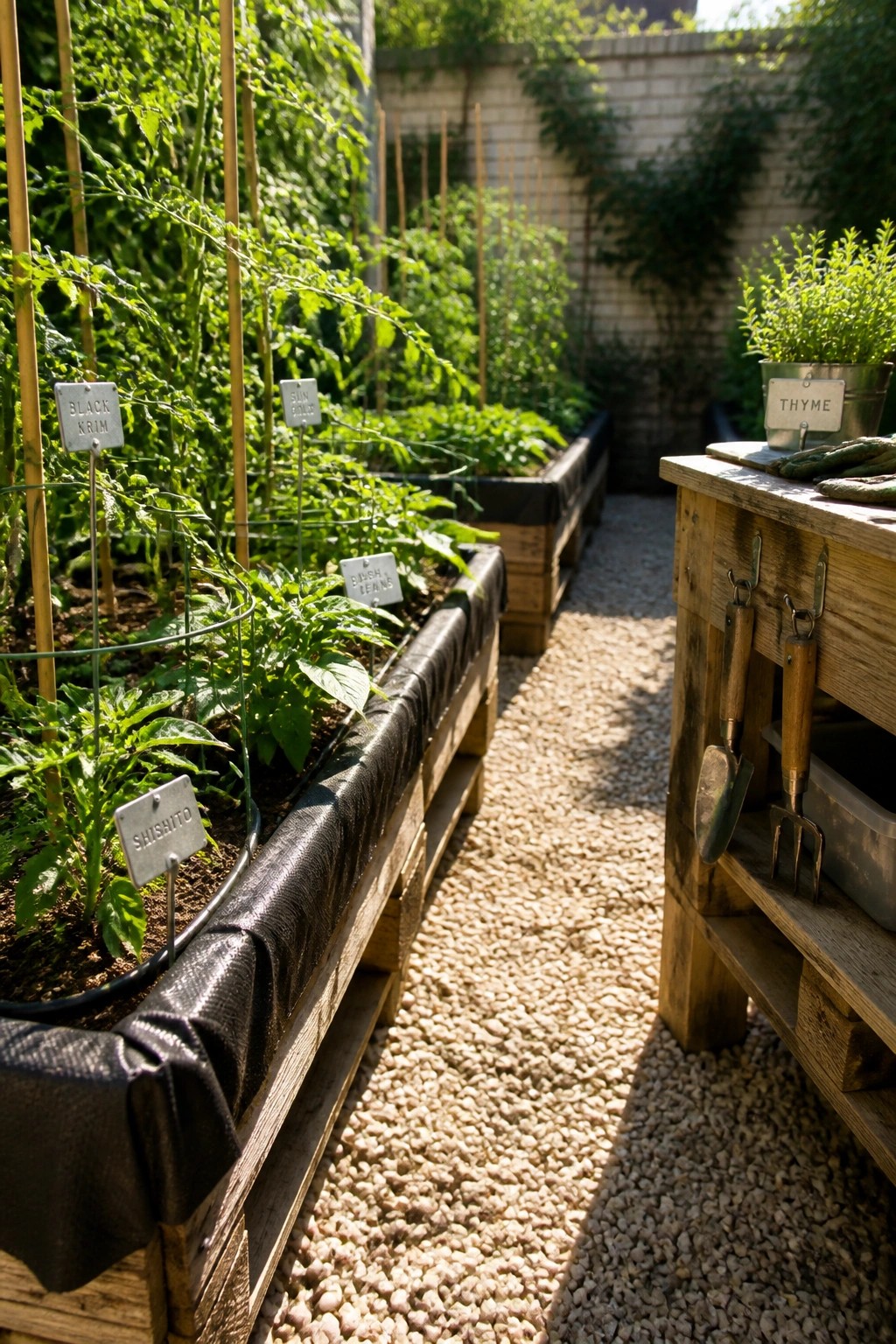
Pallet raised beds give you a straightforward way to grow vegetables in a small space. They hold the soil in place, make weeding easier, and let you fit more plants into a narrow area without digging up the whole yard.
This approach works well along a gravel path or in a tight side garden. Use landscape fabric inside each bed to keep the soil from spilling out, and leave enough room between the beds for walking and reaching the plants.
Raised Beds Along A Narrow Path
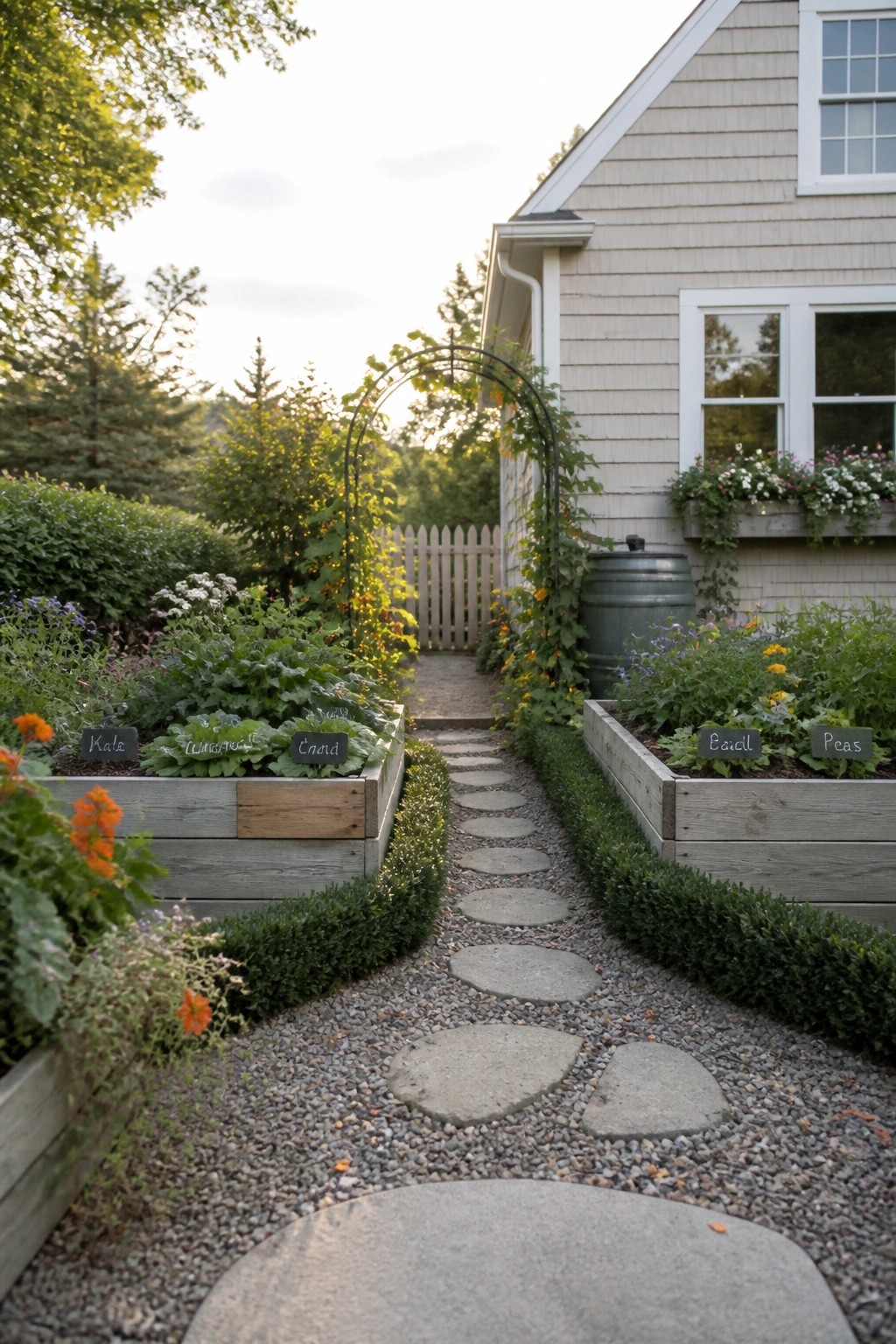
Placing raised beds on both sides of a stepping stone path keeps a small vegetable garden easy to reach and maintain. The wood frames hold the soil neatly while the gravel and stones create a simple walkway that does not take up much room. This setup works especially well when space is tight but you still want several crops growing at once.
It suits side yards or areas between a house and fence where a straight line of beds can fit without crowding the rest of the yard. Use untreated wood for the frames and keep the path clear so you can water and harvest without stepping on the plants.
Pallet Raised Beds With Stone Edging
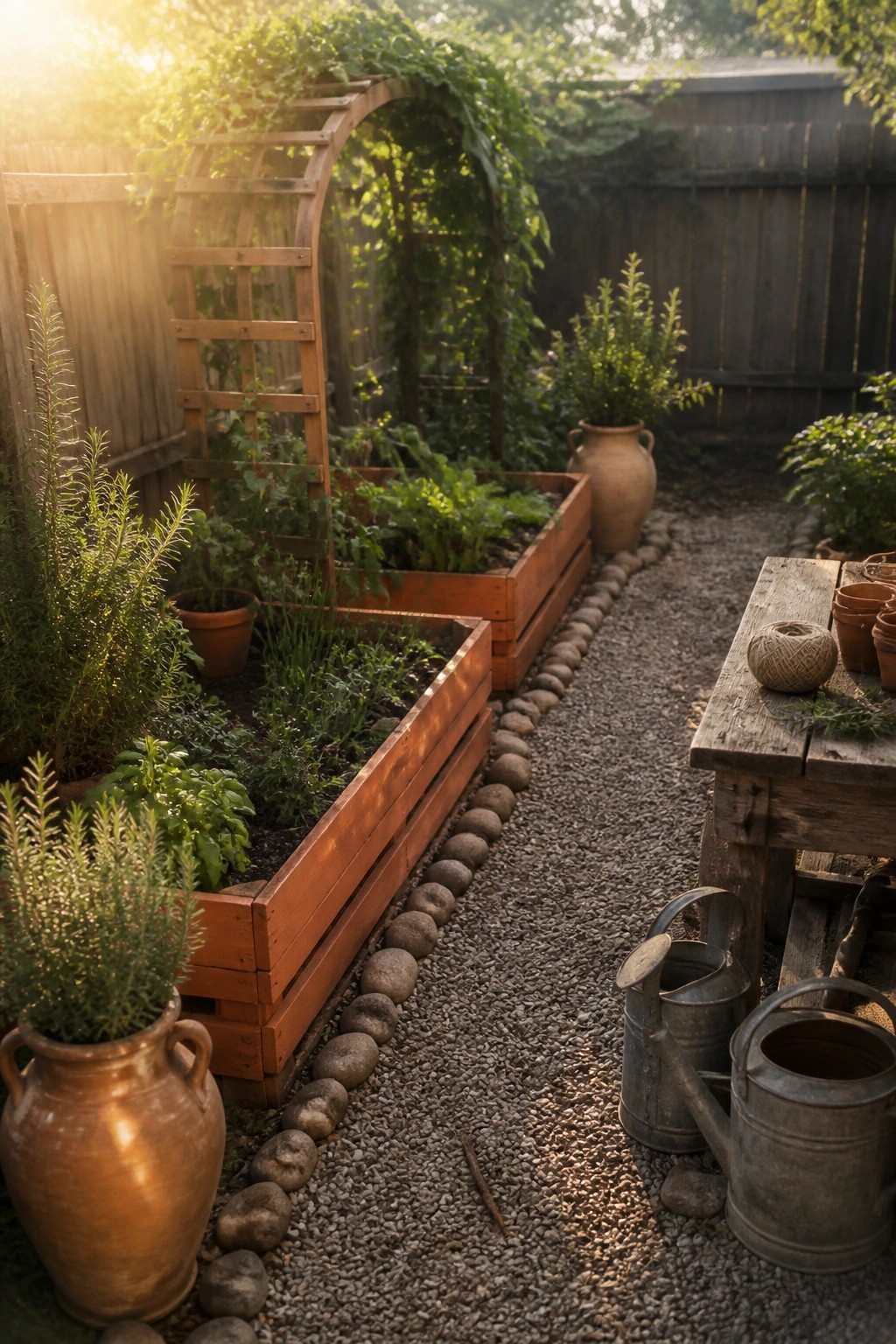
Raised beds made from pallet wood give you a simple way to grow vegetables in a small space. The wood keeps the soil in place and lifts the plants up so you can reach them without bending too much or compacting the ground.
This layout works best in compact yards where you need clear walking space. Lay down gravel for the path and line the beds with stones to hold everything in place and cut down on weeds.
Pallet Raised Beds For Compact Gardens
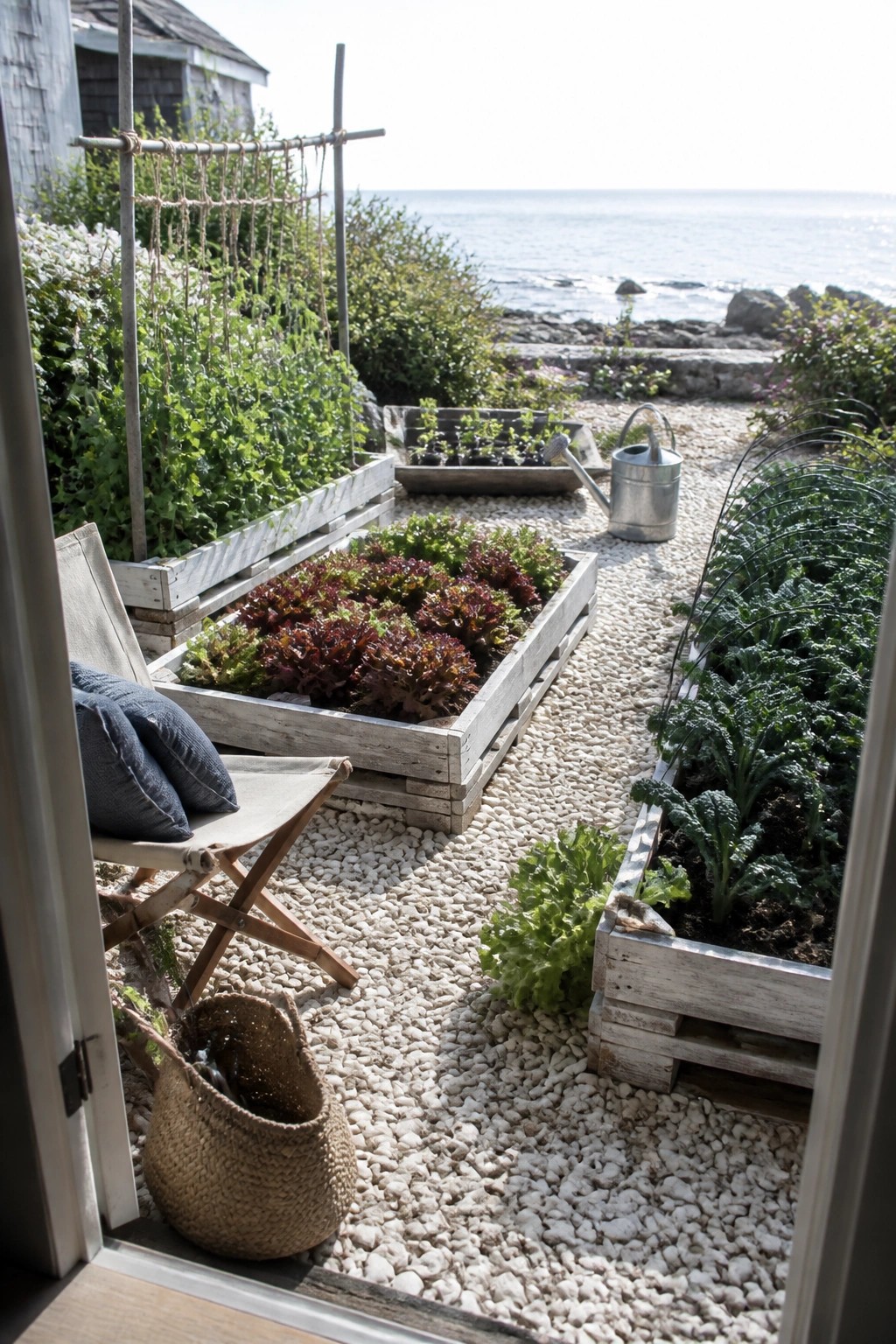
Pallet raised beds give you a simple way to grow vegetables without needing much ground space. They lift the soil up so it drains better and stays warmer, which helps plants like lettuce and kale get going faster. Many people like them because the wood is easy to find and already comes in a ready-made box shape.
These beds work best on flat gravel or dirt areas where you can line up a few in a row. Keep the wood untreated if you want to avoid chemicals near food plants, and set them on a weed barrier so grass does not creep in from below. They suit small yards, side gardens, or even a corner near the house where a regular in-ground bed would not fit.
Raised Beds Made From Pallets
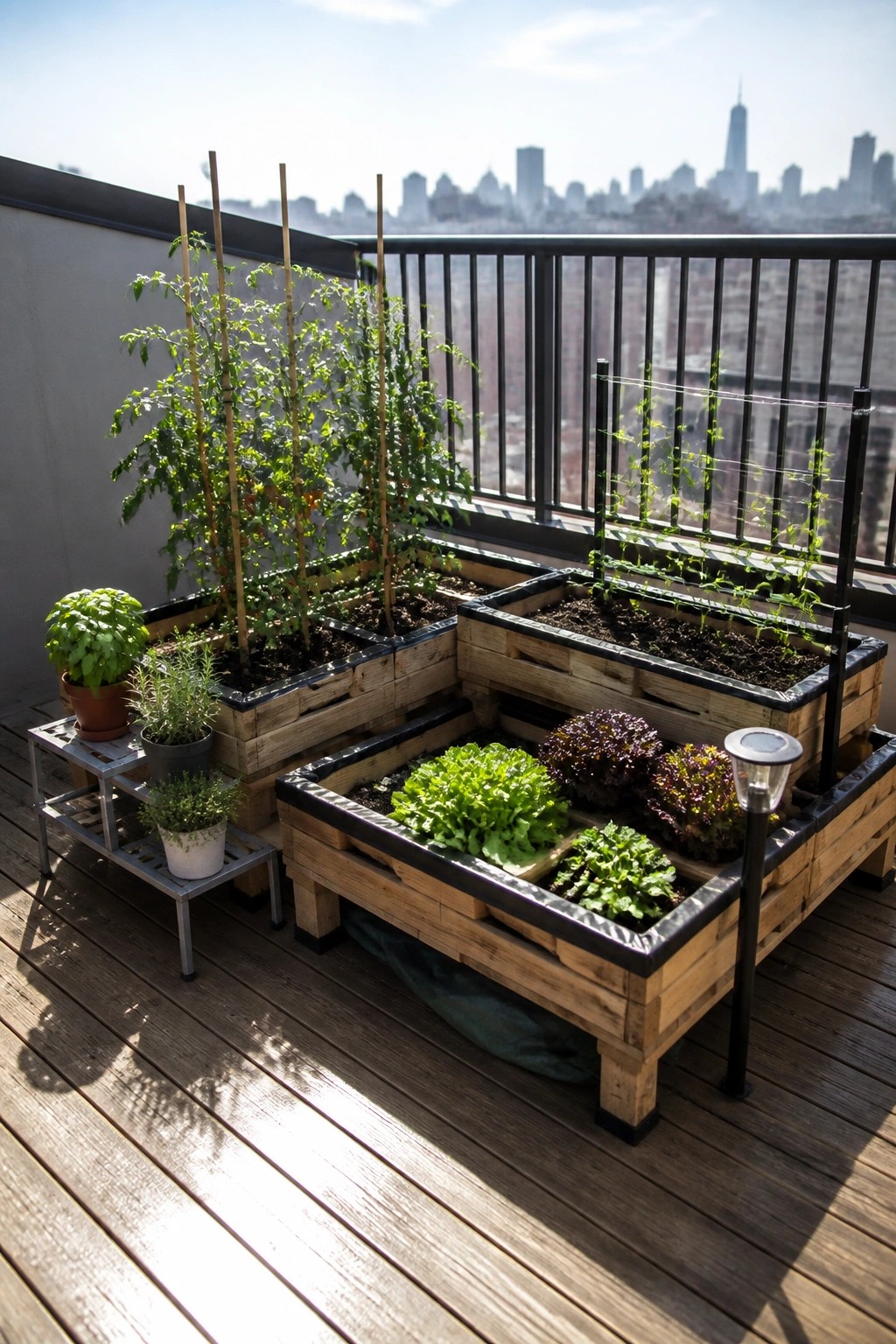
Pallet raised beds give you a simple way to grow vegetables without needing much ground space. The wood frames hold soil at a workable height and fit together in different shapes, which works especially well when you only have a deck or balcony to work with.
They suit small urban yards or apartment outdoor areas where a traditional garden is not possible. Just check that the pallets are untreated and line the inside so the soil stays contained and the wood lasts longer.
Raised Beds Along Narrow Garden Paths
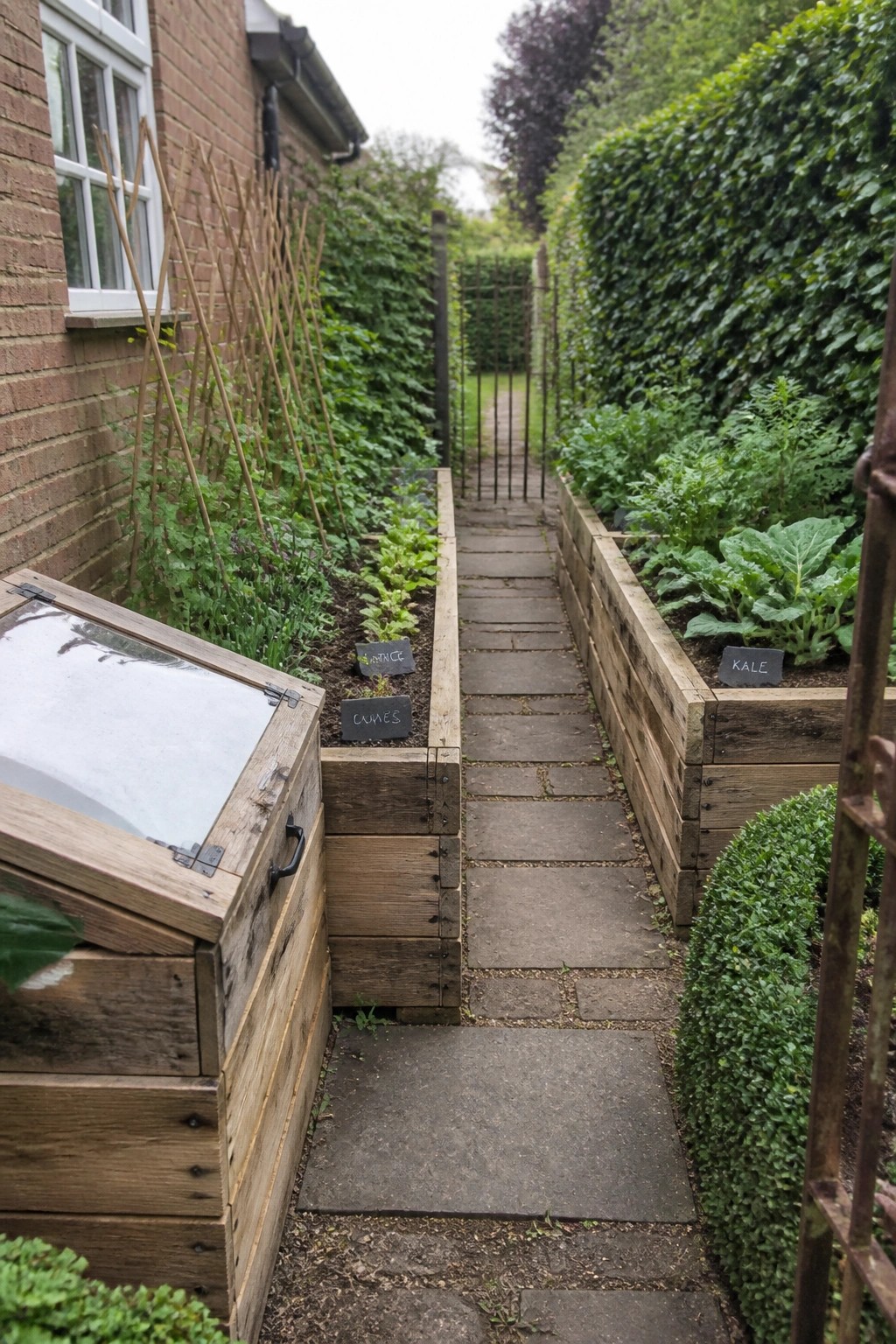
Many small yards have a slim strip of ground next to a path that gets wasted because regular beds would block the way. Raised beds fix this by keeping the soil contained and letting you grow vegetables right up against the walkway without spreading into the walking area.
Build them from pallet wood or similar lumber so they fit the exact length of your path. This works best in side yards or tight urban spaces where you still want a productive garden. Keep the beds narrow enough to reach across from one side.
Pallet Raised Beds With A Hinged Lid
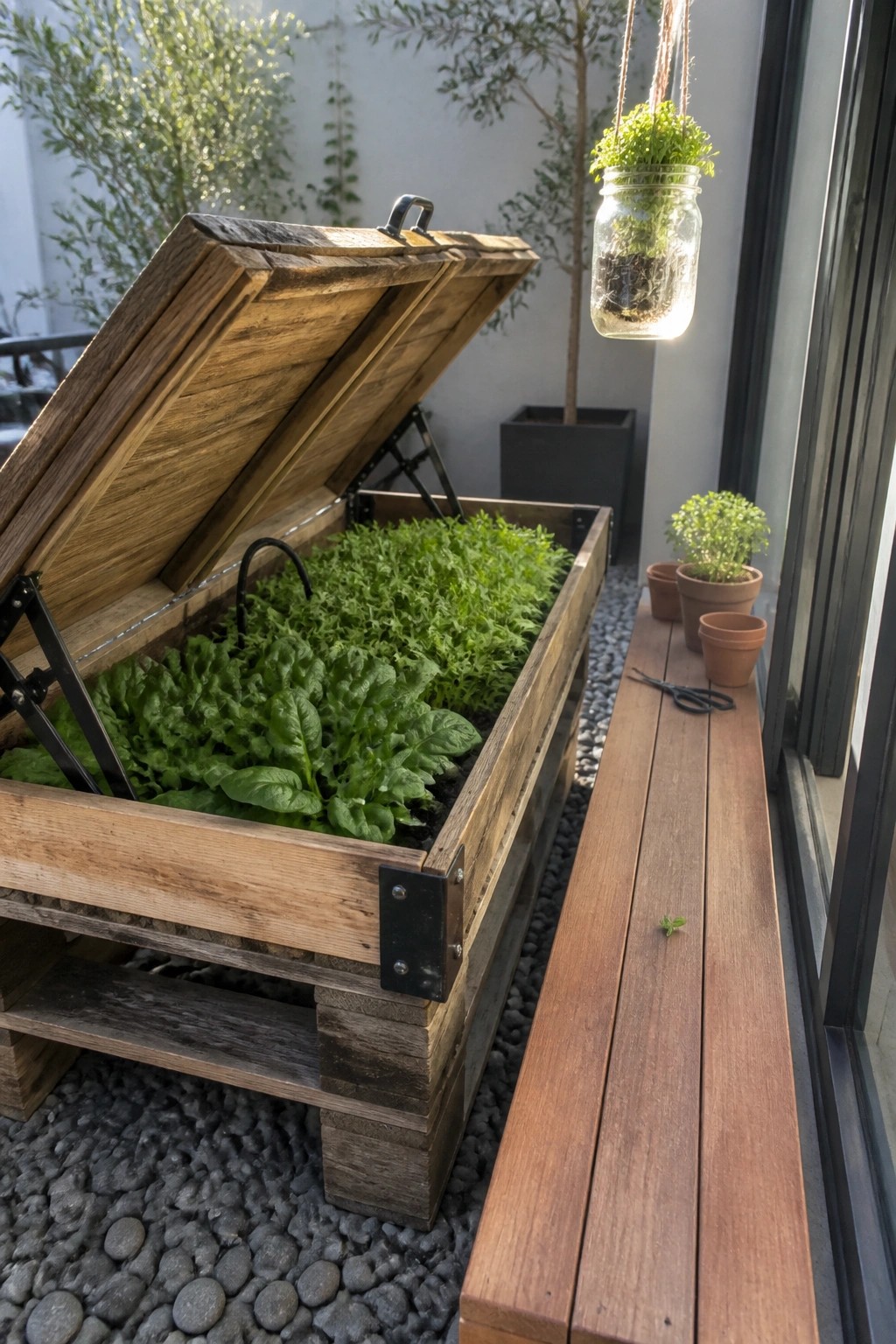
Many gardeners like using pallets because they already come in a sturdy box shape that works well for raised beds. Adding a hinged lid gives the bed a simple cover that can protect young plants from weather or curious animals.
This style fits small patios or side yards where space is tight and the bed needs to stay neat. Build the lid from the same pallet wood and add basic hinges so it lifts easily when you need to work inside.
Raised Beds With Trellis Supports
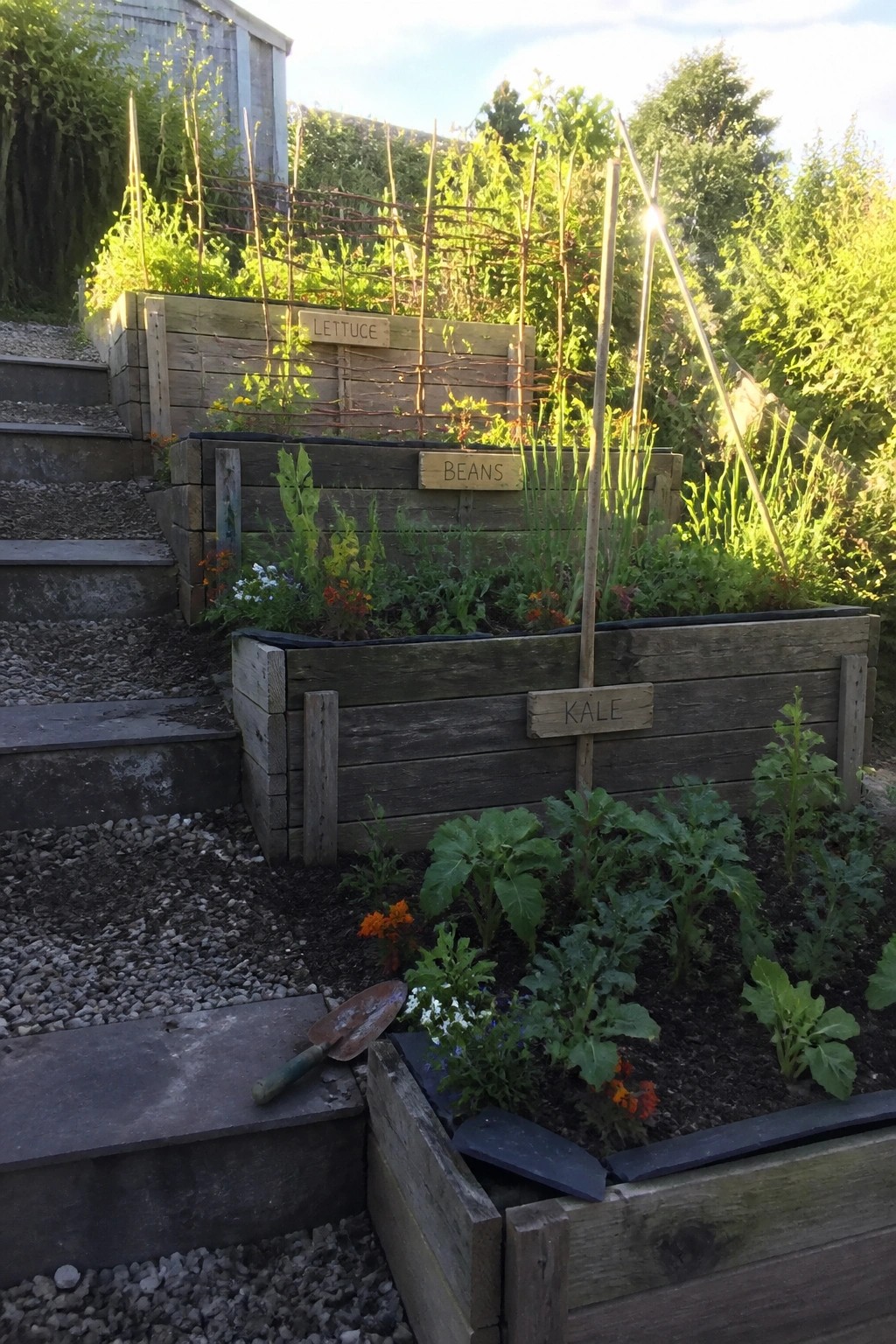
Adding a simple trellis to a raised bed makes it easier to grow climbing vegetables in a small space. The upright supports keep plants off the ground, improve airflow, and let you fit more crops into the same footprint.
This setup works best on slopes or tight corners where flat garden space is limited. Use straight branches or poles that you already have, and tie them loosely so they can be adjusted as the plants grow.
Pallet Raised Beds On Wheels
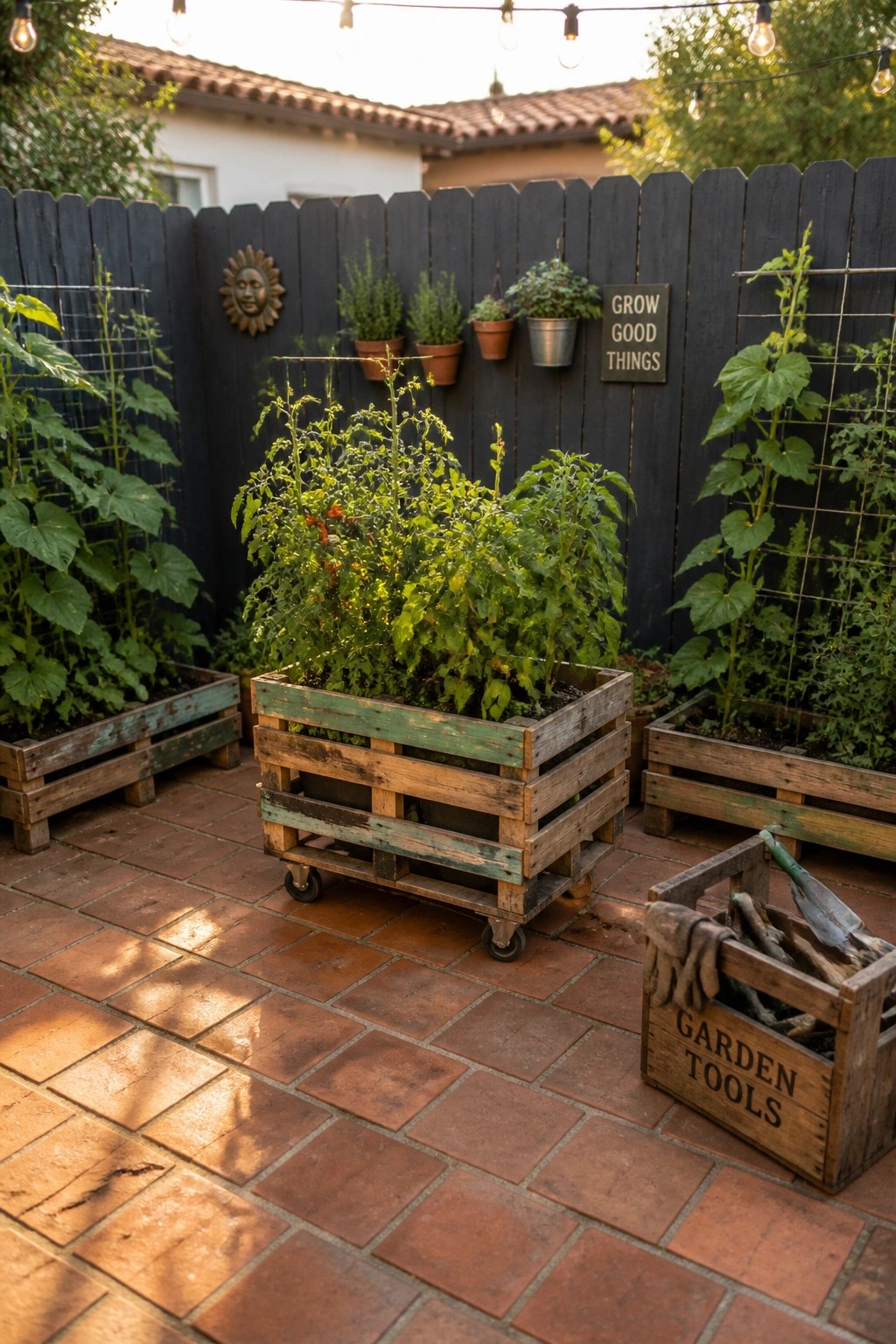
Building raised beds from old pallets and adding wheels underneath makes it easy to shift plants around a small patio or courtyard. You can roll them into better sun or pull them closer when harvesting without much effort.
These suit compact spaces with hard surfaces like brick or pavers where permanent beds would not fit. Line the inside well and choose food-safe pallets so the vegetables stay safe to eat.
Pallet Raised Beds Along Narrow Strips
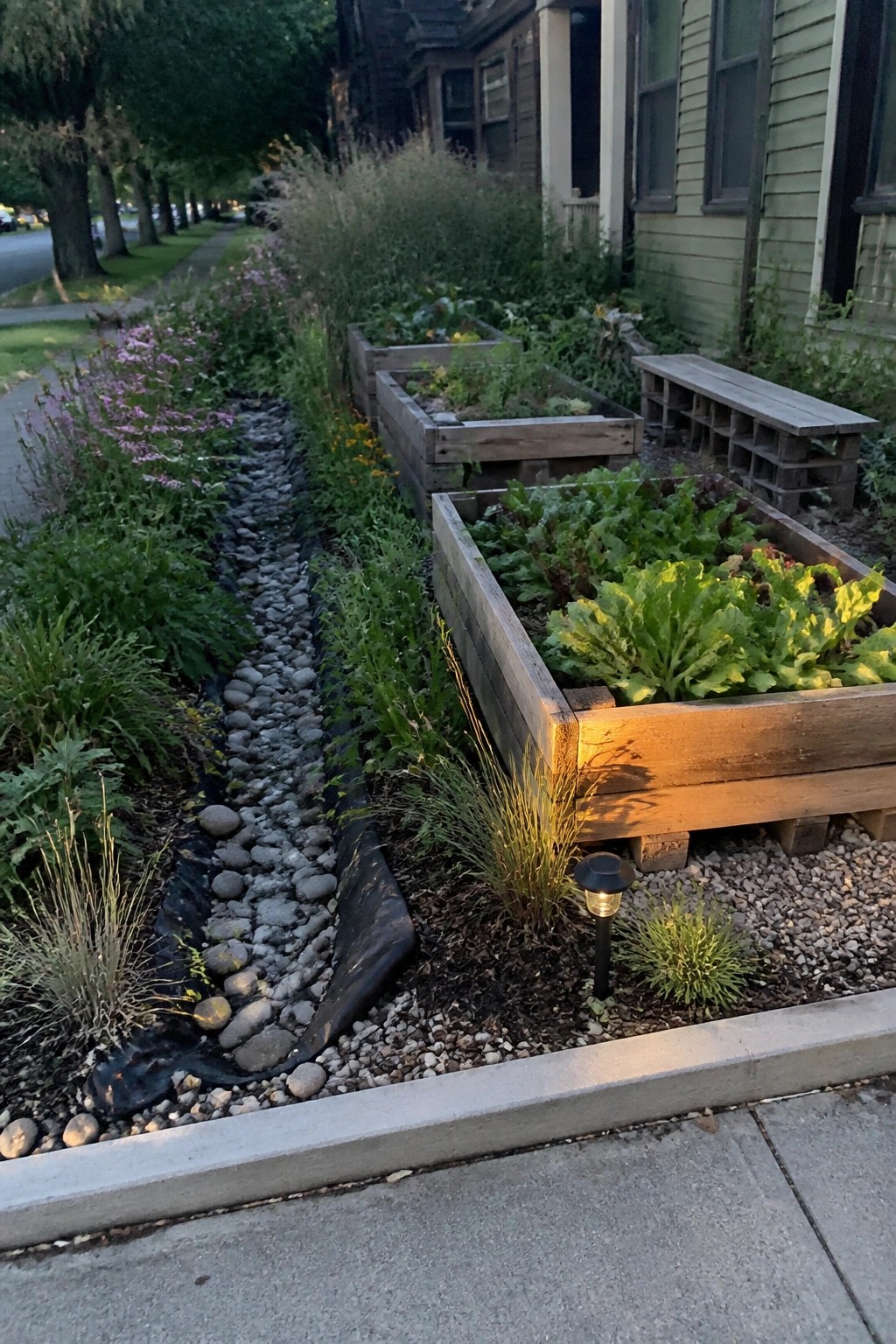
Many gardeners use old pallets to build raised beds when space is tight. The wooden boxes sit right beside a gravel path, which keeps the soil contained and makes weeding easier in a long, narrow area.
This approach works best along sidewalks or the side of a house where the planting strip is too small for in-ground beds. Check that the pallets have not been treated with harmful chemicals before planting anything you plan to eat.
Pallet Raised Beds For Small Gardens
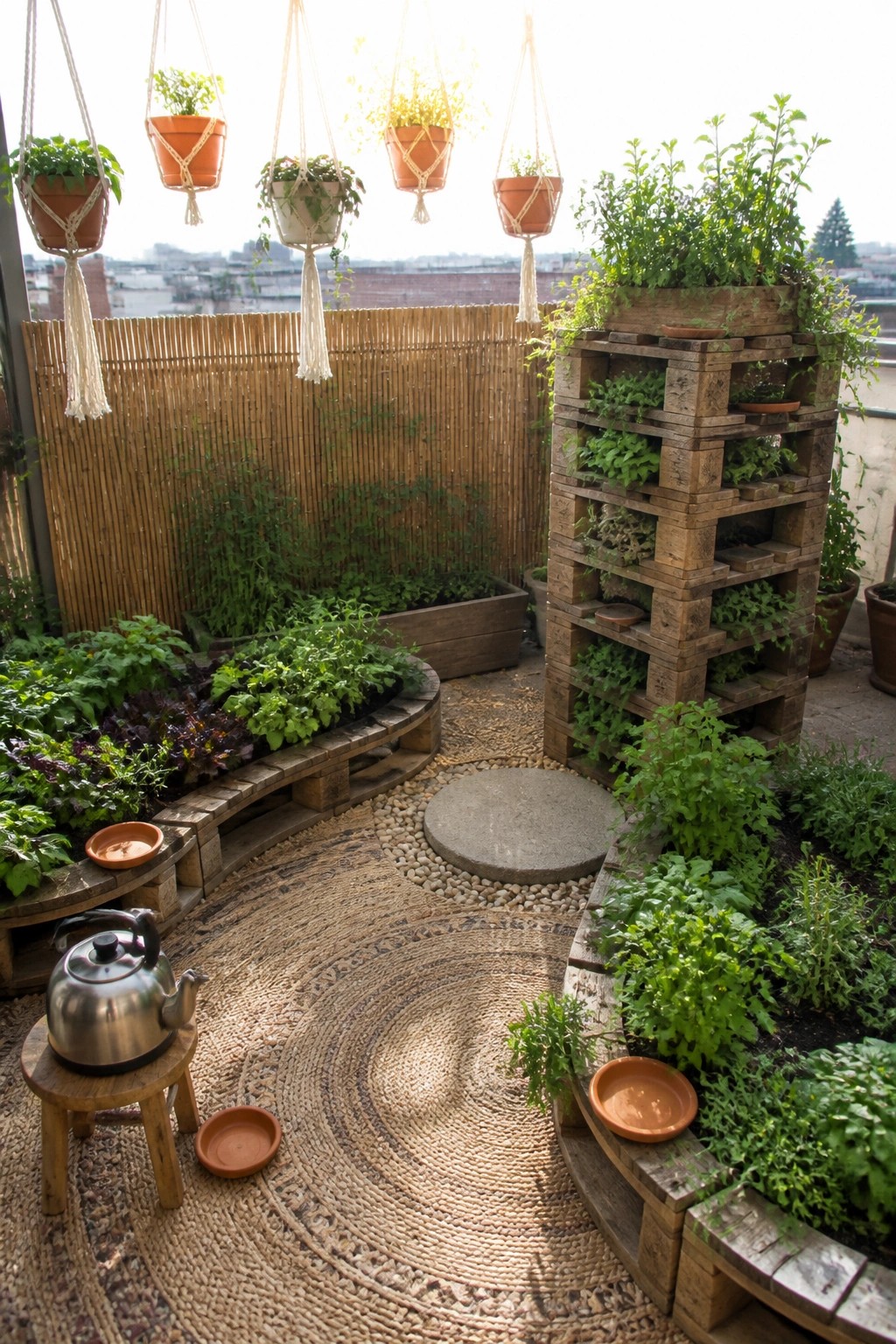
Pallets make simple raised beds that fit into tight outdoor spots without much cost. They can be laid flat for low borders or stacked higher for more planting room, and the wood already has the right shape for holding soil in place.
Place them to leave a clear path through the middle so you can reach everything easily. This works best in small yards or rooftop spaces where you need to grow vegetables but still want room to walk around and water the plants.
Vertical Pallet Beds For Compact Gardens
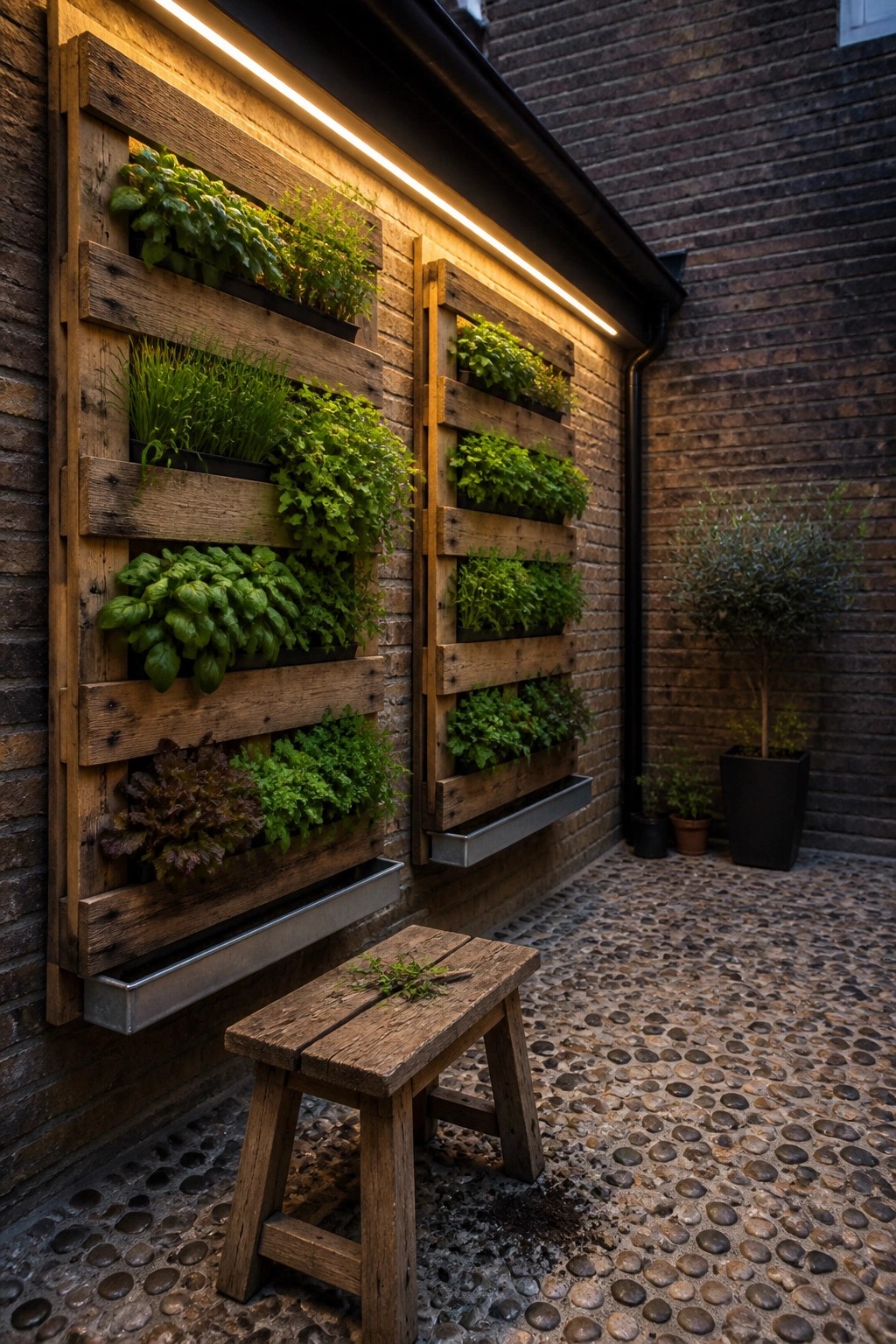
Mounting pallets upright against a wall turns a narrow strip of space into a productive growing area. The stacked rows hold soil in place while letting plants spill forward, so you can fit more varieties without taking over the ground. This approach stands out because it keeps everything at a reachable height and leaves the floor clear for walking or seating.
It works best in courtyards, side yards, or along house walls where floor space is tight. Use food-grade pallets, add a liner, and attach the frames securely so the weight of wet soil does not pull them loose. A simple bottom trough catches extra water and keeps the area tidy.
Pallet Raised Beds Suit Small Yards
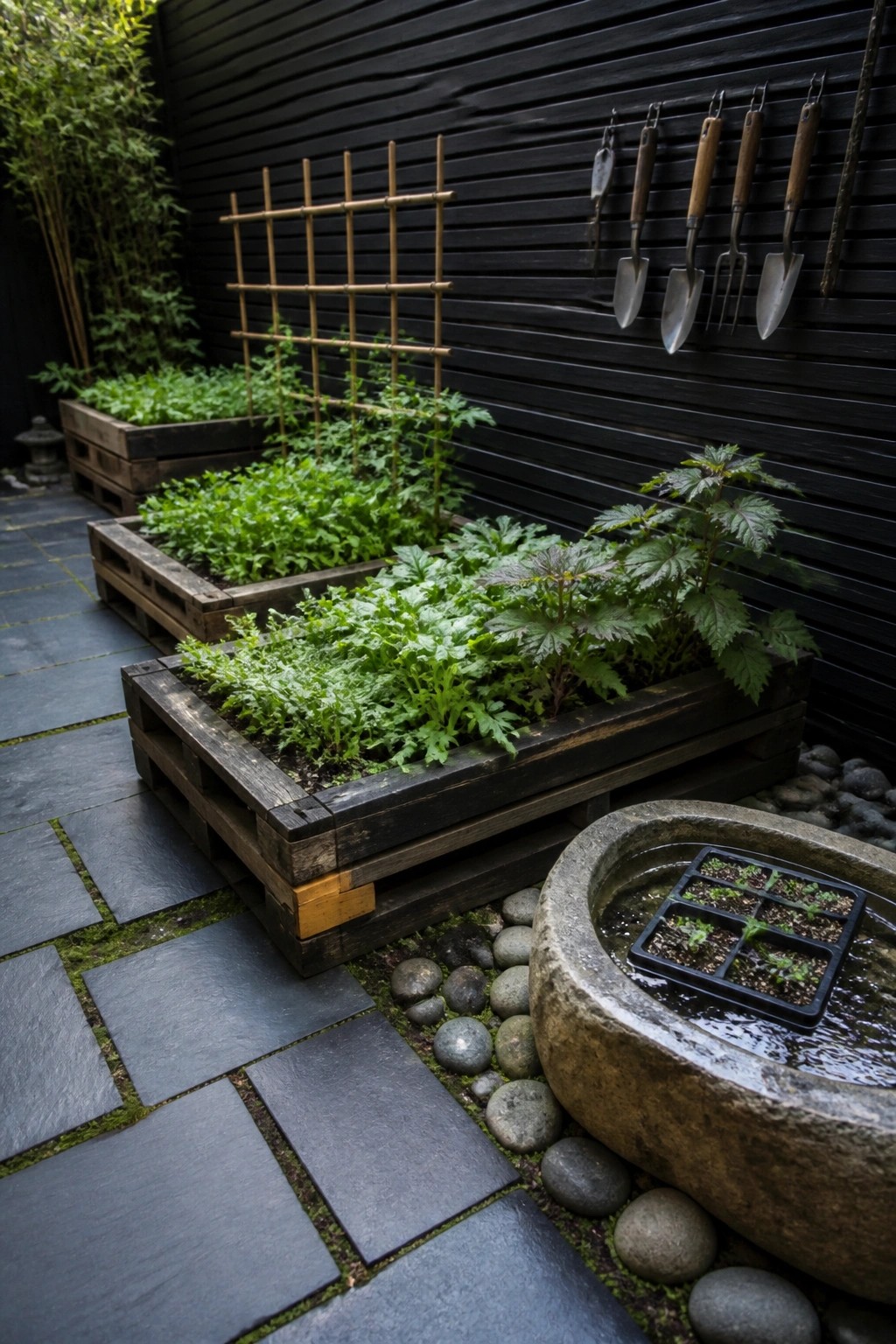
Raised beds made from pallets give you a simple way to grow vegetables even when space is tight. The wood frames hold soil in place and keep plants off the ground, which helps with drainage and makes weeding easier. Many people like how the structure also creates a clear growing area against a fence or wall.
This setup works best in urban yards or narrow side gardens where every foot counts. You can stack or arrange the pallets to match the space you have, and the open design lets you add trellises for climbing plants if needed. Just check that the wood has not been treated with chemicals before you plant anything edible.
Painting Raised Beds In Bright Colors
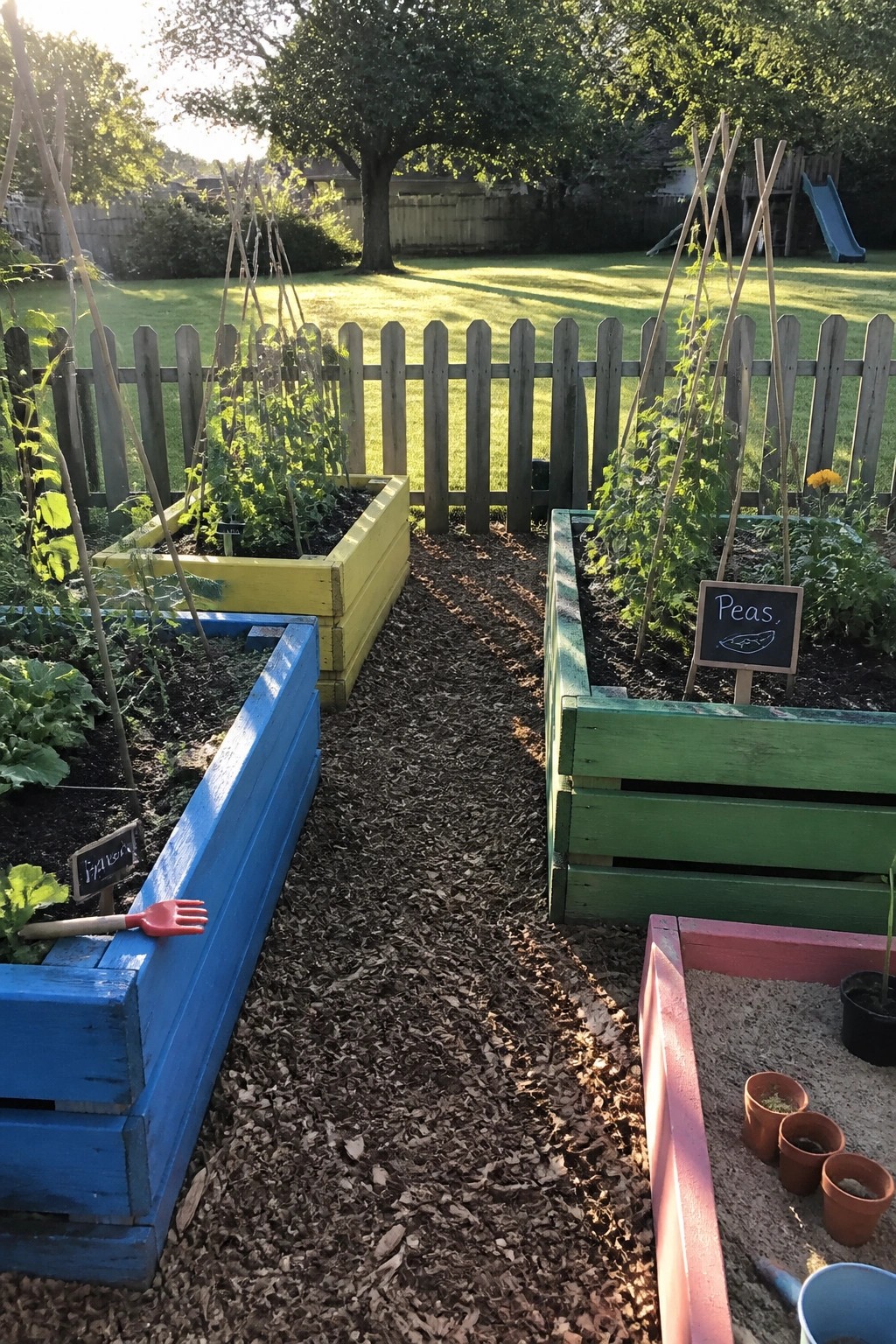
Many people paint their raised beds in different colors to keep the garden looking cheerful and to make it easier to tell one bed from another. The bright shades also help the beds stand out against the mulch and grass so the layout feels more intentional.
This approach works well in smaller yards where you want several beds without the space looking cluttered. Choose a few main colors, add simple plant labels, and use basic wood supports for climbing vegetables. It suits any home with a sunny patch of lawn and keeps the focus on growing food rather than fancy design.
Stacked Pallets Create Vertical Garden Space
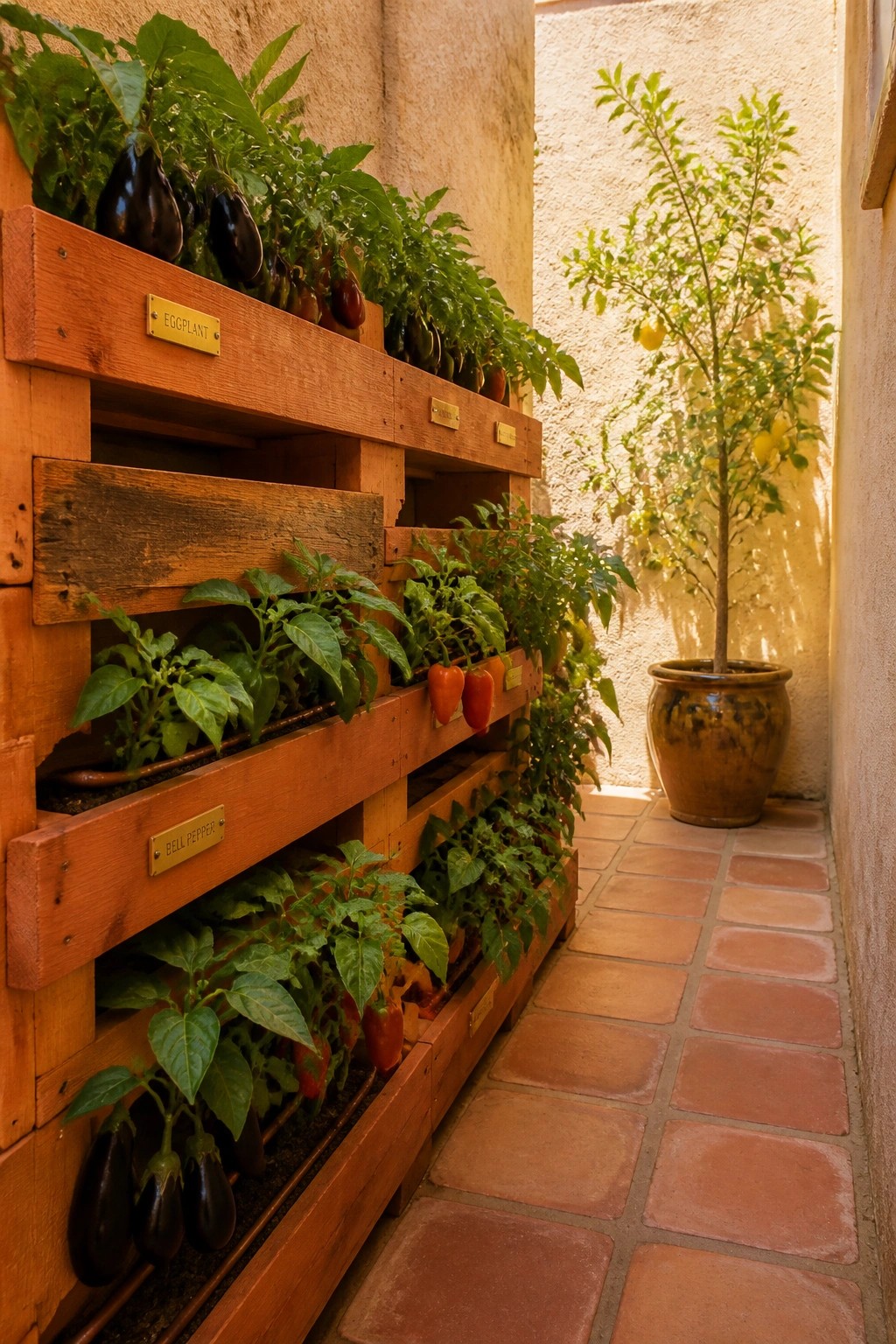
Turning old pallets into stacked raised beds gives you room for several crops without spreading out across the ground. The setup works especially well along a wall or fence where floor space is tight but height is available.
It suits small yards, side passages, or patios where a traditional bed would not fit. Use food-safe wood, line the inside, and add simple labels so you can keep track of what is growing at each level.
Pallet Raised Beds With Stone Borders
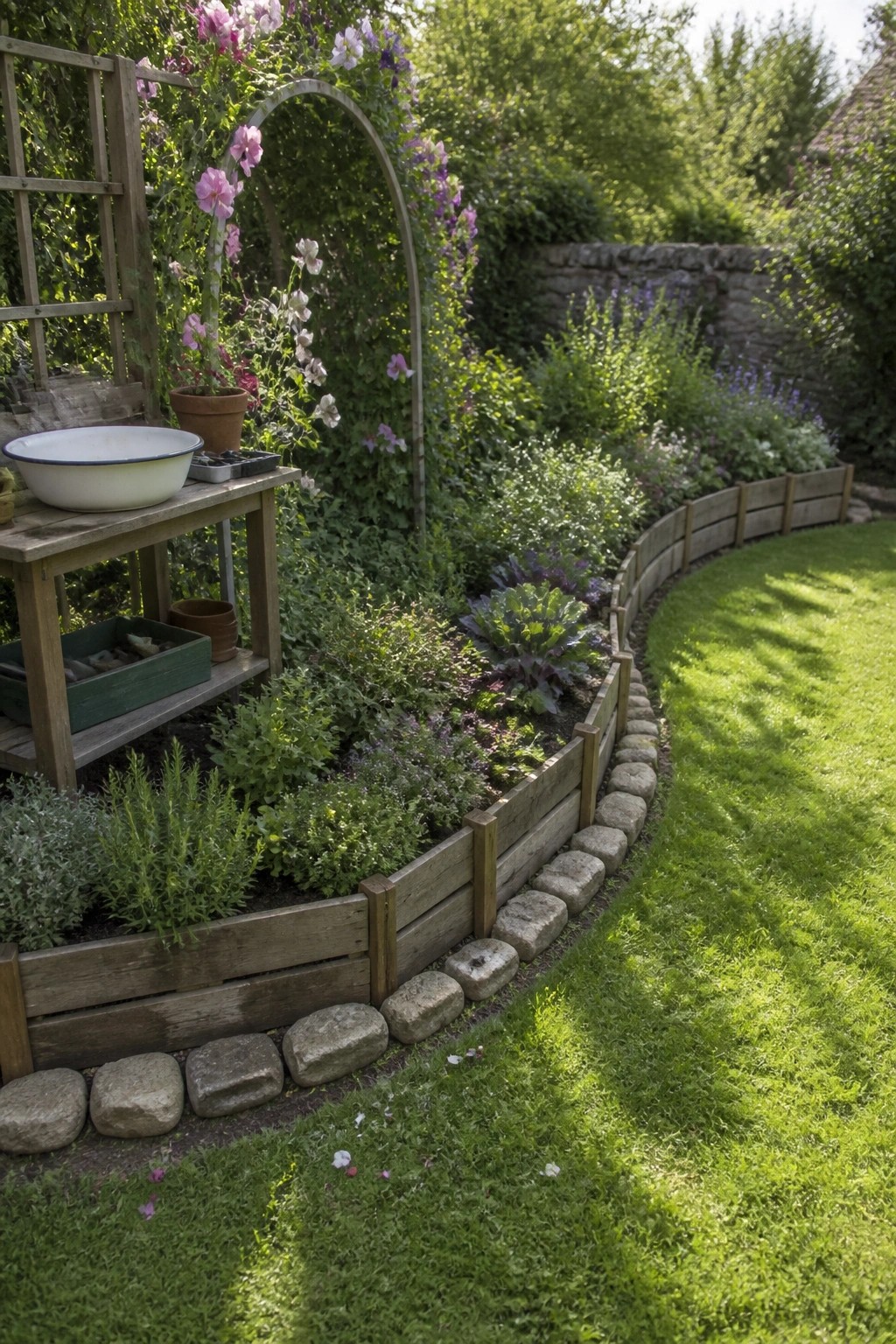
Raised beds built from old pallets work well because the wood holds the soil in place and keeps the planting area neat without much cost. Adding a row of stones along the front edge gives extra stability and stops grass from creeping in, which makes the whole bed easier to maintain over time.
This setup fits best in smaller yards where space is tight and you want quick access for weeding or harvesting. Keep the beds narrow enough to reach across and place them where the lawn already curves so the layout feels natural instead of forced.
Frequently Asked Questions
Q: How do I check if pallets are safe before building with them?
A: Look for the IPPC stamp and pick ones marked HT for heat treated. Skip any with MB since that means they got chemical treatment. Give the wood a solid scrub with plain soap and water before you start cutting.
Q: What’s a simple way to stop soil from leaking through the gaps?
A: Staple landscape fabric along the inside walls. It lets water drain while keeping the dirt where it belongs. Trim it tight so nothing shifts around when you fill the bed.
Q: Which vegetables grow best in these compact setups?
A: Leafy greens like lettuce and spinach thrive here since their roots stay shallow. Tuck radishes or a few herbs along the edges for extra harvests without crowding. Water them evenly and they fill out fast in the limited space.
