

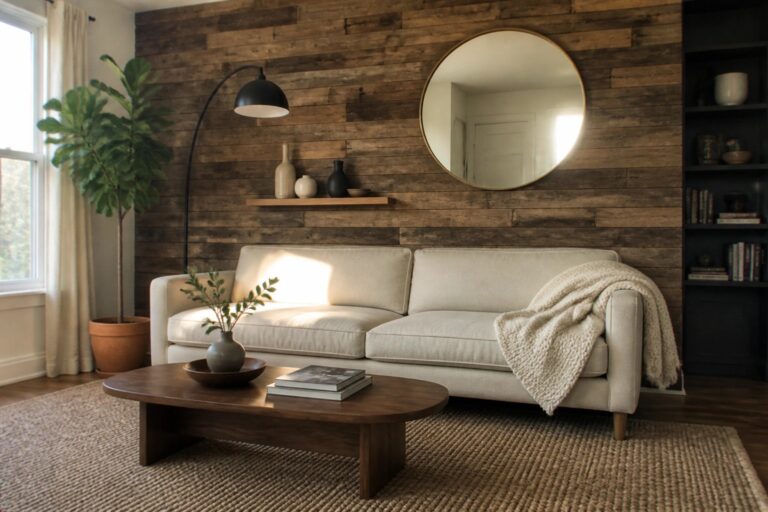
Living rooms tend to feel more pulled together when one wall gets a bit of texture that contrasts with the rest of the space.
Using pallet wood for that accent can add warmth without overwhelming the room if the pieces are arranged thoughtfully.
Not every pallet idea translates well once you live with it.
I usually test a small section first to see how the light hits the wood grain throughout the day before committing to the full wall.
Some of these approaches work better in homes where the seating faces that direction, which changes how the texture reads from across the room.
Reclaimed Wood Accent Walls
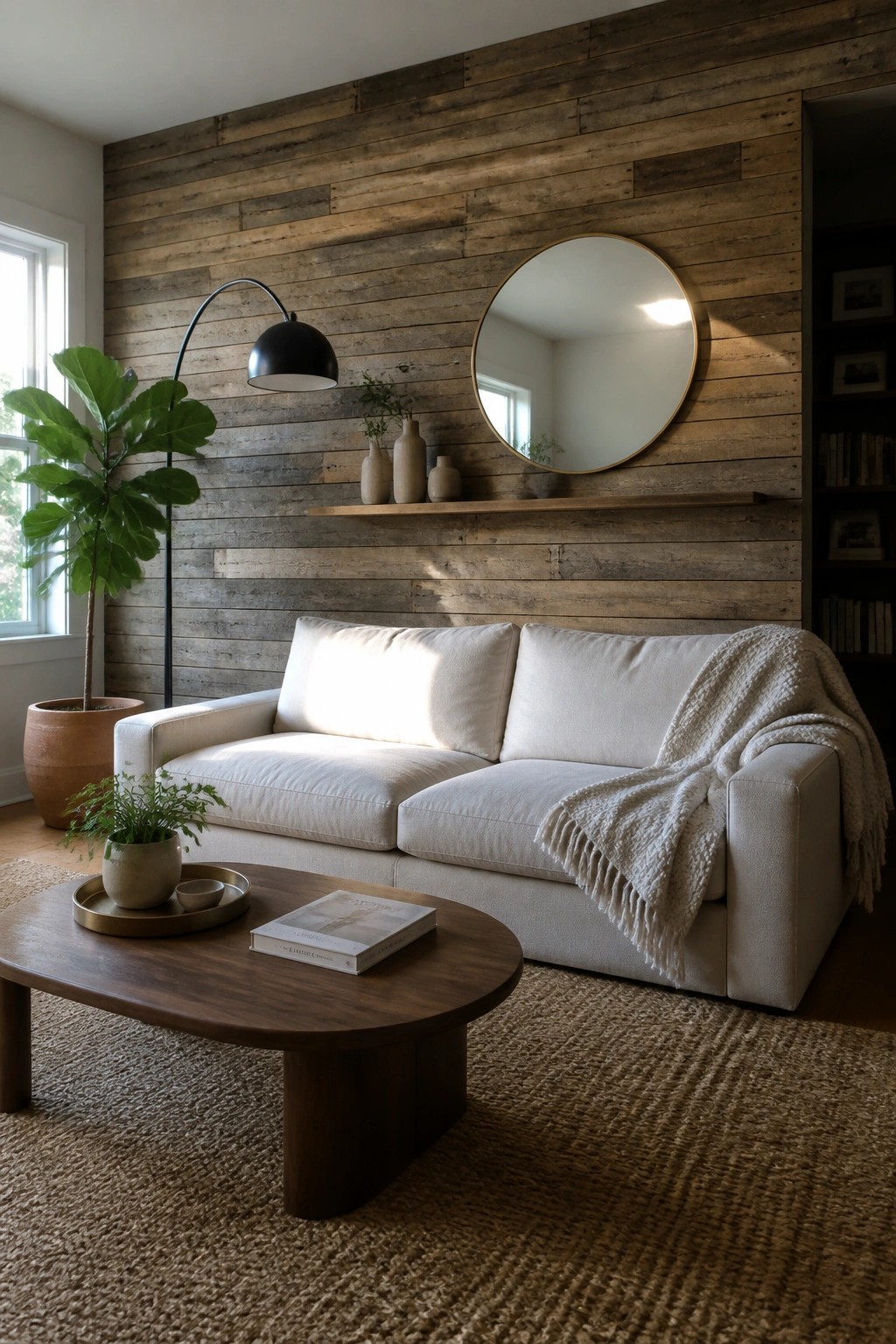
A pallet wood accent wall adds natural texture to a living room in a way that feels simple and grounded. It works well behind a sofa because the varied tones of the wood catch light and keep the space from feeling flat.
This idea fits best in homes that already lean modern or transitional. Keep the surrounding furniture neutral and low so the wall can stand out without competing.
Vertical Wood Slat Walls With Top Lighting
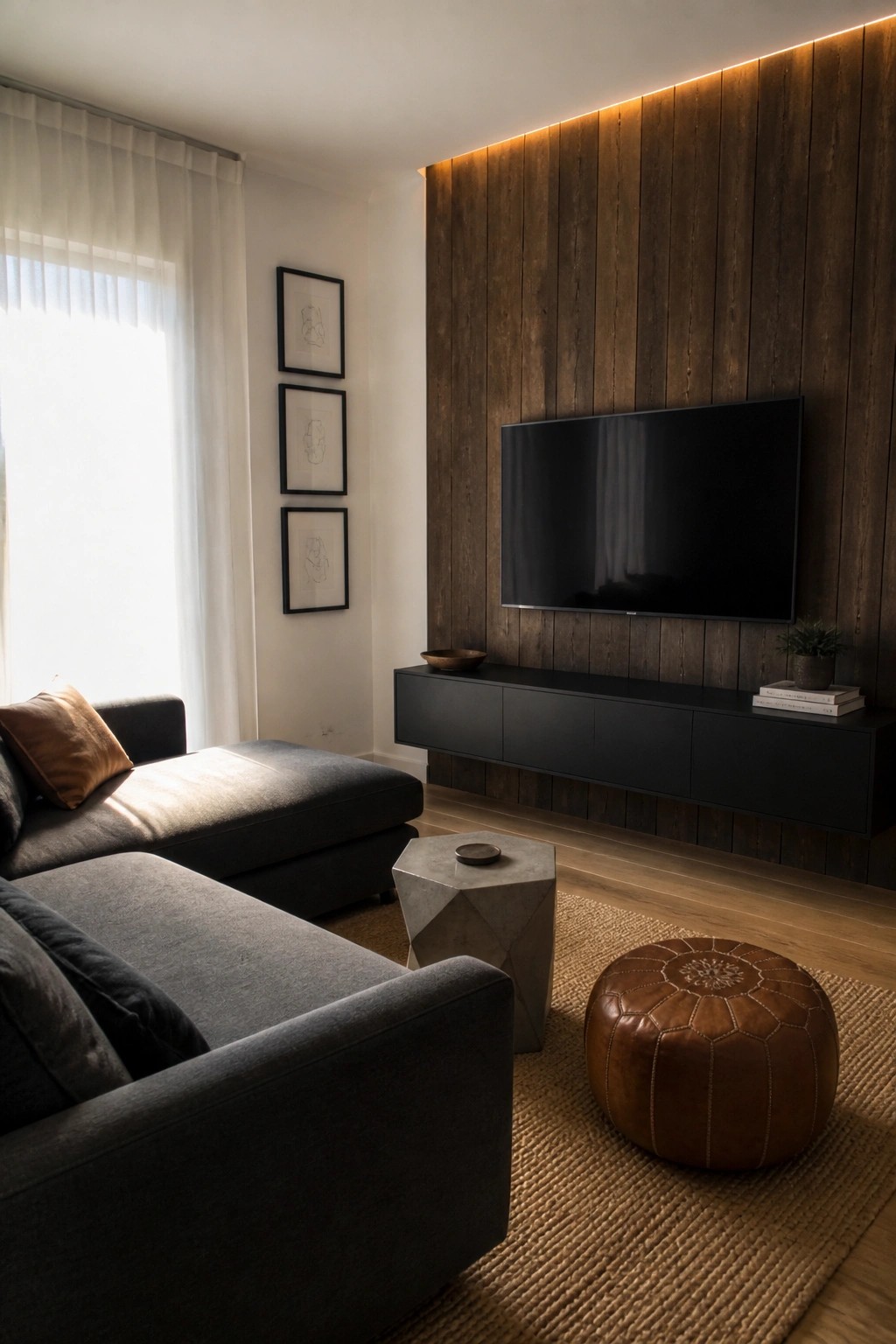
A vertical wood slat wall works well as a TV accent because it brings in natural texture and warmth without needing a lot of extra pieces. The soft light running along the top edge helps the wood grain stand out and keeps the area from feeling flat, especially in the evening.
This approach suits living rooms where the TV is the main focal point. It works best in spaces with neutral furniture and wood floors, since the dark planks already add enough contrast. Keep the rest of the wall treatment simple so the wood stays the star.
Herringbone Pallet Walls
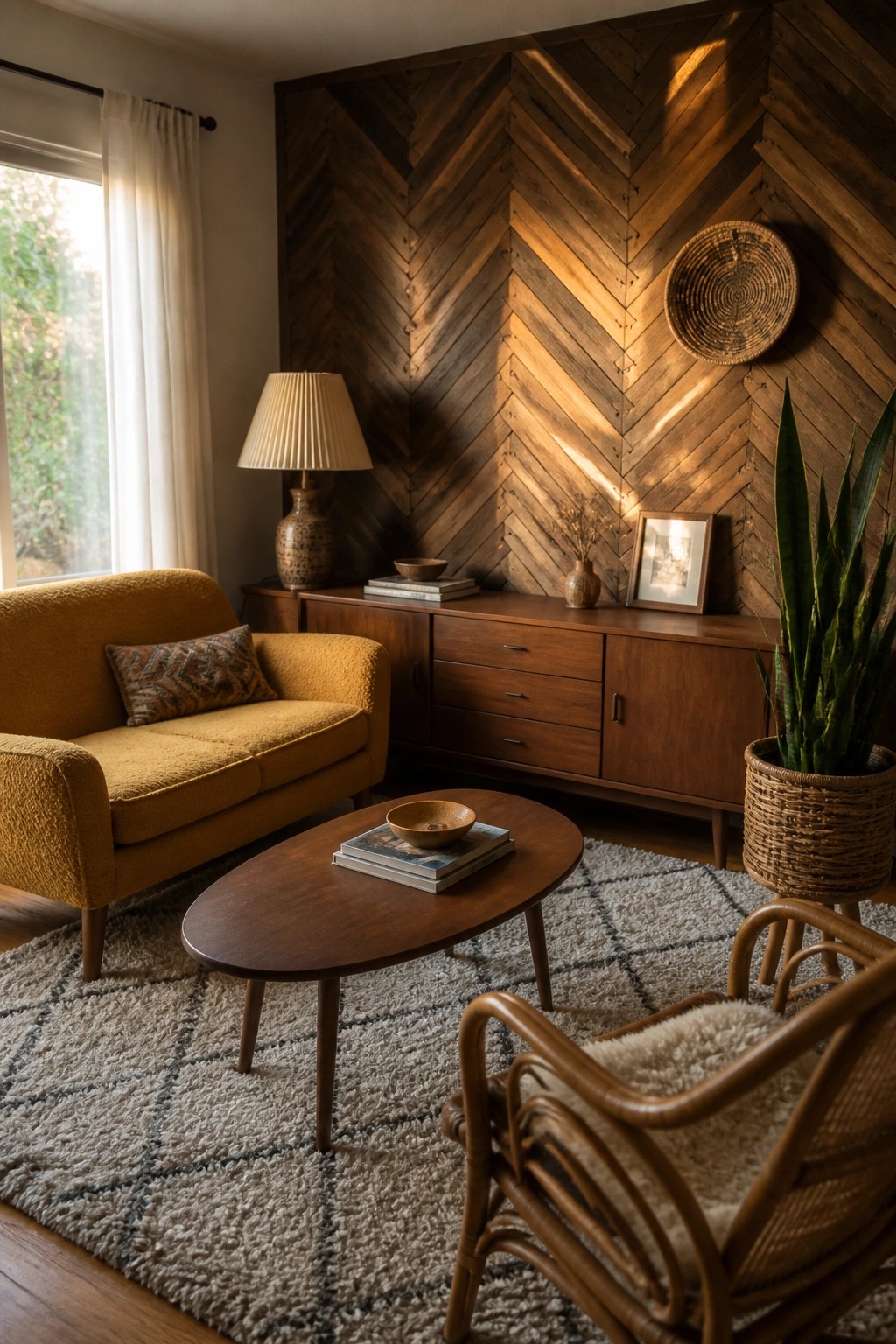
A herringbone wood wall adds texture and warmth that feels substantial without taking over the whole room. The pattern gives the surface movement while the reclaimed boards keep the look grounded and simple.
This works best in living rooms that need one strong focal point. Keep the rest of the space light with softer seating and fewer patterns so the wall stays the main feature.
Pallet Wood Accent Walls In Living Rooms
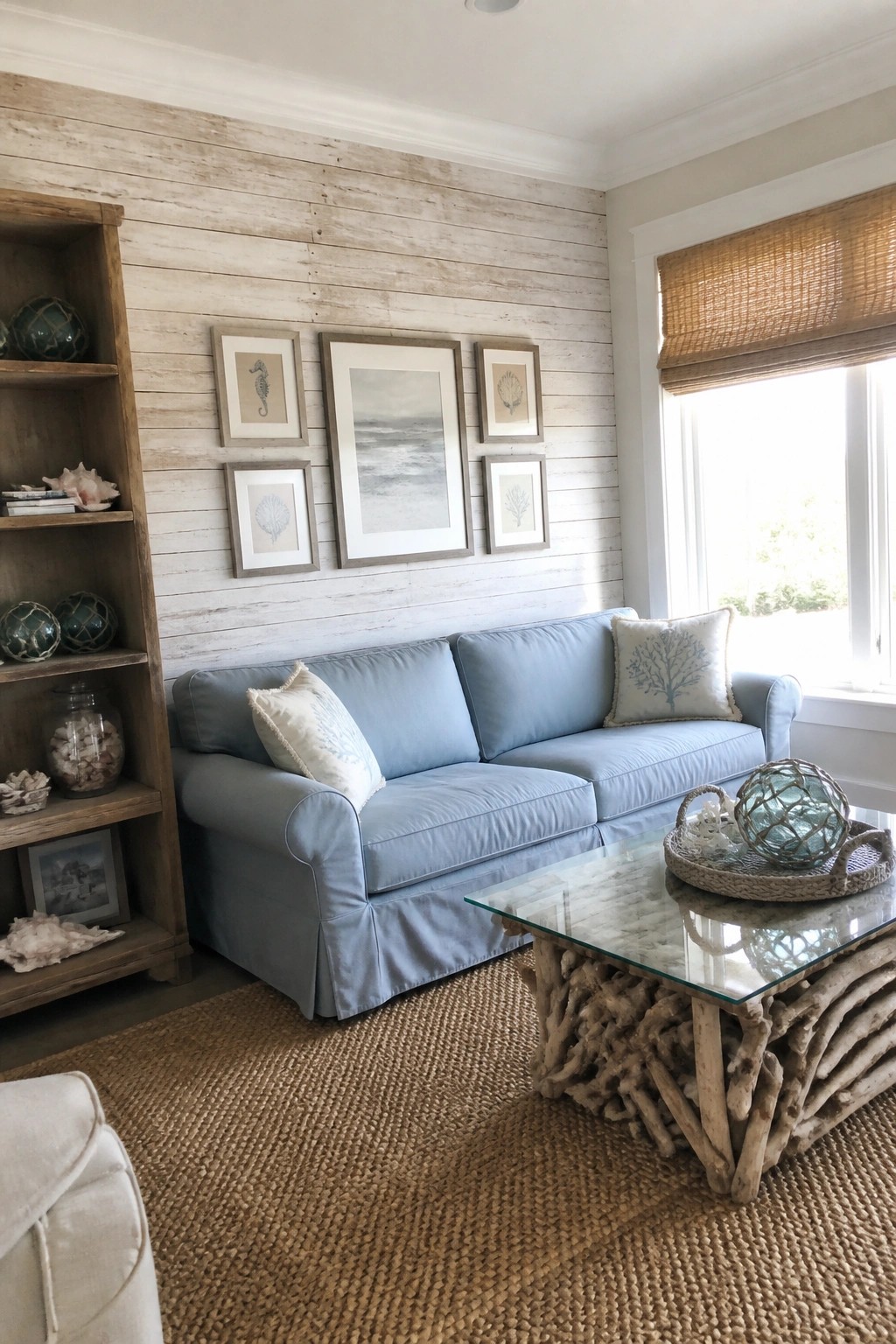
A light pallet wood wall adds texture without making the space feel heavy or dark. The horizontal planks give the room a relaxed backdrop that works especially well with soft colors and simple furniture.
This idea fits living rooms that get good natural light and already lean toward a calm, coastal look. Keep the rest of the walls plain and limit extra patterns so the wood stays the main feature.
Reclaimed Pallet Wood Accent Walls
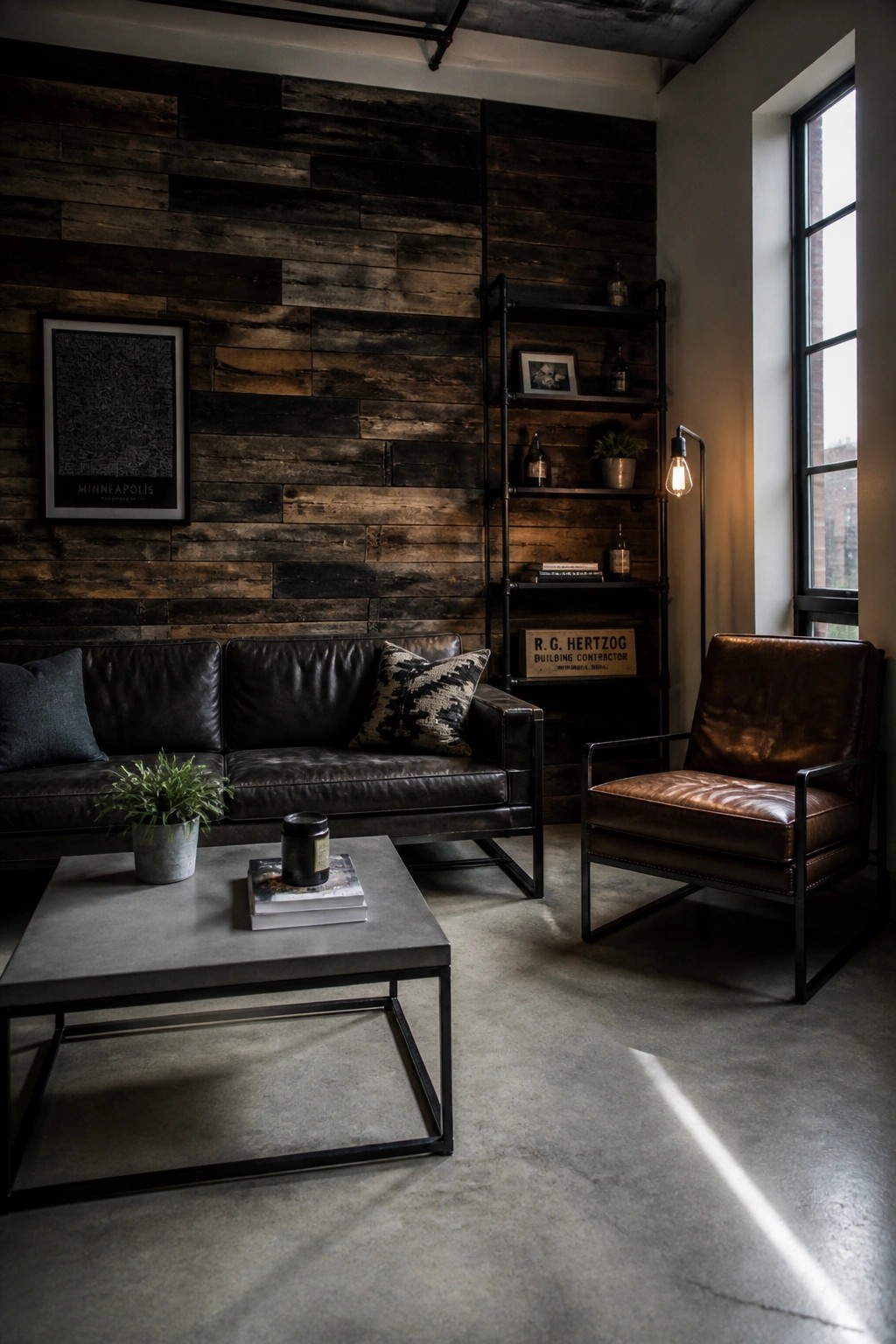
Reclaimed pallet wood works well on an accent wall because it adds texture and a bit of roughness that stands out against smoother furniture and floors. The varying plank widths and natural color shifts give the wall depth without needing much extra decoration.
This idea fits living rooms that already lean modern or industrial, especially when the rest of the space stays simple. Seal the wood well and test the stain color first so it does not feel too dark in smaller rooms.
Reclaimed Pallet Walls For Living Room Accents
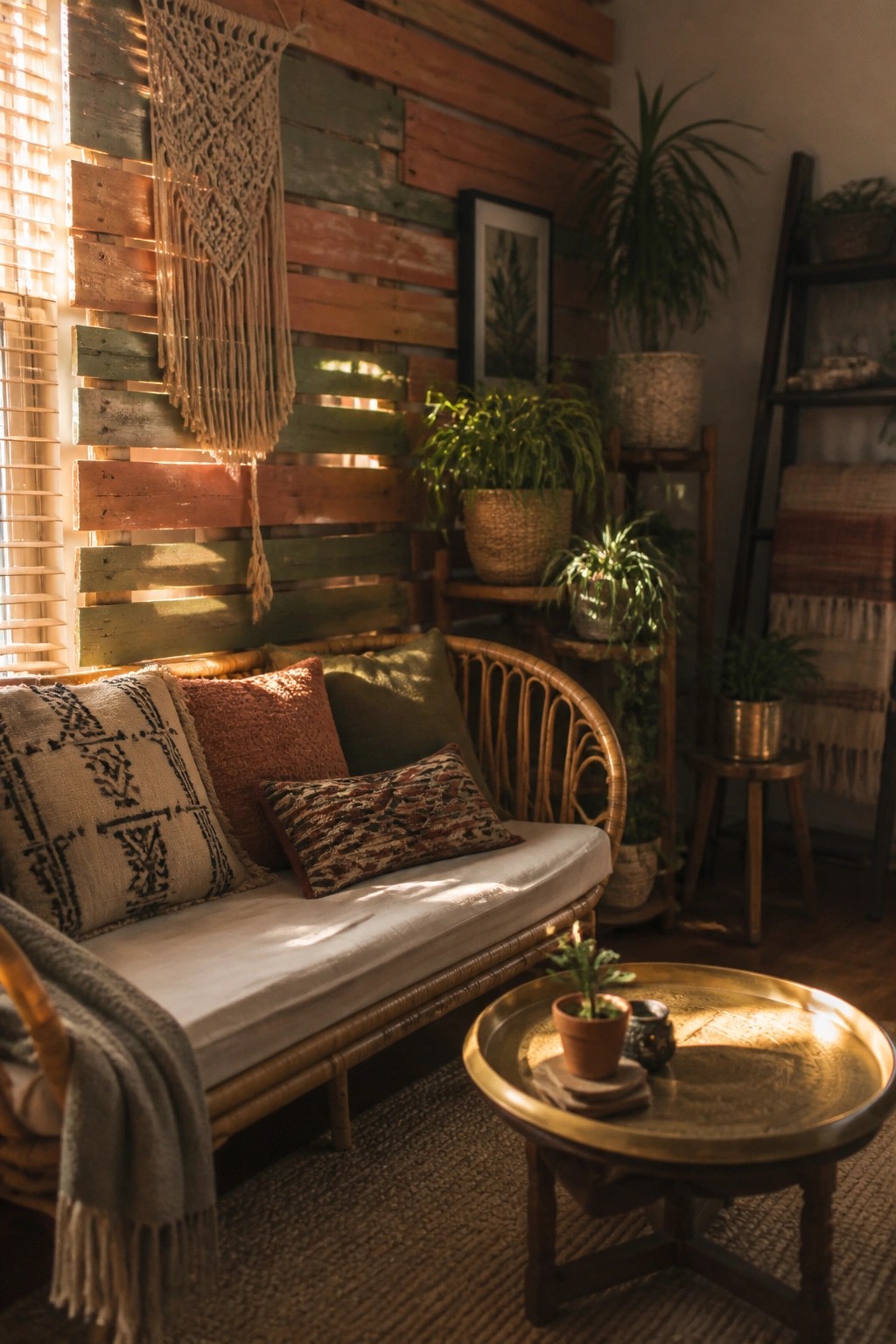
A pallet wall made from mixed reclaimed boards gives a living room a textured backdrop without needing much else. The different wood tones keep it from feeling flat while still looking relaxed and natural.
This approach works well in smaller rooms where one wall can carry the look. Keep furniture and other details simple so the wood stays the main focus, and add a few plants if you want a bit more softness.
Horizontal Wood Planks For An Accent Wall
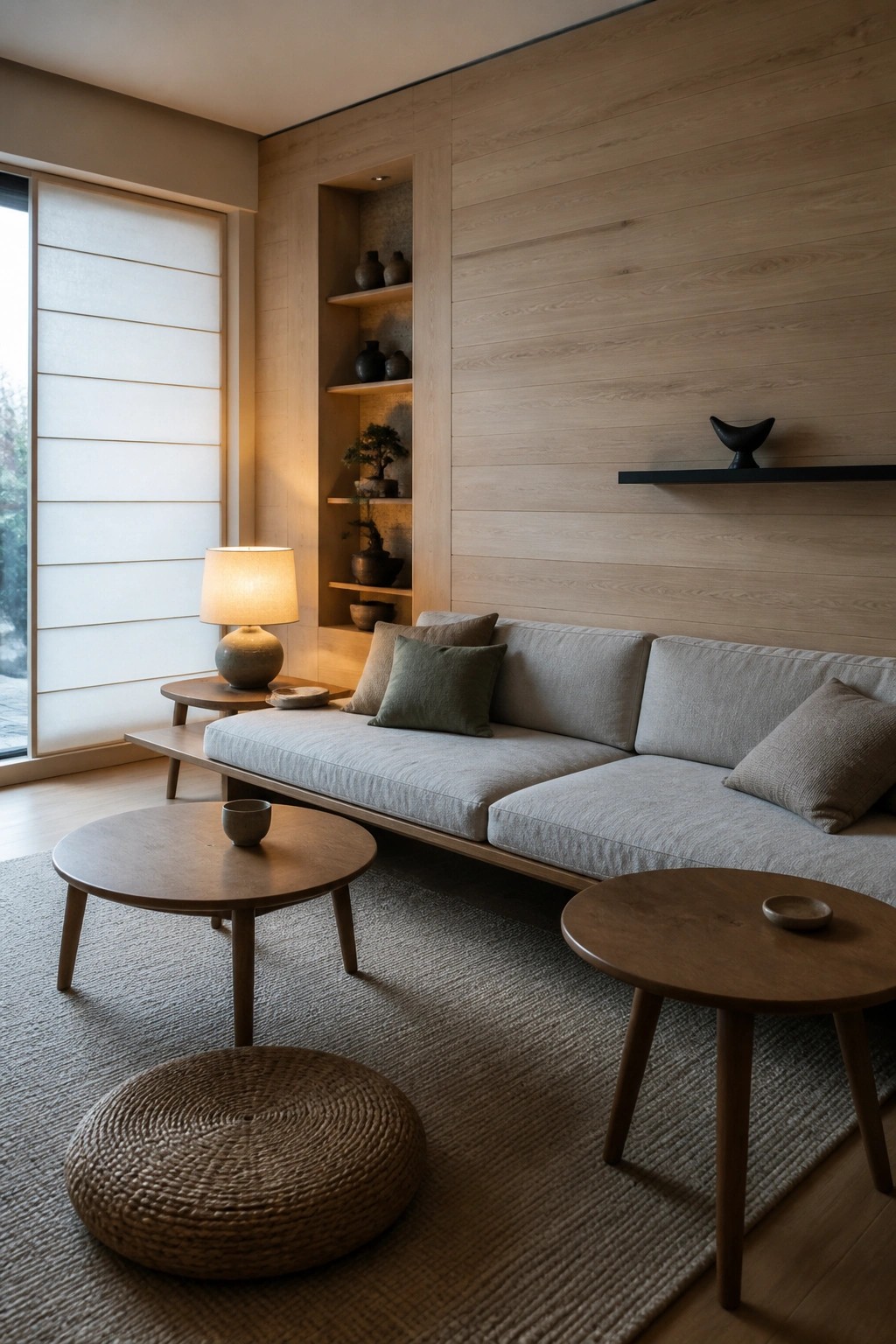
Horizontal wood planks give a living room wall a calm, textured look that feels natural without taking over the space. The even lines add warmth and keep the room from feeling flat or too plain, especially when the rest of the furnishings stay simple.
This approach works best on a main wall behind a sofa or seating area. It suits homes that want a bit of material interest without built-ins or heavy trim. Keep the finish light so the room stays bright, and pair it with soft fabrics and wood tones that match the planks.
Two Tone Horizontal Plank Walls
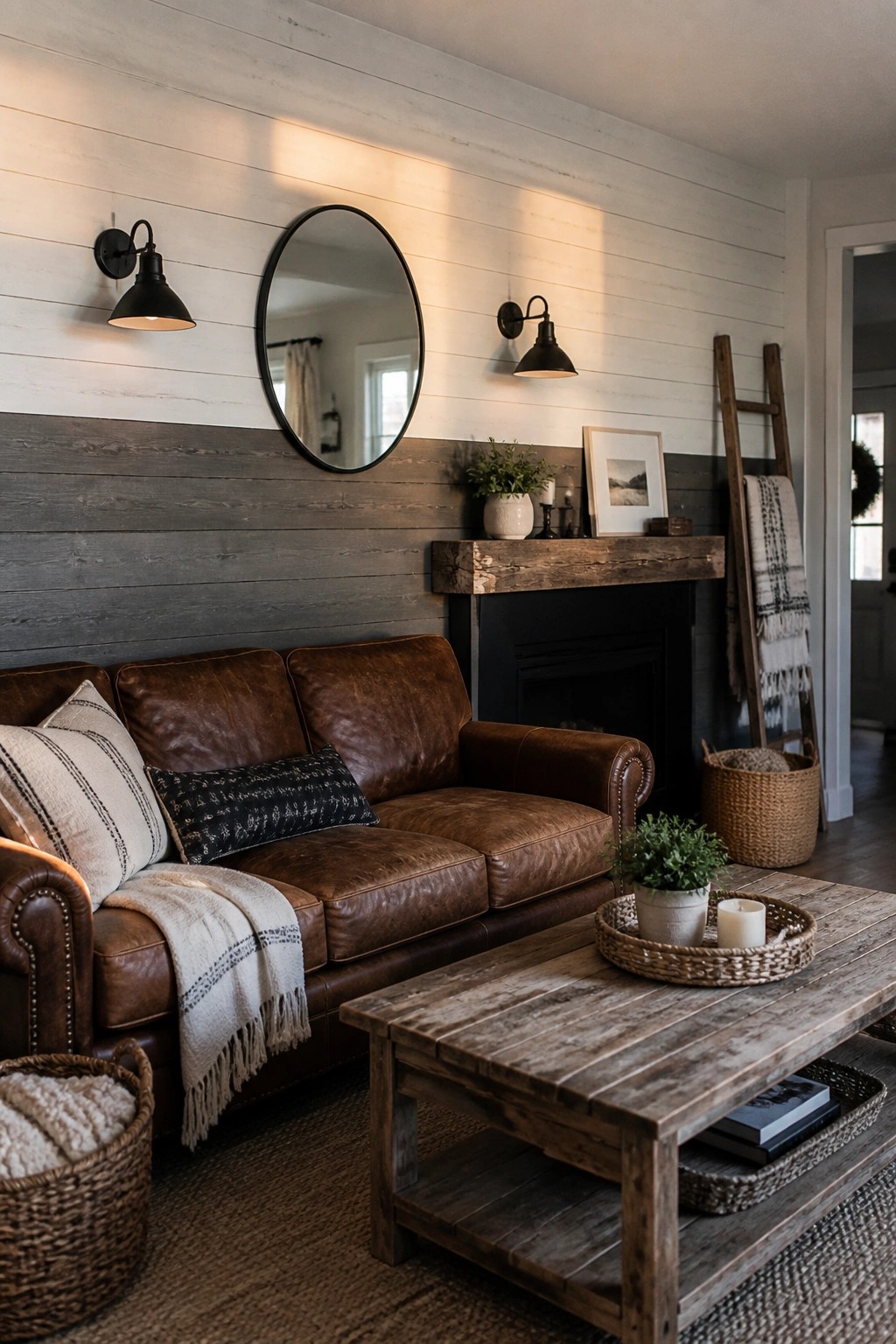
A two tone wall made with horizontal planks gives the room a simple layered look that feels grounded. The darker lower section adds weight and texture while the lighter upper part keeps the space from closing in. This approach works especially well behind a sofa or around a fireplace because it breaks up a large wall without needing extra trim or paint tricks.
Try it in living rooms where you want some warmth from wood but still need the room to feel open. Keep the color shift around chair rail height so the darker part stays low and the lighter part reflects more light. It suits homes with wood floors or leather seating since the wood tones tie everything together without much extra styling.
Wood Slat Walls Around Built-Ins
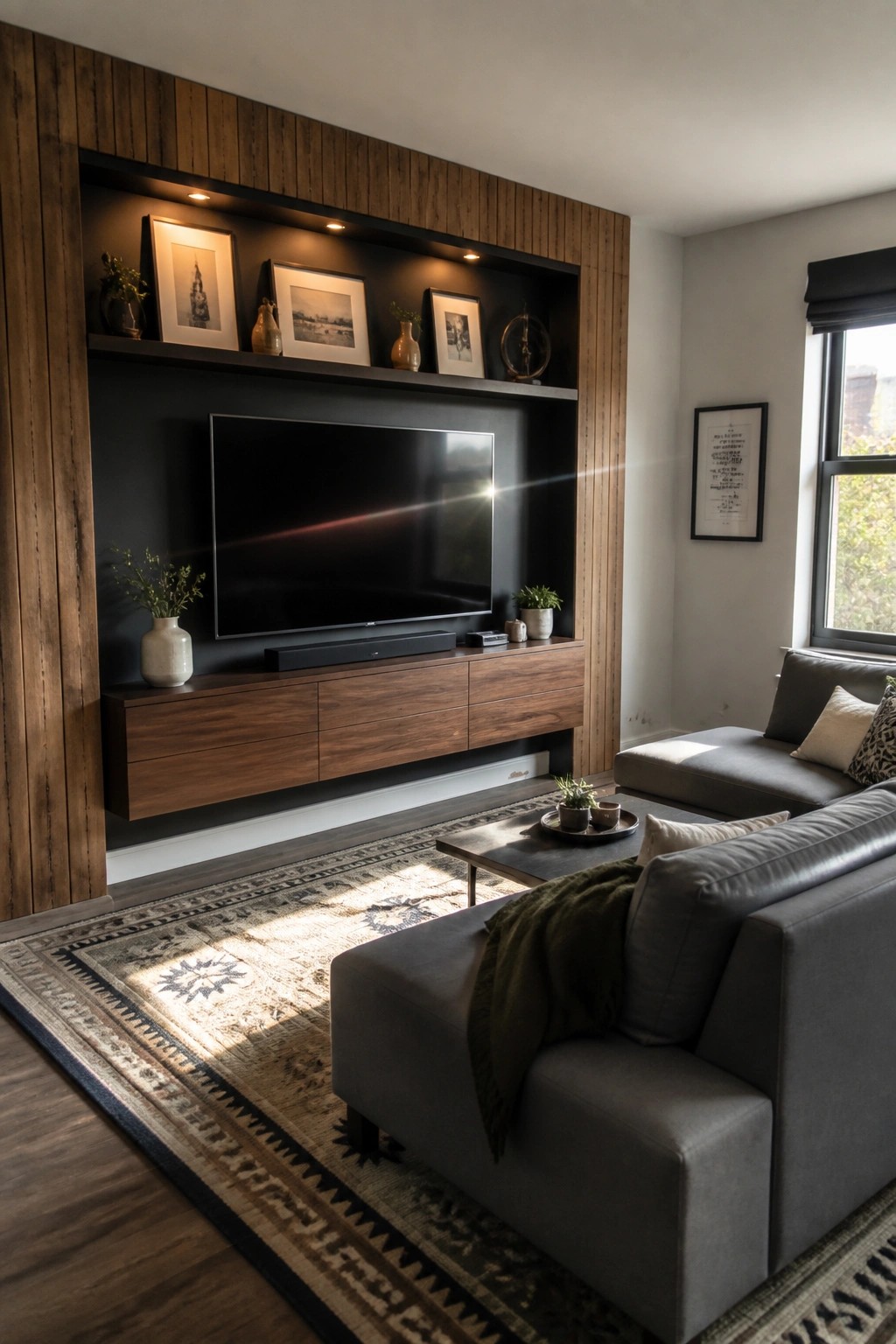
Vertical wood slats can turn a plain wall into a strong focal point when they frame a recessed niche. The dark painted center makes the TV and shelves stand out while the wood adds warmth and texture that keeps the whole area from feeling cold or flat. This approach works especially well in rooms that already have wood tones on the floor or furniture.
It suits modern and transitional living rooms where you want storage and display space without adding bulky cabinets. Keep the rest of the room simple so the wall does not compete with too many other patterns or colors. Darker niches tend to hide cords and electronics better than lighter ones.
Dark Wood Pallet Walls In Living Rooms
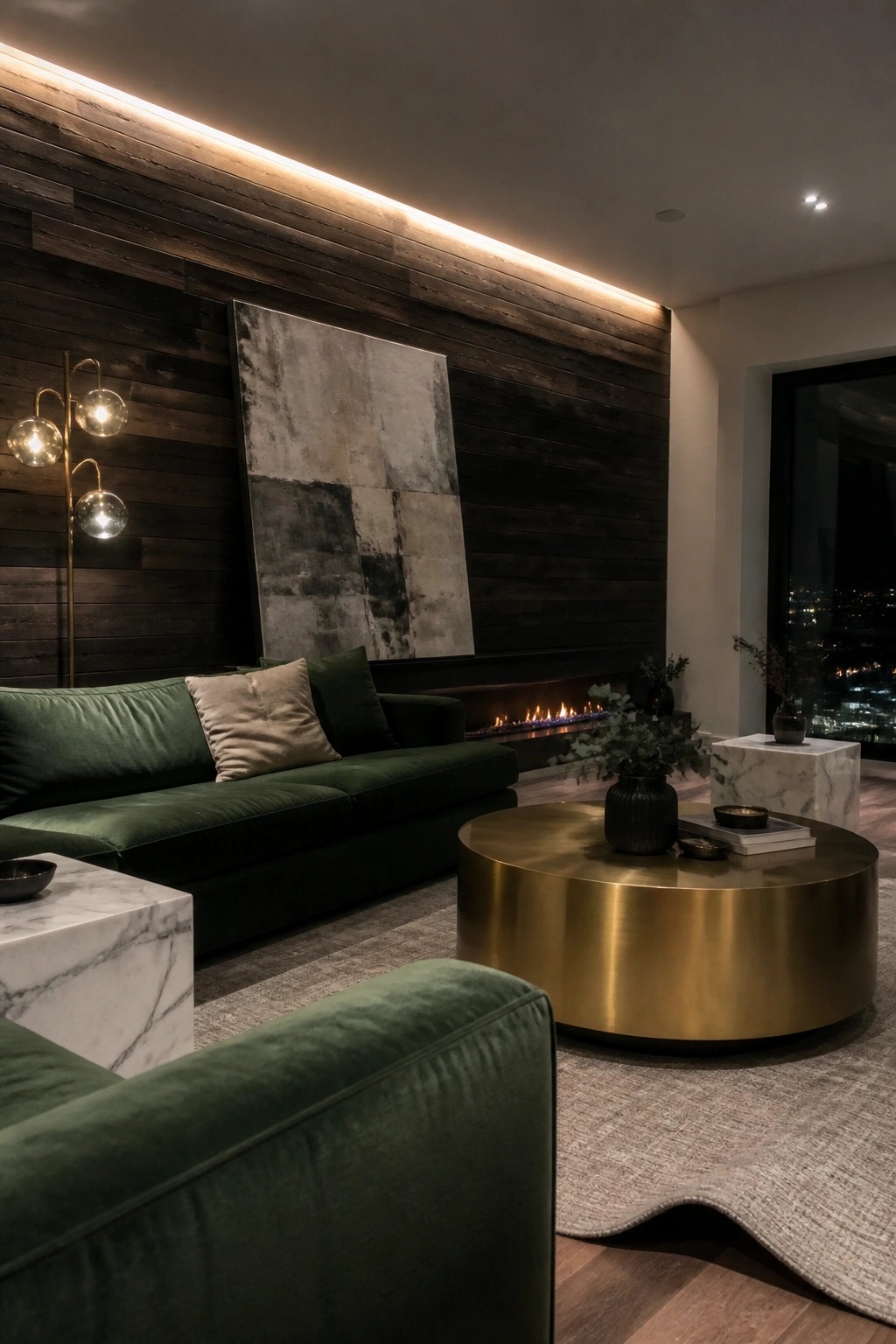
A dark pallet wood wall gives a living room weight without making it feel heavy. It works especially well when you run it floor to ceiling behind the sofa and tuck a linear fireplace into the lower section so the flames sit right against the wood.
This look suits modern homes that already have clean lines and want one strong texture to anchor the space. Keep the rest of the room lighter with simple furniture and a few brass or stone pieces so the wood does the main job without competing.
Reclaimed Wood Accent Walls
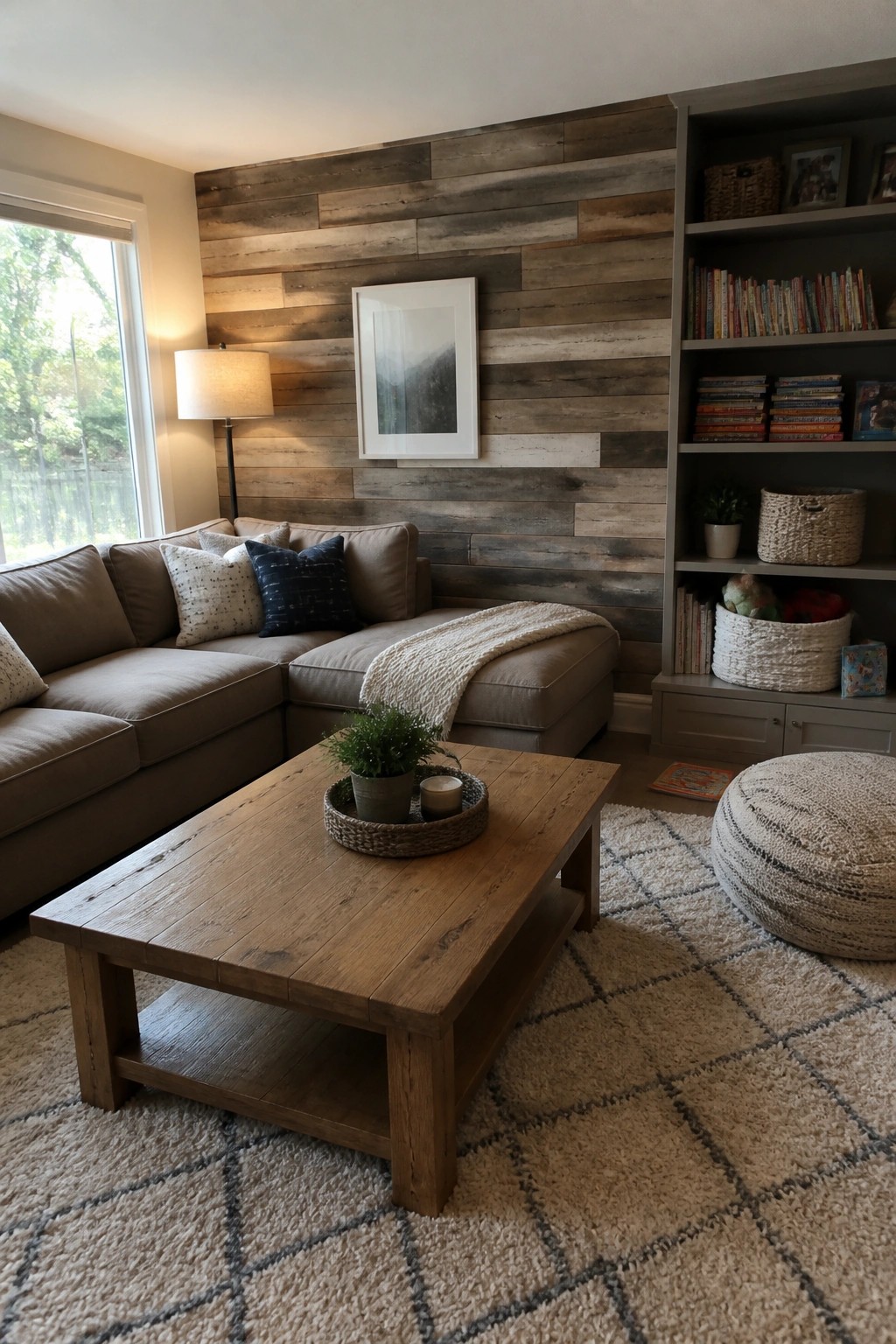
A reclaimed wood wall gives a living room an easy layer of texture that feels natural and grounded. It works especially well when the rest of the room stays simple, so the wood becomes the main point of interest without fighting other patterns or colors.
This approach suits homes that already have neutral seating and wood furniture, since the tones tend to tie together on their own. Keep the scale in mind though, because a full wall can feel heavy in smaller rooms, so test a smaller section first if you are unsure.
Reclaimed Pallet Boards Work Well As Living Room Accent Walls
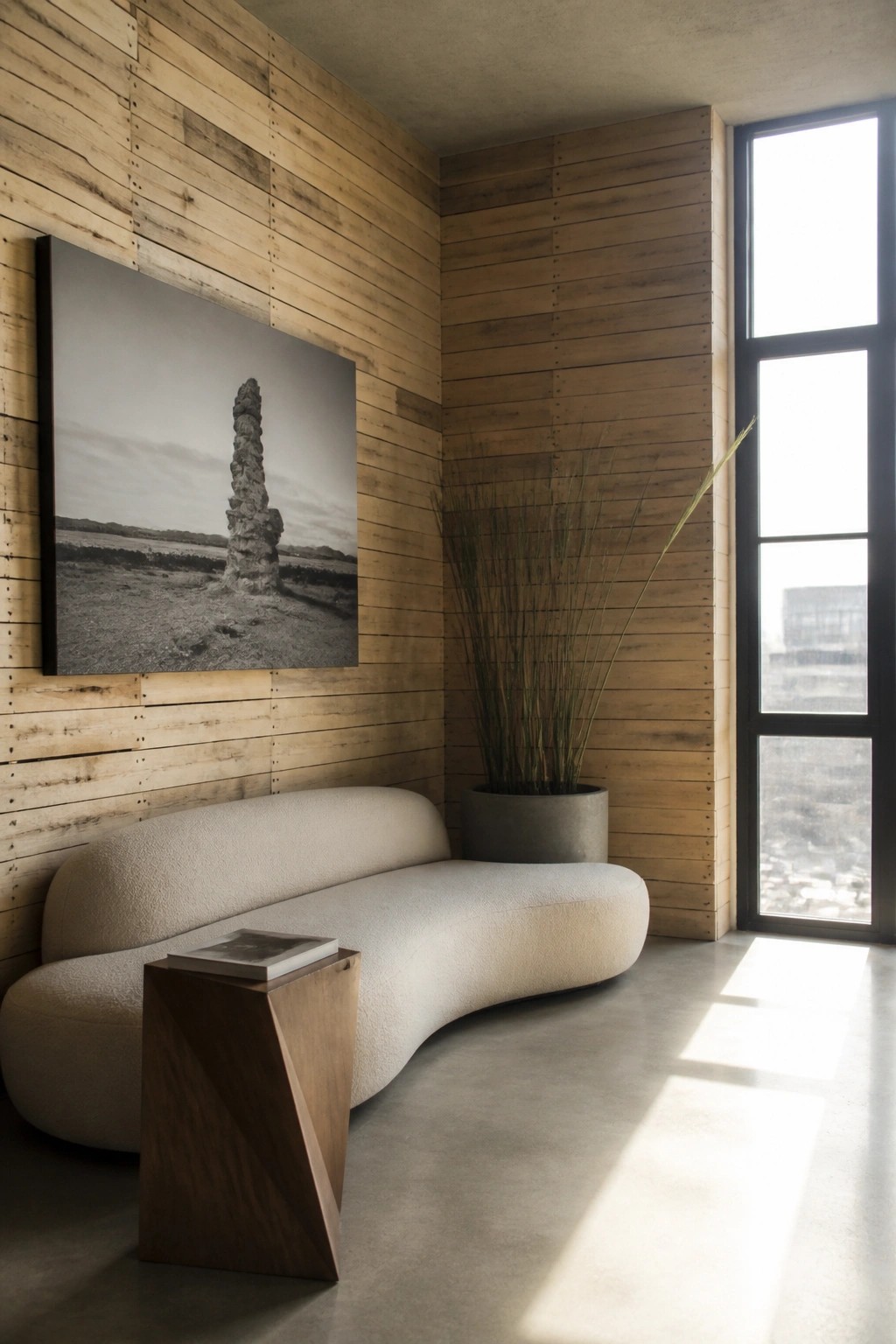
Reclaimed pallet wood gives a living room a textured accent wall without needing a lot of extra work. The horizontal boards add warmth and character while keeping the space feeling open and simple.
This idea works best in rooms where you want one wall to stand out against plainer surfaces. It suits modern homes that already use wood tones elsewhere, and it pairs easily with neutral furniture and minimal styling.
Add Interest With a Gradient Painted Accent Wall
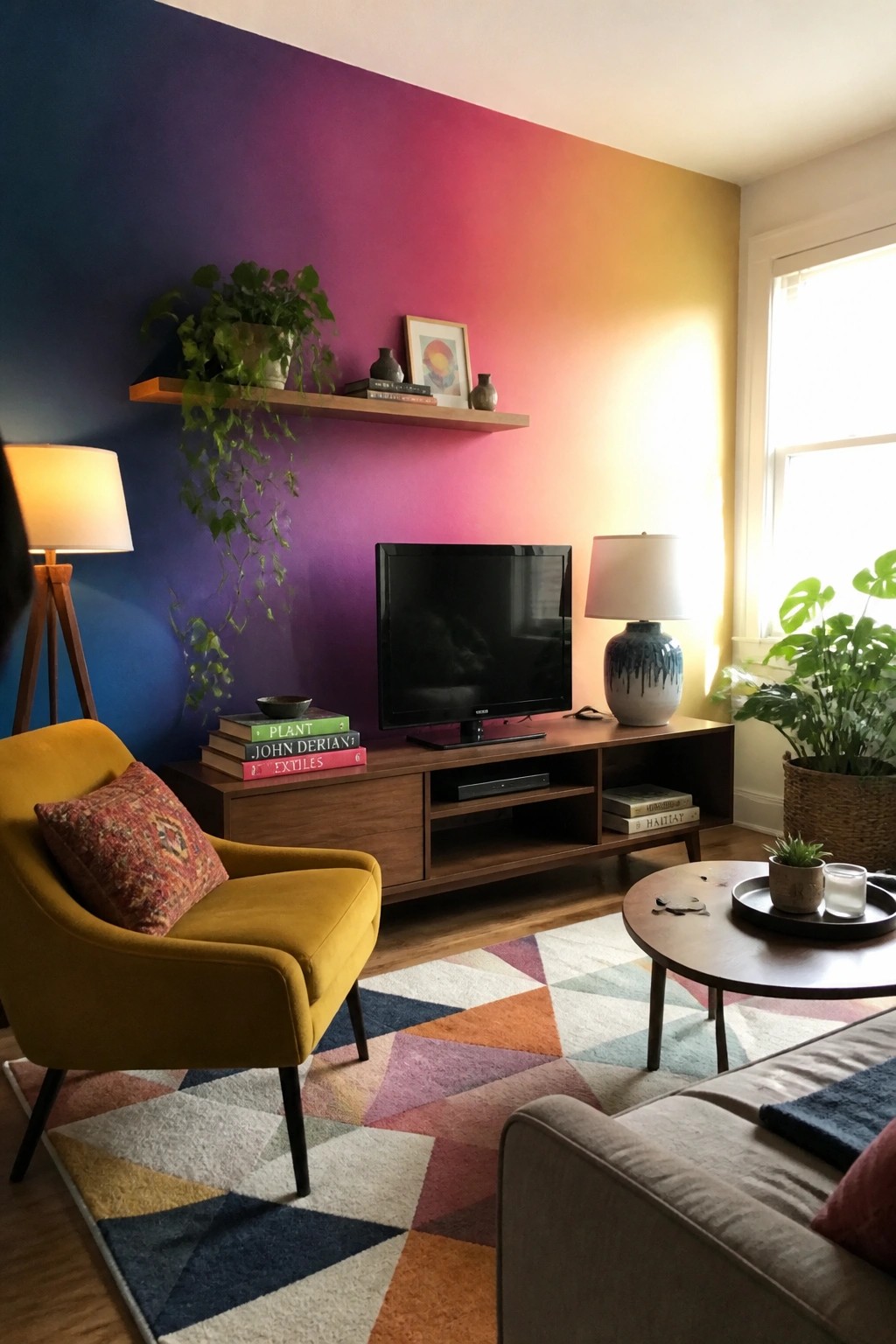
A painted gradient wall gives a living room a strong focal point without adding clutter or extra materials. The smooth shift from one color to another draws the eye and makes the space feel more dynamic, especially when placed behind a TV or seating area.
This works best in rooms with simple furniture so the wall can stand out on its own. Keep other surfaces fairly neutral and let the color transition carry the look. It suits smaller or medium living rooms where you want color without committing to bold patterns or heavy decor.
Reclaimed Wood Behind The Fireplace
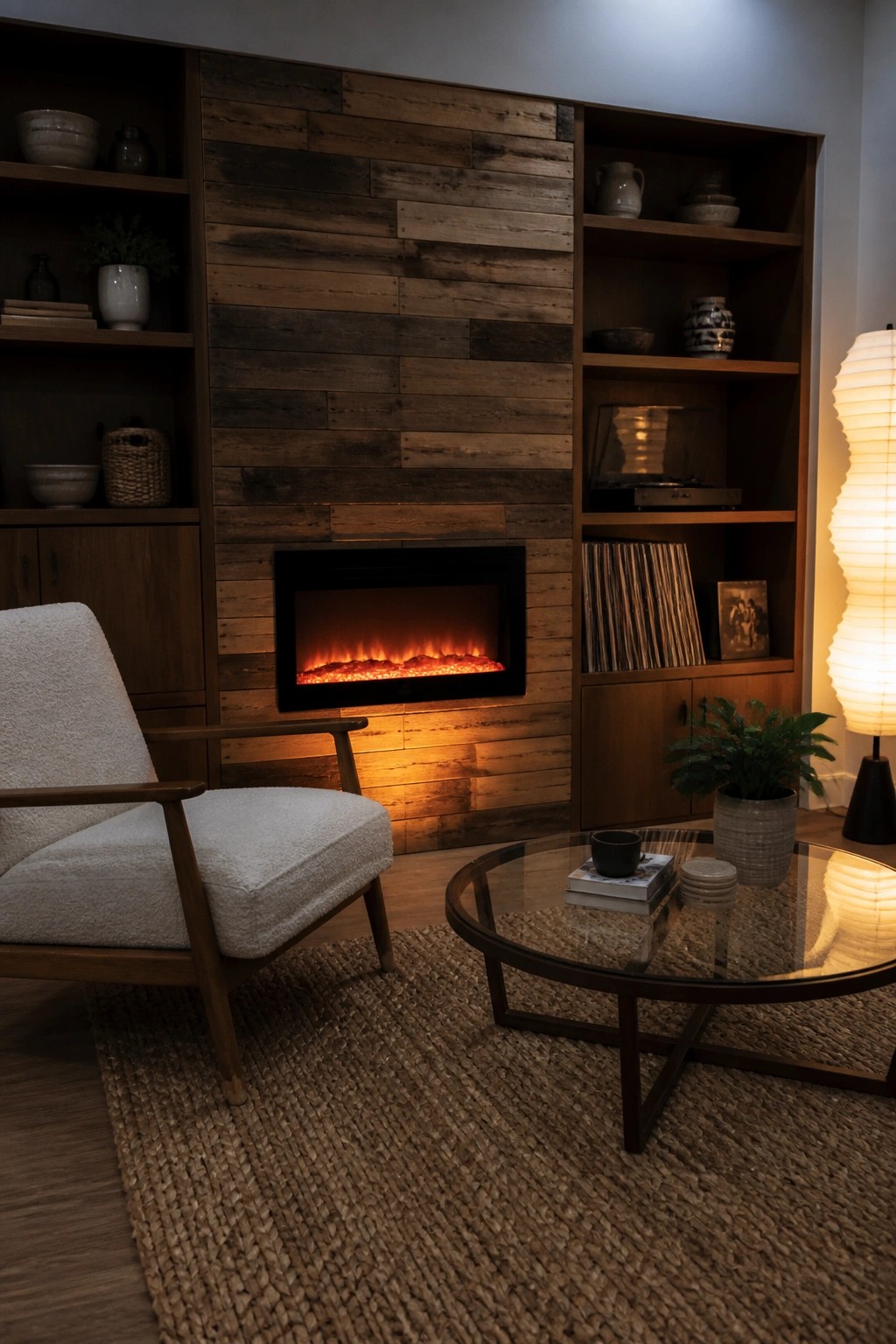
A horizontal reclaimed wood wall gives the fireplace area a warm, grounded look without needing much else. The planks add texture and color variation that pairs well with simple built-in shelves on either side.
This approach works best in living rooms where you want the fireplace to feel like the main feature. It suits homes with wood floors or neutral furniture, but keep the rest of the room fairly plain so the wood does not compete with too many patterns or colors.
Pallet Wood Accent Walls for Living Rooms
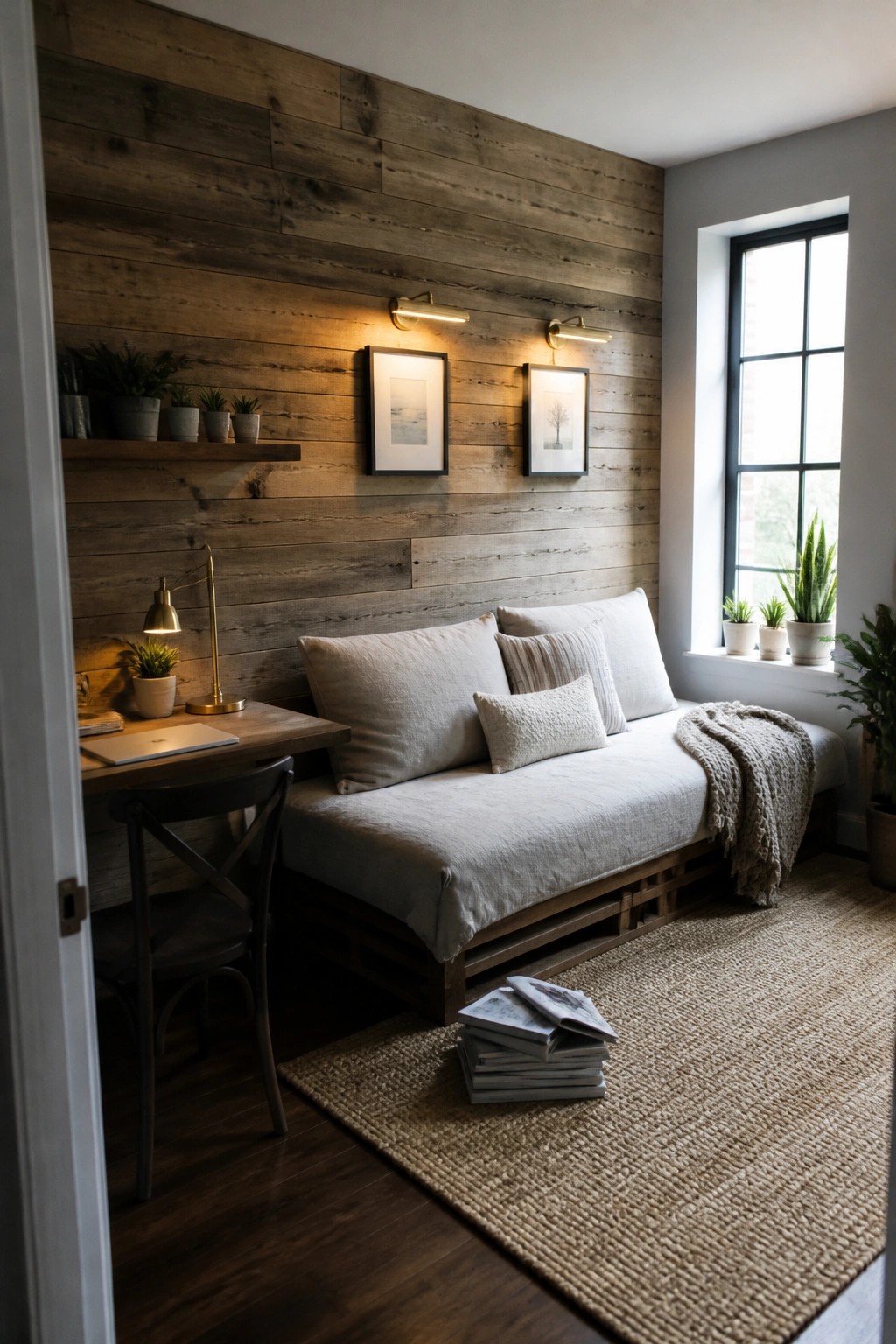
Many people like pallet wood because it brings warmth and texture to a living room without making the space feel heavy. The horizontal planks create a simple backdrop that works especially well behind a daybed or sofa.
This style suits smaller rooms or guest spaces where you want a natural look. Keep the rest of the furnishings light and neutral so the wood remains the main feature.
Reclaimed Wood Accent Walls Add Warmth
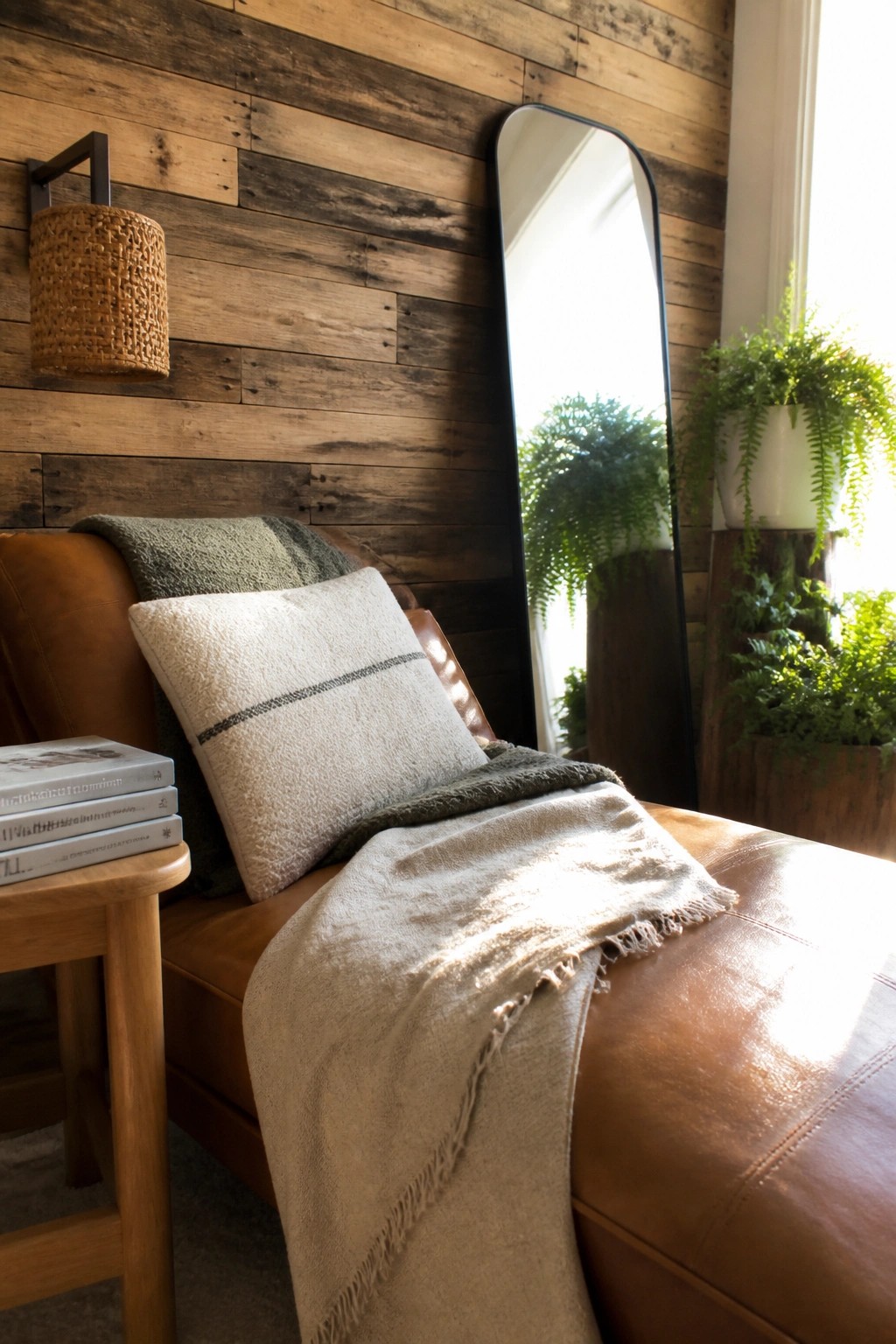
Reclaimed wood works well on an accent wall because it brings natural texture into a room without much effort. The horizontal planks create a simple backdrop that pairs easily with leather seating and neutral textiles.
This approach suits living rooms that need a bit more character, especially modern spaces that can feel too stark. Stick with wood tones that match your furniture so the wall blends in rather than fights with everything else.
Reclaimed Wood Walls Behind Fireplaces
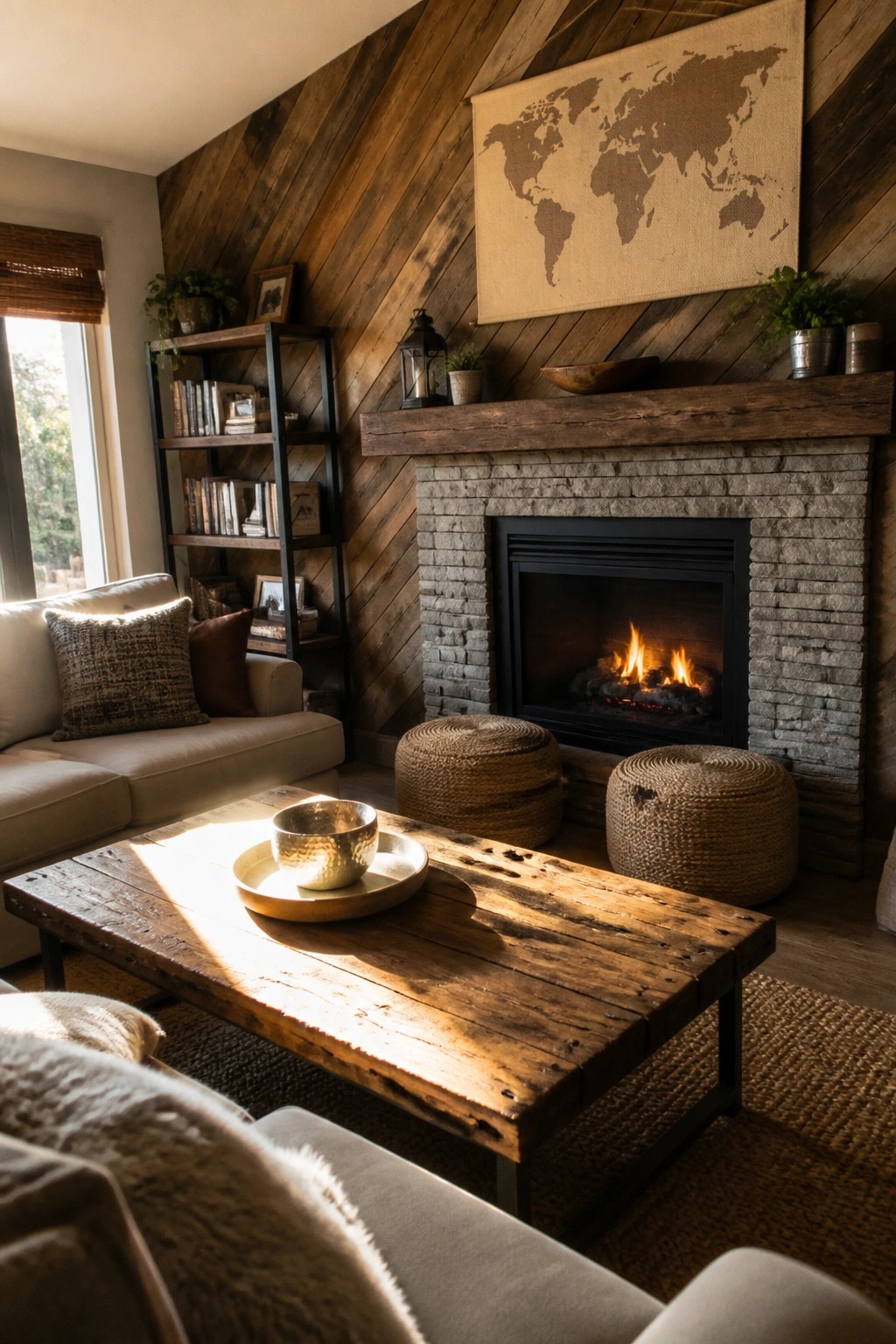
Reclaimed wood walls stand out when used right behind a fireplace. The planks bring texture and warmth that stone or drywall alone cannot match, and the vertical lines help draw the eye upward.
This look works best in living rooms that already have a solid fireplace surround. Keep the rest of the room simple so the wood remains the main feature, and seal the boards well if they sit close to any heat source.
Horizontal Planks On An Accent Wall
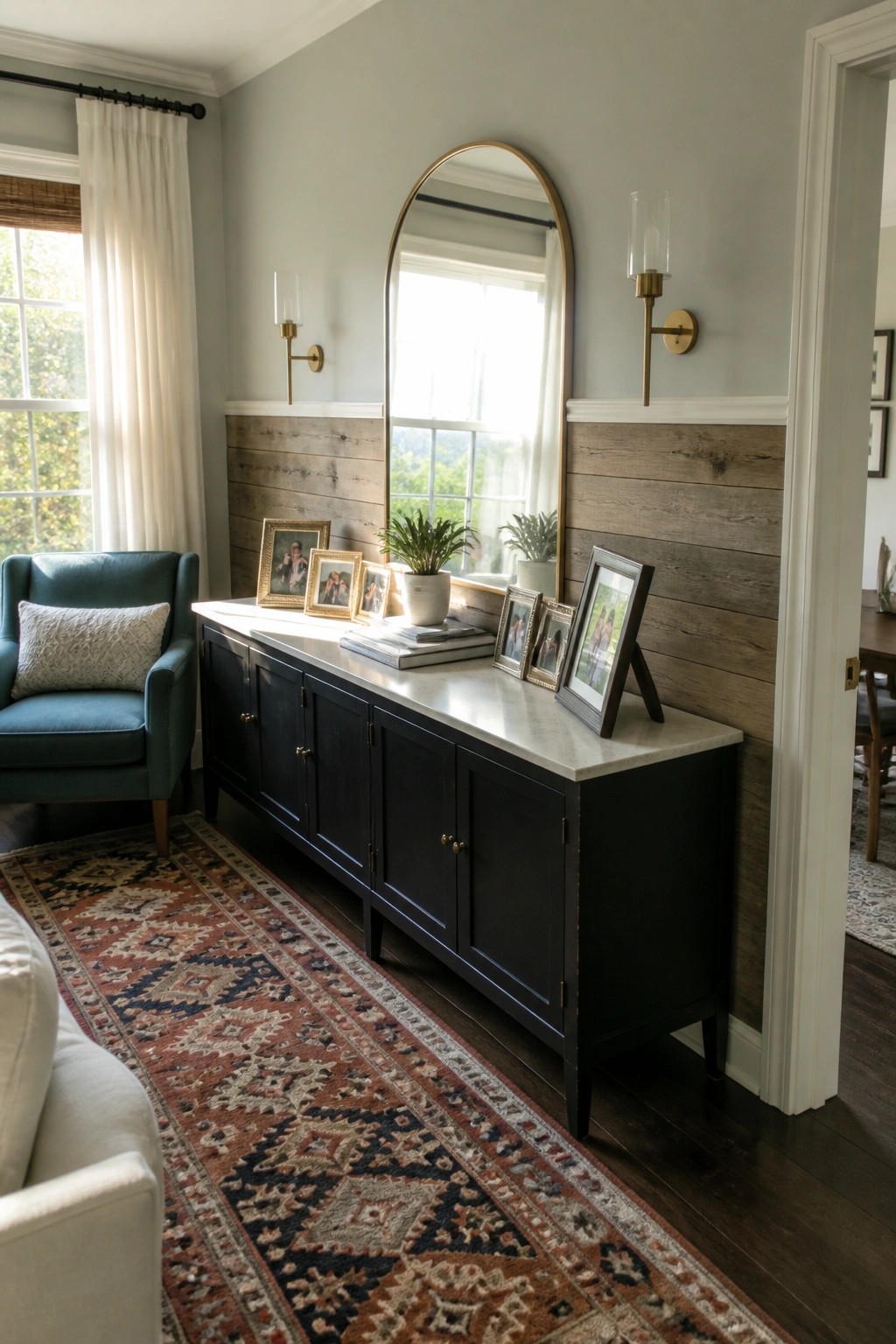
Many people add horizontal wood planks to a living room wall when they want texture without making the space feel heavy. The look stays simple because the planks cover only the lower part of the wall and stop at a clean chair rail.
This works best in rooms that already have a console or sofa against the wall. It suits both older homes and newer ones that need a little extra warmth, and it pairs easily with painted walls above so the wood does not take over the whole room.
Whitewashed Plank Walls In The Living Room
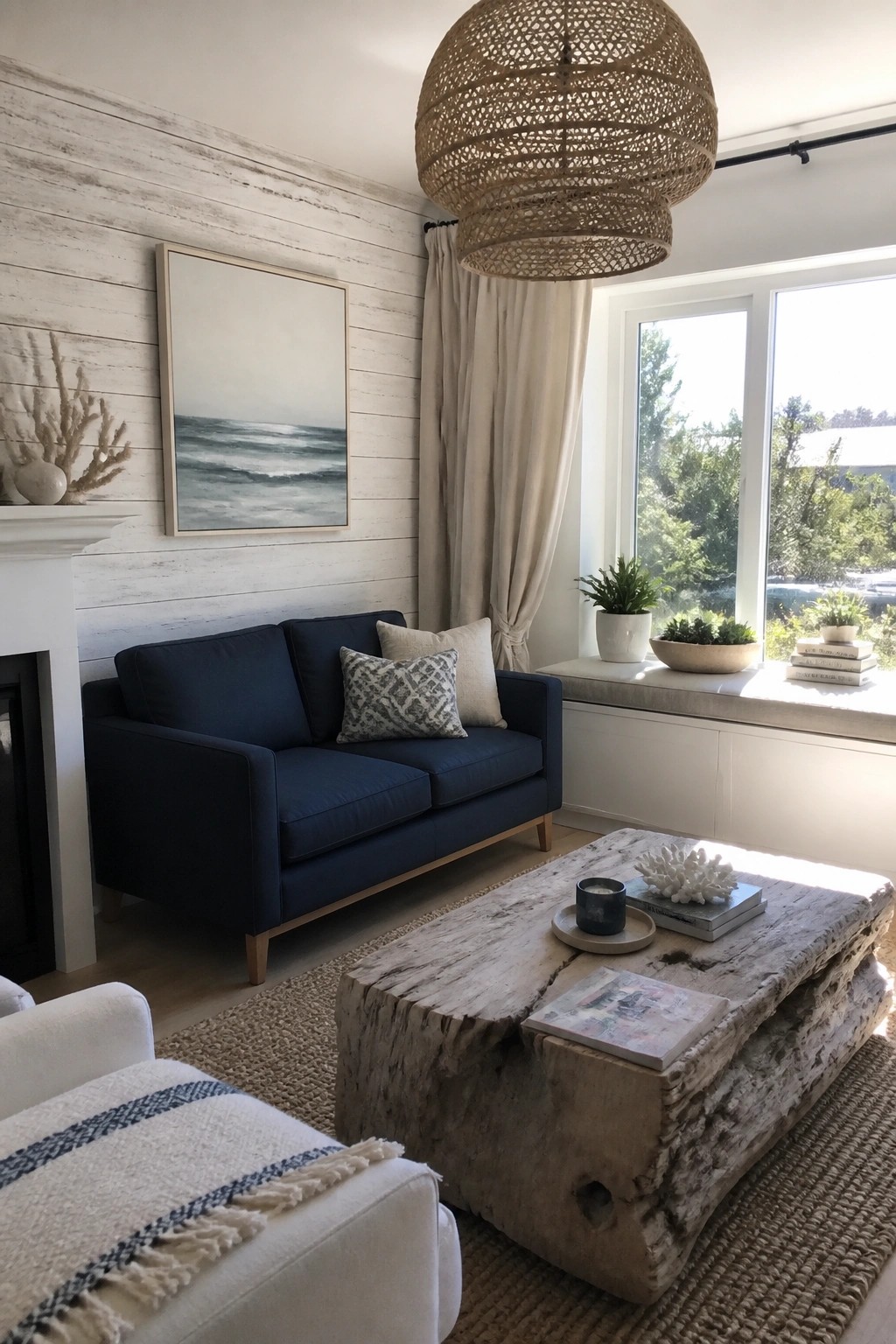
A whitewashed wood accent wall brings texture without making the room feel heavy. The light finish keeps things bright and works especially well when you want a bit of warmth next to darker furniture like a navy sofa.
This approach suits smaller living rooms or spaces that already get good natural light. Use horizontal planks and keep the whitewash soft so the grain still shows through. Avoid stacking too many busy patterns on top of it.
Dark Wood Paneling As A Living Room Accent Wall
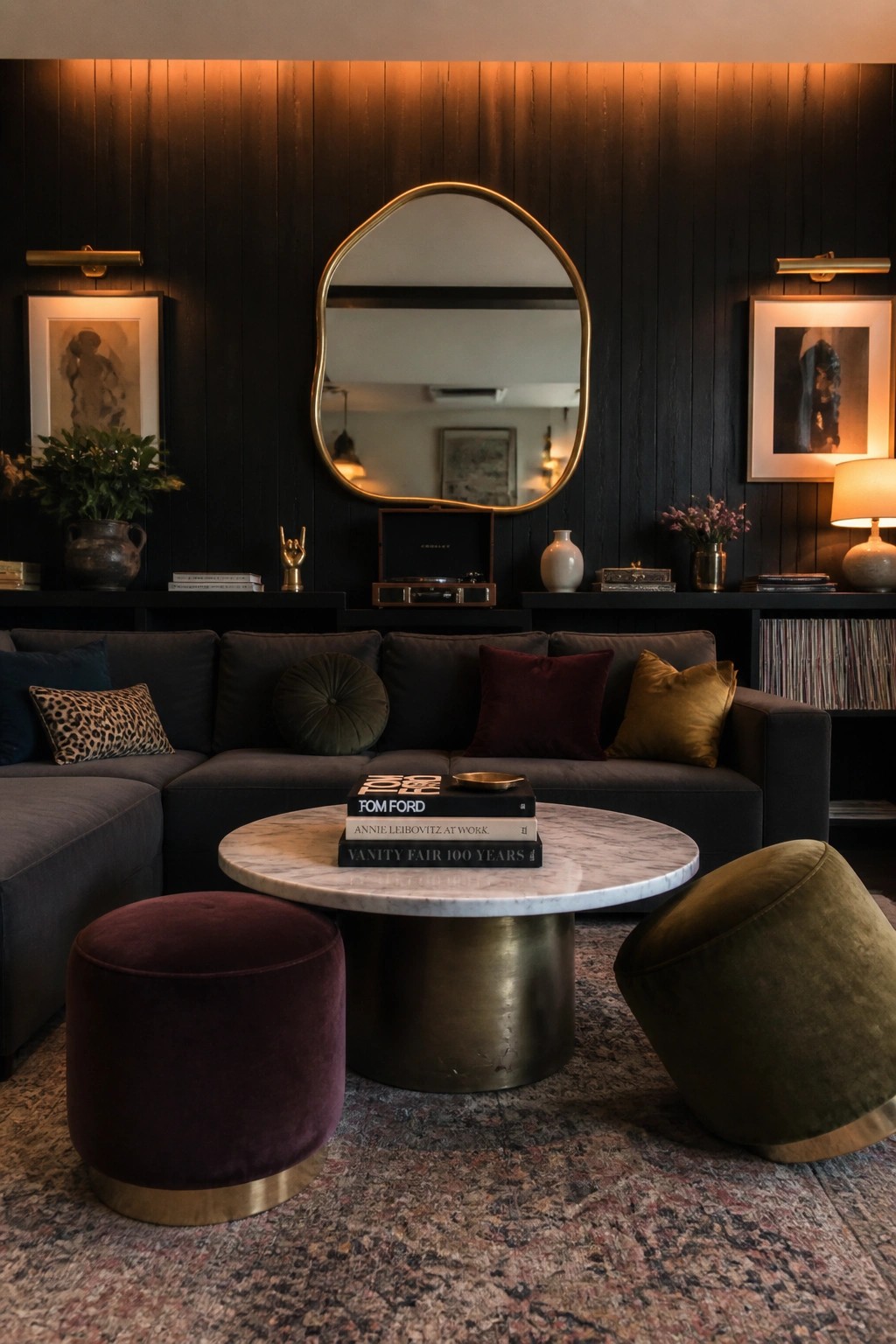
A dark vertical wood accent wall gives a living room instant depth and a grounded feel. The planks add texture and warmth that plain paint never quite matches, especially when the rest of the room uses softer fabrics and lighter furniture.
This approach works best in spaces that already have some height or can handle a bold backdrop. Keep the wood tone deep and matte so it recedes slightly rather than closing the room in, and let metallic or brass details catch the light to balance the darkness.
Vertical Wood Plank Accent Walls
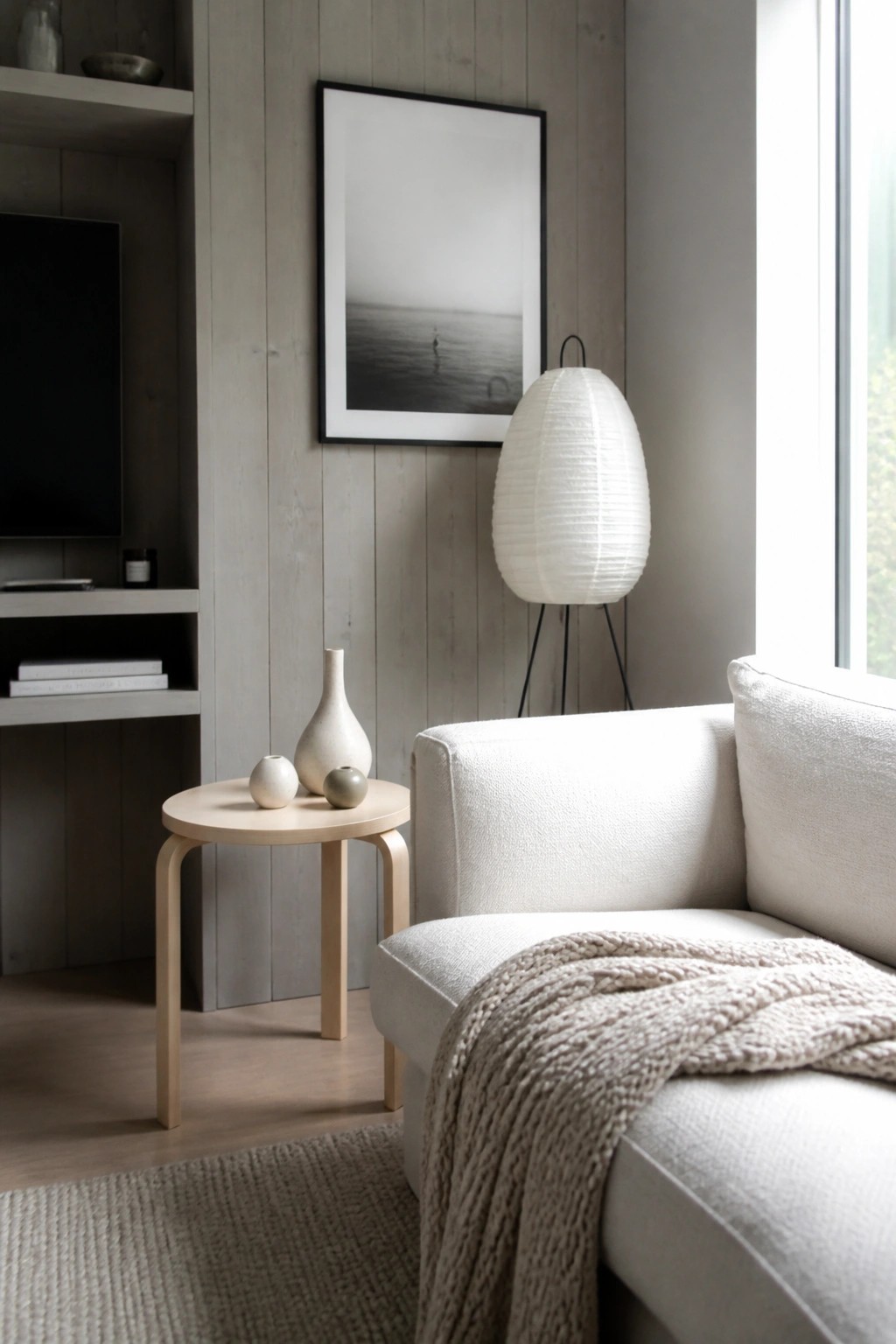
Vertical wood planks bring a simple texture to a living room that feels calm rather than busy. They add some warmth while still keeping the space light, especially when the wood stays in a pale tone instead of anything too dark or heavy.
This works best in rooms that already have plenty of white or neutral furniture. One wall is usually enough, and it pairs easily with plain seating and minimal accessories so the wood itself becomes the main point of interest.
Vertical Wood Slats On An Accent Wall
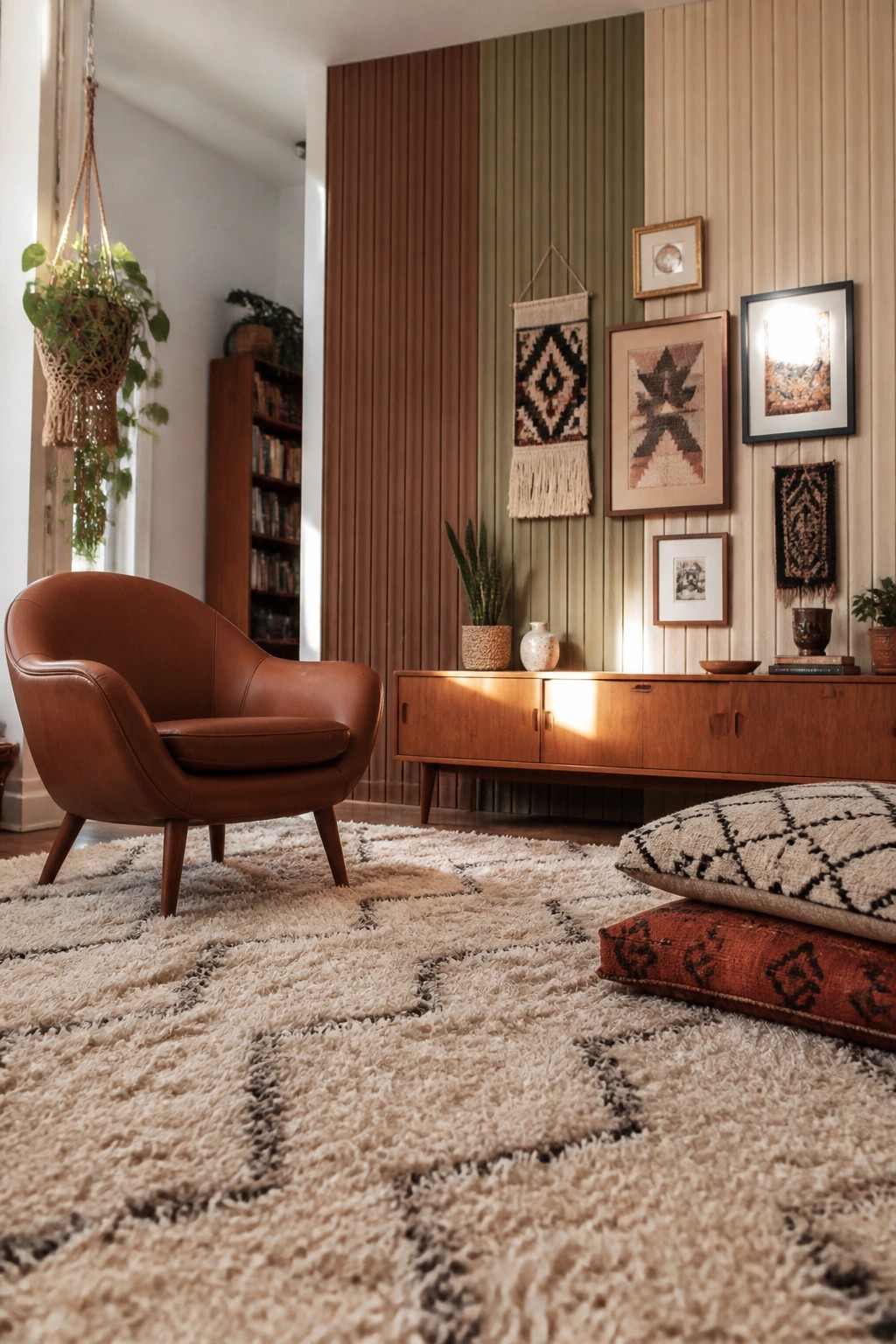
Vertical wood slats give an accent wall a clean look that still feels warm. The mix of tones keeps the surface from going flat while the simple lines hold the room together.
This works well behind a low console or sofa in living rooms that already use wood elsewhere. Keep the rest of the wall fairly plain so the slats stay the main feature.
Wood Walls With Recessed Niches
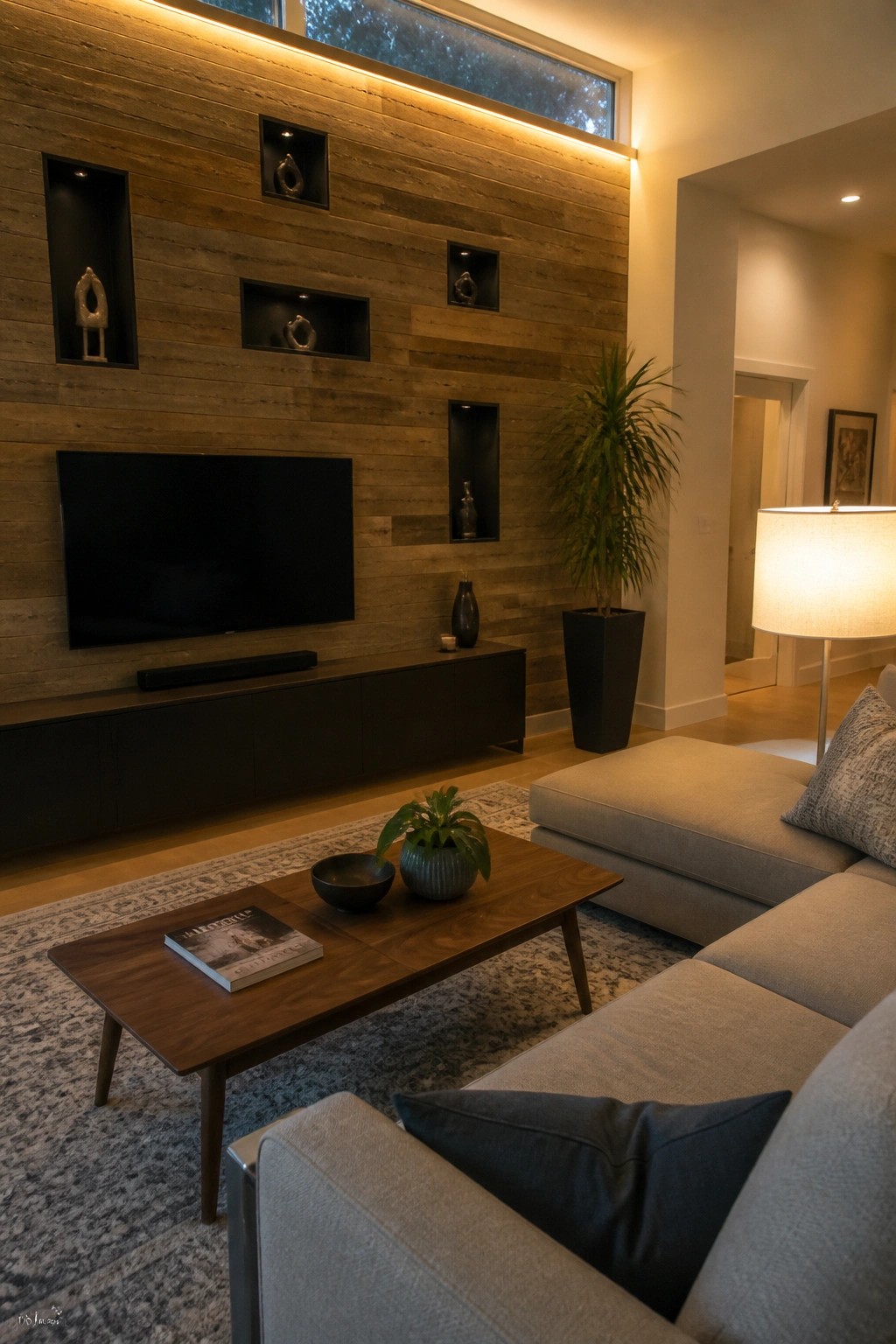
A wood accent wall like this one adds texture and warmth while keeping the room feeling open. The horizontal planks give a simple backdrop, and the small recessed niches with lighting turn the wall into a display area without adding clutter on the floor.
This idea works well in living rooms where the TV needs a strong focal point. It suits homes with neutral furniture and soft lighting, since the wood can handle the visual weight on its own. Just keep the niches few and the lighting warm so the space stays relaxed instead of busy.
Reclaimed Wood Accent Walls
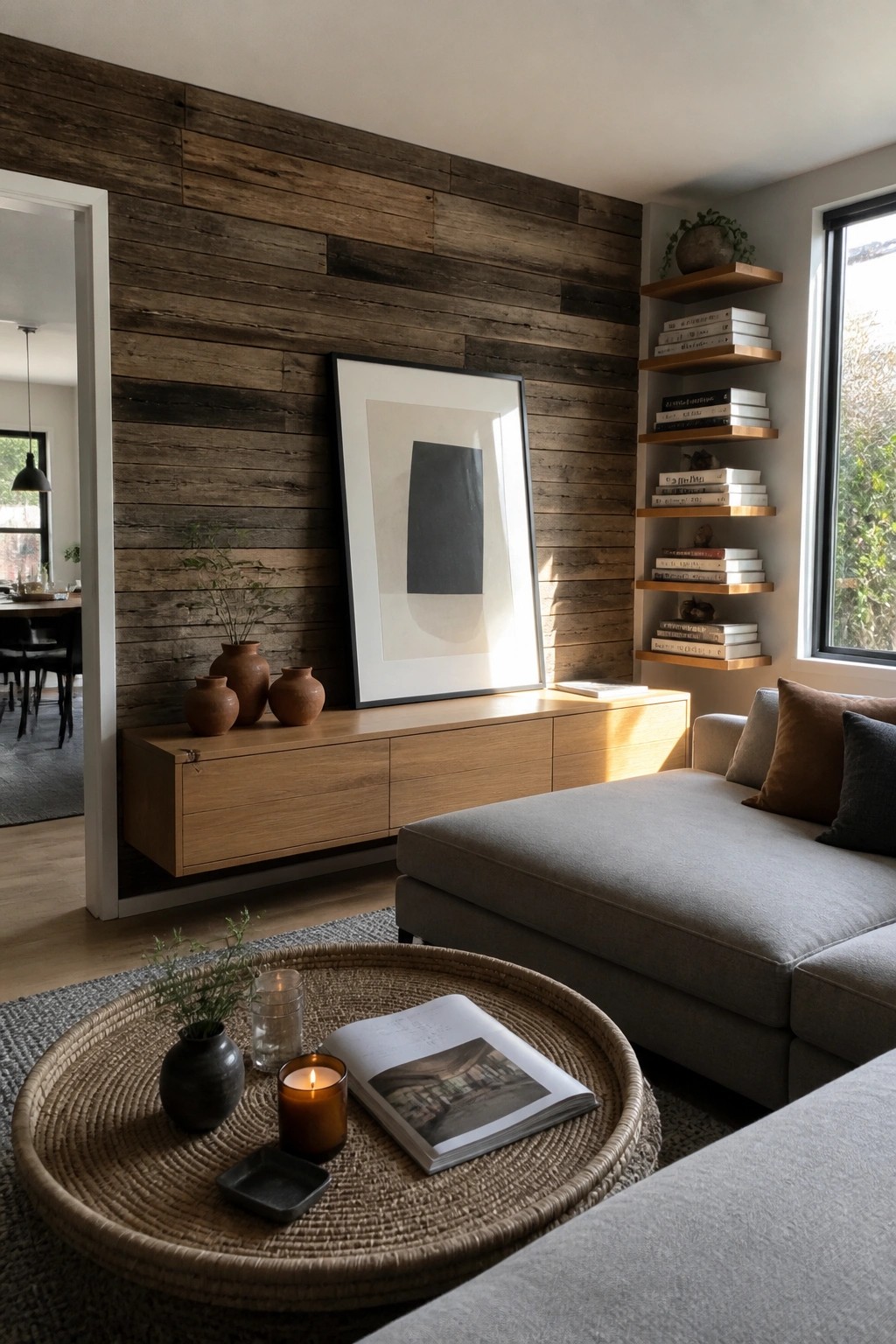
Reclaimed wood walls bring a bit of natural texture into living rooms that might otherwise feel too plain. The horizontal planks give the space warmth while keeping things simple and modern.
This works best on a main wall behind a sofa or console. It suits homes with light wood floors and neutral furniture, but try to keep the overall palette calm so the wood does not feel overwhelming.
Frequently Asked Questions
Q: How do I keep the pallets from wobbling once I hang them?
A: Screw the back boards straight into wall studs. Add a few extra screws where the pallets overlap. This stops any movement over time.
Q: Do the pallets need sealing after I paint them?
A: Yes. A clear sealant protects the wood from dust and moisture. Apply it lightly with a brush.
Q: Can I mix different pallet styles in one wall?
A: Sure. Alternate rough and smooth boards for texture. Just keep the overall color tones close so it still looks planned.
