

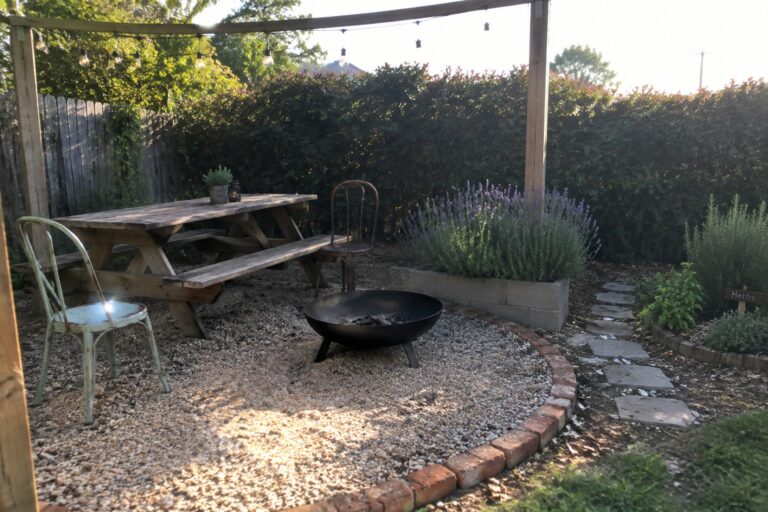
Over the years I have learned that creating a patio does not require spending a lot if you focus on materials that handle weather and daily use without constant fixes.
Gravel paired with straightforward edging gives a surface that drains well and stays in place even after heavy rain.
What matters most is whether the area invites you to sit outside in the evening rather than just looking neat from the window.
Some layouts simply work better for actual living.
I plan to try one or two of these approaches in my own yard this season to see how they hold up.
Gravel Patios With Brick Edging
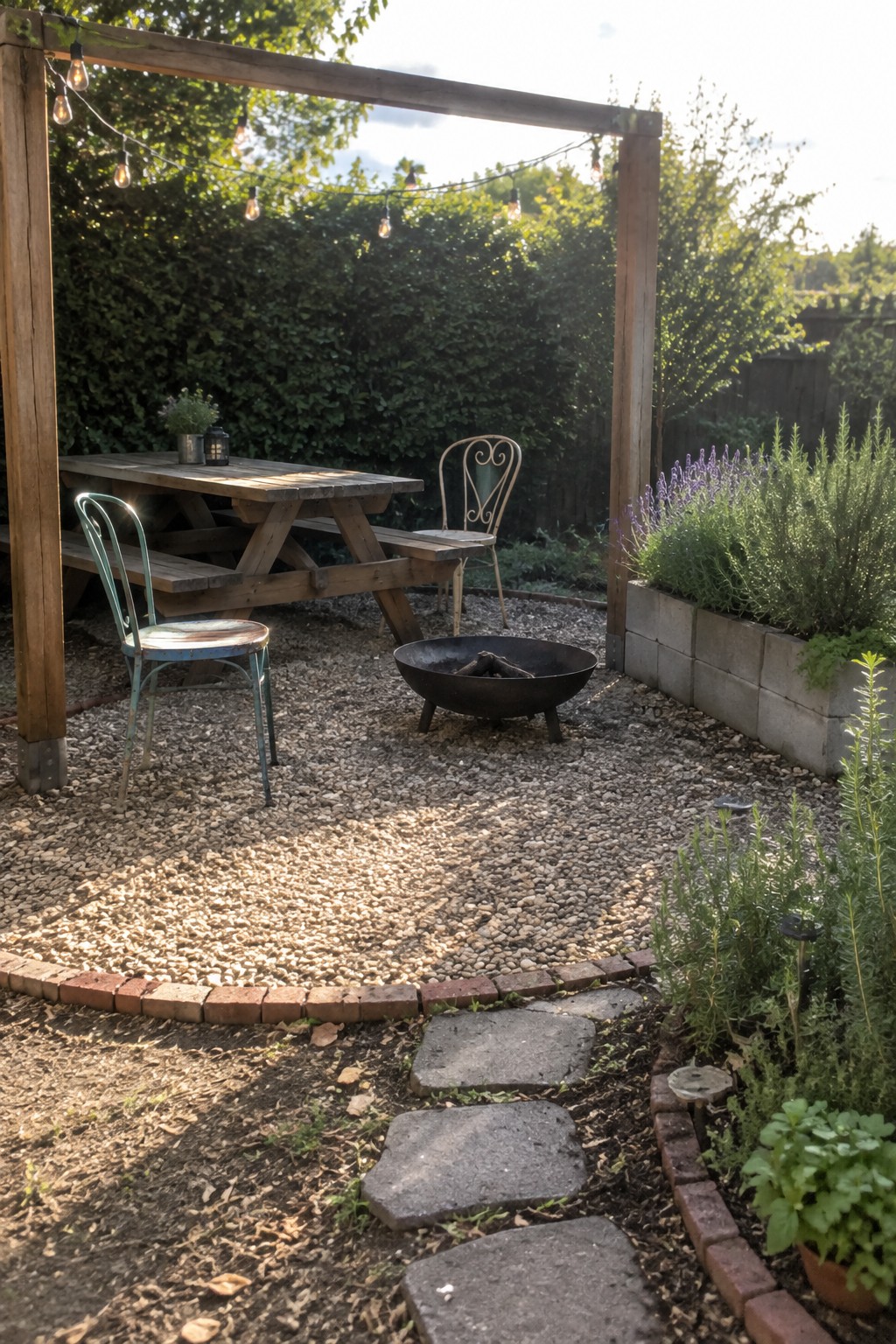
Gravel makes a practical base for a patio when you want something low cost that still feels finished. It drains well after rain and gives the space a relaxed look without needing a big concrete pour. The brick edging around the edge keeps the gravel from spreading into the beds and gives the whole area a clear shape.
This approach works best in smaller yards or along the back of the house where you just need a simple spot for a table and chairs. Lay down fabric first, spread the gravel evenly, and set the bricks in a shallow trench so they sit level. It stays neat with very little upkeep.
Gravel Patio With Simple Metal Edging
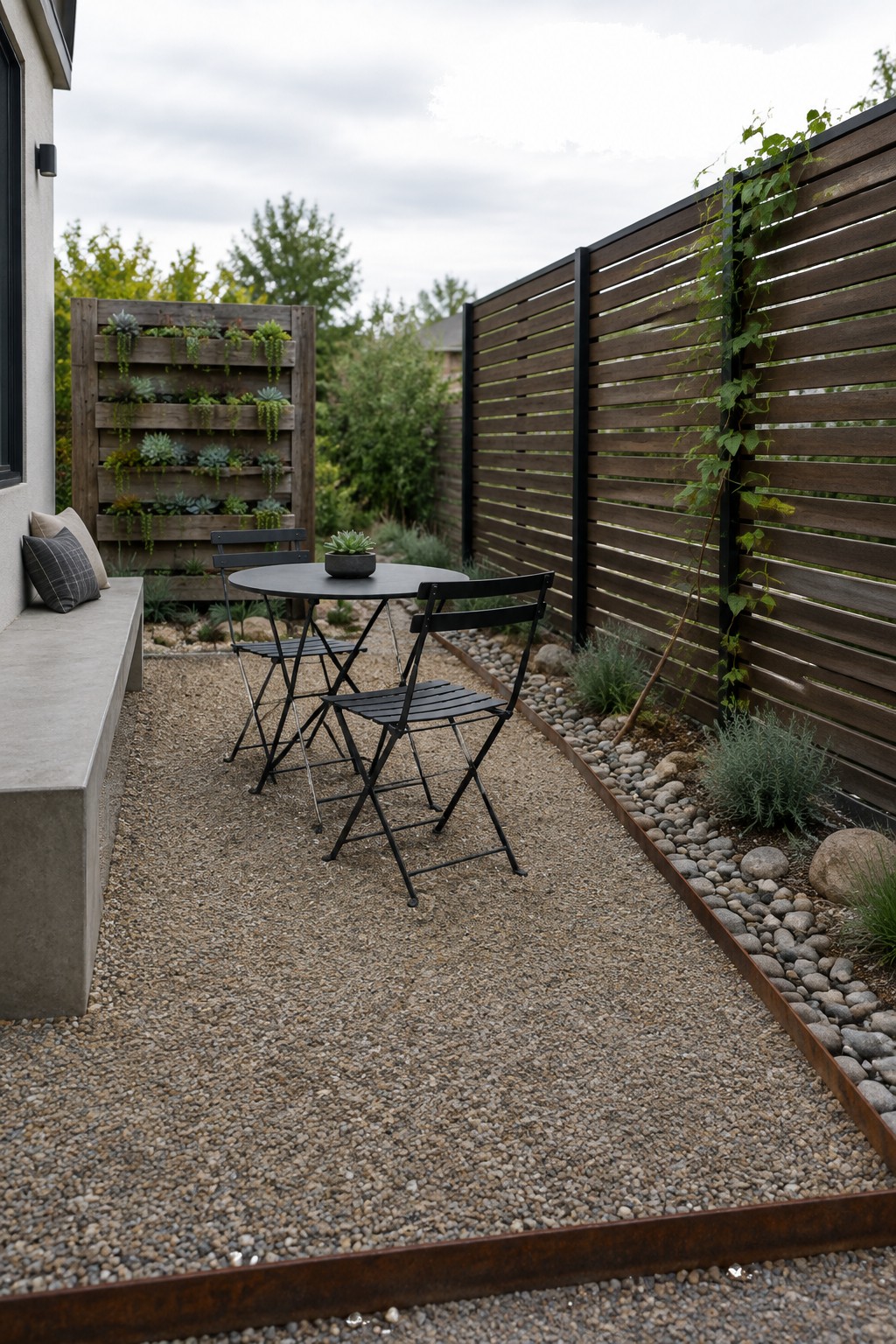
Gravel works well for patios because it costs less than pavers or concrete and still gives you a solid surface to place furniture on. The metal edging keeps the gravel from spilling into the planting beds, which helps the whole area look neat without a lot of extra work.
This approach suits small side yards or narrow backyard spaces where you want seating but do not need a big built structure. It works best on fairly flat ground and holds up fine in most climates as long as you choose edging that will not rust through too quickly.
Gravel Makes A Practical Patio Base
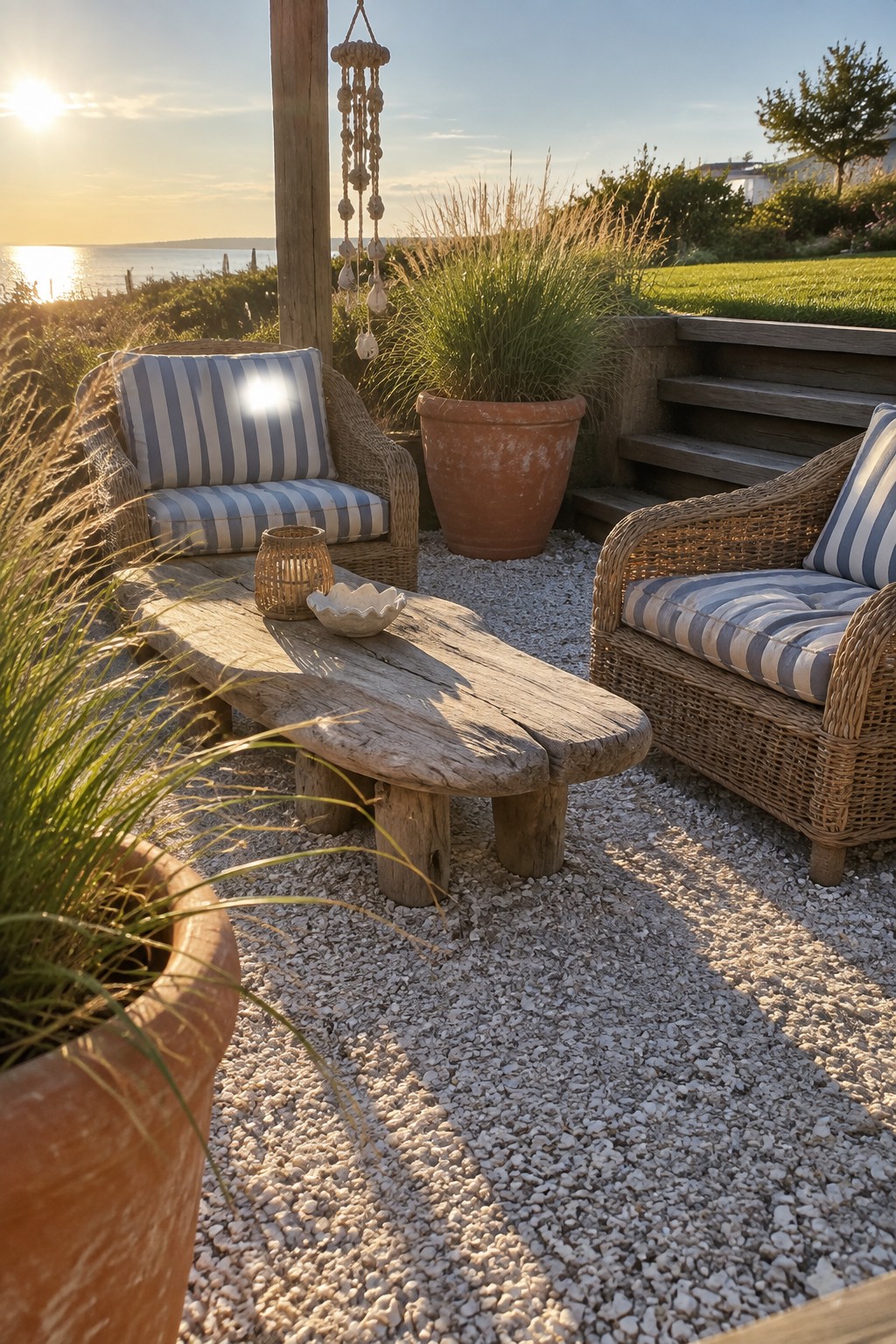
Gravel gives you a solid outdoor floor without pouring concrete or laying pavers. It drains well after rain, stays cooler underfoot, and costs far less than most hard surfaces. The setup here shows how a simple gravel patch can hold a couple of chairs and a low table without looking bare.
This works best in sunny or coastal spots where you want something low maintenance. Level the area first, add basic edging to keep the stones in place, and keep the furniture light so it does not sink. Skip the gravel if you need a perfectly smooth surface for tables with wheels or small children running around.
Gravel Makes Mixing Chairs Easy On A Patio
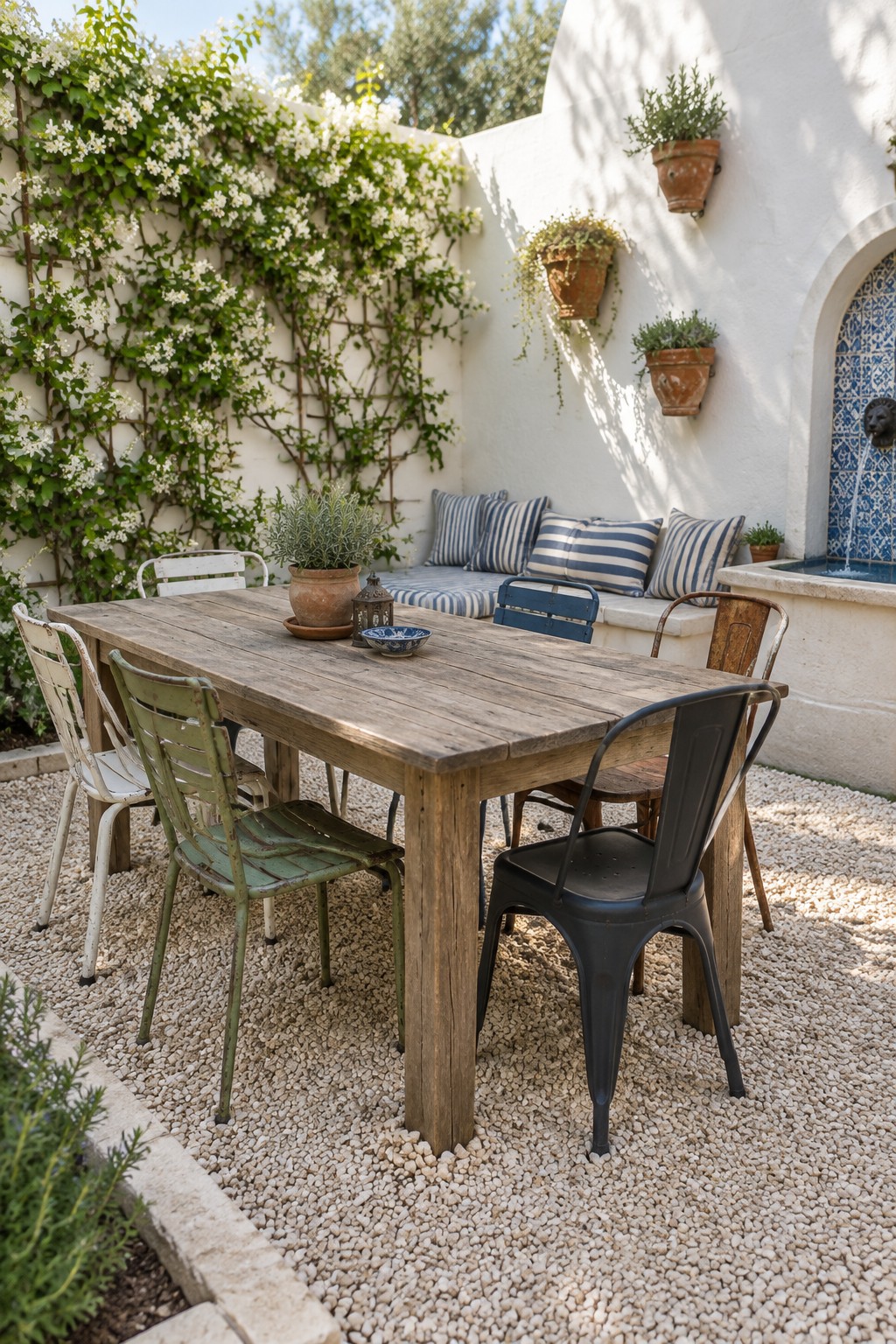
Gravel gives you a flat, low cost surface that does not force you to match every chair. You can bring in different metal or wood seats over time without worrying about perfect alignment or expensive decking underneath.
This setup works best in small side yards or back corners where you want a simple dining spot. Keep the edging basic with stone or timber, add a few pots, and the whole area feels finished without much spend.
Gravel With Simple Edging Makes An Affordable Patio
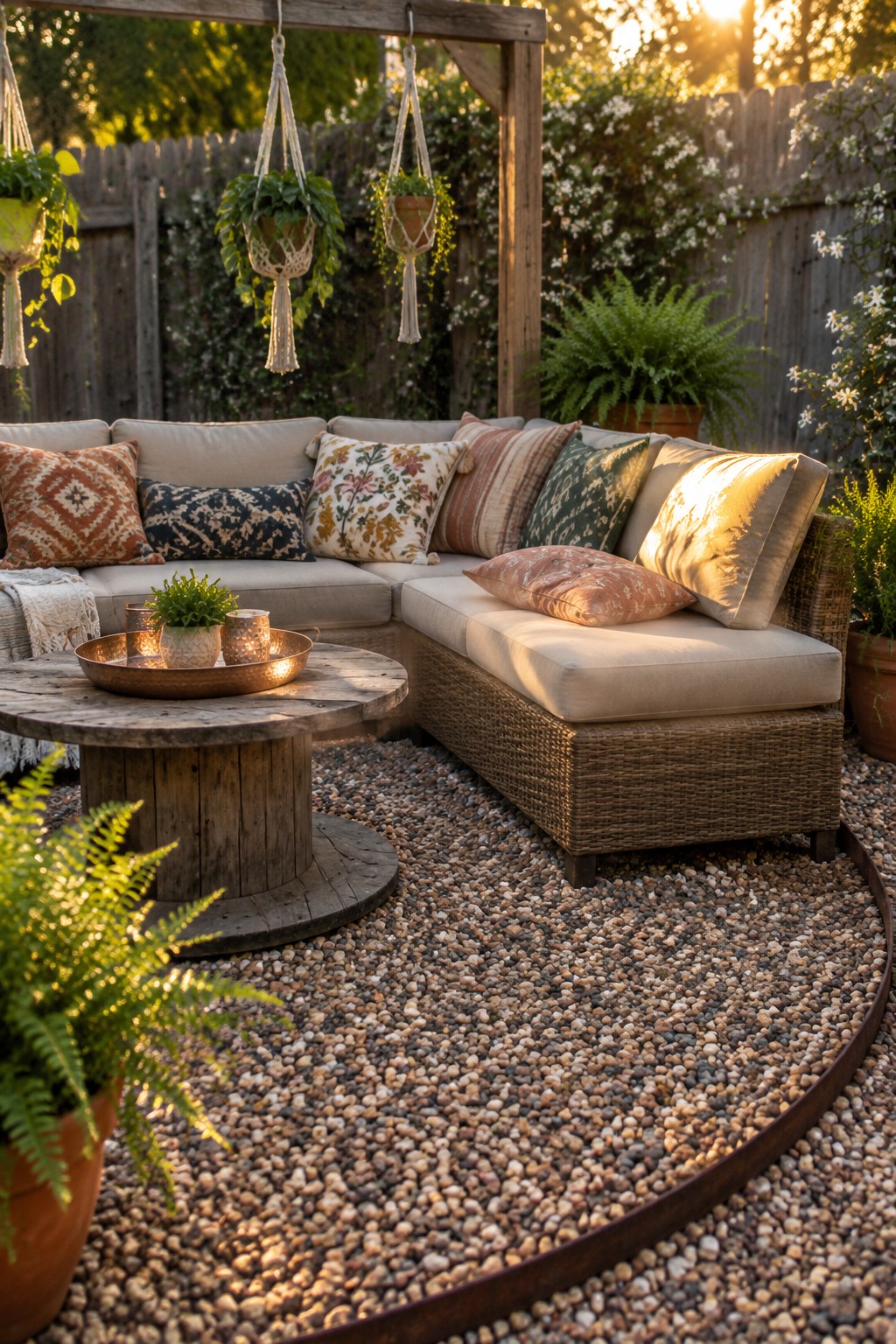
Gravel works well for patios because it drains easily and stays cooler than concrete in warm weather. Adding a simple metal edge keeps everything tidy and stops the gravel from spreading into the lawn or beds over time.
This setup suits smaller yards or rental homes where a permanent hardscape is not an option. Lay fabric first, spread the gravel evenly, then press the edging into the ground to hold the shape you want.
Gravel With Simple Edging For A Budget Patio
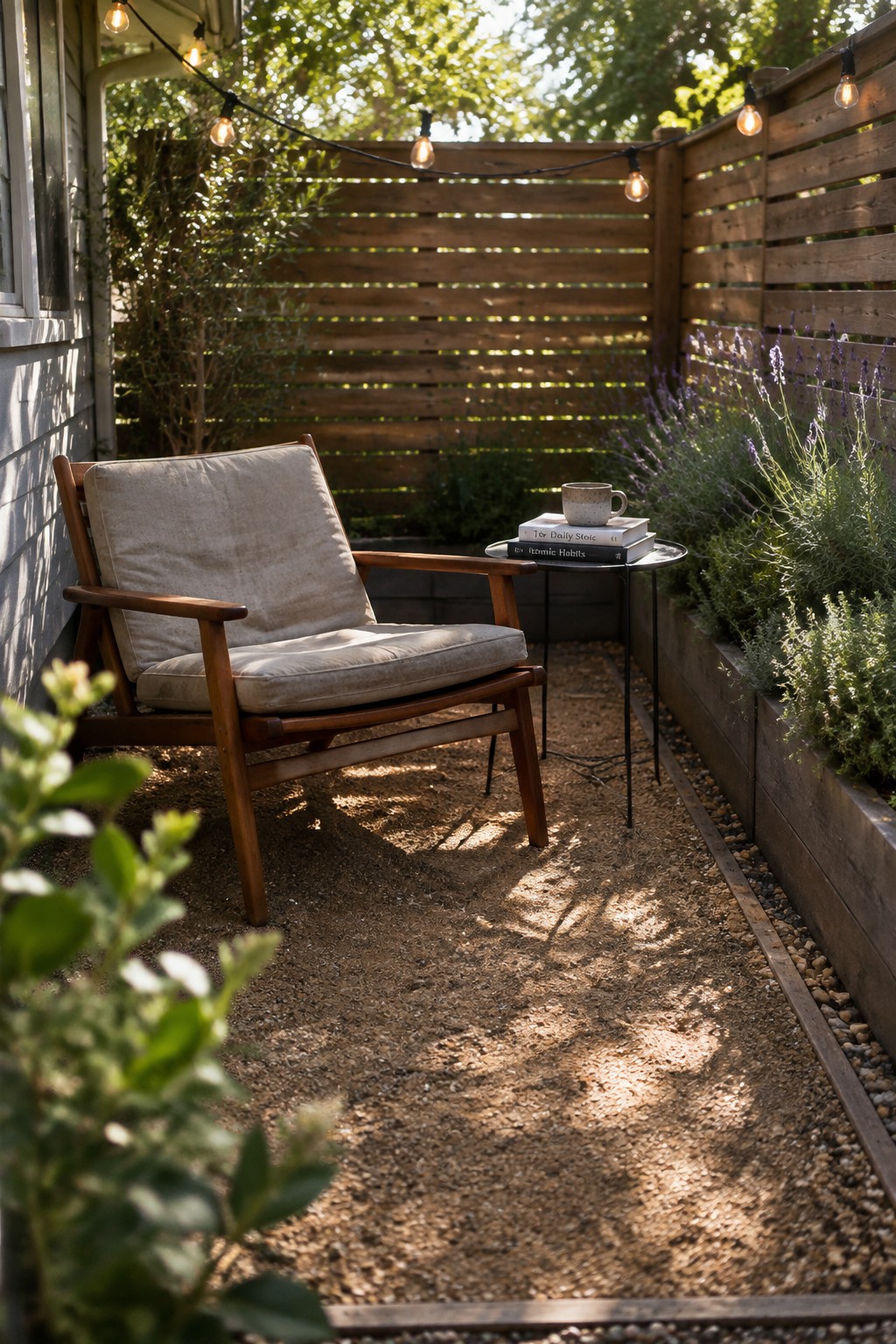
Gravel works well for patios because it costs less than stone or concrete and still gives you a solid surface underfoot. The wooden edging keeps everything contained and gives the space a finished look without extra steps or materials.
This setup suits narrow side yards or small back areas where you just need room for a chair or two. Lay landscape fabric first, spread the gravel, and use basic lumber to hold the edges. It drains fine after rain and stays low maintenance once it is in place.
Create an Affordable Fire Pit Patio Using Gravel
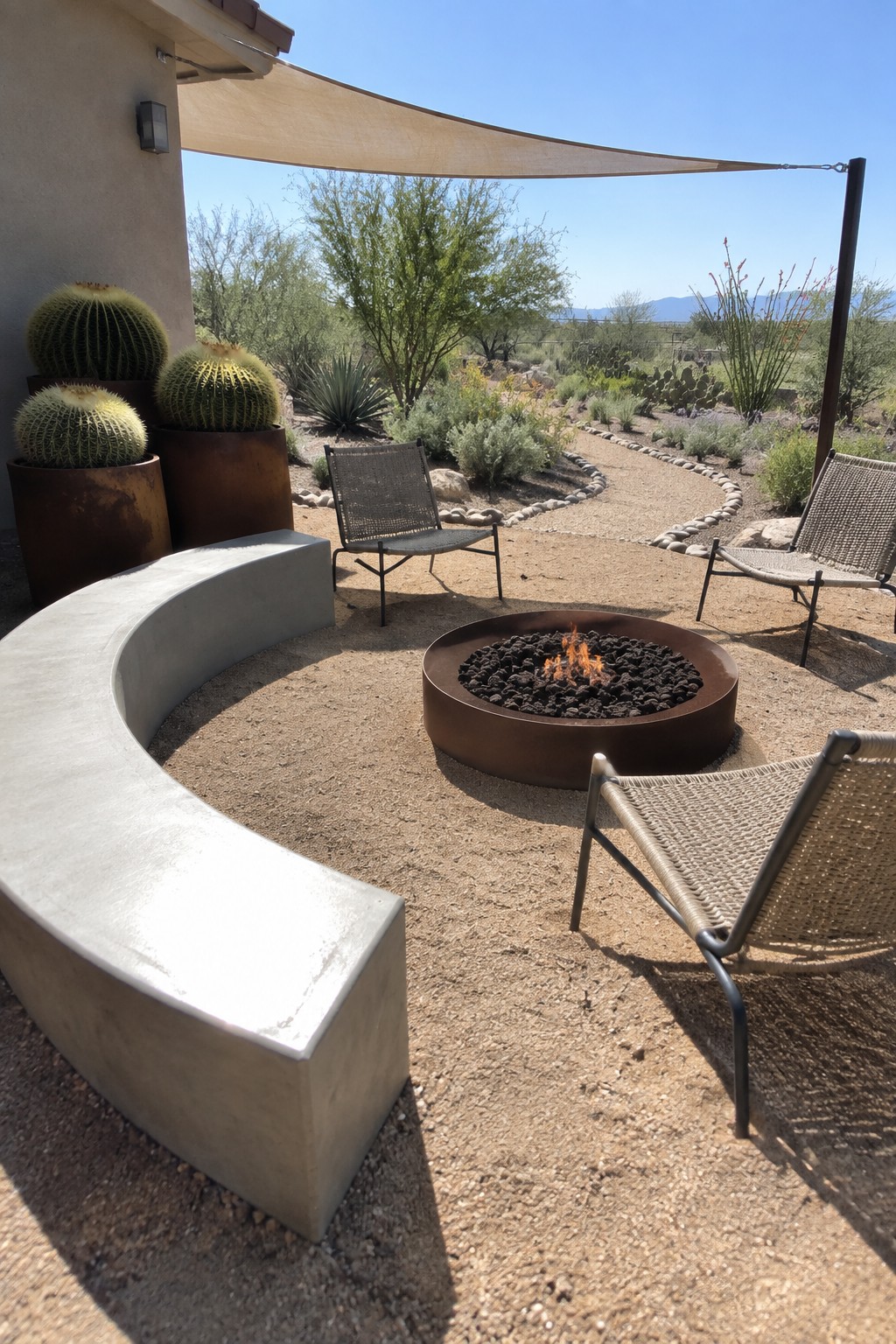
A gravel patio built around a fire pit gives you a simple outdoor space that works well for evening use and does not cost much to put together. The gravel surface drains easily and needs little upkeep, while the fire pit acts as the center point that pulls seating into place without extra structures.
This approach suits dry yards or homes where you want to keep things basic and avoid heavy construction. Lay landscape fabric first, spread the gravel evenly, and add a low concrete edge or similar border to contain the material. Lightweight chairs keep the layout flexible if you need to shift things around later.
Gravel Patios With Brick Edging
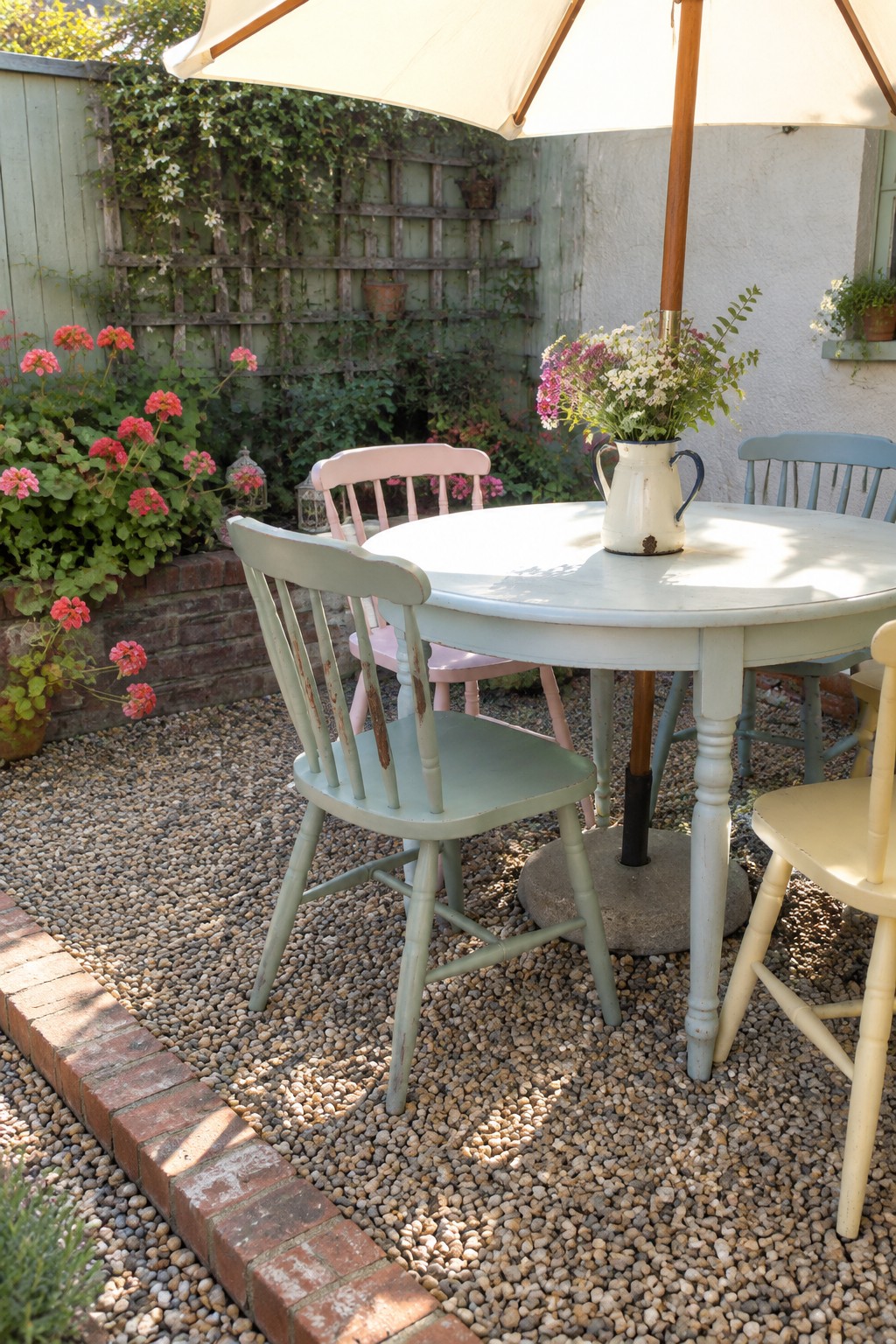
Gravel makes a solid choice for a patio floor when you want something affordable and quick to put down. The brick edging gives it a clean line that keeps the gravel from spreading into the garden beds, and it holds up well without needing much upkeep.
This setup works best in smaller yards or side areas where you want seating space without pouring concrete. Just make sure the ground slopes slightly so water drains away from the house, and lay landscape fabric underneath to slow down weeds.
Gravel And Pavers For A Narrow Patio
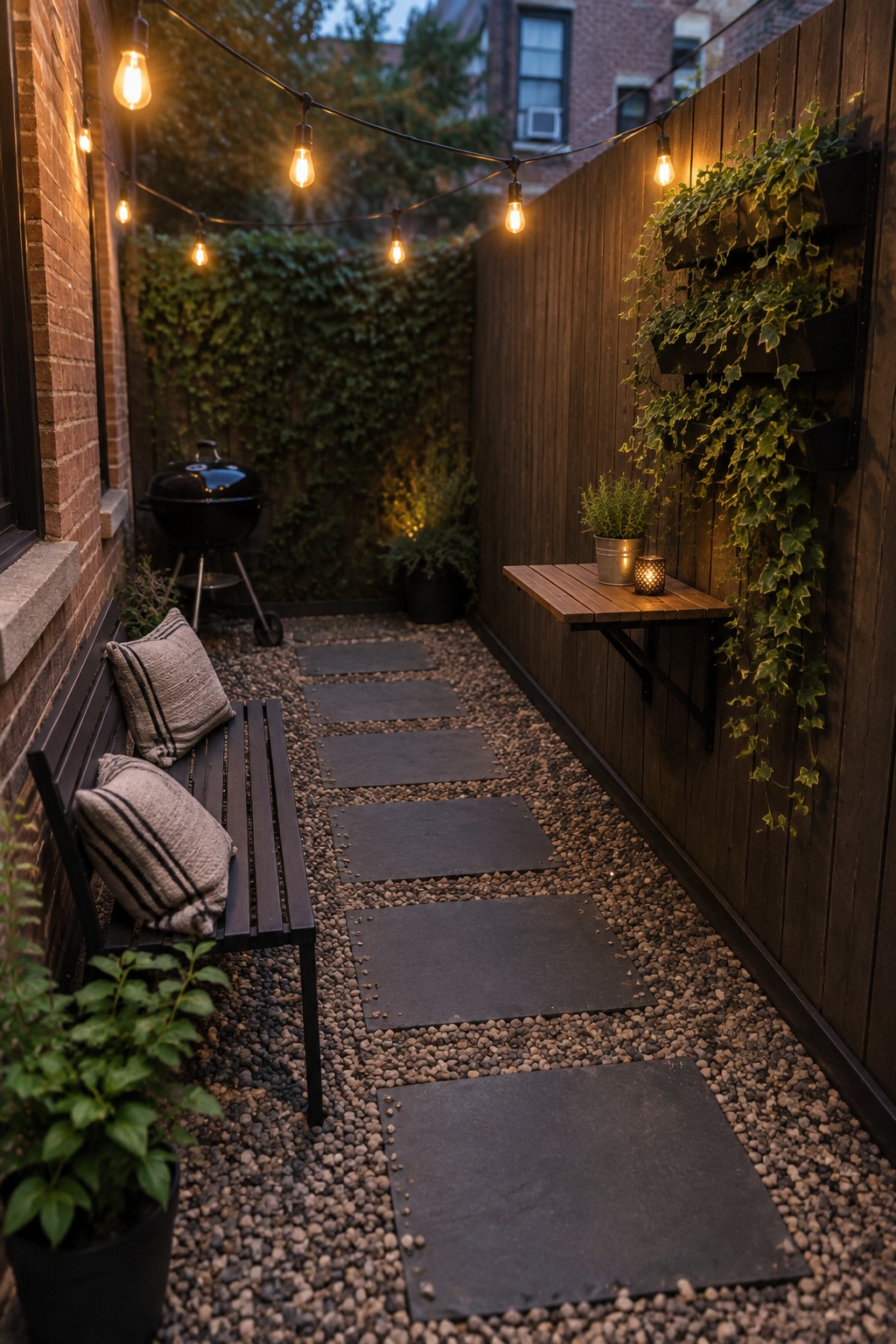
One simple way to make a narrow side yard usable is to cover the ground with gravel and set in a few large pavers as stepping stones. The gravel fills the space quickly and cheaply, while the pavers give you a flat, easy path to walk on and a place to set furniture without it sinking.
This approach works best in tight areas where a full deck or poured patio would cost too much or take up too much room. Keep the gravel layer thick enough to stay put and add some kind of border if the space sits next to grass or beds.
Gravel Patios With Simple Wood Edging
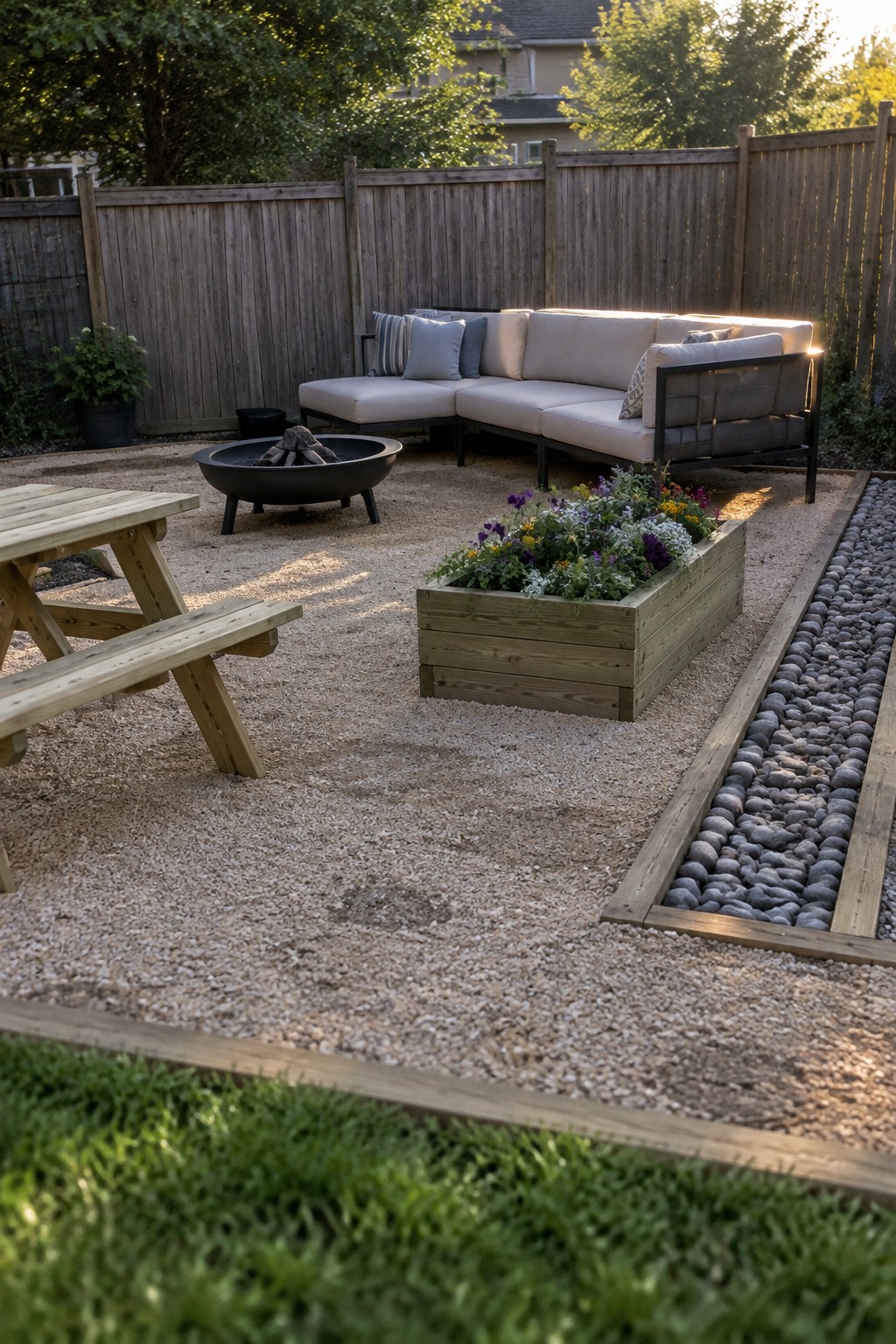
Gravel works well for patios because it drains easily and costs far less than pavers or concrete. Adding a basic wood border keeps the gravel from spreading into the grass or planting beds and gives the whole area a cleaner look without much extra work.
This setup suits smaller backyards or side yards where you want a flat seating space around a fire pit. Keep the edging low so it does not block movement, and use landscape fabric underneath the gravel to cut down on weeds over time.
Gravel Poolside Areas Keep Things Simple
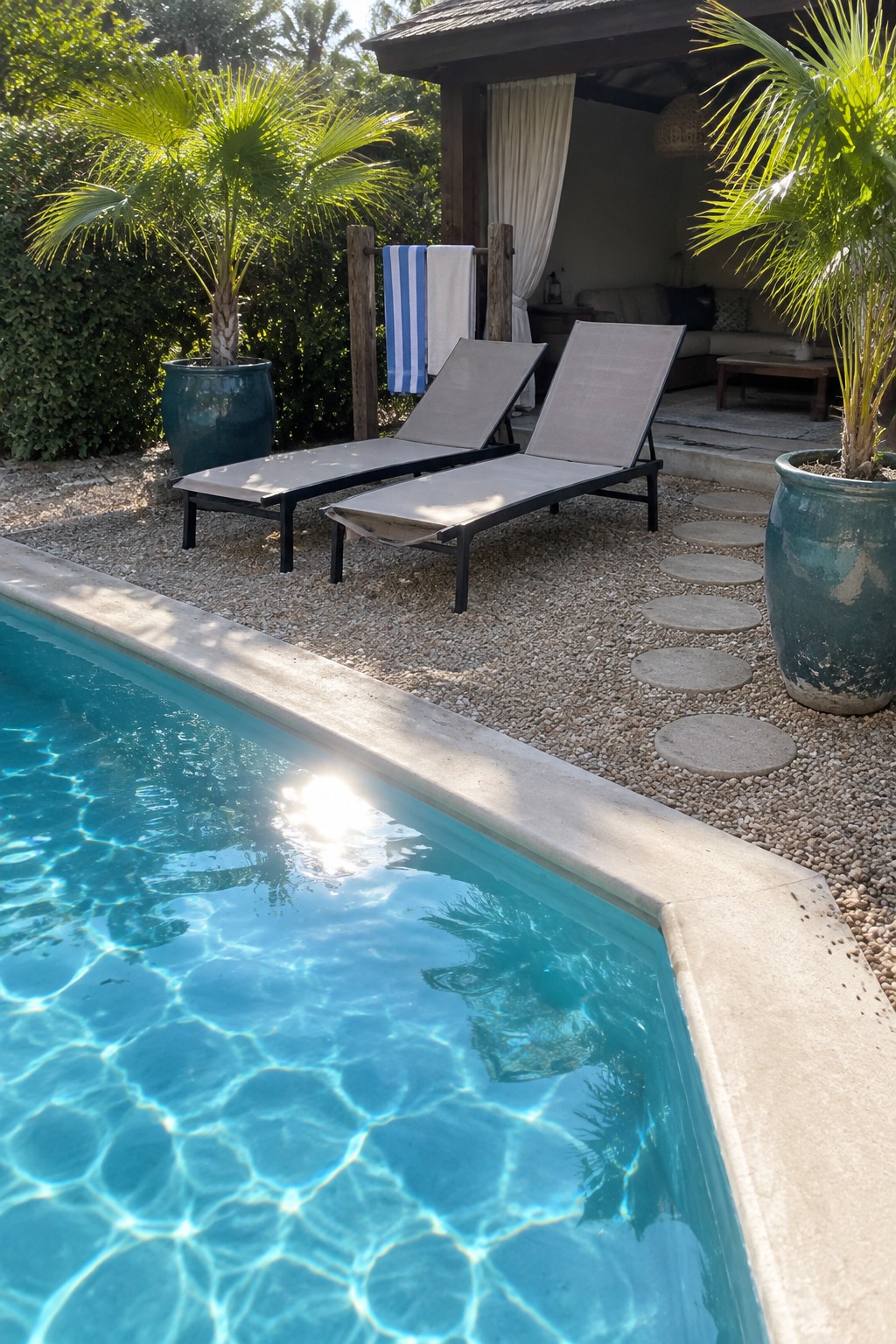
Gravel makes a good surface around pools because it drains well and costs far less than concrete or stone decking. The look stays casual, which suits most backyard setups, and it handles sun and water without much upkeep.
Place a pair of lounge chairs directly on the gravel and add a few big pots with palms or similar plants. This works best for homes that already have a pool and want an extra spot to sit without a big construction project. Keep the edging basic so the whole thing stays affordable.
Gravel Patios With Simple Stone Edging
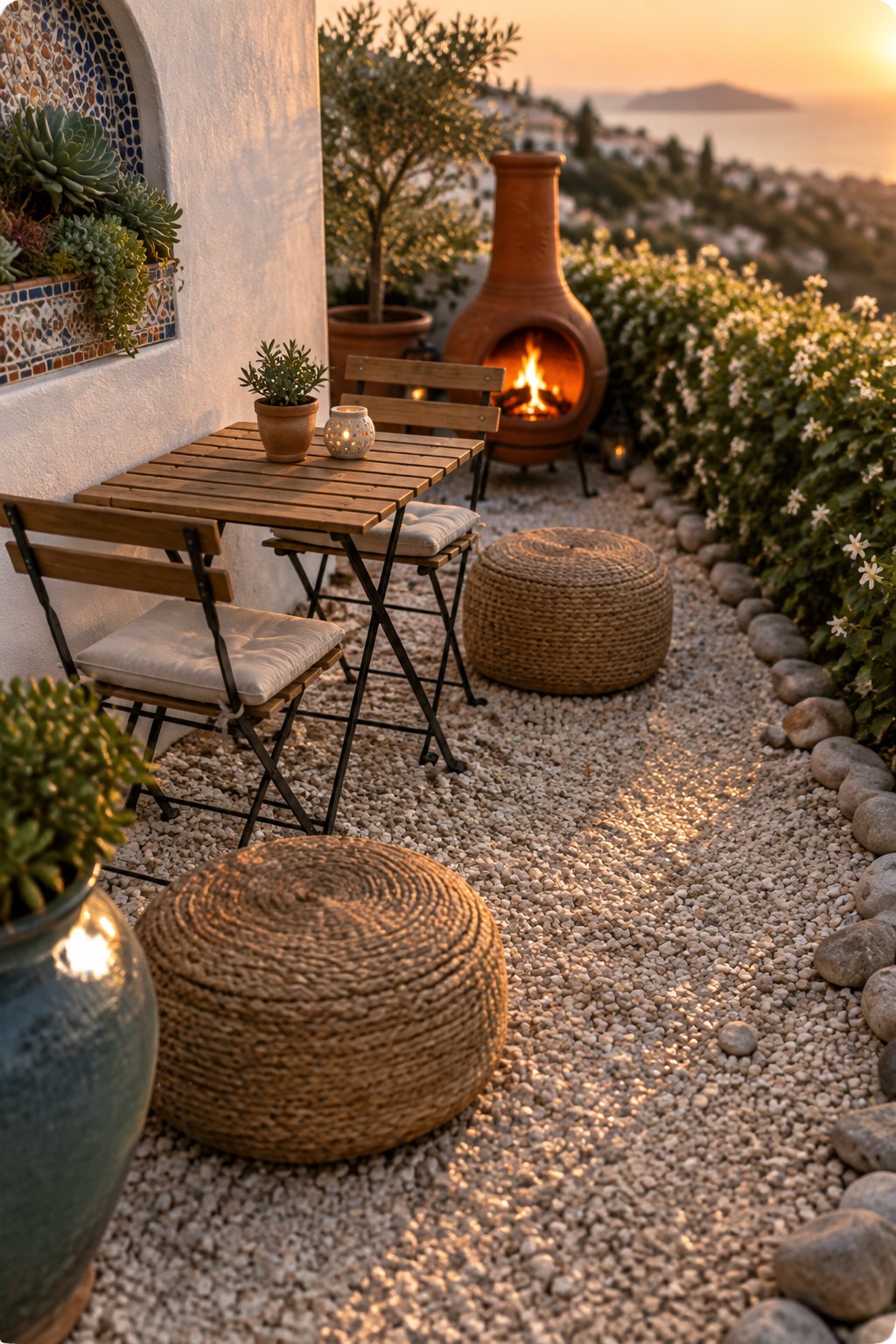
Gravel makes a practical base for outdoor seating areas because it drains well and stays cooler than hard paving in warm weather. The stone border keeps the surface tidy and stops the gravel from spreading into planted beds or walkways. This approach works especially well when you want to cover a decent amount of ground without a big materials budget.
It fits homes with level yards or those looking for a low-key outdoor spot near the house. Start with landscape fabric to control weeds, spread the gravel evenly, and use whatever rocks or bricks you have on hand for the edge. Keep the layout open so chairs and a small table can move around easily.
Gravel Patios Defined By Simple Edging
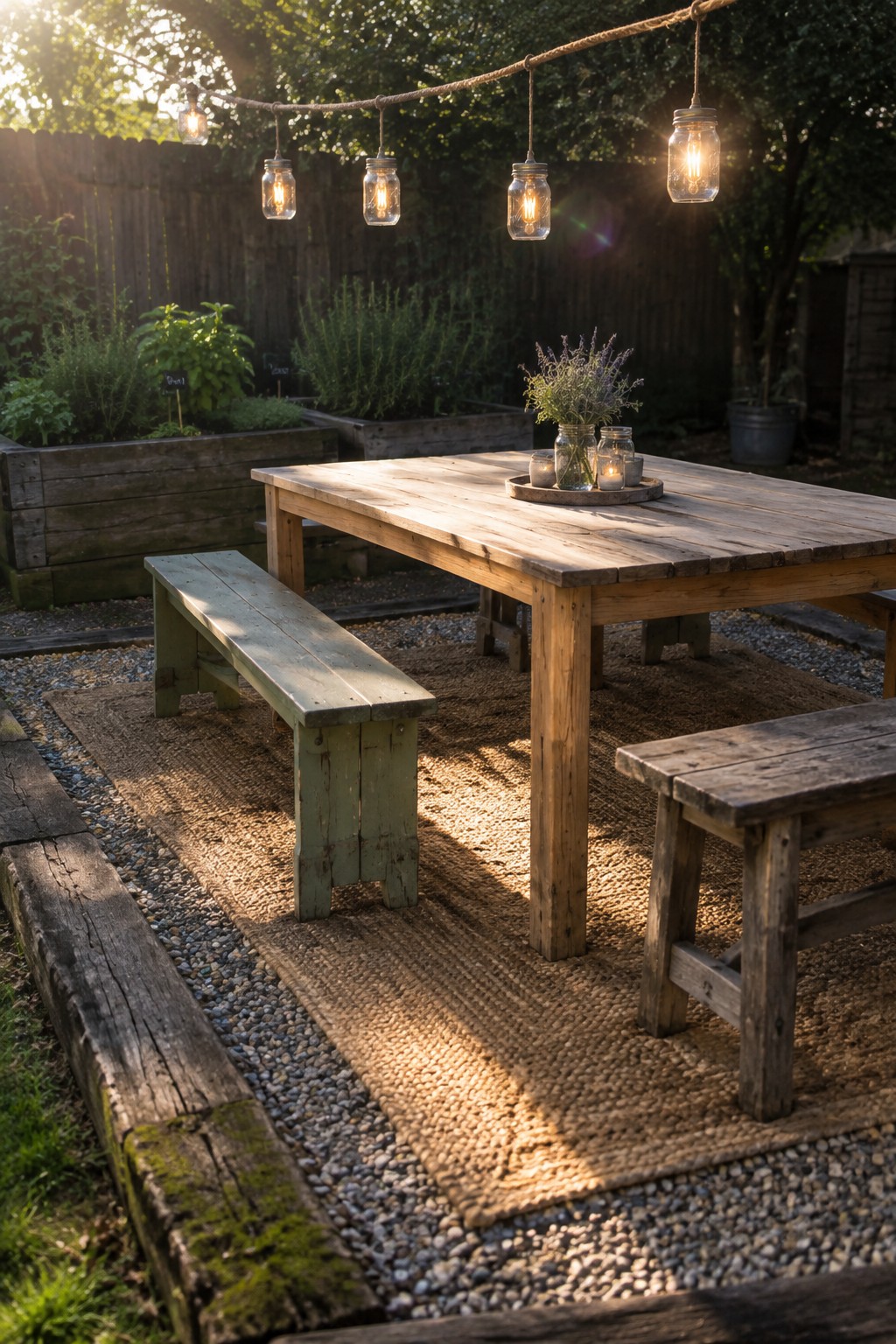
Gravel makes a practical base for a patio because it drains well and stays cooler than hard surfaces in summer. A simple wooden edge around the gravel keeps everything contained and gives the space a tidy border without needing fancy materials or big labor.
This approach works best in casual backyards where you want seating or dining space on a budget. Lay landscape fabric first, spread the gravel evenly, and add the edging along the perimeter so the area stays neat over time.
Gravel Paths With Simple Edging
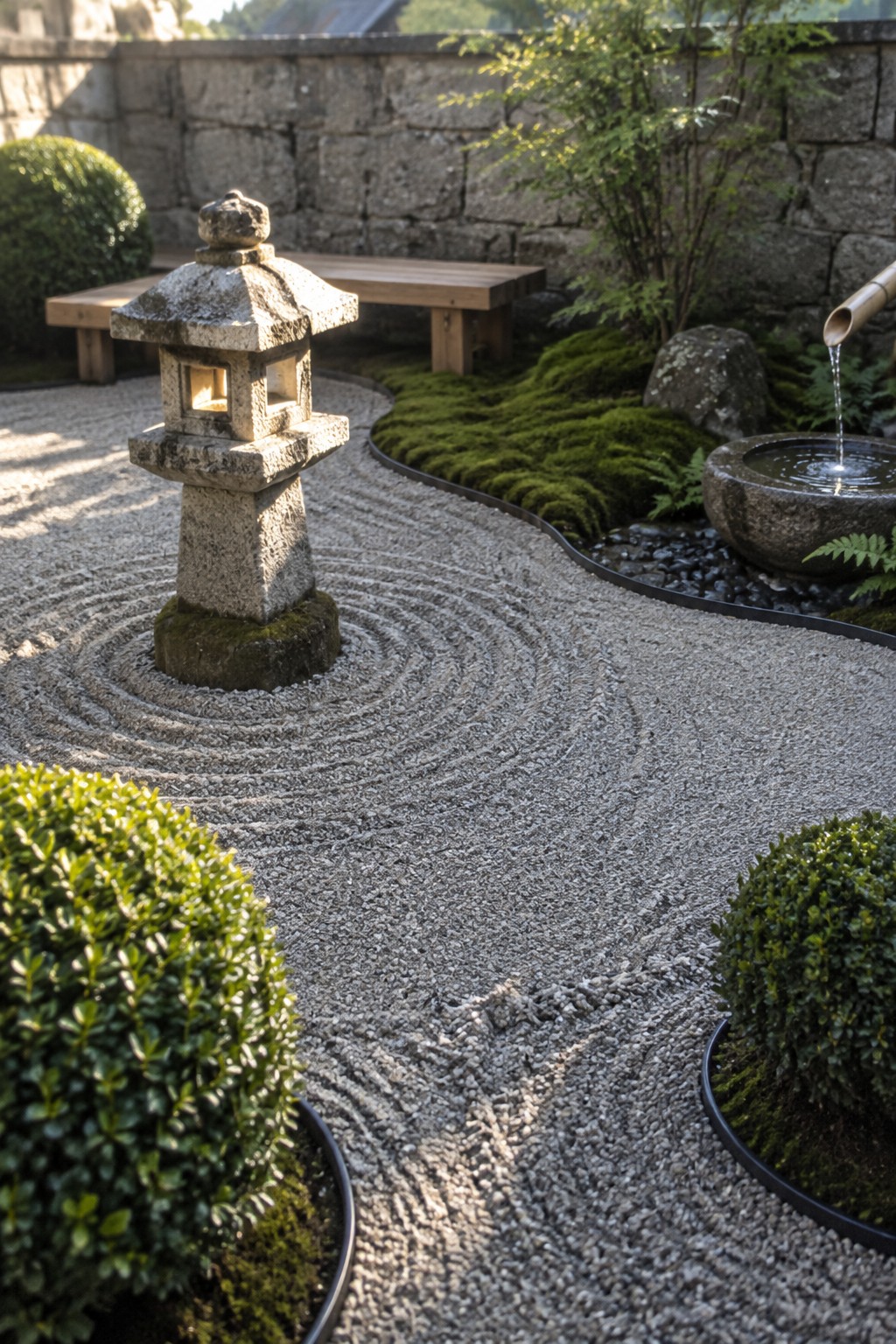
Gravel paths work well when you want to define space without spending much. The material stays cheap, drains easily, and the edging keeps the gravel from spreading into planted areas.
This approach suits smaller yards or side gardens where you need a clean walkway. Lay landscape fabric first, spread the gravel, then add a simple border to hold the shape. Rake it occasionally to refresh the surface.
Gravel Creates A Simple Patio On A Budget
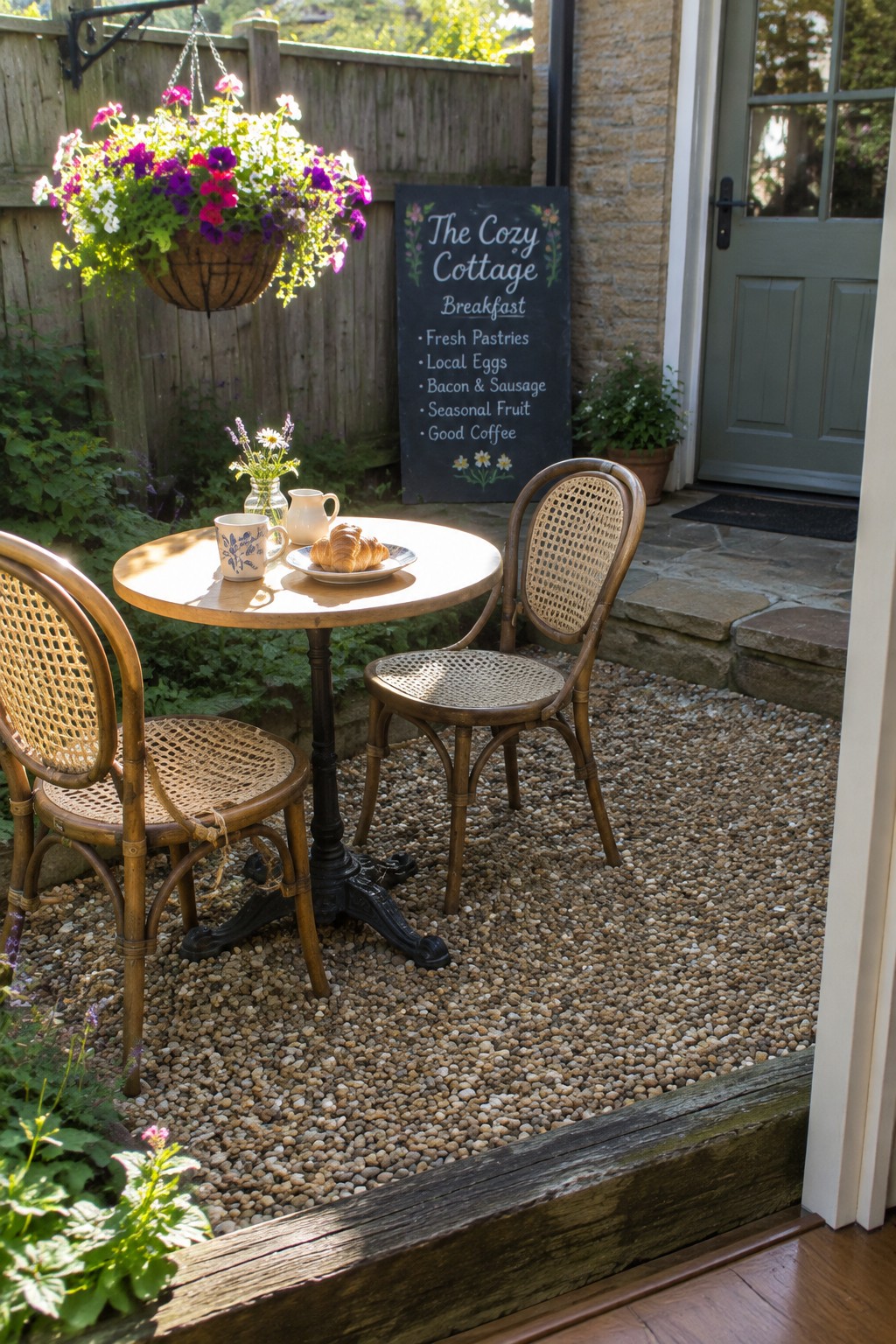
Gravel gives you an easy way to cover the ground for a small seating area without the cost of concrete or pavers. It drains well, settles into place over time, and lets you set up a table and chairs almost anywhere.
You can hold the gravel in place with basic wood edging along the sides. This works best in side yards or small back corners where you want a relaxed spot that stays low maintenance and easy to adjust later.
Pavers Set in Gravel Keep Patio Costs Low
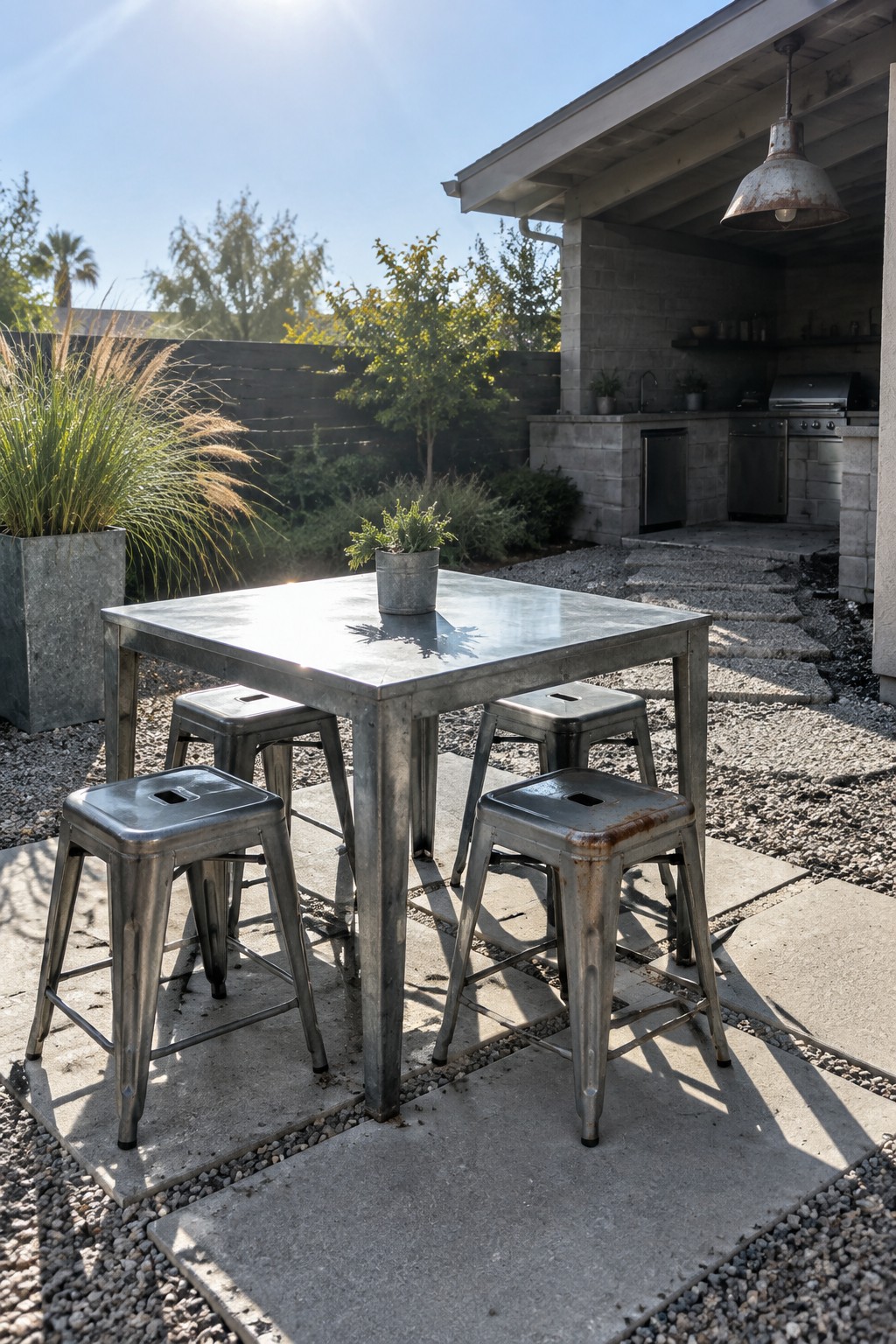
This approach uses square concrete pavers laid straight into a gravel base to create a stable surface for seating. It avoids the expense of a full concrete pour while still giving chairs and tables a level spot that drains well after rain.
The layout works best in small to medium backyards where you want something simple and easy to adjust later. Just compact the gravel first and keep the paver edges tight so the surface stays solid underfoot.
Gravel As A Simple Patio Base
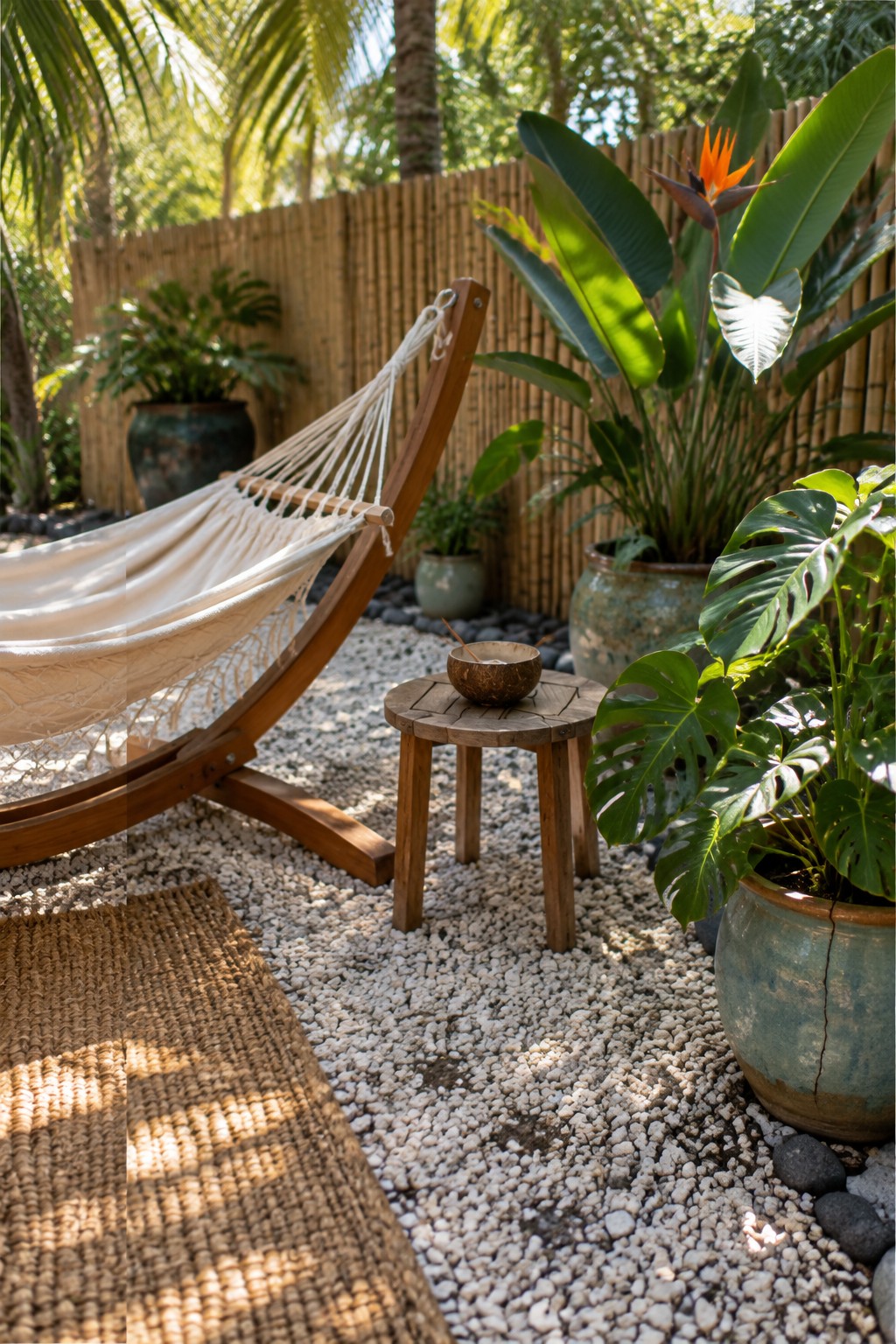
Gravel works well for patios because it costs little, drains easily, and needs almost no upkeep. You can spread it over a weekend, and it gives the space a clean, finished look without pouring concrete or laying pavers. Large pots placed around the edges keep the area from feeling bare while letting you change the layout anytime.
This approach fits small yards, side gardens, or rental homes where digging permanent beds is not an option. Keep the gravel layer a few inches deep and use simple edging like landscape fabric or low rocks to hold it in place. The pots do the rest of the work and can move with you if you relocate.
Frequently Asked Questions
Q: Will weeds grow through the gravel over time? A: Pull any that appear right away to keep them from spreading. The landscape fabric underneath slows them down a lot. You might need to top off the gravel once a year in spots that get thin.
Q: What if heavy rain moves the gravel around? A: Make sure your edging sits a bit higher than the gravel surface. This creates a barrier that holds things together better. Add a thin layer of smaller gravel on top for extra stability after the first rain.
Q: How stable will chairs and tables feel on this surface? A: Place pavers or flat stones under the legs of heavy furniture. They keep everything from sinking or tipping on the loose gravel. Move them around as needed when you rearrange the setup.
