

Do you find yourself hesitating to hang that new artwork on your plaster walls? You’re not alone. The frustration of drilling into plaster can turn a simple task into a daunting challenge. Imagine effortlessly mastering the art of drilling in plaster without the fear of damaging your walls. In this article, you’ll discover the essential tips and techniques to confidently tackle drilling in plaster like a pro. Stay tuned to unlock the secrets that will make your next home improvement project a breeze.
Key Takeaways
- Plaster walls are durable but require special care due to their hardness and composition, consisting of a layer of gypsum or lime plaster over a wooden or metal lath.
- Before drilling into plaster walls, locate studs using a stud finder, avoid electrical wiring and pipes, and start with a small pilot hole to ensure accuracy.
- Use the right tools and materials such as a masonry drill bit, protective eyewear, stud finder, and a level to effectively drill into plaster walls.
- Preparing adequately before drilling is crucial; gather tools, choose the correct drill bits, clear the work area, mark the drilling spot accurately, locate studs and wiring, and plan your drilling approach.
- Employ the correct techniques while drilling in plaster walls, such as drilling at low speed, using light pressure, clearing dust regularly, and checking drilling depth for a neat finish.
- Prioritize safety by wearing protective gear, turning off power, using stable ladders, handling drills correctly, maintaining a mindful working environment, and being prepared for fire safety precautions.
Understanding Plaster Walls
When dealing with plaster walls, it’s crucial to grasp their characteristics to ensure successful drilling. Plaster walls are durable but require special care due to their composition.
Characteristics of Plaster Walls
Hardness: Plaster walls are hard, making them more challenging to drill through compared to drywall. You’ll need the right tools and techniques to penetrate them effectively.
Composition: Plaster walls consist of a layer of gypsum or lime plaster over a wooden or metal lath. This composition gives them their strength but also means you must approach drilling carefully to avoid damage.
Lath Presence: The wooden or metal lath behind plaster walls affects the drilling process. Understanding where these supports are located can help you drill more accurately and prevent unnecessary complications.
What to Consider Before Drilling
Before grabbing your drill, assess the area you plan to work on:
- Locate Studs: Use a stud finder to identify the position of studs behind the plaster. It’s essential to drill into these solid supports for stability.
- Avoid Electrical Wiring and Pipes: Check for any electrical wiring or plumbing behind the plaster before drilling to prevent accidents or damage.
- Start Small: Begin with a small pilot hole to test the wall composition and ensure you’re drilling in the right spot.
Quick Tip:
When drilling into plaster walls, consider using a masonry bit designed for hard surfaces to make the process smoother.
By understanding the nature of plaster walls and taking necessary precautions, you’ll be better equipped to drill into them effectively while preserving the integrity of your walls.
Tools and Materials Needed
To effectively drill into plaster walls, you’ll need the right tools and materials. Here’s a list of essential items to have on hand before you begin:
- Drill: A versatile power tool that allows you to create holes in various materials.
- Masonry Drill Bit: Specifically designed for drilling into hard surfaces like plaster, concrete, or brick.
- Pilot Drill Bit: A smaller bit used to create a initial guide hole before using a larger bit.
- Masking Tape: Helps prevent chipping or cracking of the plaster while drilling.
- Protective Eyewear: Safety glasses to shield your eyes from dust or debris.
- Dust Mask: Ensures you breathe in clean air while working in a dusty environment.
- Work Gloves: Protects your hands from any sharp edges or materials.
- Stud Finder: A handy tool to locate studs within the plaster wall for secure drilling.
- Level: Ensures your drill holes are straight and aligned correctly.
- Painter’s Tape: Useful for marking drill locations without damaging the wall’s surface.
- Shop-Vac or Vacuum Cleaner: Helps clean up any dust or debris created during drilling.
- Extension Cord: In case your power source is not within reach.
- Ladder or Step Stool: Provides access to higher areas on the wall.
Recommended Products

2 cutter carbide tip of masonry drill bit set maximizes carbide surface contact for longer bit life.

CARBIDE TIPS AND STEEL BODIES: Each bit combines a spear-shaped carbide cutting tip with a steel body and spiral flutes that guide loosened material along the bit; use speed, pressure, and cooling suited to the surface
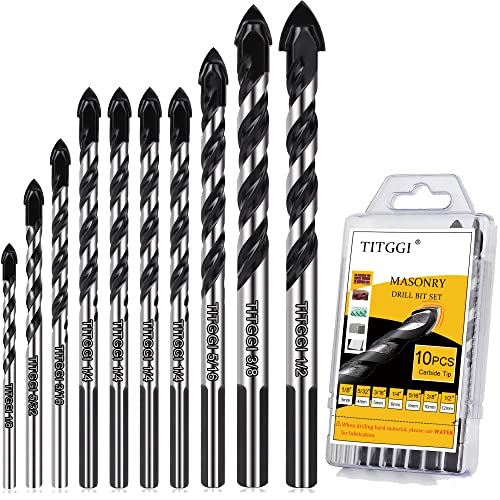
HIGH QUALITY DRILL BIT SET; TITGGI Masonry drill bit set, industrial strength carbide drill bit tip, excellent abrasion resistance, make the drilling much more easier. this cement drill bits can easily penetrate various material (glass, ceramic, cement, wood, brick, travertine, hard plastic, etc.)
Preparing to Drill
Before you begin drilling into plaster walls, it’s crucial to prepare adequately. Here’s a checklist to help you get ready for a successful drilling process:
Recommended Products

Ultimate Impact Drilling Performance: Engineered for today's high-torque power tools, this Bosch LBHX010 1/2-inch Hex Shank Hammer Drill Masonry Bit delivers up to 4X longer life compared to standard masonry bits in demanding impact applications.

10PCS Masonry Drill Bit Set: Includes 10 commonly used sizes from 5/32" to 1/2" for different drilling needs. A practical carbide drill bit set for installing wall anchors, screws, shelves, fixtures, bathroom hardware, kitchen accessories, and general home repair projects

10 pcs of masonry drill bits with the following tip diameters: 1/8, 5/32, 3/16, 1/4 (*4), 5/16, 3/8 and 1/2.
Gather Your Tools and Materials
Make sure you have all the necessary tools and materials in place before starting to drill. Here’s what you’ll need:
- Drill: To create holes in the plaster.
- Masonry Drill Bit: Specifically designed for drilling into hard surfaces like plaster.
- Stud Finder: Essential for locating studs behind the plaster.
- Safety Gear: Protect yourself with safety glasses and gloves.
- Masking Tape: Use it to mark the drilling spot and prevent chipping.
- Painter’s Tape: Helps protect the wall surface from scratches.
- Vacuum Cleaner: For cleaning up debris as you drill.
Choose the Right Drill Bits
Selecting the correct drill bit is essential for successful drilling. Ensure you have the appropriate masonry drill bit for plaster walls. Using the right drill bit will make the process easier and prevent damage to the wall.
Prepare the Work Area
Clear the area around the spot where you plan to drill. Remove any furniture, decorations, or objects that might obstruct your drilling. Creating a clear workspace will make the process safer and more efficient.
Mark the Drilling Spot
Use a pencil and a level to mark the exact spot where you want to drill. Double-check the location to ensure accuracy. Applying masking tape over the marked spot can help prevent the plaster from cracking or chipping during drilling.
Locate Studs and Wiring
Before drilling, use a stud finder to locate the studs behind the plaster wall. Avoid drilling into electrical wiring or pipes. Knowing where the studs are will guide you in selecting the correct drilling locations.
Plan Your Approach
Decide on the drilling technique based on the wall composition and the purpose of the hole. Consider the depth of the hole needed and the size of the drill bit required. Having a clear plan of action will ensure precise and effective drilling.
By preparing adequately before drilling into plaster walls, you set yourself up for a smooth and successful drilling experience. Following these steps will help you avoid common pitfalls and achieve accurate results in your home improvement projects.
Techniques for Drilling in Plaster
When it comes to drilling into plaster walls, employing the right techniques is essential to achieve accurate and safe results. Here are the steps to ensure a successful drilling experience:
Recommended Products

【14 Pcs Masonry Drill Bit Set 】: Covers 7 essential sizes: 5/32", 3/16", 7/32", 1/4", 5/16", 3/8", 1/2", two of each size are included, a total of 14 to meet all your needs, the practical storage box ensures convenient storage and greater portability during use.

8Pcs Masonry Drill Bit Set: Package includes 1 X 5/32“、2 X 3/16”、3 X 1/4“、1 X 5/16”、1 X 3/8", 5 different sizes of cement drills to easily meet your drilling needs

Versatility - Our Concrete Drill Bits includes on: 1X5/32" 1X3/16"(5mm), 5X1/4"(6mm), 2X5/16"(8mm),1X3/8"(10mm) and 1X 1/2"(12mm) to meet variety of needs.
Pre-Drilling Preparation Steps:
- Gather Tools: Before starting, ensure you have the necessary tools handy. You’ll need a drill, appropriate drill bits, a stud finder, pencil, tape measure, level, safety goggles, and a dust mask.
- Choose Correct Drill Bits: Opt for carbide-tipped masonry bits or diamond-tipped bits specifically designed for drilling into plaster. These bits are durable and can easily penetrate the hard surface.
- Clear Work Area: Remove any furniture, decorations, or obstacles near the drilling spot to have a clear working space. This helps prevent accidents or damage to surrounding items.
- Mark the Drilling Spot: Use a pencil to mark the exact point where you want to drill. Double-check the location to ensure accuracy before proceeding.
- Locate Studs and Wiring: Utilize a stud finder to locate the wooden studs behind the plaster. Avoid drilling into electrical wiring or plumbing by being aware of their locations.
- Plan Drilling Approach: Determine the angle at which you’ll drill based on the item you’re installing. For heavier items, drill into the studs for better support.
- Drill at Low Speed: Plaster is a delicate material, so start drilling at a low speed to prevent cracking or chipping. Increase the speed gradually as needed.
- Use Light Pressure: Apply gentle pressure on the drill to avoid damaging the plaster surface. Let the drill bit do the work without forcing it through.
- Clear Dust Regularly: Stop drilling periodically to clear away plaster dust using a vacuum or brush. This maintains visibility and prevents dust from clogging the hole.
- Check Depth: Use a piece of tape on the drill bit to mark the desired drilling depth. This helps you drill holes of consistent depth for a neat finish.
By following these techniques and steps, you can drill into plaster walls effectively and efficiently for your home improvement projects. Remember to prioritize safety by wearing protective gear and taking necessary precautions throughout the process.
Safety Precautions
When drilling into plaster walls, safety should be your top priority to ensure a smooth and secure process. Here are some essential safety precautions you should keep in mind:
1. Protective Gear:
- Always wear safety goggles to shield your eyes from debris and dust that may fly off during drilling.
- Use a dust mask to prevent inhalation of plaster dust, keeping your respiratory system safe.
2. Electrical Safety:
- Before drilling, turn off the power to avoid any accidental contact with electrical wiring inside the walls.
- Double-check with a stud finder or wire detector to ensure you won’t drill into any live wires.
3. Secure Ladder Usage:
- If your drilling requires a ladder, make sure it’s stable and placed on a flat surface.
- Have someone support the ladder while you’re working for added safety.
4. Correct Drill Handling:
- Hold the drill with both hands for better control and stability during operation.
- Avoid wearing loose clothing or jewelry that could get caught in the drill.
5. Mindful Working Environment:
- Clear the work area of any obstacles to move freely and prevent tripping hazards.
- Keep pets and children away from the drilling site for their safety.
6. Fire Safety Precautions:
- Have a fire extinguisher nearby in case of any unexpected incidents.
- Be cautious of overheating while drilling, as it can pose a fire risk.
- Store drills and drill bits properly when not in use to prevent accidents.
- Regularly inspect tools for damages and replace any worn-out or defective parts.
Troubleshooting
When drilling into plaster walls, you may encounter challenges that require troubleshooting to ensure a smooth process. Here are some common issues you might face and how to address them:
1. Crumbling Plaster
- If you notice the plaster crumbling around the drilled area, it could be due to the wall’s age or poor plaster quality.
- To address this, try using a lower drill speed to prevent further damage. You can also reinforce the area with plaster patching compound after drilling.
2. Drill Bit Getting Stuck
- Sometimes, the drill bit may get stuck in the plaster, making it challenging to continue drilling.
- To resolve this, gently reverse the drill to remove the bit. You can also try using a lubricant on the bit for smoother operation.
3. Misaligned Holes
- Accidentally drilling misaligned holes can be frustrating, especially if precision is essential for your project.
- To avoid this, mark the drilling spot carefully using a pencil or tape measure before drilling. You can also use a laser level for precise alignment.
4. Dust Build-up
- Drilling in plaster can create a significant amount of dust, which can be messy and pose respiratory risks.
- To manage dust build-up, consider using a vacuum attachment on your drill or a separate vacuum cleaner nearby to suck up the debris as you drill.
5. Electrical Wiring Concerns
- One of the critical safety considerations when drilling into walls is the risk of hitting electrical wiring hidden behind the plaster.
- Before drilling, use a stud finder or electronic wire detector to locate any wires and avoid drilling in those areas.
- Excessive drilling in the same area can compromise the structural integrity of the wall, leading to potential damage.
- To maintain the wall’s stability, space out your drill holes and avoid clustering them in one spot.
By being aware of these potential issues and knowing how to troubleshoot them, you can enhance your drilling experience in plaster walls and achieve better results.
Conclusion
You’ve now gained valuable insights into the world of drilling into plaster walls. Remember, it’s crucial to approach this task with caution and the right techniques. By understanding the composition of your walls and following the safety guidelines provided, you can ensure a smooth drilling experience. Always prioritize safety, use the correct tools, and maintain a tidy workspace to avoid any mishaps. With this knowledge, you’re well-equipped to tackle any challenges that may arise when working with plaster walls. Happy drilling!
Frequently Asked Questions
What are the challenges of drilling into plaster walls?
Drilling into plaster walls can be challenging due to the wall’s composition, which is harder and more brittle than drywall. This can lead to crumbling, misaligned holes, and the risk of damaging underlying electrical wiring.
Why is understanding wall composition important before drilling into plaster walls?
Understanding wall composition is crucial as it helps determine the right tools and techniques to use. Plaster walls require special care when drilling due to their brittle nature, requiring precision to prevent damage and ensure a successful outcome.
What safety precautions should be taken when drilling into plaster walls?
Safety precautions when drilling into plaster walls include wearing protective gear, ensuring electrical safety by locating wires before drilling, using a secure ladder, handling the drill correctly, maintaining a tidy workspace, and being cautious of fire hazards.
How can one troubleshoot common issues when drilling into plaster walls?
Common troubleshooting issues when drilling into plaster walls include crumbling plaster, stuck drill bits, misaligned holes, dust build-up, and concerns about electrical wiring. To address these, ensure proper tool maintenance, use a vacuum to clear dust, and consult a professional for electrical concerns.
Why should one avoid excessive drilling in the same area on plaster walls?
Excessive drilling in the same area of plaster walls can compromise the wall’s structural integrity, leading to potential damage or collapse. It is essential to drill mindfully and strategically distribute holes to preserve the wall’s strength and stability.
