

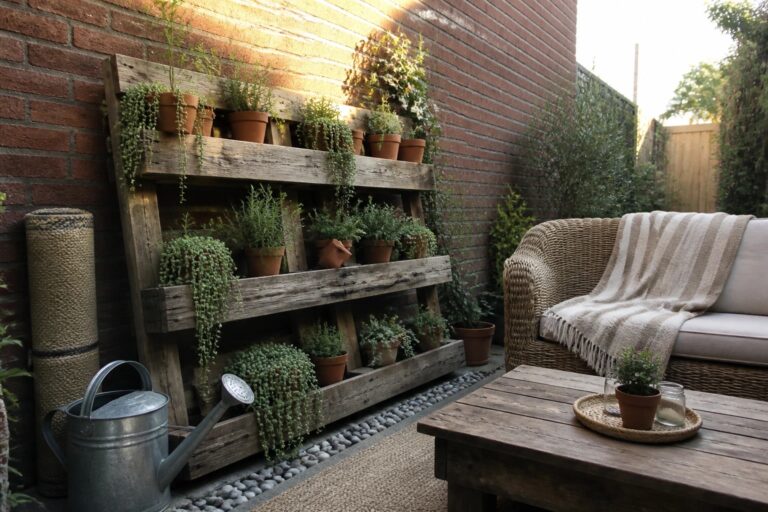
When a patio is small, every inch counts and adding plants can either open things up or make the space feel tighter.
Tiered planters built from pallets let you stack soil and plants vertically so the floor stays clear for moving around or sitting.
I usually think about how the whole setup will look once the chairs are out and people are actually there, because looks alone do not make a patio comfortable.
Vertical builds change that balance in useful ways.
A few of the simpler versions seem worth trying out on a weekend to see how they hold up over time.
Build a Tiered Pallet Planter on a Back Wall
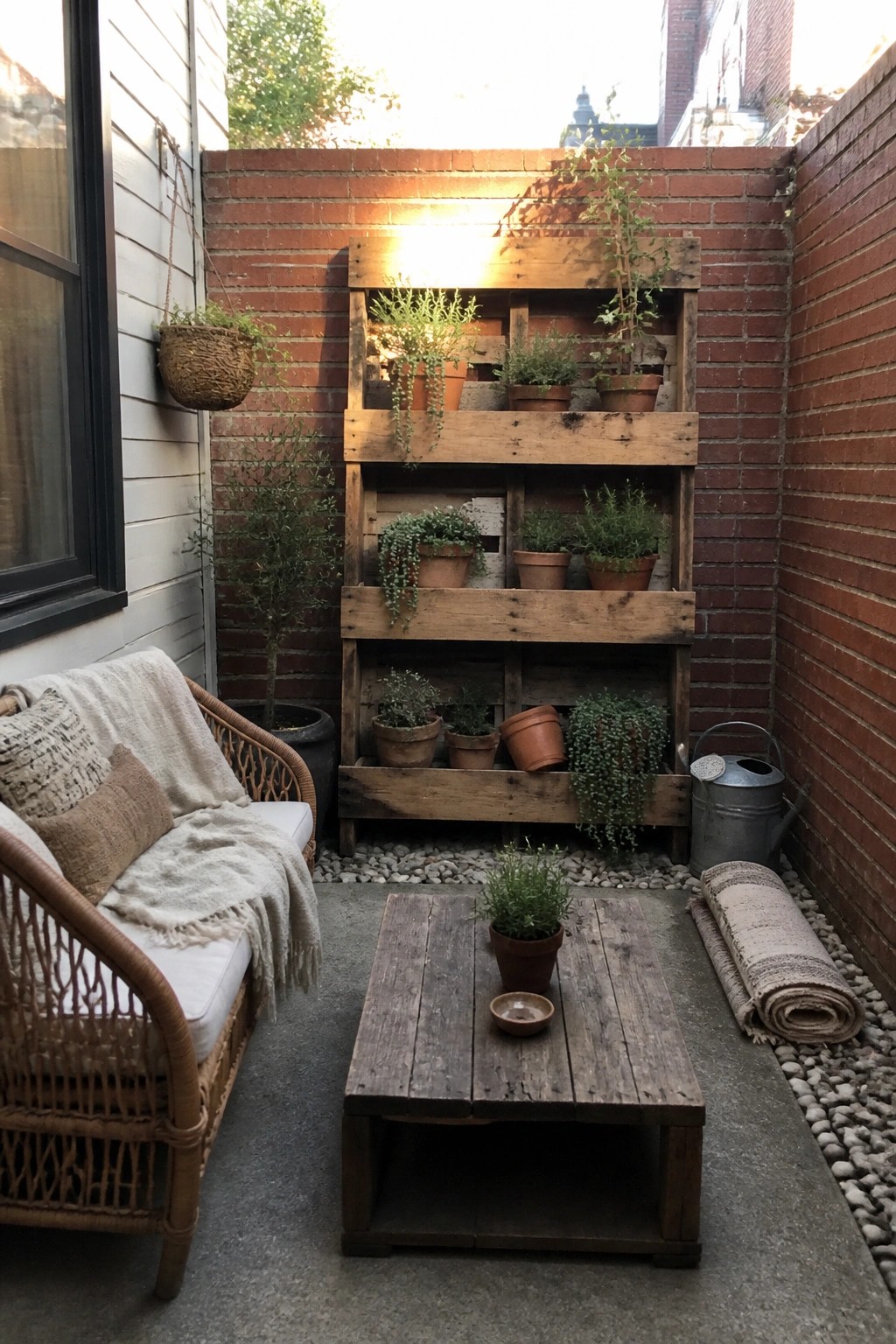
Small patios often run out of floor space fast. A vertical pallet structure lets you stack several levels of plants against the wall instead of spreading them out on the ground.
This setup works well in narrow yards or urban corners where you need height more than width. Secure the pallets firmly to a solid surface and use a mix of pot sizes so the plants can trail and fill in over time.
Tiered Pallet Planters Keep Small Patios Open
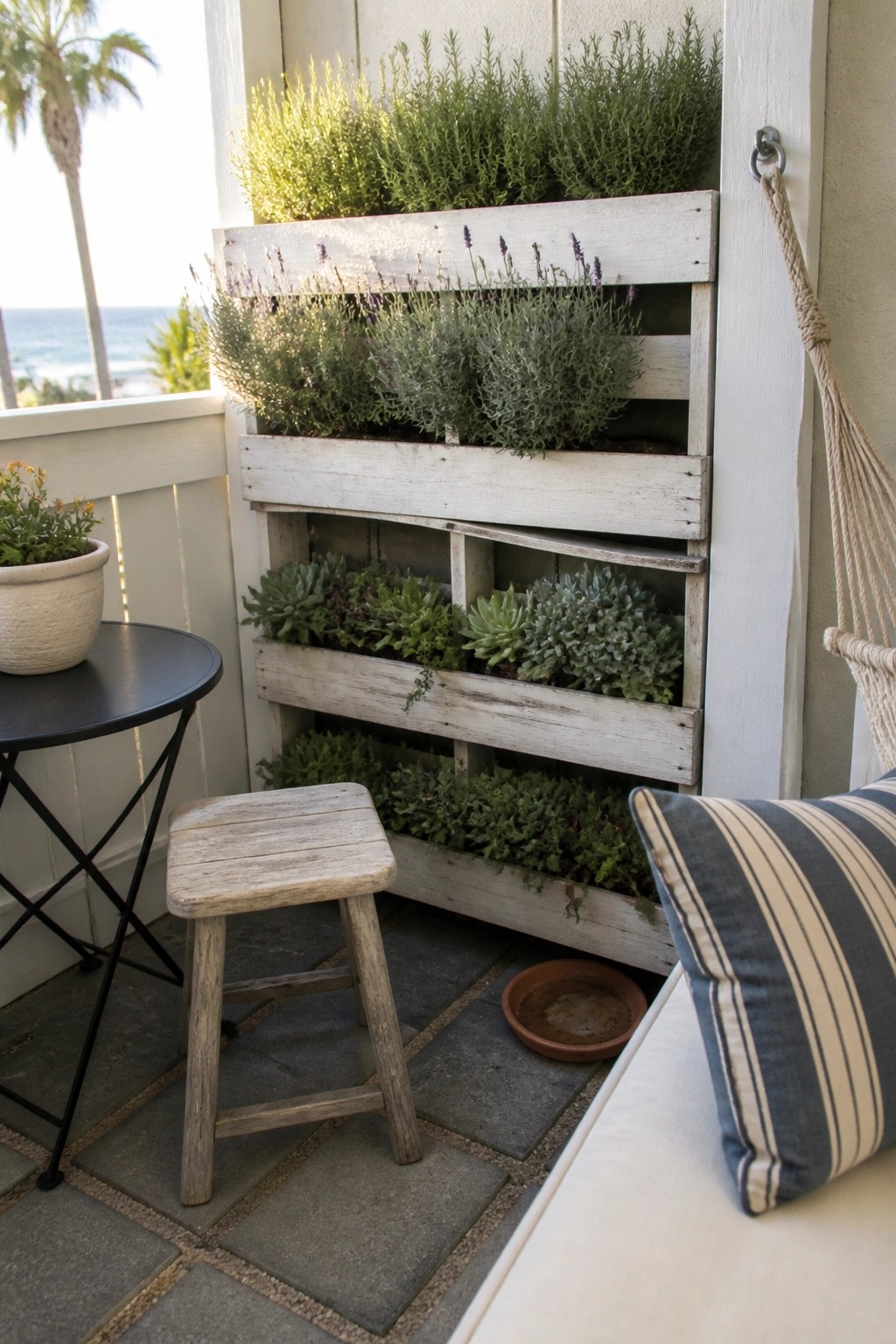
Old pallets stacked into tiers give you several rows of planting without eating up floor space. The setup leans against a wall and still leaves room for a stool or small table nearby.
This works best on balconies or patios where every inch counts. Secure the pallets well and pick plants that handle shallow soil and occasional drying out. Keep an eye on weight if the space sits above another level.
Use a Reclaimed Pallet as a Tiered Planter
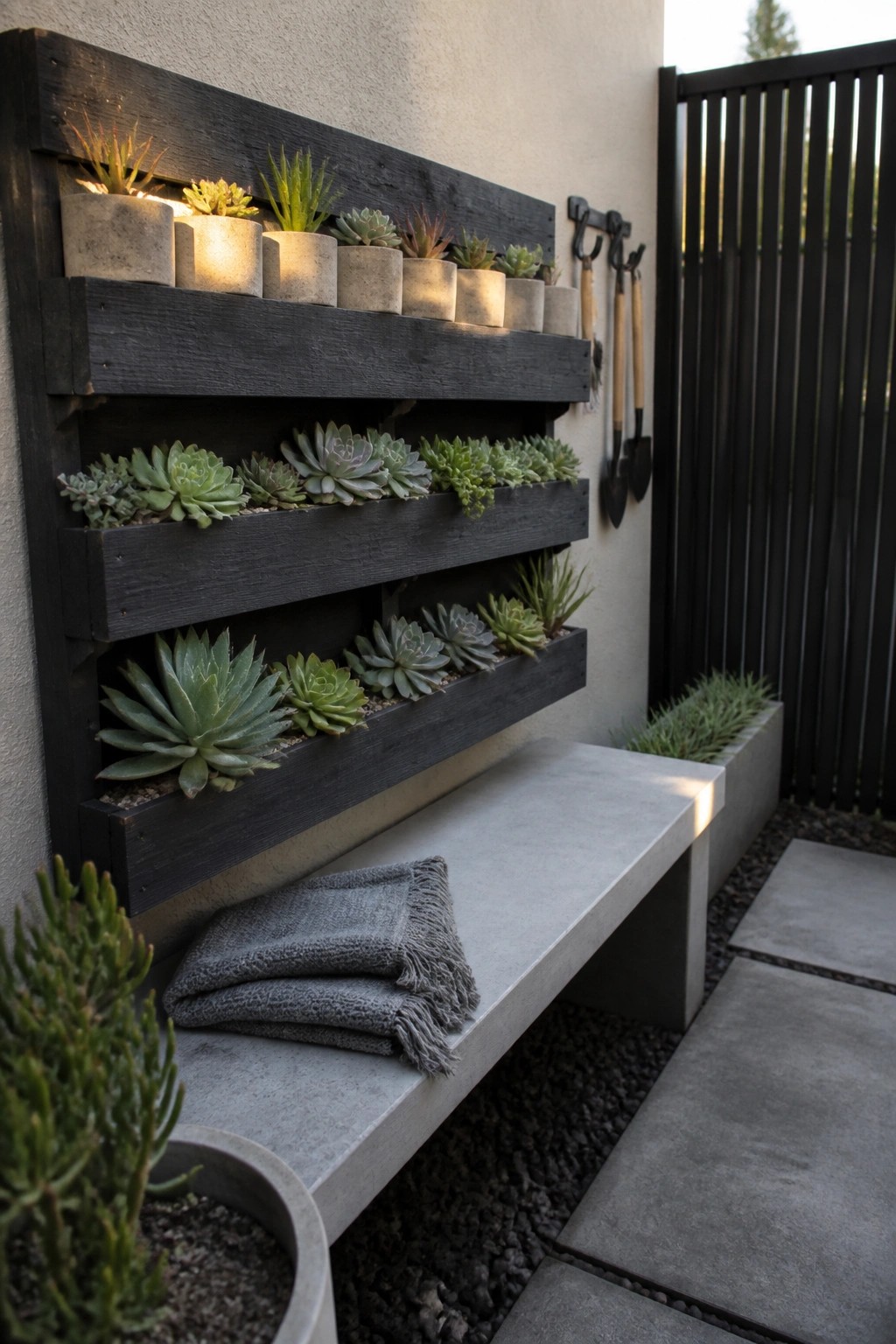
A basic wood pallet can be turned into a compact vertical planter that hangs on a wall and holds several rows of plants. This approach gives you more growing space on a small patio without taking up room on the ground or needing extra shelves.
It works best on a side wall or fence where you can secure the pallet at eye level or slightly lower. Fill the tiers with shallow rooted plants like succulents, and keep the wood sealed so it holds up outdoors.
Lean a Pallet Against the Wall for Tiered Plants
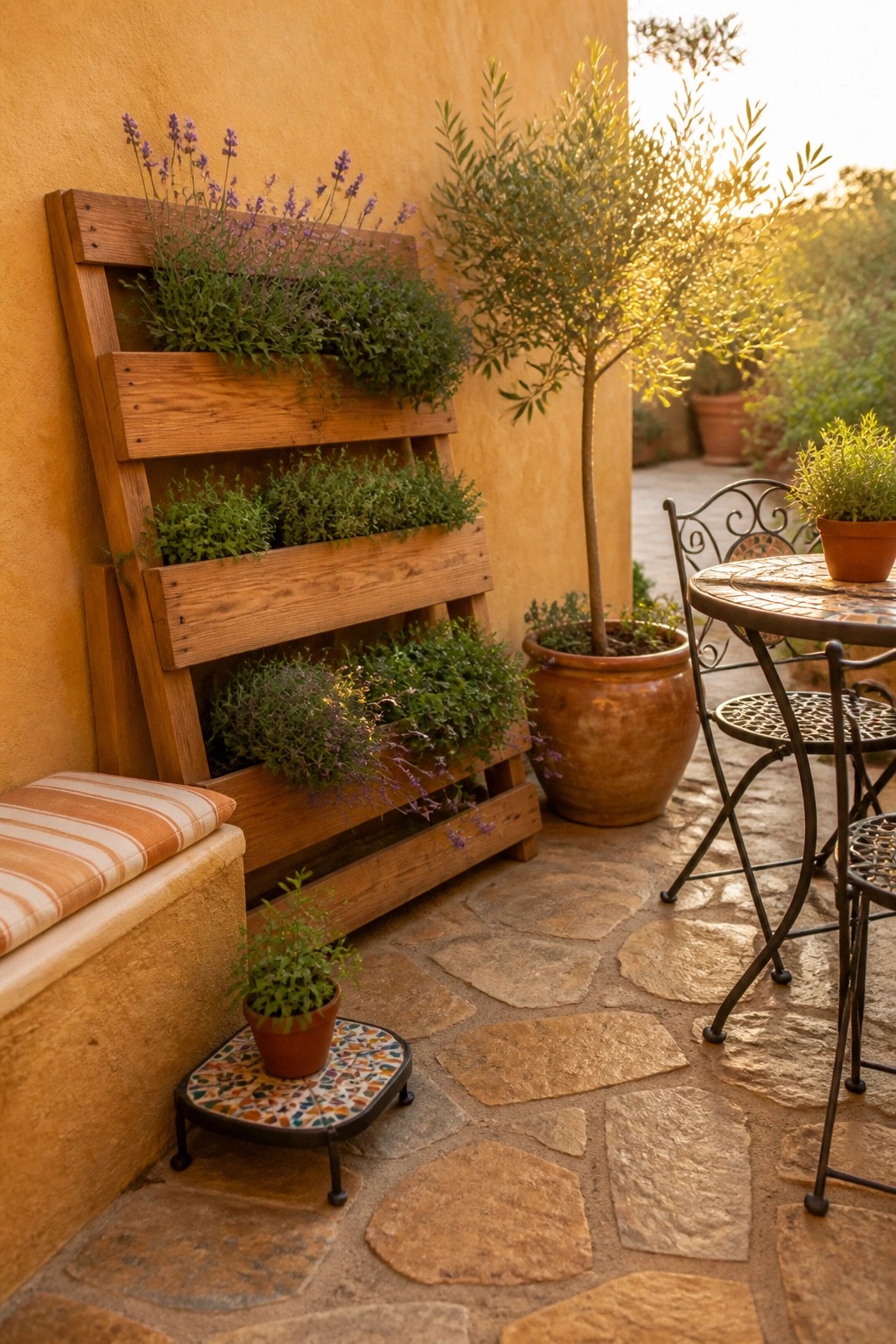
A vertical pallet gives you three or four planting levels in the space of one large container. This keeps the floor clear while still letting you grow a mix of herbs, flowers, and trailing plants right beside a seating area.
It suits small patios with bare walls and limited room for pots on the ground. Secure the pallet well so it stays steady, and choose plants that like similar sun and water conditions so the whole setup stays easy to care for.
Stack Pallets for Extra Planting Room
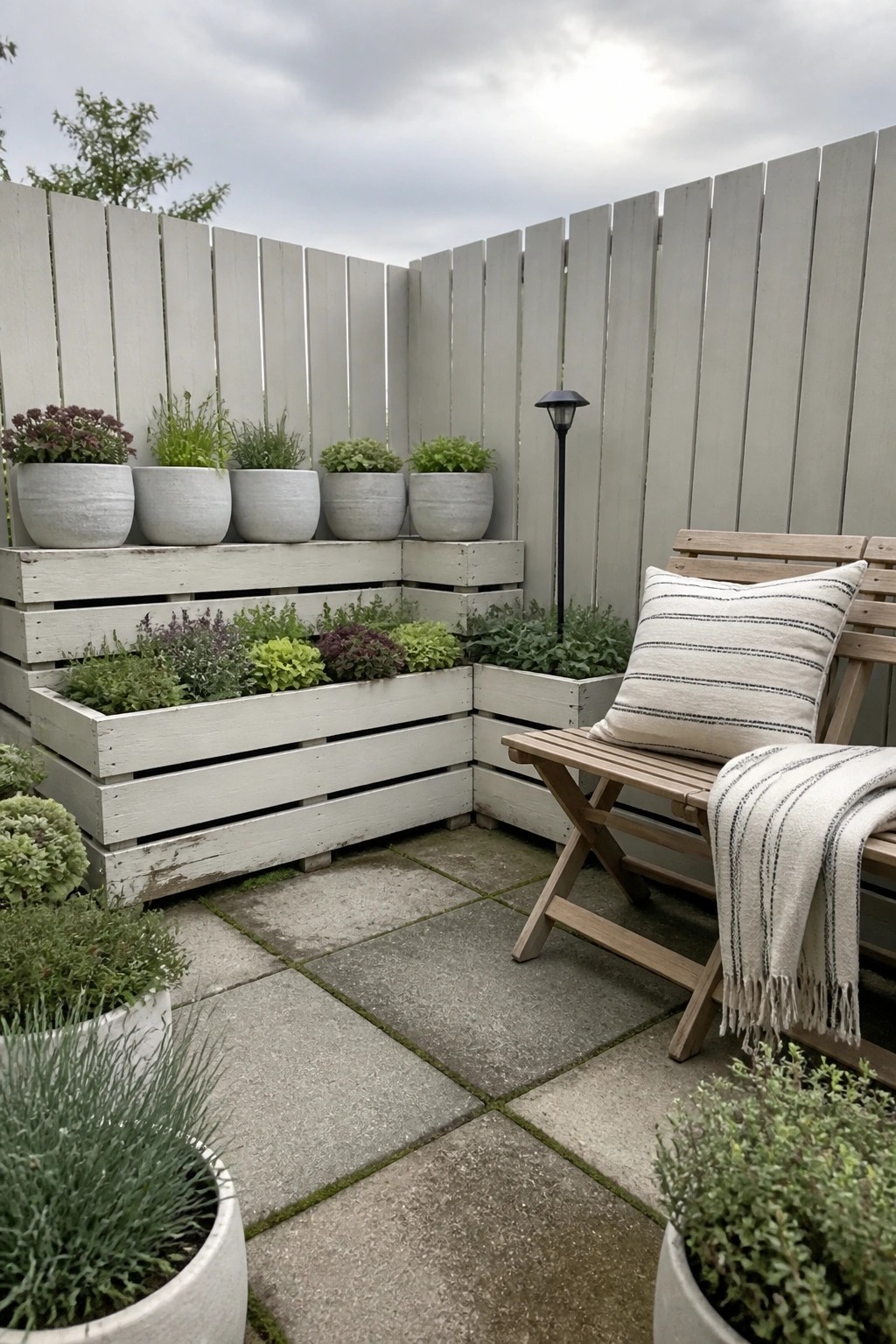
Pallets work well for small patios because they let you stack planting levels without spreading out across the ground. You get two or three rows of plants in the same footprint that a single row of pots would take up.
This approach fits tight corners best. Paint the wood to blend with a fence or leave it plain, then fill the lower sections with soil and set extra pots on top. Just check that the pallets sit level on your pavers so they stay sturdy.
Stack Pallets Against a Fence for Vertical Planting
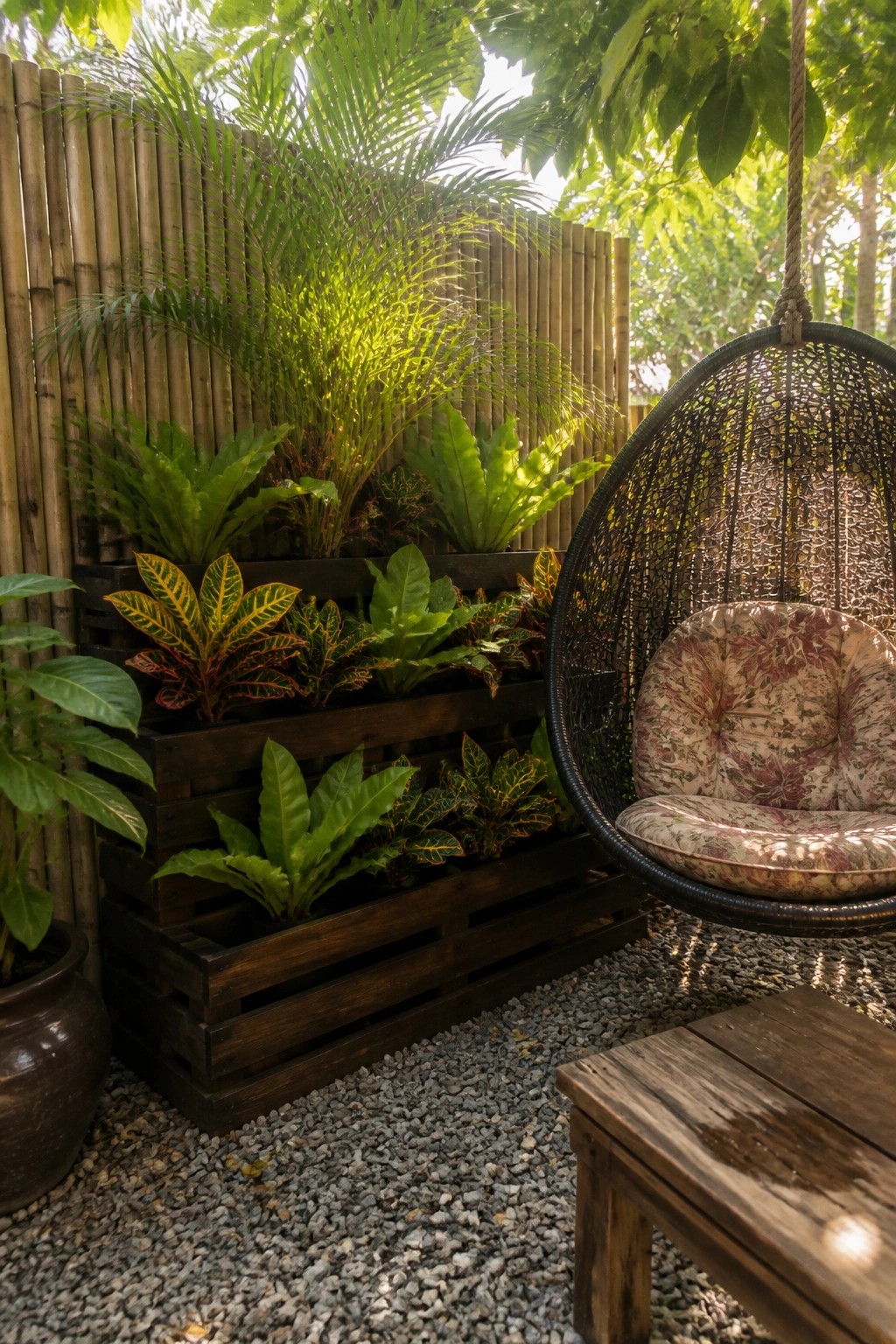
Stacked pallets give you multiple planting levels in a very small footprint. They turn a blank fence line into a compact garden wall that holds plenty of plants without eating into patio floor space.
This works best on narrow patios where ground beds are not an option. Treat the wood first and set the bottom pallet on a solid base so it stays level and drains well.
Mount Tiered Pallets On The Wall
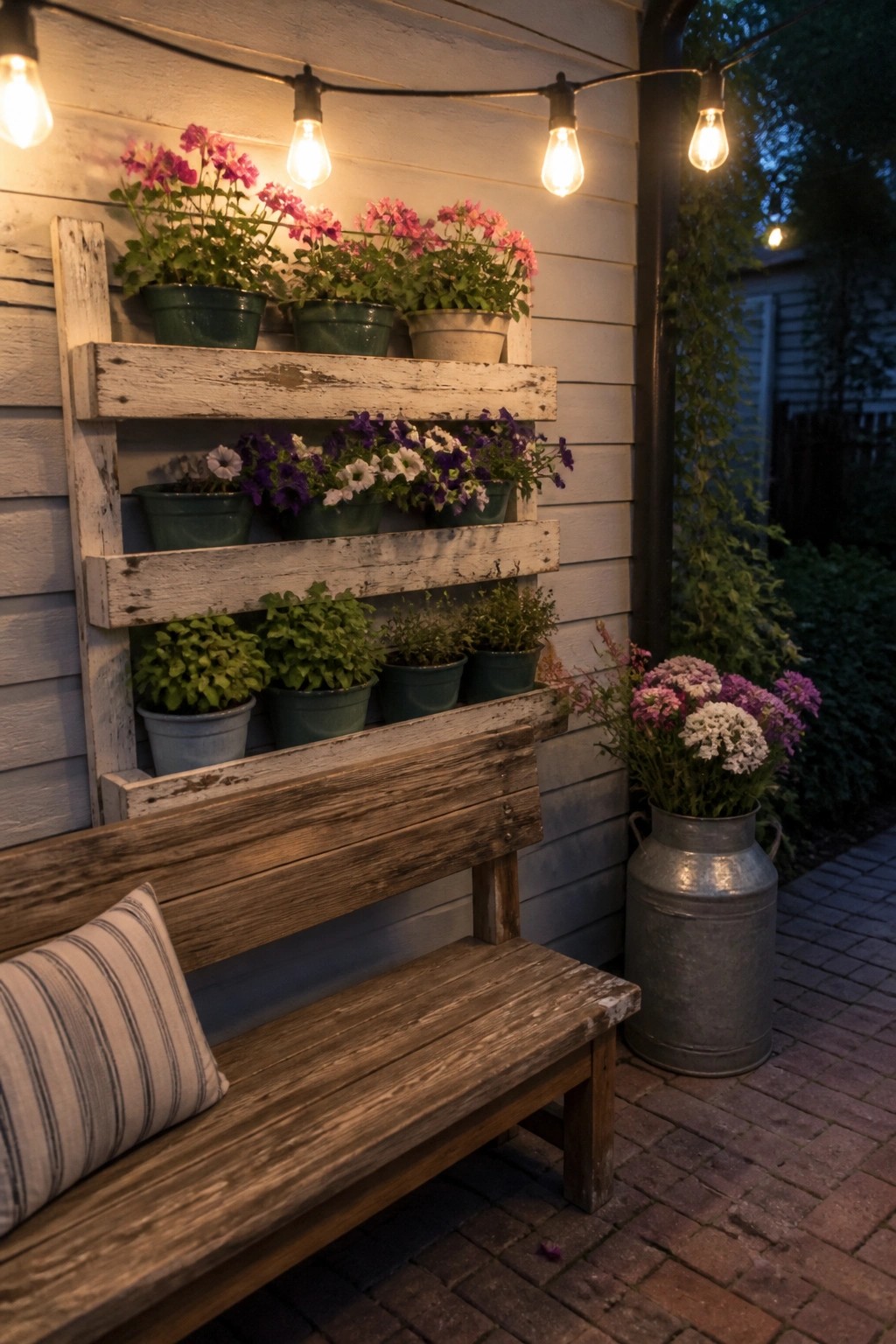
A wall mounted pallet planter gives you extra growing room without crowding the floor on a small patio. The shelves hold several pots at different heights, so you can fit more plants in one spot while keeping the seating area clear below.
This setup works well on a side wall or under a covered spot where you want some greenery close to a bench or table. Just make sure the pallets are sturdy and attached securely, especially if you live in an area with wind or heavy rain.
Tiered Planters Fit More Plants Into Small Patios
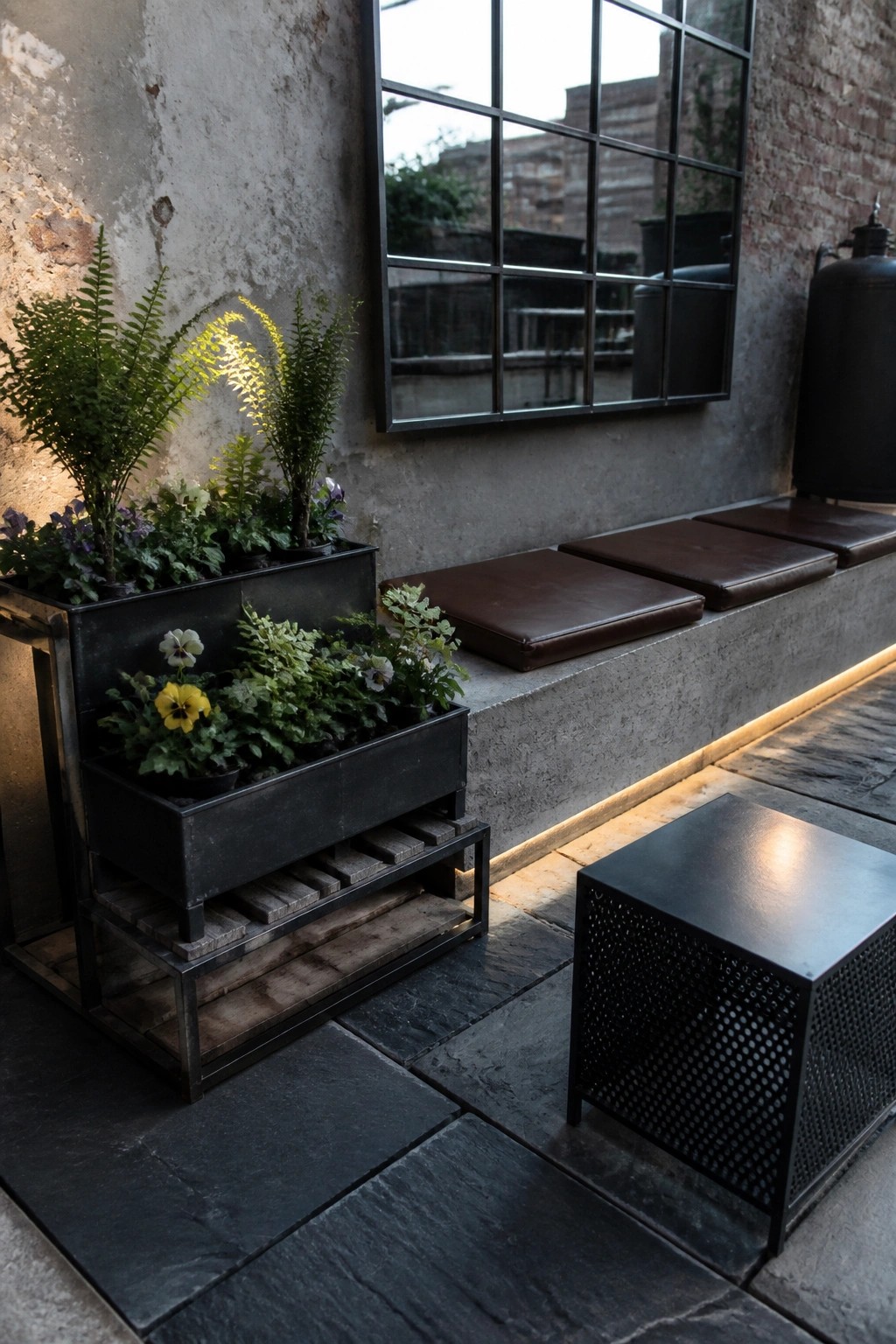
Tiered planters let you stack several levels of plants in one spot instead of spreading them out across the floor. This works well on small patios where space is tight and you still want variety without crowding the walking area.
You can build them with a simple base and stacked boxes, then place the unit beside seating or along a wall. The setup suits homes with concrete or stone patios that need extra growing room without blocking movement.
Use A Ladder As A Tiered Planter
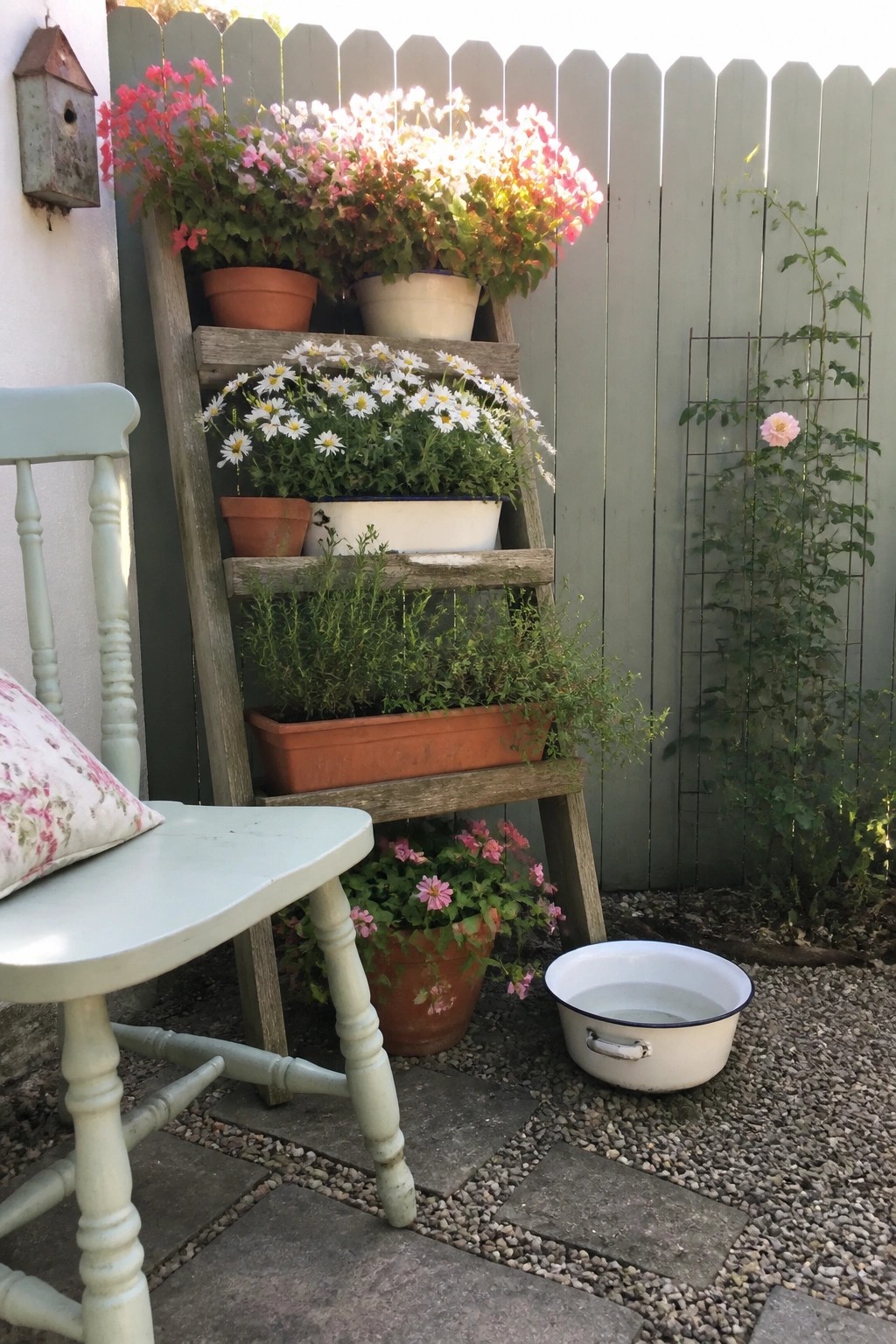
A simple wooden ladder turned into a planter stand gives you several levels of growing space in one narrow spot. This setup works especially well when floor room is tight and you still want plenty of flowers or herbs close at hand.
Set the ladder against a fence or wall and rest pots on each step. It fits best on small patios or balconies and keeps plants off the ground where they are easier to water and tend.
Tiered Pallet Planters Along a Patio Wall
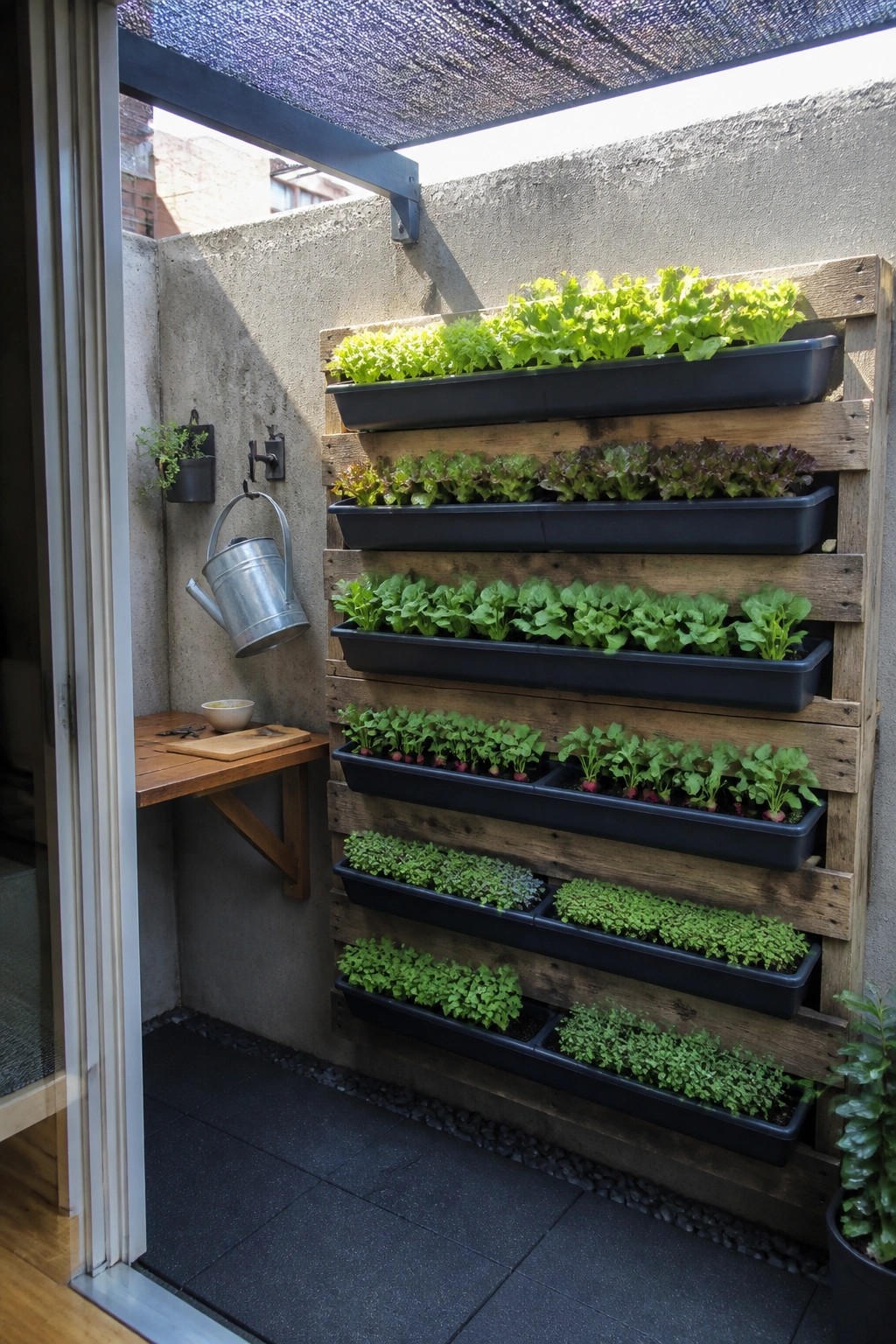
A vertical pallet frame lets you grow a lot of plants without losing floor space on a small patio. The stacked rows keep everything within easy reach for watering and harvesting, and the whole setup stays off the ground so the area below stays open for walking or seating.
This idea suits compact urban patios or balconies where wall space is available but floor room is tight. Secure the frame well, pick lightweight trays, and stick to shallow-root crops like lettuce or herbs so the weight stays manageable.
Mount a Pallet Vertically for Extra Plants
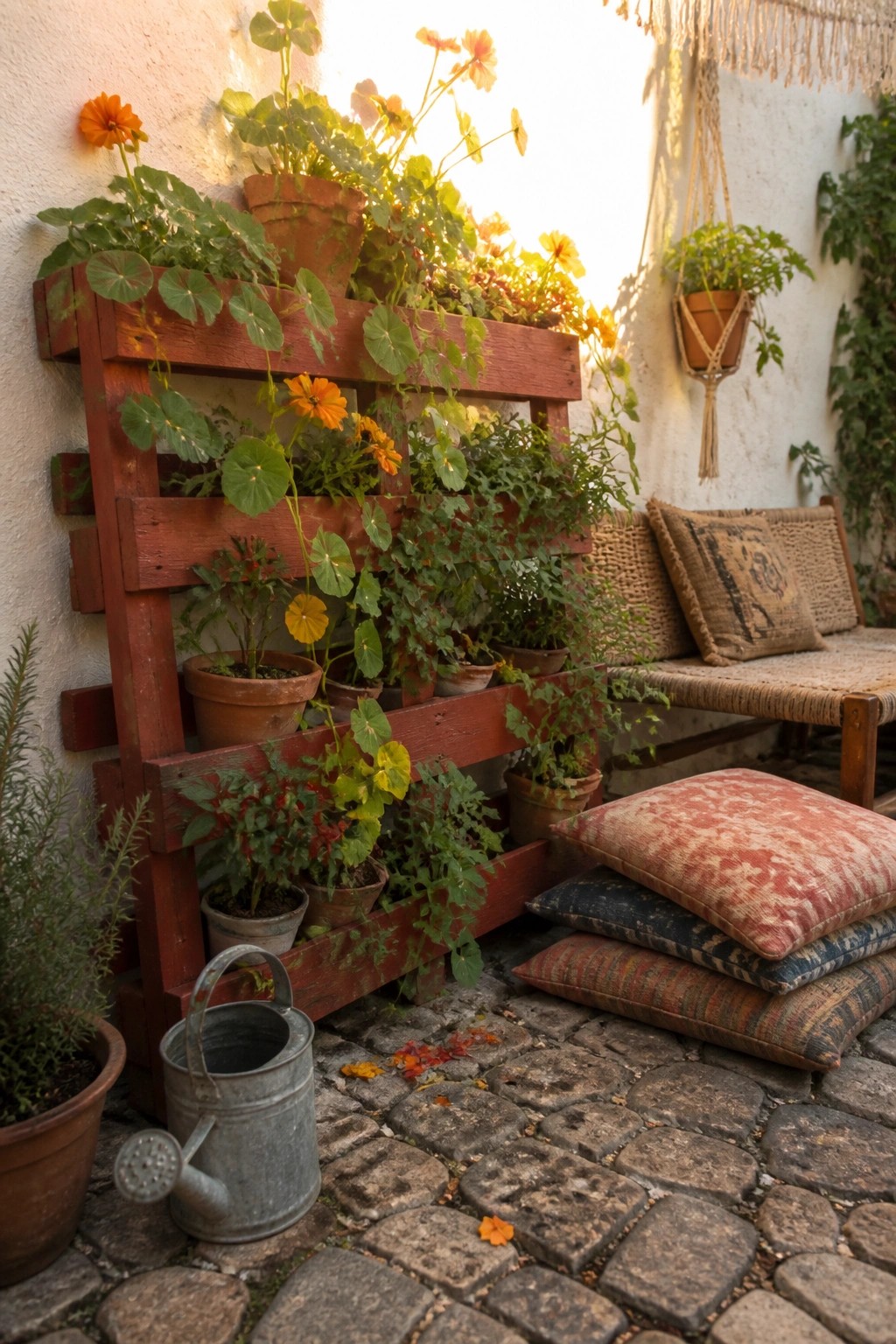
A vertical pallet planter makes good use of wall space on a small patio. It holds several pots at different heights so you can grow more without crowding the floor.
Pick a sturdy pallet, give it a coat of paint if you like, and fix it to a wall that gets sun. Slide pots into the gaps or fill the openings with soil and choose plants that trail or bloom well in containers.
Vertical Pallet Planters Save Floor Space
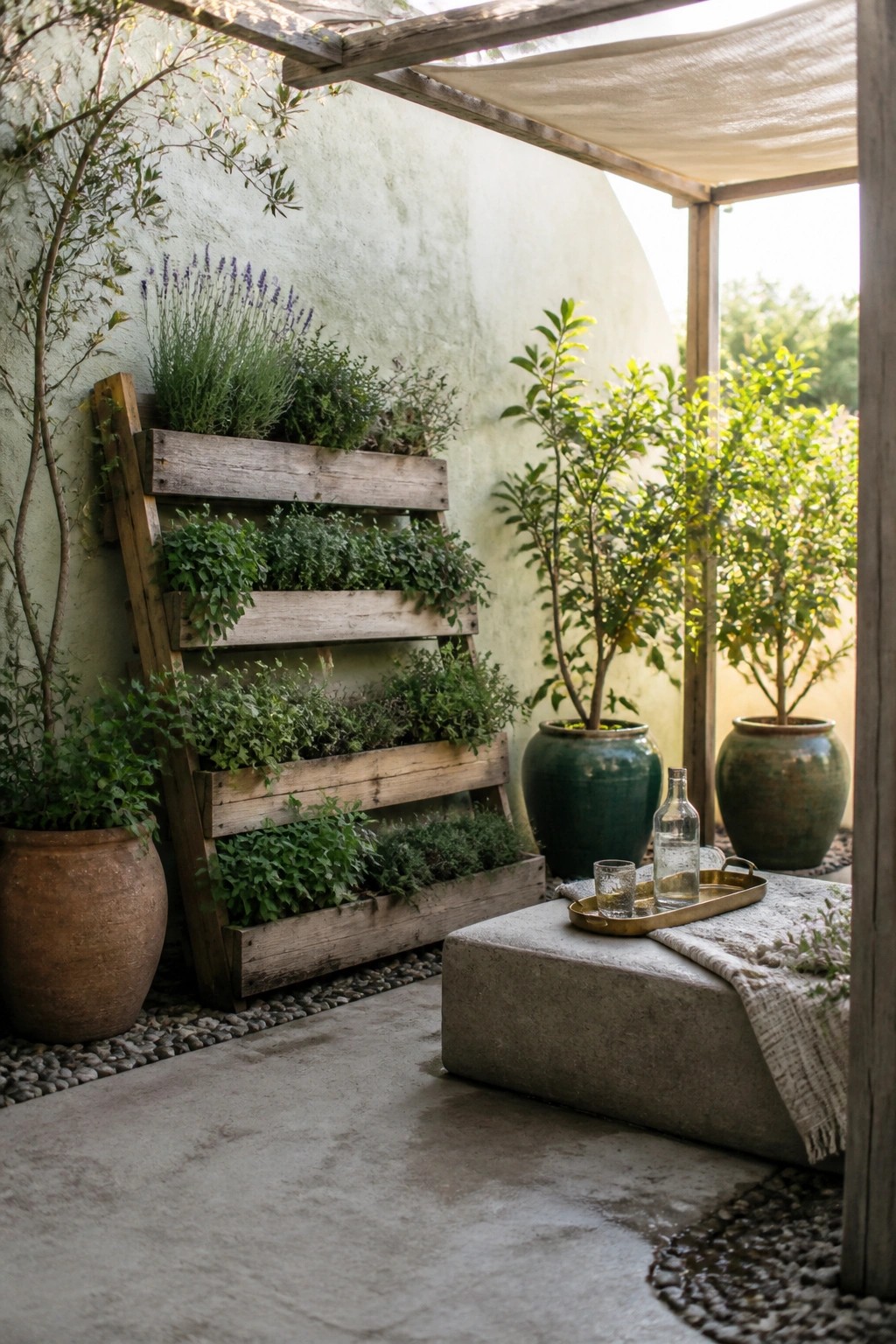
A tiered pallet planter lets you grow more herbs and greens in a small patio without spreading out across the ground. The stacked boards create several planting rows that lean against a wall, so the setup stays compact while still giving each plant room to spread.
This works best on patios that have at least one solid wall and limited open floor area. Keep the wood untreated or sealed lightly so it weathers naturally, and place the pallet where it gets good sun. Watch the weight once the soil is added, especially if the ground is uneven.
Tiered Pallet Planters Save Floor Space
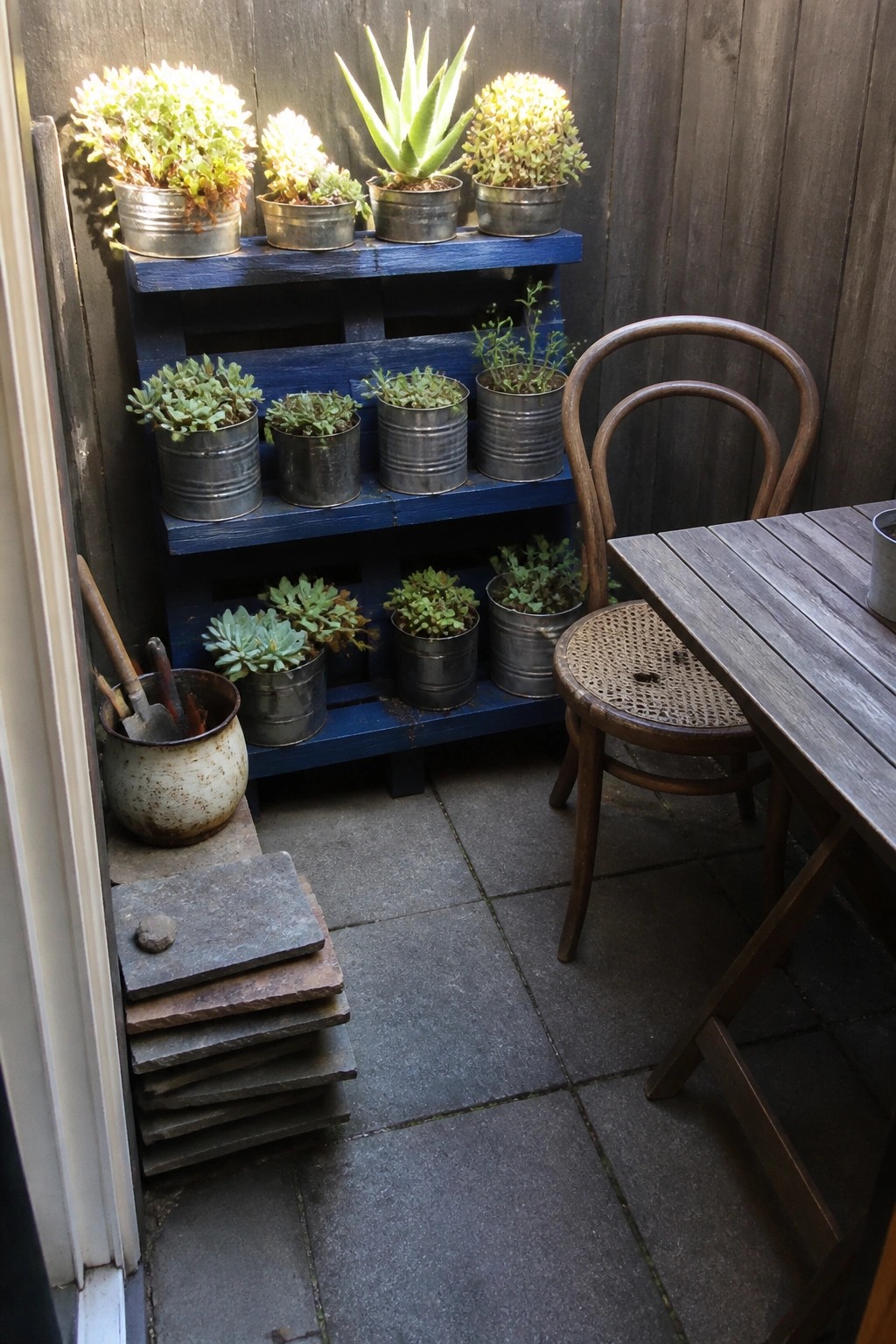
A painted pallet turned on its side gives you three solid levels for pots without spreading out across the patio. The structure keeps everything off the ground and makes it easy to water and rearrange plants as they grow.
This setup works best on small concrete or stone patios where you need vertical storage more than wide beds. Use a bright exterior paint on the wood so it lasts longer outdoors, and keep the bottom level clear for larger pots or tools.
Tiered Pallet Planters For Small Patios
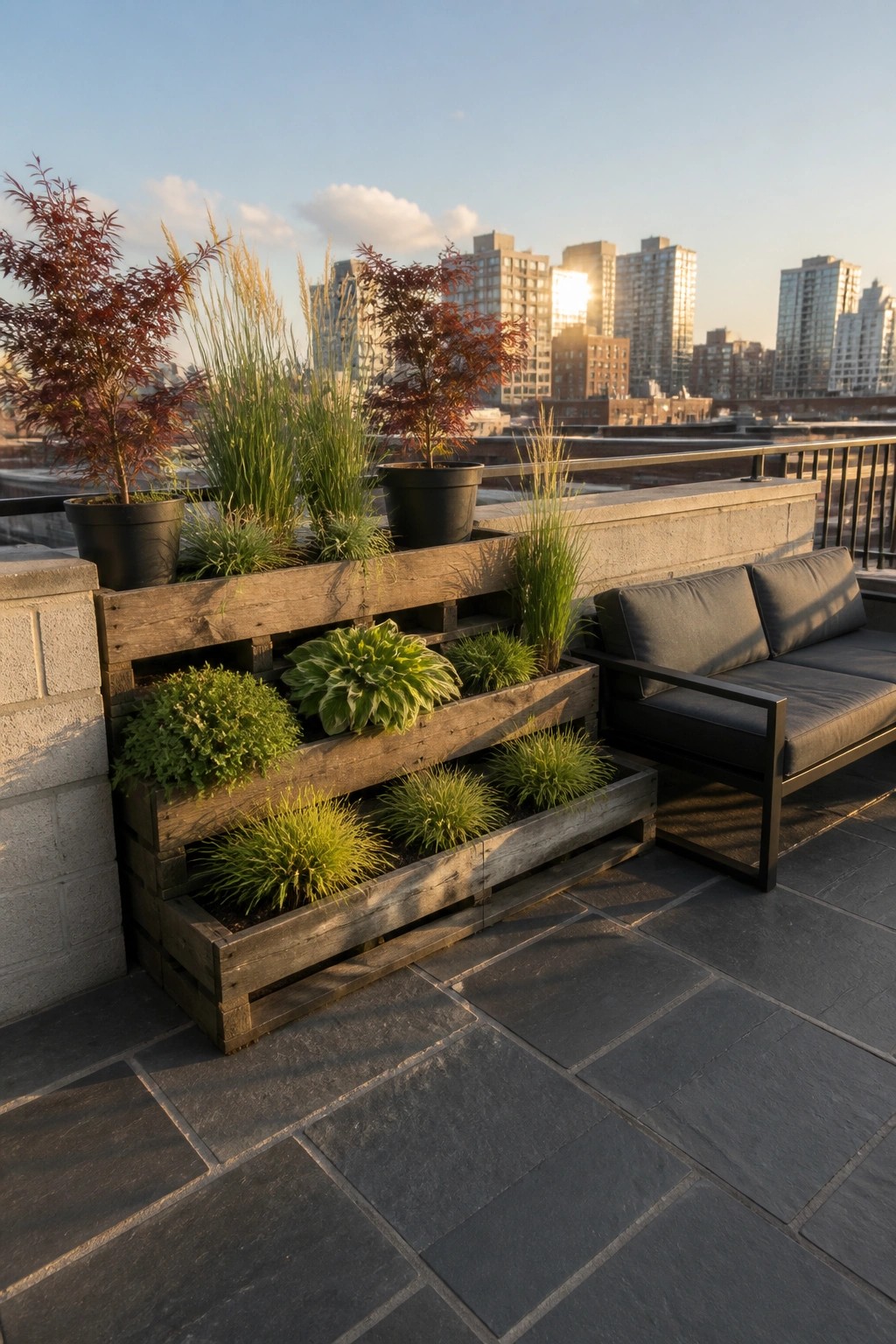
Stacking pallets into tiers gives you extra planting room without spreading out across the whole patio floor. The levels keep plants at different heights so everything gets light and stays easy to reach.
This works best on balconies or rooftops where space is tight. Set the structure against a wall or railing and leave just enough room for a small bench or chairs beside it.
Tiered Pallet Shelves For Small Patios
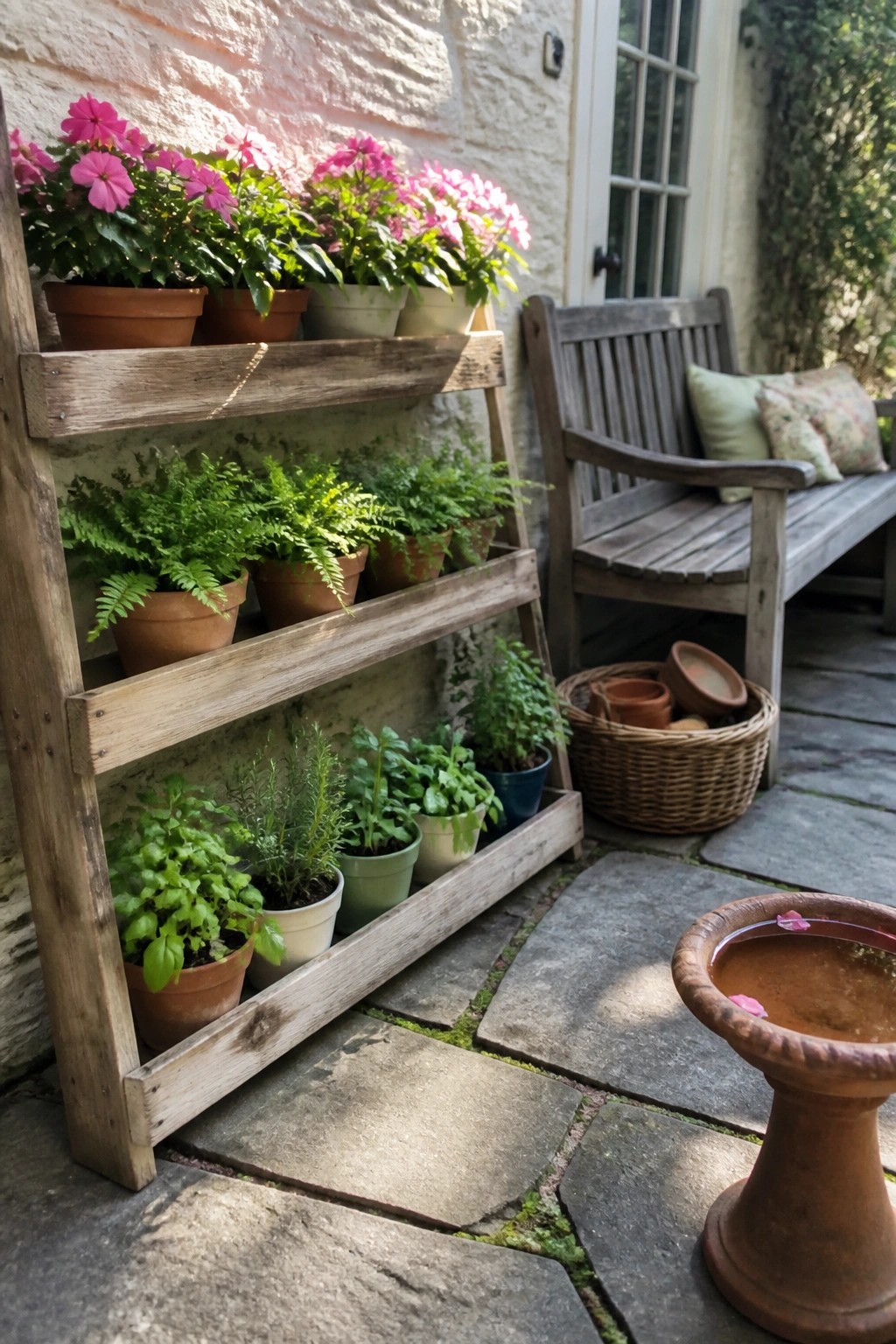
Old pallets can be turned into simple stepped shelves that hold plenty of pots without spreading out across the ground. This keeps plants off the floor while still giving each one enough light and room to grow.
The setup suits narrow patios or spots right against a wall where floor space is tight. Secure the frame well and choose wood that can handle weather so the shelves stay steady over time.
Tiered Pallet Planters Make The Most Of Limited Space
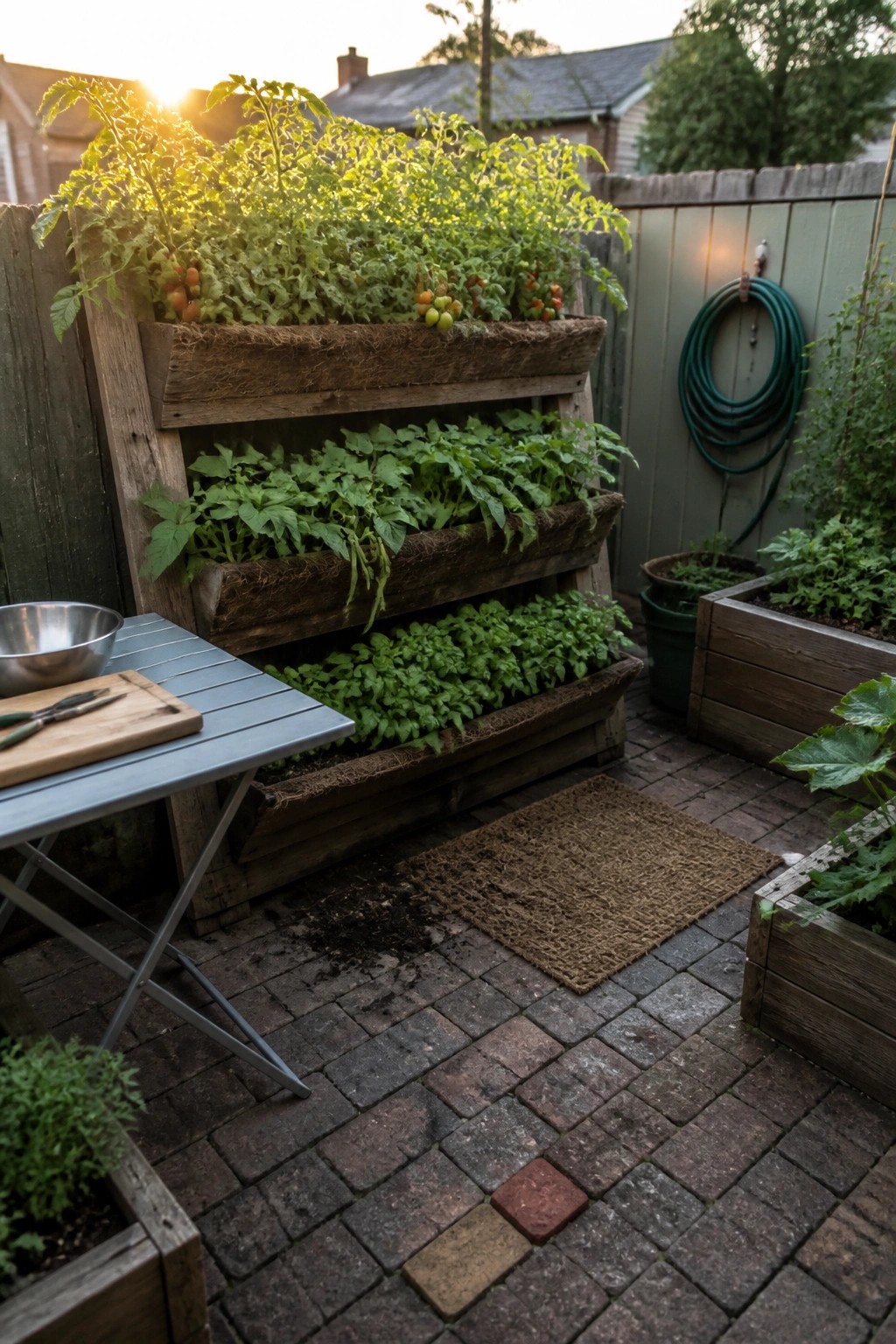
Many small patios leave little room for a full garden, yet people still want to grow tomatoes, herbs, and greens. Stacking old pallets into tiers creates several planting levels that take up almost no floor space while keeping plants off the ground.
This works well on paved patios or against a fence where the structure can lean safely. It suits homes that need extra growing room without digging beds, though the wood should be checked for stability as the soil settles over time.
Mount a Pallet Planter on the Wall
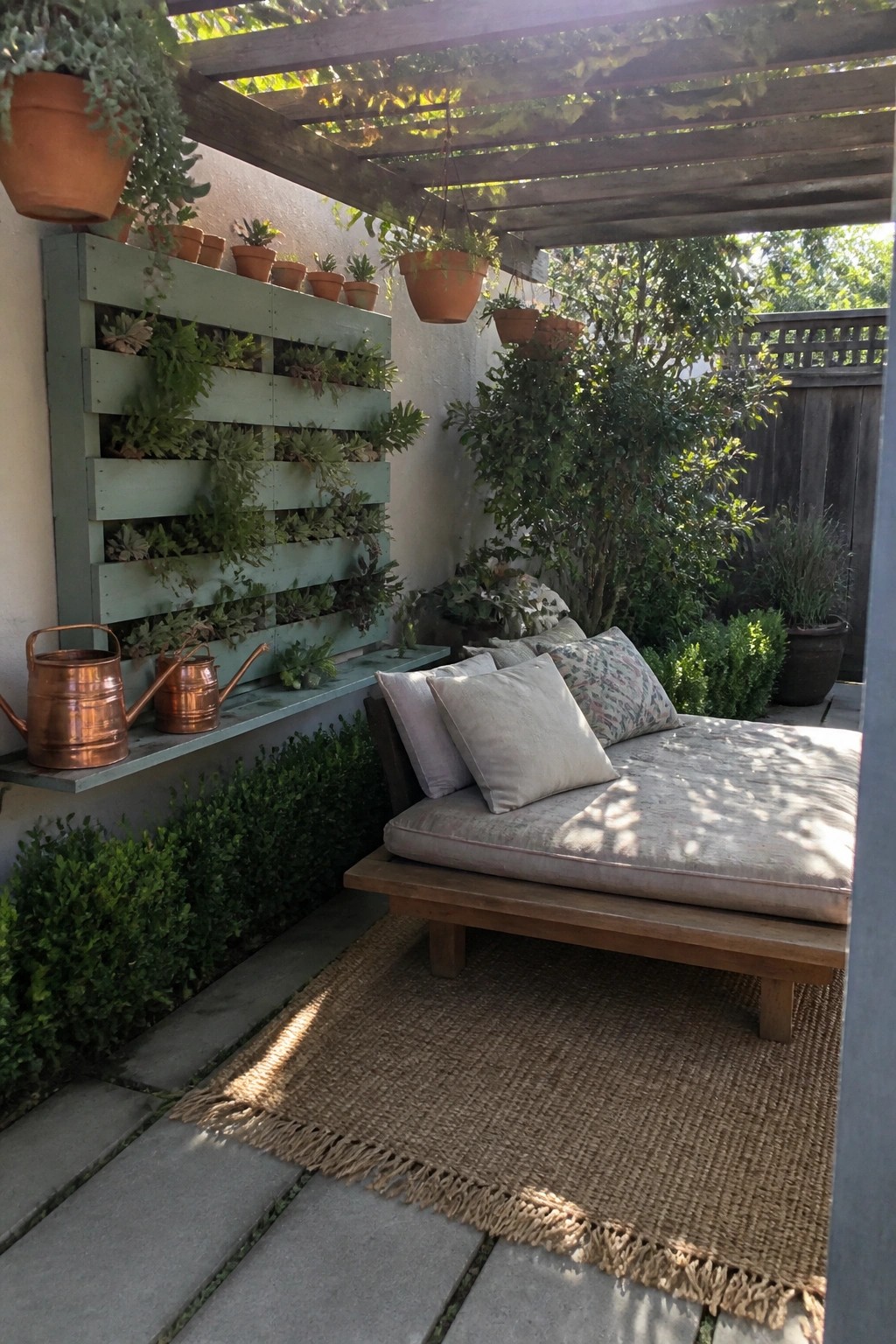
One simple way to add more plants to a small patio is to hang a pallet planter directly on the wall. It uses vertical space that would otherwise sit empty and keeps the floor free for seating or walking through.
This setup works best on patios with tight floor space or shared walls. Paint the pallet to blend with the surroundings, then fill the slots with herbs or trailing plants that do not need deep soil. Check that the wall can hold the weight once the plants are watered.
Tiered Pallet Planters Fit Small Patios Nicely
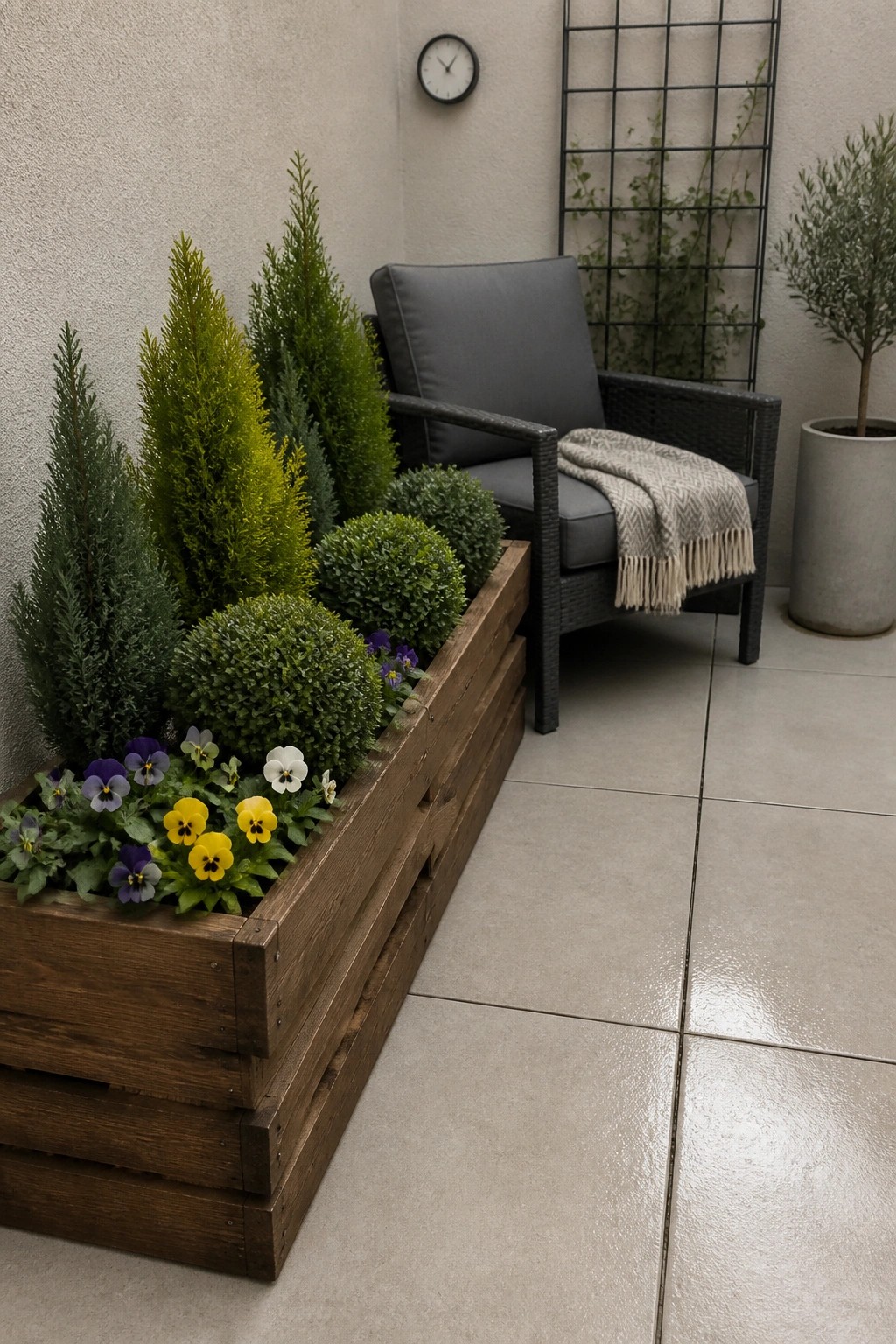
A tiered pallet planter gives you several planting levels in one narrow footprint. The stacked boards create natural steps so taller shrubs sit at the back while lower flowers fill the front edges.
This works best on concrete patios or small balconies where floor space is limited. Place it along a wall to add greenery without blocking walking room or crowding a single chair.
Frequently Asked Questions
Q: How do I stop water from pooling at the bottom of each tier? A: Drill a few holes through the base boards on every level before you add soil. This lets excess drain straight through instead of sitting and rotting the wood. Check the lowest tier after a heavy rain and tilt the whole thing slightly if needed.
Q: Will these pallet planters hold up through winter if I leave them outside? A: Most untreated pallets start to split after a couple freeze and thaw cycles. Give them a quick coat of outdoor sealant on the exposed ends and they last longer. Move them against a wall during storms so wind does not knock them around.
Q: What if my patio only gets a few hours of sun each day? A: Pick shade friendly plants like ferns or hostas for the lower tiers that stay darker. The top level can still handle herbs that like a bit more light. Rotate the whole planter every few weeks so nothing gets leggy on one side.
