

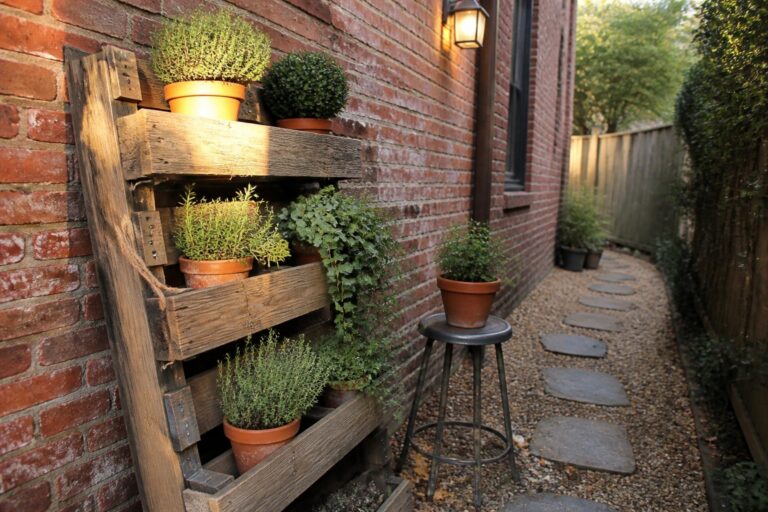
Narrow gardens push you to use every vertical surface because ground space quickly gets claimed by paths and basic access.
Vertical pallet planters offer a straightforward way to build those layers without needing custom carpentry or extra width at the base.
I check how the wood will age in my climate before copying any plan exactly.
Drainage decides a lot.
A few of the simpler builds have worked well enough in my own yard that I plan to repeat them along the side fence.
Vertical Pallet Planters For Narrow Gardens
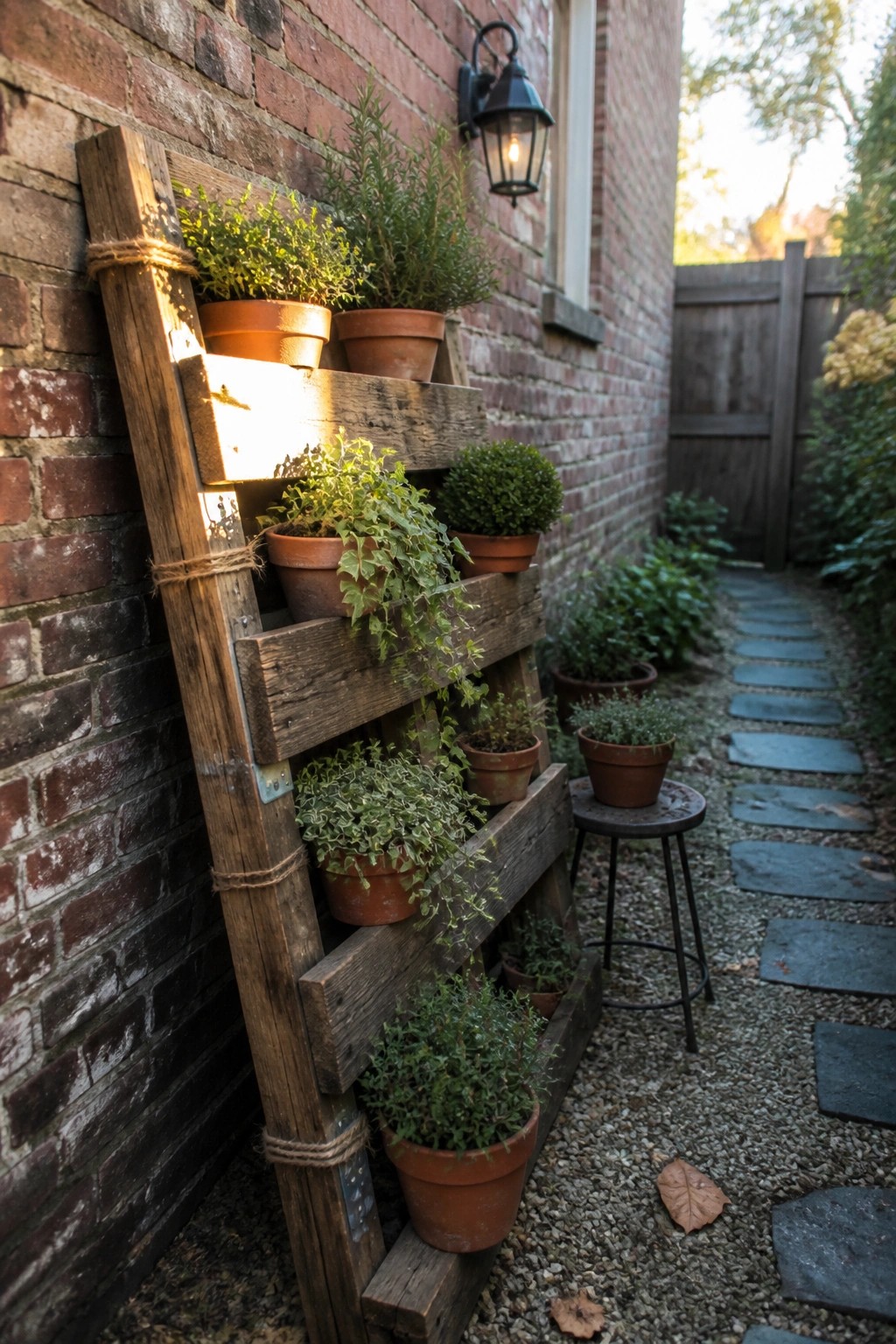
One easy way to add plants in a tight garden is to stand an old pallet upright against a wall. It creates multiple planting spots at different heights without taking up much ground space.
This setup works best along side paths or between buildings where beds would feel cramped. Secure the pallet firmly and use pots that fit the openings so everything stays stable over time.
Mount A Pallet Planter On A Side Wall
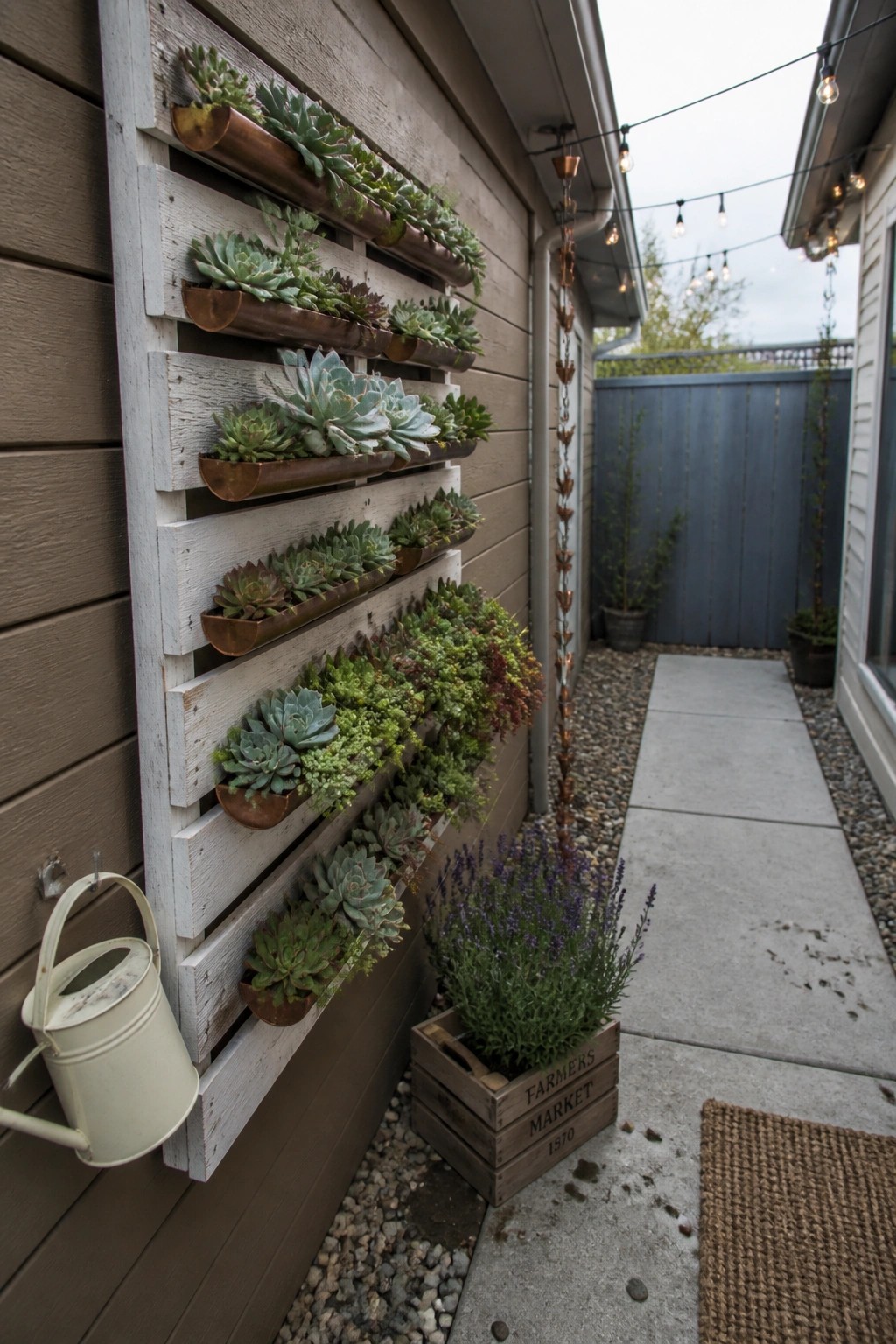
A simple pallet can turn a narrow side yard into usable growing space without eating into the walkway. The vertical layout keeps everything off the ground and makes watering and harvesting easier since the plants sit at different heights.
This setup works best on houses with plain siding and a bit of overhang for rain protection. Attach troughs or pipes across the slats, use well draining soil, and pick plants that do not mind shallow roots. Check that the wall can take the weight once the soil is wet.
Vertical Pallet Planters For Narrow Gardens
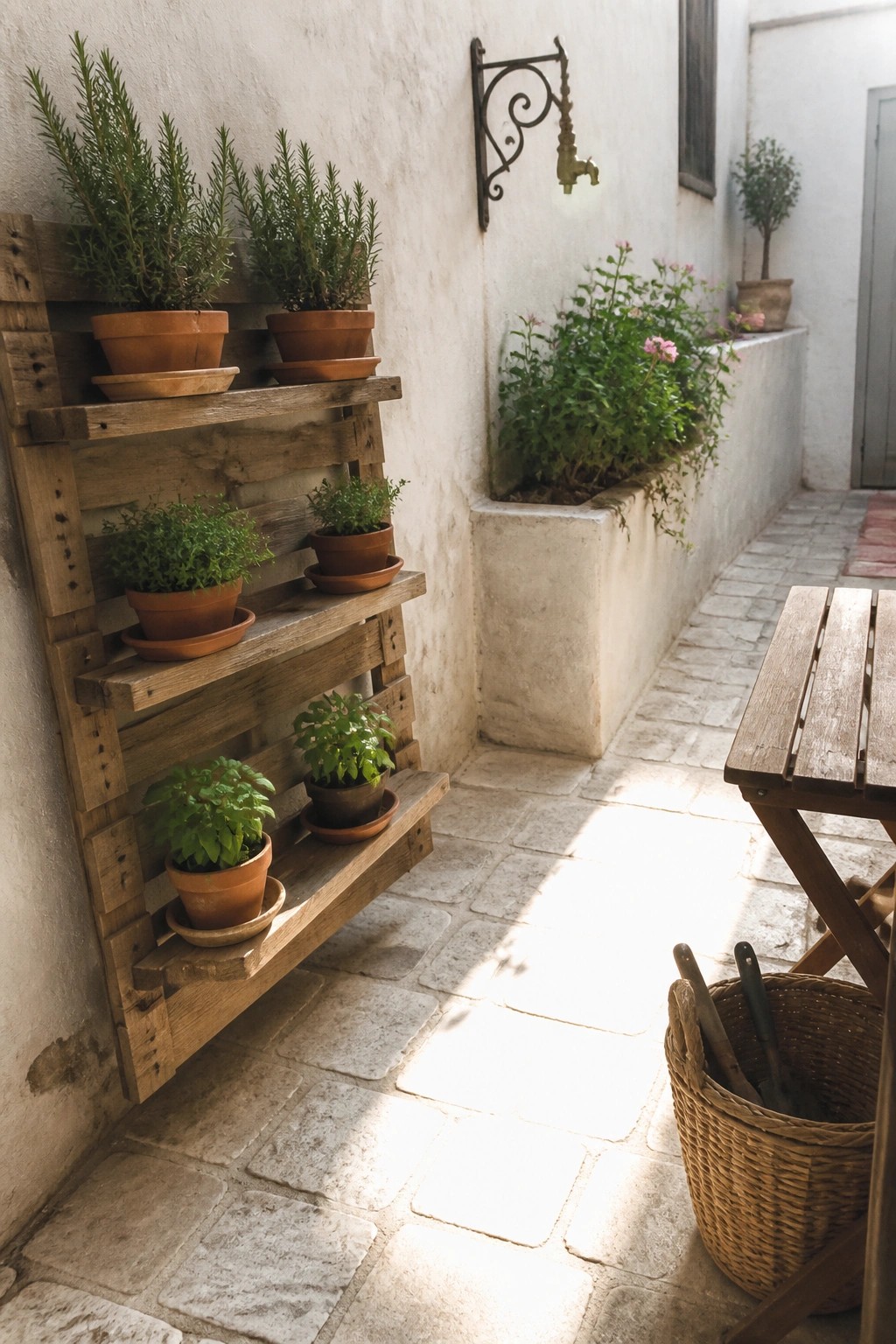
Mounting an old pallet on a wall turns wasted vertical space into room for several pots at once. This works especially well when ground space is limited and you still want fresh herbs or flowers within easy reach. The wood gives a simple, sturdy base that holds the pots securely without taking up floor area.
Try this approach along a side passage or against a fence where a regular bed would feel cramped. Secure the pallet firmly, add a liner if needed, and group smaller pots together so watering stays manageable. It suits homes with tight outdoor areas that still get decent light.
Mount Pallet Planters Along Narrow Walls
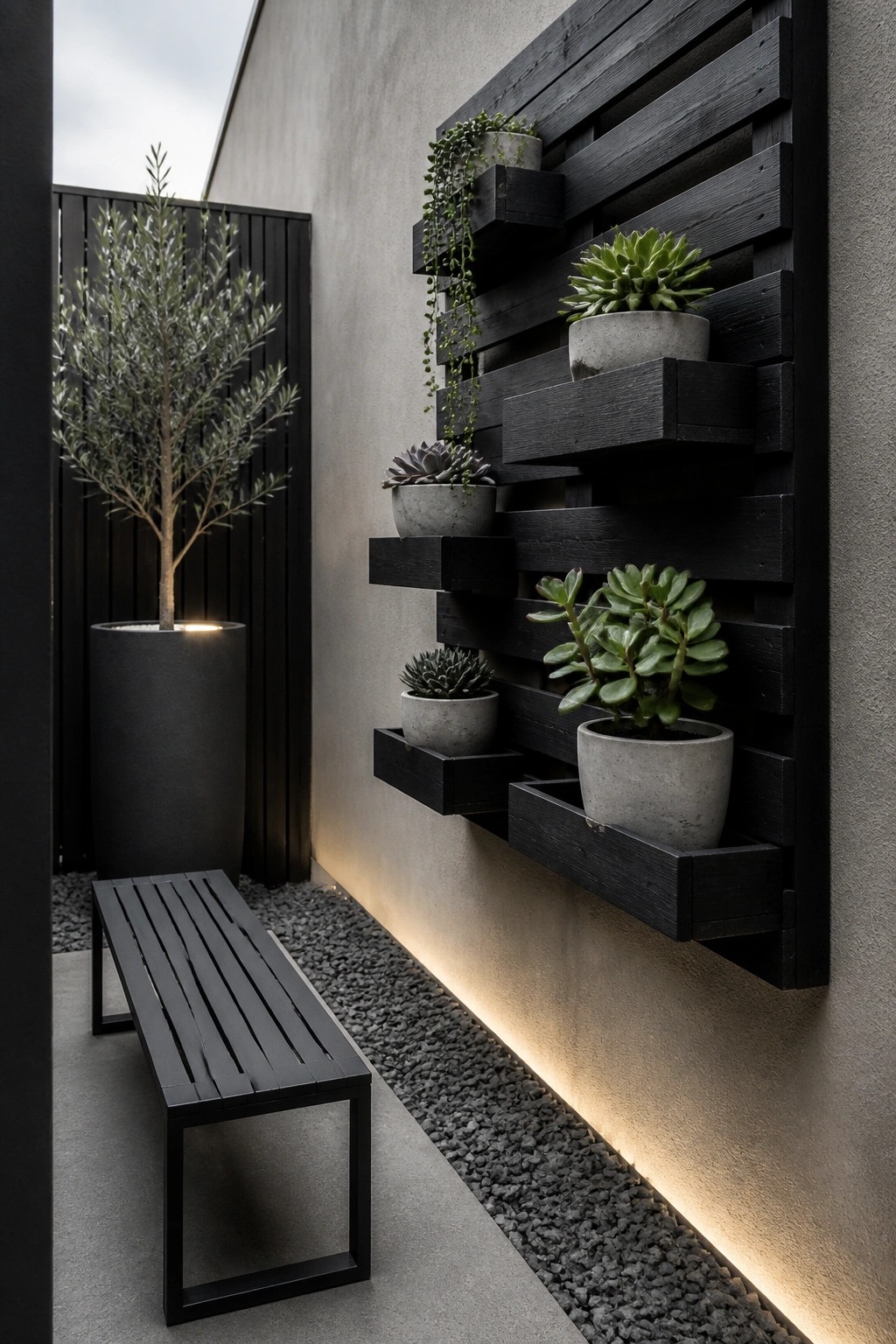
A vertical pallet setup works well in narrow gardens because it turns empty wall space into planting room without crowding the ground. The staggered shelves hold pots at different heights, which keeps the area from feeling cramped while still giving you room for several plants.
This approach suits tight side yards or passageways where a full bed would block the path. Use sturdy wood that can handle weather, and leave enough clearance below for foot traffic or a simple bench.
Vertical Pallet Planters On Fences
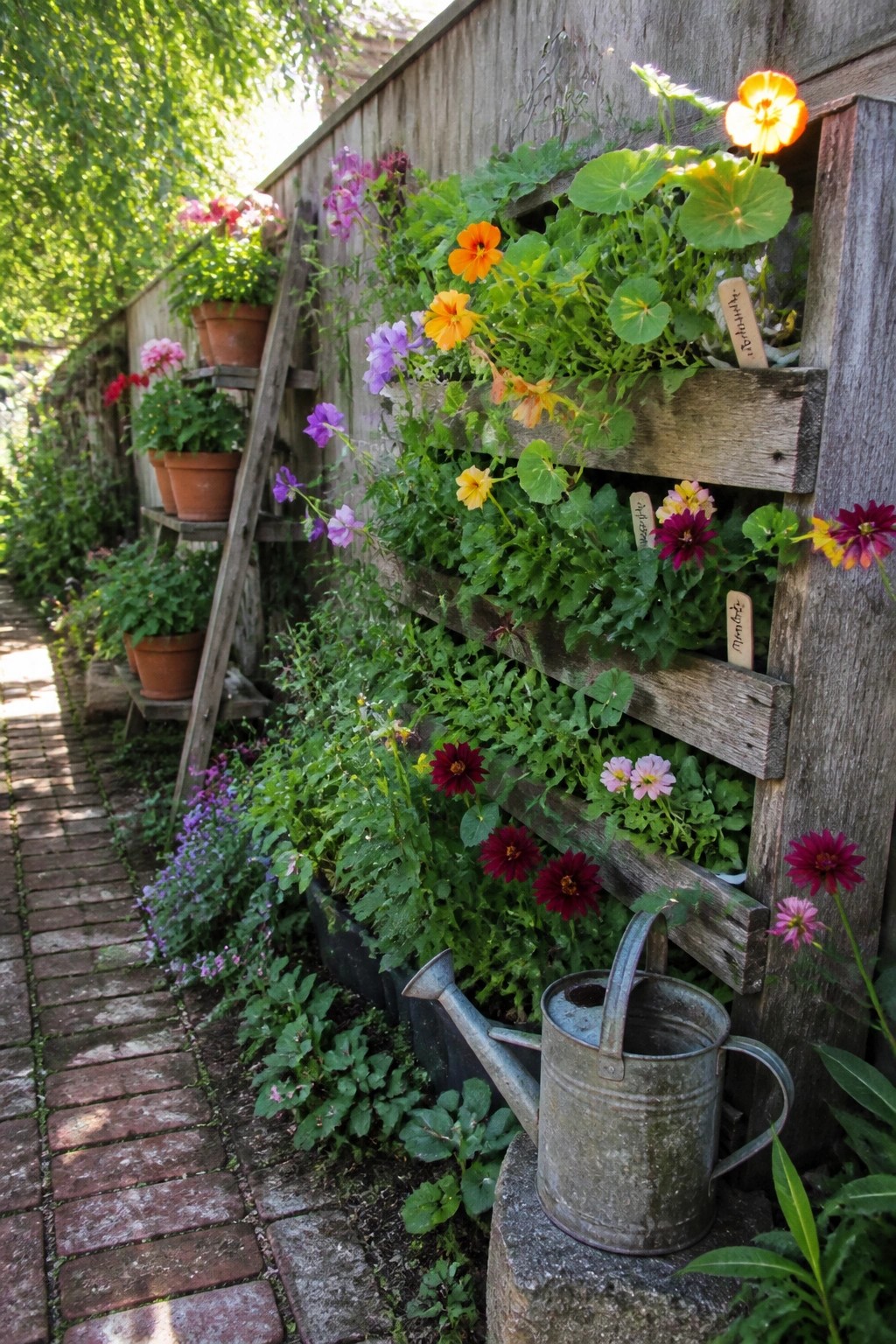
Many people like vertical pallet planters because they turn a plain fence into useful growing space. In a narrow garden, this keeps plants off the ground and still leaves room to walk.
It works best along side paths or against a sturdy fence that can hold the weight. Line the pallet, fill it with soil, and choose plants that do not mind a bit less depth. Check the structure now and then to make sure it stays secure as the plants grow.
Repurpose A Pallet Into A Vertical Planter
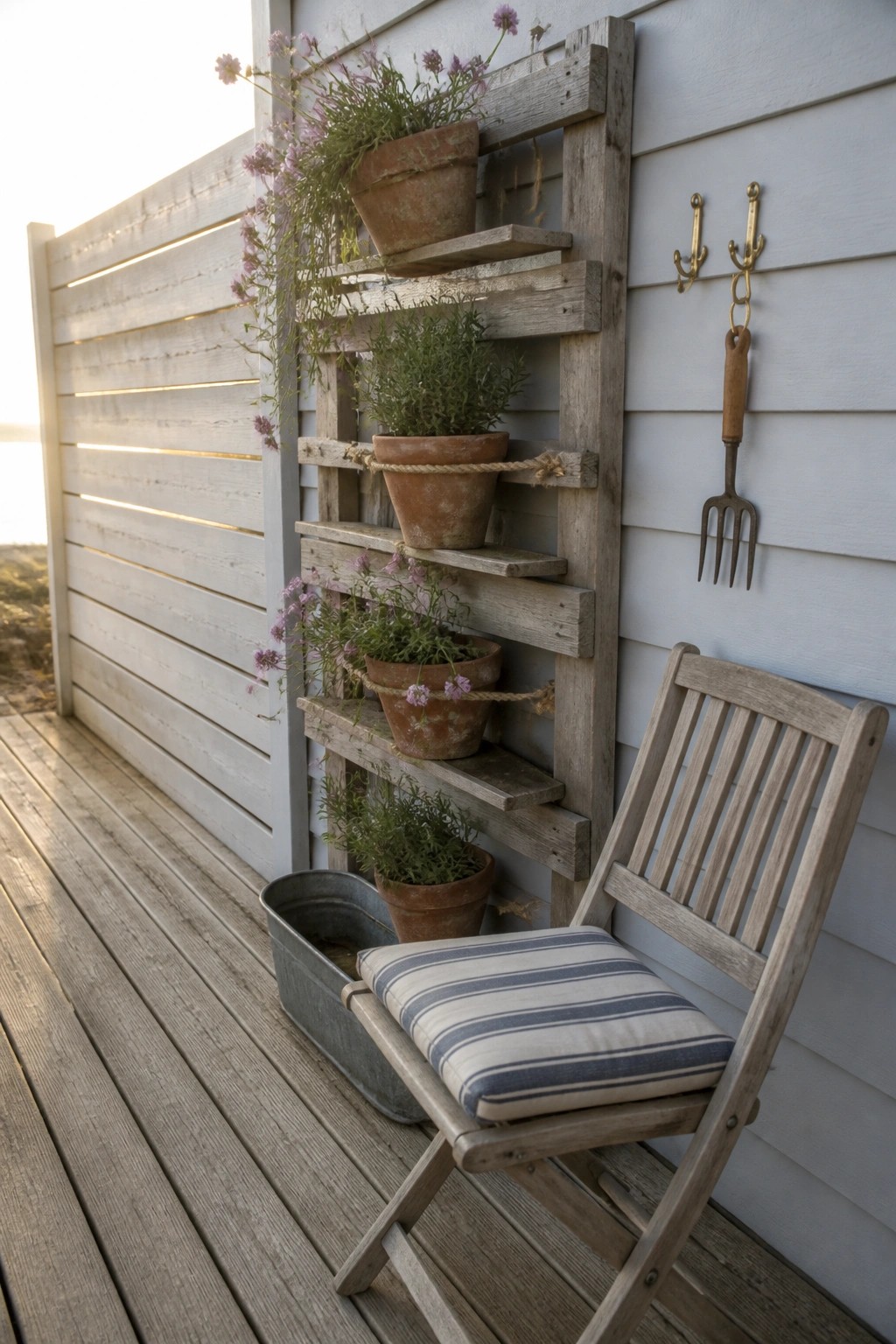
A vertical pallet planter makes good use of wall space in narrow gardens where ground room is tight. The simple frame holds several pots at different heights so you can grow more without spreading out sideways.
This approach works best along a fence, deck wall, or house siding where you can screw the pallet in place and tie the pots with rope or wire. Treated wood holds up outdoors, and the open design lets air reach the plants without crowding them.
Vertical Pallet Planters Along Narrow Paths
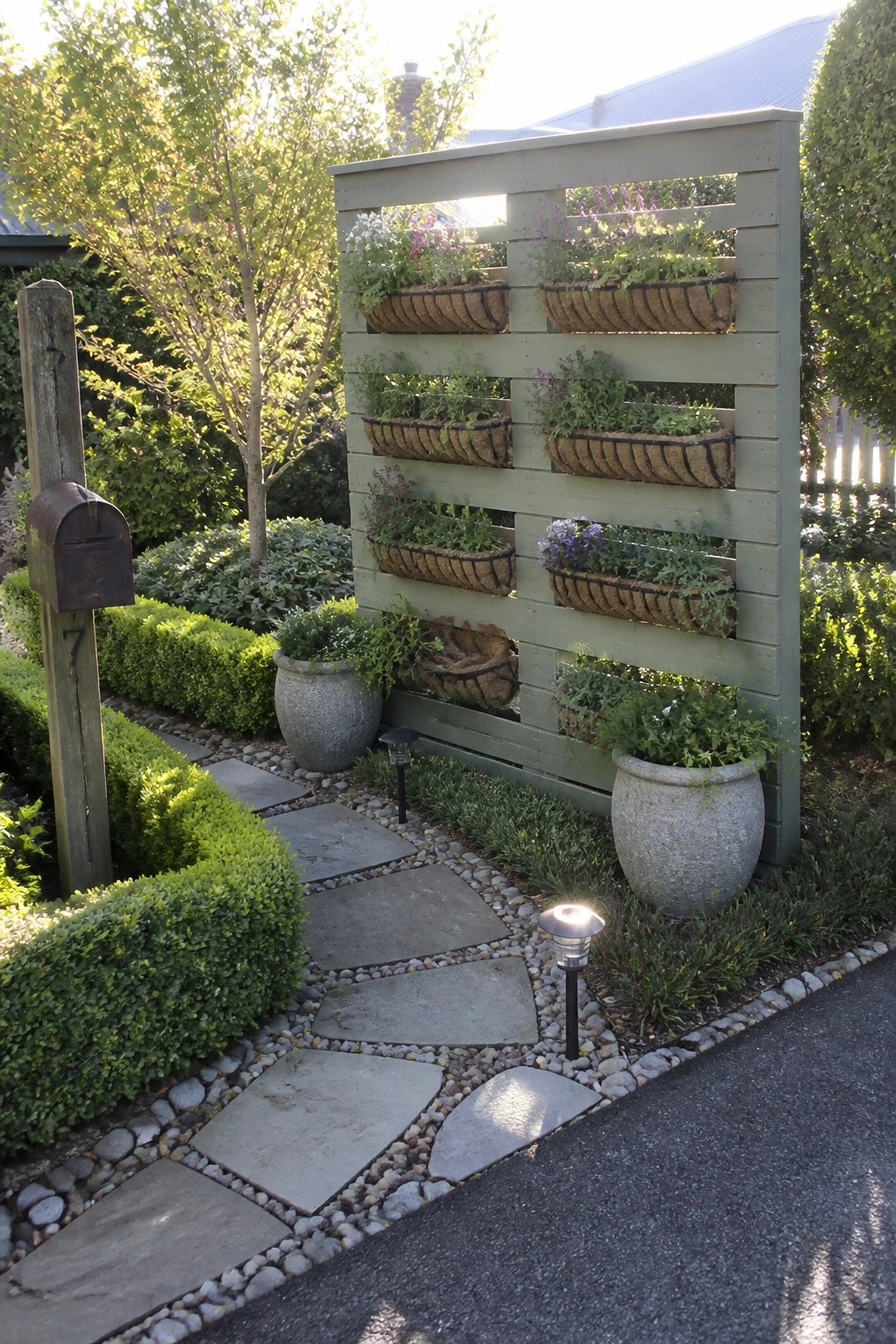
Many narrow gardens leave little room for planting beds beside a walkway. A tall pallet frame with attached troughs solves this by turning one upright surface into multiple rows of growing space.
This setup suits homes where the garden strip runs right next to a path or fence line. Place the structure where it can double as a low screen, keep the lower sections easy to reach for watering, and choose trailing plants that soften the edges without spreading onto the ground.
Mount a Vertical Pallet Planter on the Wall
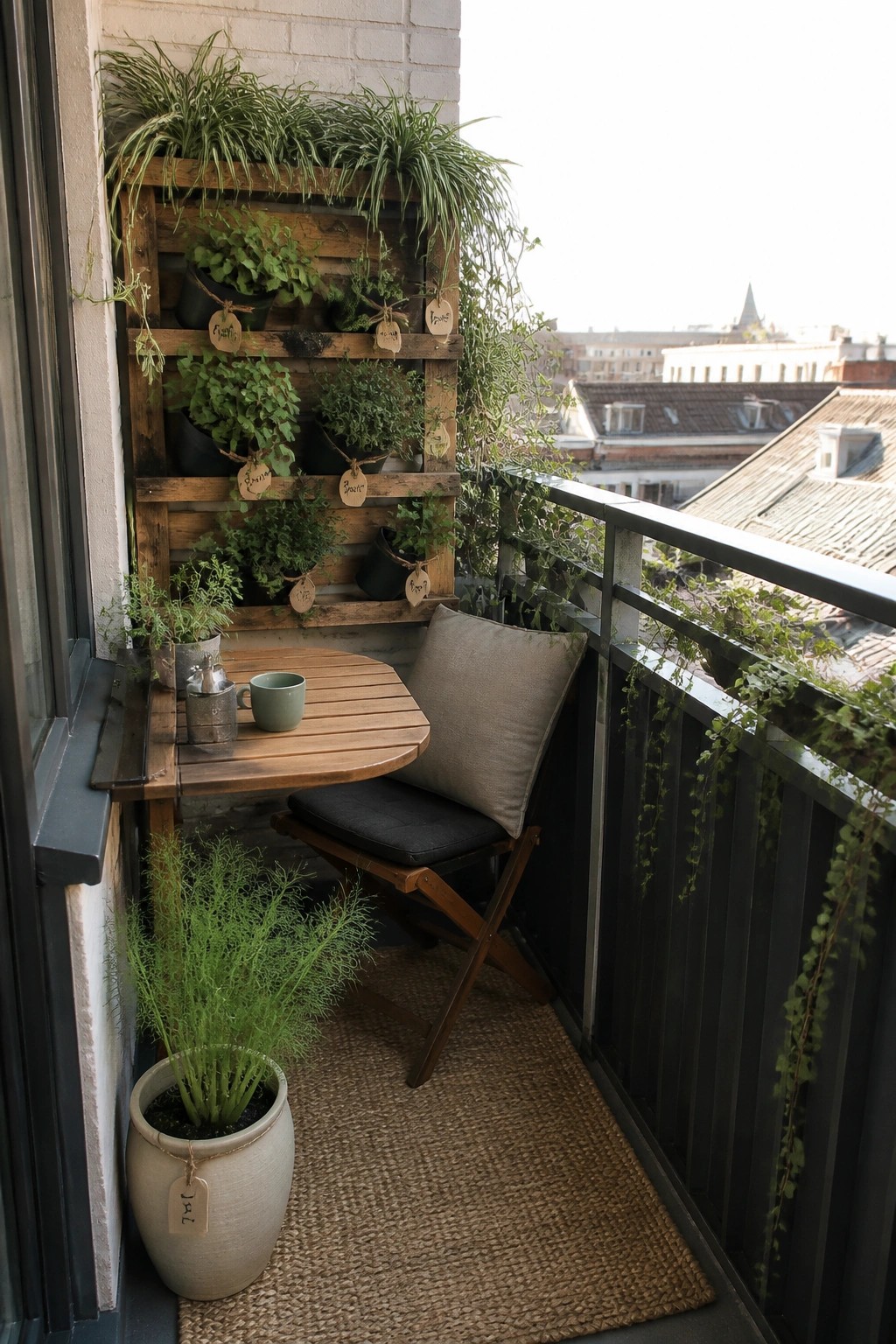
A vertical pallet planter gives you a simple way to add herbs and greens when floor space is tight. It turns an empty wall into growing room without crowding the seating area or blocking the walkway. Many people use this setup on balconies and small patios where every inch counts.
This works best on a solid wall that can hold the weight and gets decent sun. Secure the pallet well and choose lightweight pots or liners so the structure stays stable. Check the wall material first if you rent, since drilling is usually needed.
Vertical Pallet Planters Keep Narrow Paths Clear
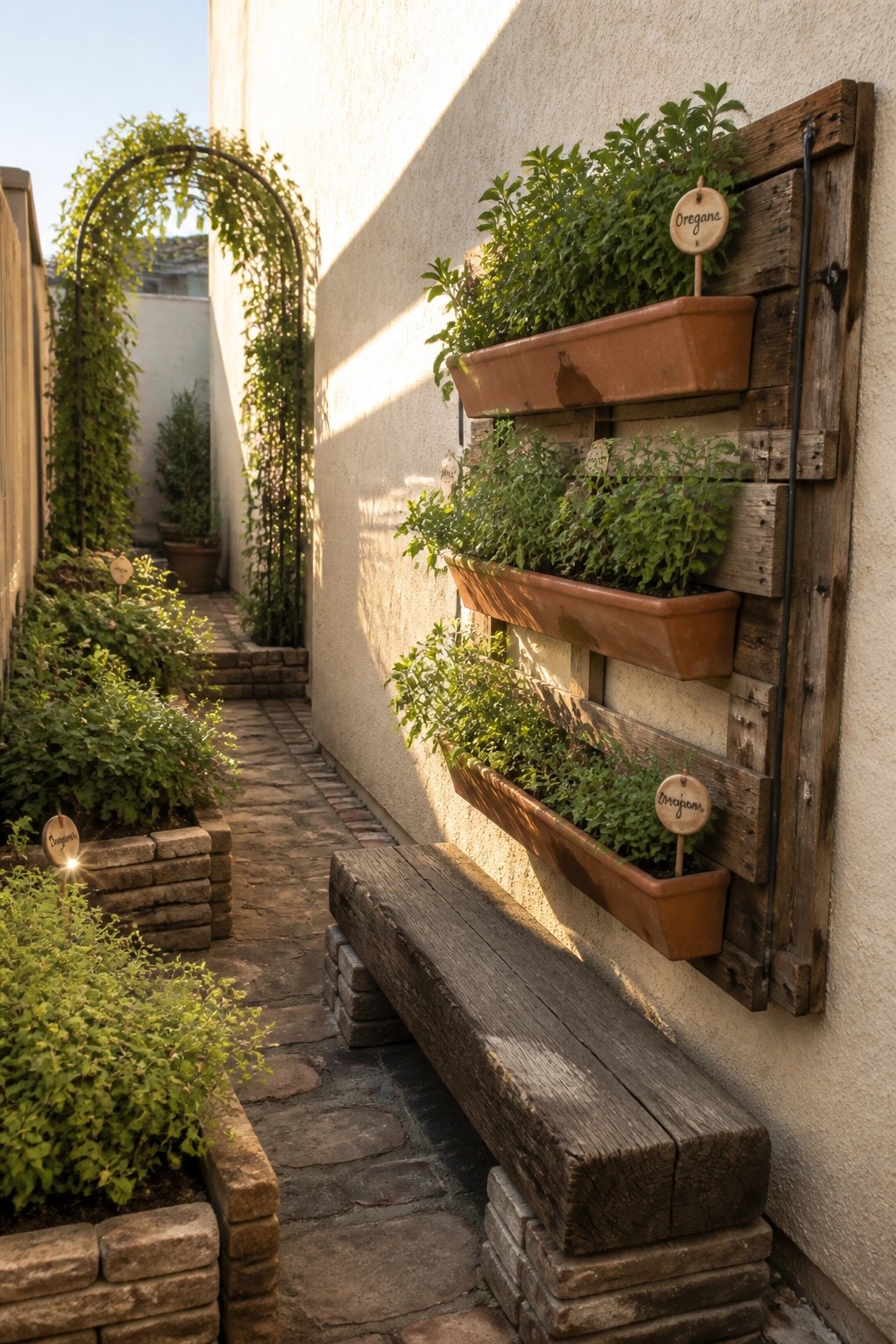
A vertical pallet planter gives you extra growing space without taking over the ground in a tight garden. The wood frame holds several pots at different heights so you can grow herbs or small plants right along a wall or fence.
This works best in side yards or between buildings where beds would crowd the walkway. Secure the pallet firmly, use weatherproof pots, and keep the lower levels easy to reach for watering. It suits small urban gardens or any spot where floor space stays limited.
Vertical Pallet Planters On Garden Walls
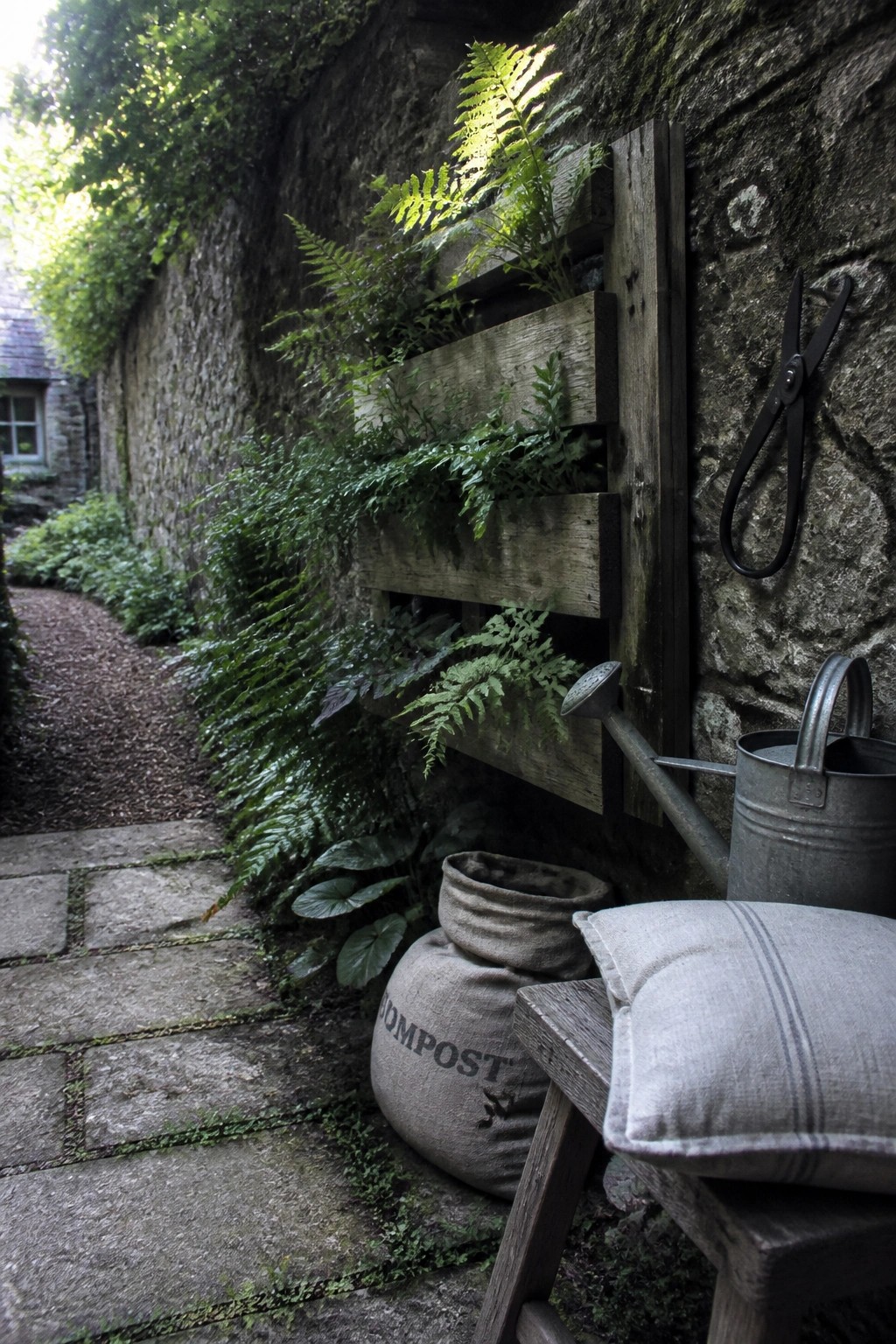
A vertical pallet planter gives you an easy way to add plants in a narrow garden where floor space is limited. It turns an empty wall into growing room without blocking paths or crowding the ground.
Mount the pallet on a solid wall and pack the slats with soil and shade tolerant plants. This works best along stone or brick boundaries where you want greenery but need to keep the walkway open.
Vertical Pallet Planters With Bottles
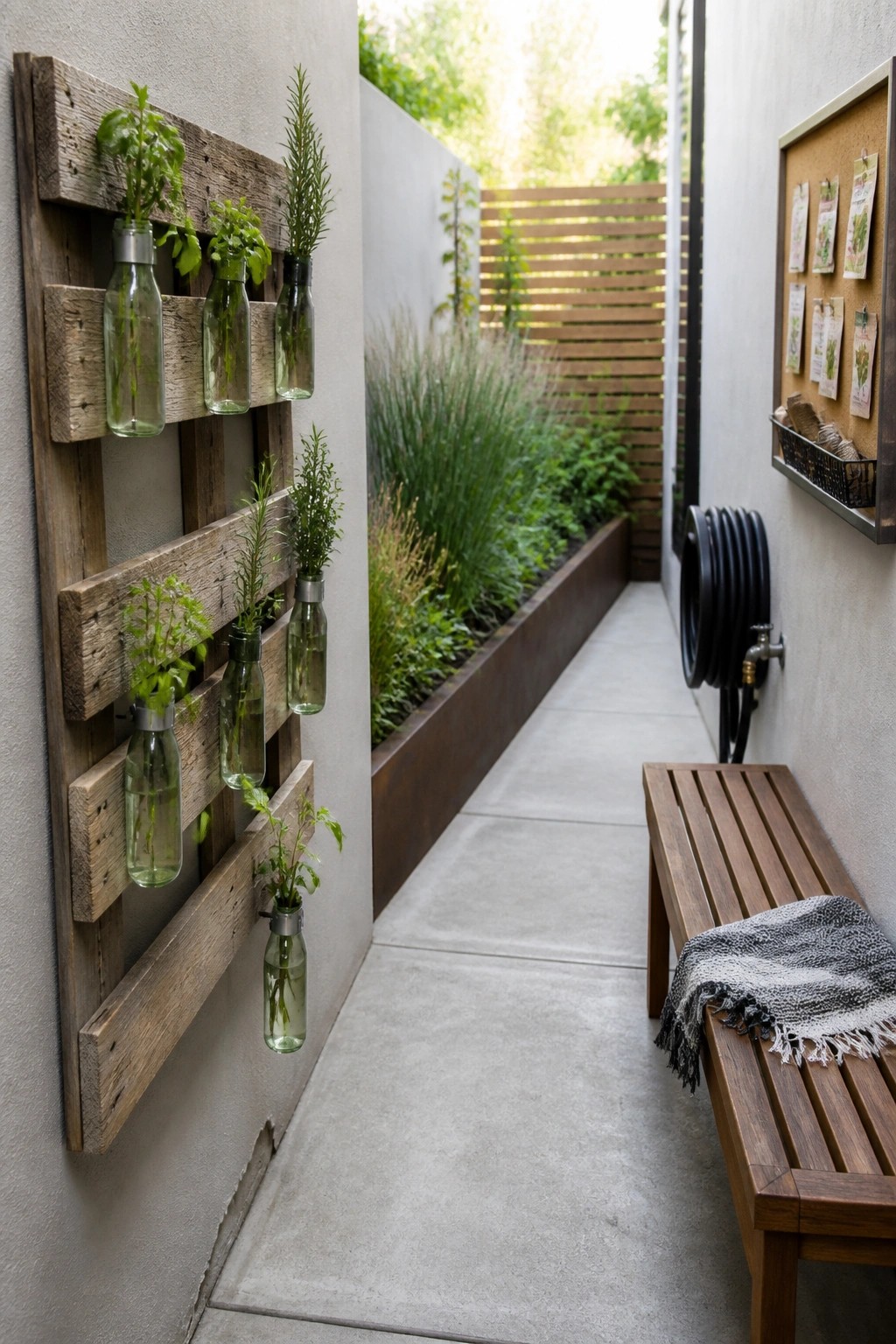
A pallet mounted on a wall with glass bottles tucked into the slats gives you a simple way to grow herbs or small plants without taking up floor space. This setup works especially well in narrow side yards or tight passages where a regular bed would feel too wide.
You can hang the pallet at eye level or slightly lower so the plants stay easy to reach for watering and harvesting. It suits homes with concrete or stucco walls that already feel bare, and it keeps everything off the ground so the path stays clear. Just make sure the bottles sit firmly and the wood is treated for outdoor use.
Vertical Pallet Planters For Narrow Gardens
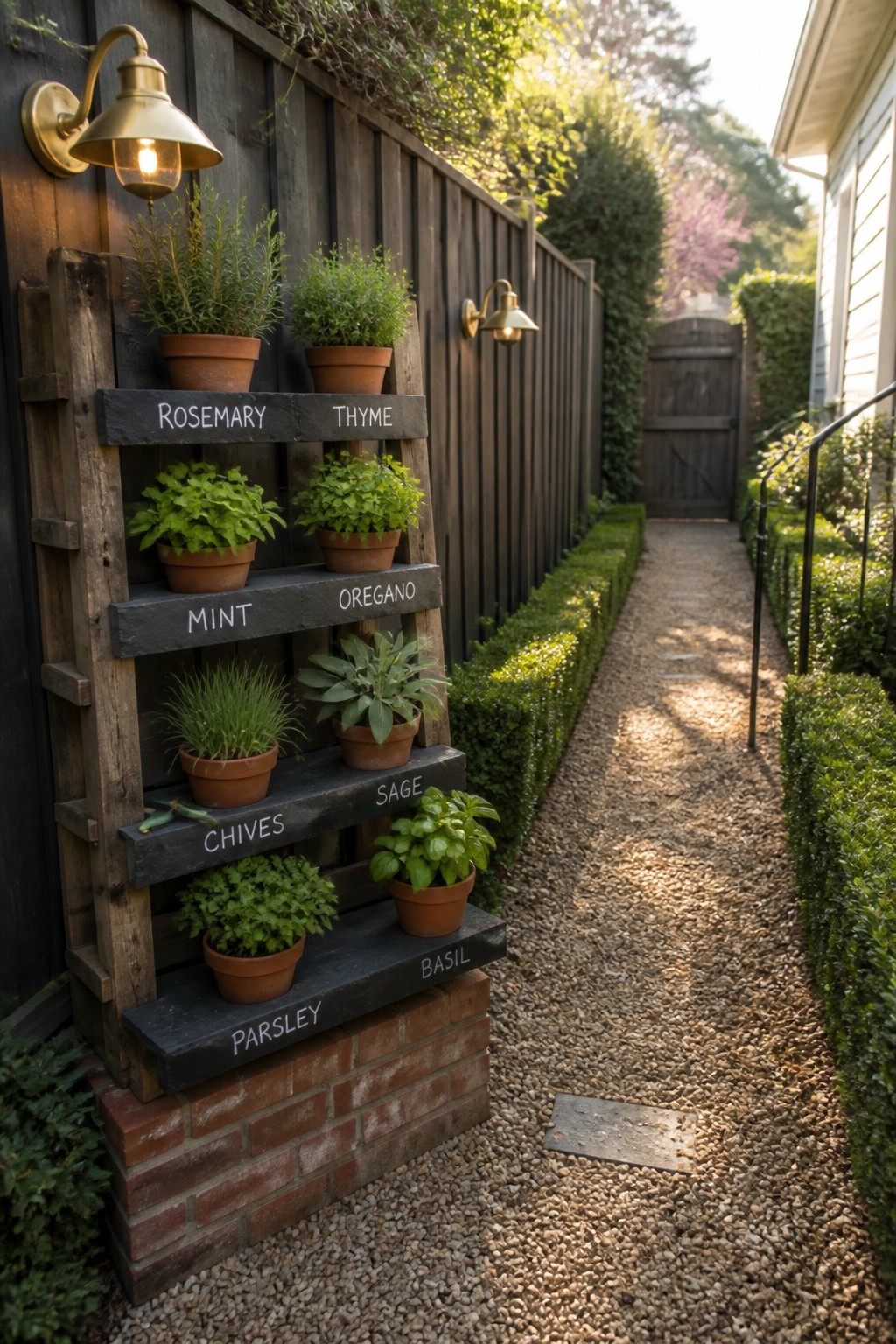
Mounting a pallet planter straight onto a fence turns unused vertical space into growing room. In narrow gardens this approach keeps the path clear while still letting you grow a useful range of herbs without crowding the ground.
The idea suits side yards or slim passages where floor space is tight. Fix the pallet securely, add a few simple labels, and choose plants that stay compact so the whole thing stays neat and easy to reach from the path.
Vertical Pallet Planters Along A Fence
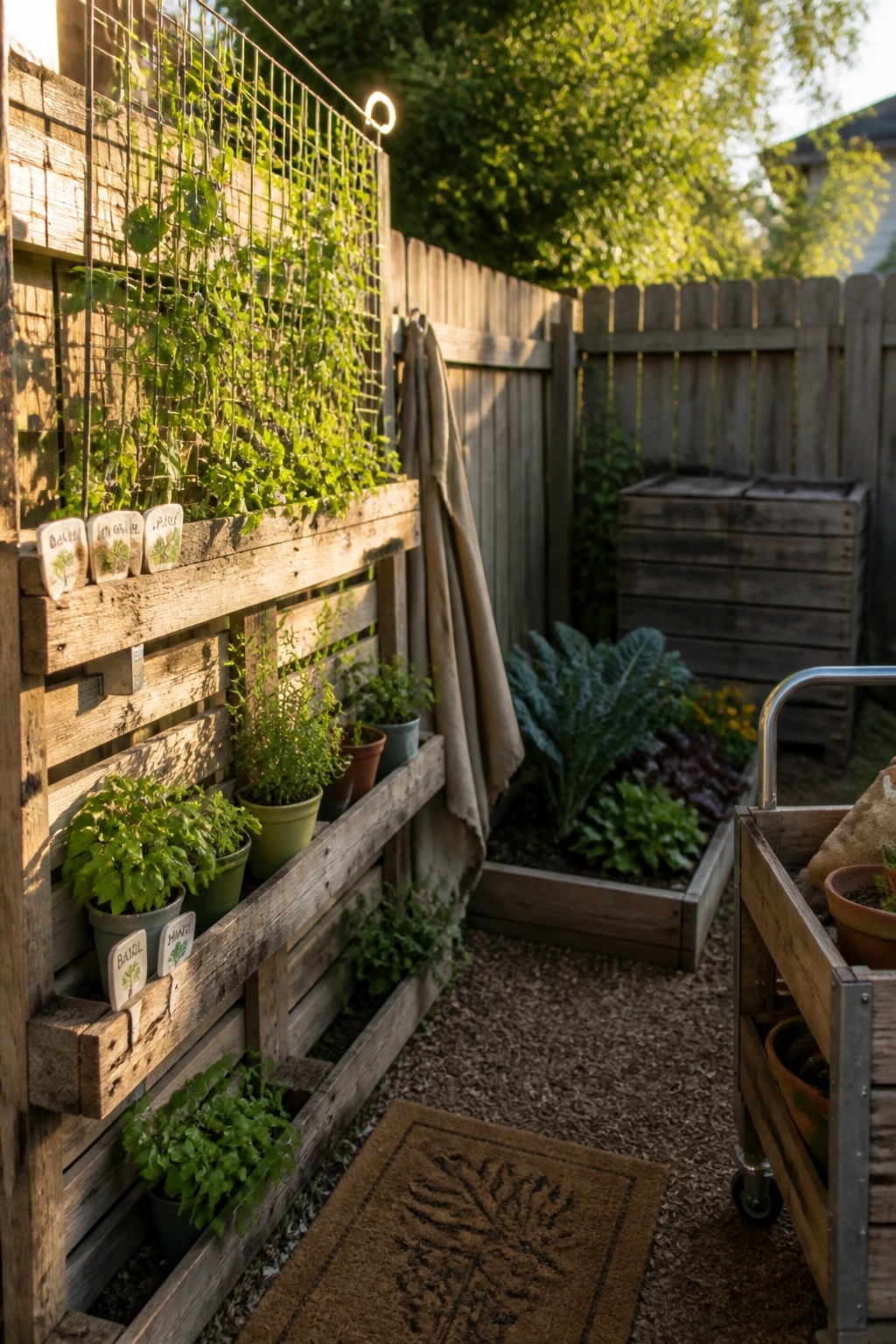
Turning a fence into a vertical garden with pallets is a simple way to add growing space in a narrow yard. The wood holds rows of pots at different heights so herbs and small plants get light without crowding the ground.
This works best along side paths or property lines where width is tight. Secure the pallet well, add a grid for climbing vines if you want more coverage, and group plants by how much water they need. Check the fence strength first since wet soil adds weight over time.
Vertical Pallet Planters For Narrow Gardens
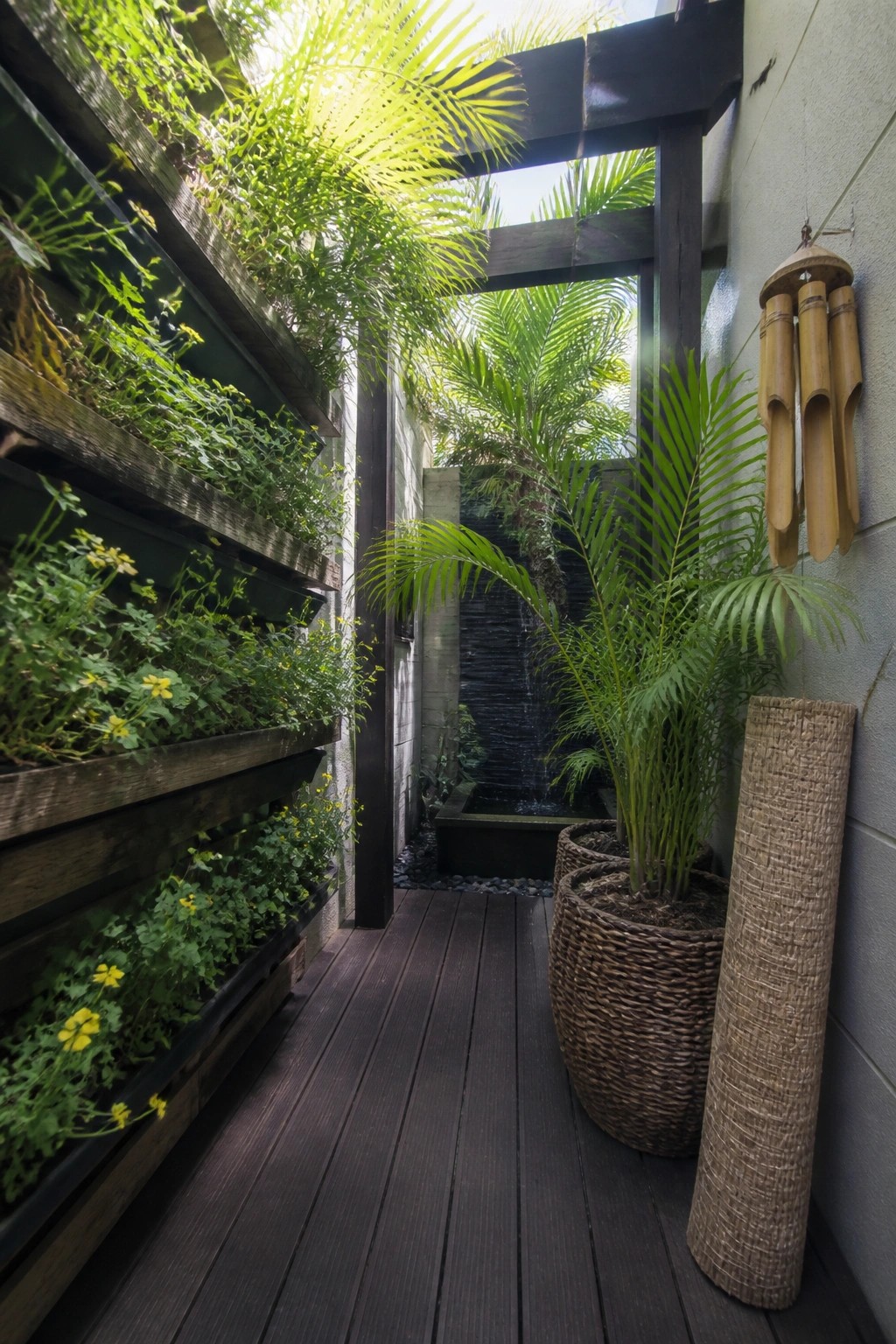
Many people with slim side yards or tight outdoor passages like the look of a vertical pallet planter because it adds plenty of growing space without taking over the path. The stacked wood creates simple shelves that hold soil and let plants trail or stand upright along the wall.
This setup works best on homes where the garden runs long but stays narrow. Use untreated pallets, line them well, and anchor them securely so the whole thing stays solid through the seasons.
Vertical Pallet Planters Work Well on Narrow Paths
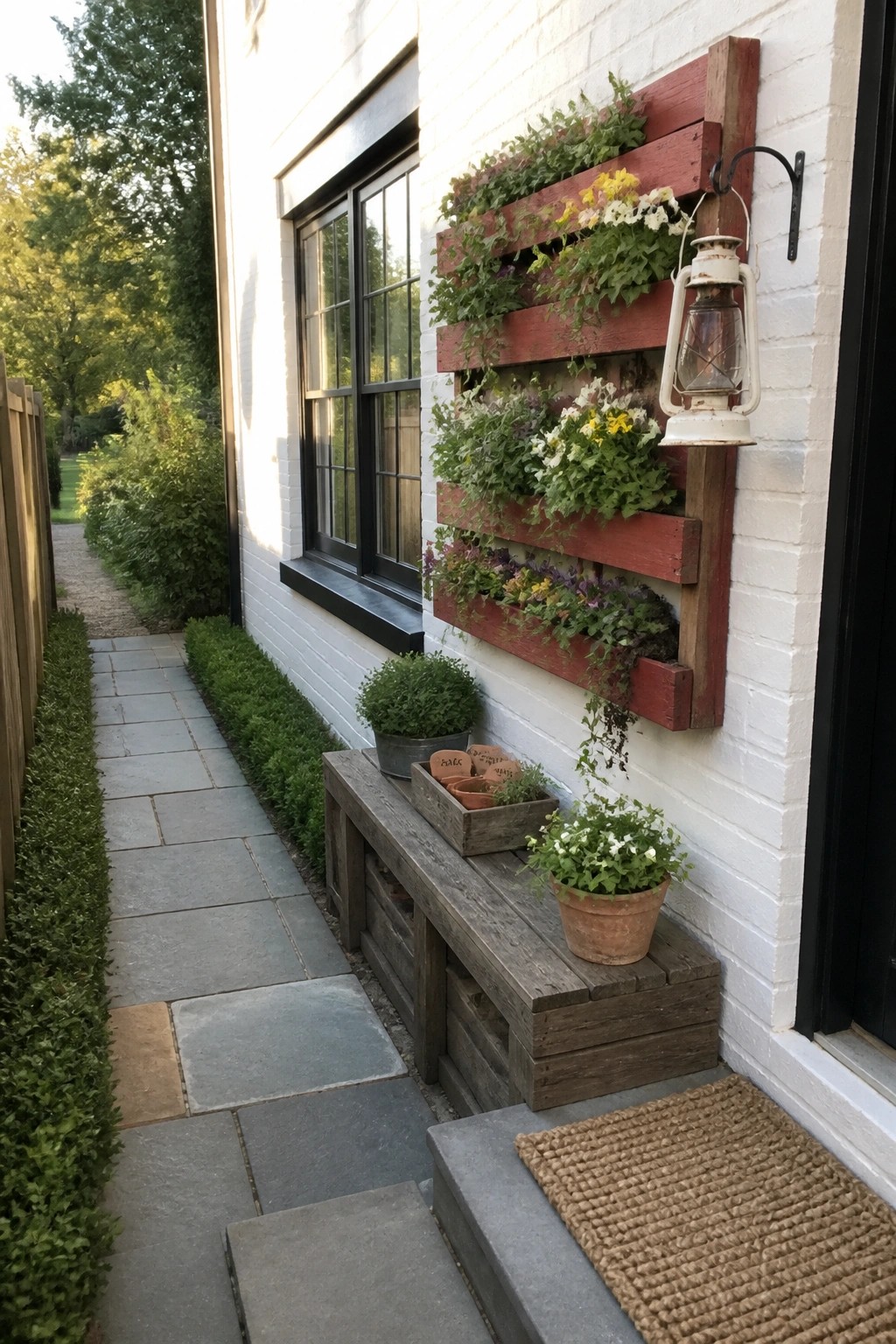
A vertical pallet planter mounted on the side of the house adds plants without eating into the walkway. It keeps the ground clear for walking while still bringing color and greenery to a tight spot.
This setup suits homes with long narrow side yards or small entries where floor space is limited. Secure the pallet firmly to the wall and pick plants that match the sun or shade in that area.
Mount a Pallet Planter on a Wall
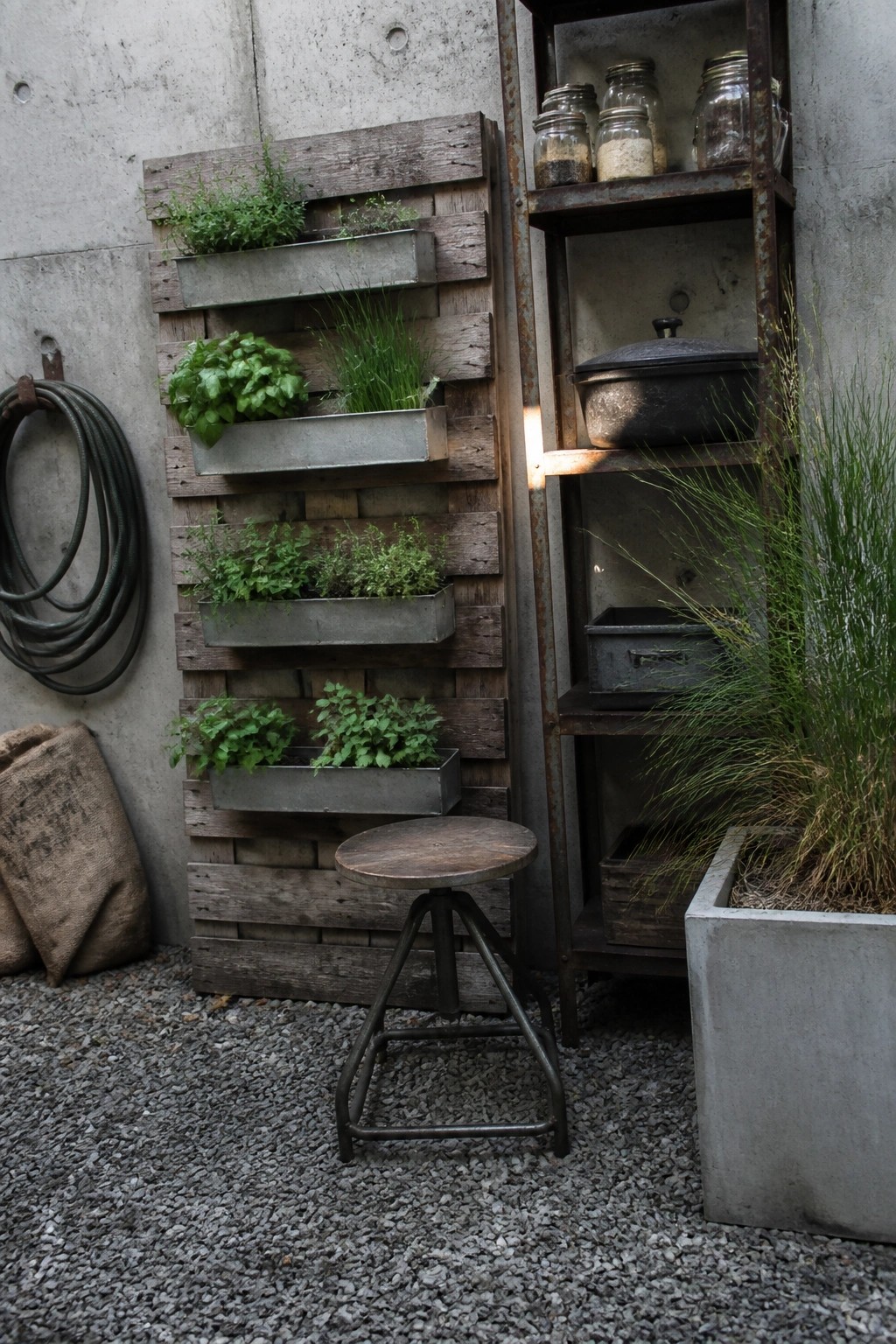
A pallet fixed to a wall turns unused vertical space into room for herbs and small plants. Metal troughs screwed across the boards hold the soil, so the whole setup stays shallow and does not stick out far.
This approach suits narrow gardens or tight side yards where ground space is limited. Bolt the pallet securely to the wall, line the troughs if needed, and pick plants that stay compact.
Mount A Pallet Planter On A Garden Wall
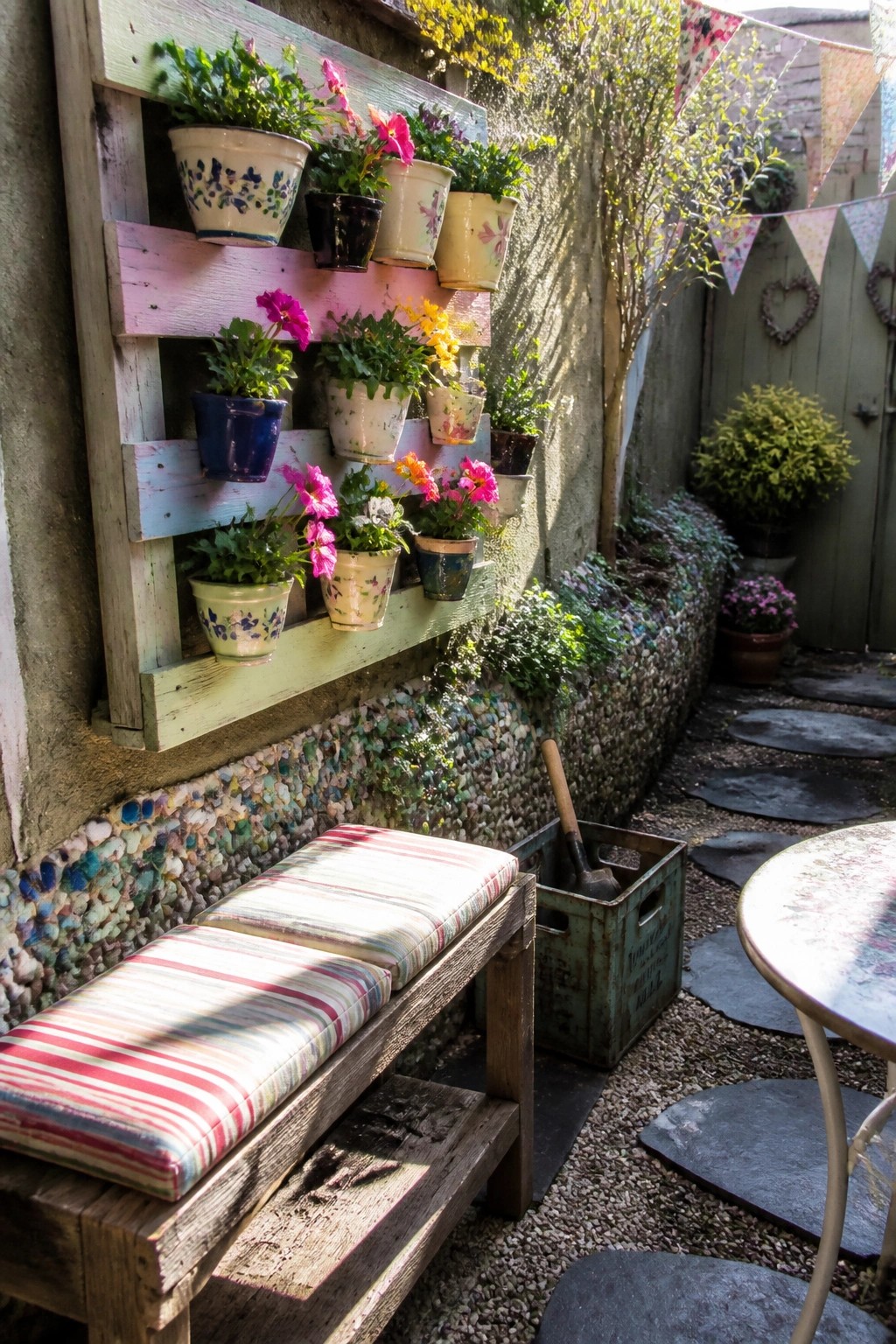
Fixing a pallet planter straight onto a wall gives you extra growing space without crowding the ground. In narrow gardens this keeps paths and seating areas open while still letting you grow quite a few plants at different heights. The simple structure works because the pallet already has built-in shelves once it is turned on its side.
This approach suits homes with a solid fence or house wall that can take the weight once the pots are filled. Secure it well and choose a spot with decent light. It is less useful in very windy spots or on walls that need regular maintenance access.
Vertical Pallet Planters For Narrow Yards
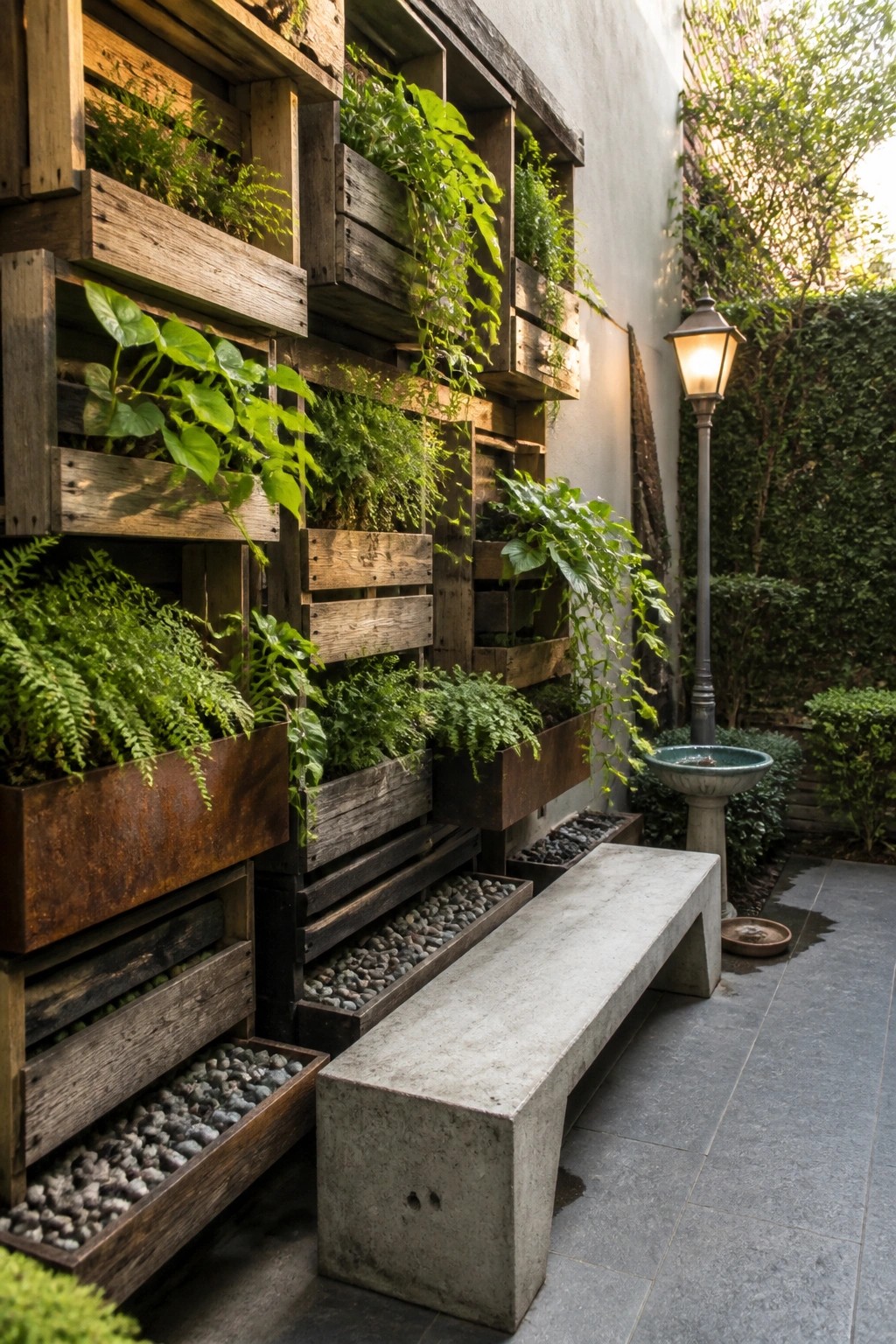
Vertical pallet planters let you add a lot of greenery without eating into limited ground space. Stacking old crates or pallets against a blank wall turns that surface into a living feature, and the plants spill out at different heights for more interest than a single row of pots would give.
This works best along side passages or against courtyard walls where width is tight. Secure the structure well, line the boxes to protect the wood, and choose plants that handle the light levels in that spot.
Vertical Pallet Planters On Side Walls
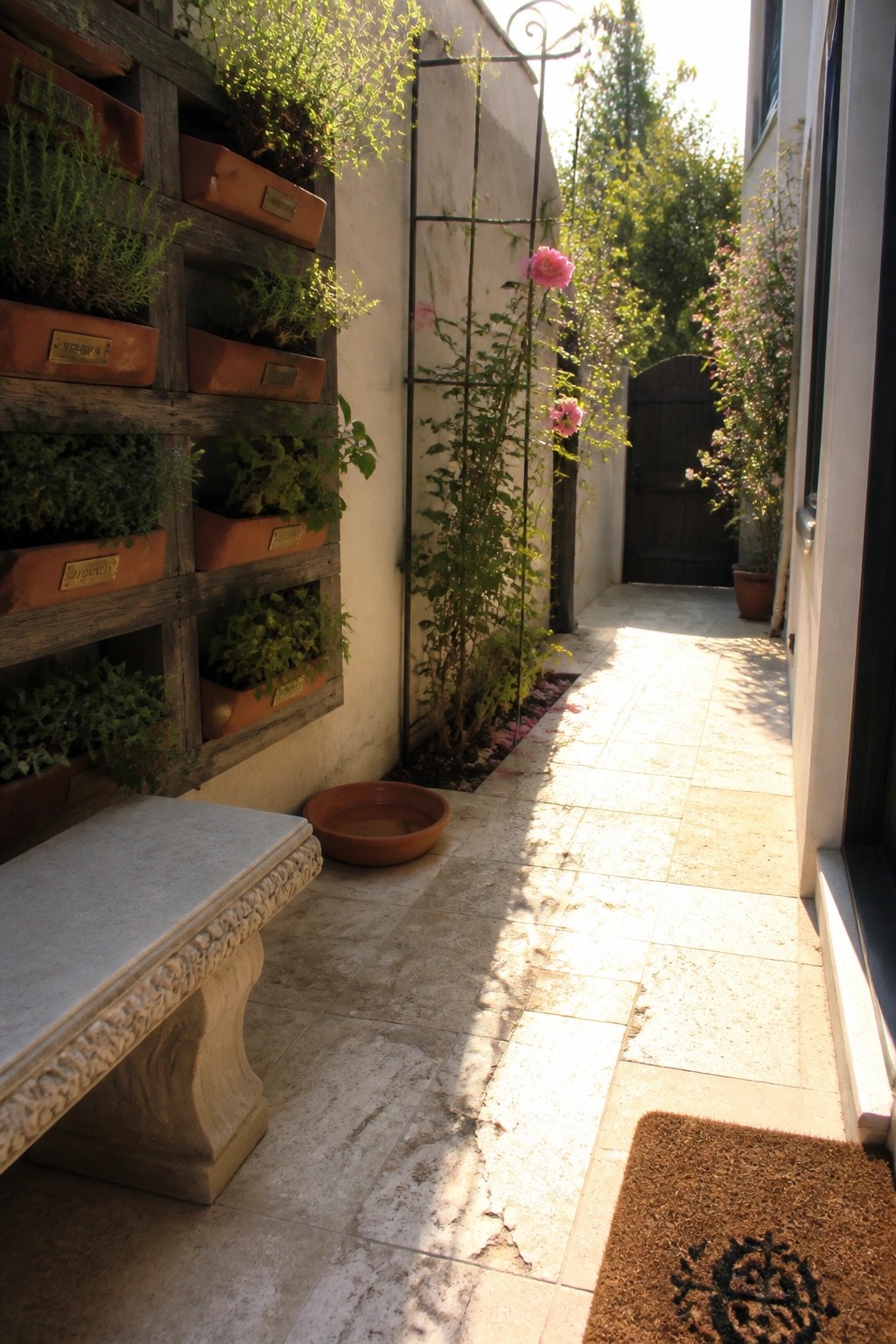
Mounting a pallet vertically against a wall turns a narrow strip of ground into real growing space. The wood frame holds rows of pots at different heights so you can fit herbs, trailing plants, and small shrubs without taking up path width. It works especially well in side passages or tight alleys where normal beds would crowd the walkway.
This setup suits older homes with leftover wall space along fences or house sides. Secure the pallet firmly to the wall and line the boxes to protect the wood from rot. Check the structure each season since the weight adds up once the plants fill in.
Put Your Pallet Planter On Wheels
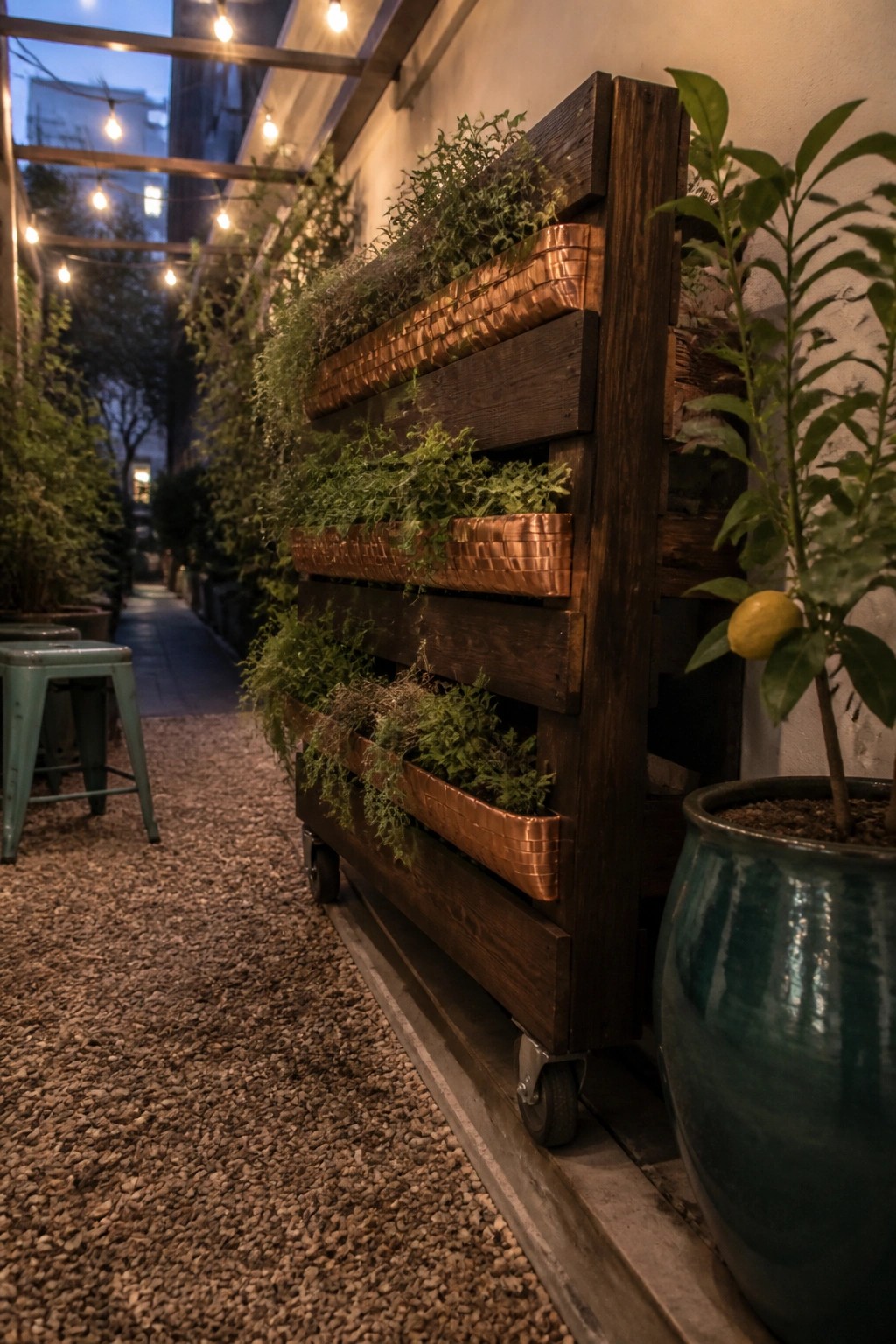
Adding wheels to the bottom of a vertical pallet planter makes it much easier to use in a narrow garden. You can shift it along a path or pull it aside when you need more walking space, which is handy when the area is tight and fixed beds would get in the way.
This setup works best on gravel or paved surfaces where rolling is simple. Use sturdy casters that can handle the weight of soil and plants, and keep the design narrow so it still fits without crowding the walkway.
Mount Pallet Shelves on a Wall for Herbs
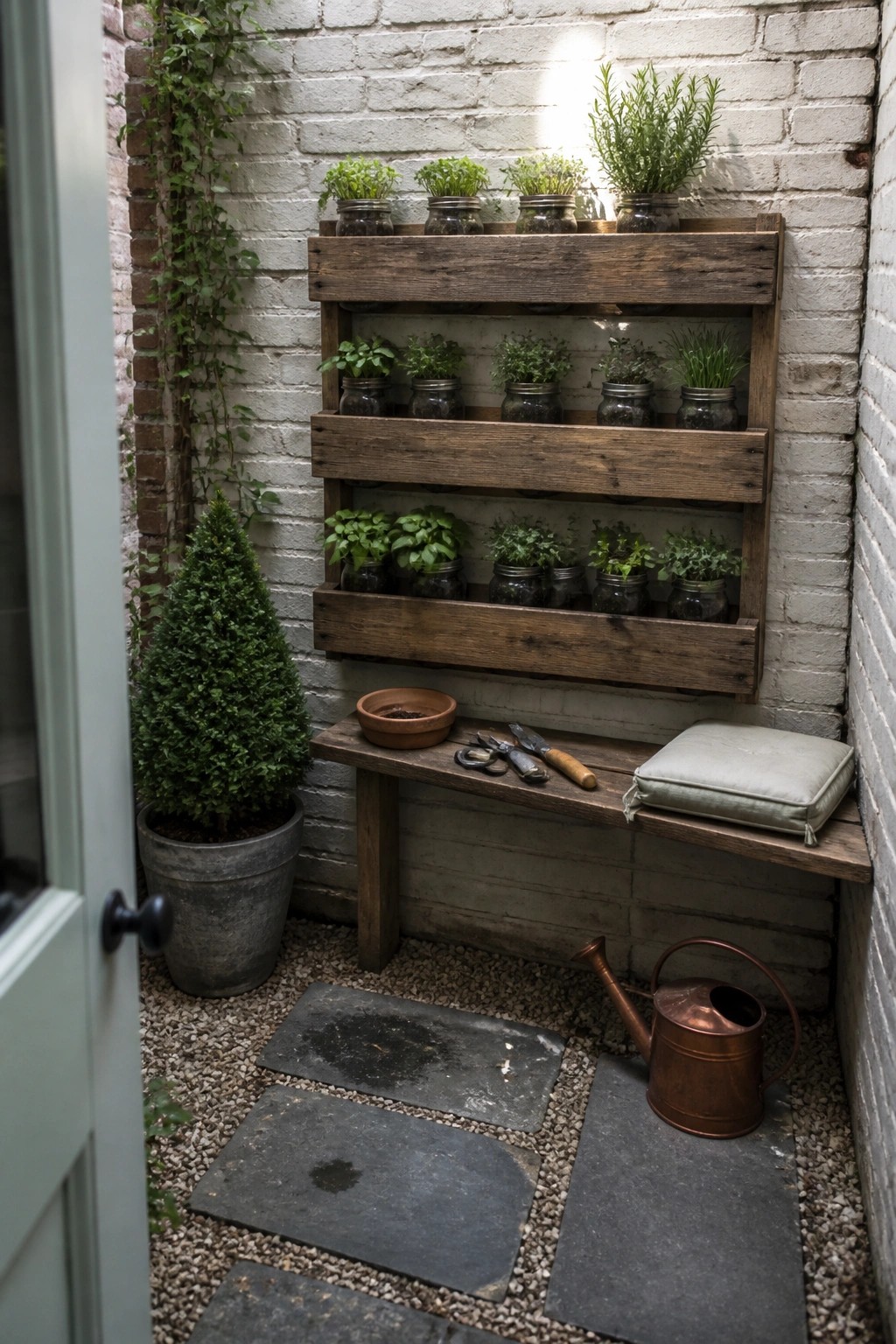
One simple way to add growing room in a narrow garden is to fix a few wooden shelves straight onto the wall. It keeps the floor clear while still giving you space for quite a few plants.
This setup suits side passages or small courtyards where ground space is limited. Screw the wood firmly into brick or similar, use jars or small pots, and stick to herbs you reach for often so the spot stays useful.
Frequently Asked Questions
Q: Do the plants dry out quicker in a vertical setup like this?
A: Water the top rows first and let it trickle down to the lower ones. Check the soil moisture every couple of days at first. This keeps everything even without overwatering the bottom.
Q: Can I build one of these with a pallet I already have?
A: Sand the wood smooth and line the inside with plastic to protect it from rot. Screw it firmly to a wall or fence for support. Old pallets work fine as long as they have not been treated with chemicals.
Q: What happens if my narrow garden gets mostly shade?
A: Pick shade loving plants like ferns or hostas for the lower sections. The vertical design still helps air flow around the leaves. Move the whole thing if needed to catch any morning sun.
Q: How do I stop the planter from tipping in strong winds?
A: Anchor the base well and attach it to a fence. This stops tipping without much extra work.
