

Backyard growing areas tend to look better when the planters sit low and follow the natural lines of the yard instead of sitting in random spots.
Pallet boxes work well because they can be sized to fit along a fence or beside a path without taking over the whole space.
The details that matter most are how the wood ages and whether the soil stays contained through the seasons.
Neat rows help.
I keep coming back to the versions with built-in dividers since they make it easier to rotate crops without mixing everything up.
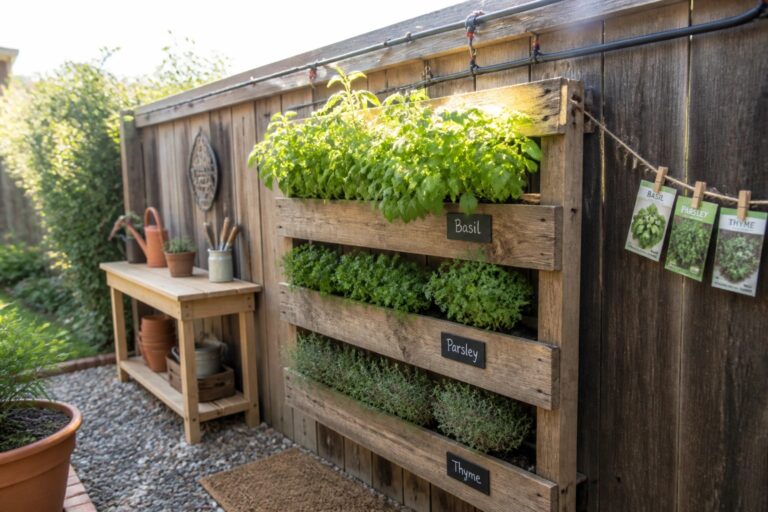
Mount Pallet Planters Along a Fence
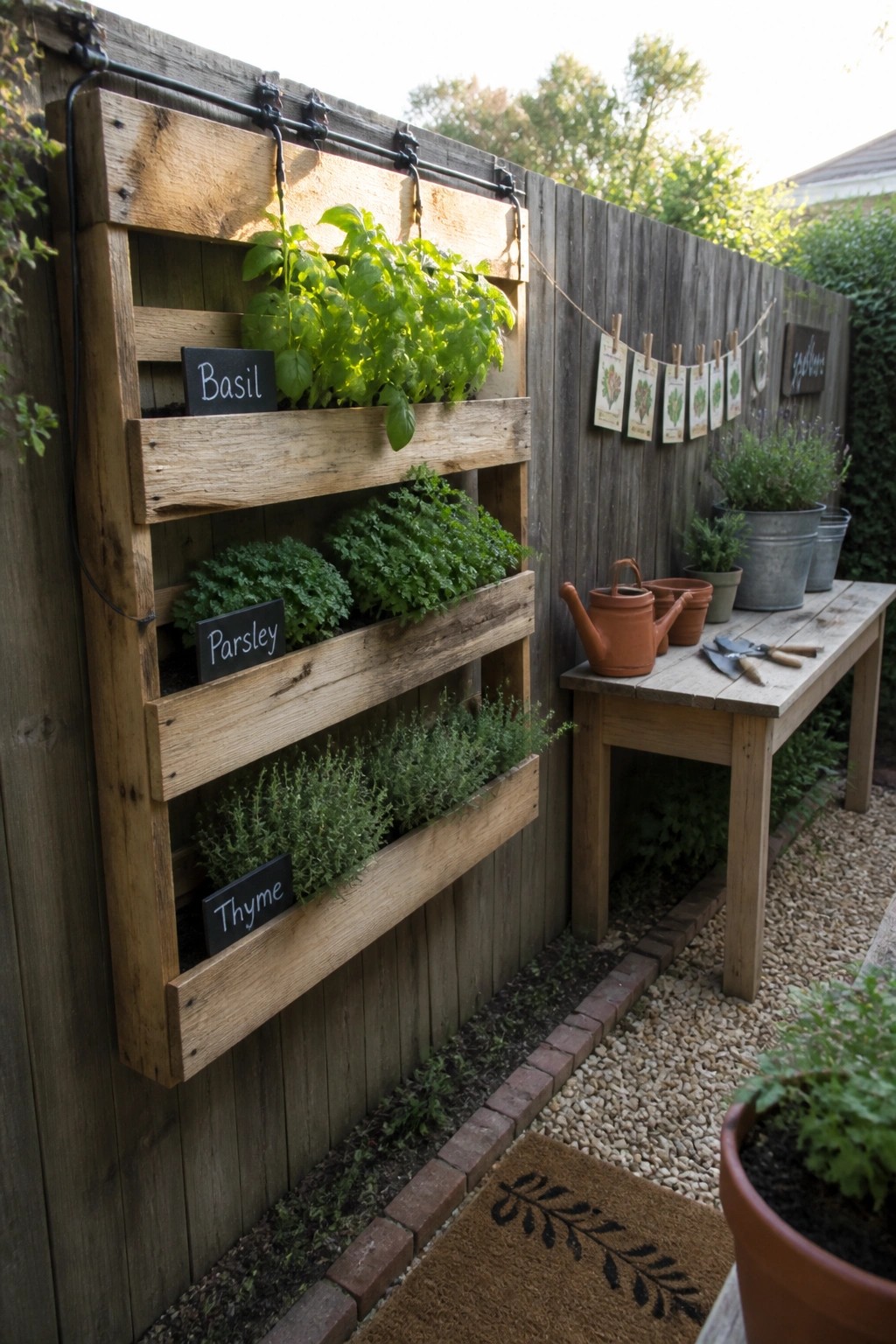
A vertical pallet planter gives you a simple way to grow herbs without taking up floor space. It turns an unused fence into a productive growing area and keeps the plants at a comfortable height for watering and picking. The wood also blends in with most backyard settings.
This setup works best in smaller yards or along a side fence where ground beds would feel cramped. Make sure the pallet is sturdy and the fence can handle the weight once the soil is added. Check drainage holes before planting so the wood does not stay wet for long periods.
Tiered Planter Boxes Fit More Plants in One Spot
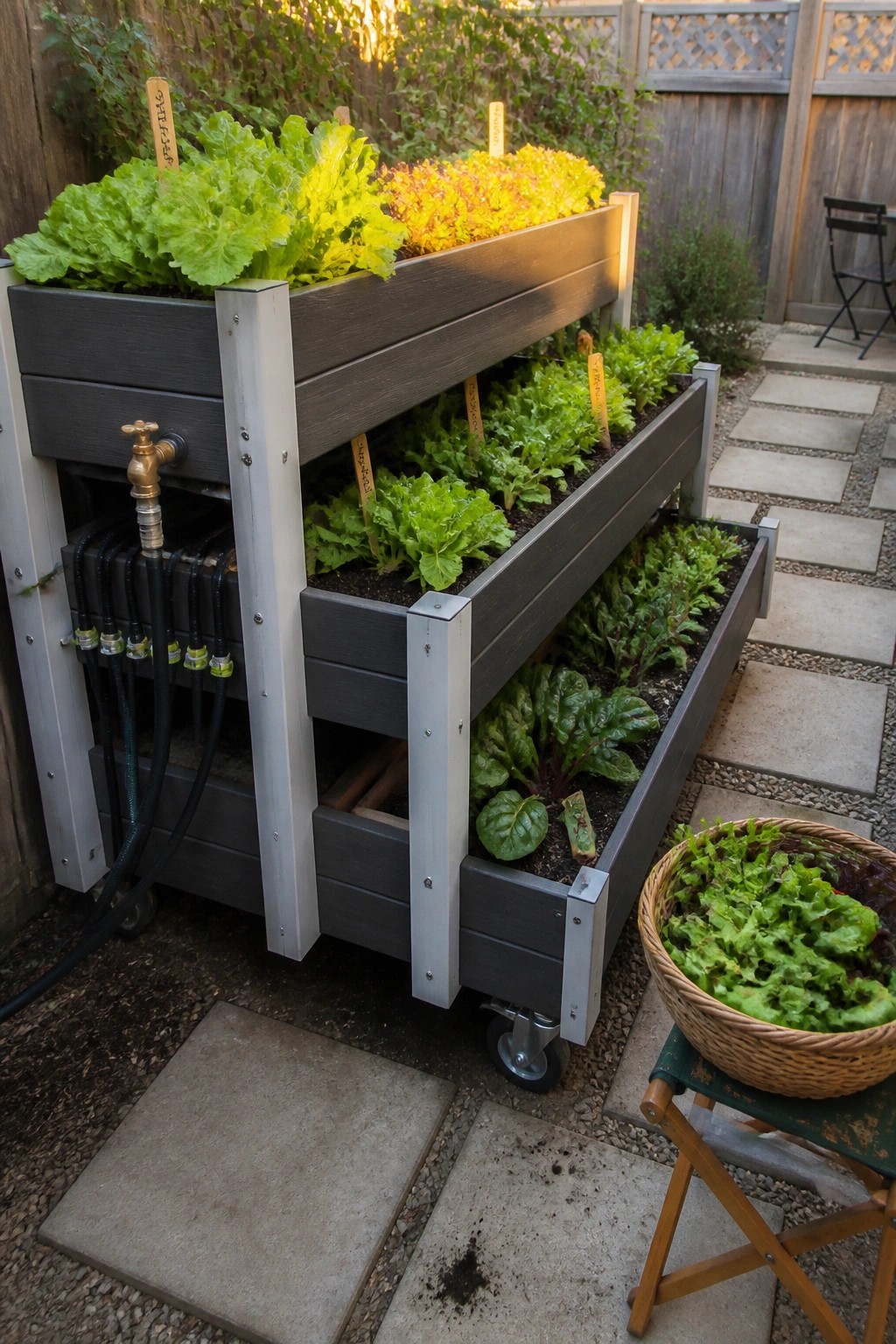
A tiered planter gives you several growing levels without taking up much ground space. It works especially well when you want to keep different crops separate or make harvesting easier since the upper rows sit at a comfortable height. The staggered design also helps with drainage and air flow around the plants.
This setup suits smaller yards or patios where flat beds would crowd the area. Place it near a water source so the built-in lines stay simple to manage. One thing to watch is keeping the lower tiers from getting too shaded by the ones above.
Build a Pallet Bench with a Planter Box
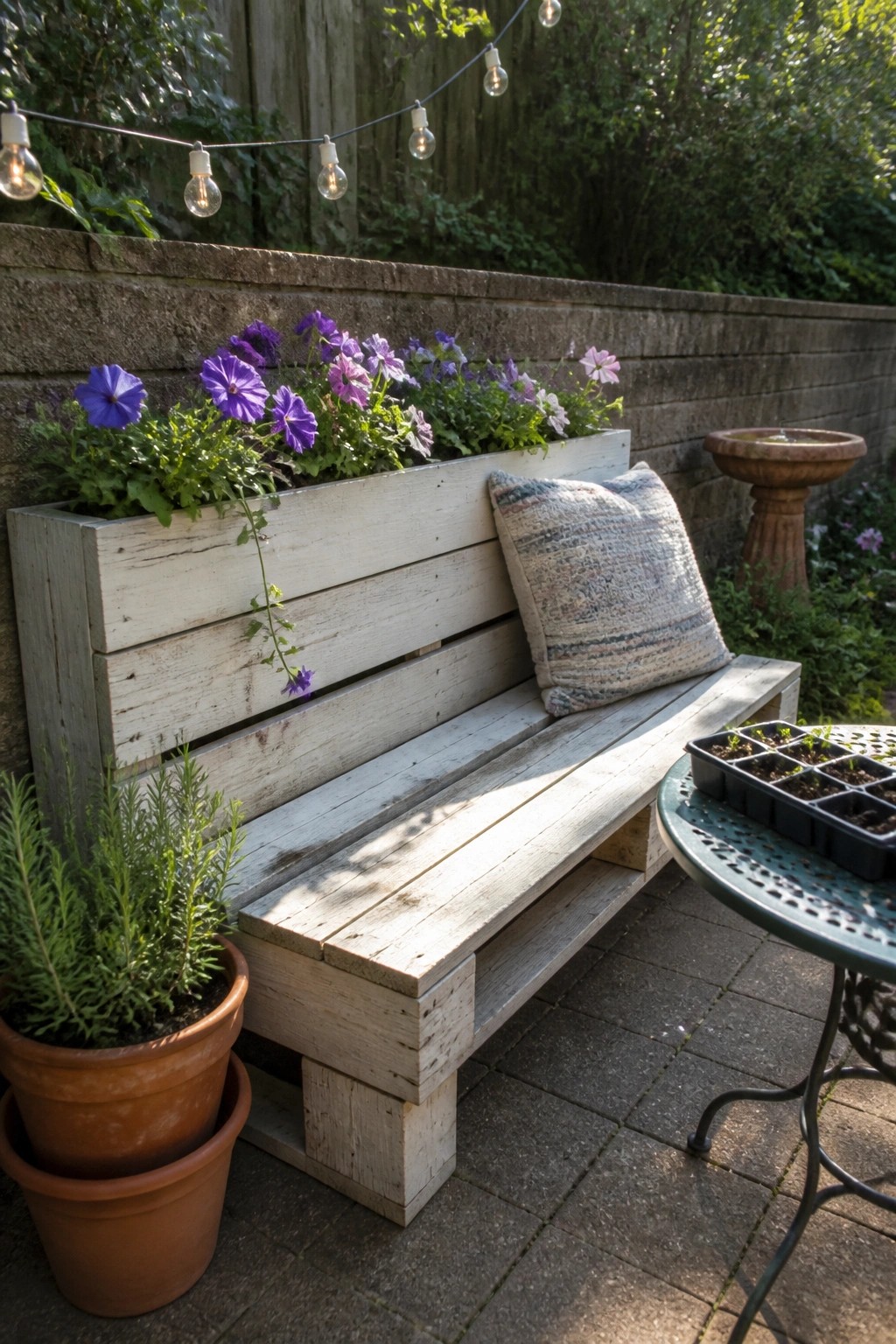
Many people like turning pallets into a bench that also holds plants. The planter sits right behind the seat so flowers stay within reach and the whole piece feels like part of the garden rather than just furniture.
This setup works best on patios or small yards where you want both seating and growing space in one spot. Use treated wood, add drainage holes in the planter, and keep the bench size modest so it does not crowd the area.
Vertical Trellis On A Raised Bed
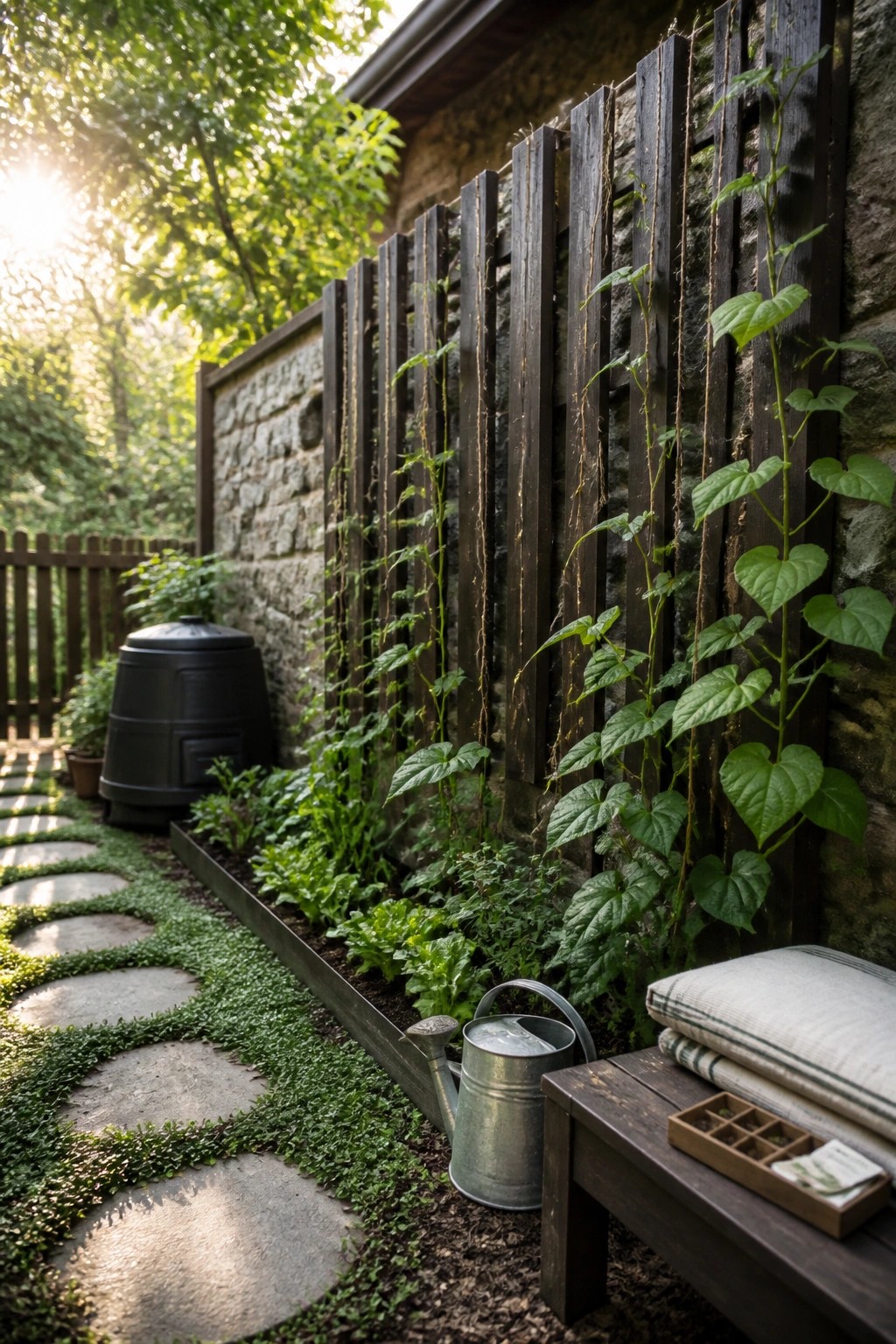
A vertical trellis next to a raised bed gives climbing plants a place to grow without spreading across the ground. It keeps the bed neat and makes good use of the space along a wall or fence.
This works best in narrow yards or along the side of a house where room is tight. Build the trellis from simple wood slats and let vines like beans or cucumbers climb as they grow.
Line Pallet Planters Along A Gravel Path
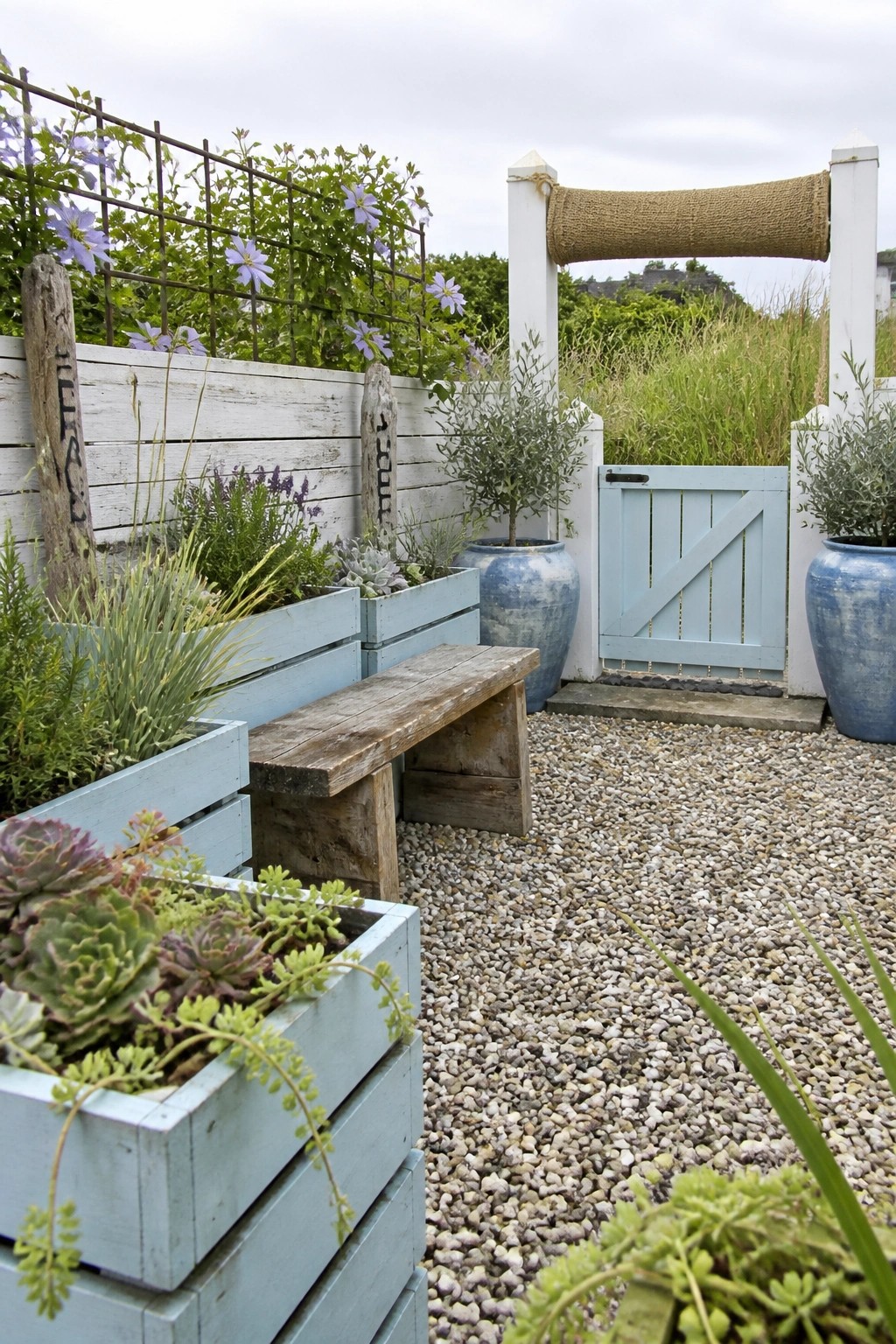
Pallet planters stay neat when they run in a straight row next to a gravel path. The simple layout keeps the beds easy to reach and stops plants from spilling into the walkway.
Place the boxes end to end at a comfortable working height and fill them with herbs or low-growing vegetables. This setup works best in small yards where you want clear access and defined growing space without adding extra edging.
Raised Planter Boxes On Gravel Paths
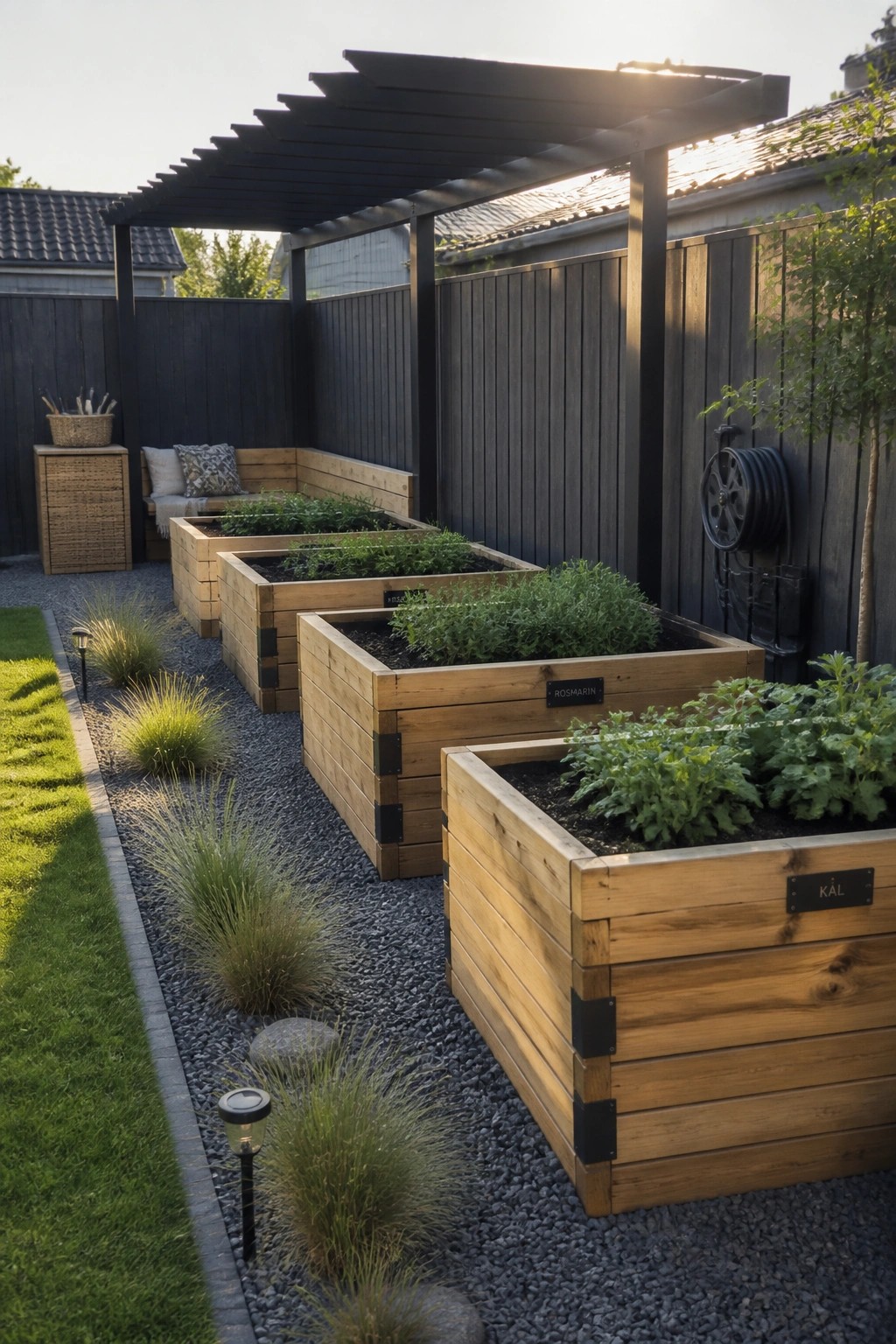
Raised planter boxes made from wood work well when you want a tidy garden that stays organized all season. They sit above the ground so the soil drains better and you avoid compacting the beds when you walk around.
Place them in straight rows with gravel between the boxes to create simple paths that stay dry and weed free. This setup suits smaller yards or side areas where you need easy access without turning the whole space into one big bed.
Mount Pallet Shelves Along a Wall for Growing Herbs
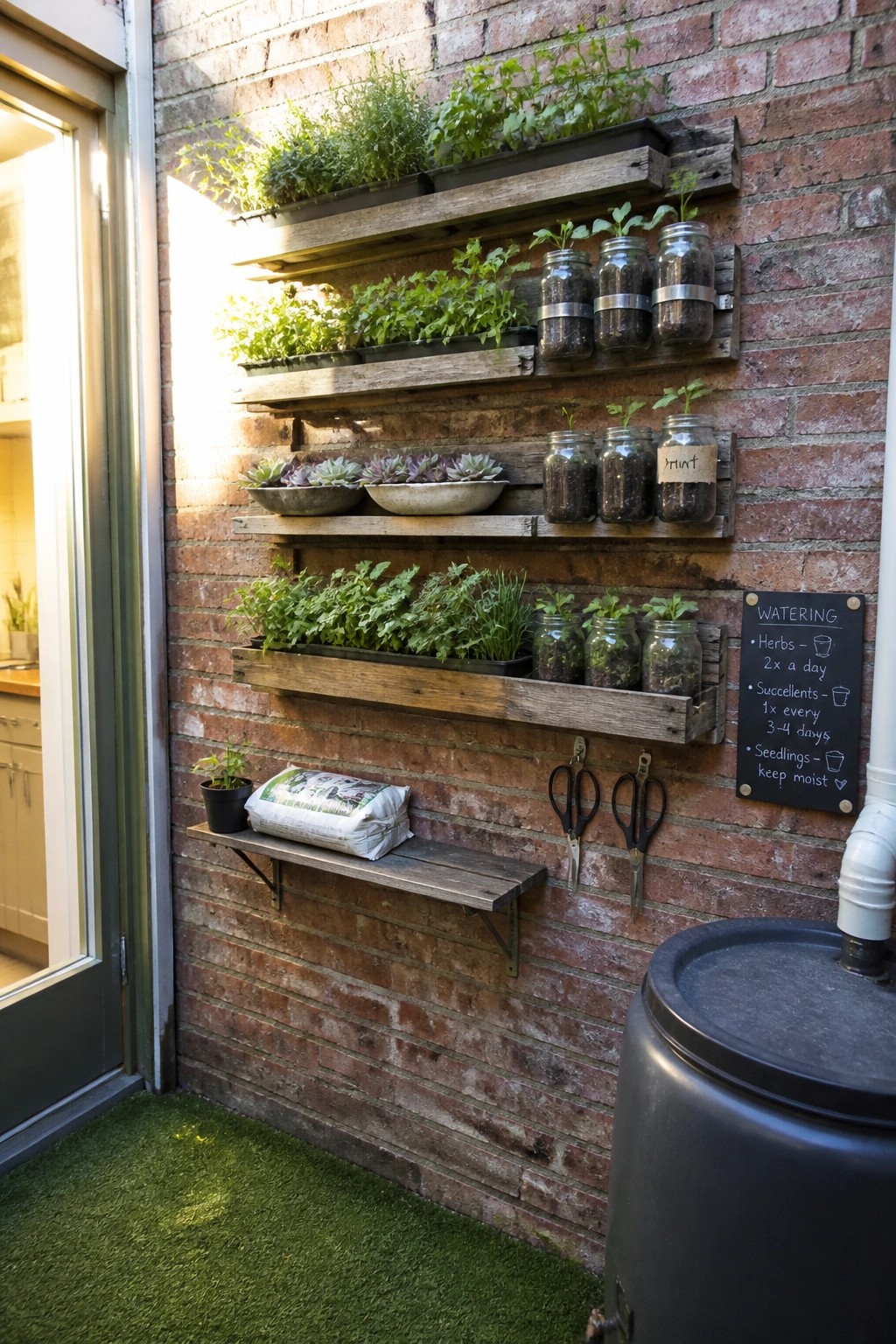
One simple way to keep backyard growing organized is to mount old pallet wood as shelves directly on a brick wall. This uses vertical space that often goes unused and keeps plants off the ground where they can stay cleaner and easier to reach.
It suits small yards or urban spots where ground beds take up too much room. Secure the shelves well, add trays or jars for different plants, and keep a small board nearby to track watering needs so nothing gets missed.
Raised Planters Built From Pallets
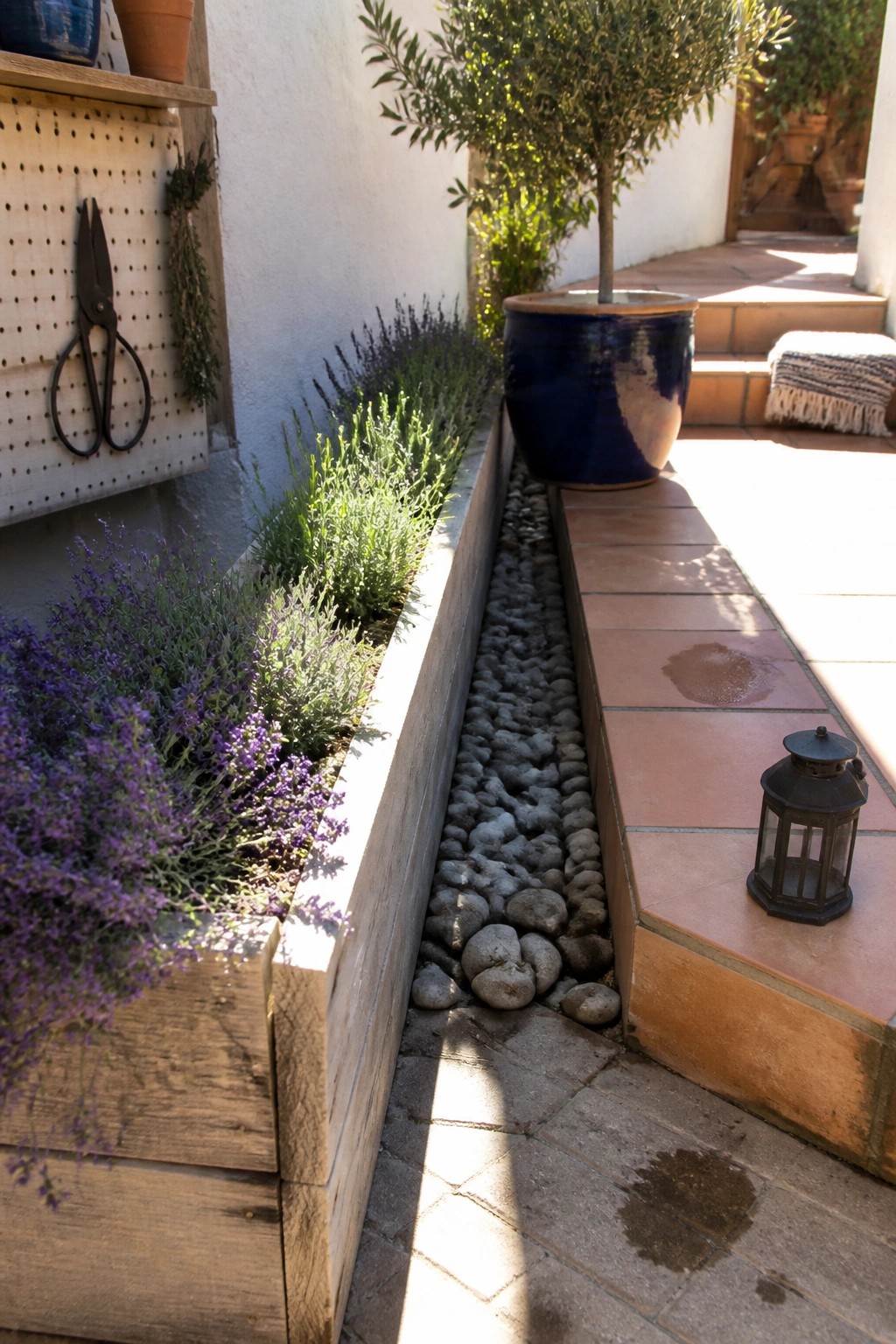
Wooden boxes made from pallet wood give you a simple way to keep garden beds looking tidy. They create clean edges that separate the plants from paths or patios, and they work well for herbs or flowers that need a bit of structure.
This approach suits small backyards where you want to grow without things spreading everywhere. Just set the boxes along a walkway or against a wall, fill them with soil, and plant. The wood holds up outdoors if you treat it, and the whole setup stays easy to maintain.
Vertical Planters Save Ground Space
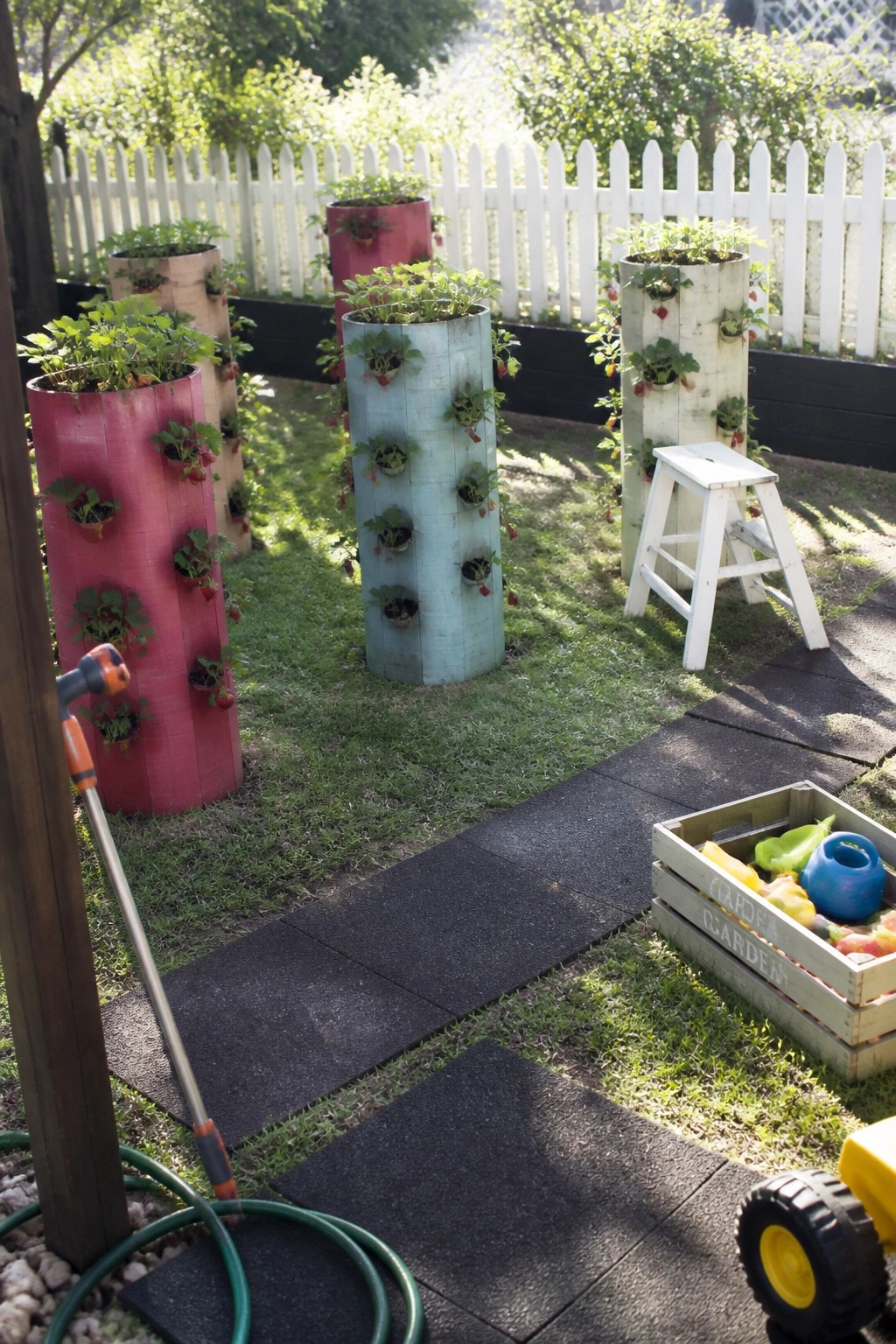
Tall upright planters let you grow a lot without spreading out across the whole yard. They work especially well in smaller backyards where flat beds would take over the grass or paths. The side openings also make it easy to reach every plant without bending down much.
These containers suit homes that need a tidy look and simple maintenance. Place them along a path or near a fence so they add height without blocking movement. Just make sure they get steady sun and have good drainage at the bottom.
Pallet Planter Boxes Along Garden Paths
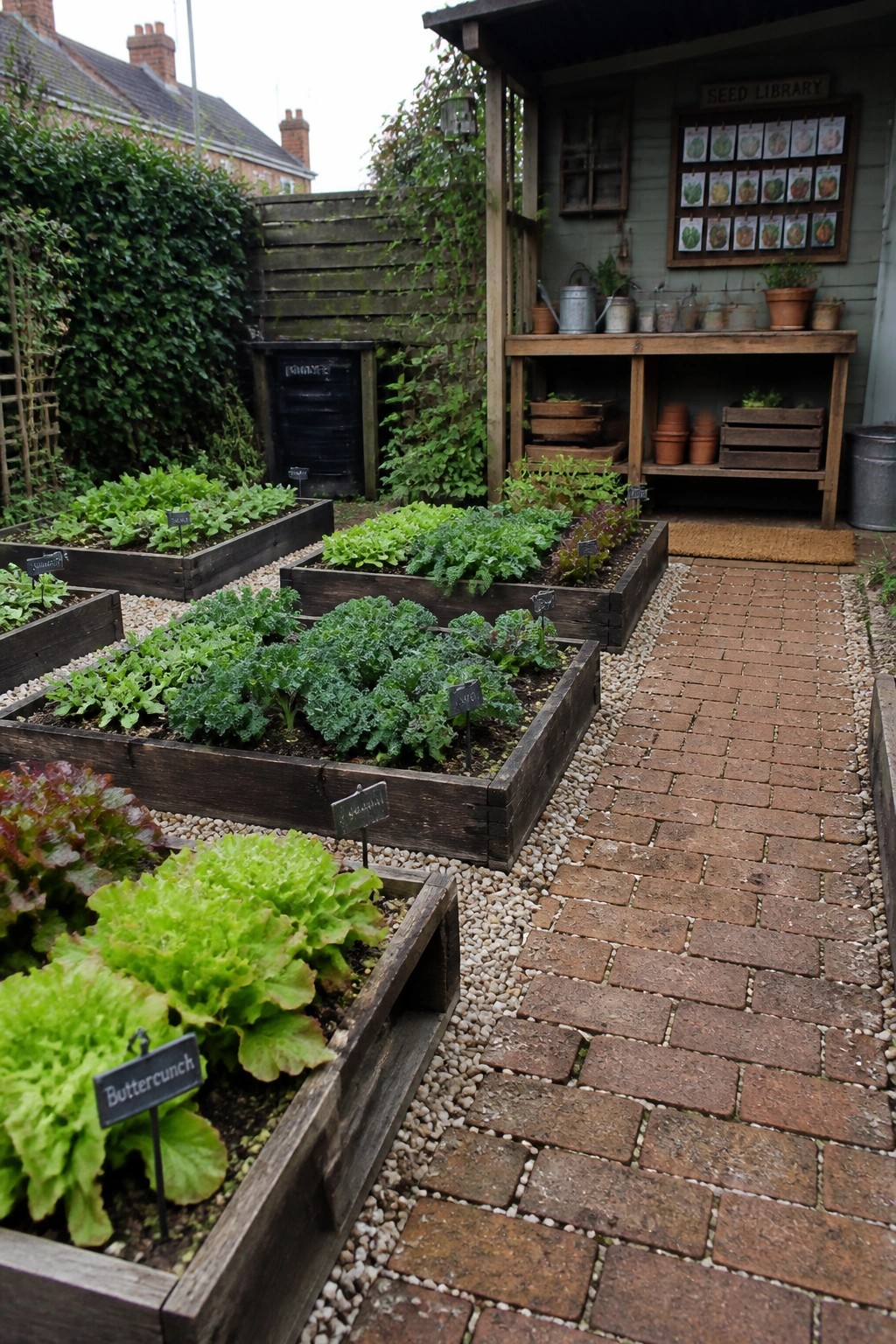
Raised pallet planter boxes work well when you line them up along a simple path. The wood frames keep each crop in its own space, and the layout makes it easy to walk through and tend everything without stepping on the soil. Gravel between the beds helps with drainage and keeps the whole area looking neat instead of scattered.
This setup suits a small to medium backyard where you want steady access to herbs and vegetables. Use the same box size and line them up evenly so the rows stay straight. Labels on sticks help you remember what is growing where, especially when seedlings look similar early on.
Mount Pallets Vertically on a Fence
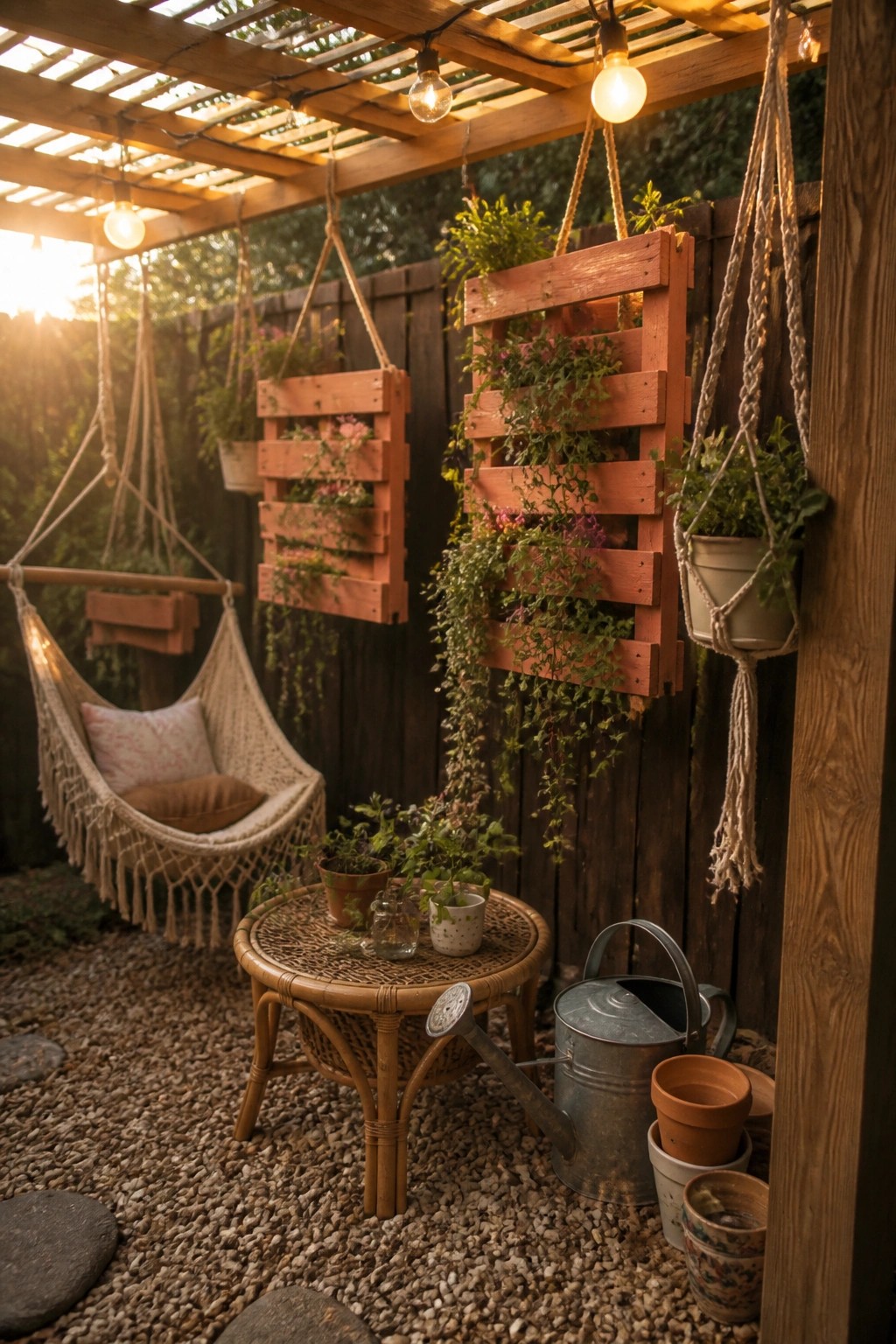
Mounting pallets upright against a fence turns a plain boundary into a useful growing wall. The slats create ready-made pockets for soil and plants, and the vertical setup keeps everything off the ground so weeds and pests stay lower.
This approach works best in smaller yards where space is tight. Secure the pallets well, add landscape fabric behind the boards, and choose trailing or compact plants that will fill the gaps over time.
Pallet Shelving Creates Vertical Growing Space
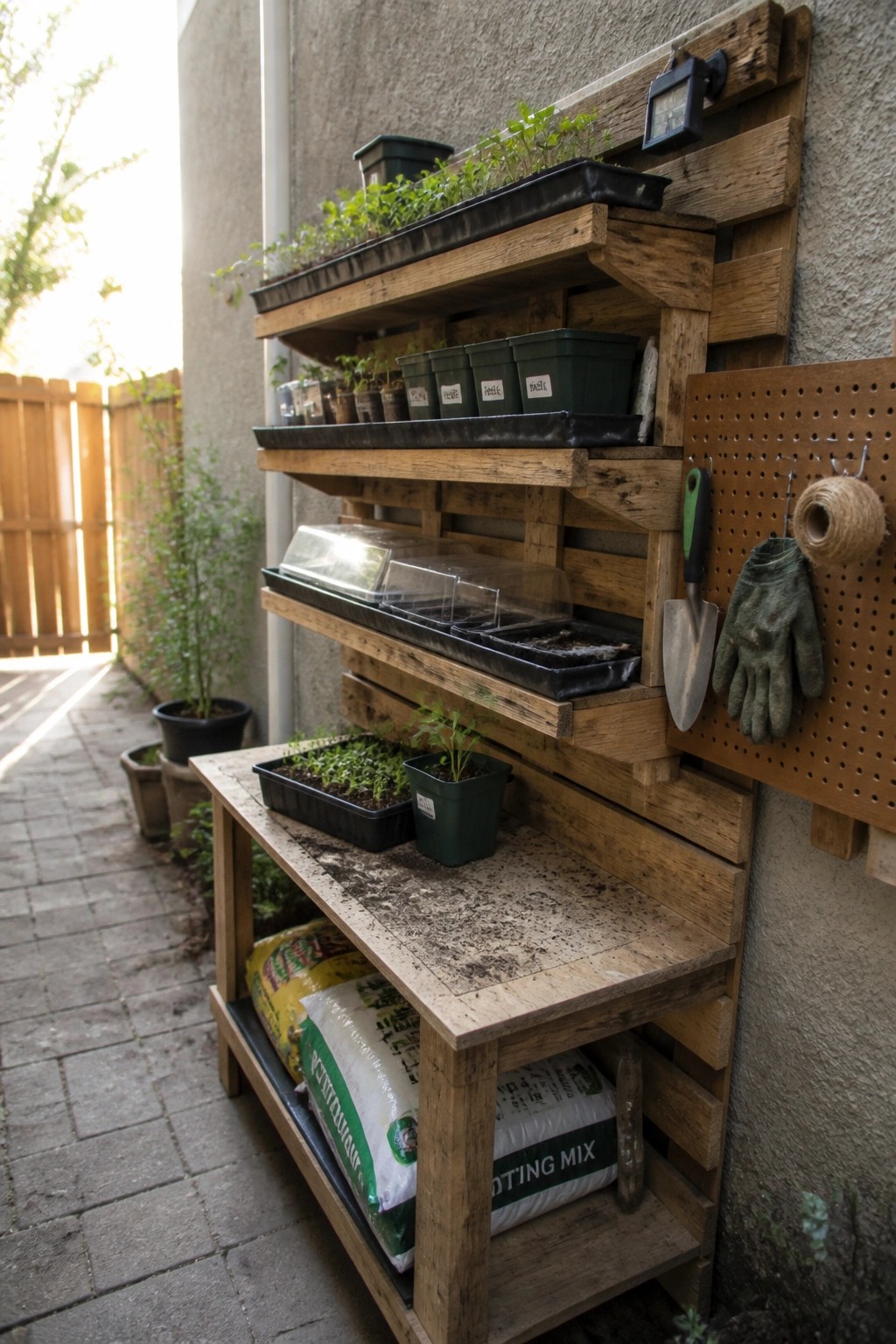
Many gardeners turn to old pallets when they need more growing room without taking up floor space. The stacked shelves hold trays and pots at different levels, which makes watering and checking plants much easier.
This kind of setup fits best along a fence or side wall where ground space is limited. It also gives you room on the lower level to store bags of soil while keeping tools close by on a side panel.
Raised Planter Boxes Keep Backyard Beds Organized
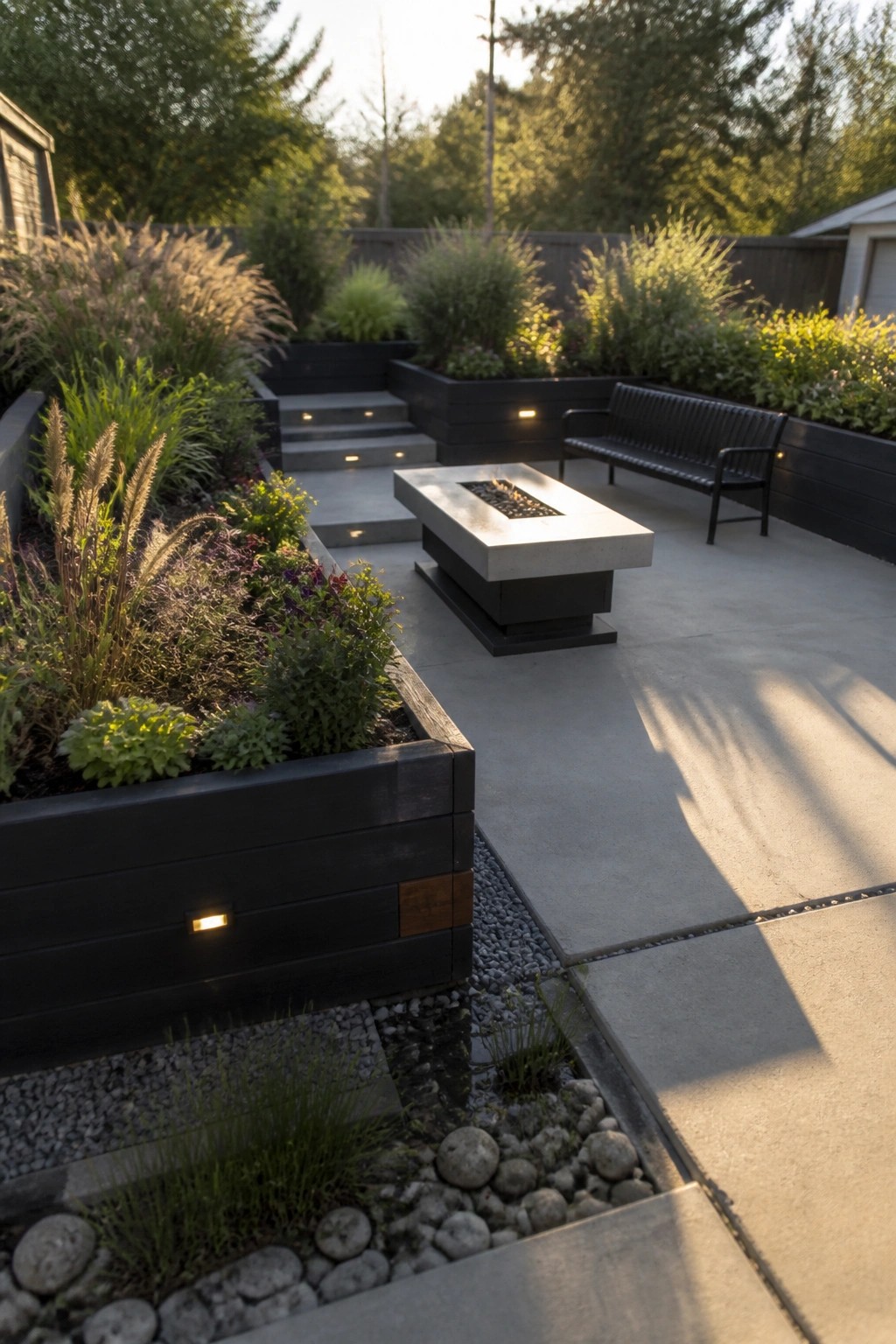
Raised planter boxes give you firm edges around your plants so grass and weeds stay out. They also make it easier to control soil quality and water without worrying about runoff into other areas of the yard.
These boxes suit patios and small gardens where space needs to stay tidy. Build them from pallet wood, keep the height around knee level, and finish them dark so they match most outdoor furniture without much extra work.
Mount Pallet Planters Along a Fence
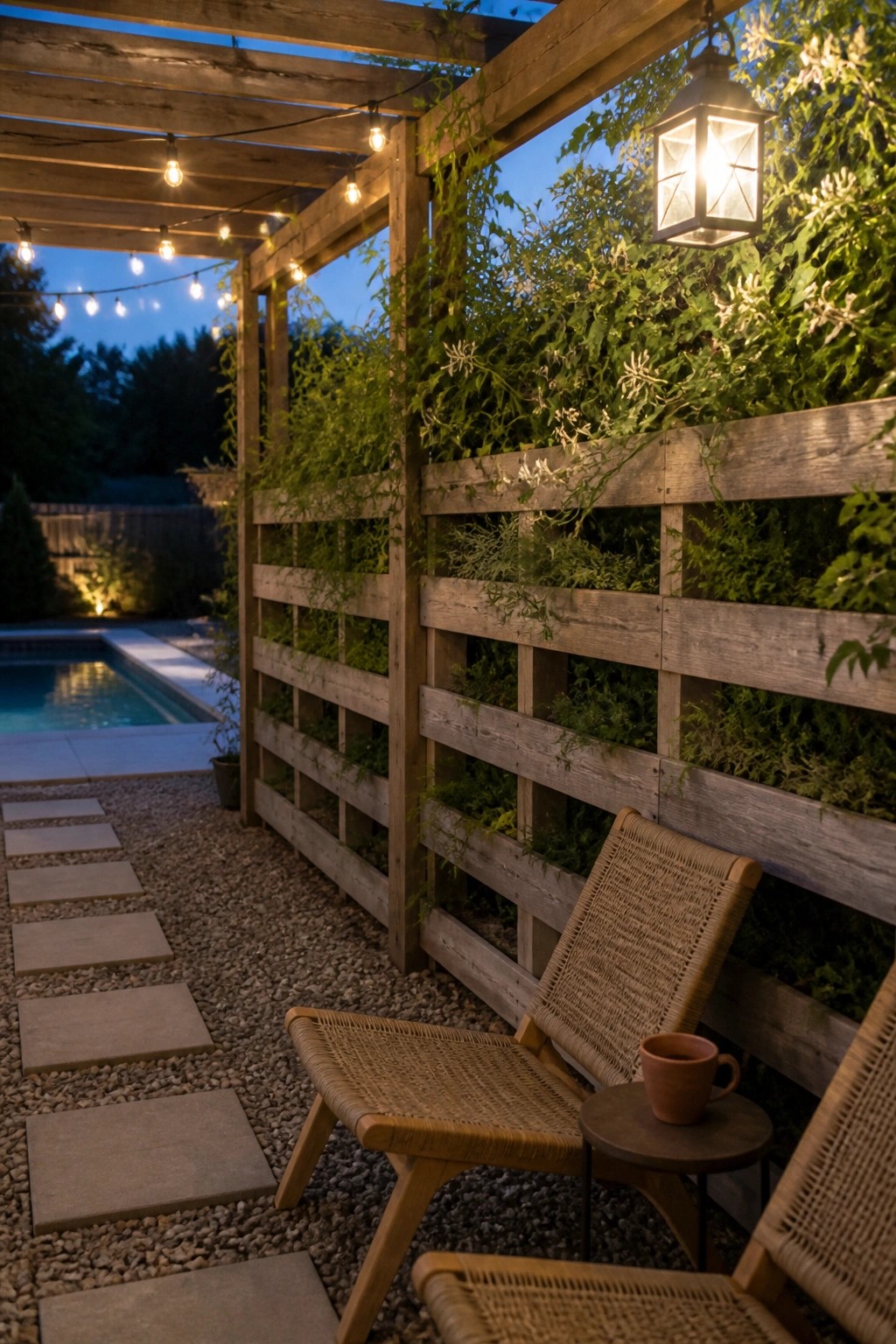
Attaching pallet planters straight to a fence keeps the growing area off the ground and still leaves room to move around the yard. The horizontal boards create simple pockets that hold soil and plants without needing extra beds or containers scattered everywhere.
This setup works best along a side fence or back boundary where you want some privacy and a bit of greenery at eye level. Use landscape fabric inside each section to hold the soil, and water carefully since the pockets can dry out faster than ground beds.
Pallet Shelves Keep Seedlings Organized
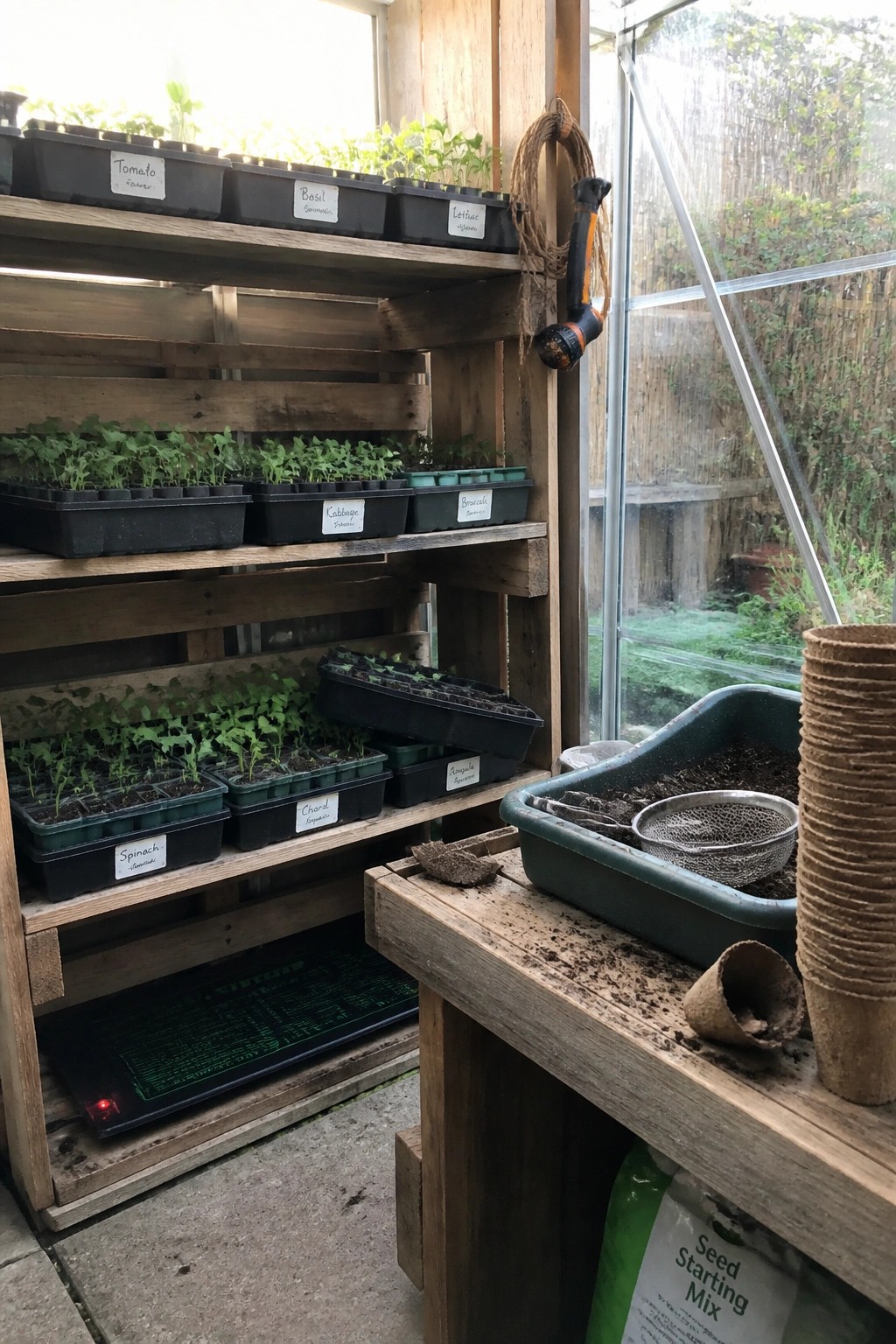
Reclaimed pallets make a sturdy base for multi-level shelves that hold rows of seedling trays. The open slats let air move around the plants and give easy access from both sides, which helps when you are checking moisture or rotating trays under lights.
This setup works best in a greenhouse, sunroom, or any indoor spot with good light. Keep the bottom shelf clear for a grow light or extra supplies, and stack the upper levels with trays that need the most warmth. Just check that the wood is clean and dry before bringing it inside.
Painting Pallets for Bright Raised Beds
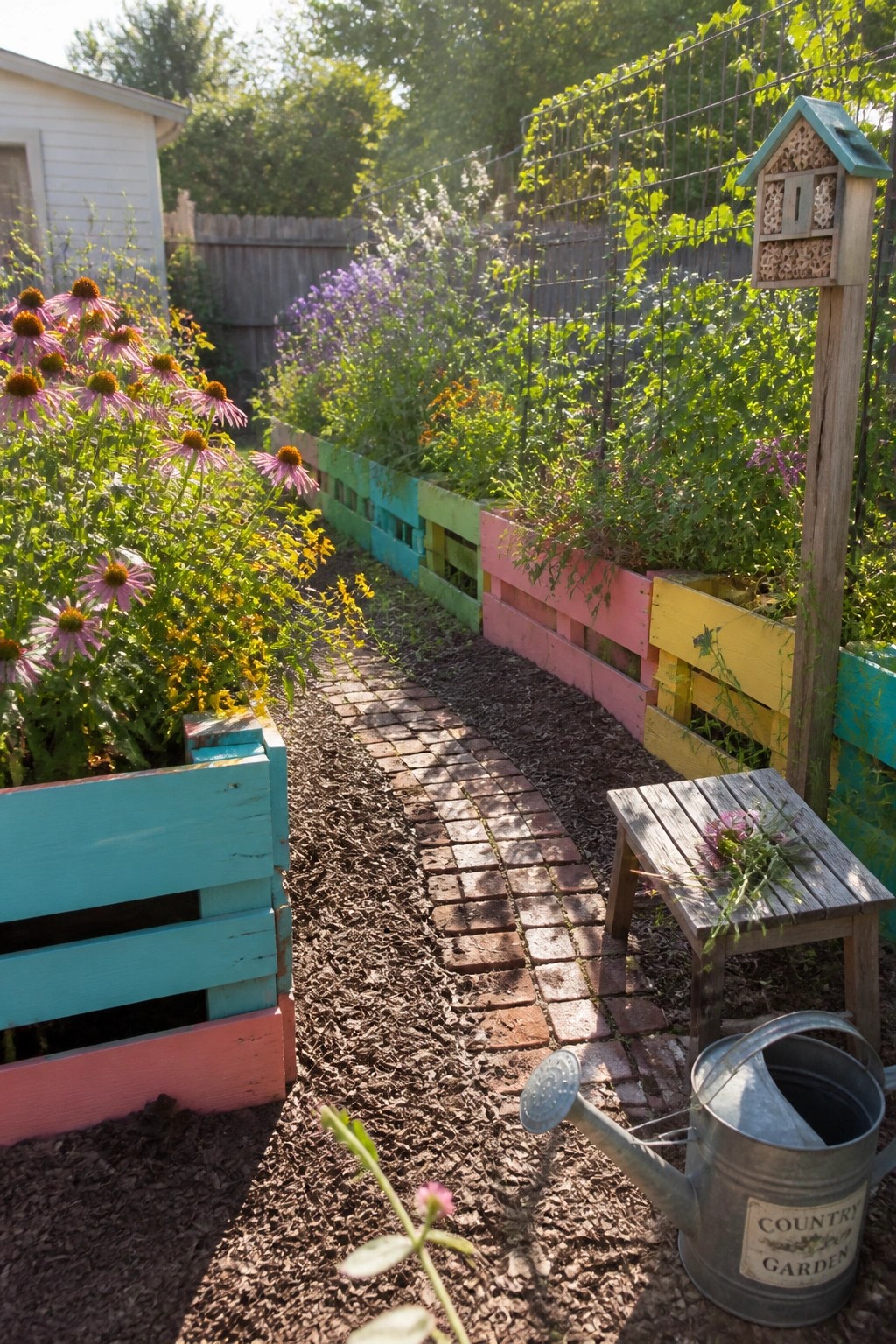
Painting old pallets turns them into simple raised beds that add color and structure to a garden. The bright shades stand out against the plants and keep the layout looking neat instead of scattered. This approach works especially well when you want to edge a path or define different growing areas without spending much.
It suits small backyards or narrow side yards where you need vertical planting space. Line the beds along a walkway like this to make watering and harvesting easier. Just seal the wood first so it holds up through the seasons.
Raised Beds From Wooden Pallets
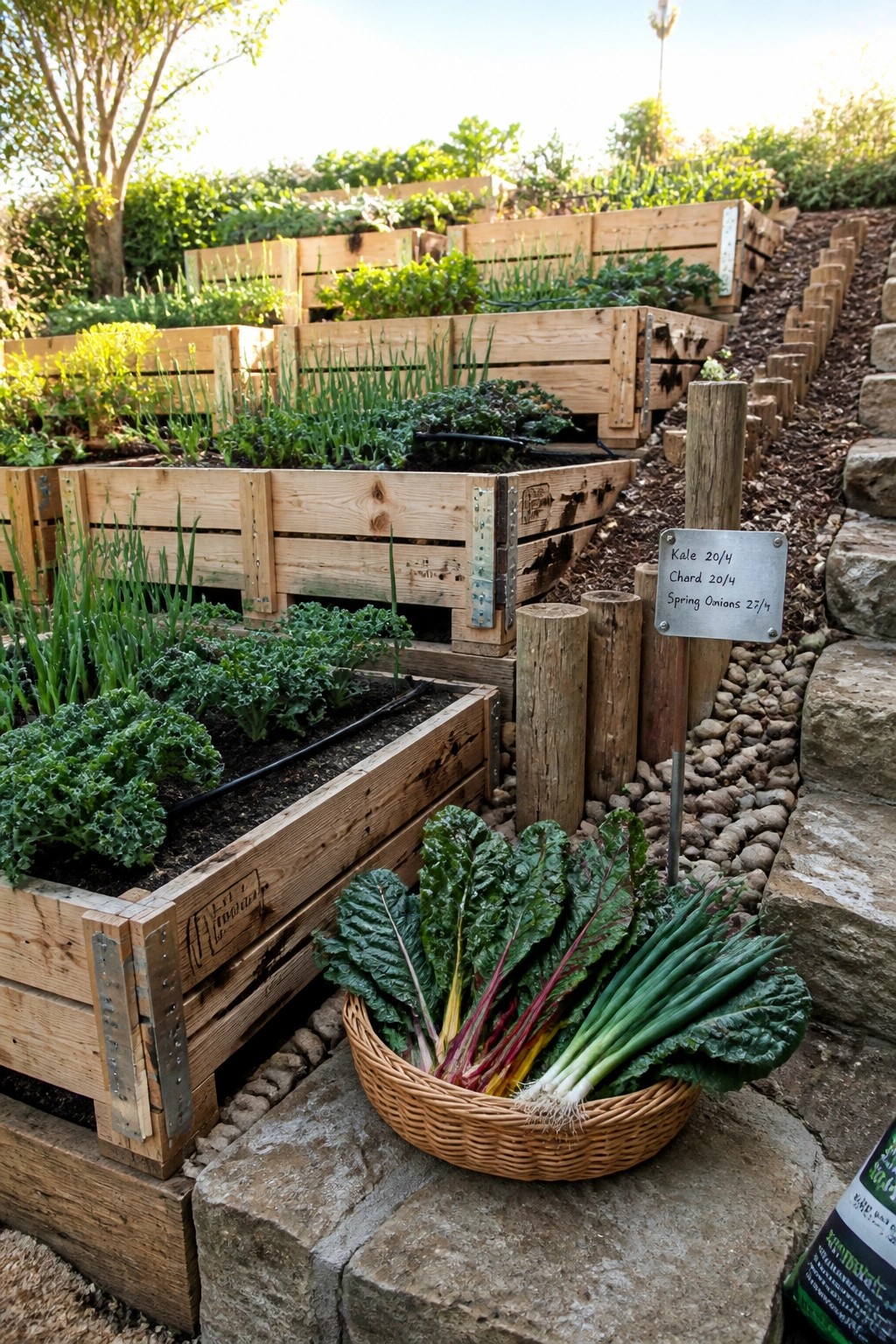
Many people like using old wooden pallets or crates to make raised beds because they are sturdy and already have a box shape. This setup keeps the soil contained and makes it easier to reach the plants without bending too far.
You can stack them or place them at different heights on a slope like this to fit the space. It works well in a backyard with uneven ground or where you want a tidy vegetable patch without building everything from scratch.
Frequently Asked Questions
Q: Will the pallets rot after one season outside?
A: Pick pallets that look solid and dry them out before building. A quick coat of outdoor sealant on the inside helps the wood hold up longer without soaking up too much moisture.
Q: How do I stop water from sitting at the bottom?
A: Drill a few holes in the base before you fill it with soil. This keeps roots from drowning and cuts down on mold in wet weather.
Q: Can I grow tomatoes or other big plants in these boxes?
A: Sure, just make sure the pallet sections are deep enough for the roots. Mix in some compost to give them extra nutrients as they grow.
