

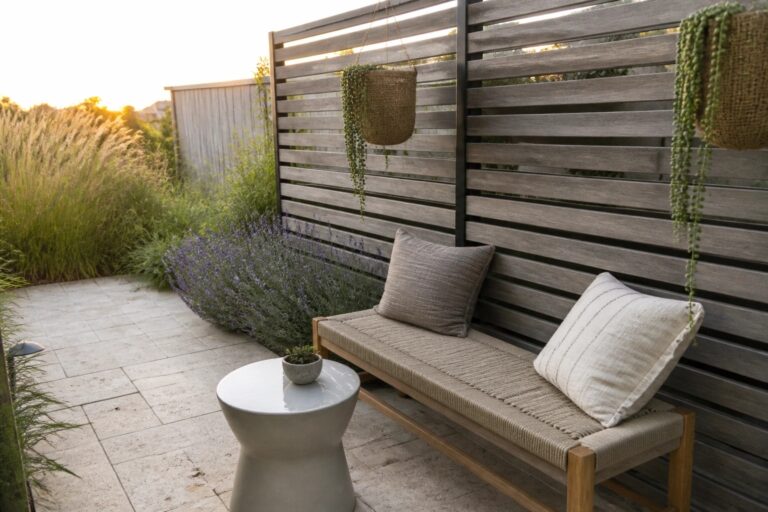
Backyards tend to stay unused until there is enough privacy to feel comfortable sitting outside without neighbors watching.
I have tried a few quick fixes over the years and most of them either fell apart after one season or blocked too much of the view I actually wanted to keep.
Slatted screens made from pallets offer a way to create separation while still letting air move through and plants grow along the edges.
The real test comes when you spend time in the space and see whether it feels open or just crowded.
A couple of the methods here look worth building a test version of to see how they hold up in actual weather and daily use.
Slatted Screens for Backyard Privacy
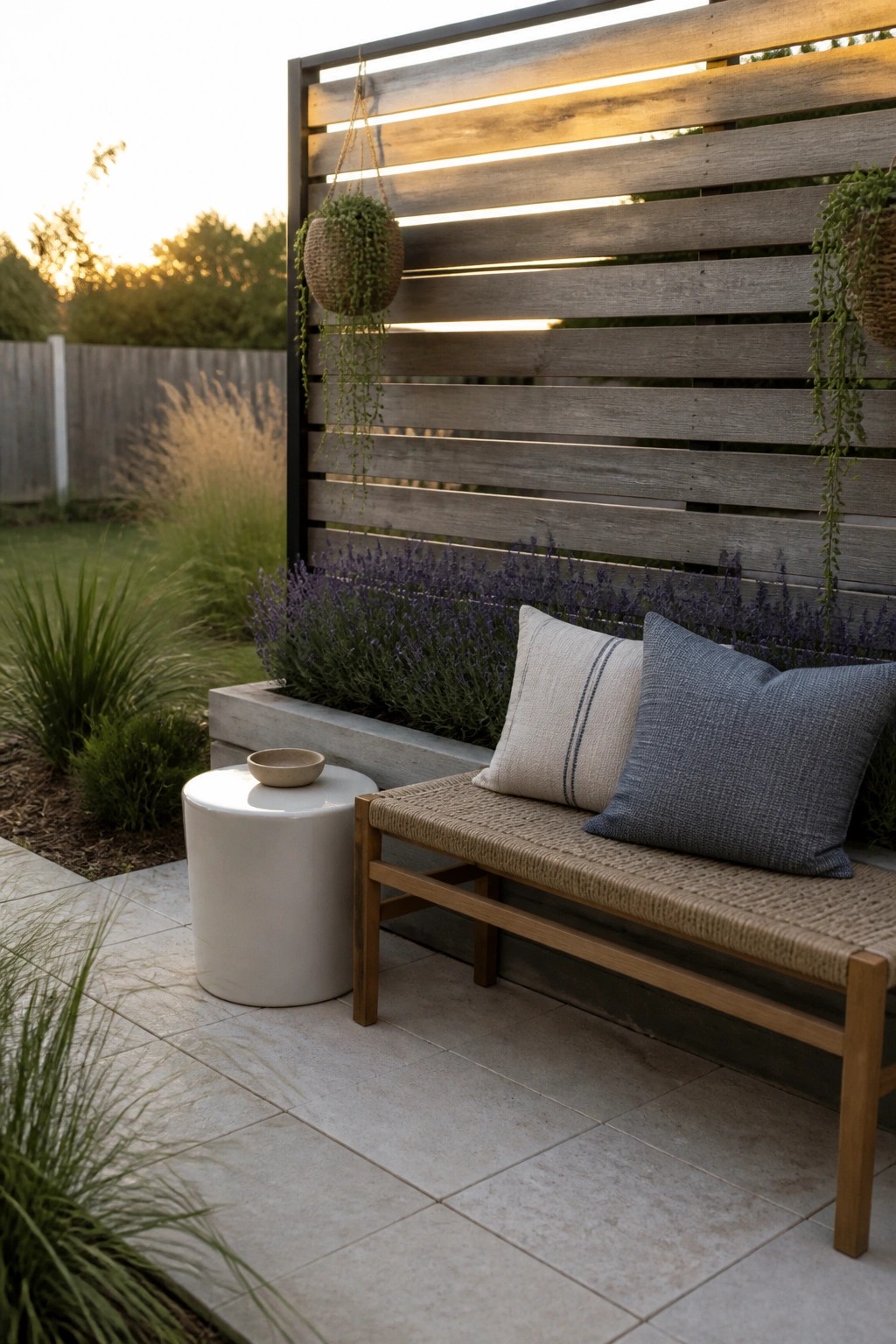
A slatted screen gives you privacy without making the space feel boxed in. The horizontal gaps let light and air move through, so the area stays open and usable even when the screen sits right behind a seating spot.
This works best along the edge of a patio or deck where you need to block a view from neighbors. Pair it with a low bench or a few planters in front, and the wood will weather to a softer gray that blends into most yards.
Slatted Screens For Private Outdoor Seating
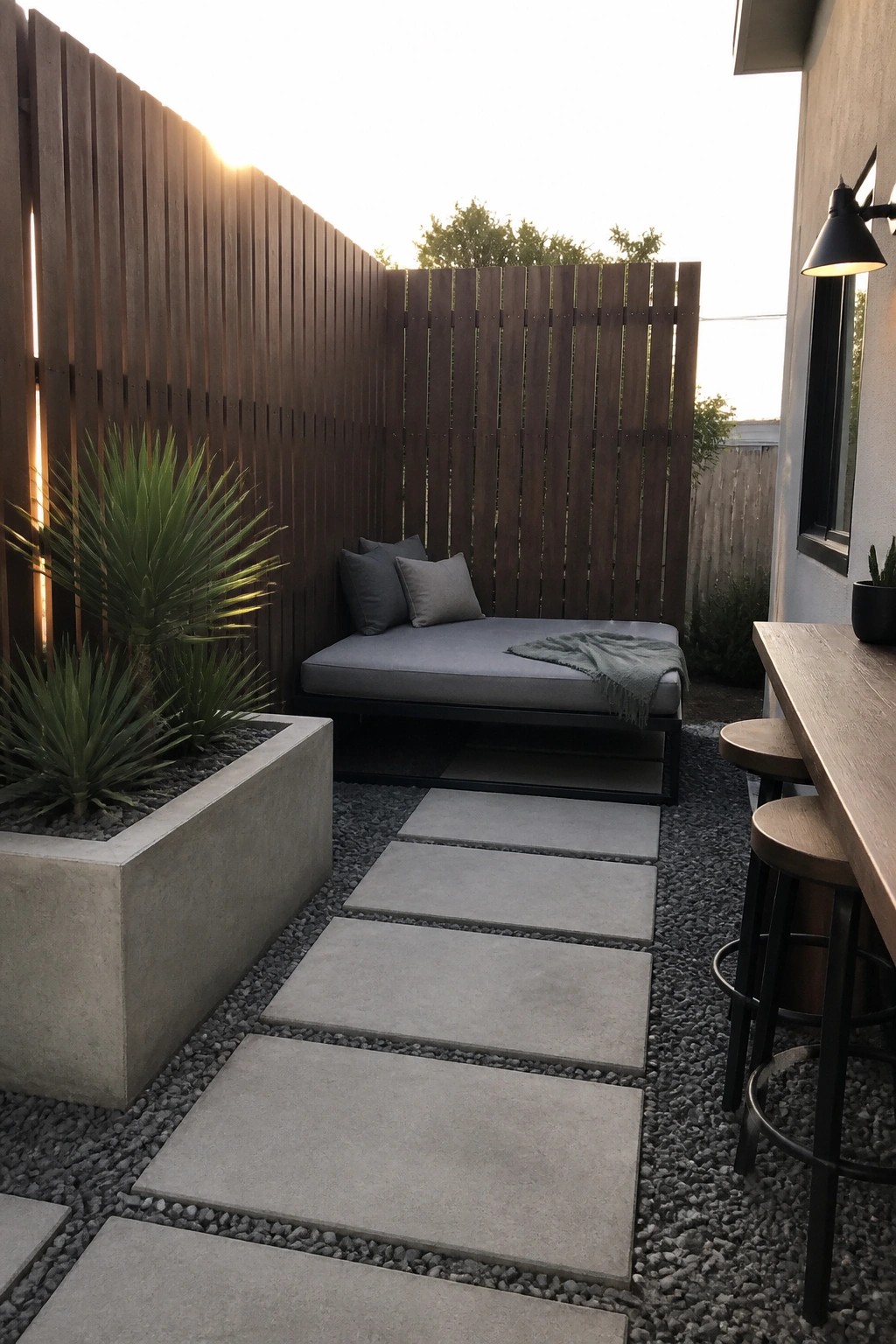
Slatted wood screens give you a simple way to carve out a private spot in the backyard. The vertical boards block the view from neighbors while still letting light and air pass through, so the area does not feel boxed in.
This setup works best along the side or back of a patio where you want to define a seating zone without a solid wall. It suits smaller yards that need separation but still want to keep an open, airy feel overall.
Slatted Screens Create Private Patio Areas
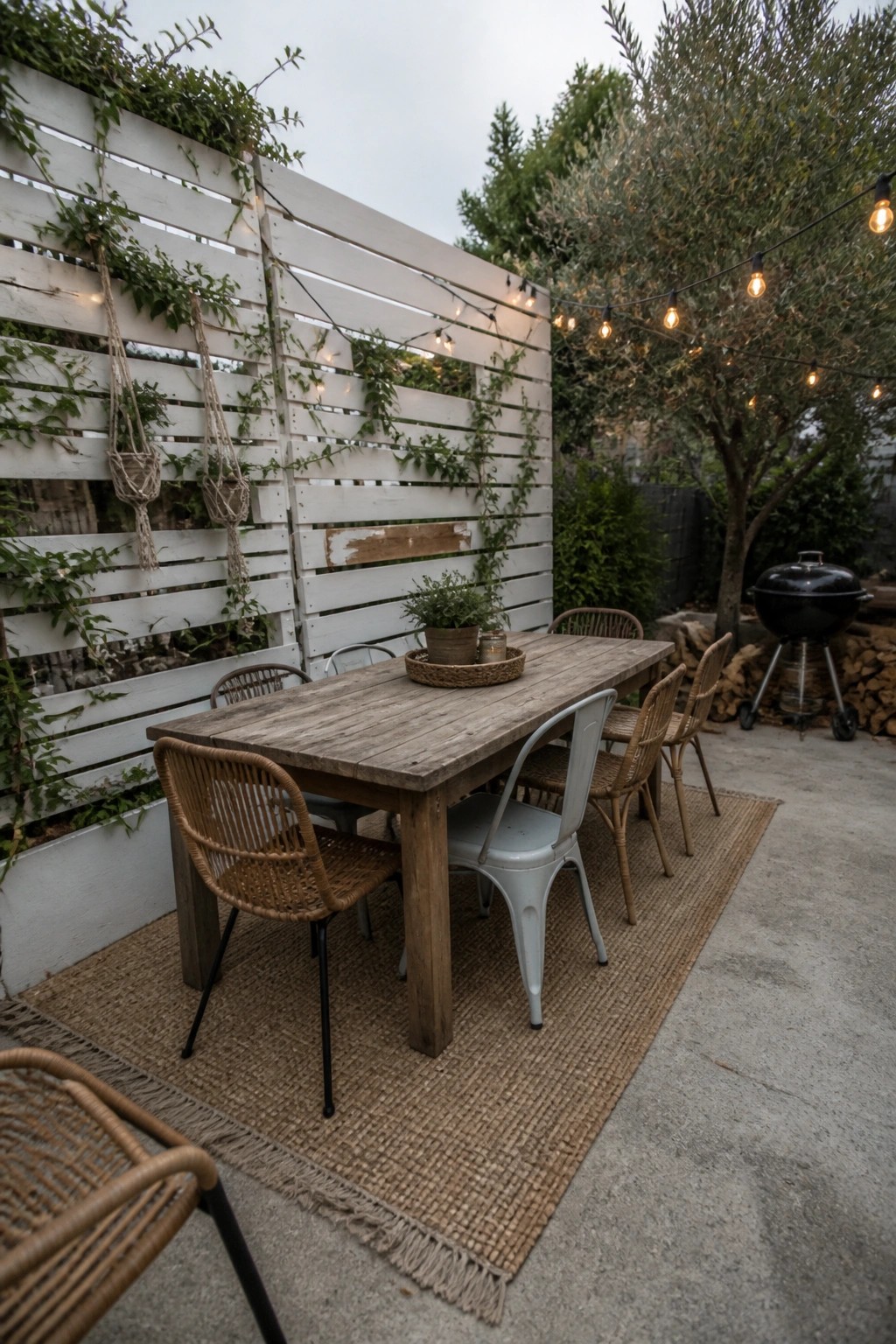
A slatted screen gives you privacy on a patio without making the space feel closed in. The gaps let light and air through, so the area still feels open while hiding the view from neighbors or the street.
This approach works well along the edge of a small yard or next to a seating area. Build the screen from simple wood slats, add a few plants along the base, and it blends into most backyard styles without needing much maintenance.
Slatted Screens For Private Patio Spaces
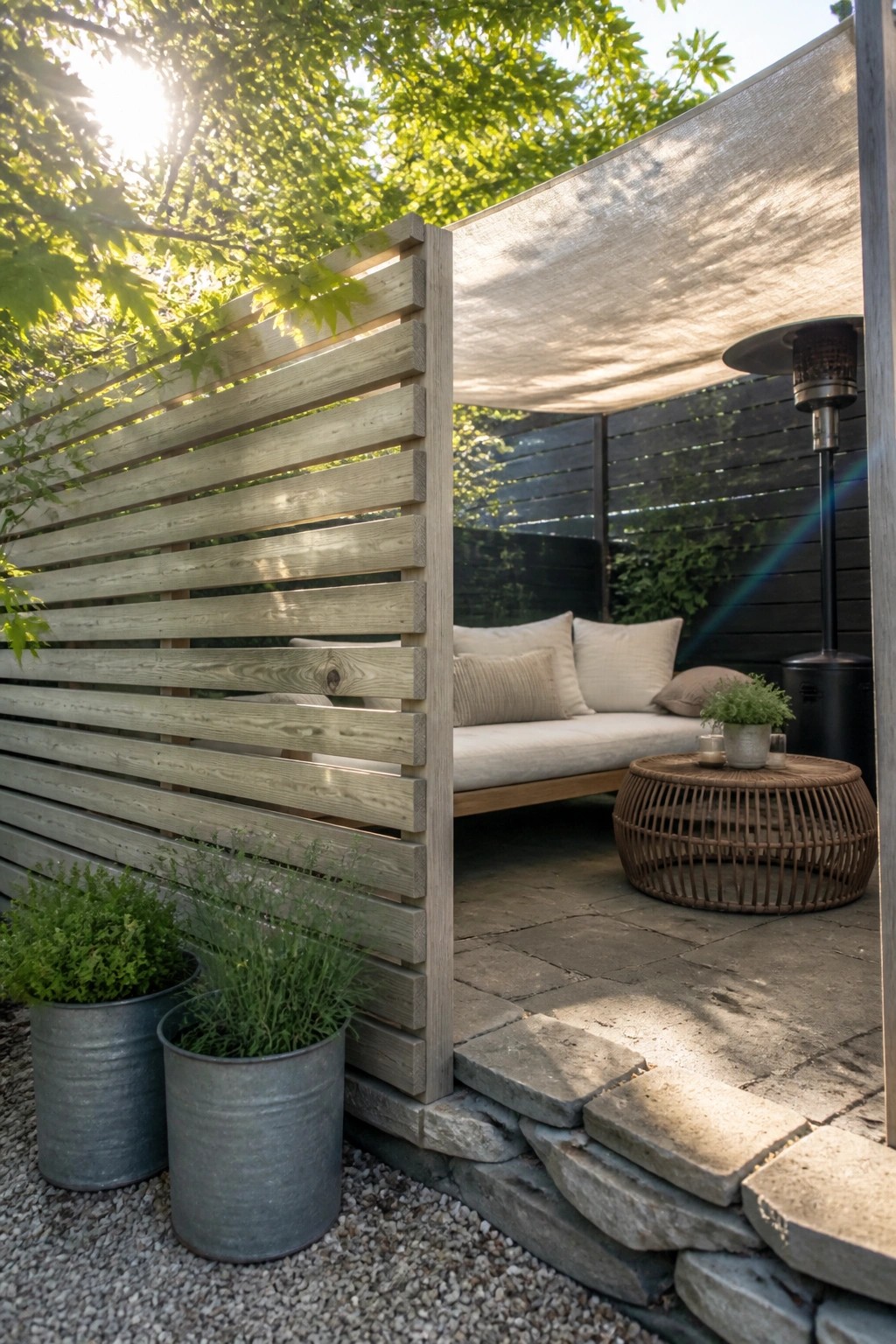
A slatted screen gives you privacy without shutting off the whole yard. The open gaps let light and breeze pass through, so the seating area feels sheltered but not boxed in.
This approach works well along the side of a patio or next to a daybed where you want a bit of separation from the rest of the garden. It pairs easily with a few pots at the base and can be made from basic lumber or pallet wood.
Slatted Pallet Screens For Outdoor Privacy
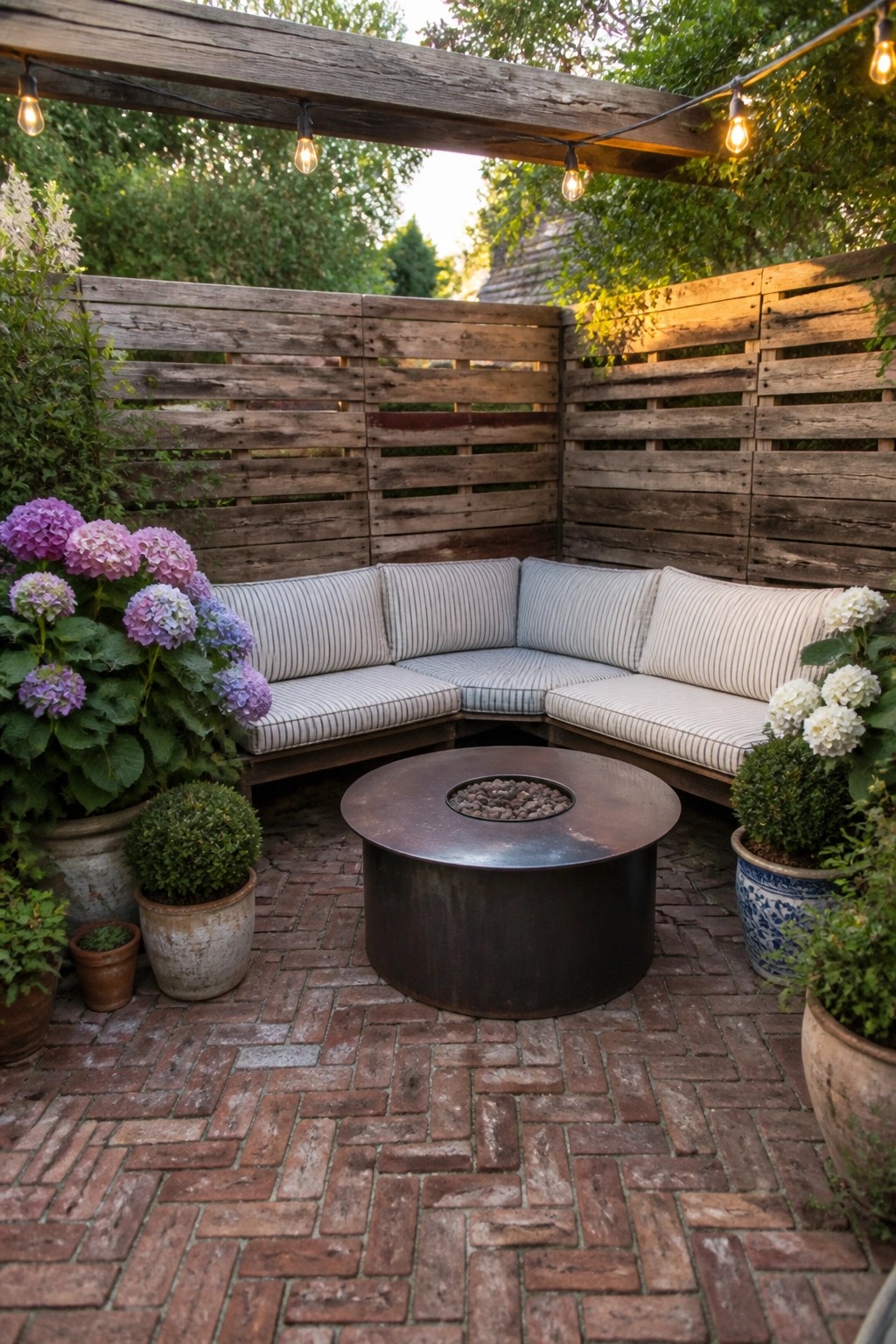
Slatted screens made from old pallets give you privacy without making a seating area feel closed in. The gaps let light and air move through, so the space still feels open while blocking the view from outside. This setup works especially well in small backyards where you want a quiet corner without building a solid wall.
You can set these screens up along one or two sides of a patio or deck to create a defined spot for seating. They suit homes with basic wood fencing already in place, since the look blends right in. Just make sure the slats are spaced evenly and the wood is sealed so it holds up outside.
Slatted Screens With Built In Planters
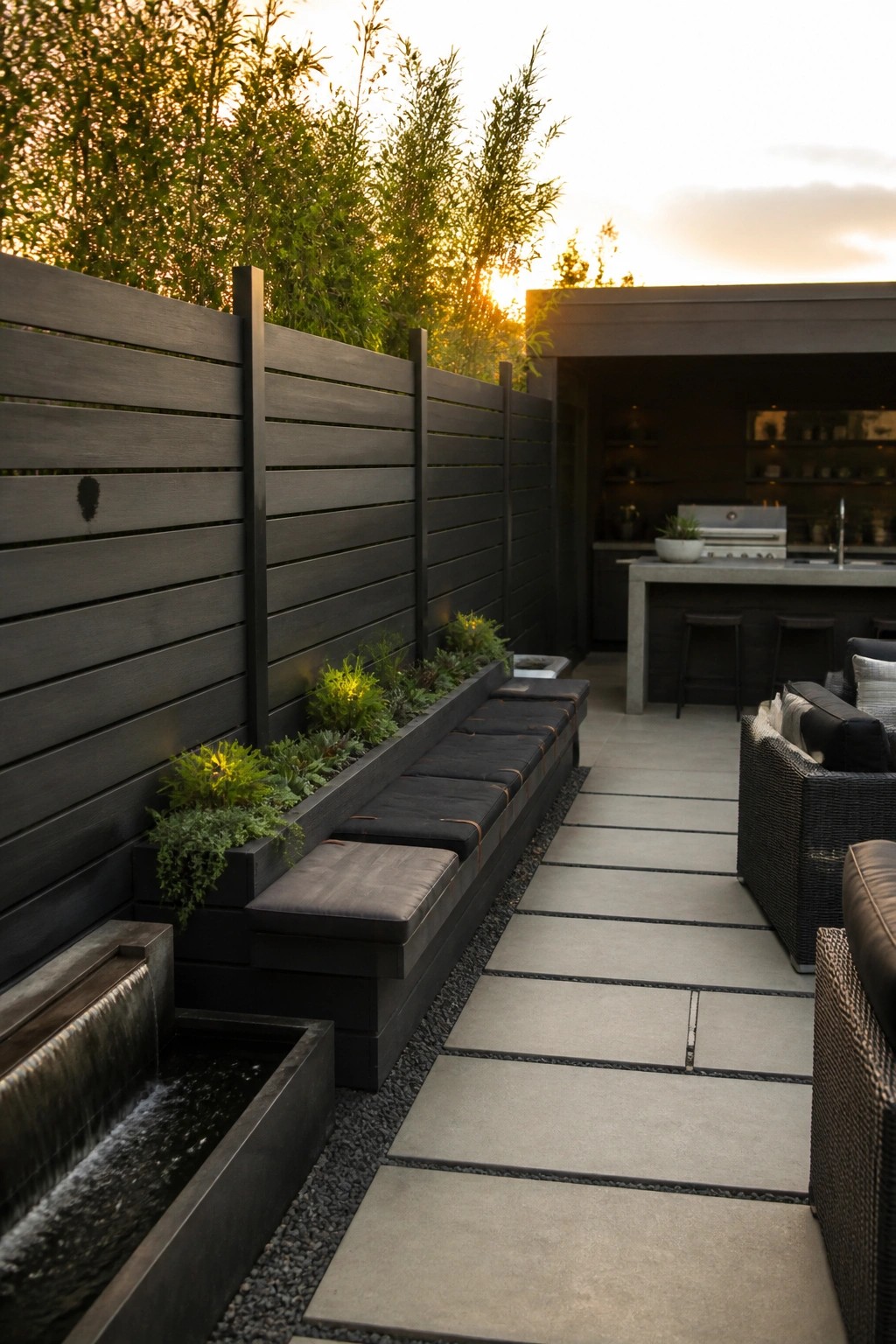
A horizontal slat screen gives you privacy without making the patio feel closed in. The gaps let air and light through, while the solid structure blocks the main view from outside.
Build the screen first, then add a raised planter box along the base and top it with a bench cushion. This setup works best along the back or side edge of a patio where you need both seating and screening in one spot. Keep the wood tone dark so the plants stand out more.
Slatted Screens For Backyard Privacy
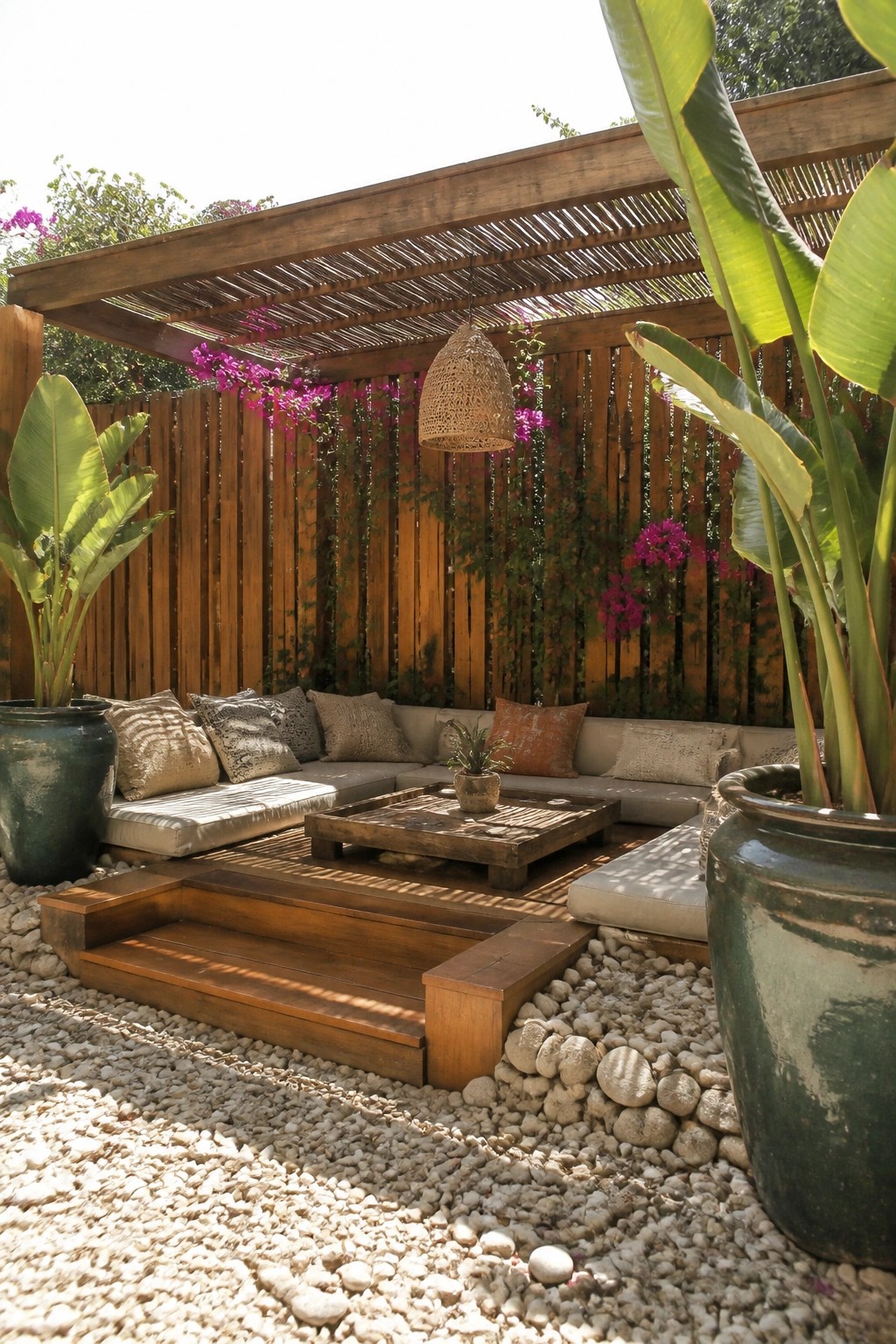
Slatted wood screens work well when you want privacy without making an outdoor space feel boxed in. The vertical boards let some light and breeze pass through while cutting off the view from neighboring yards or the street.
This approach suits patios or decks that sit close to a property line. Run the screen along the back or one side of the seating area and keep the rest open so the space still feels airy.
Horizontal Slats For Backyard Privacy
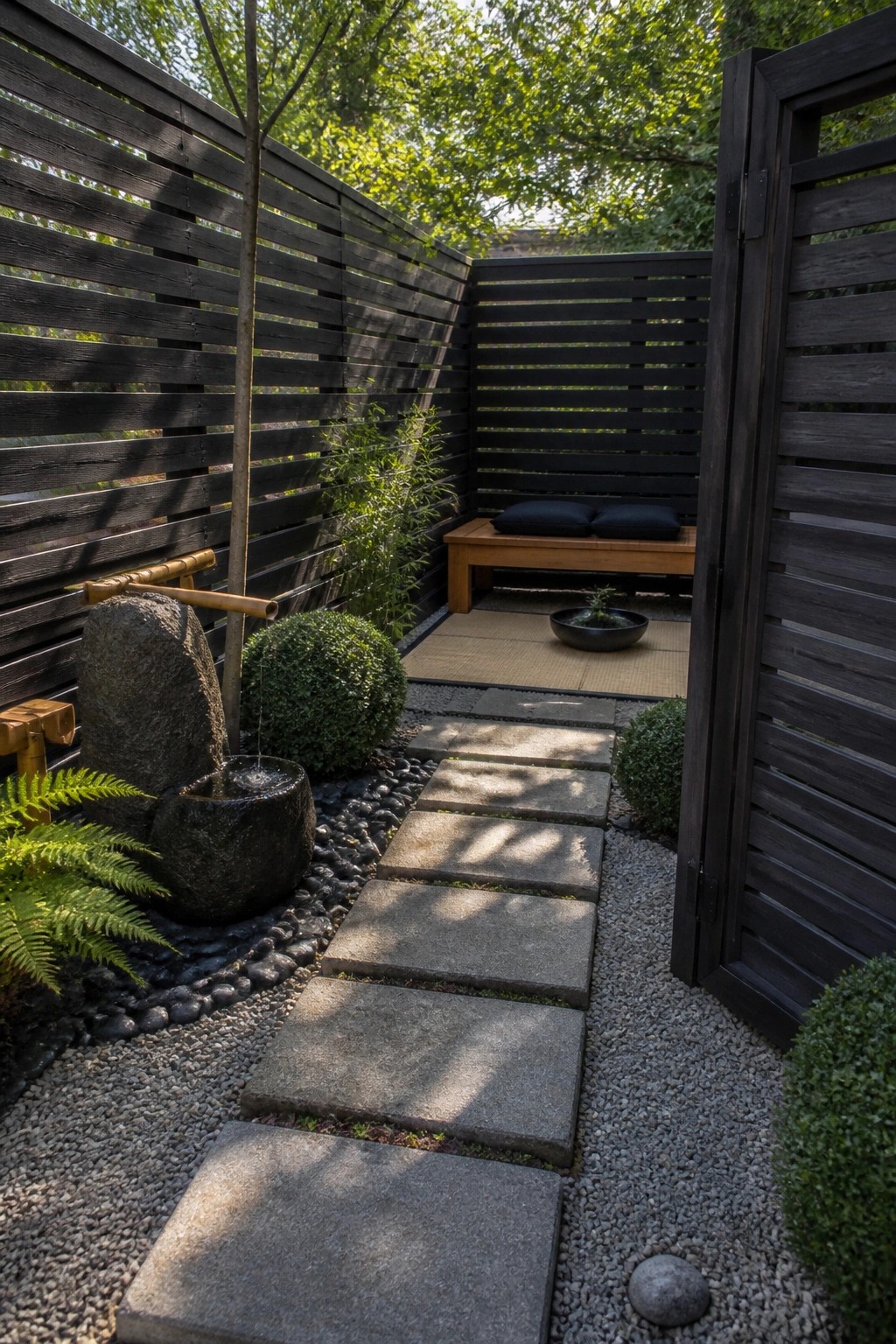
Slatted screens made from simple wood planks give a backyard corner real separation without making the space feel closed in. The horizontal layout lets air and some light pass through while blocking views from outside, which works especially well in smaller yards or townhomes where neighbors are close.
This approach suits homes with existing fences or tight lot lines. Keep the slats dark like the ones shown here so the screen blends into the background and lets the plants and path stand out more. Just make sure the spacing is tight enough for privacy but not so tight that it traps moisture against the wood.
Slatted Screens Create Private Outdoor Spaces
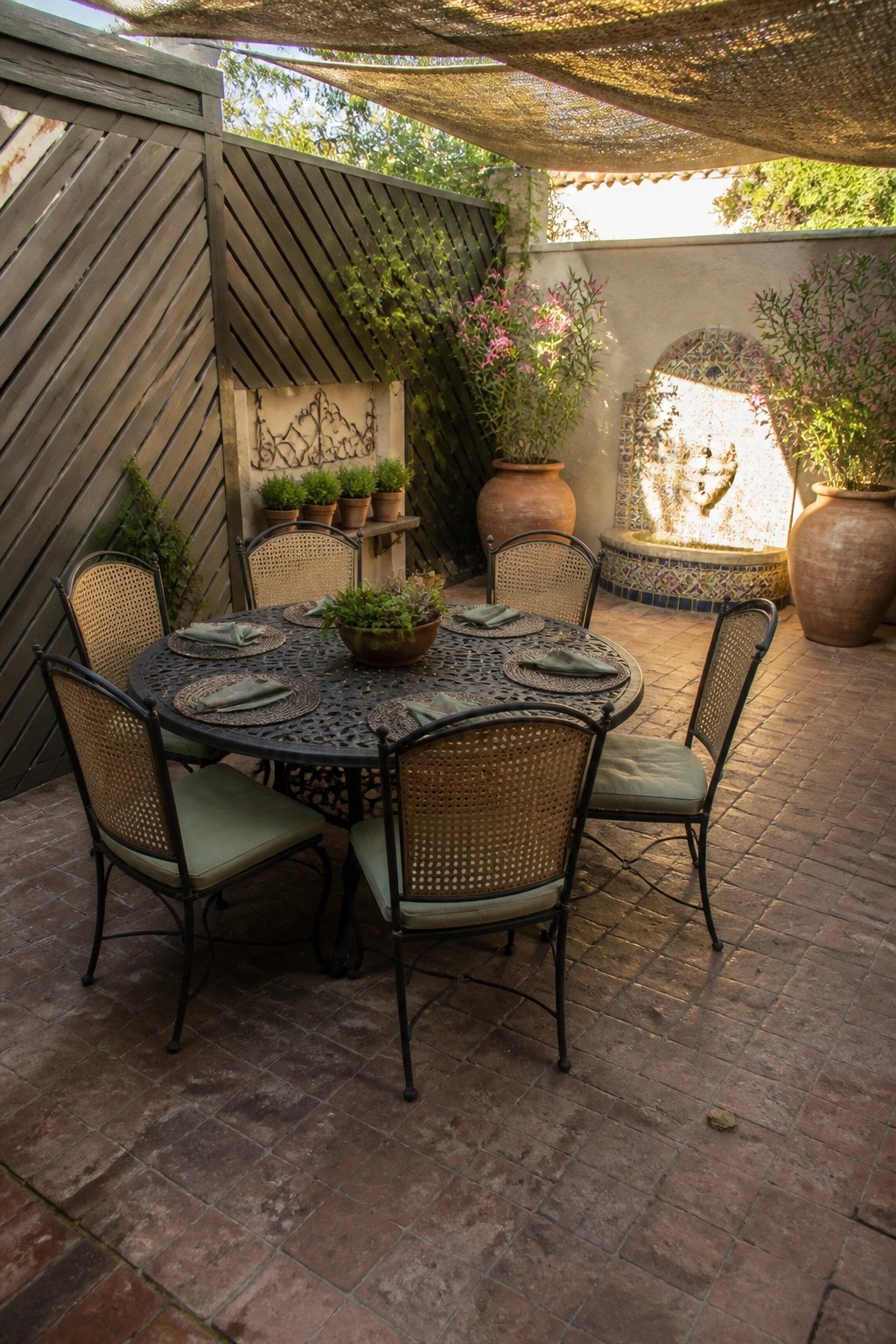
A slatted screen along the side of a patio gives you privacy without making the space feel boxed in. The vertical gaps let light and air pass through while cutting off the view from outside.
This setup works well on small patios or side yards where you want some enclosure but still need the area to feel open. Build or attach the screen to an existing wall or fence frame so it stays sturdy in wind.
Slatted Screens For Backyard Privacy
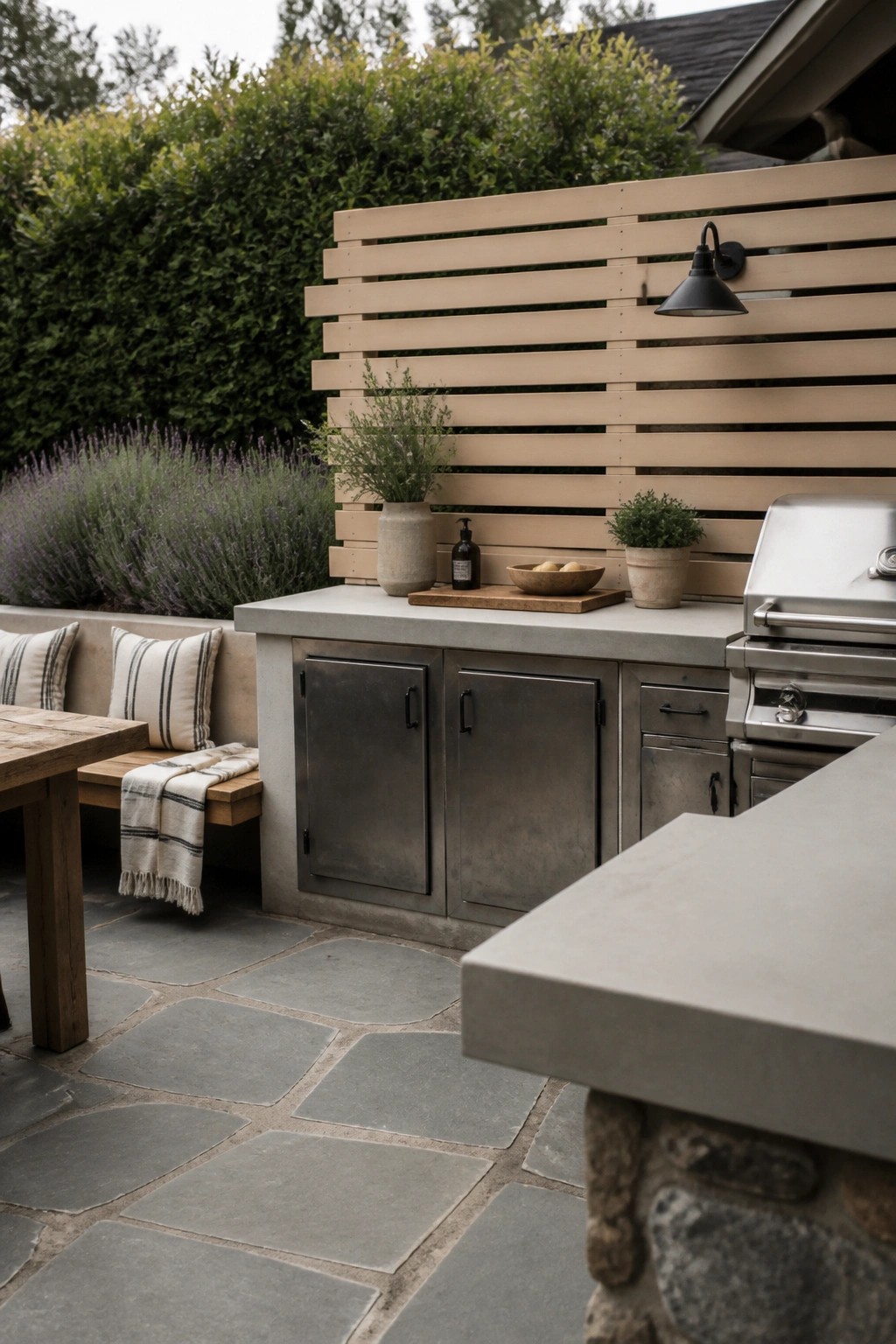
Horizontal slat screens give outdoor spaces a bit of separation without shutting them off completely. They block the view from neighbors while still letting air move through and keeping the area from feeling boxed in.
This approach works best along the edge of a patio or behind an outdoor kitchen where you need a visual buffer but want to keep the space usable. Mount the slats to a simple frame so you can adjust the height or spacing if needed.
Painted Pallet Screens For Private Outdoor Seating
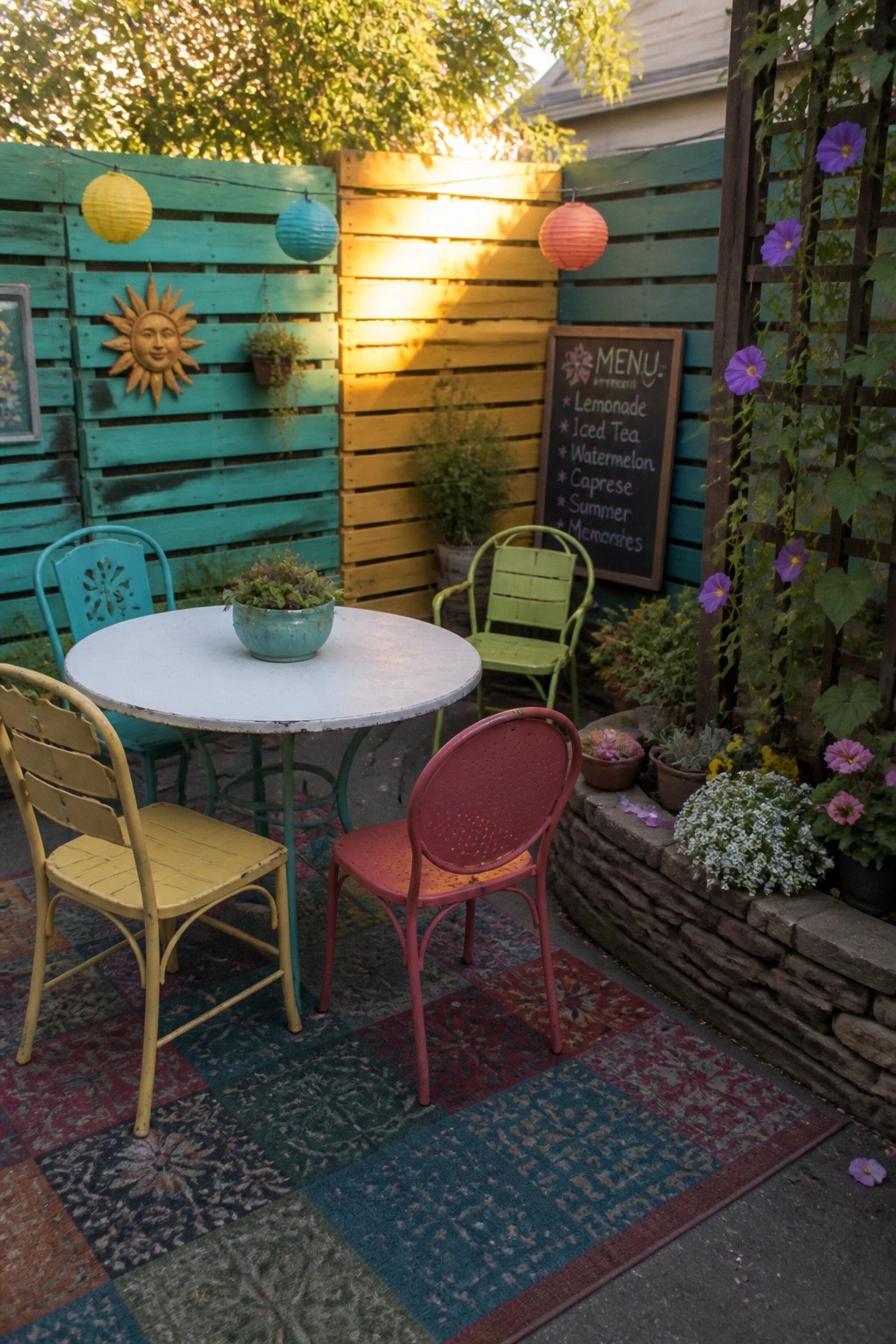
Many backyard patios feel too open when neighbors can see right in. Simple pallet screens built with vertical slats solve that by creating a partial wall that still lets air and light pass through.
This approach works especially well on small city lots or side yards where a full fence would feel too heavy. You can paint the pallets in bright colors to match outdoor furniture and keep the whole space feeling cheerful instead of closed off.
Horizontal Slats For Side Yard Privacy
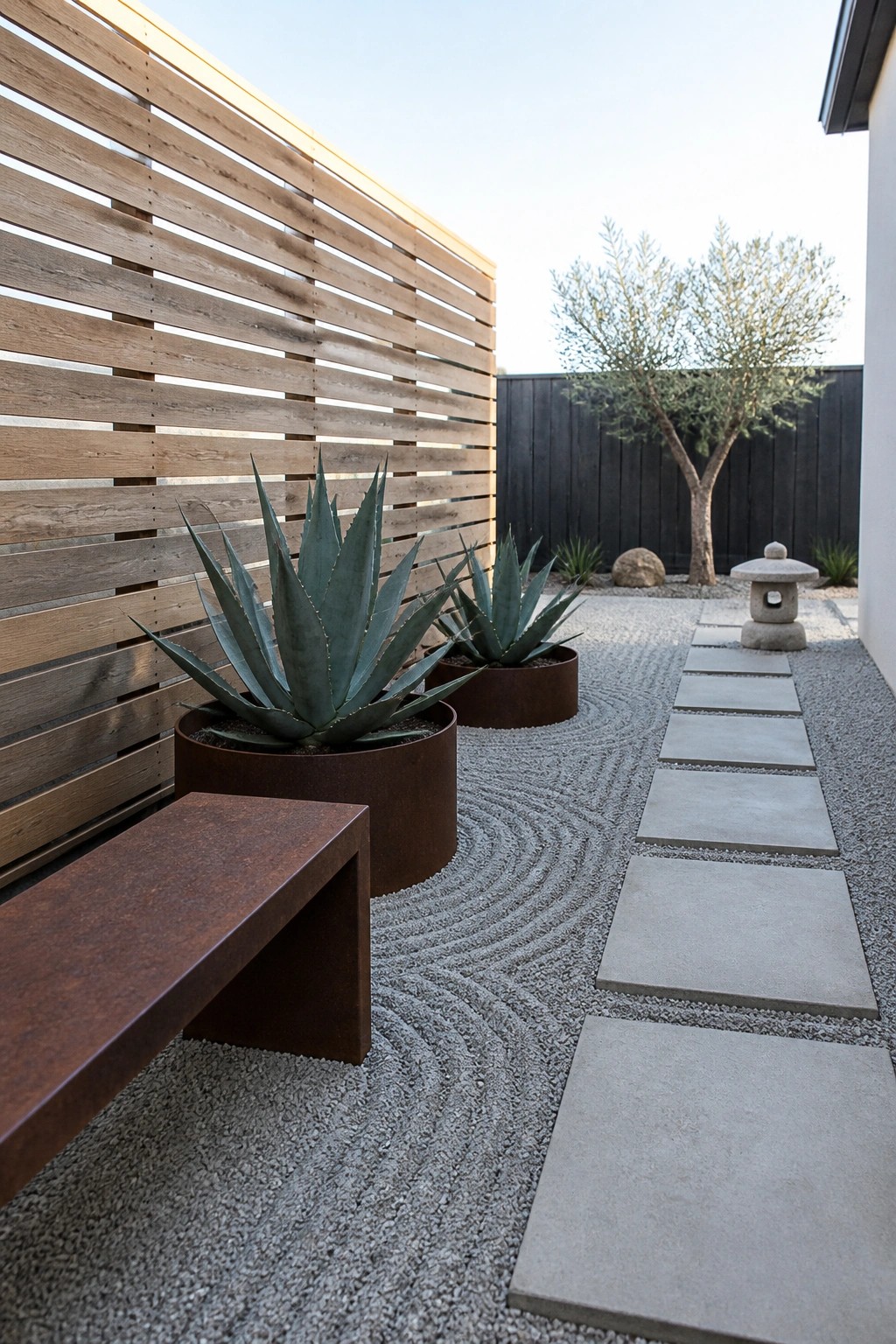
A simple row of horizontal slats gives privacy without cutting off light or air flow. Many homeowners use this approach along a side fence or property line where a solid wall would feel too closed in.
It works best in narrow yards or next to a patio where you still want to see some greenery beyond the screen. Keep the spacing even and use weather-treated wood so the screen lasts through seasons without much upkeep.
Slatted Screens For Pool Privacy
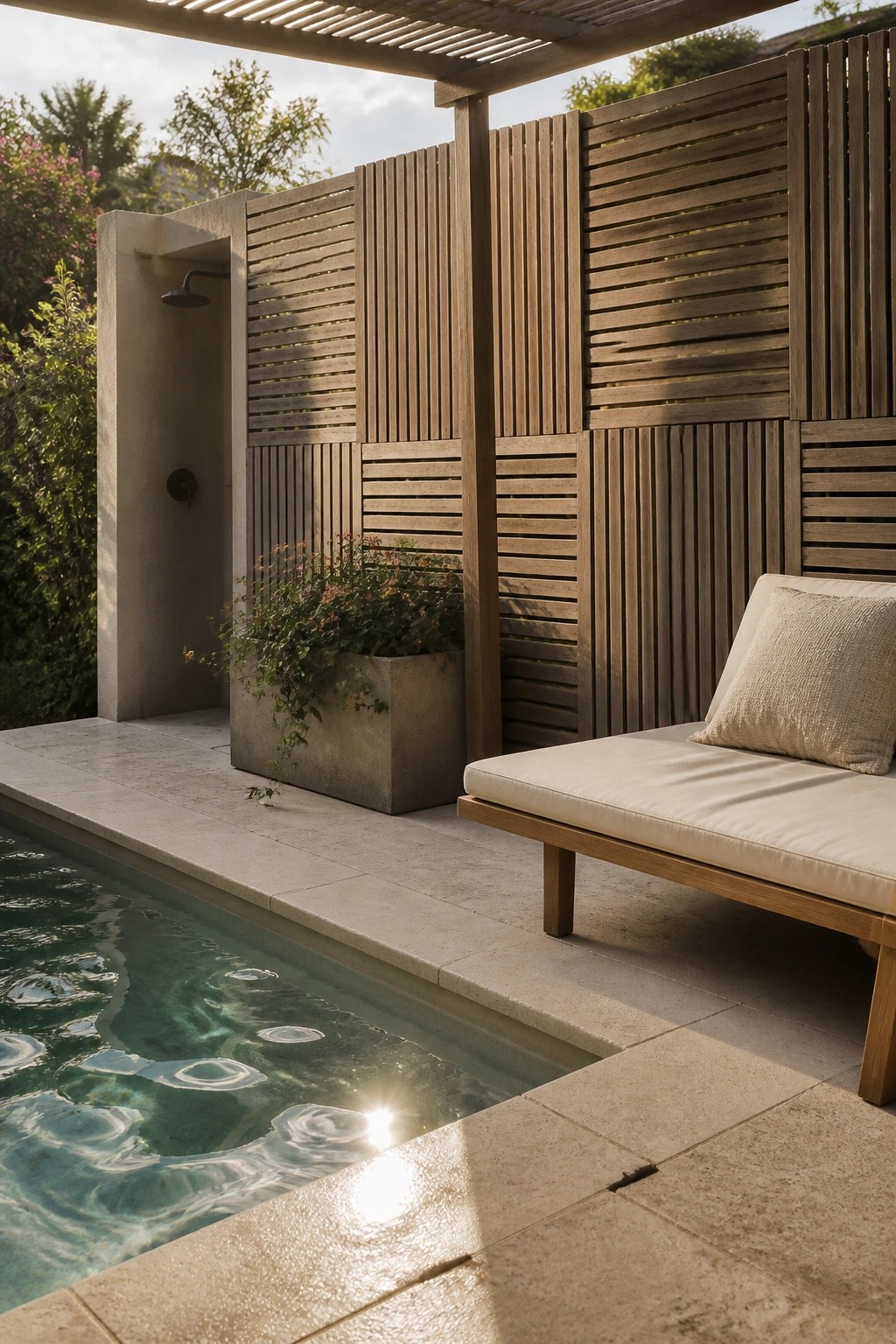
Slatted screens work well around a pool because they block the view from outside while still letting air and some light through. The vertical wood panels create a clean boundary that feels solid without making the space feel closed in.
This approach suits homes with small backyards or shared property lines where full walls would feel too heavy. Use the same wood tone on the screens and any nearby decking so the whole area reads as one simple zone.
Slatted Screens For Outdoor Privacy
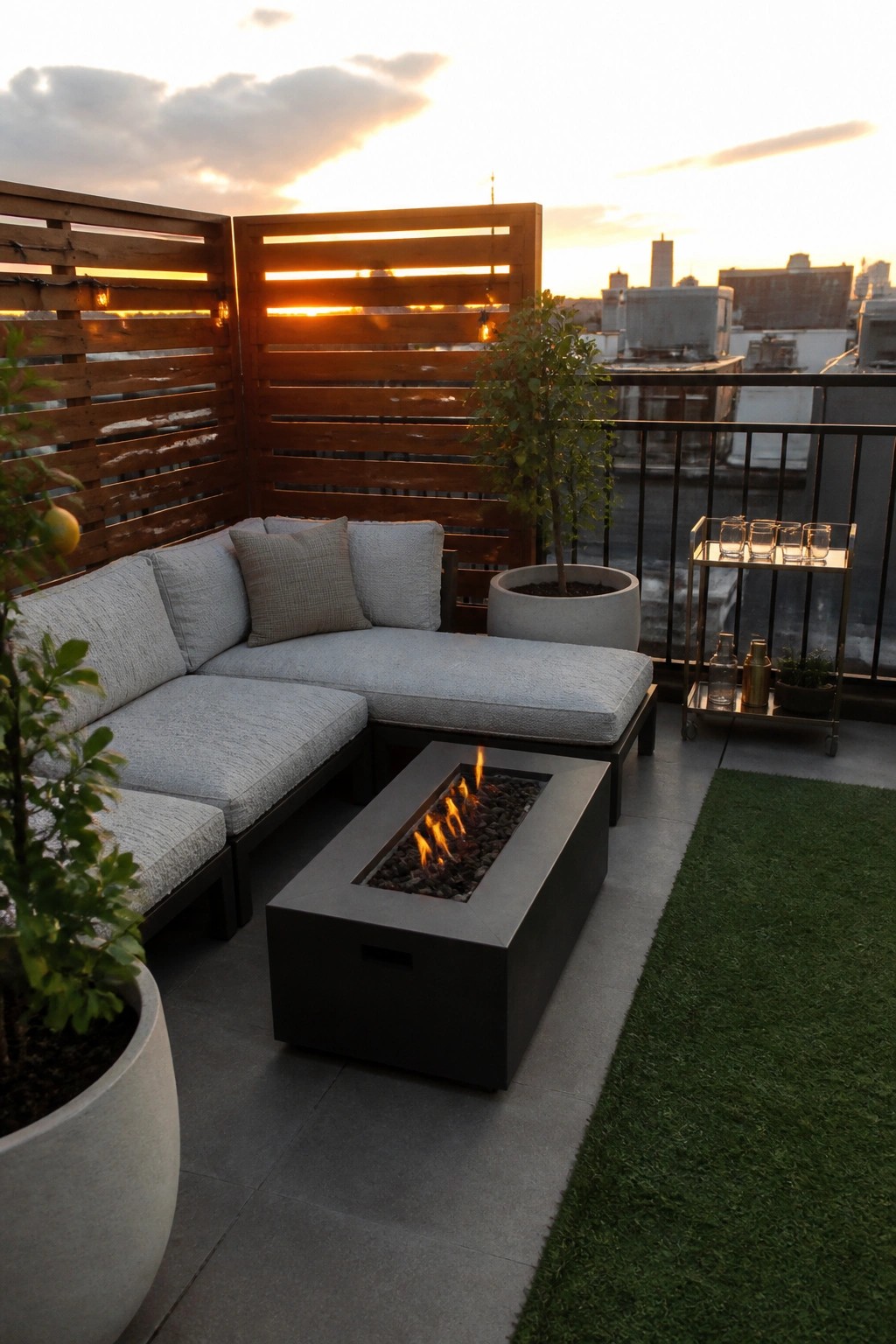
Slatted screens give you privacy on a balcony or rooftop without turning the space into a closed box. The open gaps let light and breeze pass through while blocking the direct line of sight from nearby buildings.
They work best on upper level outdoor areas where full walls would feel too heavy. Mount a few panels along the railing or behind a seating area and you get a simple screen that still feels open.
Slatted Screens Add Privacy To Small Patios
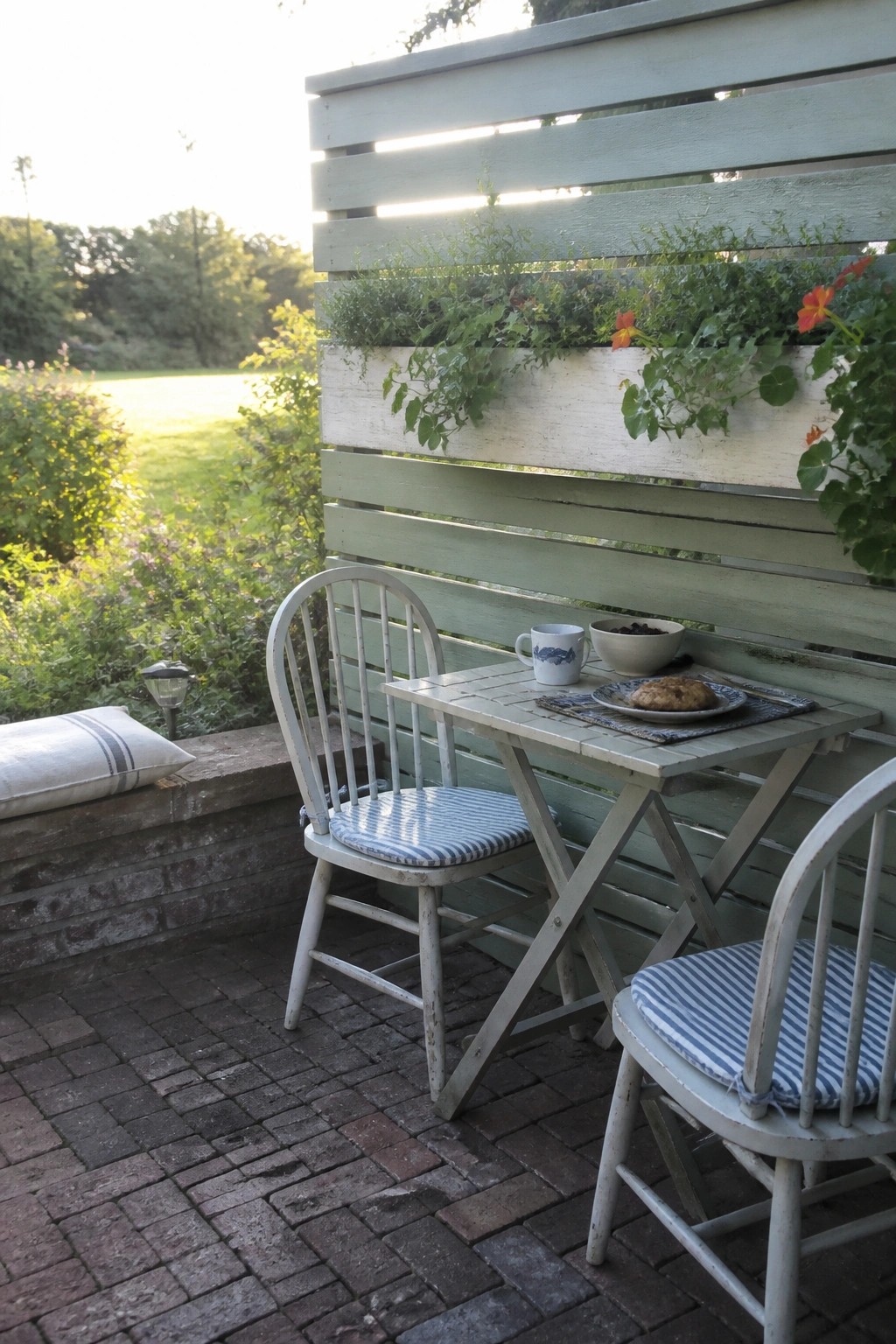
A slatted screen gives a patio just enough separation from the rest of the yard without cutting off light or air. The open gaps keep the space from feeling boxed in while still blocking the direct view from outside.
This works especially well on brick patios that sit near a property edge or shared garden. You can build the screen from simple wood pieces, paint it to match nearby fencing, and add a narrow planter along the top if you want a little greenery.
Slatted Screens For Outdoor Privacy
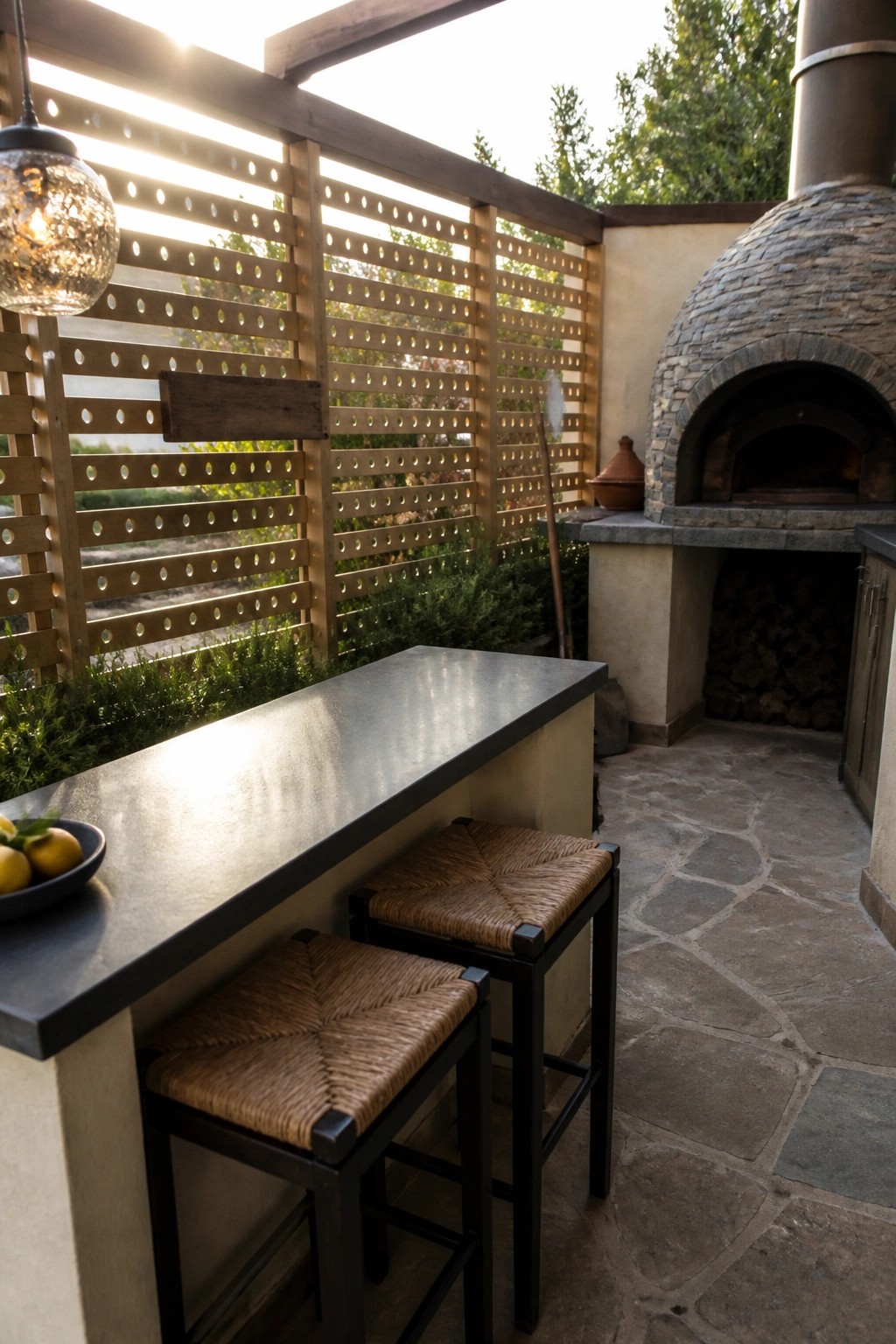
Slatted screens give you a simple way to carve out a private spot in the backyard without making the space feel closed in. The gaps between the boards let light and air move through, so the area still feels open even though it is screened from the rest of the yard or from neighbors.
This approach works especially well around an outdoor bar or kitchen counter where you want a little separation but still need to keep the space usable. You can build the screens from basic lumber or reclaimed pallet wood, and they blend easily with most patio styles.
Vertical Slat Screens For Backyard Privacy
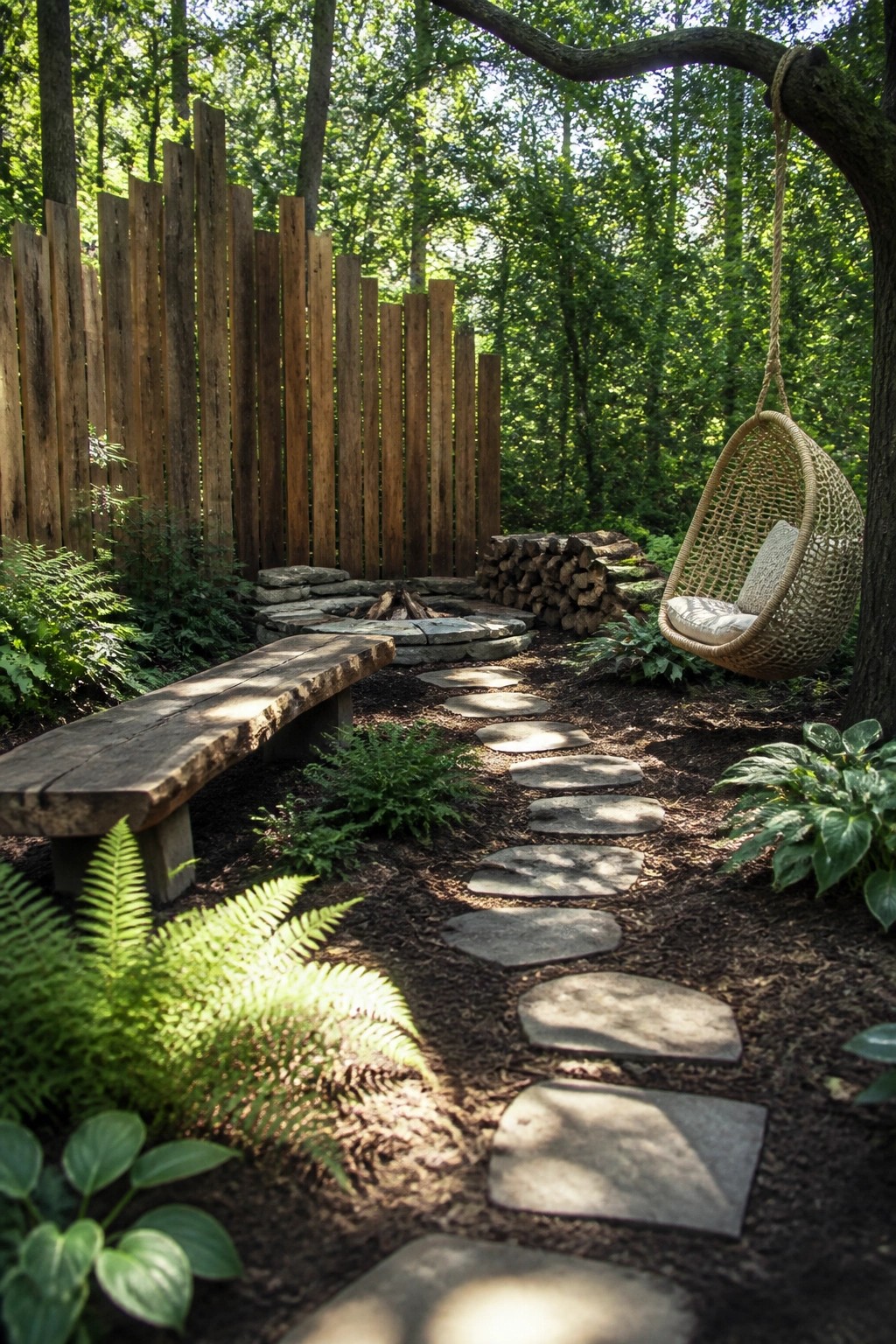
A tall screen made from vertical wood slats gives you privacy without making the yard feel closed in. It blocks the view from outside while still letting light and air move through, which keeps the space from feeling too heavy or boxed off.
This works well along the edge of a seating area or around a fire pit where you want some separation from the rest of the yard. Use reclaimed wood or simple lumber, and keep the height around six feet so it does the job without overpowering the plants nearby.
Slatted Screens With Planters For Backyard Privacy
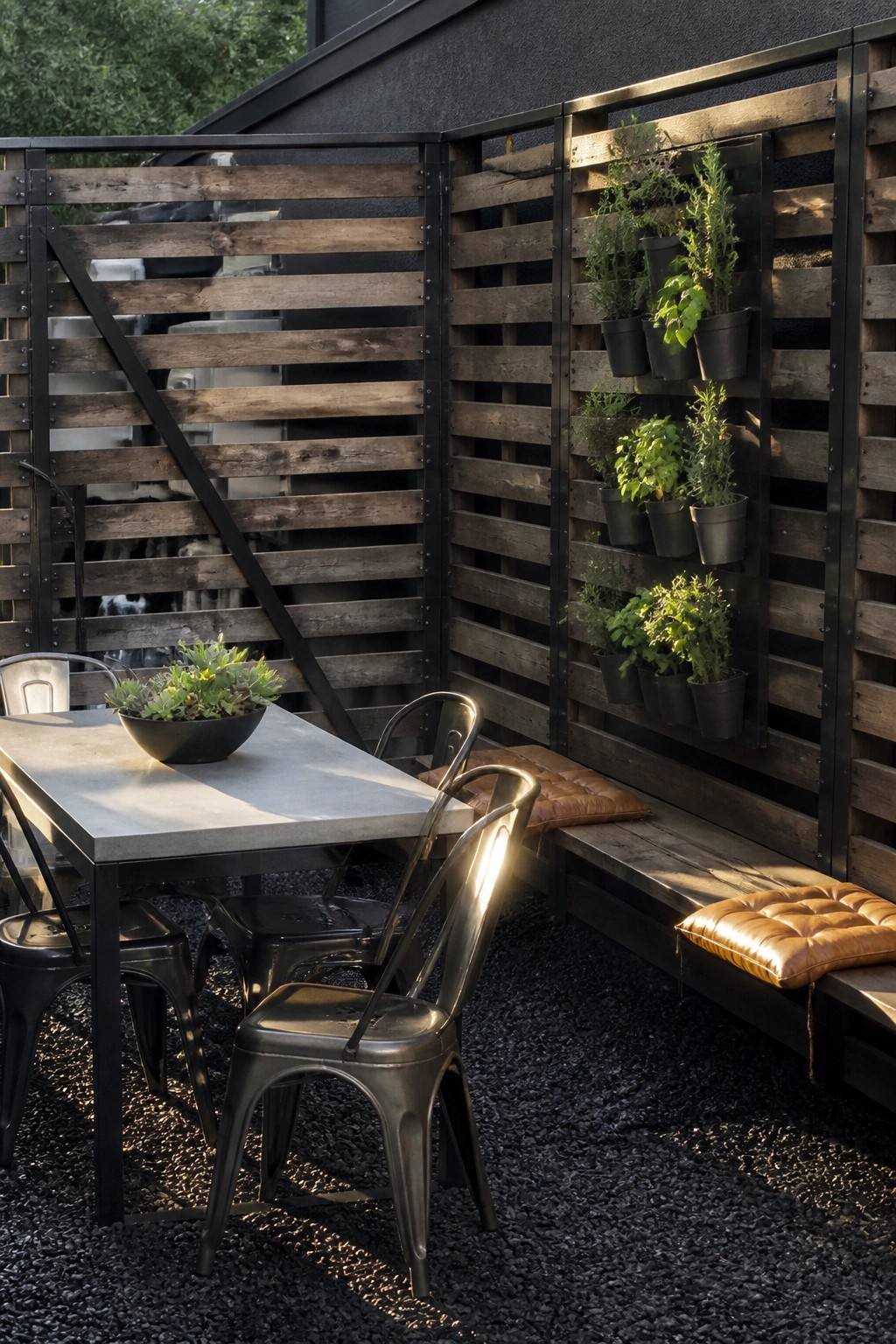
A slatted screen gives you privacy on a patio without making the space feel closed in. The gaps let air and light pass through, so the area still feels open while blocking the direct view from outside.
Mount the screen along one side and add pots at different heights for a bit of greenery. This works especially well in small yards or townhomes where a solid fence would feel too heavy.
Building Privacy With Slatted Pallet Screens
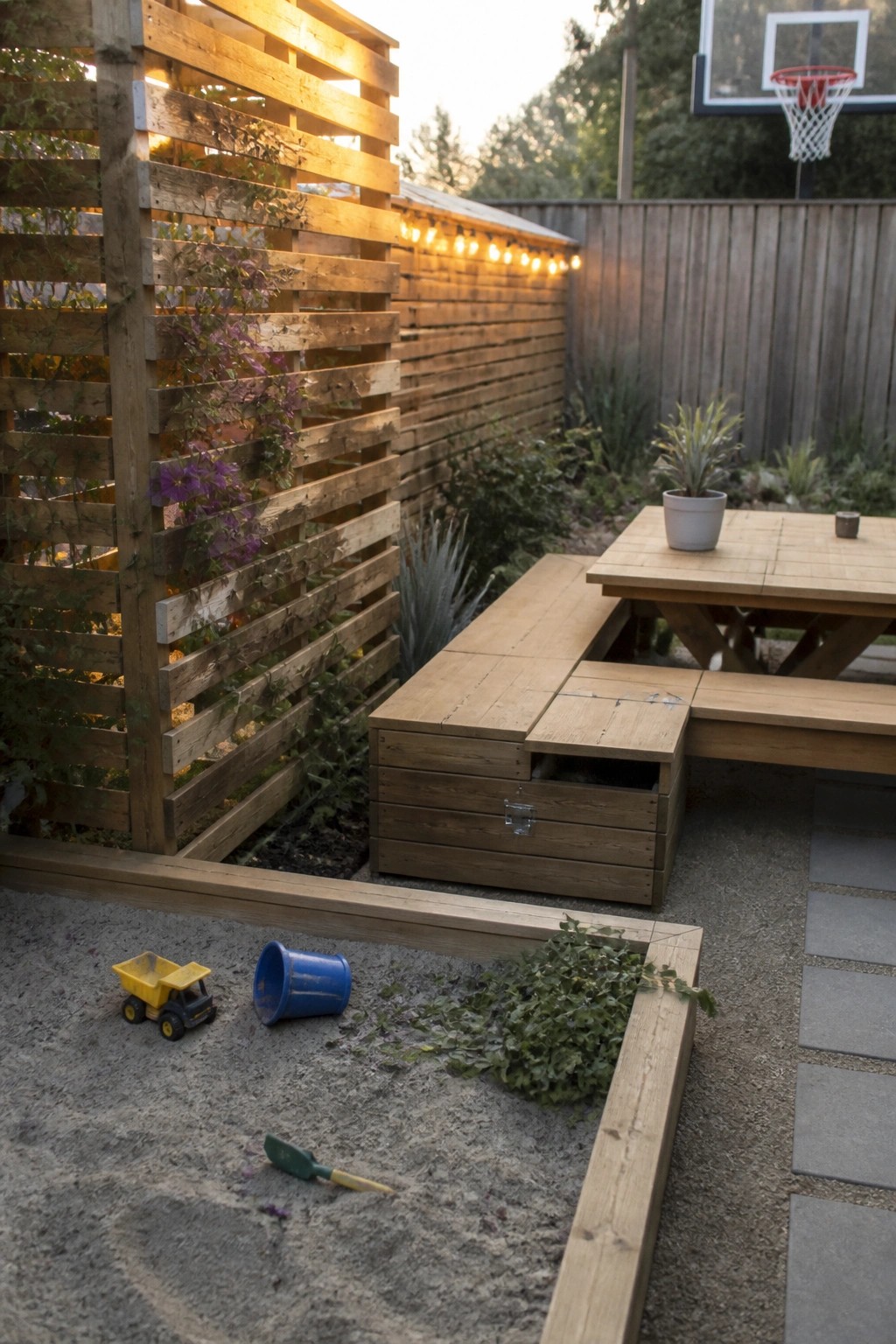
A simple slatted screen like this one gives you privacy without making the space feel boxed in. The gaps let light and air move through, so the area still feels open while hiding the view from the street or next door.
This works best along the edge of a patio or seating spot in a smaller yard. Use reclaimed wood, keep the spacing even, and add a few plants along the base if you want more coverage later on.
Combine Slatted Screens With Climbing Plants
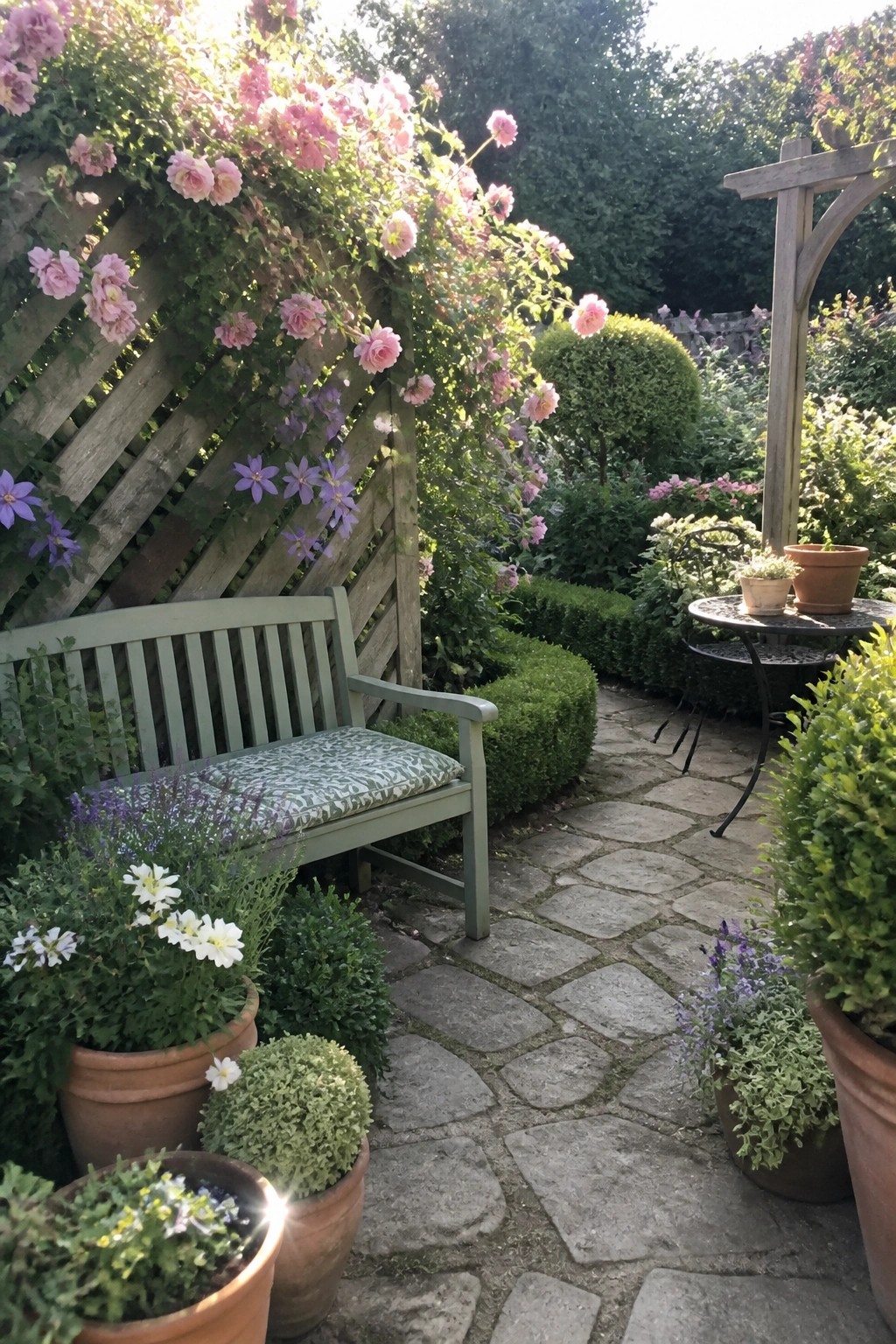
Slatted screens give climbing plants something solid to grab onto while still letting some light through. Once the vines fill in they turn the screen into a living wall that blocks the view without feeling heavy or closed off.
This setup works well along the side of a patio or at the back of a small yard where you want privacy but do not want a full fence. Just make sure the screen is sturdy enough to hold the weight once the plants mature.
Horizontal Slat Screens For Backyard Privacy
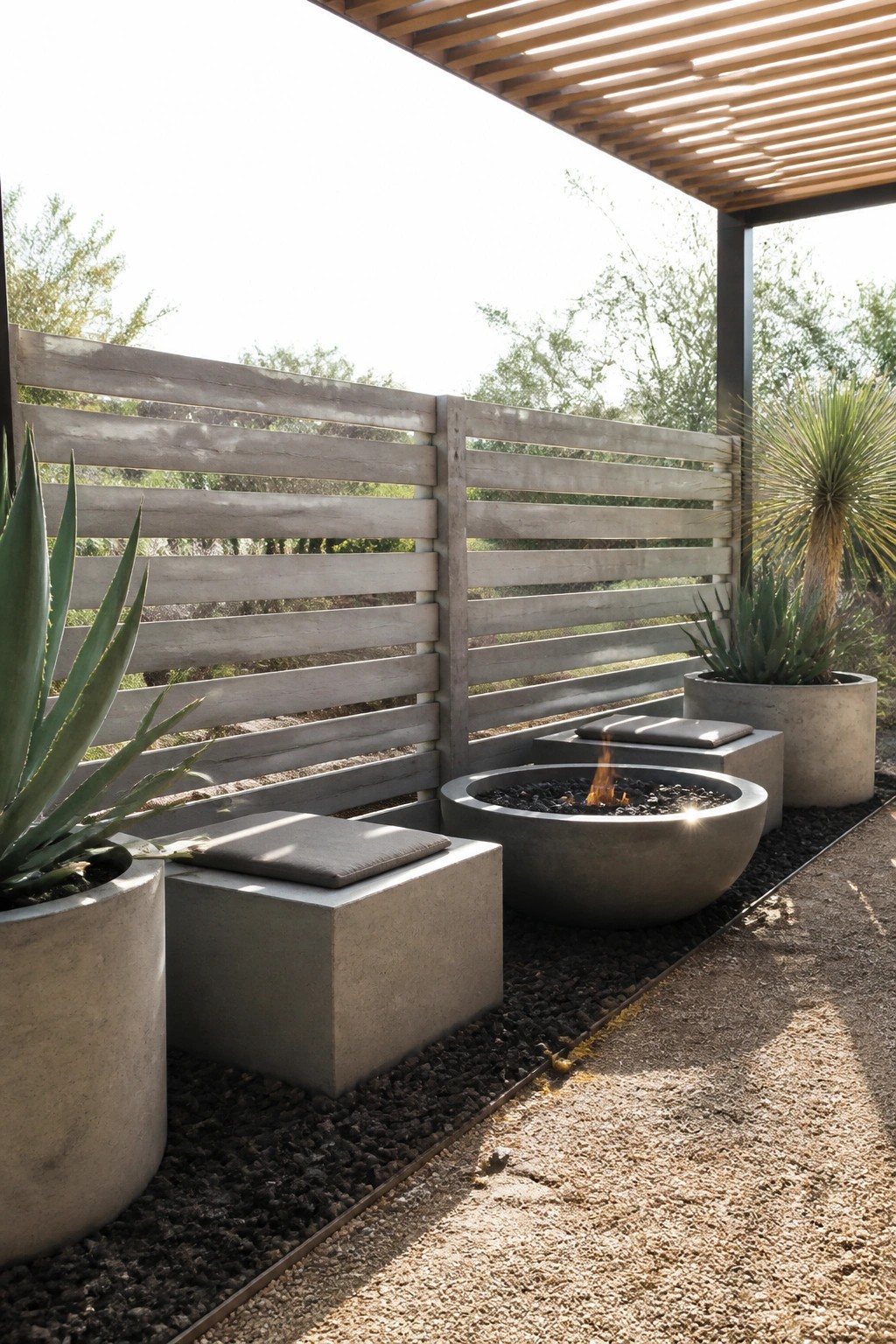
A simple row of horizontal slats can give an outdoor seating area the privacy it needs without making the space feel closed in. The gaps let light and air move through while blocking the direct line of sight from neighbors or the street.
This approach works well along the side or back edge of a patio where you want a bit of separation but still like the open feel. It pairs easily with basic seating and low plantings, and it holds up in most climates as long as the wood is treated for outdoor use.
Painted Pallet Screens For Backyard Privacy
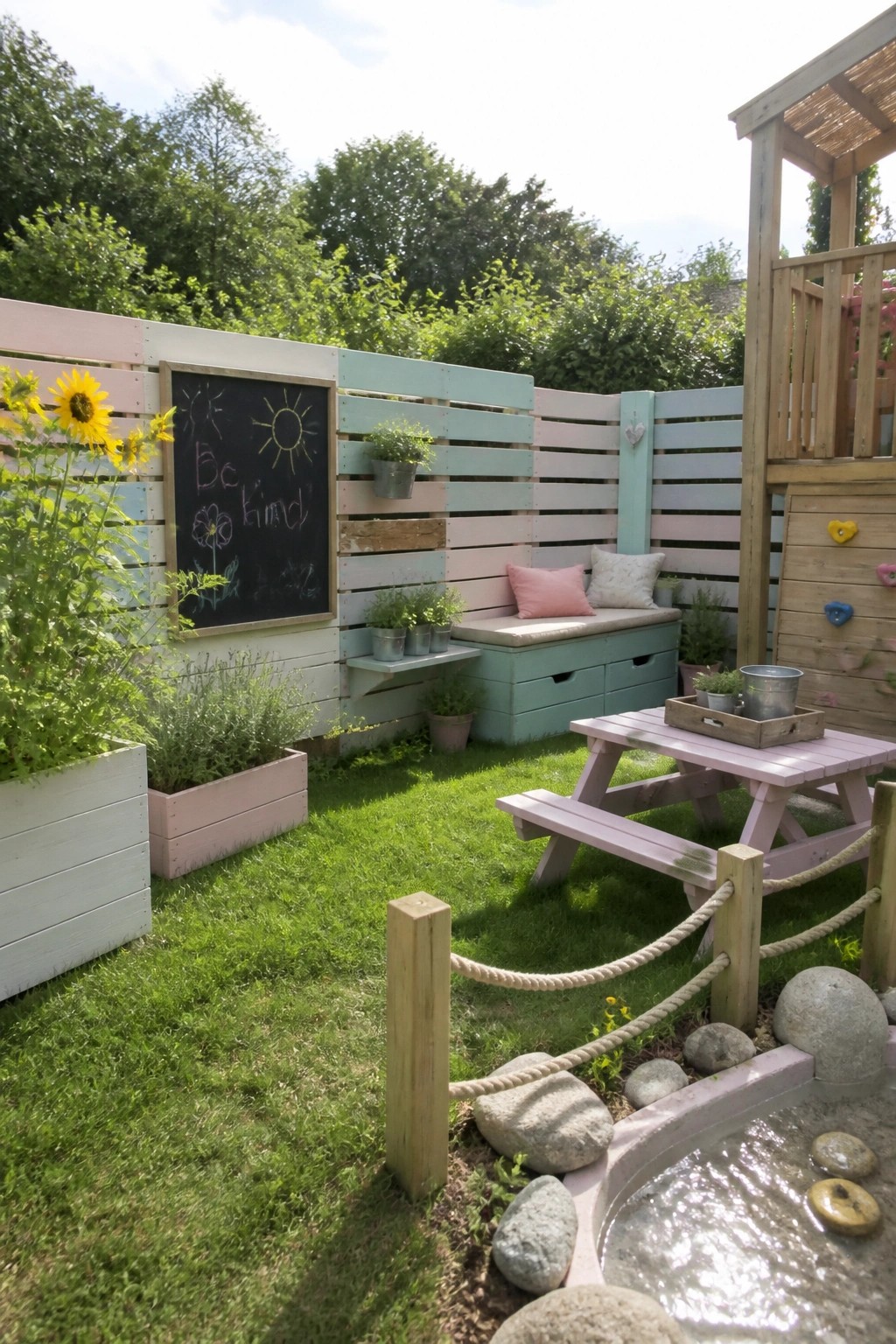
Painting pallets in soft colors and arranging them as a slatted screen gives you privacy without a heavy solid wall. The gaps let some light and air through, so the space still feels open instead of boxed in.
This setup works especially well along one side of a small yard where you need to block a neighbor’s view. You can attach a bench or a few small shelves directly to the screen for extra seating and storage, which keeps everything simple and useful.
Frequently Asked Questions
Q: How do I attach the slatted screens to posts without them falling over?
A: Screw the pallets directly into sturdy wooden posts set in concrete. Check the level often as you work your way up. This keeps everything steady even on windy days.
Q: Will these pallet screens last more than a couple seasons outside?
A: Seal the wood well before putting them up. Touch up the sealant every year or so after that. They hold up fine if you start with decent pallets.
Q: Can I make the screens taller than the standard pallet height?
A: Stack two pallets on top of each other for extra height. Secure the joint with extra brackets so nothing shifts.
Q: What about staining them to match my fence?
A: Pick a stain that soaks into the wood instead of sitting on top. Apply it before you build the screen so you cover all sides. It blends right in once everything dries.
