

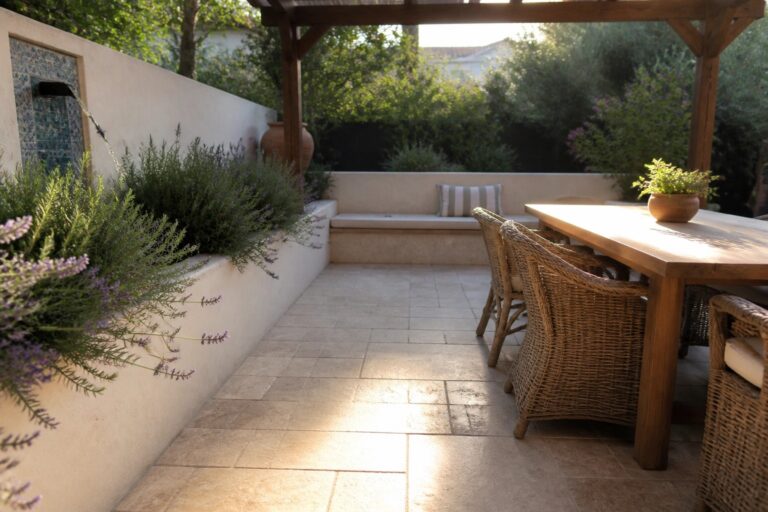
When I look at a patio that has held up over a few years, the borders usually make the biggest difference in how settled everything feels.
Built-in beds along the edges let you add height and color without crowding the main space.
They shape the layout in a way that pathways and seating areas stay clear.
Some designs work better than others once you live with them daily.
I keep coming back to the ones that combine easy maintenance with a bit of seasonal change.
Built-In Border Beds With Seating
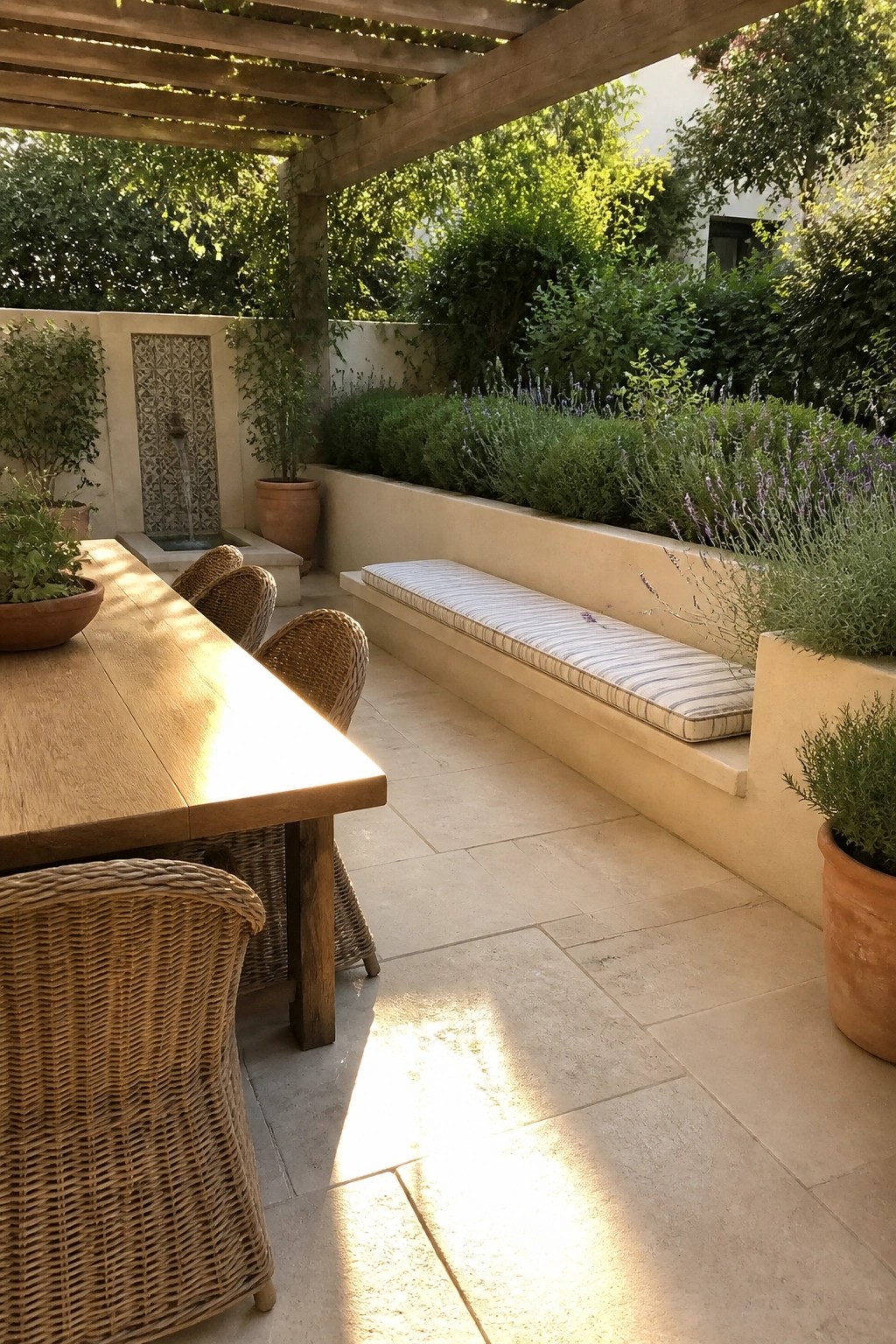
One way to keep a patio feeling open but still defined is to run a raised bed right along the edge and tuck a bench into the front of it. The planting becomes the backrest and the border at the same time, so the space stays simple without needing extra furniture or fencing.
This works best on a side wall or back edge where you want some greenery but also need places to sit. Use low-water plants that spill a little over the front so the bed softens the bench without hiding it. Keep the cushion neutral so the focus stays on the planting rather than the seating itself.
Built-In Border Beds Along Patio Edges

A built-in border bed gives the patio a clear edge without eating into the open floor space. It keeps the planting contained and creates a soft green line against the hard surfaces.
This setup works best on patios that run along a wall or fence. Use a simple raised bed in metal or concrete, fill it with a few larger plants mixed with smaller ones, and keep the rest of the patio open for seating and a fire pit.
Add Border Beds Along The Patio Walls

Border beds tucked right against the walls give a patio clear edges without eating into the open space. They turn plain brick or stone into a planted frame that feels settled and green from the start.
This setup works best on smaller patios where you want planting that stays out of the way. Keep the beds narrow, choose a few climbers or low perennials, and let them soften the hard surfaces over time.
Built-In Planter Beds Along the Patio Edge

A built-in planter bed running the length of the patio gives you room for real greenery without eating into the open floor space. It creates a clear line between the seating area and the rest of the yard while keeping plants close enough to enjoy from the couch.
This works best on homes where the patio sits right against the house or a fence. Build the bed at a comfortable height for weeding, use a liner if needed for drainage, and choose shrubs that stay tidy so the look stays neat year-round.
Curved Border Beds Along Patio Edges

A curved concrete border gives the patio a soft edge that holds plants without needing extra walls or fencing. It keeps the brick surface open while making the planting feel like part of the same space rather than something added later.
This approach works best on patios that meet open lawn or garden areas. Match the curve to the natural line of the path or seating so the bed feels built for the spot instead of forced into it.
Stone Walls That Create Built-In Border Beds
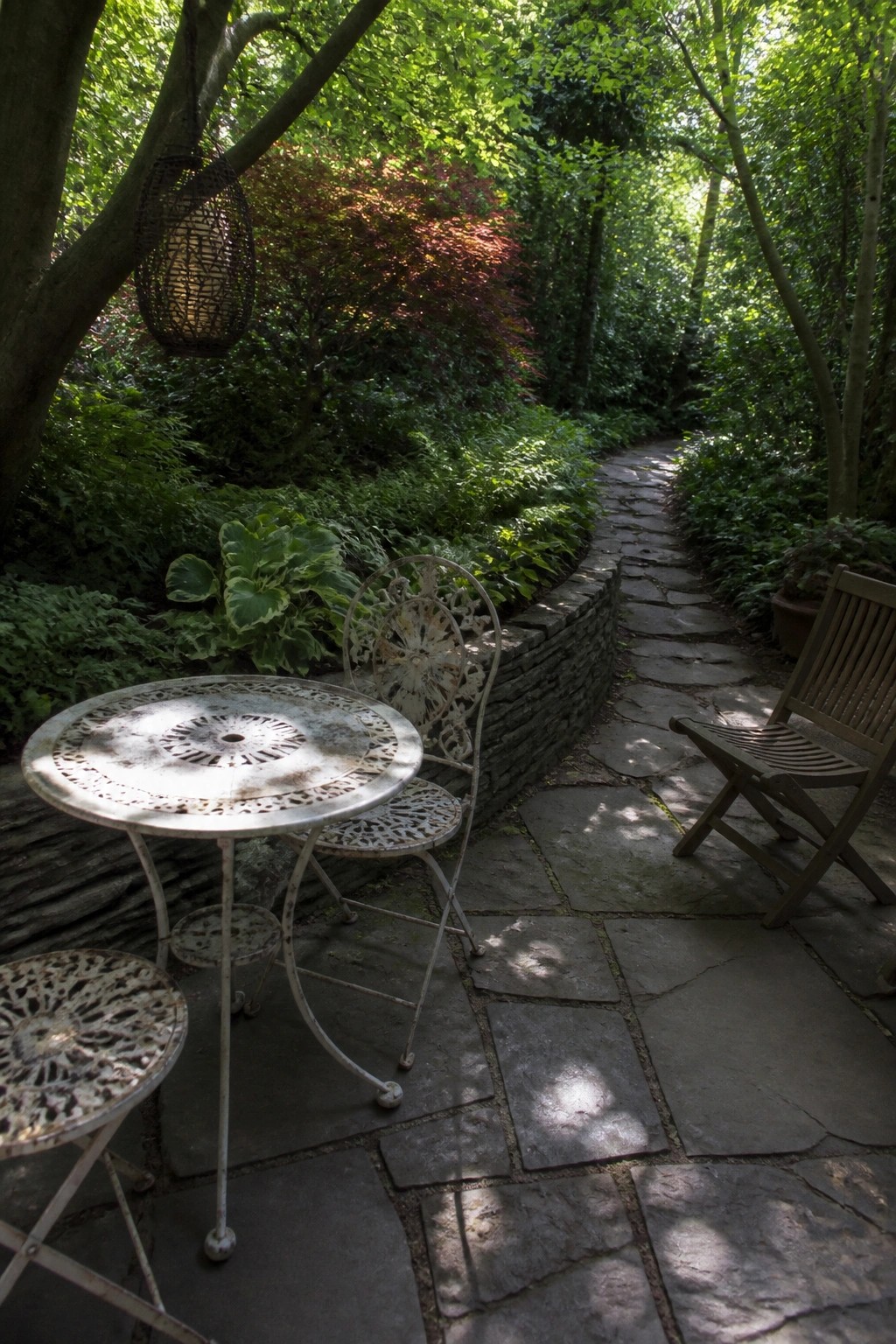
A low stone wall along a garden path gives beds a solid edge and keeps the whole layout looking tidy. It holds the soil in place and turns the side of the path into a ready spot for seating without adding separate borders or raised boxes.
This setup works best on sloped or wooded lots where the wall can follow the curve of the ground. Keep the wall height low so it blends with the planting and does not block the view of the beds from the path.
Built-In Border Beds Along The Patio Edge

Built-in border beds give a patio a finished look while letting plants sit right at the edge of the deck. Instead of scattered pots or separate planters, the bed becomes part of the structure itself and keeps the open space clear for seating and walking.
This approach works best on decks or patios that already have a low wall or raised edge to build from. Keep the bed narrow enough that it does not crowd the main area, and choose plants that stay contained so maintenance stays simple.
Built-In Border Beds Frame Patio Seating
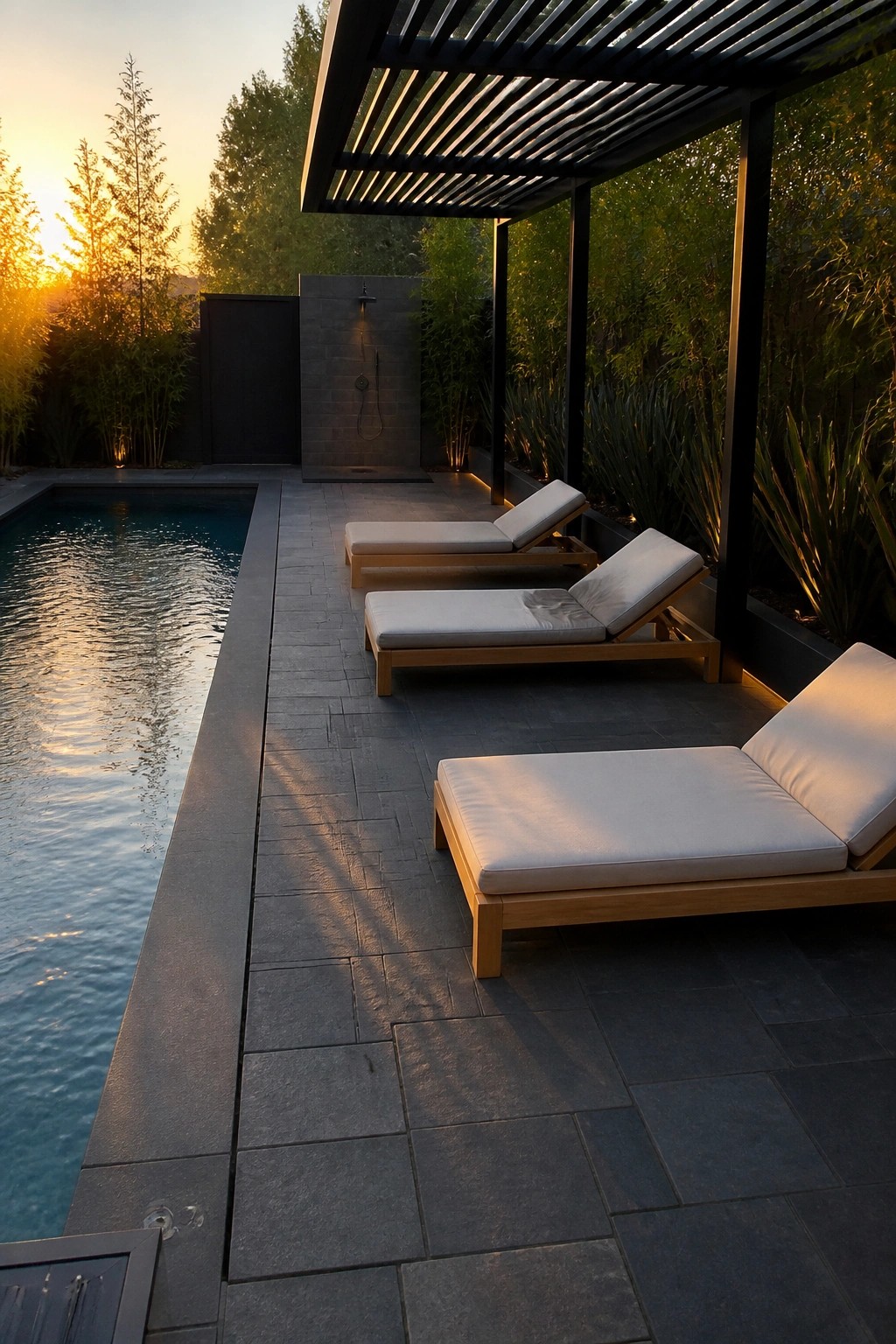
Built-in border beds work well when you want to give a patio a clear edge without adding walls or fencing. The beds tuck right along the sides of the seating area and let taller plants do the work of separating the lounge zone from the pool and open yard.
This setup suits homes where the patio sits close to the house or runs along one side of a pool. Keep the beds narrow, choose upright plants that stay contained, and make sure the edging material matches the patio surface so everything reads as one clean space.
Raised Border Beds Along The Edges
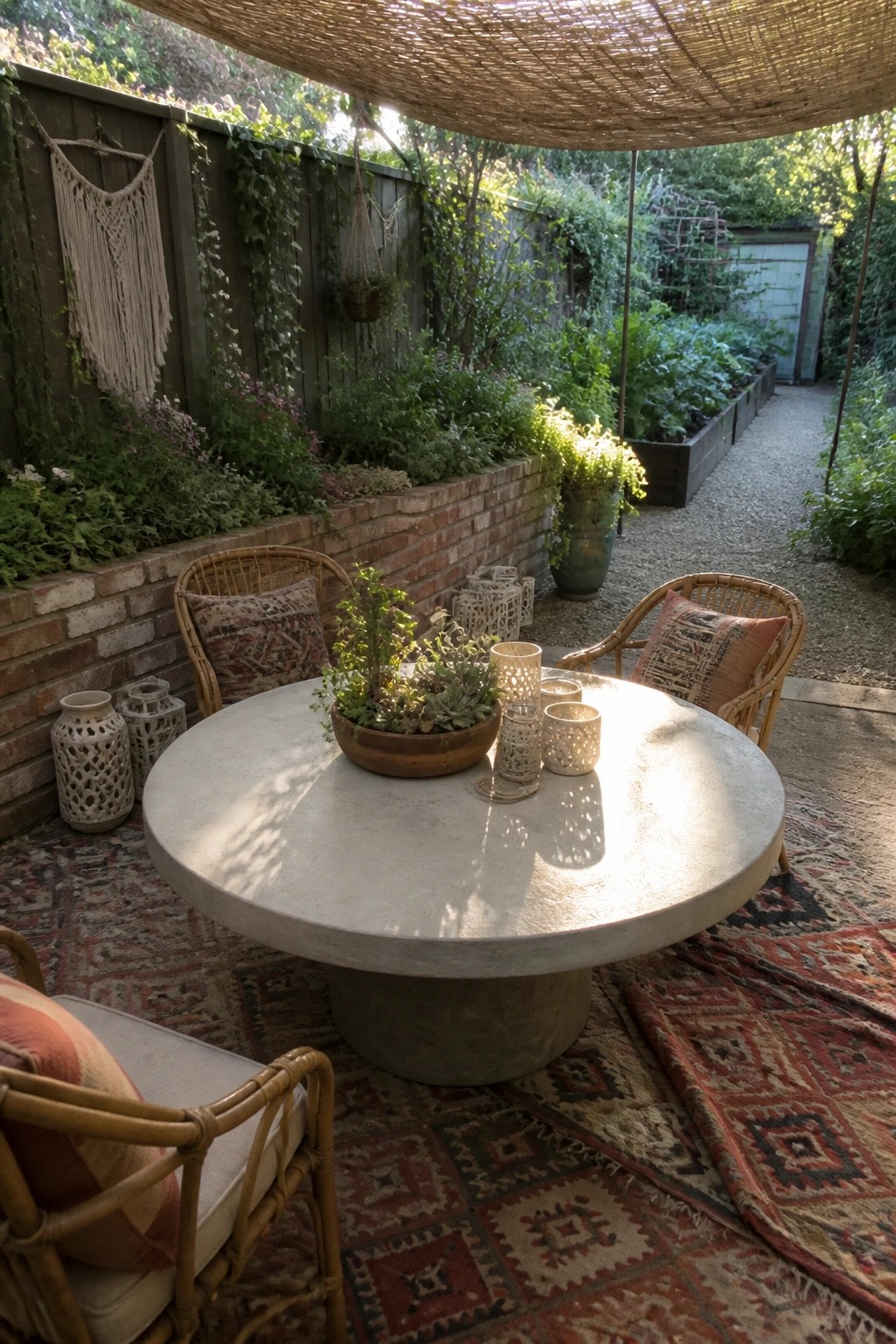
Raised border beds give a patio a finished look while bringing plants right up to the seating area. The brick construction here creates a low wall that holds the soil and defines the space without feeling closed in. It works especially well when the beds follow the existing fence line so the greenery feels like part of the structure rather than added later.
Brick or stone beds suit older homes and small yards where you want planting without losing floor space for chairs and tables. Keep the height around eighteen inches so the beds double as extra seating or a place to set drinks. Match the material to any nearby walls and choose plants that spill slightly over the edge for a softer finish.
Built-In Border Beds Frame the Patio
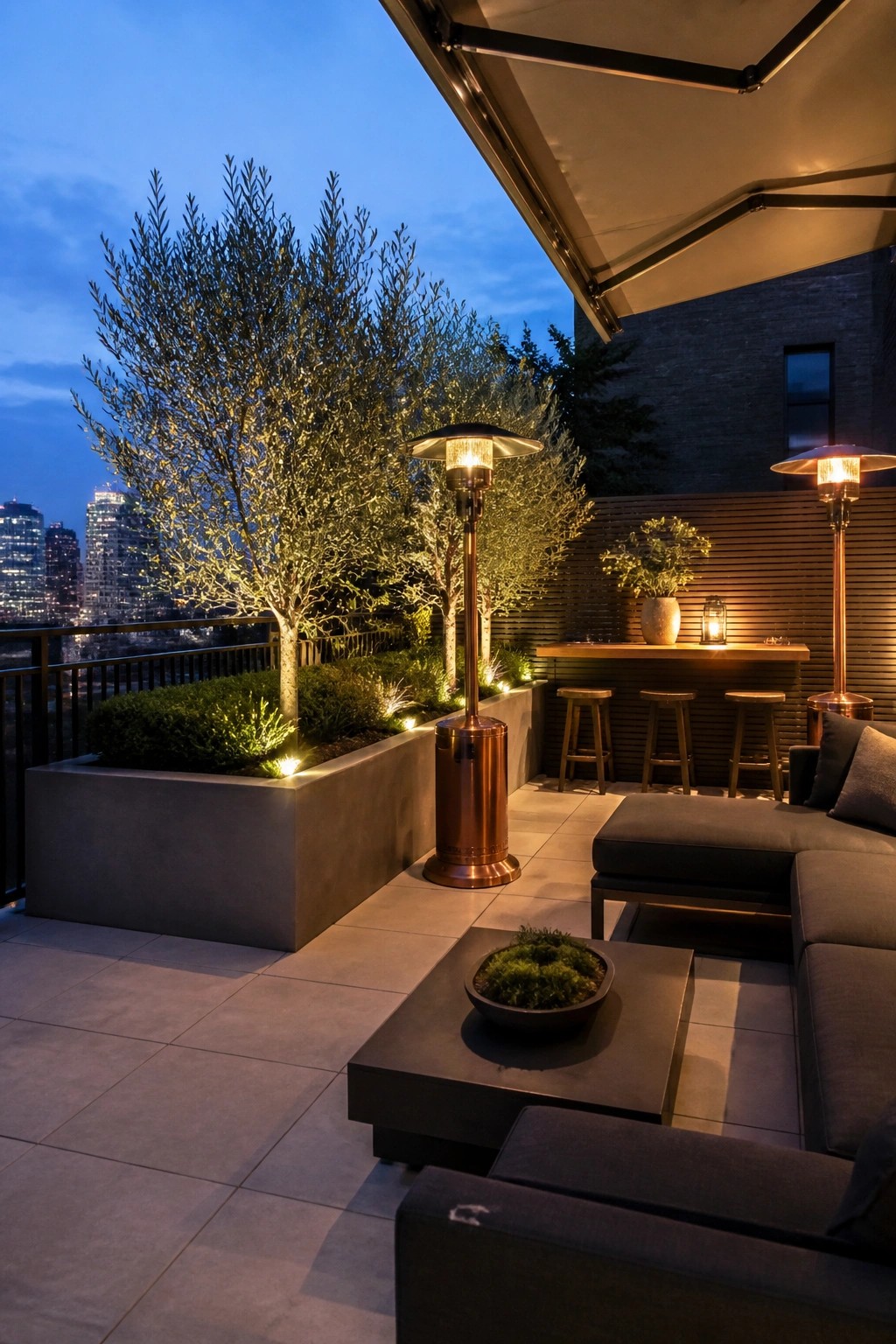
Raised border beds give a patio clear edges while still letting plants do the work. They keep soil contained, protect the flooring, and let you add trees or shrubs right where the hardscape meets the open space.
This setup suits rooftops, decks, or terraces where you cannot dig into the ground. Match the bed material to the patio so the beds feel like part of the structure rather than an add-on, and keep the plantings simple so the beds stay the main feature.
Built-In Border Beds Along The Patio

Built-in border beds give a patio a finished look without crowding the open floor space. They turn the edges into planting zones that soften the hard surfaces and keep the garden feeling connected to the seating area.
These beds work best on smaller patios where floor room matters. Use a simple raised ledge in a matching material and fill it with a mix of shrubs and trailing plants that stay low enough not to block views.
Built-In Border Beds Along Patio Edges

A built-in border bed turns the edge of a patio into useful planting space instead of leaving it bare. It softens the hard paving and fence line while keeping the walking area clear and open.
This setup works best on narrow side yards or small patios where a full garden would take up too much room. Use a low brick or stone edge and fill it with a mix of ferns and leafy plants so the bed stays full without growing too wide.
Raised Border Beds Along Paths
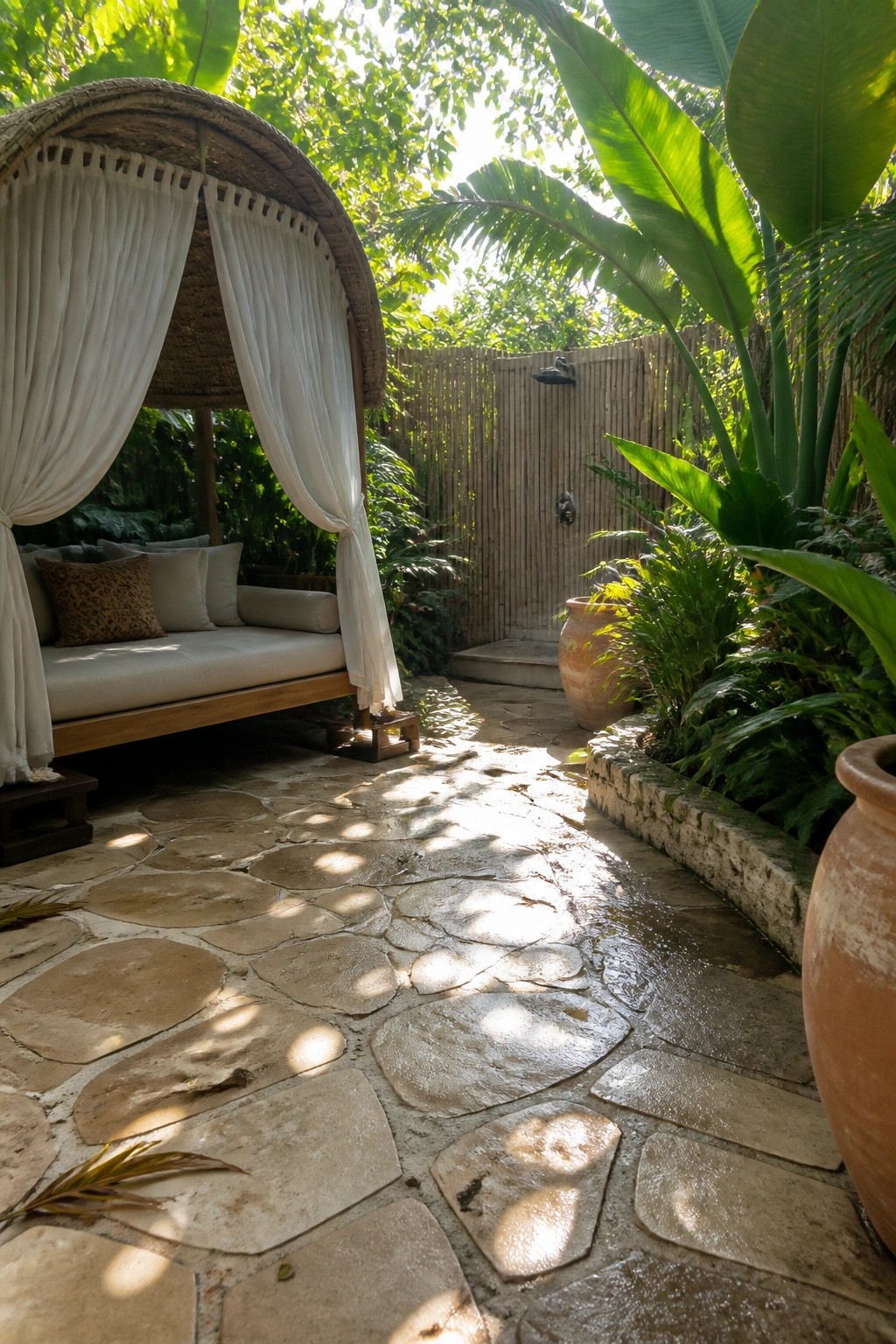
Raised border beds give a stone path a clean edge while keeping plants contained and easy to maintain. They work especially well in spaces that see regular foot traffic because the low walls stop soil from spilling onto the walkway after watering or rain.
This layout suits homes with existing hardscaping where you want to add planting without major changes. Keep the beds fairly shallow and use a mix of taller foliage and lower ground cover so the path still feels open rather than enclosed.
Built-In Border Beds Keep Plantings Contained
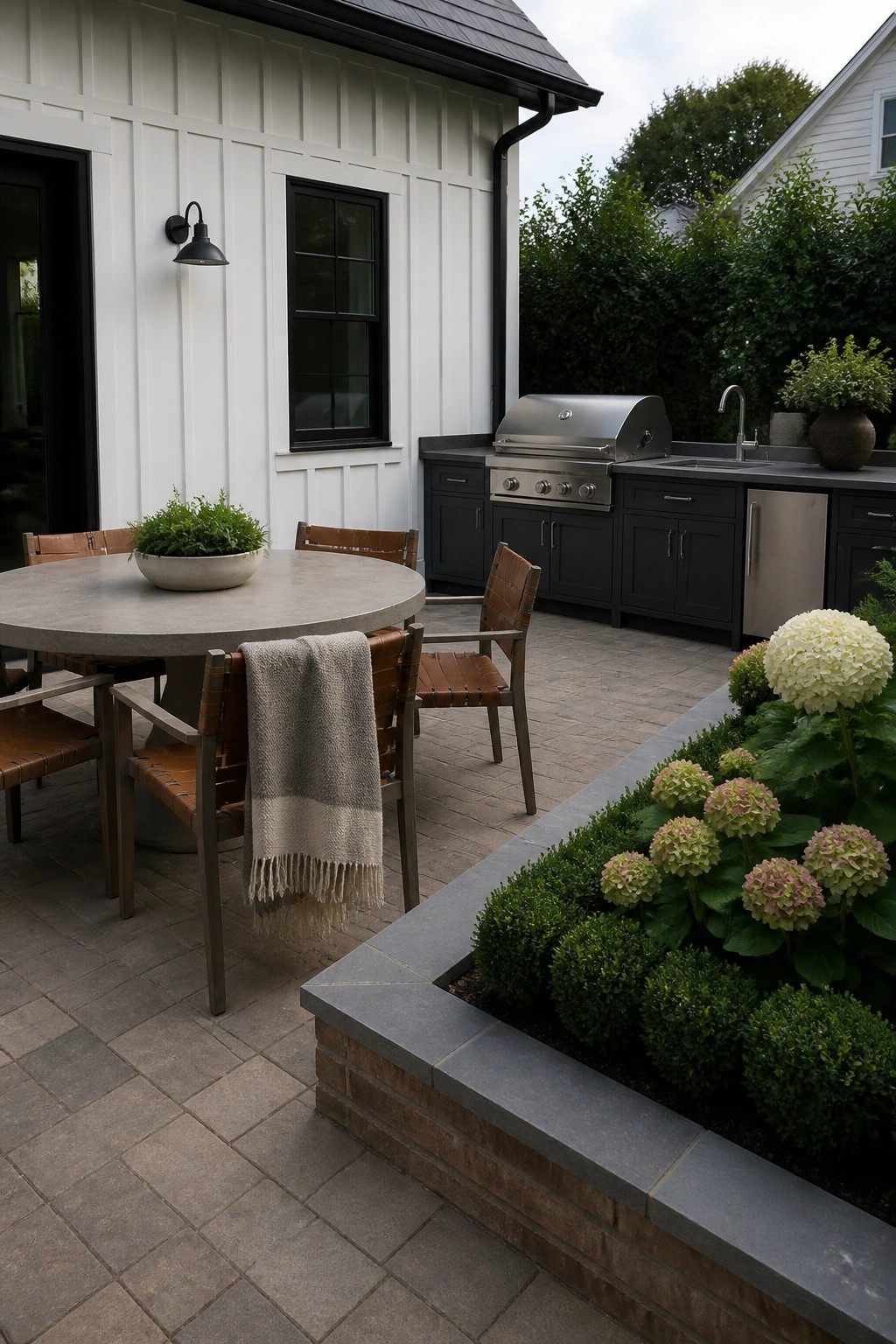
A raised stone border turns the edge of a patio into a planting area without eating into the usable floor space. The low wall holds soil and plants at a comfortable height, so the greenery feels like part of the hardscape rather than something added later.
This setup works best on patios that sit close to the house or along a fence line where a full garden bed would feel too loose. Keep the bed narrow and choose compact shrubs or seasonal flowers so the plants stay neat and do not spill onto the walking surface.
Built-In Border Beds That Frame Seating
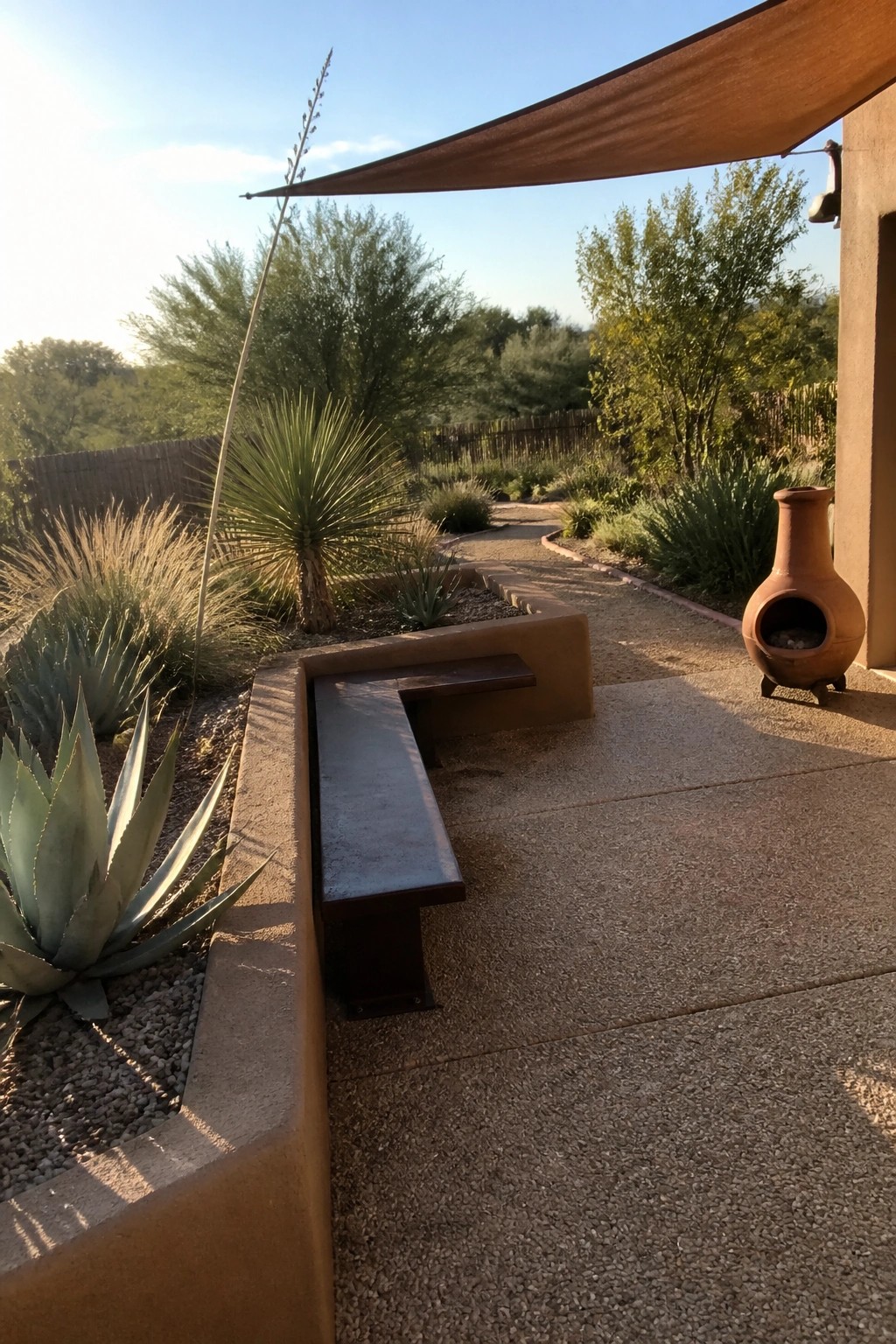
Built-in border beds give a patio a settled look without adding separate planters or loose edging. The low concrete walls hold the soil in place while creating a natural spot for seating and keeping the gravel path clearly defined.
This approach works best in dry climates where you want sturdy materials that handle sun and heat. Keep the beds narrow enough for easy planting and choose agaves or similar tough plants so the whole setup stays low maintenance over time.
Raised Border Beds Around the Patio

Built-in border beds give a patio a finished look without needing a lot of extra structures. The low stone edges keep the planting neat and contained while still letting the greenery feel close to the seating area. This setup works especially well when the beds follow the shape of the hardscape so the whole space reads as one.
It suits homes with gravel or stone patios that already have some formal planting nearby. Keep the beds narrow enough for easy maintenance and choose low hedges or simple shrubs that stay tidy year-round. Avoid overcrowding the beds or letting them sit too high, since that can make the patio feel boxed in.
Built-In Stone Borders For Patio Beds
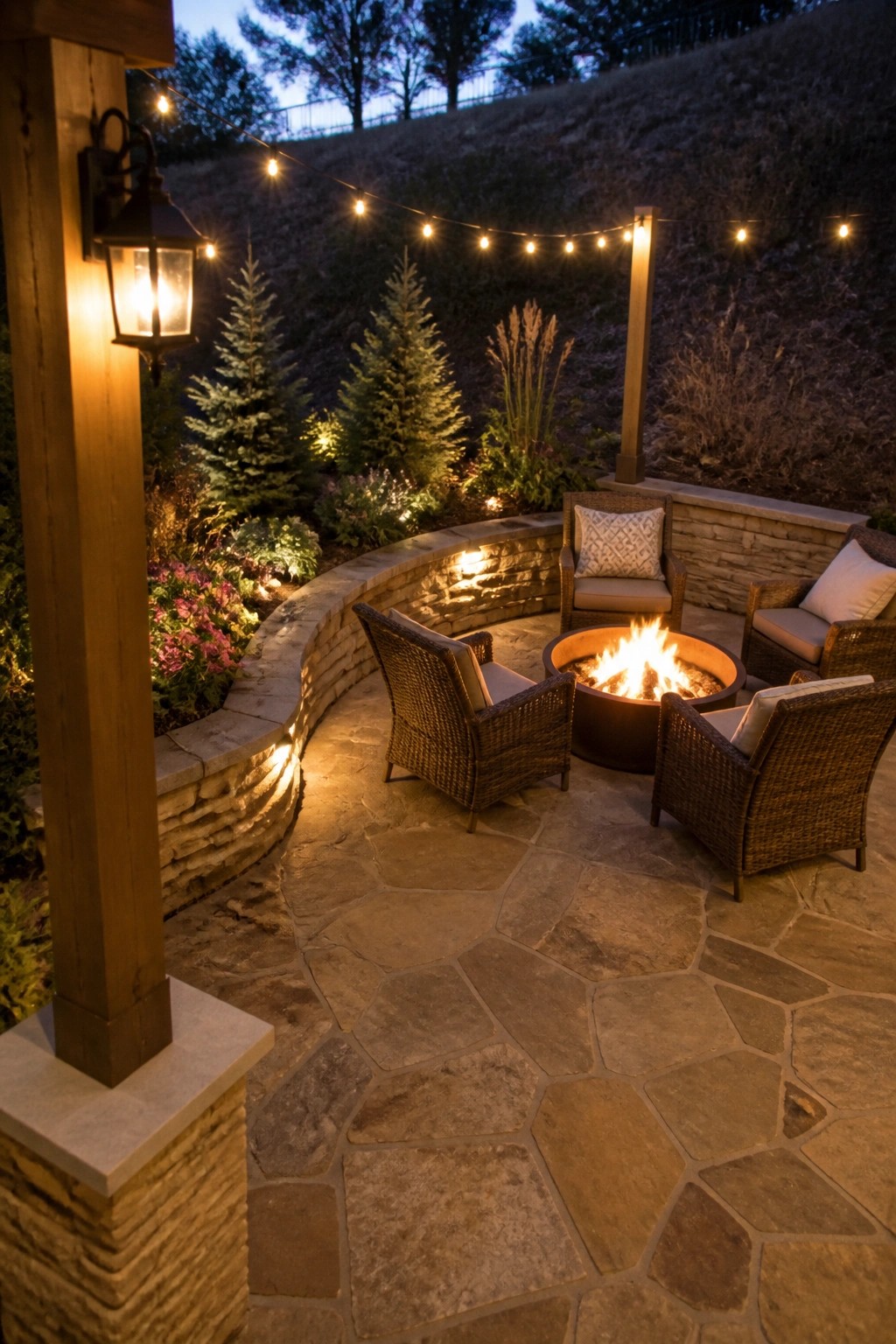
A built-in stone border gives the patio a solid edge while creating planting space right along the seating area. The curved wall holds back the slope and turns what could be wasted ground into a planted bed that feels like part of the patio itself.
This works best on lots with any kind of grade change. Set the wall height to match the drop in the yard, then fill the bed with a mix of evergreens and seasonal color so the planting stays full without constant work.
Built-In Border Beds Along the Patio Edge

A built-in border bed gives the patio a clean edge while adding planting space right where it is needed. The low concrete wall here keeps the greenery contained without eating into the walking area around the table.
This setup works best on smaller patios or in modern yards where you want some softness but still need open floor space. Keep the bed narrow and choose plants that stay fairly low so the border stays useful rather than becoming a barrier.
Built-In Border Beds Along the Patio Edge

Built-in border beds give a patio a finished look without needing separate planters or loose edging. The low wall holds the soil and plants in place, so the greenery stays right where you want it and does not creep onto the walking surface.
This setup works best when the bed follows the shape of the patio or outdoor kitchen area. It suits homes with larger hardscape zones where you want some planting but still need clear paths and open space. Keep the wall height low and match the material to the rest of the patio so the bed feels like part of the structure rather than an add-on.
Brick Border Beds Along Paths
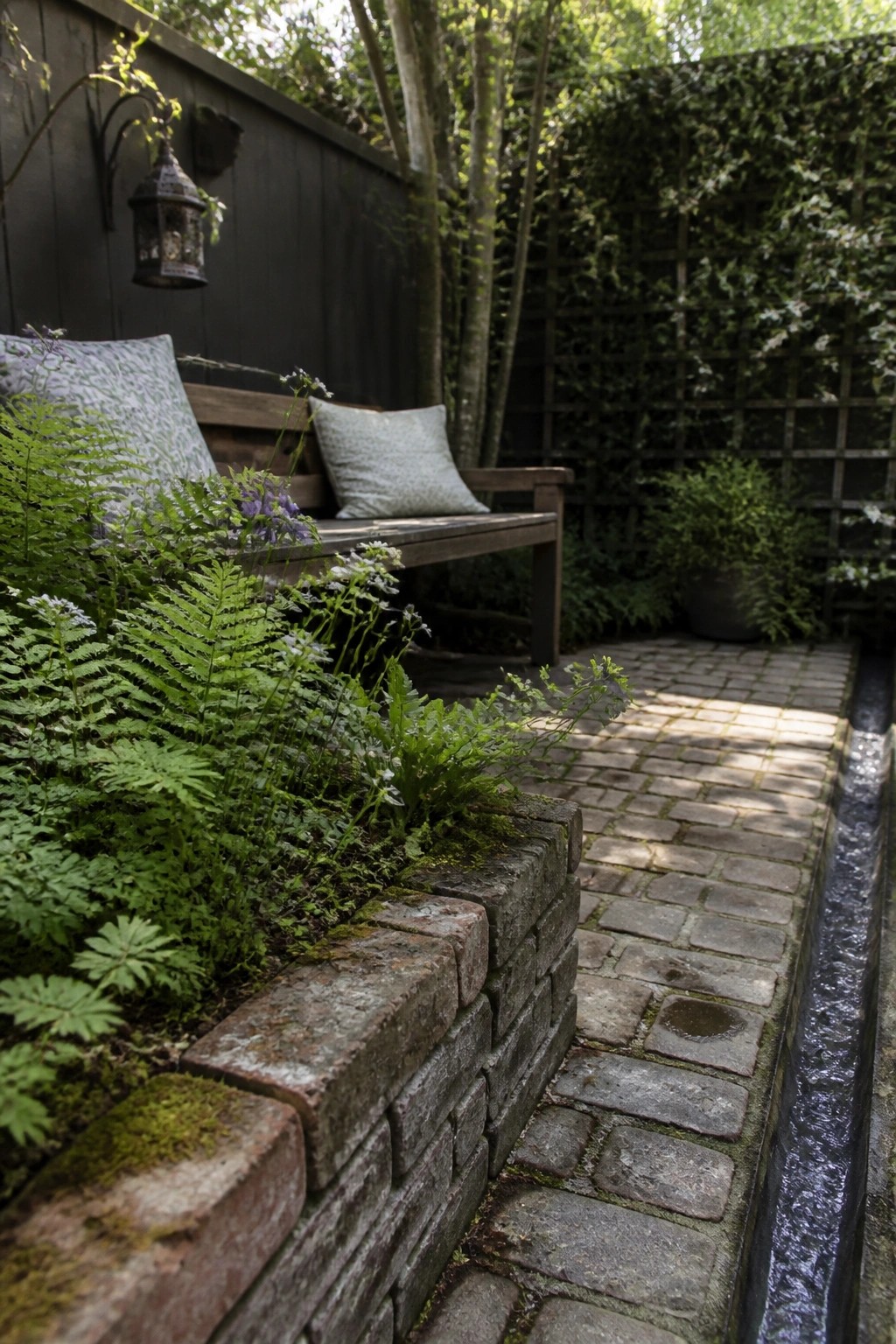
Brick border beds give a paved path a neat frame while letting plants spill over the edge. The low brick wall holds the soil in place and creates a clear line between the hard surface and the greenery without needing extra structures.
This approach works best in narrow side yards or small courtyards where you want planting right next to the walking area. Keep the bricks level with the paving so water drains properly and choose ferns or similar plants that fill in quickly.
Frequently Asked Questions
Q: How do I keep weeds from taking over the border beds? A: Lay down a layer of landscape fabric before adding soil and plants. Pull any stray weeds by hand every couple weeks while they are small. Mulch on top helps block more from sprouting.
Q: Will these beds take up too much room on a small patio? A: Built-in borders sit right at the edge so they barely eat into your seating space. Use narrow designs about a foot wide for tighter spots. This way you still have plenty of open area for chairs and tables.
Q: Do I need special soil for the border beds? A: Regular garden soil works fine in most cases. Mix in some compost if your yard has heavy clay.
