


Patios can lose their appeal quickly if they stay wide open to everything around them.
I noticed this after trying to use mine without any barriers and realizing how little privacy it offered on busy days.
Privacy screens with slats solve part of that problem.
They let air and light through while cutting down on direct views from outside.
I would start with a simple vertical slat pattern if I were updating a basic patio space because it tends to look balanced without overwhelming the area.
Slatted Screens For Private Patios

Horizontal wooden slats give a patio a clear sense of enclosure without cutting off light or air. They turn an open spot into a quieter corner that still feels connected to the yard around it.
This works best on small patios or in neighborhoods where you want a bit more separation from neighbors. Run the slats along the back and one side, then leave the front open so the space does not feel boxed in.
Slatted Screens for Private Outdoor Dining
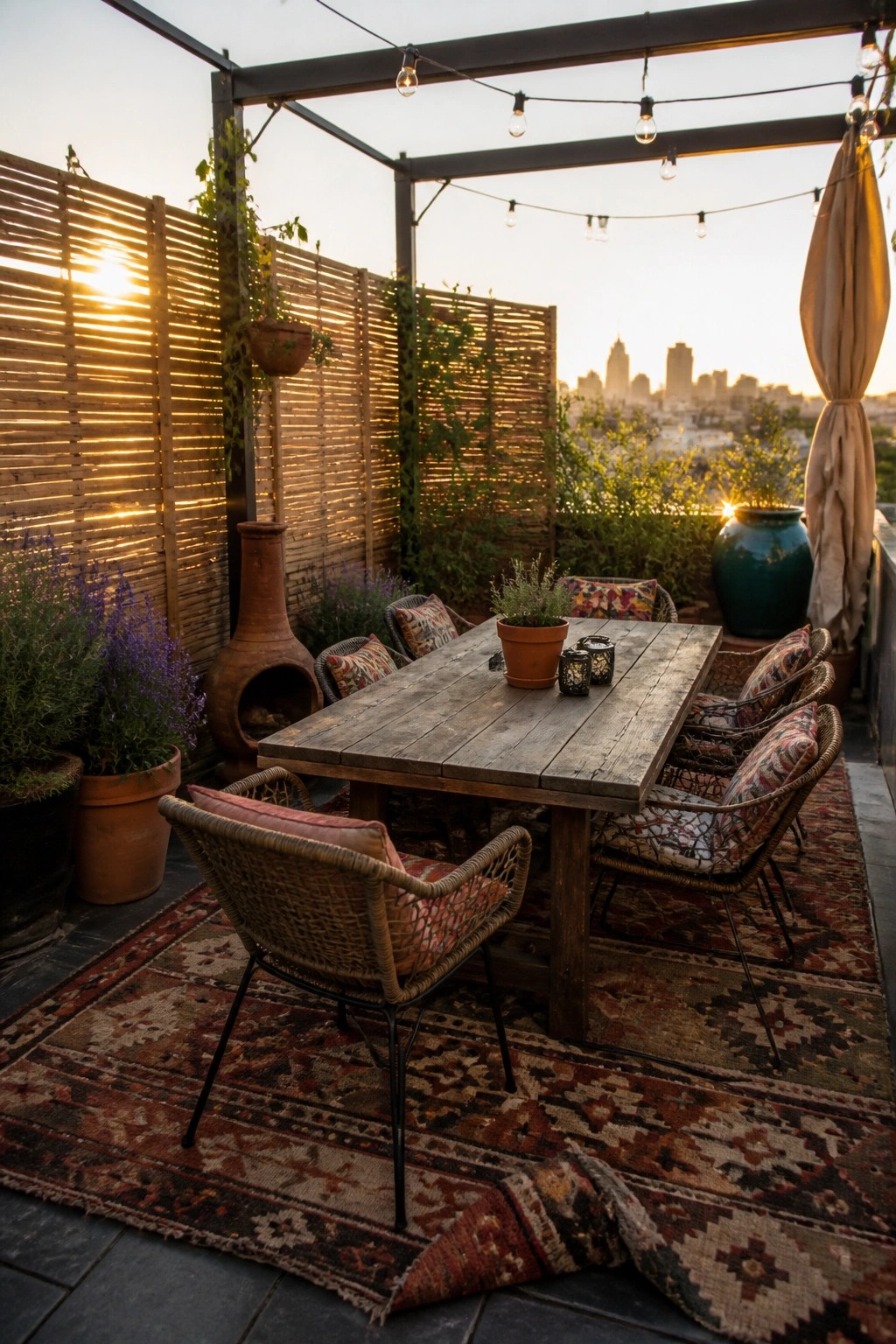
Slatted screens work well when you want to keep an outdoor table area feeling open but still private. The vertical wood slats let light and air through while blocking direct views from nearby buildings or neighbors, which makes the space more usable during the day and into the evening.
This setup fits best on rooftops or side patios where you need a quick visual barrier without building a solid wall. Place the screens along the most exposed sides and keep the rest of the furniture simple so the area stays easy to move around in.
Slatted Screens For Patio Privacy
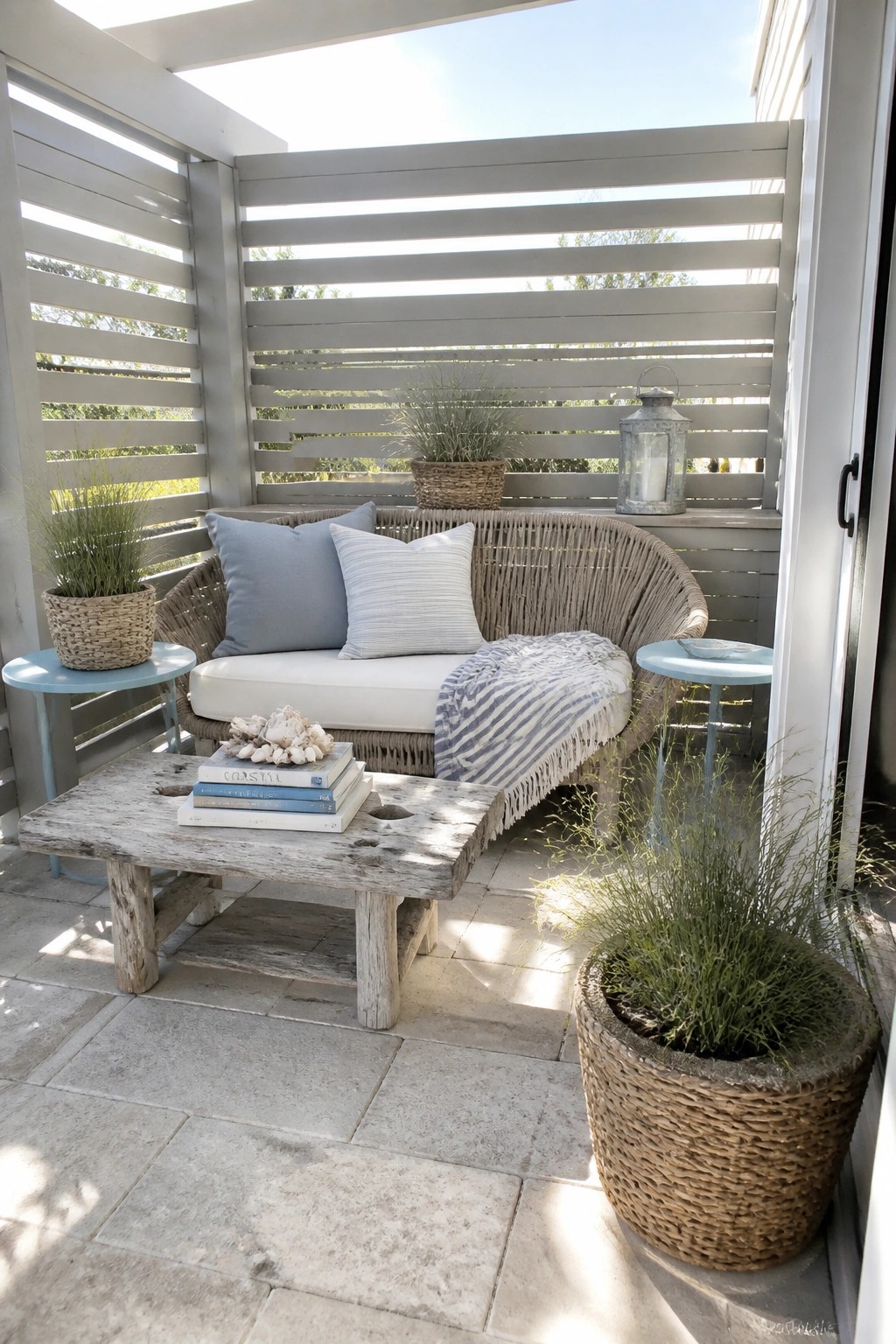
Many people like adding slatted screens around a patio because they block views from outside without making the space feel closed in. The horizontal lines let light and air through while giving a sense of enclosure.
This works well on side yards or back patios next to neighbors. Paint the screens to match the house trim so everything looks pulled together, and keep the rest of the furniture light so the area stays bright.
Slatted Screens Add Privacy Without Closing Things In

A tall slatted screen gives a patio real privacy while still letting light and air move through. The vertical lines break up the view from outside but keep the space from feeling boxed in, which works especially well on smaller or side-yard patios.
This approach suits homes where the outdoor area sits close to neighbors or a shared path. Mount the screen along the back edge or side wall, choose a dark or natural finish that matches the house, and keep plantings low in front so the screen stays the main feature.
Slatted Screens For Private Outdoor Spaces

Slatted screens give a patio that enclosed feeling without making it feel closed in. They block views from outside while still letting light and air move through, which keeps the space comfortable even on warm days. Many people like how the wood adds texture that works with plants and simple furniture.
This setup works well on smaller patios or side yards where neighbors are close. Place the screens along the edges that need the most cover and leave one side more open if you want an easy path to the rest of the yard. Darker wood tones tend to blend better with greenery than very light finishes.
Slatted Screens For A Quiet Patio Corner

Slatted screens work well when you want a patio to feel set apart without closing it off completely. The dark horizontal boards here create a solid boundary that blocks views from outside while still letting some light and air move through the space.
This approach suits small side yards or back corners where you need separation from neighbors or the rest of the yard. Keep the screens tall enough to reach eye level from a seated position and pair them with simple ground cover like gravel so the whole area stays low maintenance.
Slatted Screens Give Balconies Both Privacy And Greenery

A slatted screen like this one works well because it blocks the view from neighboring buildings while still letting light through. The open gaps keep the space from feeling closed in, and the dark wood adds a clean backdrop that makes the plants stand out.
Mount the screen along the side that needs the most cover and add simple shelves between the slats. Terracotta pots fit easily and let you change plants with the seasons. This setup suits small city balconies or upper floor patios where full walls would feel too heavy.
Slatted Walls For Private Patio Seating

A vertical slatted wall works well when you want to block views from neighboring yards without making the space feel closed in. The dark wood slats in this setup sit right behind the sofa, giving the fire pit area a sense of enclosure while still letting some light and air through.
This approach suits smaller urban patios or side yards where full fences would feel too heavy. Place the slats along the back or side of your seating zone and keep the rest of the space open so the fire pit stays the main focus.
Horizontal Slats For Patio Privacy

A row of horizontal slats along the back of a patio gives enough privacy to enjoy meals outside without feeling boxed in. The gaps let light and air pass through, so the space still feels open even when neighbors are close by.
This setup works best on smaller patios where a solid wall would close things off too much. It pairs well with a simple dining table and chairs, and it looks at home on most backyard layouts that already have some fencing or planting along the edges.
Slatted Screens For Patio Privacy
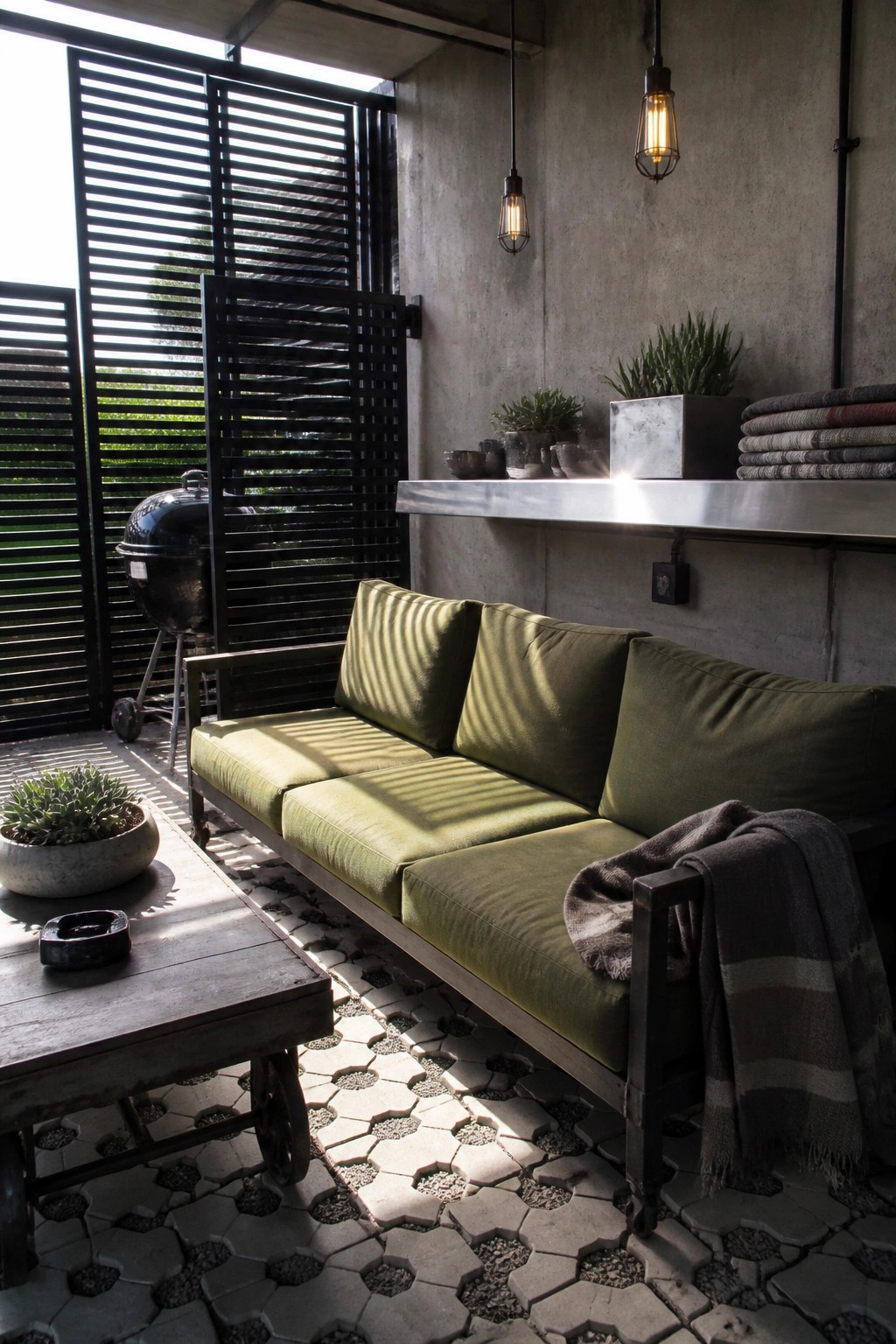
Slatted screens give a patio real privacy without turning it into a closed box. The gaps let light and air move through, so the space still feels open even when the screens sit right along the edge.
They work best on patios that face neighbors or a street. Mount a simple dark frame and let the slats run from floor to ceiling so the whole area feels defined but not shut in.
Slatted Screens With Climbing Vines

A simple slatted screen gives vines a structure to climb and creates a living wall that softens the edge of a patio. The gaps let in light and air while the plants fill in over time to block the view from outside.
This works best on small or narrow patios where you want privacy without a solid fence. Choose a sturdy screen and plant something vigorous like ivy or jasmine so it covers the slats within a season or two.
Slatted Screens for Private Patios

Vertical slat screens work well when you want to close off a patio without making it feel boxed in. The gaps between the boards let air move through and keep the space from feeling too heavy, while still giving solid privacy from neighbors.
They fit best on smaller side yards or corner lots where you need enclosure on two or three sides. Use a warm stain to tie them to any existing wood on the house, and keep the height consistent so the whole area reads as one defined space.
Slatted Screens For Simple Patio Privacy
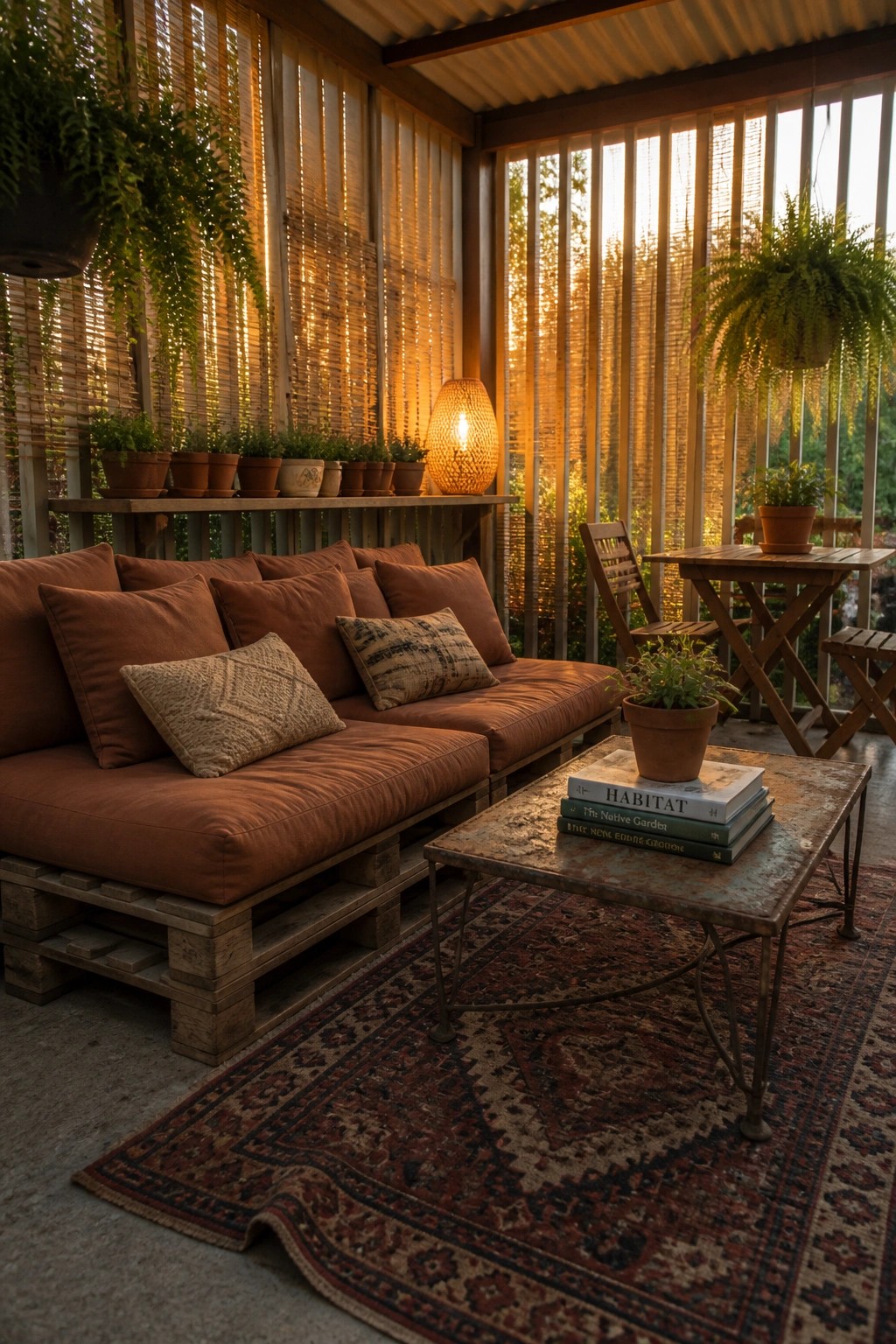
Vertical slats along the sides of a patio give a clear sense of separation without making the space feel closed in. They let light and air move through while blocking direct views from outside, which keeps the seating area more comfortable for everyday use.
This works best on a covered patio or deck that sits near a property line or shared space. Use natural wood or bamboo slats in a similar tone to the surrounding structure so the screen blends in rather than standing out as a separate feature.
Slatted Screens For Patio Privacy

Horizontal slatted screens give a patio a clear boundary without shutting out the light or air. They block the view from outside while still letting the space feel open and connected to the yard.
This approach works best on pool decks or larger patios where you want some separation from neighbors. Keep the rest of the area simple with low furniture and a few potted plants so the screens stay the main feature.
Enclose Your Patio With Slatted Privacy Screens
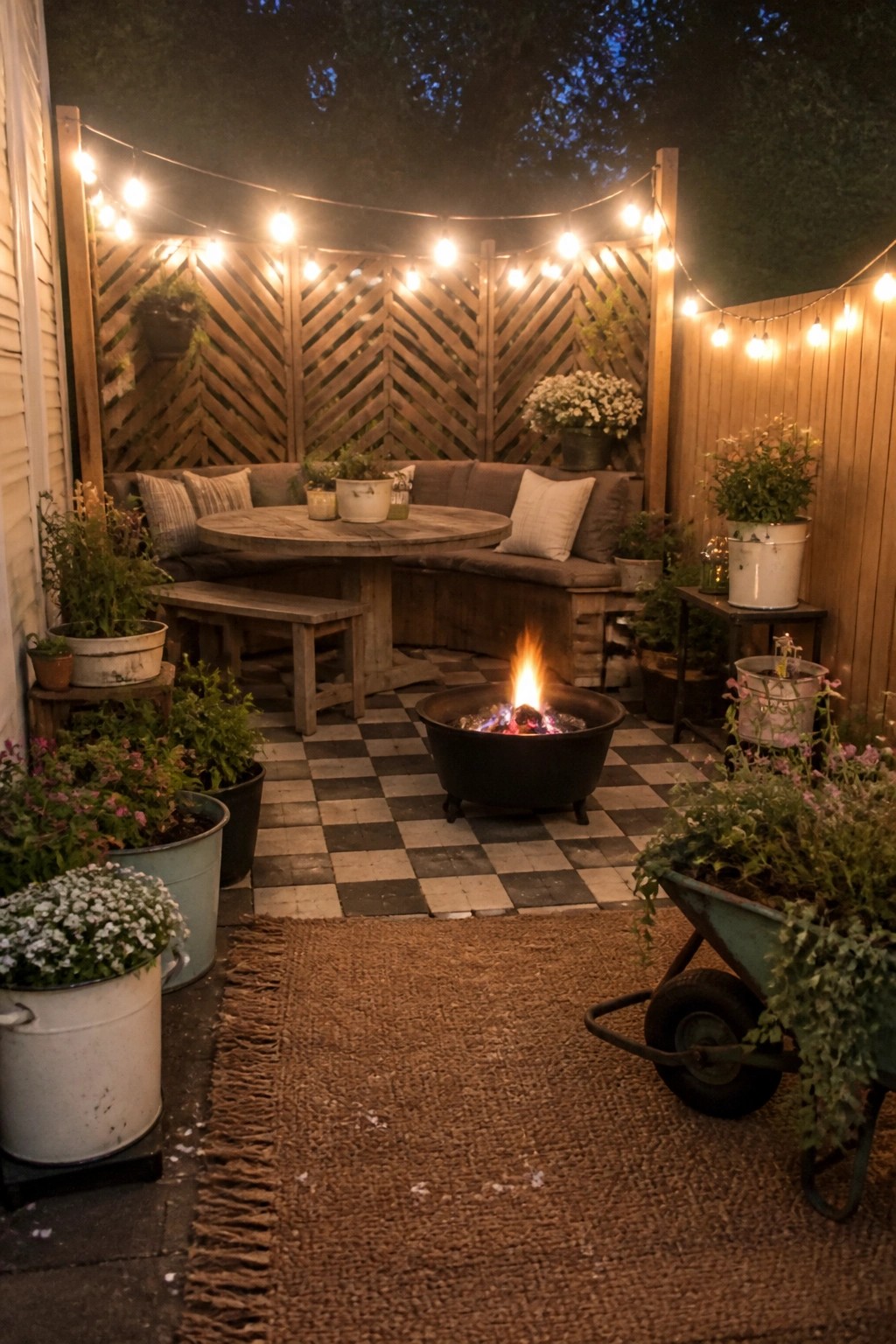
Slatted wood screens give a patio real privacy without making it feel boxed in. The gaps let air move through and keep the space from turning stuffy, while the solid sections block the view from outside. This kind of fence works especially well when you want the patio to feel like its own room rather than just an open slab.
It suits smaller yards or homes close to neighbors where a full wall would look too heavy. You can run the screens along one or two sides and leave the rest open toward the house or garden. The wood can be left natural or stained to match existing decking or trim, and the pattern of the slats adds a bit of interest without extra decoration.
Slatted Screens For Side Privacy
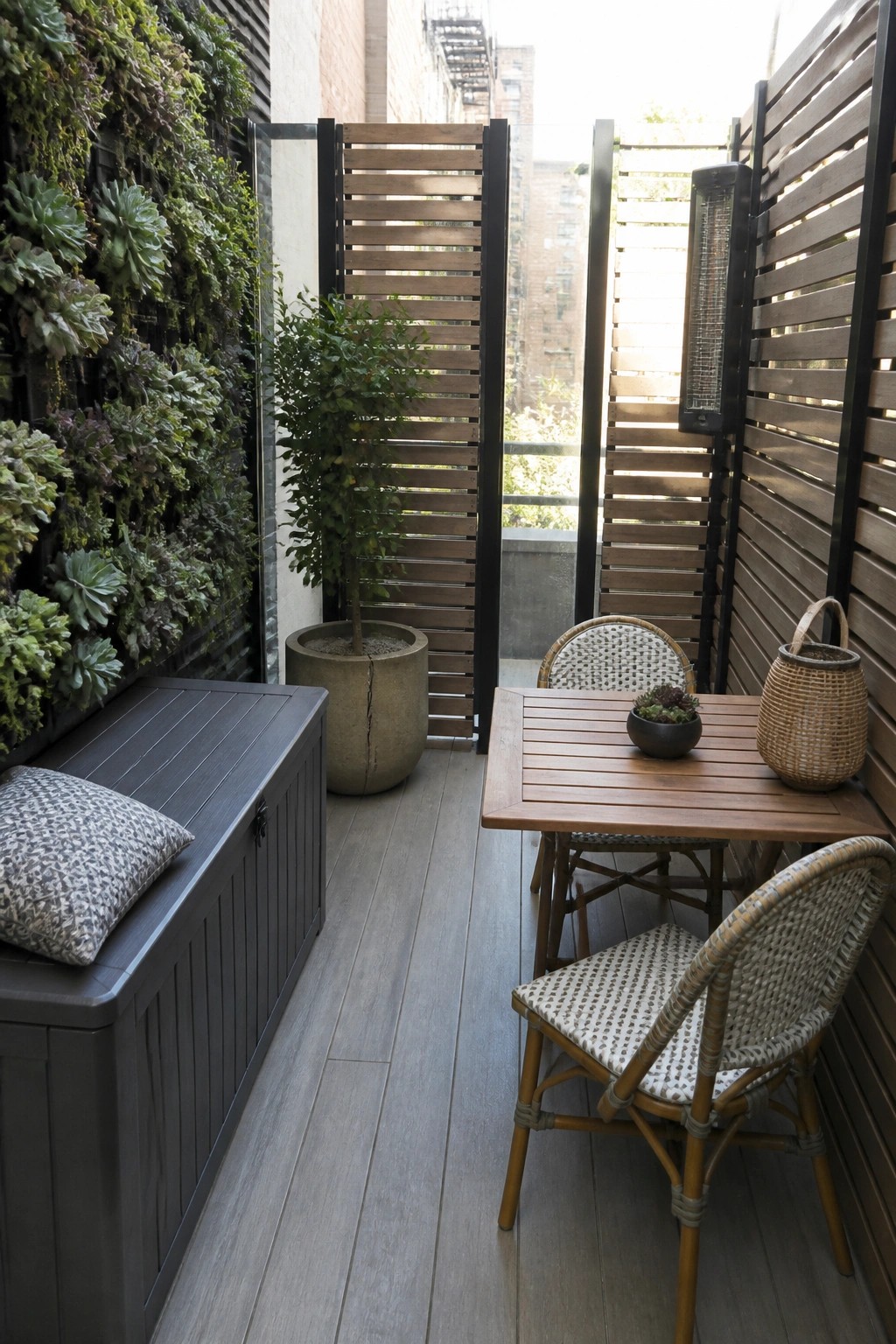
Many small patios sit too close to other units or walkways, which makes them feel exposed. Slatted screens solve this by blocking the direct line of sight while still letting light and air move through the gaps.
They work best on narrow balconies or side patios where full walls would feel too heavy. Place them along the longest open sides and keep the rest of the space simple so the screens do the main job of creating a private zone.
Slatted Screens For Patio Privacy

Many people turn to horizontal slat screens when they want privacy on a patio without making it feel boxed in. The open gaps let light and air through while still cutting off direct views from outside.
This approach works best on smaller yards or side patios where full walls would feel too heavy. Run the screens along the back and one side, then keep the rest of the space open with low planting so the area stays bright during the day.
Slatted Screens For Private Outdoor Cooking

A slatted screen gives an outdoor kitchen a clear sense of privacy without making the space feel closed in. It blocks the view from nearby homes or the street while still letting light and air move through the gaps.
This works best on patios that sit close to other yards or face a side street. Set the screen behind the counter and grill so the cooking area feels more contained. Use weather-treated wood and keep the height just above eye level for the best balance.
Slatted Screens With Vertical Planting

Wood slat screens work especially well when you add plants right behind them. The slats give structure and some privacy right away, while the greenery fills in the gaps over time and softens the look. This approach keeps the patio from feeling boxed in the way a solid fence would.
It works best along the back or side of a small patio where you already have soil or planters at the base. Use a dark fabric or mesh behind the slats to support climbing vines or ferns, and choose plants that match the light conditions in your yard.
Slatted Screens For Poolside Privacy

Slatted screens work well when you want to close off a pool area without making it feel boxed in. The horizontal lines let some light and air through while still blocking views from outside, which keeps the space private but not dark.
This setup suits homes with a pool deck or small backyard where you need screening on one or two sides. Dark slats pair cleanly with light paving and simple furniture, and they hold up in weather without much upkeep. Just make sure the spacing between the slats matches how much privacy you actually need.
Slatted Screens For A Private Patio Corner

Slatted screens work well when you want to close off part of a patio without making it feel boxed in. They let some air and light through while blocking the view from outside, which keeps the space feeling open but still sheltered. In this setup the dark green slats line the back wall and pair with the overhead pergola to create a quiet spot for the table and chairs.
This approach suits smaller yards or side patios where you need separation from neighbors or the street. Place the screens to form two or three sides around a seating area, then add simple lighting like lanterns so the space stays usable after dark. Avoid painting them too light if you want the enclosure to feel cozy rather than stark.
Slatted Screens Create Private Patio Space
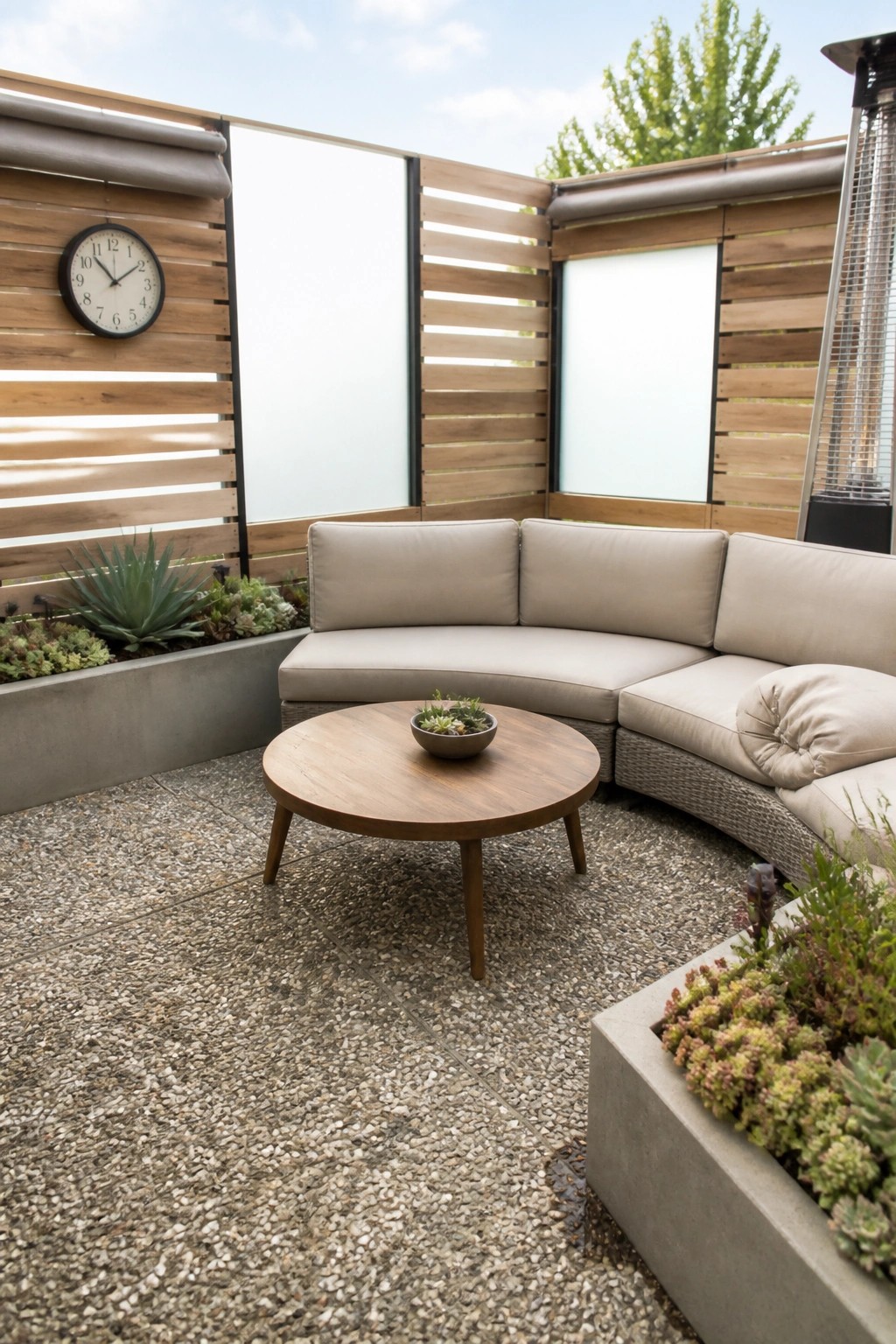
Slatted screens give a patio real privacy without making it feel closed in. The horizontal wood slats let light and air move through while cutting off views from nearby windows or streets, which helps the space feel more like an outdoor room.
This setup works best on smaller patios or side yards where you need separation but still want an open feel. Match the screen material to your fence or decking so the whole area reads as one simple space.
Frequently Asked Questions
Q: How close do the slats need to sit to keep prying eyes out?
A: Aim for gaps of about an inch. Stand on the other side and adjust until the view disappears. Wider spaces work only if the screens angle away from the line of sight.
Q: Should I use screws or nails to attach everything?
A: Screws hold better over time since wood swells and shrinks. Drive them in at an angle for extra grip. Nails pop out too easily after a season or two.
Q: What happens if I want to move the screens later?
A: Build them as freestanding panels with feet. That way you lift and shift them without tearing up posts. Just add weights at the base so wind does not tip them over.
