


Gravel underfoot tends to settle differently once chairs and tables move around on it week after week.
I have noticed that some backyard seating areas end up ignored because the surface stays damp or shifts underfoot after rain.
Usability shows up faster than any photo suggests.
A few of these layouts make me want to test a narrow gravel strip first near an existing deck before spreading it wider.
That way the seating stays reachable without turning the whole yard into a project that needs constant raking.
Gravel Makes An Informal Patio Base

Gravel gives a patio a relaxed surface that feels natural underfoot and handles foot traffic without looking too finished. It drains well after rain and needs very little maintenance beyond the occasional raking.
This approach works best in backyards where you want seating that stays casual rather than formal. Use it with simple wooden chairs and a low table to keep the whole area feeling open and easy to use.
Gravel Works Well For Informal Seating Areas
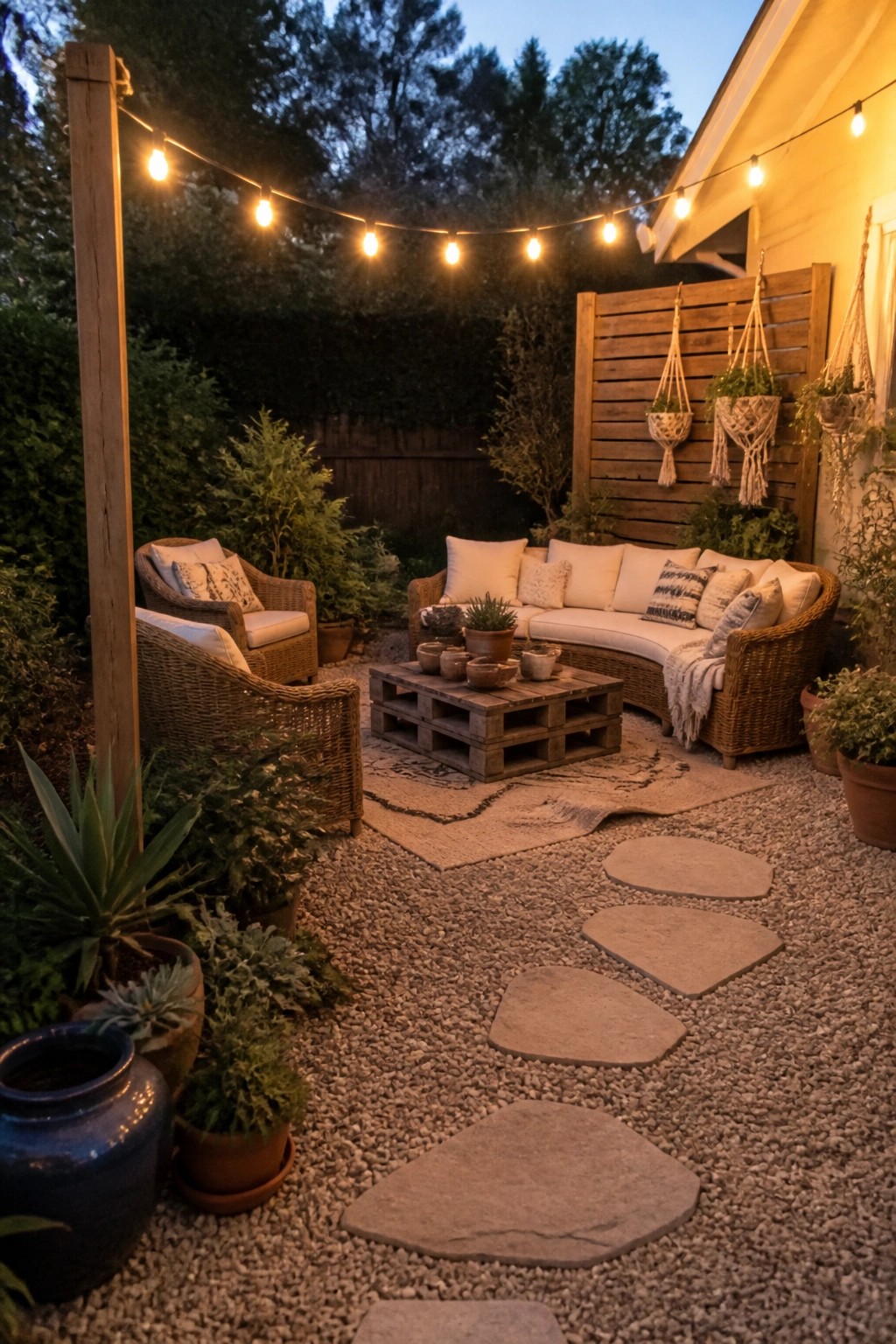
Gravel gives a patio an easy, low-key look that fits right into a backyard without a lot of fuss. It drains quickly after rain and stays cooler than hard surfaces, so people tend to use the space more often.
A few stepping stones can keep the gravel from feeling too loose underfoot while still leaving the overall layout simple. This approach suits smaller yards or homes that want seating that blends into the garden instead of creating a big separate zone.
Gravel Gives a Patio an Easygoing Feel

Gravel works well when you want outdoor seating that feels relaxed instead of formal. It creates a soft surface underfoot that handles foot traffic without looking too polished, and it pairs naturally with simple modern chairs and a long built-in bench.
This approach suits smaller yards or homes that already have concrete walls or planters. Just make sure the gravel layer sits level and stays contained so it does not spill onto nearby grass or paths.
Gravel Keeps Fire Pit Seating Casual

Gravel works well when you want a fire pit area that feels relaxed instead of planned out. It drains quickly after rain, settles into the yard without looking too neat, and lets you move seats around without worrying about fixed surfaces.
This approach suits smaller backyards or homes that want low upkeep. Lay the gravel, build a simple stone ring for the fire, and add a few tree stumps or benches. The space stays usable without constant weeding or sweeping.
Gravel Gives Patios a Relaxed Feel

Gravel works well when you want seating that feels casual rather than fixed in place. It lets you move chairs around easily and keeps the whole area from looking too formal. The surface also drains well and stays cooler than solid paving in warm weather.
This approach suits homes that already have dry or low-water gardens. Just add a simple border to hold the gravel in and choose sturdy outdoor furniture that can sit directly on it. Keep the layout open so the space can handle a few extra seats when people drop by.
Gravel Suits Casual Outdoor Seating Areas
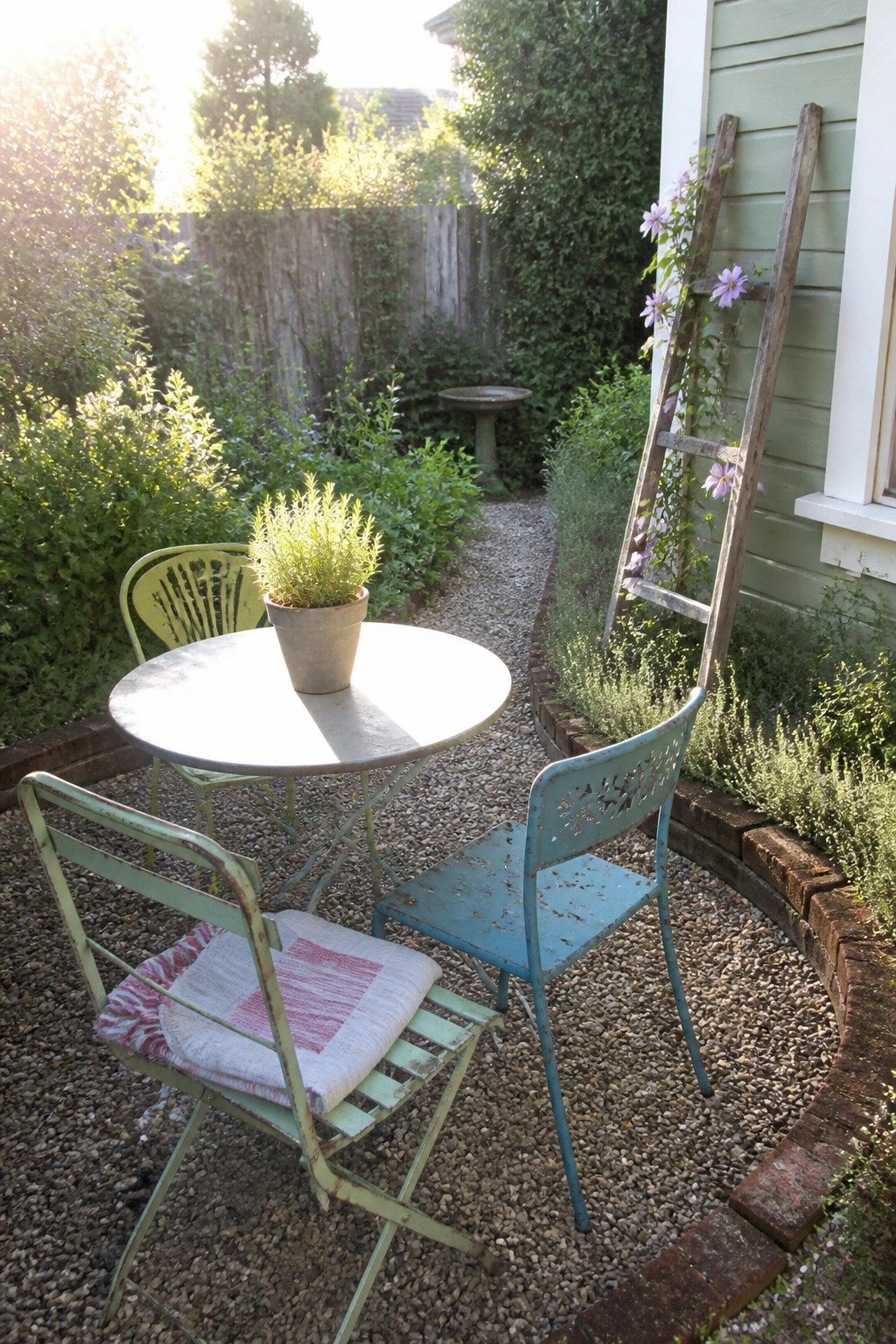
Gravel gives a patio an easy relaxed feel without needing much construction. It drains well after rain and lets you move furniture around without worrying about a hard surface underneath. Many people like how it blends into the garden instead of creating a sharp edge.
This works best in smaller side yards or spots right next to the house where you want simple seating that does not feel permanent. Use lightweight metal chairs so they sit steady on the loose surface and add a cushion or two for comfort during longer use.
Gravel Keeps a Patio Feeling Casual

Gravel works well when you want outdoor seating that does not feel too formal. It gives the space a soft, natural surface that blends into the garden instead of standing out like pavers or concrete.
This approach suits homes with views or surrounding greenery. Keep the gravel layer even, add a low border to hold it in place, and place a simple built-in bench along one edge so the seating stays comfortable without looking planned.
Gravel Patio With A Fire Pit

Gravel creates a simple base for an outdoor seating area that does not feel too formal. It settles into place quickly, drains well after rain, and gives the space an easy, relaxed look that works with a fire pit at the center.
This approach suits smaller backyards or side yards where a full deck would feel heavy. Spread a thick layer of gravel, set the fire pit on top, and keep the furniture low and simple so the whole spot stays casual and low maintenance.
Stepping Stones Across Gravel

Gravel makes a good base for a patio because it feels soft underfoot and handles rain without pooling. Adding stepping stones turns the surface into a simple path that guides people through the space without needing a solid floor.
This works best in smaller yards or side gardens where you want seating that does not feel too formal. Keep the stones spaced evenly so the walk stays comfortable and the gravel stays in place around them.
Gravel Makes Casual Outdoor Seating Easy

Gravel gives you a simple surface that feels relaxed without much work. It drains well after rain and lets you set up tables and chairs quickly in a backyard that does not need a full paved patio.
Place the seating area near the house so the space feels connected to daily life. A few string lights overhead and a mix of chairs around a long table keep things informal while still usable for meals or just sitting outside.
Gravel Keeps Patio Seating Feeling Casual

Gravel is a good choice when you want an outdoor seating spot that does not feel too finished or stiff. It sits low to the ground, drains well, and lets the furniture look like it belongs in the garden rather than on a hard surface.
This approach works best in backyards where the seating is used for everyday relaxing rather than formal gatherings. A simple layer of gravel holds up fine under foot traffic and pairs easily with basic seating and a few large pots.
Gravel Works Well For Casual Outdoor Seating

Gravel gives a backyard seating area an easy, relaxed feel without looking too finished. It settles into the space naturally and handles rain and foot traffic without much fuss.
This approach suits homes with trees or garden edges nearby, where a hard surface would feel out of place. Keep the furniture simple and add a low wall or border if you want to define the spot without closing it in.
Gravel Creates a Simple Base for Outdoor Chairs

Gravel gives a backyard seating spot an easy, relaxed feel without any hard edges or formal paving. It settles into the garden setting right away and needs very little upkeep once it is down.
Place a pair of wooden chairs and a small table directly on the gravel so the whole area stays open and casual. This works well in a fenced yard where raised beds already define the space and you want seating that feels like part of the garden rather than a separate room.
Gravel Patterns That Define Seating Areas

Many people like the way gravel lets you create a relaxed patio without pouring concrete or laying pavers. Using a darker gravel to mark out a clear rectangle under the seating keeps the area feeling casual but still organized so the furniture does not just sit on an open stretch of ground.
This works best in backyards that already lean toward low maintenance and informal use. It suits homes where you want seating that can shift around later without needing to redo a hard surface. Keep the two gravel sizes and colors distinct so the pattern stays readable over time.
Gravel Suits Informal Backyard Seating

Gravel works well when you want an outdoor seating spot that feels relaxed without much effort. It settles naturally into the yard, drains easily, and does not require the level surface needed for pavers or concrete. The result is a casual area that still feels intentional.
Place it where you already spend time outdoors and keep the furniture simple, such as a low bench and a couple of chairs. Add a few stepping stones if you want a clearer path across the gravel, especially in areas that get frequent use.
Curved Bench Around the Fire Pit

A curved bench built into the edge of a gravel patio gives the space a settled feel without making it look too formal. It creates one main seating area that faces inward toward the fire, so people naturally gather instead of spreading out in separate chairs.
This works best in smaller or mid-sized yards where you want steady seating that does not need constant rearranging. Stone or concrete holds up well against the gravel and weather, and adding simple cushions makes it comfortable for longer evenings.
Gravel Keeps A Patio Feeling Informal

Gravel gives an outdoor seating area a relaxed look without much effort. It feels softer underfoot than stone or concrete, and it lets you arrange chairs and benches in a loose way instead of locking everything into a rigid layout. The mix of a built-in bench along one wall and a couple of lightweight chairs works especially well on this kind of surface.
This approach suits smaller backyards or side yards where you want seating without building a full deck. It also handles uneven ground better than pavers, though you will need to rake it now and then to keep it looking tidy. Stick with neutral furniture and simple plants so the gravel stays the main feature.
Gravel Keeps Outdoor Seating Casual

Gravel works well as a base for informal backyard seating because it feels softer and more relaxed than solid paving. It lets you arrange a table and chairs without needing perfect edges or a formal layout, and the surface blends right into the surrounding plants.
Place a round table in the center with a few lightweight chairs around it, and add a simple bench along one wall if space allows. This approach suits smaller yards or homes that want low maintenance without giving up a spot for meals or conversation.
Gravel Makes a Casual Patio Base
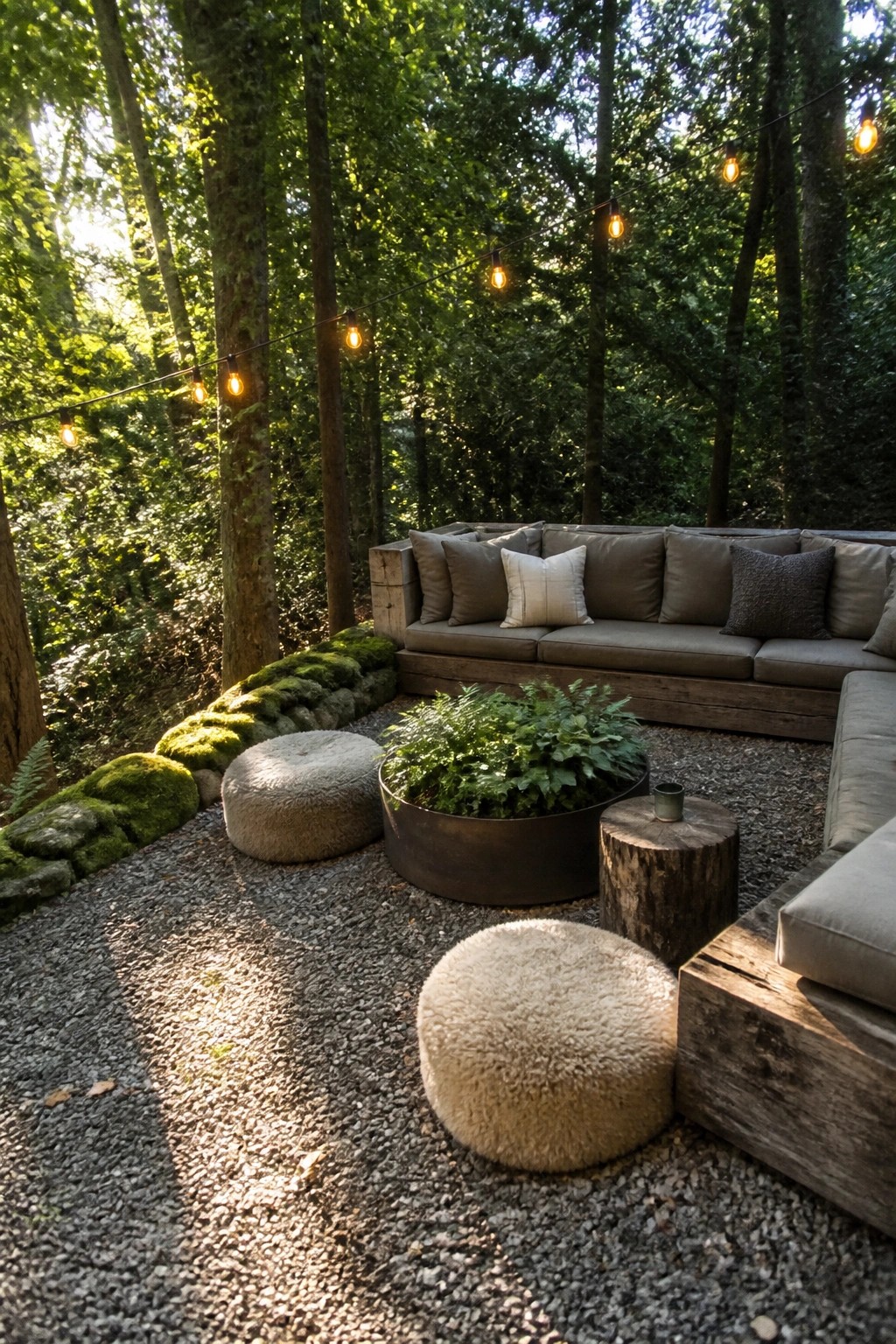
Gravel works well when you want an outdoor seating area that feels relaxed instead of built up. It settles into the site without a solid surface, drains easily, and lets you change the furniture layout whenever you like.
This approach suits wooded backyards and informal homes best. Lay down a weed barrier first, then add low seating and a few simple planters so the space stays open and easy to maintain.
Gravel Creates A Casual Outdoor Seating Spot

Gravel underfoot changes how a patio feels right away. It looks softer than concrete or stone and lets water drain without any extra work.
This approach suits rooftops and small yards where you want seating that does not feel too planned. Place modular pieces on the gravel and add a rolling cart for drinks so the whole setup stays flexible.
Frequently Asked Questions
Q: How do I keep the gravel from spreading into the grass around the edges? A: Install a simple border of wood or stone right after you lay the base. Push the gravel up against it so it stays contained even with regular use. This setup holds the shape without extra fuss most of the season.
Q: Will my outdoor chairs sink or tip on the loose gravel? A: Choose seats with wide feet or add small wooden pads underneath each leg. The pads spread the weight so the chairs stay level during normal sitting and moving around. Test one chair first before setting up the whole area.
Q: What keeps weeds from taking over the gravel after a few months? A: Put down landscape fabric before adding the gravel layer. Pull any sprouts by hand as soon as you spot them since they come out easily in loose stone. A three-inch depth of gravel also blocks most new growth on its own.
