

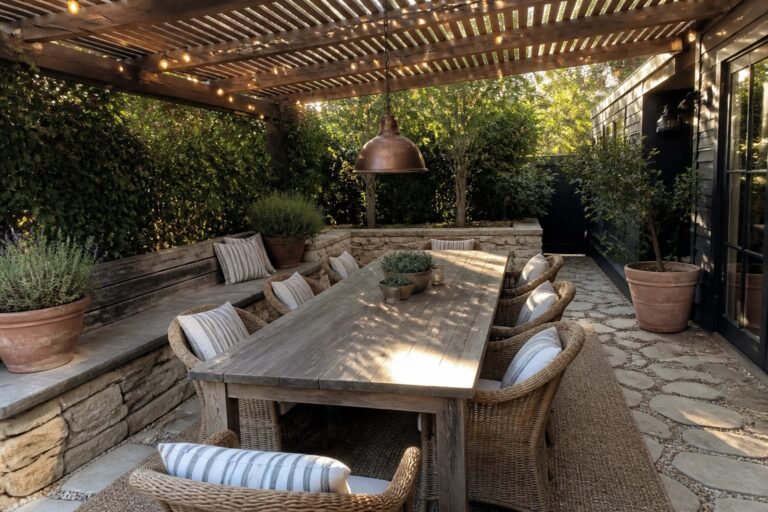
I have noticed that pergolas often end up either too open or too enclosed once they sit over a real patio for a season or two.
When I plan changes to my own backyard space the main question is always whether we will actually use the area once the sun hits it midafternoon.
Partial shade changes everything.
I tried one simple slatted version last year and found it kept the concrete from getting too hot while still letting enough light reach the plants along the edge.
That experience made me pay closer attention to designs that leave room for airflow and easy adjustments rather than fixed full cover.
Slatted Pergolas for Partial Shade
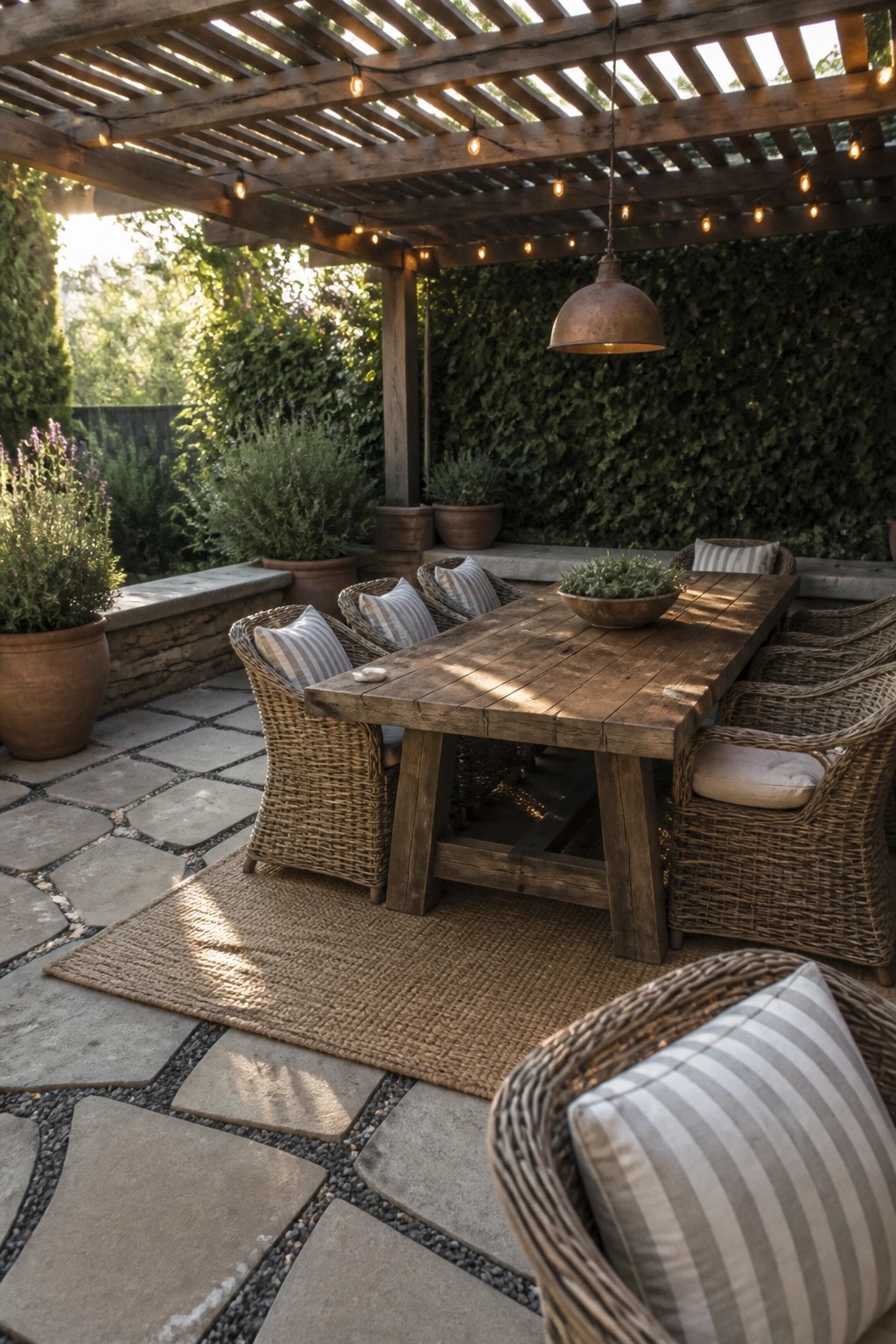
A pergola with wide spaced slats on top gives just enough cover to cut the harsh sun while still letting some light through. This setup works well over a dining table because the shade stays soft instead of turning the space dark.
It suits most patios that get strong afternoon sun and pairs easily with simple string lights for later in the day. Keep the slats at least a few inches apart so air can move and the area does not feel closed in.
Add a Fabric Canopy for Pergola Shade

A fabric canopy stretched over a simple metal frame gives you solid partial shade without turning the patio into a dark cave. It cuts the harshest sun while still letting some light through, which makes the space usable during the middle of the day.
This setup works best on smaller urban patios or side yards where a full solid roof would feel heavy. Choose a weatherproof fabric that can be taken down or rolled if you want more sun in cooler months.
Hang Sheer Curtains For Adjustable Shade
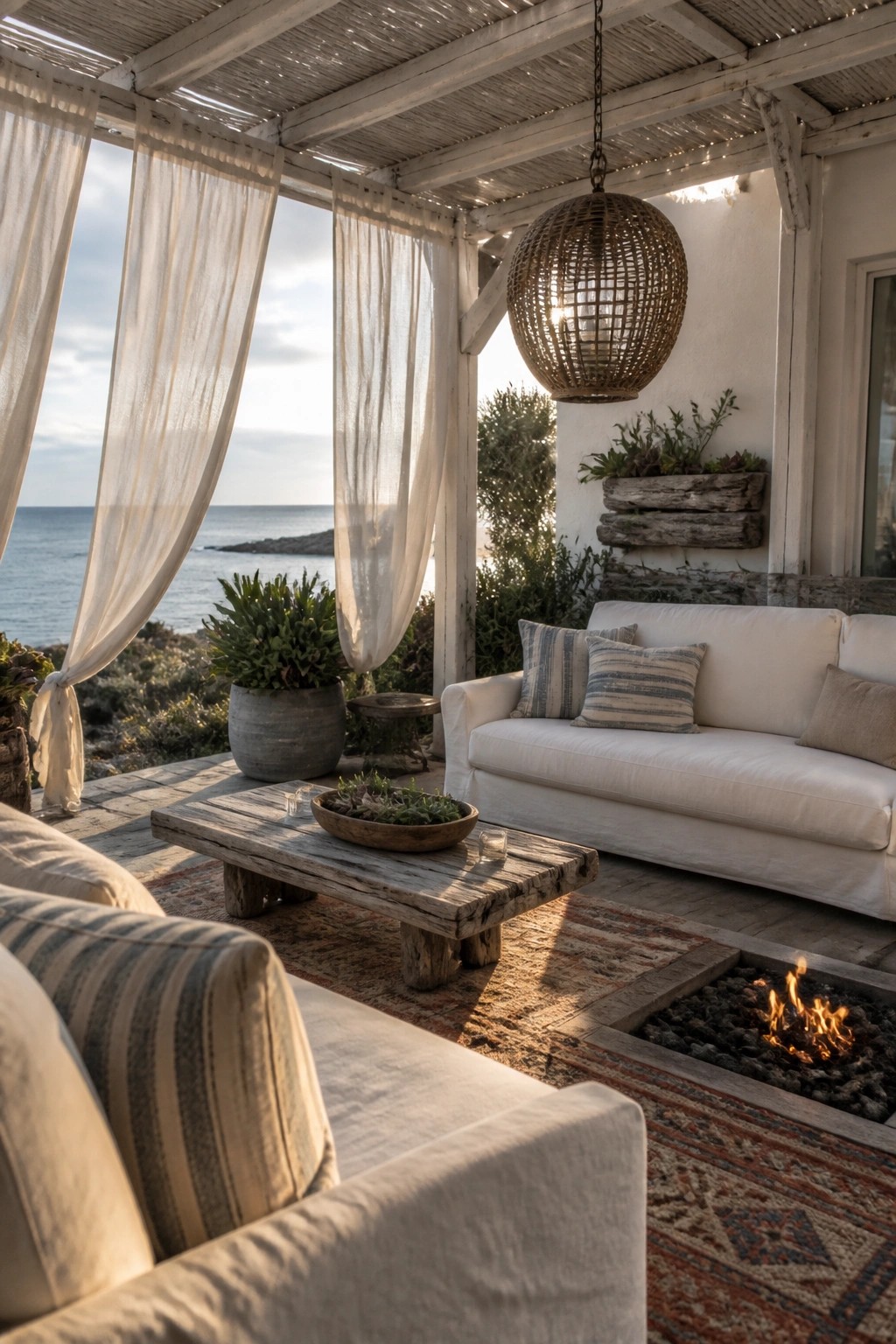
Sheer curtains on a pergola let you fine tune how much sun comes through without losing the open feel. They soften strong light during the middle of the day while still letting in enough brightness to keep the space usable.
This setup works best on patios that get direct sun for several hours. Tie the panels back when you want more light or draw them across when the glare gets strong. It suits homes in warm or coastal areas where full shade would feel too closed in.
Grow Vines Over A Pergola For Natural Shade

Vines on a pergola give you shade that changes with the seasons and feels softer than a solid roof. The leaves let some light through while blocking the harshest sun, which makes the space usable even in the middle of the day.
This approach works best on a patio that already has a sturdy wood frame and gets plenty of sun. Plant something fast growing like grapes or wisteria, and give the vines a few seasons to fill in. Check the weight on the beams as the plants mature so the structure stays safe.
Slatted Pergola Roofs for Partial Shade
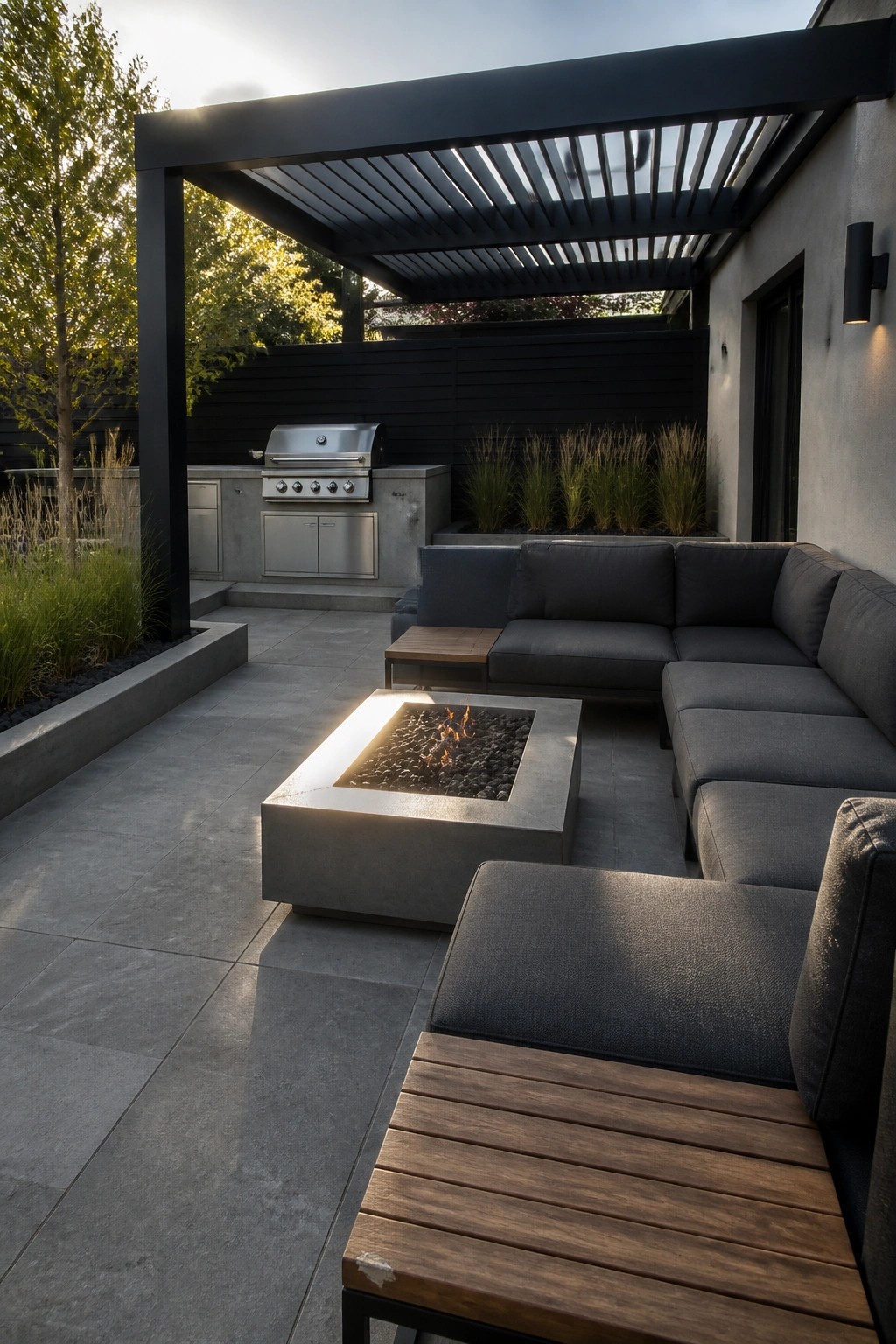
A slatted pergola roof works well when you want shade without blocking all the light. The gaps let some sun through during the day while still cutting the strongest rays, which makes the space comfortable for longer stretches even in warmer months.
This setup works best on patios that already have a fire pit or seating area in the center. Keep the structure simple and dark so it blends with the rest of the yard instead of overpowering it.
Woven Pergola Roofs for Gentle Shade

A woven roof on a pergola gives just enough cover without blocking all the light. The material lets some sun through in a soft pattern, which keeps the space from feeling closed in while still cutting the heat.
This works best over a seating area in warm climates. Keep the furniture low and add a rug underneath so the whole spot feels like an outdoor room rather than a fully shaded deck.
Slatted Pergola For Partial Shade
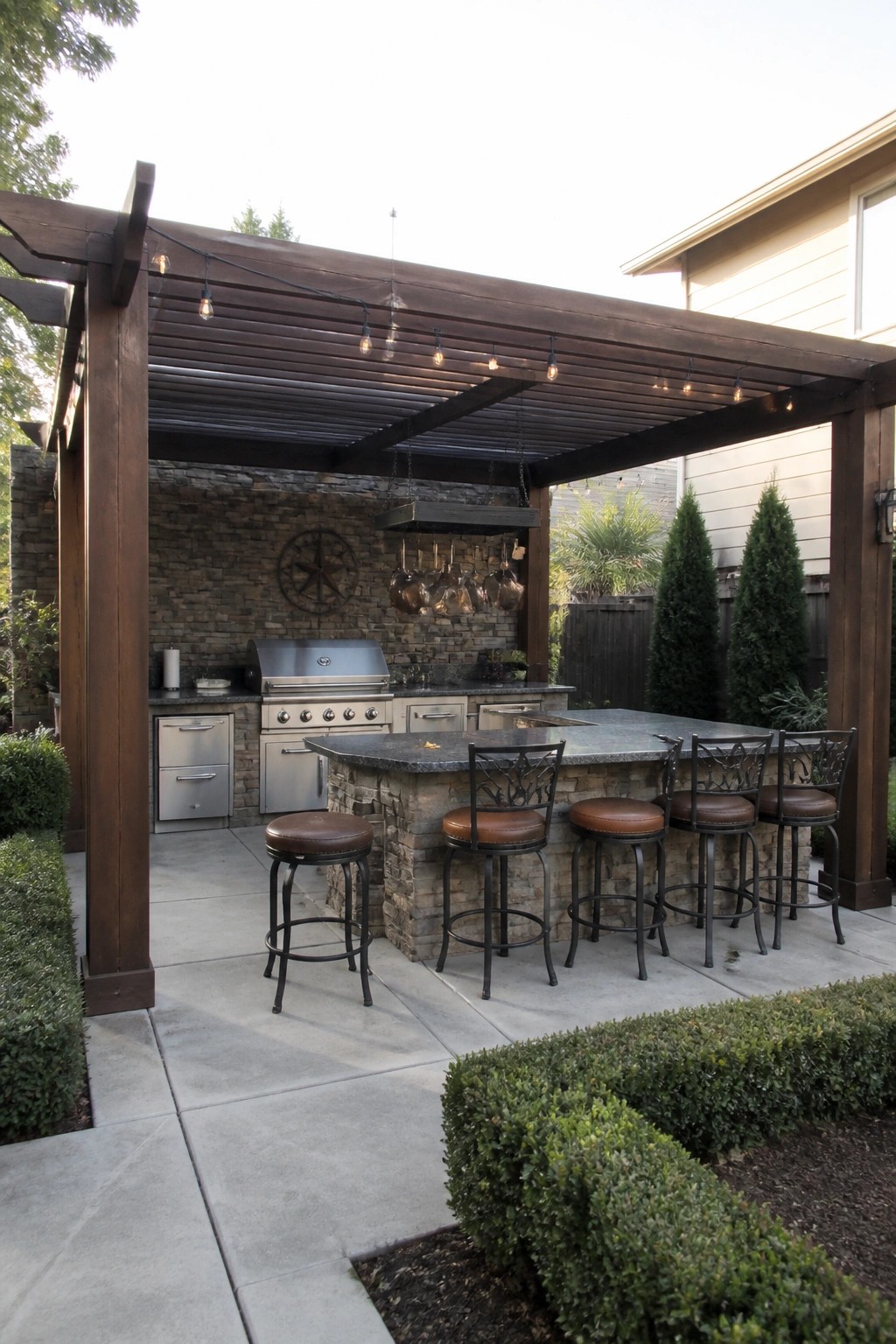
A pergola with a slatted roof gives you useful shade without blocking all the light. The gaps between the boards let some sun through, which keeps the space from feeling too dark while still making it comfortable to sit or cook during the day.
This works best over an outdoor kitchen or bar area where you want protection from the strongest rays but still need some natural light. It suits most backyard patios and pairs well with simple string lights for use in the evening.
Pergola Shade For Poolside Seating
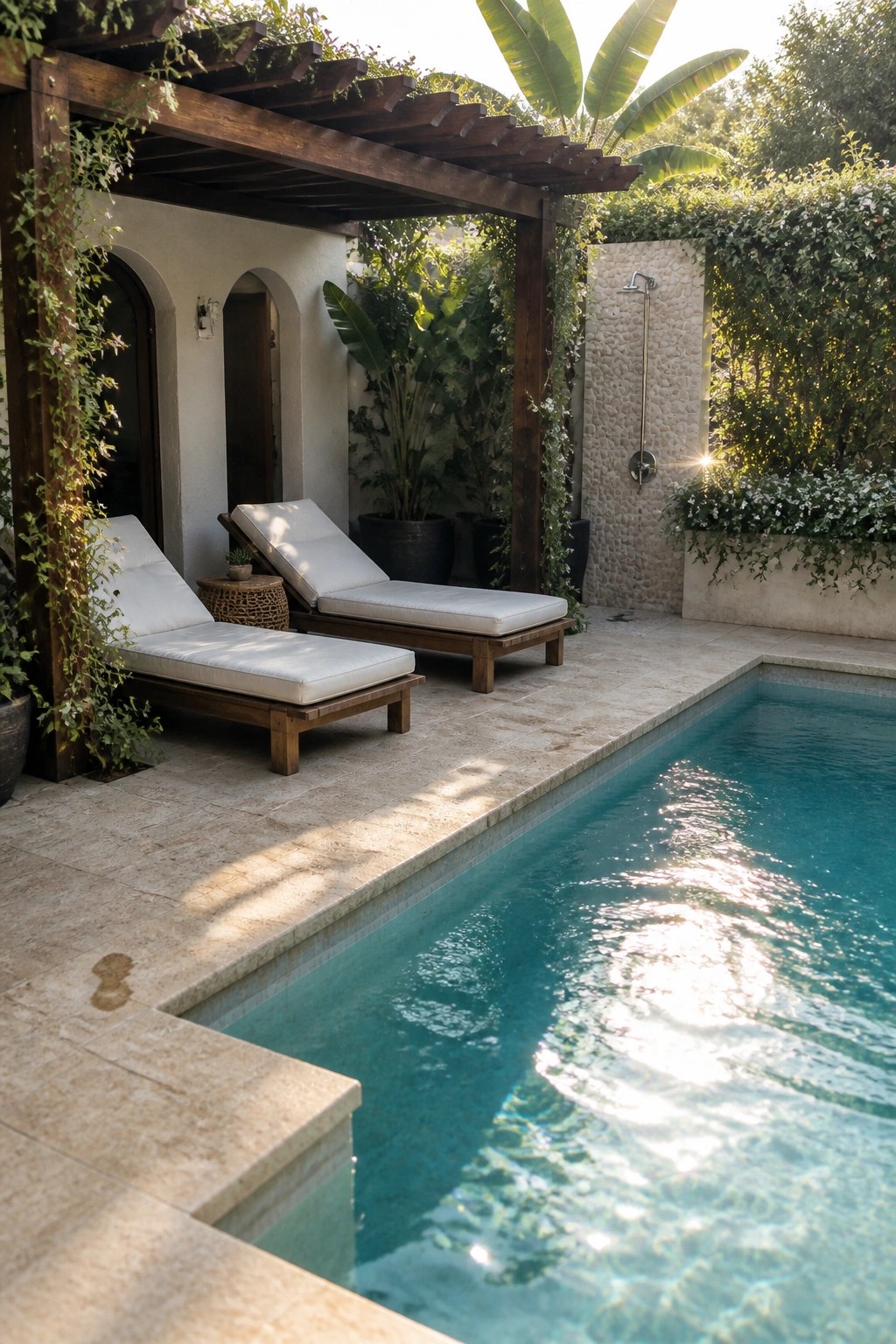
A pergola over lounge chairs next to the pool gives steady partial shade without blocking the open feel of the space. The slatted roof filters sunlight into soft patterns and keeps the seating usable even in bright afternoons.
This works best on homes where the pool area is already paved and you want a simple way to mark a resting spot. Use a basic wood frame and let vines grow along the sides if you want extra greenery without adding full cover.
Open Beam Pergola For Partial Shade
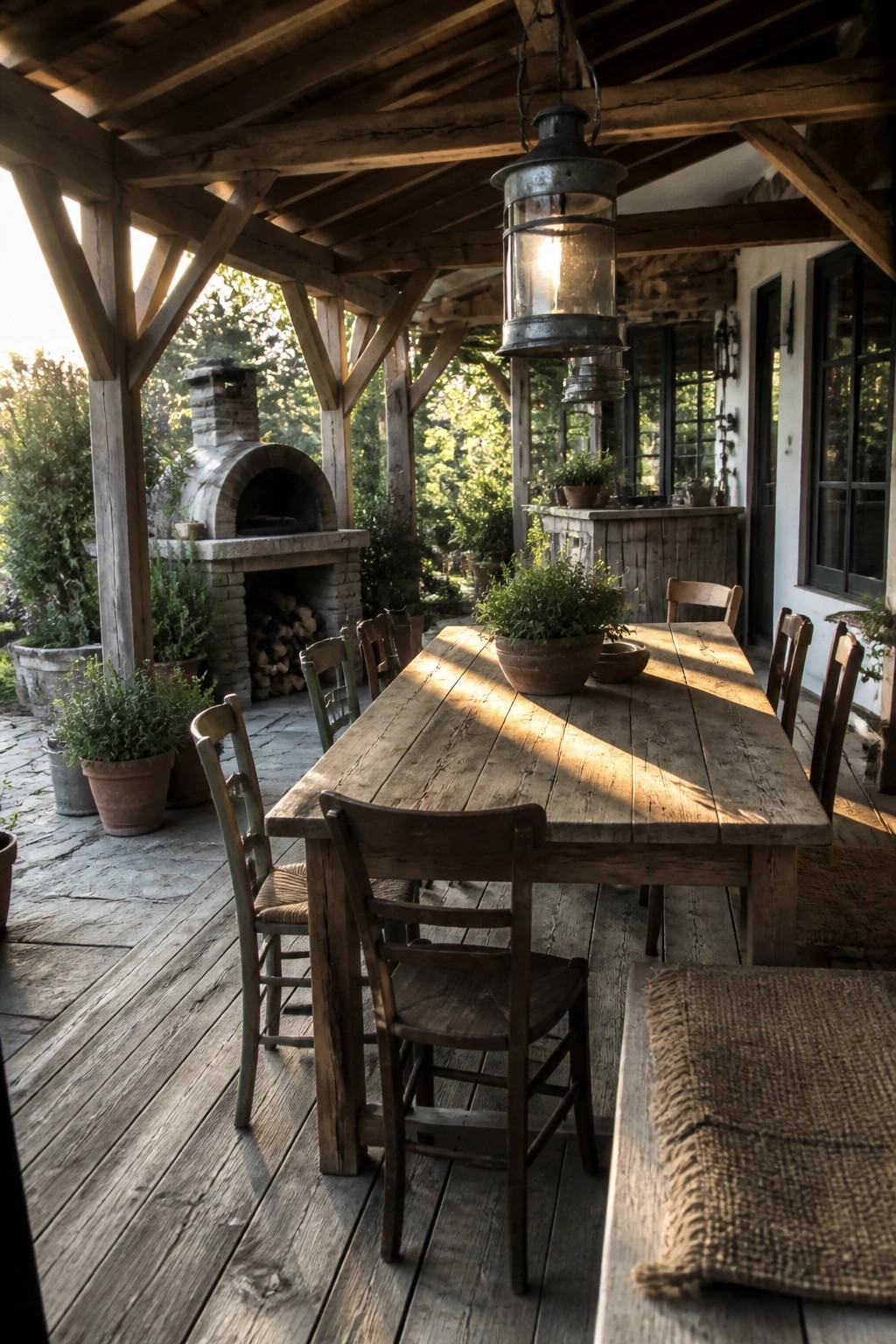
A pergola built with spaced wooden beams gives partial shade without making the space feel closed in. The gaps let sunlight filter through in soft streaks, which keeps the dining area usable even on bright days while still offering some relief from direct heat.
This works best on patios that sit right off the house and get used for meals. Build the structure over the table only, leave the sides open, and choose a wood that can handle weather. It pairs especially well with outdoor kitchens or ovens nearby since the light stays usable for cooking and gathering.
Pergola Shade Over Gravel Patios
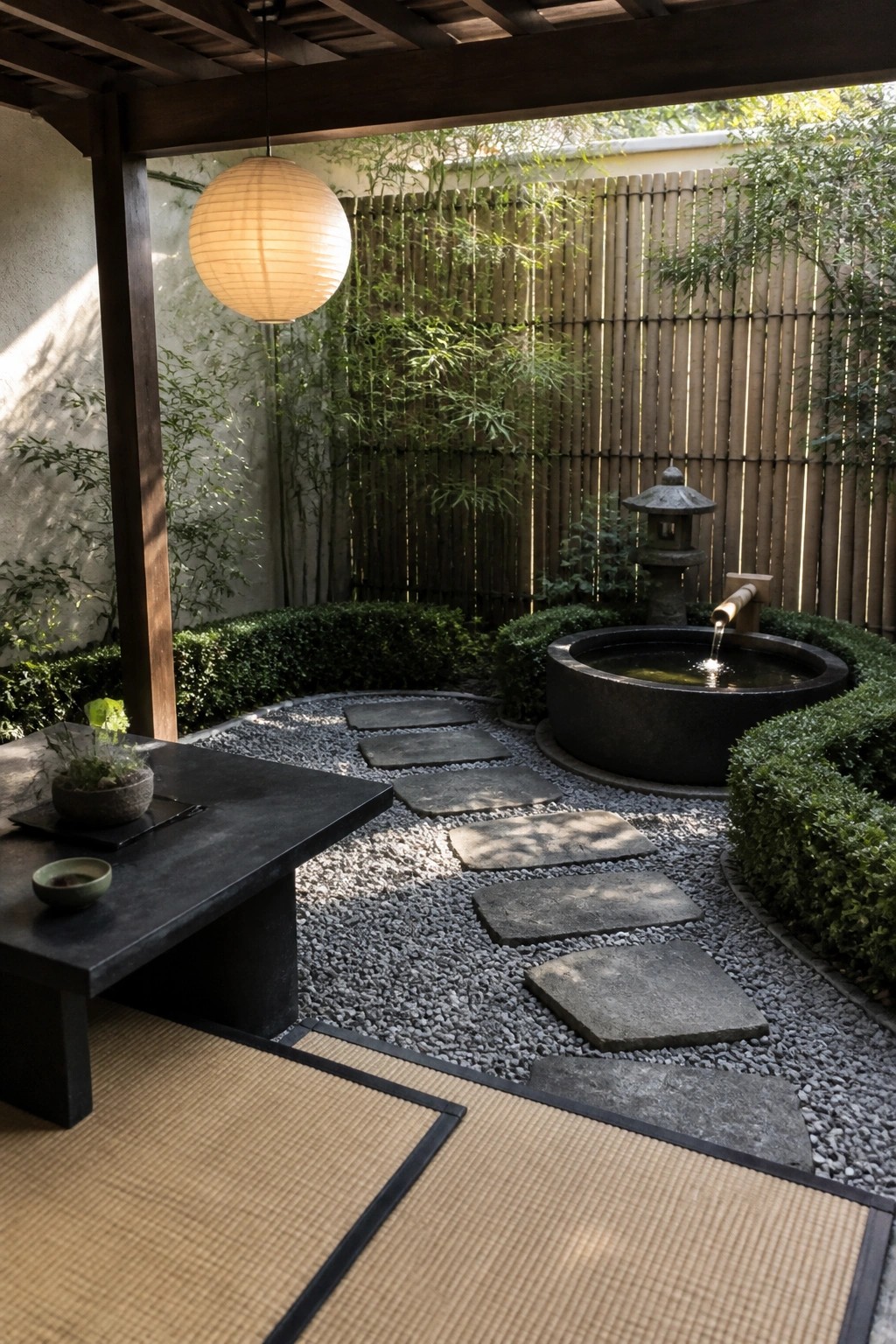
A pergola with open beams works well when you want some cover without blocking all the light. The wood structure here lets sunlight come through in patches, which keeps the space from feeling closed in while still giving relief from direct sun during the day.
This setup suits homes with smaller backyards or side yards where you want a defined area for sitting without adding a full roof. Keep the beams spaced wide enough for light to filter through, and pair it with gravel or stepping stones so the ground stays practical in different weather.
Cover a Pergola with Vines for Partial Shade

A pergola covered in vines creates soft, filtered shade that feels more natural than a solid roof. The leaves let in some light while still keeping the area comfortable on sunny days.
This setup works best on patios that get strong afternoon sun. Choose a sturdy frame and pick vines that suit your climate so the coverage stays full without too much upkeep.
Pergola With a Translucent Roof
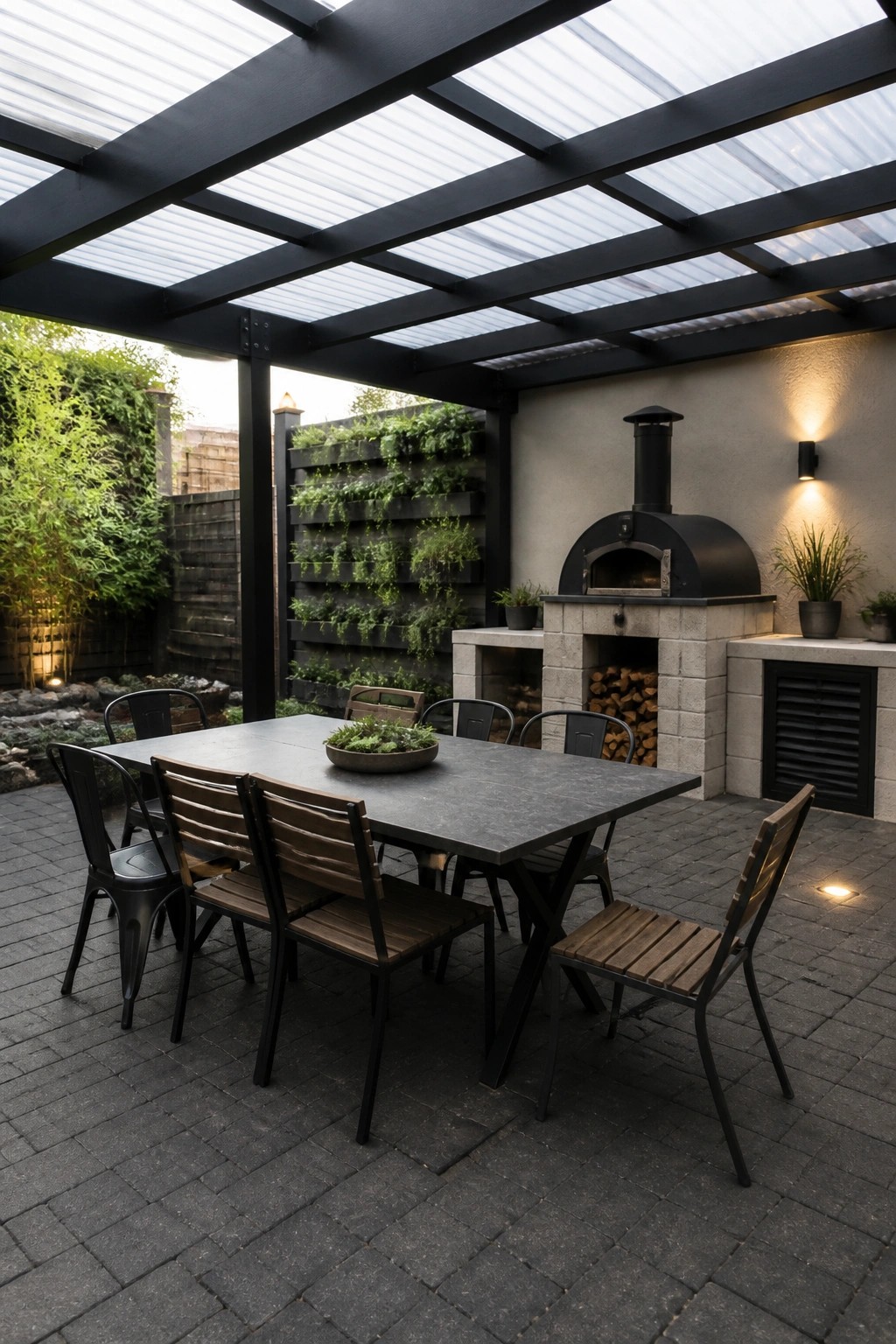
A pergola with a translucent roof works well when you want shade without making the space feel closed in. The material lets in some light while cutting down on direct sun, which keeps the area usable during the day without needing extra umbrellas or covers.
This setup suits patios where people gather for meals or casual seating. It works best on homes that already have some outdoor structure, since the frame can tie into existing posts or walls. Just make sure the roof panels are angled properly so water drains and does not pool.
Use a Thatched Roof on Your Pergola

A thatched roof on a pergola gives just the right amount of shade without making the space feel dark or enclosed. The natural weave lets in bits of light while cutting down on direct sun, which keeps the area comfortable during the day.
This setup works well in warm gardens where you still want to see the sky and surrounding plants. Keep the furniture simple and low so the focus stays on the roof and the easy flow of the space.
A Slatted Pergola For Partial Shade
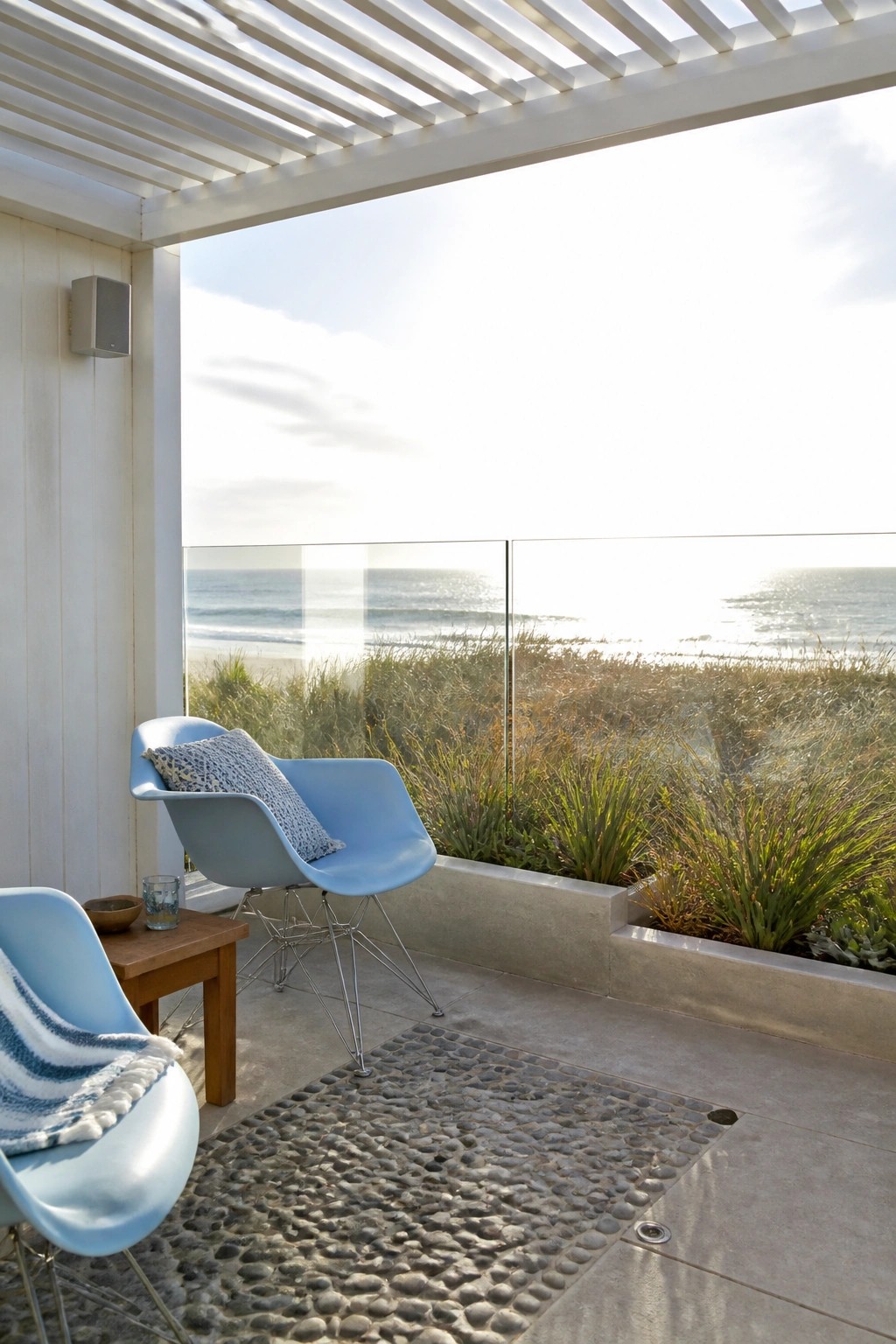
A pergola with open slats overhead gives just enough shade to make a patio usable during the day without cutting off the light or the view. The gaps let sun filter through at certain angles while still keeping the seating area cooler, which works especially well on spaces that get strong afternoon light.
This approach fits homes in mild or coastal areas where full cover is not always needed. Place the slats so they run with the main sun path, and keep the structure simple so it does not feel heavy over the seating zone.
Use A Pergola To Shade An Outdoor Table
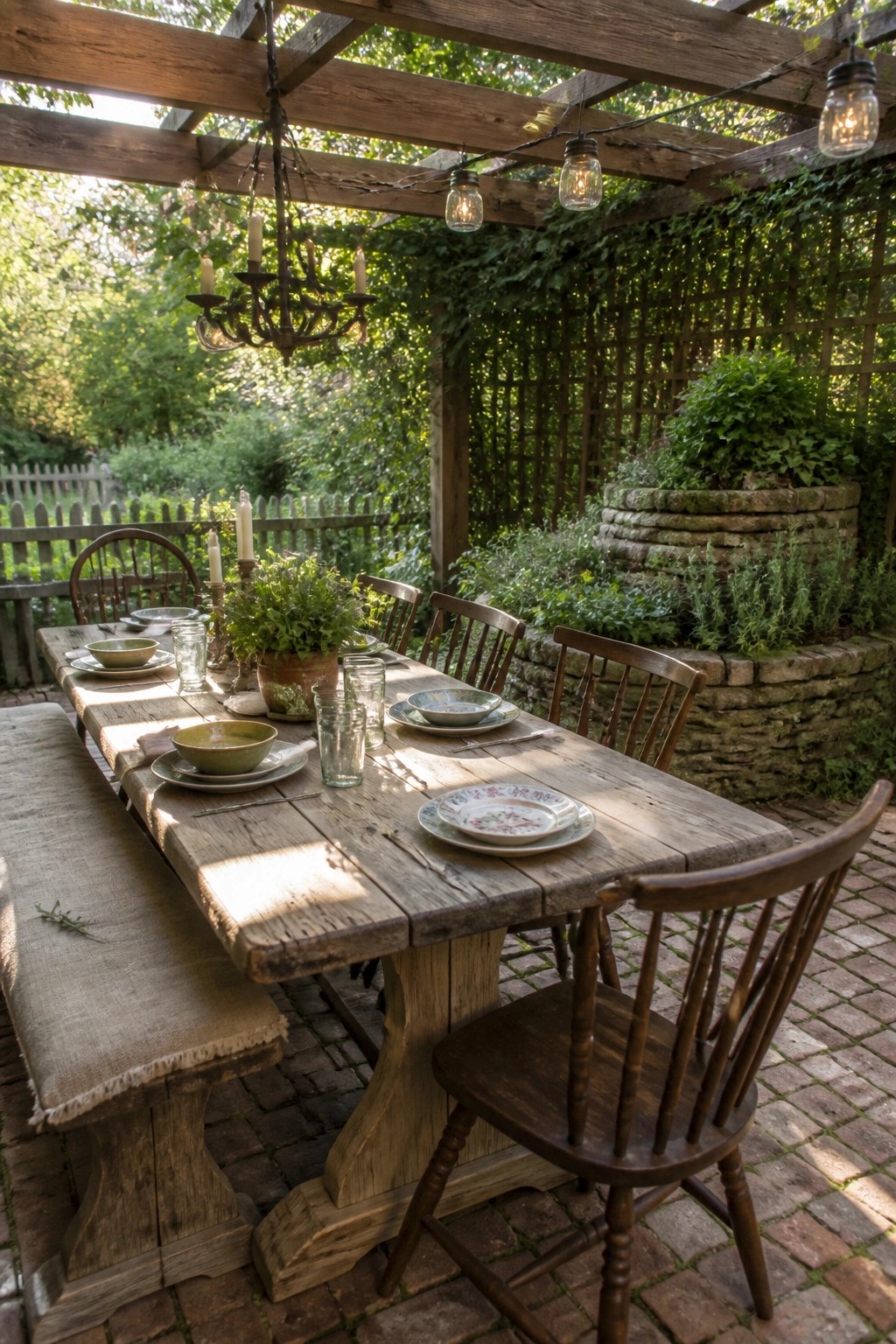
A pergola gives just enough cover to make outdoor meals comfortable without blocking all the light. The open top lets some sun through while the beams cut the glare, so the space stays usable even in the middle of the day.
This setup works best in a backyard or side yard where you already have a table and want to keep it from getting too hot. Keep the table long and centered under the beams, and add a few simple lights if you want to use the spot in the evening too.
Mesh Shade Panels For Filtered Sunlight
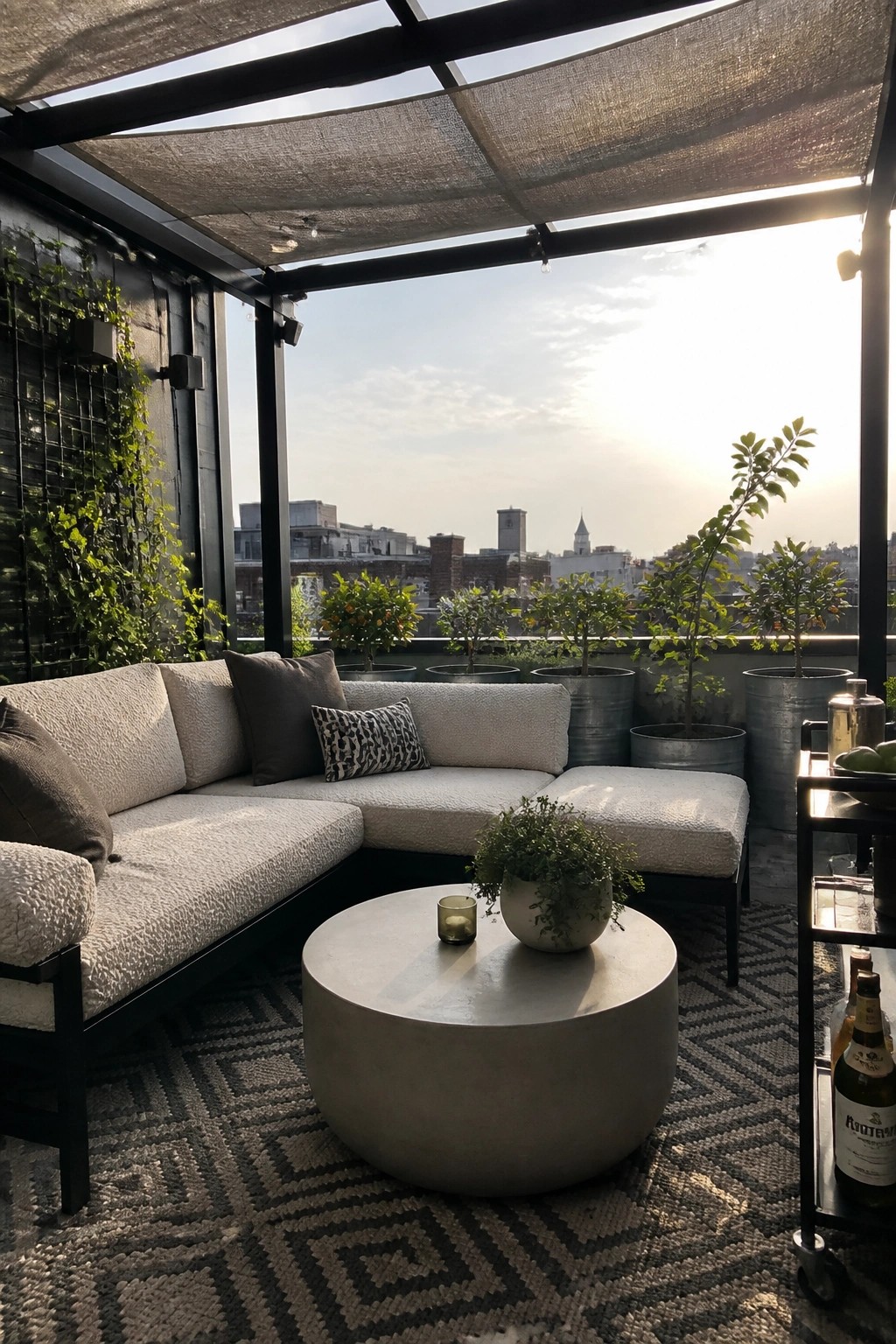
A mesh cover stretched across a pergola frame gives you partial shade without turning the space into a dark box. It cuts the strongest sun while still letting in enough light to keep plants happy and the area feeling open.
This setup works especially well on rooftops and upper balconies where the sun comes from above most of the day. Choose a tighter weave if you want more protection or a looser one if you prefer brighter conditions.
Using Reed Thatch For Pergola Shade
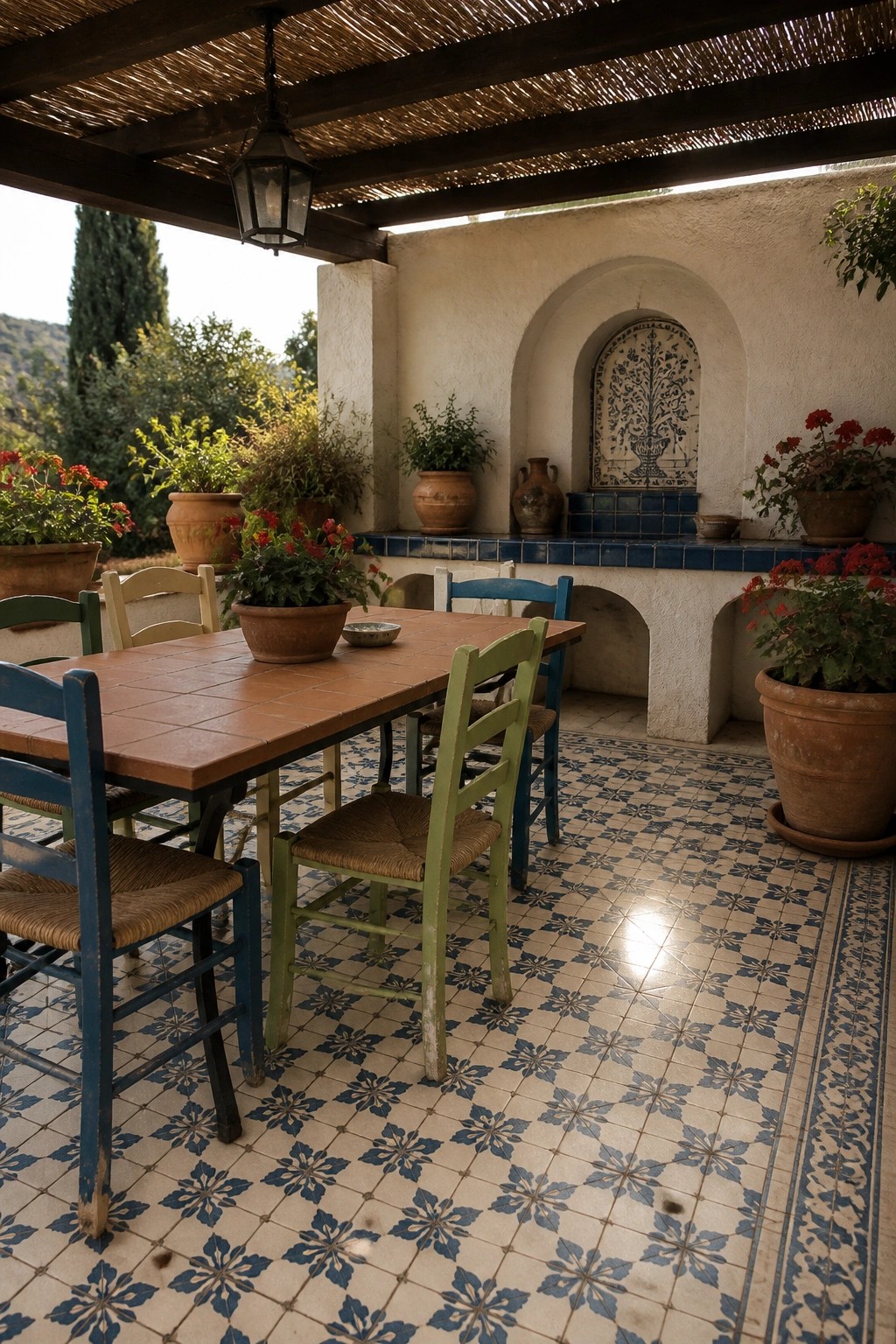
A reed thatched roof on a pergola gives just the right amount of shade for a patio table without making the space feel closed in. The material lets some light filter through while cutting down on direct sun, which works well for meals outdoors during warmer parts of the day.
This approach fits homes with a casual or Mediterranean style where you want shade over a dining spot but still like to see the sky. It holds up in dry climates and pairs easily with simple wood framing and potted plants around the edges. Just check that the thatch is treated for weather if you get any rain.
Shade A Corner Seating Area With A Pergola

A pergola with a slatted roof gives just enough shade to make a corner feel usable during the day without cutting off all the light. The open structure keeps the space from feeling closed in while the bench seating turns the area into a simple spot to sit and relax.
This works best on smaller patios or side yards where you want a defined place to gather. Add a few large planters around the edges to bring in some greenery and soften the look, and stick with basic furniture so the whole setup stays easy to use.
Pergola With Open Slats For Filtered Light

A pergola with spaced slats on top gives you shade without turning the space dark. The gaps let sunlight come through in soft patches, so the area stays usable during the day while still cutting the worst of the heat.
This setup works best over a dining table or seating group where you want some brightness but not full sun. It fits most backyard patios and can be paired with simple hanging lights for evening use. Just make sure the slats run the right direction for the sun path in your yard.
Slatted Pergola Shade Over an Outdoor Bar

A slatted overhead structure gives just enough shade to make an outdoor bar usable during the day without turning it into a cave. The gaps let some light through and keep the air moving, which works better than a solid roof for most patios.
This setup suits homes in sunny regions where people want to cook and sit outside without full cover. Keep the bar simple and add a few plants along one side so the shade feels connected to the rest of the yard.
Grow Vines Over a Pergola for Simple Shade

A pergola with climbing vines gives you partial shade without needing a solid roof. The plants filter sunlight as they spread across the slats, so the space stays cooler while still feeling open and bright underneath.
This works especially well on a stone patio or similar hard surface where you want an outdoor dining area. Pick vines that suit your climate and give them something sturdy to grip, then trim as needed so the structure does not get weighed down over time.
Roll Down Shades For Adjustable Coverage
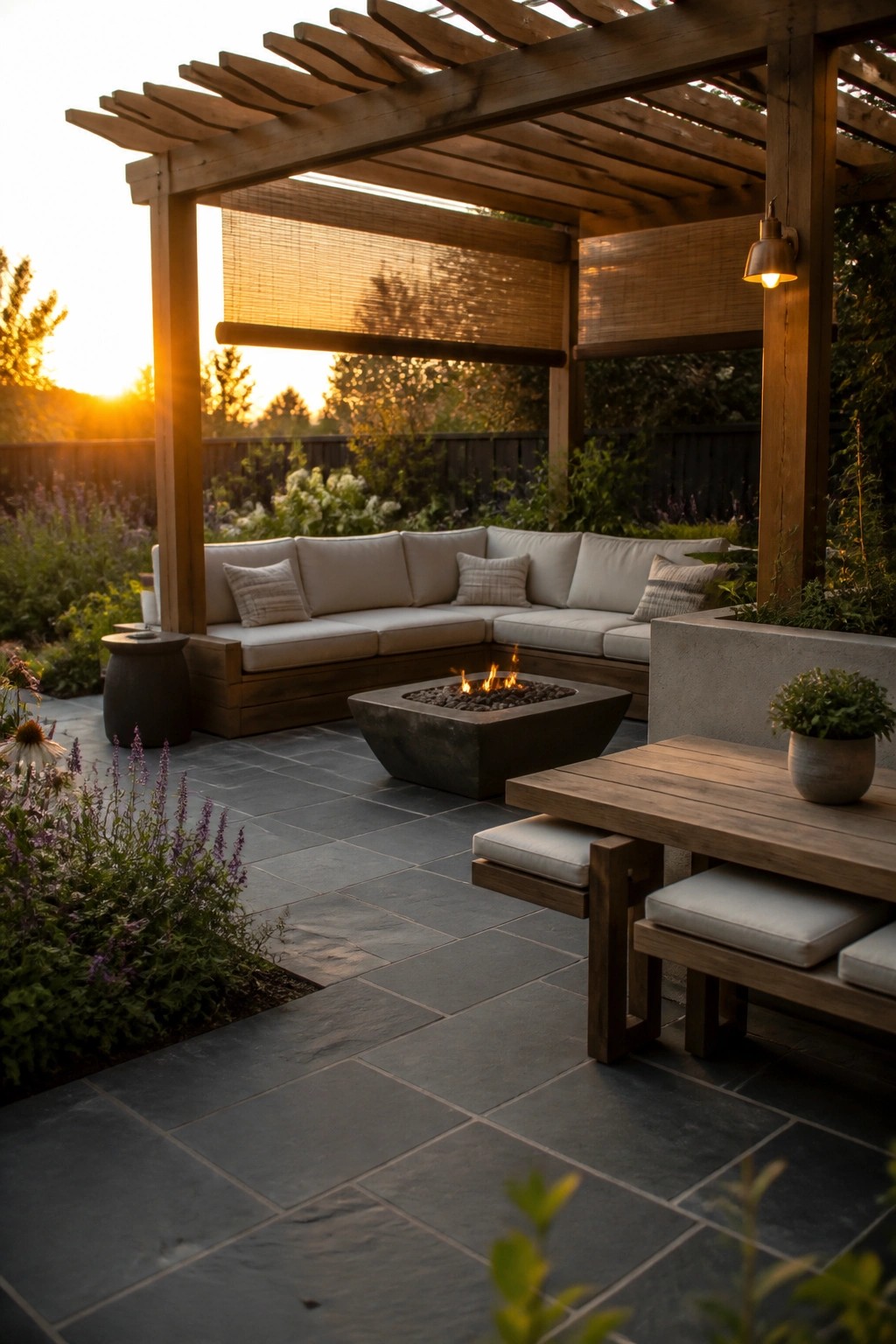
Many people like adding roll down shades to a pergola because it gives you control over how much sun comes through without building full walls. The woven material blocks some light while still letting air move, which keeps the space comfortable on warm days and cuts glare when the sun sits low.
This works best on patios that get changing light through the day or where you want a bit of privacy without losing the open feel. Mount the shades on the outer posts so you can lower them only on the brightest side, and choose a neutral tone that blends with the wood frame.
Frequently Asked Questions
Q: How do I decide between slats and fabric for the roof?
A: Slats give you steady partial shade that changes with the sun angle. Fabric panels block more light on bright days but you can swap them out seasonally. Start with slats if your plants need some sun to thrive.
Q: Can I grow vines on a pergola that’s already built?
A: Yes, just add some wire or netting to the beams for support. Most vines climb fast once they get going in spring. Keep the soil moist near the base for the first season.
Q: What if the shade ends up too light for afternoon use?
A: Add a couple of potted tall plants underneath to block extra rays. Or drape lightweight curtains on one side during the hottest part. This way you control the light without big changes.
Q: How do I keep the pergola from looking overgrown?
A: Trim the vines back every few weeks once they start filling in. Focus on the areas where you sit most so the space stays usable. But leave some growth on top for that natural shade effect.
