

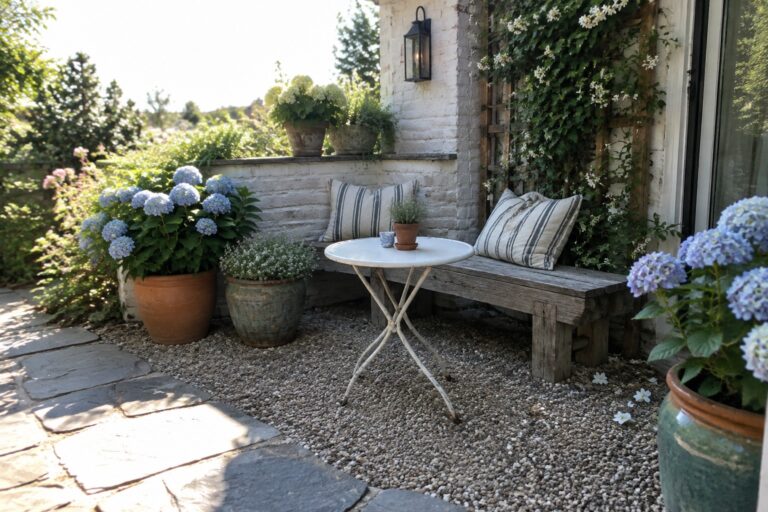
I have noticed that small patios tend to sit empty when the layout ignores how people actually sit, walk through, or use the space day to day.
Simple moves like shifting a table away from a wall or adding one solid shade source often turn a forgotten slab into the spot the household reaches for first.
Small details matter more than big spends.
I have tried a handful of low cost fixes on my own patio and found that the ones built around real use last longer than those chosen only for looks.
Starting with what already sits there usually leads to better results than forcing a fresh plan from scratch.
Gravel And Stepping Stones Keep A Small Patio Simple
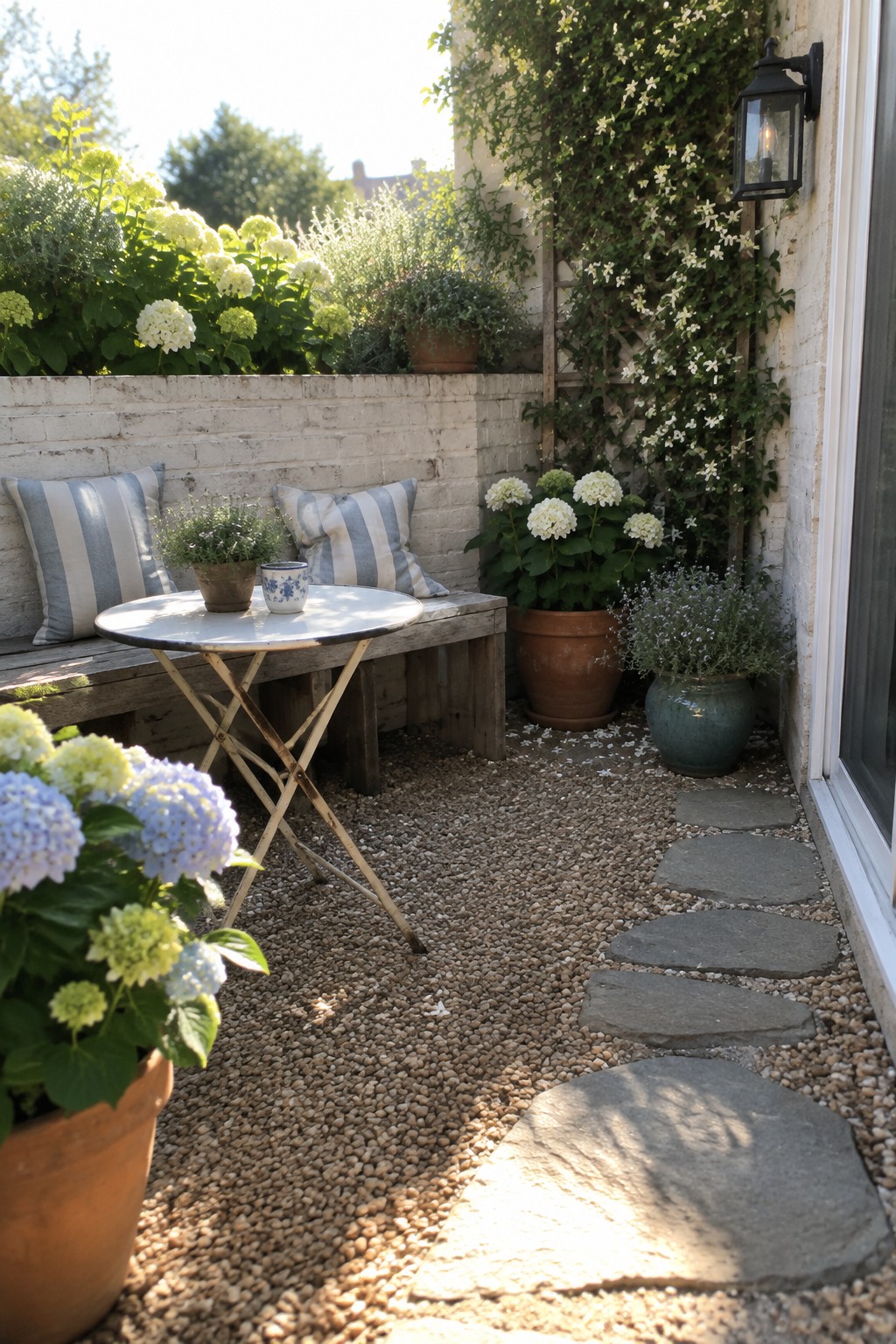
Gravel paired with stepping stones gives a patio floor without the expense of full paving. It drains well, settles into the space easily, and leaves room for plants in pots rather than built-in beds. Many people like it because the look stays casual and the work stays light.
This setup works best in small backyards or side yards where you want a defined area but not a big project. Place the stones where feet land most often, then set a bench or small table nearby. Keep the gravel layer even so it does not shift too much underfoot.
Define Your Patio With a Simple Woven Rug
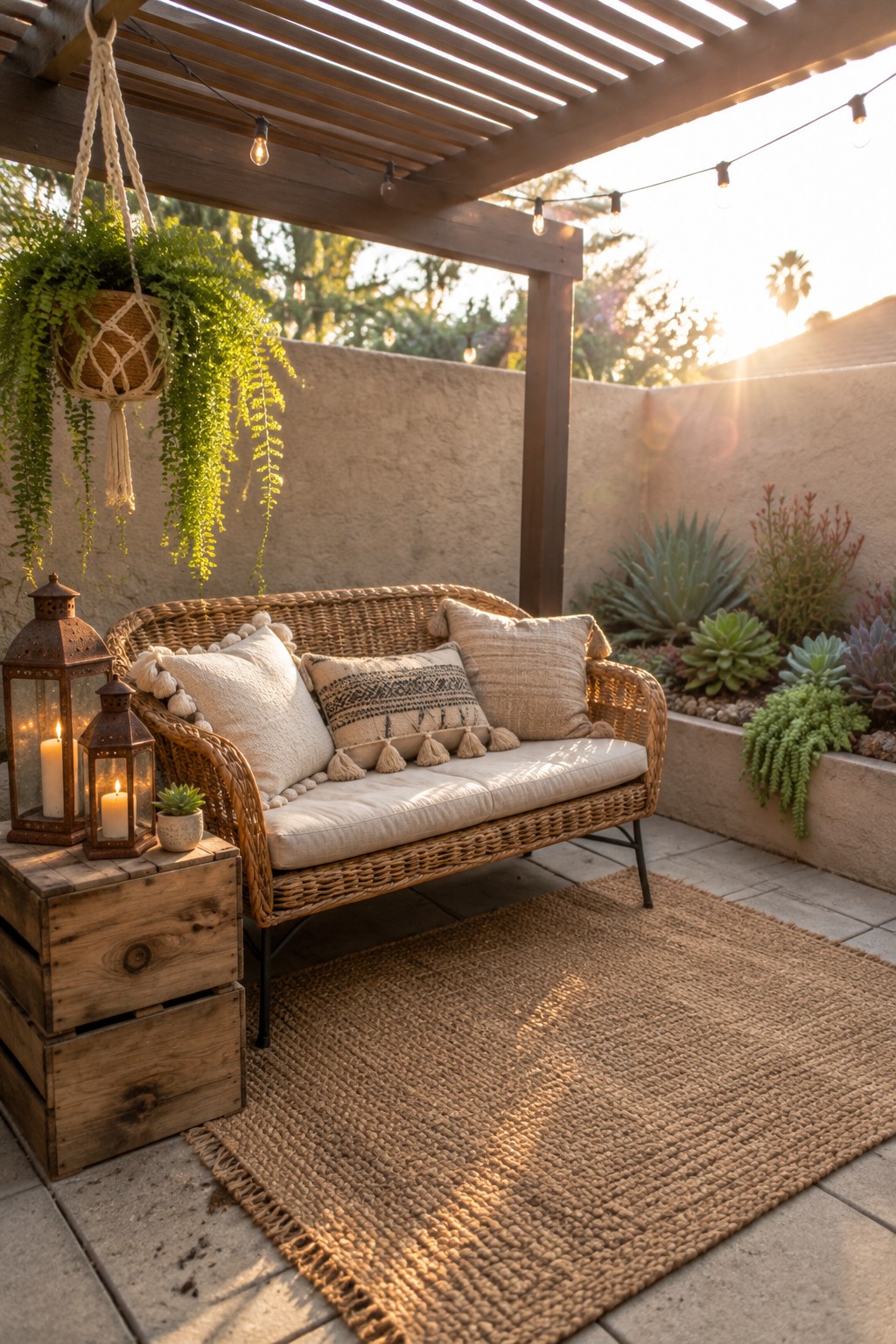
A large woven rug can turn a basic patio into a more finished outdoor space without much effort. It pulls the seating together and makes the area feel like a separate room rather than just furniture set on hard ground.
This works especially well on concrete or pavers where you want a softer layer underfoot. Choose a durable natural fiber style that can handle weather, and keep the size generous enough to fit under the front legs of your chairs or sofa.
Add a Living Wall to Free Up Floor Space
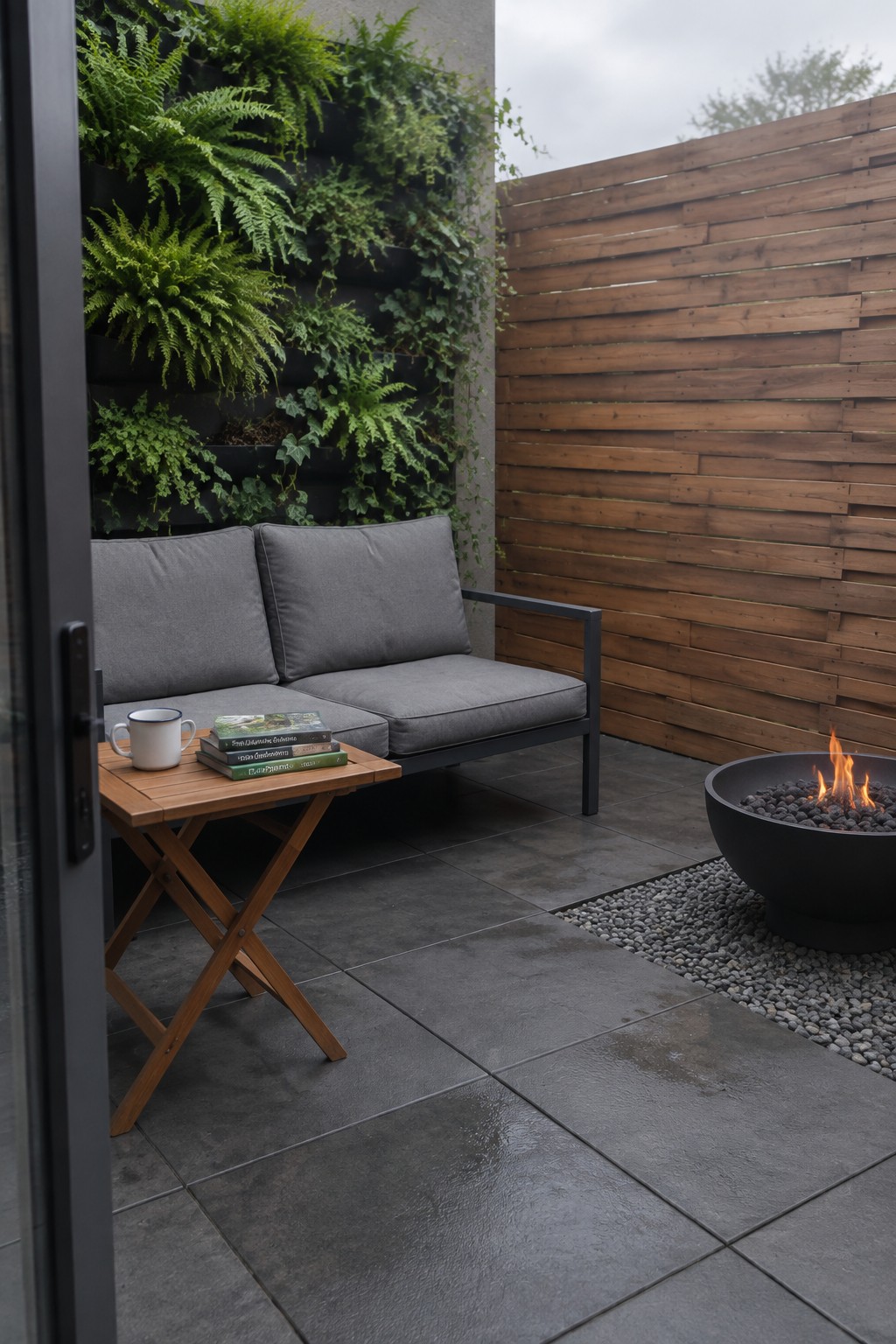
A living wall gives you plenty of greenery in a small patio without using any of the actual floor area. This works especially well when you still want room for seating and a fire pit nearby.
Start with modular planters mounted on a blank wall and fill them with ferns or vines that do not need much care. It suits homes with a solid side wall or fence and keeps the budget low since you can add plants over time.
Woven Stools Keep Small Patios Casual
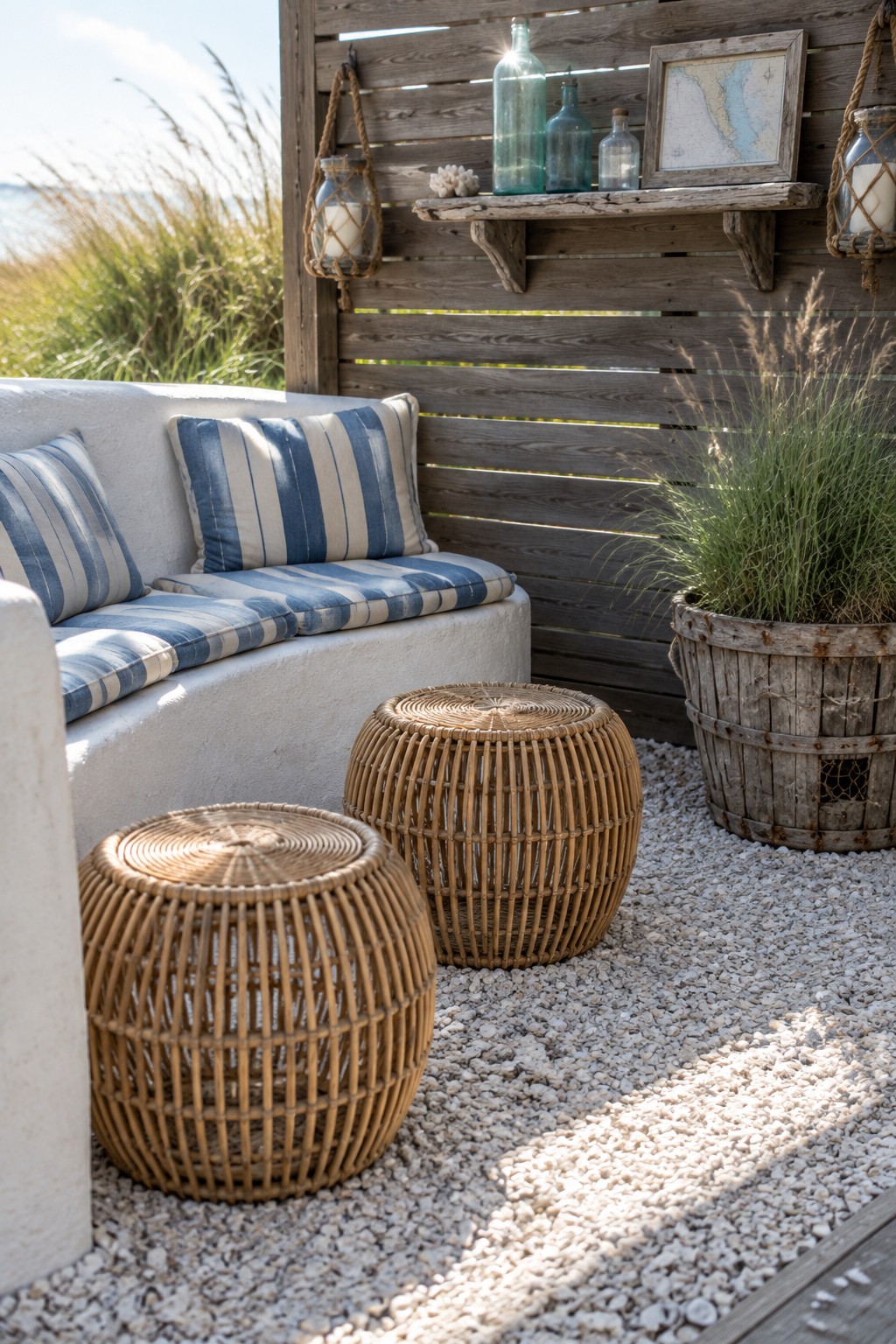
Woven rattan stools give a small patio an easy, relaxed feel without much cost. They sit well on gravel and can move around as needed, which works better than fixed furniture in a tight space. The natural material blends with simple benches and cushions, so the whole area stays light and unfussy.
These stools suit any small yard or balcony where you want seating that does not take over. Just place them near a bench or wall and add a couple of plants in old barrels or pots. They hold up fine outdoors and can double as side tables when you need the extra surface.
Use A Weathered Wood Table For Patio Dining
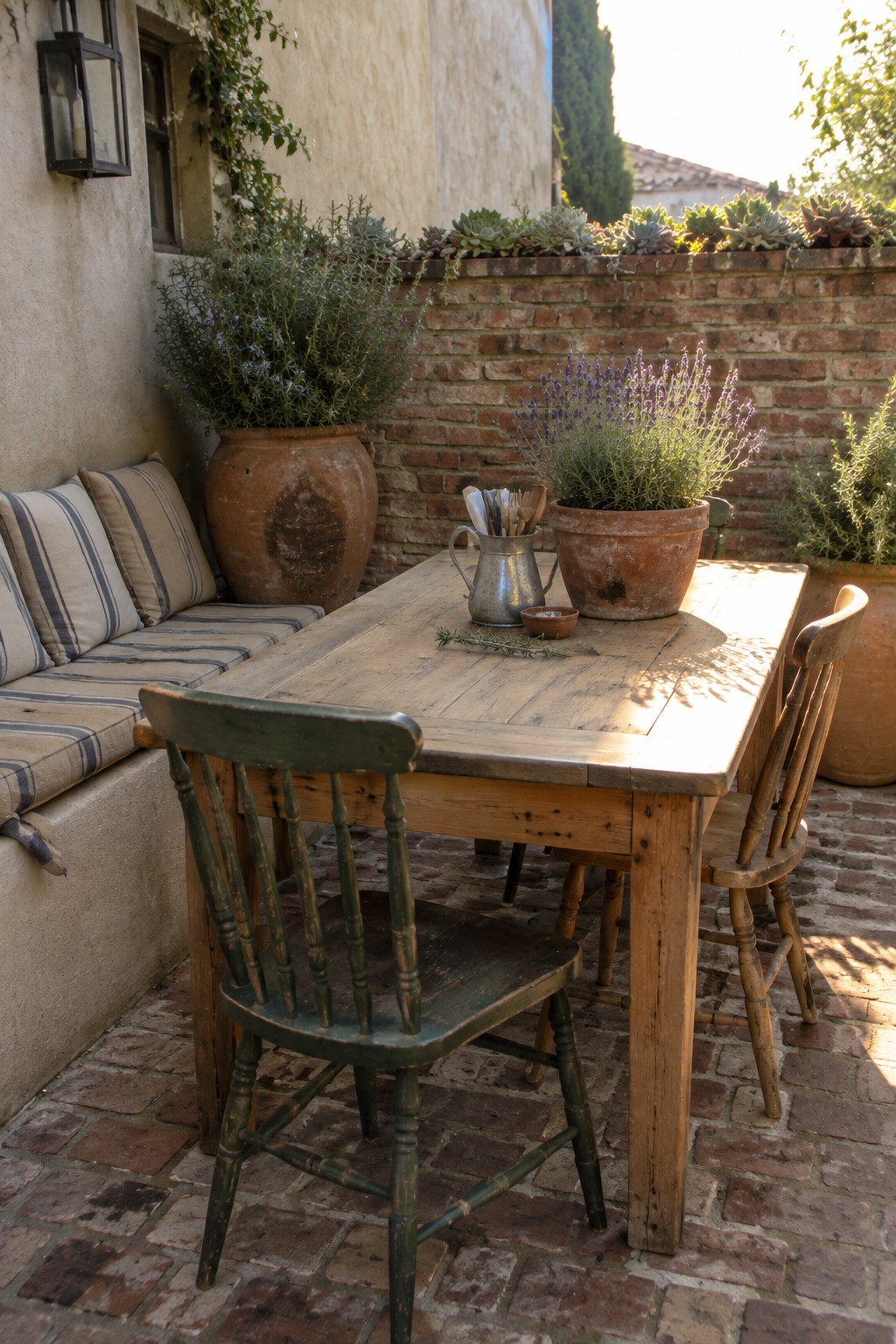
A big wooden table gives a small patio a clear purpose without needing fancy extras. The worn finish blends into outdoor settings and holds up to daily use better than newer pieces that can look out of place.
Set the table on brick or concrete and pull in whatever chairs you already have. This works best in tight yards or side areas where you want room to eat outside but do not want to spend much on matching sets.
Add Privacy with a Raised Planter Box
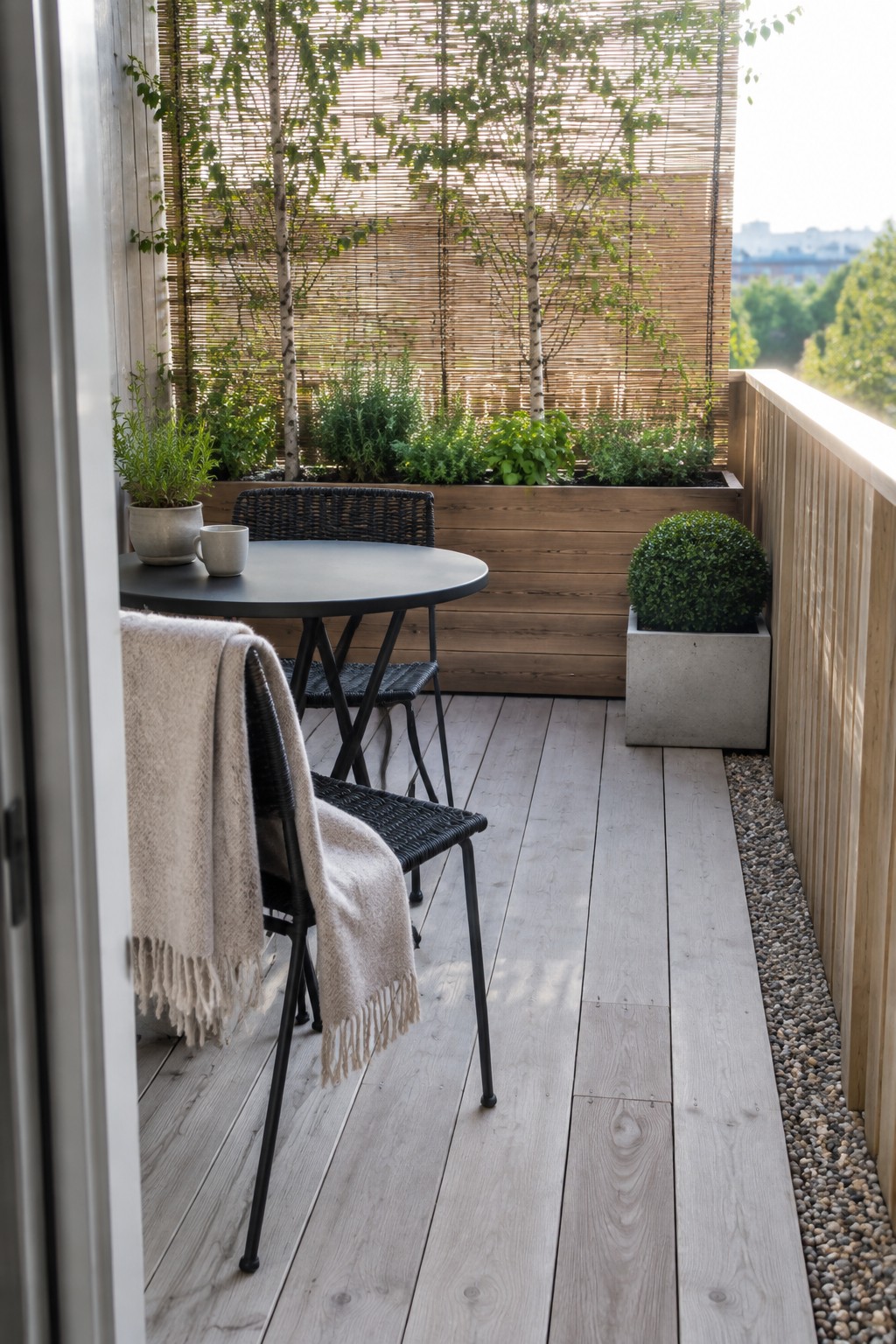
A raised planter along the back edge of a small patio or balcony creates a living screen that blocks views without taking up floor space. The wood ties in with the decking and the mix of taller plants softens the whole area right away.
This setup works well on balconies or narrow decks where you need quick coverage from neighbors. Use basic lumber for the box and fill it with shrubs or small trees that grow fast enough to matter in one season.
Use a Small Round Table With Stools
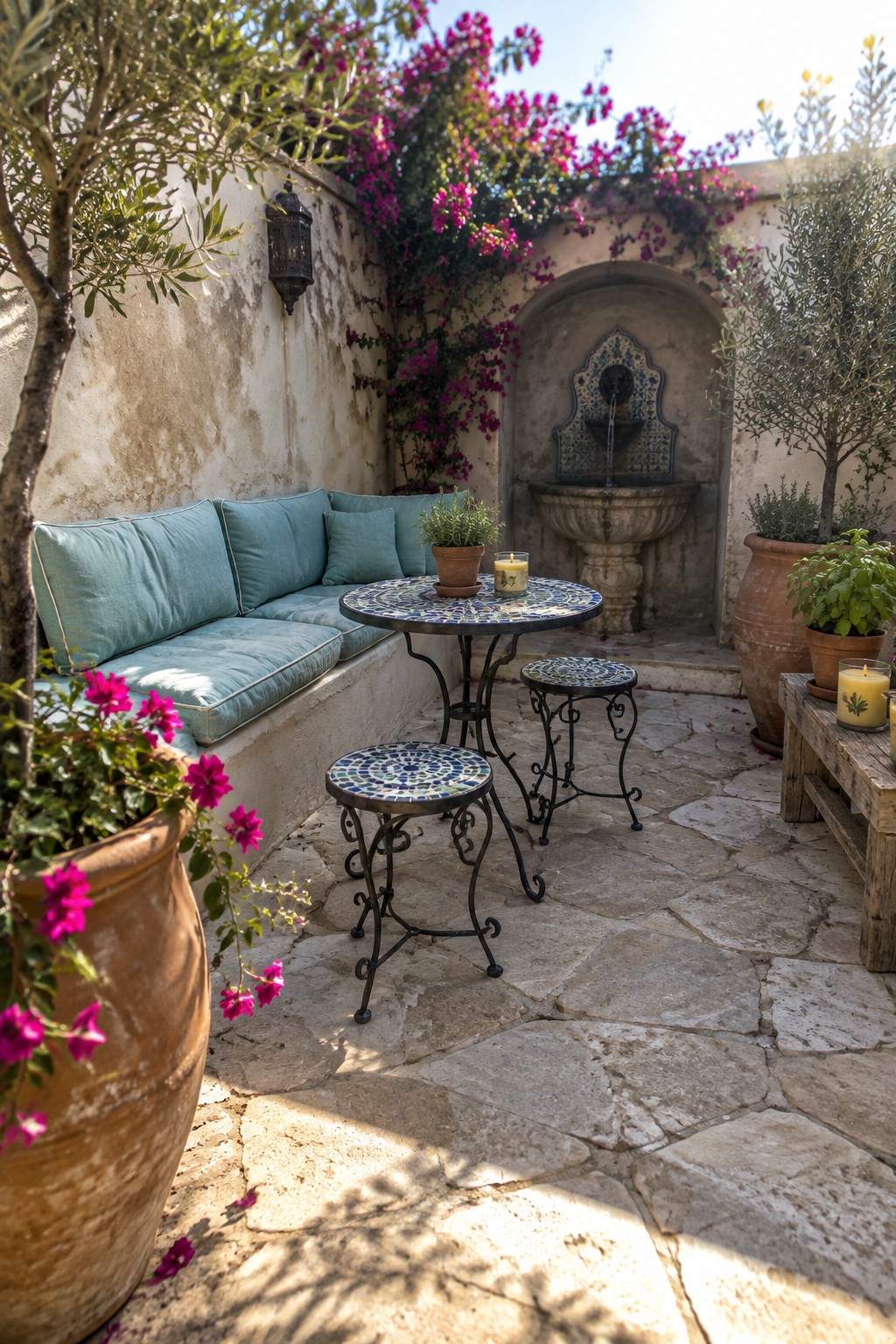
A small round table with a couple of stools works well when space is tight. It keeps the middle of the patio open and still gives you a spot to sit and eat or have coffee without crowding the area.
This setup fits best on a stone or concrete patio where you can tuck the stools under the table when not in use. Stick with simple metal frames and add a few potted plants nearby if you want more greenery without taking up floor space.
Folding Furniture Keeps Small Patios Usable
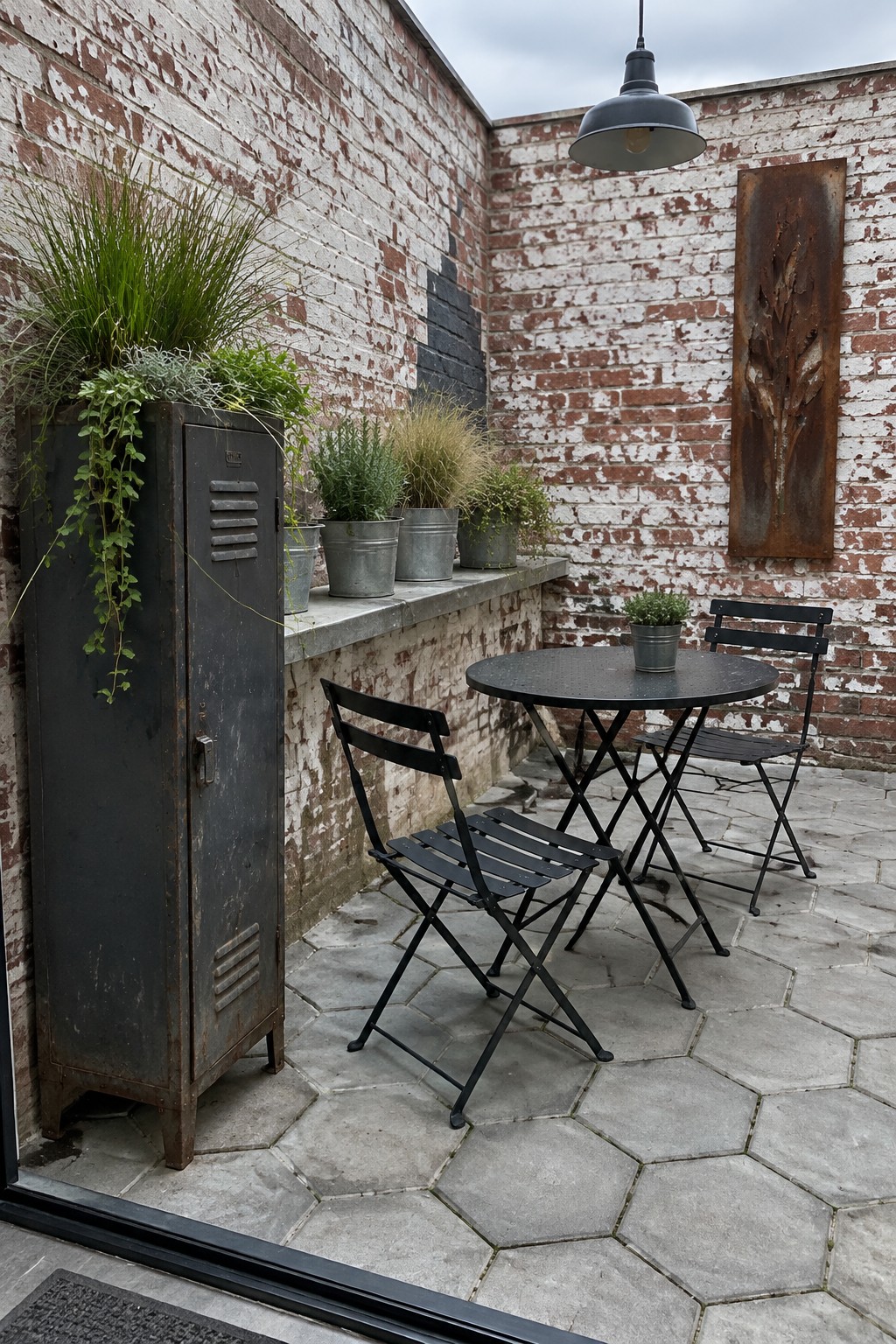
Folding chairs and a compact table let you add seating to a tiny patio without filling every inch of floor space. They tuck away when you need room to move or clean, which makes the area feel bigger day to day.
This approach works best on paved spots with tight dimensions or for anyone renting who cannot add built-ins. Metal styles hold up outside and cost less than full-size sets, though you may want cushions for comfort during longer use.
Try a Daybed for Simple Lounging
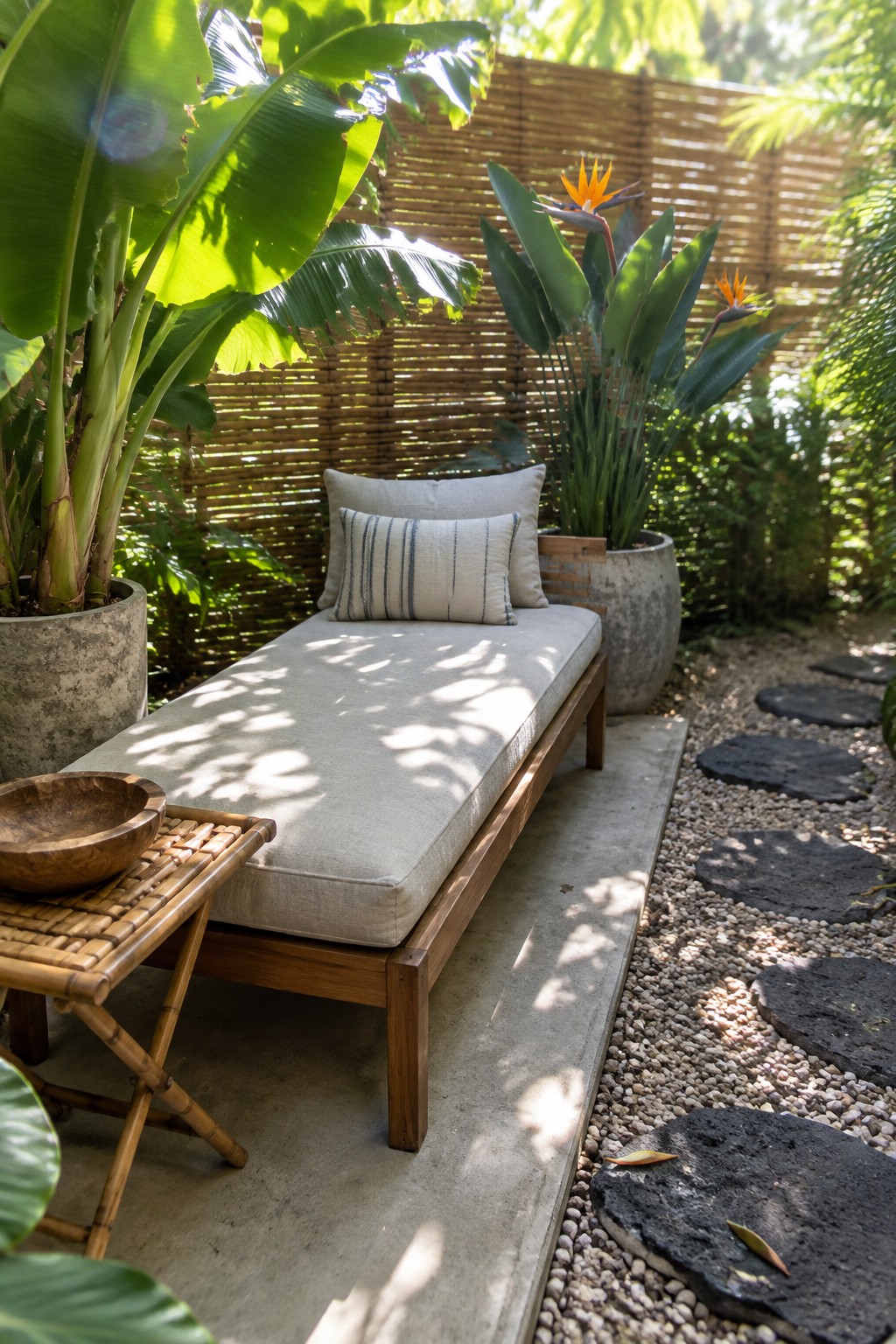
A daybed gives you a comfortable place to stretch out in a small patio without needing a lot of extra furniture. It works especially well when the space is tight because the piece doubles as both seating and a spot to relax.
Set it against a wall or fence and keep the cushions neutral so the area stays calm. This layout suits most small yards and works with basic pots and a simple side table if you want one.
Lay Gravel for an Affordable Patio Base
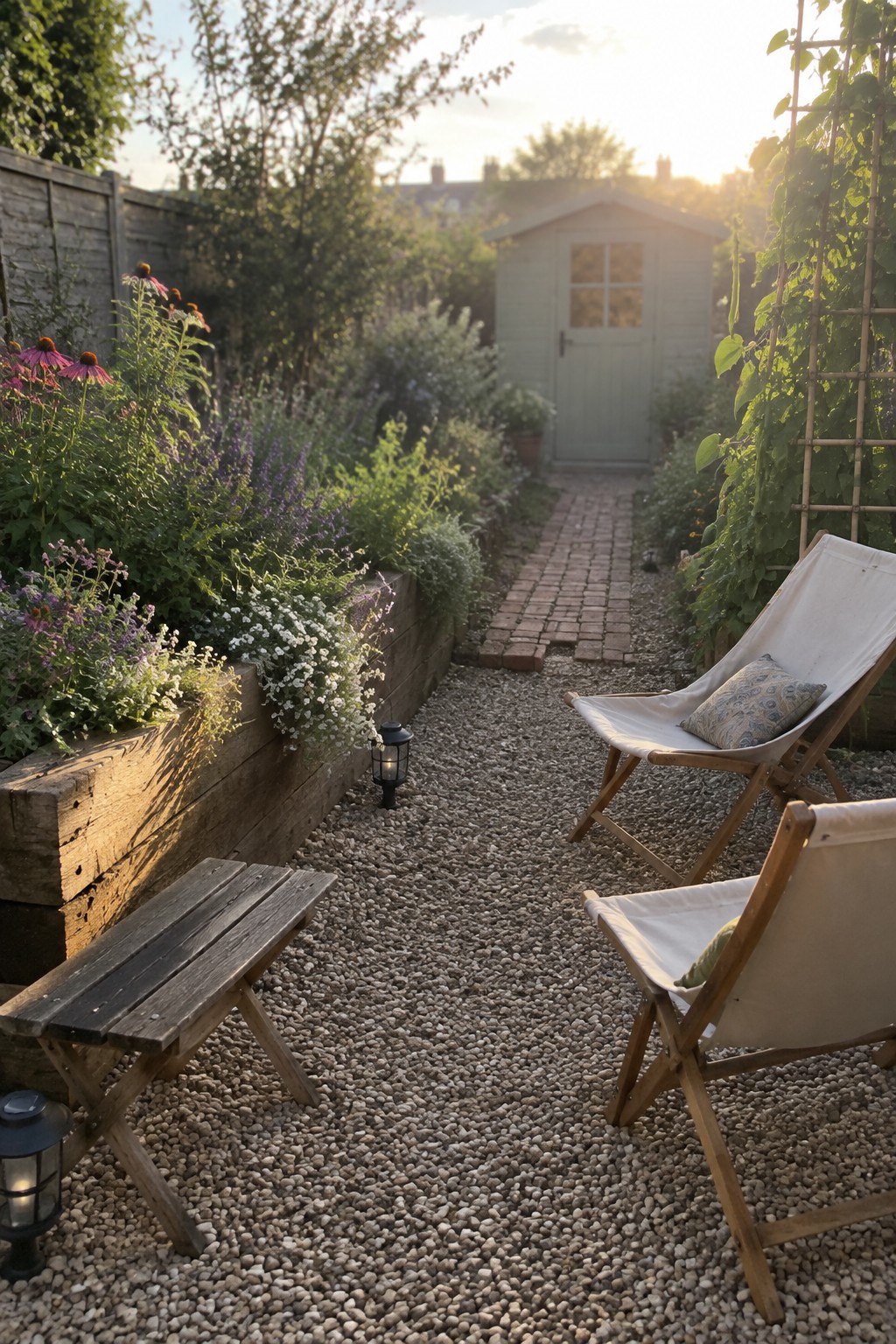
Gravel gives you a quick way to create a usable outdoor seating spot without the cost of pavers or deck boards. It drains well after rain and lets you place lightweight chairs right where you need them.
A few simple wooden folding chairs and a small bench are all you need to finish the look. This approach works best in small backyards or side gardens where you want seating without a big build.
Build Seating Around a Fire Pit
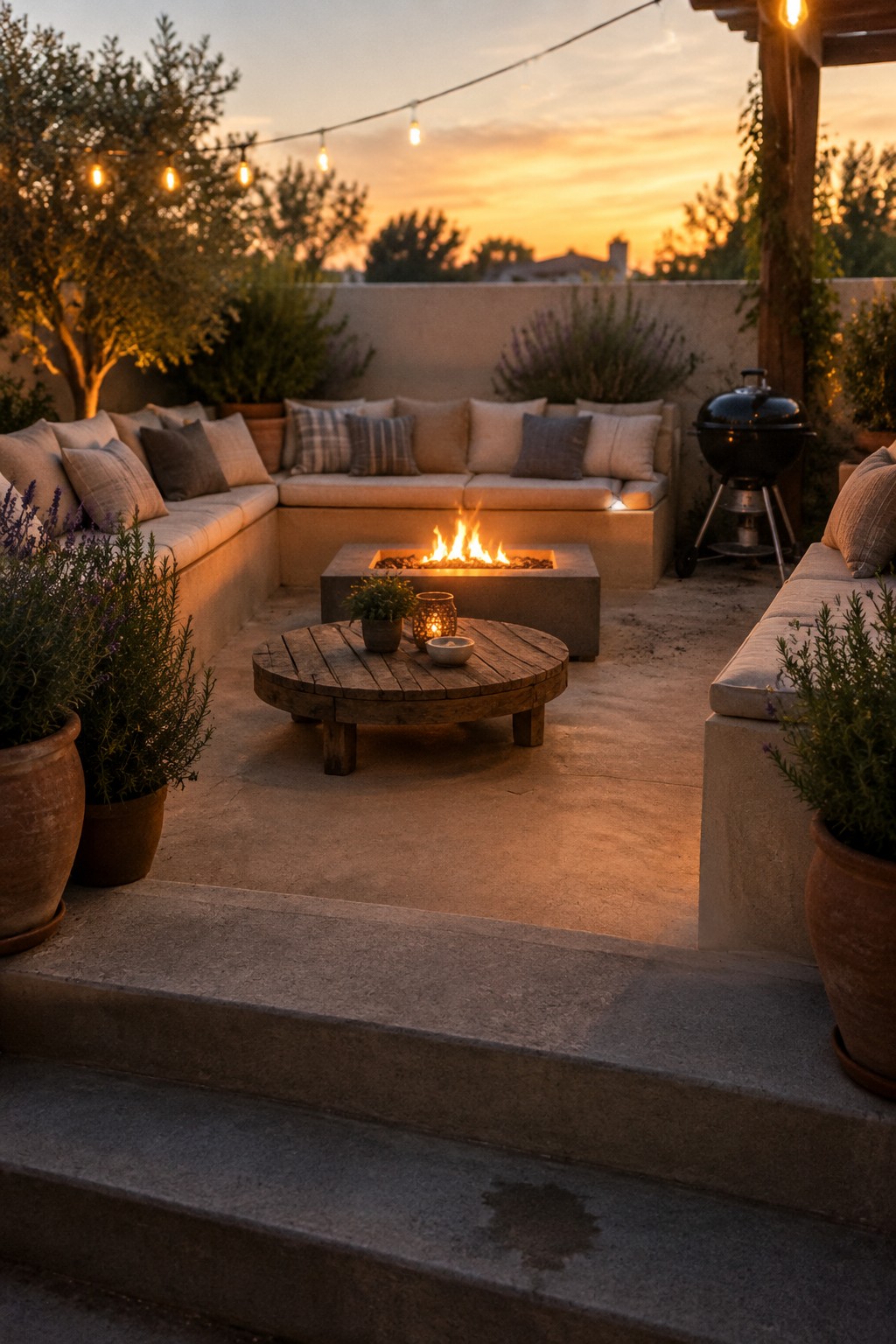
Many small patios feel more useful when the seating wraps around a central fire pit instead of lining the edges. This setup pulls everything into one spot so the space works for both quiet nights and small gatherings without needing extra furniture.
It suits concrete patios especially well because the pit and benches stay fixed while cushions and a low table can be swapped out cheaply. Adding a few large pots around the edges helps soften the look and keeps the area from feeling too open.
Large Planters Add Greenery Without Built-Ins
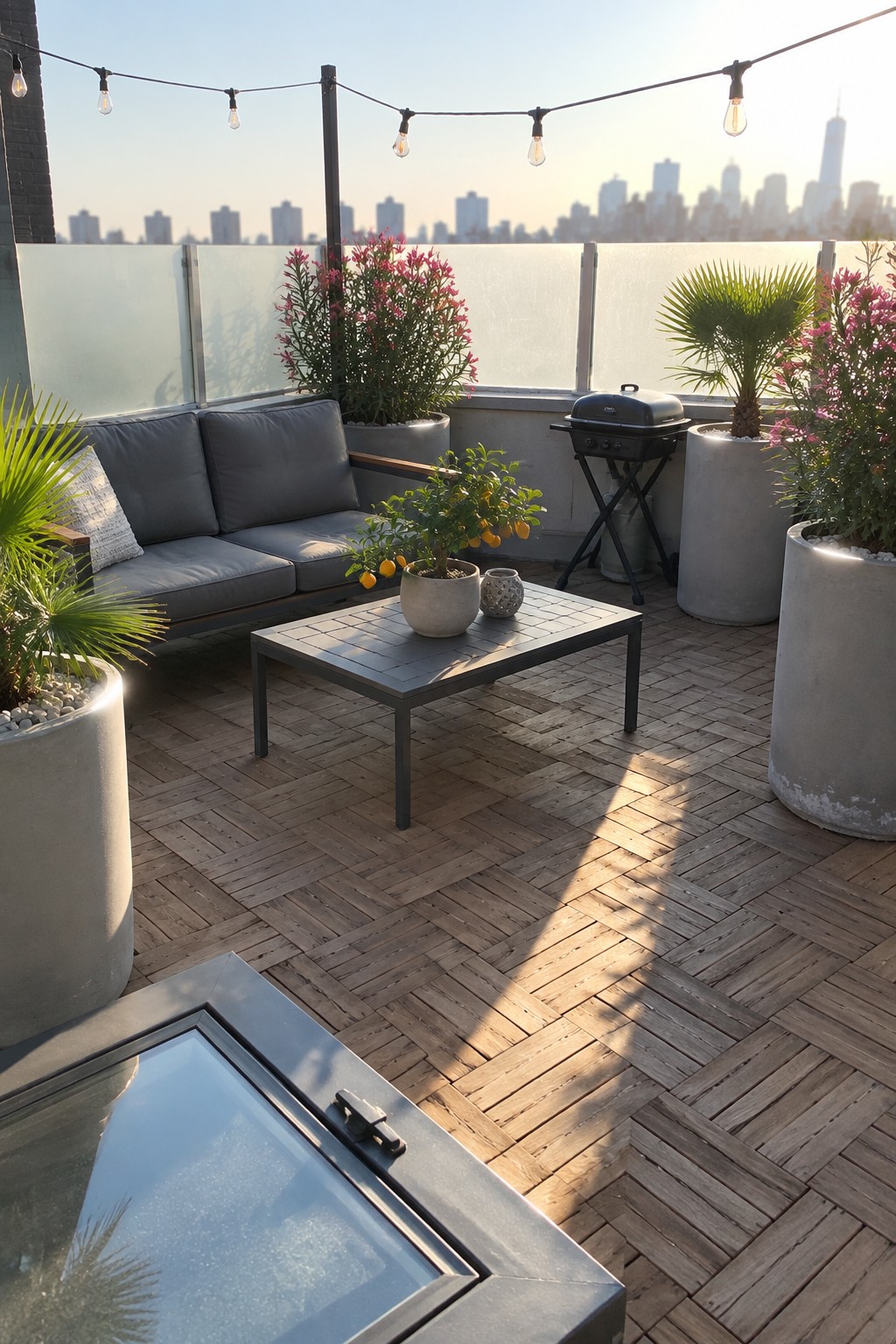
Large planters give a small patio a finished look without needing permanent beds or heavy construction. They let you move things around as the seasons change and make it easy to add height and color where you need it most. On a rooftop like this one, the concrete pots hold palms and flowering shrubs that soften the edges and create a bit of privacy from the railing.
Place a few bigger pots near seating and one or two smaller ones on the table or floor to fill gaps. Stick with sturdy materials that handle weather and choose plants that do well in containers. This approach works on most decks or balconies and keeps costs down since you can start with just two or three good-sized pots.
Hang Pendant Lights Over Your Patio Table
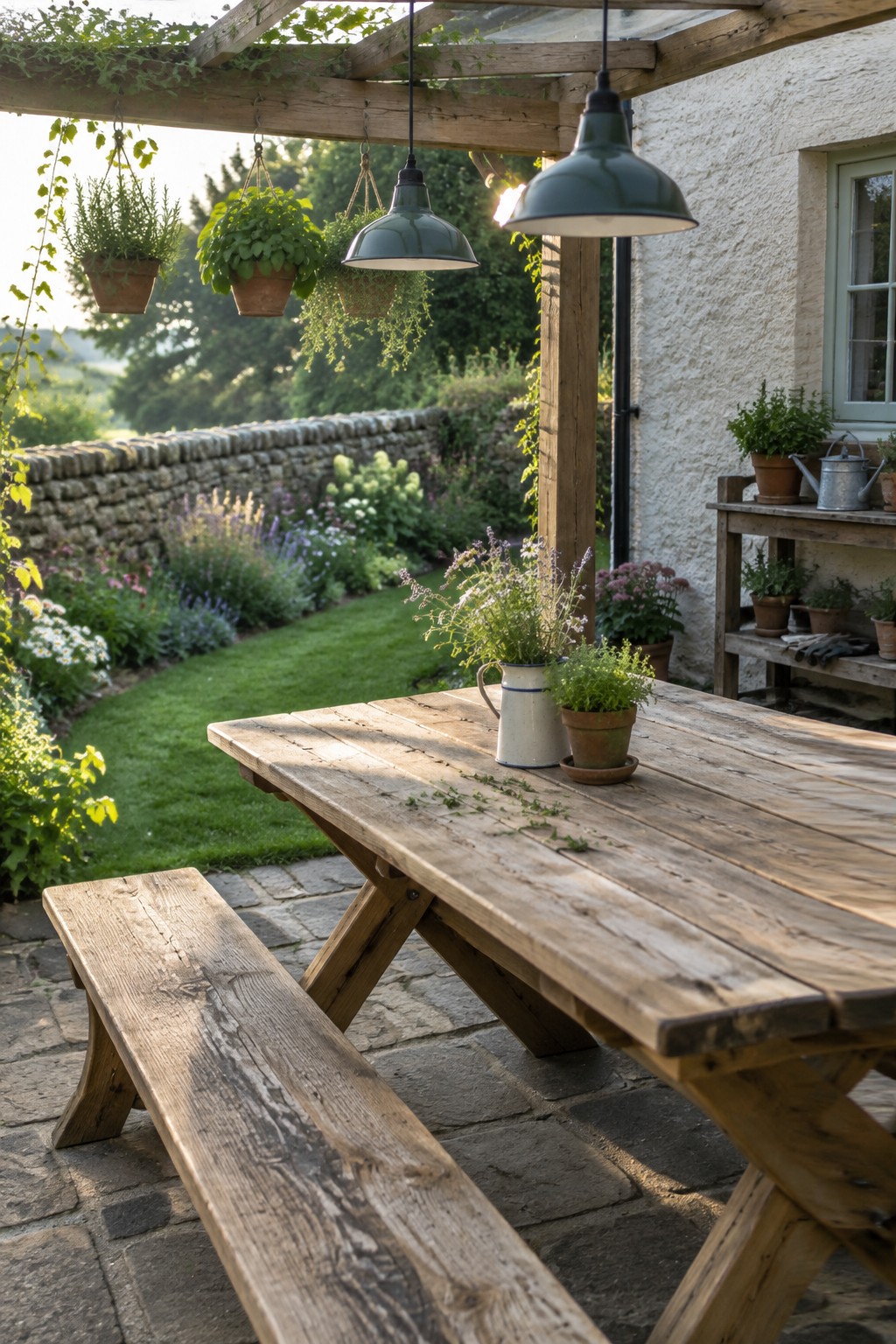
Hanging a pair of simple pendant lights above the table makes a small patio feel more like a real outdoor room. The light stays focused on the seating area so you can eat or sit outside even after the sun goes down without needing big floor lamps or wall fixtures.
This works especially well on tight patios because the lights hang from above and do not take up any ground space. Look for inexpensive metal shades at hardware stores and hang them from a beam or pergola so they sit at a comfortable height over the table.
Repurpose Crates As Patio Tables
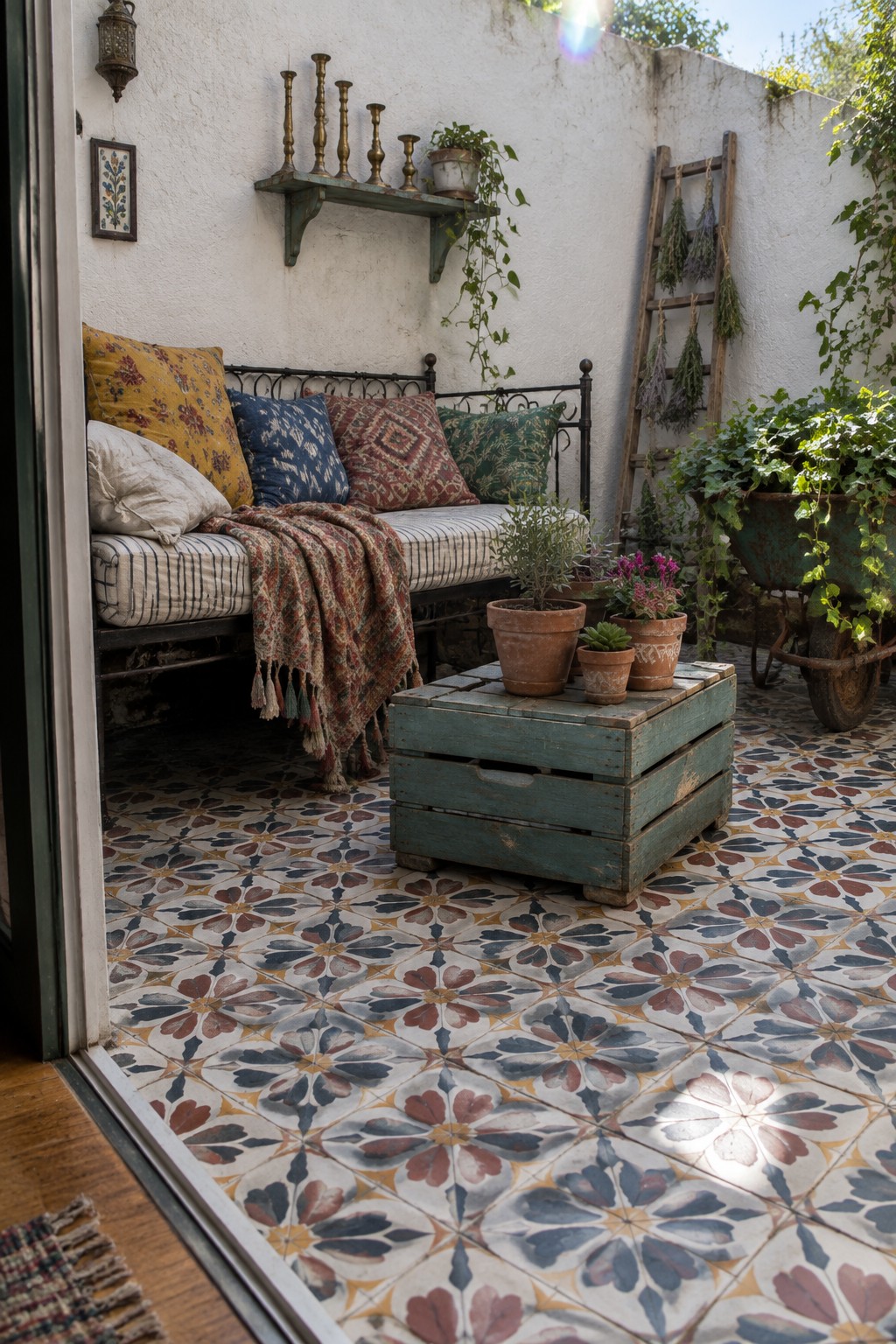
Old wooden crates work well as side tables or coffee tables on a small patio. They cost little or nothing if you already have them, and they bring a simple surface without needing new furniture.
Place one or two crates together to fit your space and set a few pots on top. This idea suits tight outdoor areas where you want flexible pieces that can be moved or stacked as needed.
Concrete Pavers With Moss Between Them
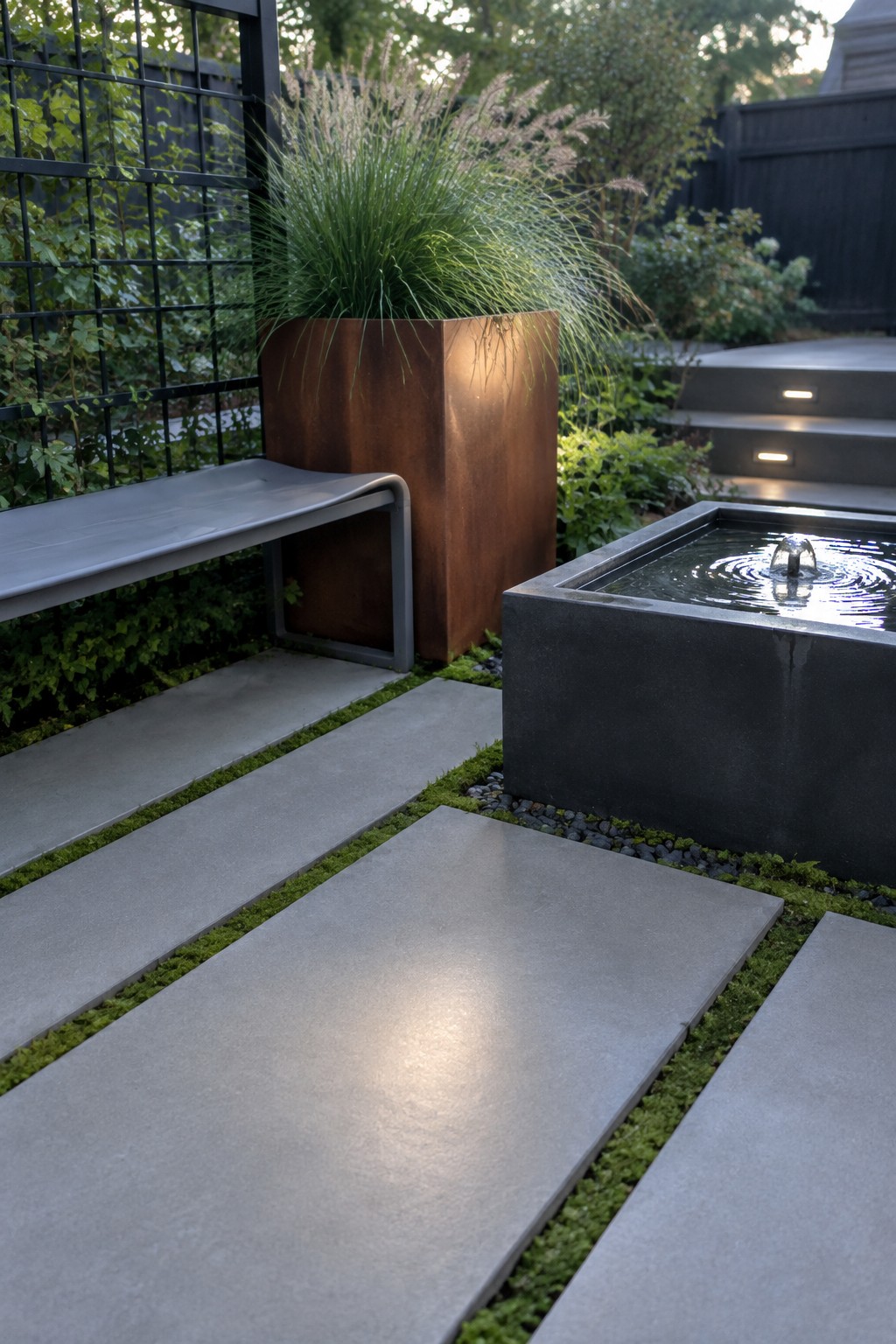
Large concrete pavers laid with strips of moss between them give a patio a clean look without needing a full solid surface. The gaps break up the gray and let a bit of green soften the hardscape, which keeps the space from feeling too stark or expensive.
This setup works best in small yards where you want simple paths or seating areas that still feel connected to the garden. It suits homes that already have some planting nearby and keeps the project budget friendly since fewer pavers are needed and the moss fills in on its own over time.
Repurpose A Pallet Into Extra Seating
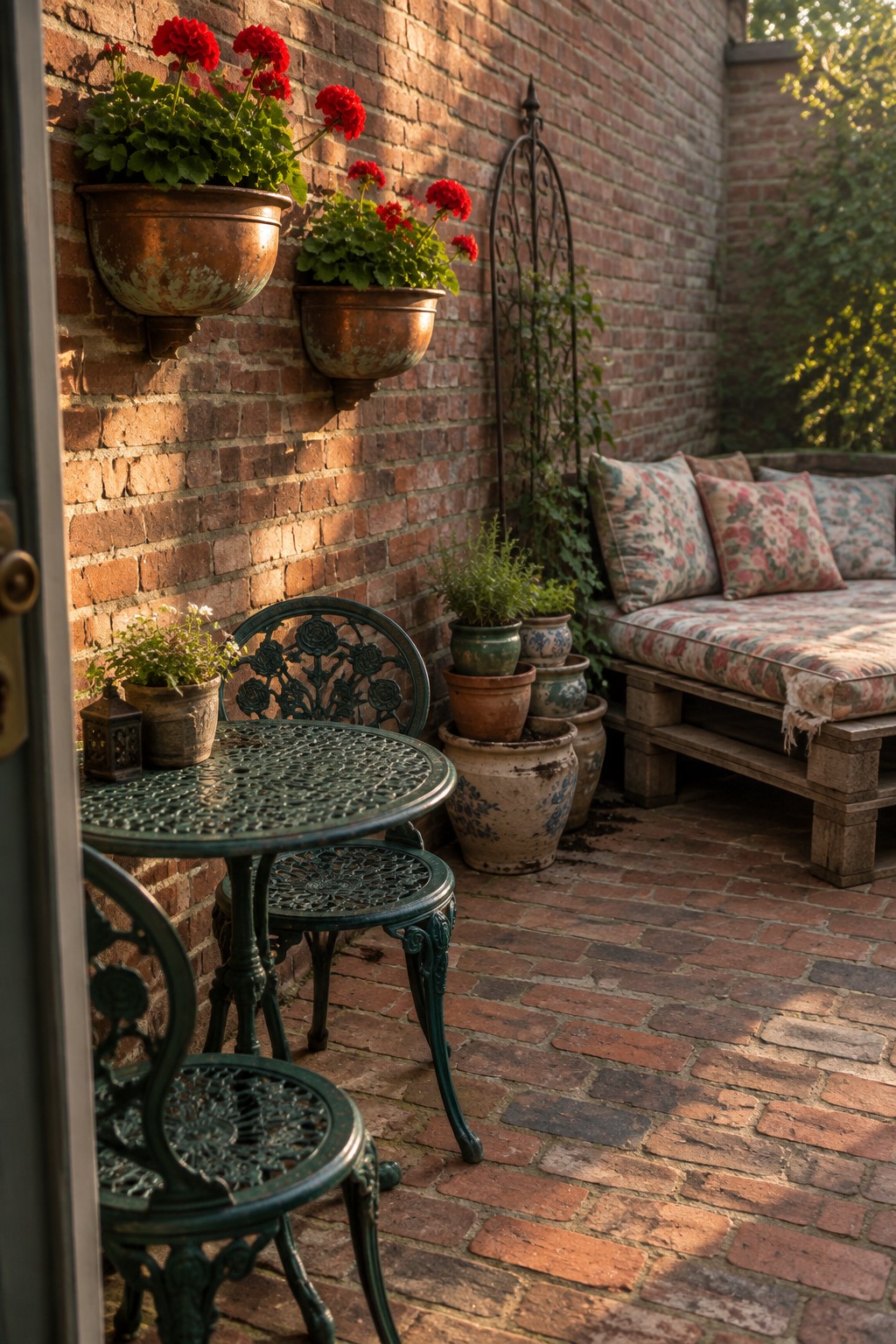
A wooden pallet makes a quick base for a daybed or bench when you need more places to sit without spending much. Just add a few cushions and set it against a wall or fence. It works especially well in small patios where store-bought furniture would take up too much room or cost too much.
This idea suits any paved outdoor spot that already has a solid surface. Stack two pallets if you want more height, or keep it low for a relaxed feel. The cushions can be swapped out each season, and the whole setup moves easily if you want to rearrange later.
Bench Seating Works Well On Small Patios
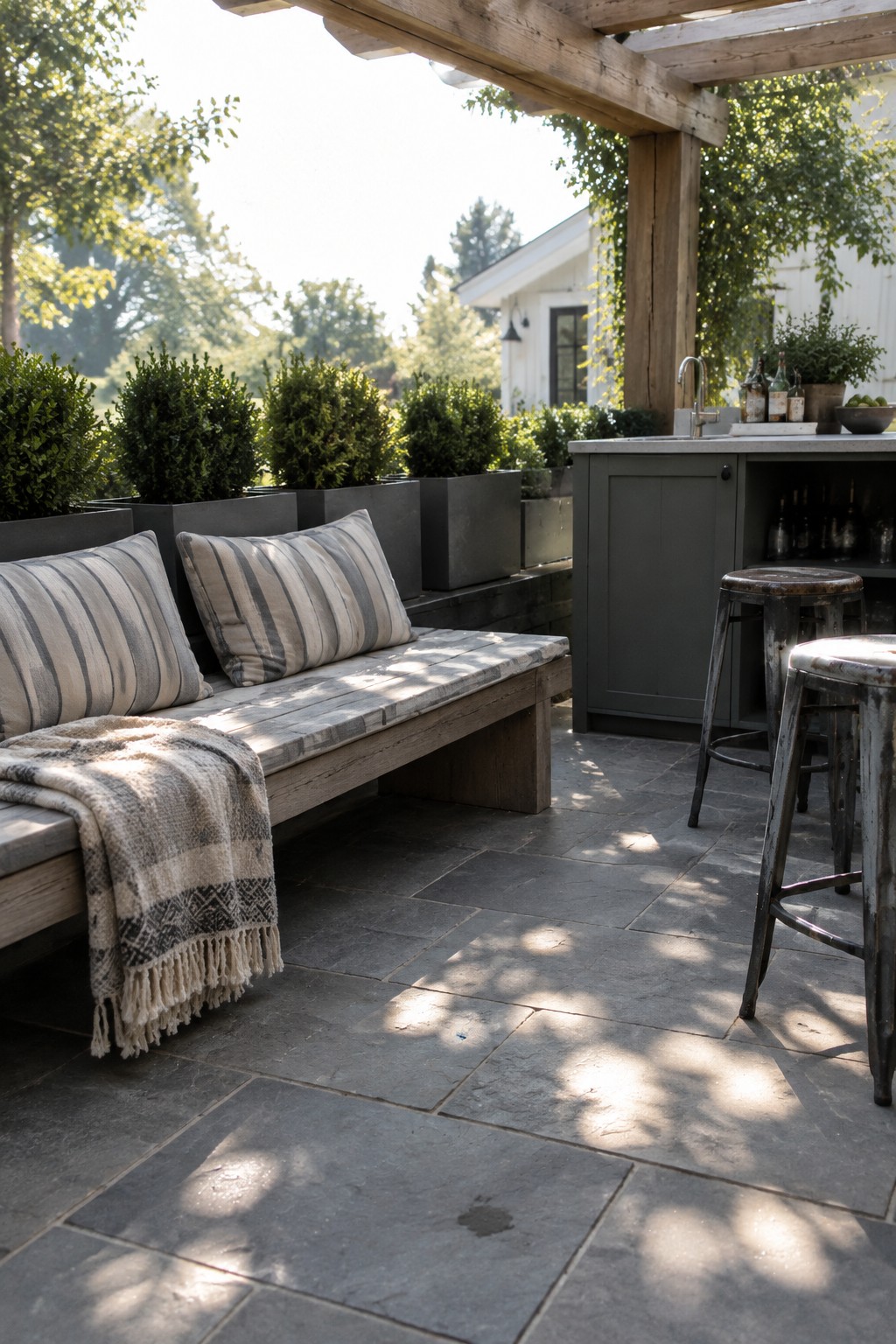
A long bench gives you more places to sit without crowding the space the way extra chairs can. It slides right up against a wall or planter edge and still leaves room to walk around.
This works best on a small patio or deck where you want simple, flexible seating. Use whatever cushions you have or pick up a few inexpensive ones, and the whole area starts to feel usable without much effort.
Add a Vertical Planter Wall
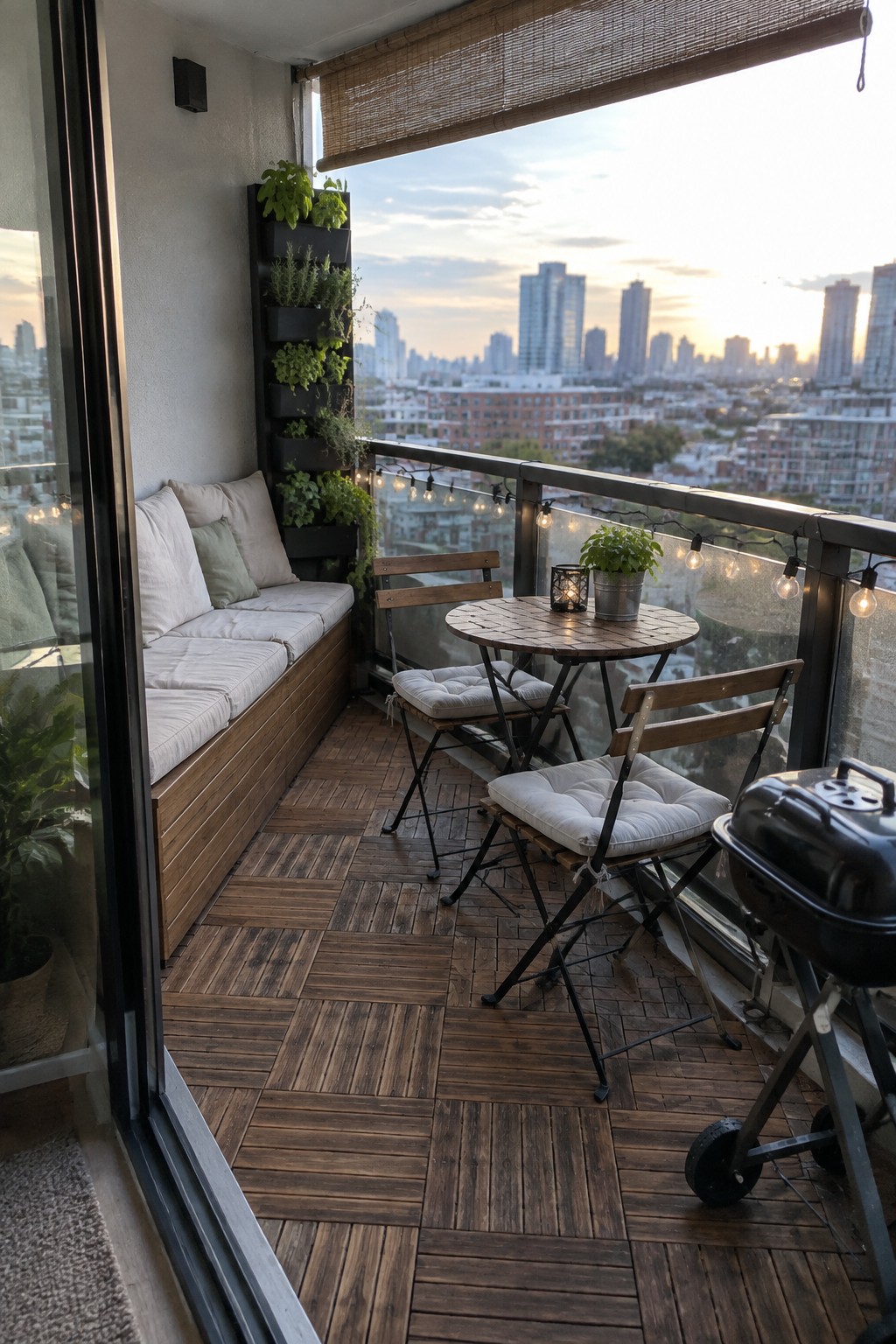
One easy way to bring more life to a small patio is to move plants onto the wall. A vertical planter setup uses space that would otherwise sit empty and keeps the floor clear for chairs or a table.
This approach suits balconies and narrow decks where floor room is limited. Look for stackable or mounted systems that are easy to water and swap out as seasons change.
Stepping Stones Set In Gravel
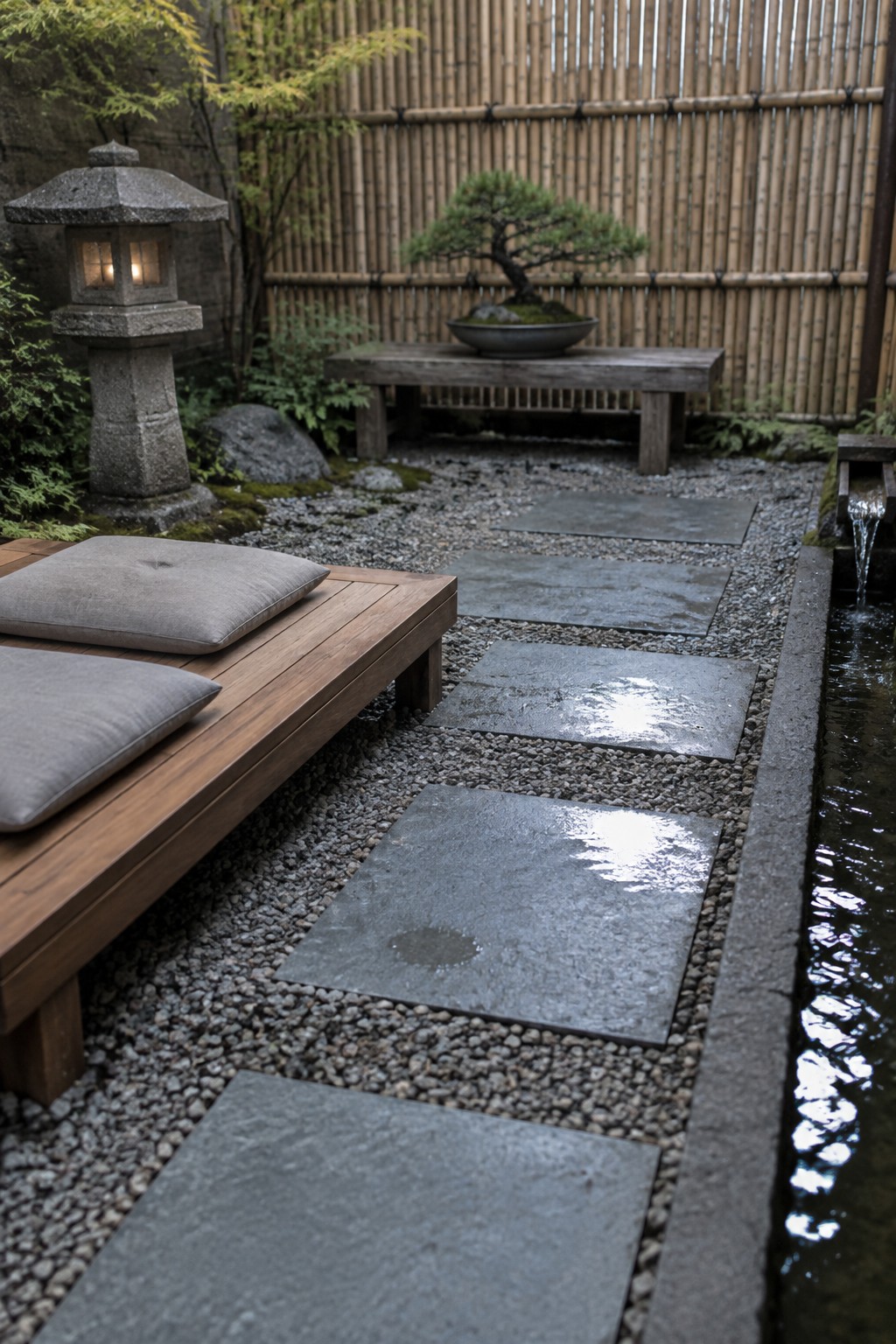
Gravel paired with large stepping stones gives a small patio a clean look without the cost of full paving. The stones create a clear walking path while the gravel fills in around them, so you only need a few big pieces instead of a whole slab.
This works well in tight backyards or side yards where you want something low maintenance and easy to adjust later. Keep the stones fairly level and use a simple border if the gravel tends to spread.
Use a Simple Wooden Bench for Flexible Seating
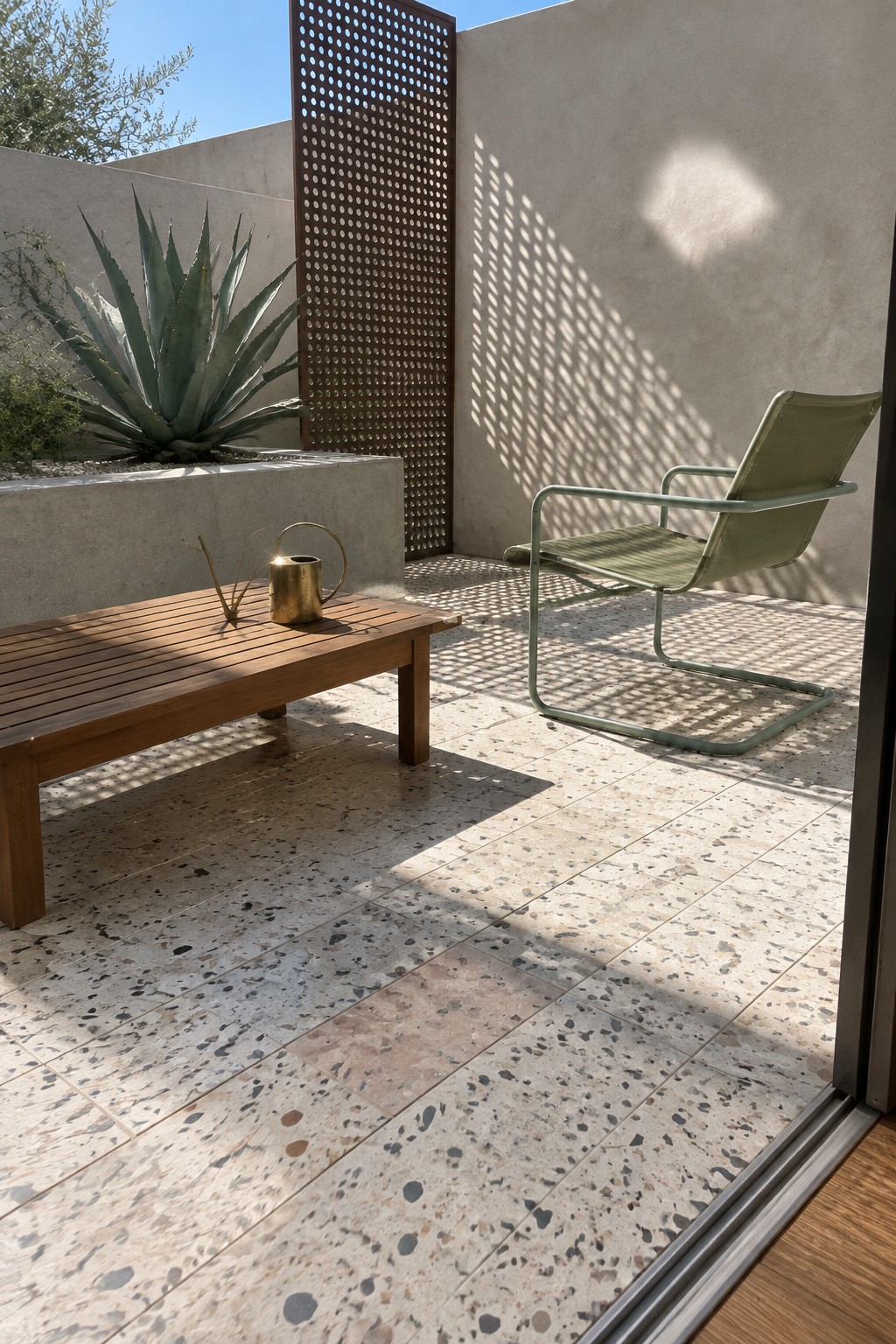
A wooden bench gives you a sturdy, low-cost way to add seating without crowding a small patio. It sits nicely against a low wall or planter edge and leaves room for one or two lightweight chairs beside it.
This setup works best on a durable tile or concrete floor where the bench can stay in place through the seasons. Keep the bench plain so it blends with whatever chairs you already have or can find secondhand.
Try a Mosaic Bistro Set
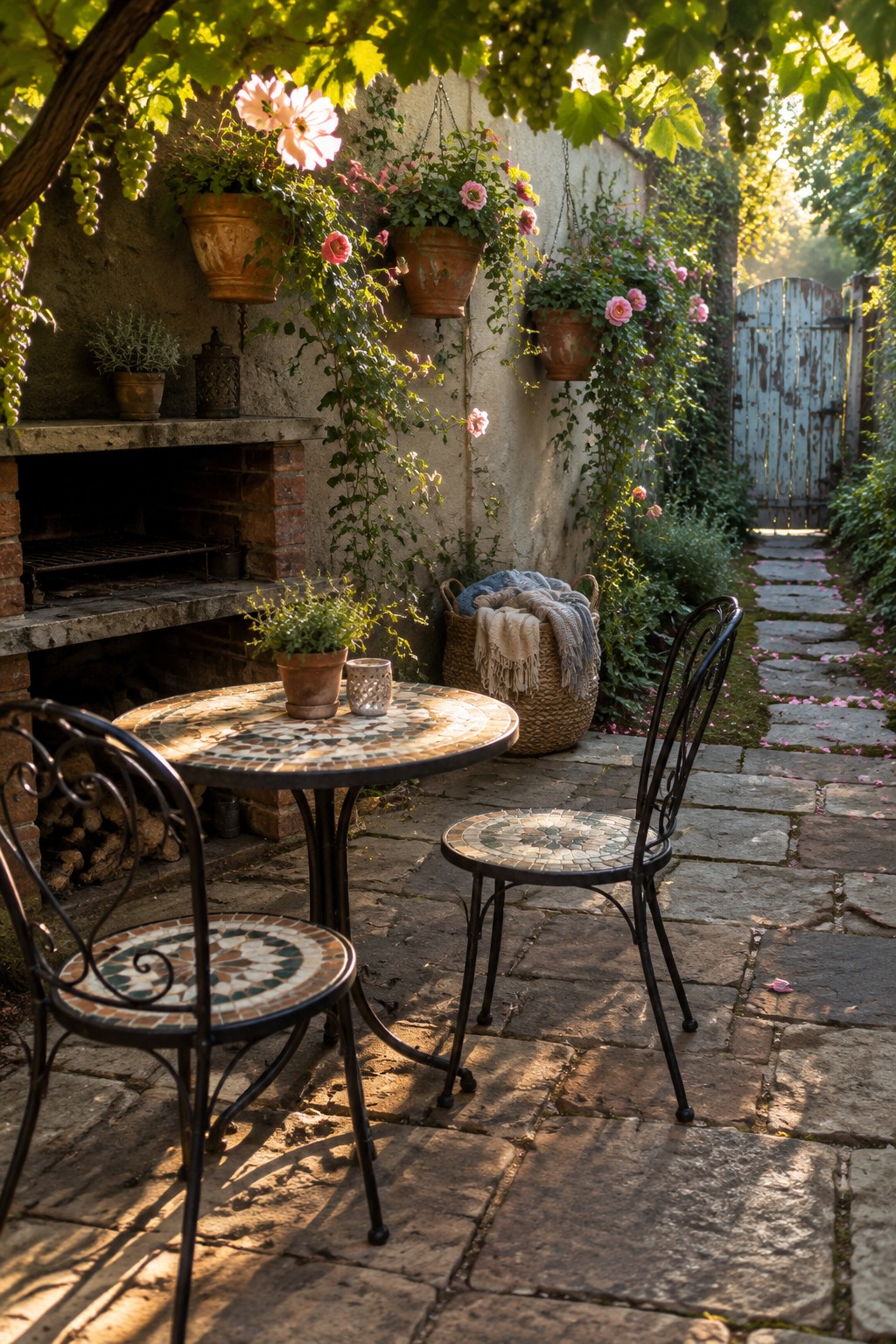
A small mosaic bistro set turns a tight patio corner into a usable spot without crowding the space. The tiled top adds pattern and color that feels finished even when the rest of the area stays simple.
These sets often show up secondhand or can be put together with basic materials. They suit small yards or side patios where a full dining table would not fit, and they need little more than a level surface to work.
Add A Built-In Bench For Extra Seating
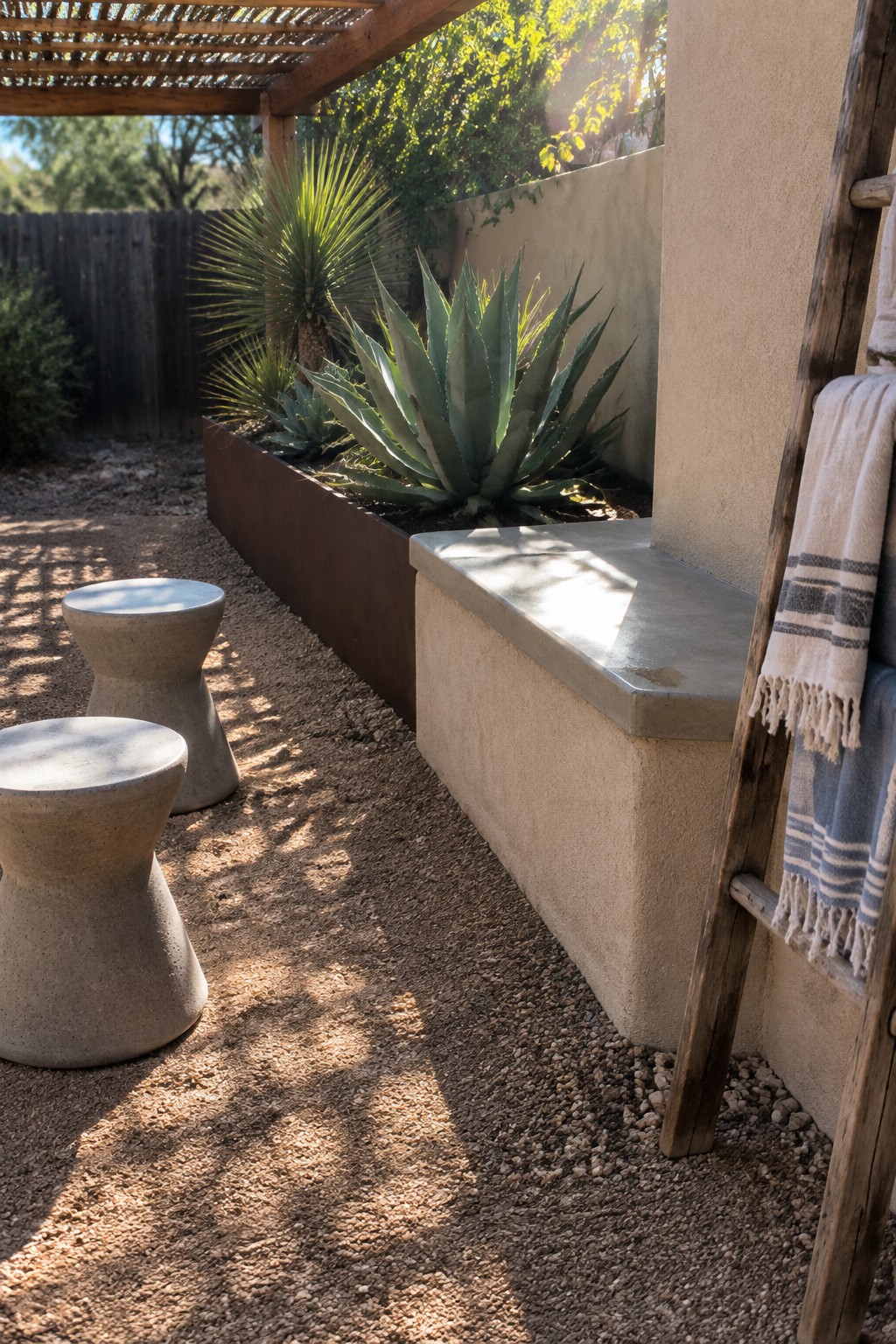
A built-in bench along one side of the patio gives you steady seating without crowding the space with loose chairs. It works especially well when the bench matches the wall material so the whole area feels clean and open.
This setup suits small yards or side patios where every foot counts. Form the bench from concrete or stucco to match the house, keep the surface simple, and add a few stools only if you need more spots now and then.
Add Wall Planters for Extra Greenery
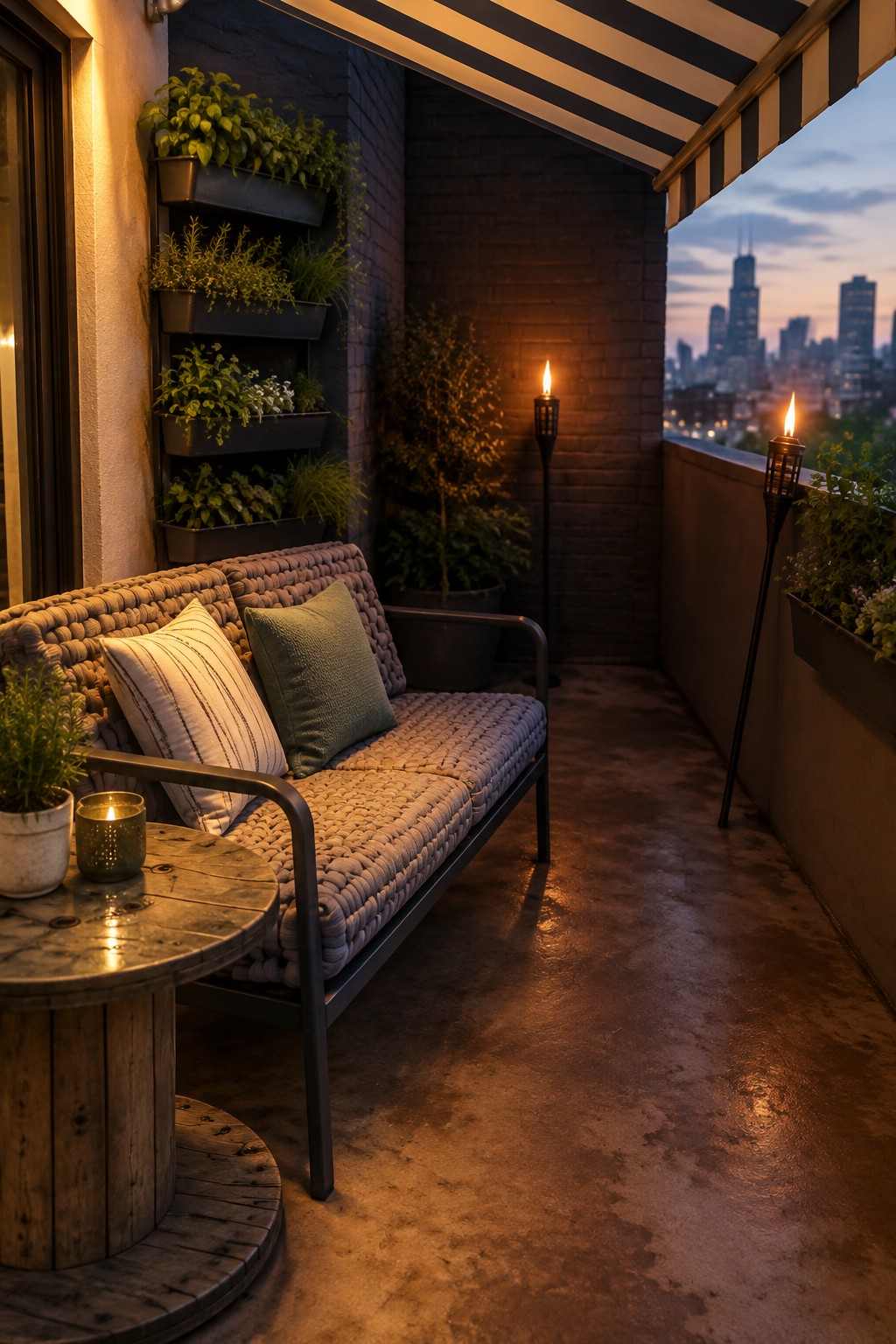
One simple way to make a small patio feel fuller is to mount planters on the wall instead of spreading everything across the floor. This approach brings in plenty of plants while leaving room to move around and sit.
It works especially well on balconies or narrow outdoor spots where floor space is limited. Start with a few sturdy mounted boxes, choose easy plants like herbs or trailing greens, and check that the wall can handle the weight and water.
Concrete Pavers With Grass Joints
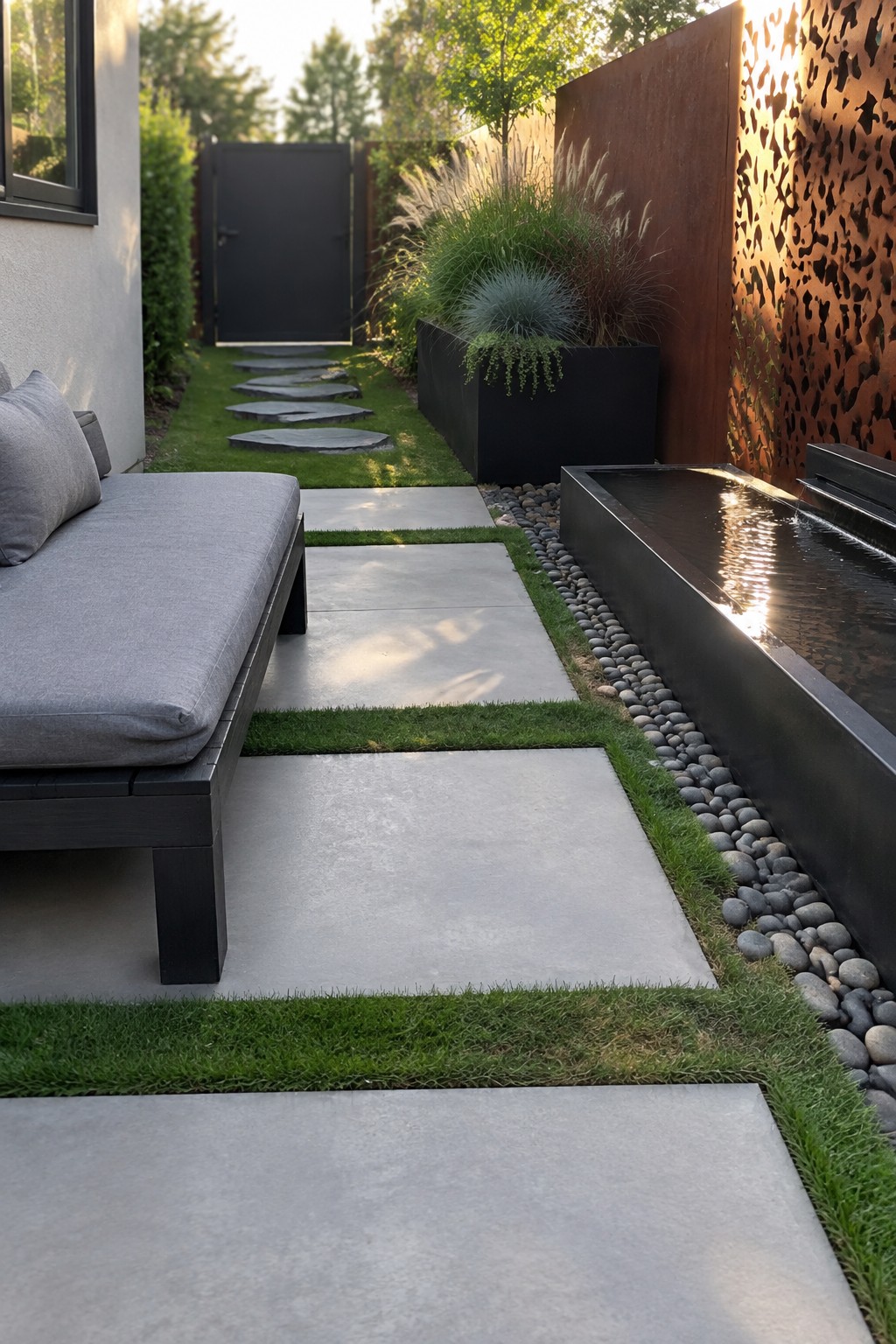
Large concrete pavers set with narrow strips of grass between them give a patio a clean look without needing a full slab pour. This setup keeps the surface level and easy to walk on while letting a bit of lawn run through, which helps the area feel less separate from the rest of the yard. It works especially well in small spaces where you want something simple and low cost.
The same approach works on a narrow side yard or a small back patio where full paving would feel too heavy. Just make sure the pavers sit on a stable base so they stay even over time, and choose grass that can handle some foot traffic. Keep the joints narrow enough that mowing stays simple.
Frequently Asked Questions
Q: How can I add seating without spending much on new furniture? A: Look around your house for stools or benches you can move outside. Toss on some old cushions you already have or grab cheap ones from a discount store. A quick coat of paint makes them feel fresh for the patio.
Q: What works for shade on a tiny space that gets full sun? A: Hang a simple cloth or tarp from hooks on a nearby wall or fence. It blocks the worst heat and you can roll it up when you want more light. This keeps things cool without big structures.
Q: Are there easy ways to add plants on a tight budget? A: Start with cuttings from friends or cheap pots at a hardware store. Use old jars or buckets you have around the house as planters. They grow fast and fill the space without much effort.
