

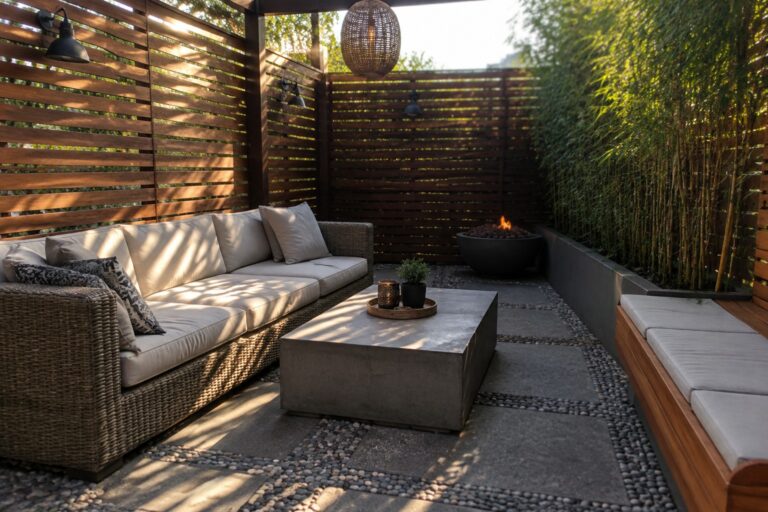
I’ve noticed that many patios end up as storage spots instead of places to sit because there is no real privacy from the sides.
Slatted screens give a lighter way to block those views while keeping the open feel that makes outdoor time enjoyable.
Spacing matters most.
I tried this on a side patio last year and ended up moving the panels twice before they felt balanced with the seating area.
Testing a few different spacings on paper first usually shows which ones will actually work once built.
Slatted Screens For Simple Patio Privacy
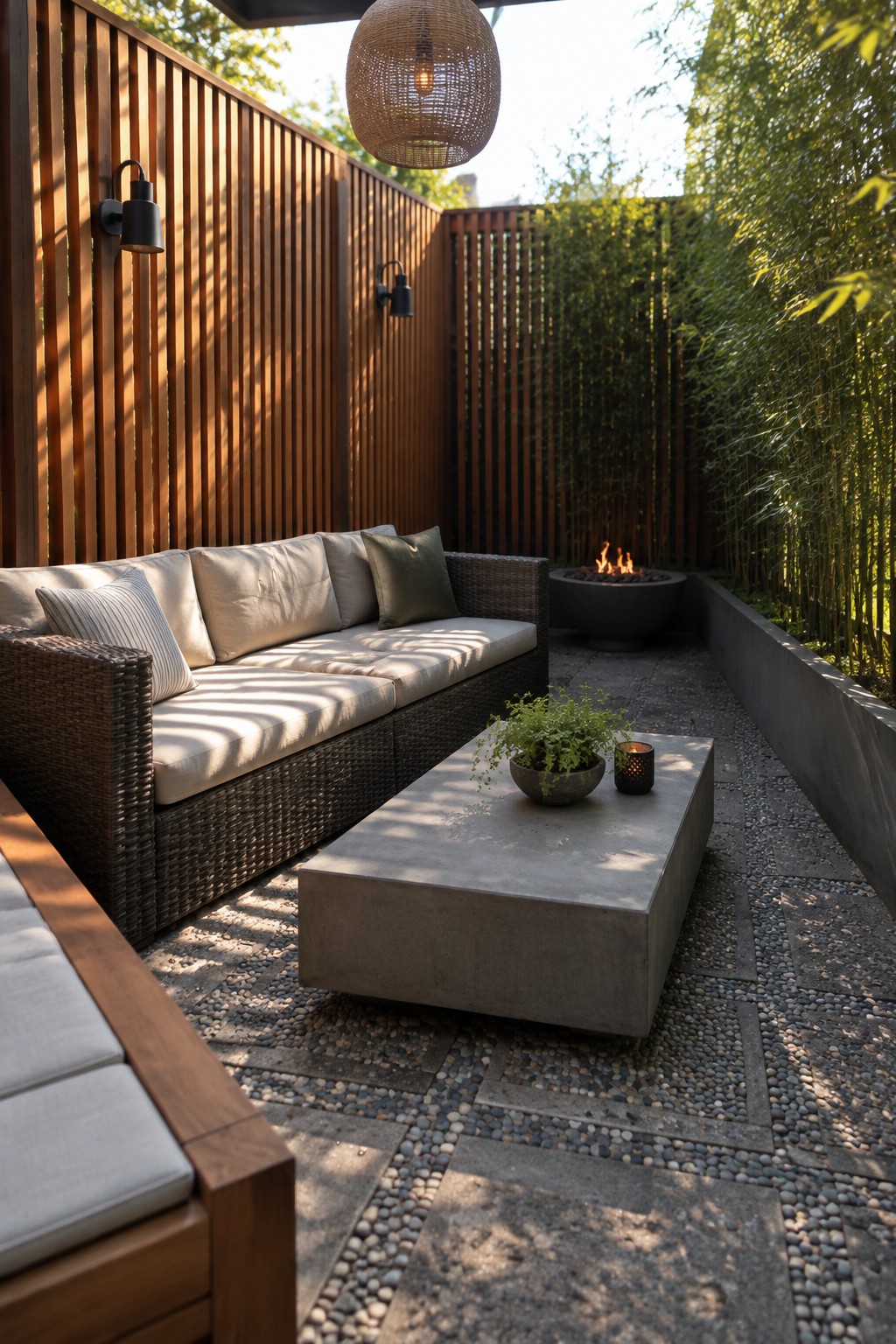
Vertical wood slats give this patio a clear boundary without blocking out all the light. The gaps let sunlight and shadows move across the seating during the day, so the space still feels open even though it is enclosed on three sides.
This approach works best in tight side yards or back corners where you need separation from neighbors or the street. Keep the spacing tight enough for privacy but loose enough for air to move through, and pair the screens with taller planting if you want extra coverage.
Horizontal Slats For Patio Privacy
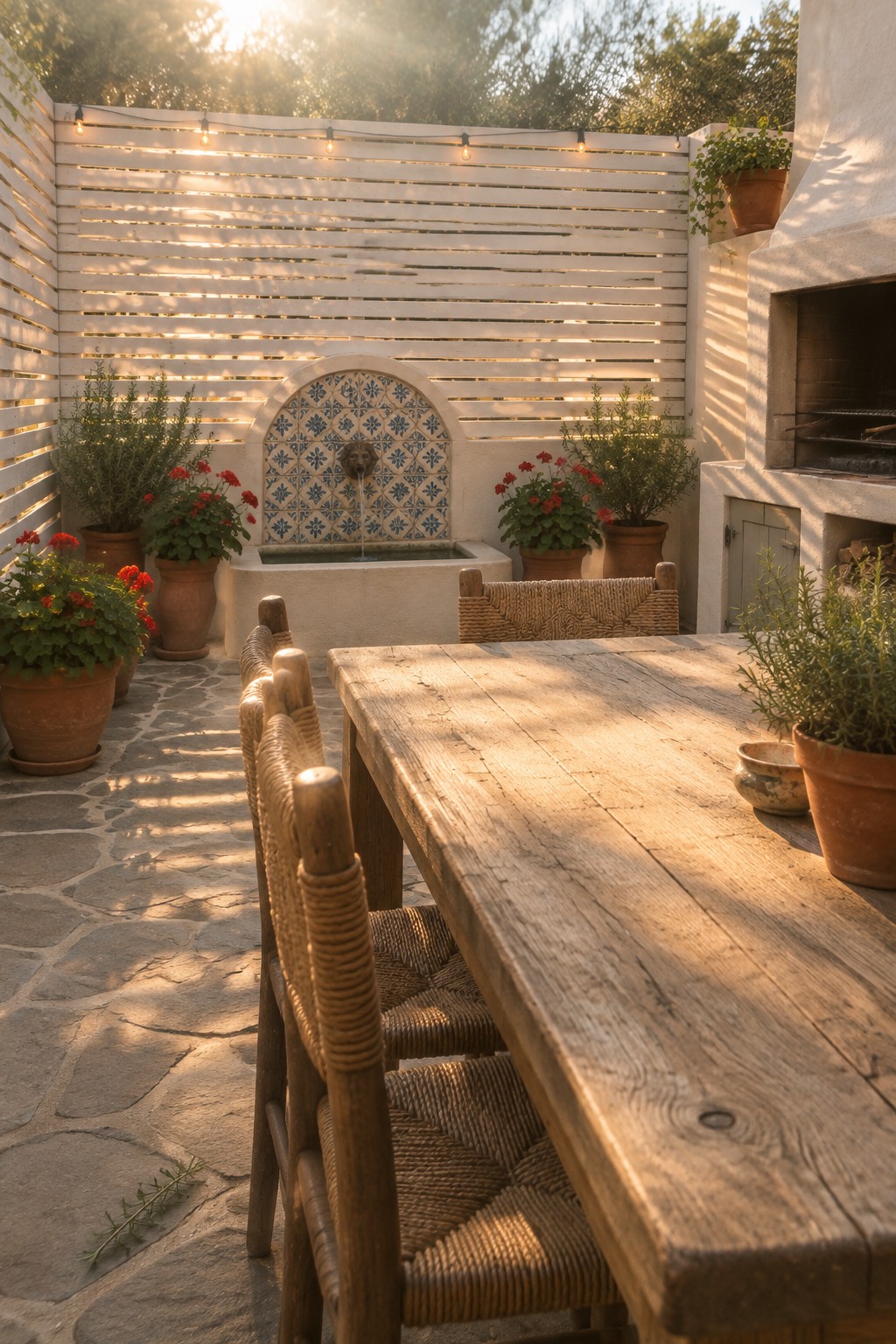
Many people turn to horizontal slatted screens when they want a patio that feels private without cutting off all the light. The gaps let sun through in soft stripes while the solid parts block the view from neighboring yards or windows.
This setup works especially well on smaller patios or in tight urban yards where you still want to keep some connection to the garden beyond. Just space the slats evenly and keep the color light if you want the area to stay bright during the day.
Horizontal Slat Screens For Patio Privacy
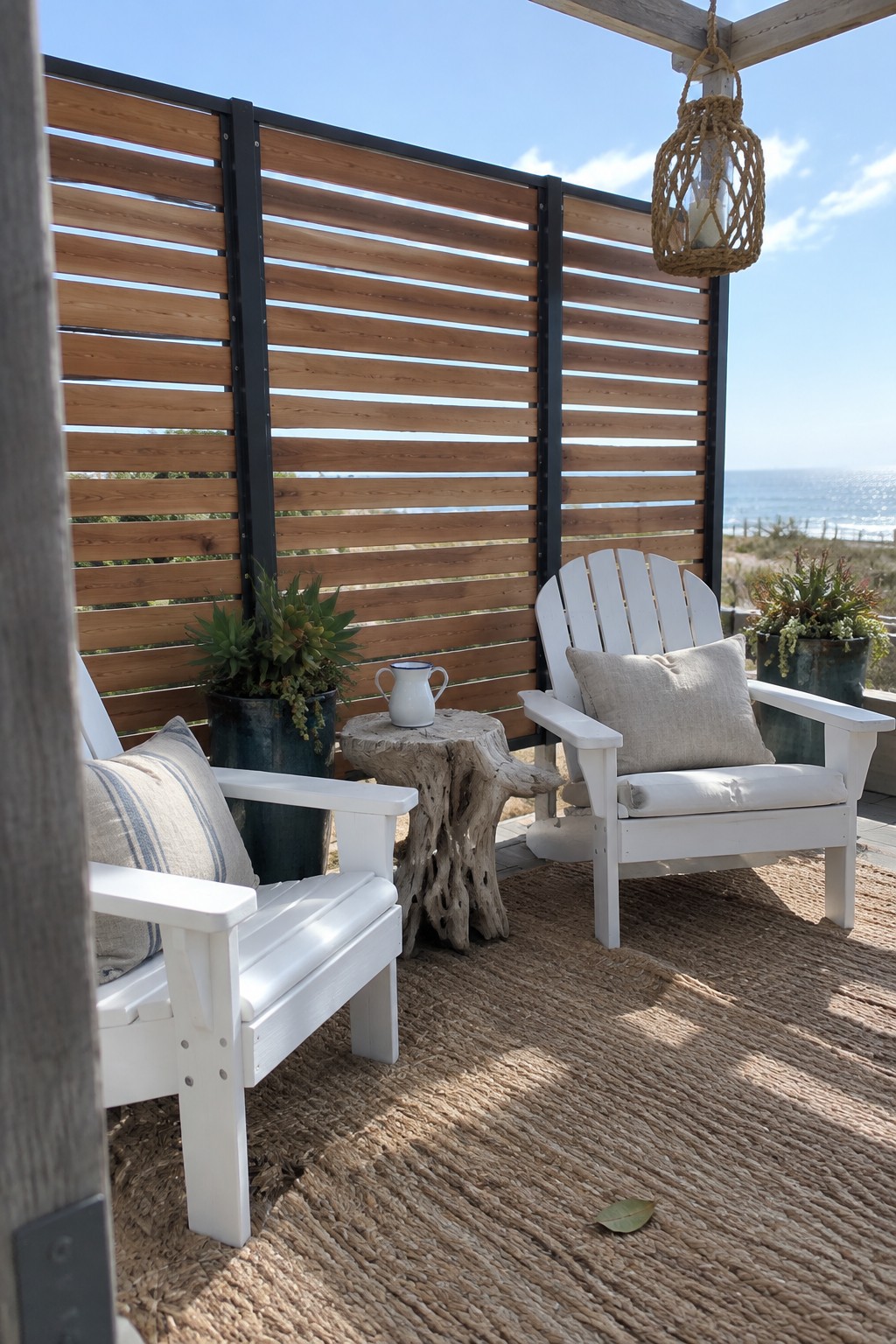
Slatted screens like these give a patio real side privacy while still letting light and air move through. The horizontal boards block the view from neighbors or the street without making the space feel boxed in, which is why they work so well on open decks and side yards.
This setup suits homes near other properties or along a road where you want separation but still like to see the view ahead. Use the same idea with wood or a similar material to match your fence or house trim, and keep the screen height around six feet so it feels substantial without overpowering the seating area.
Slatted Screens For Patio Privacy
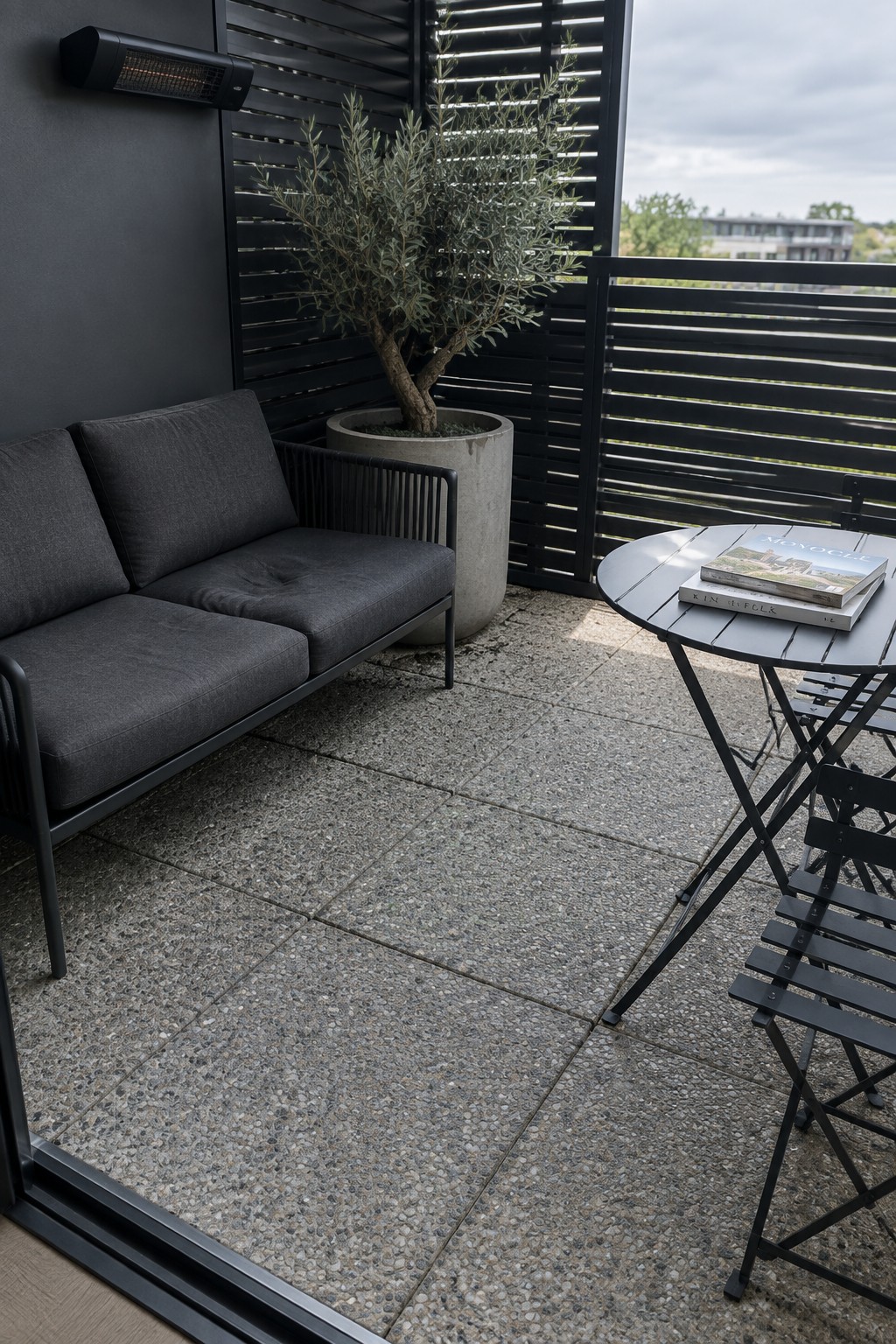
Slatted screens give a patio a clear boundary without cutting off light or air. The vertical black slats here run along the edge and back wall, blocking views from the street and neighboring units while still letting the space feel connected to the outdoors.
This approach works best on urban balconies or ground-level patios where neighbors sit close by. Keep the rest of the space simple with low seating and one or two large planters so the screens stay the main feature rather than competing with too many other elements.
Slatted Screens Make a Patio Feel More Private
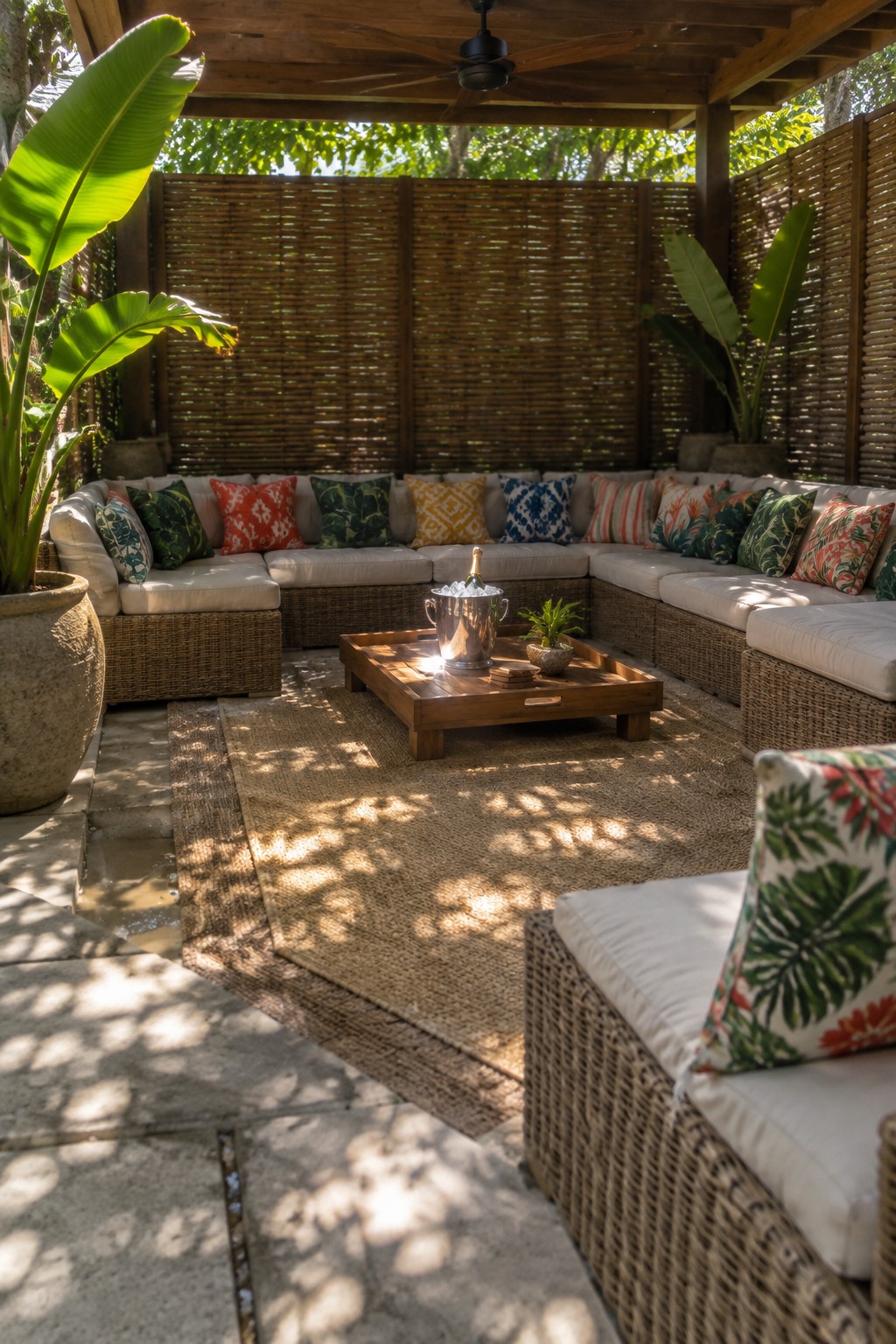
Slatted privacy screens are one of the easiest ways to turn an open patio into a space that actually feels tucked away. The vertical lines let light and breeze through while cutting off the view from outside, which keeps the area comfortable without making it feel boxed in.
They work especially well along the back or sides of a seating area, particularly in yards that sit close to neighbors or a street. Pair them with simple outdoor furniture and a rug to anchor the space, but avoid packing too many plants right against the screens since that can block airflow.
Slatted Screens for a Fire Pit Patio
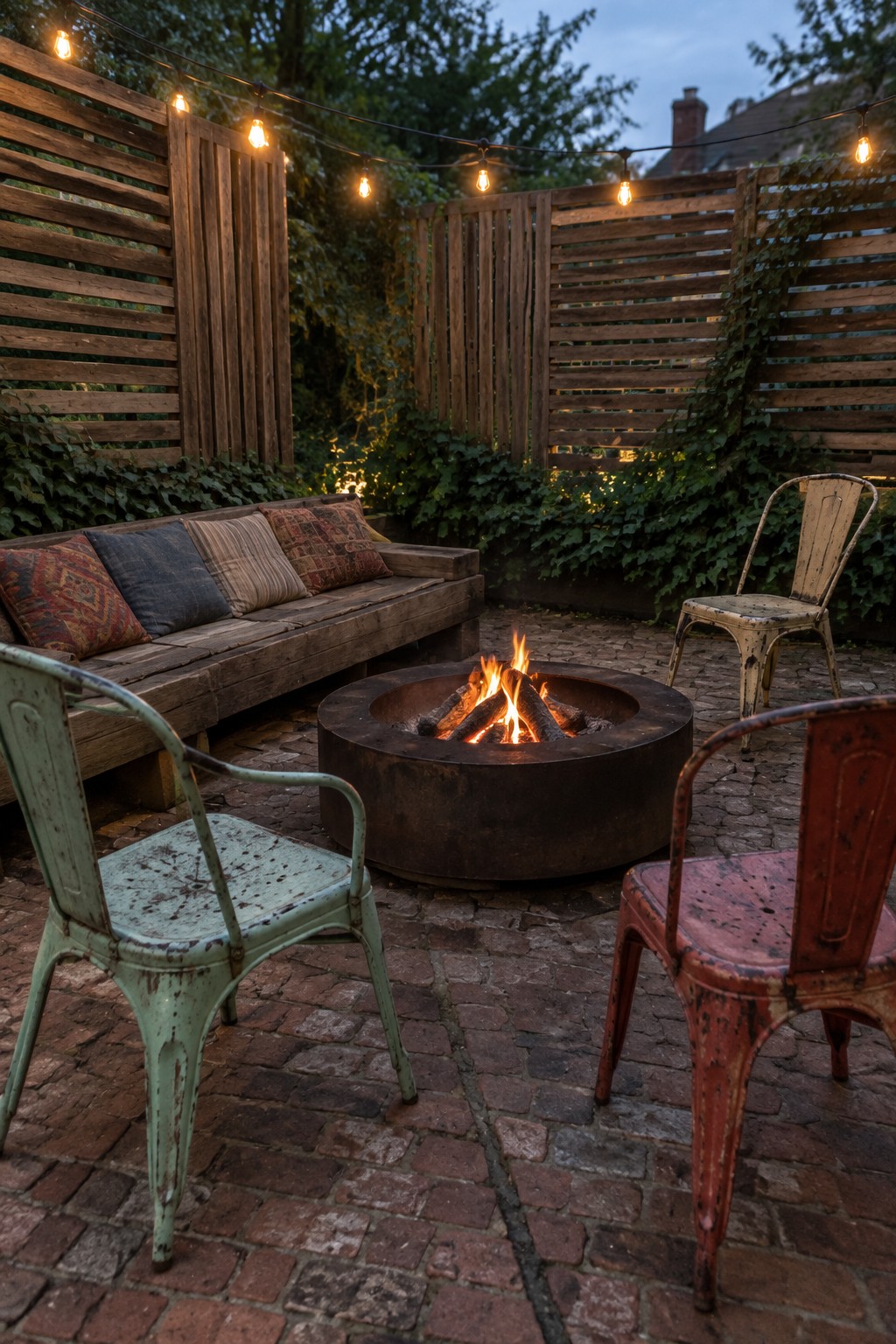
Slatted wood screens work well when you want to define a fire pit area without making it feel closed in. The gaps let light and air move through while still giving the space a clear boundary, so the seating stays private from the rest of the yard.
This approach fits smaller patios or side yards where you need a bit of separation but do not want a solid wall. Keep the screens tall enough to block views from neighboring windows, and place the fire pit toward the center so the screens frame the seating instead of crowding it.
Slatted Screens for a Private Patio Corner
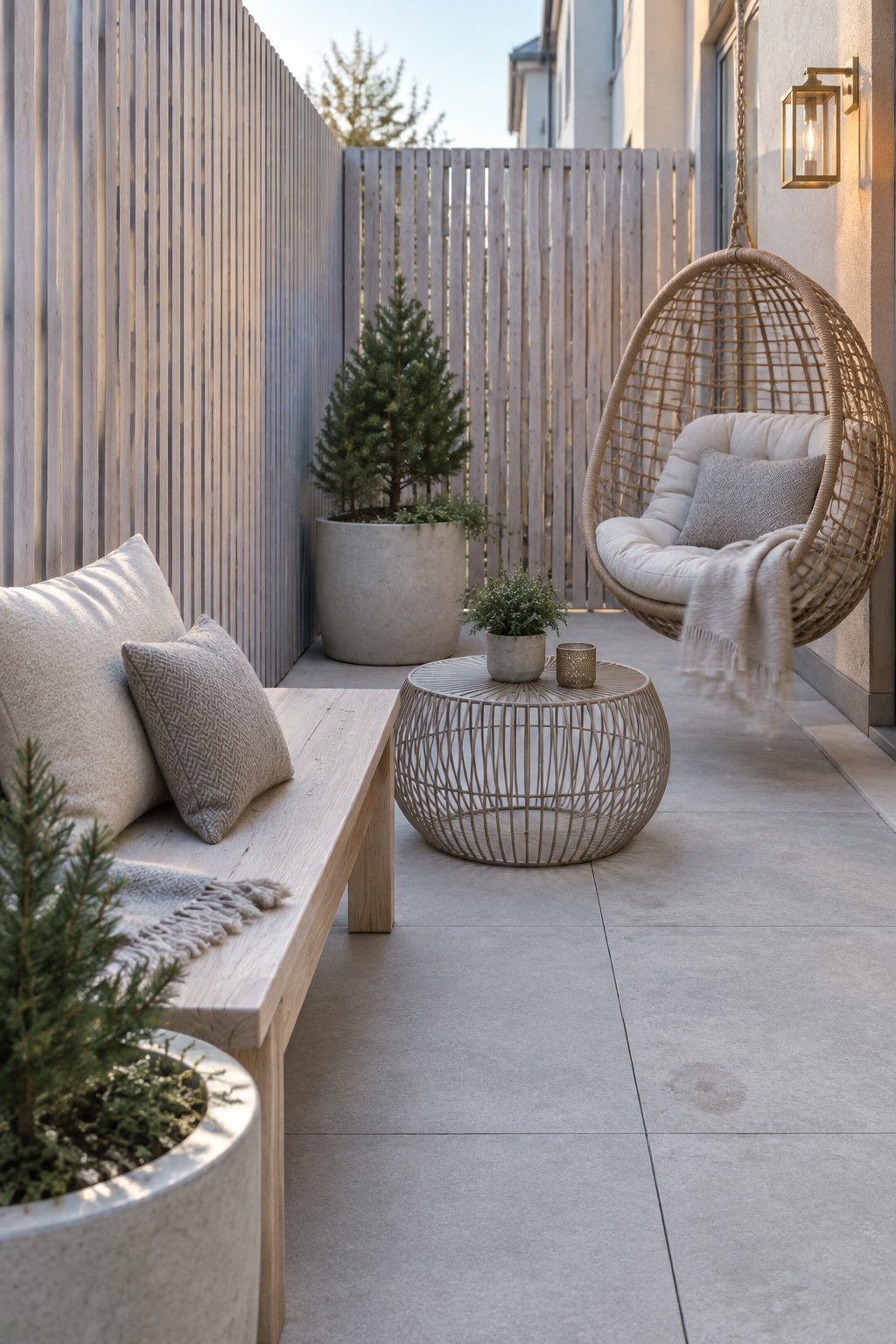
Vertical wood slats along the edge of a patio can turn an open space into something more sheltered. They block the view from outside while still letting in air and light, which keeps the area from feeling boxed in.
This setup works especially well on narrow side yards or townhouse patios where privacy is limited. Use a light wood tone and keep the spacing consistent so the screen blends with the seating rather than dominating it.
Horizontal Slat Screens For Poolside Privacy
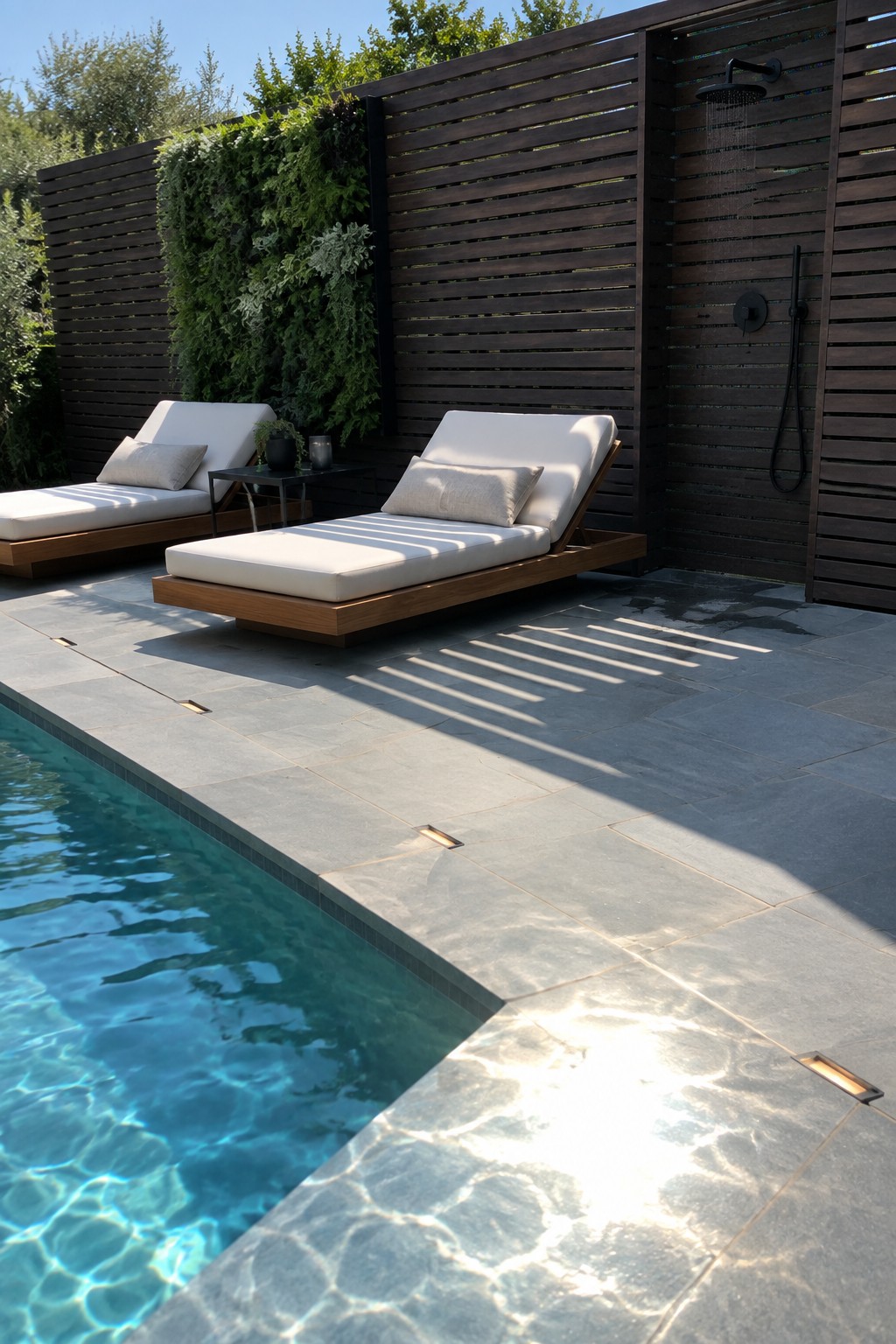
Horizontal slat screens work well when you want privacy around a pool without losing the open feel of the space. The gaps between the boards let air and light through while cutting off direct views from neighbors or the street. This approach keeps the area usable on sunny days without feeling boxed in.
Place the screens along the back or side edges of the patio to create a defined zone. They suit homes with smaller yards or close neighbors, especially when you want a quiet spot for lounging. Just make sure the wood is treated for outdoor use so it holds up over time.
Slatted Screens Create Private Patio Corners
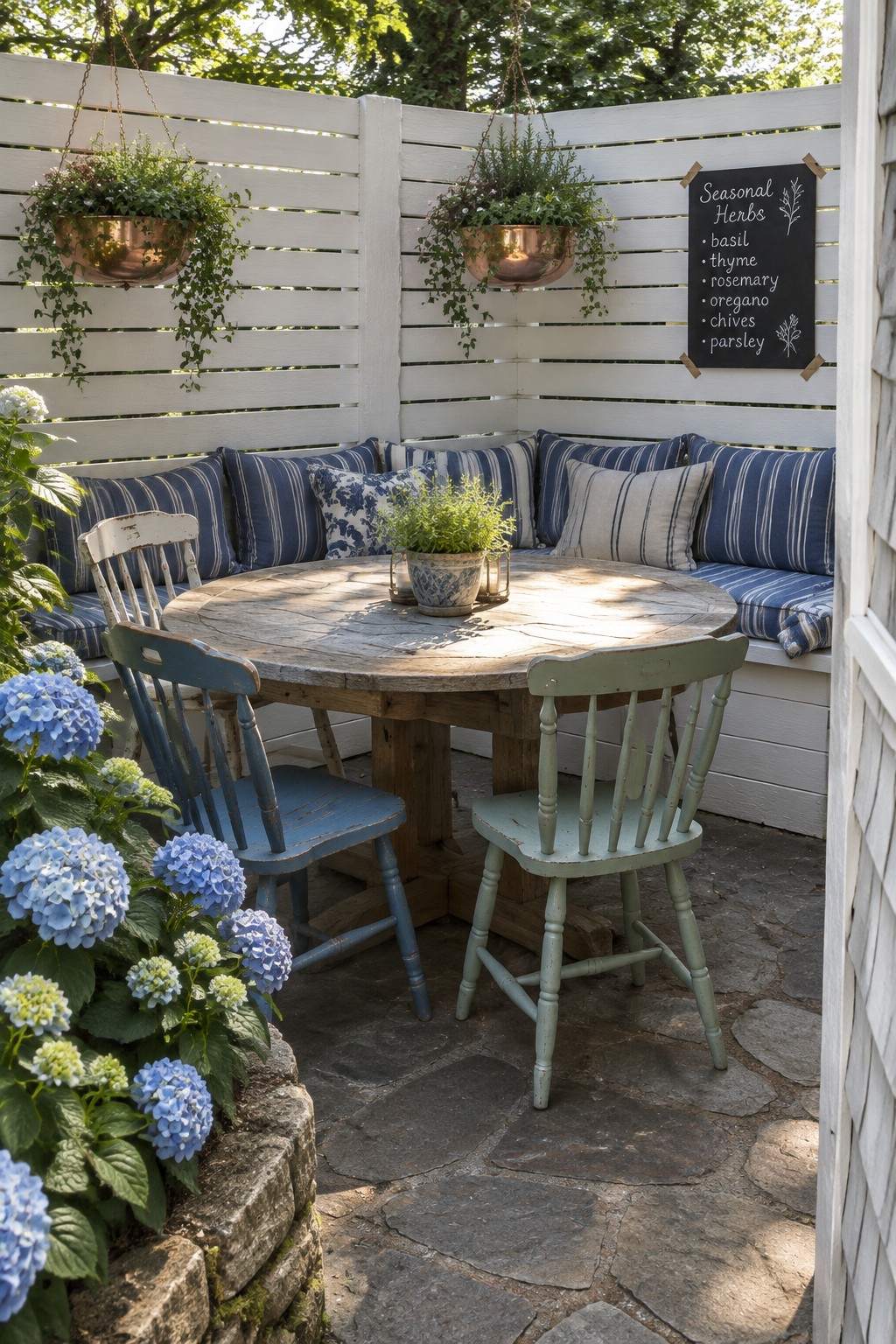
Slatted screens give a patio a clear boundary without making the space feel closed in. The horizontal gaps let breezes move through and keep the area from turning dark, which helps small outdoor spots feel more open even when they are tucked away from the rest of the yard.
This approach works best along the edges of a yard where you want to block a neighbor’s view or hide a service area. You can run the screens on two sides to form a simple corner, then add a bench along the base so the seating stays built in and out of the way.
Using Slatted Screens For Patio Privacy
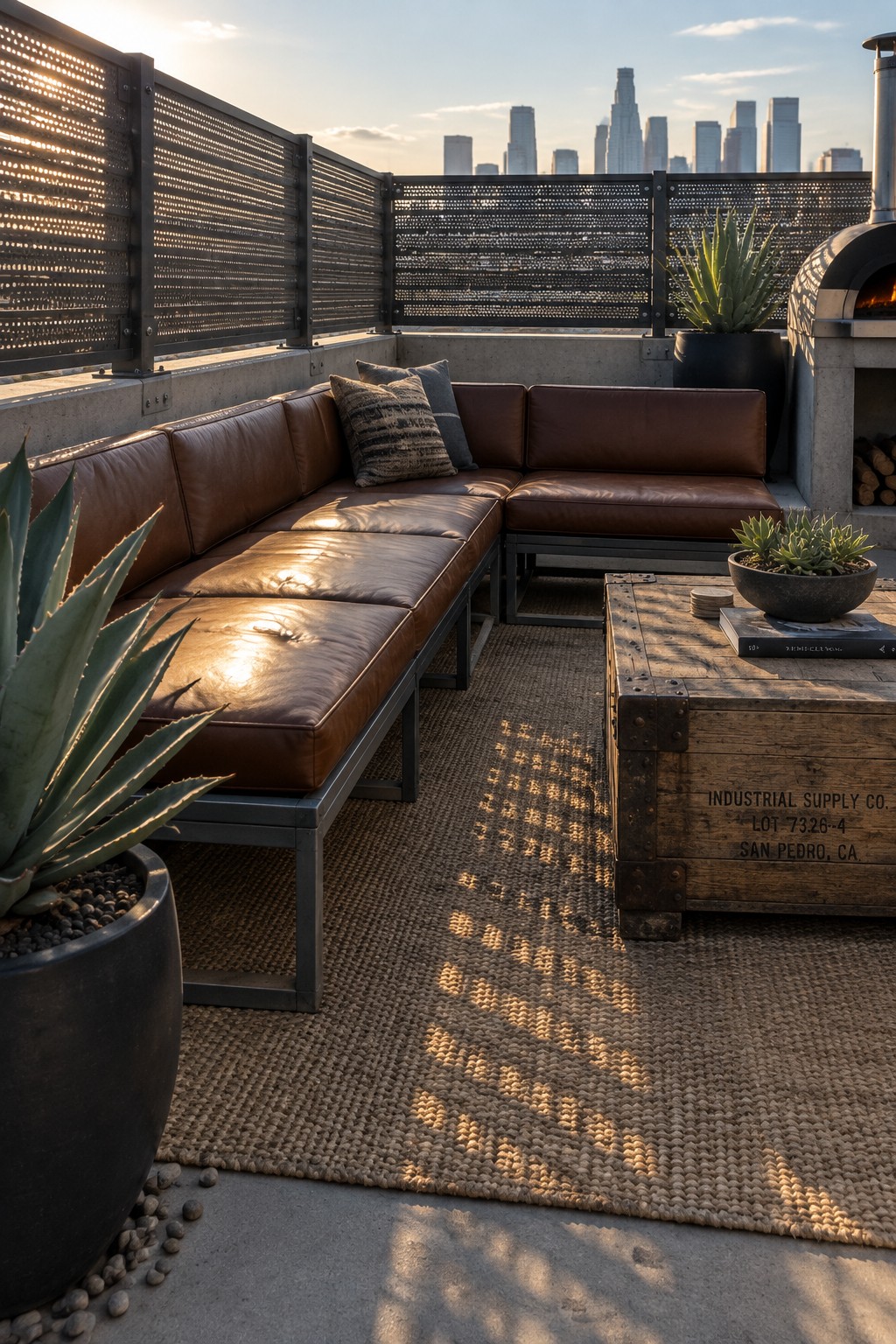
Slatted screens give a patio real privacy without turning it into a closed off box. The horizontal gaps let light and air move through, so the space still feels open even when it is tucked away from neighbors or street views.
This setup works especially well on rooftops or upper terraces where you want separation but do not want to lose the sky. Metal or wood slats in a dark finish hold up outdoors and pair easily with simple seating and a few large pots.
Slatted Screens With Climbing Vines
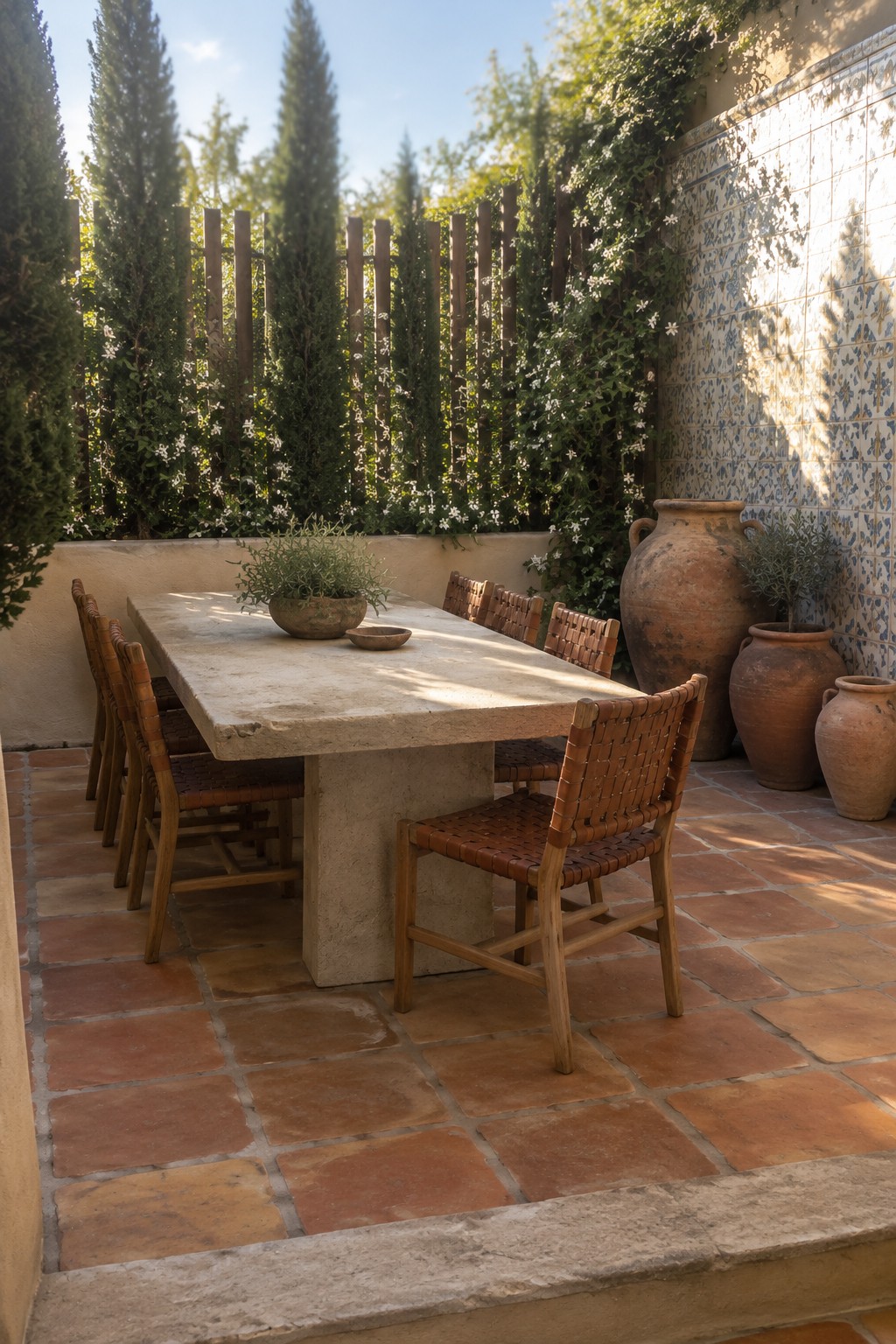
A slatted screen gives privacy without making the space feel closed in. The gaps let air and light move through, while vines growing up the wood soften the look and add a bit of cover over time.
This works best on patios that sit close to a neighbor or street. Choose a simple vertical slat style, plant something that climbs easily, and let it fill in over a season or two. It keeps the area feeling open but still tucked away.
Slatted Bamboo Screens For Patio Privacy
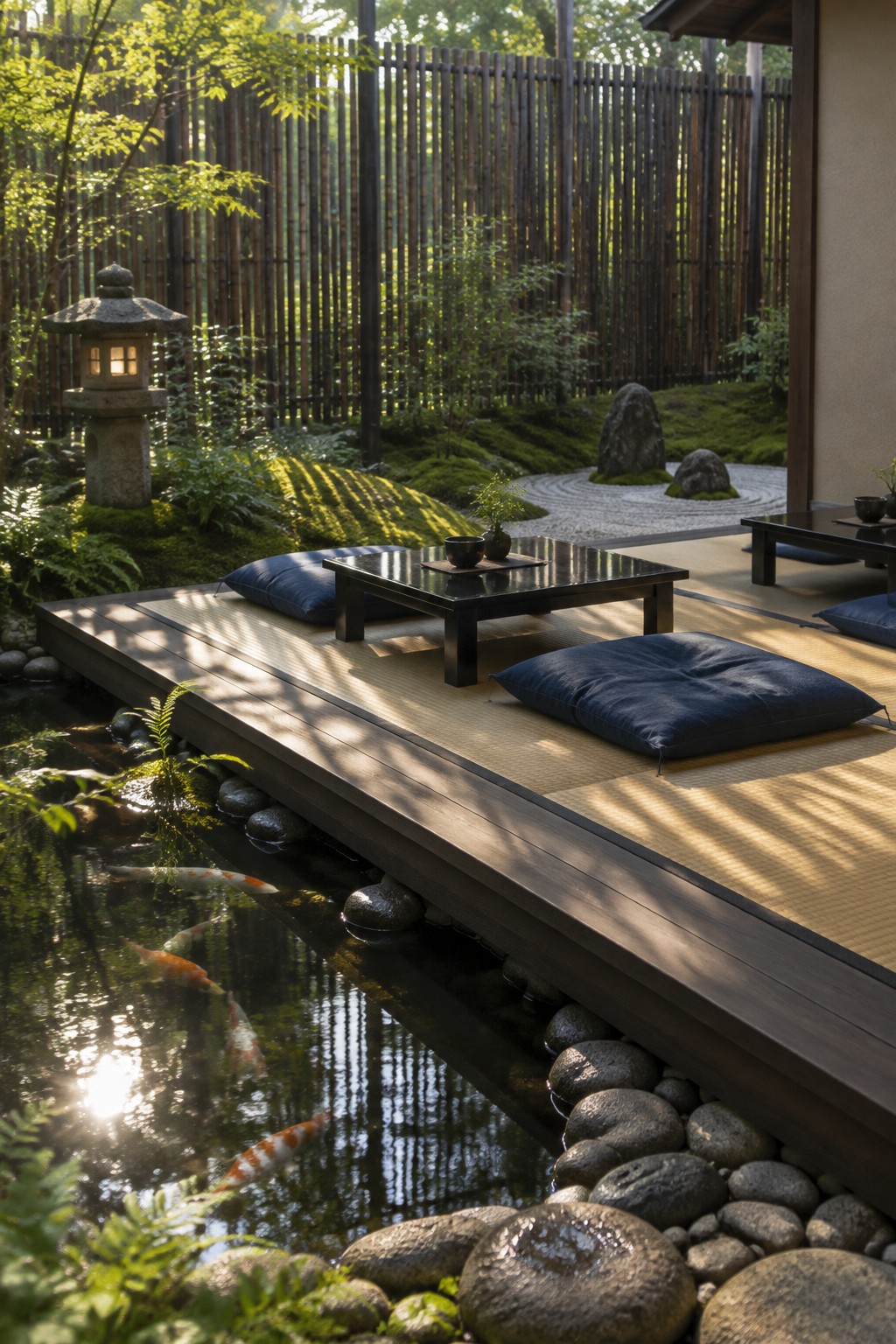
A row of vertical bamboo slats can turn an ordinary deck into a private spot without blocking all the light or air. The gaps in the screen keep the space from feeling boxed in while still cutting off direct views from outside.
This works best on decks that sit near property lines or neighbor windows. Pair the screen with simple wood decking and low seating so the whole area stays calm and easy to maintain.
Slatted Screens Give Your Patio Real Privacy
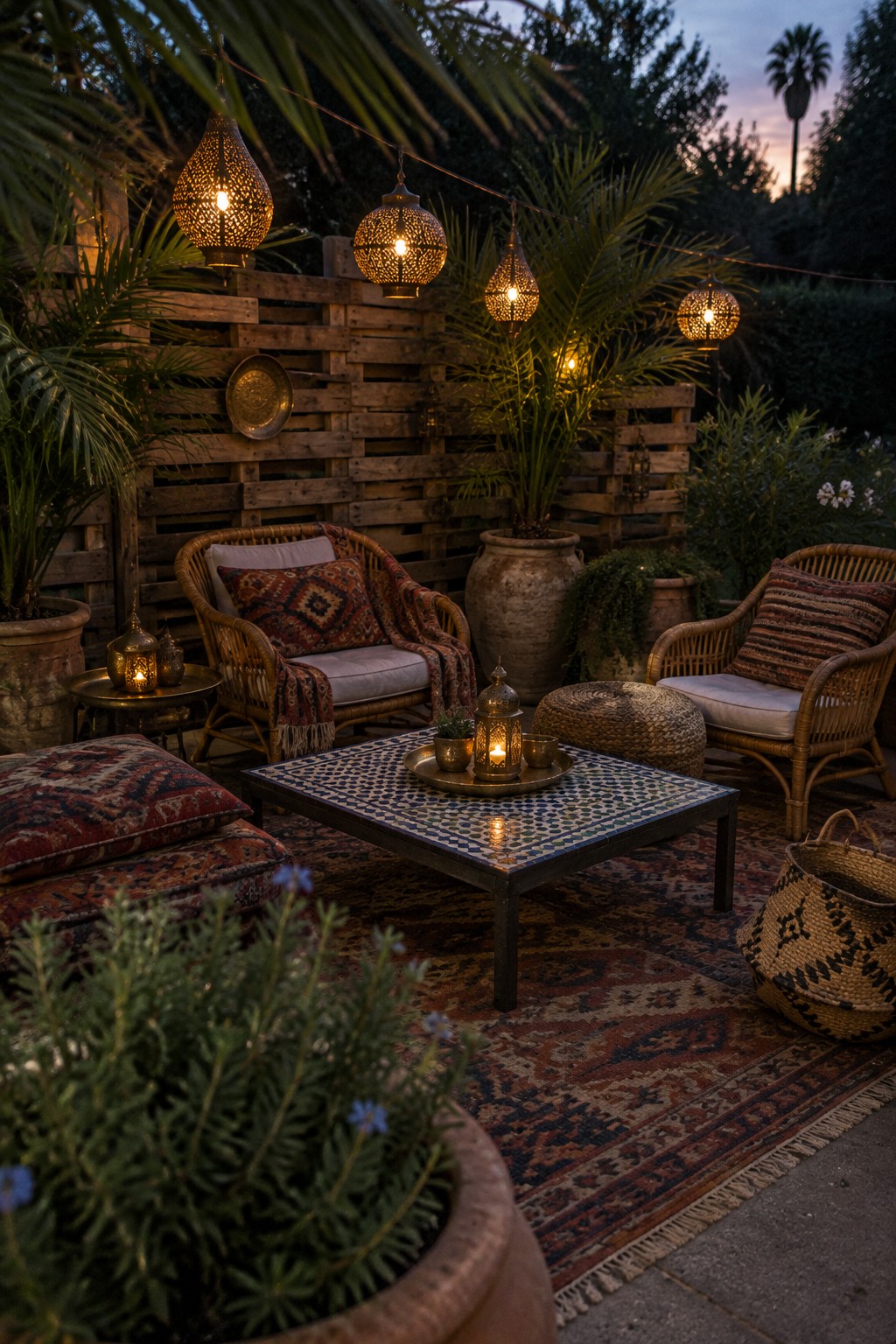
A simple row of wooden slats can turn an open patio into a space that actually feels private. The vertical boards block the view from outside while still letting air move through, so the area stays comfortable instead of closed off. Many people like this look because it feels more finished than a bare fence but less heavy than a solid wall.
This works especially well in side yards or back corners where neighbors can see in. You can build it from basic lumber or reclaimed pallets, then add seating and a few lights to make the space usable after dark. Just keep the screen height around six feet so it blocks the view without making the patio feel boxed in.
Slatted Screens for Private Patio Corners
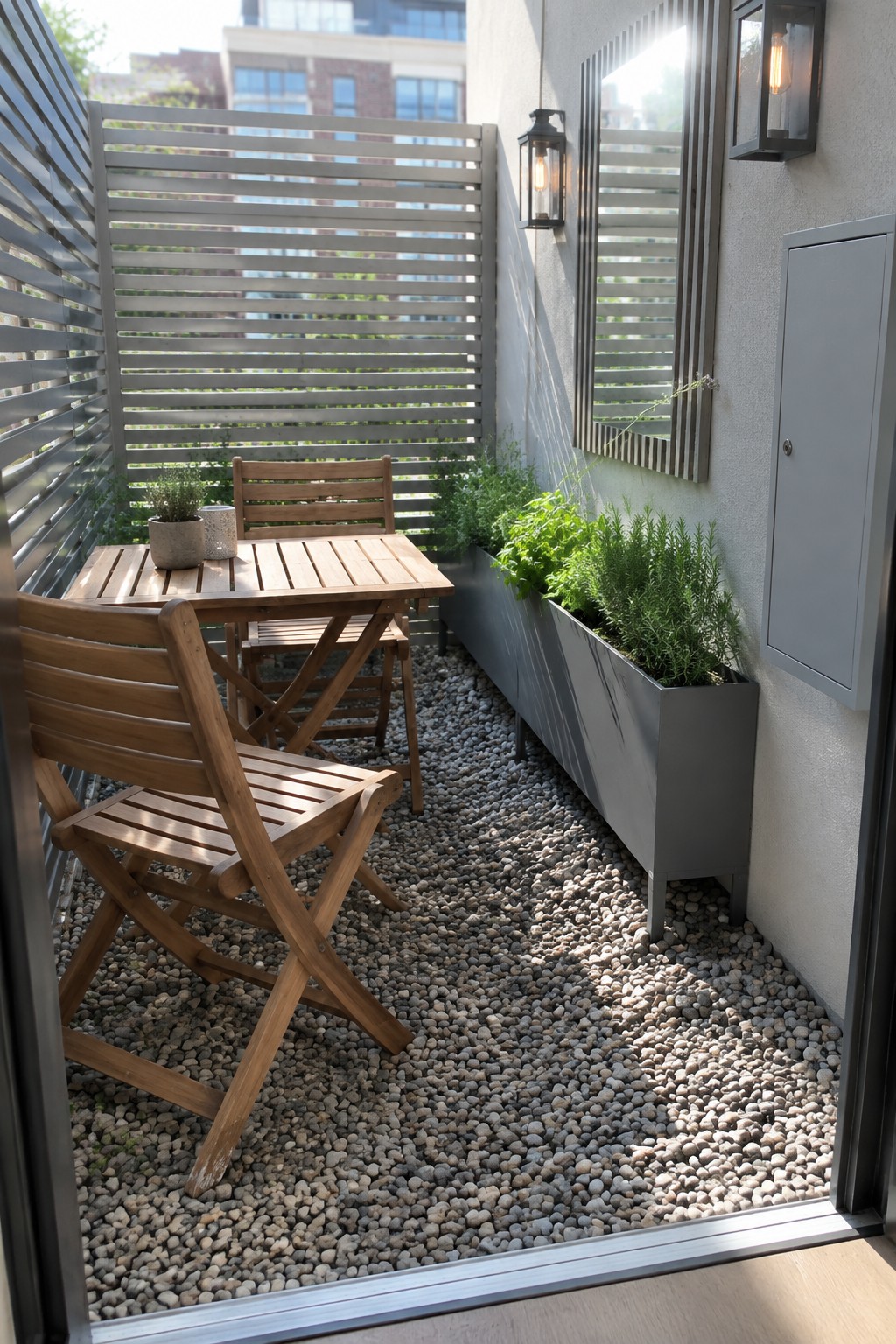
Slatted screens turn a narrow outdoor space into something that feels more enclosed and private. The open design keeps air moving and lets sunlight filter through, so the area does not feel boxed in even when it sits close to neighboring buildings.
This approach works best on side patios or small balconies attached to townhomes. Run the screens along the back and one side, then keep the rest of the space simple with gravel underfoot and a few planters along the base.
Slatted Screens For Patio Privacy
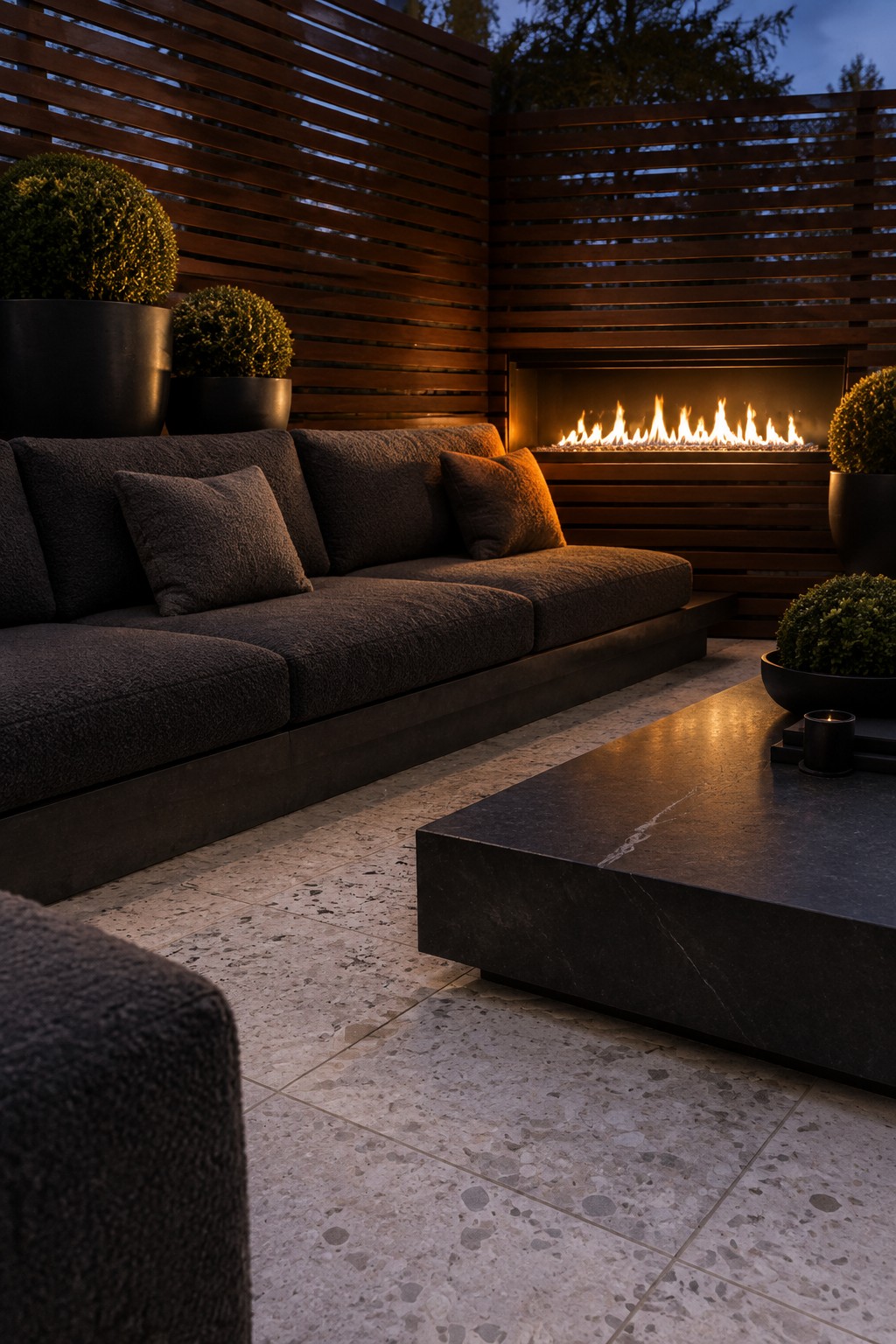
Slatted screens give a patio real privacy without making it feel closed off. The horizontal lines let light and air move through while blocking the direct view from neighbors or the street. Many people like this approach because it keeps the space usable at night and still feels connected to the yard.
This works best on patios that sit close to other houses or along a side yard. Run the screens along the sides that need coverage and keep the front more open if the view is worth keeping. Pair them with simple seating and a low fire feature so the area stays comfortable after dark.
Slatted Screens For Patio Privacy
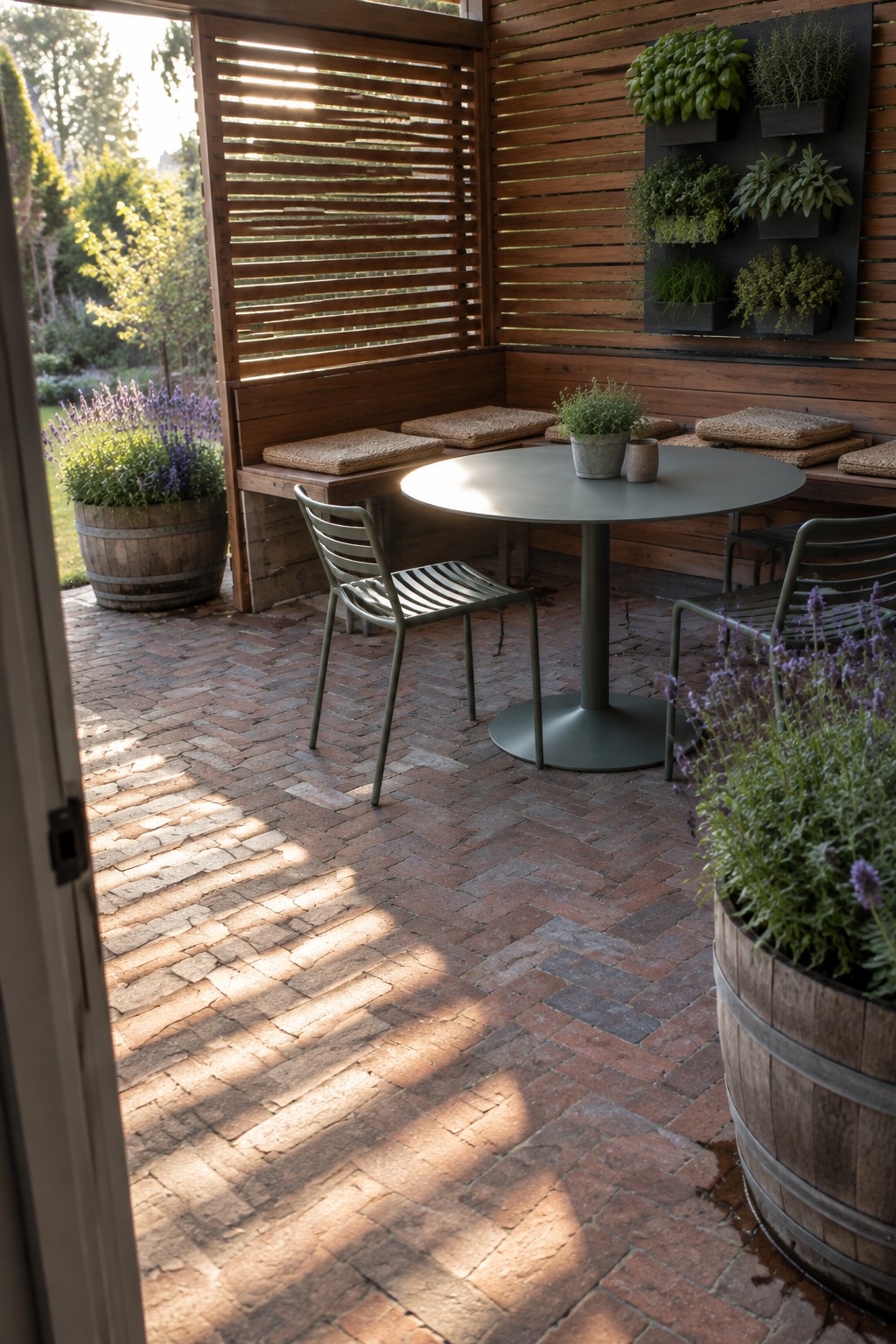
Horizontal wooden slats create a simple screen that blocks the view from outside while still letting light and air pass through. This keeps the patio from feeling closed off or too heavy, and it pairs easily with a built-in bench or a few chairs underneath.
The setup works well on smaller patios or side yards where you want a bit of separation without a solid fence. Mount the screens along one or two sides, keep the rest open, and add plants in barrels or on a wall to soften the edges.
Slatted Screens for Patio Privacy
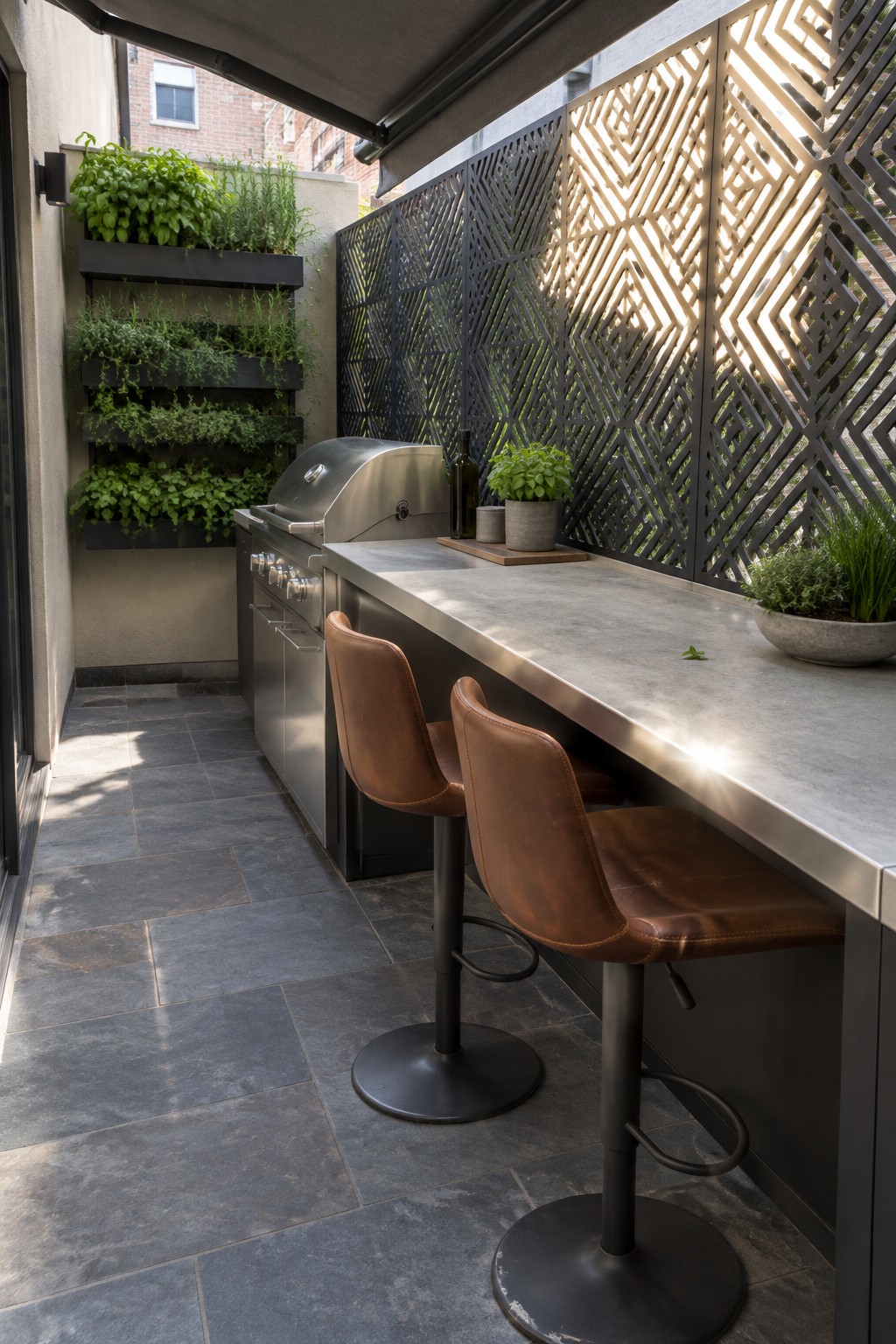
Slatted screens give you privacy on a patio without turning the space into a closed-off box. The open pattern lets light and air move through, so the area still feels connected to the outdoors while cutting down on direct views from neighbors.
This approach works especially well along the back or side of an outdoor bar or seating area where you need separation but still want to keep the space usable. It suits smaller urban yards or townhouse patios where full walls would feel too heavy.
Slatted Screens Add Privacy Without Closing In The Space
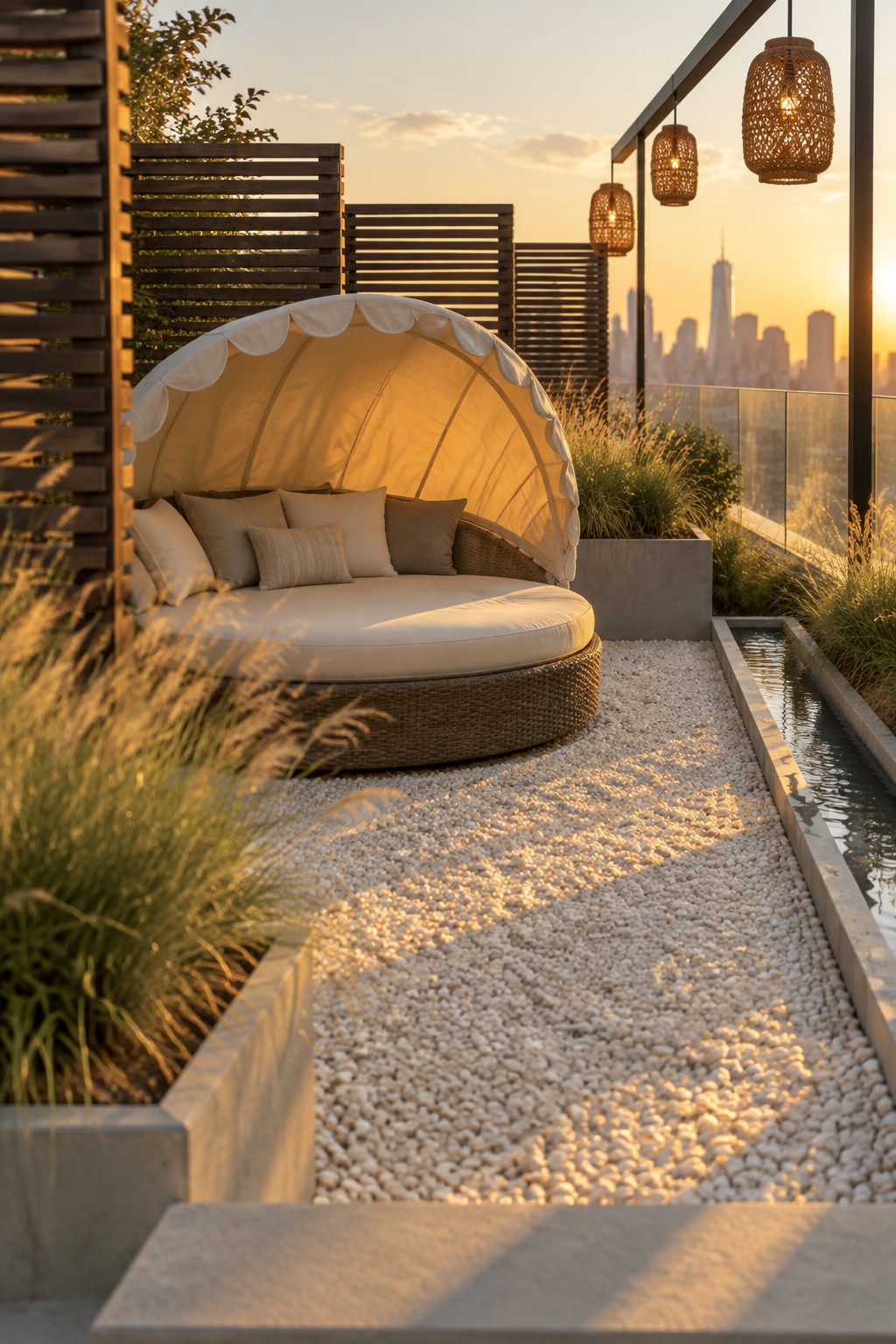
Slatted privacy screens give a patio a clear boundary while still letting air and light move through. The horizontal boards block the direct view from neighbors or the street, yet the gaps keep the area from feeling boxed in or dark.
This approach works especially well on rooftops and upper-level terraces where full walls would cut off the view. Place the screens behind seating areas or along the open sides, and keep the spacing even so the screen feels intentional rather than heavy.
Slatted Screens To Enclose A Small Balcony
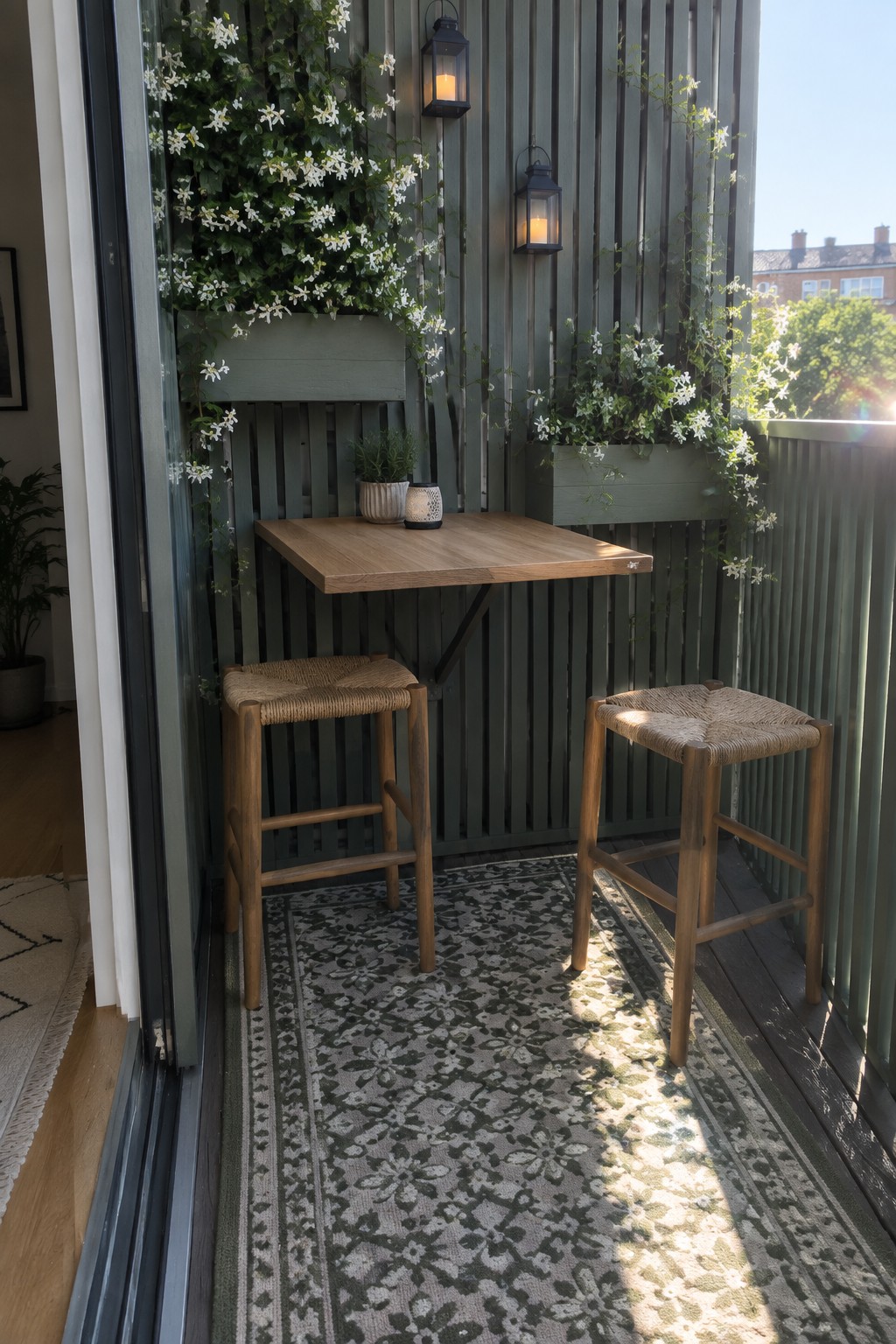
Vertical slatted screens work well when you need to turn an open balcony into a more private spot without making it feel closed in. The gaps let light and air through while blocking views from neighboring buildings, and the wood tones blend easily with most outdoor furniture. Adding planters along the top edge brings in greenery that softens the structure over time.
This setup suits apartments or townhomes where space is tight and privacy matters. Keep the screen color close to the building or railing so it feels like part of the original structure rather than an add-on. A simple folding table and a couple of stools fit neatly inside without crowding the floor.
Slatted Screens That Enclose a Patio
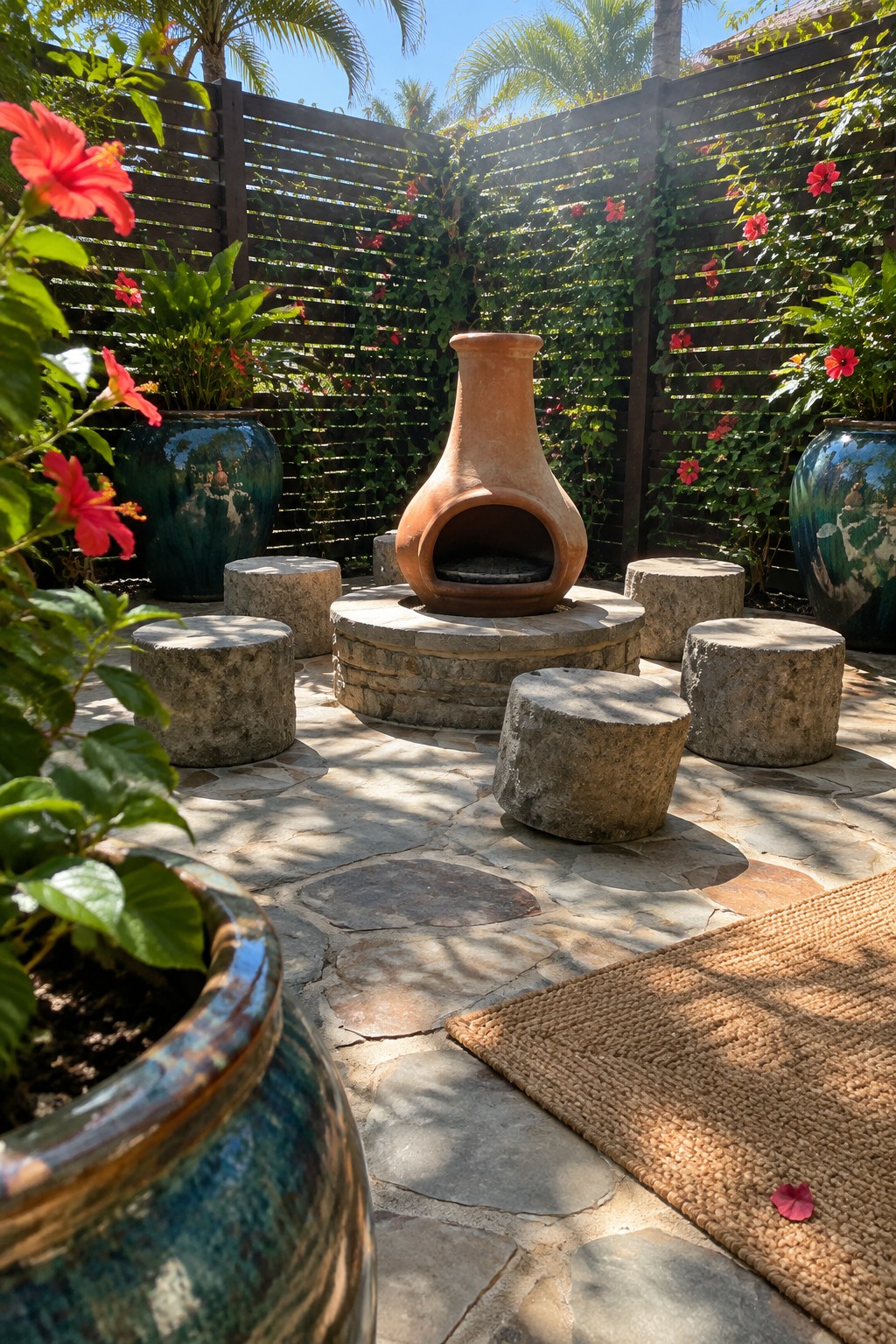
Vertical wood slats give a patio a clear boundary without making it feel boxed in. The gaps let air and light through, so the space stays open while still blocking the view from outside. In this setup the slats form a simple backdrop that lets the fire pit area feel more like its own room.
This approach suits smaller yards or homes close to neighbors where full privacy matters. Space the slats evenly, treat the wood for outdoor use, and let vines grow up the fence if you want softer coverage over time.
Slatted Screens For Private Patio Seating
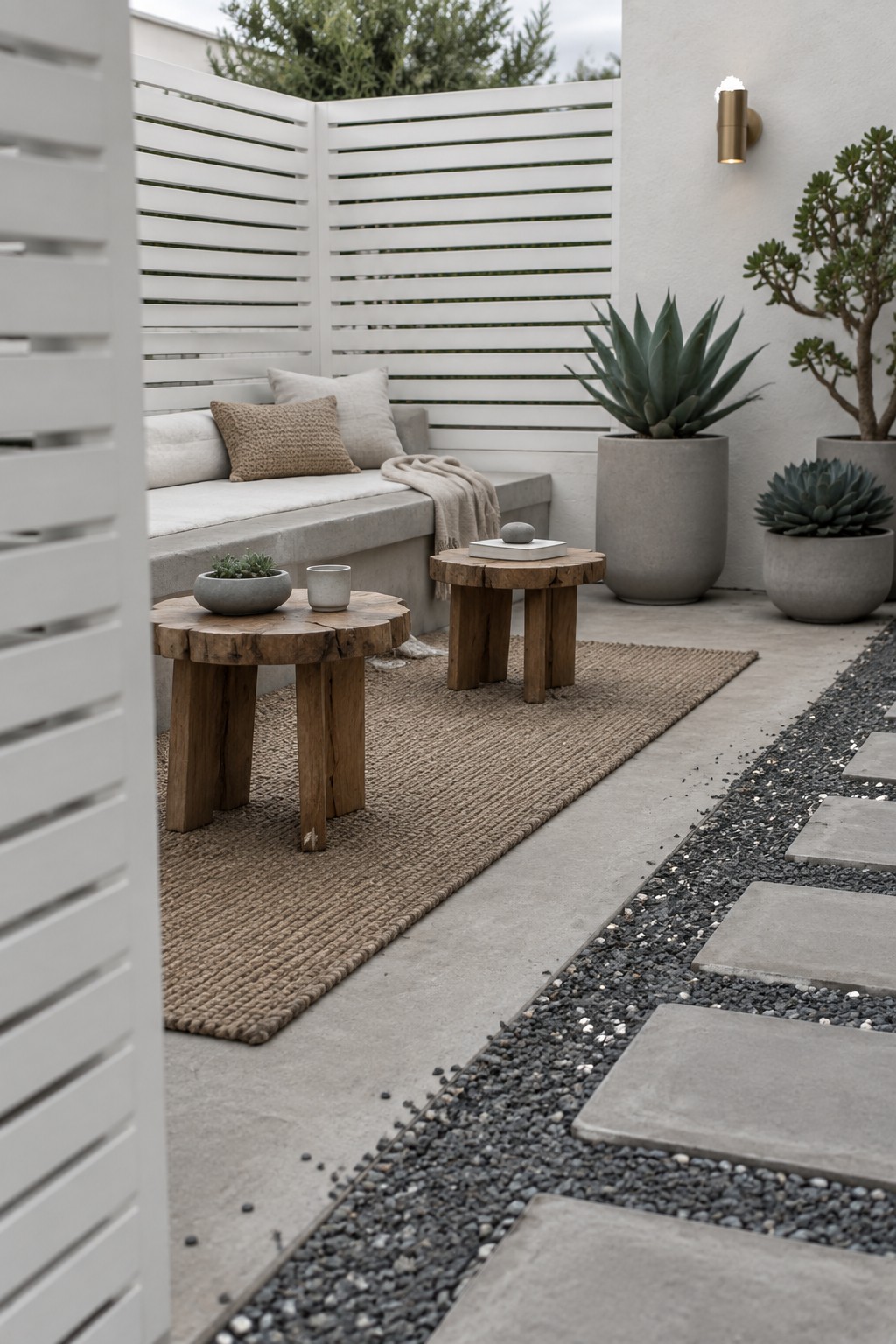
One useful way to shape a small patio is to add a slatted screen along the back or side. The open gaps keep the space from feeling boxed in while still blocking the view from outside, so the seating area feels more separate and calm.
This works best in townhomes or yards with close neighbors. Run the screen behind a built-in bench, then keep the rest of the surface simple with low tables and a rug so the whole spot stays easy to maintain.
Slatted Screens For Private Patio Dining
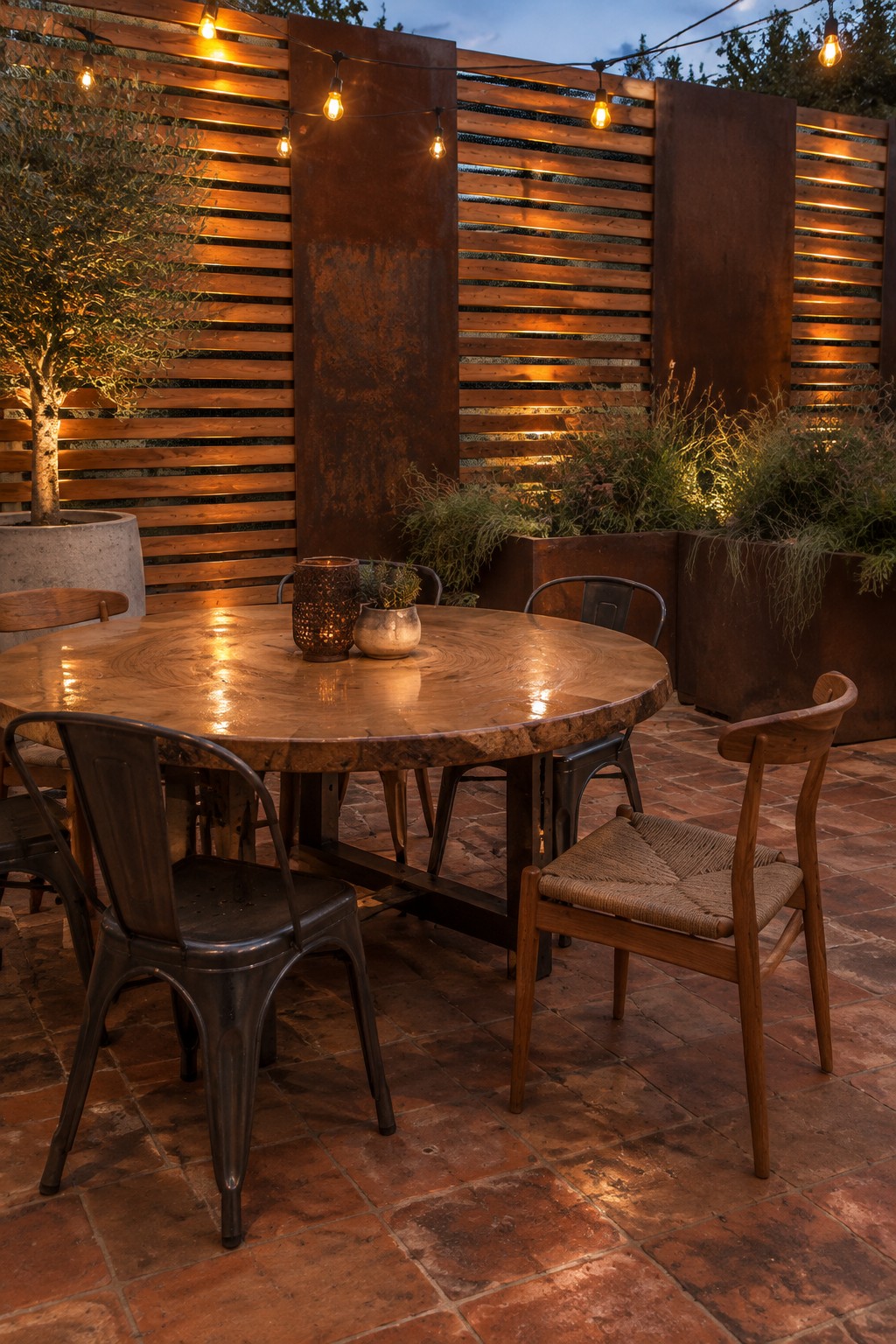
Slatted privacy screens work well when you want to carve out a quiet spot for meals without closing off the whole yard. The horizontal wood slats let some air and light through while blocking direct views from neighbors, which keeps the space feeling open but sheltered.
This setup suits smaller urban yards or side patios where full walls would feel too heavy. Mix the slats with a few solid panels in a different material if you want extra contrast, and keep the dining table centered so the screens frame the seating area rather than crowding it.
Frequently Asked Questions
Q: What gap size between slats gives solid privacy on a patio?
A: Aim for no more than three quarters of an inch. Wider gaps let too much through when someone stands close. Test the setup from your neighbor’s angle before you finish.
Q: Can I build the slatted screens myself with basic tools?
A: Yes if you have a saw and drill. Cut the slats to length and screw them to a frame. Start with a simple rectangle to keep it straightforward.
Q: How often should I clean the screens to prevent mildew?
A: Hose them down every few months. Focus on the bottom edges where water sits. A quick scrub with mild soap handles most buildup.
Q: Will the screens cast too much shade on my plants?
A: Position taller plants in front of the slats. The gaps let in enough light for most patio greenery. Adjust the angle if shadows become an issue.
