

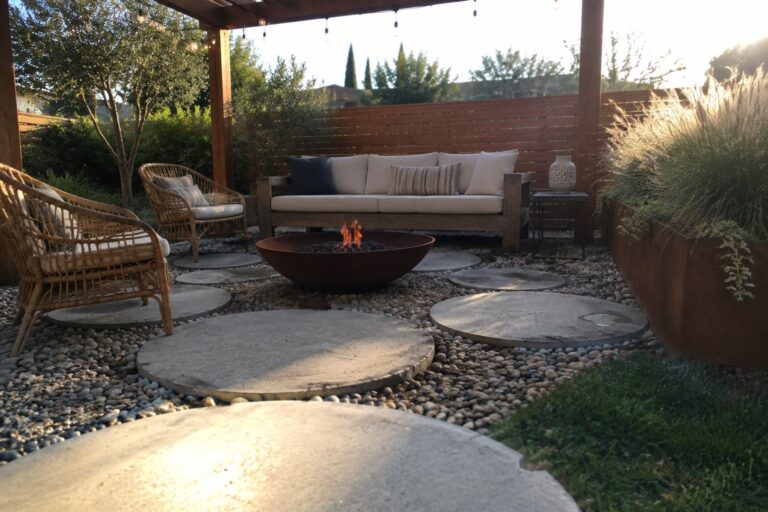
I’ve always noticed that patios tend to get ignored when the ground feels uneven or the stones start to sink after a season or two.
Large concrete stepping stones can give a firmer base without the cost or mess of a full pour.
Not every yard needs a big project.
I tend to test a few layouts first by laying stones out loosely so I can walk the space and see where people actually step before setting anything in place.
That way the finished area ends up matching how we move through it instead of just how it looks from the house.
Arrange Large Concrete Stepping Stones Around A Fire Pit
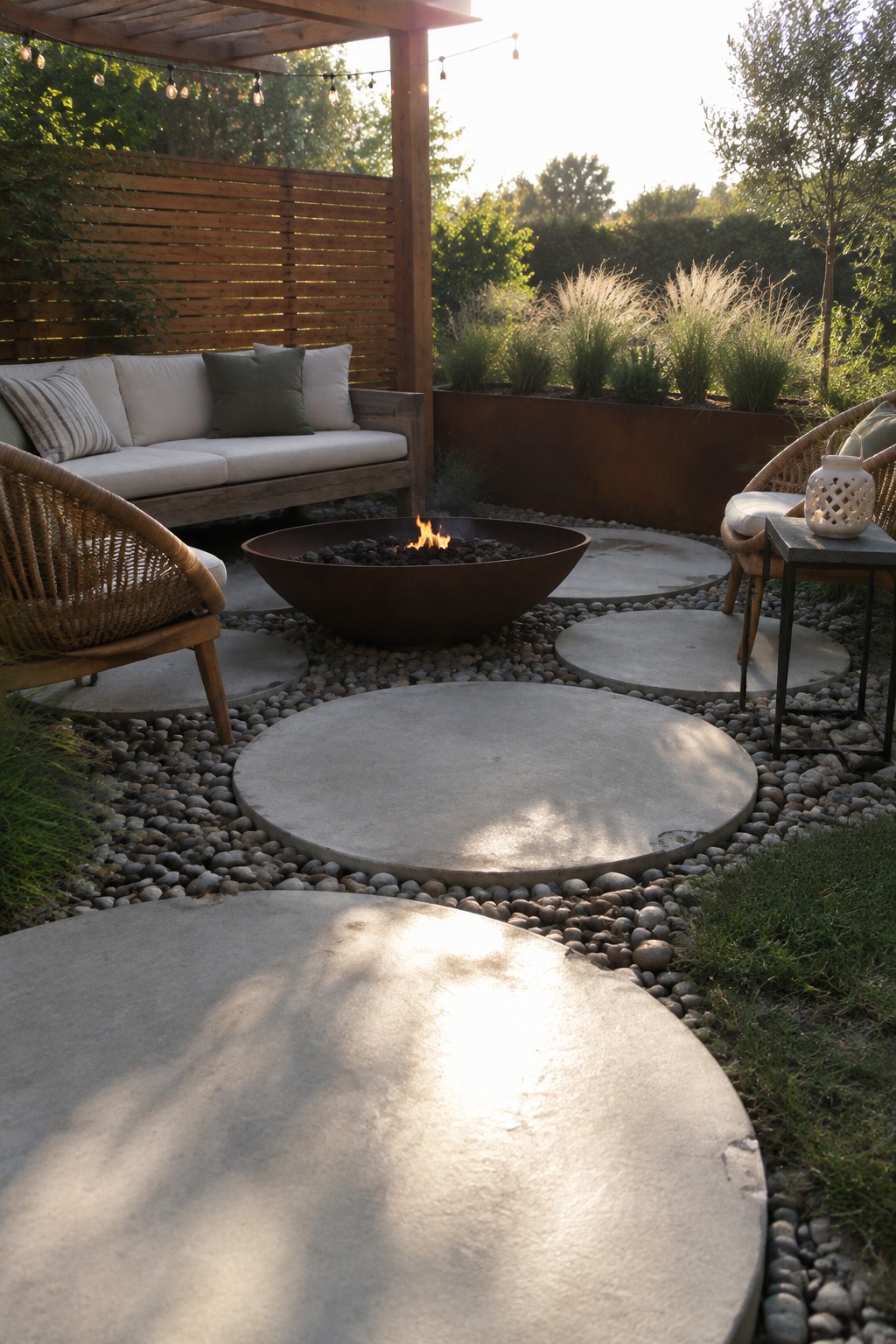
Large concrete stepping stones set into gravel give you a simple way to keep the ground usable right around a fire pit. They create firm spots for walking and sitting without covering the whole area in one solid slab, which keeps the space feeling open and easy to maintain.
This works best in yards that already use gravel or want decent drainage. Place the slabs in a loose ring or path so guests can move between chairs without tracking dirt, and keep the pattern wide enough that the fire stays the main focus.
Set Concrete Stepping Stones Into the Lawn
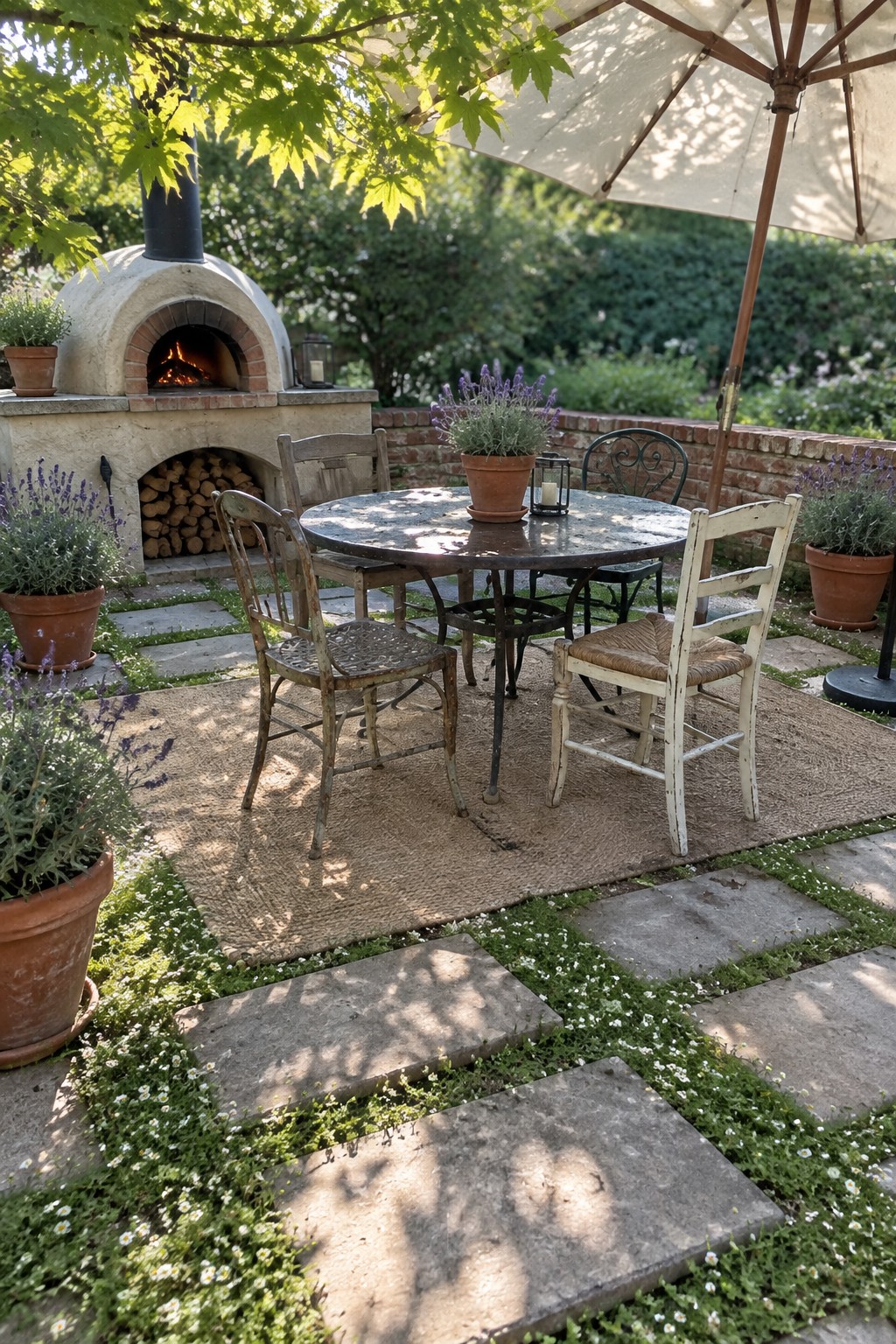
Large concrete stepping stones set right into the grass give you a simple way to move around an outdoor seating area without turning the whole yard into hard paving. They keep the space feeling open and green while still giving you a dry path to the table and chairs.
This approach works best in smaller yards or casual gardens where you want the patio to feel connected to the lawn rather than separate from it. Place the stones a comfortable stride apart, let low ground cover fill in between them, and stop the path once it reaches the edge of your rug or seating zone.
Set Large Stepping Stones In Gravel
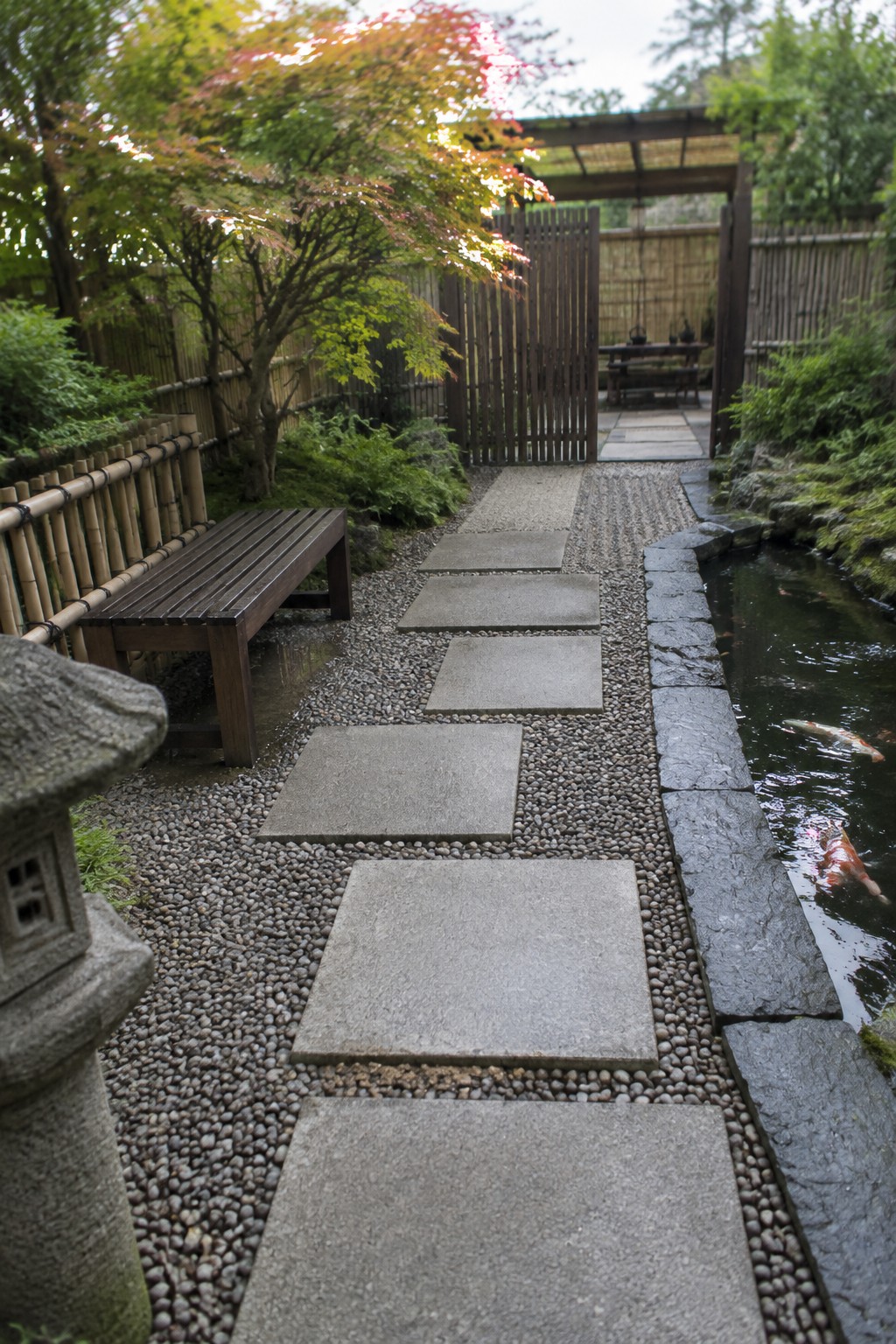
Large concrete stepping stones placed in gravel make a simple path that feels natural in a garden. The gravel keeps the stones from shifting while letting water drain through, so the walkway stays usable even after rain.
This approach works well along the side of a house or next to a water feature where you want a clear route without covering the whole area in solid paving. Keep the gravel layer thick enough to hold the stones level and add edging if the path runs near planting beds.
Large Concrete Slabs for Poolside Paths
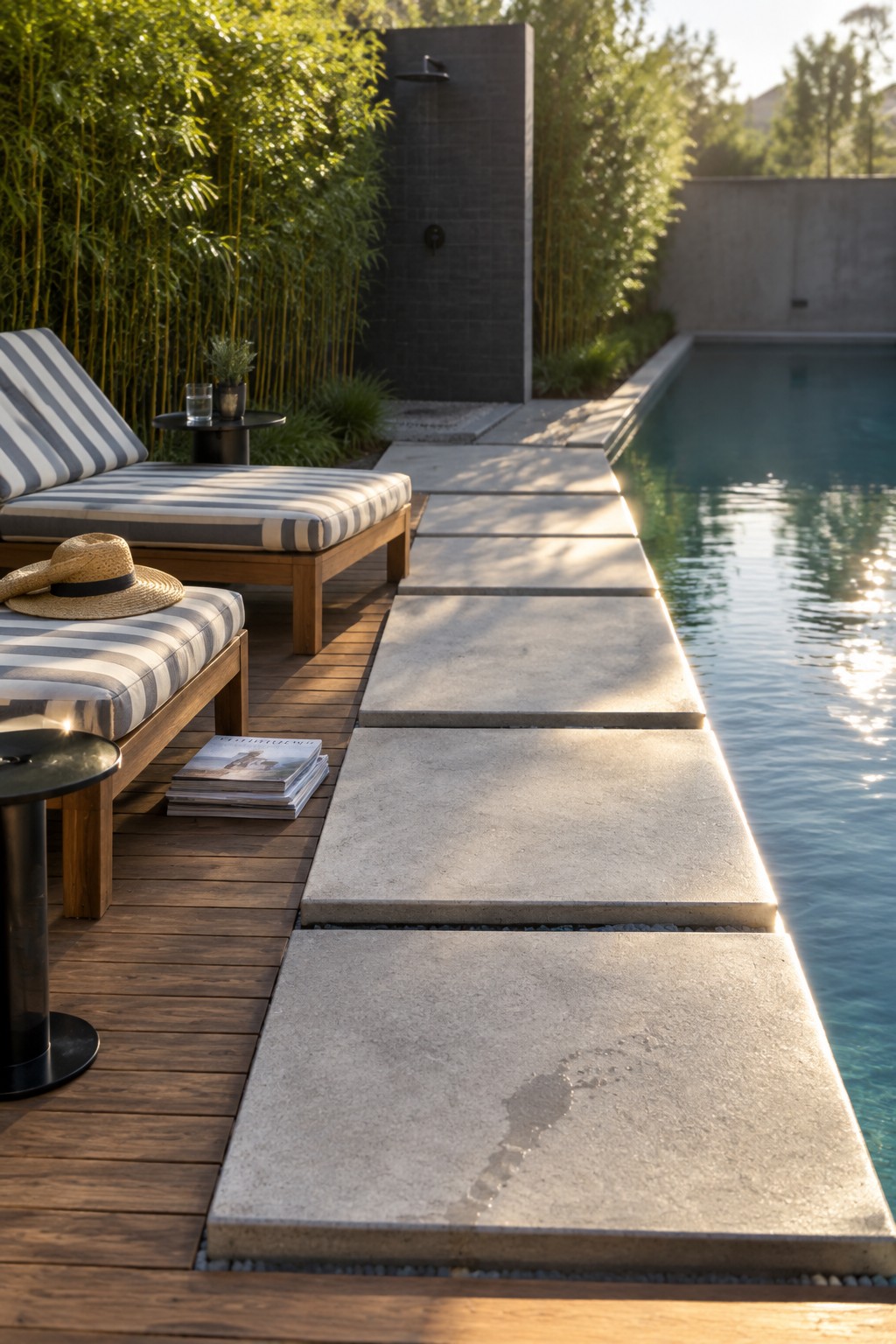
Large concrete stepping stones give you a straightforward way to handle the wet zone right next to a pool. They stay put, drain well, and do not mind constant splashing or bare feet tracking water back and forth.
Place them in a simple line where the deck ends and the pool begins. This works best on homes with modest yard space or anyone who wants to keep the area around the water easy to clean and repair later.
Lay Concrete Slabs With Gravel Between Them
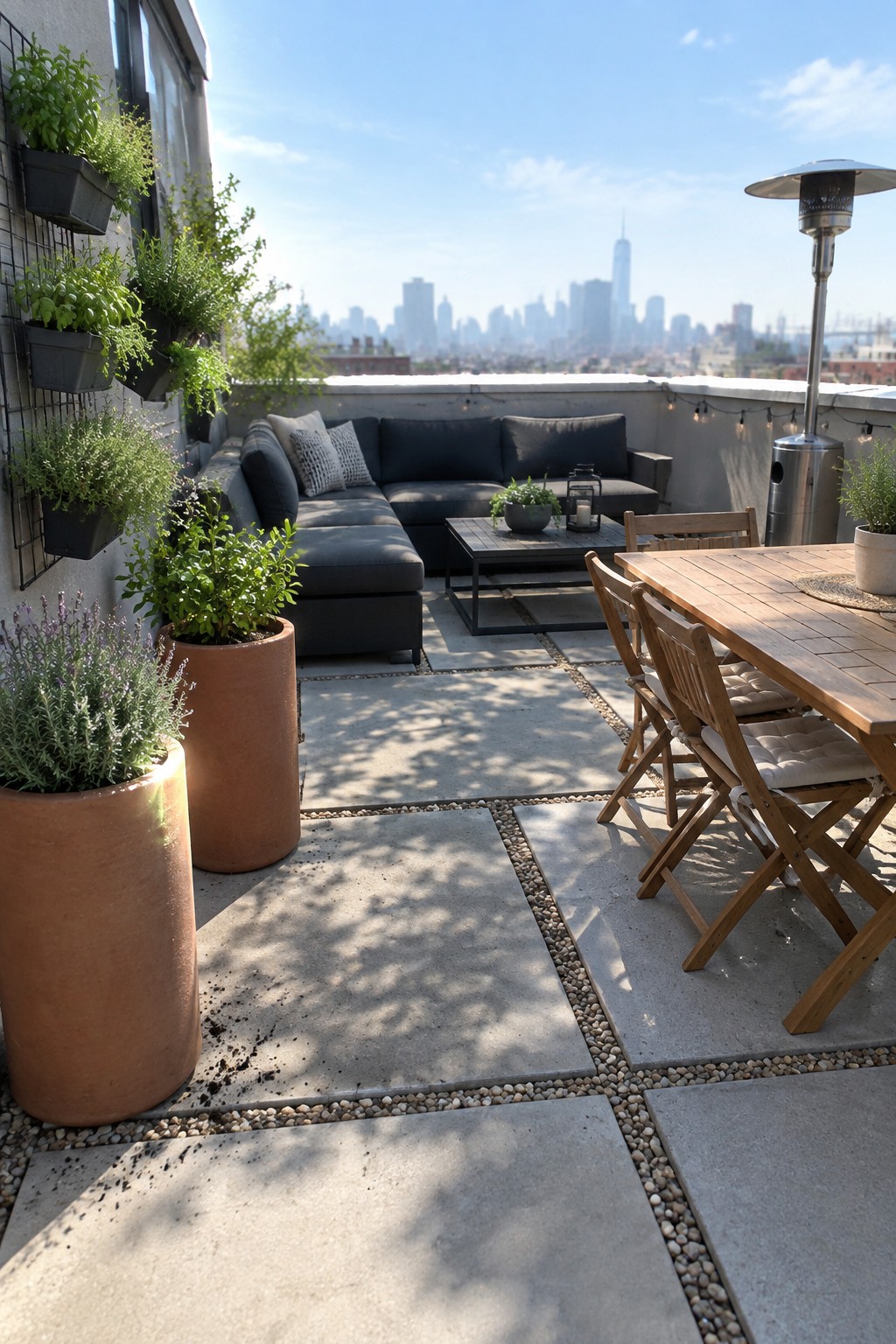
Large concrete slabs make a patio feel sturdy and simple to walk on. The narrow strips of small pebbles between each slab add a bit of texture and keep the surface from looking too plain or heavy.
This layout works well on rooftops or flat backyard spaces where drainage matters. It suits homes that already use clean lines and pairs easily with potted plants or basic outdoor seating without needing much extra work.
Set Large Stepping Stones In Gravel For A Casual Patio
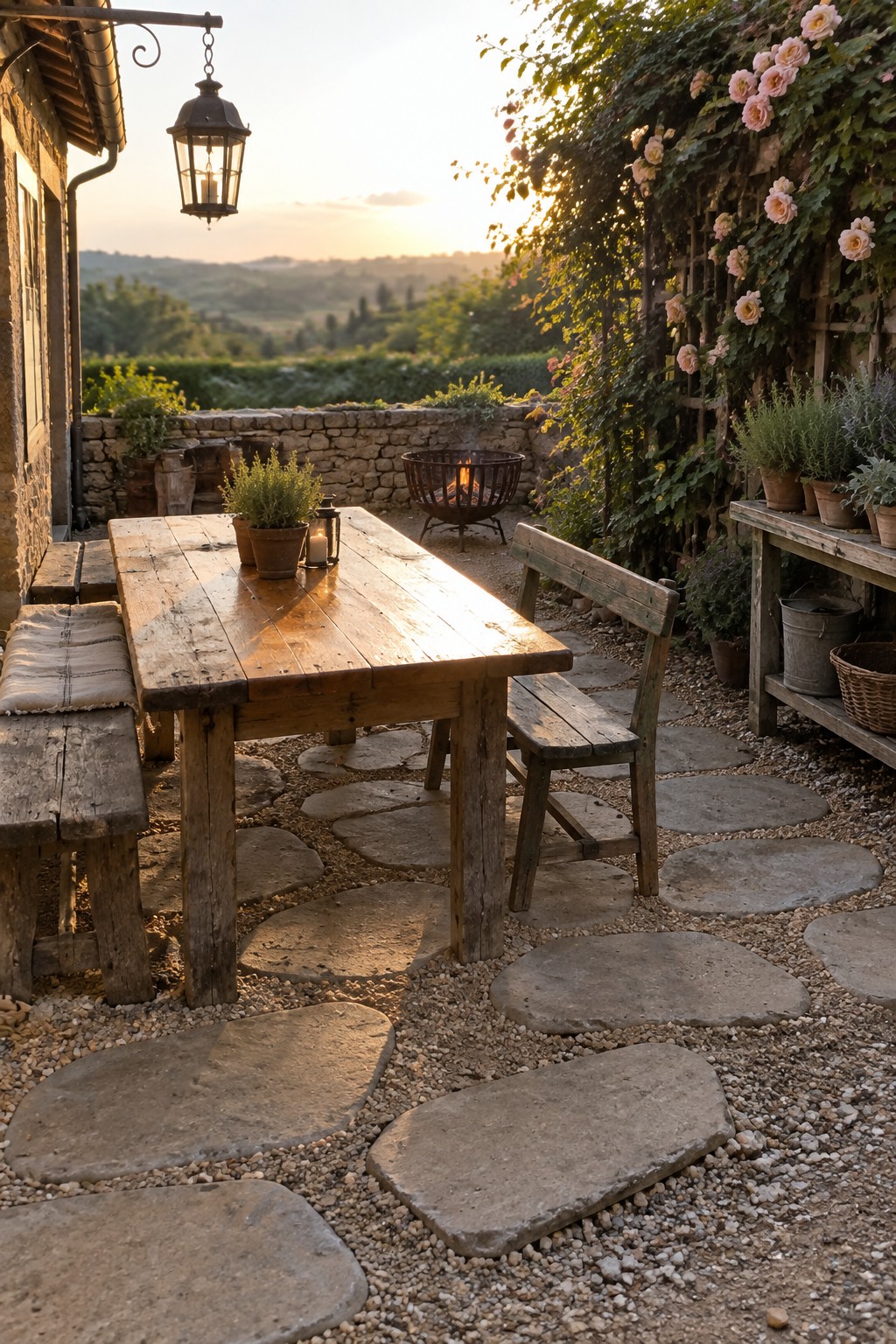
Large stepping stones set into gravel give you a simple way to create a usable patio without pouring a full slab. The stones stay put underfoot while the gravel handles drainage, so the surface stays practical even after rain.
This setup suits homes with a relaxed garden style where you want something easy to put down yourself. Keep the stones fairly close together for walking comfort and let the gravel fill the gaps so the whole area feels connected rather than patchy.
Leave Gaps Between Your Patio Slabs
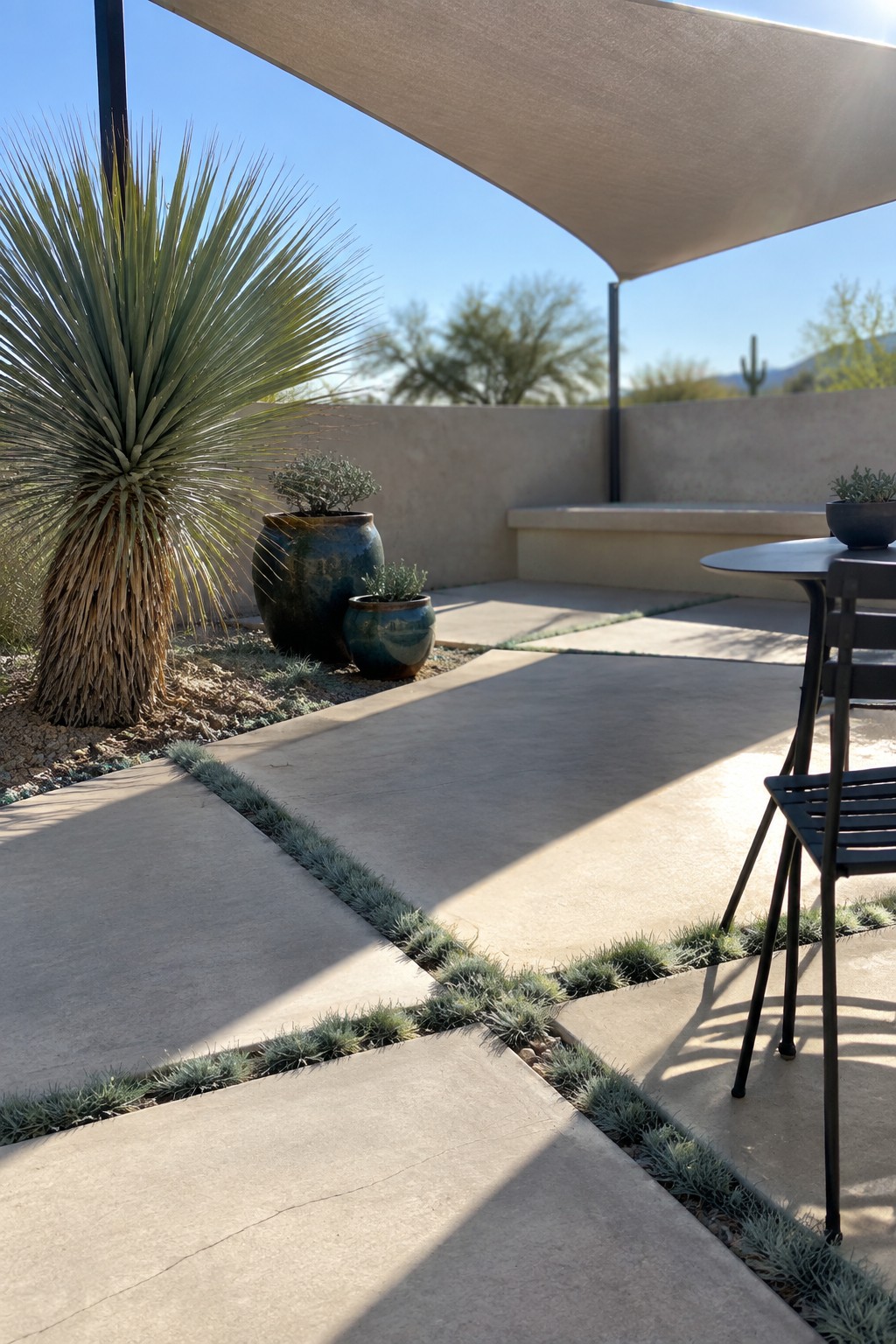
Large concrete slabs feel more inviting when you leave space between them instead of butting them tight. The narrow strips of low groundcover running through the joints break up the surface and keep the whole area from looking too solid or heavy.
This layout works well on sunny patios where drought tolerant plants can fill the gaps without much fuss. Just keep the spacing consistent so the slabs stay comfortable to walk on and the plants have room to spread.
Large Concrete Stepping Stones Create A Simple Path

Large concrete stepping stones give you solid footing across dirt or sand without needing a full patio pour. They work especially well in spaces where you want to keep things casual and let the ground show through around the edges. The round shape feels less formal than square pavers and settles naturally into the surface over time.
This layout works best in dry or mild climates where drainage is not an issue. Set the stones level with the surrounding ground so water can move freely and weeds stay minimal. They pair easily with outdoor rugs and seating areas since the gaps let you keep the natural texture of the site.
Large Concrete Stepping Stones Make a Solid Patio Base
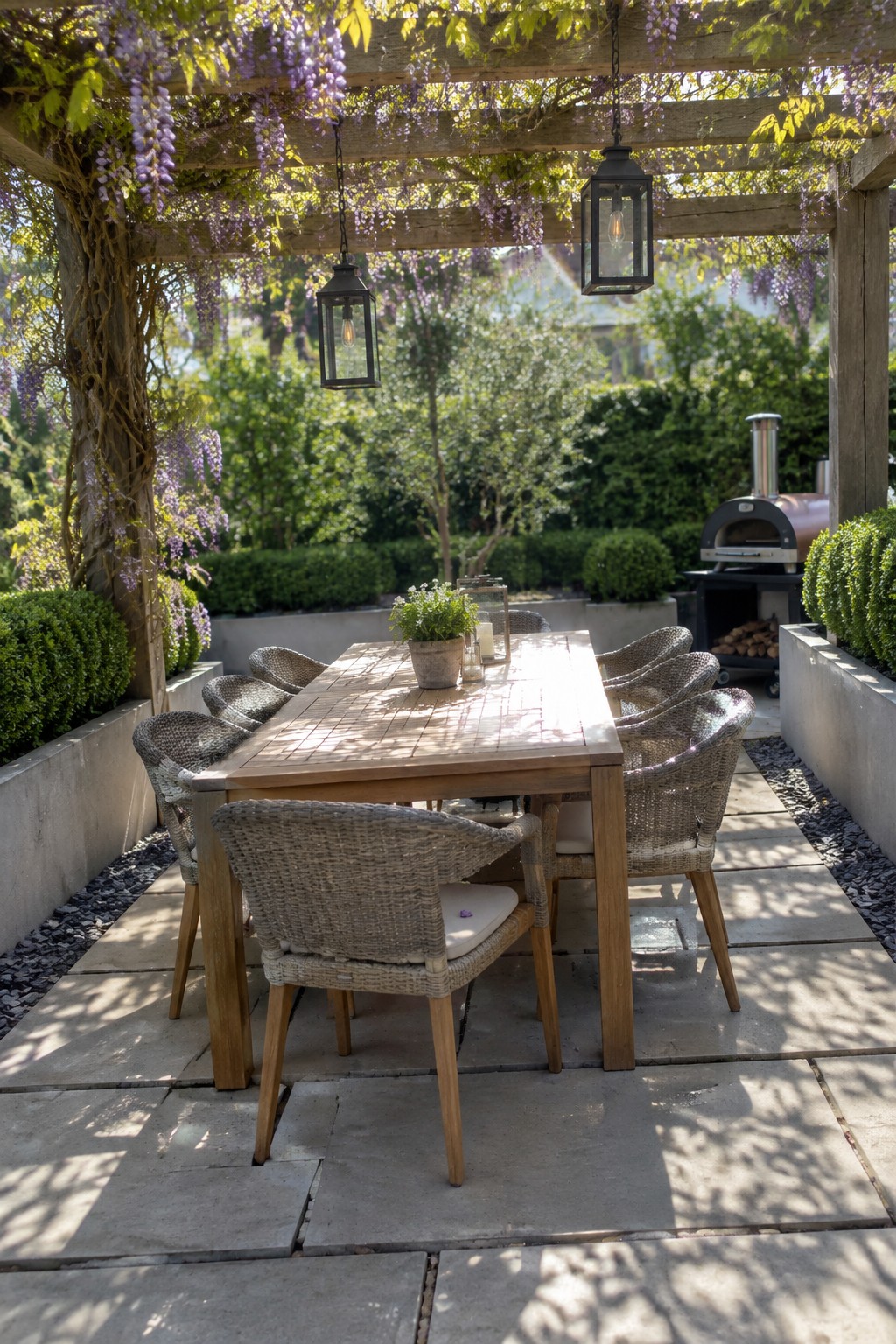
Large concrete stepping stones give you a level, sturdy surface that holds up well under heavy outdoor furniture and daily use. They stay put better than smaller pavers and require less ongoing adjustment, especially in areas where people gather to eat or relax.
This works best on fairly flat ground where you can set a simple gravel or sand base first. Leave small gaps between the slabs for drainage, or fill them with pea gravel if you want a finished look without much extra work.
Use Large Concrete Stepping Stones For A Simple Garden Path

Large concrete stepping stones set into gravel give you a clean walking surface that still feels like part of the garden rather than a hard surface taking over. The stones stay put once they are bedded down, and the gravel around them handles drainage without turning into a muddy mess after rain.
This layout works best in side yards or back gardens where you want a clear route to a bench or seating spot without pouring a full slab. Keep the spacing even so the path feels natural to walk on, and let low plants soften the edges instead of trying to hide the stones completely.
Stepping Stone Paths Through Grass
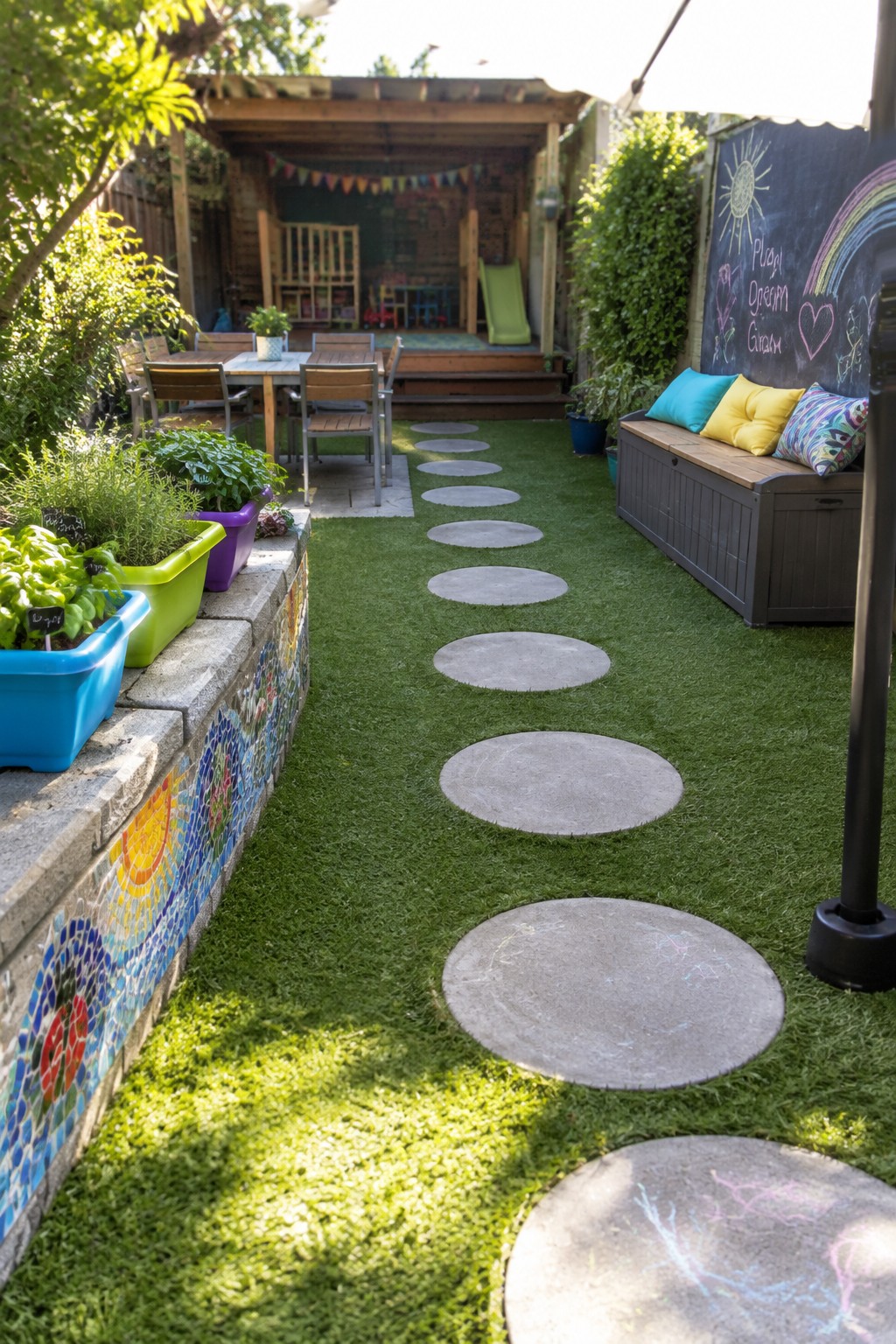
Large concrete stepping stones set into turf create a simple path that lets you cross the yard without wearing down the grass. The round slabs sit low enough to blend in while still giving a clear route from one part of the garden to another.
This layout works best in small to medium backyards where you want access to a seating spot or storage area without adding a full patio. Keep the spacing even for natural steps and check that the stones sit level so the mower can pass over them easily.
Lay Concrete Stepping Stones For A Simple Path
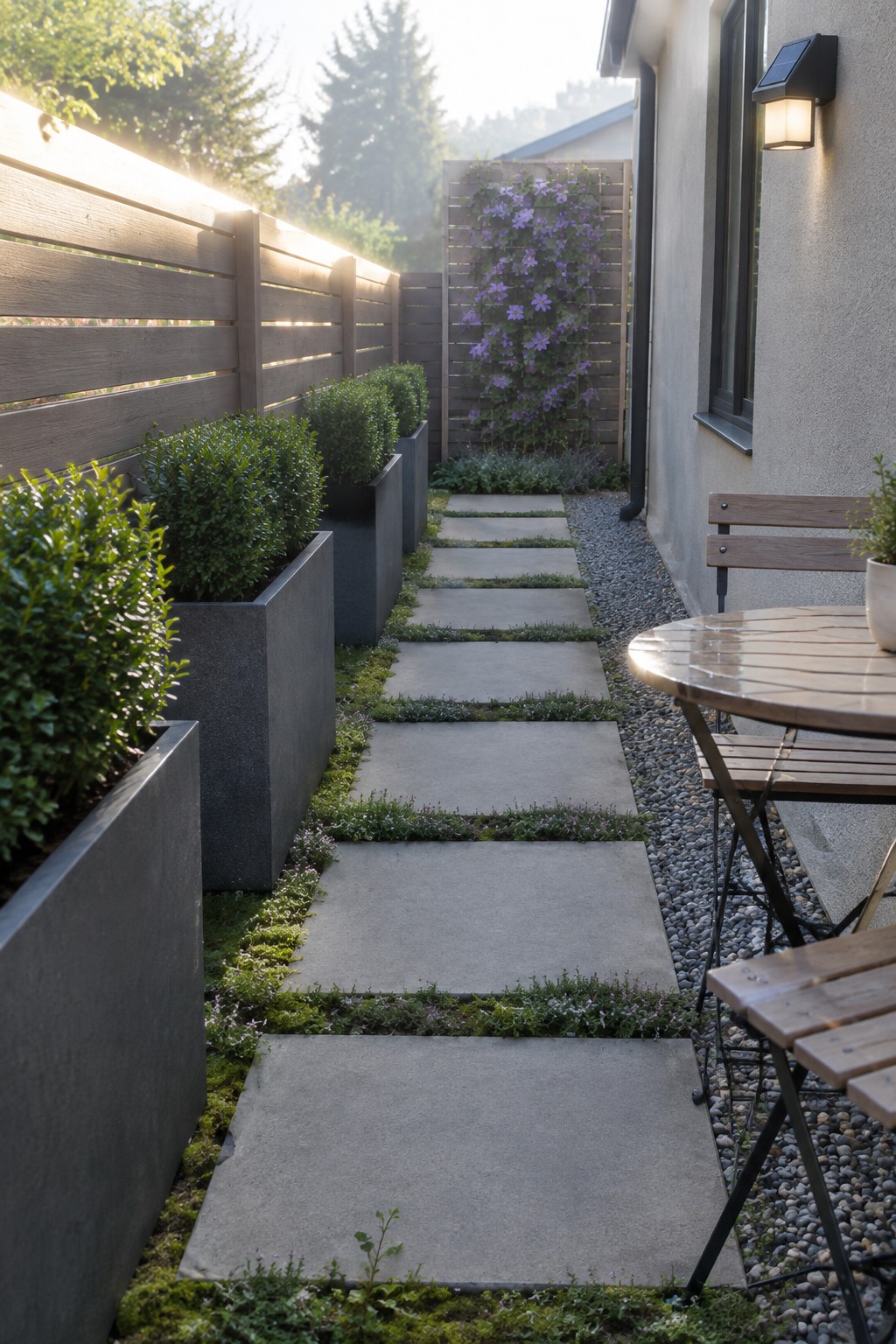
Large concrete stepping stones work well when you want a clear walkway without covering the whole area in solid pavement. They let you keep some planting space and still make it easy to walk through a garden or side yard without getting muddy.
This approach suits narrow spaces along a fence or house wall where a full patio would feel too wide. Space the stones evenly, add gravel or low ground cover between them, and the path stays practical while blending into the rest of the yard.
Create A Simple Gravel Path With Large Slabs
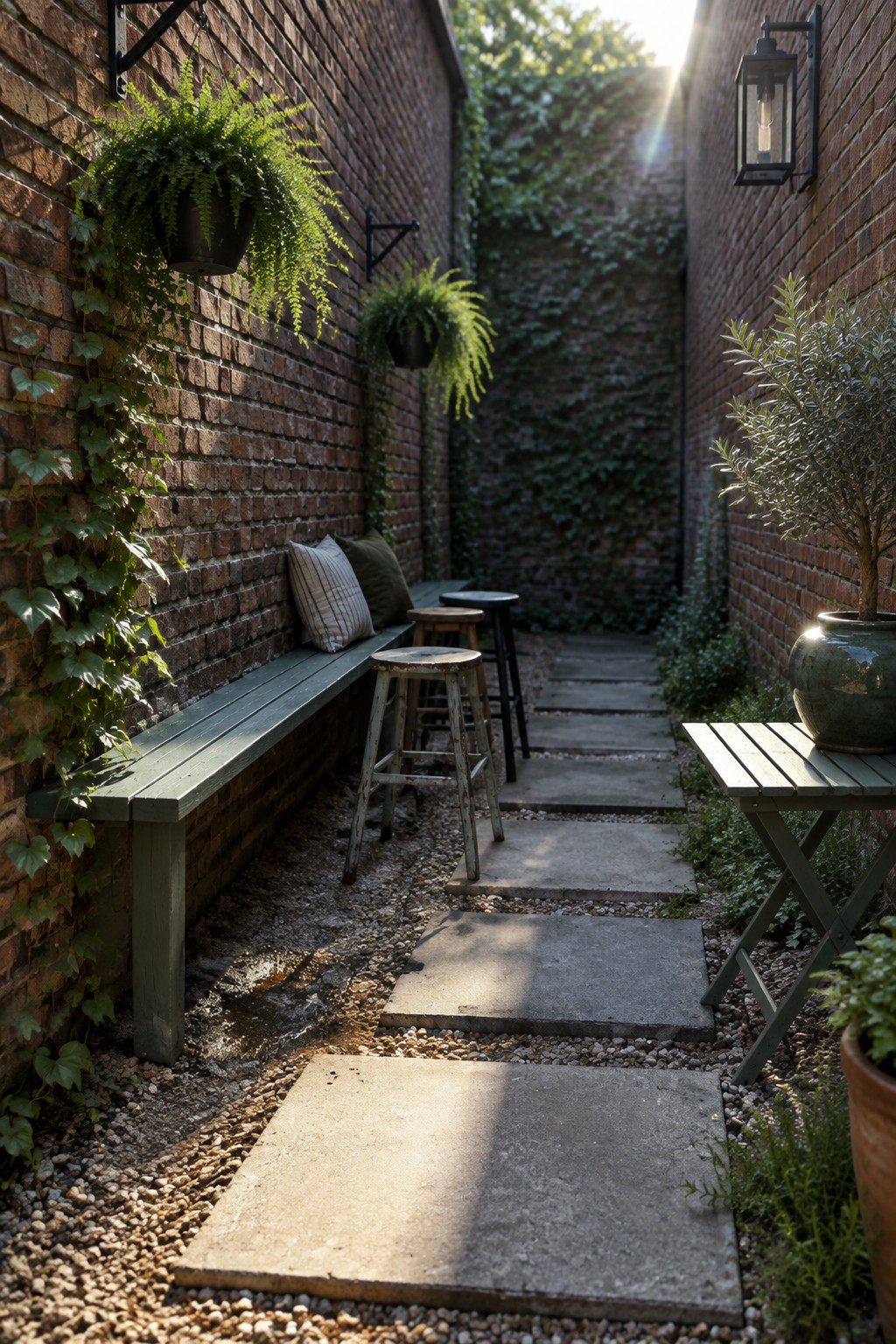
Large concrete stepping stones set into gravel make a practical path through narrow outdoor spaces where a full patio would feel too heavy. The slabs give you solid footing while the gravel keeps things simple and helps with drainage around the edges.
This works best in side yards or tight passages between buildings where you need a clear walkway but still want some green along the sides. Space the slabs to match your stride and keep the gravel layer thin so the path stays level over time.
Build The Path Right Into The Planting
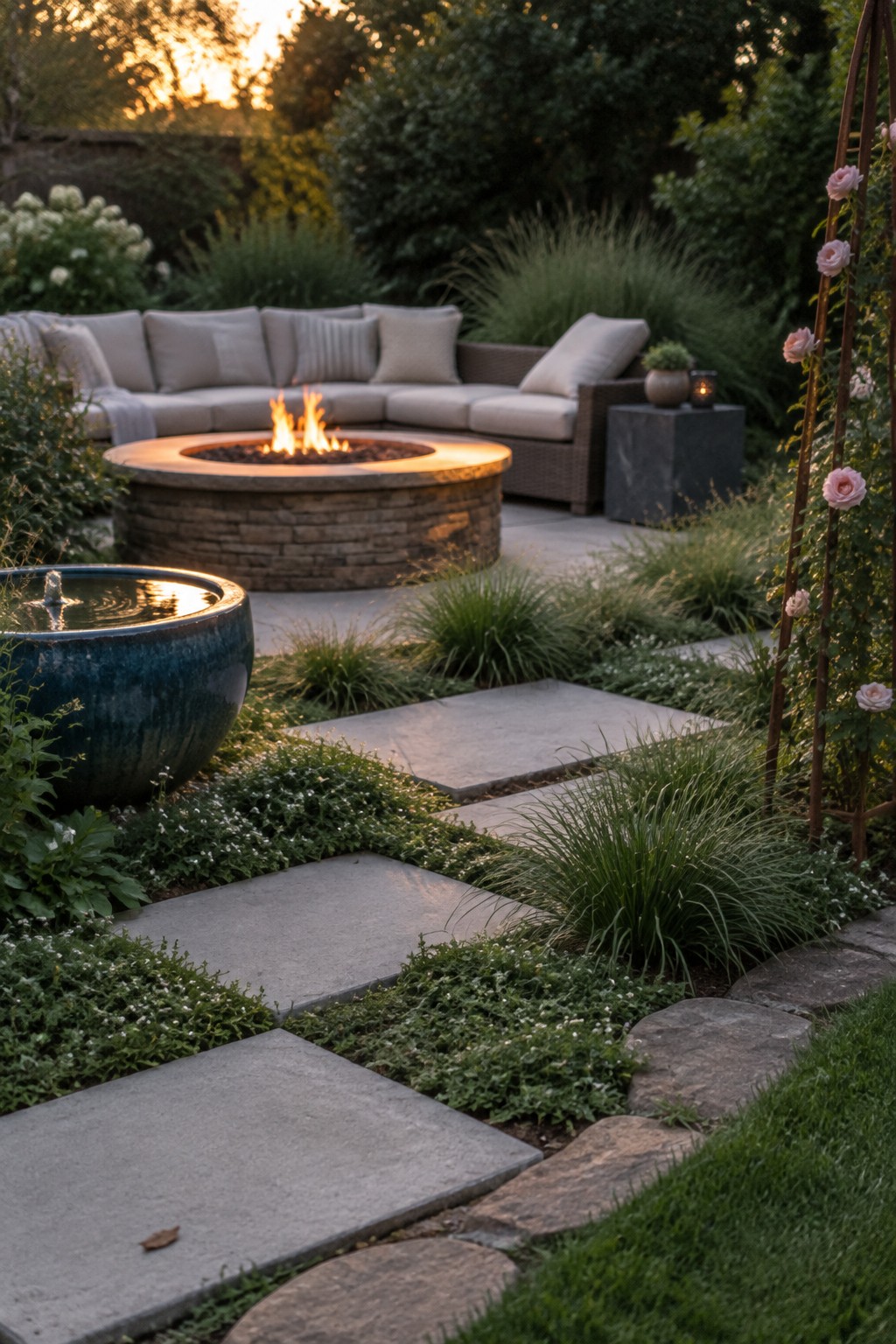
One idea that works well is setting large concrete stepping stones directly into the garden beds instead of laying a solid walkway. The stones sit low so the plants and grasses grow right up to the edges and the path feels like part of the planting rather than something laid on top of it.
This works best in smaller gardens or along the side of a patio where you want the landscape to stay continuous. Keep the spacing comfortable for walking and choose stones wide enough that they do not feel narrow underfoot.
Use Concrete Slabs In A Gravel Path
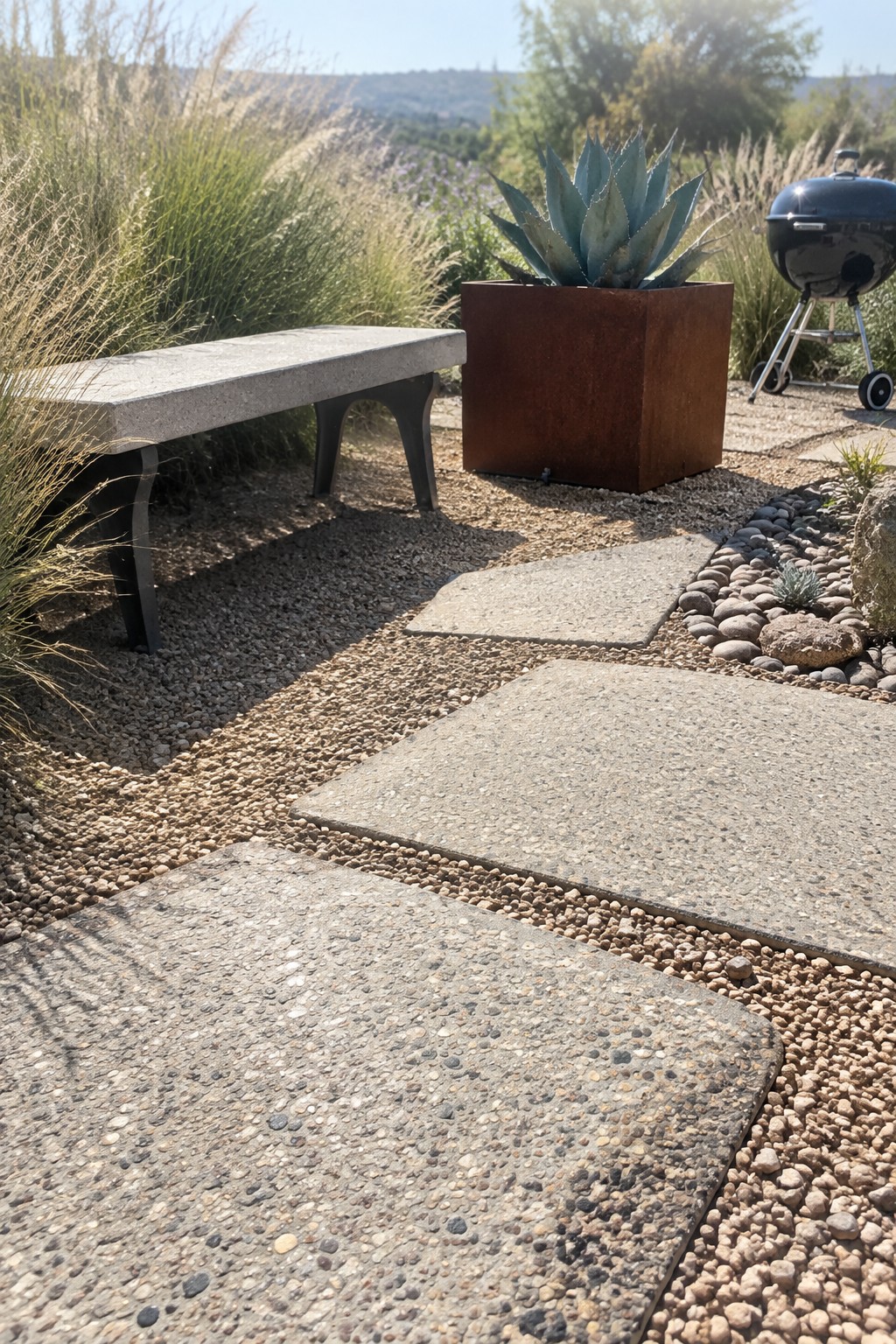
Large concrete stepping stones set into gravel make a simple path that feels relaxed and practical. The slabs give steady footing while the gravel handles drainage and fills the gaps without much fuss. This setup works especially well in sunny yards where you want something that looks natural but still keeps feet clean.
It suits casual gardens or side yards where a full patio would feel too formal. Level the slabs first so they sit even, then add gravel around them and compact it lightly. Avoid placing them too close together if you want an easy walking surface.
Large Concrete Stepping Stones For Simple Patio Paths

Large concrete stepping stones give you a clean, low-maintenance way to cover ground around a pool or seating area without pouring a full slab. They handle foot traffic well and let you work in sections, which makes the job feel manageable even if you are doing it yourself.
These work best in sunny spots where you want something solid underfoot but still need drainage. Set them in a bed of gravel or decomposed granite so water can move through, and keep the spacing even so the path feels comfortable to walk on. They suit most backyard layouts and hold up without much upkeep once they are down.
Use Large Concrete Stepping Stones For A Patio Base

Large concrete stepping stones give you a solid patio surface that handles tables, chairs, and regular use without much upkeep. They sit flat once the ground is prepared, and the gaps can be filled with sand or small gravel to keep things neat and stable over time.
This works best in spaces where you already plan to add seating or a small cooking area, since the slabs create a level spot that feels finished on its own. Level the soil first and check drainage so water does not pool after rain.
Large Concrete Slabs In A Grid Pattern
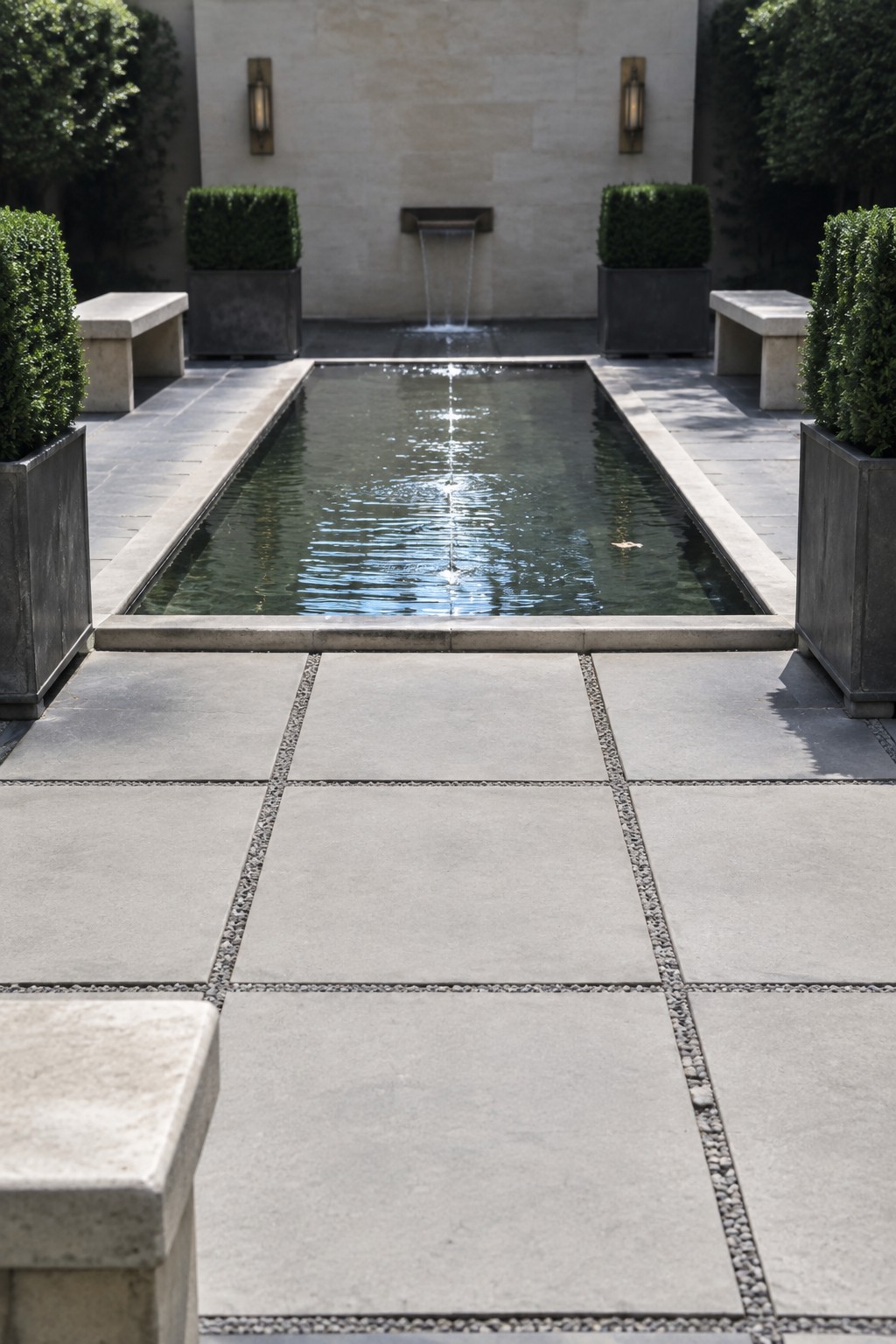
Large concrete slabs laid in a straight grid give a patio a solid, organized base without extra fuss. The clean lines keep the space feeling open while still defining the area clearly, which works especially well when the slabs surround a water feature or central garden element.
This approach suits modern or minimalist yards where you want low maintenance paving that still looks deliberate. Leave narrow gaps between the slabs and fill them with gravel to help with drainage and add a bit of texture. It is a straightforward DIY move that holds up in most climates.
Arrange Large Stepping Stones For A Casual Patio

Large concrete stepping stones make a good base for a patio when you want something simple and low effort. They sit directly on the ground with just a bit of leveling, and you can place them to fit around plants or existing beds without tearing up the whole yard.
This works best in smaller gardens or side areas where a full poured slab would feel too heavy. Set the stones close enough to support chairs and a table, then fill the gaps with gravel or let low plants creep in between. The result feels relaxed and blends into the rest of the garden without much extra work.
Concrete Stepping Stones For A Simple Front Path
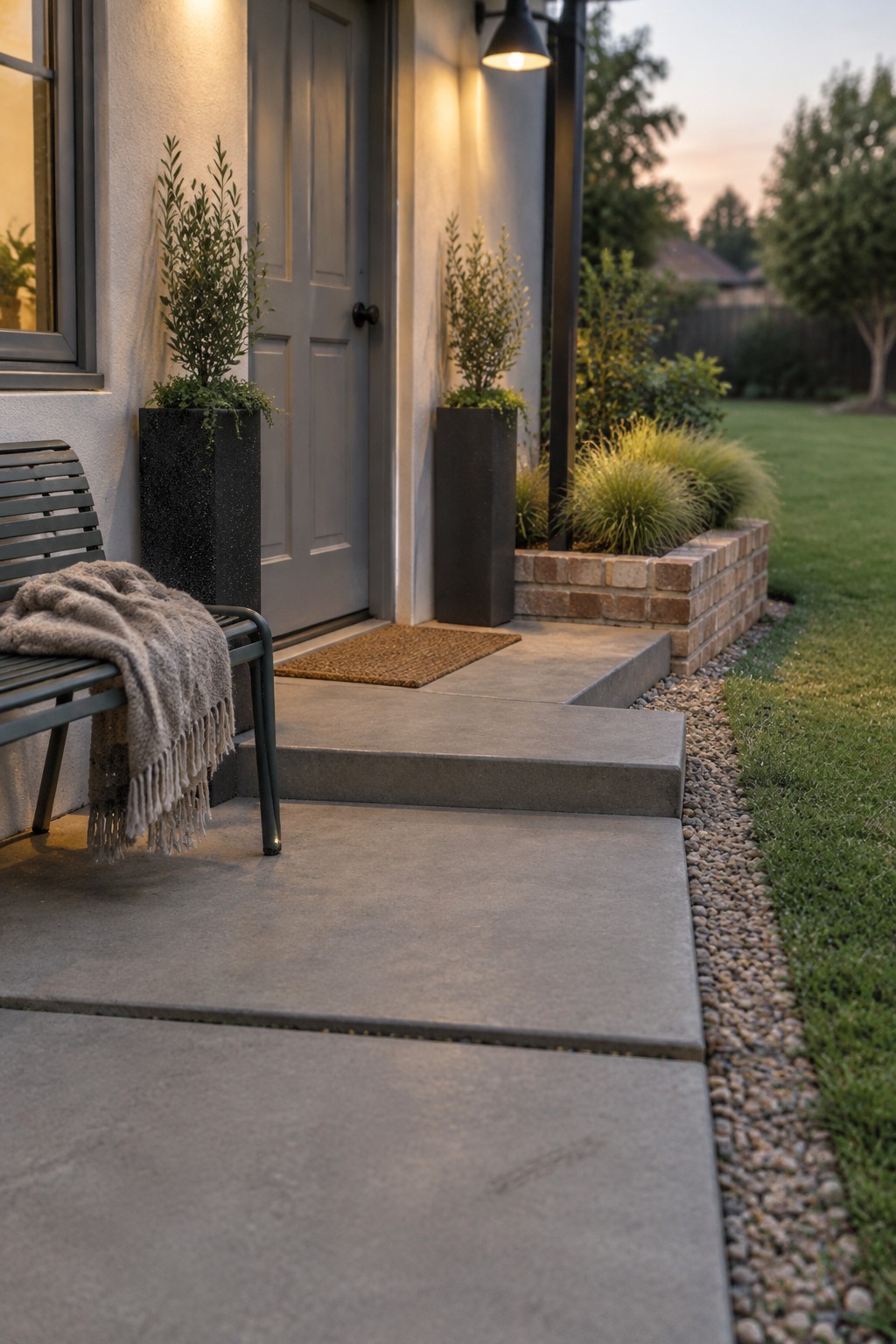
Large concrete stepping stones give a front path a clean, practical look without much fuss. They sit flat, handle foot traffic well, and let you avoid the cost and work of a full poured surface.
Place the slabs in a straight line to the door and fill the gaps with gravel or low ground cover. This works best on homes with a modest yard or anyone who wants an easy to maintain walkway that still feels finished.
Patterned Pavers For A Finished Patio Look

Large concrete pavers with a soft veined pattern give the floor enough visual texture to stand on its own. They read as more intentional than plain slabs, yet they still lay out in a simple grid that most people can handle in a weekend.
This style suits rooftops, terraces, and backyard patios where you want durability without a lot of extra materials. Keep the layout straightforward and add a narrow pebble border only if the space needs a clear edge.
Frequently Asked Questions
Q: How do I stop the stones from sinking into the dirt?
A: Start by digging down about four inches and filling it with crushed gravel. Pack it down firmly before you set each stone in place. Add sand on top to help with leveling.
Q: What can I do about weeds popping up between the slabs?
A: Sweep some sand into the gaps after you lay them. This fills the spaces and makes it harder for weeds to take root. Check the area once a year and pull any that do appear.
Q: Can I put heavy patio furniture right on these stones?
A: The large concrete ones hold up well under weight. Just make sure you have a solid base underneath so nothing rocks or cracks over time. Test by walking on them first with your full weight.
