

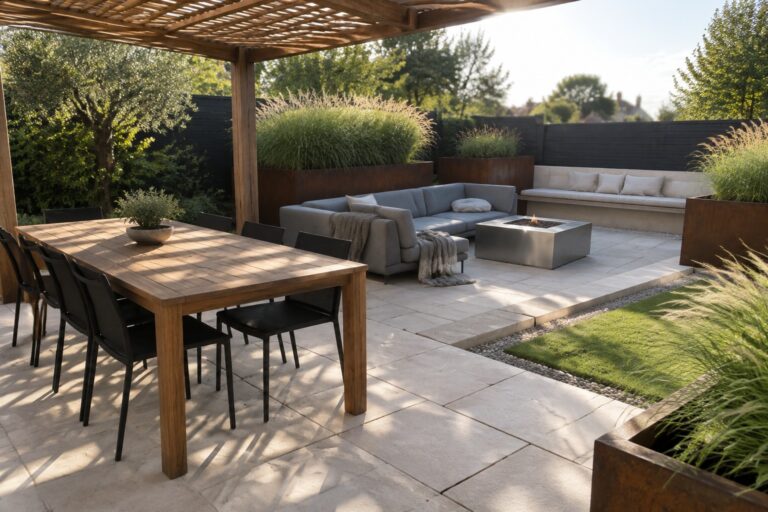
I have noticed that backyard patios often lose their appeal when the dining table and lounge seating end up fighting for the same square footage.
When I tried separating those two areas in my own yard, the space suddenly felt like it could handle both meals and quiet evenings without one activity crowding out the other.
Separation changes everything.
Clear zones let each part of the patio serve its purpose, so guests are not constantly shifting chairs or dodging side tables.
A few of these layout choices are worth testing on paper first to see how they fit the actual shape and flow of a real backyard.
Separate Dining And Lounge Zones
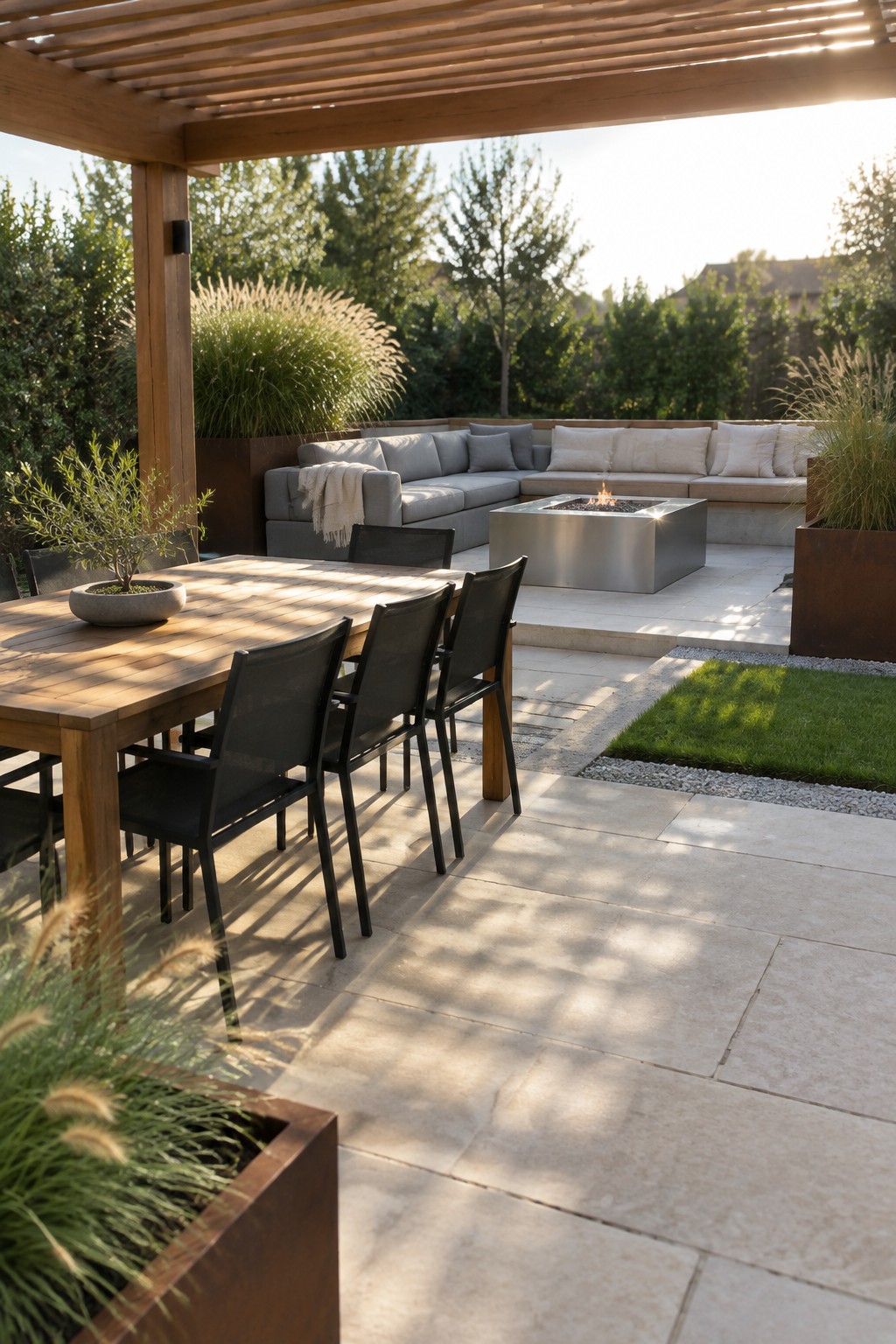
One useful way to make a patio feel more functional is to split it into two clear zones, one for dining and one for lounging. This keeps the eating area from getting mixed up with the seating area, so each part serves its purpose without crowding the other.
Place the dining table nearer the house or under a pergola, and set the lounge seating and fire pit a bit farther out. The layout works best on medium to large patios where there is room for both zones to breathe, and a simple path or change in paving can help mark the shift between them.
Create Distinct Dining and Lounge Zones
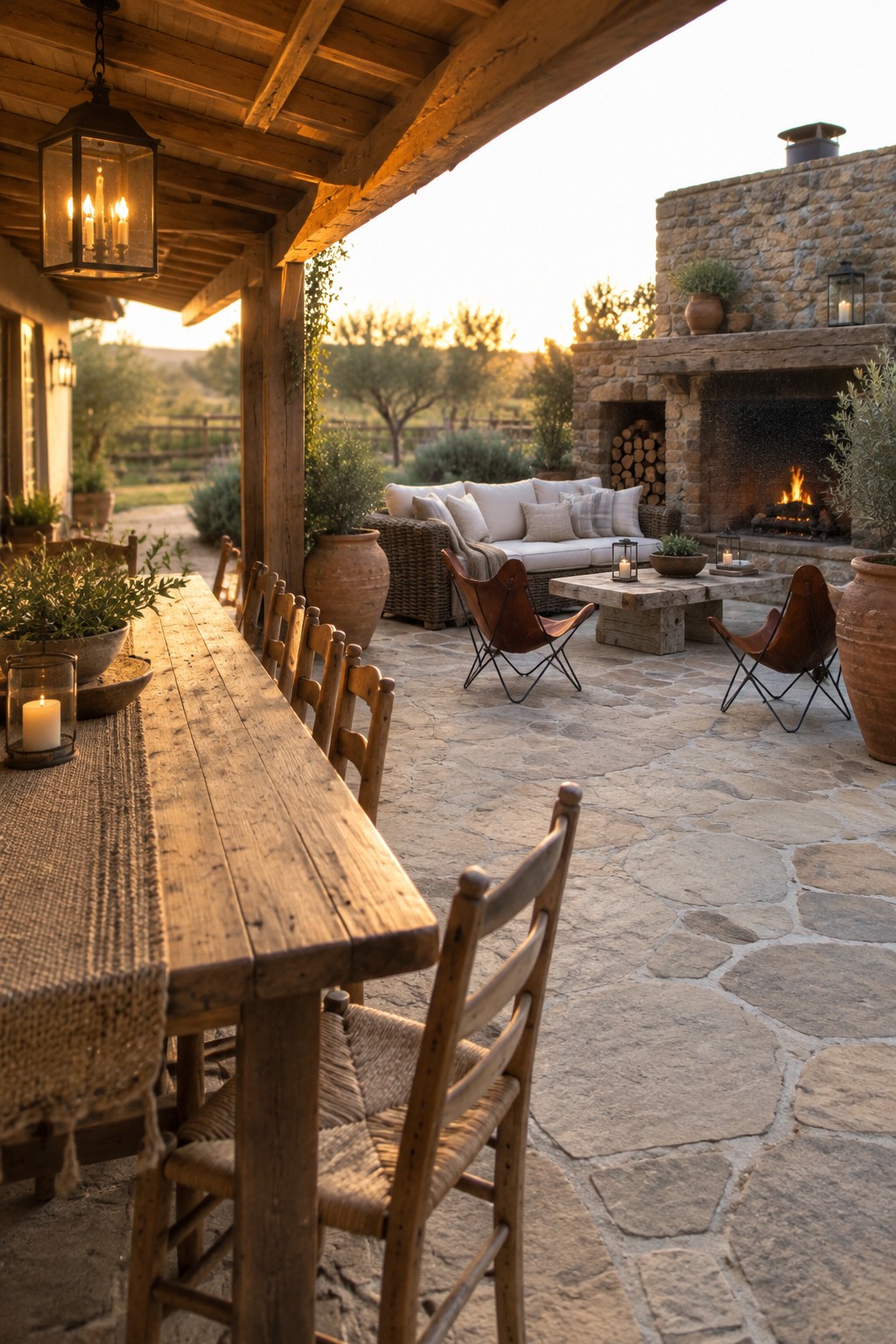
One simple way to make a backyard patio more practical is to keep the dining area separate from the lounge area. A long table with chairs on one side gives you a clear spot for meals while the sofa and low chairs on the other side stay open for relaxing by the fire.
This layout works best on patios that have enough room to avoid crowding either zone. It also helps when you want the dining table to stay set up without interfering with the more casual seating nearby.
Create Separate Zones For Dining And Lounging
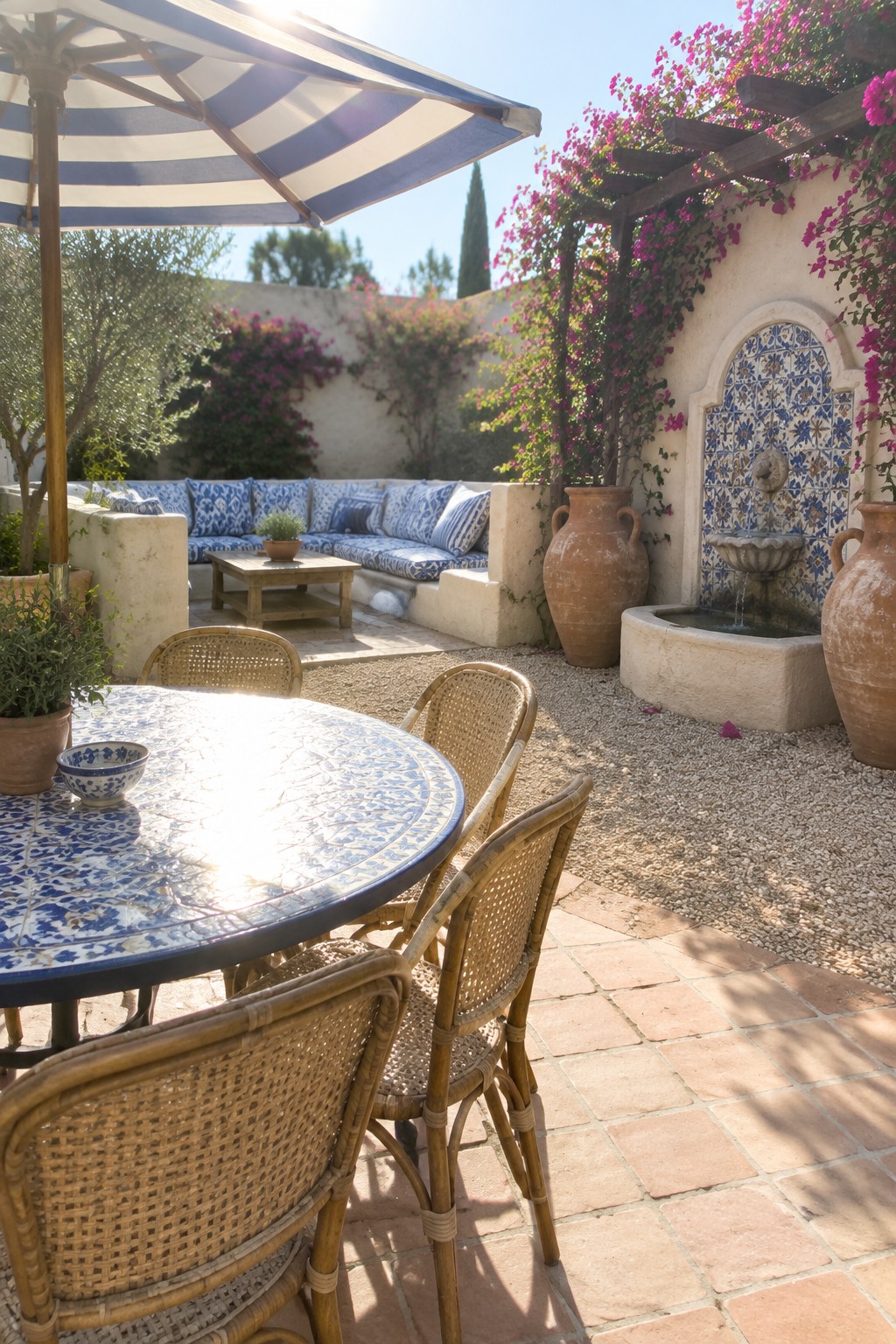
Splitting a patio into a clear dining area and a separate lounge area makes the space easier to use every day. The dining spot can stay focused on the table and chairs while the lounge area handles casual seating without feeling crowded or mixed together.
This approach works best on medium or larger patios where you have room to give each zone its own footing. A simple change in surface material or a low built-in bench can mark the shift between the two, and it helps when the dining area sits closer to the house while the lounge faces the garden or a focal point like a fountain.
Separate Dining And Lounge Zones On The Patio
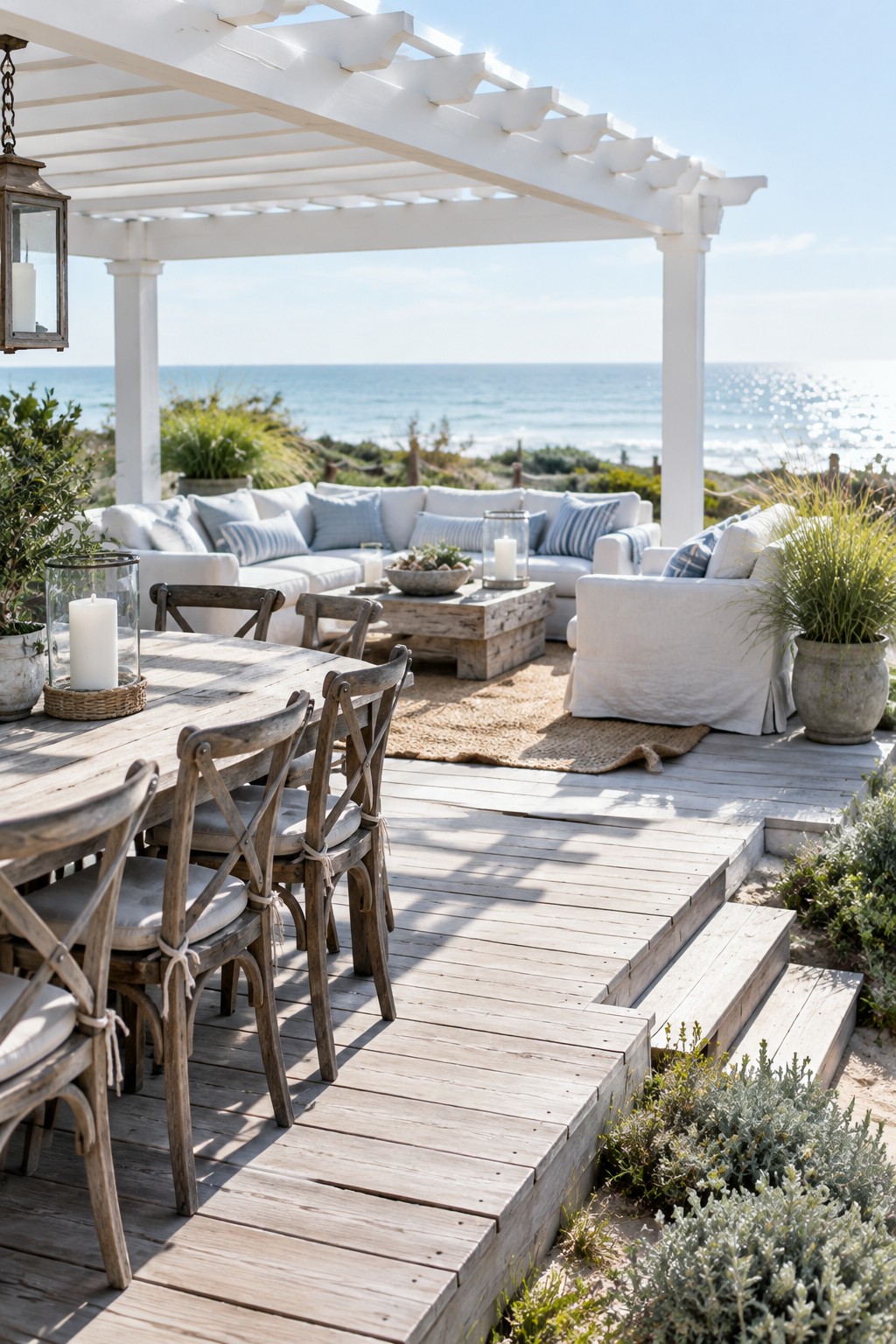
One practical way to make an outdoor space feel more comfortable is to keep the dining area and the lounge area clearly apart. A table with chairs for meals stays separate from the sofas and coffee table where people sit and relax. This keeps the two uses from getting in each other’s way, especially when the patio is used every day.
This setup works best on decks or patios that have enough room to spread out. Put the dining table closer to the edge or steps and place the lounge seating under a pergola or shade structure. Both zones can sit on the same wood decking and still read as two different spots.
Built-In Seating That Separates Lounge From Dining
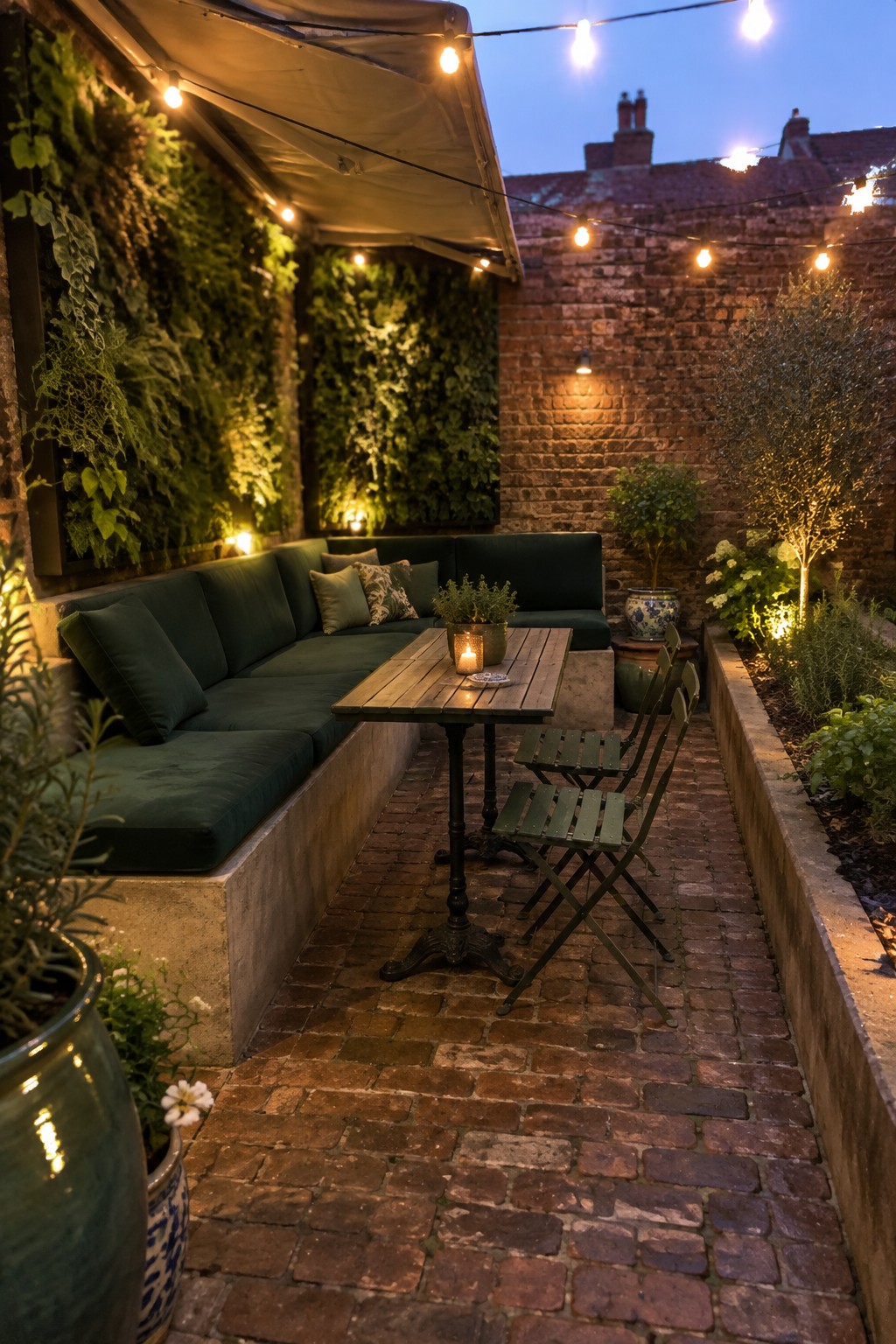
A long built-in bench along one wall gives the lounge area its own clear spot without taking up much floor space. The rest of the patio stays open for a table and chairs, so the two zones do not crowd each other.
This works best on smaller or narrow patios where you need to keep walking paths open. Keep the bench cushions simple and add a few potted plants at the ends so the lounge feels settled but not closed off.
Separate Dining and Lounge Zones on Your Patio
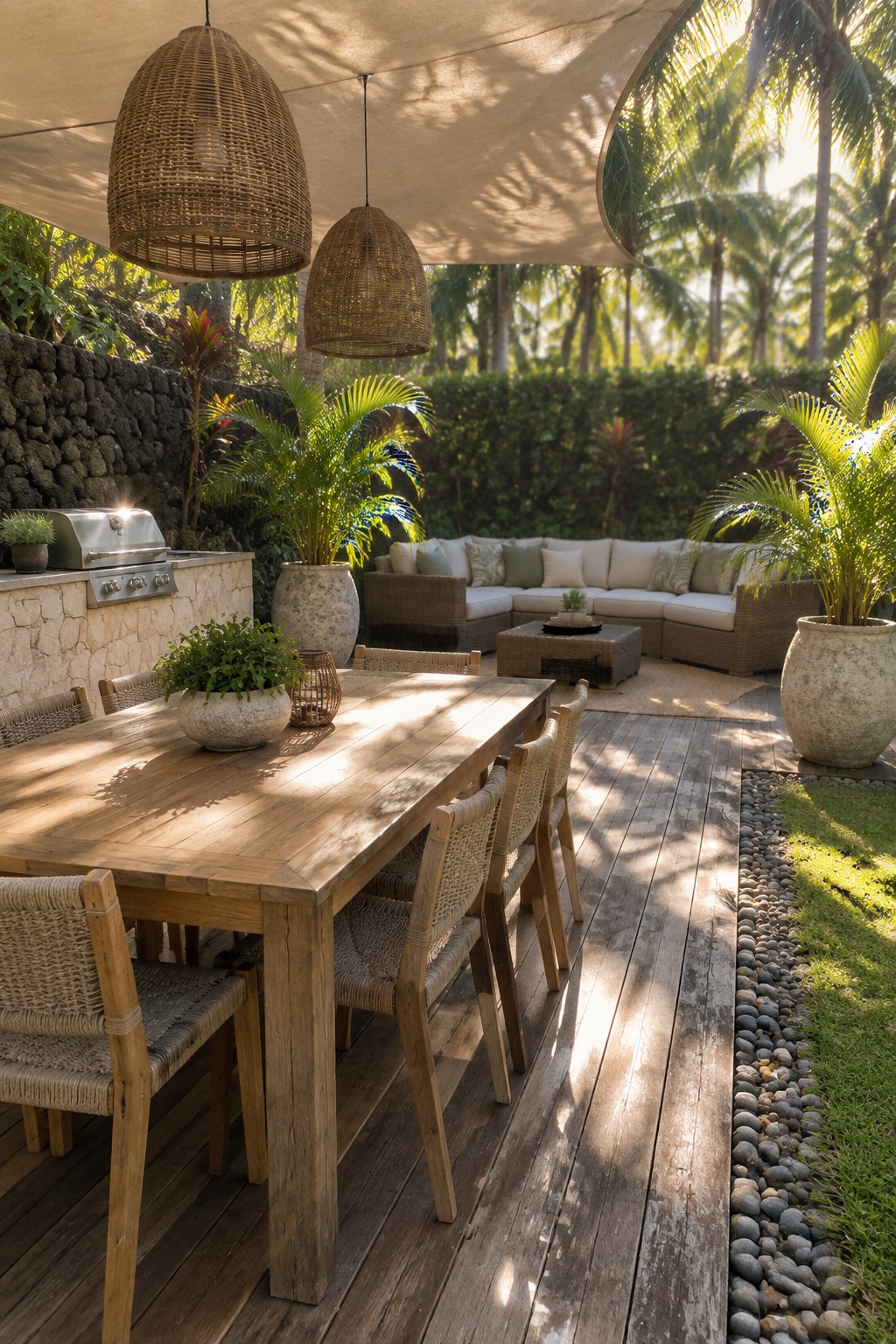
Splitting a patio into two clear zones makes the space feel more organized and easier to use. One area stays set up for meals while the other stays ready for sitting and relaxing, so guests are not stepping around a table the whole time.
This layout works best on decks or patios that have enough room to keep the zones from overlapping. Put the dining table closer to the house or grill, and set the lounge seating a bit farther away so the two areas do not compete for the same space.
Separating Dining And Lounge Zones On Your Patio
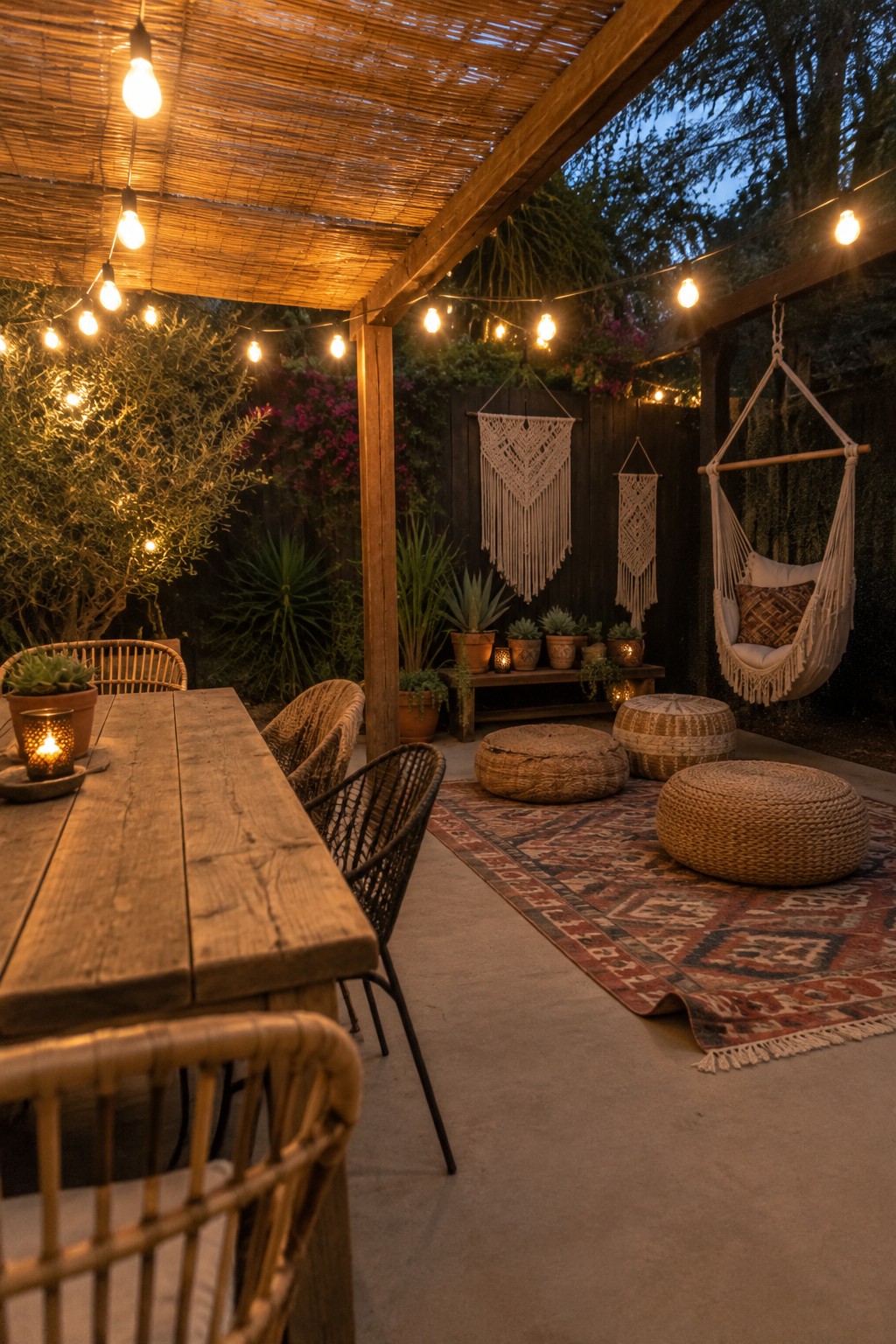
One useful way to lay out a backyard patio is to keep the dining area and the lounge area apart instead of mixing them together. A long table with chairs on one side gives you a clear spot for meals, while a separate corner with low seating and a hammock creates a place to unwind without moving things around.
This kind of split works best on patios that have enough room to leave a walkway between the two zones. It keeps the dining table from feeling like it is in the way when no one is eating and gives the lounge area a quieter feel on its own.
Separate Your Patio Into Distinct Dining And Lounge Zones
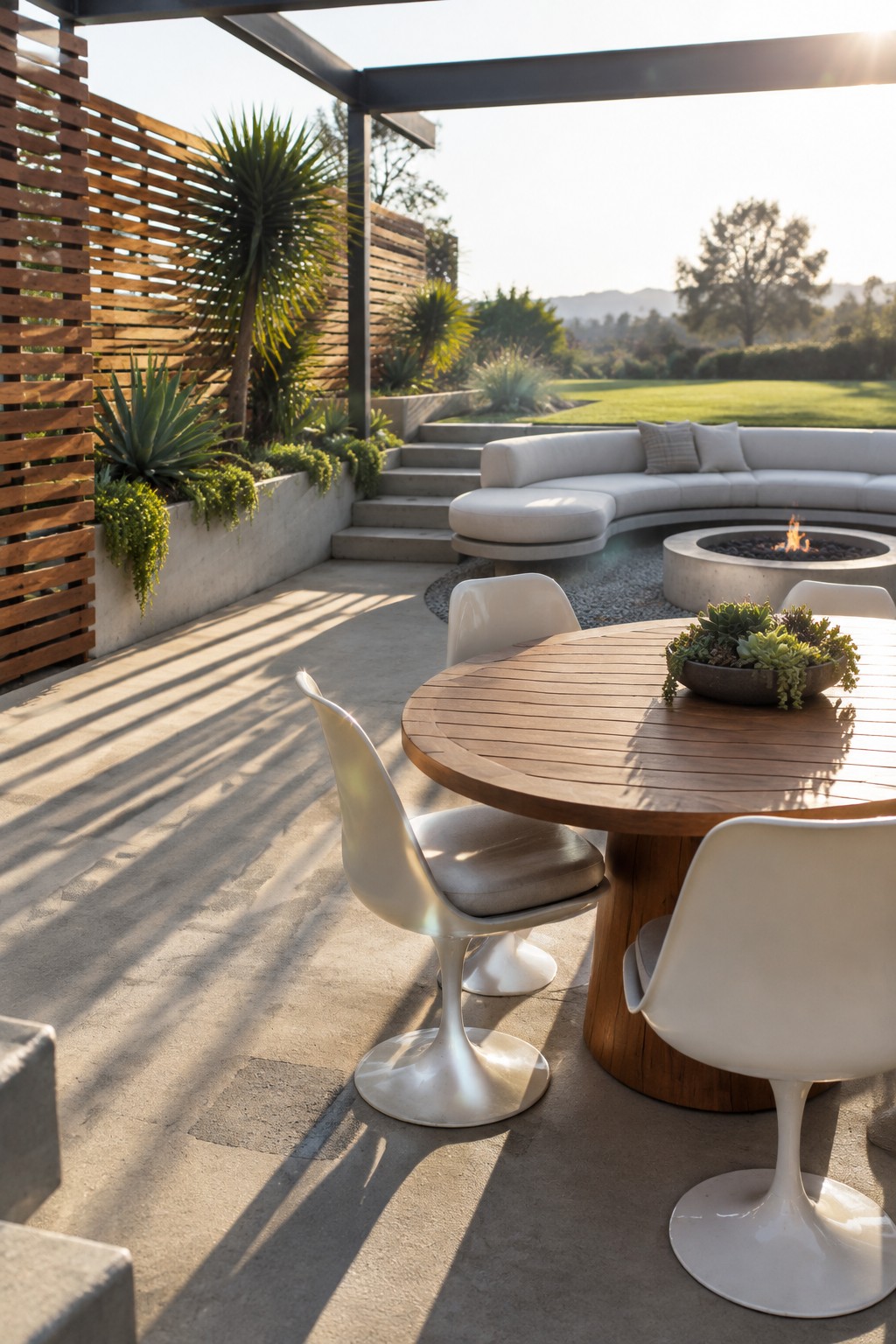
One practical way to make an outdoor space work harder is to divide it into two clear areas. A dining spot with a table and chairs stays separate from a lounge area with seating and a fire pit. This keeps meals from mixing with relaxing and gives each zone its own purpose.
This layout works best on patios that have enough room for both functions without crowding. Place the dining table where people can gather for meals and keep the lounge seating around the fire in its own spot. It suits homes with moderate to large backyards where you want the space used in different ways throughout the day.
Separate Dining And Lounge Zones
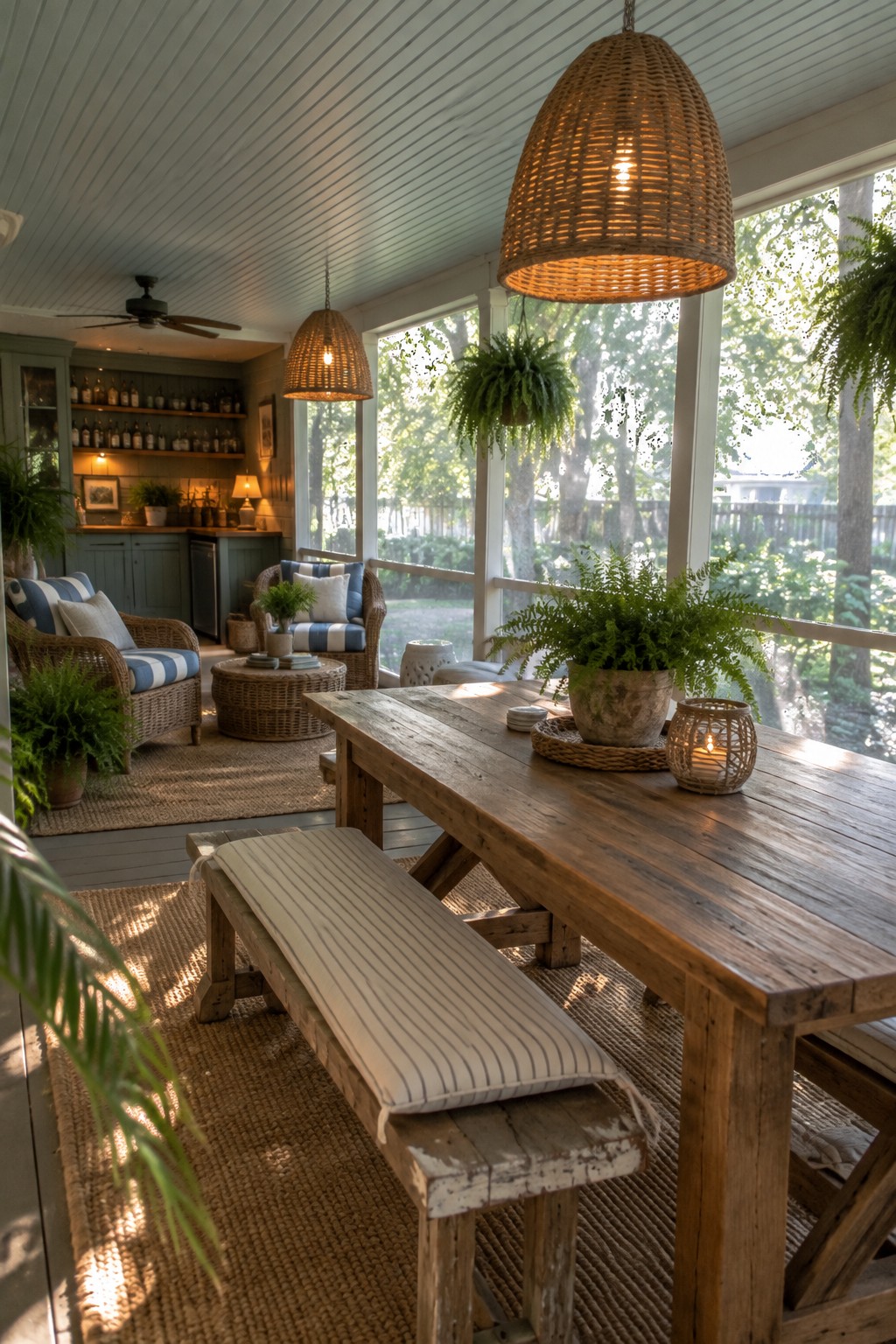
Splitting a patio into two clear zones makes the space feel more practical for everyday use. The dining table sits on its own rug with a bench pulled up close, while the lounge chairs and coffee table rest on a second rug a few feet away. This keeps meals from mixing with quiet sitting time and gives each area its own purpose.
This layout works best on a covered porch or deck that connects to the house. Put the dining table near the door for easy serving, then set the lounge area farther out so people can move between the two without stepping over each other. Keep both rugs similar in tone so the zones still feel connected.
Separate Your Patio Into Dining and Lounge Zones
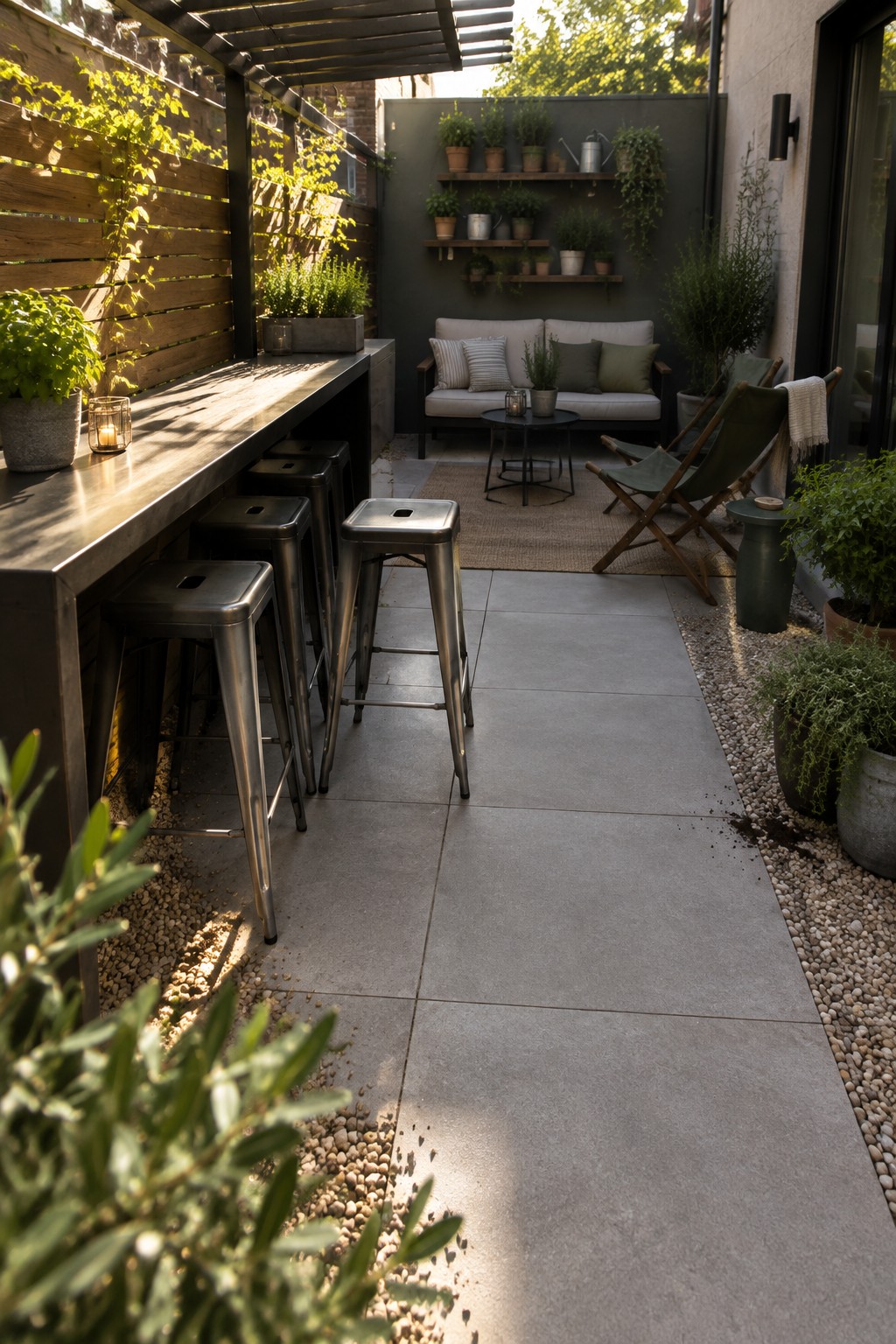
One approach that keeps a backyard patio from feeling cramped is to split it into two clear zones. A long counter with stools works well for meals or drinks, while a separate seating area with a sofa gives people a place to relax without mixing the two uses.
This layout suits narrow side yards or smaller patios especially well. Set the dining zone along one edge and place the lounge area a short distance away on a rug or different surface. Leave enough walking space between them so both areas feel usable on their own.
Split Your Patio Into Separate Dining and Lounge Areas
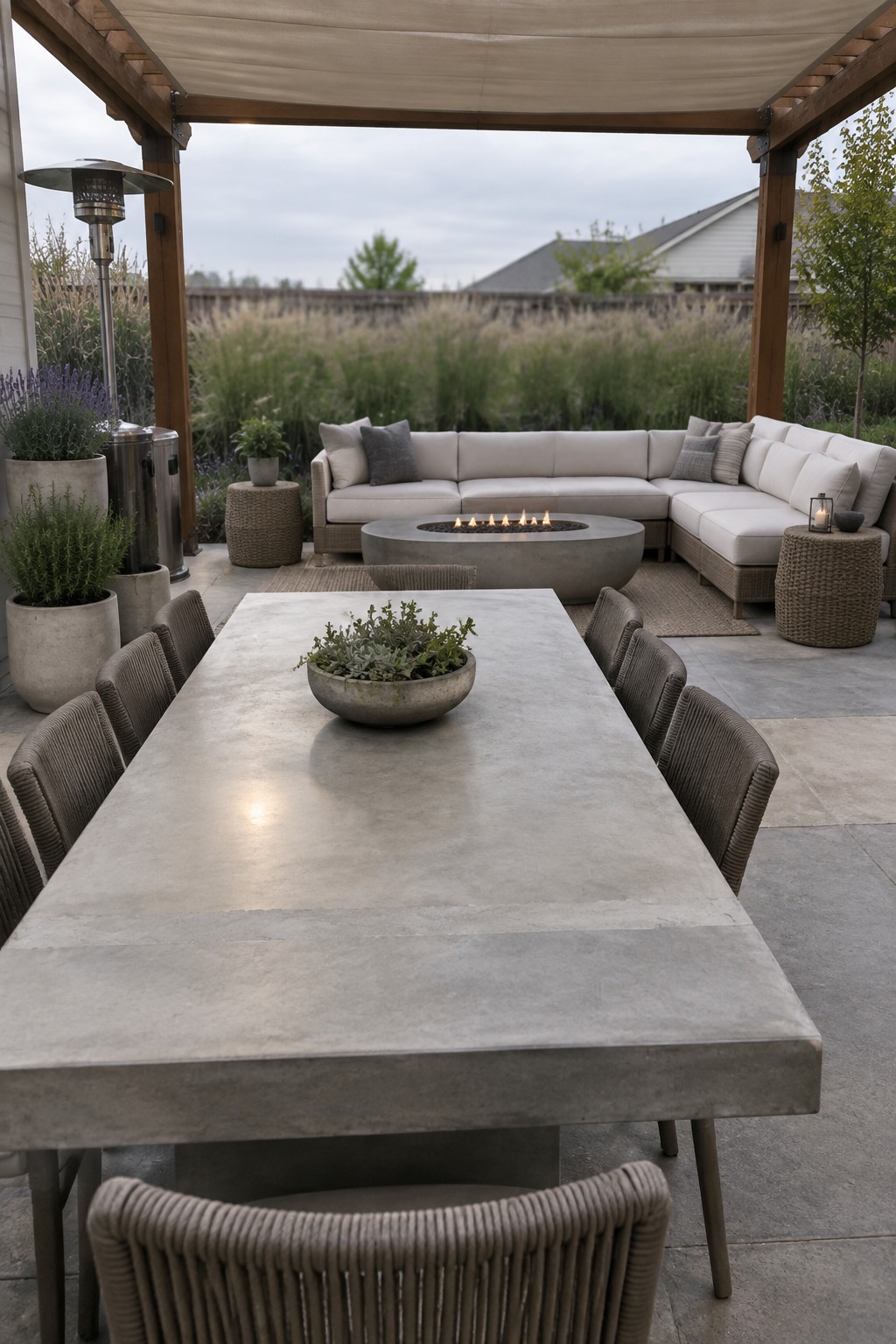
One practical way to improve a backyard patio is to keep the dining area and lounge area apart. This prevents the table from getting in the way when people want to sit and relax, and it lets both zones work at the same time without feeling crowded.
This approach works best on patios that have some overhead cover and enough room for two clear groupings. Put the dining table toward one end and the lounge seating with a fire feature toward the other. It suits homes that use the outdoor space for both meals and evening relaxing.
Divide Your Patio Into Distinct Dining And Lounge Areas
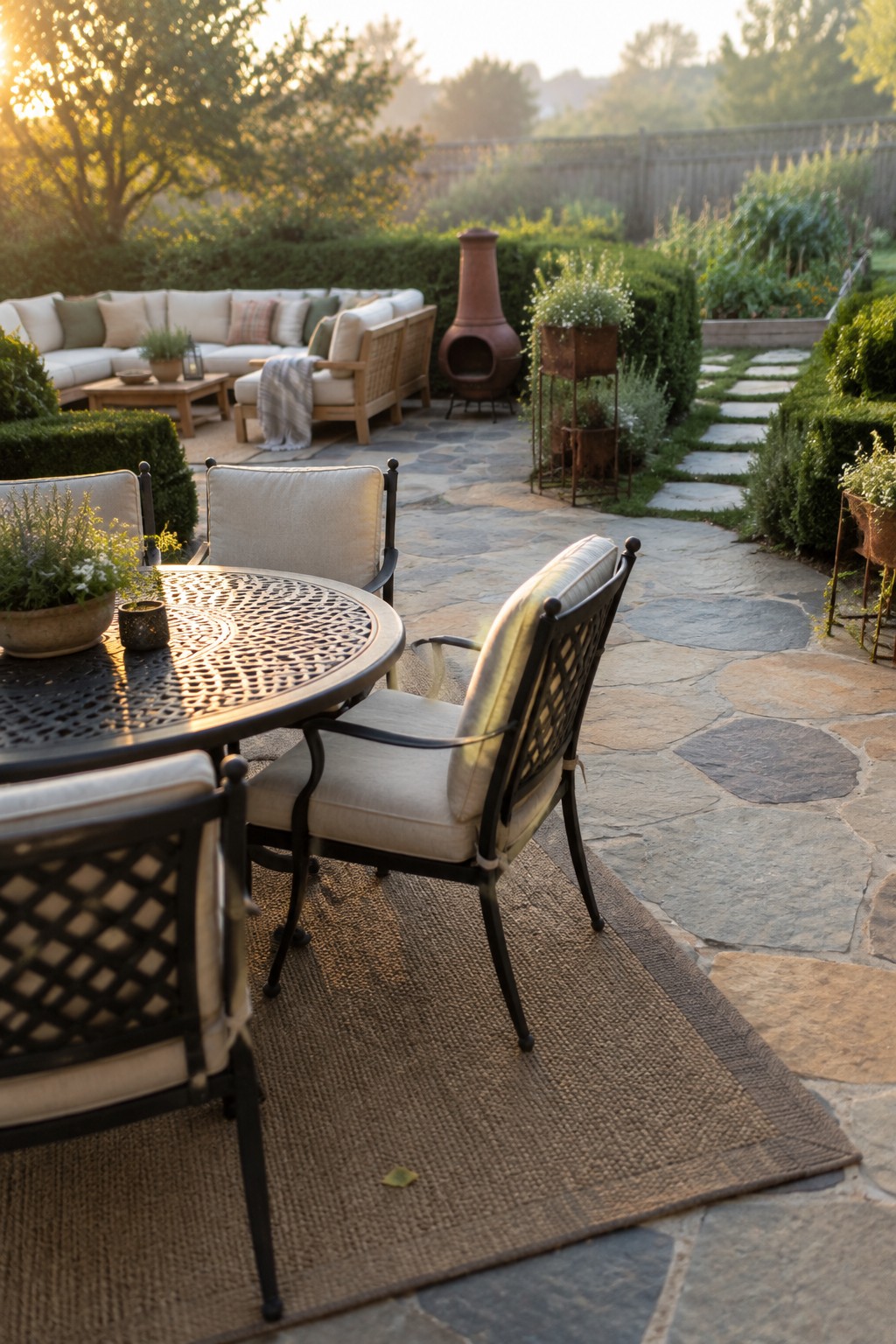
One of the easiest ways to make a backyard patio feel more practical is to split it into two separate zones. A dining area with a table and chairs handles meals, while a lounge spot with a sofa gives people a place to relax without the spaces competing.
This works best on medium sized patios where you can place the dining table closer to the house and set the lounge area a little farther out. A simple rug under the dining table helps mark that zone, and the same approach keeps the lounge area from feeling like an afterthought.
Separate the Outdoor Kitchen from the Lounge Area
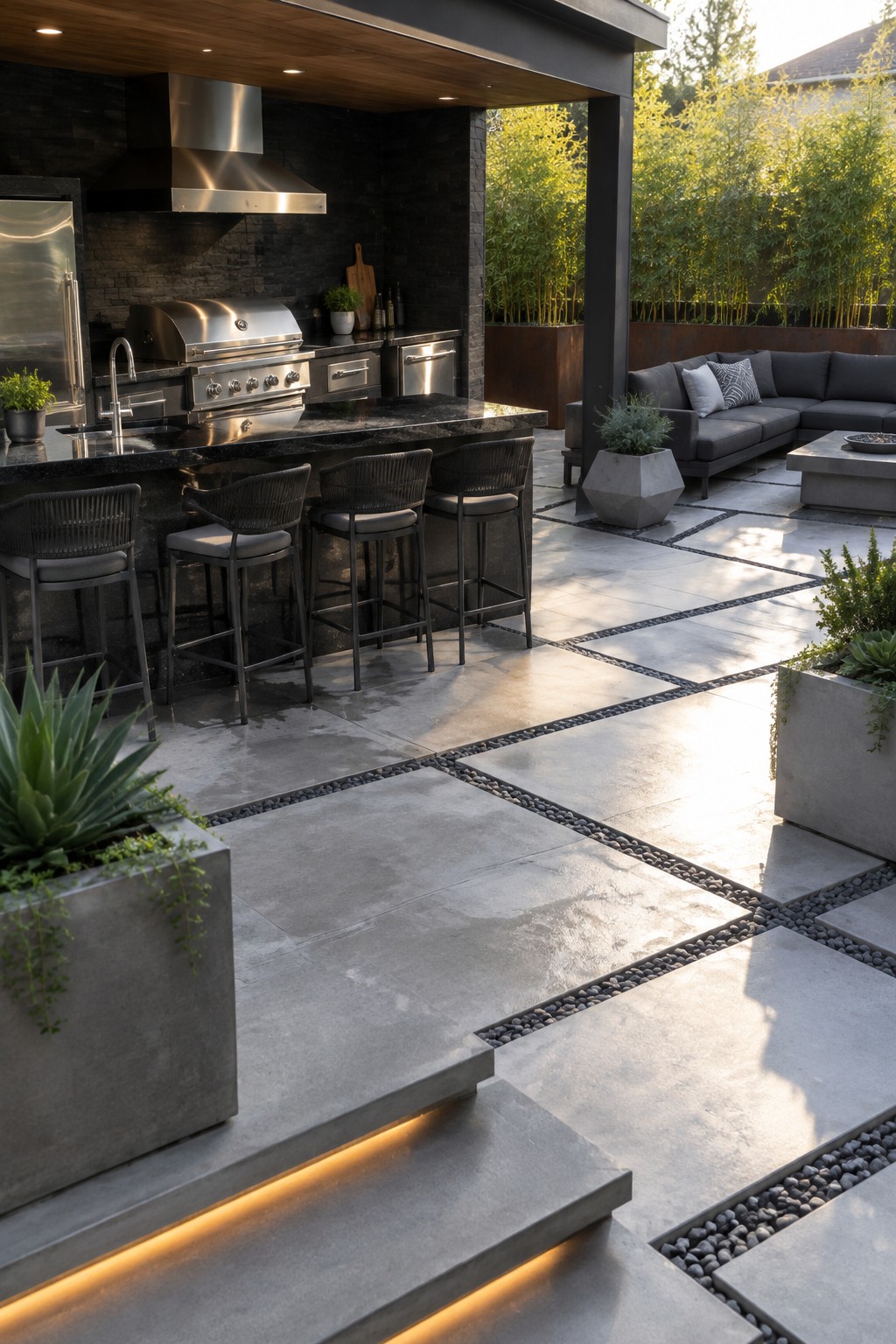
Many backyard patios feel crowded when the grill, sink, and seating all sit right on top of each other. Pulling the cooking zone to one side and the lounge area to another gives both spaces room to work without one interfering with the other.
This setup suits homes with a decent sized patio where you can create two clear spots. A change in flooring or a few low planters can mark the shift between zones so guests know where to gather for drinks versus where to sit and relax.
Keep Dining And Lounge Areas Separate On Your Patio
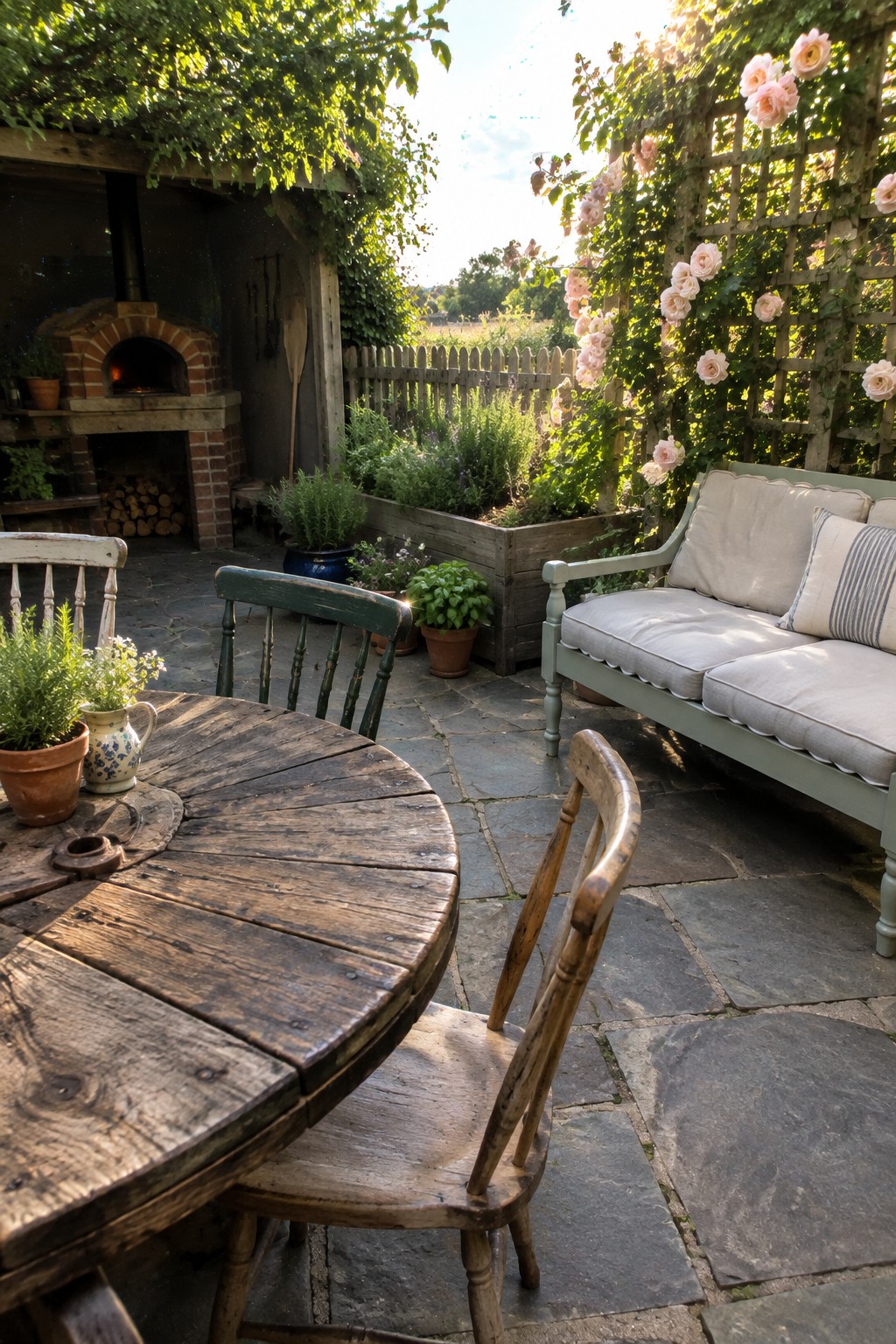
One of the easiest ways to make a backyard patio feel more useful is to split it into two clear zones. A dining spot with a table and chairs handles meals and gatherings, while a separate lounge area with a sofa or seating gives people a place to relax without getting in the way of the table. This setup works especially well when you have the space, because it lets both areas function at the same time without one crowding the other.
This approach suits homes with medium to large patios where you want room for both everyday use and occasional entertaining. Try placing the dining table near a grill or oven if you have one, and set the lounge seating a little farther back or to one side. Just make sure there is enough walking room between the two so the space does not feel cramped.
Separate Dining And Lounge Zones With A Water Feature
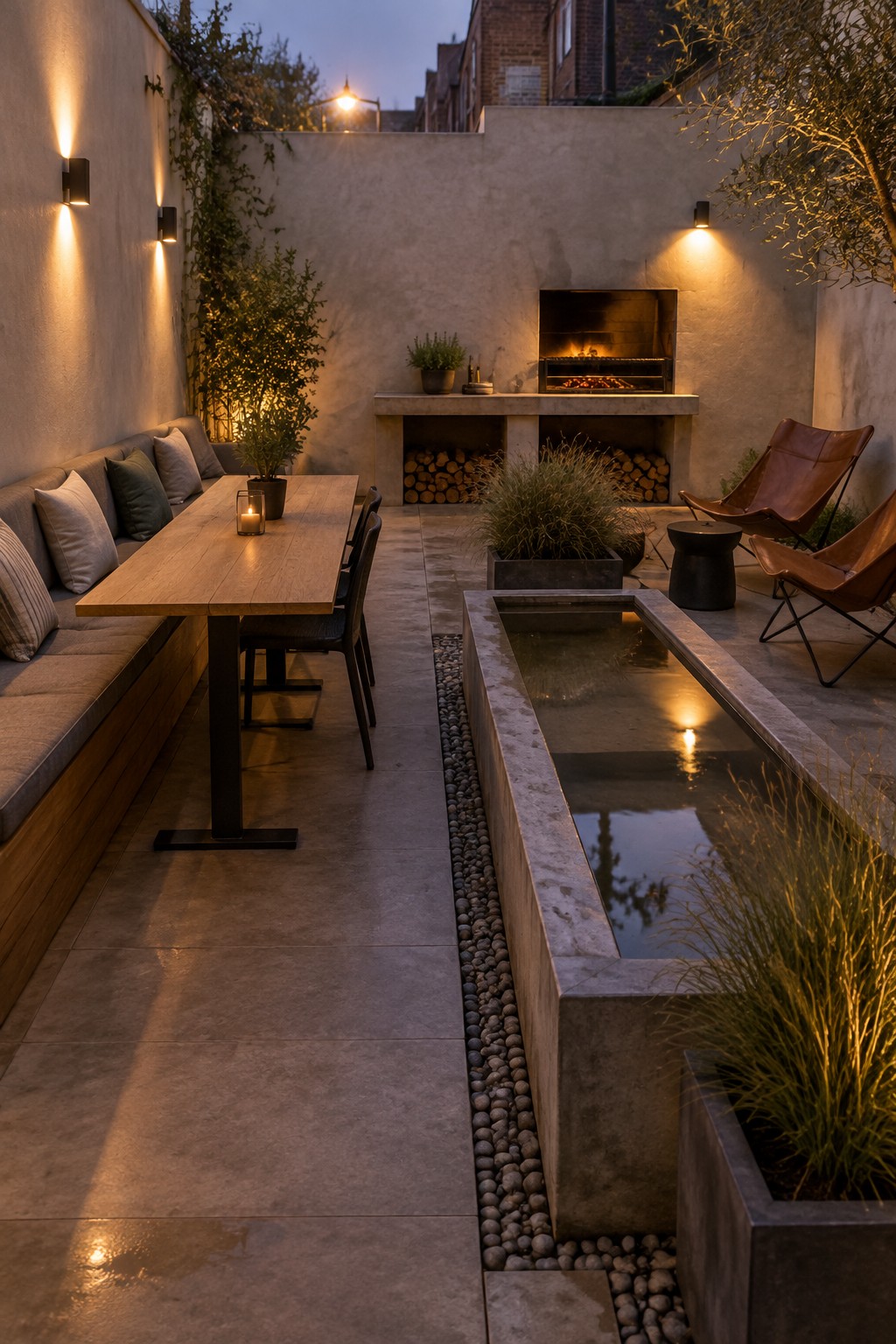
Many backyard patios end up feeling crowded when people try to squeeze dining and lounging into the same open space. A long narrow water channel running down the center gives each zone its own clear boundary without adding walls or tall screens.
This setup works especially well on rectangular patios where one side can hold a long table and the other can fit a few lounge chairs near a fire. Keep the water line low so it does not cut off conversation, and make sure both sides still get easy access to the main path.
Split Your Patio Into Separate Dining And Lounge Zones
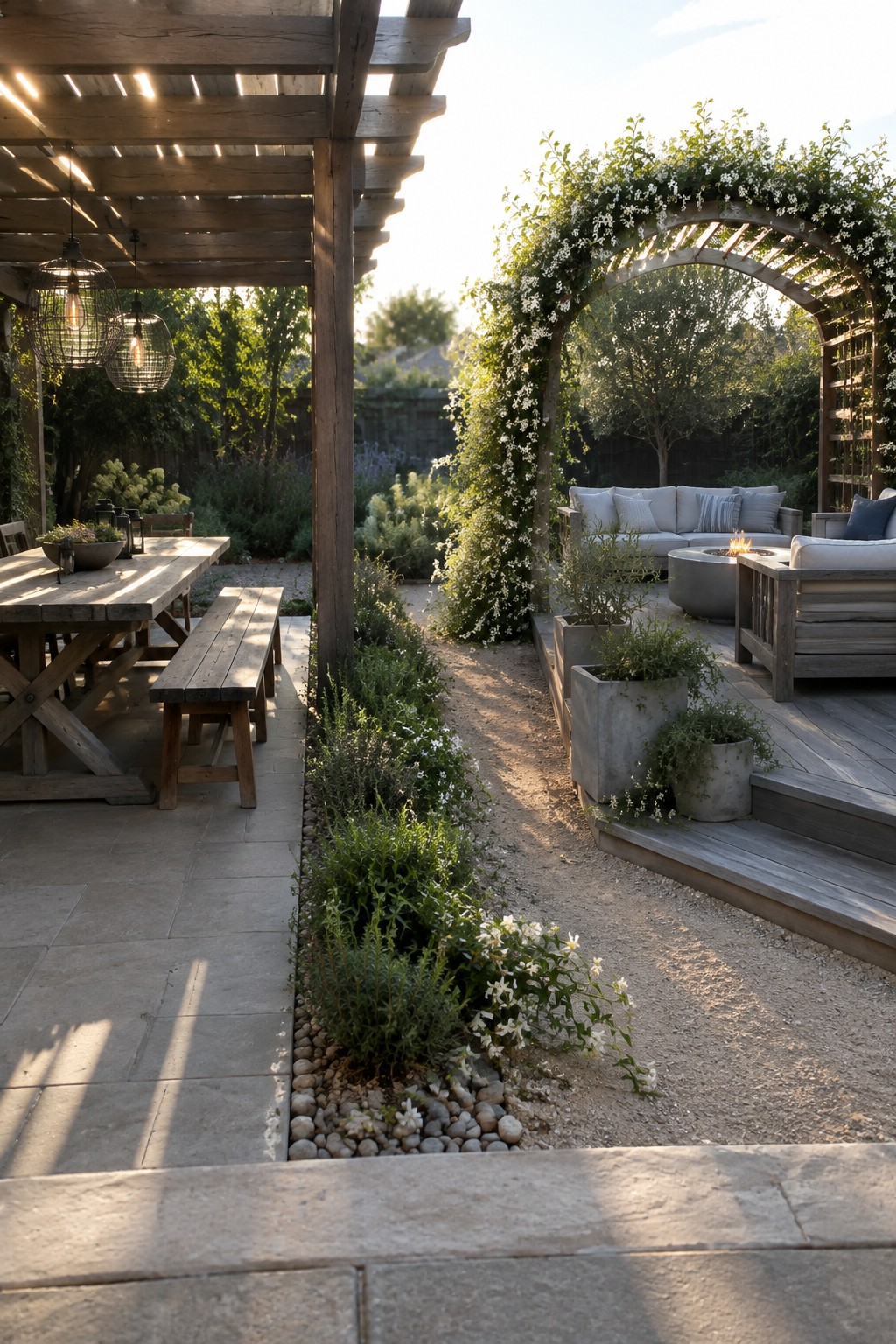
Many people end up with a patio that tries to do everything in one spot. Breaking it into two clear zones changes how the space actually gets used. One area handles meals and the other stays set up for sitting and relaxing without having to clear plates or move cushions every time.
This works especially well when the zones sit on different surfaces. A stone or gravel section for the table keeps things simple for outdoor dining while a raised deck gives the lounge area a more settled feel. The division also helps control traffic so guests are not walking through the middle of either setup.
Creating Separate Dining and Lounge Zones on the Patio
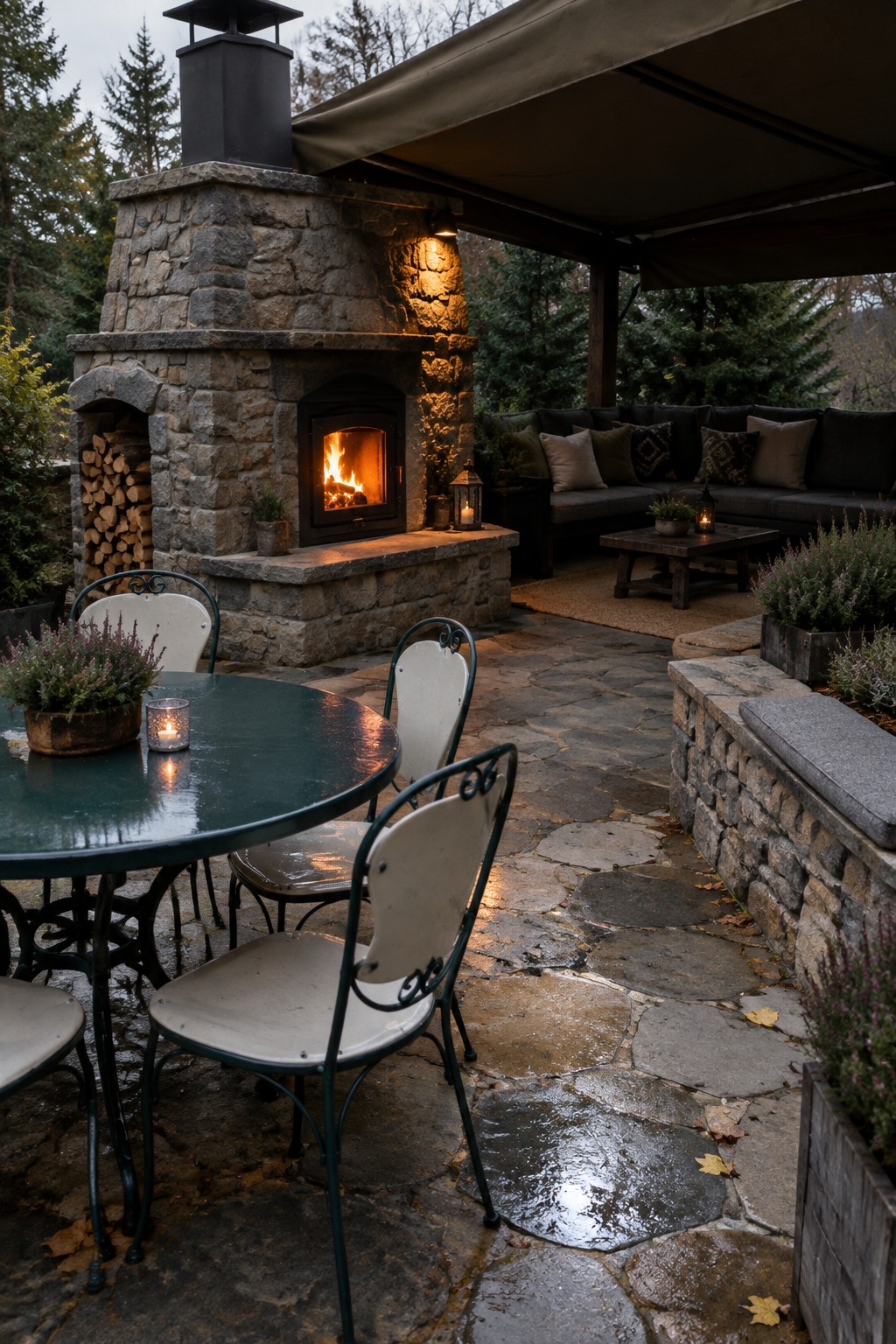
Splitting a patio into two clear zones makes the space feel more practical. The fireplace sits between a dining table on one side and a sofa area on the other, so meals and relaxed seating do not compete for the same spot.
This layout works best on medium to large patios where you want both functions without crowding. It suits homes that use the yard for frequent outdoor meals but still need a comfortable place to linger by the fire afterward.
Creating Separate Zones for Dining and Lounging
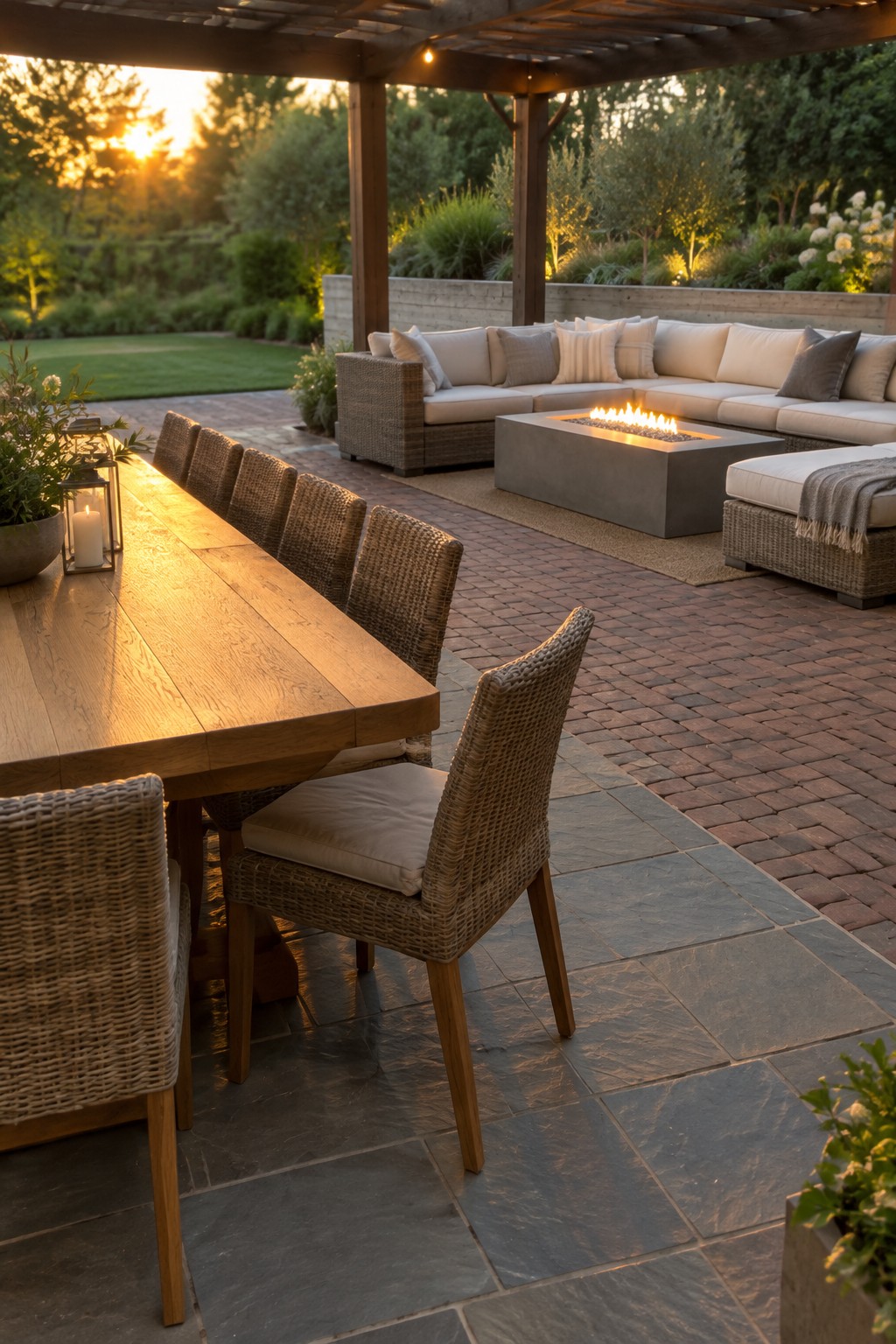
Many backyard patios feel more useful when the dining area stays apart from the lounge area. A long table with chairs on one side and a sofa grouping around a fire pit on the other lets each space do its job without overlap.
This layout works best on patios that have enough room to keep traffic flowing between the two zones. It suits homes that like to host meals and then let people settle in for the evening without clearing one big table.
Frequently Asked Questions
Q: My backyard slopes a bit. Can I still split it into dining and lounge zones? A: Level the dining spot with a simple deck platform while leaving the lounge on the natural slope. This creates a clear divide without extra walls. Guests will notice the change right away when they move between the areas.
Q: How do I stop bugs from ruining meals in the dining zone while the lounge stays open? A: Set up a ceiling fan above the table to keep air moving. The lounge can stay fan free since people lounge there less during peak bug times.
Q: What about rain on my outdoor rugs in the lounge area? A: Choose rugs made for outdoors that dry fast. Roll them up when storms hit if you want them to last longer. But store them in a dry spot during winter.
