

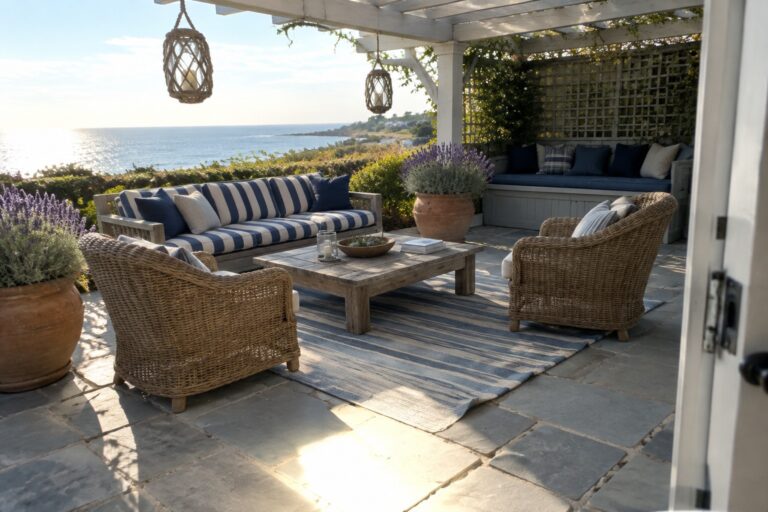
I have walked onto patios where the furniture looked put together yet stayed empty because the cushions felt thin and the chairs sat too far apart for easy talk.
Over the years I learned that outdoor seating only earns regular use when the layout matches how people actually move and rest once they step outside.
Small tweaks make the biggest difference.
I usually begin by placing the largest seats first so the flow feels natural before adding side tables or extra pillows.
Arrangements that hold up through daily use and changing weather end up mattering more than any single stylish piece.
Soften Stone Patios With a Large Area Rug
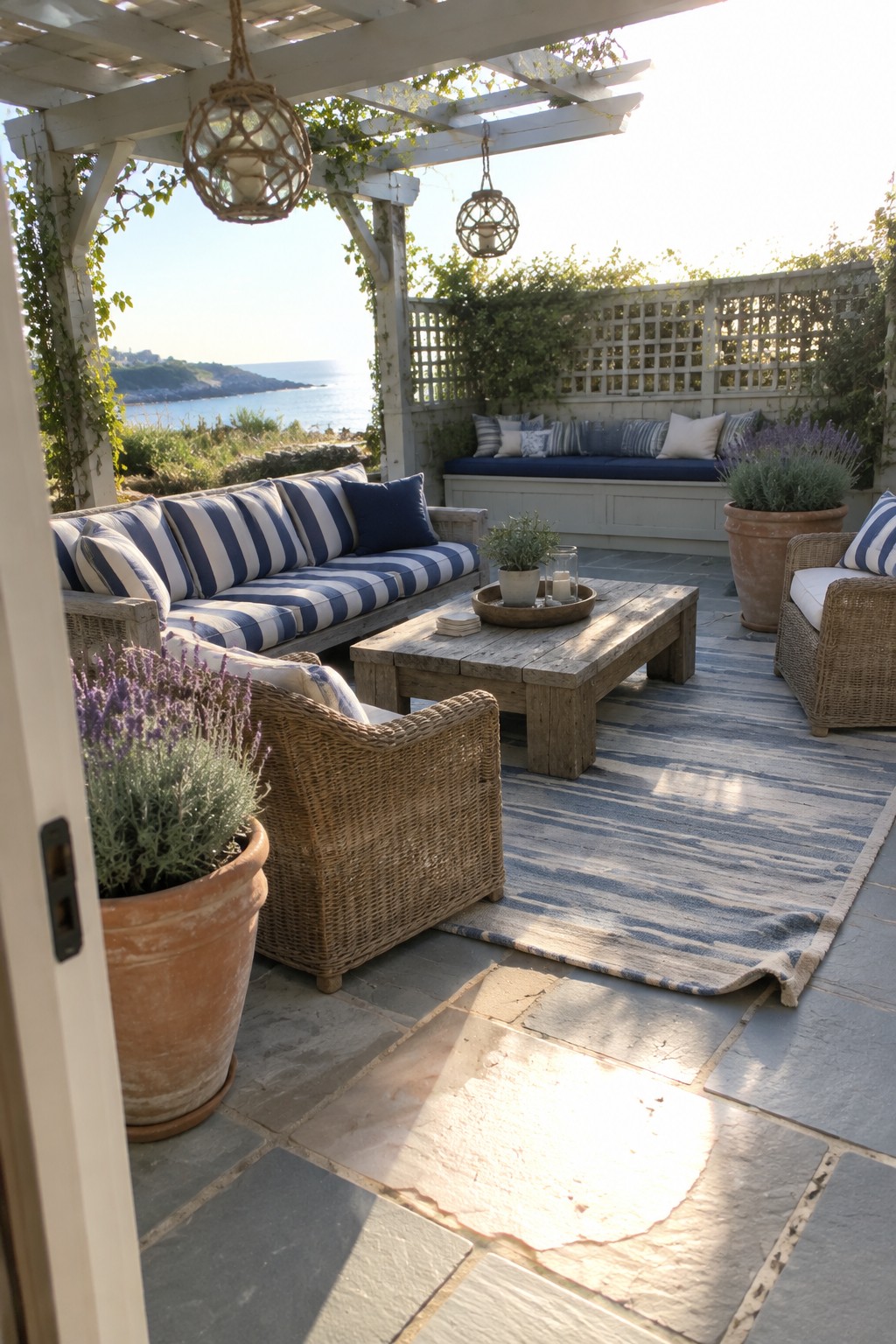
A large outdoor rug helps turn a hard stone patio into something that actually feels comfortable to sit on. It softens the surface underfoot and gives the furniture a clear spot to gather instead of floating across the open space.
This works best on patios or terraces where the ground stays cool or uneven. Choose a rug big enough to sit under the front legs of every chair and the table so the whole setup feels grounded without looking scattered.
Using a Fire Pit to Anchor Patio Seating
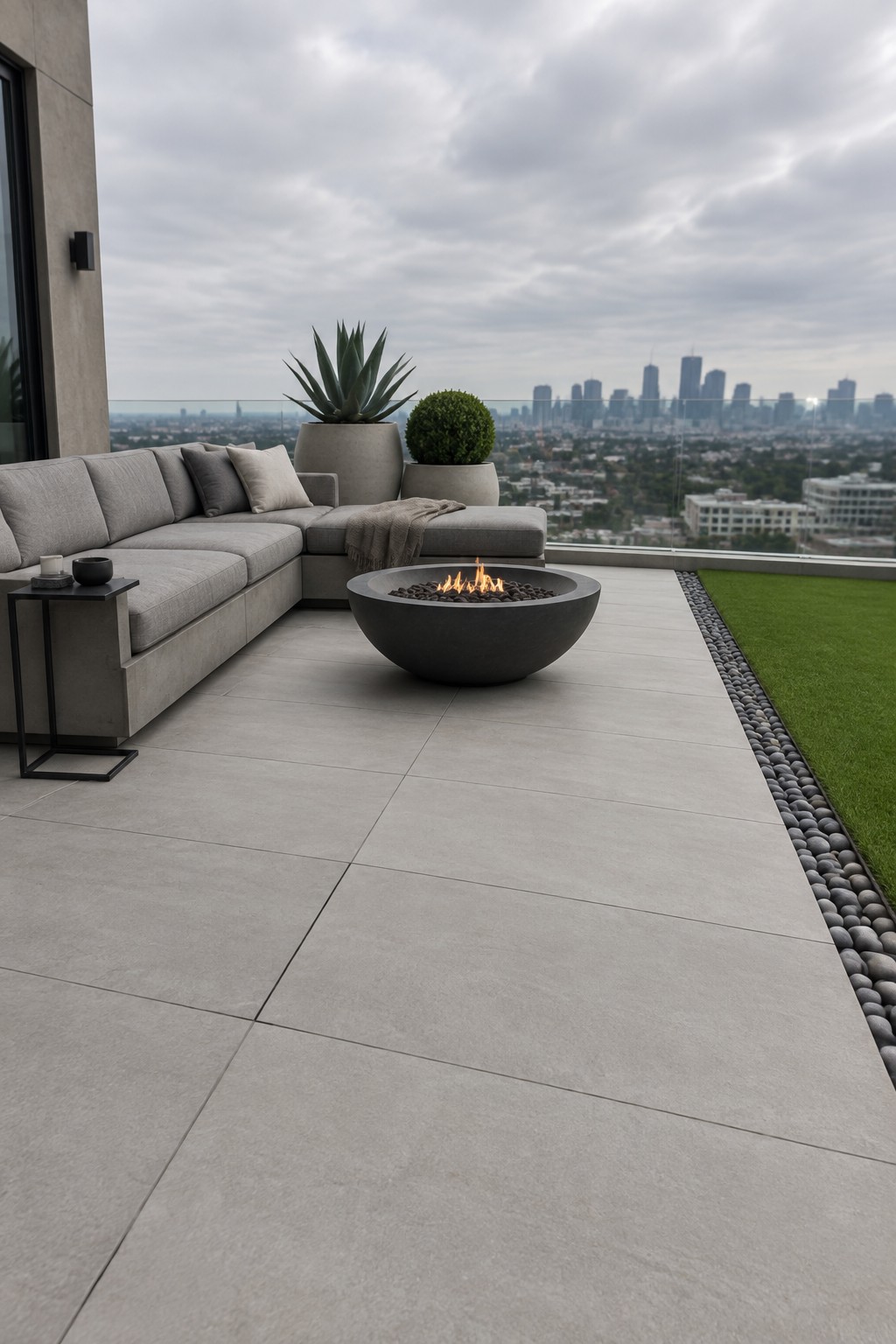
A fire pit works well as the main focal point because it gives the whole seating area a clear purpose. People naturally gather around it, and the warmth makes the space usable even when the weather cools down a bit.
This approach suits rooftops and larger patios where you can pull modular seating into a loose circle or L shape around the pit. Leave enough walking room on all sides so the area stays comfortable rather than cramped.
Woven Leather Strap Chairs Hold Up Well On Patios

These chairs use a simple metal frame with wide leather straps woven across the seat and back. The straps give a little when you sit, which makes them more comfortable than solid wood or metal for long stretches outside, and they dry quickly after rain.
They work best on stone or concrete patios where you want something that feels substantial but not heavy. Pair them with a round table of similar weight so the whole setup stays balanced, and keep them under a pergola or awning if your climate brings harsh sun or frequent storms.
Round Daybeds Create Flexible Outdoor Seating
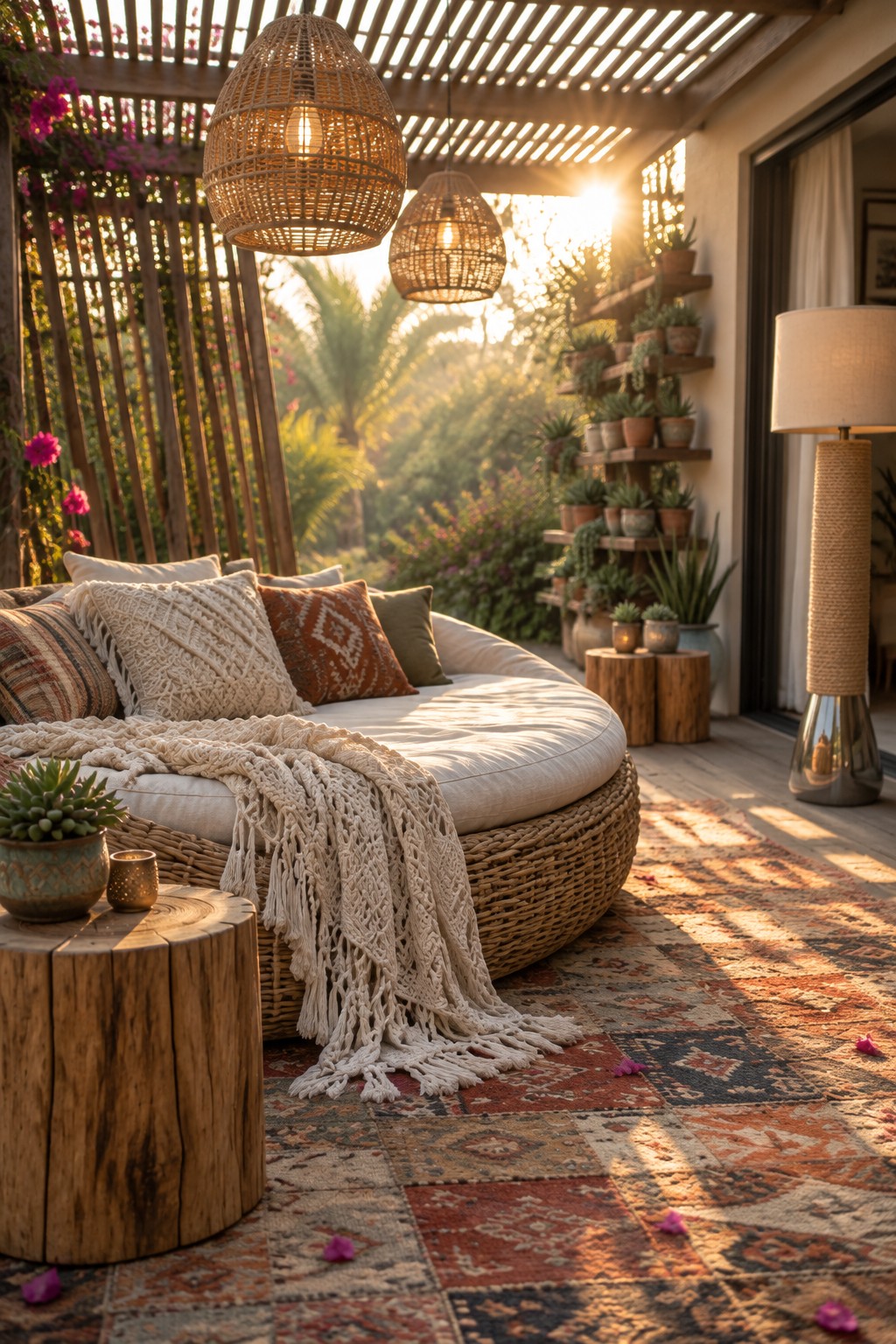
A round daybed gives you one main seating piece that works from every side without needing extra chairs. The low shape and wide surface make it easy to stretch out or sit in a group, and the curved edge keeps the whole arrangement from feeling boxed in.
This works best on patios that have room for the full diameter and a rug underneath to define the spot. Keep the textiles simple but plentiful so the bed feels like a sofa that just happens to live outside.
Combine Bench Seating With Rocking Chairs
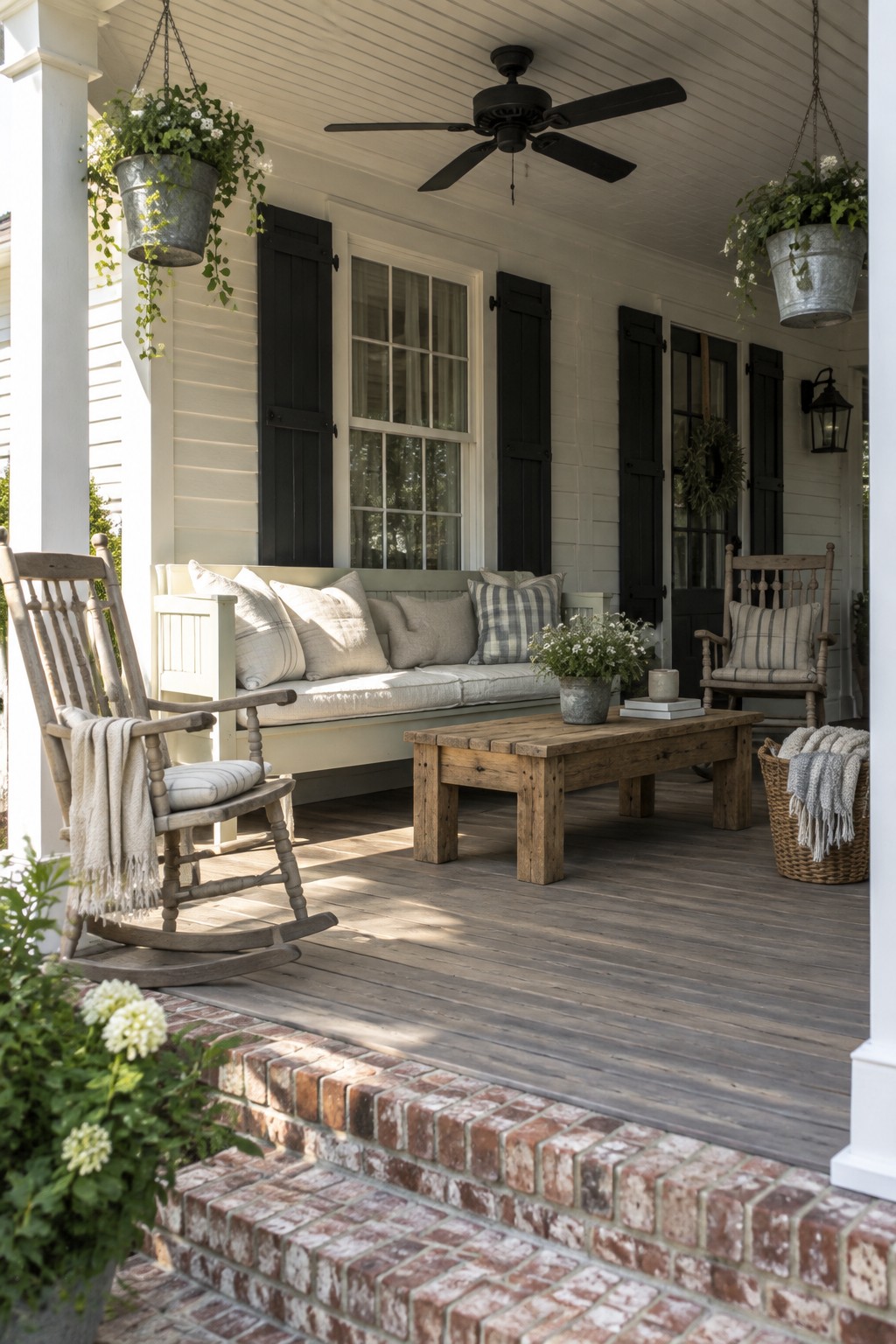
A built-in bench gives you a long spot to stretch out, while a pair of rocking chairs adds seats that move and feel more personal. Together they make the porch useful for morning coffee, evening talks, or just sitting alone without the space feeling empty.
This mix works best on covered porches that already have some depth. Keep the table low and simple so people can still walk through easily, and stick with neutral cushions if you want the furniture to last through different seasons.
Mix Woven Furniture With Overhead Shade For Easy Patio Comfort
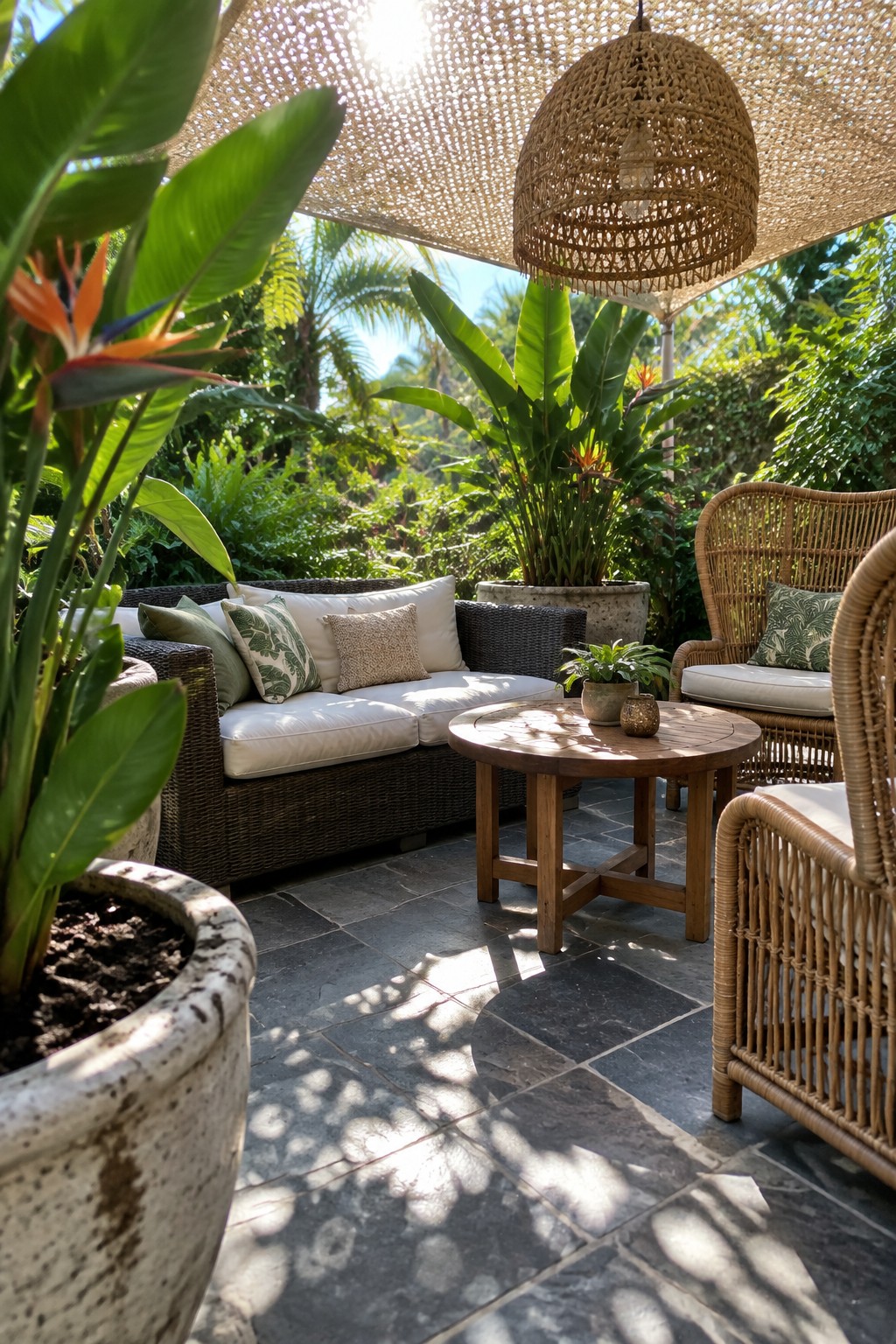
One simple way to make outdoor seating feel more comfortable is to combine woven rattan pieces with a large overhead shade structure. The natural texture of the furniture helps the area blend into the garden, while the woven canopy above filters light and creates a sense of enclosure without closing the space off completely.
This approach works best on patios that get direct sun for much of the day. Place the seating on a hard surface like stone or concrete, keep the table low and simple, and add a few potted plants nearby to soften the edges. Just check that the shade frame can handle wind before leaving it up year round.
Arrange Seating Around A Fire Pit
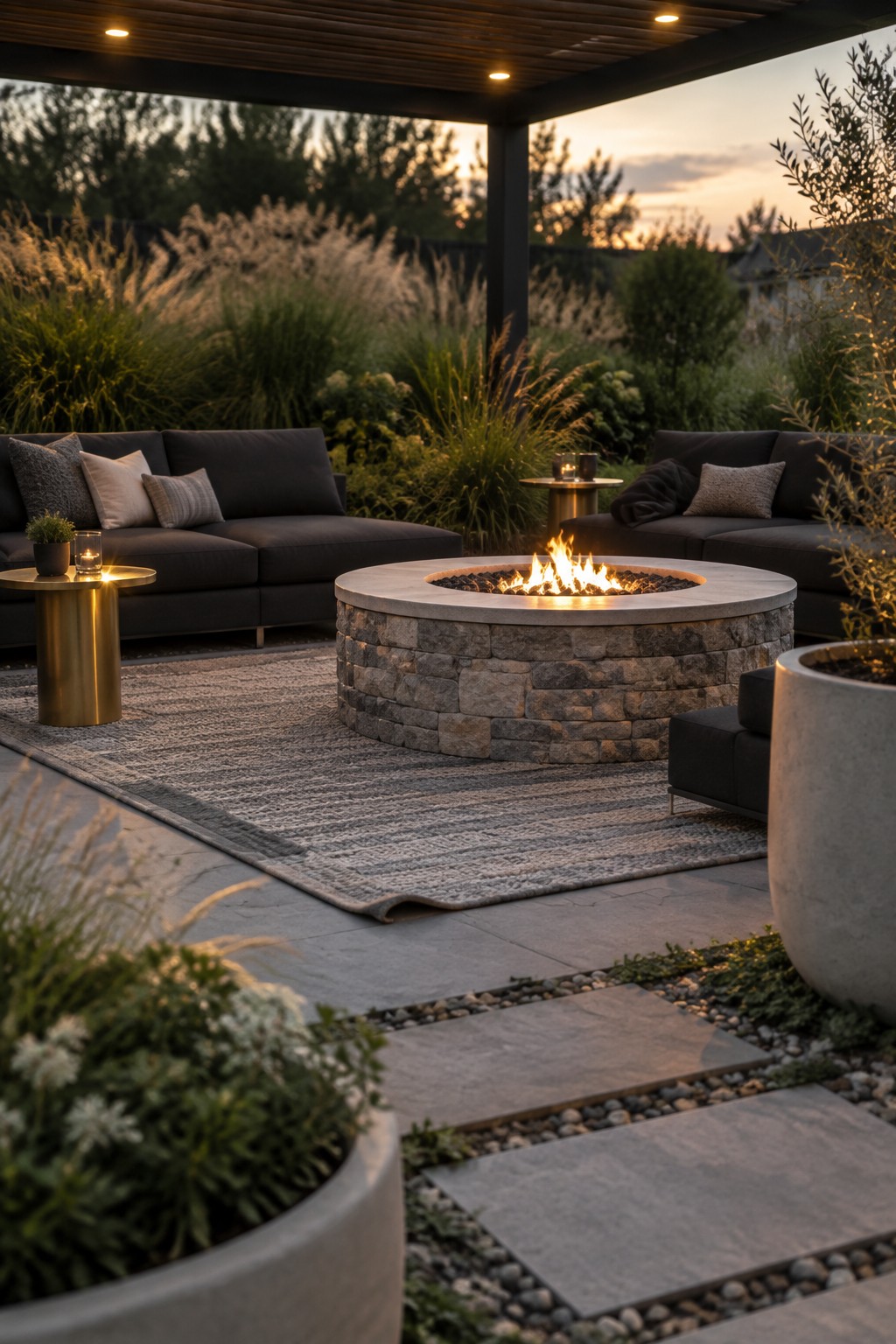
A fire pit gives outdoor seating a natural center point. People tend to stay longer when there is a shared focal point that provides both light and warmth after dark. Placing the seating in a loose circle or square around it keeps the conversation easy and makes the whole setup feel more intentional.
This works best on patios that have enough room for both the fire pit and a clear walkway behind the chairs or sofas. Keep the surrounding surface nonflammable and choose seating that can handle a bit of heat and weather so the arrangement stays comfortable through the seasons.
Layer Pillows On Outdoor Seating For Everyday Comfort
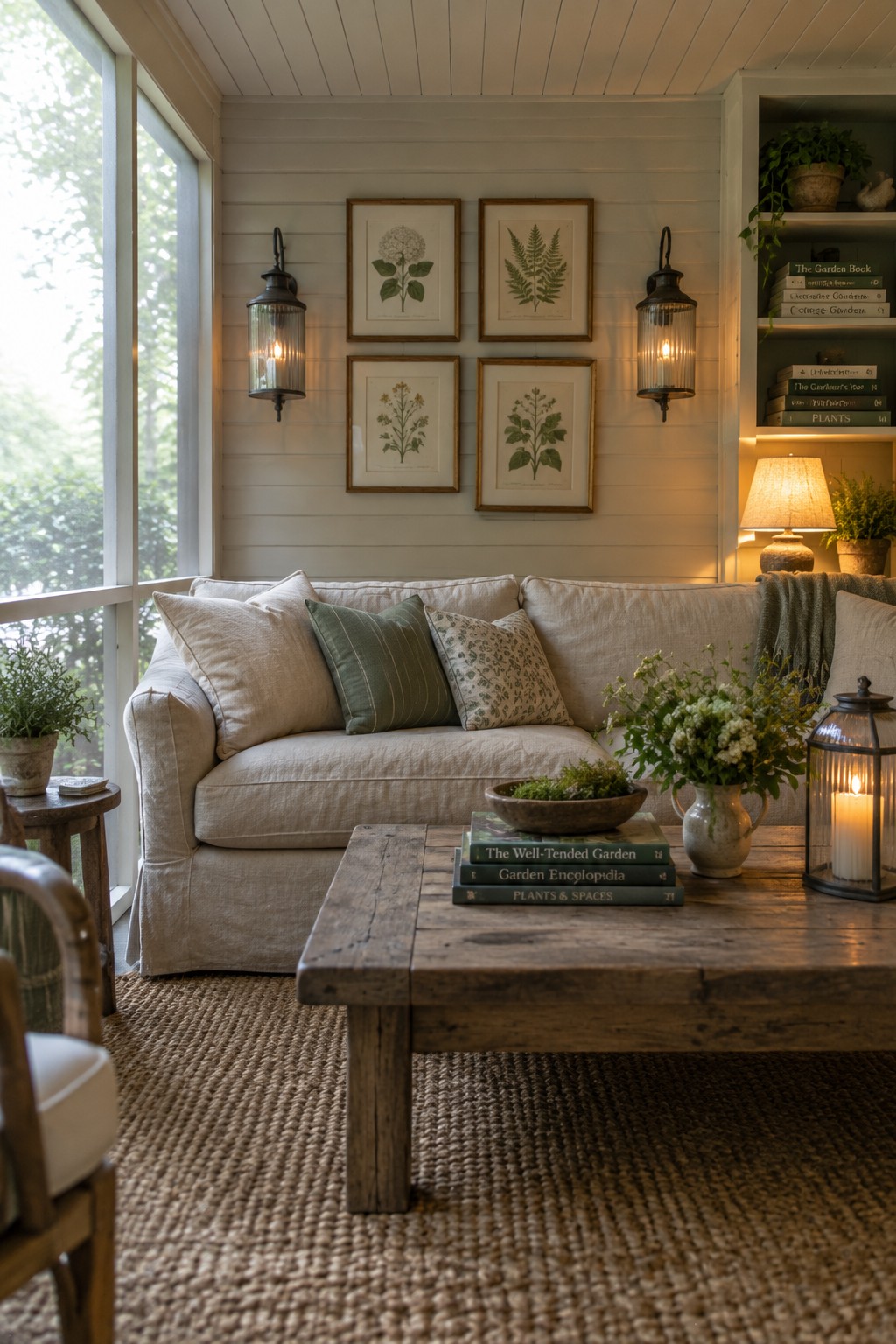
A simple sofa can feel much more inviting once you add a few pillows in different fabrics. The mix of solids, stripes, and a soft floral pattern gives the seat depth without making it look busy. This approach works especially well on porches or patios where you want the furniture to feel relaxed rather than stiff.
Stick with neutral base fabrics like linen or cotton so the pillows can be swapped with the seasons. Keep the number of pillows to four or five so people can actually sit down without moving things first. This setup suits homes with covered outdoor areas that get regular use.
Mixing Built In Bench Seating With Portable Stools
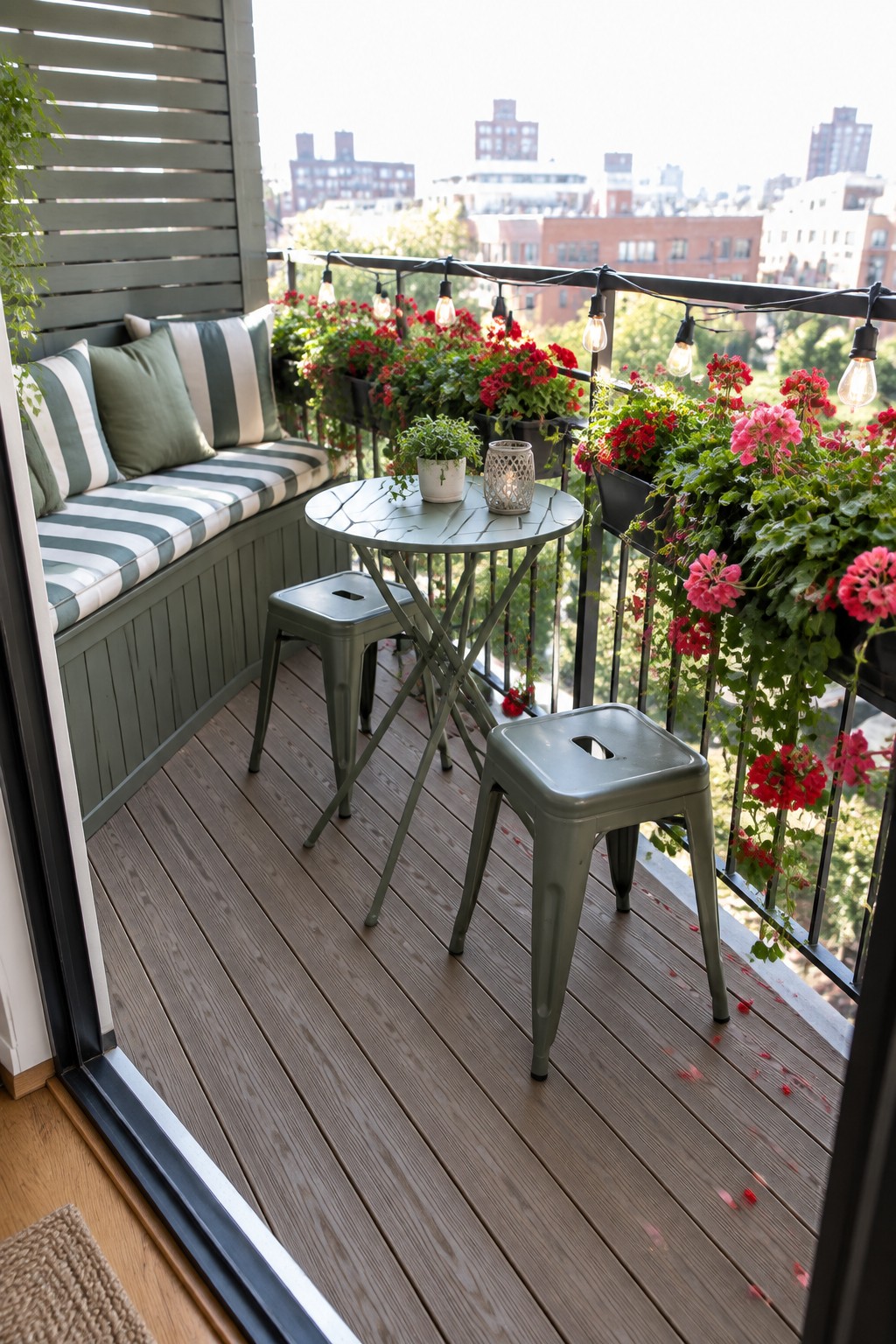
A built in bench gives a small balcony or patio a permanent place to sit without taking up much room. Pairing it with a couple of lightweight metal stools lets you adjust the setup easily when you want to pull up extra seats or clear space for plants and tables.
This works especially well on balconies where every inch counts. Choose stools in a similar color to the bench so everything feels pulled together, and make sure the stools stack or tuck away when not needed.
Pick a Low Wooden Sectional for Casual Outdoor Lounging
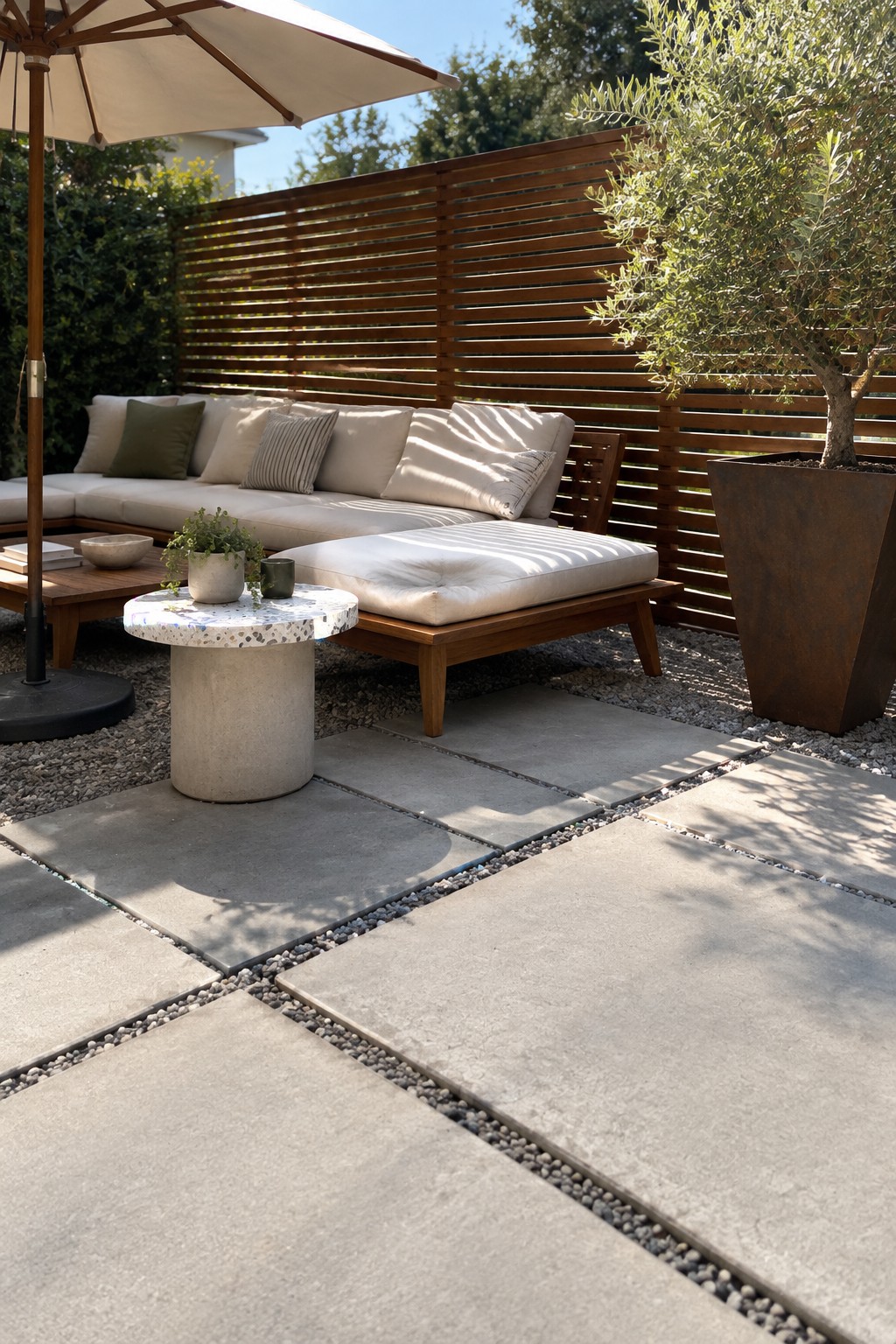
A low wooden sectional with a chaise works well because it keeps the seating relaxed and close to the ground. The natural wood frame blends into the surroundings without feeling heavy, and the wide layout gives people room to stretch out or gather without crowding.
This setup suits backyards where you want the patio to feel like an easy extension of the house. Gravel between the pavers helps with drainage and adds texture underfoot, while a simple slatted screen behind the sofa adds privacy without blocking light. Just make sure the cushions are weather resistant if the space stays open most of the year.
Layering Patterned Cushions And Poufs For Easy Patio Lounging

Low seating with lots of cushions and floor poufs gives an outdoor space a relaxed feel without needing heavy chairs or sofas. The mix of a long bench seat and separate round cushions lets people shift things around depending on the group size, and the patterns add color that still feels grounded on the tile floor.
This setup works best in courtyards or larger patios where you have room to spread things out around a central feature like a pool. Stick to durable fabrics that can handle sun and occasional rain, and keep the cushions in a few repeating colors so the area does not look too busy.
Adding a Canopy for Shaded Poolside Lounging
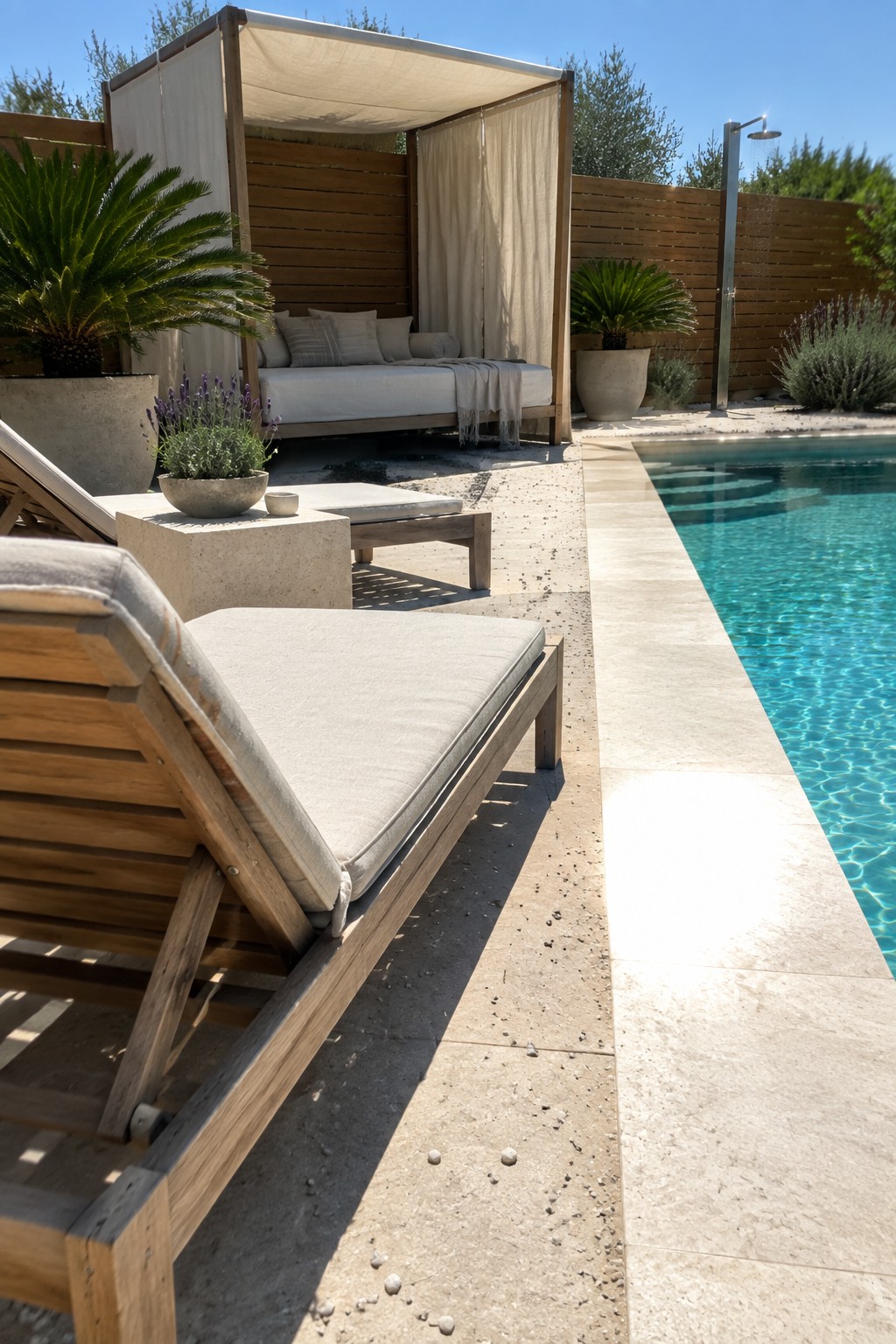
A canopy structure like this one turns an open patio into a spot people actually want to stay in for hours. It gives shade without closing off the view of the pool, and the side curtains add just enough privacy when needed. Wood furniture with simple cushions keeps everything low maintenance while still feeling comfortable.
This setup works best in warm climates where the sun stays strong most of the day. Place the canopy near the water but far enough back that splashes do not reach the cushions. Stick with weatherproof fabrics and sturdy frames so the area holds up without constant upkeep.
Using Vertical Planters To Add Greenery On A Patio
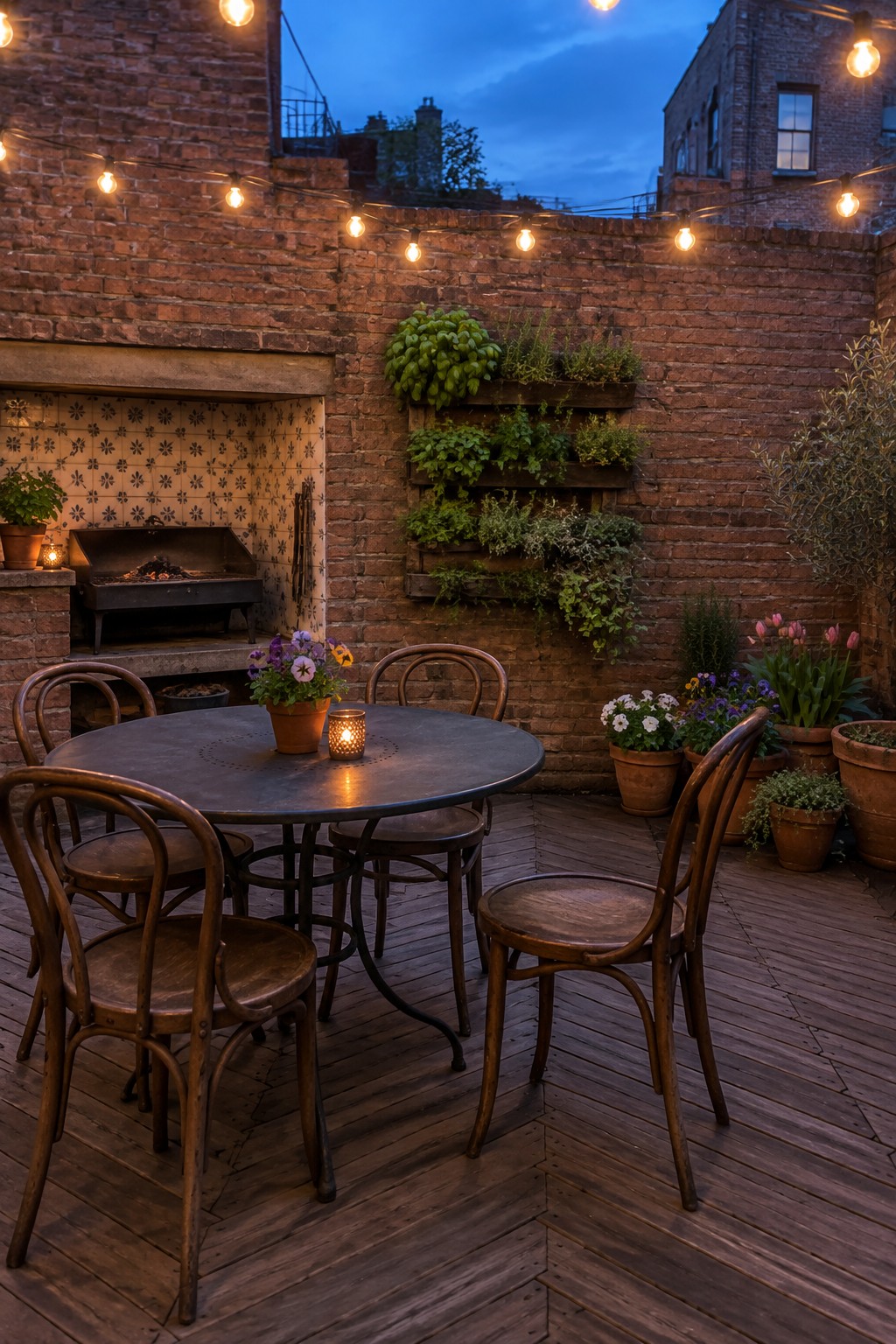
Vertical planters work well on brick walls because they bring in plants without taking up deck space. In a small enclosed patio, they help soften the hard surfaces and make the seating area feel more like a garden than just a floor with furniture. The setup here shows how a few rows of herbs and trailing plants can fill the wall nicely while leaving room for the table and chairs below.
This approach suits homes with limited outdoor space or those wanting low-maintenance growing options. Mount the planters at eye level or higher so they do not interfere with walking or seating. Stick to herbs and hardy perennials that can handle the light conditions, and water them regularly since wall setups dry out faster than ground beds.
Pair A Dining Table With Built-In Bench Seating
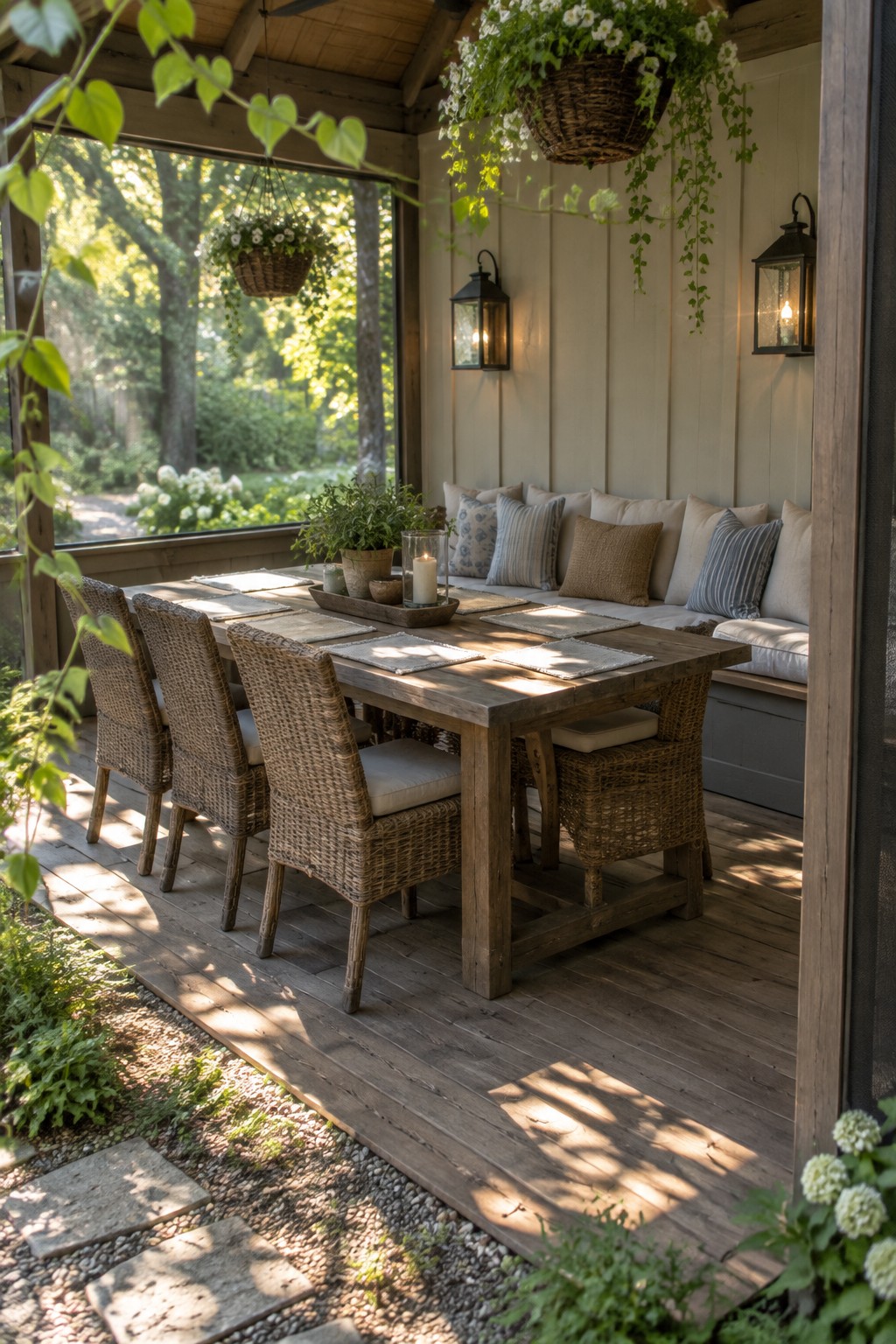
A built-in bench along one side of an outdoor table gives you more seating without crowding the space with extra chairs. The cushions make it comfortable for longer meals, and the bench tucks neatly against the wall so the area still feels open. This approach works especially well on covered porches where floor space is limited but you still want room for six or eight people.
It suits homes with a simple wood or stone patio that already has some wall structure. Keep the bench cushions in neutral fabrics that can handle weather, and use a few freestanding chairs on the opposite side so guests can shift things around as needed. Avoid making the bench too deep or it starts to feel more like a sofa than dining seating.
Low Tables With Floor Cushions For Relaxed Patio Seating
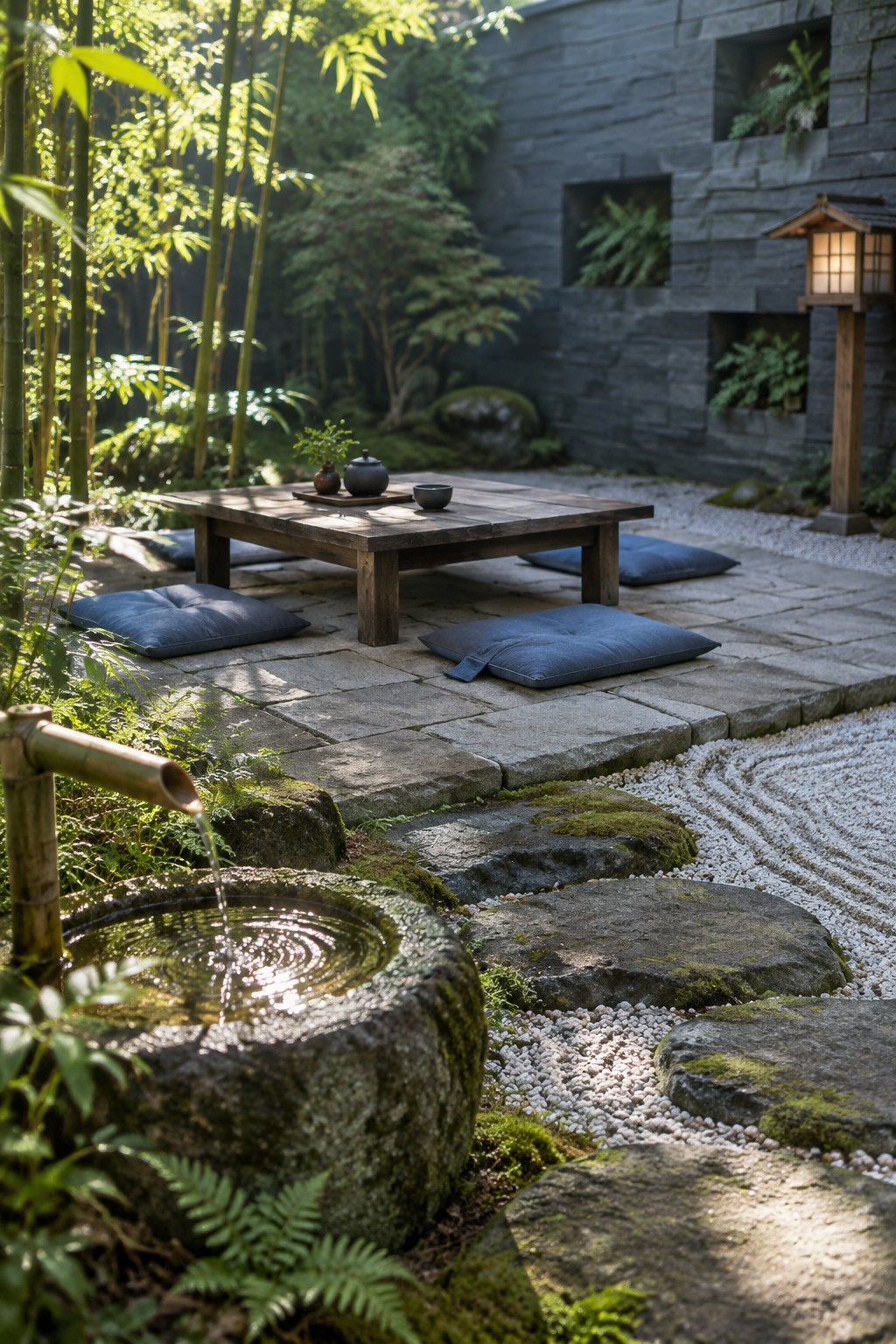
Many people like using a low table with floor cushions instead of regular chairs because it keeps the seating simple and close to the ground. The setup feels open and natural on a patio, especially when the cushions are placed right on the stone surface.
This approach works best in smaller outdoor areas or gardens with a calm style. Choose cushions made for outdoor use and keep the table low enough that people can sit comfortably without extra furniture crowding the space.
Arrange Seating Around A Central Fire Pit
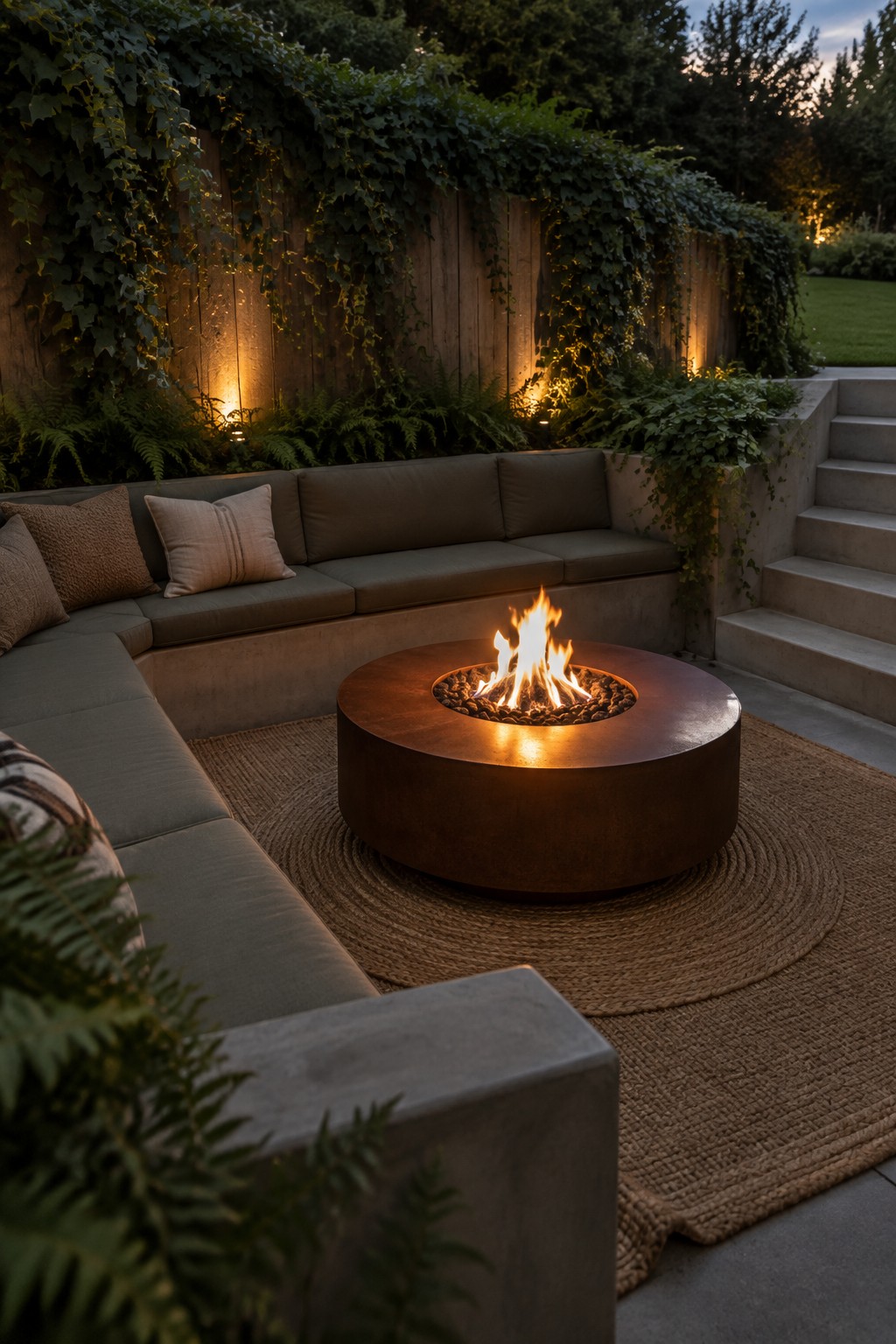
Many people find that placing the fire pit in the middle of the seating makes the space feel more inviting. Everyone gets a clear view of the fire and conversation flows more naturally when no one has to turn around.
This works best on patios that have enough room for a curved sofa or several chairs pulled close. Keep the rug large enough to sit under the front legs of the furniture so the whole arrangement feels grounded and easy to walk around.
Choose a Large Sectional Sofa for Your Patio
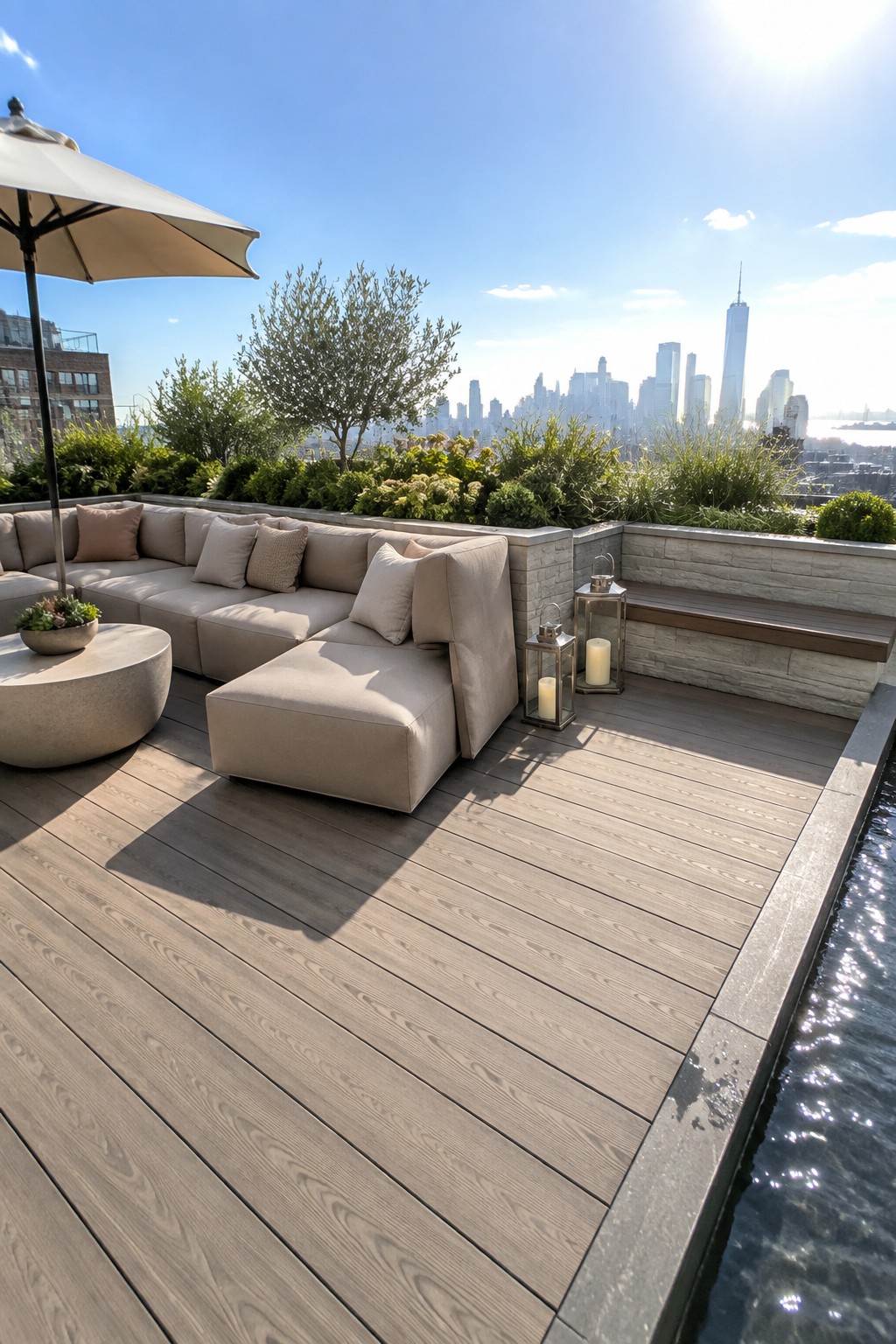
A large sectional sofa works well when you want an outdoor area that actually feels usable for sitting and relaxing. It creates one big, connected spot where people can spread out, instead of relying on a few chairs that never quite fit everyone comfortably.
This approach suits rooftops and wide decks best, where you have room to let the sofa define the space. Look for weatherproof fabric and solid frames, and keep the rest of the setup simple with just a coffee table and a few lanterns.
Use Metal Bistro Sets For Simple Patio Seating
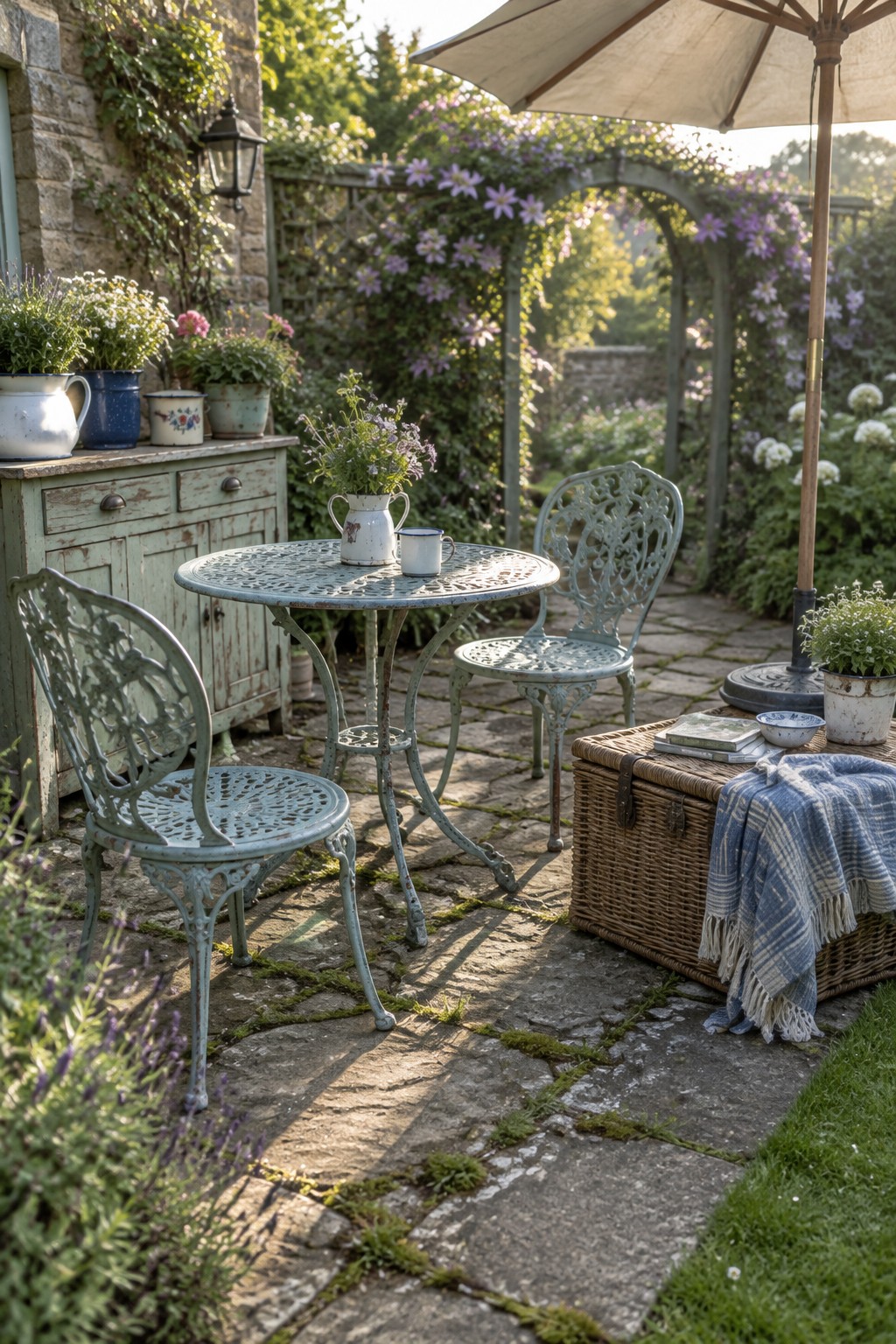
A small round table with a couple of metal chairs works well when you want outdoor seating that feels relaxed but not fussy. The open design keeps the space from feeling crowded, and the metal holds up fine in changing weather without much upkeep.
This setup suits smaller patios or garden corners where a full dining set would take over. Place it on stone or pavers, add one or two potted plants nearby, and keep extra cushions handy for longer sits. Avoid overcrowding the table so the area stays easy to move around.
Large Sectional Sofas Work Well Outdoors
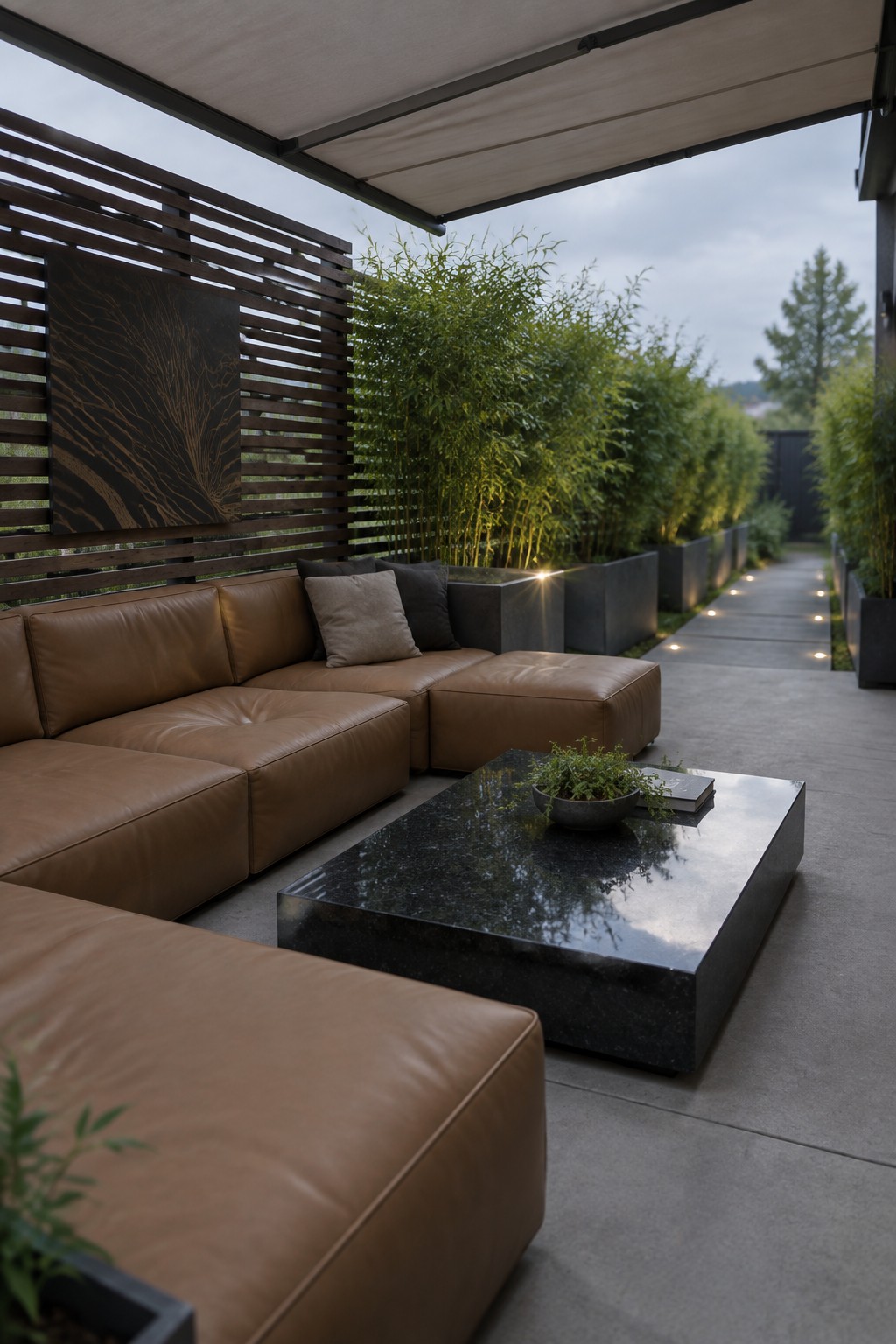
A big sectional like this one turns a patio into a place where people actually want to spend time. The scale gives you room to stretch out, and the material holds up without feeling too precious. It also helps define the seating area so the space feels purposeful instead of scattered.
This approach suits homes with a decent-sized patio or deck where you want the outdoor area to function like another living room. Keep the rest of the furnishings simple so the sofa stays the focus, and make sure the cushions are made for outdoor use if they will stay out year-round.
Mixing Mismatched Chairs Around a Patio Table
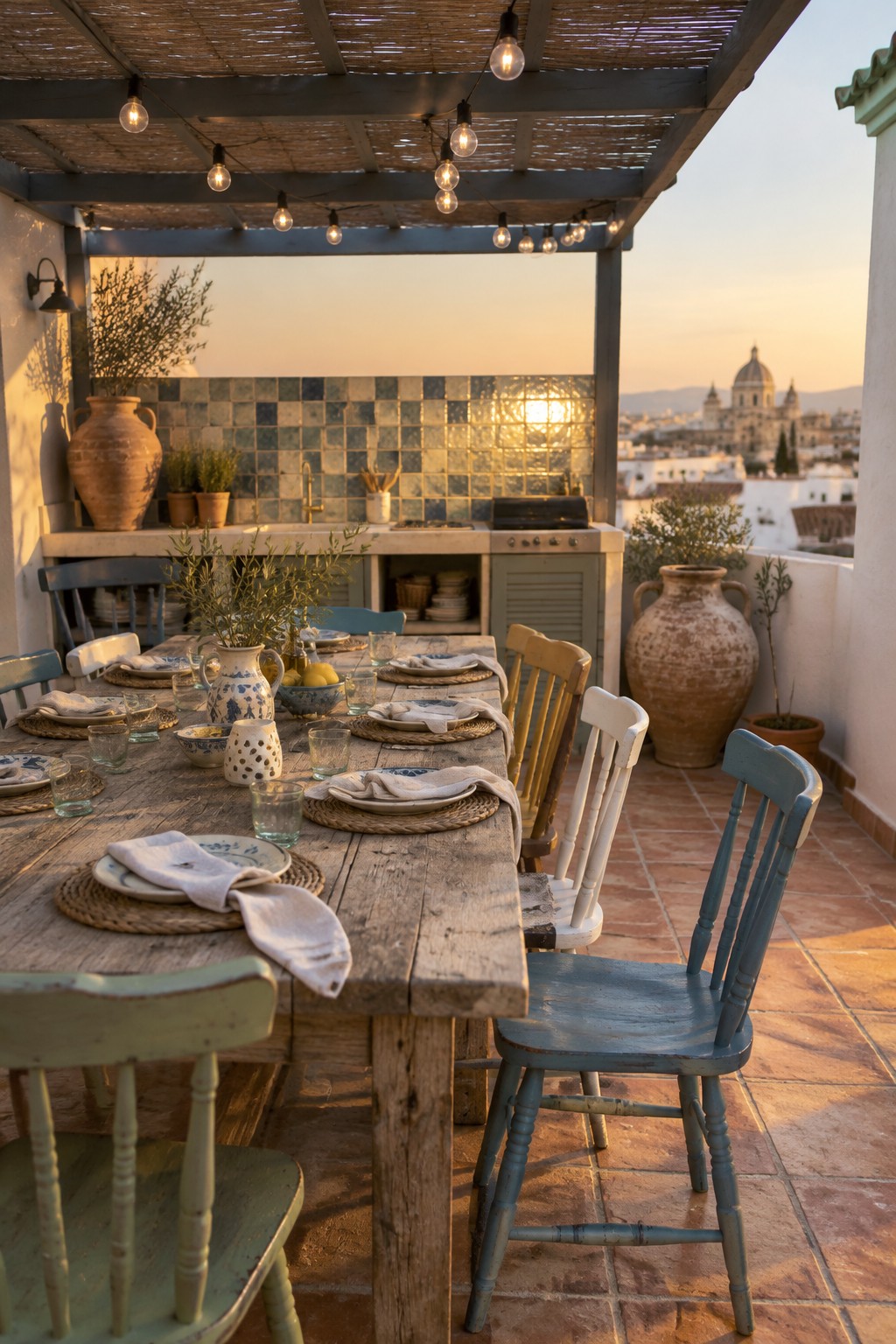
One simple way to make an outdoor dining area feel comfortable is to use chairs that do not match. A long wooden table can handle several different styles and colors without looking messy, and the variety keeps the space from feeling stiff or too planned.
This works best on patios or terraces that already have some age to them. You can start with whatever chairs you find at markets or already own, then add or swap pieces as you go. Just keep the table size and seating count in mind so the arrangement stays practical for meals.
Try a Long Wooden Table with Bench Seating
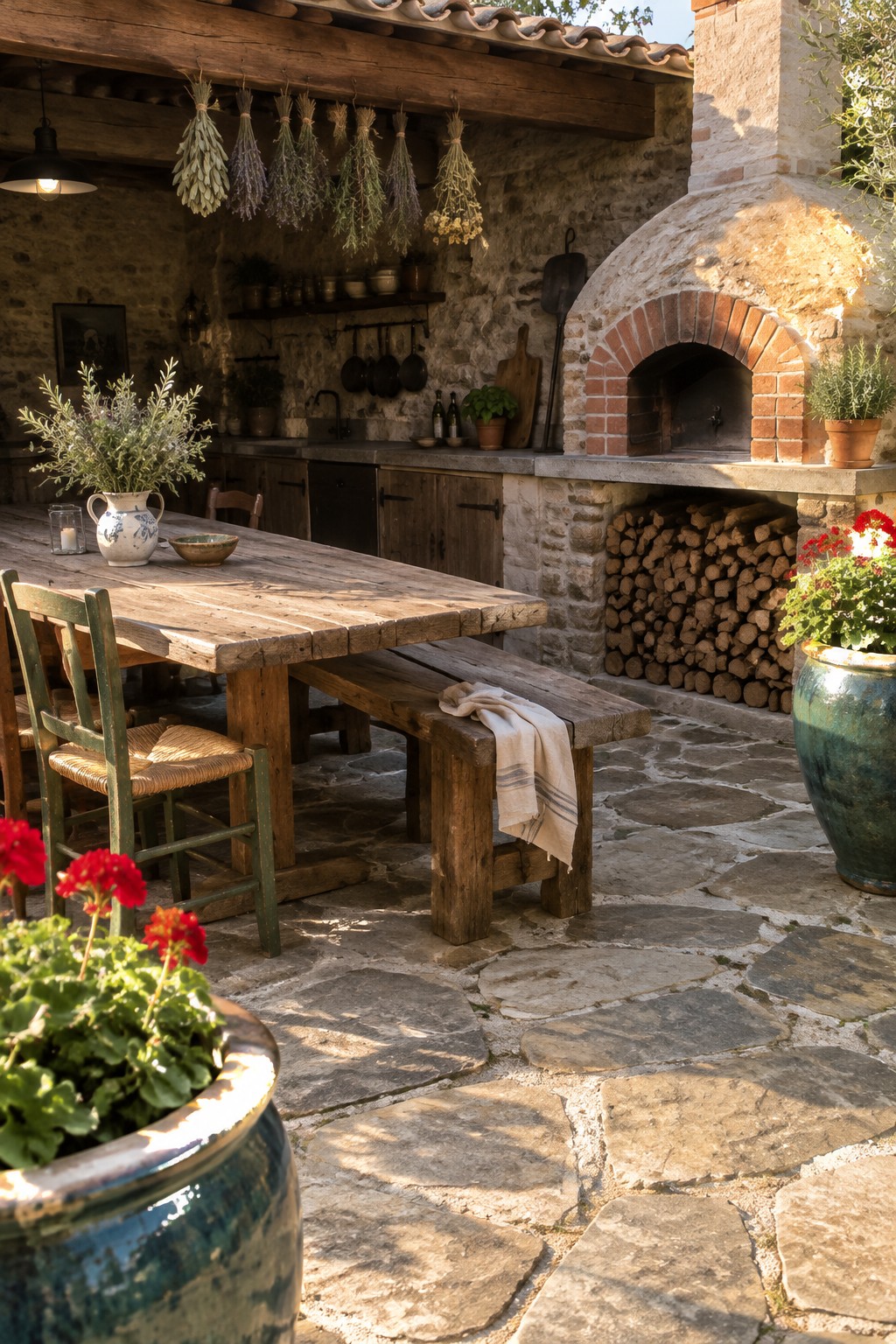
A long wooden table paired with a bench gives outdoor seating a relaxed, practical feel that works for everything from casual meals to larger gatherings. The bench lets people slide in easily and frees up space compared to lining up multiple chairs on one side.
This setup suits stone patios or terraces with a rustic or Mediterranean style and holds up well in outdoor conditions. Keep the table sturdy and the bench simple so the arrangement stays comfortable without looking too formal.
Curved Sofas That Shape A Patio Seating Area
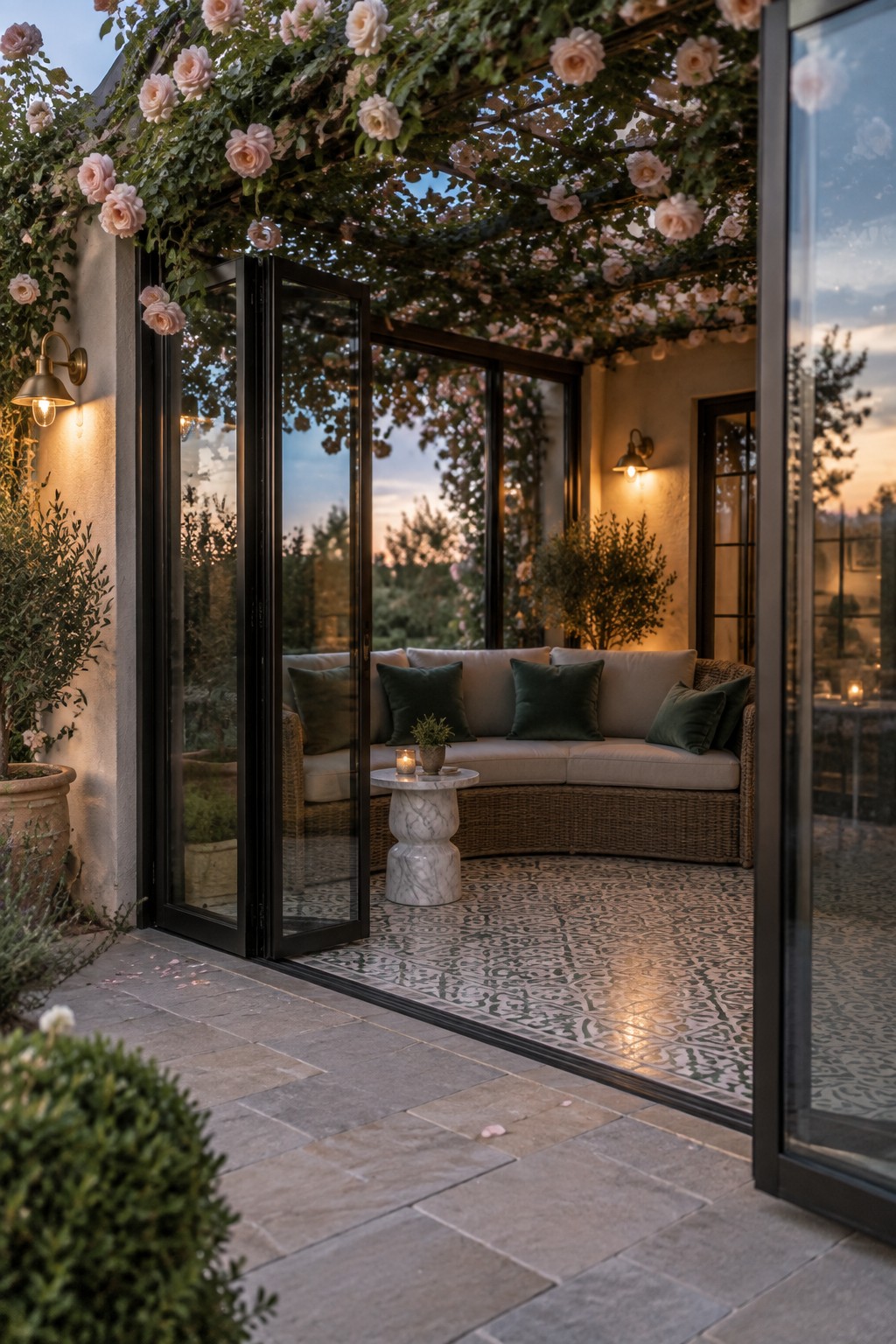
A curved sofa works well on a patio because it follows the natural flow of the space instead of fighting against it. The rounded shape pulls the seating together and makes it easier for people to talk without anyone feeling stuck at the end of a straight line.
This layout suits patios that already have some overhead cover, like a pergola or vines. It works best when the curve lines up with a small table in the middle so the whole spot stays useful for everyday use. Keep the scale in mind so the sofa does not crowd the walking path or block the doors that open to the house.
Frequently Asked Questions
Q: How do I protect my new patio setup from rain and sun damage?
A: Cover everything with a waterproof tarp when storms roll in. Rotate cushions regularly so one side does not fade faster than the other. A quick rinse every month keeps mildew away too.
Q: Can I add rugs to my concrete patio without them slipping around?
A: Go for outdoor rugs with a rubber backing. They stay put even on smooth surfaces. Just shake them out now and then to clear debris.
Q: What about adding lights for evenings?
A: String lights work great overhead. They create a warm glow without much effort.
