

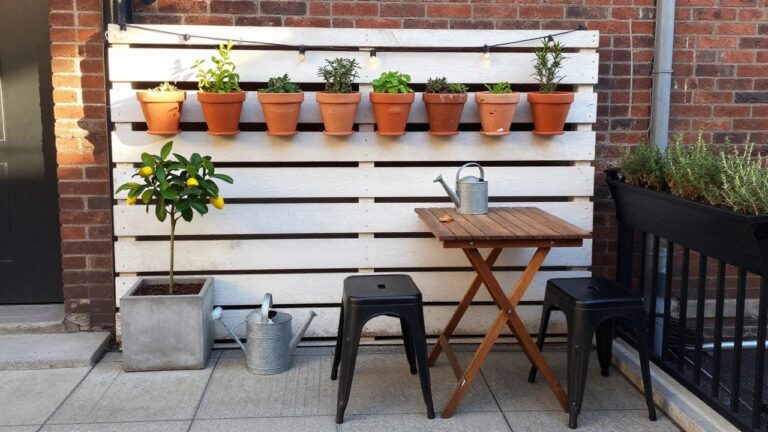
My small patio always seemed to run out of room the moment I added a couple of chairs and a table.
Building vertical gardens from pallets offers a way to bring in greenery while keeping the walking area clear for daily use.
I tested a few myself last summer.
The ones that lasted were the ones where the pallets were secured properly and the plants chosen could handle the sun exposure on that side of the house.
Those are the setups worth adapting if your own patio faces the same constraints.
Vertical Pallet Gardens For Small Patios
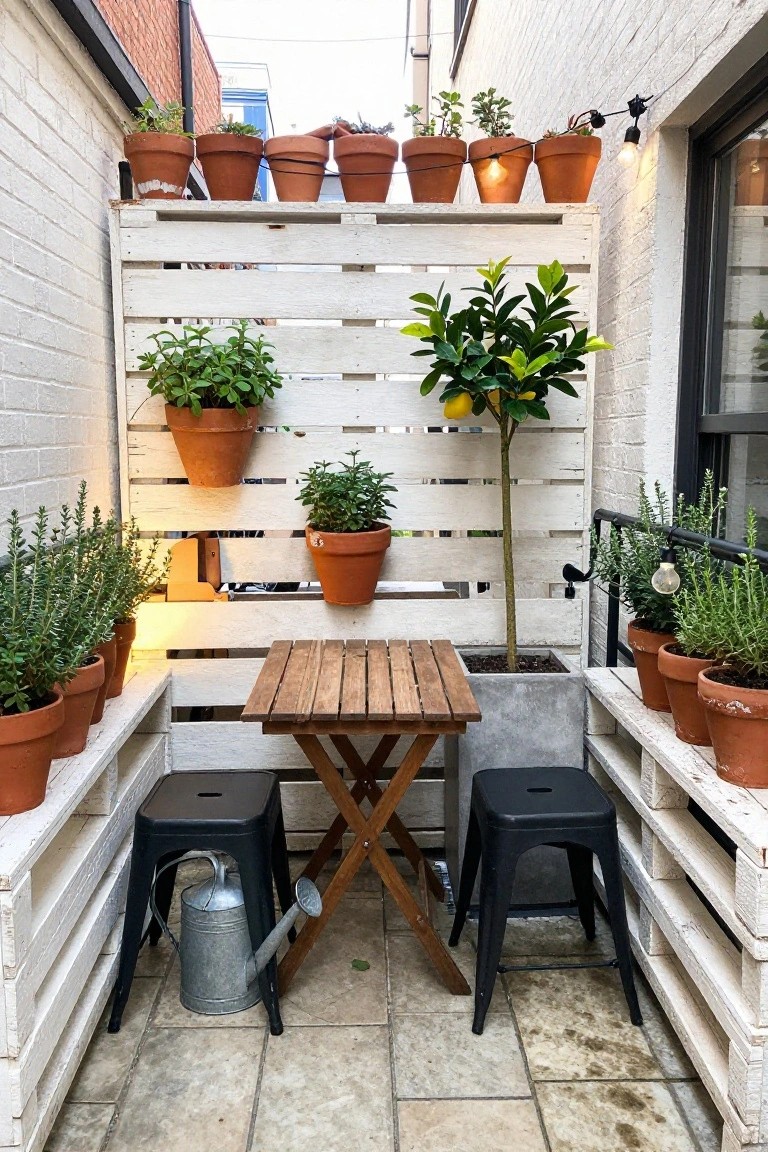
Pallets give you a simple way to add plenty of plants when the floor space is tight. You can lean or mount them against a wall and slide pots into the gaps so the greenery climbs upward instead of spreading out across the ground.
This works best on narrow patios or side yards where you still want room for a table and chairs. Just make sure the pallets are secured well and can handle the weight once the pots are filled.
Use Vertical Wall Planters To Save Patio Space
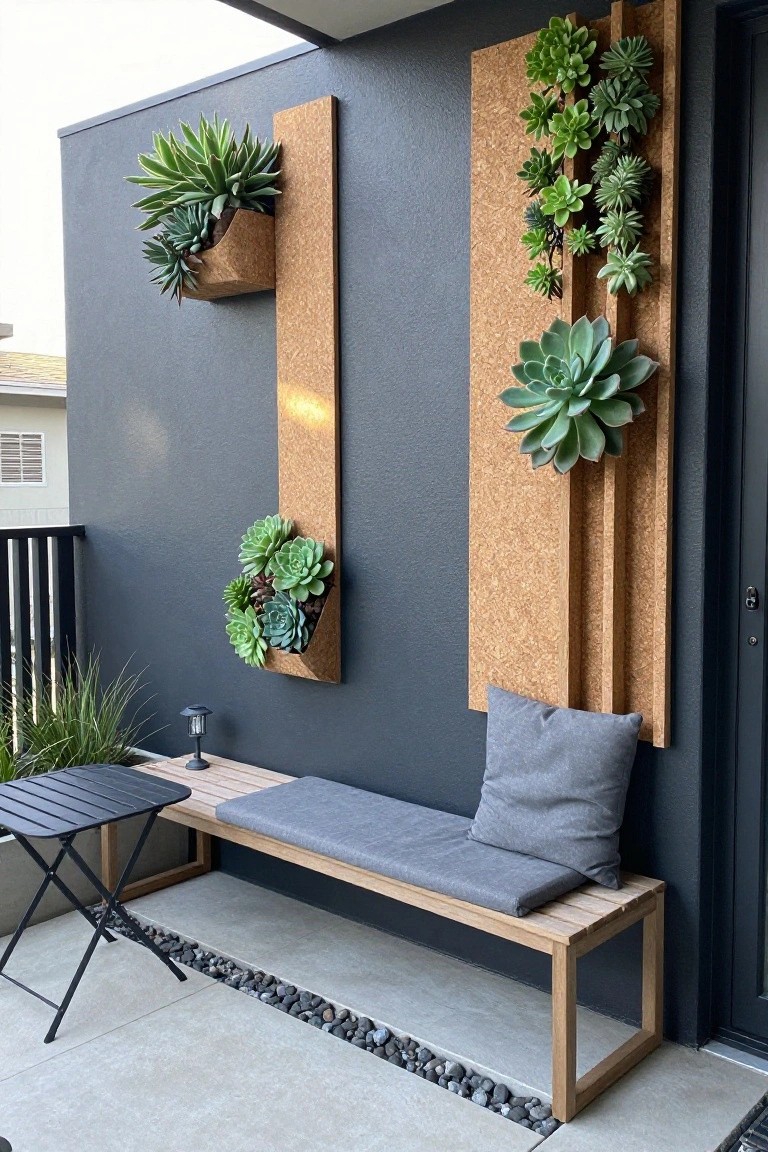
One simple way to add plants without losing floor room is to mount them straight on the wall. These box style planters filled with succulents sit on cork panels and leave the ground open for a bench and small table.
This setup works best on balconies or narrow patios where every square foot counts. You can copy the idea with basic wood or old pallets and group the boxes at different heights so the plants stay easy to reach and water.
Mount Pallets on the Wall for Vertical Gardens
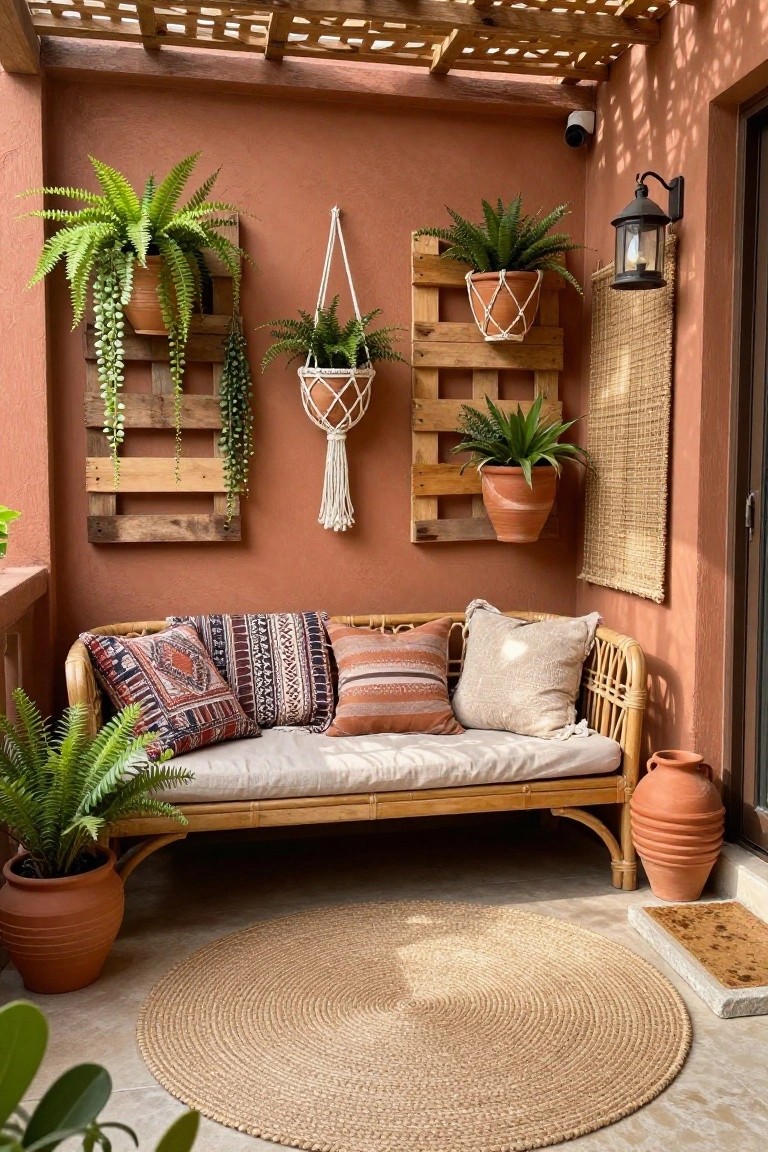
Small patios often run out of floor space fast. Mounting wooden pallets directly on the wall turns that empty vertical area into planting room without crowding the seating or walking area.
This setup works best on solid exterior walls that get decent light. Bolt the pallets in place, then slide in pots or add soil pockets so the plants stay secure even in wind.
Build a Vertical Pallet Garden Along One Wall
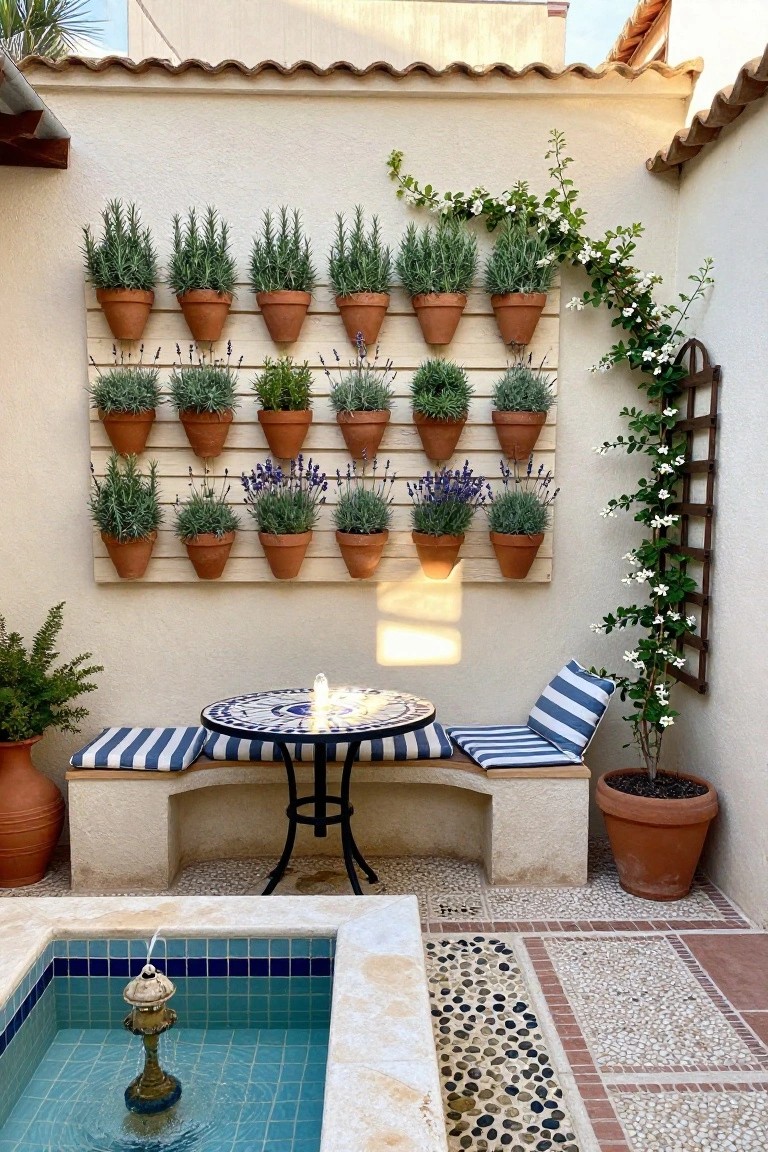
Many small patios lose space fast once you add seating and a table. A simple wooden frame on the wall lets you hang rows of pots instead of crowding the floor.
This setup works best on a solid back wall that gets some sun. Start with herbs or lavender in terracotta pots so the plants stay light and easy to water. Just check that the frame can handle the weight once everything is filled.
Use Pallets As Bases For Raised Planters
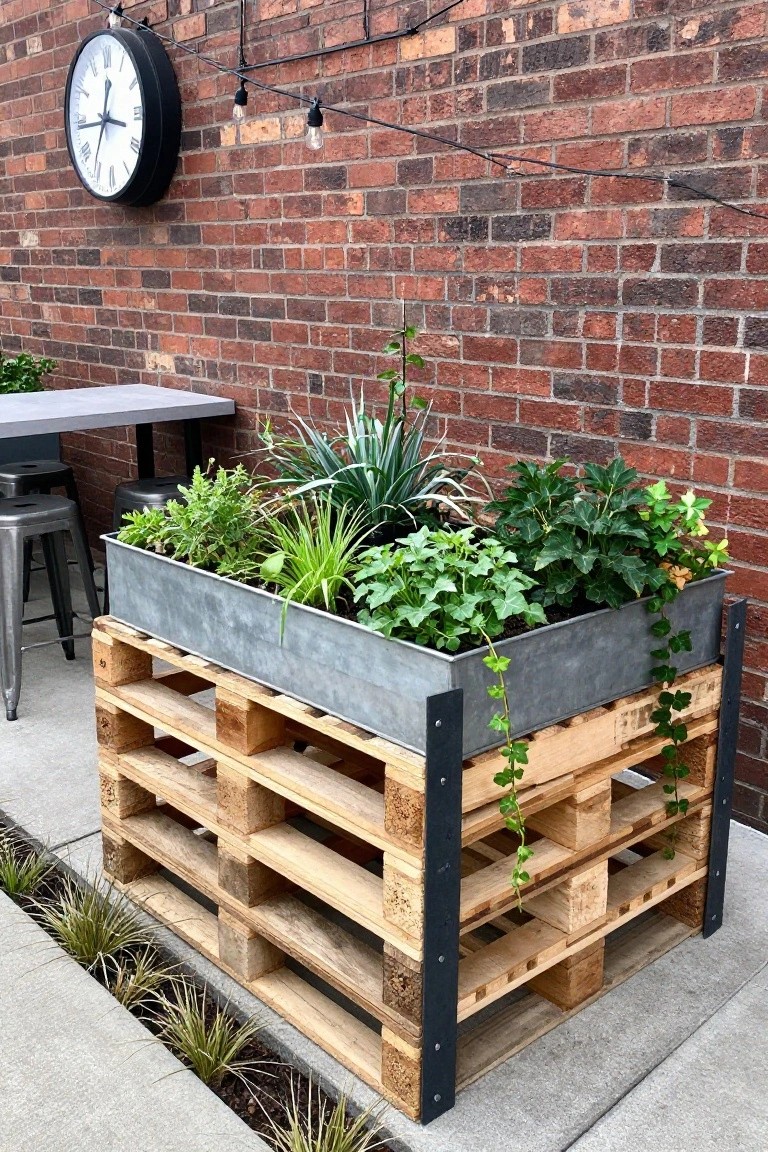
Setting a planter on a pallet gives you instant height without needing a big footprint. The extra lift makes the plants easier to see and tend, and it keeps the whole setup from feeling flat on the ground.
This approach suits patios that run along a wall where space is tight. A sturdy pallet can hold a wide trough like the metal one shown here, and trailing vines can spill over the edges to soften the look. Just check that the wood is dry and stable before loading it with soil.
Stack Pallets Into a Vertical Garden Tower
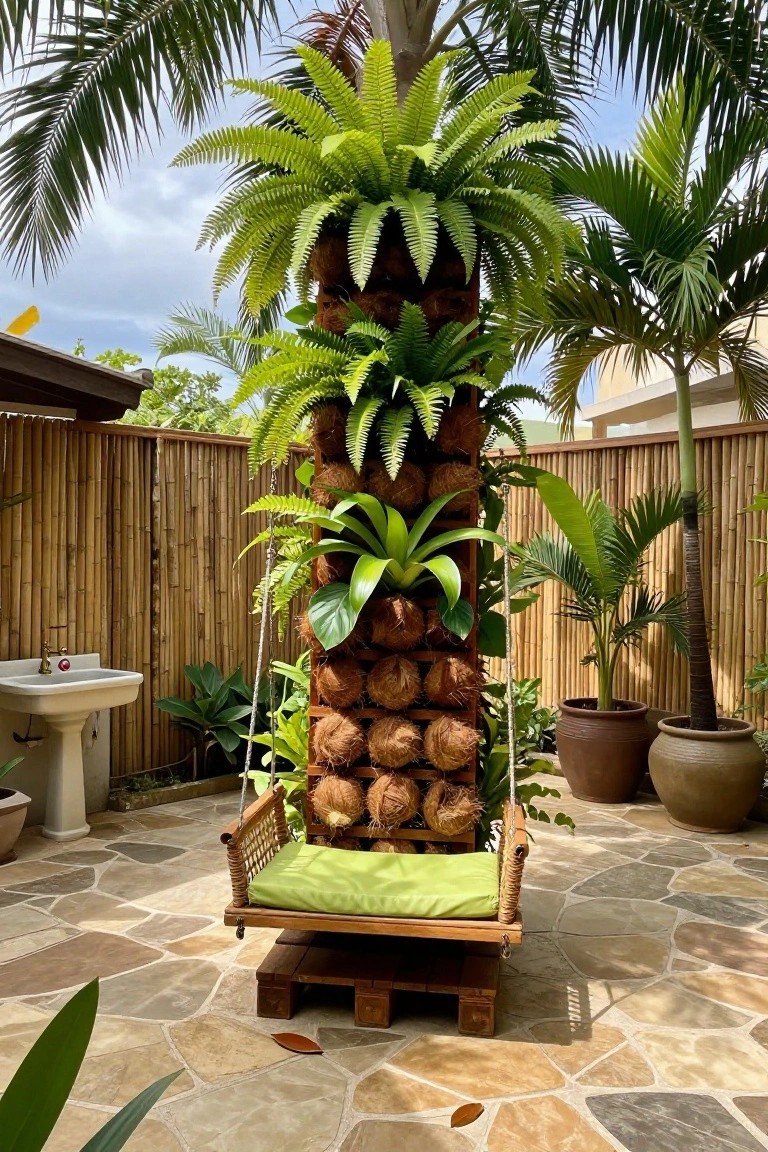
A tall frame built from pallets or wood slats gives you room for many plants without crowding the patio floor. It works especially well when space is tight but you still want a full garden feel.
Place it where it can stand steady on its own base, and fill the openings with soil pockets or containers. This setup suits stone or concrete patios that get sun, and it keeps the ground clear for walking or seating.
Mount Planters On The Wall To Save Floor Space
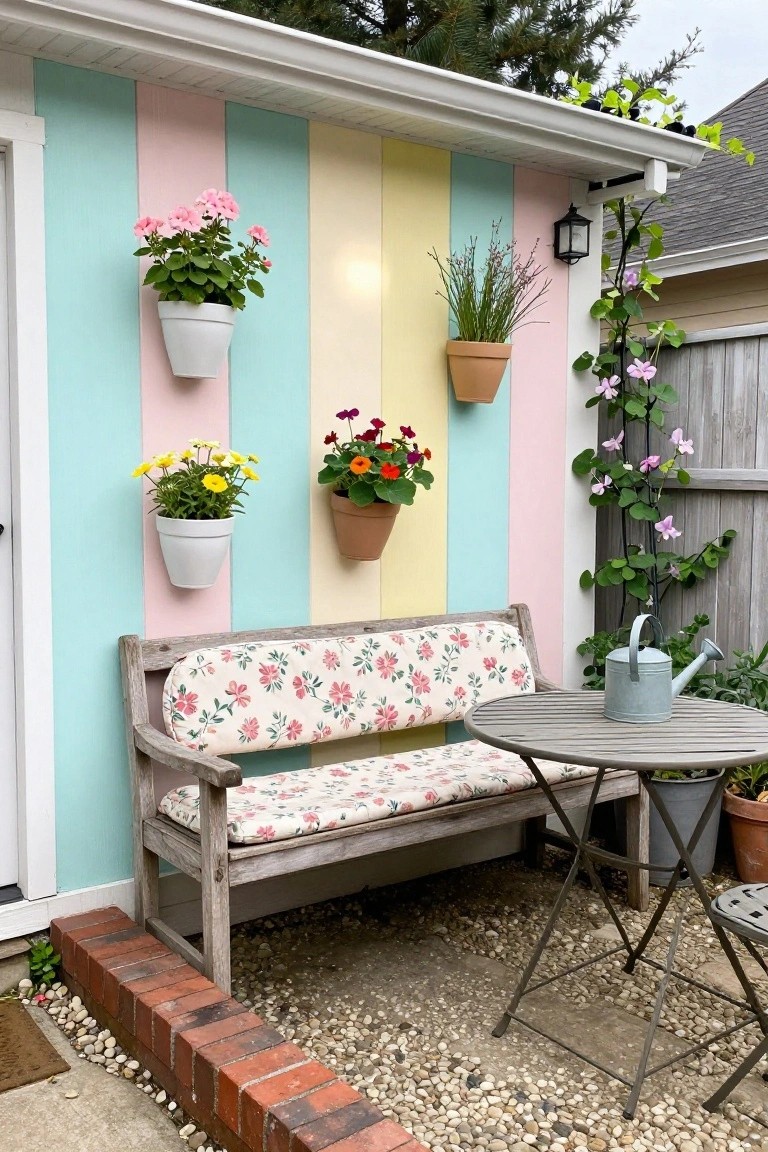
Small patios often fill up fast once you add seating and a table. Putting planters right on the wall lets you add color and plants without taking up any ground space.
This approach works best on a solid back wall where you can group several pots at different heights. It suits townhomes or any patio where the floor area is tight and you still want more than a couple of plants.
Wall Mounted Planters Free Up Patio Floor Space
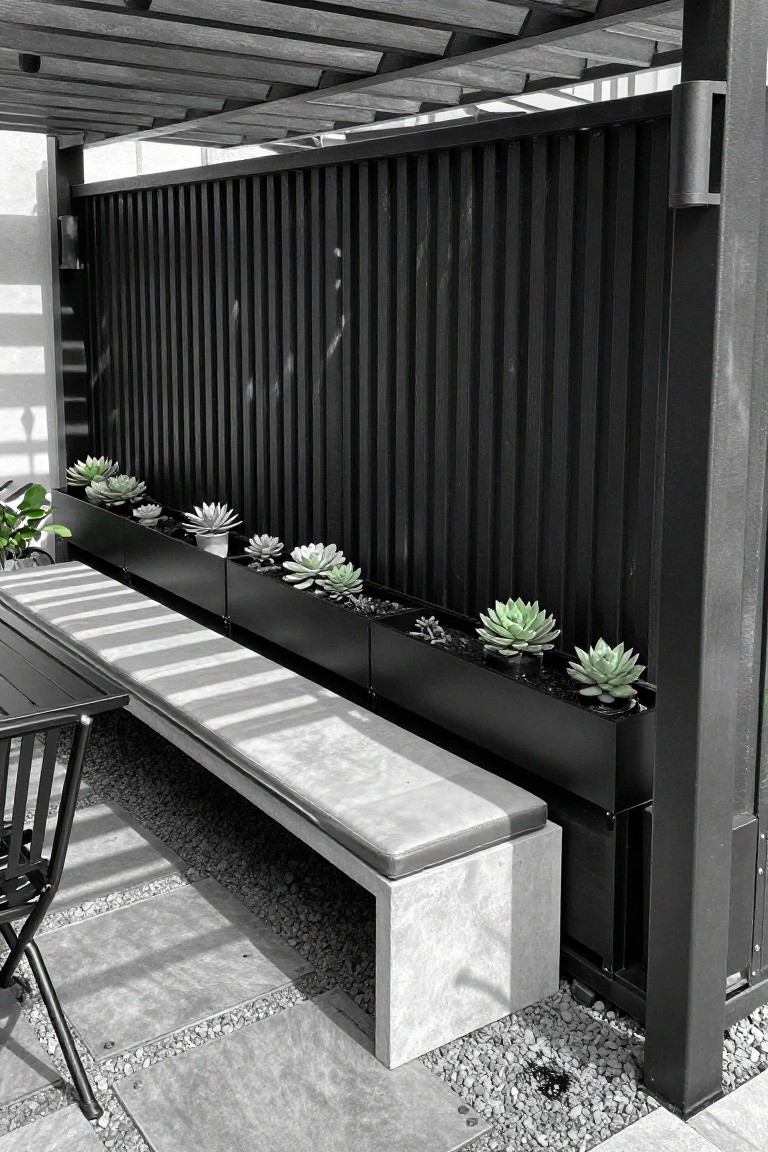
Mounting planters directly on a wall or fence is a simple way to add greenery when the ground space is tight. It keeps the floor clear for seating and movement while still giving you room for plants along the edge of the patio.
This setup works best on patios that already have a solid back wall or fence to attach to. Use narrow, sturdy boxes and choose plants that do not need much soil depth. Check that the wall can hold the weight once the boxes are filled and watered.
Mount Wall Shelves For Vertical Planting
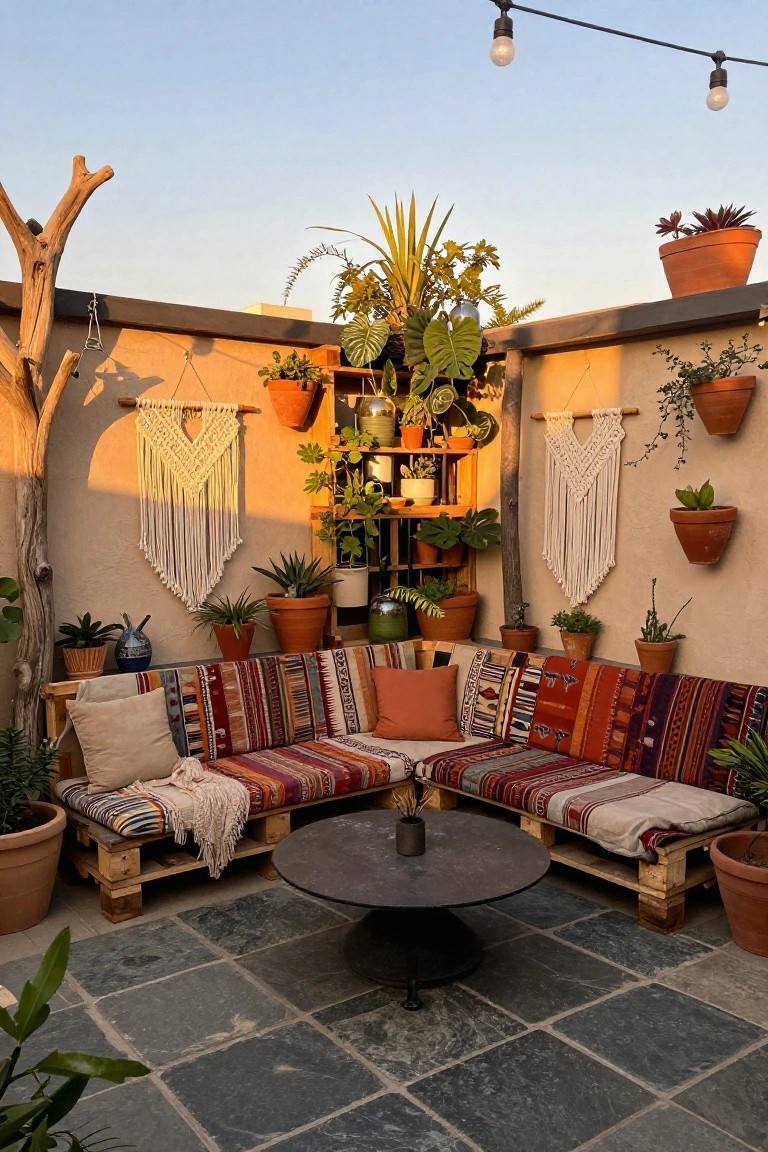
One easy way to fit more plants into a small patio is to mount simple wooden shelves on the wall. This keeps the floor clear for seating while letting you stack pots at different heights where they catch the light.
It suits any patio with a solid back wall and works especially well if you use old crates or basic boards. Just check that the shelves can handle the weight and group plants with similar watering needs so nothing gets overlooked.
Use Wall Mounted Planters on Small Patios
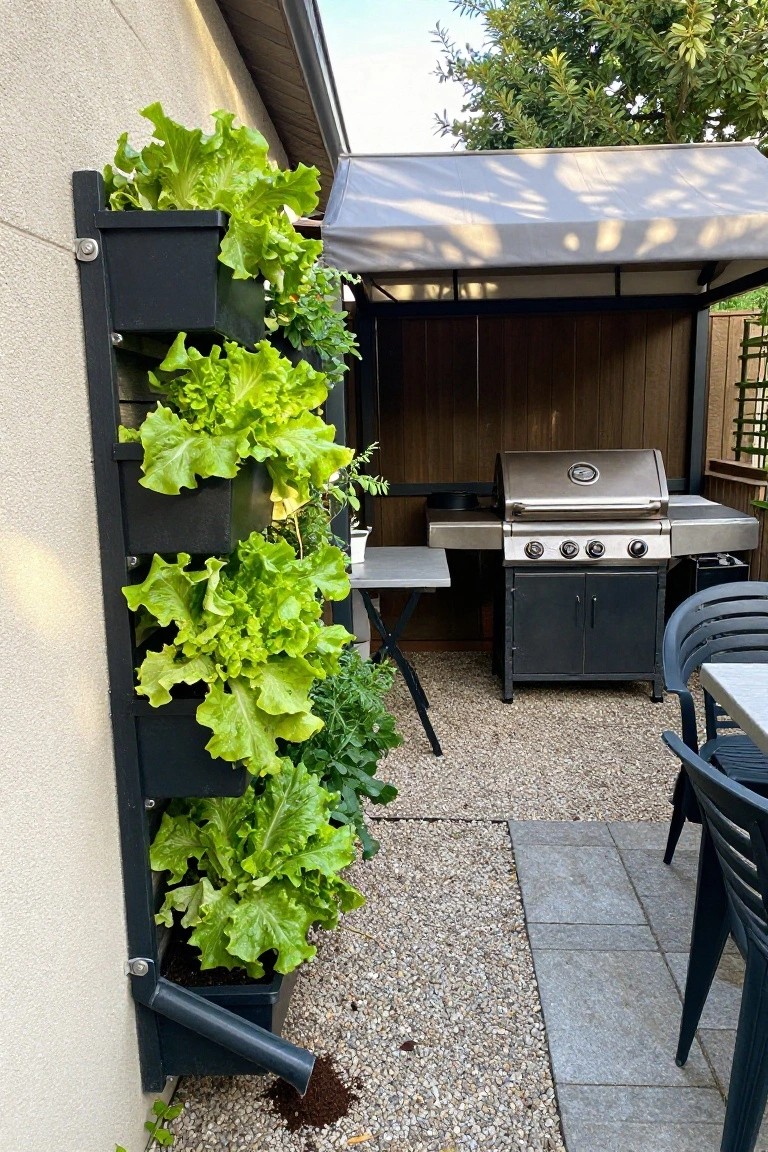
A vertical planter system like this one lets you grow plenty of greens without losing any floor space for tables or chairs. The stacked boxes sit right against the house wall, so the gravel area stays open for moving around and using the grill.
This setup works best on patios that back up to a solid wall with good sun. Keep the lower levels for herbs or smaller plants and leave the top rows for bigger leafy crops. Just check that the wall can handle the weight once the boxes are full of soil and water.
Add a Wall Planter to Free Up Floor Space
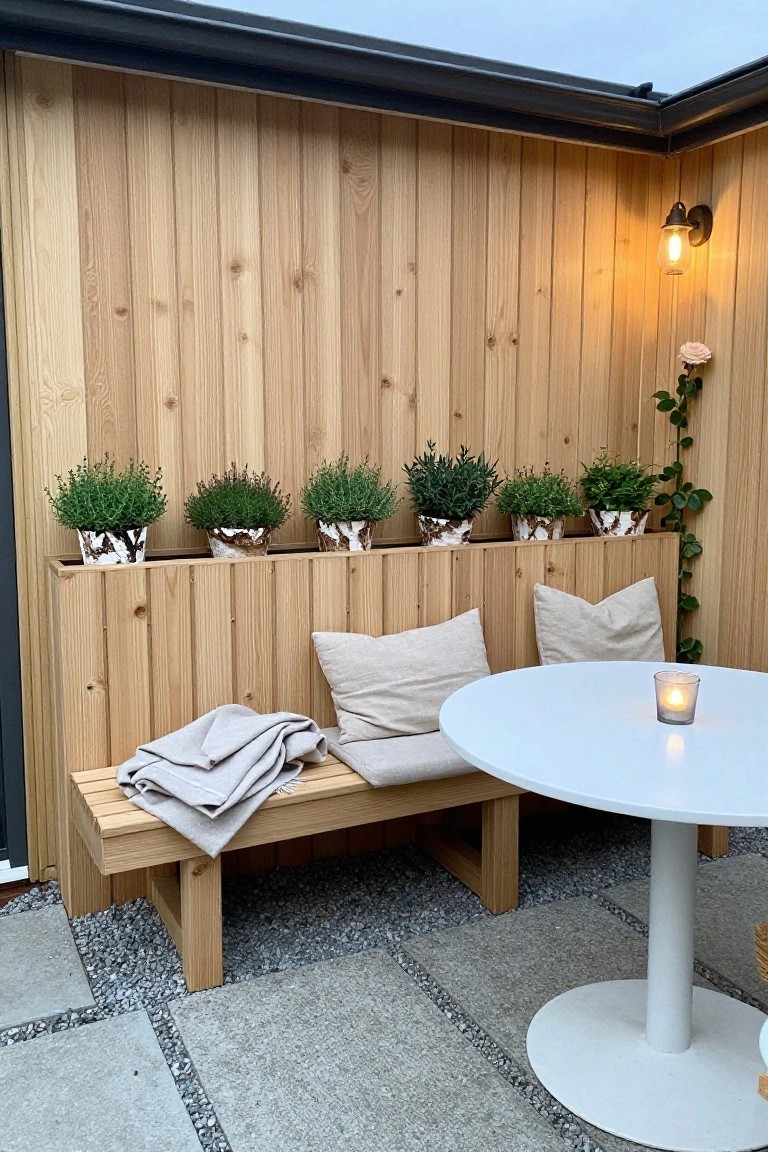
A long planter box set right against the wall gives you room for plenty of plants without taking over the patio floor. It keeps the seating area open while still adding a full row of greenery that feels built in rather than added on.
This setup works best on small patios or balconies where every square foot counts. Use simple wood to match the existing fence or deck, and keep the depth shallow so the bench or chairs can sit close without crowding.
Add Vertical Planters to Small Patios
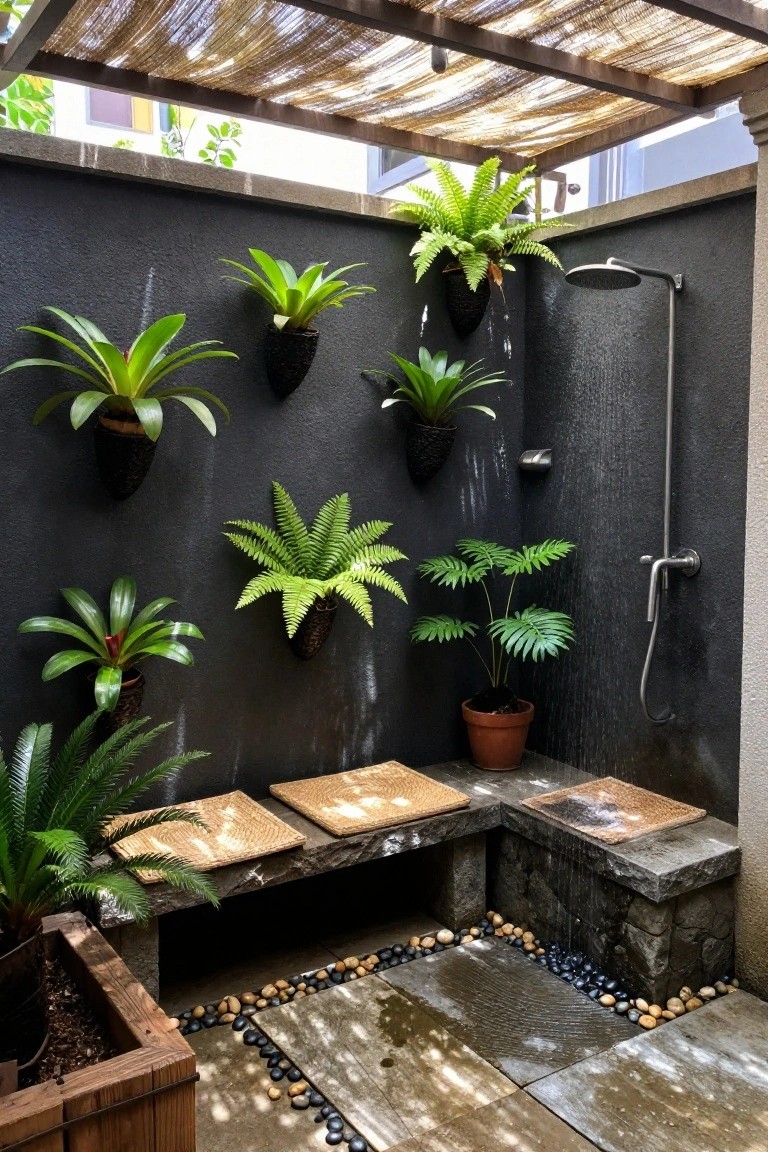
Wall planters let you bring in plenty of greenery even when the floor space is tight. In this setup the dark wall holds several pots at different heights, which keeps the seating area open and still gives the space a full garden feel without crowding the ground.
This works well on patios, balconies, or any outdoor spot next to a solid wall. Hang the planters at easy-to-reach heights, choose plants that handle the local sun and water conditions, and make sure the wall surface can handle a little moisture from the shower or rain.
Mount Pots on the Wall to Keep the Floor Clear
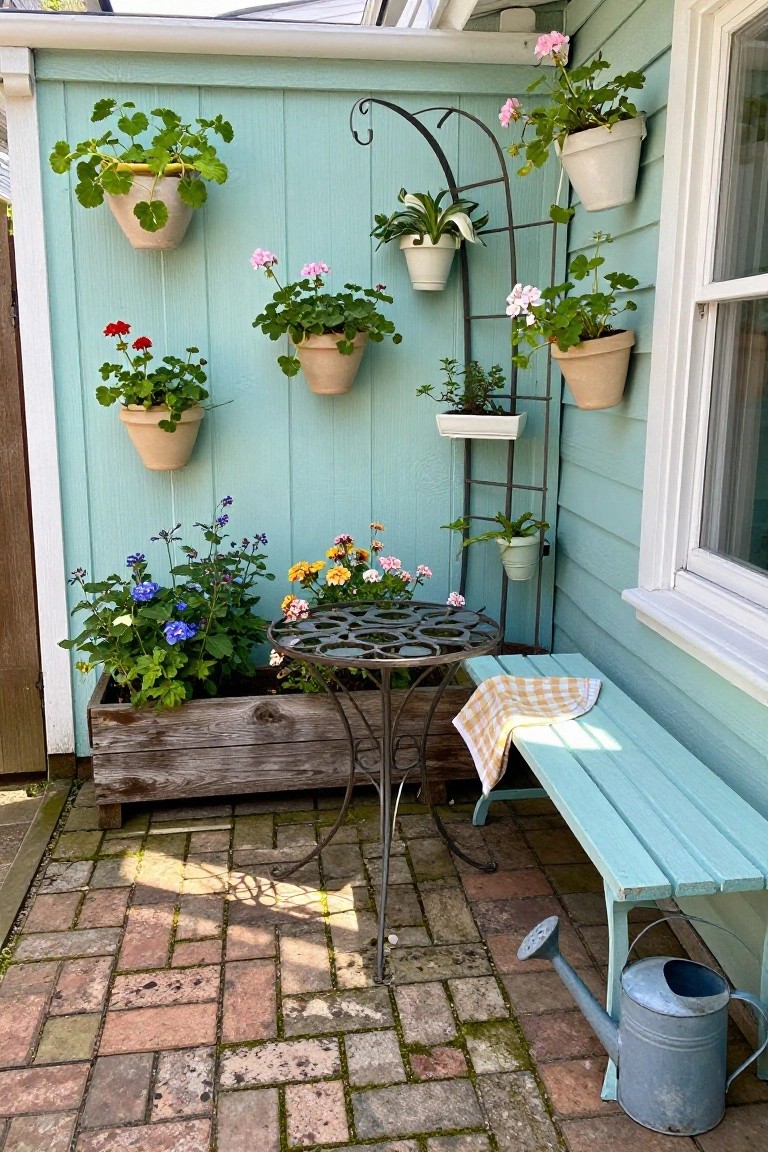
One of the easiest ways to add more plants to a small patio is to move them up onto the wall. Wall mounted pots let you grow flowers and herbs without losing space for chairs or walking around. The setup works especially well on a solid fence or house wall that gets decent light.
This approach suits townhomes, apartments, or any patio where the floor is already tight. Start with a few sturdy brackets and lightweight pots, then add more as the plants fill in. Just make sure the wall can handle the weight once the soil gets wet.
Painted Crates Make a Simple Vertical Garden
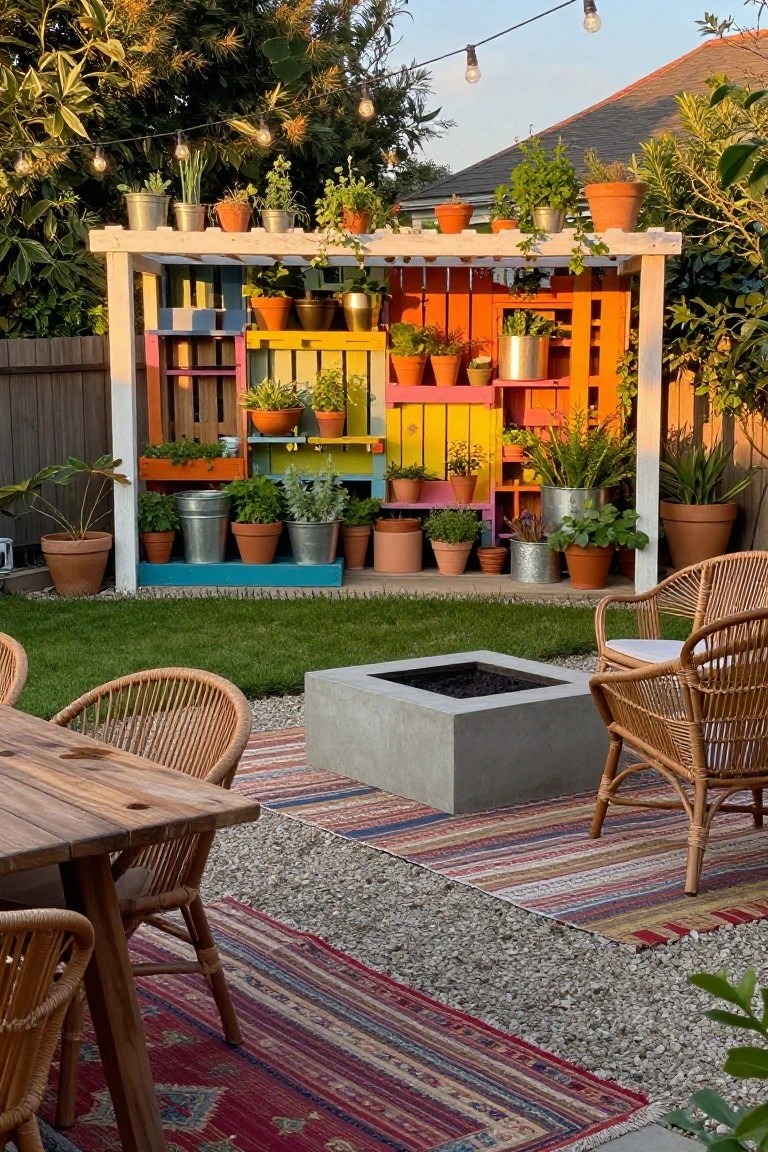
One easy way to fit more plants into a small patio is to stack old crates and pallets into a tall wall. The bright paint colors keep the whole thing from feeling too heavy, and the open shelves let you tuck in pots at different heights without crowding the ground.
This setup works best on patios that have a blank fence or wall behind them. Just make sure the crates are secured well so they stay stable, and choose plants that can handle the sun level in your spot.
Mount Pallets on Railings for Extra Planting Room
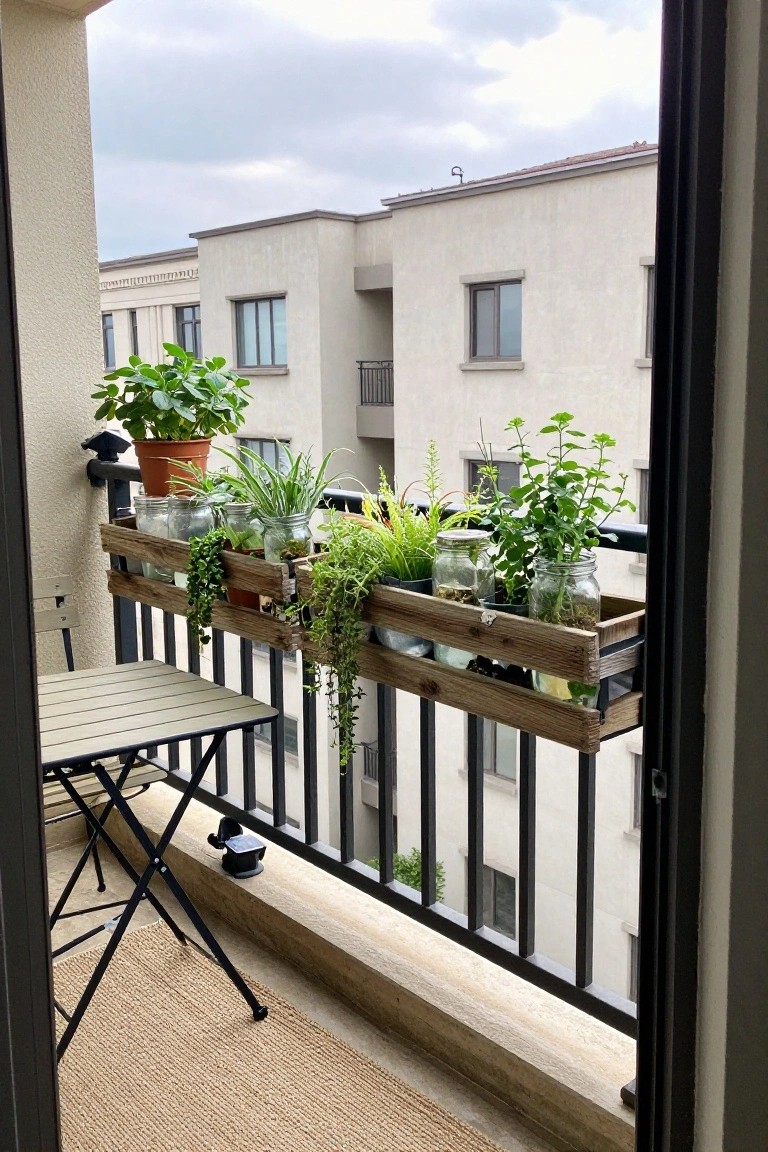
Many balconies lose floor space quickly once a table and chairs go in. Attaching a simple wooden pallet or box to the railing turns that unused vertical area into room for herbs, flowers, and small vegetables without crowding the deck.
This works well on metal railings that can handle the weight and on patios where the view stays open. Keep the wood treated for weather and check the attachment points often so the planter stays secure through wind and rain.
Add a Raised Planter to Your Outdoor Kitchen
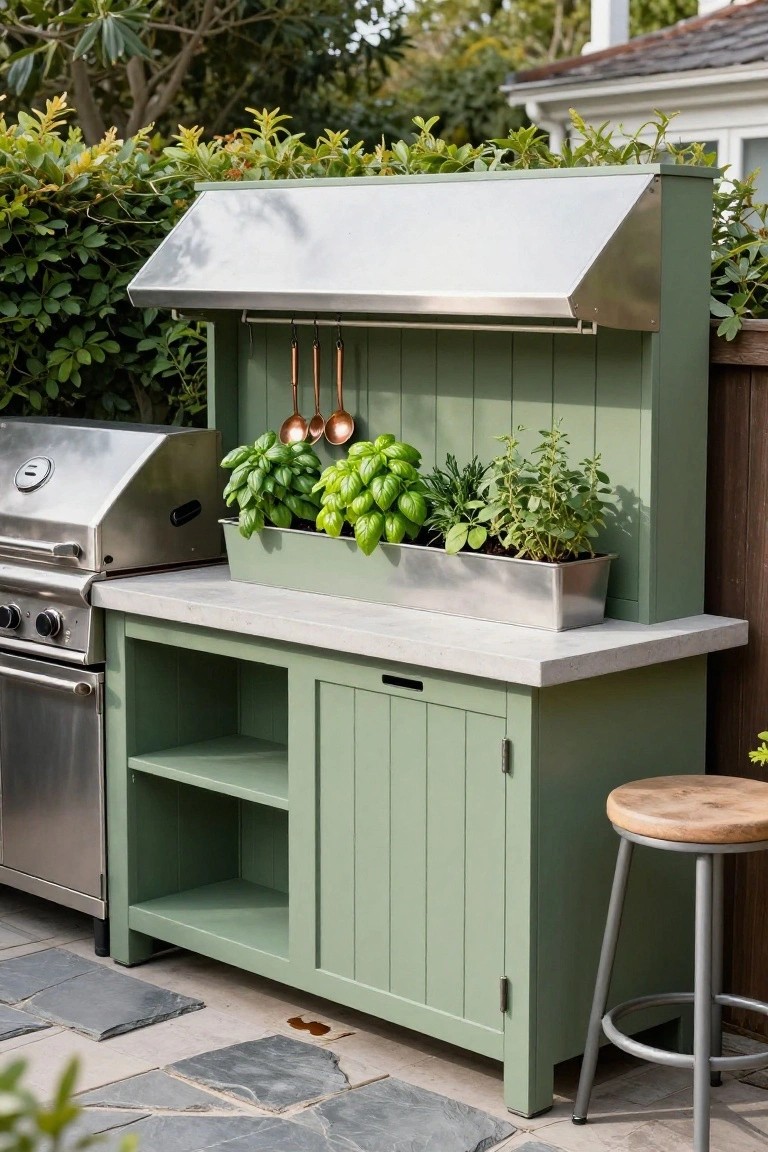
Many people like to keep fresh herbs right where they cook. A long trough planter set along the back of the counter puts basil and other favorites within easy reach without using up floor space on the patio.
This setup works well on smaller outdoor areas where floor room is tight. It also keeps the plants at a comfortable height for watering and picking while the lower cabinet area stays open for storage.
Mount Planters On The Wall To Keep Floor Space Open
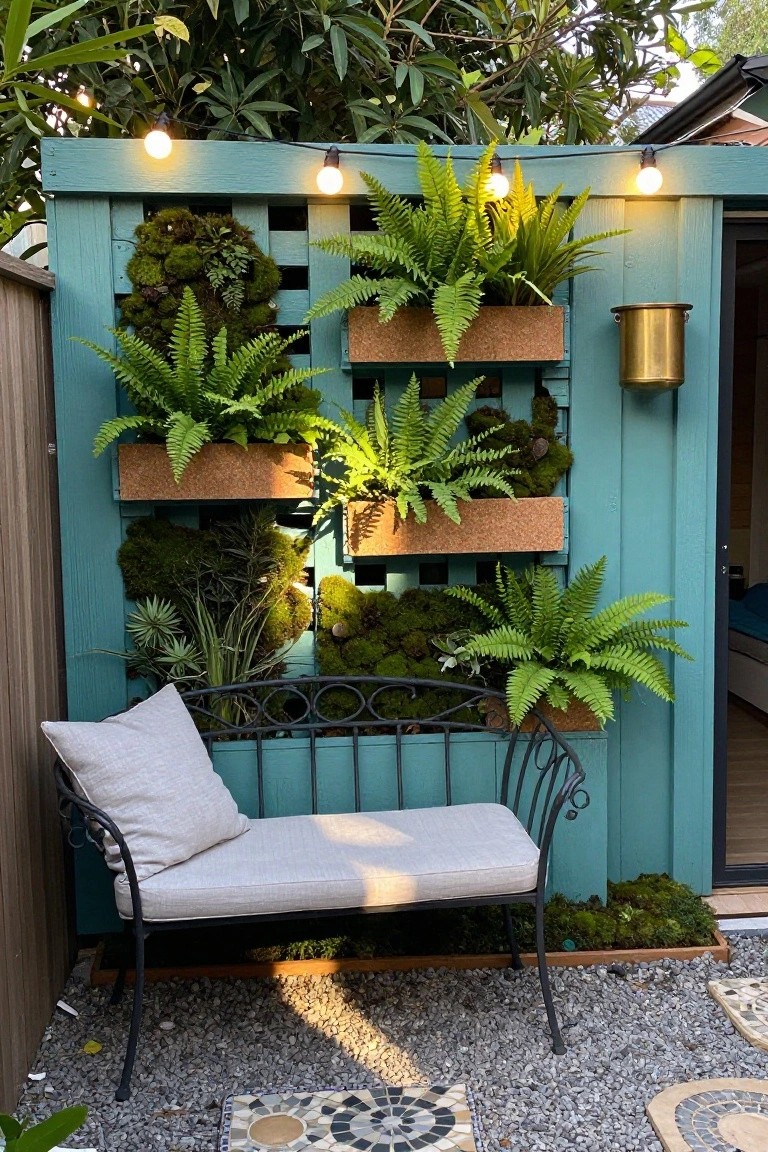
One easy way to add plants to a small patio is to fix boxes and trays straight onto a wall or fence. This approach leaves the ground free for a bench or path while still giving you room for ferns, moss, and other greenery at different heights.
It suits homes with solid side walls or sheds where you can attach several rows without crowding the seating area. Check that the surface can support the weight and that each planter drains well so water does not pool or stain the wood below.
Add a Raised Planter Along the Fence
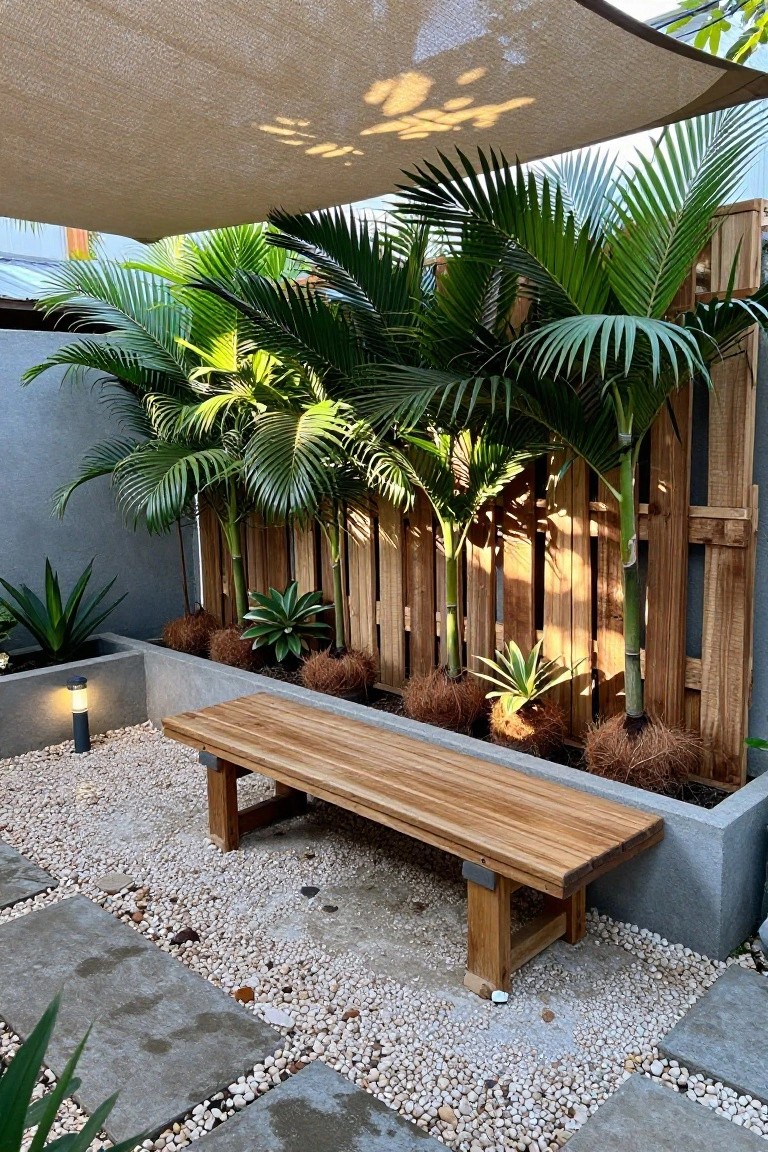
Running a narrow raised planter along a fence is a simple way to bring in more plants without losing floor space on a small patio. The vertical surface lets taller plants grow up instead of out, which keeps the seating area open and easy to walk through.
This setup works best on patios that already have a solid fence or wall for support. Keep the planter depth around twelve to eighteen inches so the roots have room, and pick plants that match the light and water conditions in that spot.
Mount Planters On Walls To Keep Patios Open
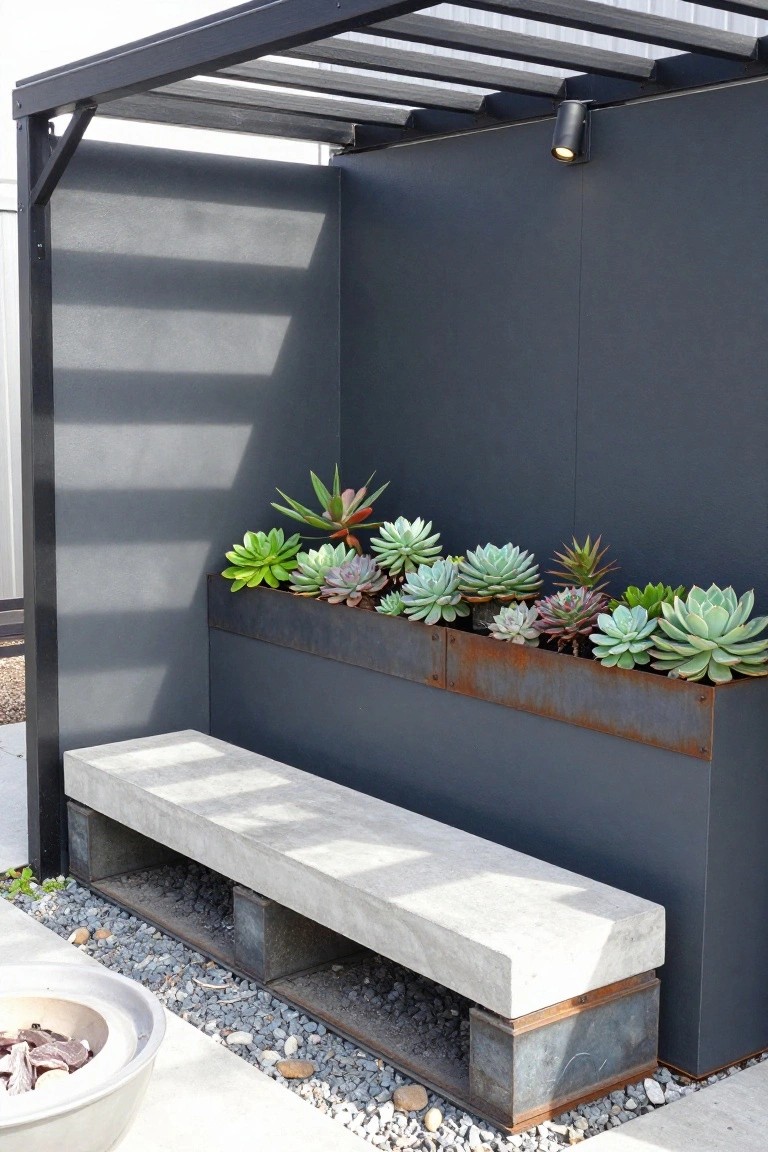
A long planter fixed to the wall gives you room for plenty of plants without losing floor space for seating or walking around. This setup works especially well on small patios where every square foot counts and you still want some greenery nearby.
It suits homes with solid back walls and simple seating like a bench right below. Just make sure the planter is sturdy enough for the weight and choose plants that handle the light and weather in your area.
Mount Pallet Shelves Along a Wall for Vertical Growing
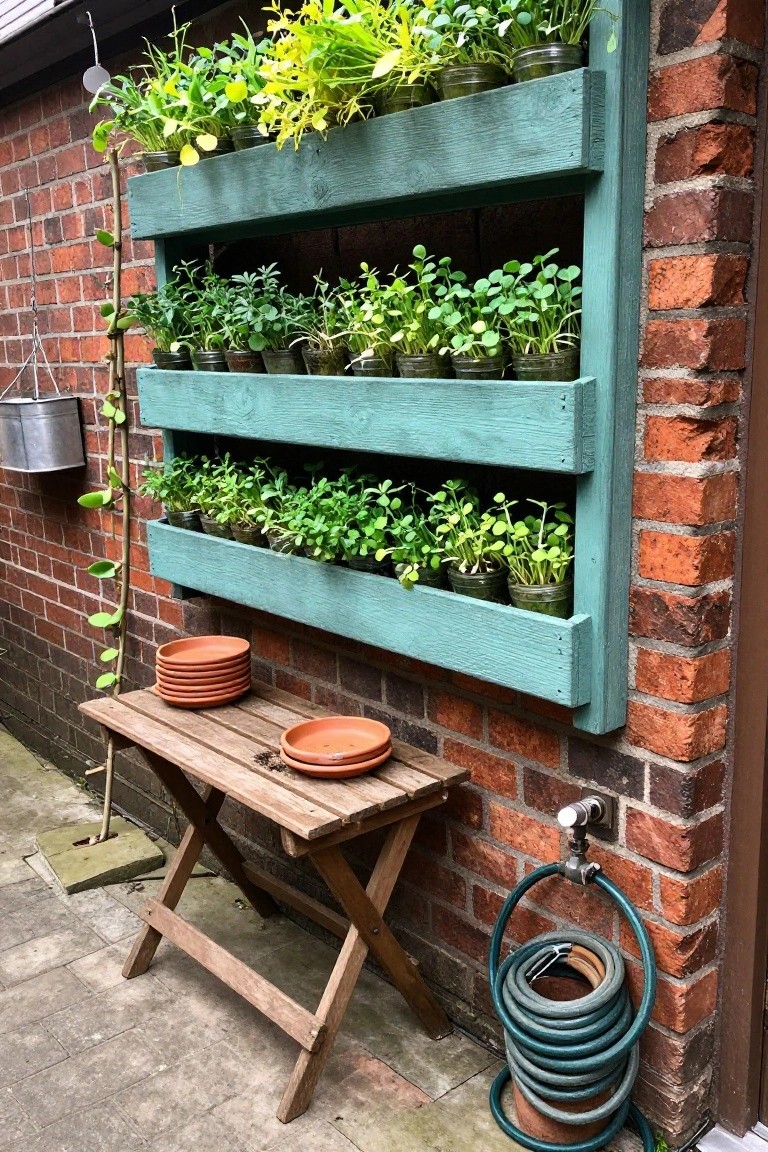
Many people with small patios run out of floor space fast. Mounting old pallet boards as shelves on a wall gives you several growing levels without crowding the ground.
This setup works best on a solid fence or house wall that gets sun. Paint the wood for weather protection and space the shelves so you can reach every pot easily.
Mount a Vertical Garden on Your Patio Wall
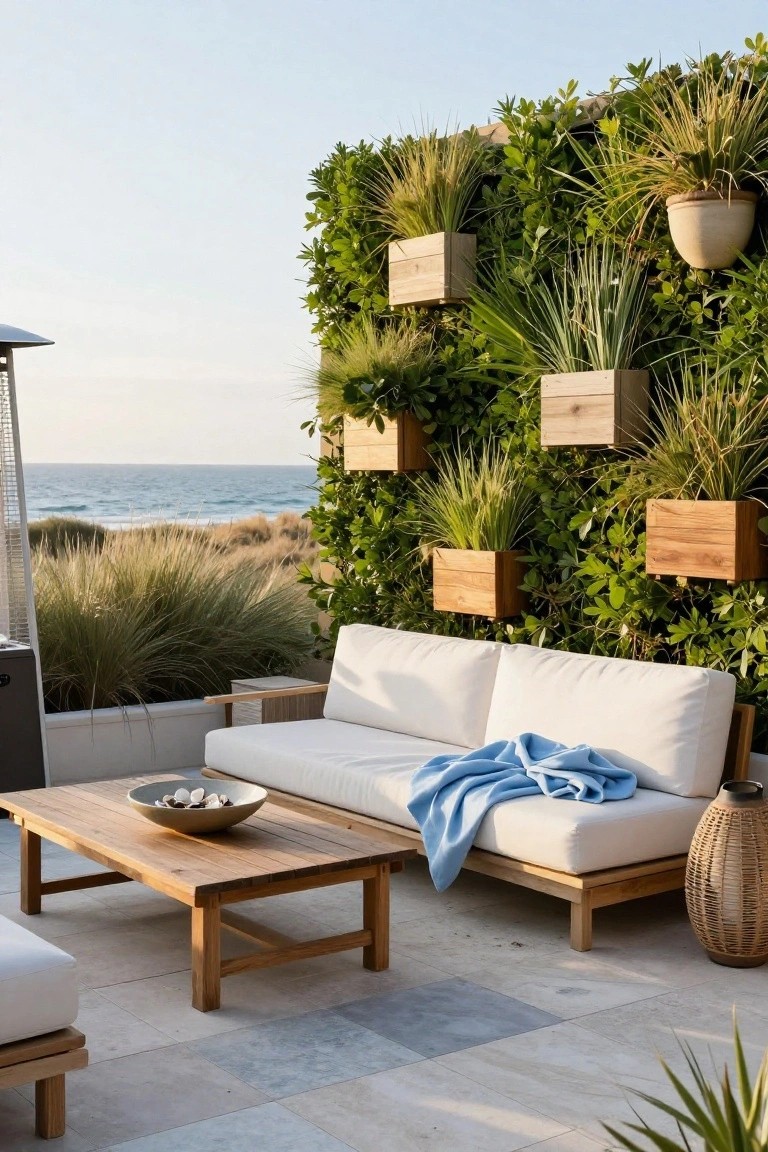
A vertical garden wall keeps plants off the floor so the seating area stays open and easy to move around. It works especially well on patios that have a solid back wall and not much room to spread out sideways.
This setup suits homes near the coast or in warmer climates where you want greenery without blocking views or walkways. Space wooden boxes at different heights and fill them with a mix of tall grasses and leafy plants so the wall feels full but not heavy.
Wall Shelves Free Up Floor Space On Small Patios
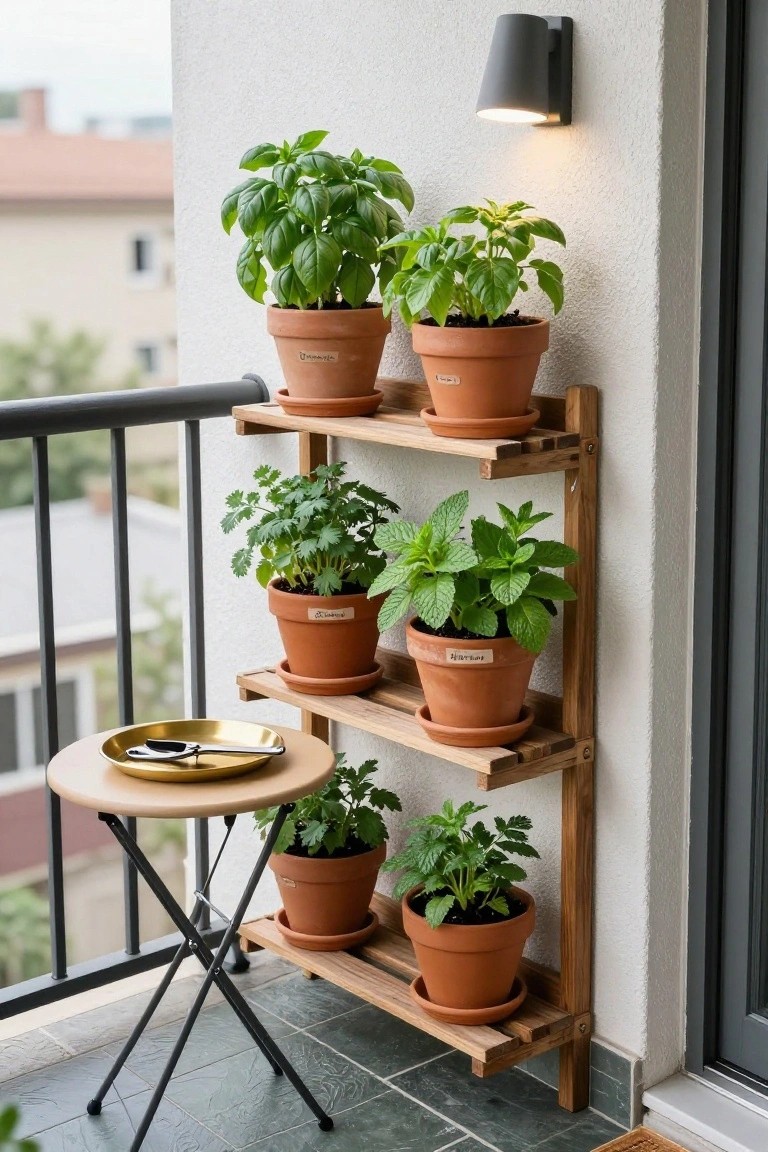
Mounting a few wooden shelves on the wall lets you stack herb pots upward instead of spreading them out on the ground. This setup works especially well when the balcony or patio has very little room to move around.
It fits apartments and small outdoor spots where floor space stays limited. Keep the shelves sturdy and check that the wall can handle the weight of full pots before loading them up.
Frequently Asked Questions
Q: How do I stop water from dripping through the pallet onto the patio? A: Line the back and sides with landscape fabric before adding soil. This holds everything in place while still letting roots breathe. Water from the top and let it drain slowly down the levels.
Q: Which plants handle the tight spaces in a pallet best? A: Herbs like basil and thyme do well because they stay compact. Leafy greens such as lettuce also fit nicely in the gaps. Pick varieties that like the amount of sun your patio gets.
Q: How can I make sure the whole thing stays upright on a windy day? A: Secure the pallet to a wall or fence with sturdy brackets. You can also add weight to the bottom by placing heavier pots there. Check the attachments every few weeks to keep it stable.
Q: What if I buy a pallet that has chemicals on it? A: Look for ones marked HT for heat treated instead of chemically treated. Avoid any that smell like oil or have stains. Old shipping pallets from food companies usually work fine.
