

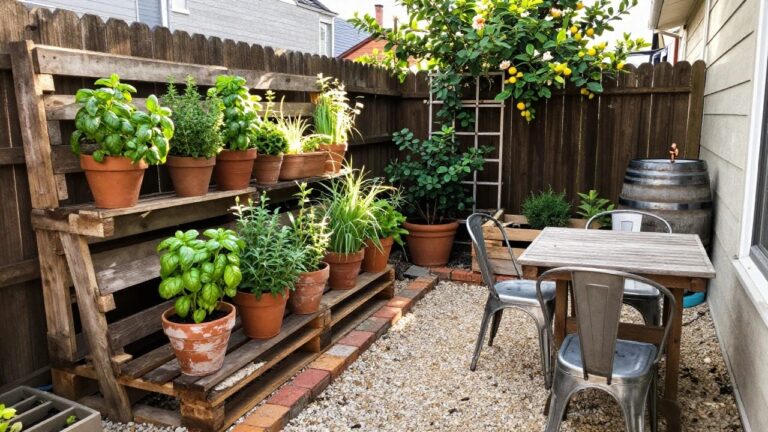
Small backyards often feel more workable once the growing areas follow the edges rather than taking over the middle of the lawn.
I have noticed that pallets let me raise beds without pouring concrete or hauling heavy lumber which keeps the whole space open for paths and daily use.
That matters more than it seems at first.
Some setups use the wood to create simple tiers that improve drainage and stop soil from washing away during storms.
I would try the corner versions first since those spots usually stay empty in my yard anyway.
Pallet Shelving For Container Plants
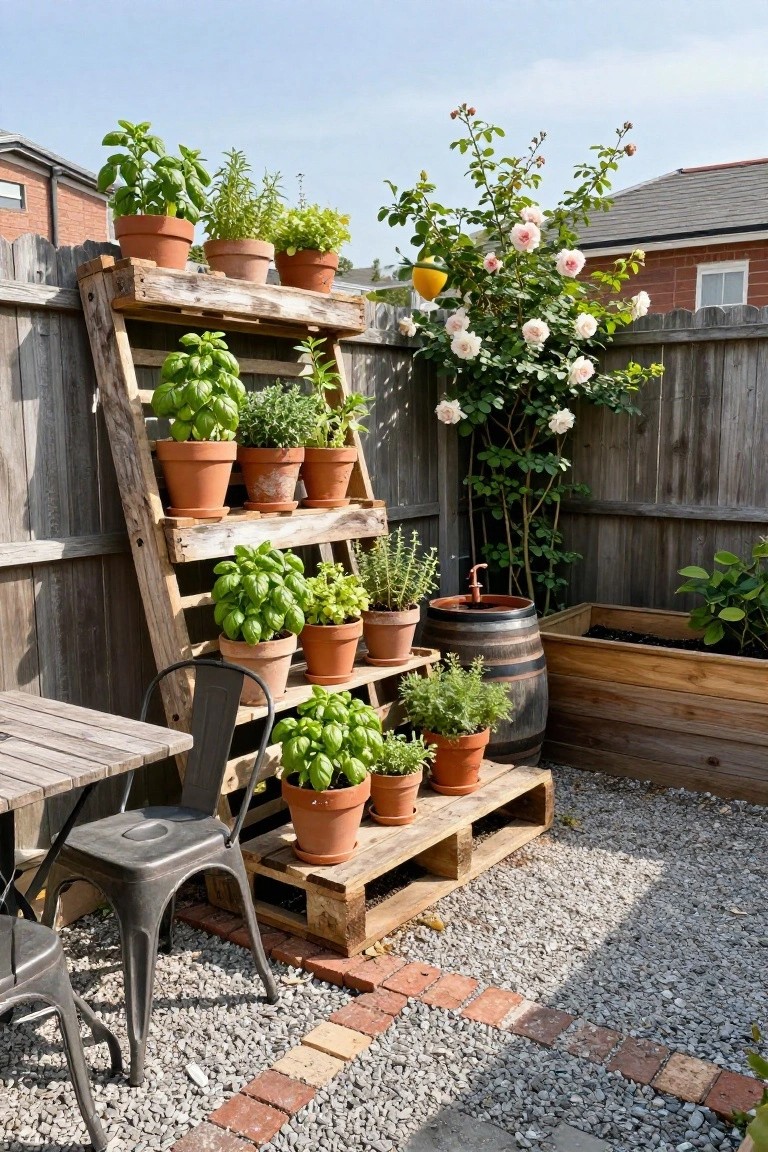
Pallet shelving gives you extra growing room without taking over the ground. You lean or stack a couple of pallets to make simple tiers, then set pots on each level so everything stays easy to reach and water. This setup works especially well when space is tight and you still want more than a few plants.
It suits small backyards, side yards, or gravel areas where digging beds is not an option. Use sturdy pallets, check for splinters, and place the whole thing where it gets good sun. A few herb pots on the lower shelf and taller plants up top keep things practical and organized.
Stack Pallets For A Vertical Garden
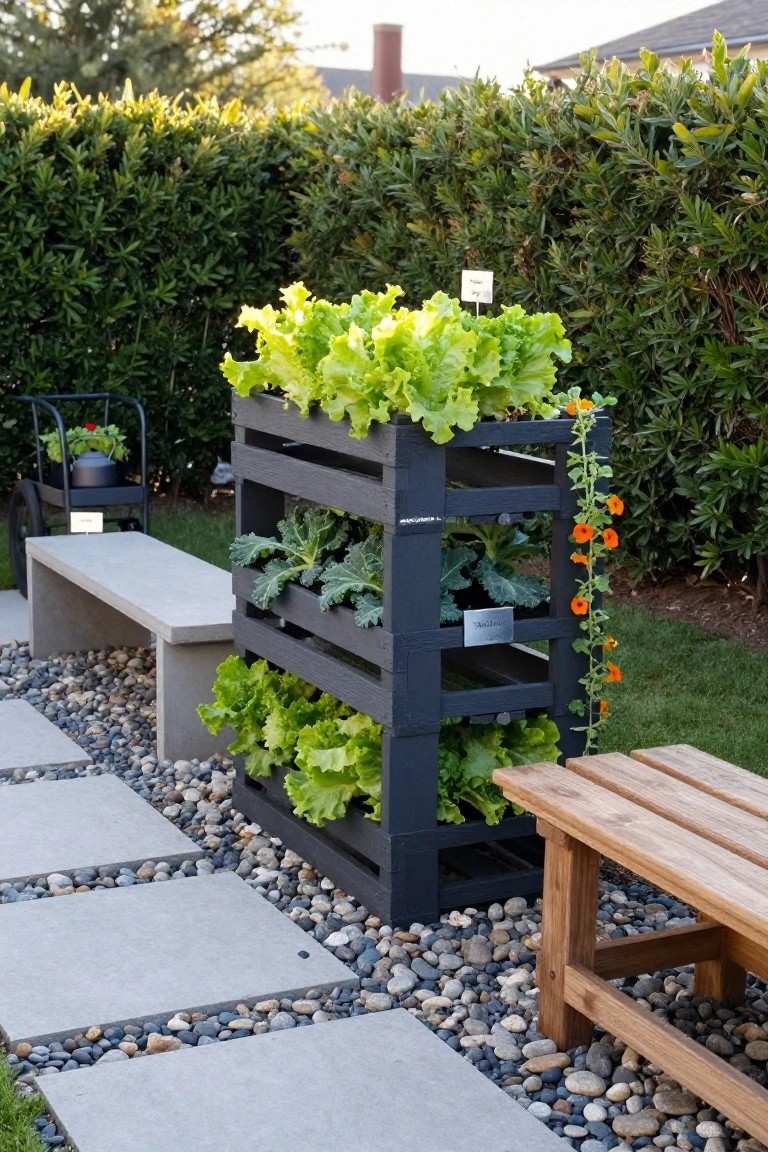
Many people turn to stacked pallets when they need more growing room but do not have a large plot. The simple frame gives you several planting levels in the same footprint, so lettuce, kale, and trailing plants all fit without spreading out across the ground.
This setup suits small backyards and side yards where space is limited. Set the pallet on level gravel or pavers, use a dark stain or paint if you want the wood to hold up longer, and keep the bottom row clear so air can move through.
Tiered Pallets For Layered Planting
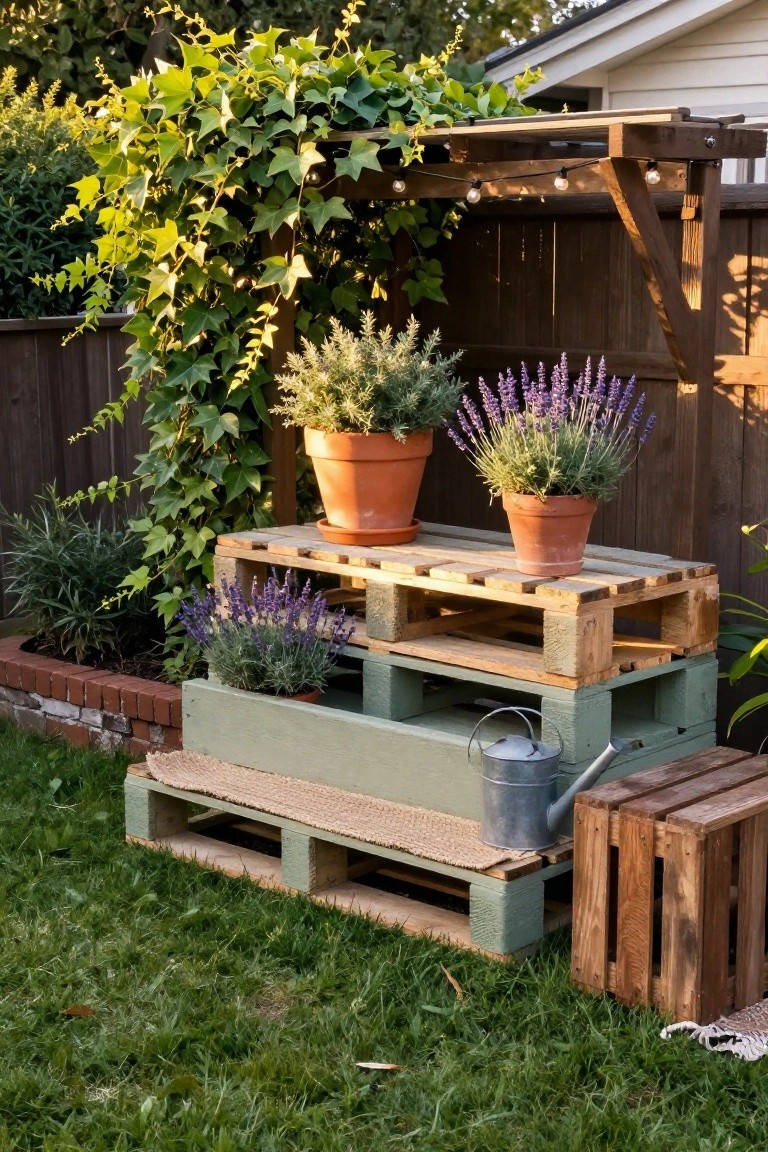
Stacking old pallets into tiers gives you extra planting space without spreading out across a small yard. The levels keep plants at different heights so everything stays visible and easy to reach during watering or harvesting.
This setup works best along a fence or wall where flat ground is limited. Paint the pallets to protect the wood and help them blend with the rest of the garden, then place larger pots on the top and smaller ones lower down.
Build a Pallet Raised Bed Along a Wall
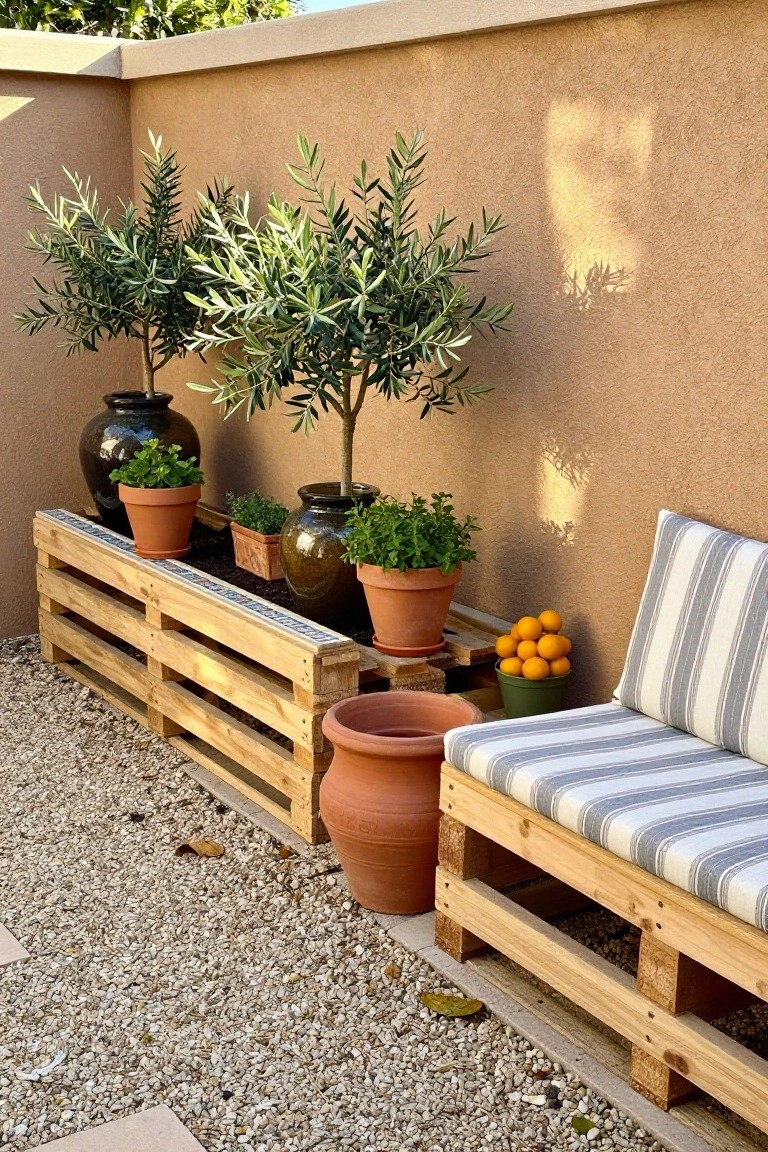
Pallets work well for small backyards because they let you create a low raised bed without much lumber or cost. Setting one against a wall keeps the plants off the ground, improves drainage, and gives you a clear growing strip that does not eat up walking space.
This setup suits homes with gravel or paved patios where digging is limited. Place the pallet flat or on its side, line it with landscape fabric, and fill it with soil for herbs or small shrubs. Keep the bed narrow so it stays easy to reach and does not crowd the seating area next to it.
Vertical Pallet Planters For Small Yards
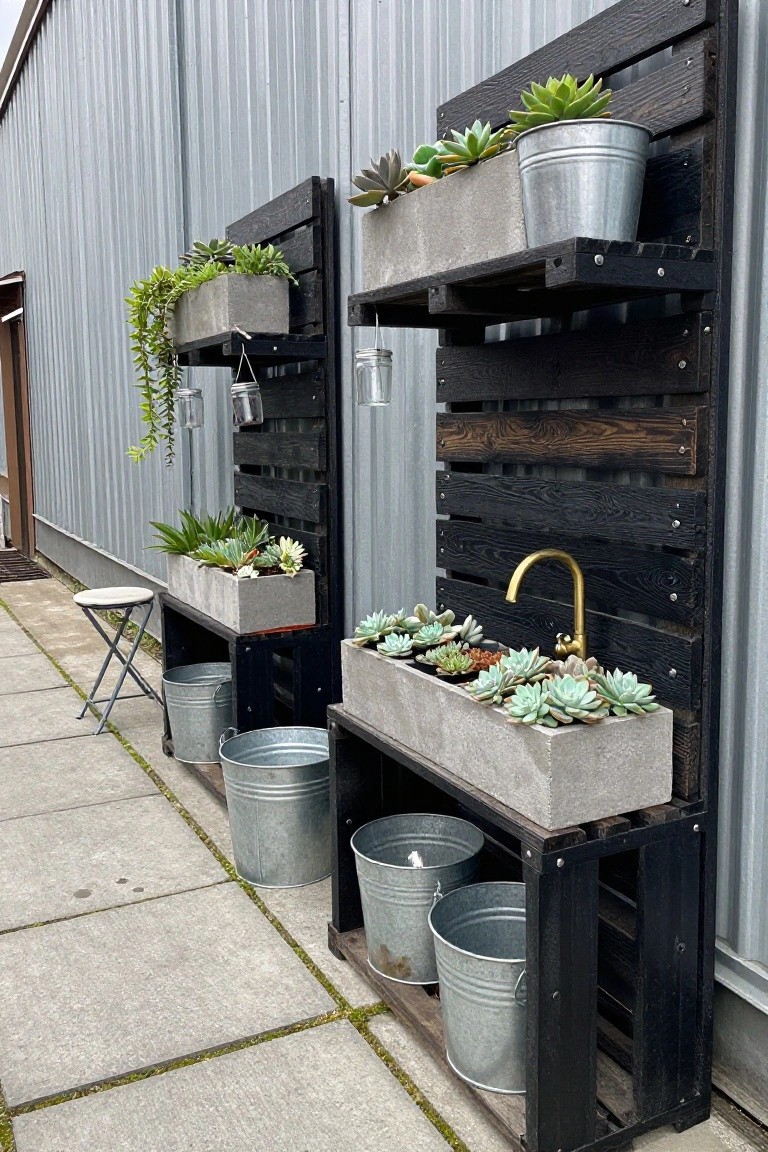
Standing a pallet upright against a wall gives you extra growing room without eating into floor space. The slats hold troughs and smaller pots at different heights, so you can fit quite a few plants in a narrow strip. This approach keeps everything off the ground and makes watering and picking easier.
It suits homes with a fence, shed side, or blank wall that gets decent light. Use food-safe pallets, secure them well, and line the planters if you are growing edibles. Metal buckets placed underneath catch drips and add a bit more storage for tools or extra soil.
Grow a Living Wall on Your Fence
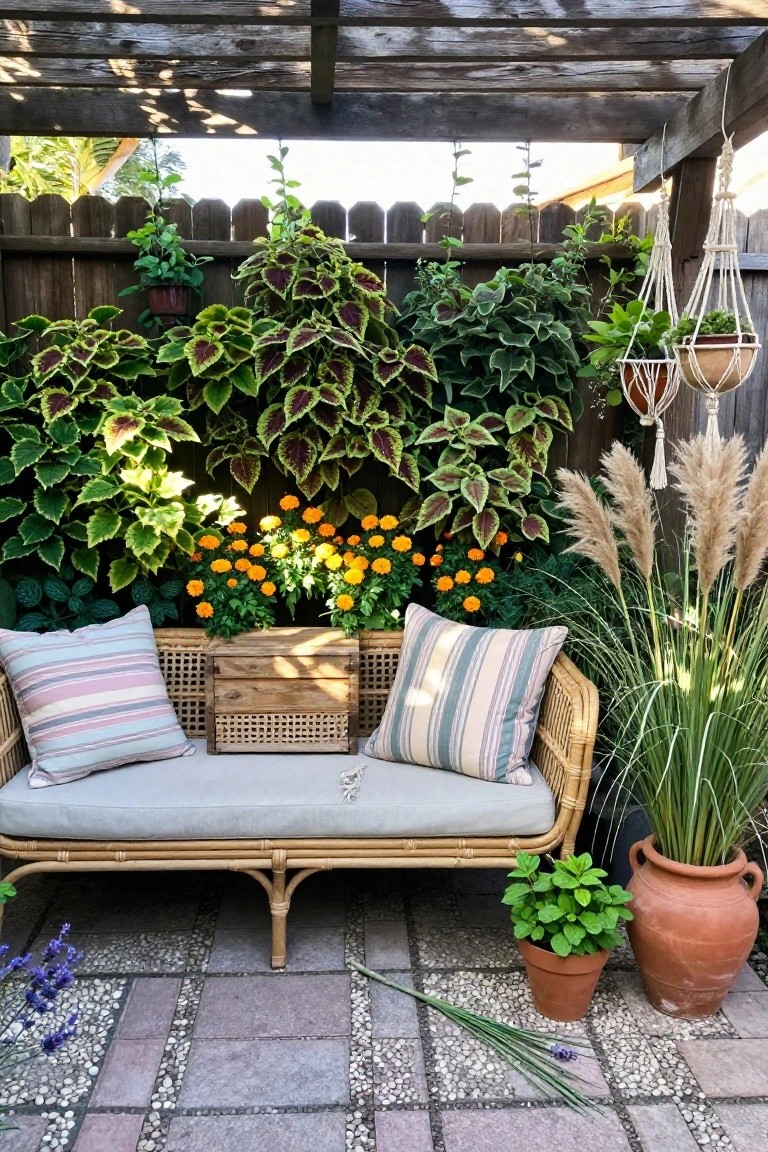
One simple way to add more growing space in a small backyard is to treat the fence like a vertical garden. You can hang pots, tuck in planters, or mount plants right onto the boards so the whole surface becomes a green backdrop. It keeps the ground clear while still giving you room for plenty of color and texture.
This approach works best along a fence that gets decent sun. Mix upright plants with a few trailing ones and add some bright flowers for interest. It fits especially well in narrow yards or townhomes where horizontal beds are limited.
Pallet Raised Beds for Deck Gardens
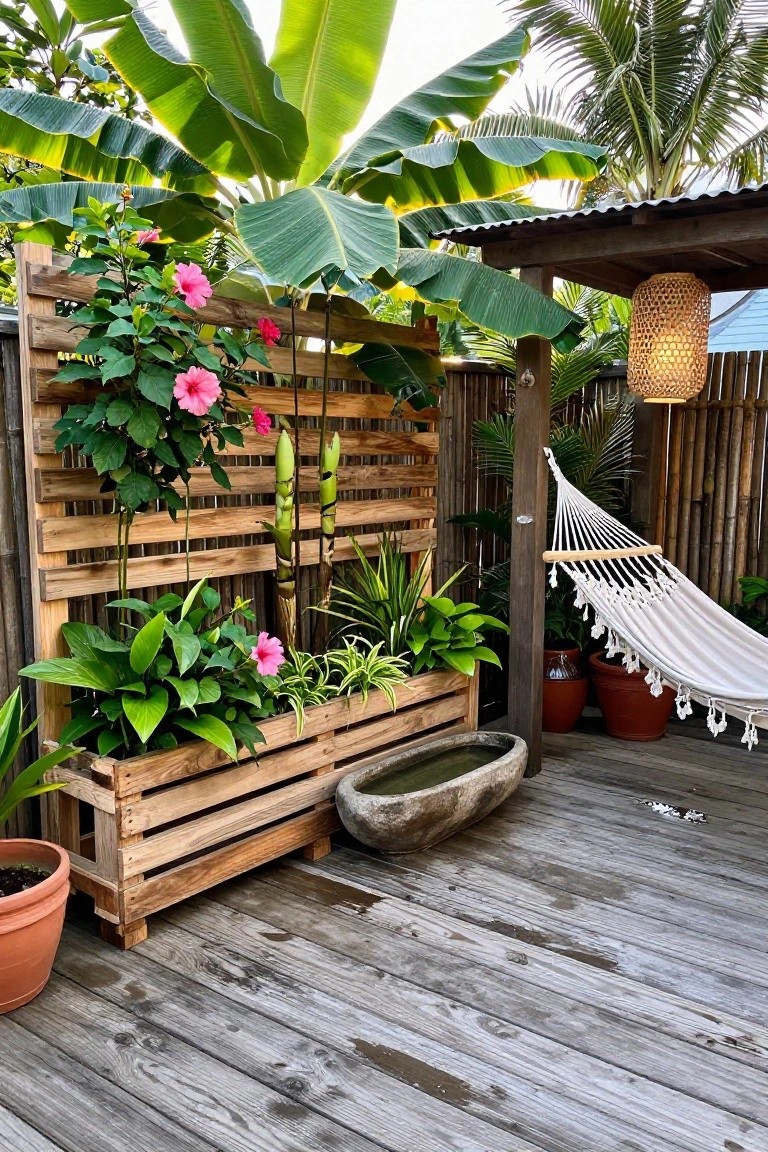
Pallet gardens give you a simple way to add growing space when your backyard is mostly deck or patio. The wood creates both a tall vertical section for vines and flowers and a lower box for bigger plants, so everything stays organized in one spot.
This setup works well in small yards where you want to keep soil off the ground and still have room to walk around. Use pallets that have not been chemically treated, add a liner inside, and place the whole thing where it gets good sun.
Hang Baskets From a Pallet Backrest
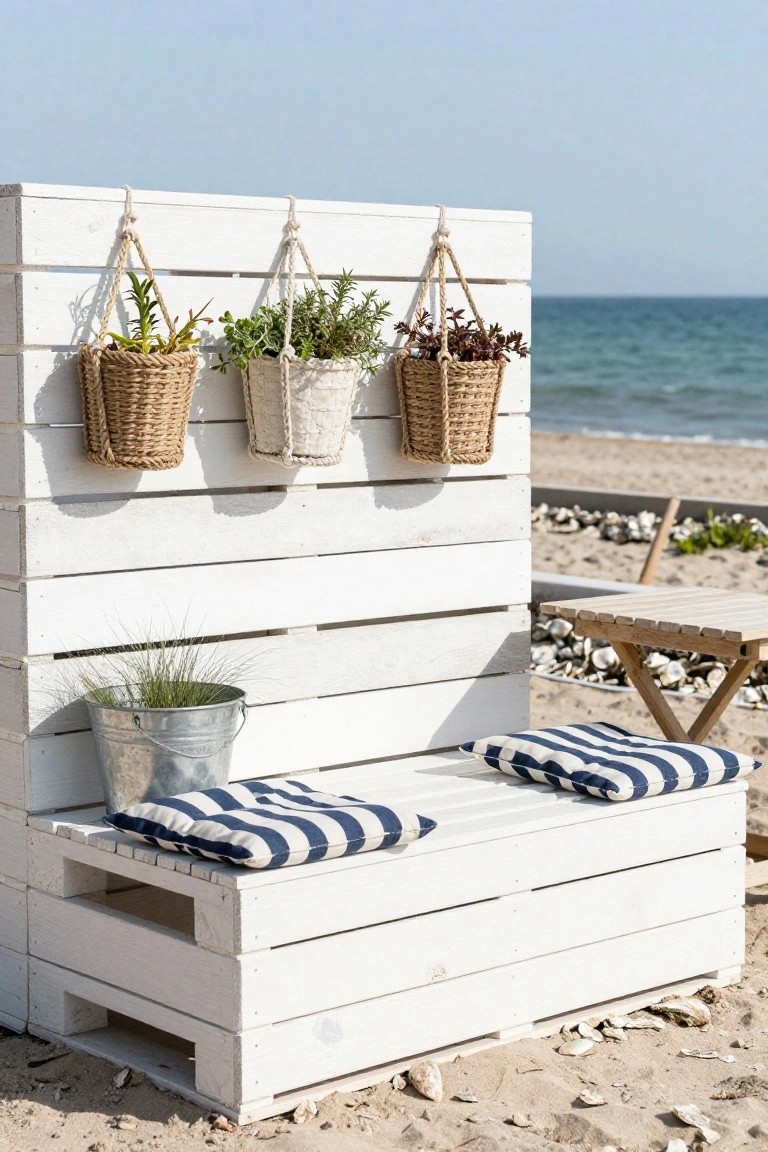
A pallet makes a quick vertical garden when you hang baskets from the top slats. The wood already has gaps and height built in, so you get planting space without losing floor room in a small yard. It works especially well when the pallet doubles as the back of a bench.
Set the pallet upright behind a simple seat and add hooks or rope. This setup suits tight patios or corner spots where ground beds are not possible. Keep the plants light so the structure stays stable.
Raised Beds Built From Pallets
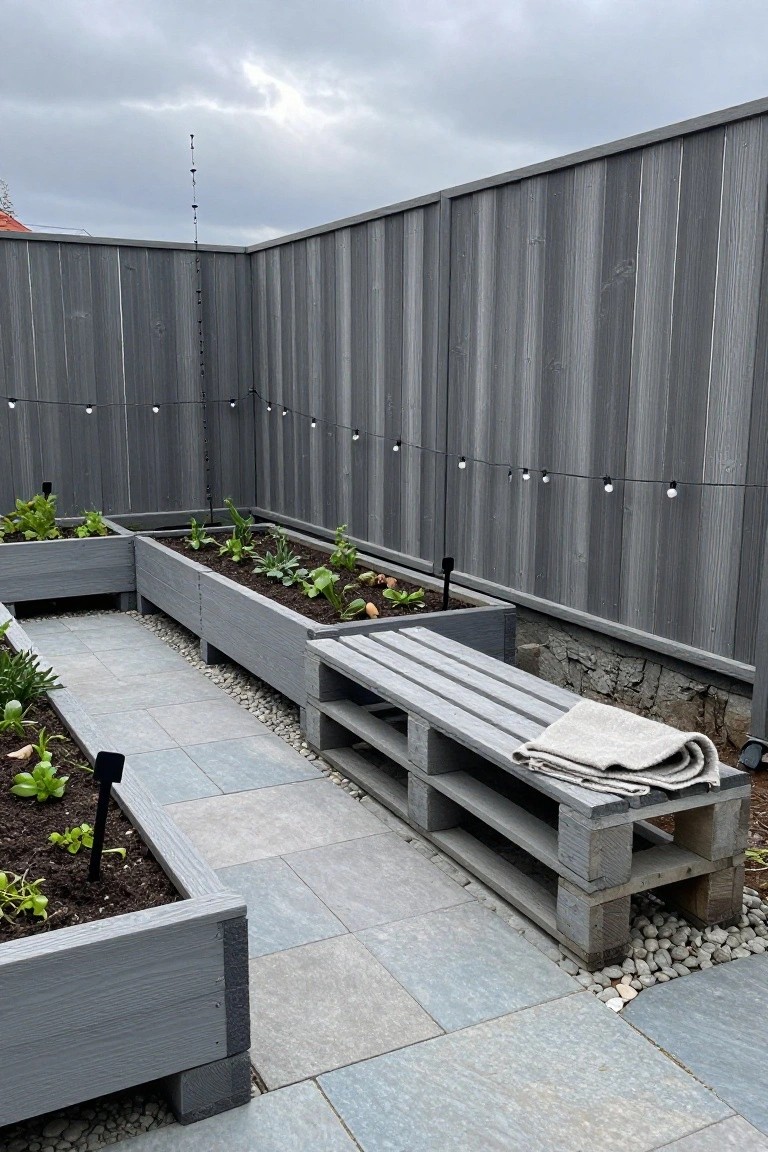
Raised beds made from pallets give you an easy way to add growing space without digging up the whole yard. They keep the soil contained, help with drainage, and let you line up plantings neatly along a fence or wall in a small area.
This setup works best in compact backyards where you want to grow vegetables or herbs but still leave room for walking and sitting. Keep the wood sealed if it will stay outside year round, and check that the pallets are safe for food growing before you build.
Raised Beds From Pallet Wood
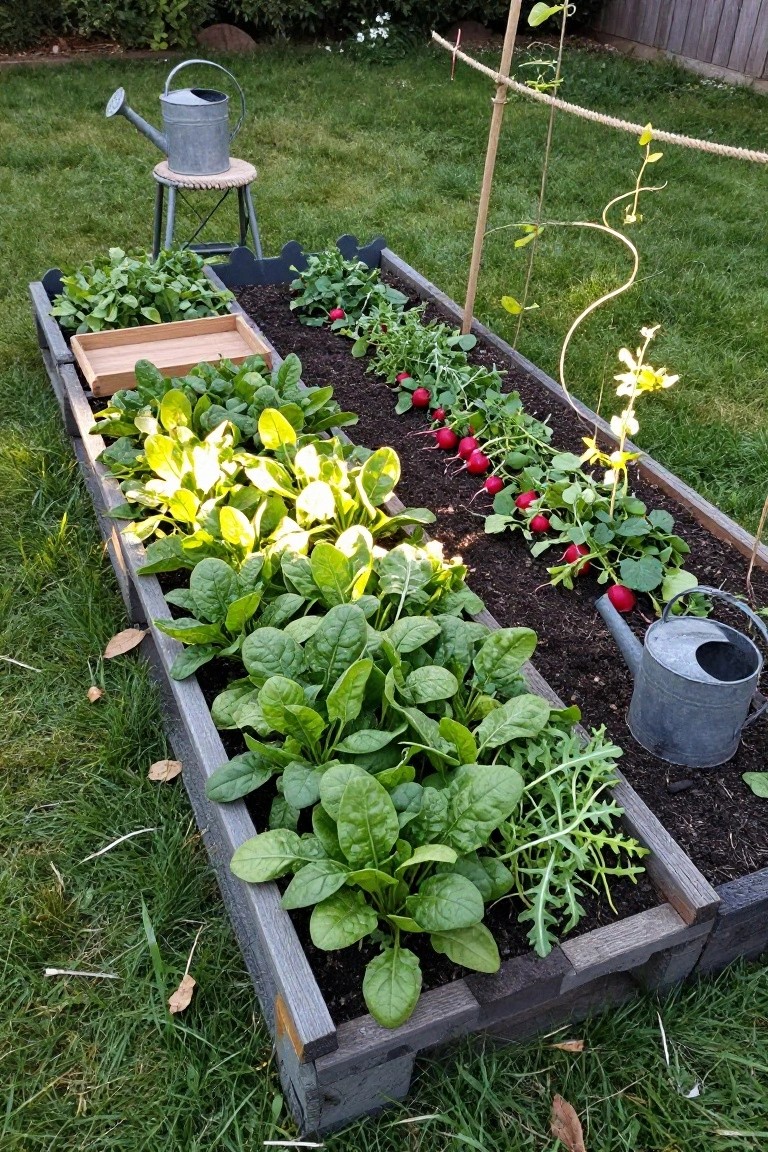
Raised beds made from pallet wood give you a simple way to grow vegetables without digging up the whole yard. The wood frames hold the soil in place and let you group plants by type, which makes watering and harvesting easier in a tight space.
This setup works best in small backyards where ground soil may not be ideal. Keep the beds narrow enough to reach across and leave room between them for walking and basic maintenance.
Pallet Greenhouse Shelves
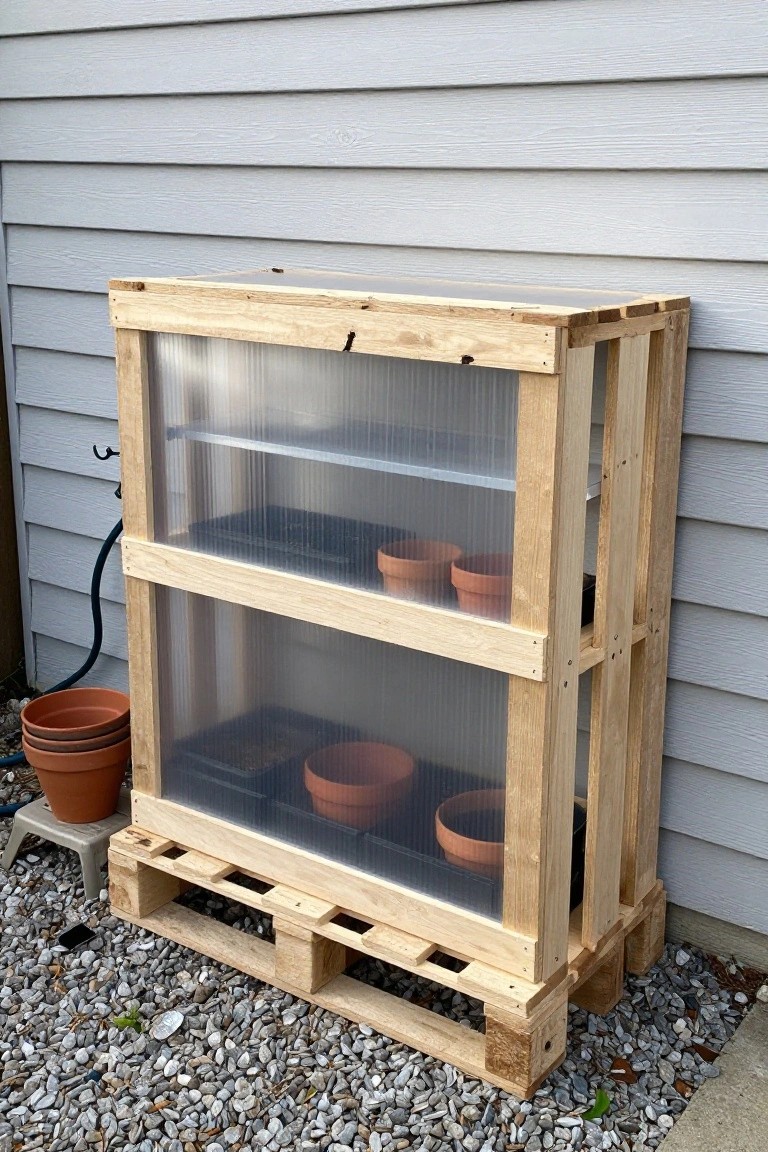
A simple pallet frame covered with clear plastic gives you a basic greenhouse that fits into tight backyard spots. It keeps young plants out of wind and rain while still letting in plenty of light, and the shelves make it easy to organize trays without spreading everything across the ground.
This kind of setup works best against a house wall or fence where it can stay stable. Use the different levels for starting seeds on top and hardening off plants lower down. Just check the plastic now and then so it stays tight and does not tear.
Raised Beds Made From Pallets
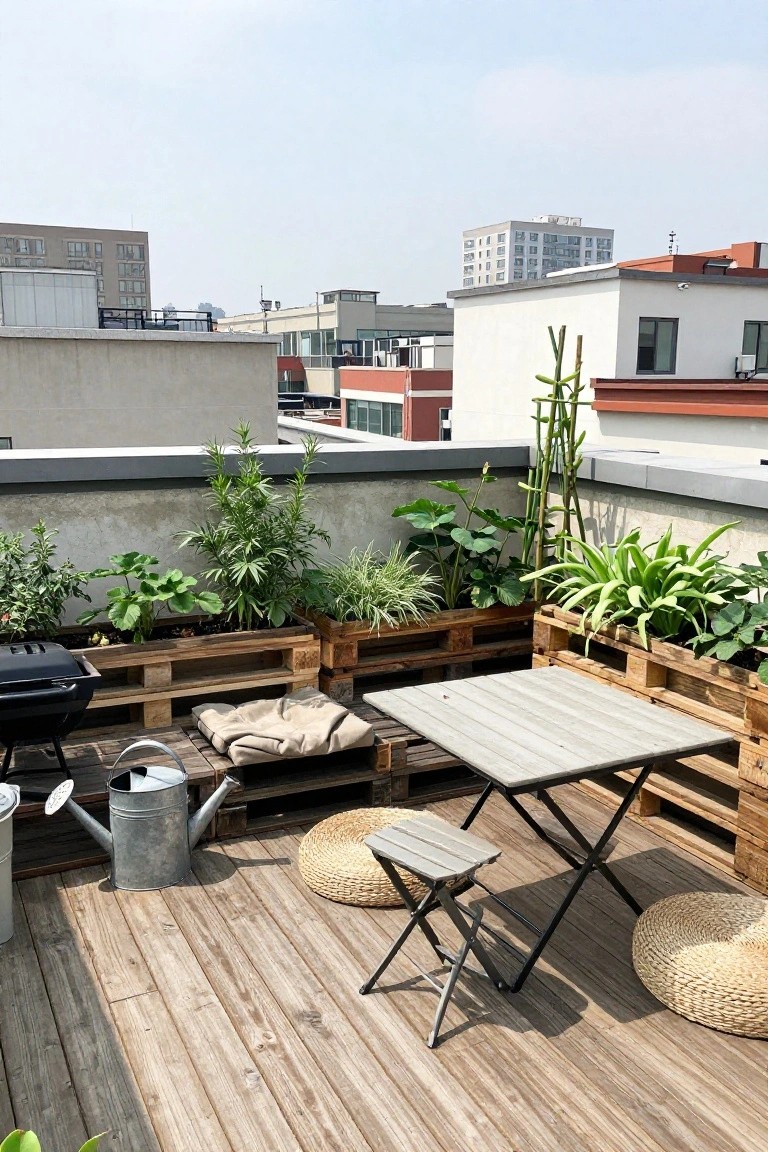
Using pallets to build raised planters gives you a simple way to add growing space on a deck or rooftop without digging into the ground. The boxes sit right on the wood surface and hold enough soil for vegetables, herbs, and taller plants to do well in a small area. This setup keeps everything organized and off the floor while making the most of limited square footage.
It works best on rooftops, balconies, or compact backyards where soil is scarce. Stack or line up a few pallets to match the size of your space, and leave room for a table or chairs nearby. Just check that the wood is untreated so it stays safe for edible plants.
Wall Planters Free Up Ground Space
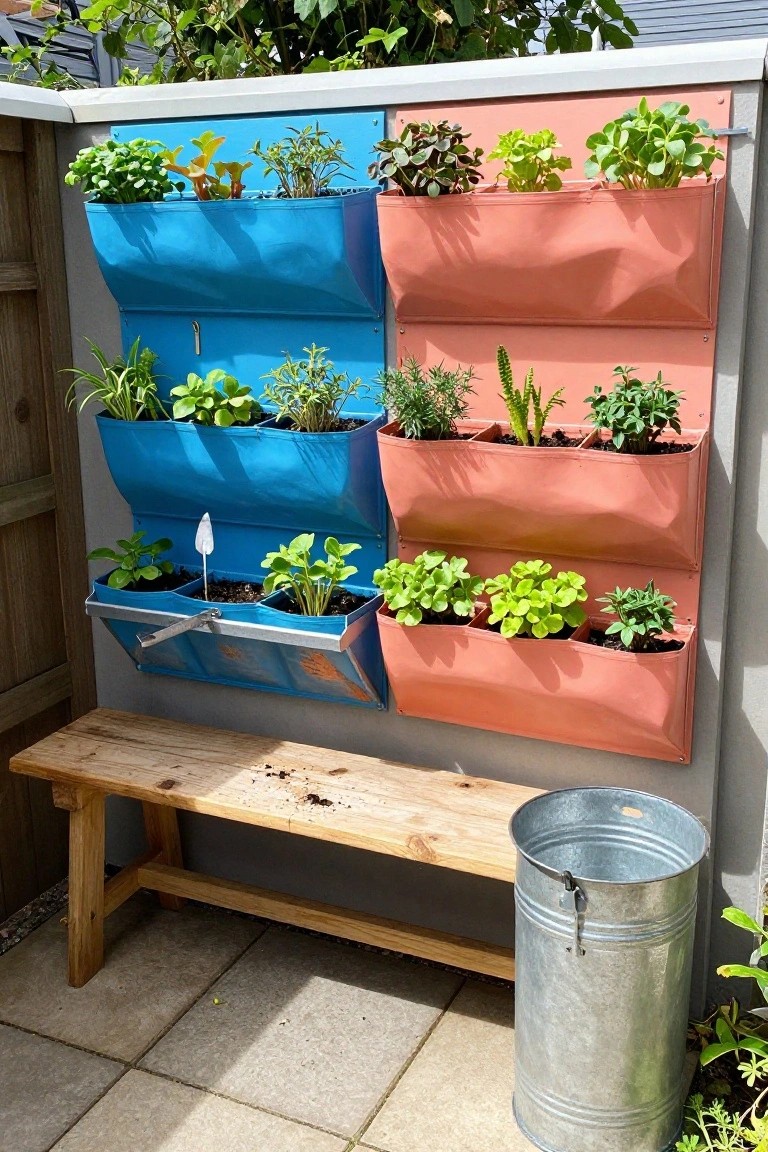
Vertical planters mounted on a wall let you grow herbs, greens, and flowers without taking up much floor area. This setup works especially well in small backyards where every square foot counts. The metal containers stay off the ground, which also helps with drainage and keeps plants away from pets or heavy foot traffic.
You can attach similar units to a fence, shed side, or garden wall using basic brackets. It suits homes with limited patio or lawn space, and the bright colors make the area feel more cheerful. Just check that the wall can handle the weight once the planters are filled with soil and plants.
Group Pots With Stones In Small Gardens
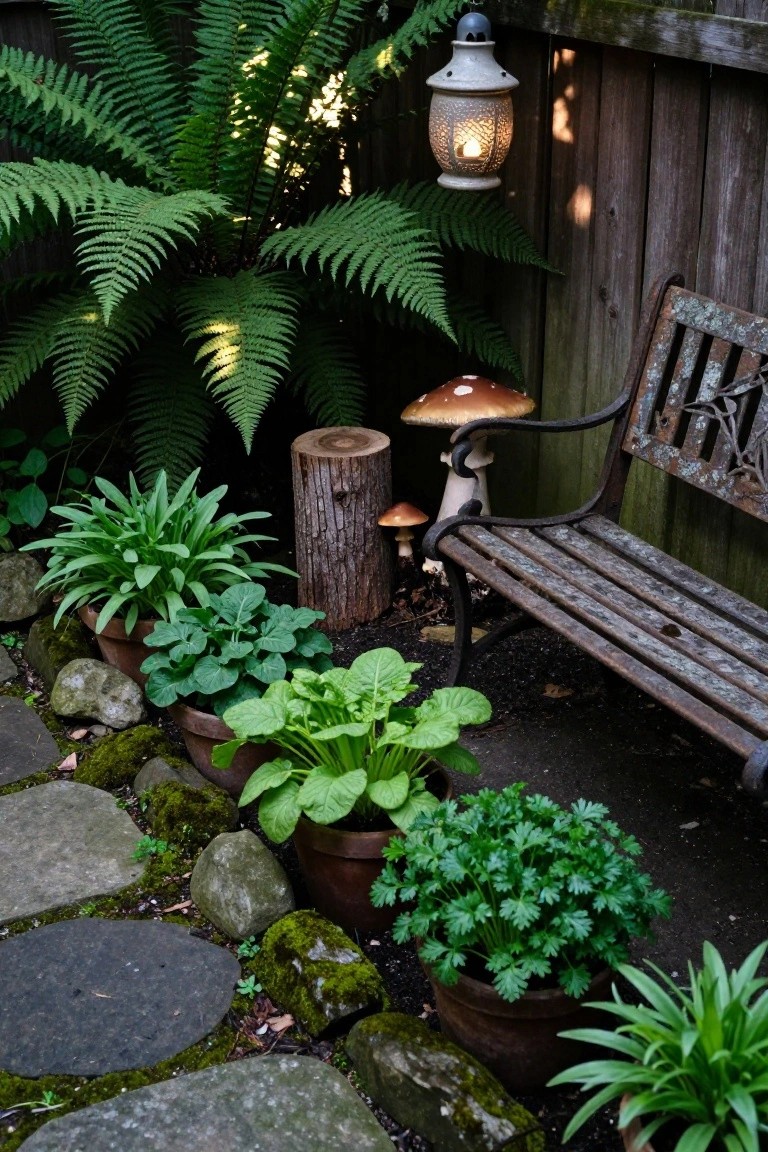
Pots let you build layers in a small backyard without digging beds or taking up much room. Placing them at different heights around flat stones creates depth and keeps the plants easy to move or swap out when needed.
This works best in paved or partly shaded corners where soil is poor or space is tight. Stick to a few plant types in matching pots and let the stones do the rest of the work so the area stays simple to care for.
Pallet Potting Benches Keep Things Organized
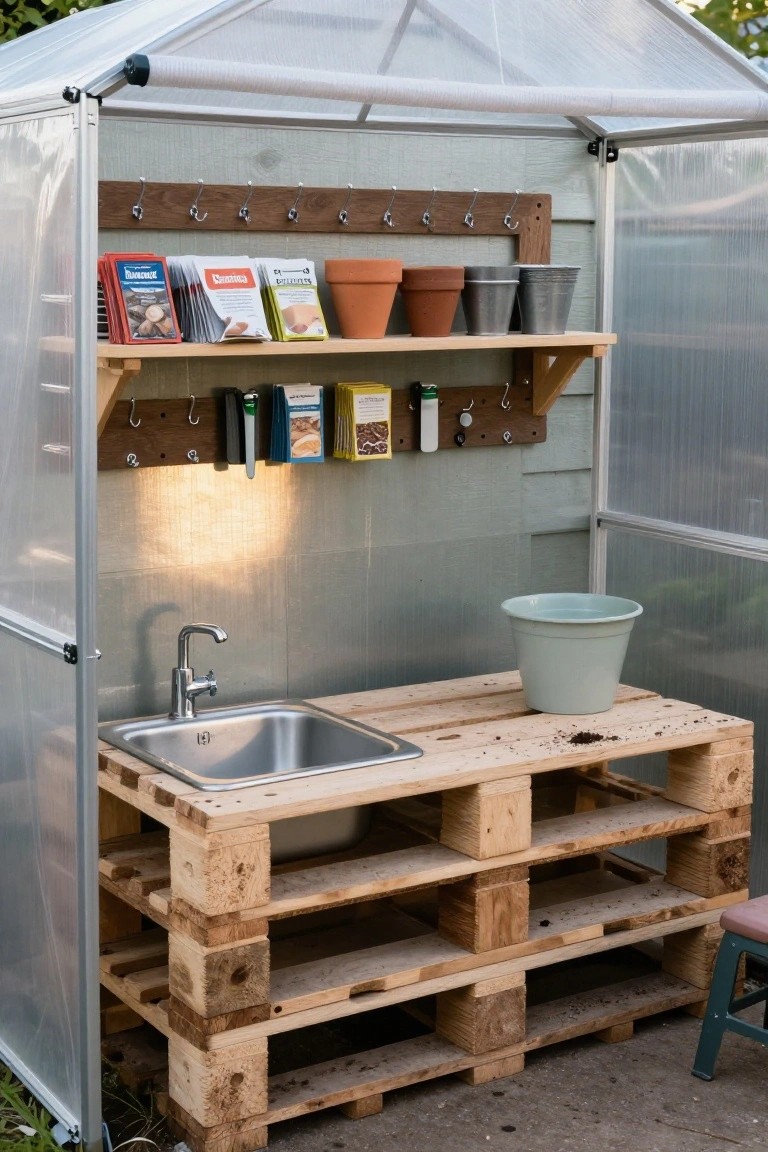
A pallet potting bench gives you a sturdy place to work with soil and seedlings without crowding a small yard. The wood is easy to find and already cut to useful sizes, so the bench can be put together quickly and placed right where you need it.
Set it up near a water source if you can, and use the lower levels for bins and tools. It works especially well in a backyard greenhouse or along a fence line where every square foot counts.
Tiered Planters For Small Yards
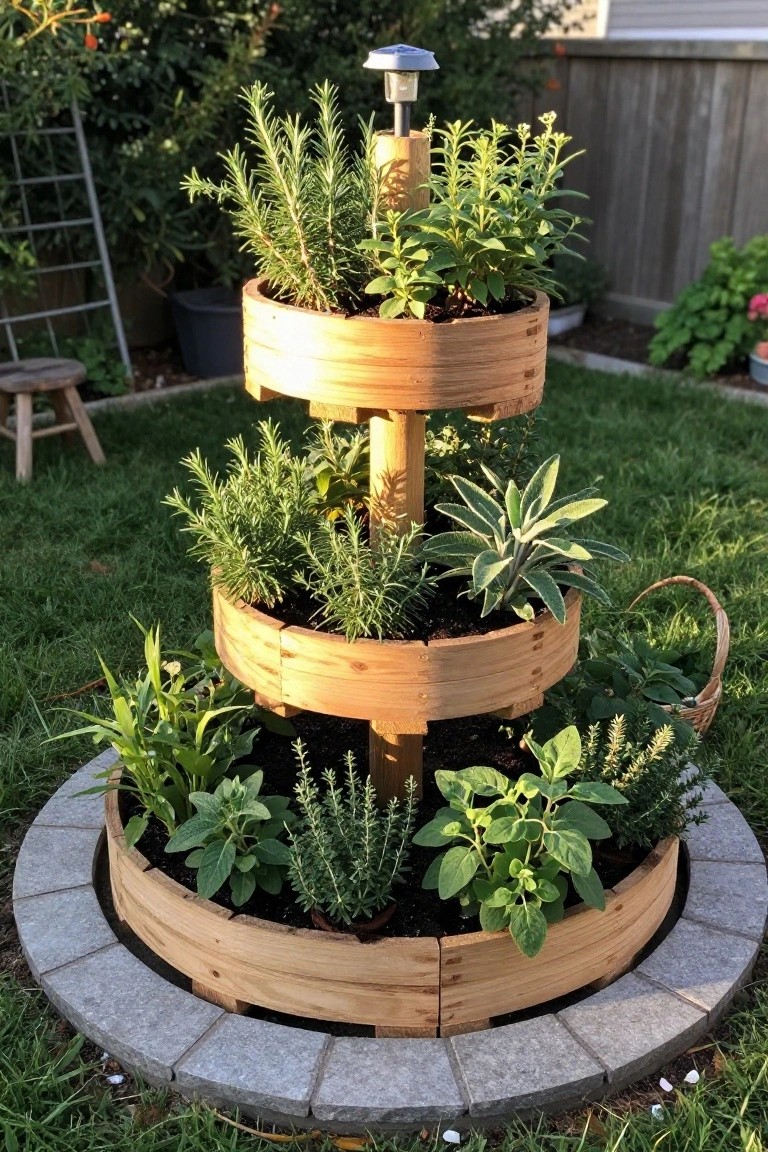
A tiered planter like this one lets you grow a lot more in a small patch of ground. The stacked wooden rings create separate levels so different plants can sit at their own heights without crowding each other.
It suits a tight backyard or side yard where a flat bed would take up too much space. Keep the bottom level for larger plants and use the upper rings for herbs that need less root room.
Pallet Trellises For Climbing Plants
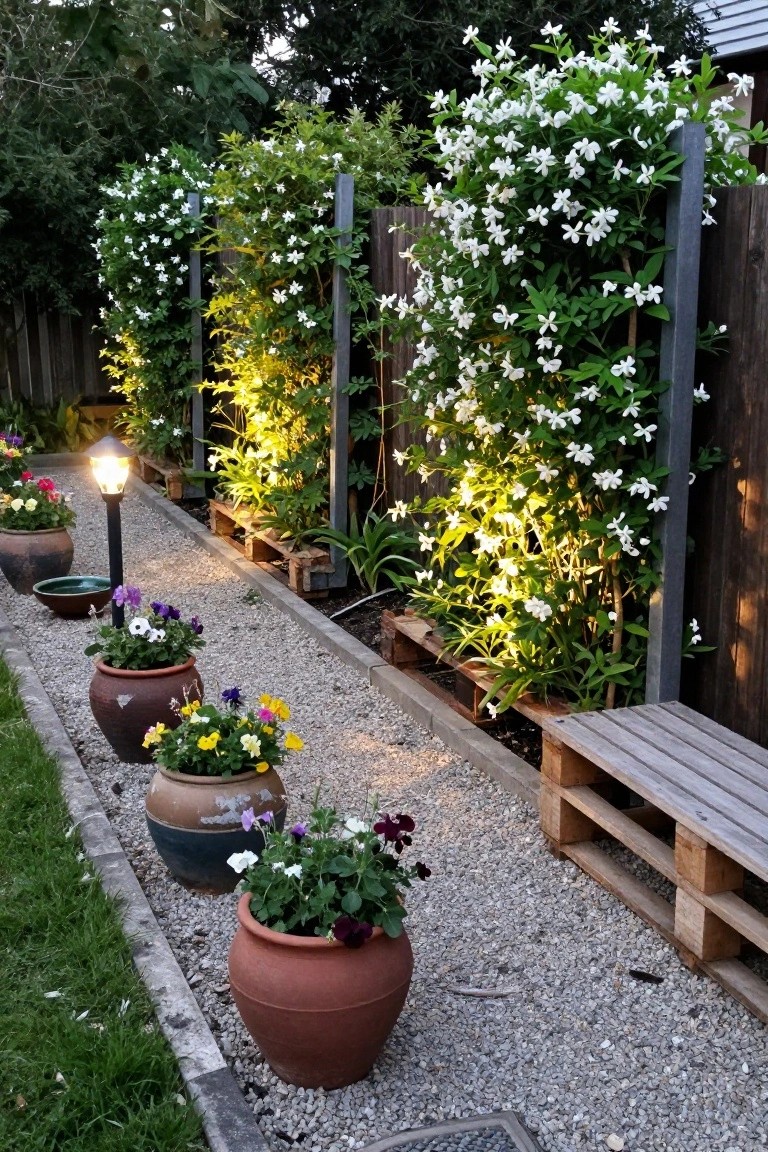
Pallet sections set upright make a quick and sturdy frame for vines that need something to climb. In a narrow side yard this approach keeps the ground clear while still giving the plants plenty of height to spread.
It works especially well along a fence or path where space is tight. Secure the pallets to posts, plant climbers at the base, and let them fill in over a season or two. The wood weathers to a soft gray that blends with most garden settings.
Pallet Benches With Built-In Planters
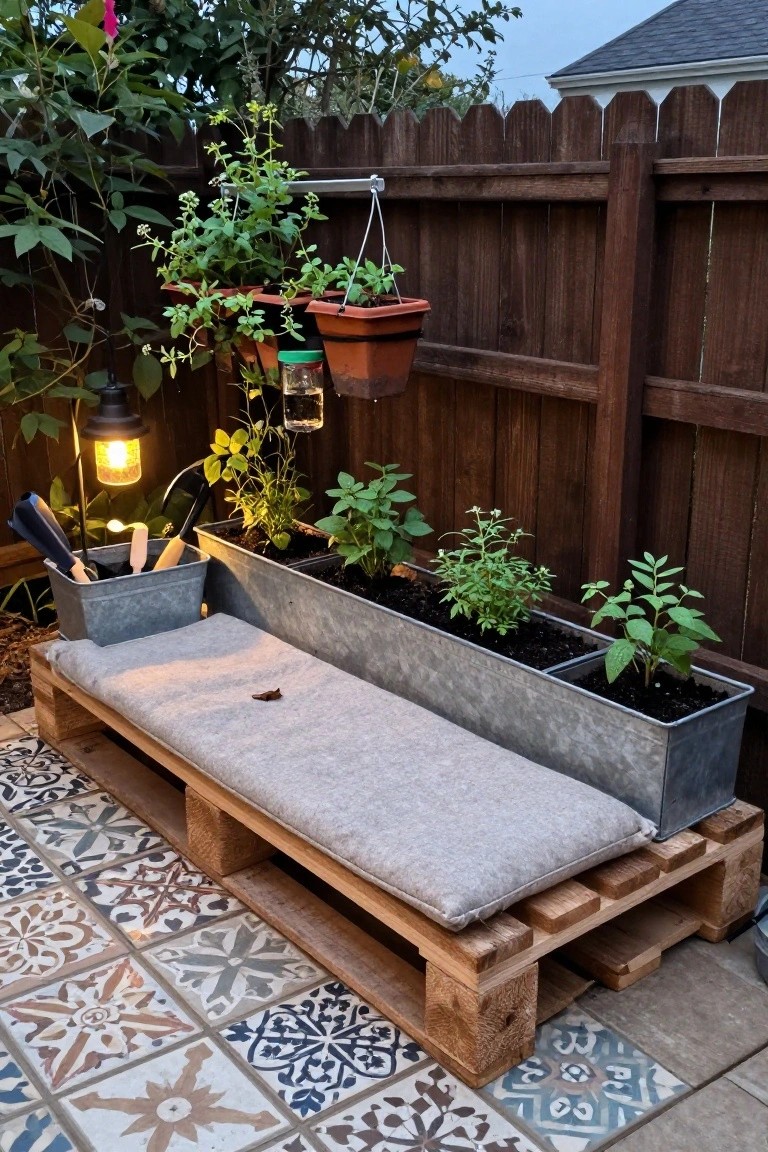
A simple pallet can become both a bench and a base for raised garden beds when you set a long metal trough across the top. This gives you seating and planting space in one spot, which helps when the yard has limited room for separate furniture and beds. The cushion makes it comfortable while the trough keeps soil and plants neatly contained.
It works best along a fence or on a small patio where you want to grow herbs or vegetables without taking up extra ground. Use a sturdy, outdoor-treated pallet and check that the trough sits level before adding plants. This keeps everything stable and easy to maintain over time.
Mount Pallet Shelves Along a Balcony Wall
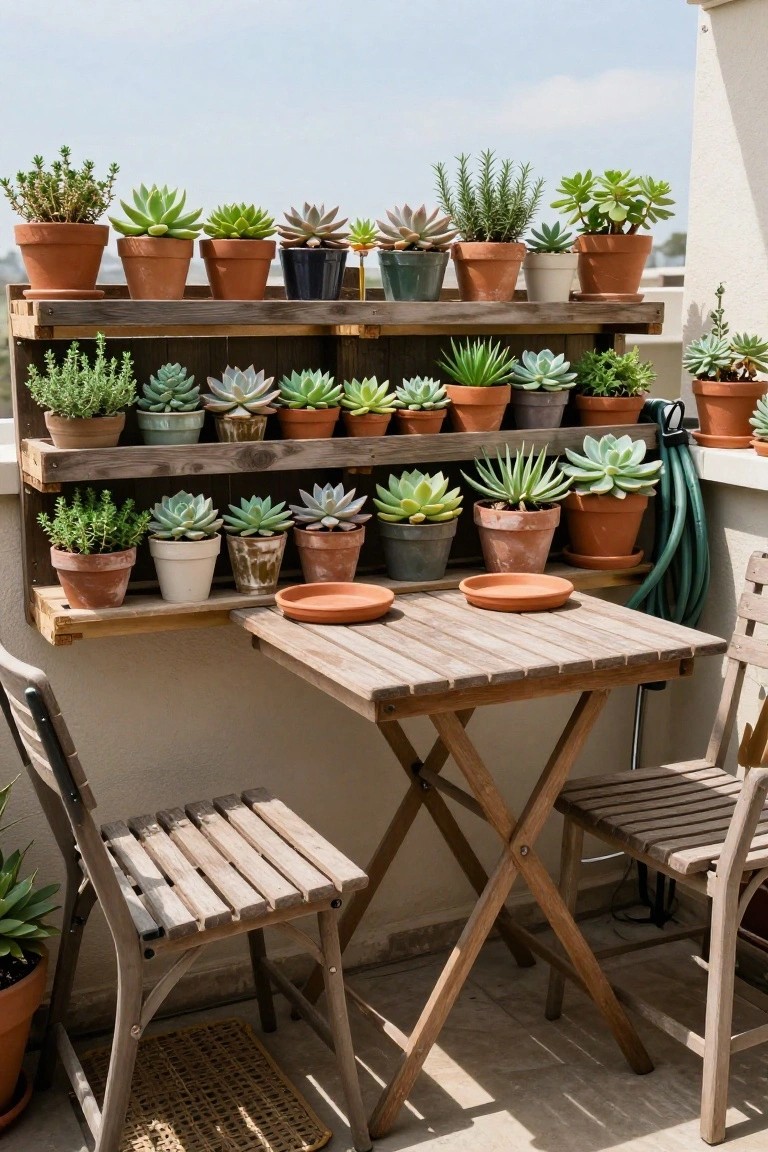
Many people with tiny outdoor spaces use old pallets to add growing room without losing floor space. The shelves hold rows of pots at different heights, which makes it easy to fit more plants while keeping a table and chairs clear for sitting.
This setup works best on balconies or small patios where wall space is available. Secure the pallets well, group plants by water needs, and leave enough room for the lower shelf to stay usable.
Pallet Garden Beds For Small Yards
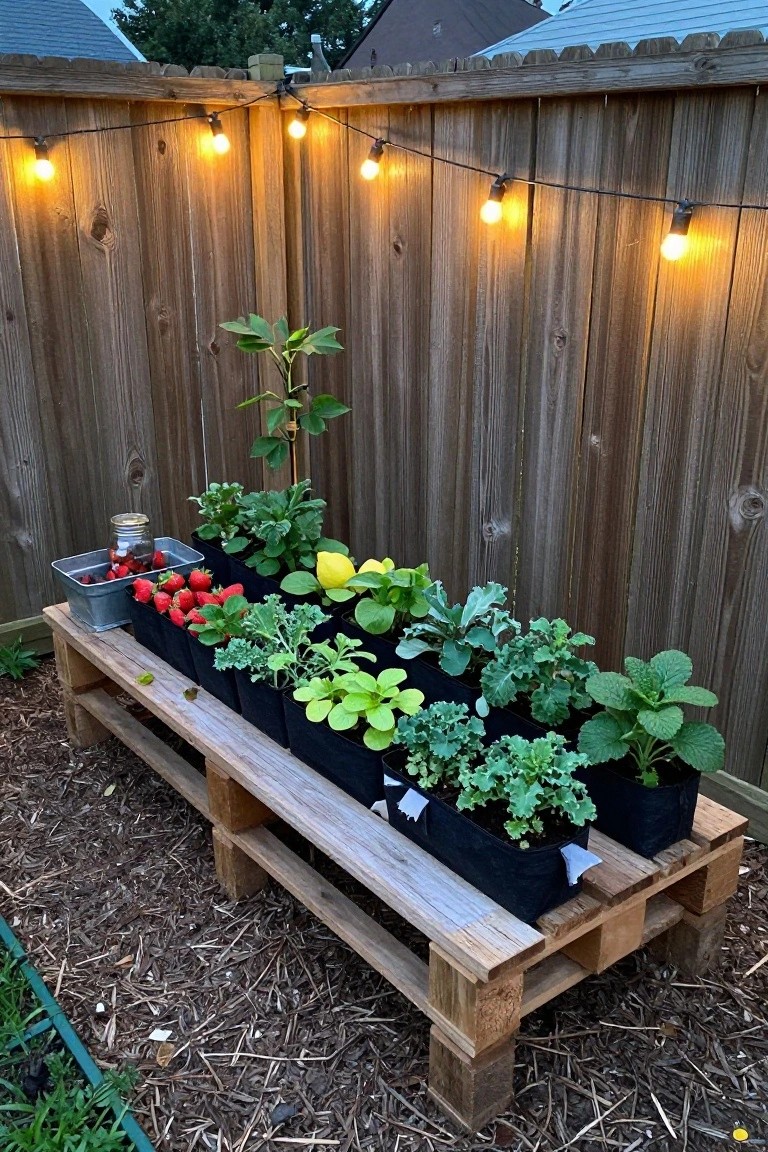
A pallet gives you an easy way to lift a row of fabric grow bags off the ground and keep everything organized. It works especially well when you want to grow vegetables without turning over a big patch of soil or dealing with poor drainage.
This kind of setup fits best along a fence or in a narrow side yard where space is tight. Place the pallet on level ground, set the bags in the gaps, and you can move or rearrange plants as the season changes.
Frequently Asked Questions
Q: Where do I get pallets that are safe for growing food?
A: Hunt down heat-treated pallets from local businesses or construction sites. Skip any that have weird stains or a strong smell. Sand the wood smooth before you start building your garden.
Q: How do I stop my pallet setup from tipping over?
A: Anchor the bottom to the ground with stakes or heavy pots. Place it against a fence or wall for extra support. Check the balance once you add soil and plants.
Q: Can I grow vegetables if my yard stays shady most of the day?
A: Pick shade-tolerant plants like lettuce. Test a few spots before planting everything.
