

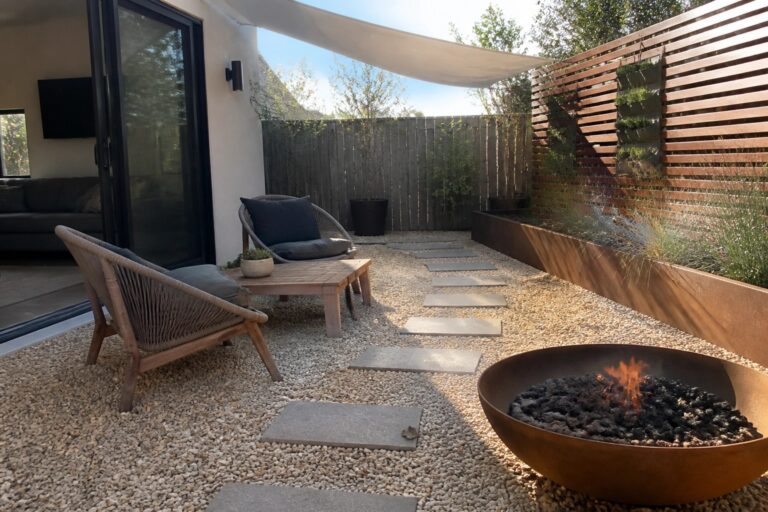
I have learned the hard way that a patio only gets used if it feels comfortable to walk on every day.
Pea gravel can solve that problem on a budget since it stays cooler than concrete and settles into a smooth layer over time.
Edging matters more than most people expect.
When planning our own space I usually start by checking how water flows through the area after a storm.
Small changes like adding stepping stones or simple borders have made our gravel areas much more livable in practice.
Pea Gravel Around a Fire Pit
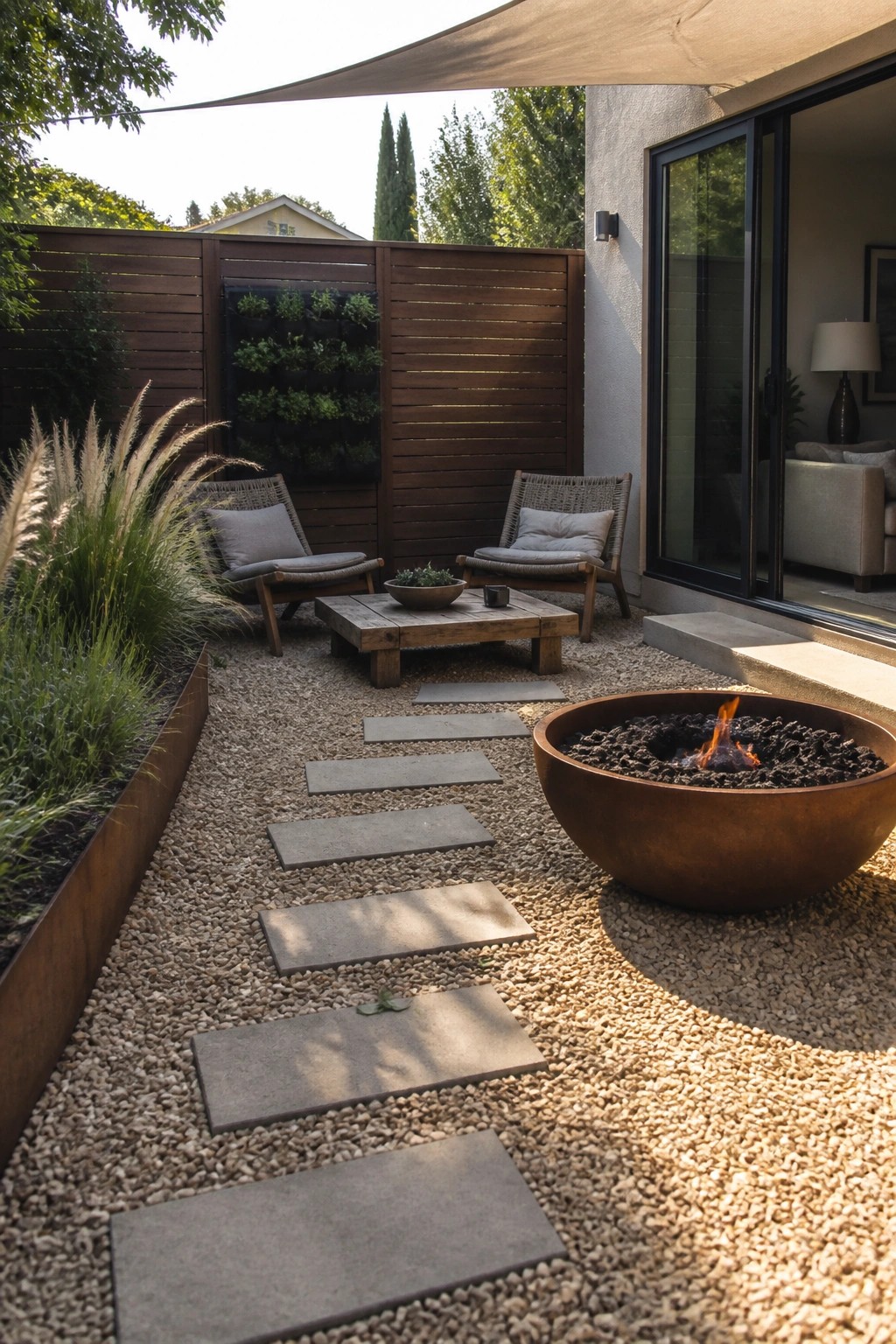
Pea gravel makes a simple base for a fire pit patio because it drains well and stays cooler underfoot than concrete or pavers. The loose texture also softens the look of the whole area and keeps costs down.
This setup works best in smaller yards where you want a casual seating spot without major construction. Add landscape fabric underneath and a low metal or wood border so the gravel does not scatter into the lawn.
Pea Gravel Creates a Simple Patio Surface
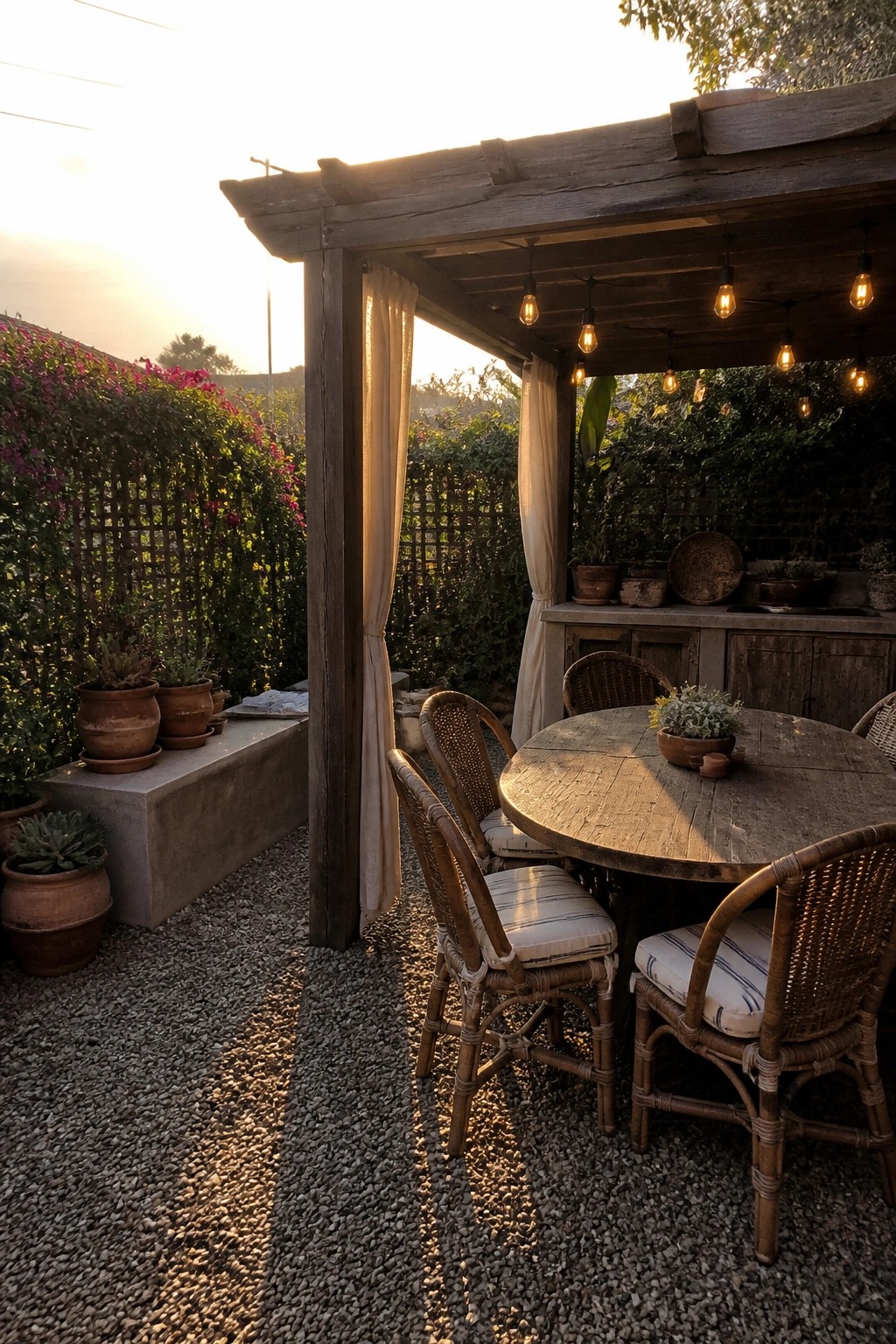
Pea gravel gives you an affordable way to cover a patio area without pouring concrete or laying pavers. It drains well and settles into a firm enough surface for tables and chairs.
This works best in smaller yards where you want a casual dining spot. Add a basic pergola or shade structure overhead and keep the gravel layer a few inches deep so it stays comfortable underfoot.
Pea Gravel As An Affordable Patio Base
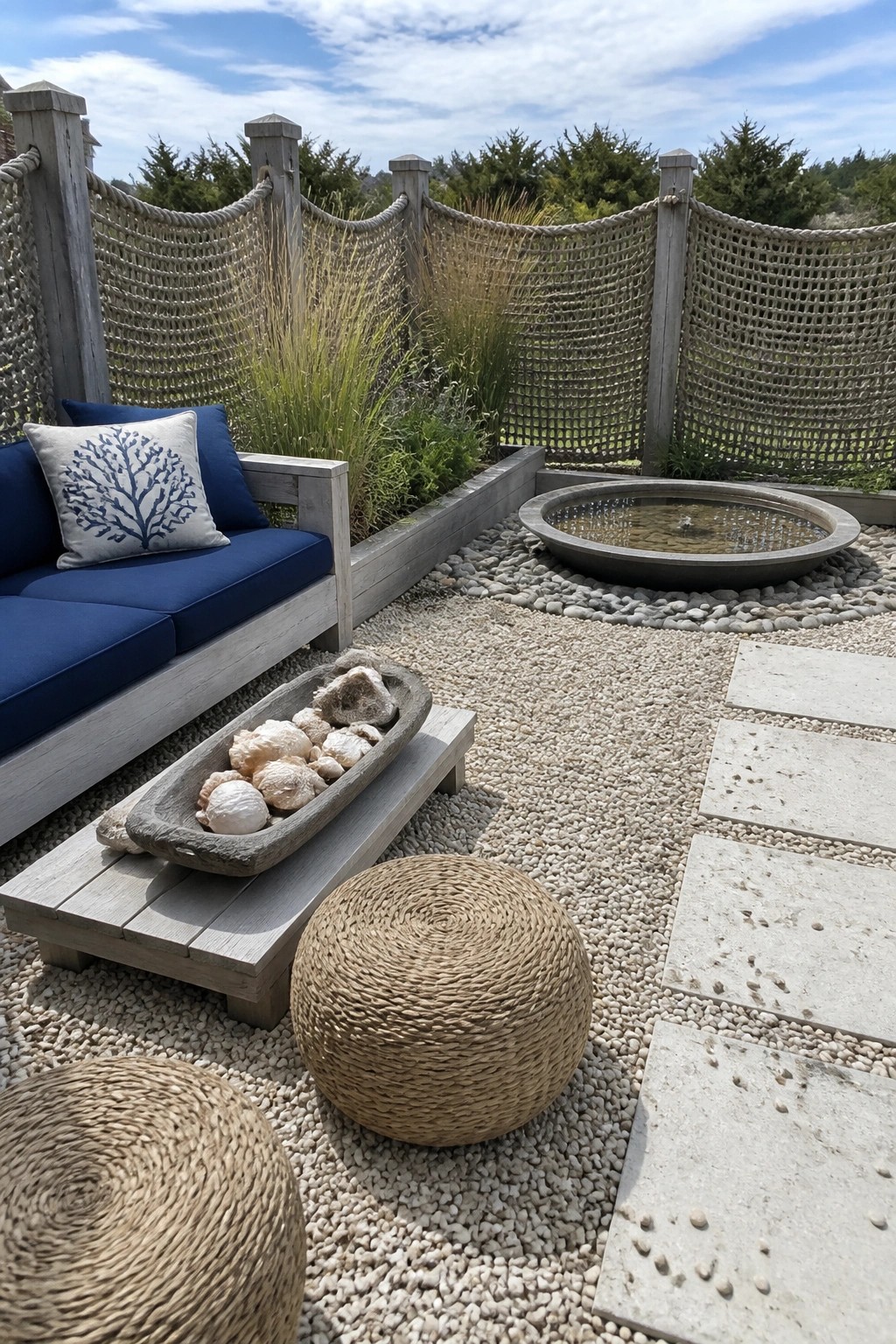
Pea gravel gives you a simple way to cover a patio area without spending much. It feels softer underfoot than solid paving and lets water drain right through, which helps in wet weather.
You can spread it across most of the space and add a few larger pavers where people walk the most. This setup works best in sunny backyards that need something easy to maintain over time.
Pea Gravel With Stepping Stones
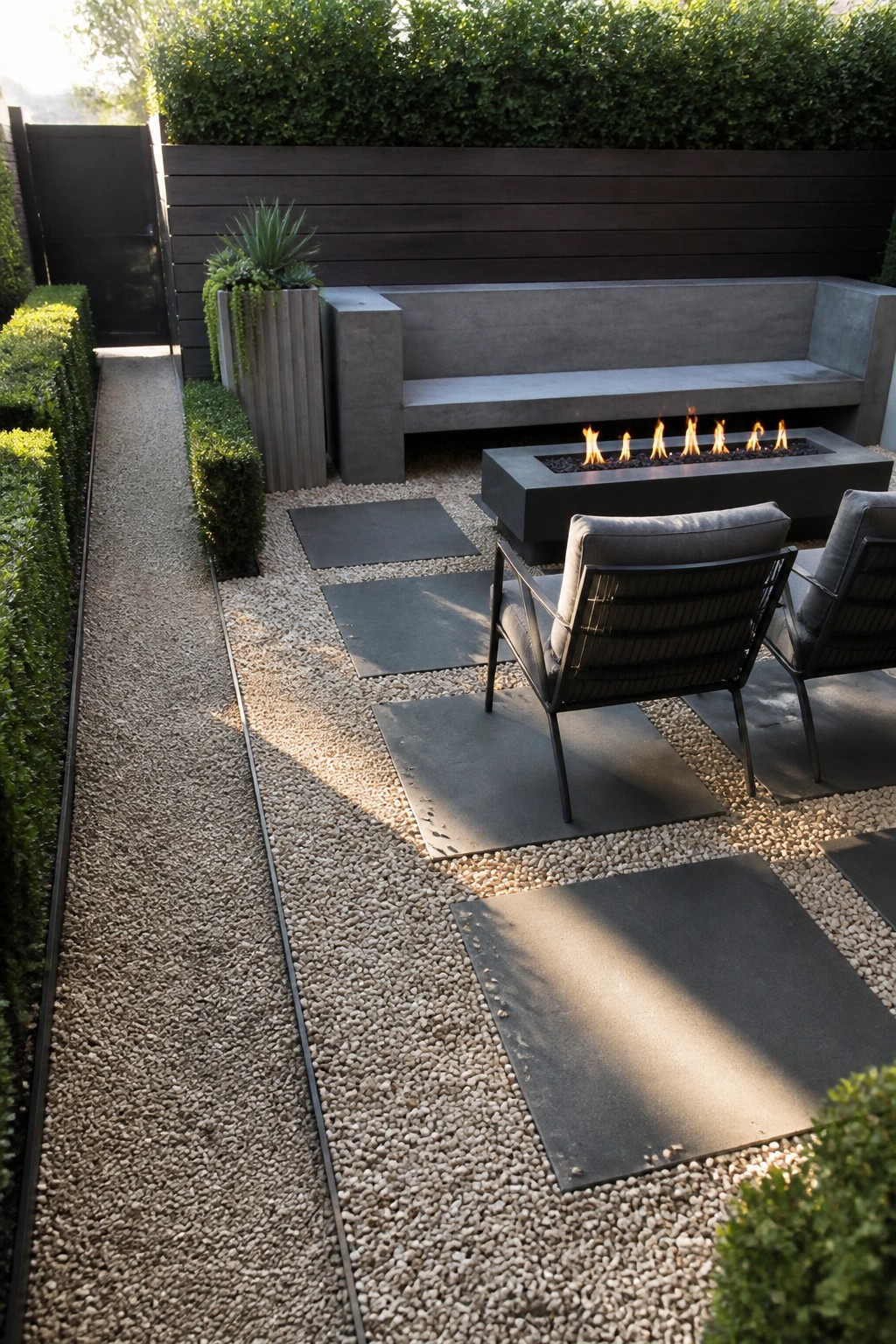
Pea gravel makes a good base for a patio because it drains well and costs less than solid paving. Adding square stepping stones on top helps mark clear paths and seating areas without much extra work.
This setup works best in smaller yards where you want to keep things simple and low maintenance. Just make sure the gravel has a solid edge so it stays in place over time.
Pea Gravel Makes A Simple Patio Base
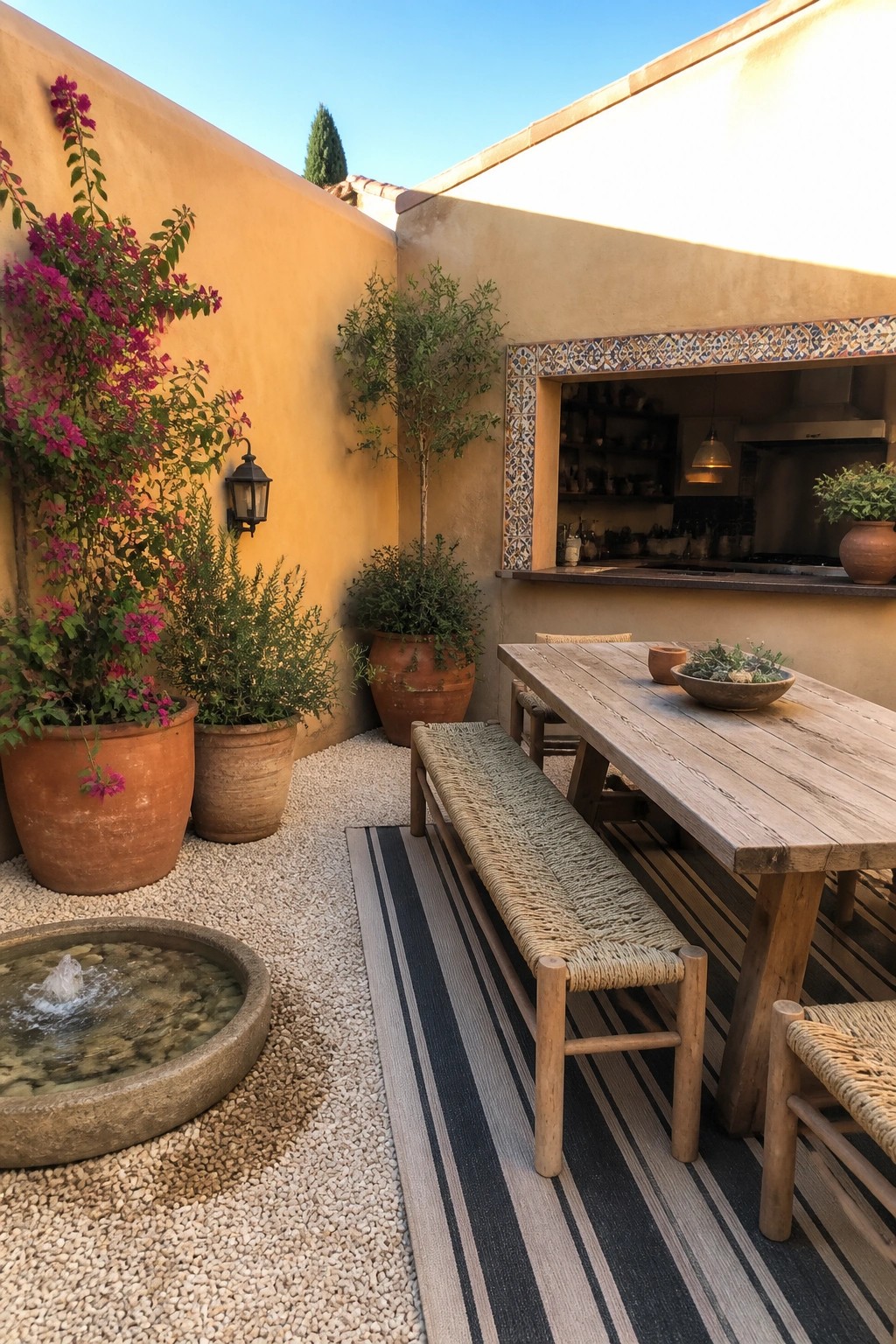
Pea gravel gives you an affordable way to cover a patio area without pouring concrete or laying pavers. It drains well after rain and feels softer underfoot than hard materials, which makes the space more comfortable for sitting outside.
This approach works best in smaller yards where you want to keep costs down and still have room for a table and chairs. Add a rug under the seating so the furniture stays level, and use low edging around the edges to hold the gravel in place over time.
Pea Gravel Makes A Practical Patio Surface
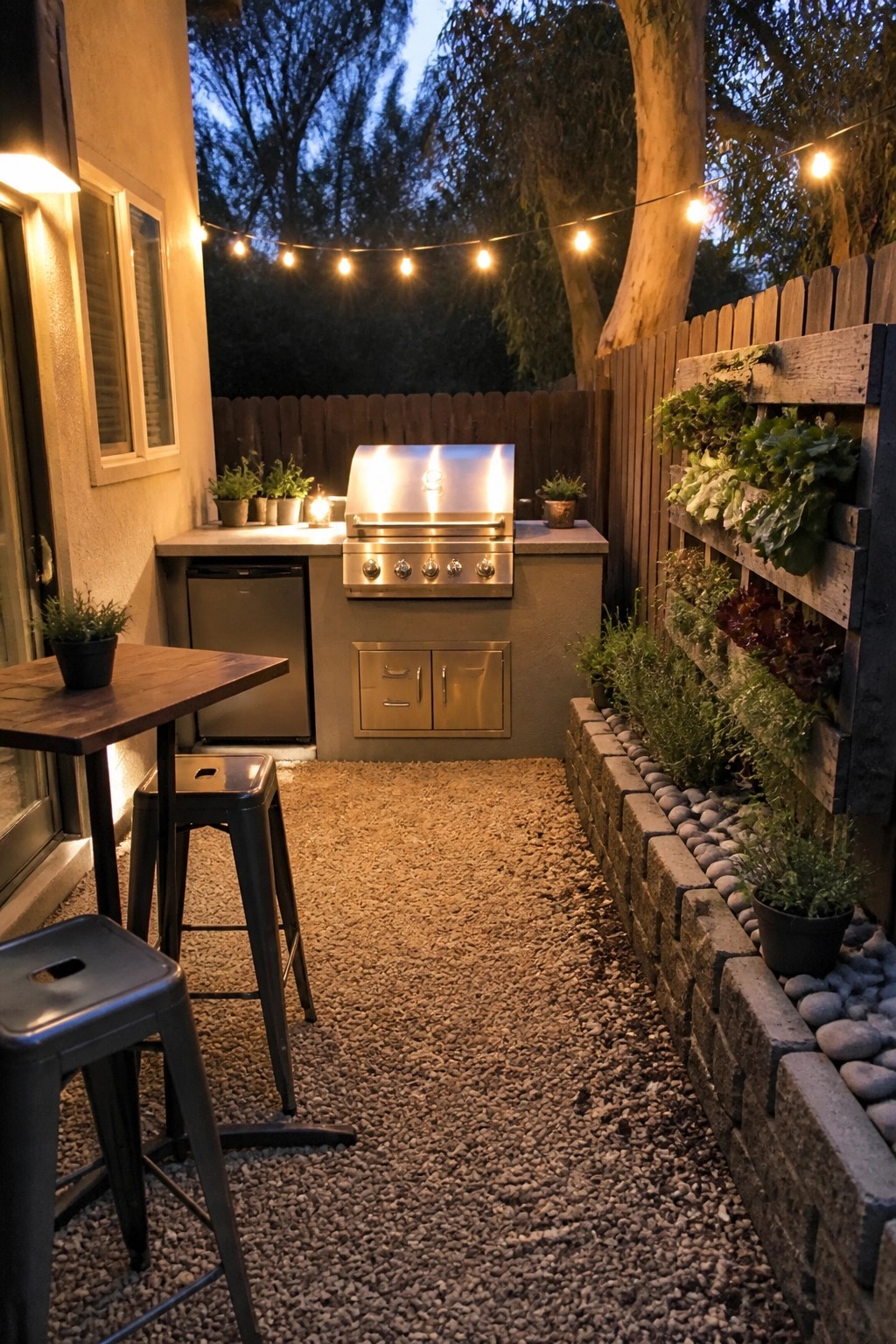
Pea gravel gives you an easy way to cover a patio without spending much. It drains well after rain and feels casual underfoot, which works nicely for spots where people gather around a grill or table.
This approach suits smaller backyards or side yards that need a simple floor rather than a full deck. Spread it over landscape fabric on a level base so it stays put, and keep the layer thick enough to feel comfortable for seating areas.
Pea Gravel With An Area Rug
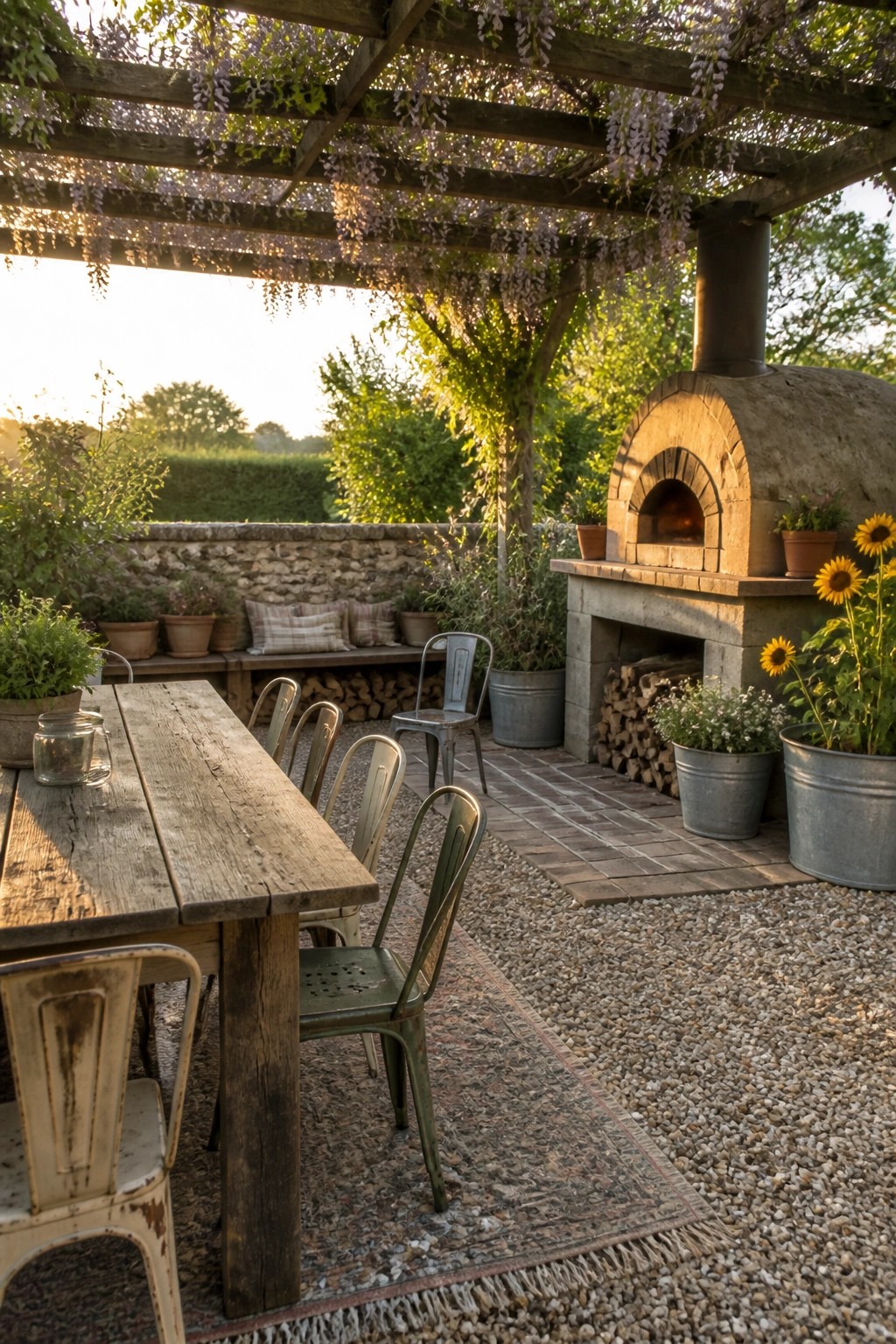
Pea gravel works well as a patio base because it drains easily and keeps costs down compared to solid paving. Laying an area rug over part of it gives the dining spot a clear boundary and makes the surface feel more finished for everyday use.
This approach suits simple backyard setups where you want low upkeep and a casual look. Place the rug only under the table and chairs so the gravel still handles the rest of the space without extra edging or materials.
Pea Gravel Works For Casual Lounge Areas
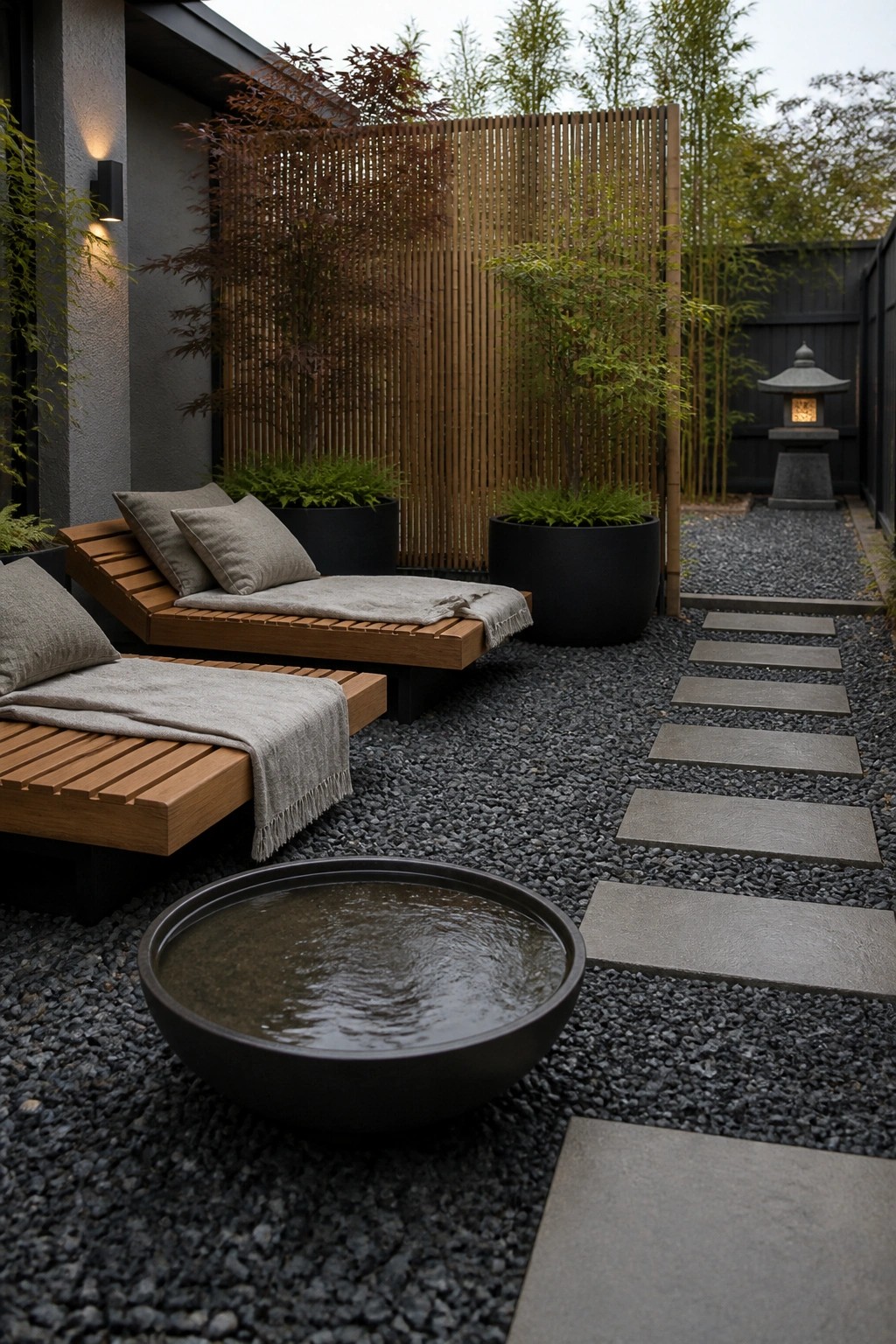
Pea gravel gives you an affordable surface that handles foot traffic and lets you place furniture without a big construction project. It drains well and feels softer underfoot than solid paving, which makes it easy to set up lounge chairs right on the ground.
This approach suits small backyards or side yards where you want a relaxed spot without spending much. Add a few stepping stones if you need a clearer walking path, and keep the gravel layer thick enough so it stays level over time.
Pea Gravel Makes an Affordable Patio Surface
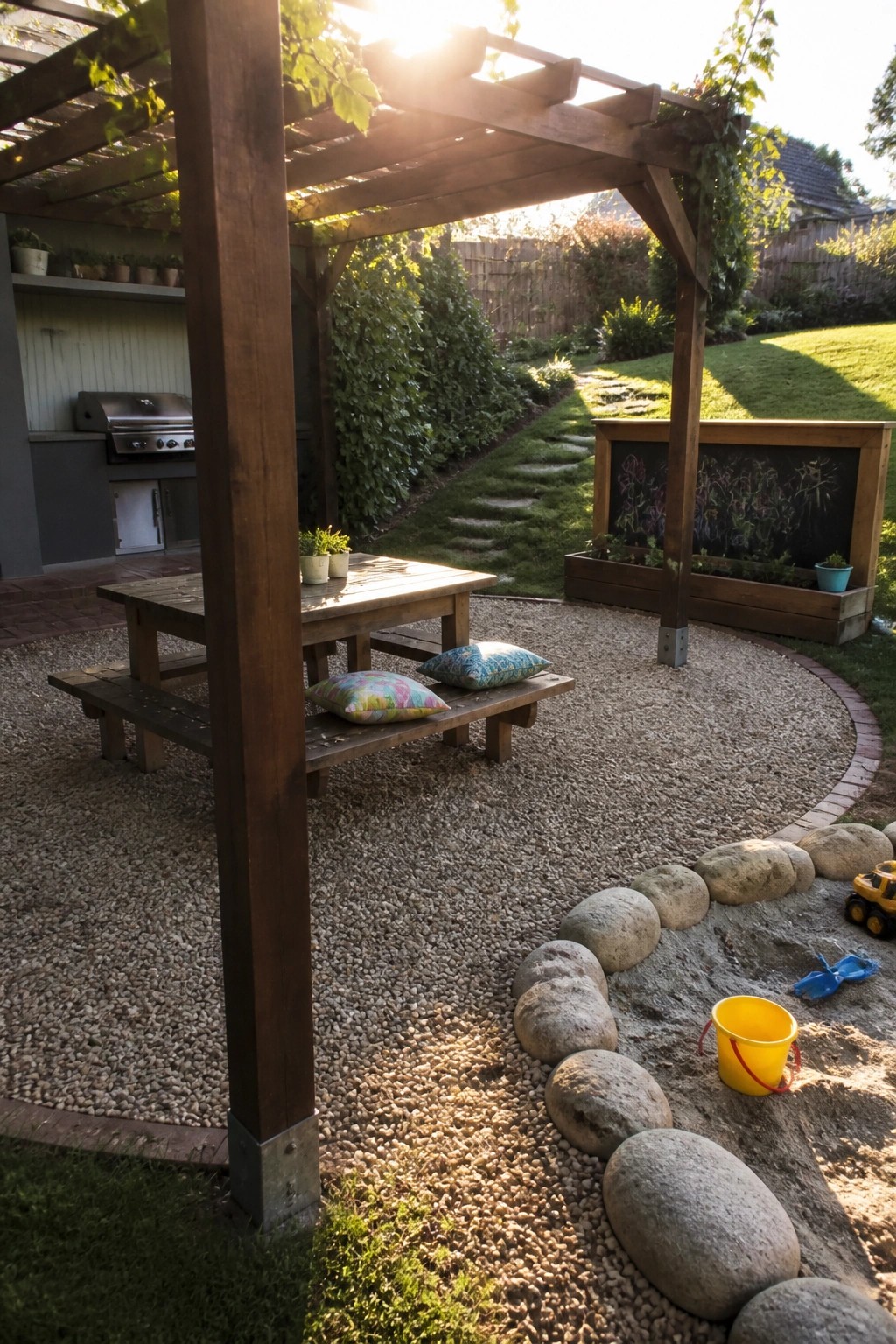
Pea gravel gives you a patio without the cost or work of concrete or pavers. It drains well after rain and stays cooler than hard surfaces, so the space stays usable longer in warm weather.
Spread it over a compacted base and add simple edging to hold it in place. This approach suits most suburban backyards and pairs easily with basic seating like a picnic table.
Pea Gravel Around A Fire Pit
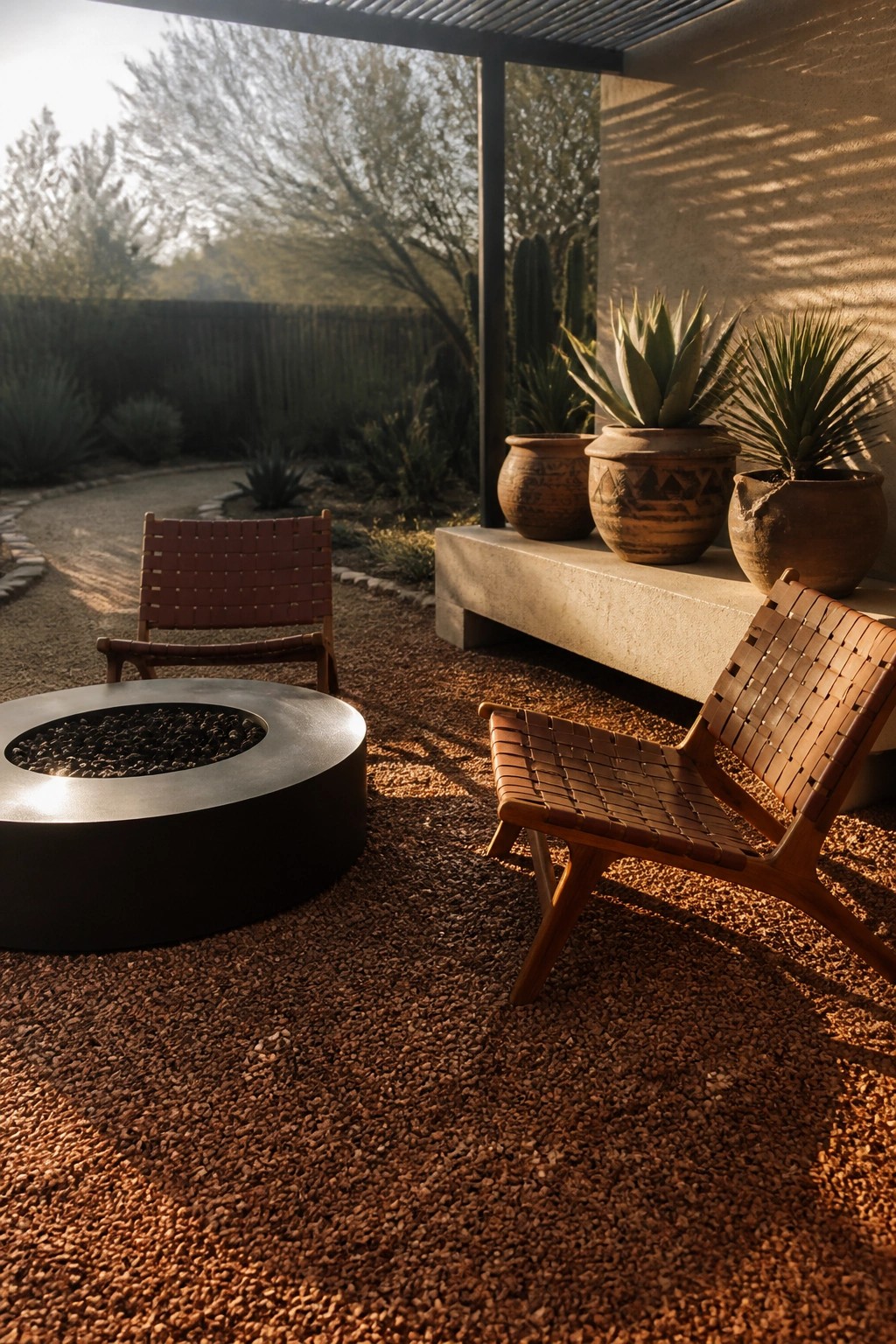
Pea gravel gives you an easy way to build a casual fire pit area without pouring concrete or laying pavers. It drains well, feels comfortable underfoot, and costs far less than most hardscape options.
This setup works best in a level backyard spot where you already have room for seating. Spread the gravel thick enough to stay in place, set the fire pit in the center, and keep the surrounding area open for chairs.
Pea Gravel Makes a Practical Patio Surface
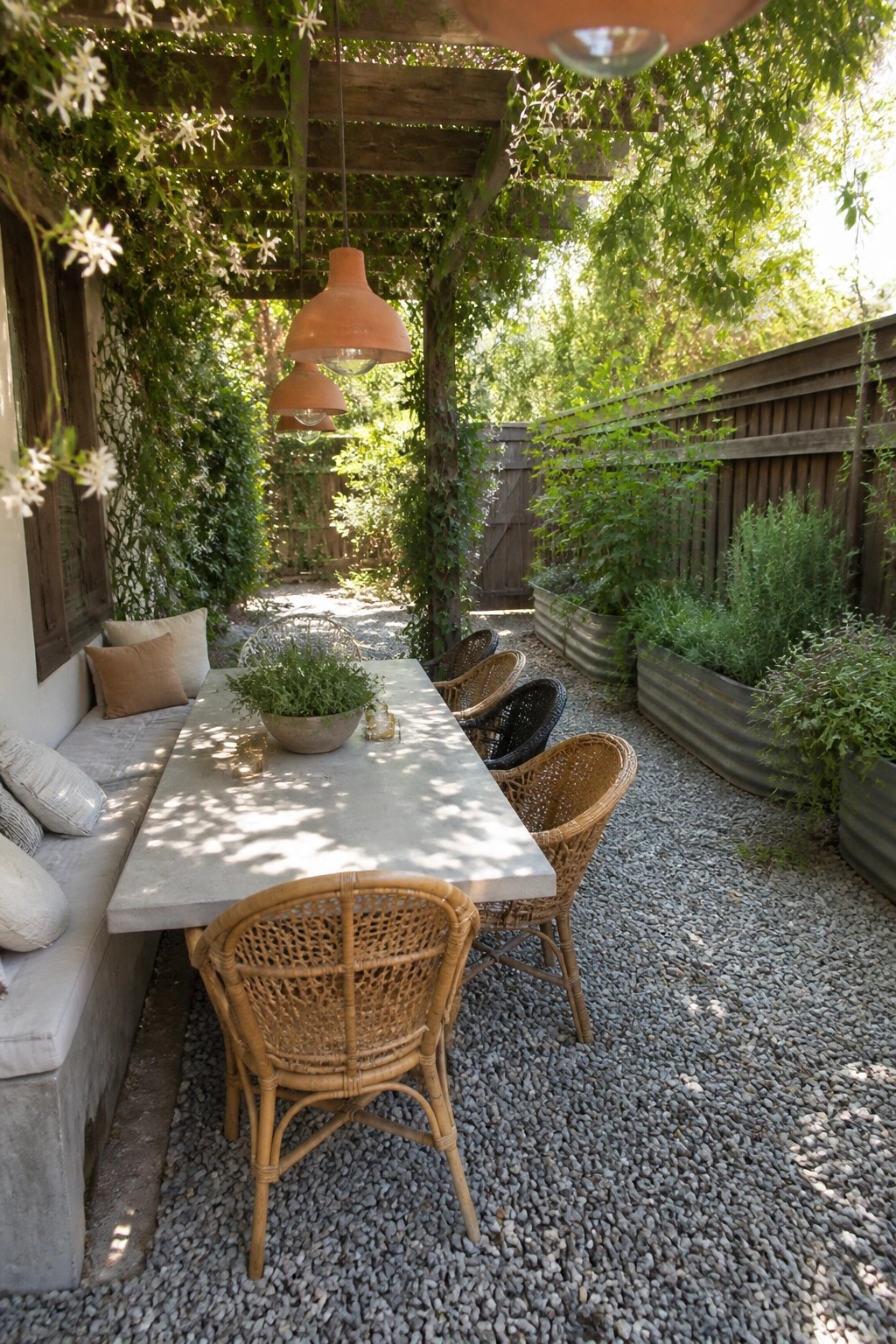
Pea gravel gives you an affordable way to cover the ground around an outdoor table. It drains quickly after rain and feels easy underfoot, which makes the space comfortable for meals without needing a big budget or heavy materials.
Spread it over landscape fabric and add simple edging to hold it in place. This works best in smaller yards or casual homes where you want a dining area that stays low maintenance and blends with the garden.
Pea Gravel Creates A Simple Patio Surface
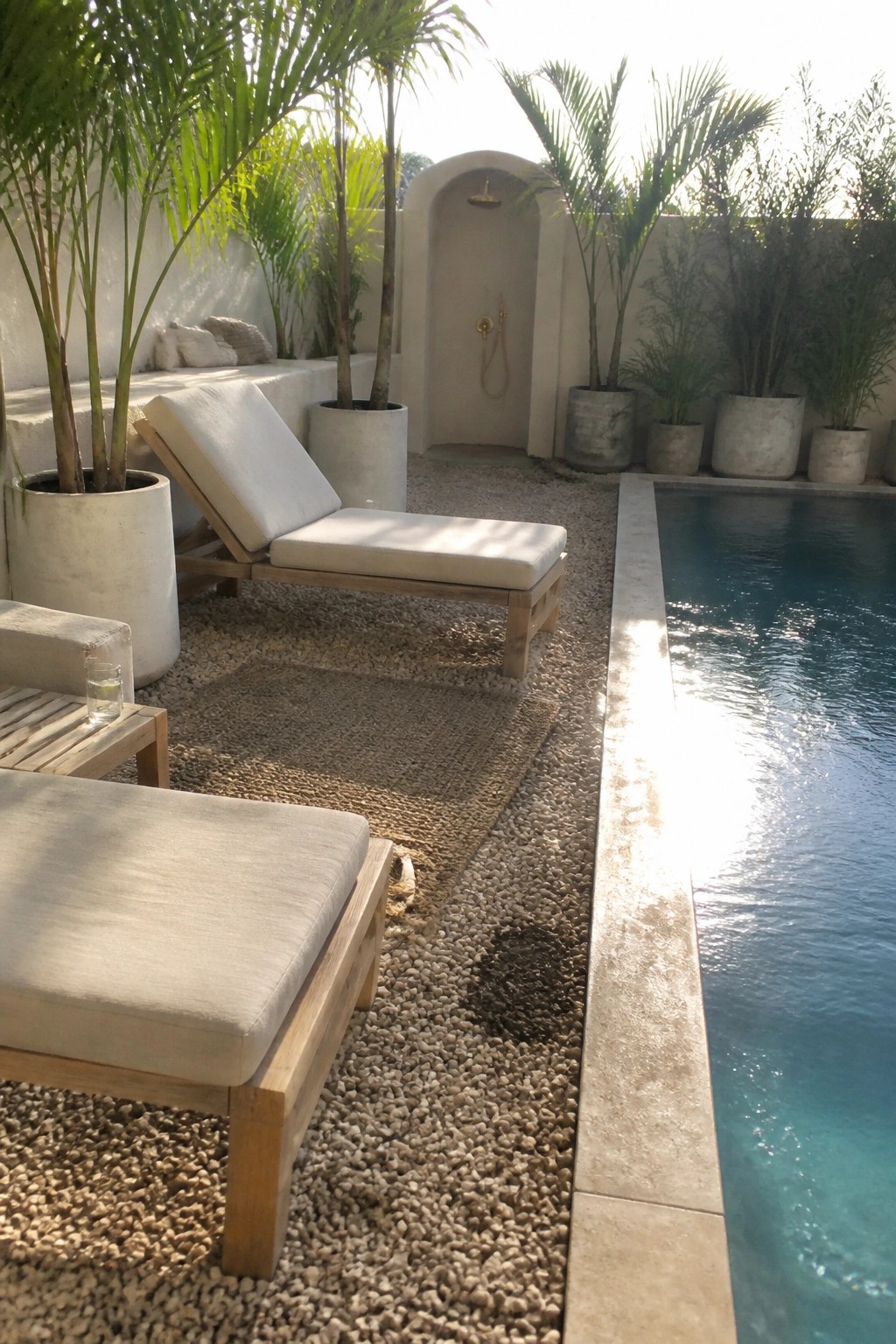
Pea gravel gives you an affordable way to cover a patio area without the cost of concrete or pavers. It drains well, stays cooler underfoot, and works nicely next to a pool where water needs to flow away.
Lay it over landscape fabric on a level base and keep the depth around two inches. This setup suits smaller backyards and homes in warmer regions where you want low maintenance and easy upkeep.
Pea Gravel For A Casual Outdoor Dining Spot
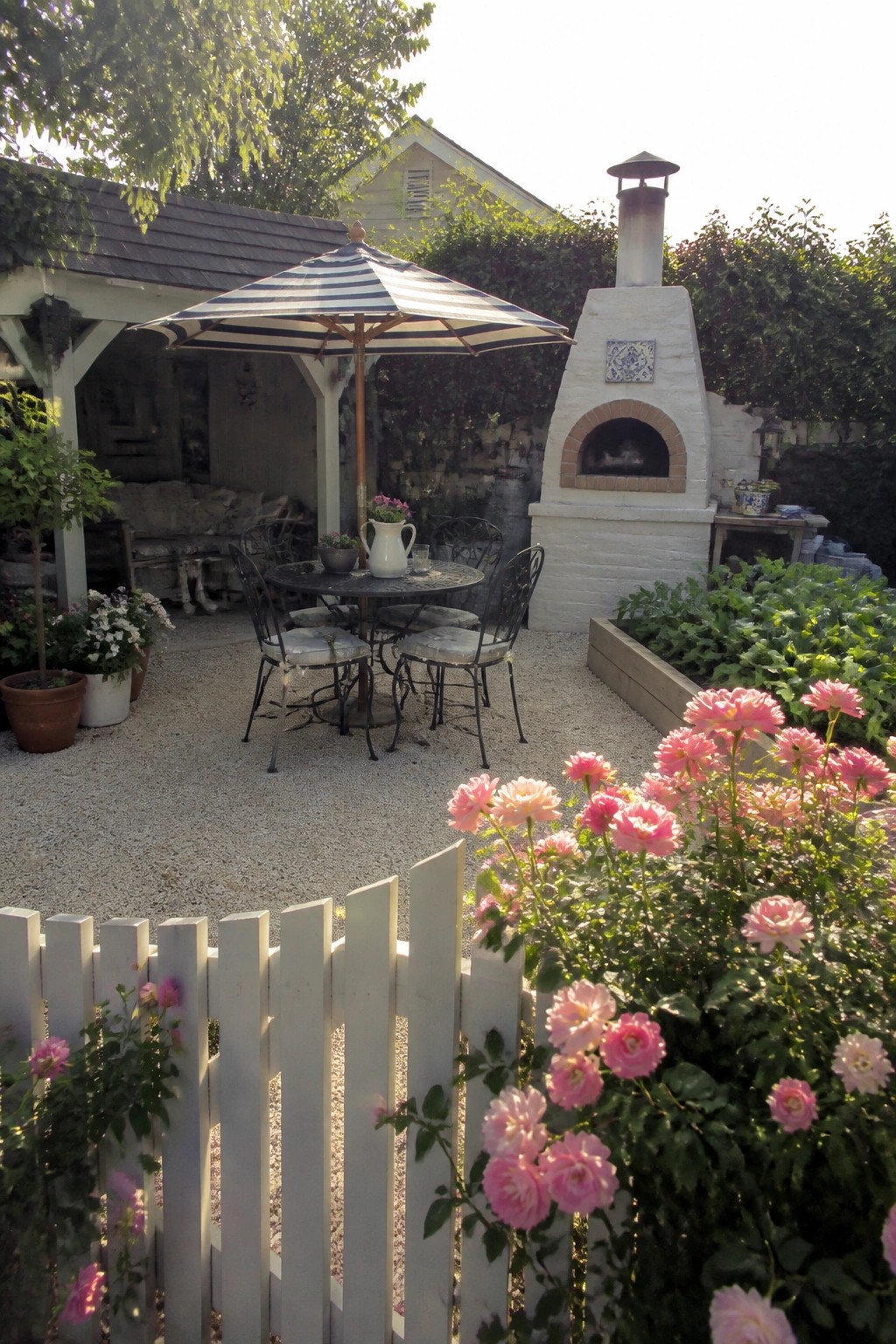
Pea gravel gives you an easy way to create a patio without pouring concrete or laying pavers. It drains well after rain and keeps the space feeling open and simple, which works nicely when you just want a table and chairs outside for meals.
This setup works best in smaller yards where you need something quick and low cost. Lay down a solid base first so the gravel stays even, and keep the dining area close to the house for easy access from the kitchen.
Pea Gravel With Pavers Makes An Affordable Patio
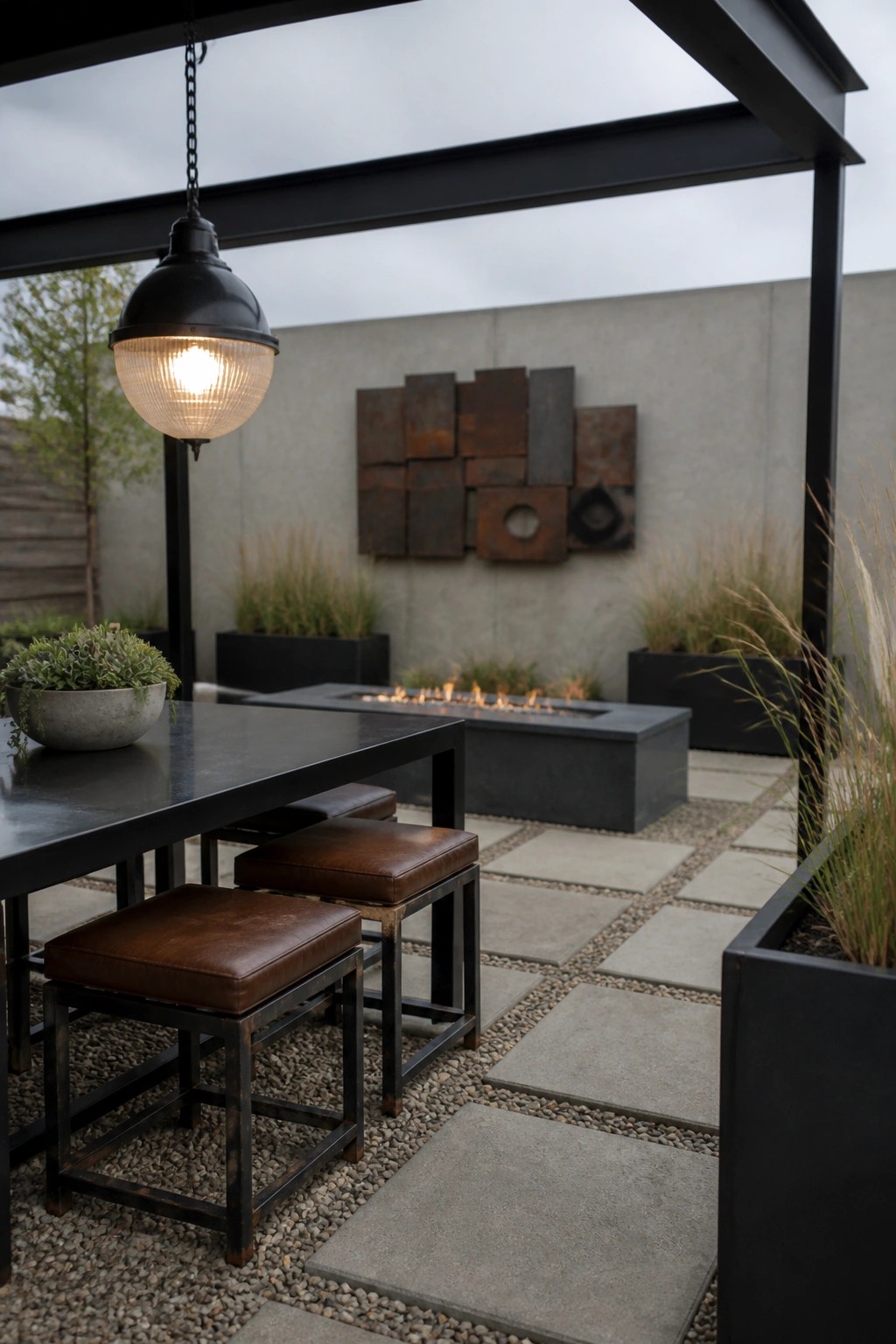
Pea gravel paired with large concrete pavers gives you a solid walking surface without the cost of covering the whole area in stone or concrete. The gravel fills the gaps, drains well, and keeps the look casual while the pavers stop the ground from feeling too loose underfoot.
This setup works best in smaller backyards or side yards where you want a dining table and a few stools without pouring a full slab. Keep the pavers spaced evenly so chairs sit steady, and add a simple border if the gravel starts to wander into planted beds.
Pea Gravel Keeps a Patio Simple and Affordable
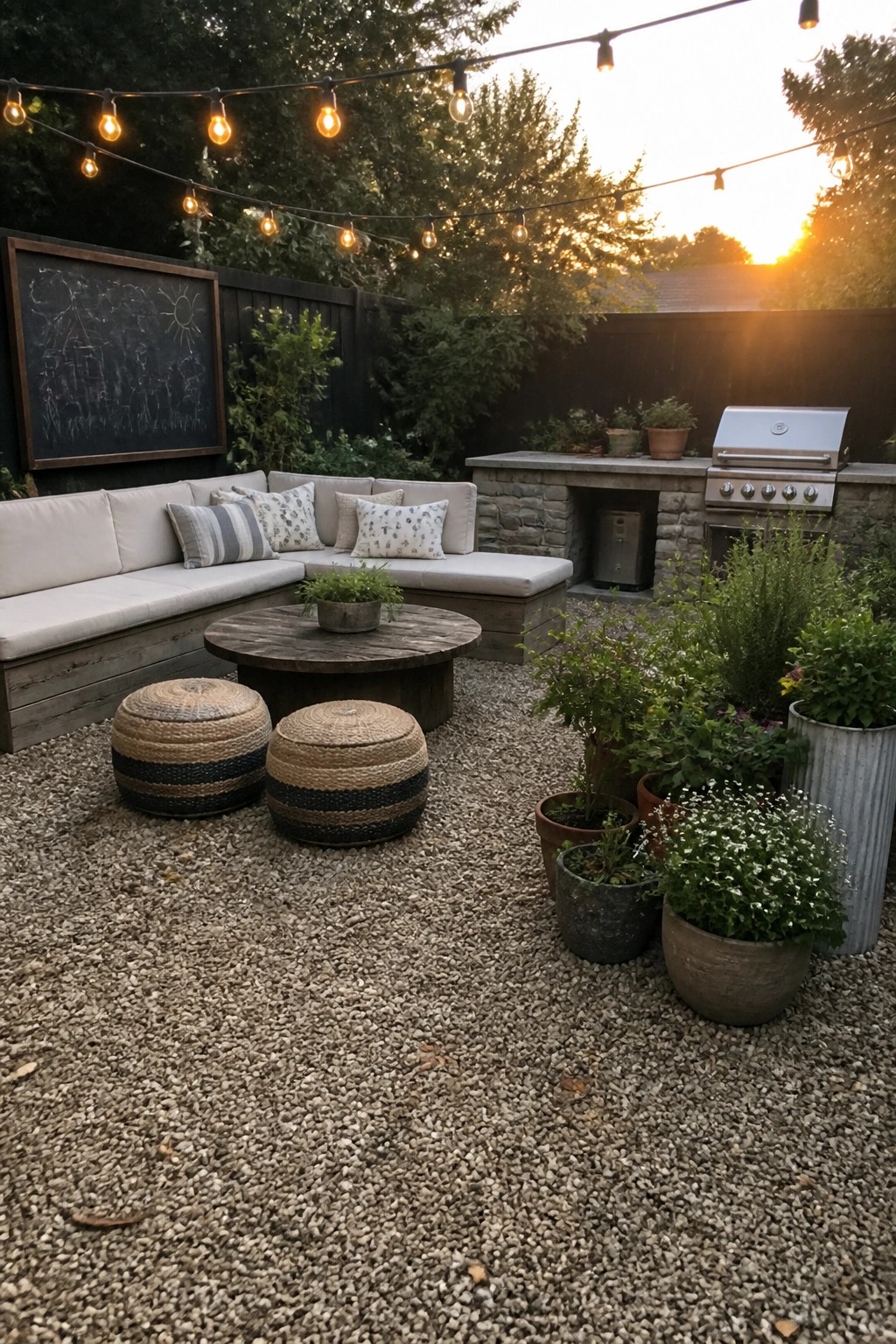
Pea gravel works well when you want an easy surface that drains well and costs less than pavers or concrete. It spreads quickly over a prepared base and gives the space a relaxed feel.
You can use it in most backyard settings where the ground stays fairly level. Just add a border to hold it in place and expect to rake it smooth now and then.
Place a Wood Platform Into Pea Gravel
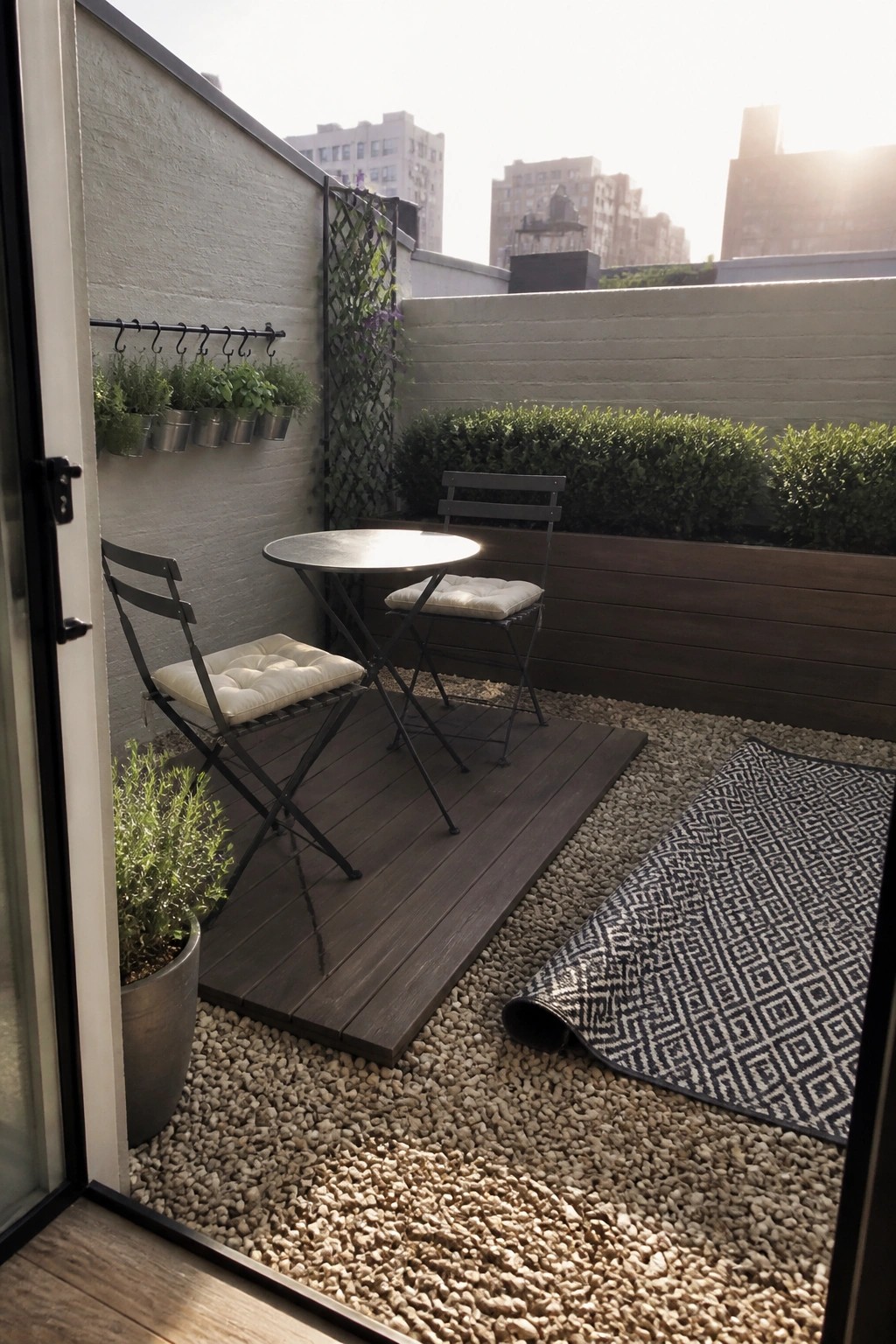
A small wood platform set into pea gravel gives you a stable spot for a table and chairs without needing to cover the whole patio. Pea gravel handles the rest of the area at low cost, drains well, and keeps the look simple and open. Many people like this mix because it avoids the expense of a full deck while still giving furniture a level surface that does not sink or shift.
This setup works best in small urban patios or side yards where space is tight. Lay the gravel first, then build a basic frame for the wood section and set it in place. Just make sure the platform sits low enough so it does not create a trip hazard.
Pea Gravel Paths With Stepping Stones
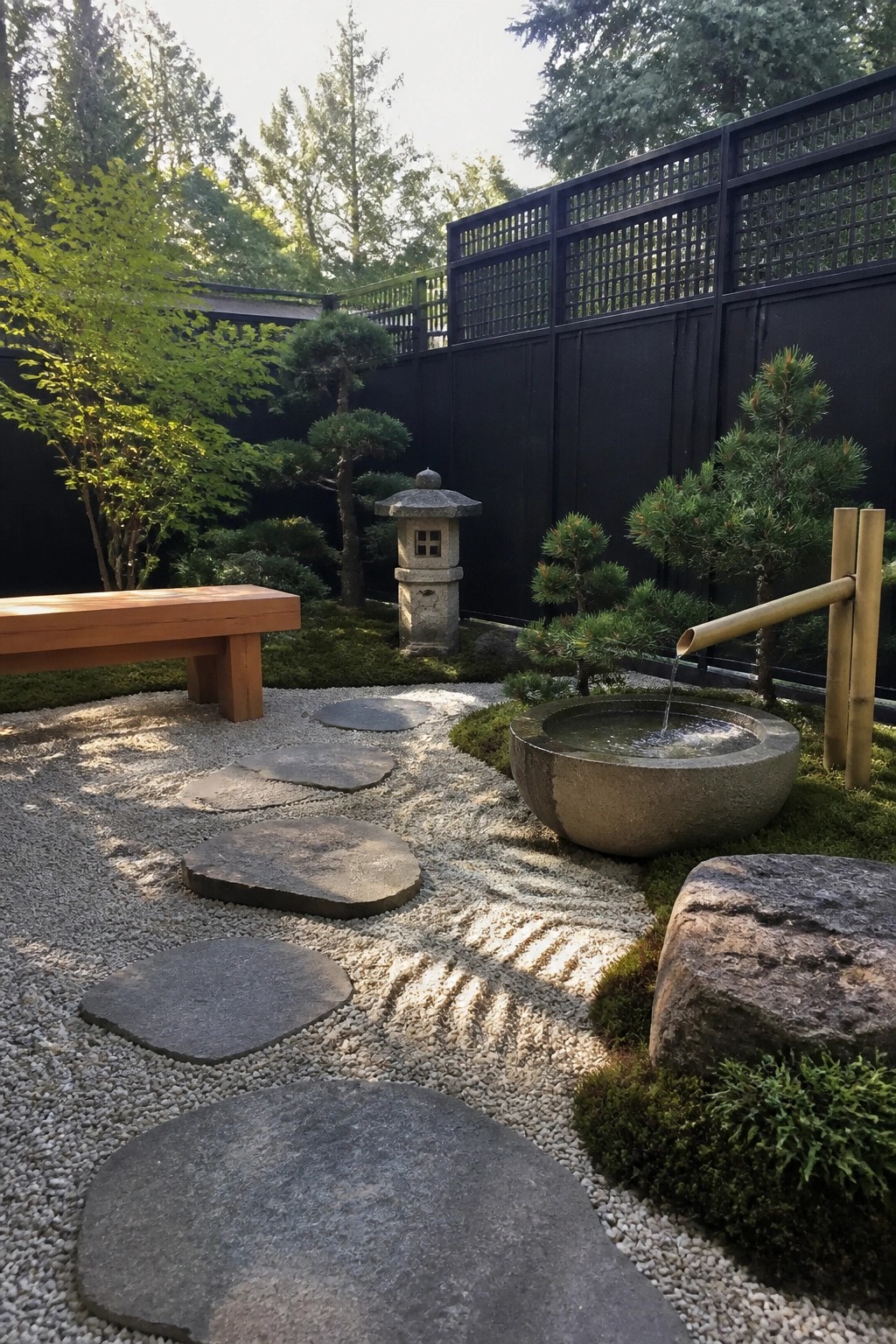
Pea gravel works well for backyard paths because it stays affordable and drains easily after rain. Pairing it with flat stepping stones keeps the surface practical while giving the area a simple, natural feel.
This setup suits smaller yards or side gardens where you want a walkway without pouring concrete. Keep the gravel layer thin and add edging to hold it in place over time.
Pea Gravel With a Rug on Top
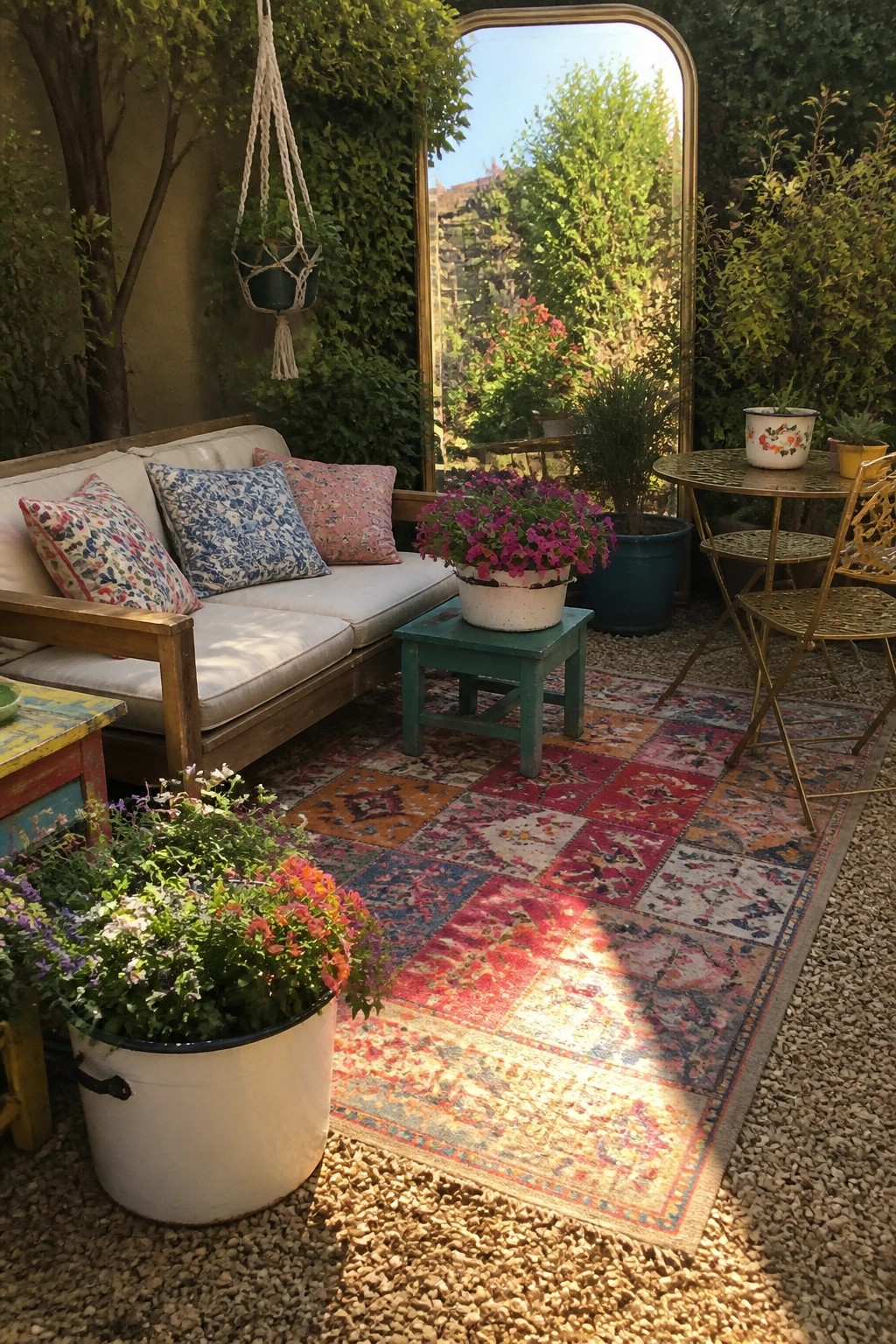
Pea gravel makes a simple and low cost patio base because it drains well and stays fairly cool underfoot. Adding a large rug over part of it helps mark out the seating zone so the space feels more like a finished room instead of just loose stone.
This works best in small yards or places where you want something easy to change later. Pick a sturdy outdoor rug that can take sun and rain, and keep the gravel layer fairly level so the rug does not shift around.
Pea Gravel Supports A Casual Outdoor Lounge
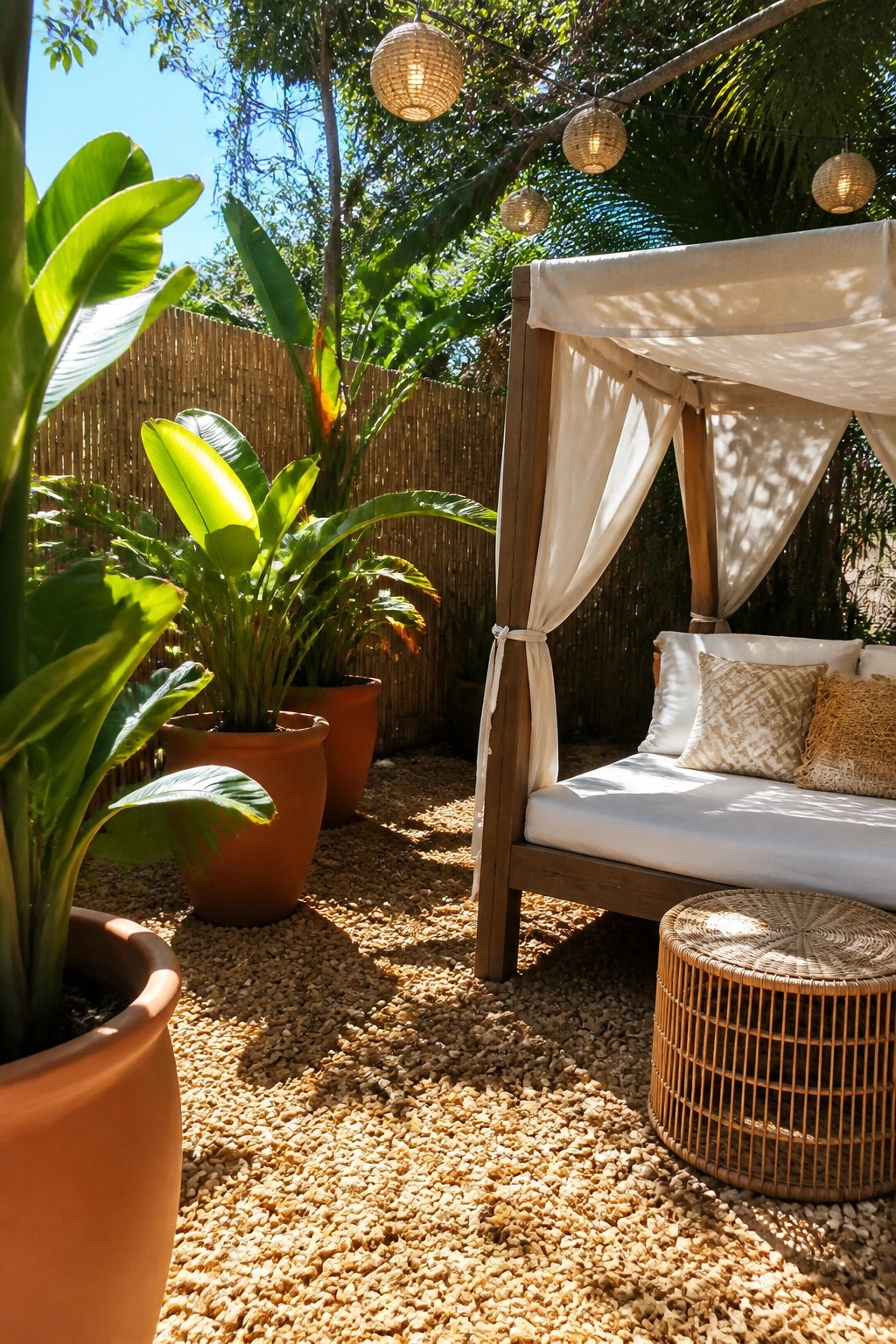
Pea gravel gives you an easy surface for a seating area without the cost of pavers or concrete. It drains well after rain and stays cooler than hard materials, which makes it comfortable next to a daybed or lounge setup.
Spread it over fabric in a defined spot and keep the rest simple with a few large pots. This approach works best in small yards or places where you want something you can change later without much work.
Pea Gravel Around A Fire Pit
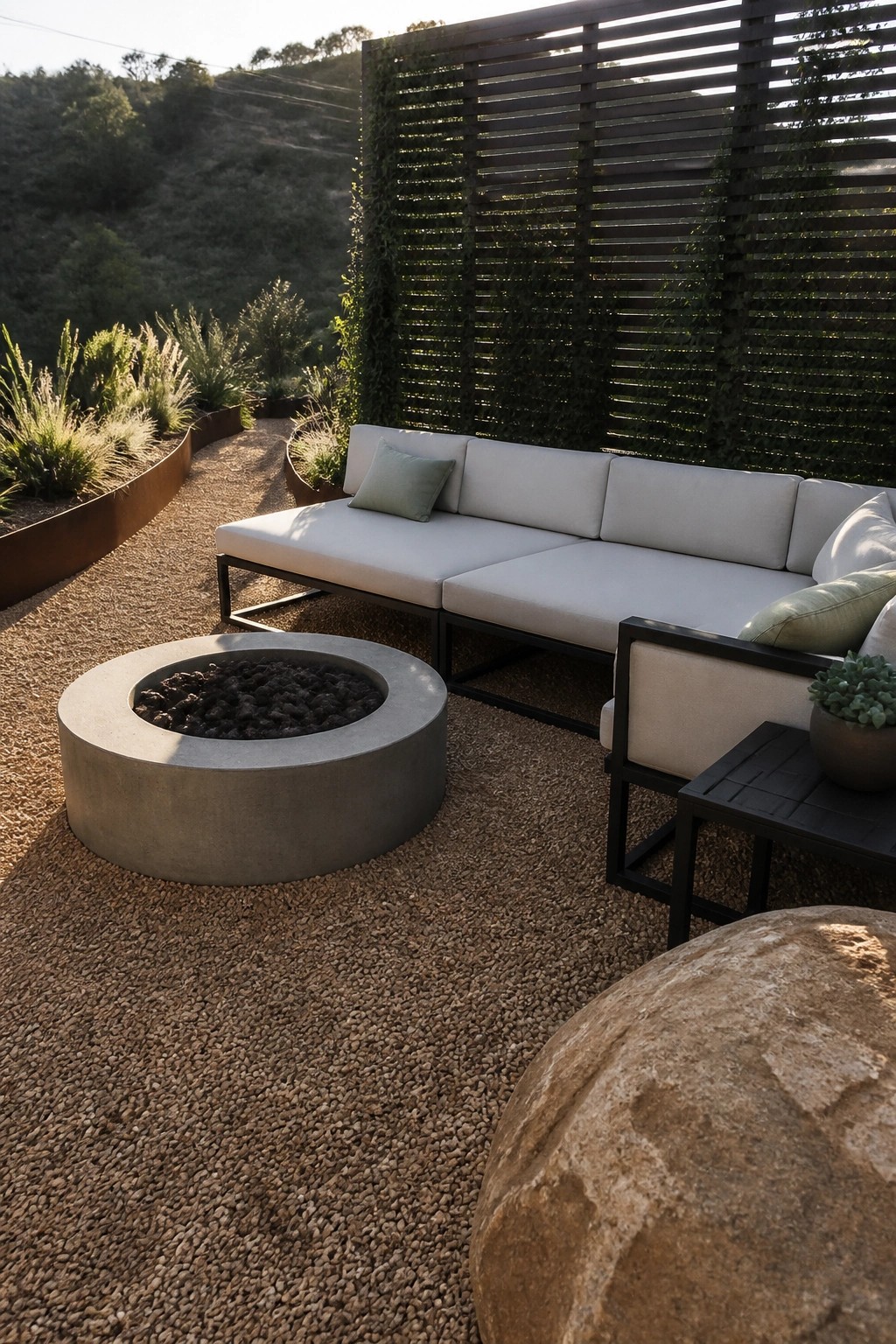
Pea gravel gives you a simple way to build a usable patio without pouring concrete or laying pavers. It drains well, stays cool enough to walk on, and costs far less than most hard surfaces, so it pairs naturally with a fire pit where people gather and move around.
This approach works best in a backyard that already has some slope or drainage needs. Spread landscape fabric first, then add a few inches of gravel and keep the edges tidy with metal or wood borders so the surface stays even after a season or two of use.
Pea Gravel Under a Small Dining Set
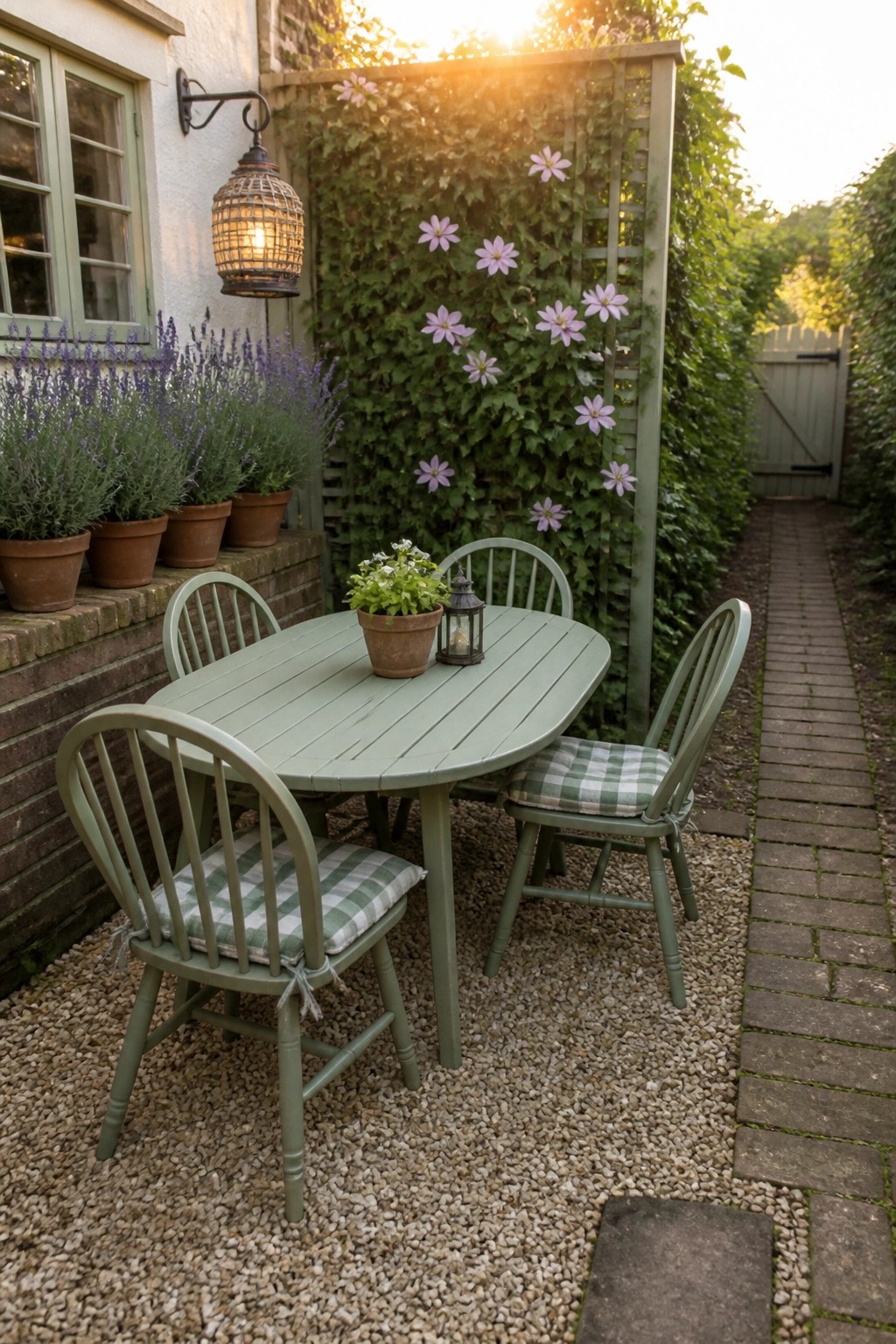
Pea gravel gives you an easy surface for a table and a few chairs without pouring concrete or laying pavers. It drains quickly after rain and keeps the cost low while still feeling finished.
This setup works best in a side yard or small garden corner where you want a defined spot for meals. Add simple edging so the gravel stays put, then place the furniture directly on top.
Pea Gravel Makes A Practical Patio Base
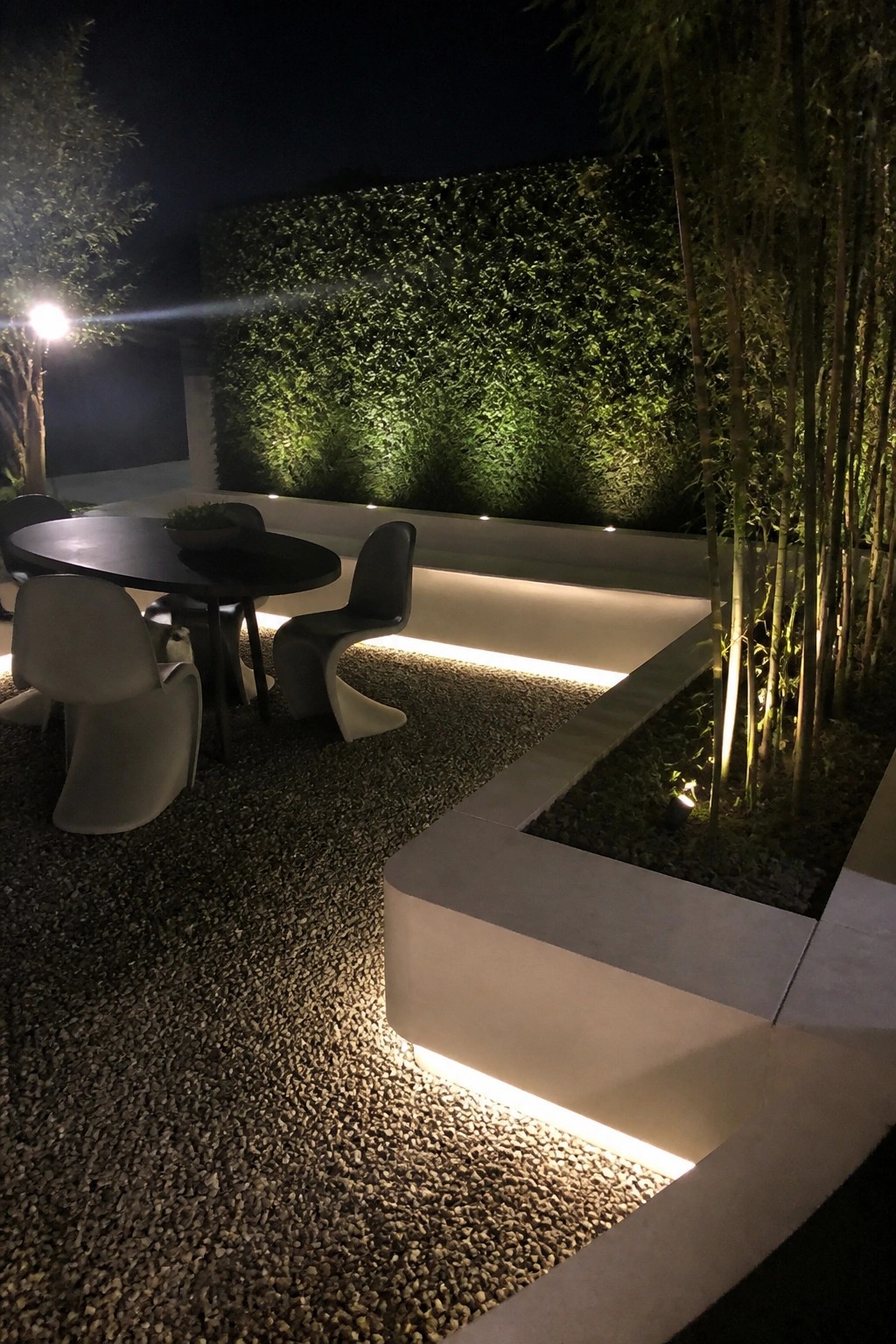
Pea gravel works well under outdoor seating because it drains fast and needs almost no upkeep. It keeps the area from feeling too hard or formal while still giving you a solid place to put tables and chairs.
Lay it across the main sitting zone and add a few low lights along the border so the space stays usable after dark. This setup works best in smaller yards or modern homes where you want something affordable that you can refresh later without much work.
Pea Gravel Patio For Outdoor Dining
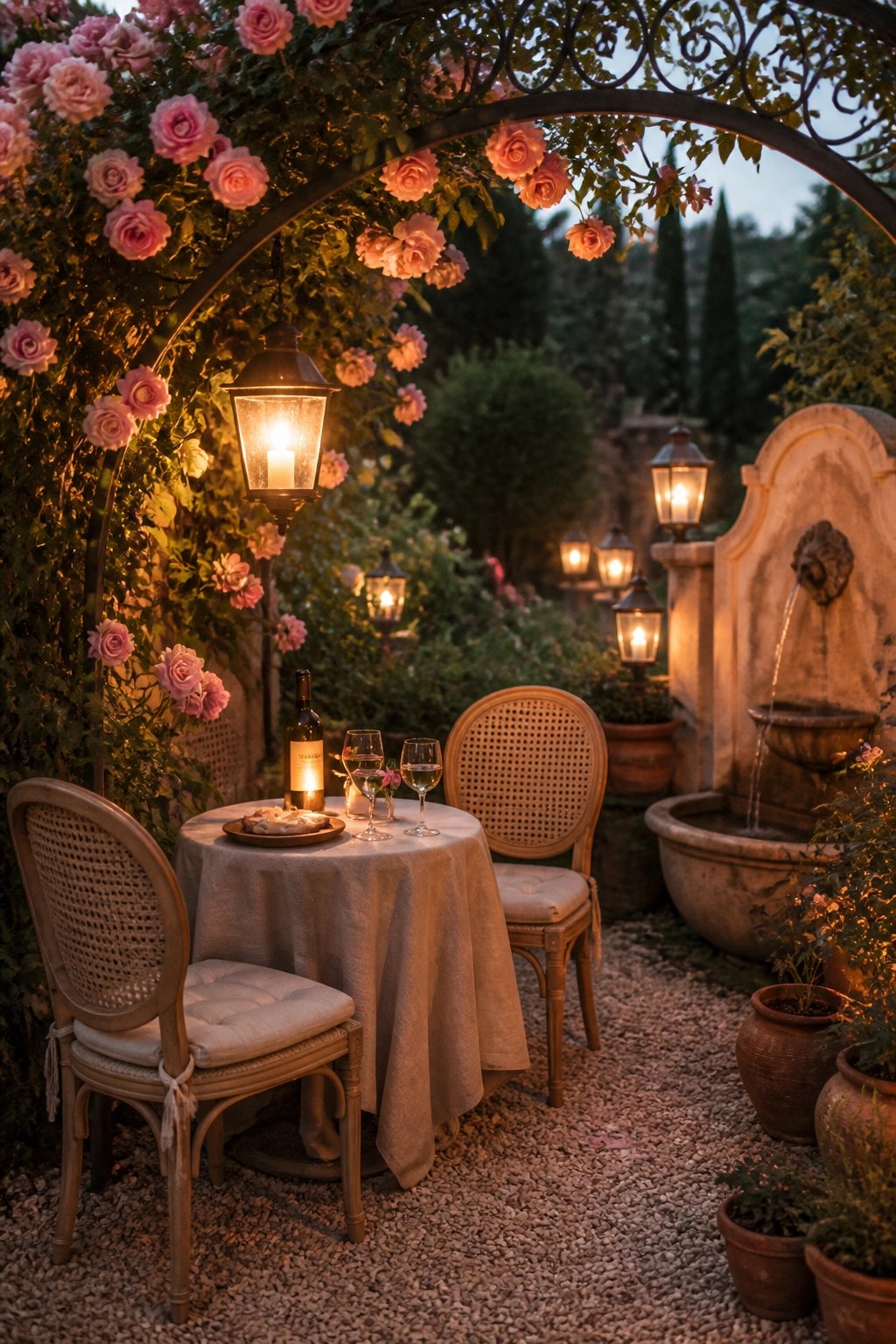
Pea gravel works well for a small outdoor dining spot because it feels soft underfoot and drains quickly after rain. It also costs less than pavers or concrete and still gives the area a finished look without much work.
Place a simple table and chairs right on the gravel and add a few potted plants or an arch overhead if you want more shade and privacy. This setup suits most small backyards and works especially well when you want something easy to maintain.
Pea Gravel Makes An Affordable Patio Surface
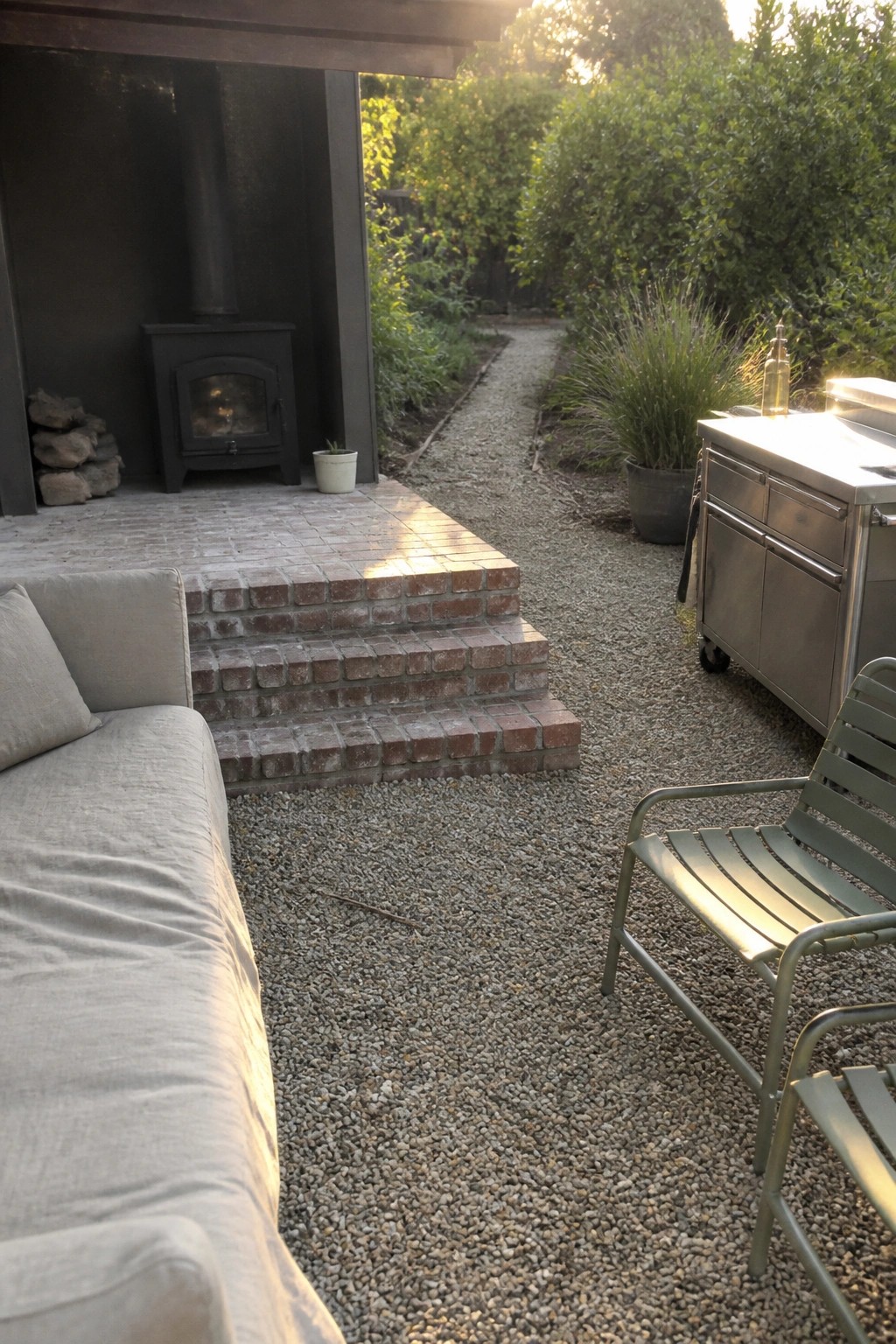
Pea gravel gives you a simple way to cover a big area without the cost of pavers or concrete. It drains well, feels casual underfoot, and works nicely when you want seating and cooking zones that do not look too formal.
This approach suits smaller yards or homes that already have garden beds nearby. Add some edging to keep the gravel in place and think about how often you want to rake it level after heavy use.
Frequently Asked Questions
Q: Will the pea gravel sink into the dirt over time?
A: Lay down a solid base of crushed rock first. Then add the landscape fabric before pouring the pea gravel on top. This keeps everything stable for years.
Q: How do I keep the gravel from getting tracked inside?
A: Place a wide doormat right at the patio edge and give it a quick shake every few days. Rake the area near the door flat so less sticks to shoes. Most people find this cuts down on mess fast.
Q: Can I add a fire pit without extra prep?
A: Clear a small circle of gravel and set the pit on a few pavers or sand instead. The surrounding gravel stays safe and cool. Just keep a bucket of water nearby when you light it.
