

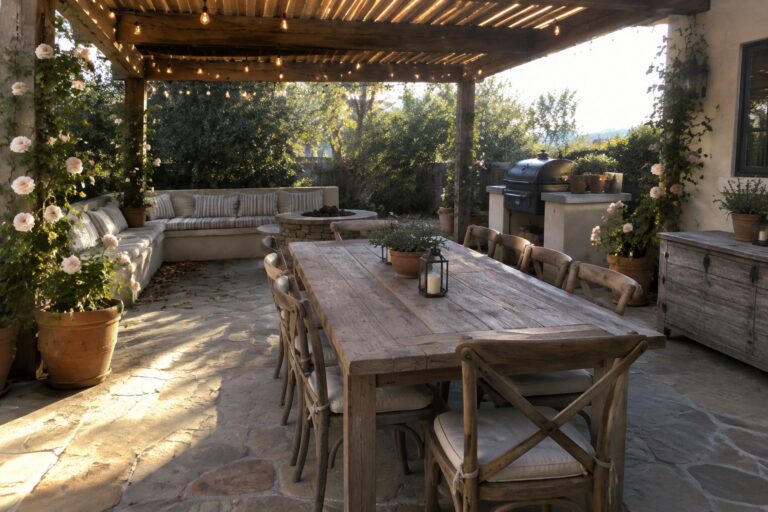
When I walk out to my own patio after a long day, the first thing I notice is whether the chairs actually invite me to stay or just sit there looking neat.
Over time I have learned that many setups look balanced in photos but end up unused because the flow between table, shade, and walking space never quite works.
I check comfort before anything else.
Ideas that add flexible seating or simple weatherproof layers tend to hold up better once real life starts happening on the surface.
I usually try one change at a time so I can tell which adjustments actually match how I use the space after dinner.
Add A Pergola Over Your Outdoor Table
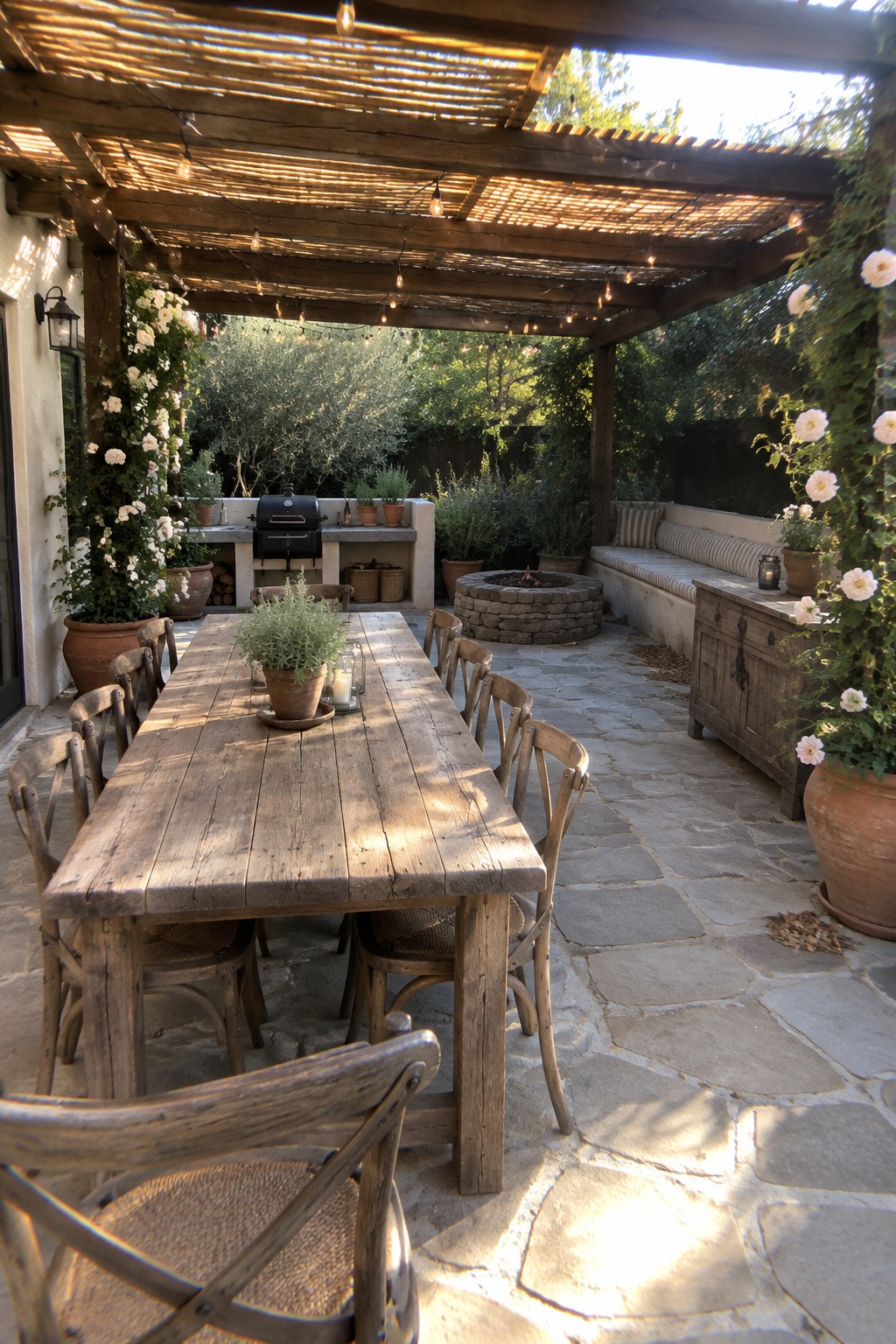
A pergola gives an outdoor dining table a clear spot without making the whole patio feel boxed in. The wood beams add just enough cover and let you string lights across for evening meals. It turns an open area into a place that actually works for sitting down to eat.
This kind of setup fits best in backyards that get strong afternoon sun. Keep the table long enough for a group and leave the sides open so the space still feels connected to the rest of the yard.
Place a Fire Pit at the Center of the Patio
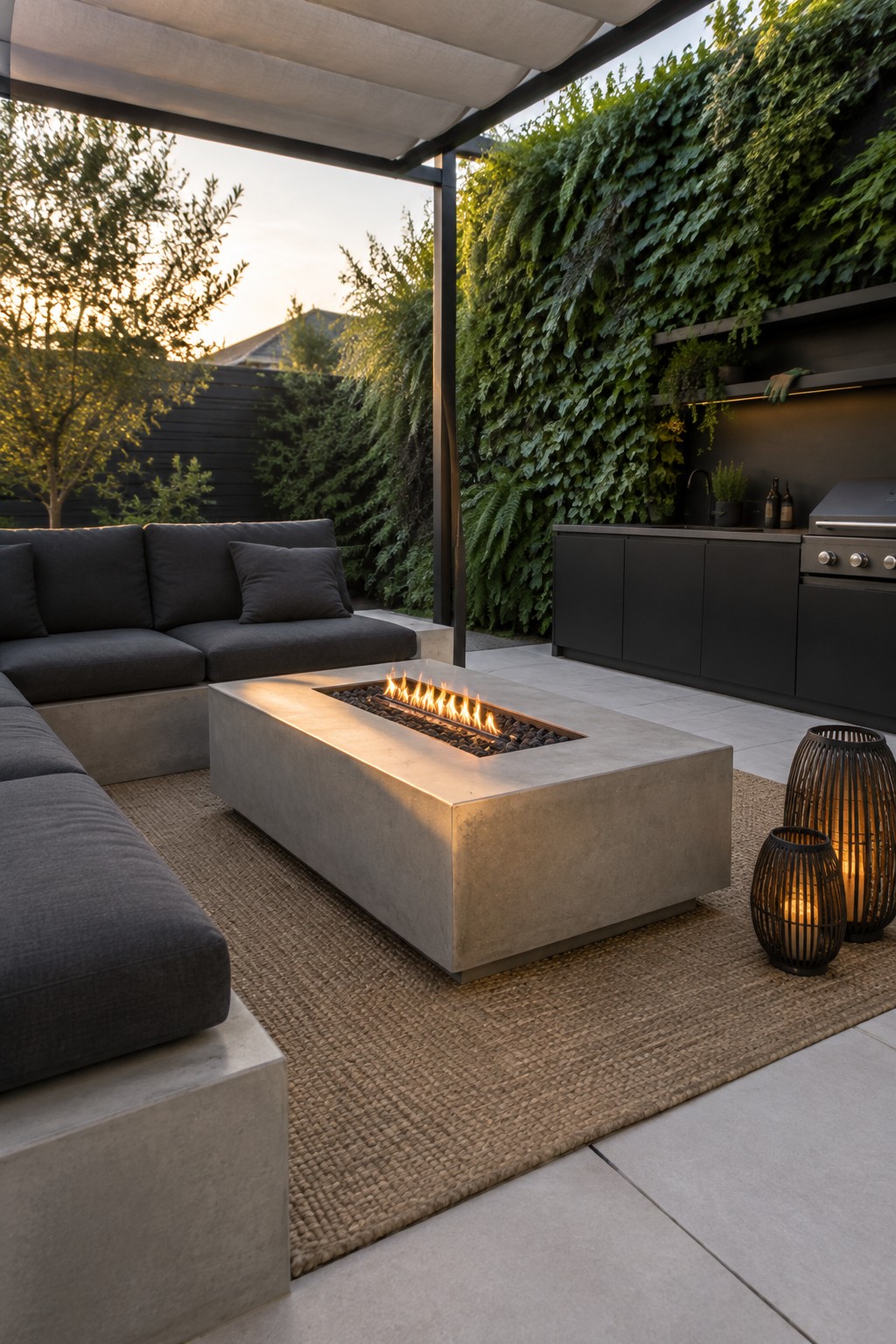
A fire pit in the middle of the seating area gives the whole patio a clear purpose. It pulls people together without needing much else, and the low flames keep the space usable even when the weather cools off. In this setup the concrete pit sits right on the rug, which helps define the zone while the L-shaped sectional wraps around it.
This works best on patios that already have room for both seating and cooking. Keep the fire pit at a comfortable distance from the kitchen so the cook can still join the group. Just watch the scale. A pit that is too large can crowd the walkway between the seats and the rest of the yard.
Mix Seating Styles on Gravel for Easy Outdoor Living
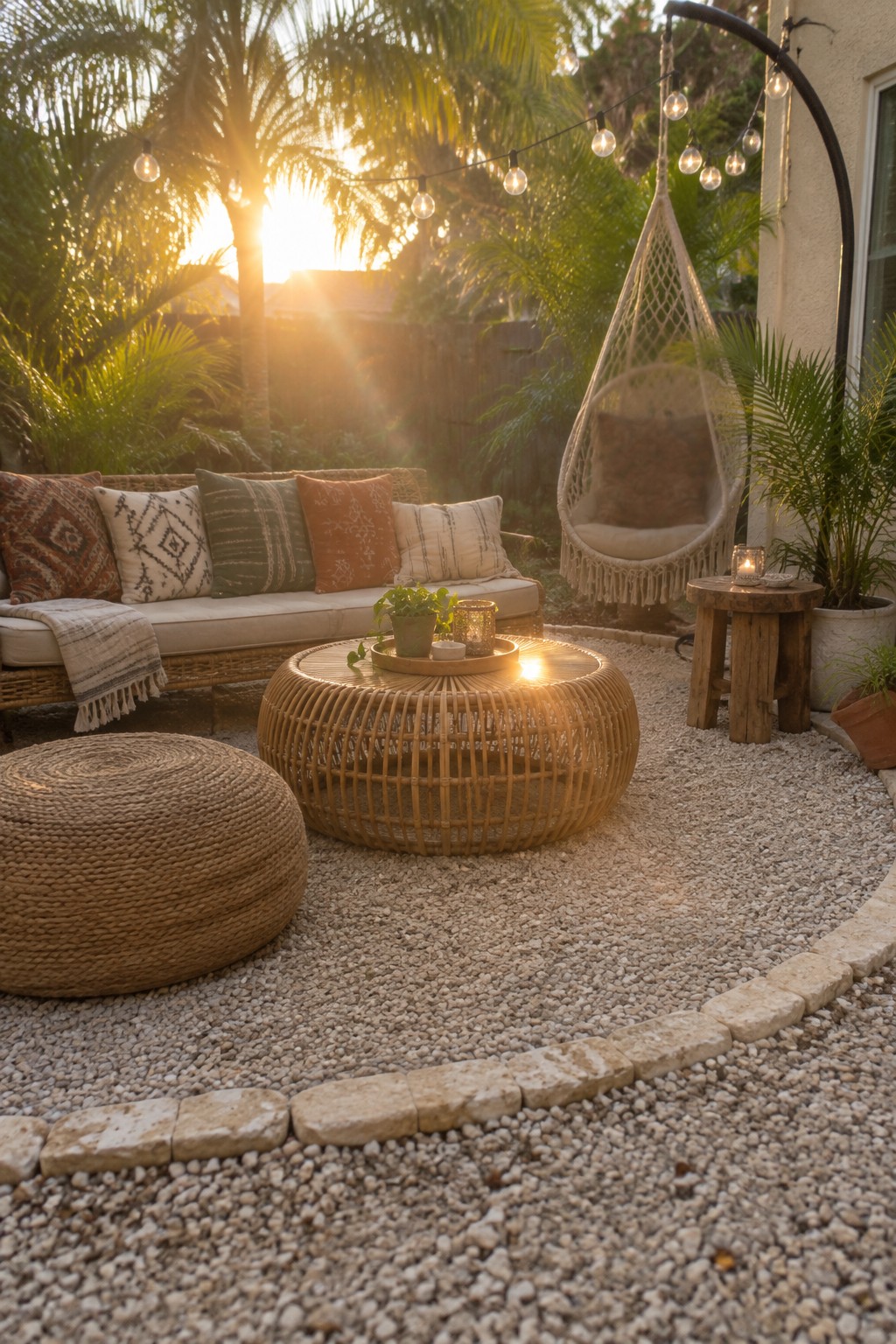
Mixing a few different seating pieces on a gravel surface gives a patio that relaxed, come-as-you-are feel. A long sofa works for groups, a hanging chair adds something a bit different, and a low pouf lets one person tuck in wherever there is space. The round table in the middle keeps everything connected without taking over.
This setup suits smaller backyards or homes that get used most on weekends. Gravel is simple to put down, drains well after rain, and the stone edging keeps it from looking messy. Just watch the slope so water does not pool in one spot.
Adding Shade to an Open Patio Deck
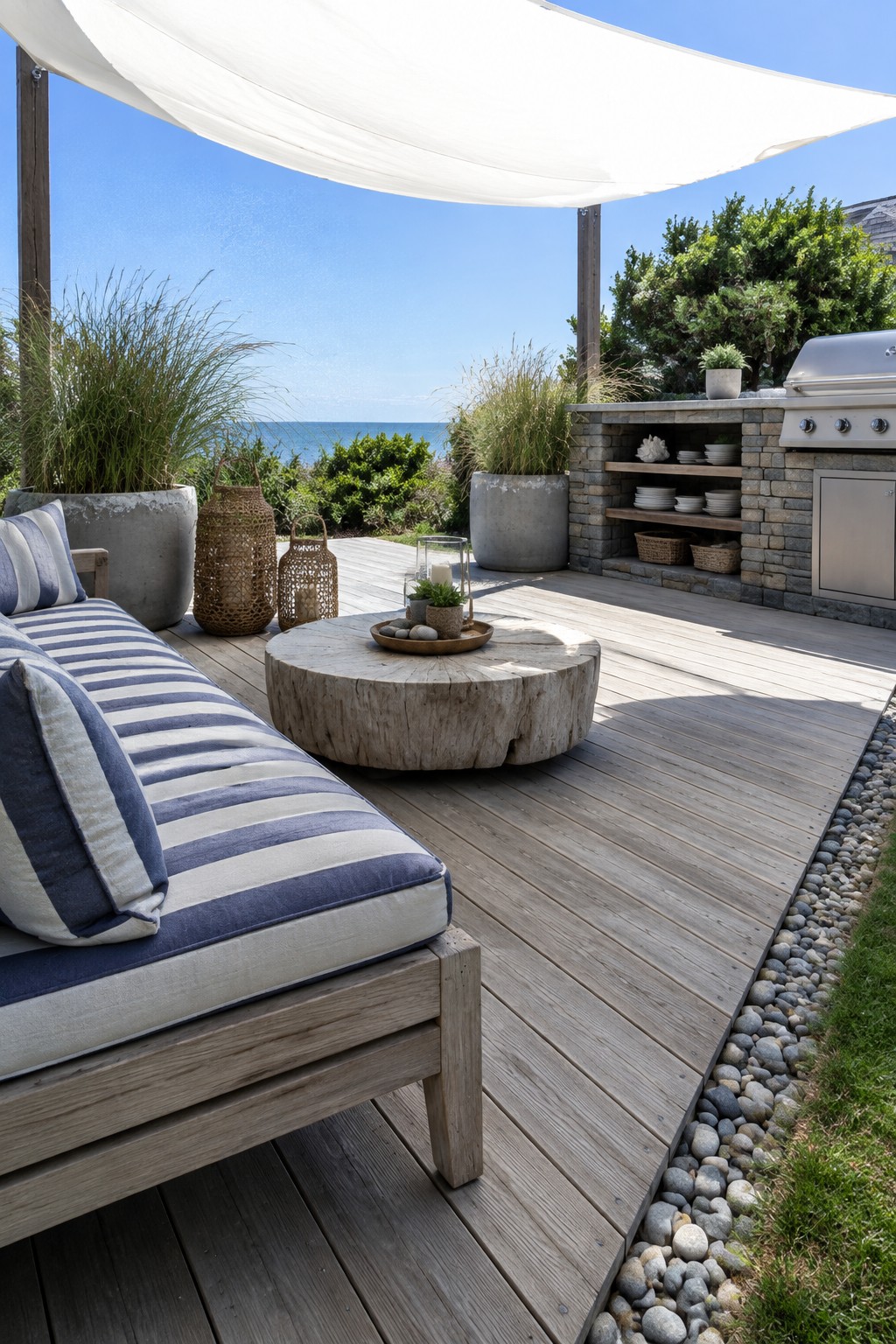
A large fabric shade overhead can turn a bright wooden deck into a place you actually want to sit during the day. It cuts the glare and heat while still letting air move through, so the space feels open rather than closed in.
This works best on decks with strong sun exposure, especially those near water or with little natural tree cover. Choose a neutral fabric that blends with the decking and keep the structure simple so it does not compete with the view.
Vine Covered Pergolas Over Dining Tables
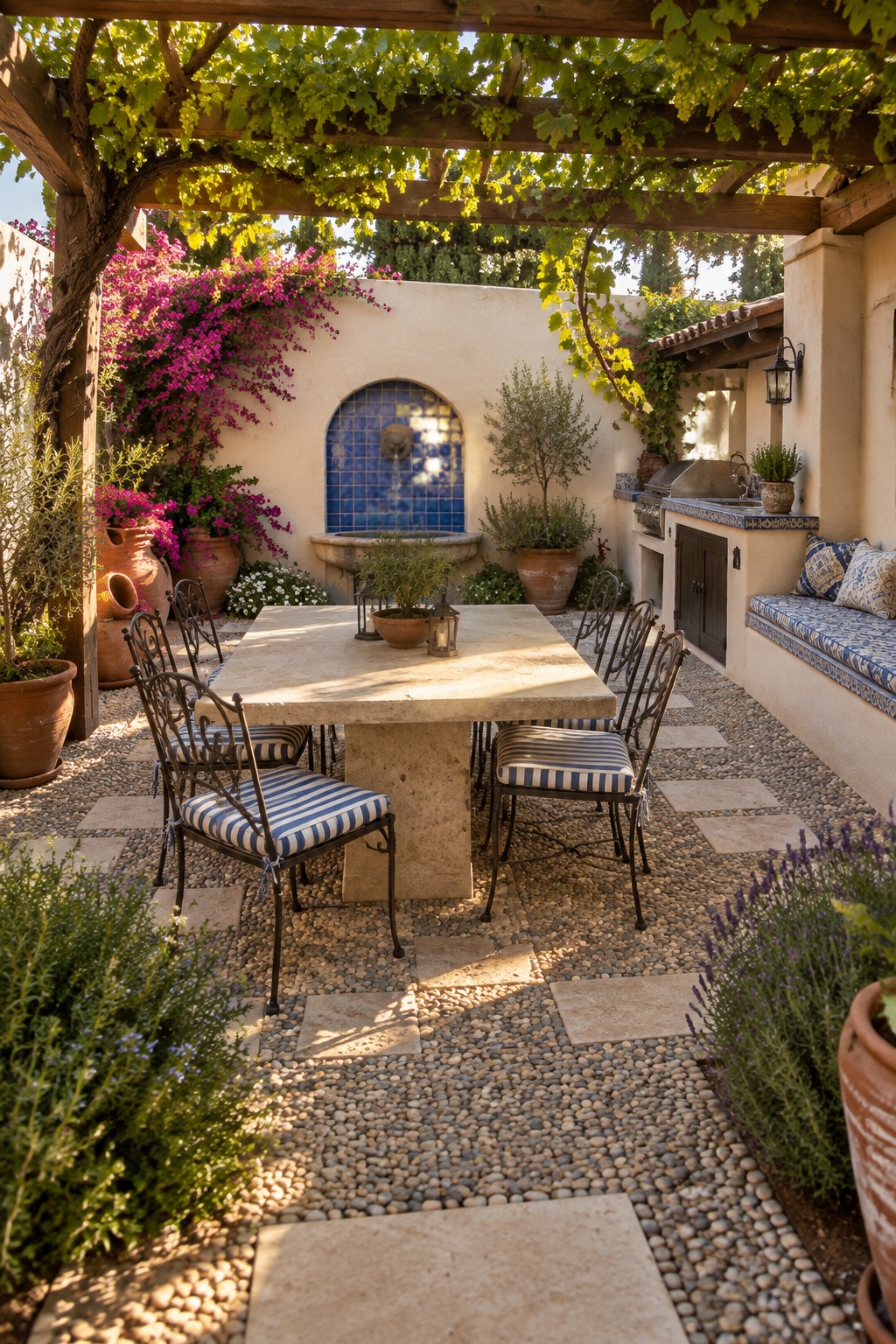
A pergola with vines overhead turns an ordinary patio table into a defined spot for meals. The plants filter the sun and create a bit of enclosure without making the space feel closed in. It works especially well when the table is the main feature of the yard.
This approach suits homes that already have a flat paved or gravel area and some sun exposure. Keep the structure simple so chairs can move freely, and choose vines that grow fast enough to give shade by summer.
Edge the Patio with a Pond
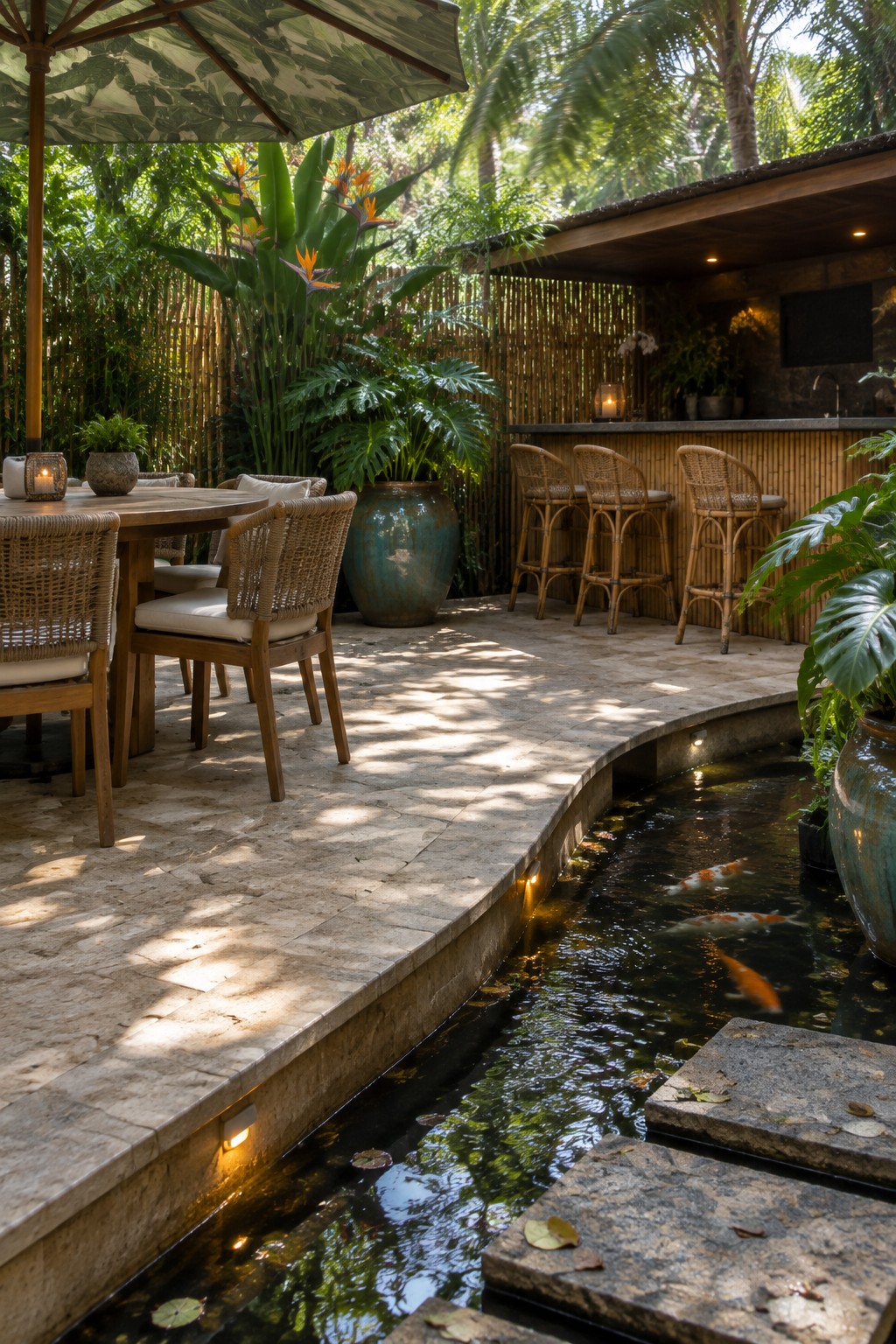
Running a pond right along the edge of a patio gives the space a calm border without blocking the view or the flow of movement. The water adds sound and movement that make the seating area feel more settled and quiet, even when there are people around. It also keeps the hard surface from feeling too solid or closed in.
This works best on patios that have room for a gentle curve or an irregular edge. Keep the pond shallow enough for easy care and add simple lighting along the rim so the area stays usable at night. It suits homes that already lean toward natural materials and plants rather than crisp, formal layouts.
Adding A Fire Pit Next To Outdoor Seating
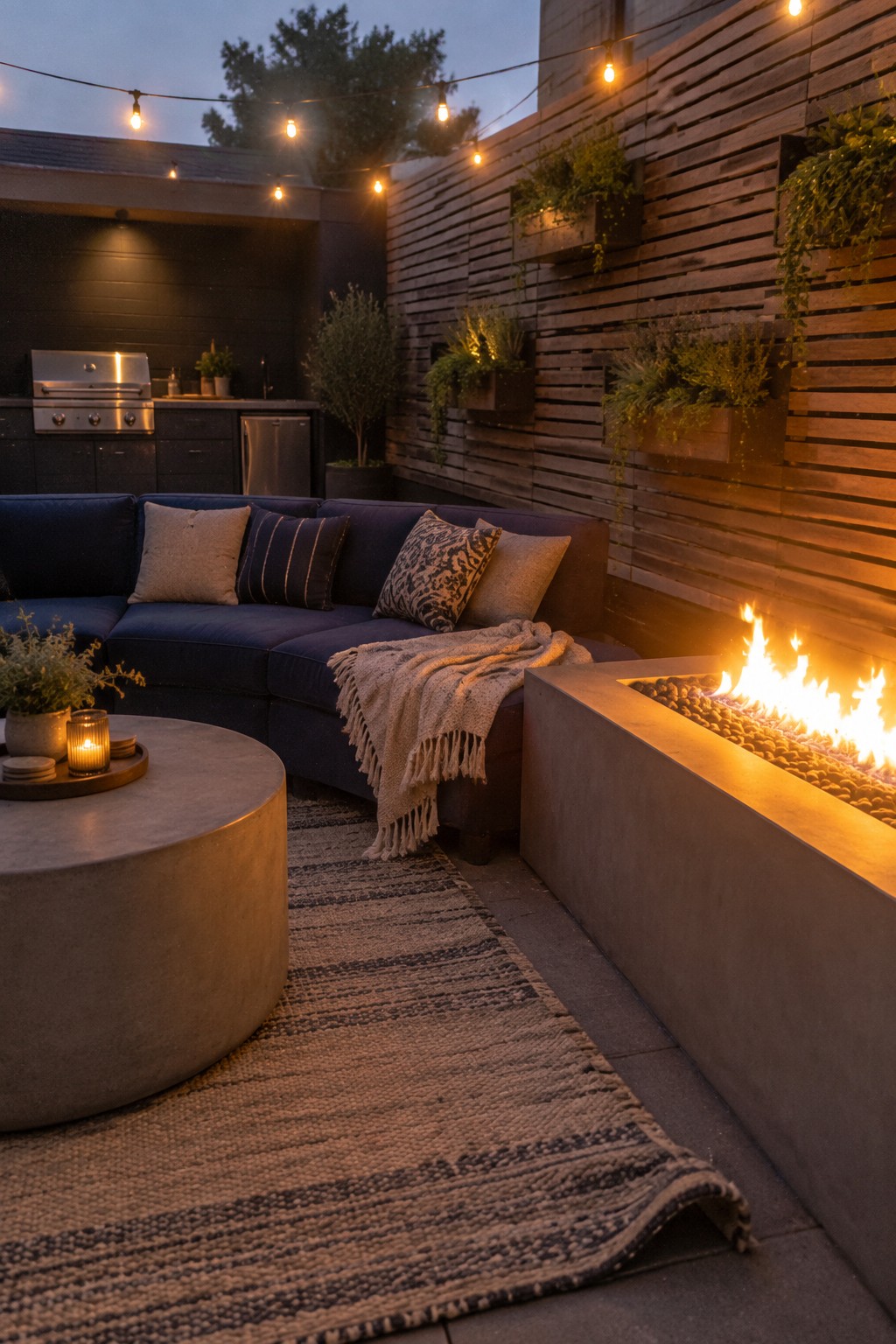
A fire pit placed right beside a comfortable sectional turns a basic patio into a spot people actually want to use after dark. The warmth draws everyone in, and it gives the space a natural center without needing a lot of extra pieces. This setup works especially well when the seating faces the fire so conversation stays easy and no one has to move around once the evening cools off.
It suits homes that entertain outside in spring and fall, or any backyard where nights get chilly. Keep the pit at a safe distance from the cushions and choose a size that matches the seating group so the whole area feels balanced rather than crowded. Gas models cut down on tending the flames if you want less work.
Lounge Seating Right By The Pool
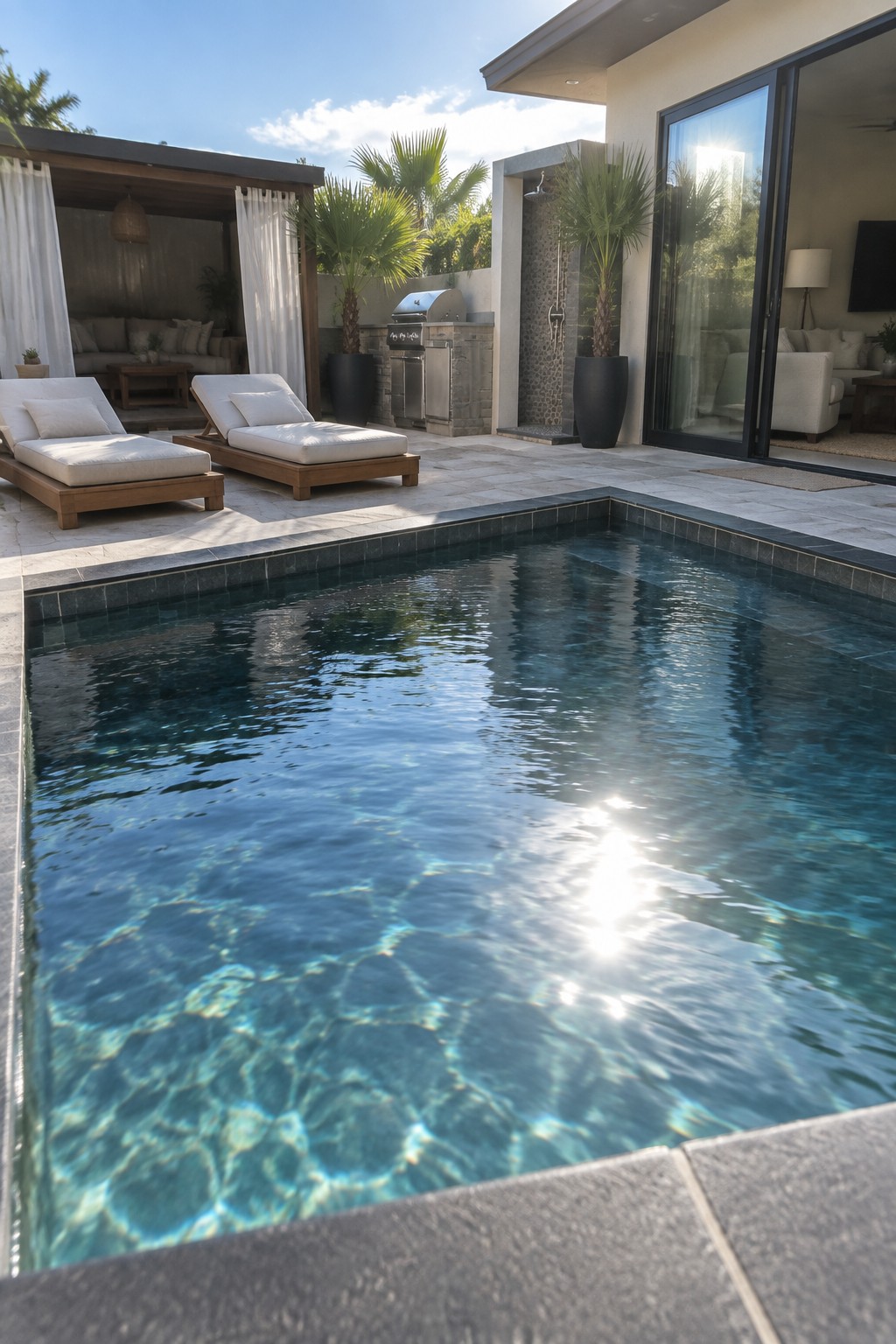
Placing a couple of lounge chairs right at the edge of the pool turns the whole area into a spot people actually use. The wide stone deck gives enough room to stretch out without feeling cramped, and the chairs sit low enough that you can step out of the water and sit down right away.
This works best in backyards where the pool is the main feature. Keep the seating simple, use weatherproof cushions, and make sure the deck is wide enough for people to move around the chairs without stepping over each other.
A Central Fire Pit Pulls the Patio Together
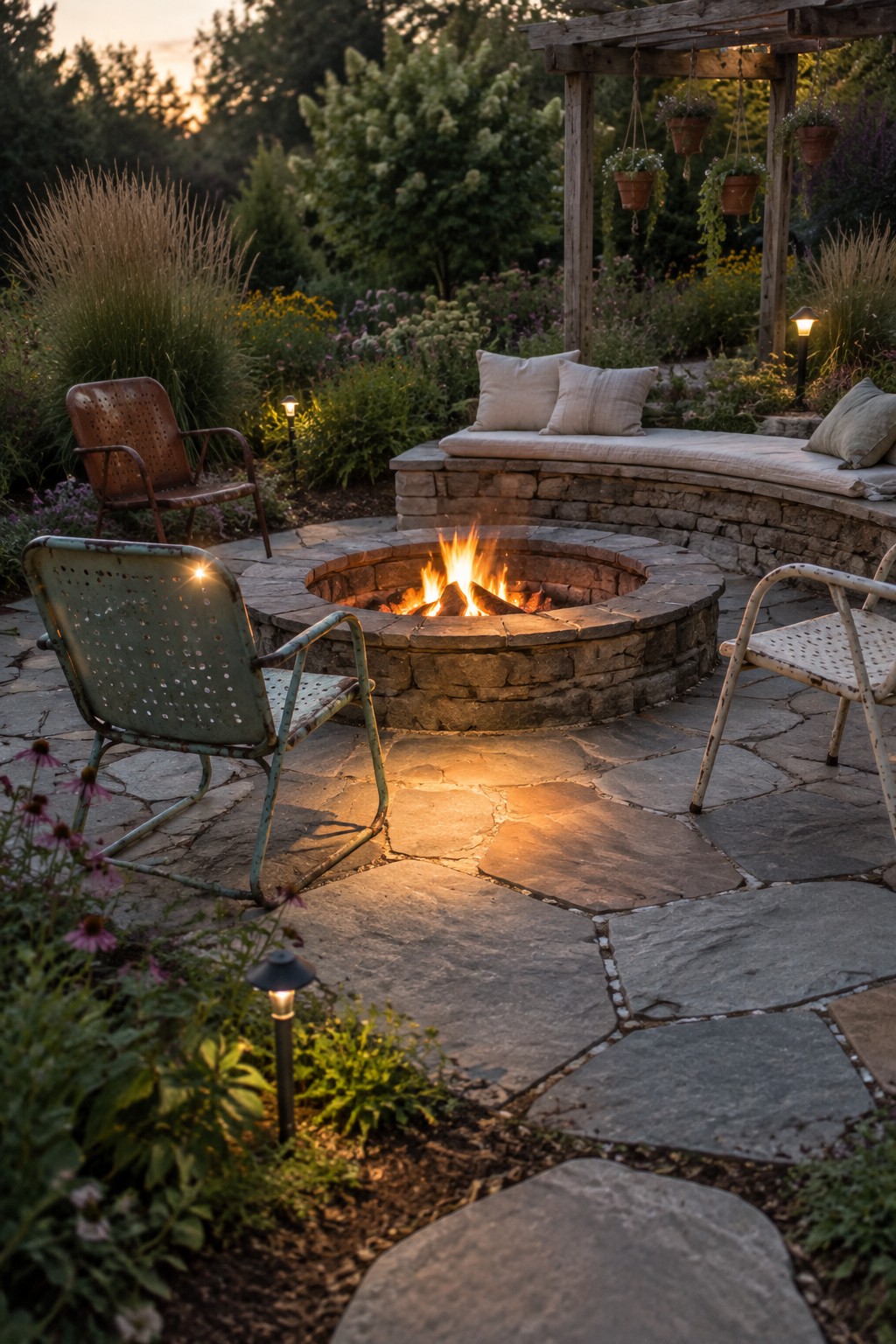
A fire pit placed right in the middle of the patio gives the whole space a clear purpose. People naturally gather around the flames, and the seating can face inward without feeling forced. The stone surround also helps define the area even when the fire is not lit.
This setup works best on patios that have enough room for chairs all the way around. Leave walking space behind the seats so the area does not feel cramped. It suits homes that already have a decent-sized paved space and want one main spot for evening use.
Define Your Patio Seating With a Rug
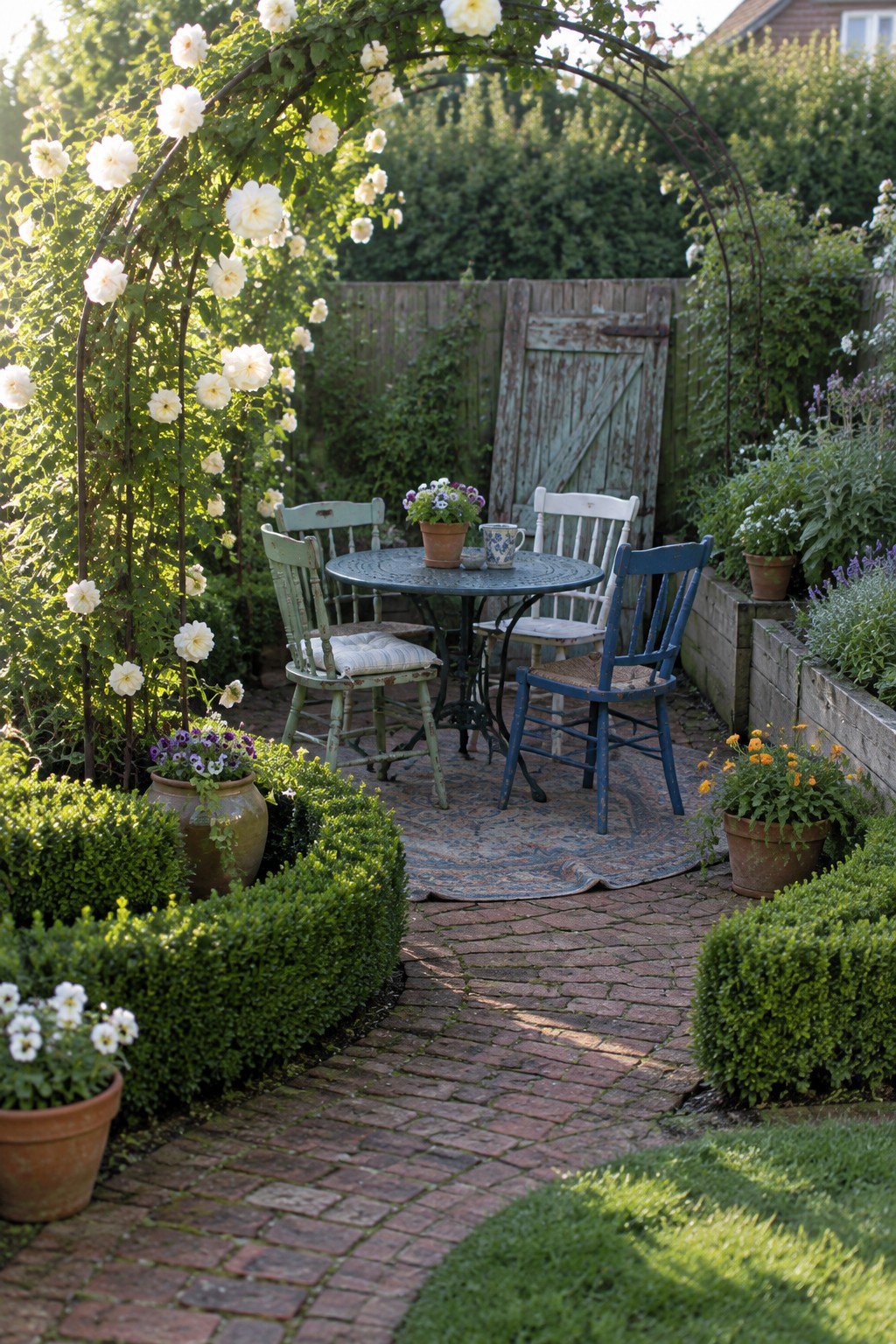
An area rug works well on a patio because it pulls the furniture together and makes the space feel more like a real room. The pattern and texture soften the hard brick surface and give people a clear spot to gather without the seating area feeling scattered.
This idea suits brick or concrete patios where you want a quick, low-cost way to create a defined zone for meals or conversation. Keep the rug outdoor-rated so it holds up, and choose a size that fits under the full table and chair legs so the arrangement stays balanced.
Anchor Your Outdoor Seating with a Fire Pit Table
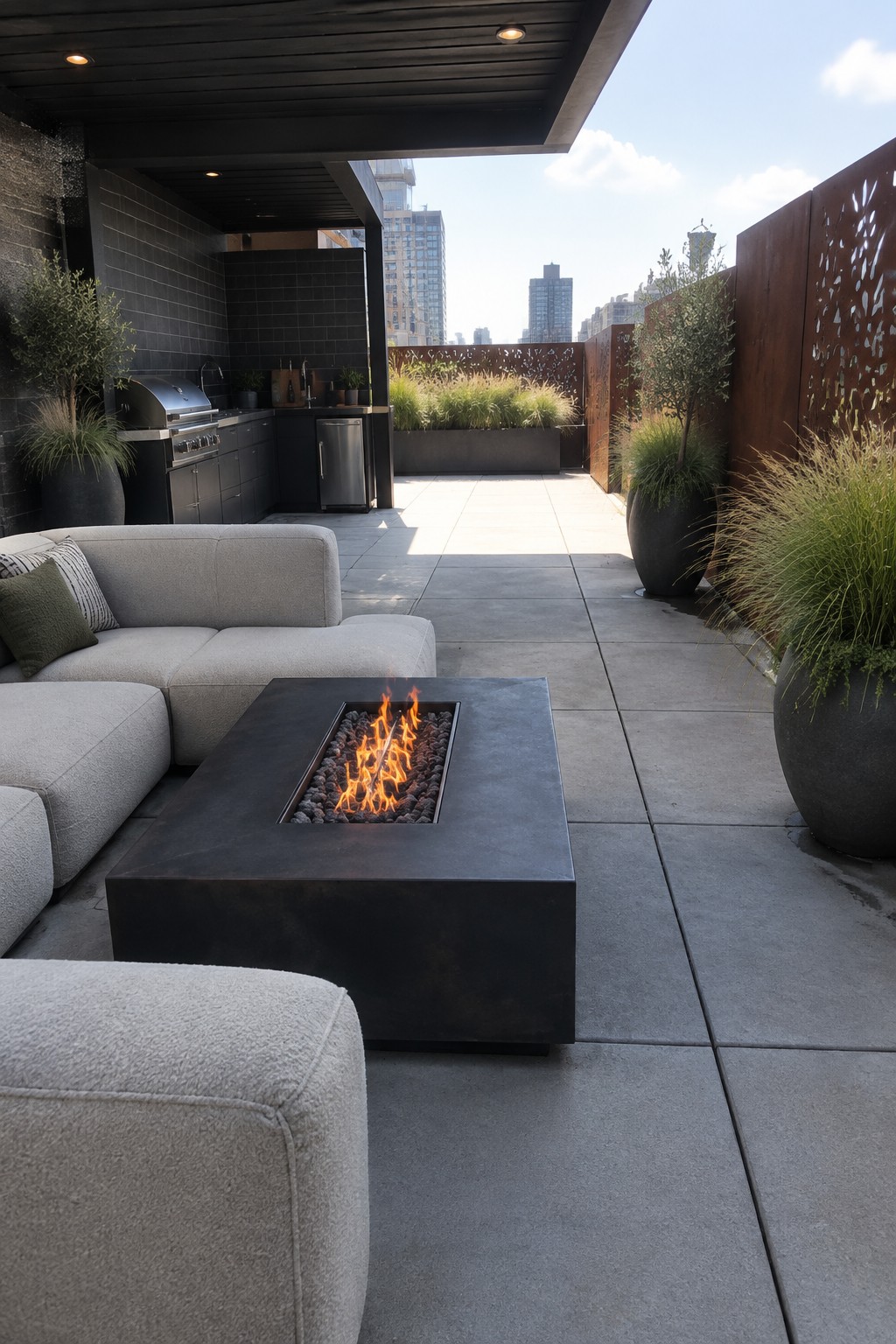
A fire pit table gives an outdoor seating area a clear center without much extra effort. It keeps the space usable after dark and gives people a reason to gather instead of spreading out across the patio.
This approach works well on rooftops or larger decks where the seating can wrap around the table. Just make sure the table sits low enough to match the height of your sofa or chairs so the whole arrangement feels comfortable.
Long Tables for Outdoor Gatherings
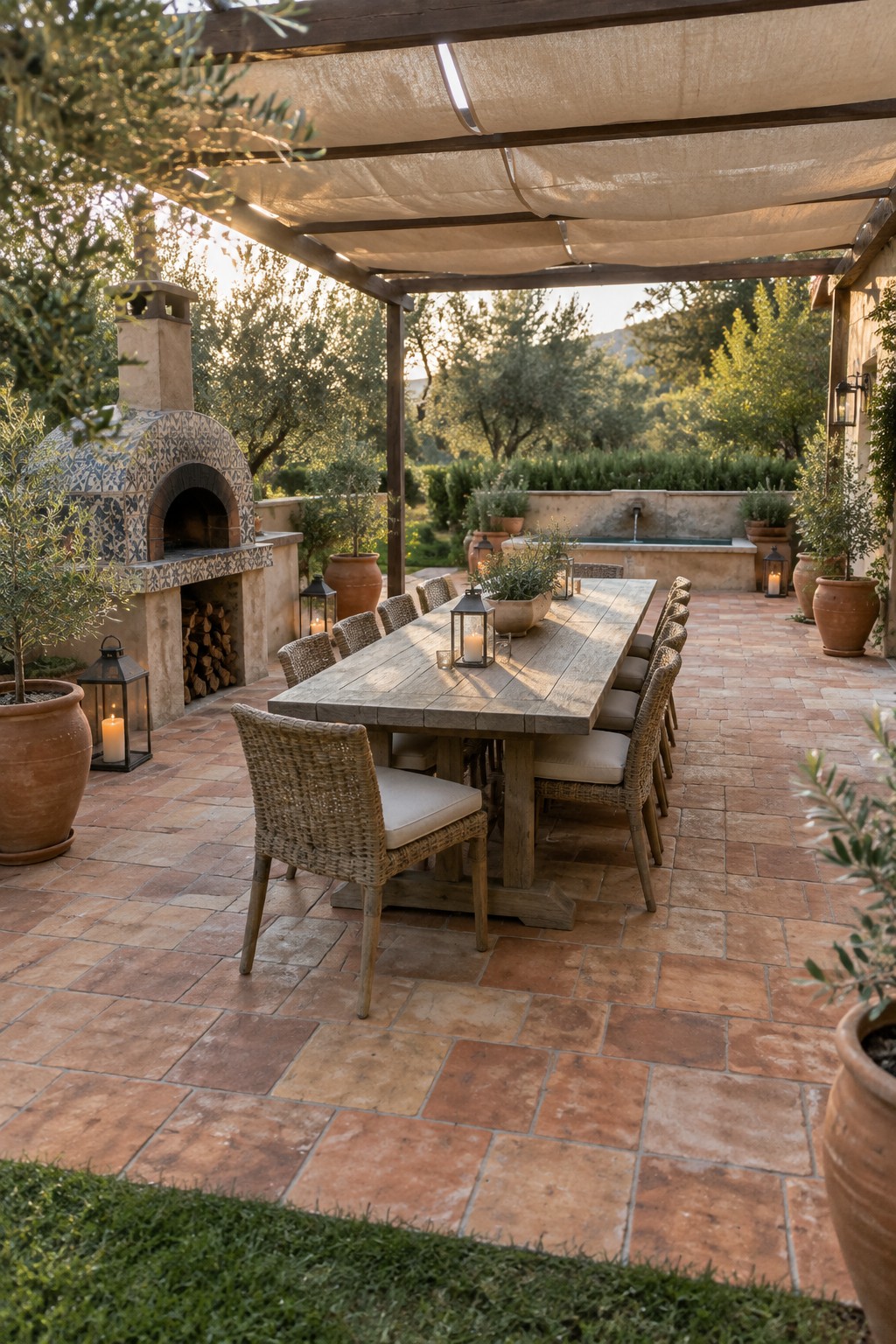
A long wooden table gives an outdoor patio a clear purpose. It creates one spot where meals can stretch into the evening without anyone feeling crowded or rushed. Placing it under a simple shade structure keeps the surface usable even on warm days and turns the whole area into a place built for real use rather than just looks.
This approach works best on patios that have enough room to walk around the chairs. Keep the rest of the space fairly open so the table stays the main feature, and choose seating that holds up to weather without needing constant care. It suits homes that like to host outside but do not want a lot of separate zones to manage.
A Fire Pit Makes the Patio the Main Spot for Evening Use
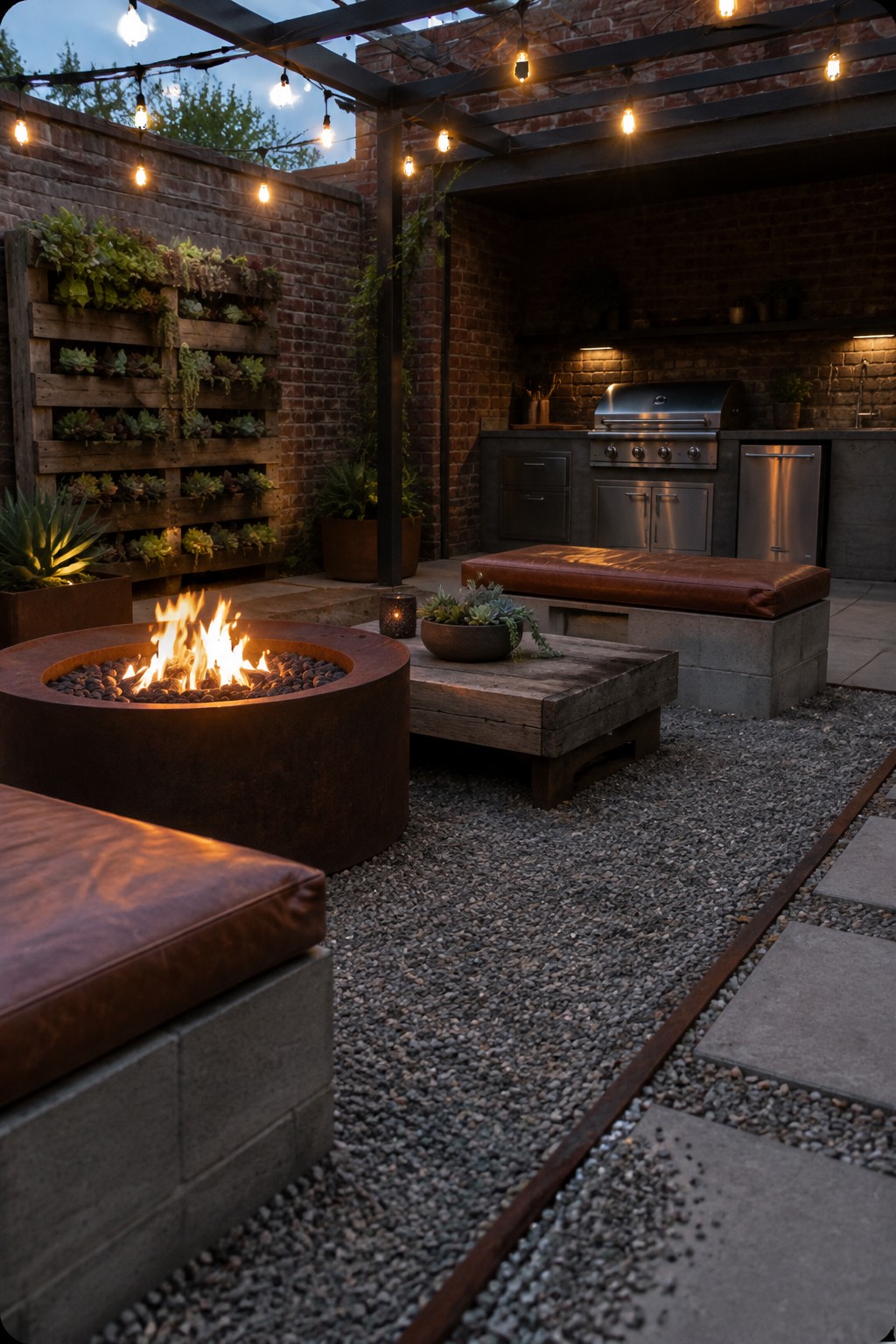
A fire pit gives the whole outdoor area a natural center that works for both quiet nights and small gatherings. It draws people in without needing much else, and it extends the season when the air cools down. The gravel base around it also keeps things simple and low maintenance.
This approach works best on patios with enough open space for seating on at least two sides. Keep the pit a few feet from any furniture or plants, and choose a model with a wide rim if you want people to rest their feet near the heat.
Gravel Paths With Stepping Stones
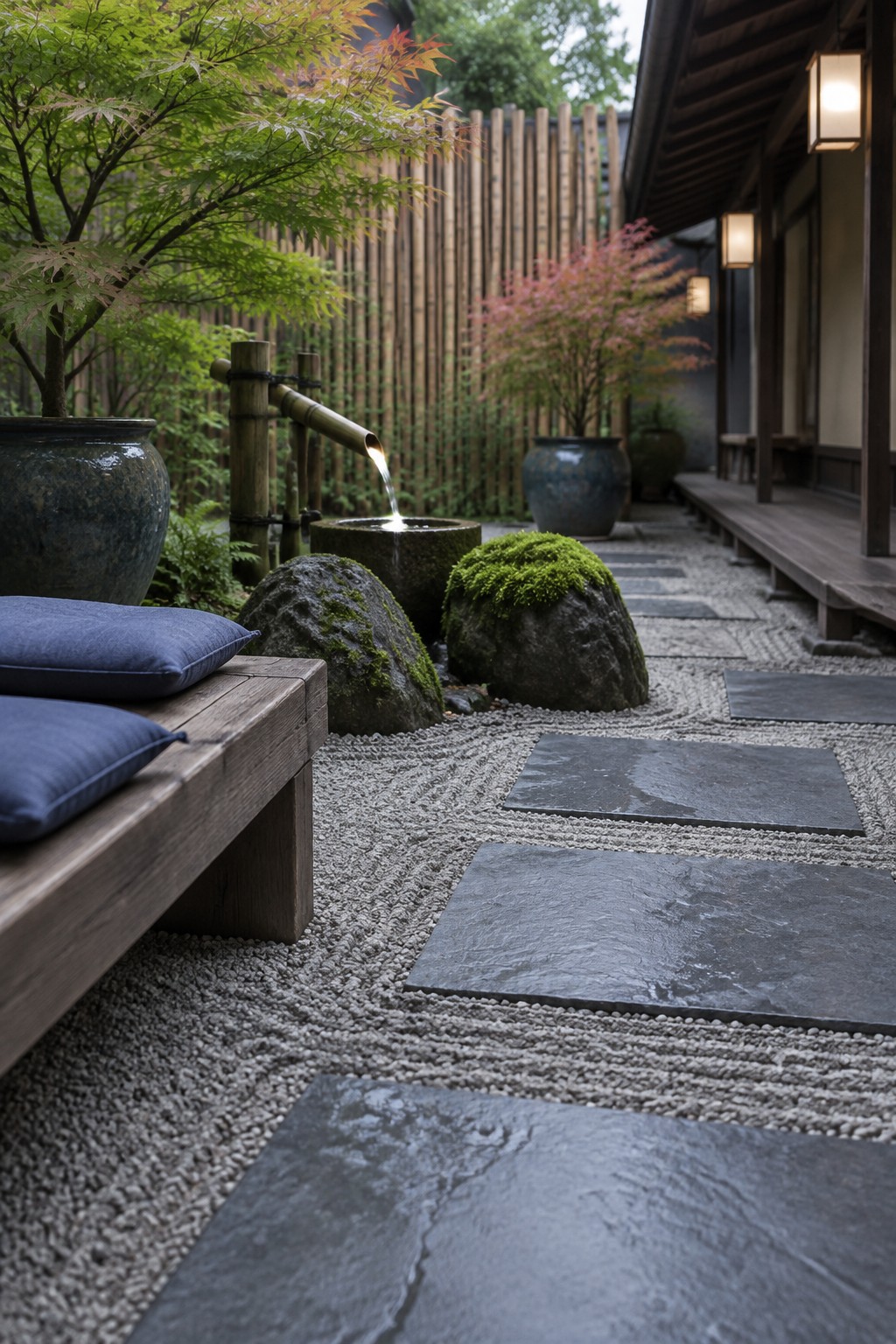
A gravel path with stepping stones gives a backyard a quiet, settled feel that works well for relaxing. The loose gravel softens the look and lets the stones stand out without much effort.
This approach suits smaller yards or spaces next to a deck, where you want a clear route but do not want solid paving everywhere. Keep the stones big enough for easy walking and rake the gravel occasionally to refresh the surface.
Layer Rugs on Stone Patios to Anchor Dining Areas
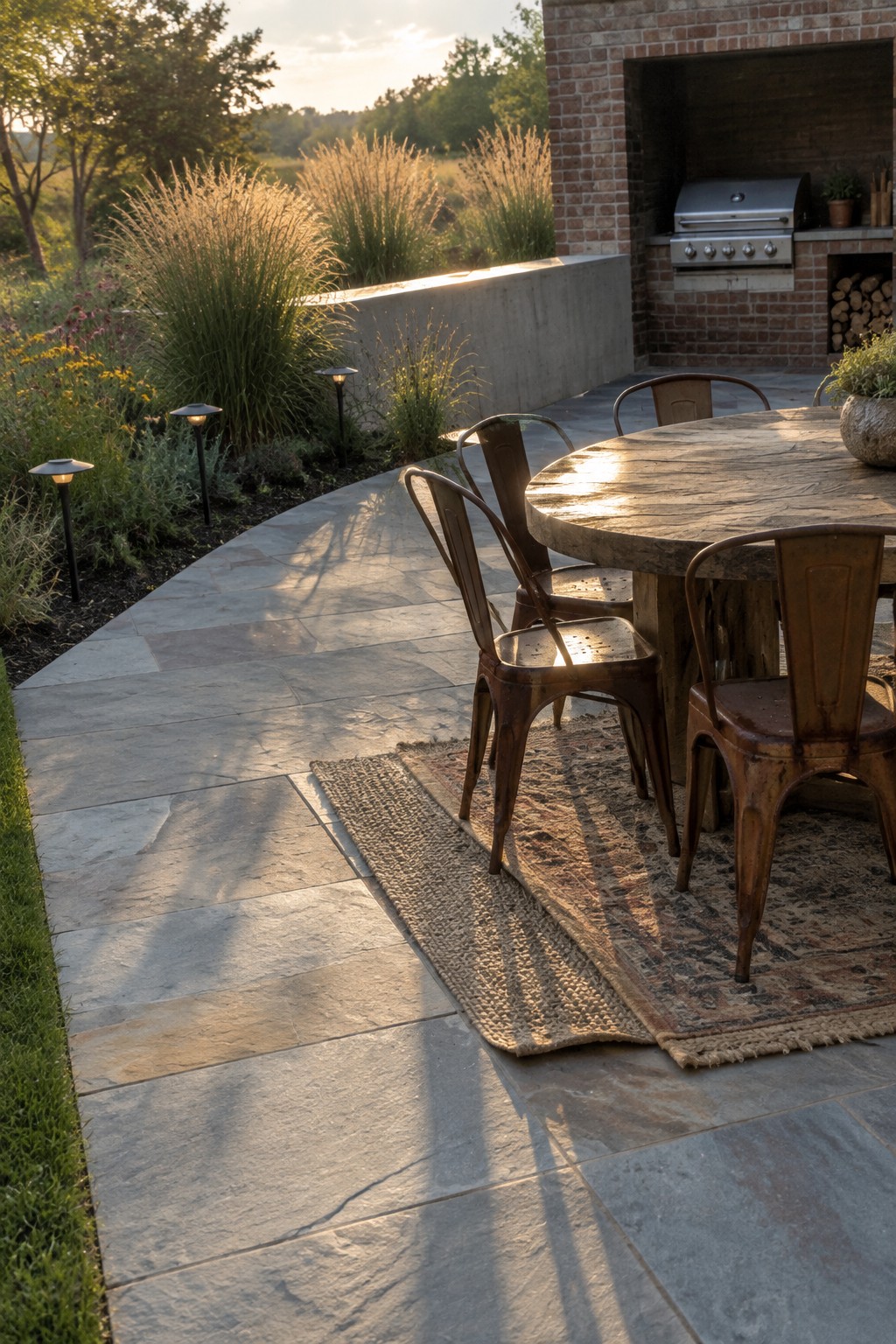
Rugs can turn a hard stone patio into a more comfortable spot for meals. They add a bit of softness underfoot and help the table and chairs feel like they belong together instead of just sitting on the open surface. The layered look also breaks up the flat stone and keeps the setup from feeling too bare.
This works best on patios that get regular use for eating outside. Stick with outdoor-rated rugs that can handle sun and moisture, and make sure the bottom layer has enough grip so nothing shifts. It suits most homes with a simple stone or concrete patio, especially if you already have a table and chairs in place and just want the area to feel more pulled together.
Mix Chair Styles Around an Outdoor Table
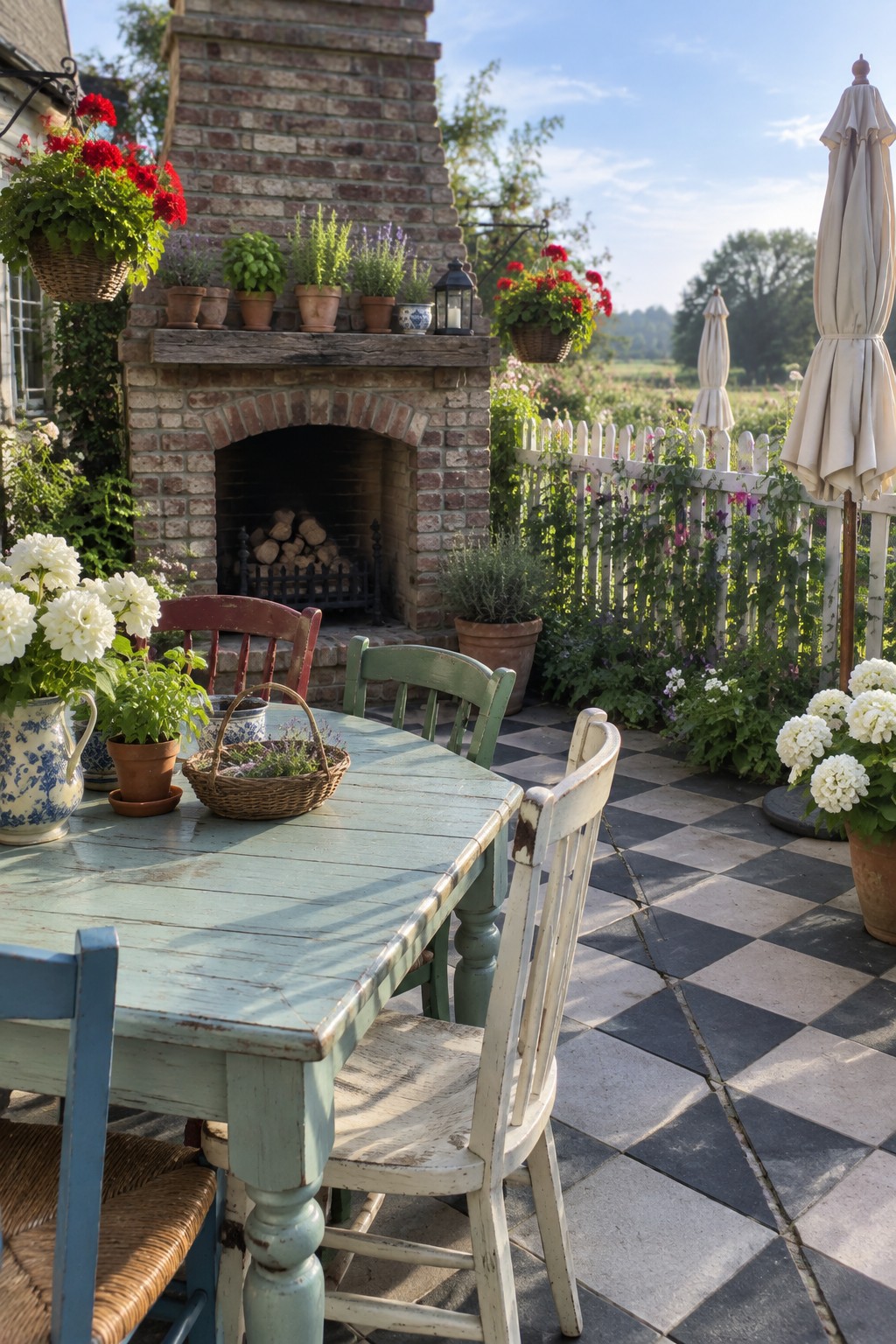
Many people like the look of different painted chairs pulled up to one big table outside. It keeps the space from feeling too matched or stiff and works well when you want meals to feel easy and unplanned.
This setup suits a cottage or older home where you already have a few extra chairs around. Just check that the seats are sturdy and at a similar height so everyone stays comfortable through a long dinner.
Built-In Bench Seating for Easy Patio Gatherings
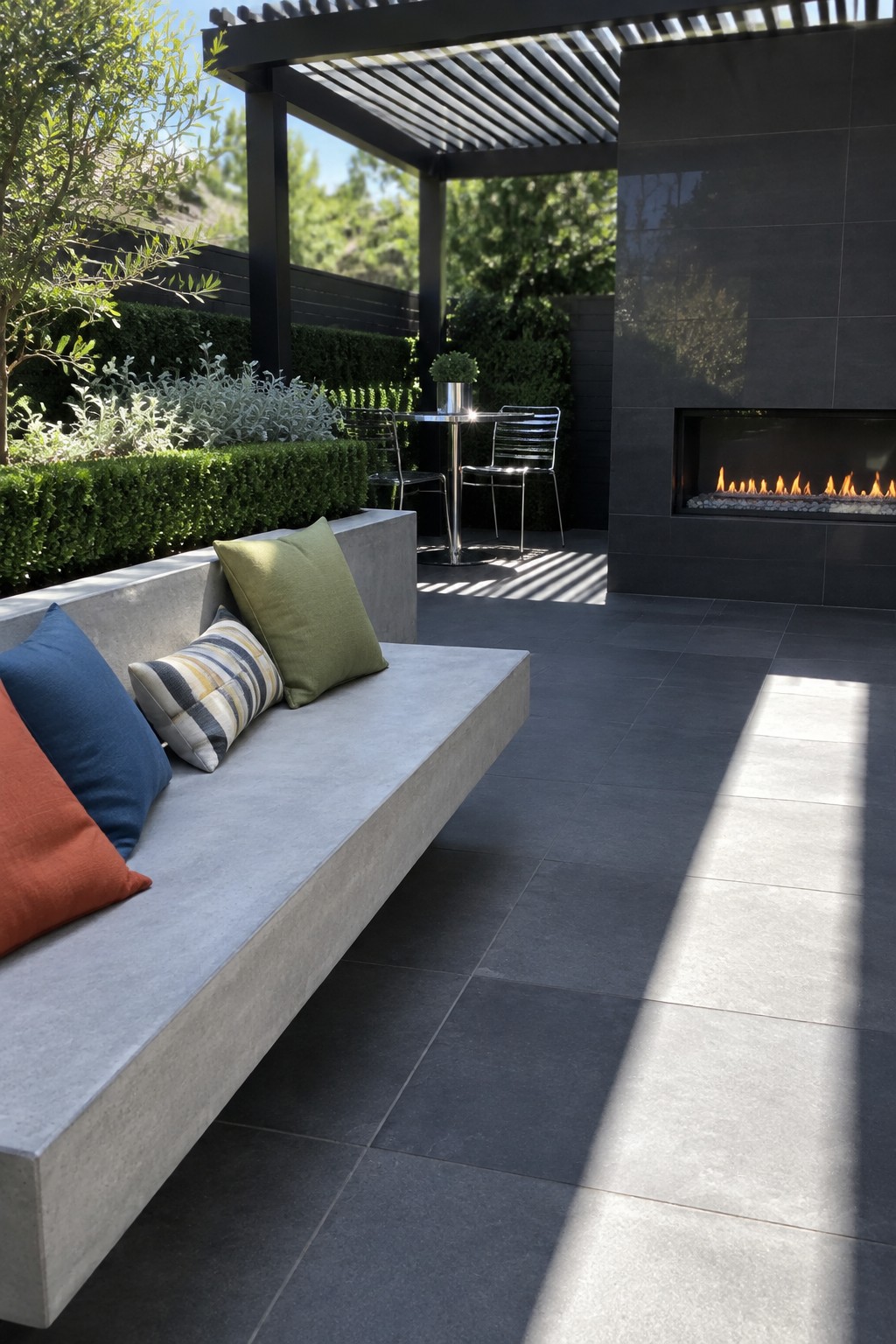
A built-in concrete bench gives you steady seating without adding extra furniture that takes up floor space. It works well because it stays low and simple, so the patio still feels open even when several people sit down at once. The cushions add just enough comfort for long talks or meals outside.
This setup suits modern backyards where you want low maintenance and clean lines. Place the bench along one edge near a fire feature so the area stays usable after sunset. Keep the cushions in durable fabrics that can handle weather changes.
Circular Seating Around A Central Table
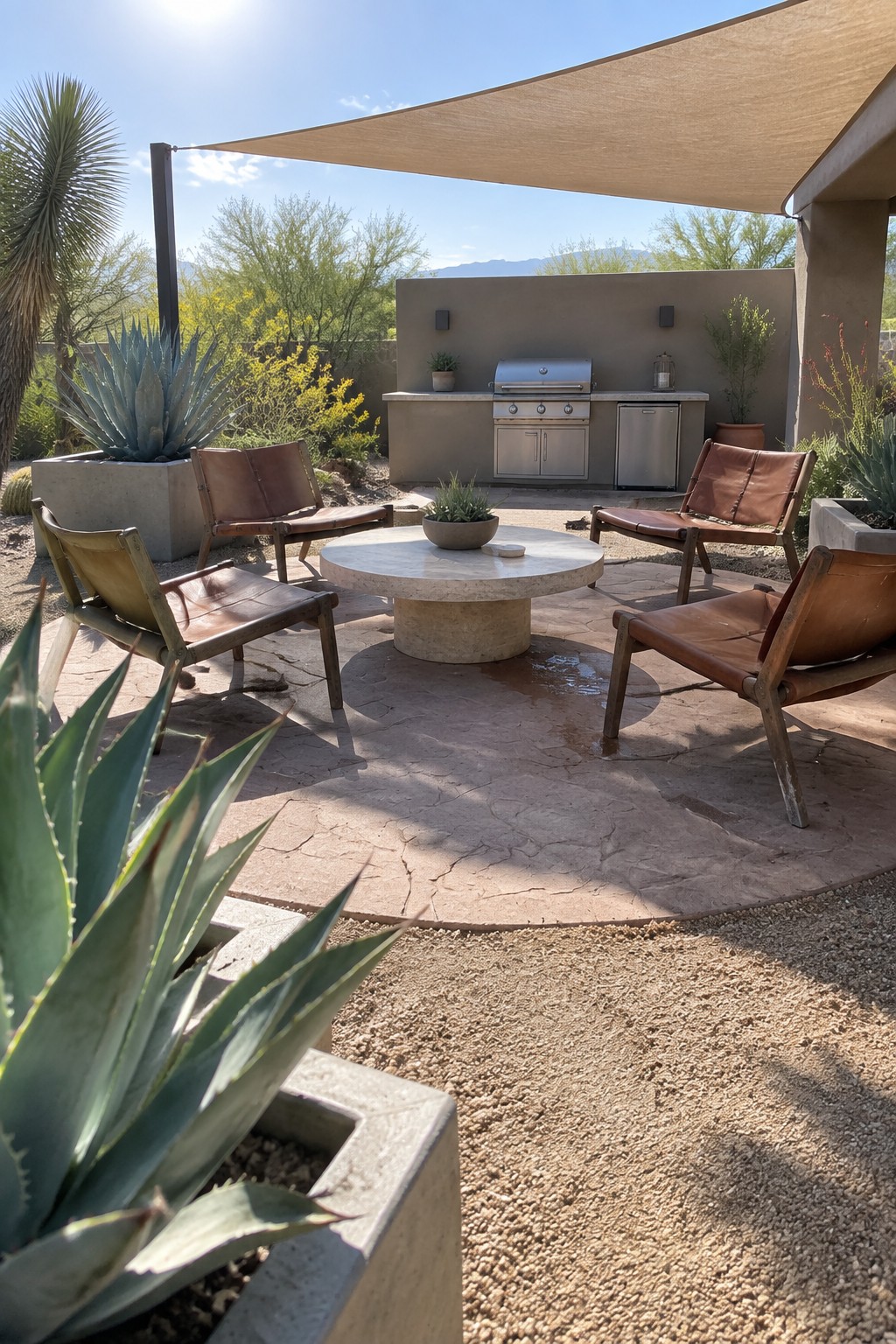
Placing chairs in a loose circle around one main table makes an outdoor space feel more connected. People can talk without turning far or raising their voices, and the round shape keeps the layout open instead of boxed in. It works especially well on patios that get heavy use for drinks or meals.
This setup suits homes in warm climates where shade can be added overhead. Keep the table simple so movement around the chairs stays easy, and make sure the chairs are sturdy enough to handle daily weather.
Storage Benches Keep Patios Organized
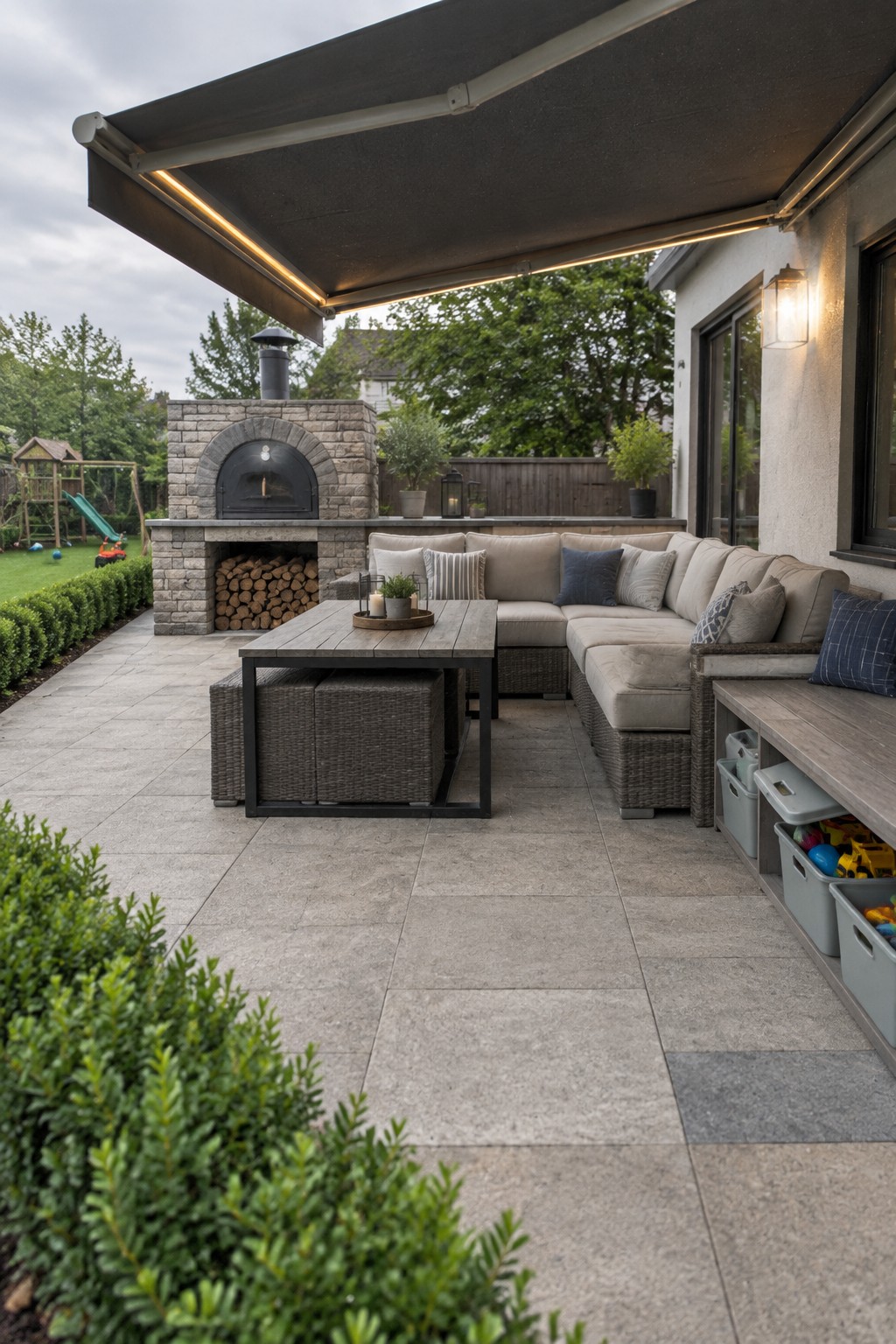
One simple way to handle the mess that comes with outdoor living is to add storage right into the seating. A long bench with open bins lets you stash toys, cushions, or small tools out of sight while still giving people a place to sit.
This setup works best on family patios or spaces used for regular entertaining. Keep the bench against the house so it fits the layout without taking up extra room, and match the finish to your other furniture so it feels like part of the design rather than an add on.
Add an Outdoor Sink Station for Everyday Use
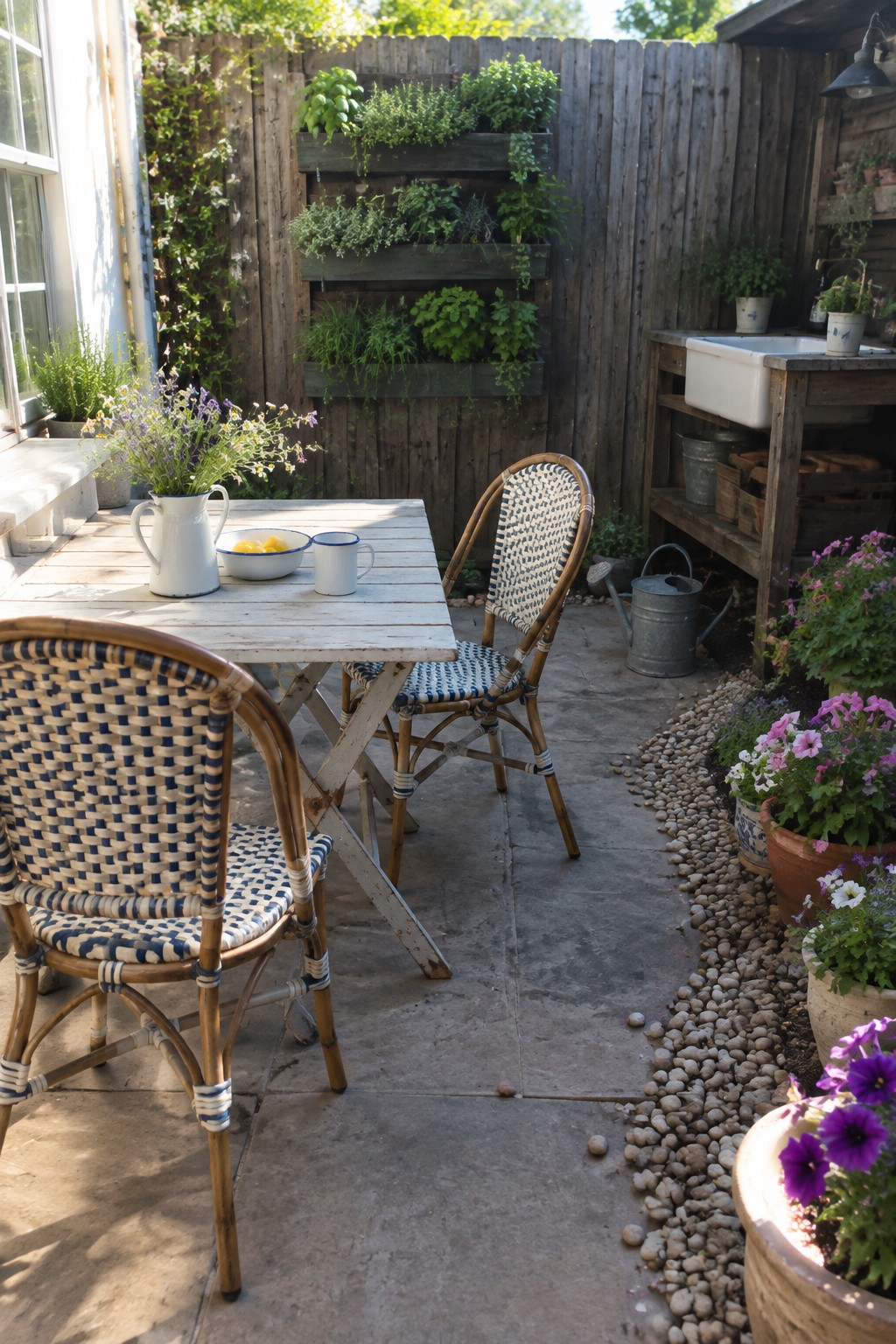
An outdoor sink makes a patio far more practical, especially if you like to cook or garden out there. It keeps you from running back and forth to the kitchen every time you need to rinse something or wash a few dishes.
Place it near your seating area so everything stays within reach during meals or parties. A simple wooden counter with a deep basin works fine in most small yards, and you can tuck herb planters around it without crowding the space.
Defining a Small Patio with a Flowering Arch
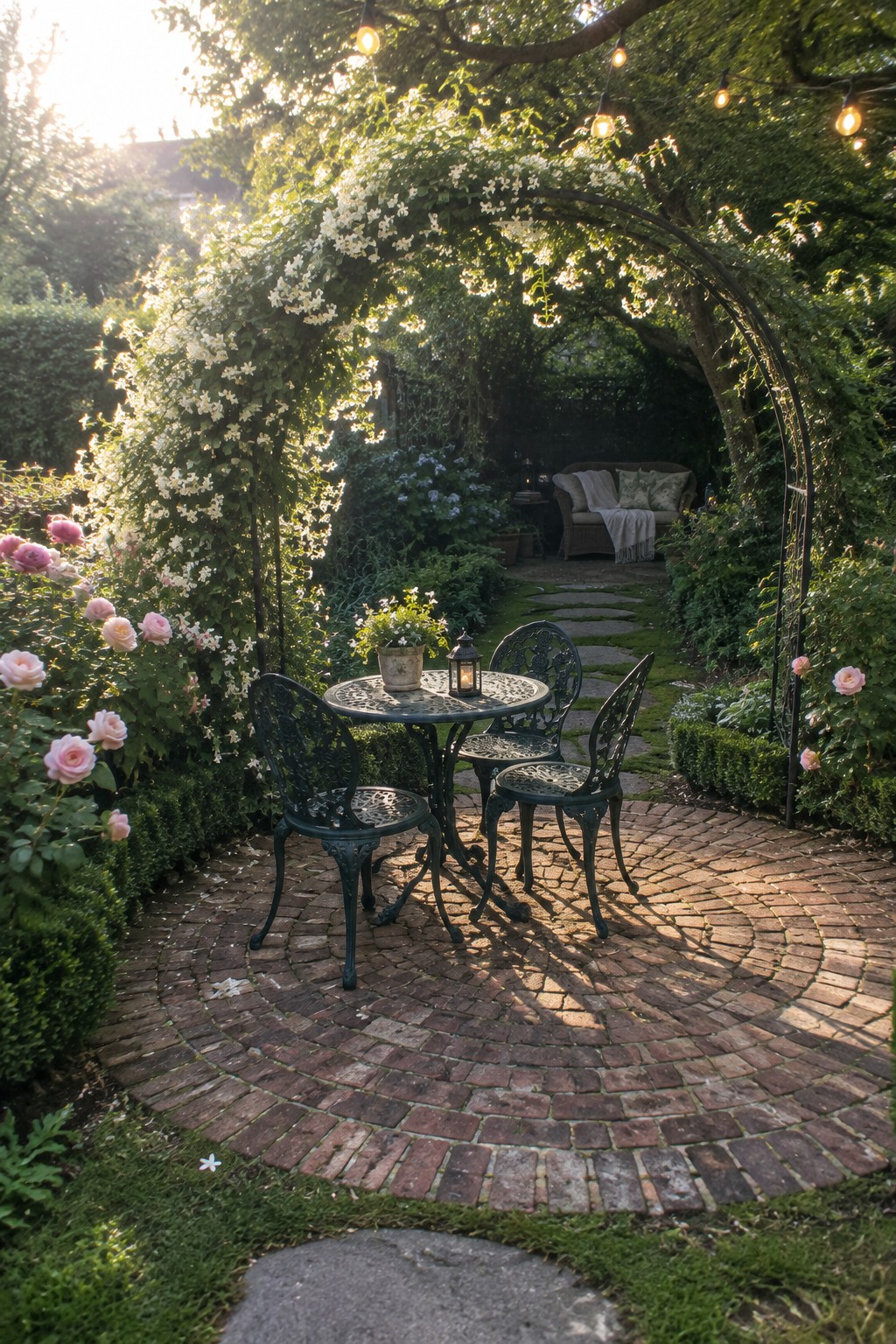
An arch covered in flowers gives a small seating area a sense of enclosure without making it feel boxed in. The round brick base helps too, since it keeps the table and chairs from looking like they were just set down on the grass.
This setup works best in modest backyards where you want one clear spot for meals or evening drinks. Keep the plants climbing thick on the arch if you want a bit more privacy, and add simple string lights if you plan to use the space after dark.
Add a Long Table Next to an Outdoor Kitchen
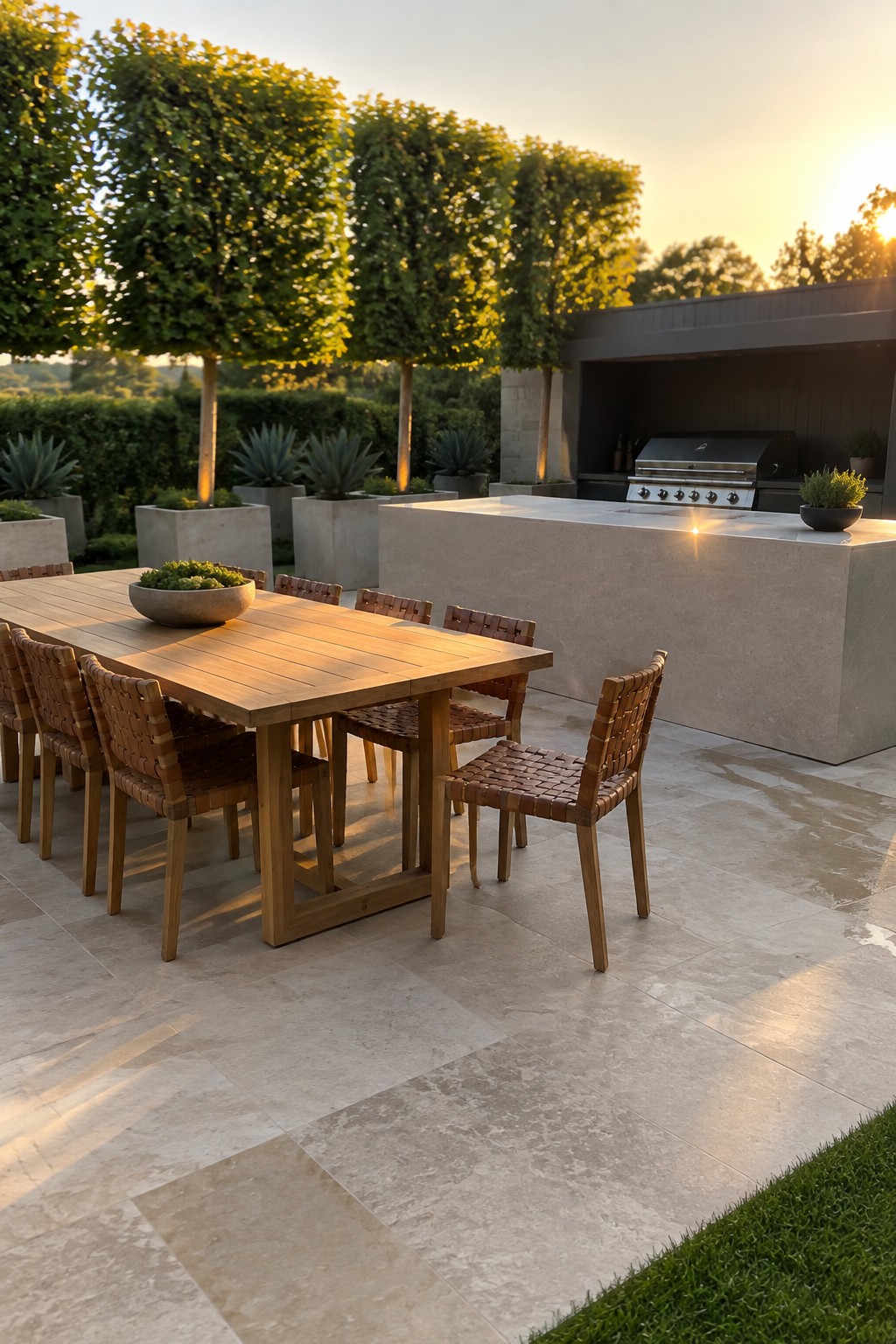
A long dining table set right beside an outdoor kitchen makes entertaining feel much easier. Guests can move between cooking and eating without anyone having to carry plates far, and the table gives everyone a natural spot to gather.
This layout works well on patios that have enough room for both the cooking zone and seating. It suits homes that like to host often, though it does need a fairly large flat area to keep the table from crowding the grill or walkways.
Anchor Deck Seating with a Large Area Rug
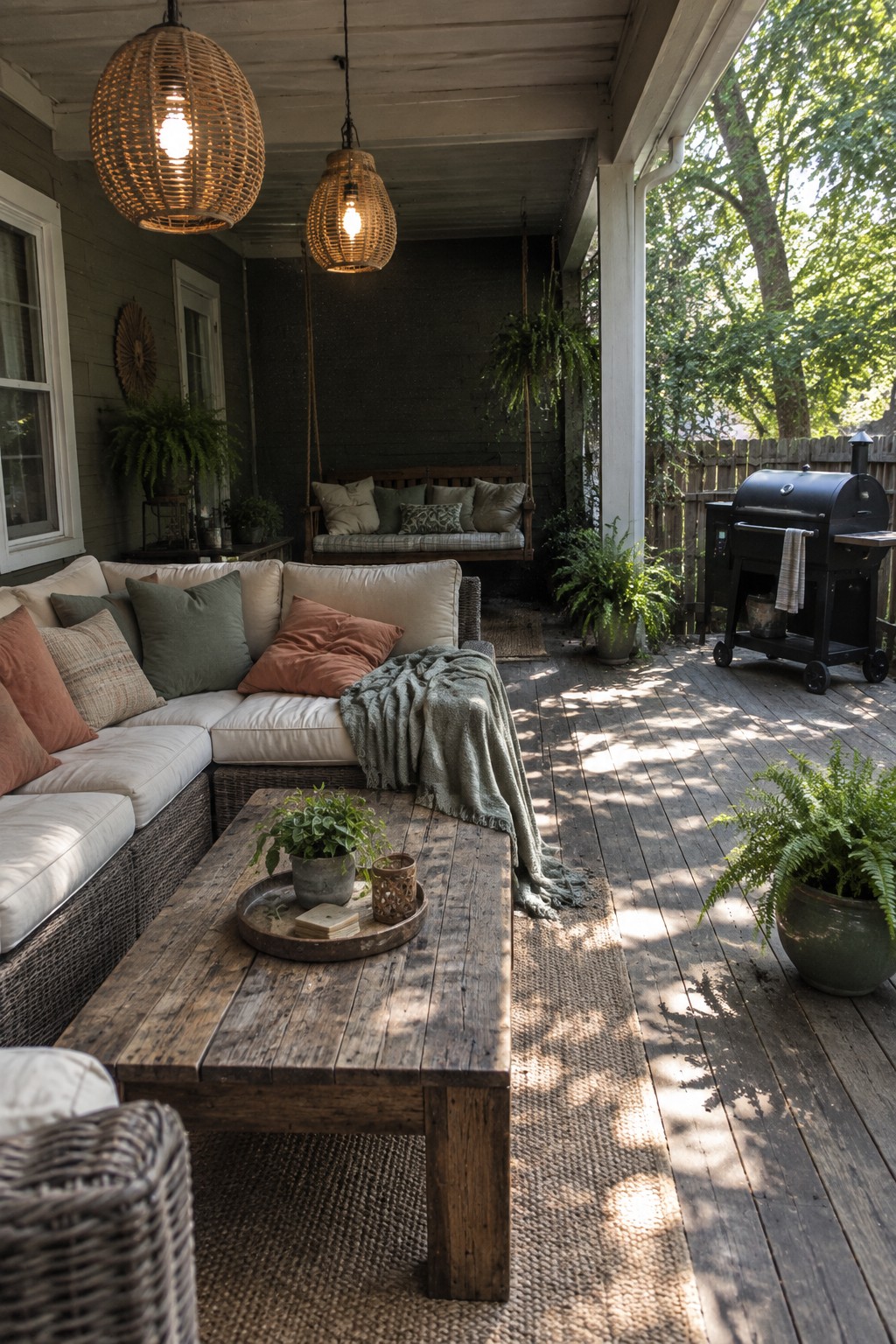
A big rug under the main seating group helps turn an open deck into a space that actually feels like a room. It pulls the sofa, chairs, and table together so the area reads as one intentional spot instead of scattered furniture on bare boards. The texture also adds a bit of warmth underfoot and softens the look of the wood.
This works best on larger decks where you want to create a clear living zone without building walls or adding permanent dividers. Stick with a durable outdoor rug in a neutral tone and let it extend a foot or two beyond the furniture on all sides. Just make sure it lies flat so no one trips on the edges.
Add a Fire Pit for Evening Gatherings
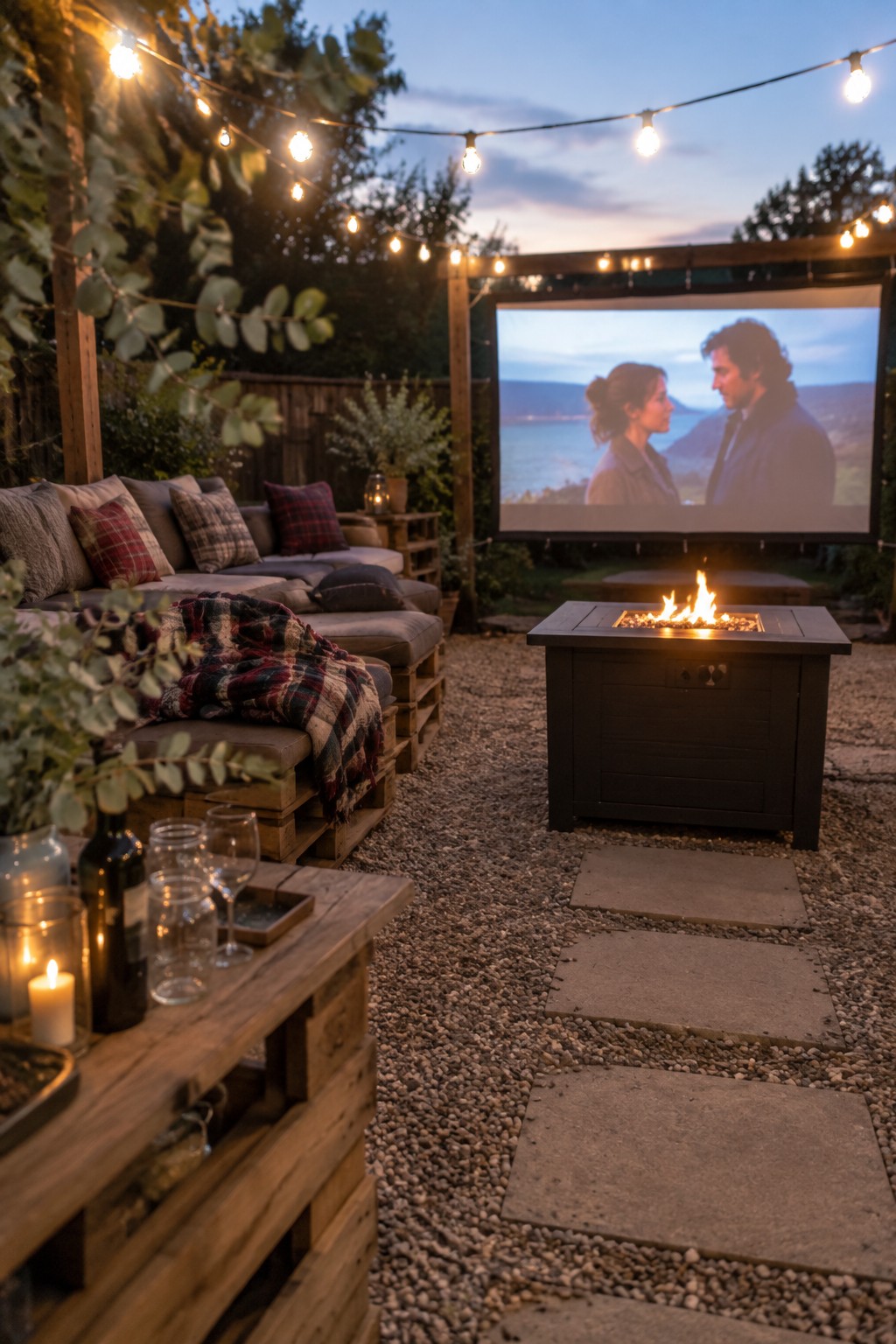
A fire pit gives an outdoor patio a clear reason to stay outside once the sun goes down. It pulls seating toward one spot and makes it easy to add simple entertainment like a screen without needing much else.
This works best in backyards that already have some gravel or paved space to keep the area safe and open. Place the pit near a seating area and run a few lights overhead so people can still see their way around after dark.
Frequently Asked Questions
Q: My patio faces west and gets blazing afternoon sun. What works best for shade? A: String up a sail shade or plant a few tall trees along the edge. These options block the heat without closing off the view. You will actually use the space more once the sun stops beating down.
Q: Should I bother with outdoor pillows and cushions? A: Yes, grab some weather resistant ones in bright colors. They make the seating way more inviting for long chats or naps. Just store them inside during heavy storms to keep them looking fresh.
Q: How do I light the patio without running electrical lines? A: Solar lanterns and string lights work great here. Place them around seating areas to create a warm glow after dark.
