

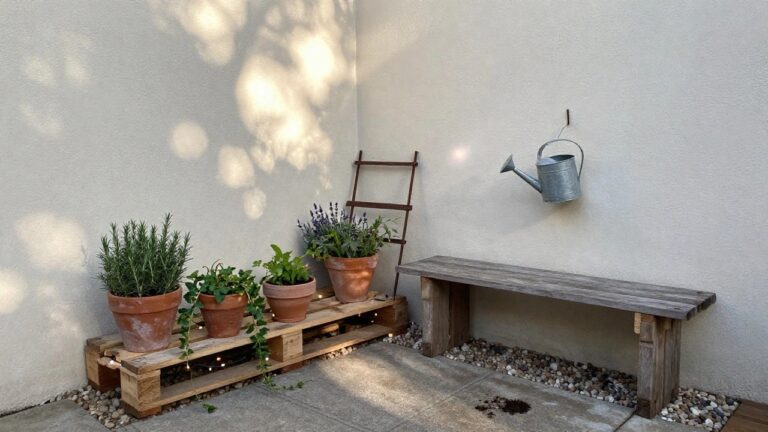
Narrow spots along a fence or beside a deck tend to get ignored because most planters take up too much room and block the path.
Building from pallets gives you a way to create tall or stacked planters that stay narrow while still giving plants room to grow.
I ended up keeping two of these designs after trying them out.
What surprised me was how much difference a simple corner planter made in turning an awkward strip of ground into something I actually use.
The ones that worked best for me were the ones that left enough walking space and did not tip when the soil got wet.
Turn A Pallet Into Tiered Planter Shelves
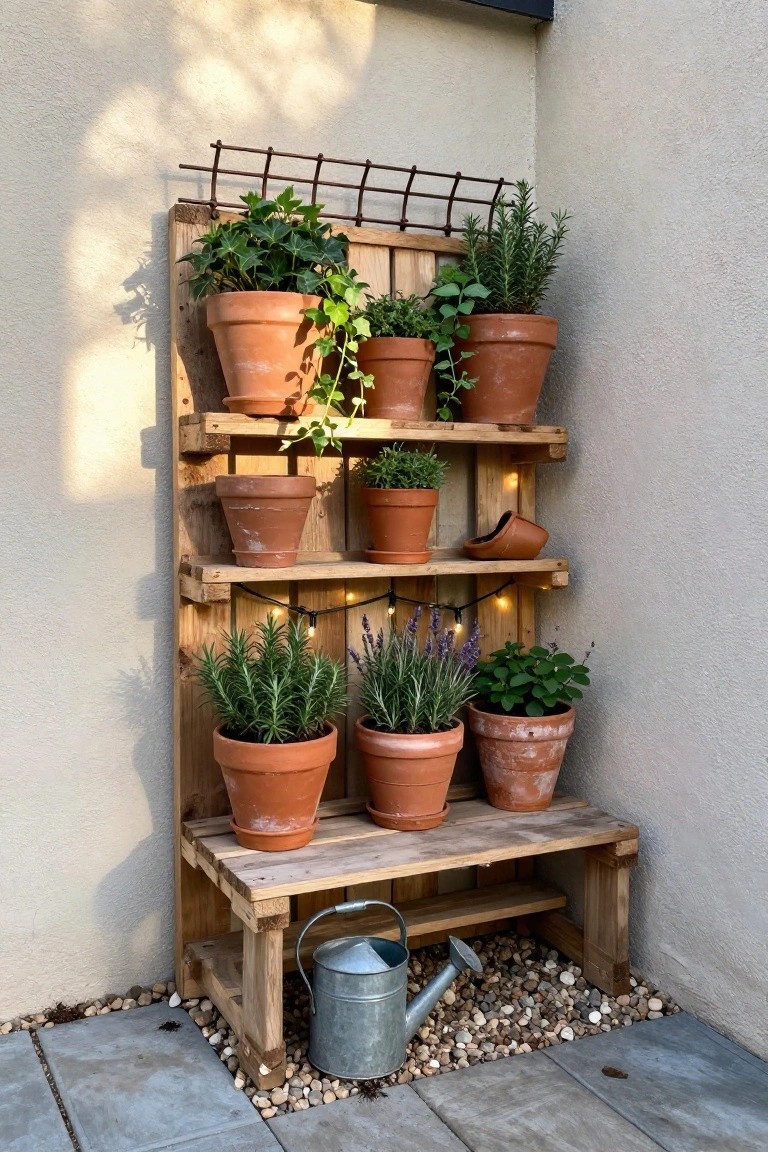
Narrow corners often get overlooked because there is not much floor space to work with. Stacking a pallet upright and adding a few simple shelves turns the wall into usable planting room without spreading out sideways.
This approach suits townhomes or small yards where every inch counts. Place it against a fence or house wall, use sturdy pots that fit the shelf depth, and keep the lower levels clear so plants get enough light.
Pallet Bases Keep Corner Planters Tidy
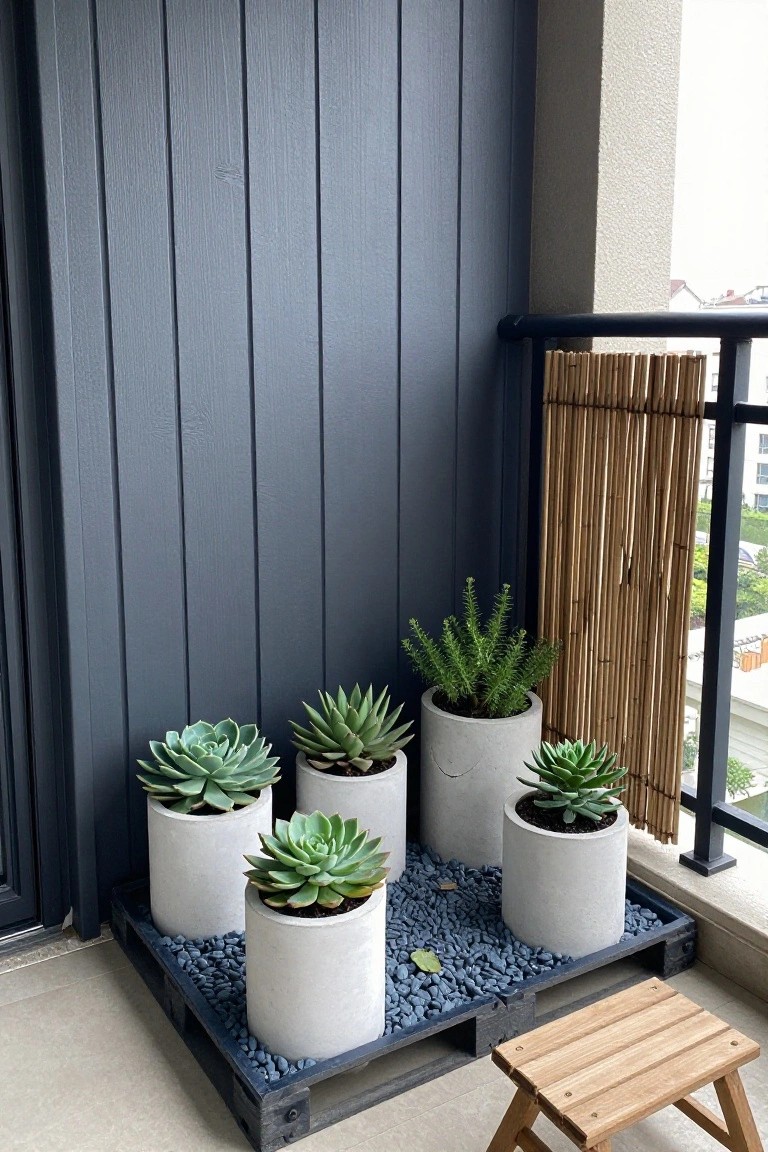
A pallet laid flat on the floor turns a narrow balcony corner into a defined planting spot without spreading things everywhere. It holds several pots together in one place and protects the surface underneath from water and dirt.
This setup works best on small balconies or tight patios where every inch counts. Choose a pallet that fits the width of the corner and add a liner if needed to keep soil from falling through the gaps.
Pallet Planters For Narrow Garden Corners
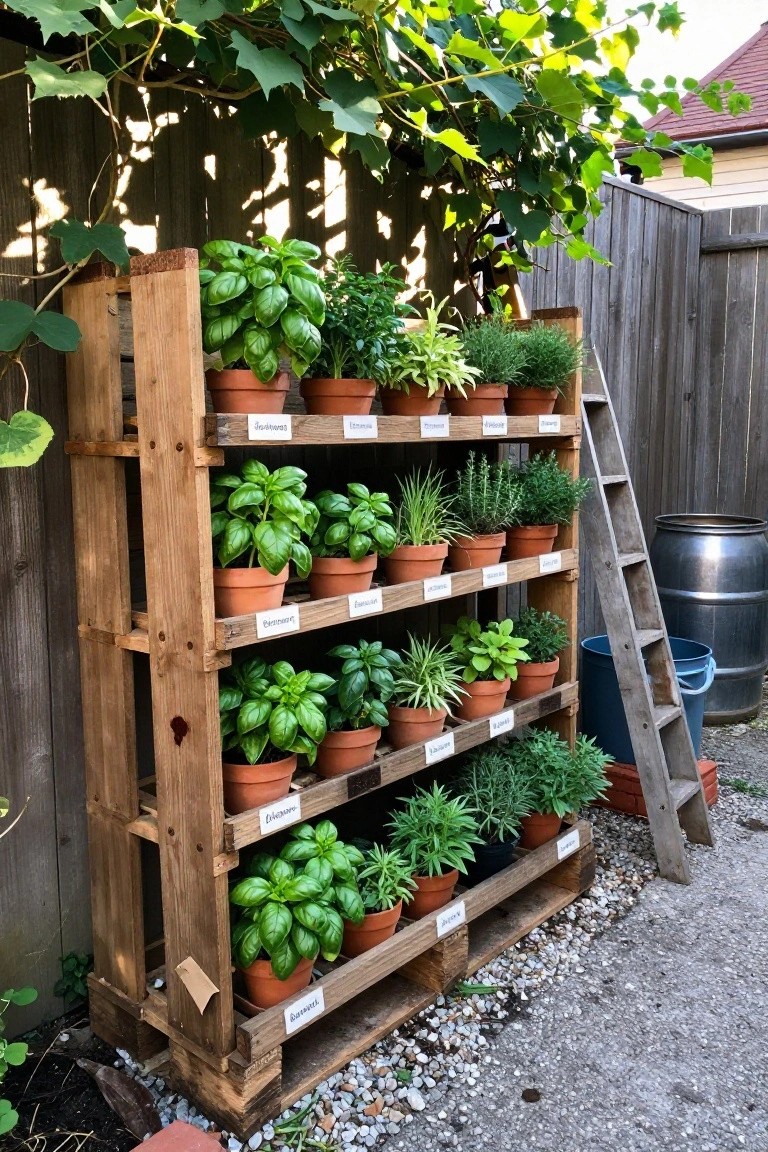
A simple pallet stood on end can turn a narrow strip of ground into useful growing space. The open frame holds rows of pots at different heights so plants get light and air without crowding the ground below.
This setup suits homes with tight side yards or fenced corners where a regular bed would not fit. Keep the structure close to a wall for stability and choose pots that sit securely on the cross boards.
Long Pallet Planters For Narrow Porch Corners
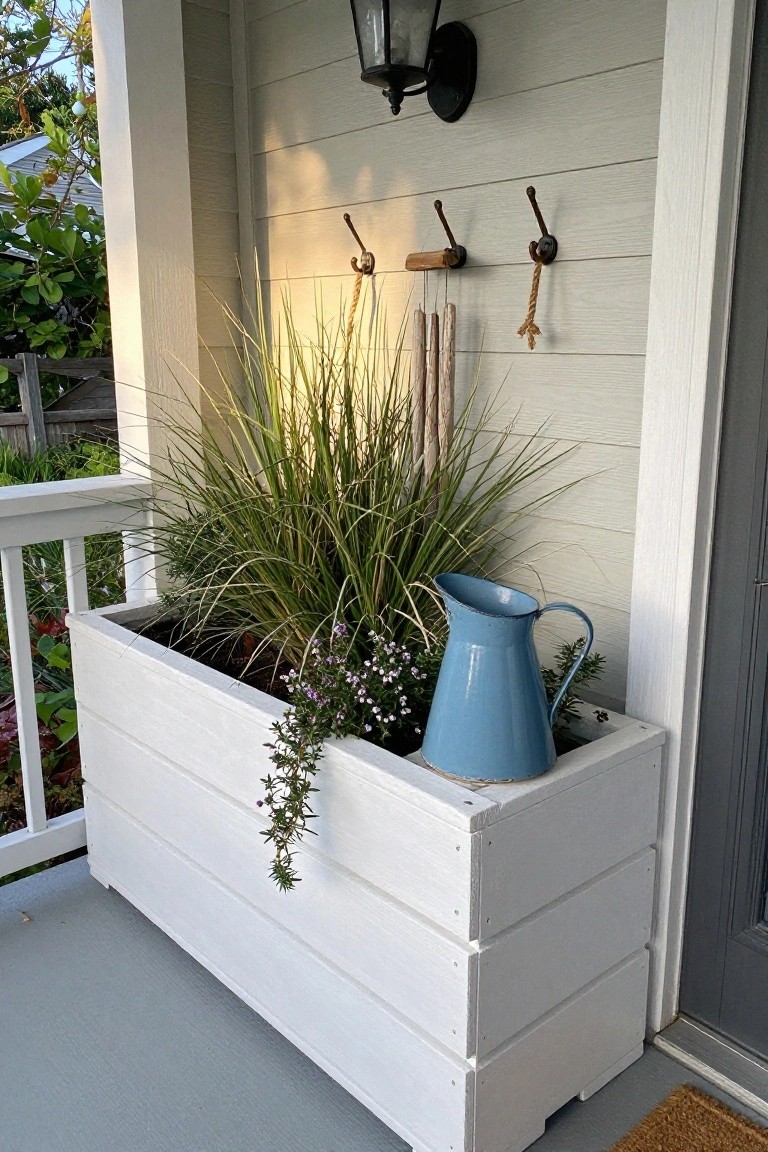
A long, low box made from pallets can turn a tight spot next to a door into a useful planting area. It takes up little floor space while still giving you room for taller plants at the back and something that spills over the front.
This works best on small porches or entryways where regular pots would crowd the walkway. Keep the box painted to match the house trim and choose plants that stay fairly upright so nothing blocks the path.
Vertical Pallet Planters For Narrow Corners
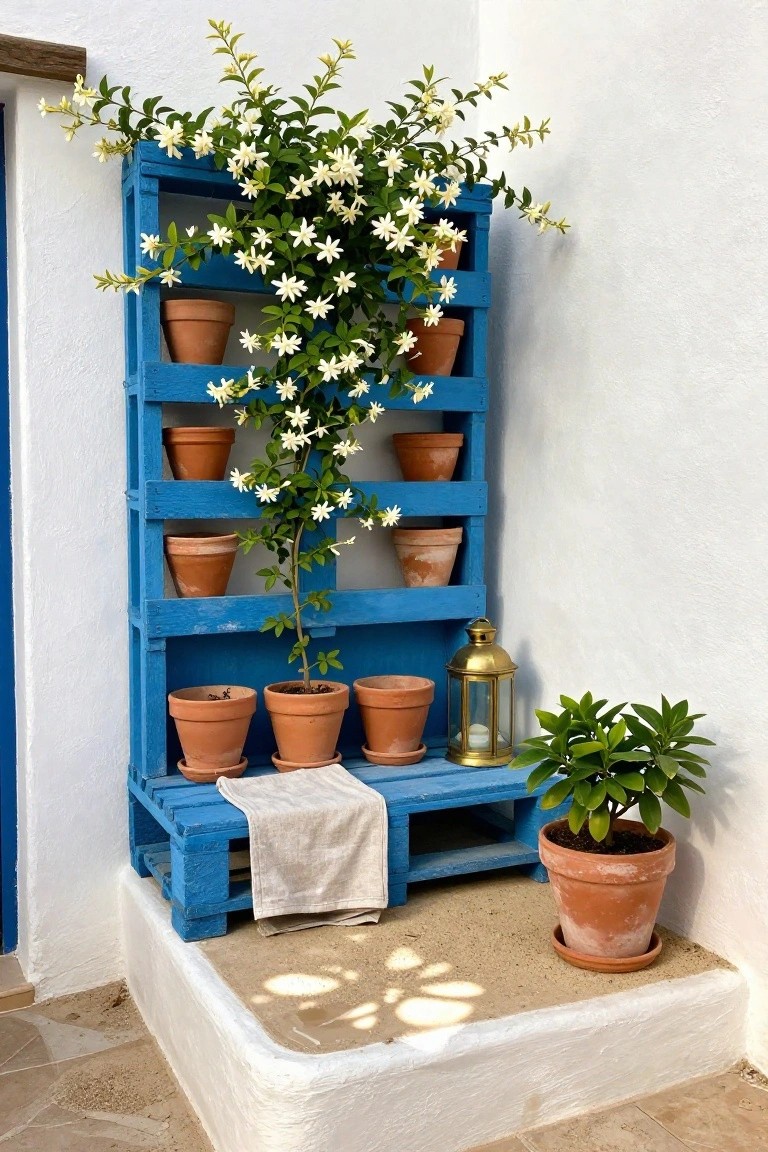
One idea that works well in tight outdoor spots is turning a single pallet into a vertical planter. You attach a few cross pieces to hold pots at different heights, then lean the whole thing against a wall so the plants can spill downward without taking up much floor space.
This approach suits patios or side yards where a regular bed would feel cramped. Keep the wood sealed if it will sit on damp ground, and choose pots that are not too heavy for the shelves.
A Low Bench Helps Fill Narrow Corners With Plants
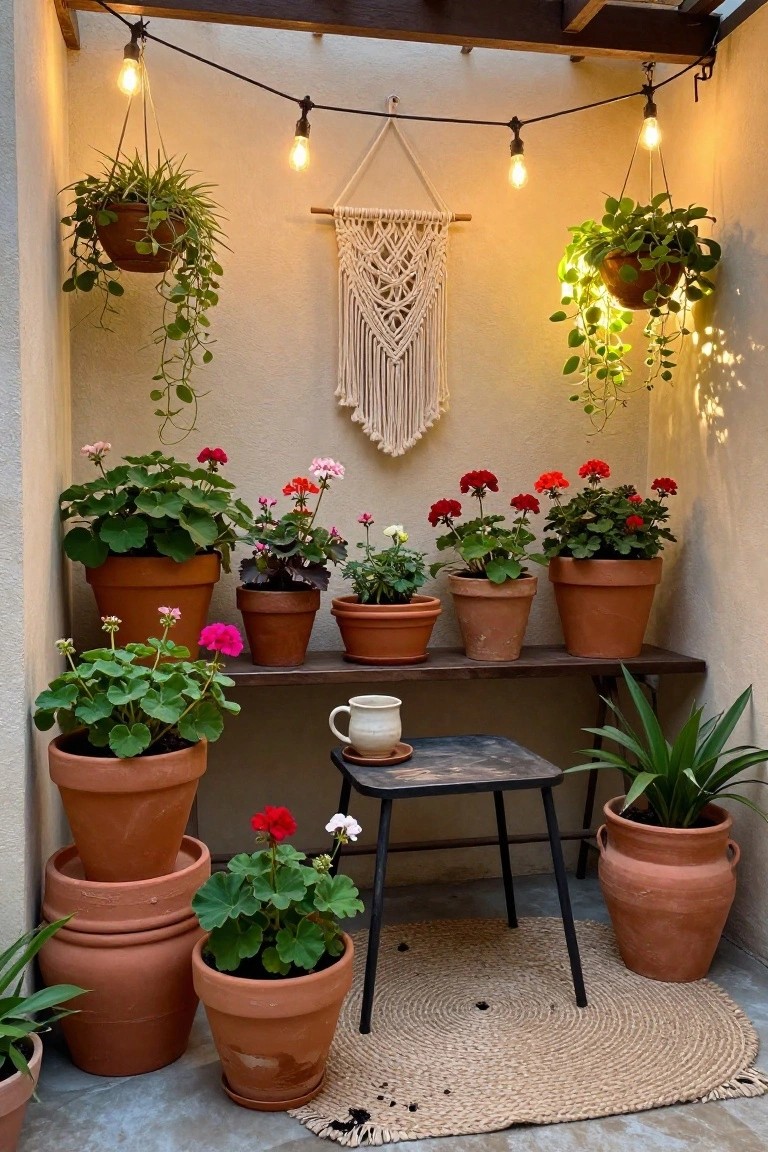
A low bench or shelf along the back wall turns a tight corner into a spot for several pots without crowding the floor. It lifts the plants to a better viewing height and makes watering simpler since everything stays in one line.
This setup suits small patios or side yards where space is limited. Keep the bench narrow, around twelve inches deep, so it does not block the walkway, and choose sturdy wood that can handle outdoor weather.
Wooden Crates On Stands For Tight Corners
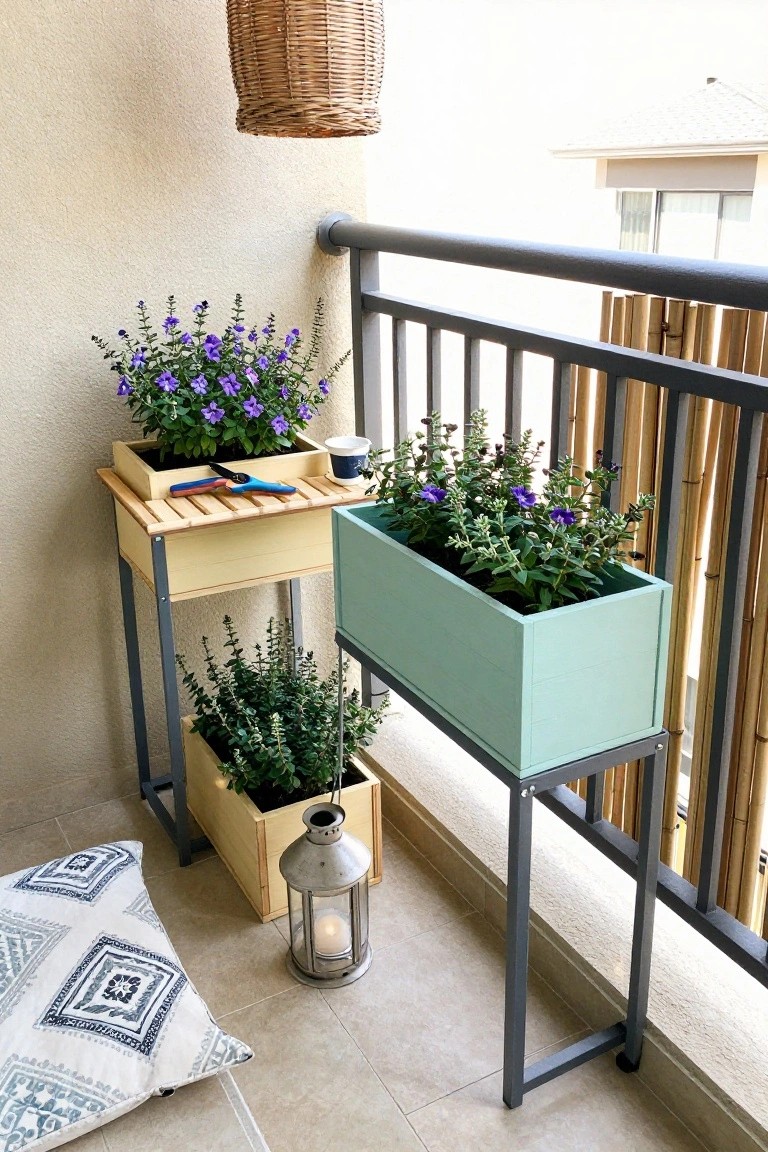
Wooden crates raised on simple stands give you planting room without eating up floor space on a narrow balcony. The height keeps plants off the ground so the area still feels open and easy to walk through.
This setup suits apartment balconies or small patios where floor room is limited. Use crates that are already treated for weather and add a liner if needed so the wood holds up over time.
Pallet Planters For Narrow Outdoor Corners
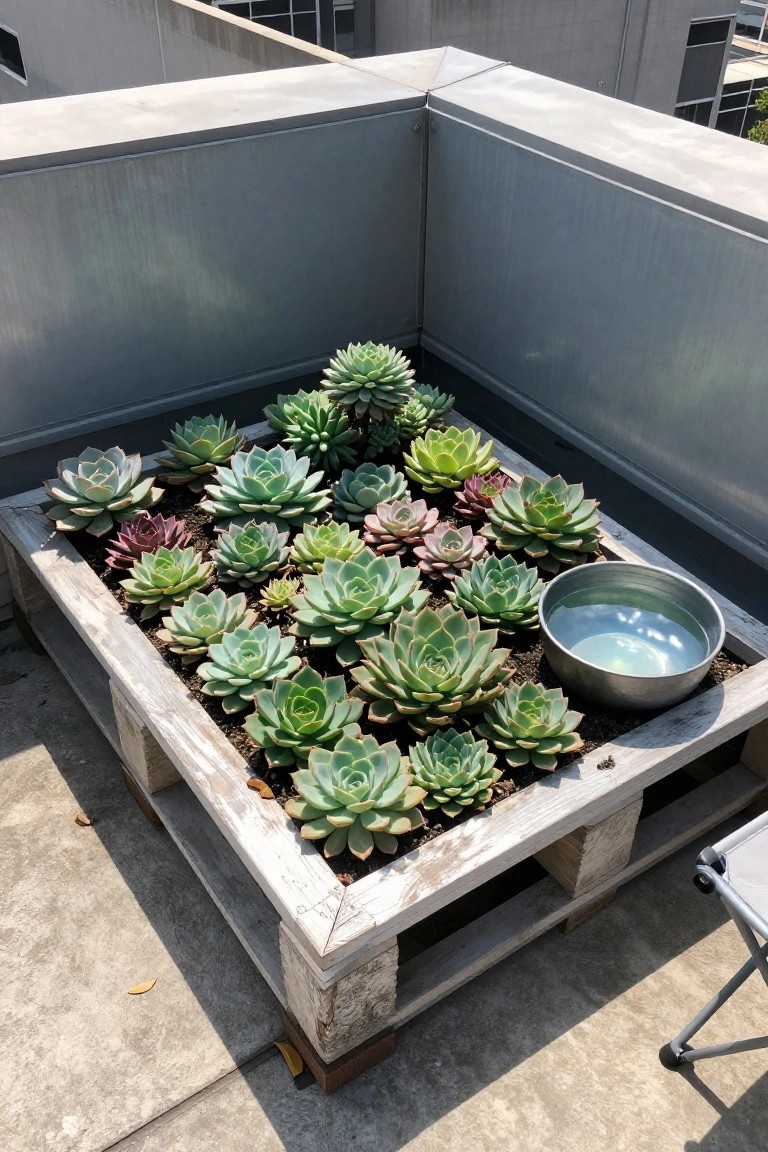
A pallet turns a tight corner into a ready-made planting spot without needing much floor space. It sits flat against two walls and gives you a raised bed that stays contained, which works especially well when you want to grow something simple like succulents.
This idea suits balconies, side yards, or small patios where a regular bed would crowd the area. Line the inside, fill it with soil, and set it in place so the plants get good light while the wood keeps everything off the ground. Check the drainage holes so water does not sit on the surface below.
Vertical Pallets For Narrow Pool Corners
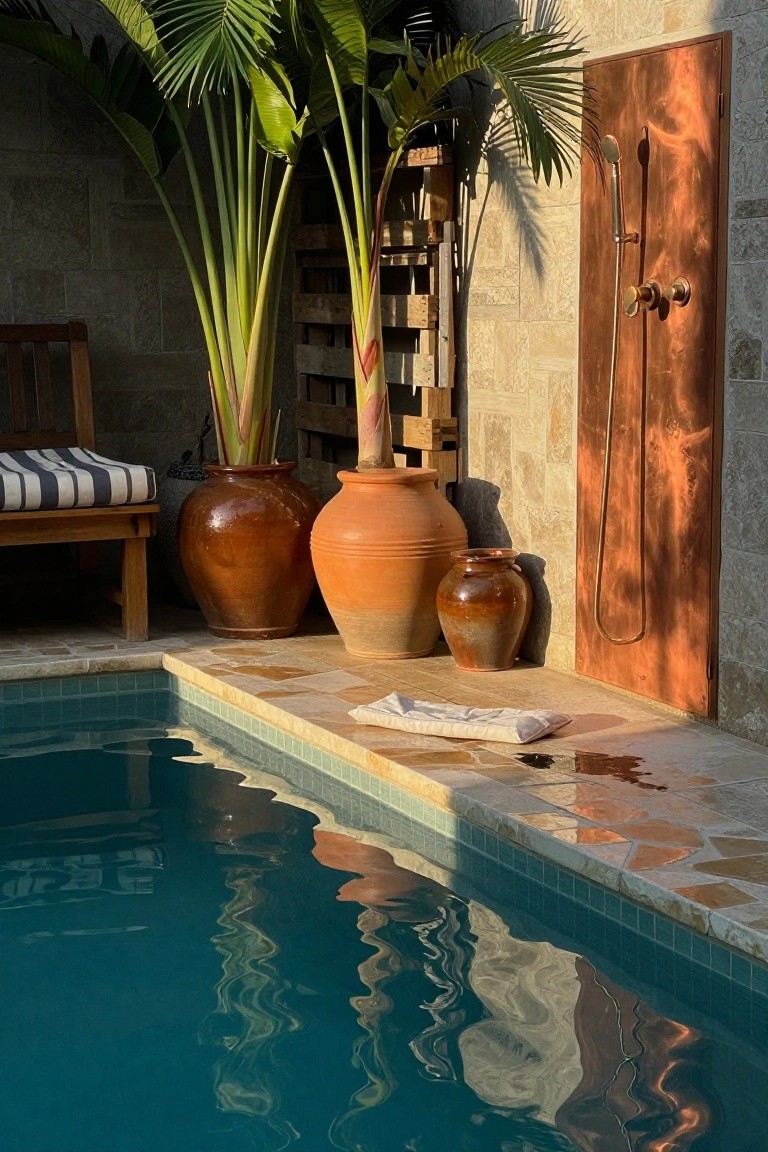
A pallet leaned upright against the wall turns a slim strip of space into useful planting room. It lifts pots off the ground, keeps things from spreading sideways, and gives tall plants a place to rest without crowding the walkway or deck edge. This setup works especially well beside a shower or in the narrow gap between a pool and a boundary wall.
Start with one or two standard pallets, stand them where the corner meets the house or fence, and set your largest pots in front or rest smaller ones on the slats. It suits homes with tight outdoor layouts where floor space matters more than wide beds. Just make sure the pallet is stable and treated for outdoor use so it holds up near water.
Use a Rectangular Planter in Narrow Corners
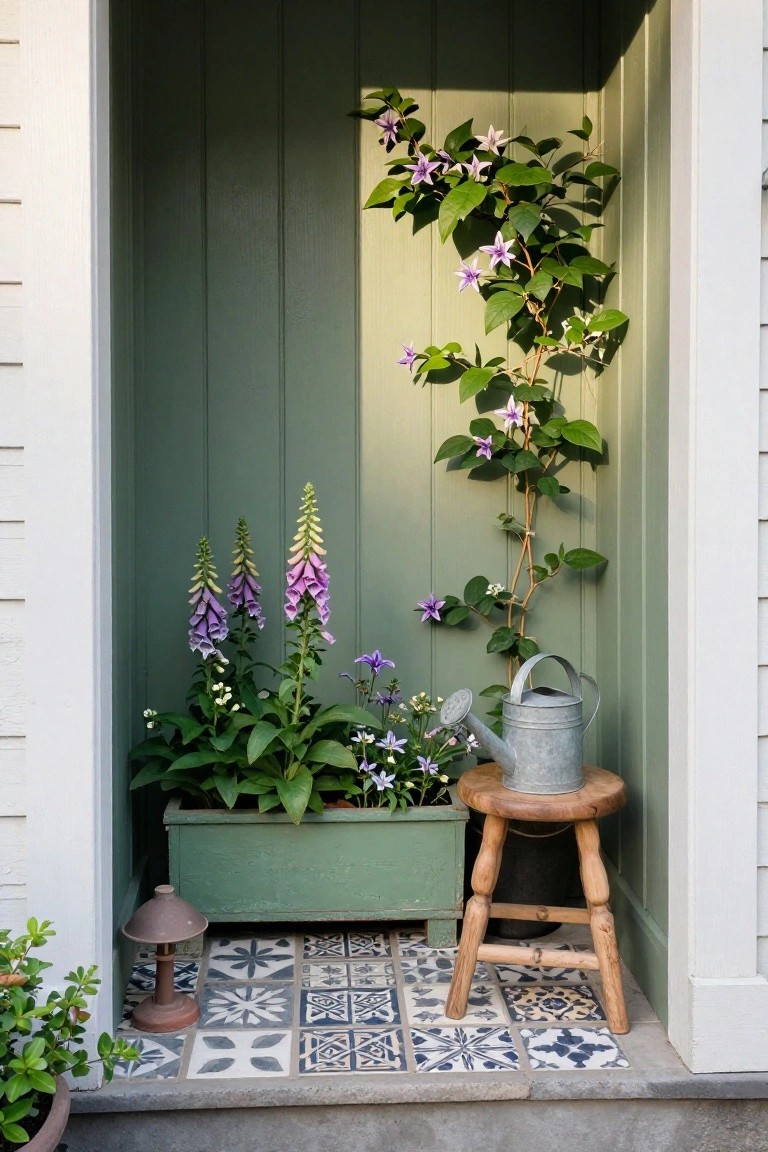
A simple rectangular planter fits neatly into tight outdoor corners where round pots or larger containers would crowd the space. It sits flat against the wall and leaves room to walk by while still giving plants a solid base.
This works best along house entries or side passages with limited depth. Keep the box low so it does not block windows or doors, and mix upright flowers with one climbing plant to add height without taking extra floor room.
Use a Painted Pallet as a Corner Planter
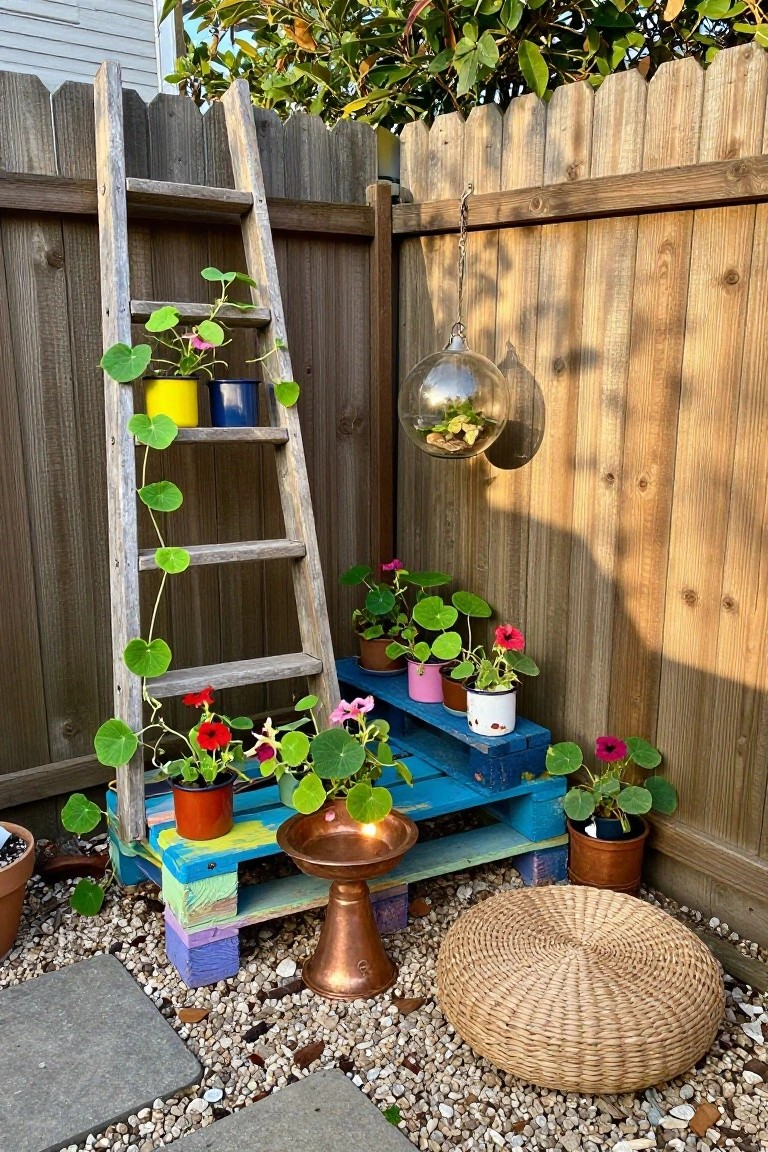
A wooden pallet can turn a narrow outdoor corner into a useful planting spot without taking up much ground space. The slats create ready-made shelves for pots at different heights, and the whole thing stays flat against a fence or wall. Painting the wood in a few bright colors keeps the area from feeling too plain.
This setup works best in small yards or along side fences where you need vertical planting but do not want permanent beds. Place the pallet on bricks to lift it off damp ground, then add pots of different sizes and let a few trailing plants hang down the front. It is easy to move or repaint later if the layout changes.
Wall Planters With A Hanging Screen
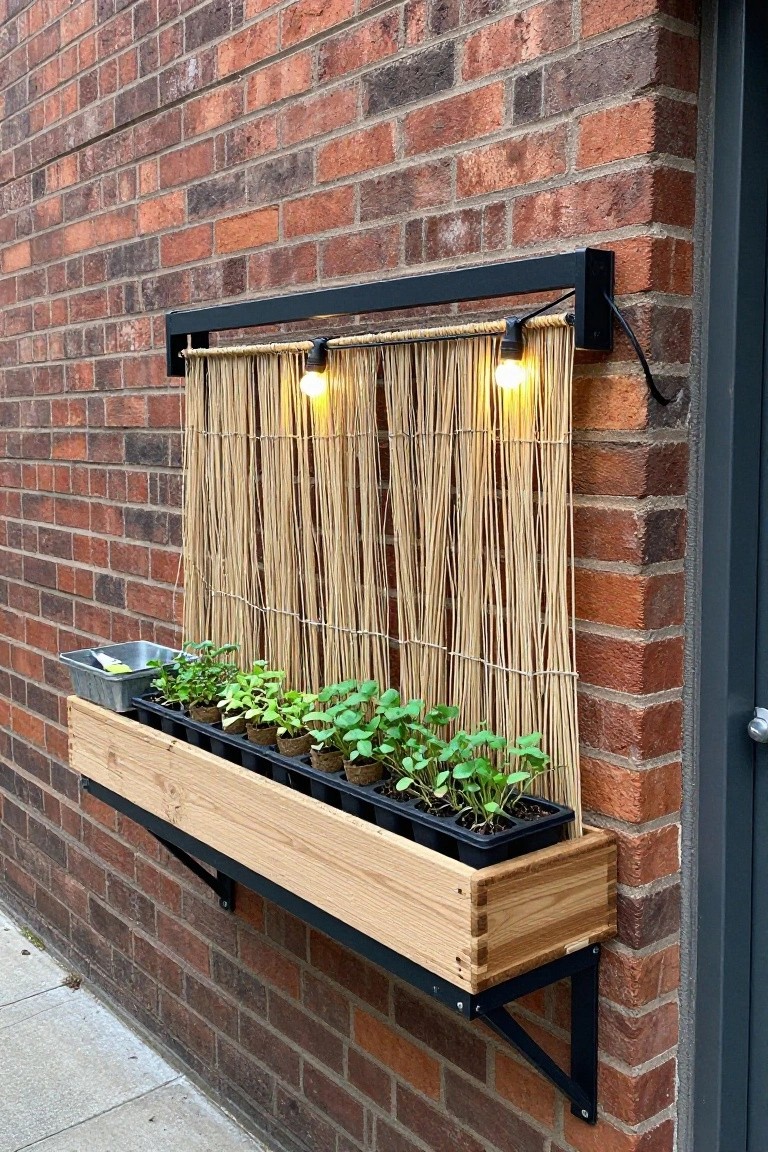
Mounting a planter on brackets along a narrow wall and adding a hanging reed screen above it gives you a clean vertical garden without taking up floor space. The screen adds texture and softens the look of the wall while the plants stay easy to reach.
This works best on homes with solid exterior walls like brick where you need something compact. Use sturdy brackets to hold the weight once the soil and plants are in, and choose a screen material that lets some light through if the spot gets sun.
Two Tiered Planters Fit Narrow Outdoor Corners
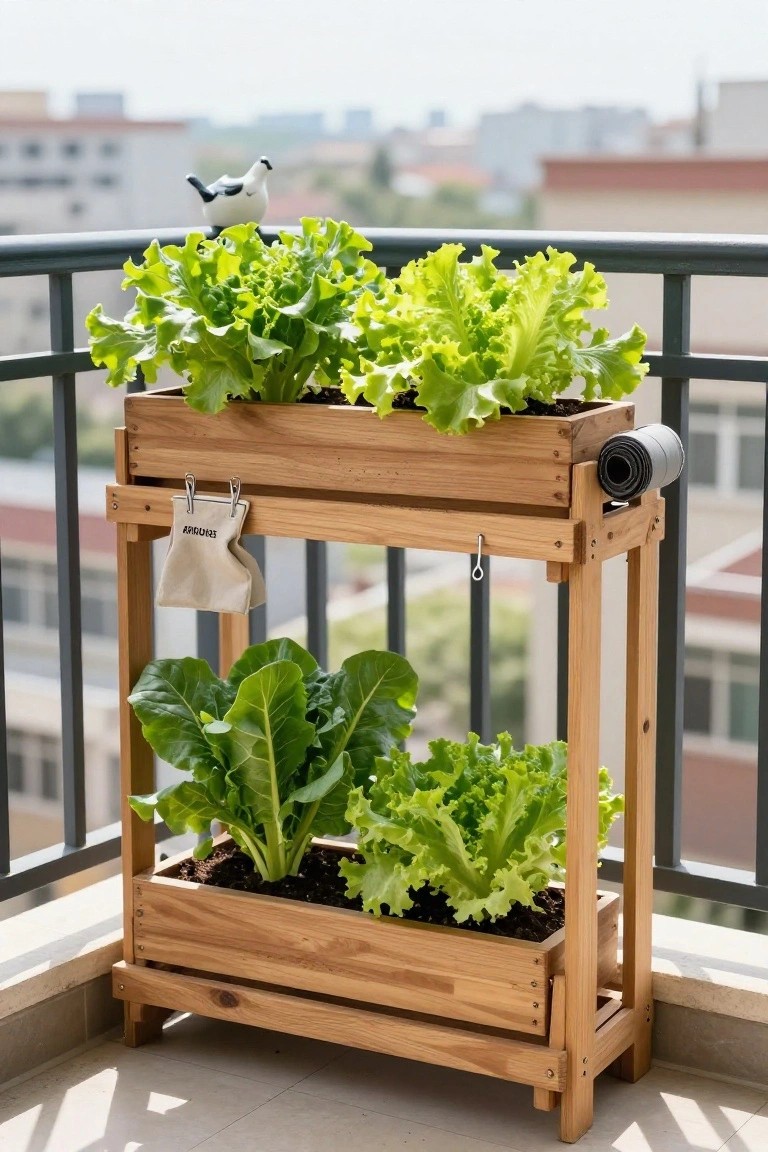
Stacked wooden boxes on a simple frame give you twice the growing room without eating up floor space. This approach works especially well on balconies or in tight corners where a wide bed would not fit.
Place the taller level at the back so both rows get light and you can reach everything easily. It suits apartment living or small yards where you want fresh greens without a full garden.
Vertical Pots Fill Narrow Corners
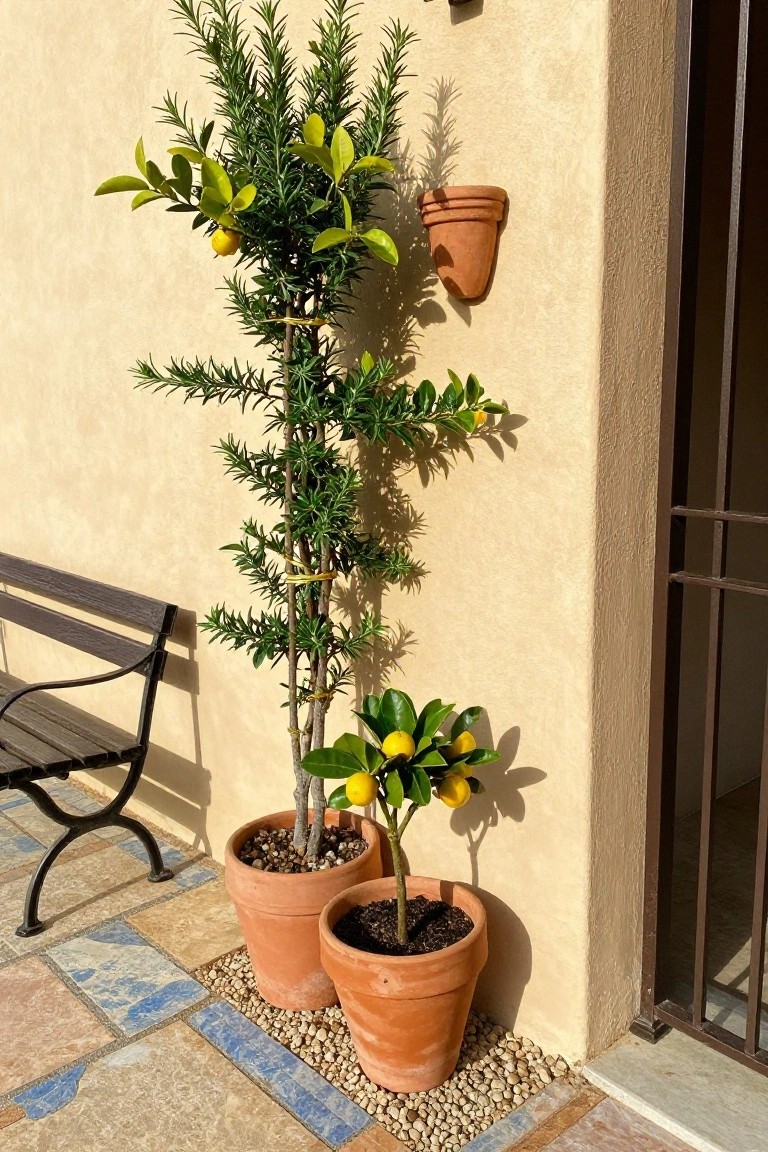
Tall narrow plants in simple pots can turn a tight outdoor spot into something useful without spreading out across the floor. The idea works because it adds height and greenery while keeping the footprint small, which suits patios or side areas that get little traffic.
Choose pots that match the house style and train the taller plants with ties so they stay upright. This approach fits homes with limited outdoor space and helps avoid clutter along walls or doorways.
Narrow Corner Units That Combine Planters and Storage
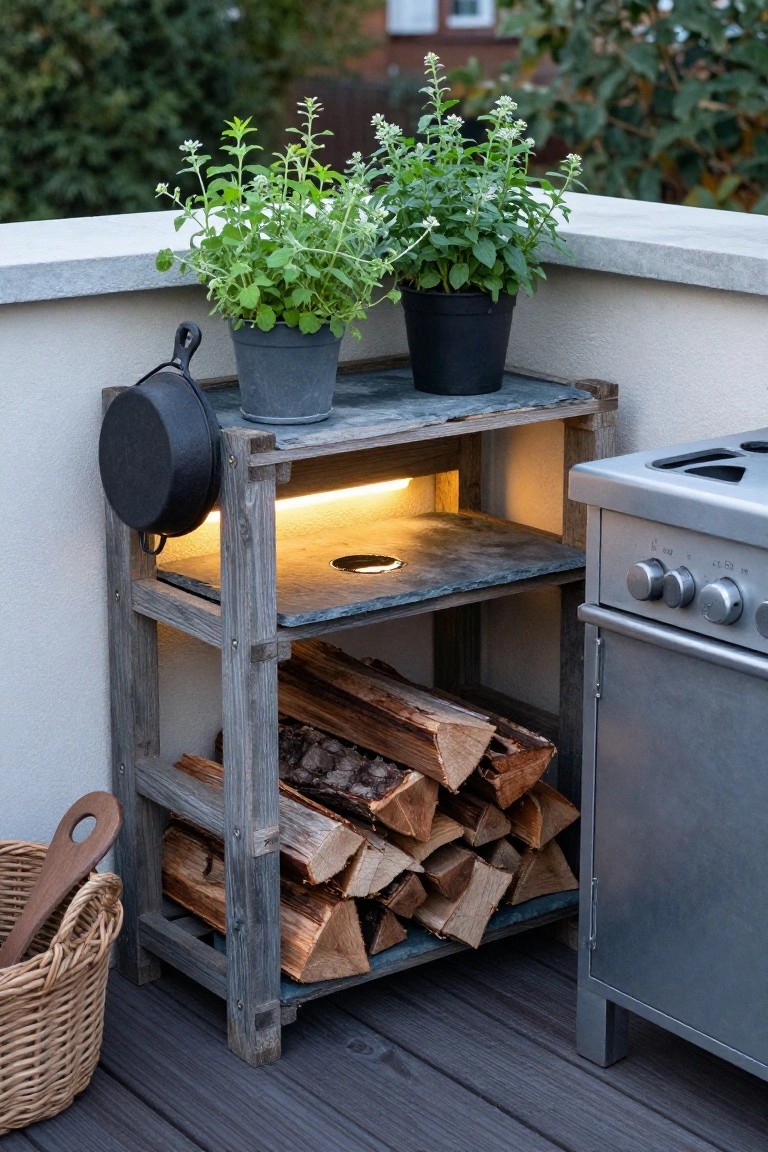
A simple wood frame with open shelves can turn a tight deck corner into something useful without taking up much floor space. The top level holds pots while the lower section keeps firewood or tools within reach, and a small light underneath helps when cooking or relaxing outside in the evening.
This kind of unit works best on small patios or decks where every inch counts. Place it against a wall or railing near a grill or seating area so the plants stay handy for cooking and the stored wood stays dry. Keep the overall width under two feet so it does not block movement.
Stack Pallets for Tiered Planters in Narrow Corners
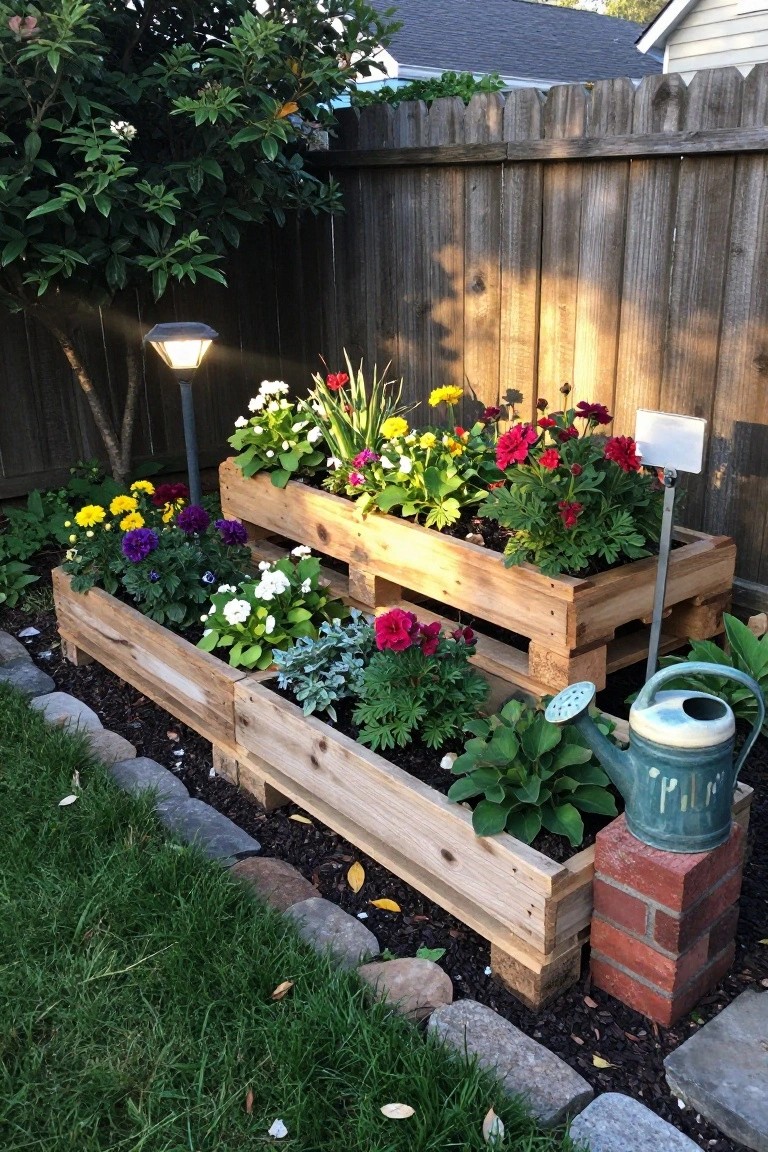
Stacking pallets gives you extra planting height without spreading out across the ground. It turns a thin strip along a fence into a useful growing area that still leaves room to walk or mow.
This works best in side yards or back corners where space runs long but stays narrow. Use two or three pallets high, line the inside with landscape fabric, and add soil a bit at a time so the structure stays steady.
Frequently Asked Questions
Q: How do I keep the wood from rotting? A: Seal the pallet with outdoor wood protector right after building it. This blocks moisture from soaking in. Refresh the coat once a year to stay ahead of the weather.
Q: How do I stop the planter from tipping over? A: Anchor it to the wall with a couple of brackets. That single step keeps everything steady even on windy days.
Q: My corner stays shady most of the day. What should I plant there? A: Pick shade loving options like ferns or hostas. They fill the space nicely without much sun. Water them regularly since the soil dries slower in shade.
Q: Do I need to line the inside with plastic? A: Add a liner to hold the soil in place. It also helps prevent water from soaking into the wood too fast. Drill a few holes at the bottom for drainage.
