

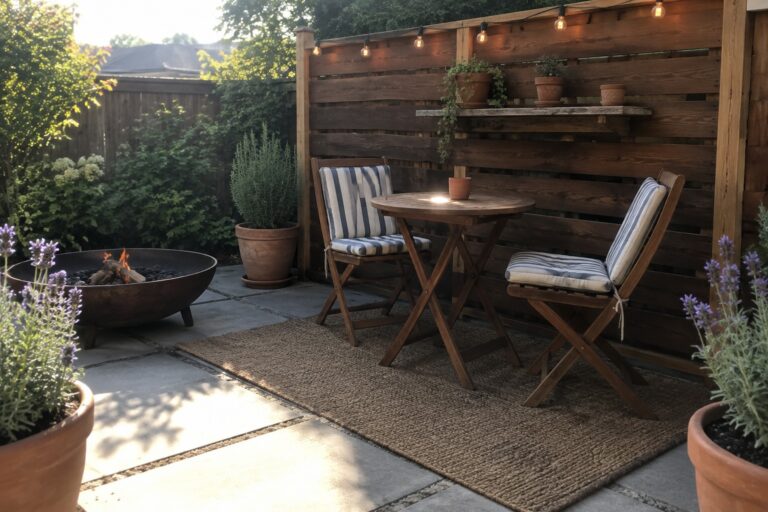
Backyard patios often end up underused when there is no real sense of separation from the rest of the yard or the neighbors next door.
I keep coming back to the fact that a space only feels worth spending time in once it gives you a bit of enclosure without closing everything off.
Privacy changes everything out there.
Putting up simple screens on my own taught me that the materials can stay cheap as long as the height and placement actually match how we move through the area.
Those choices end up deciding whether the patio becomes part of daily life or just another spot that looks fine in photos.
Build a Simple Slat Screen for Backyard Privacy
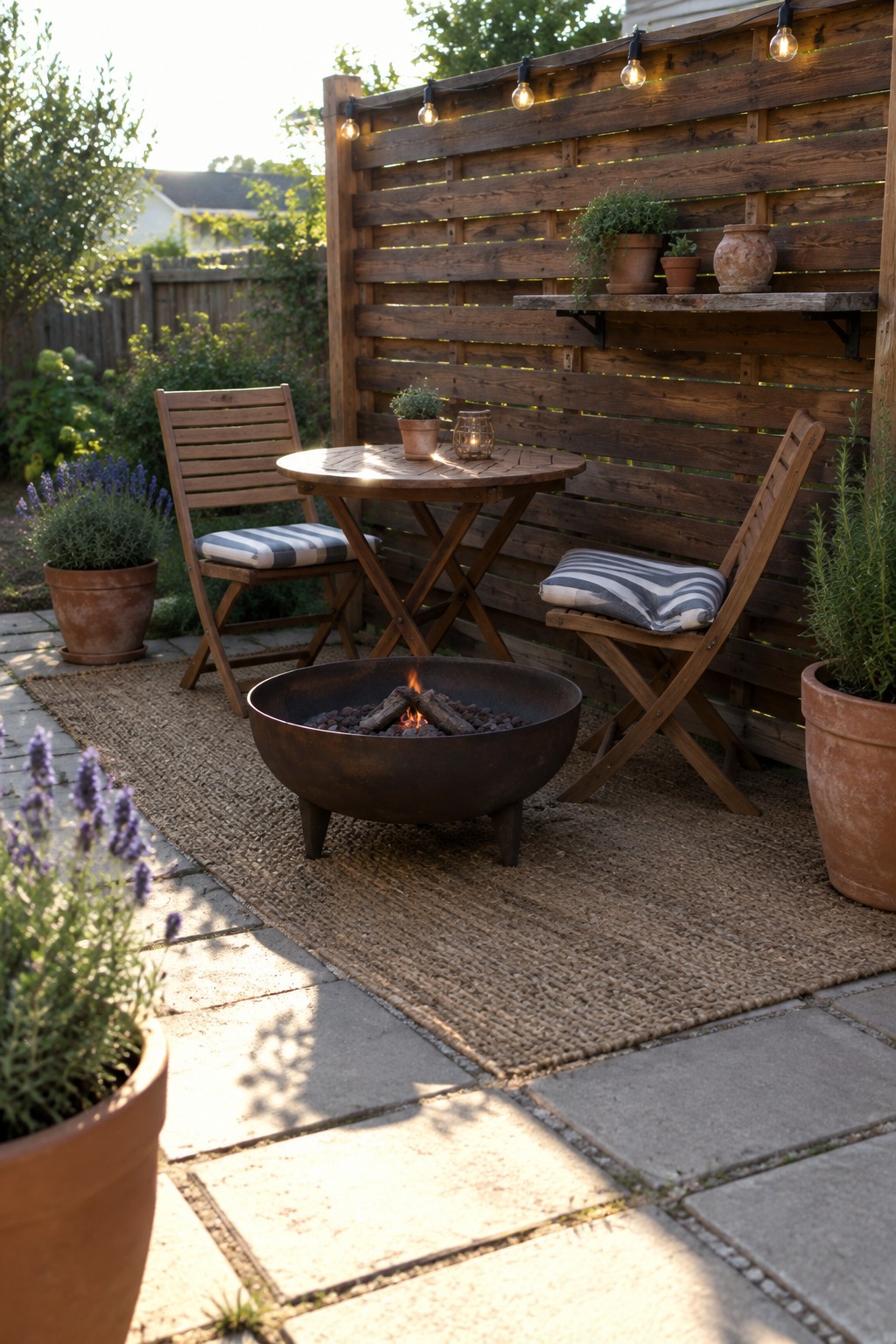
A wooden slat screen gives you privacy without closing off the whole yard. The gaps keep air moving and stop the space from feeling boxed in, which makes it easier to enjoy the patio even when neighbors are close by.
You can put one up along the back or side of a seating area and add a narrow shelf for a few plants. This works best on small patios or in corner spots where you need a quick boundary on a budget.
Use Reed Screening For Quick Privacy
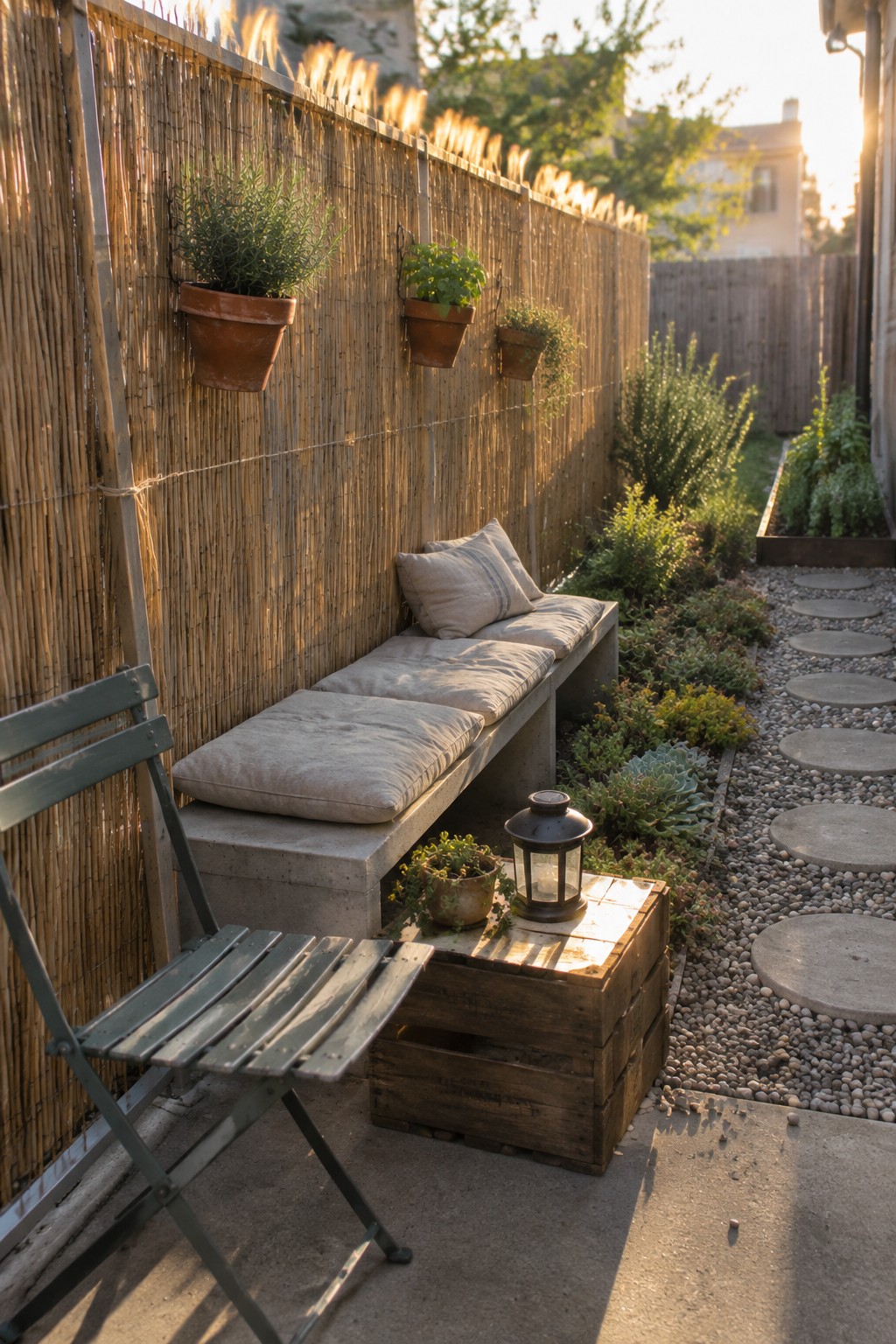
A reed screen gives you privacy on a patio without building a solid wall or spending a lot. It softens the edge of the space, blocks the view from outside, and still lets air and light move through so the area does not feel closed in.
This works best along the back or side of a small seating spot where you need screening but want to keep things simple. Attach the reeds to posts or an existing fence, add a few hanging pots if you like, and you have a finished look that costs far less than most other options.
Build Privacy with Horizontal Wood Slats
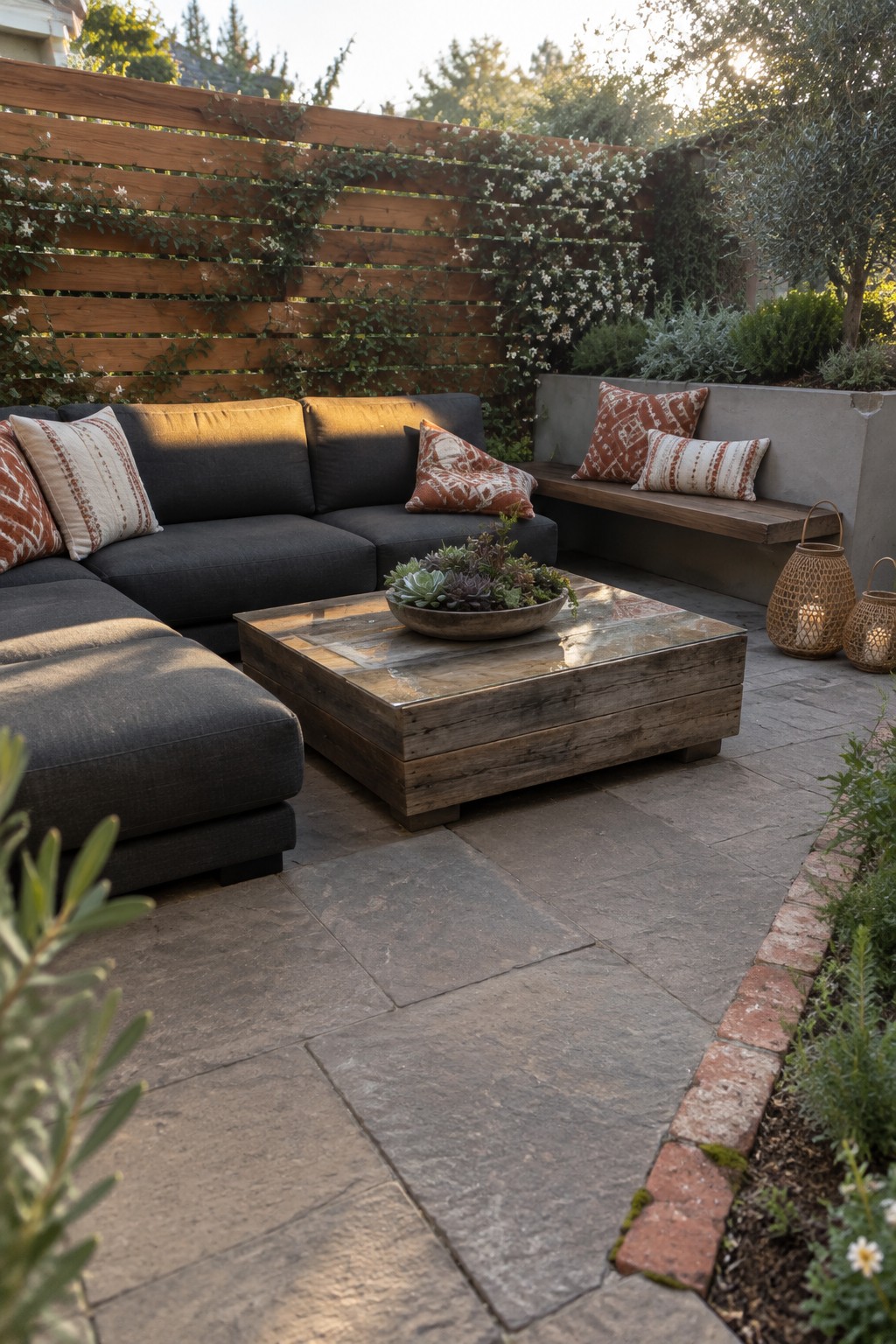
A horizontal slat screen gives a patio clear boundaries without blocking all the light. The open gaps keep the space from feeling closed in while the climbing vines add softness and coverage over time. This approach works well when you want separation from neighbors or the street but still need airflow and a bit of sun.
It suits small to medium backyards where a full fence would feel too heavy. Use basic lumber, space the slats evenly, and let inexpensive plants fill in the gaps. Just check that your posts are set deep enough so the screen stays sturdy in wind.
Lattice Screens with Climbing Vines
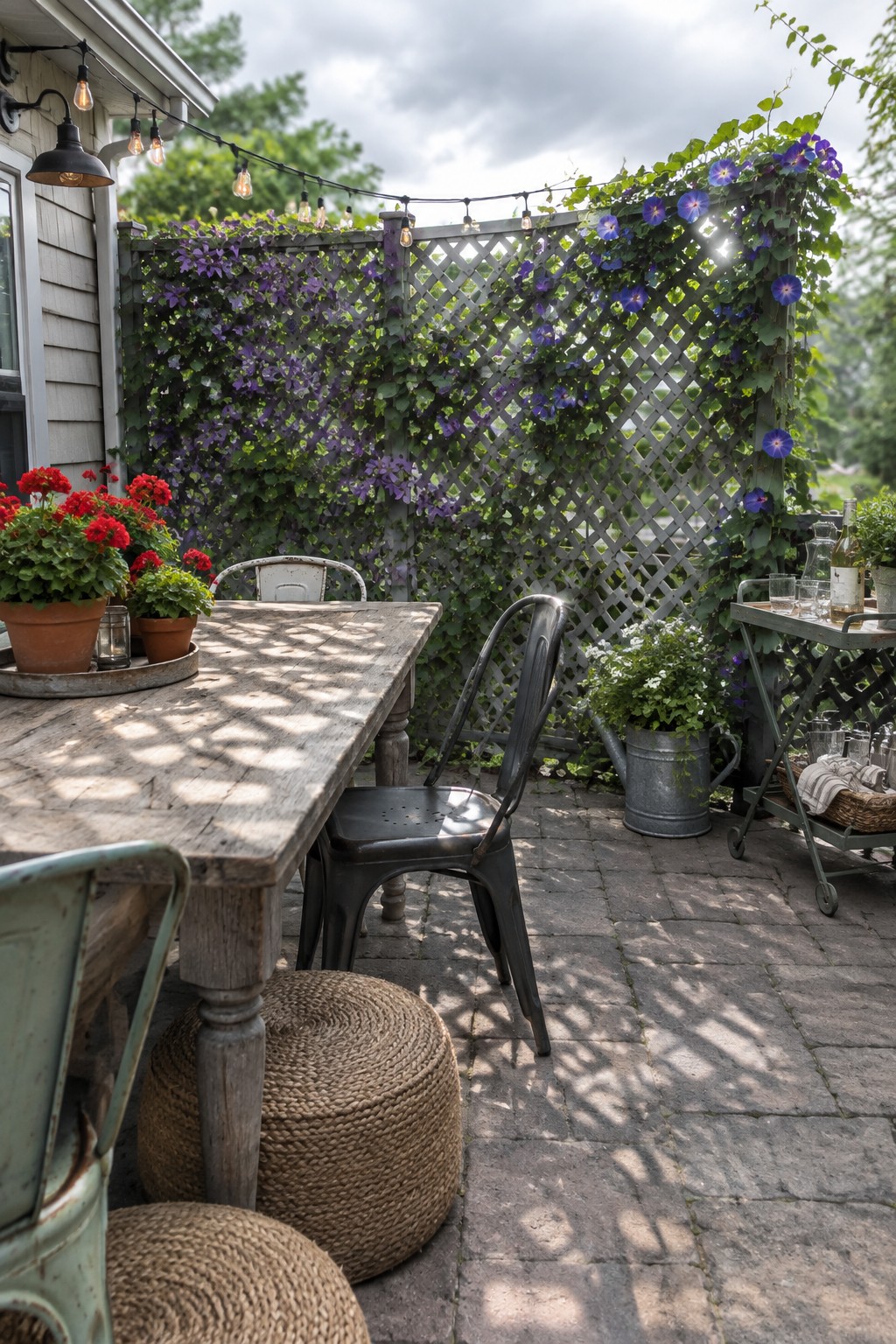
A simple lattice panel makes a good privacy screen because it blocks the view without making the space feel closed in. The open grid lets air and light through while giving climbing plants something to grab onto, so the screen fills in over time and looks softer than a solid fence.
This works well along the edge of a patio or deck where you need a quick screen on a budget. Just set posts, attach the lattice, and plant vines at the base. It suits most backyard setups and costs far less than a full fence or tall hedge.
Corrugated Metal Panels Create Budget Friendly Privacy
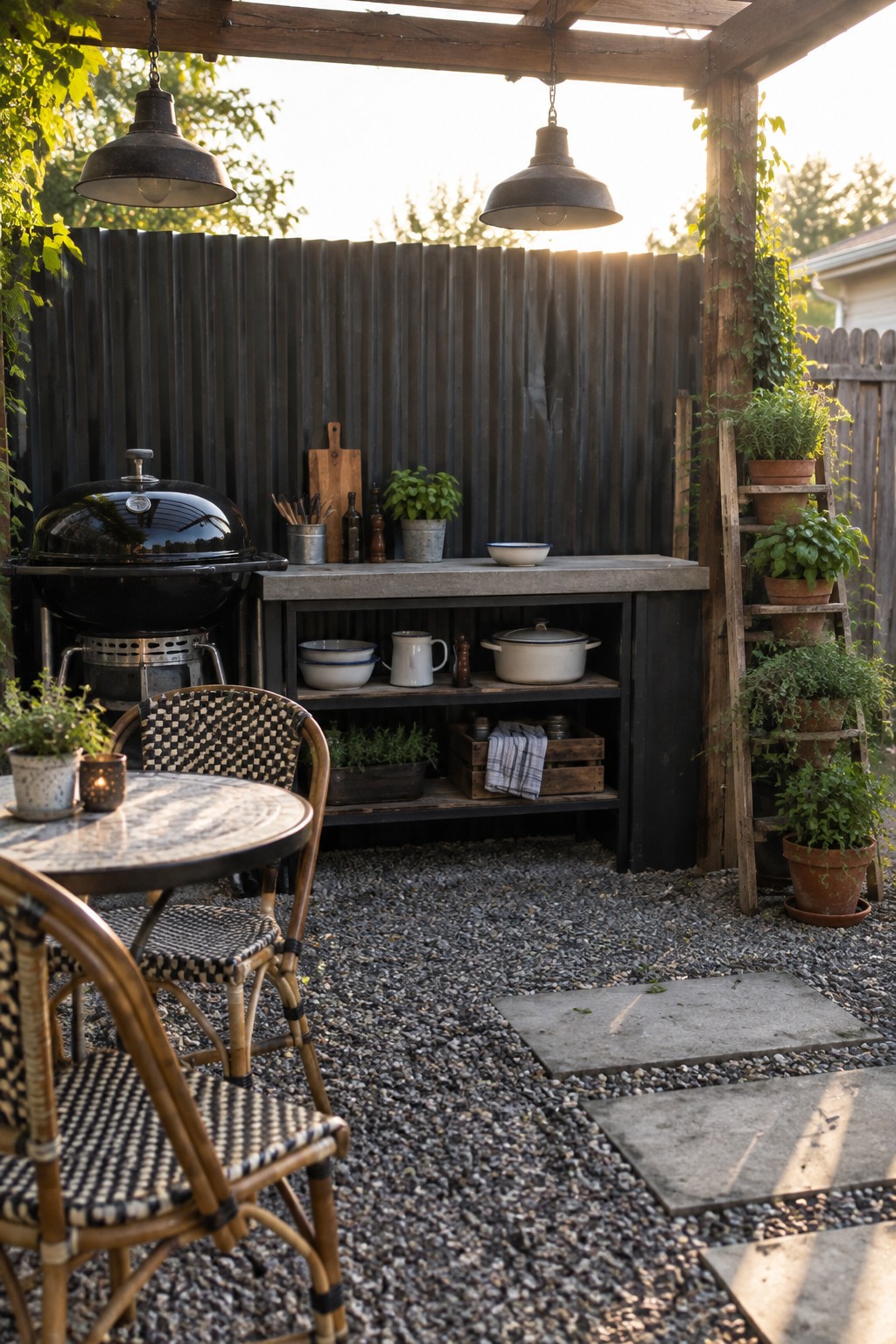
Corrugated metal panels work well as a privacy screen because they are cheap, tough, and block the view without needing much work to install. Many people use them along the back of a patio to turn an open space into a more contained area that feels separate from the rest of the yard.
You can screw the panels to simple wood posts or an existing fence, and the material holds up in rain and sun without much upkeep. This approach suits small backyards or rental homes where a low cost screen is needed fast. Just keep the panels a neutral color so they do not feel too industrial next to plants and seating.
Hang Fabric Panels for Instant Privacy
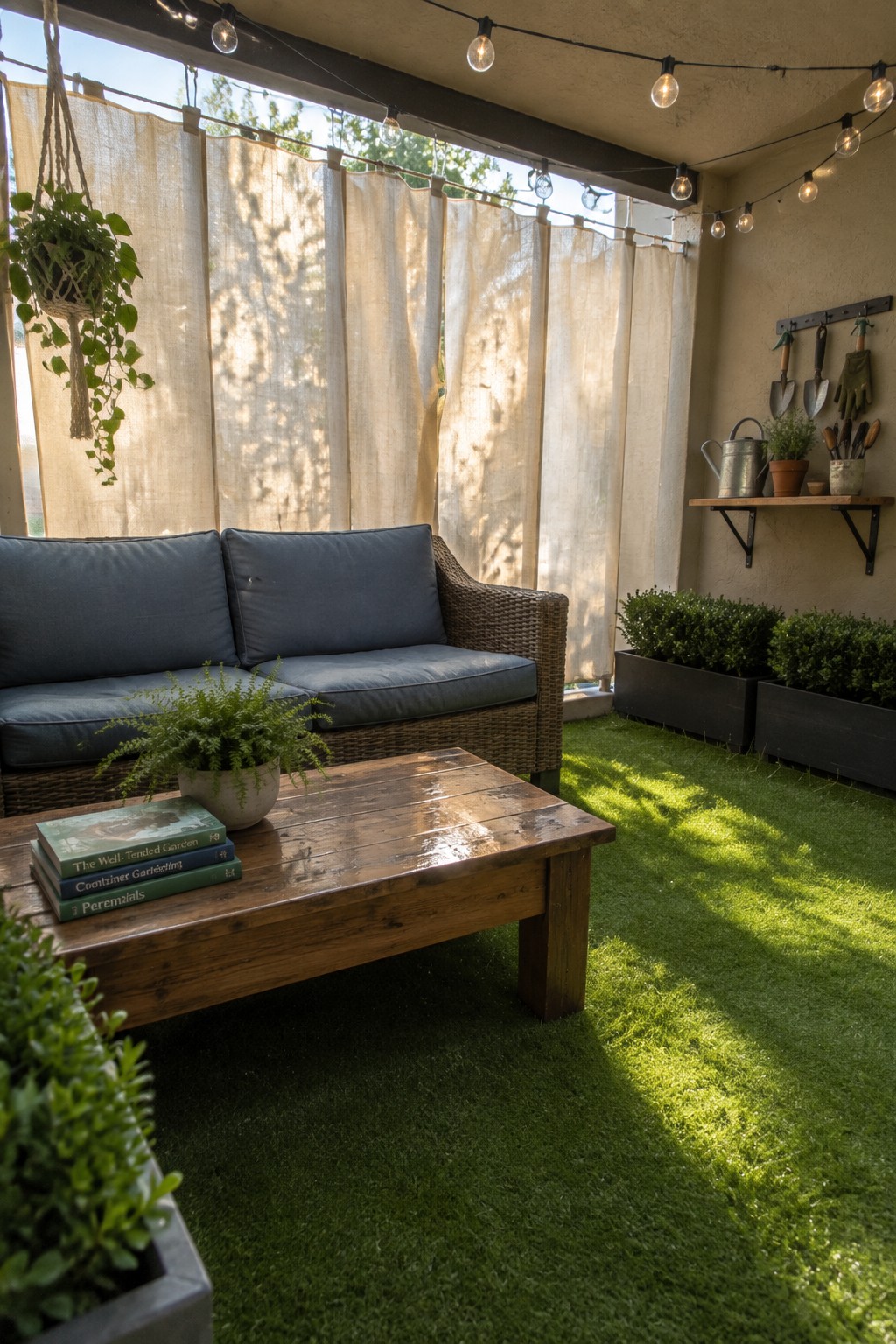
Hanging fabric panels on a simple rod gives you a fast and affordable way to add privacy to a backyard patio. The sheer material blocks the direct line of sight from outside while still letting daylight through, so the space feels enclosed without turning dark or closed in.
This approach works best on a covered patio or under an overhang where you can mount a rod across the open side. Use outdoor fabric or give regular curtains a weatherproof spray so they last through the seasons.
Build a Slatted Wood Privacy Screen
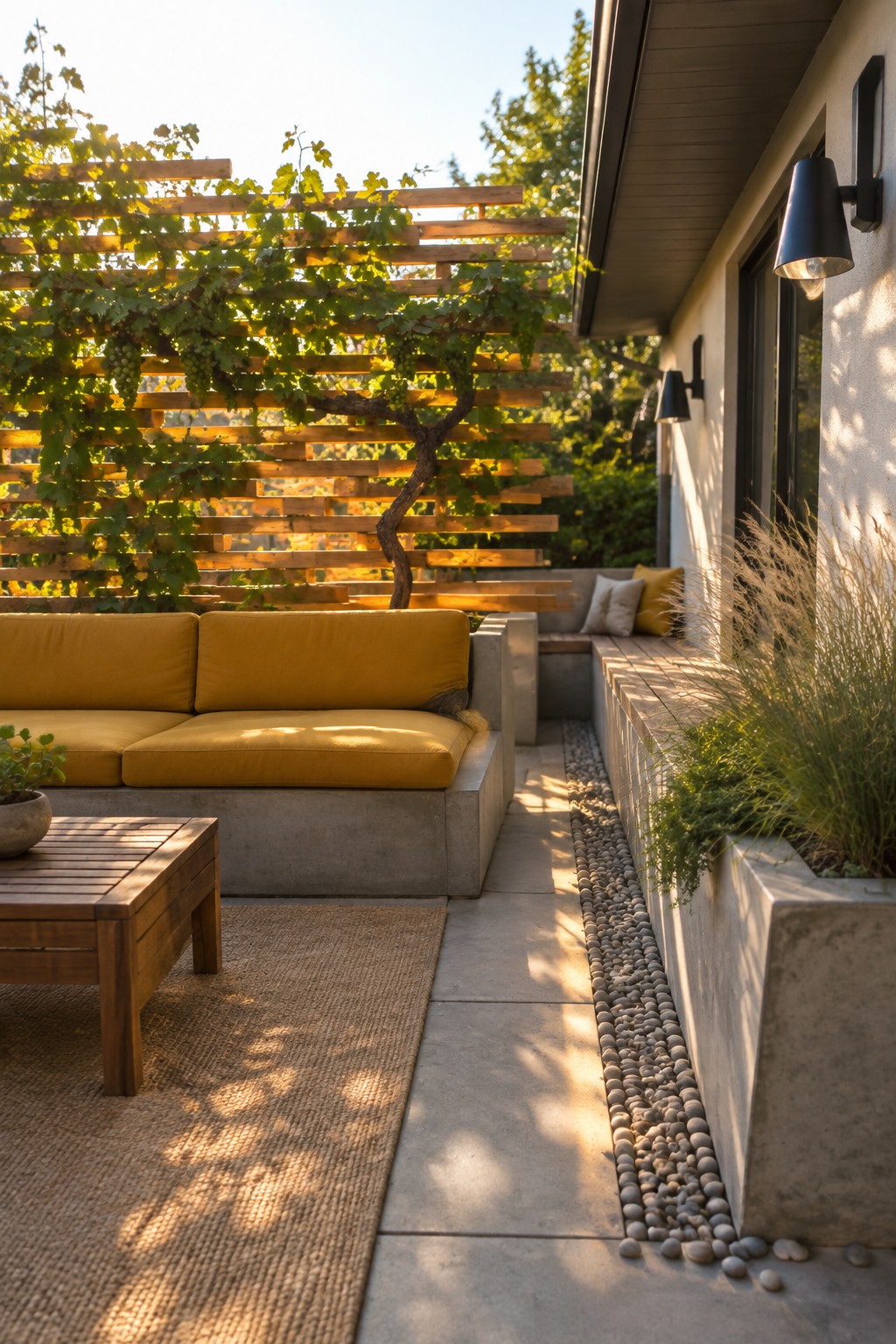
A wood slat screen with climbing vines gives you privacy without blocking all the light or costing much. The horizontal boards create a simple grid that vines can grab onto, and over a season or two the plants fill in and soften the whole thing.
This works best along the side of a patio where you need separation from a neighbor or the street. Use basic lumber for the frame, space the slats evenly, and plant something vigorous like grapes so the greenery does most of the covering work.
Build Privacy with a Vertical Garden Wall
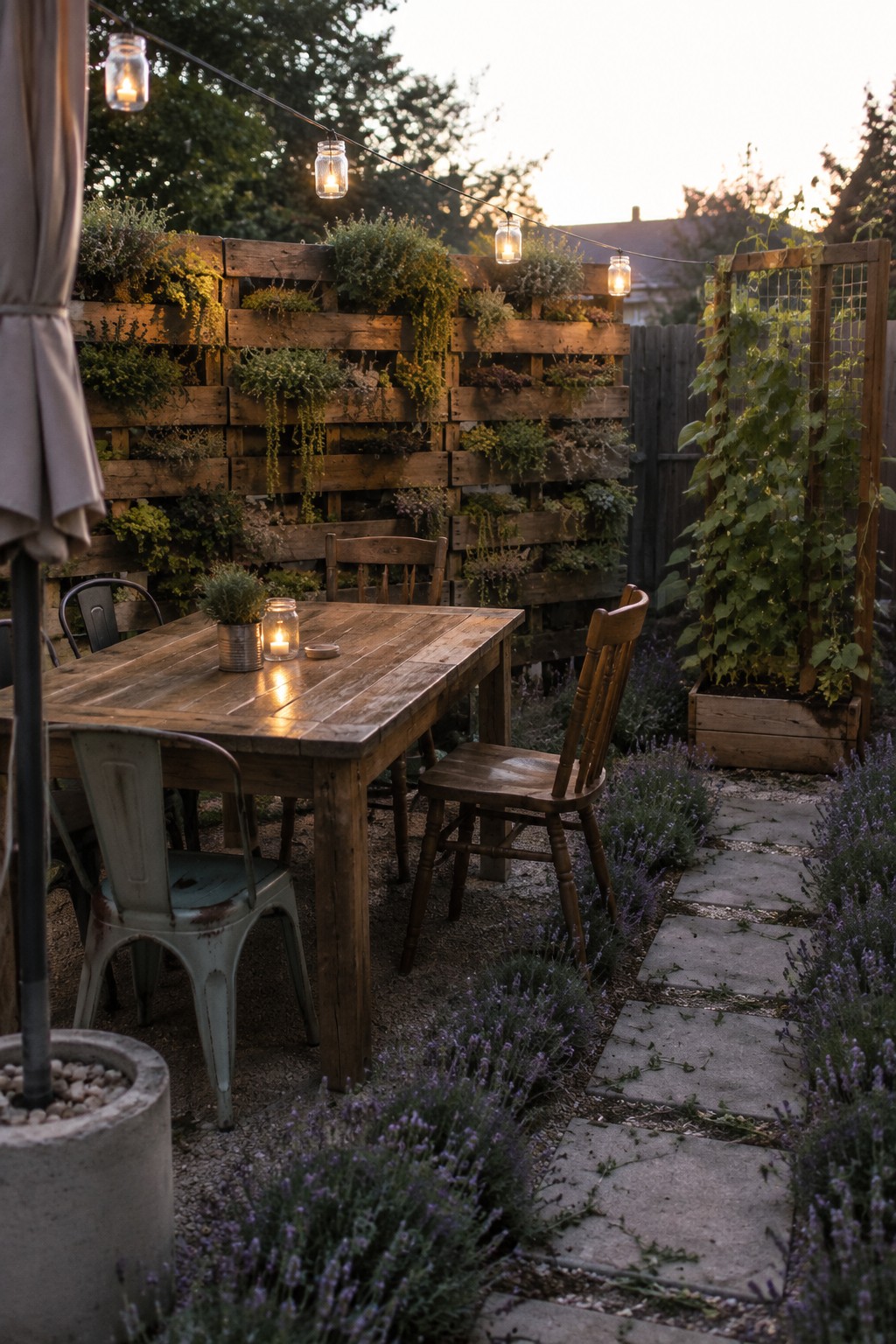
A vertical garden wall made from stacked pallets gives you a simple way to add privacy without spending much. The wood holds soil in each level so plants can grow outward and create a living screen that softens the edge of the patio while blocking the view from neighbors.
This works best along the back or side of a small yard where you need height but do not want a solid fence. Make sure the pallets are secured well and lined so the soil stays in place, and choose plants that can handle your sun and water conditions.
Reed Fencing for Simple Patio Privacy
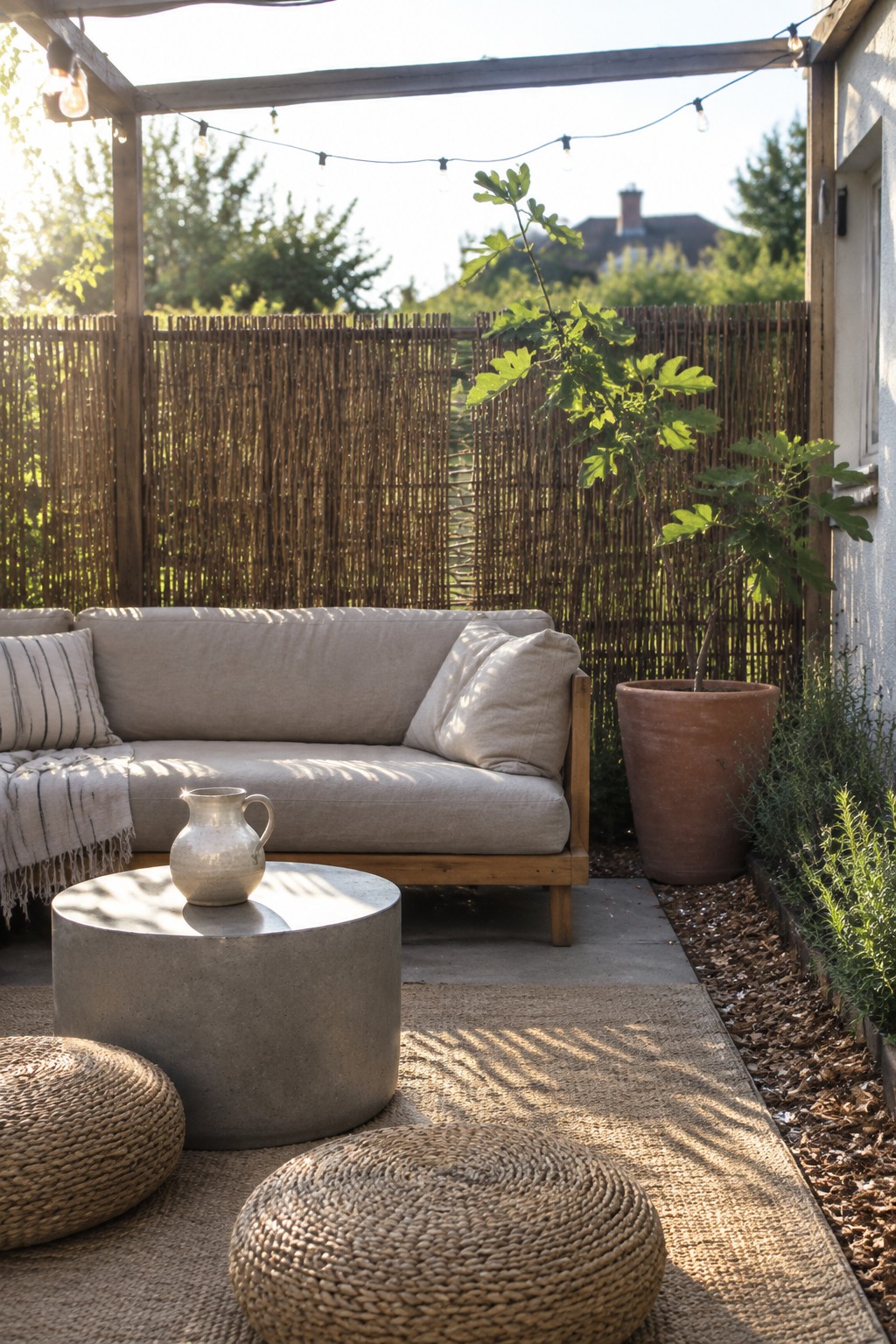
Reed fencing gives you a fast way to add privacy without spending much or blocking too much light. The vertical lines blend into most yards and let air move through, so the patio still feels open instead of boxed in.
It works best along the back or side of a seating area where you need screening from neighbors. Set the panels in the ground or attach them to posts, then place a few taller plants in front to soften the look over time.
Try Translucent Panels For Backyard Privacy
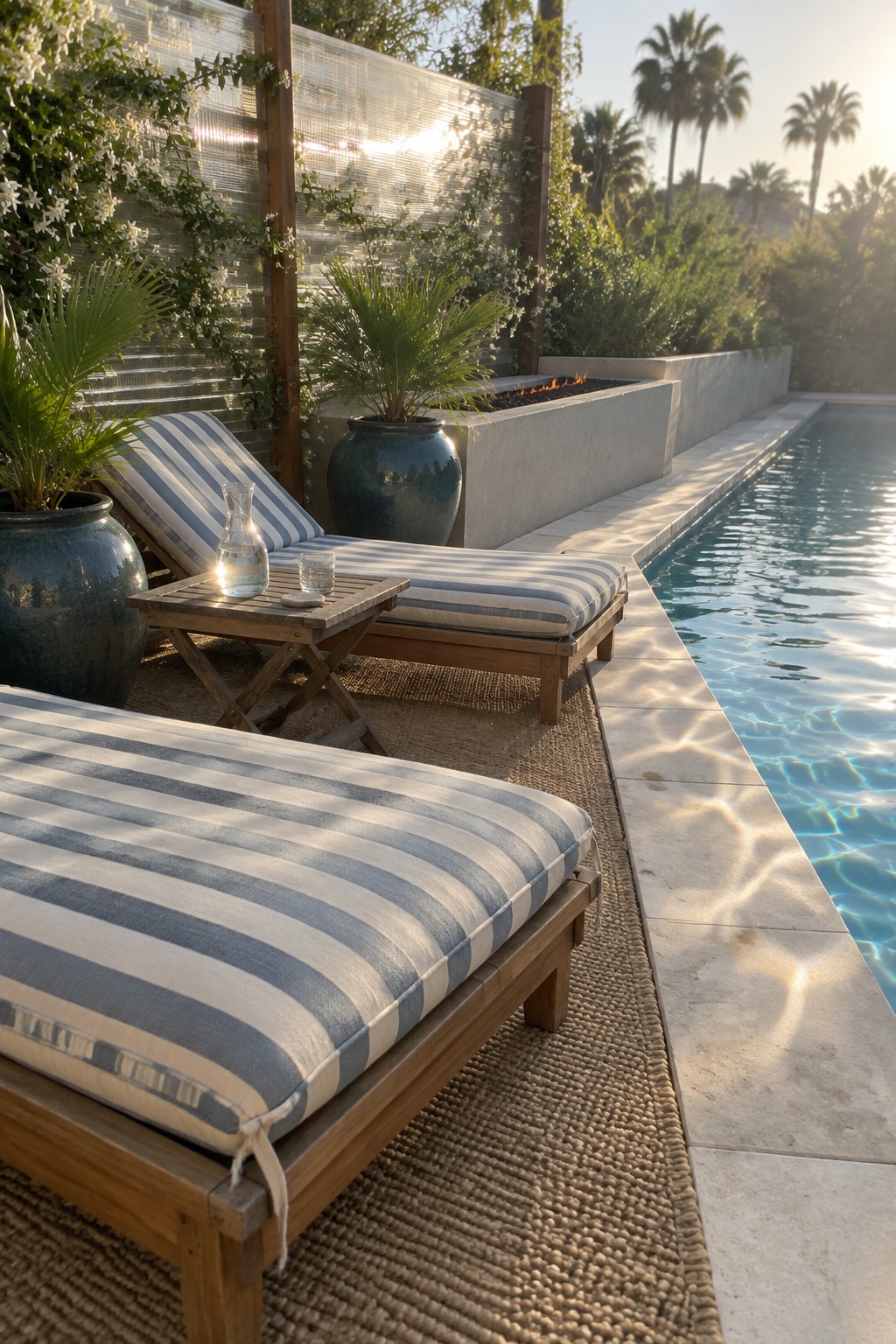
Translucent panels give you privacy without cutting off all the light. They block the direct view from neighboring yards while still letting sunlight reach the patio and plants, which keeps the space from feeling closed in.
You can build a simple version with corrugated panels mounted on basic posts, then let vines grow up the surface over time. This works well along the edge of a pool deck or seating area and costs less than most solid fence options.
Repurposed Shutters Create Simple Privacy
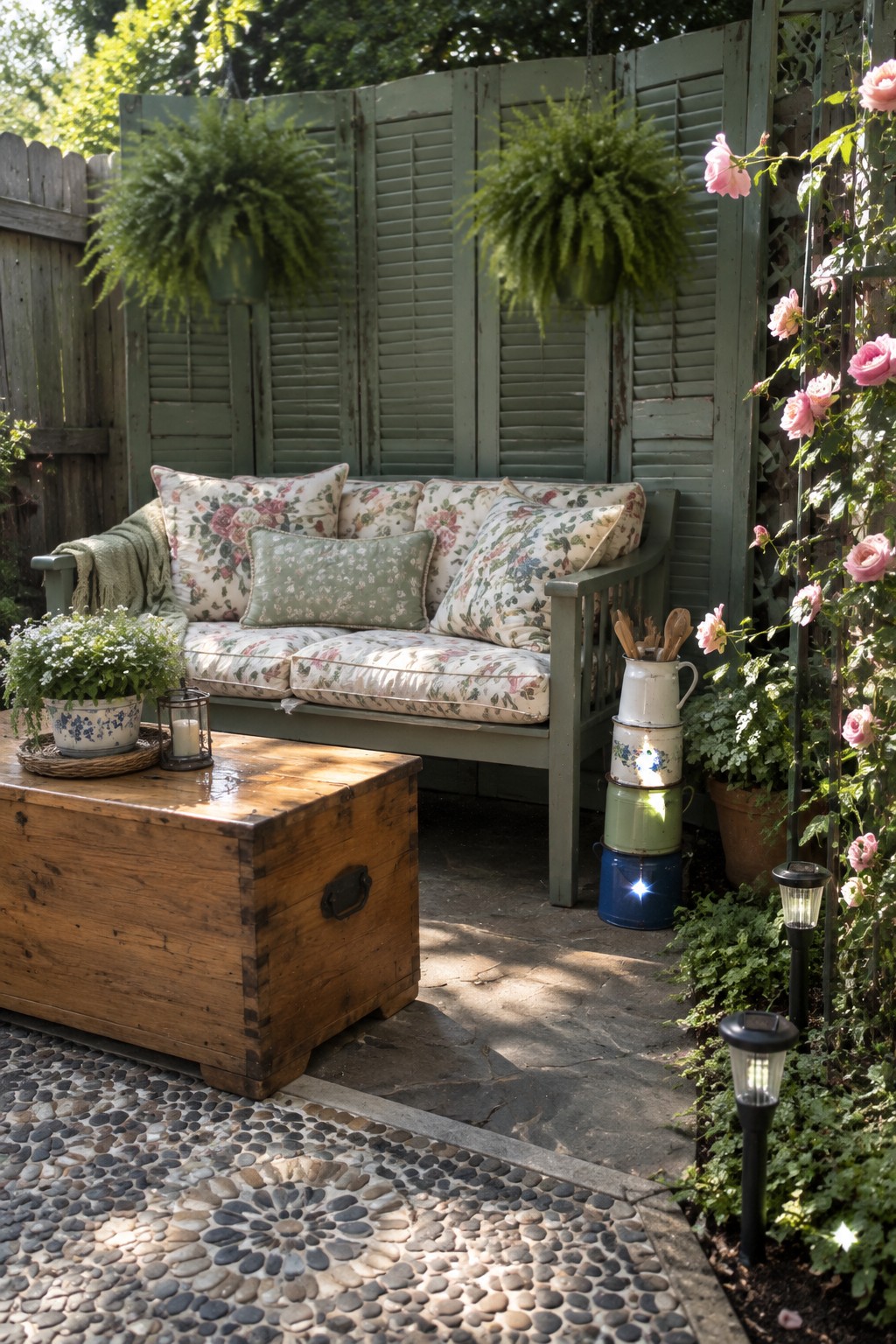
Using old shutters as a privacy screen is one of those ideas that feels obvious once you see it. They block the view from neighbors without making the space feel closed in, and they give the seating area a clear back wall so it reads as a room instead of just furniture sitting in the yard. The green color blends into the garden so it does not fight the plants around it.
This works best on a small patio or side yard where you need screening on one or two sides. Salvage shutters from a flea market or reuse ones from a house project, then set them up on hinges or lean them against a fence. They cost almost nothing and can be moved if the layout changes later.
Add a Bar Counter Along Your Privacy Screen
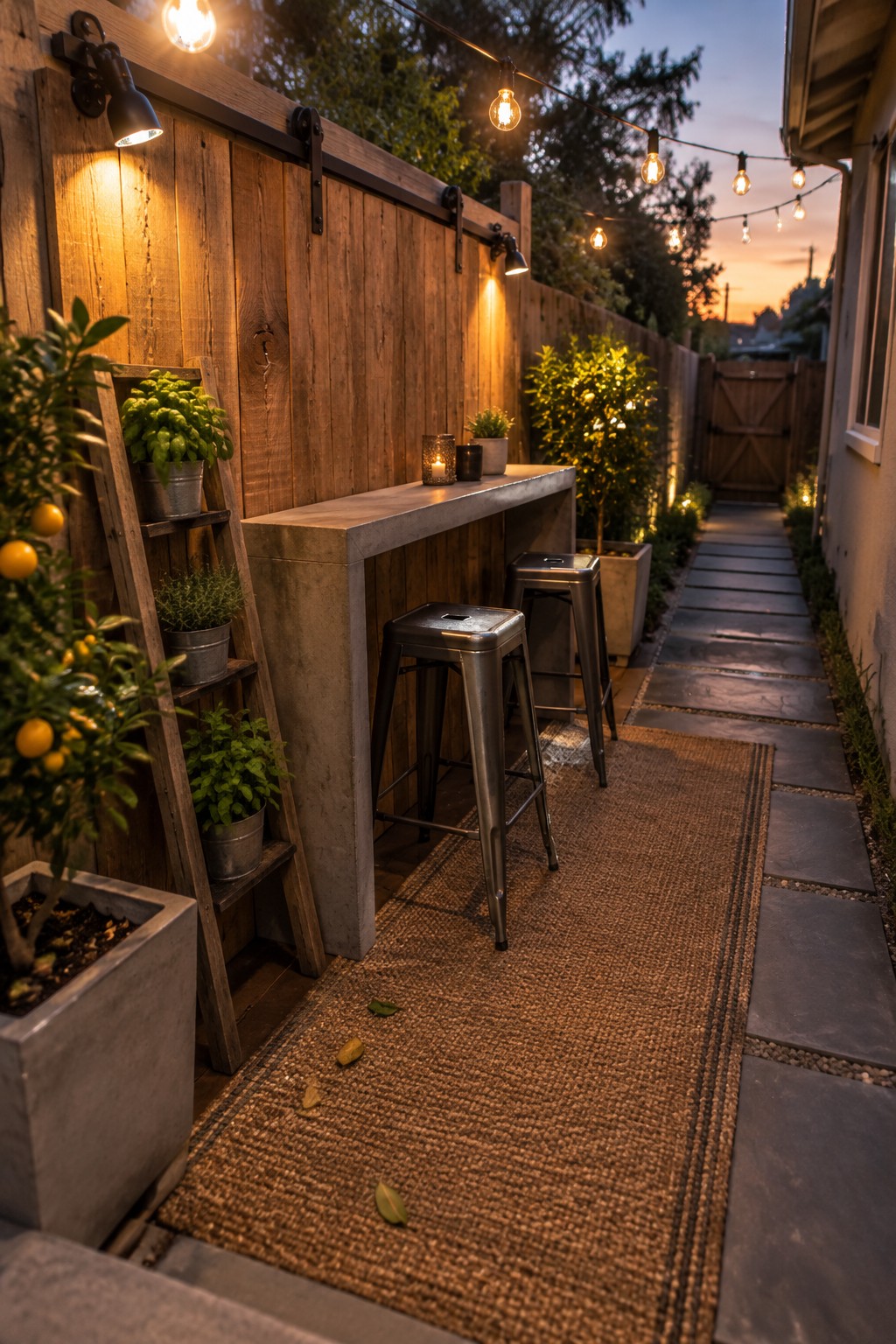
Running a simple counter along a privacy fence turns an otherwise wasted narrow strip into a usable seating spot. The fence acts as the back wall so the whole setup stays compact and does not eat into the rest of the yard.
This works best in side yards or along the edge of a patio where a full table would feel cramped. Tuck stools underneath the counter when not in use and keep the surface narrow so the space still feels open.
Add a Simple Wood Slat Screen for Privacy
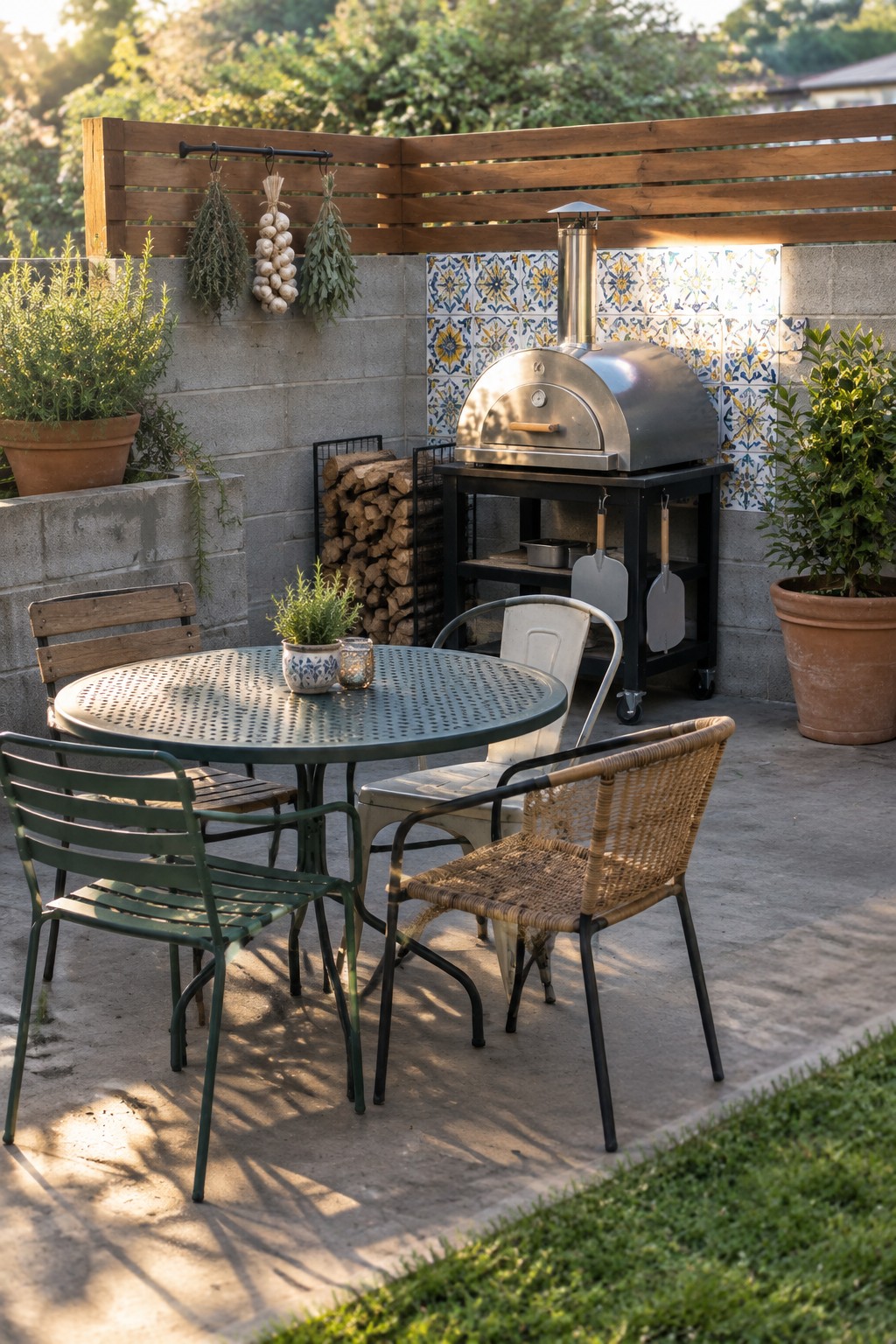
A basic wood slat screen mounted on top of an existing wall gives you privacy without spending much or building from scratch. It raises the barrier just enough to block the view from neighbors while still letting light and air through. The horizontal layout keeps it from feeling heavy and works with whatever wall you already have.
This approach suits small patios or side yards where a full fence would close things in too much. Use pressure-treated lumber, space the slats about an inch apart, and secure them with metal brackets so the whole thing stays solid. You can hang a few lightweight items from it if you want, but the main job is just creating that extra bit of seclusion on a budget.
Woven Reed Screens for Easy Patio Privacy
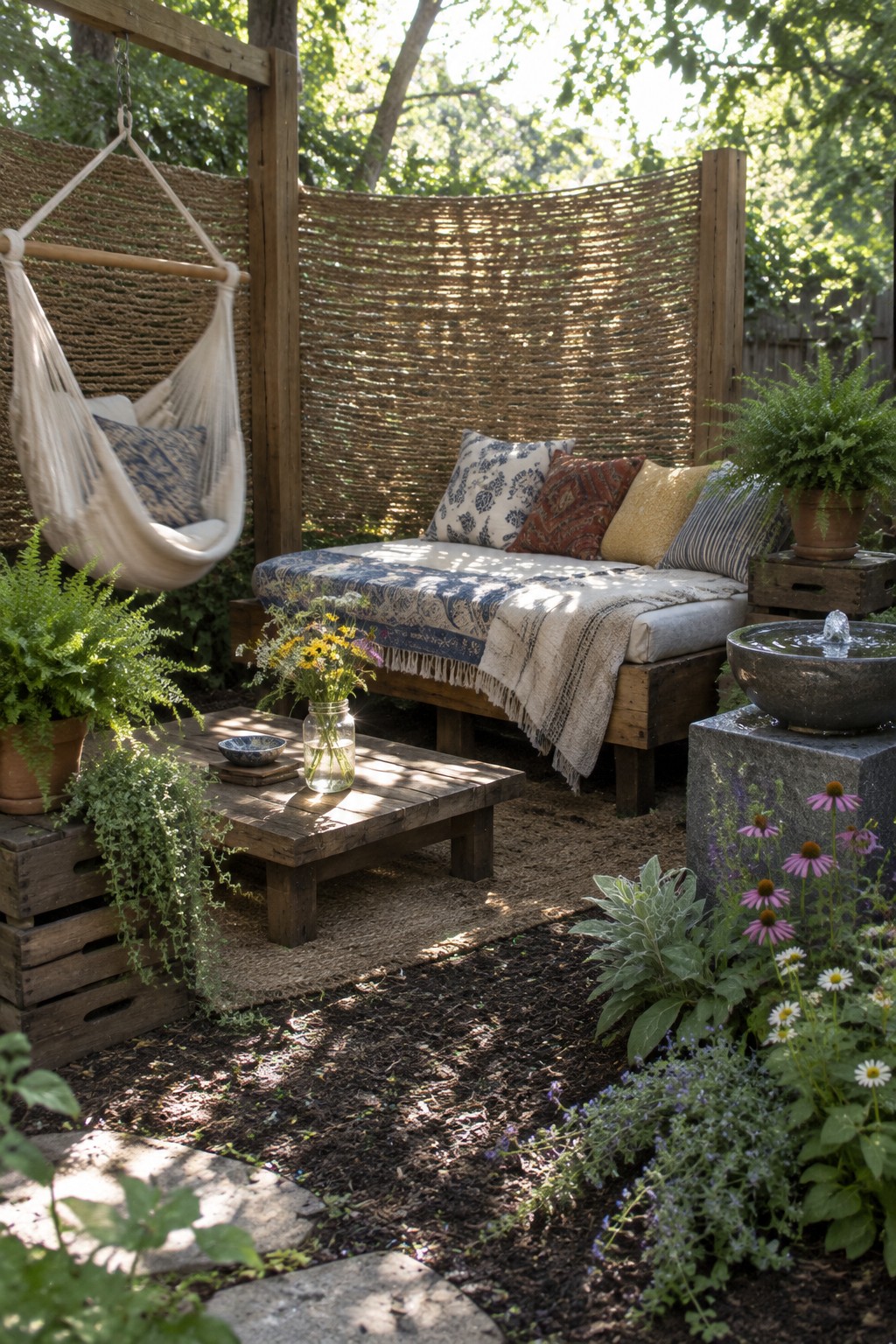
Woven reed screens give you privacy without building a solid wall. They cut off the view from outside while still letting air and light move through, so the space stays comfortable instead of feeling shut in.
These screens work best behind a seating area or along one side of the patio. They are simple to put up with basic posts and can be taken down or moved later if your layout changes.
Perforated Metal Screens Add Privacy Without Blocking Light
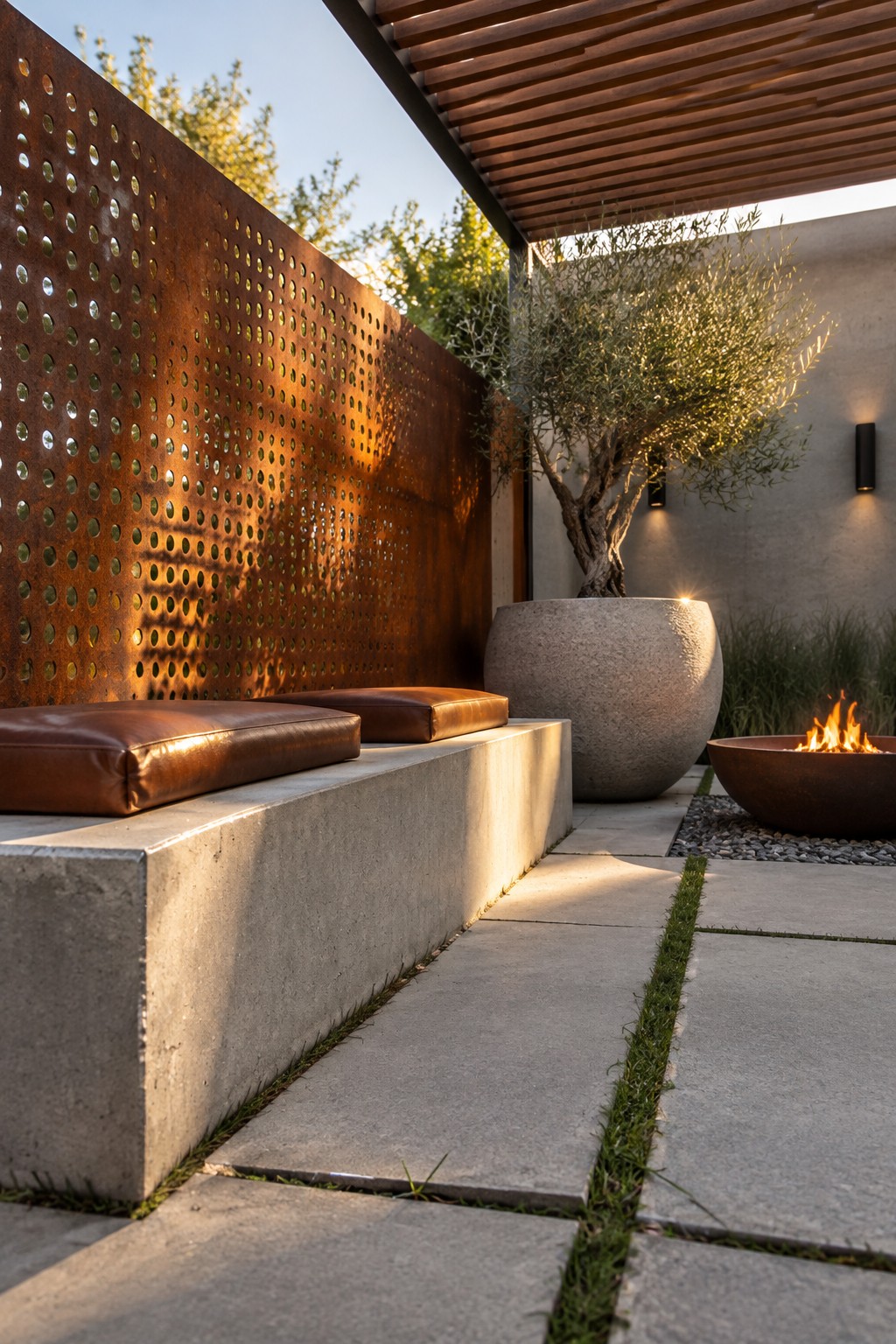
A perforated metal screen works well when you want privacy on a patio but still need airflow and some sense of openness. The holes let light and breezes pass through, so the space does not feel closed in the way a solid fence might.
This approach suits smaller yards or side patios where you need to block a direct view from a neighbor. You can mount the panels on a simple frame and keep the rest of the area basic with a bench and a fire bowl.
Build Privacy with a Slatted Wood Screen
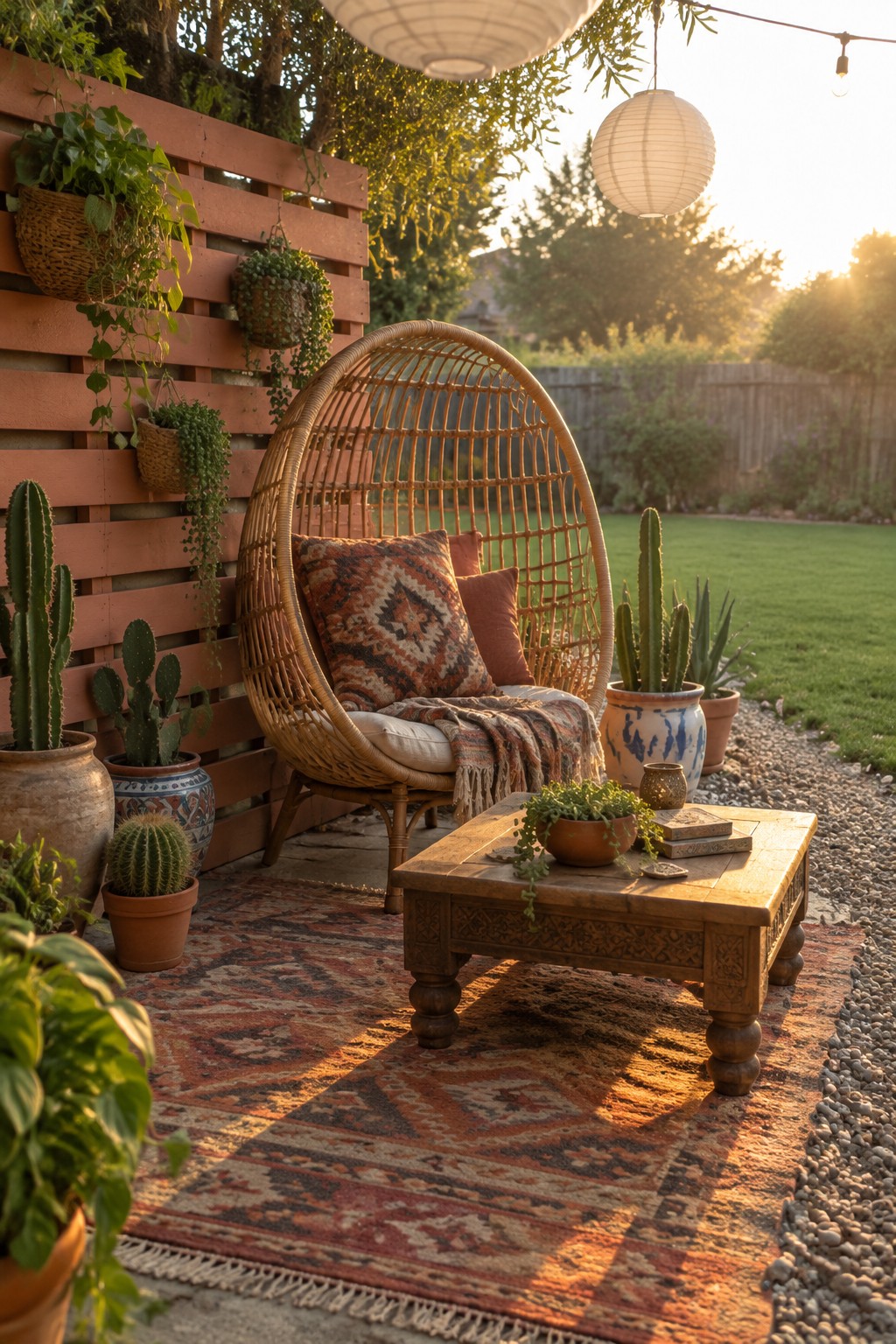
A simple wood slat screen gives you privacy without blocking all the light or costing much. Mount a few horizontal planks on posts or attach them to an existing fence, then add plants in pots or hanging baskets. The gaps between the slats keep the space from feeling closed in while the greenery softens the look and adds coverage over time.
This approach works best along the side of a patio or deck where you need to screen a neighbor’s view. Use weather-treated wood and sturdy hooks so the plants stay secure. It suits smaller yards that need a light divider rather than a tall solid fence.
Vertical Planters Create Easy Privacy Screens
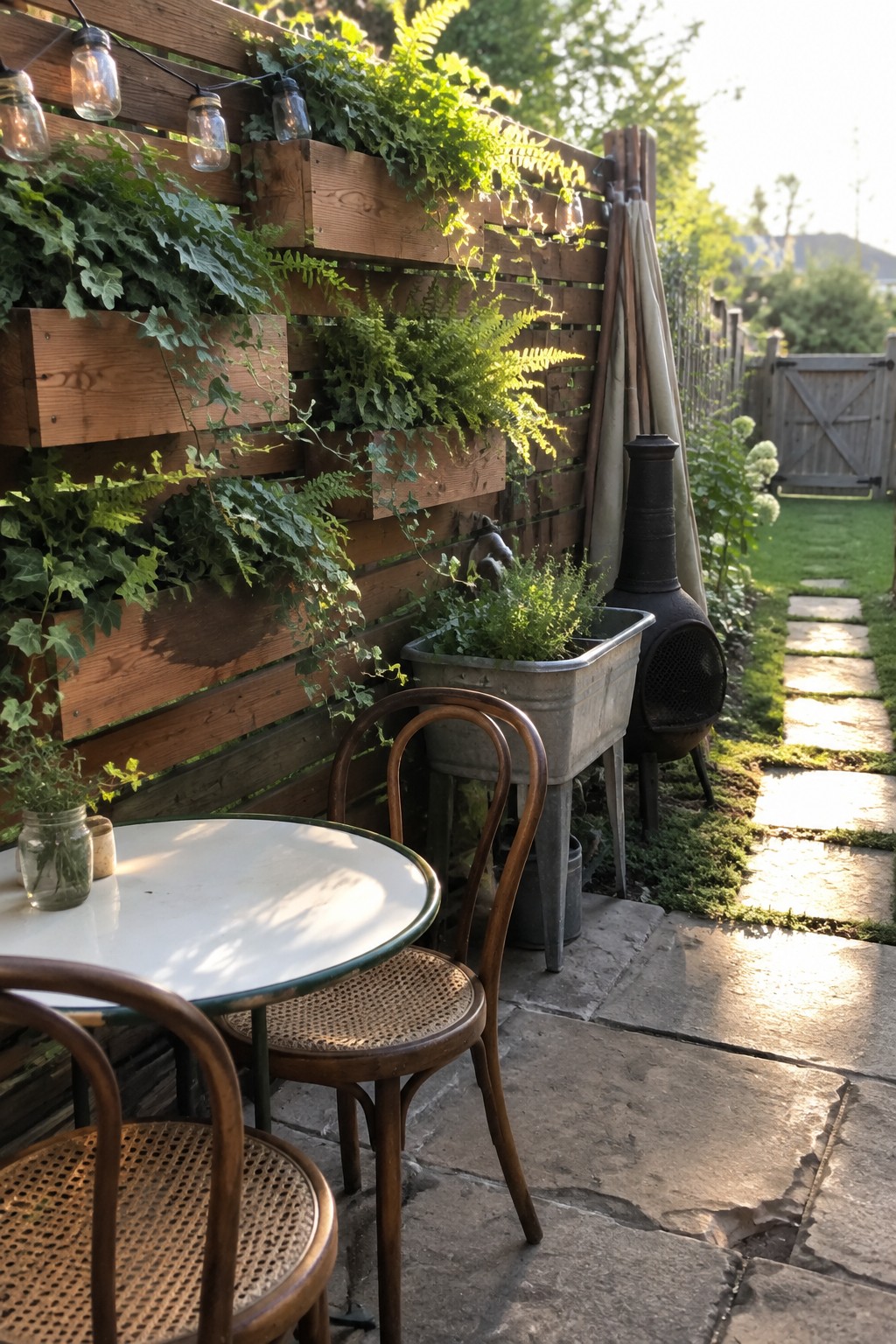
Mounting planter boxes directly onto a fence turns a basic boundary into a living screen. The wood gives structure while the plants fill in the gaps, blocking views without needing a solid wall or expensive materials. This setup works especially well along the back or side of a patio where you want some seclusion but still need light and air to move through.
Start with a few sturdy boxes at different heights and let vines or ferns spill over the edges. It suits smaller yards or rental spaces where you cannot build permanent structures. Just make sure the fence can handle the weight once the soil and plants are added, and water regularly so the screen stays full.
Sliding Shutters for Simple Patio Privacy
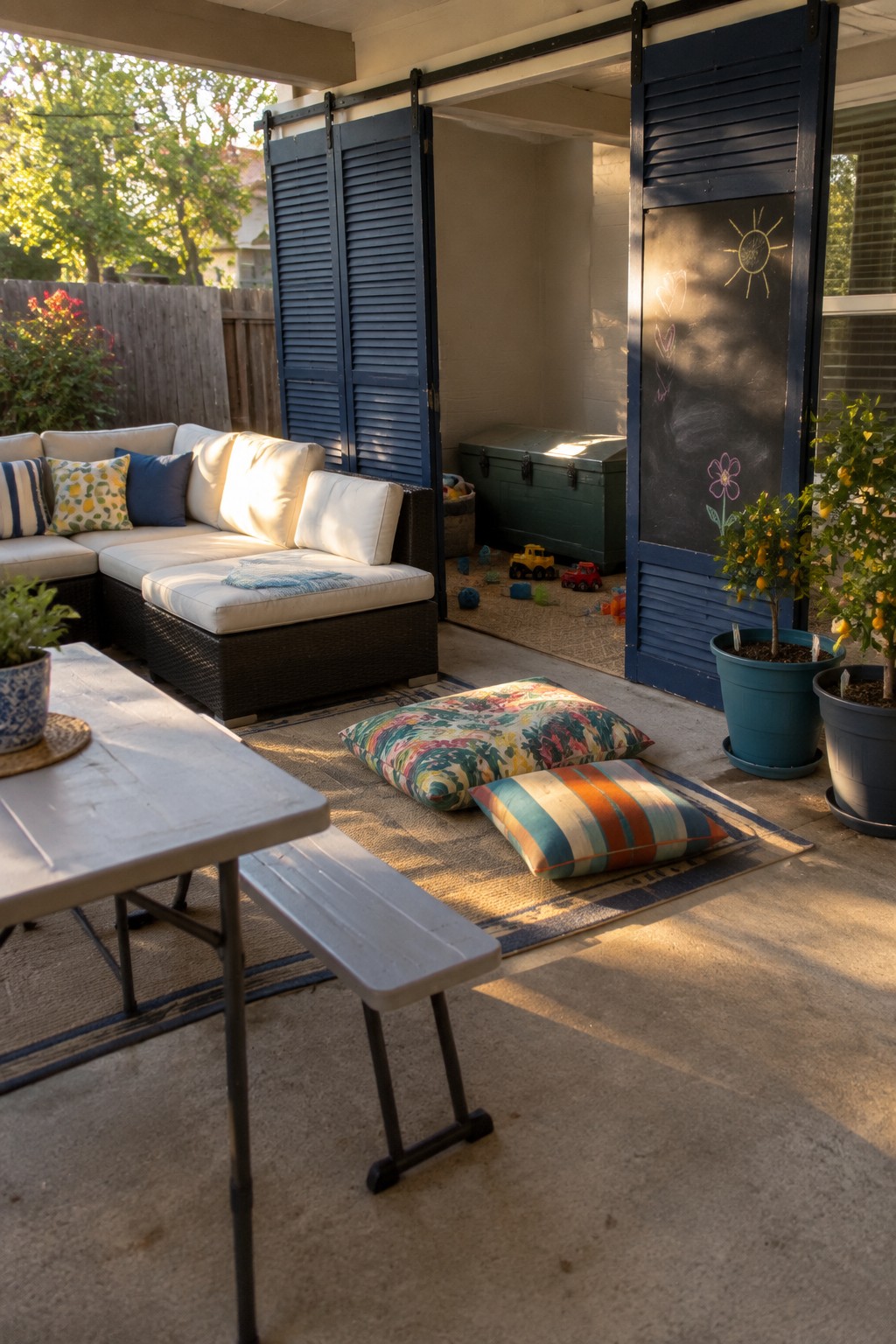
Sliding shutters give you an easy way to add privacy without building a full wall or fence. They move along a track so you can close them off when you want more seclusion or slide them open when the yard feels private enough. This approach keeps the space feeling open while still blocking views from nearby homes or the street.
It works well on covered patios where you can mount a simple rail overhead. Old shutters from salvage yards or basic wood panels both do the job, and painting them a single color keeps the look clean. Many people add a small chalkboard section on one panel for kids to use, which turns the screen into something more useful during the day.
Frequently Asked Questions
Q: How tall should I make the screens so they actually hide my patio from the street? A: Go for at least six feet so most people cannot see over them from ground level. Set the posts deep enough that the whole thing stays steady without extra bracing.
Q: What cheap material blocks wind without looking too heavy on a small patio? A: Use reed fencing or bamboo rolls wired to a simple frame of two by twos. It lets some air through so gusts do not knock it down.
Q: Can I move the screens later if I change the patio layout? A: Build them in sections that bolt together instead of setting every post in concrete. You can take them apart and reset them in a new spot when you want.
