

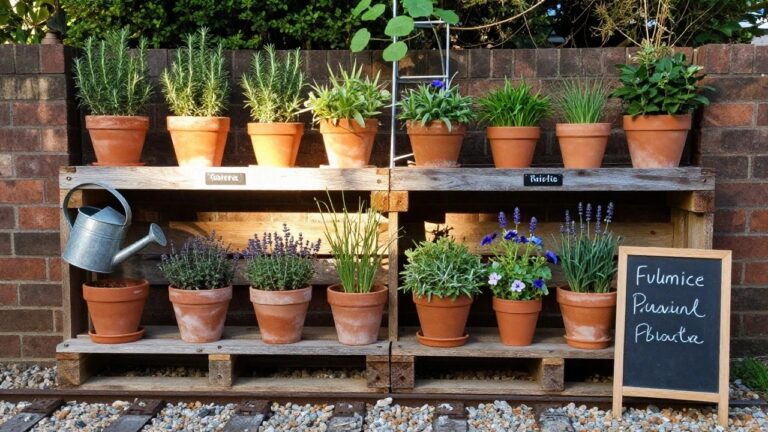
I have found that salvaged pallets work best in the garden when you plan the planting zones around their natural sizes rather than forcing cuts that weaken the boards.
This approach keeps the structure solid and makes it easier to add paths that stay walkable even after a few seasons of growth.
Some ideas need extra bracing right away.
Trying a few of these setups myself showed me how much the layout affects daily use like watering and weeding.
The wood tones blend into the yard better than new lumber once the plants fill in around them.
Build Raised Beds With Stacked Pallets
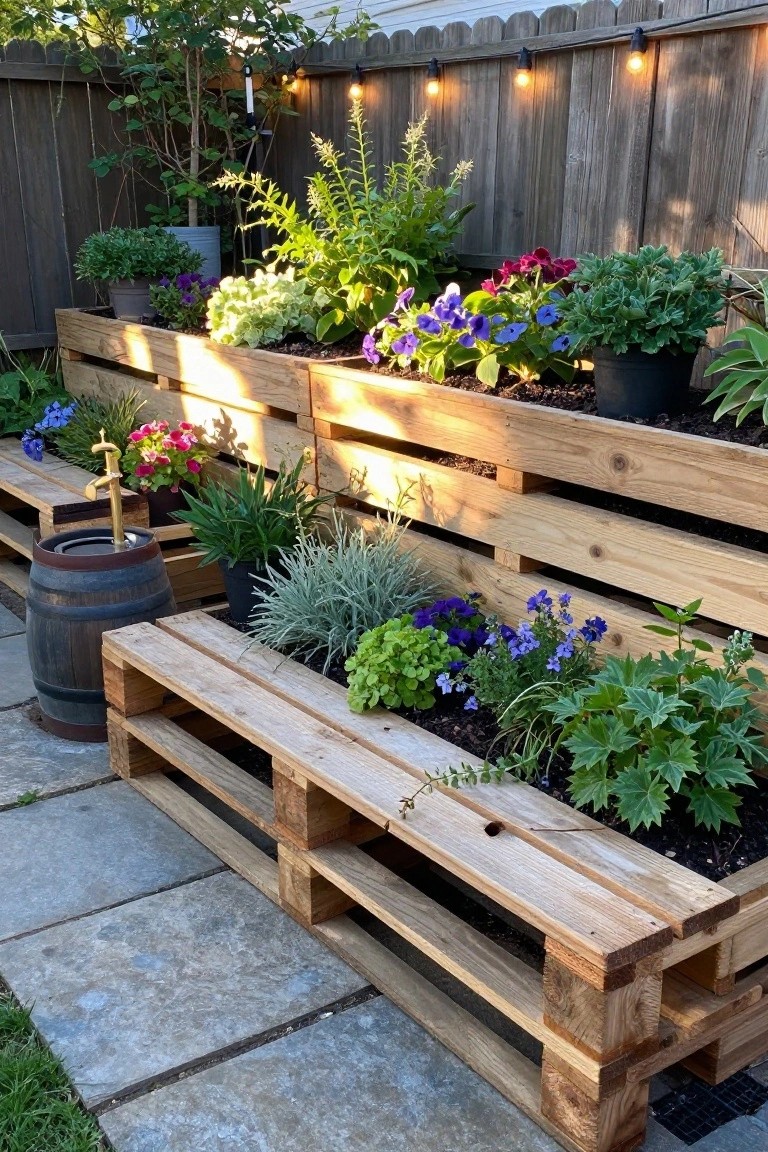
Many gardeners reach for old pallets when they want raised beds without buying new lumber. The wood is already in long sections, and stacking a few levels gives you good soil depth while keeping the whole thing simple to put together.
This setup works best along a fence or in a corner of the yard where you can line up several beds. Just check that the pallets have not been treated with chemicals if you plan to grow vegetables.
Create Tiered Planters With Salvaged Pallets
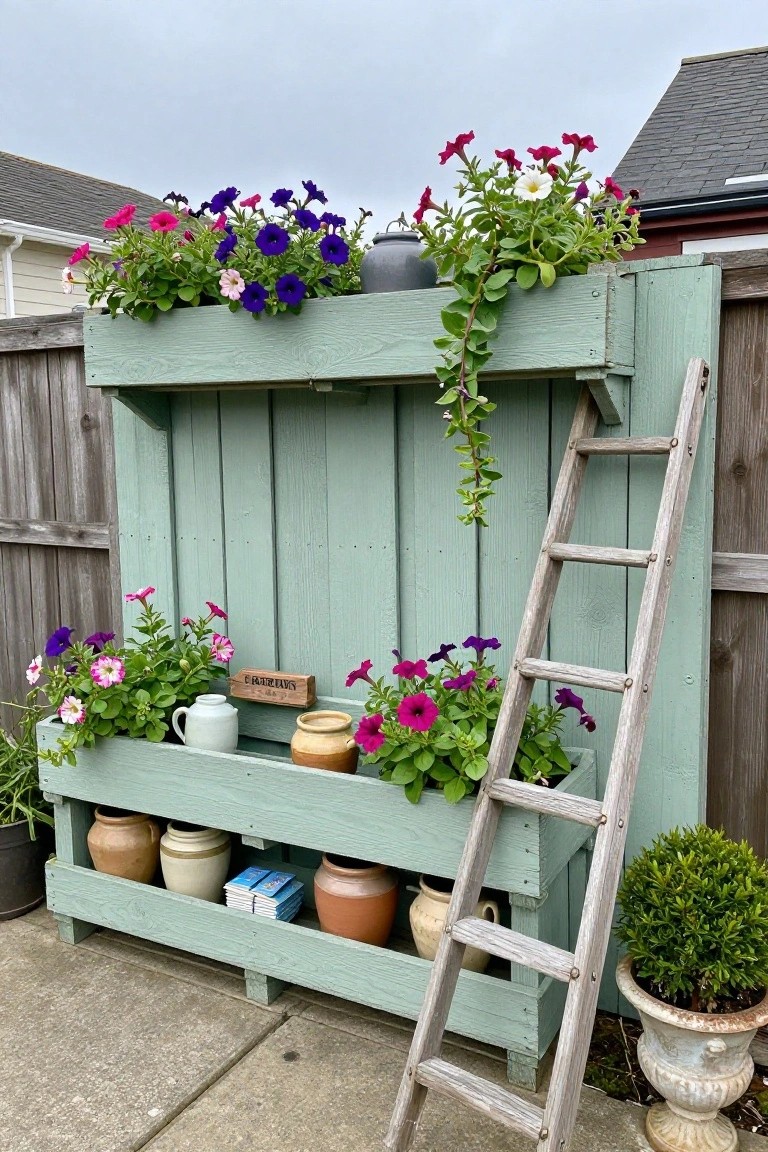
Stacking pallets into tiers gives you extra planting space without needing a big garden bed. The different levels let you grow more flowers or herbs in the same footprint, and the lower shelf can hold pots or tools.
This works best along a fence or wall where ground room is tight. Make sure the wood is in decent shape and sealed for weather before you build it.
Raised Beds From Salvaged Pallets
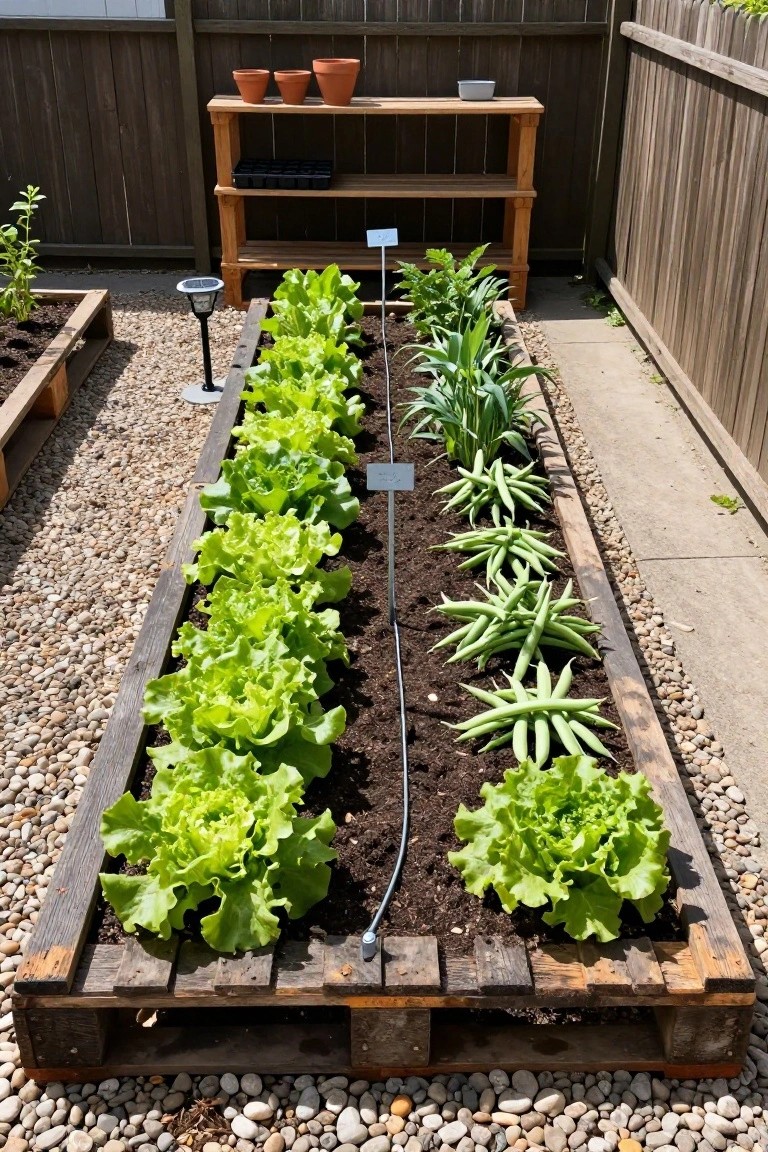
Raised beds made from old pallets give you a simple way to grow vegetables without spending much. The wood holds the soil in place and keeps the plants off the ground, which helps with drainage and makes weeding easier. Many people like how the beds can be sized to fit whatever space is left in the yard.
This works best in sunny spots along a fence or in a corner where you want a clear growing area. Check the wood first to avoid anything treated with chemicals, and add a liner inside if the boards have gaps. It is a practical choice for anyone who already has access to free or cheap pallets.
Raised Beds Made From Pallets
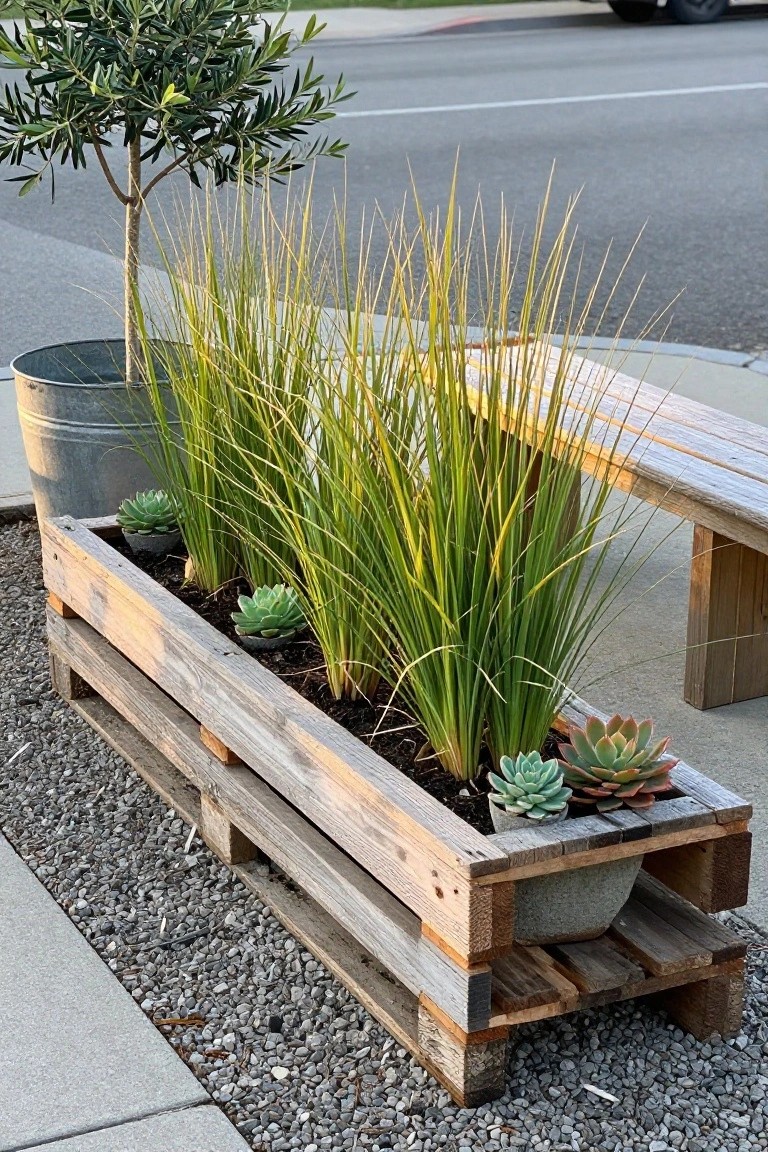
One simple way to start a garden is to build raised beds straight from old pallets. They hold the soil in place, keep plants at a comfortable height, and cost almost nothing if you already have the wood on hand.
This setup works best along driveways, side yards, or narrow strips where digging is hard. Just add a liner inside the pallet and make sure water can drain so the wood stays sound for a few seasons.
Build a Pallet Potting Bench With a Sink
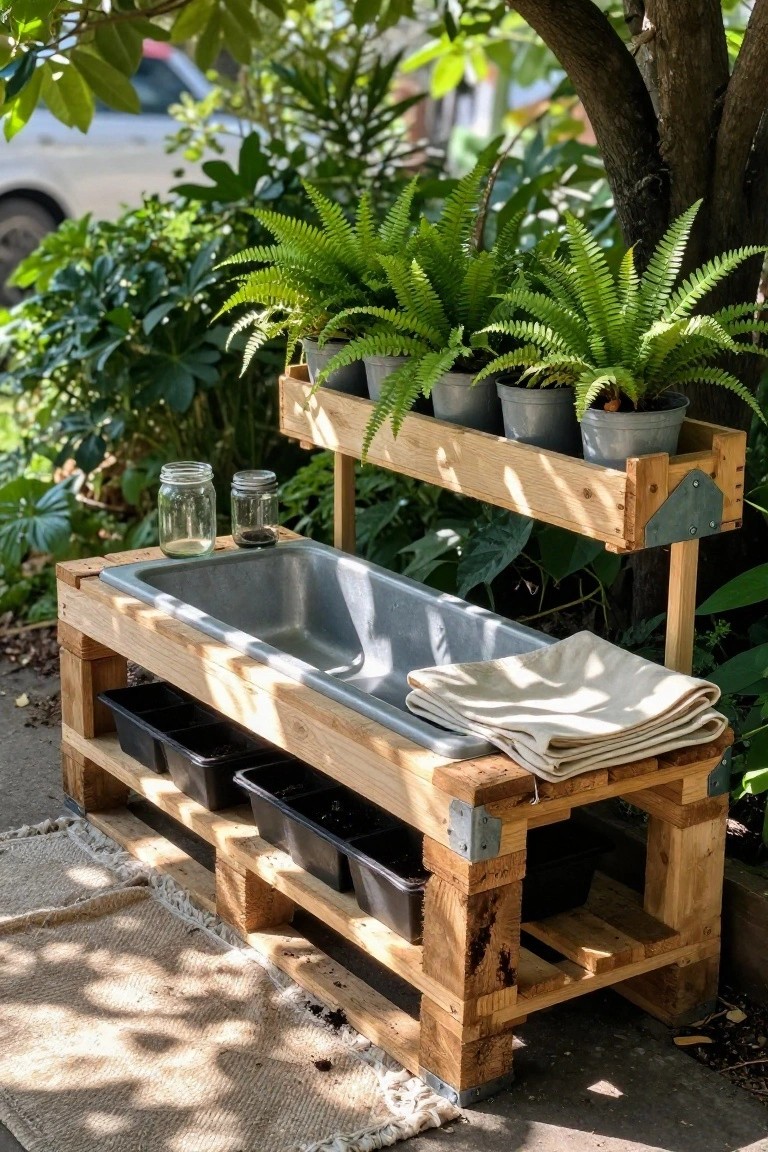
A pallet bench with a sink built in makes garden chores easier because everything stays in one spot. You can rinse roots, fill trays, or clean tools without hauling water back and forth, and the lower shelf gives quick access to soil and supplies.
This works best in a sunny corner near your beds or greenhouse where you do most of your planting. Use heat-treated pallets, secure the sink well, and check that water drains away from the wood so the bench lasts longer.
Circular Beds From Stacked Pallets
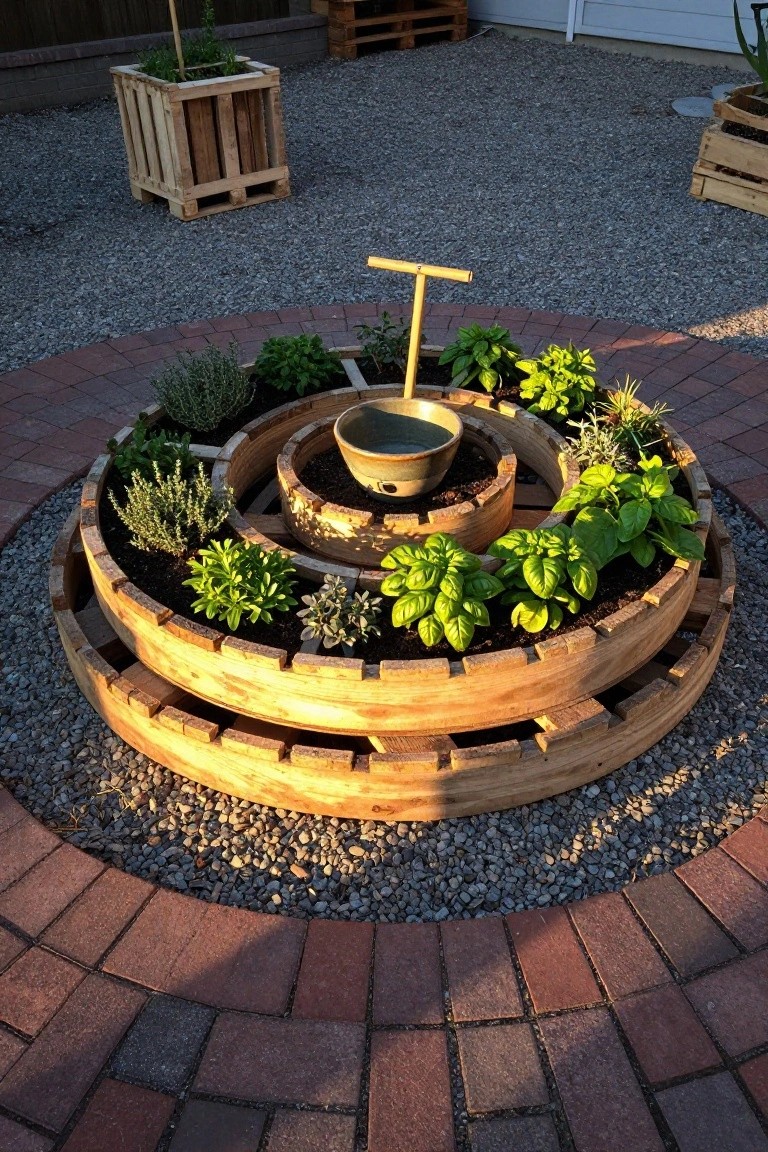
Stacking salvaged pallets into rings creates a sturdy raised bed that holds soil in place and keeps plants separated by type. The round shape makes it easy to reach everything from the center without stepping on the beds, and the wood gives good height for drainage.
This layout works well in gravel yards or small backyards where space is tight. Line the inside with landscape fabric before filling, and place it where the circle can get full sun. It suits homes that already have a casual outdoor setup and do not need formal garden borders.
Stack Pallets Into a Tiered Planter
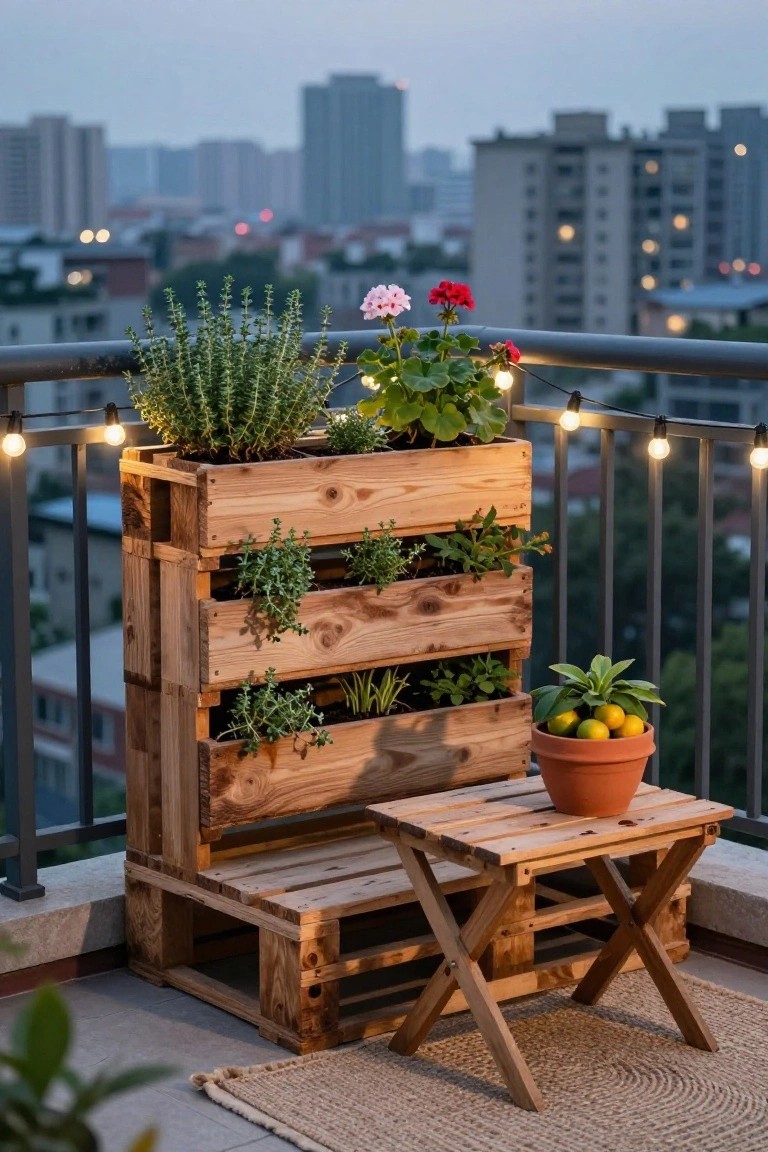
One easy way to add more growing space on a small balcony is to stack a few pallets into a tall, tiered planter. The open slats let you tuck plants into several levels without spreading out across the floor.
This setup works best in tight outdoor spots where you need height instead of width. Place it along a railing, use untreated wood, and keep the soil depth shallow on the upper tiers so the whole thing stays stable.
Build Garden Seating From Salvaged Pallets
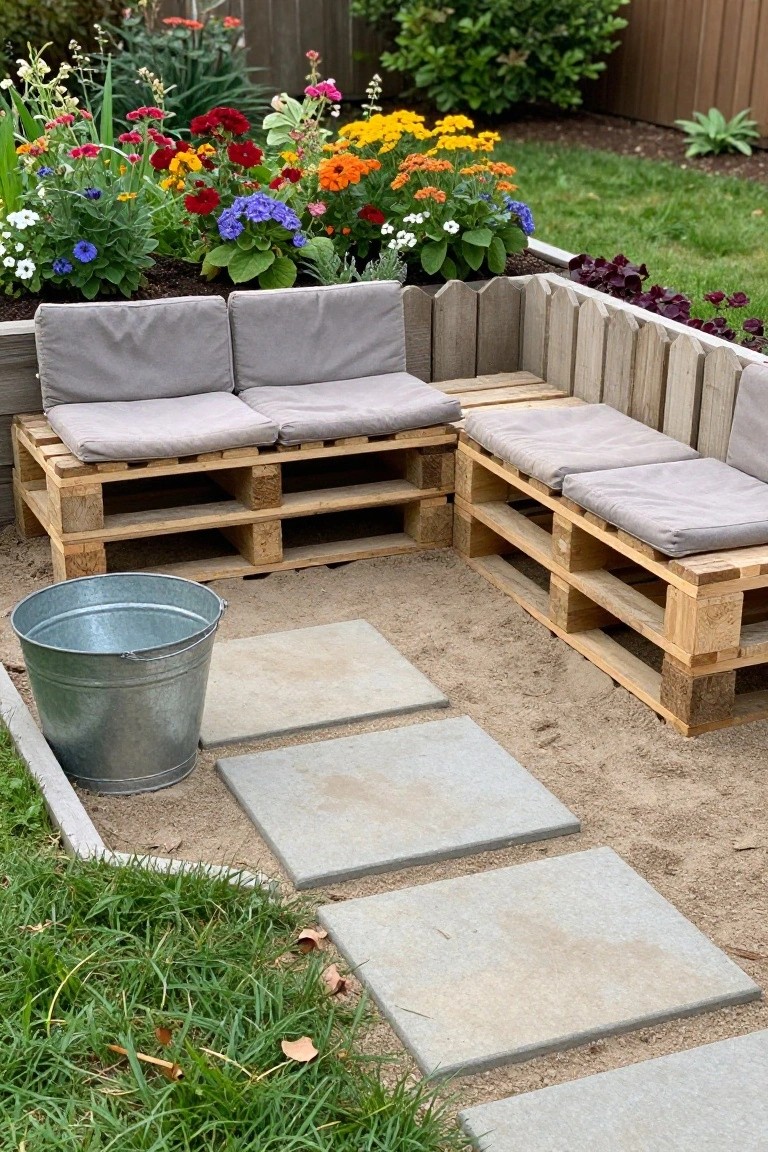
Old pallets work well for quick outdoor seating because they stack into stable frames without much extra work. You can arrange them into a simple bench or a longer L-shape, then top them with cushions to make the seats usable right away.
This approach fits small yards or patios where you want a defined sitting spot on a budget. Sand the wood first and check that the pallets are free of chemicals, then add weather-resistant cushions so the seating lasts through the seasons.
Raised Planters Built From Pallets
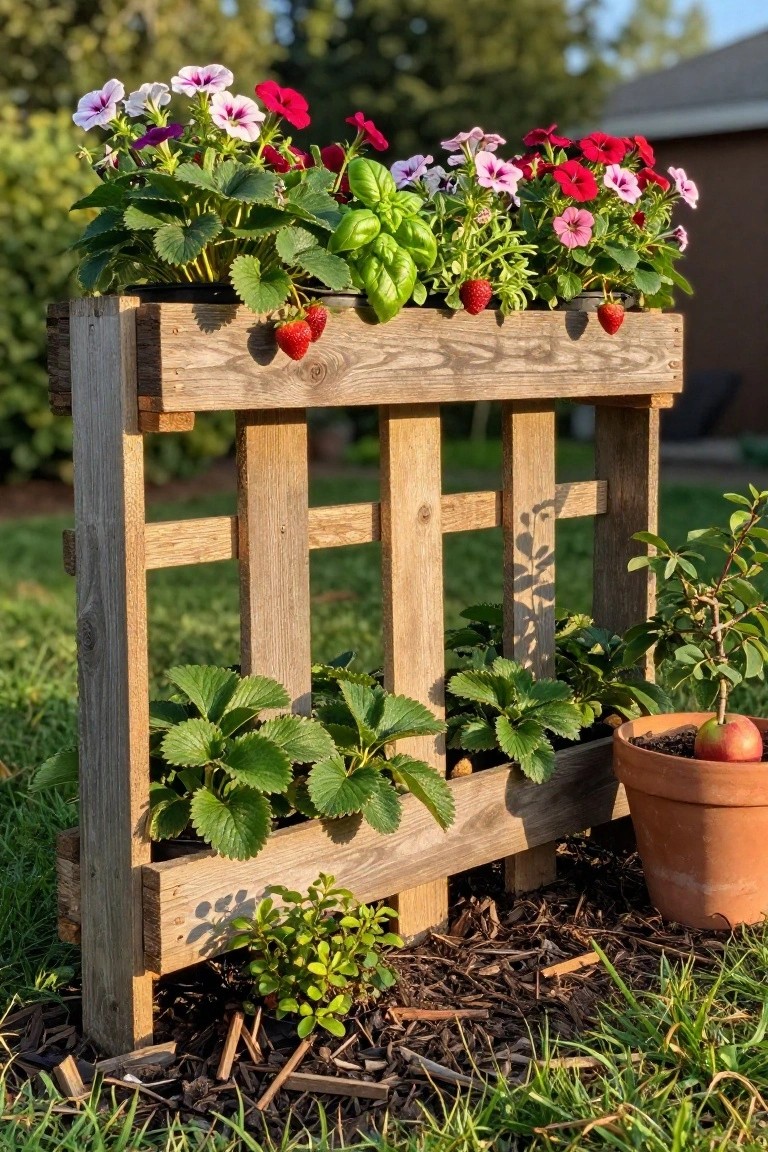
Old pallets make a quick raised planter that keeps plants off the ground and easier to tend. The open slats let you fill sections at different heights, so strawberries can trail over the edge while flowers sit higher up.
This setup works best in small yards or tight corners where a full garden bed would take too much room. Check that the wood has not been treated with anything harmful before planting anything you plan to eat.
Turn Old Pallets into a Simple Cold Frame
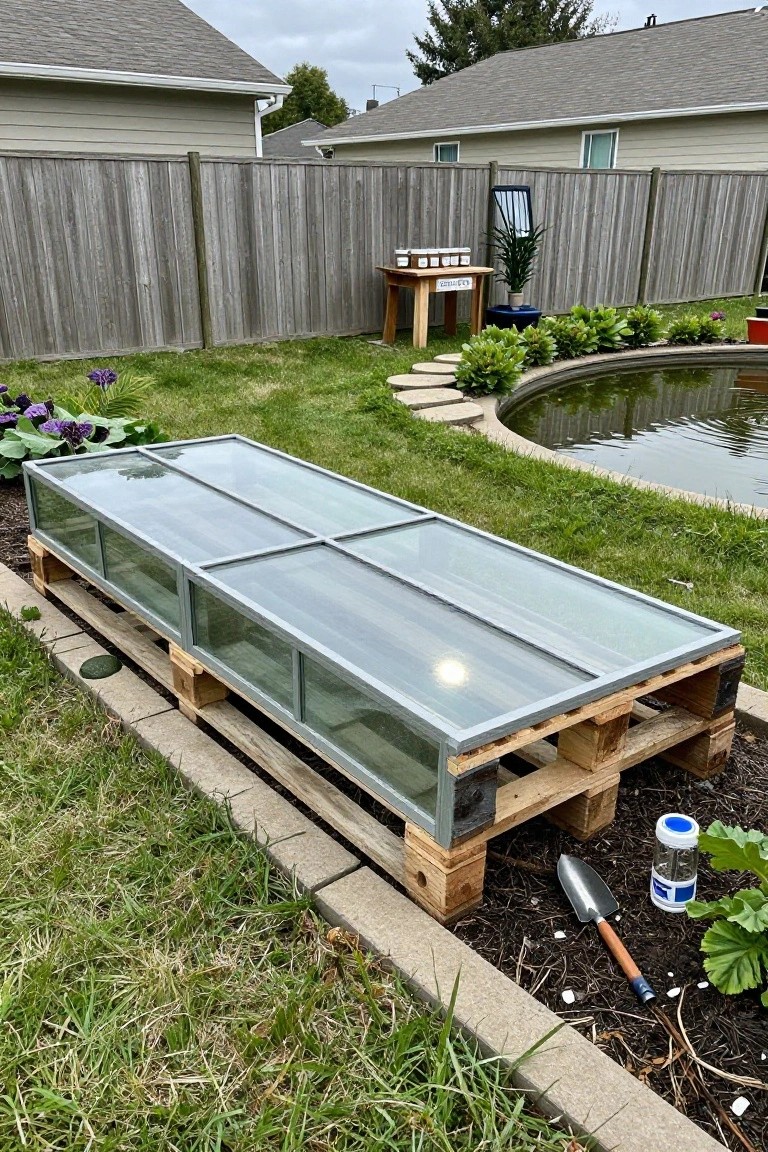
A cold frame built on salvaged pallets gives you an easy way to extend the growing season without spending much. The wood provides a solid base that lifts the glass off the ground, and the whole thing can be moved if needed. It works especially well for starting seedlings or protecting cool-weather crops in early spring or late fall.
Place it in a sunny spot near the garden so you can reach it easily for watering and harvesting. Keep the glass clean and check the fit so heat does not build up too much on warm days. This setup suits small yards or anyone who already has leftover pallets on hand.
Raised Beds From Salvaged Pallets
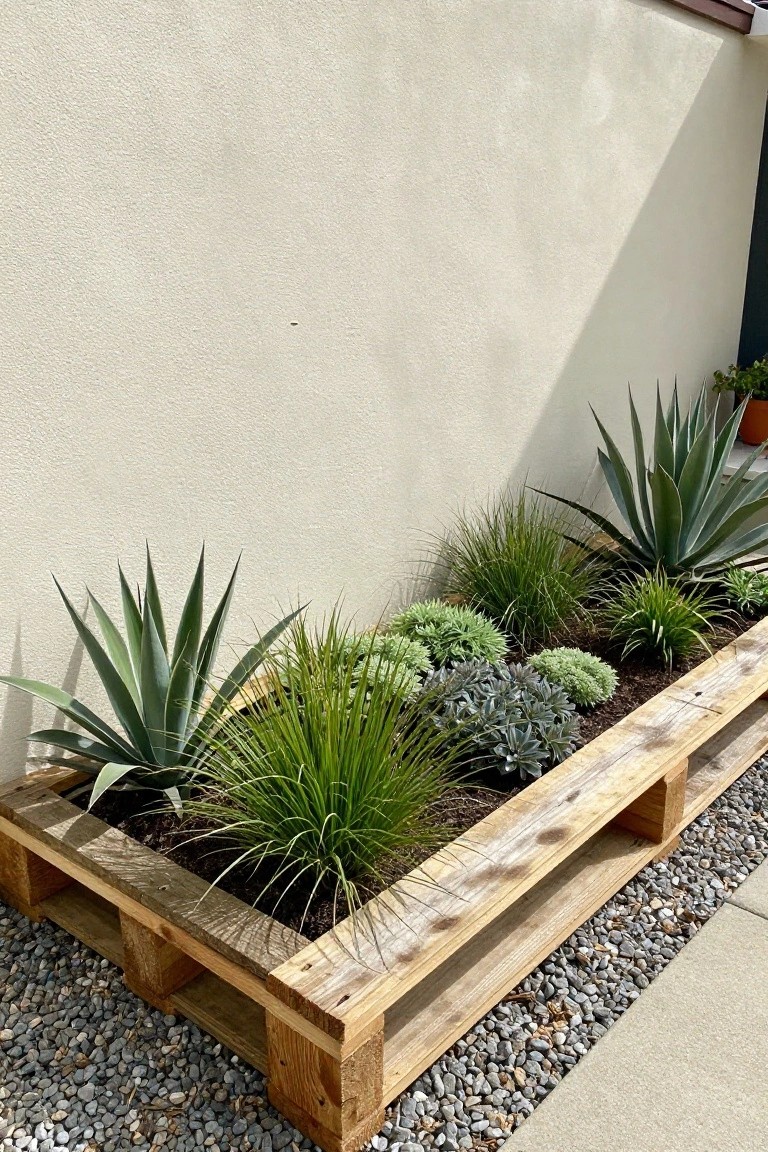
Old pallets make a quick raised bed when you stack or frame them into a simple box shape. The wood already comes in sturdy lengths, so the build stays cheap and the soil stays contained without much extra work.
This approach works well along a wall or fence where you want a defined planting area without digging. Just add a liner inside, set the bed on gravel for drainage, and fill it with whatever plants you like. It suits small yards or side spaces where a full garden bed would take up too much room.
Raised Beds From Pallets
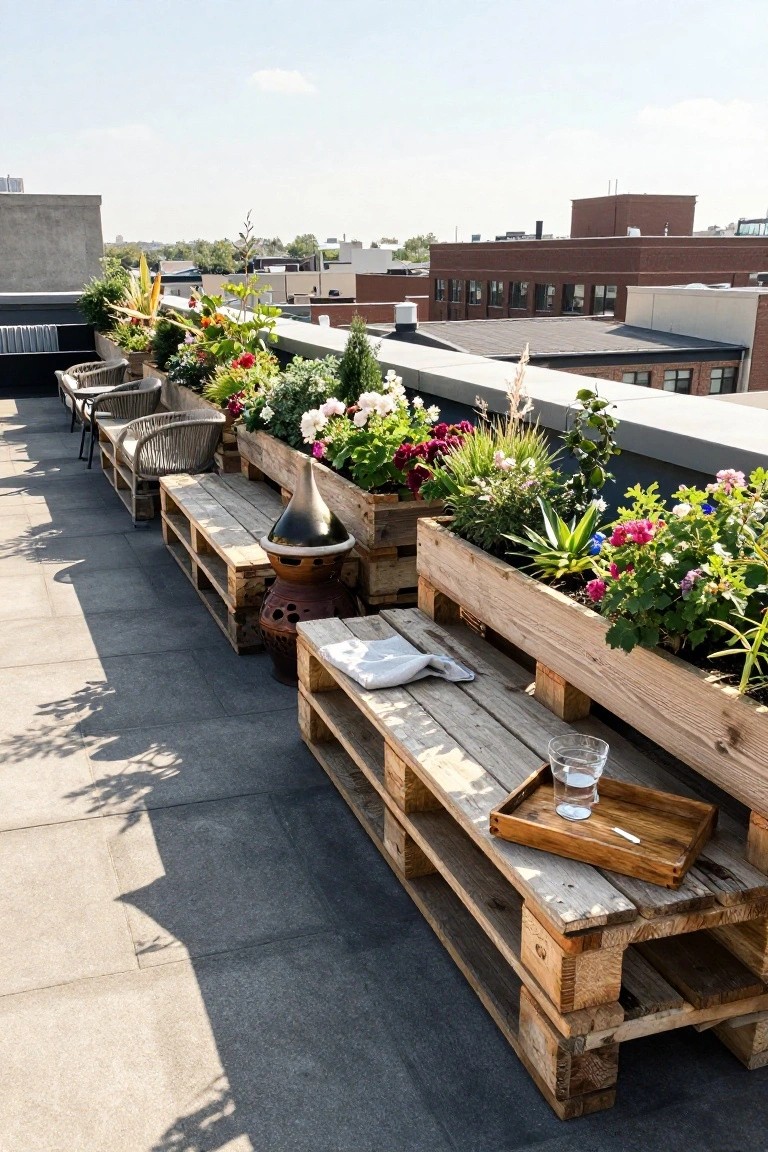
Raised beds made from pallets give you an easy way to add planting space along a seating area without much cost. They keep the soil in place and create a simple border that makes the whole spot feel more like a garden.
This setup works well on rooftops, decks, or small patios where you want both places to sit and room for flowers or vegetables. Just stack the pallets to the height you need and line them up next to a basic bench.
Create Garden Seating With One Pallet
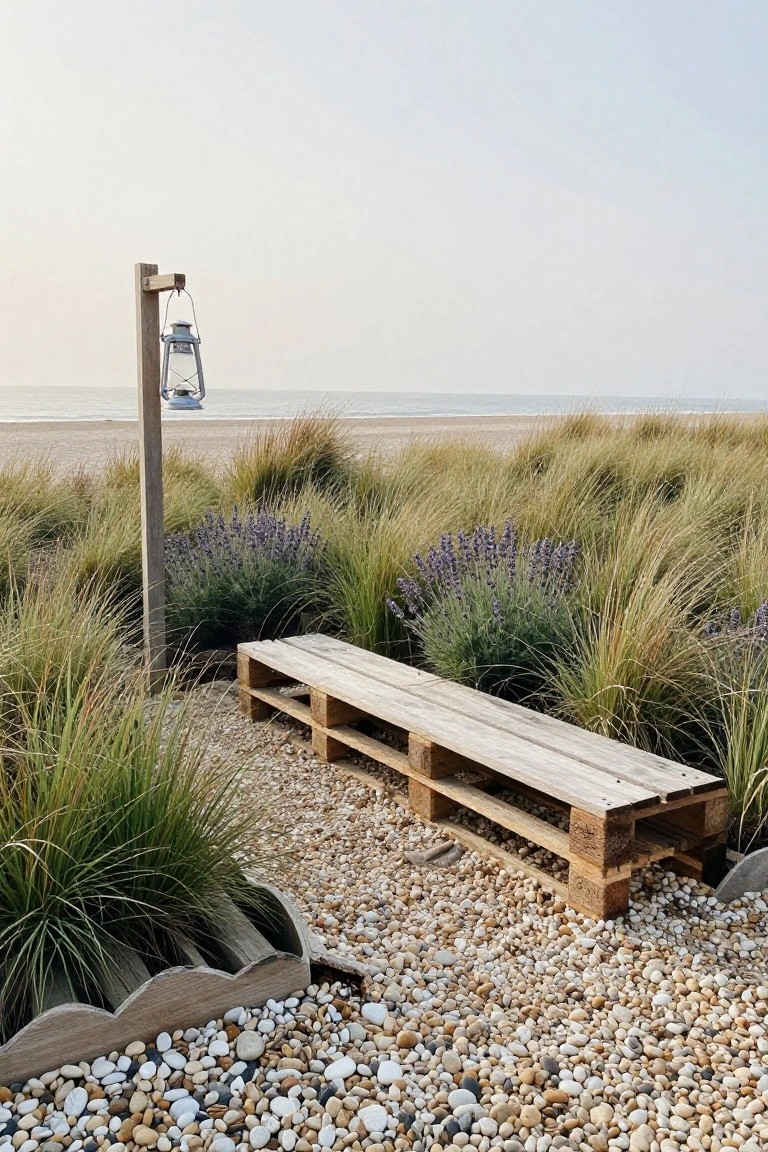
A single pallet makes a solid bench for spots where you want to sit without buying new furniture. The wood sits low and blends right into the planting, so it feels like part of the garden instead of something added later.
Set the pallet on gravel or pebbles near grasses and flowers so it stays level and drains well. It works best in small yards or side areas where you need one or two extra seats without taking up much space.
Use Pallets As A Vertical Garden Support
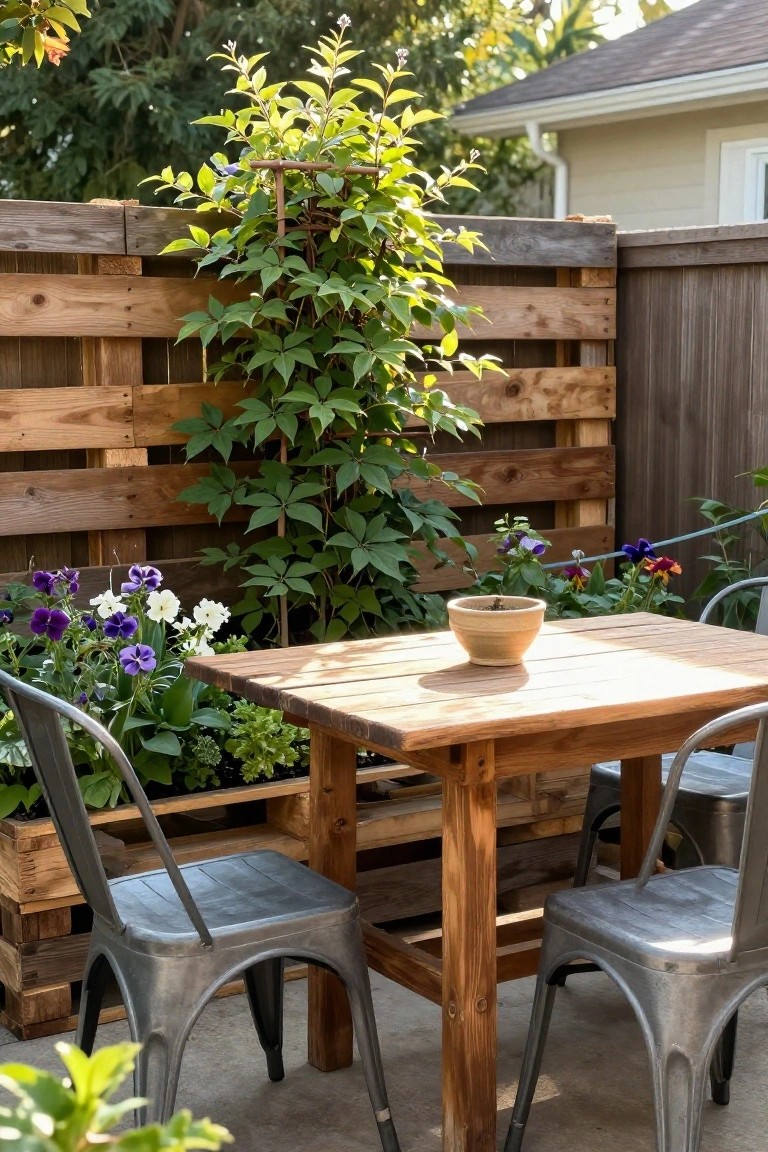
Old pallets make a handy frame for vines and climbing plants. They give the greenery something to grab onto and turn an ordinary fence line into a living screen without needing much extra material.
Set the pallet upright against a wall or fence and let plants work their way through the gaps over time. This setup works best in smaller yards where you want height without taking up floor space.
Create A Pallet Bench Along A Garden Wall
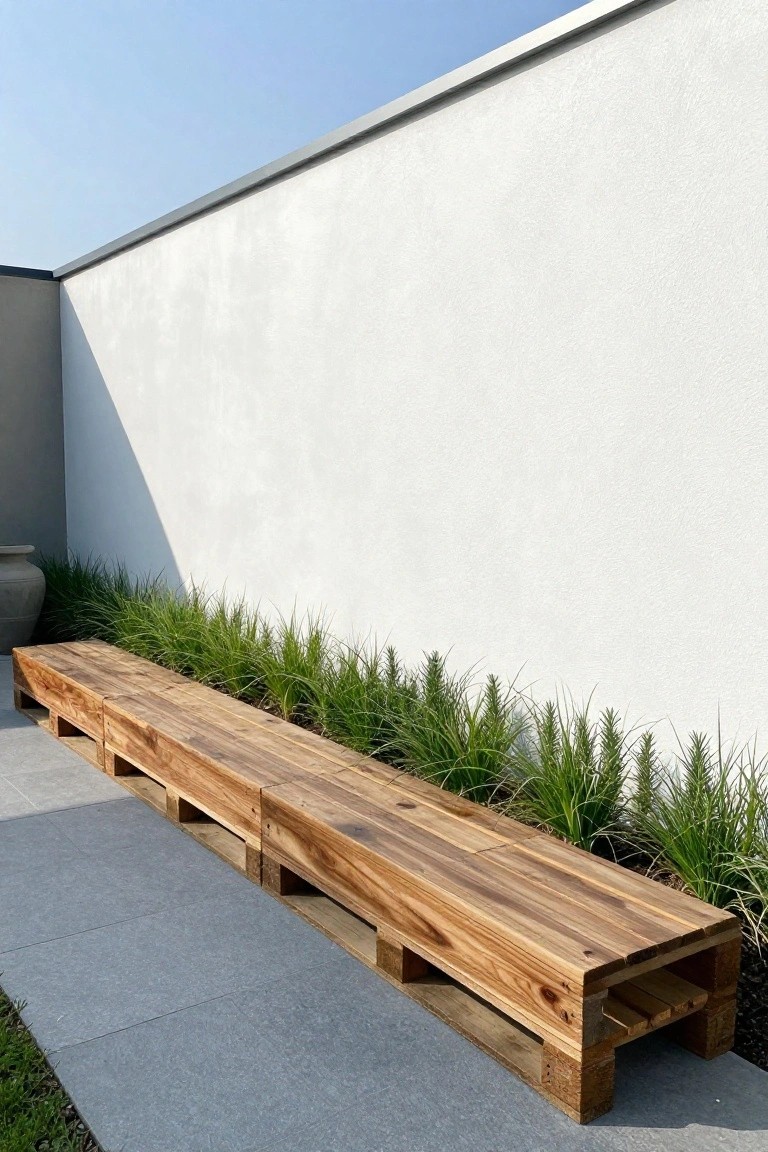
One easy way to add seating in a garden is to build a bench straight from salvaged pallets. It stays low and simple, so it does not take over the space, and the wood blends in with the plants around it.
Place the bench against a wall or along the edge of a bed to keep the walkway clear. This works well in small yards or side gardens where you want a place to sit without buying new furniture.
Raised Beds From Salvaged Wood
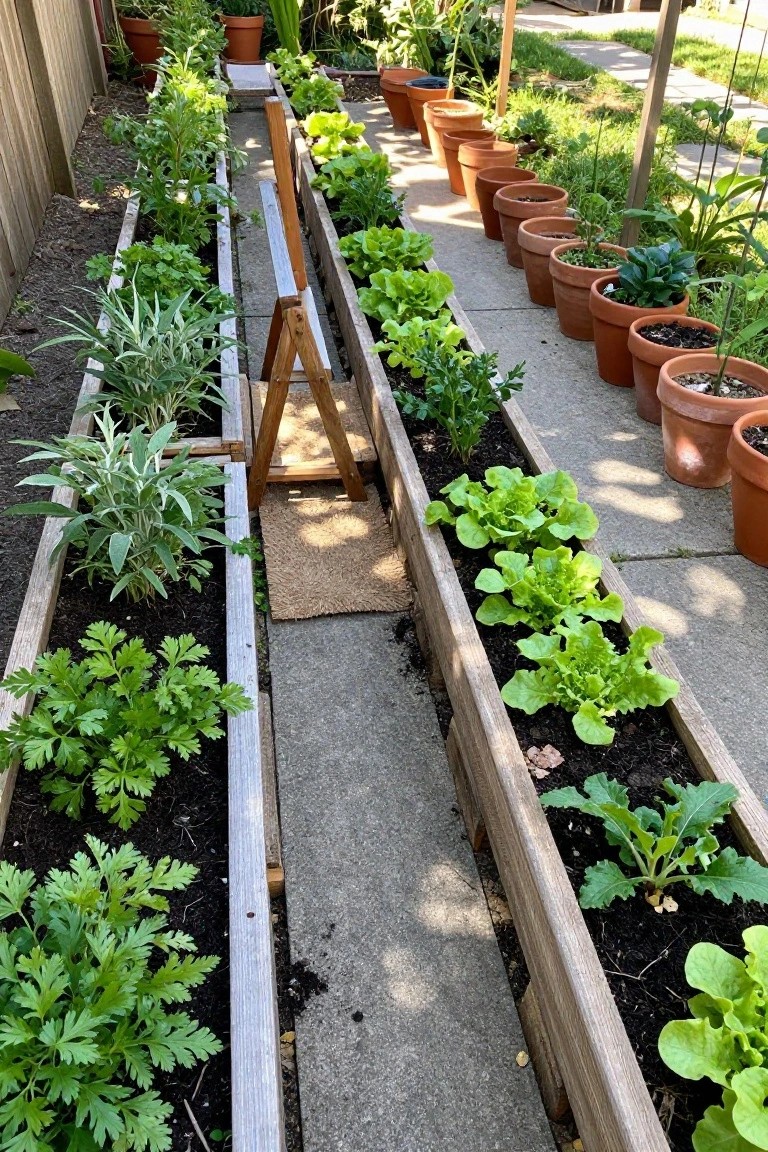
Long raised beds built from old lumber give you a simple way to keep vegetables and herbs organized in a straight line. The wood frames hold the soil in place and create clear paths between rows so you can walk through the garden without stepping on plants.
This setup works best in narrow side yards or along a walkway where space is tight. Use whatever lengths of wood you have on hand and stack them just high enough to make planting and weeding easier.
Raised Beds Built From Salvaged Pallets
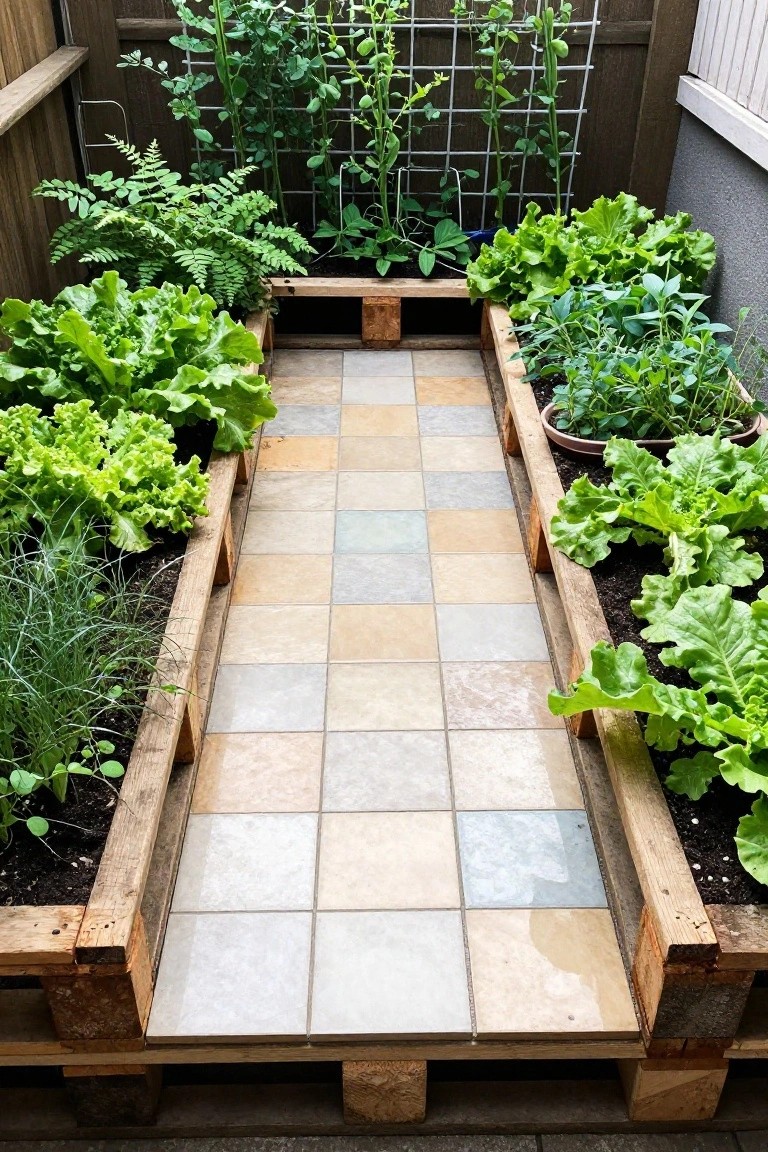
Raised beds made from pallets give you a straightforward way to contain soil and keep plants organized without spending much. The wood frames hold everything in place and create clear edges that make the whole garden easier to manage and walk around.
This setup works best in narrow side yards or small plots where you want to grow vegetables or herbs close together. Place the beds along both sides of a simple path so you can reach the plants from either side without compacting the soil.
Edge a Garden Path With Salvaged Wood
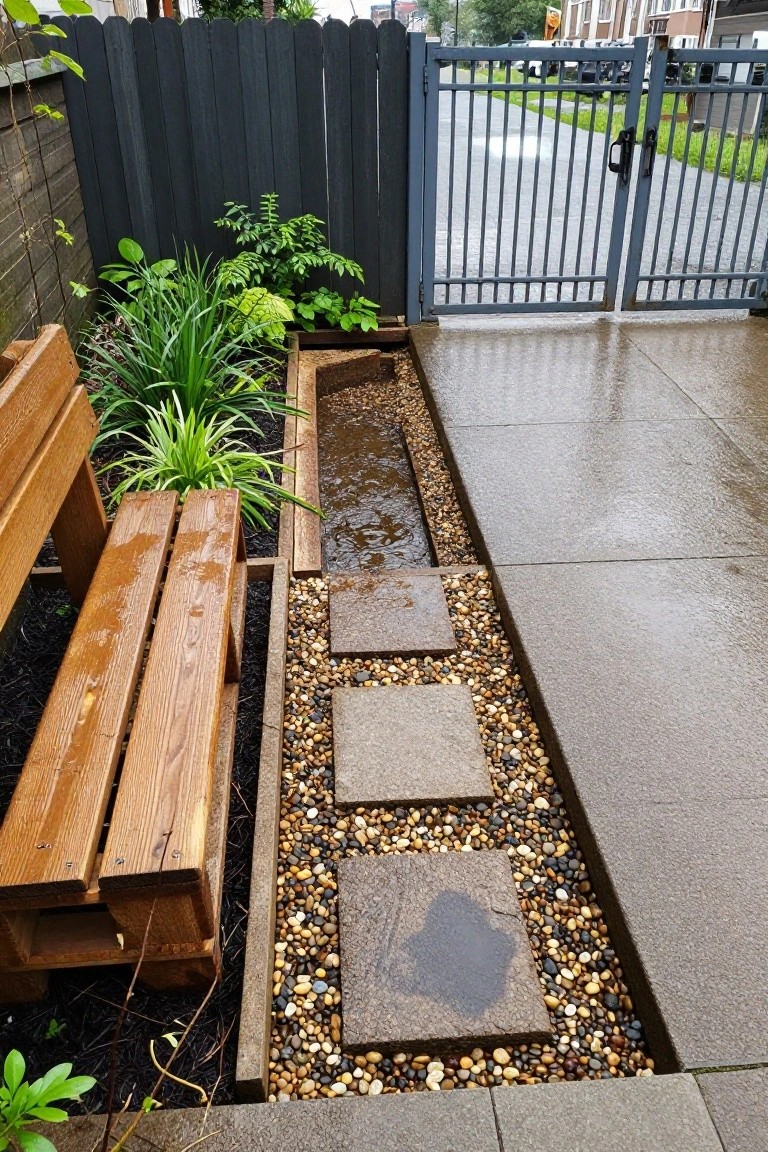
Salvaged wood works well for edging a narrow garden strip like this one. It keeps the gravel and water contained while giving the whole path a finished look without spending much. The boards also tie the bench into the rest of the space so nothing feels out of place.
This approach suits smaller yards or side areas where you want a simple water feature or drainage line. Use straight lengths of old fencing or pallet wood and sink them just below the surface so they last longer. Check the ground slope first so water moves the way you want it to.
Pallet Raised Beds Along a Narrow Strip
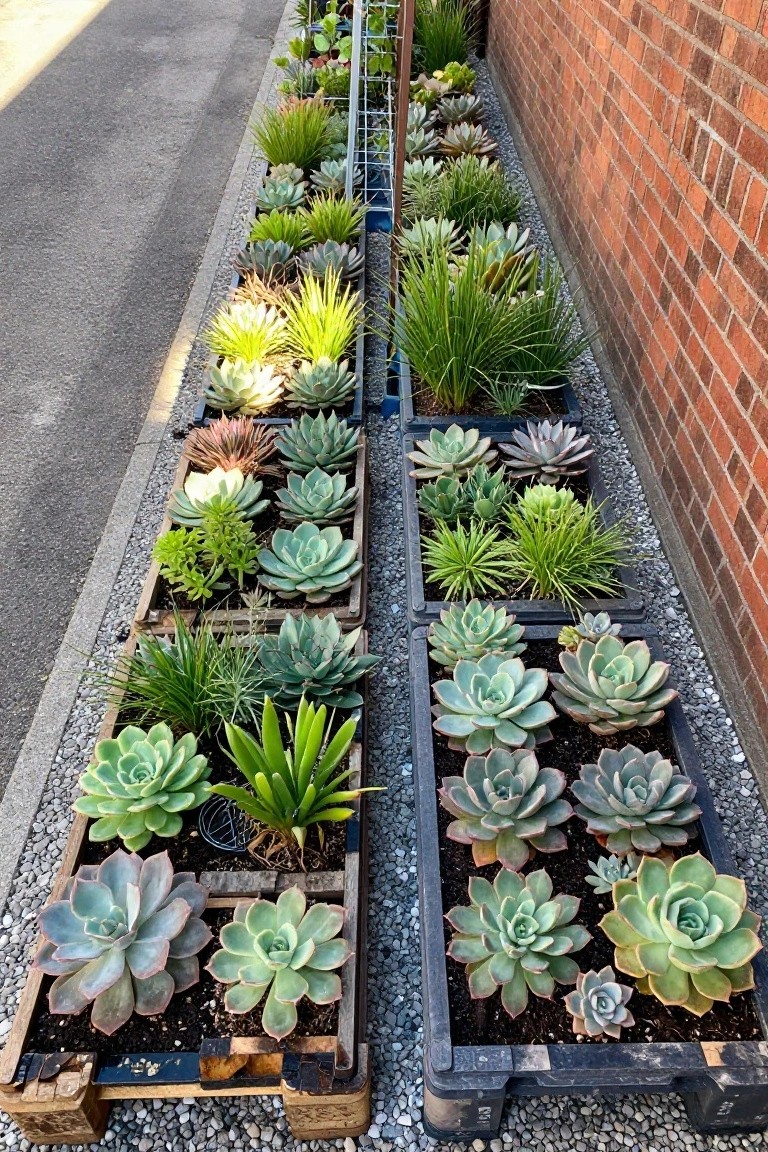
Old pallets make a simple base for raised beds when you need to fill a long, skinny space next to a wall or path. They stack or sit flat with little work and give the plants decent depth without buying new lumber.
This setup works best in side yards or along driveways where digging is hard. Set the pallets on gravel for drainage, line them if the wood needs protection, and plant things that do not mind drying out between waterings.
Pallet Arches For Climbing Plants
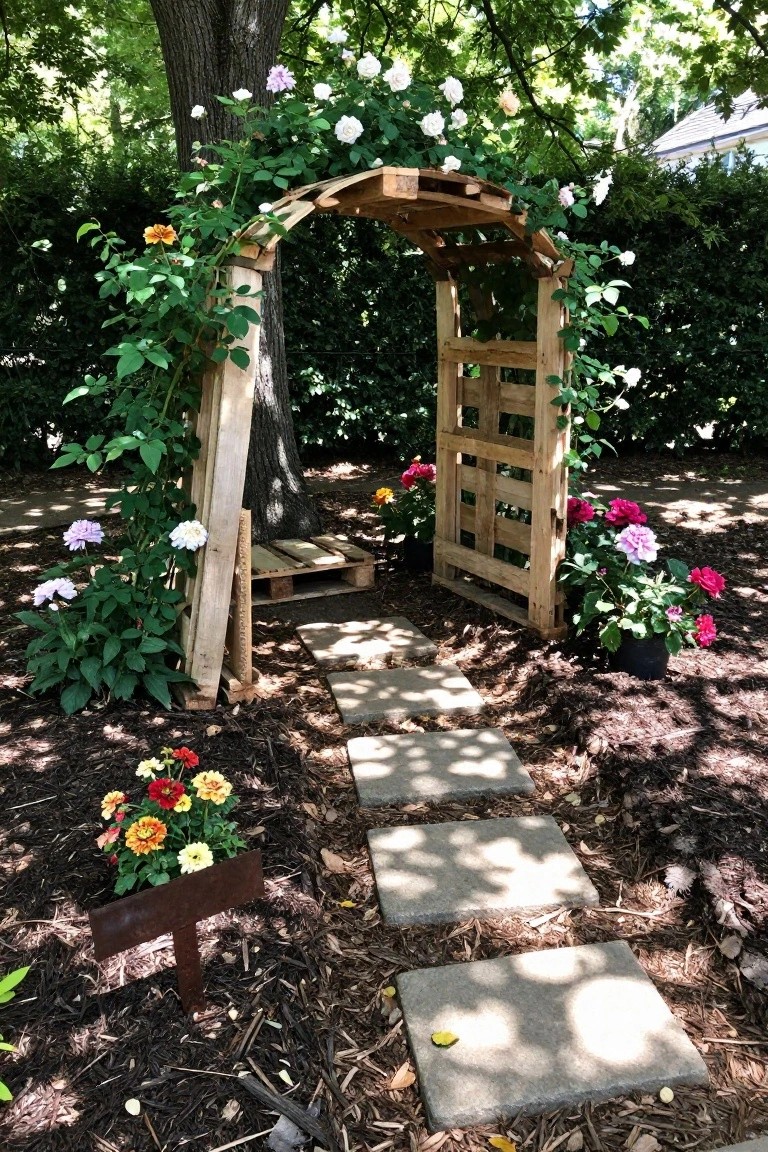
An arch made from pallets gives climbing vines a simple frame that turns a basic garden path into something more defined. The wood is sturdy enough to hold the weight once the plants fill in, and the shape feels natural in a backyard setting.
Place it at the start of a walkway or between two beds so the vines can grow across the top. It suits smaller yards that need vertical interest without spending much on materials, though you may want to treat the wood if it will stay outside year round.
Pallet Wood Edging For Garden Paths
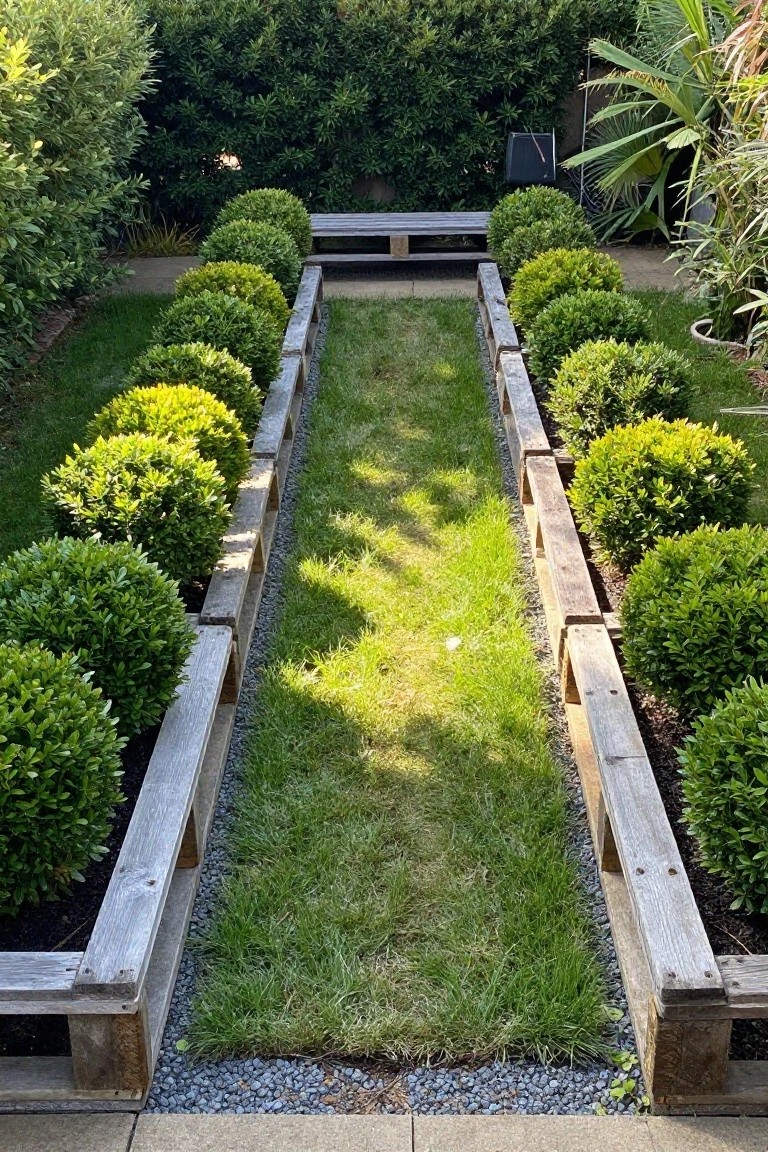
Pallet wood makes a simple and cheap way to edge a narrow grass path and keep the shape clean over time. The boards create a low border that holds the grass in place while separating it from the beds on either side.
This works best in smaller gardens or along a side yard where you want some structure without a big budget. Stand or stack the pallet sections upright and set them into the soil so they stay put. Check the wood first since some pallets need sealing if they will stay outside year round.
Frequently Asked Questions
Q: How do I stop the wood from rotting in wet weather?
A: Give the pallets a coat of exterior sealant before you assemble anything. Check them every few months and touch up any spots that look worn. This simple step keeps your garden going for seasons without much hassle.
Q: Are these pallet ideas safe around kids or pets?
A: Sand down rough edges well to avoid splinters. Stick to untreated wood and skip any that smell like chemicals. Place taller structures away from play areas so nothing tips over.
Q: How many plants can I fit in one pallet planter?
A: Start small with four or five per section depending on the size. Give roots room to spread or they will crowd each other out fast.
